
Batman Runs the Gauntlet
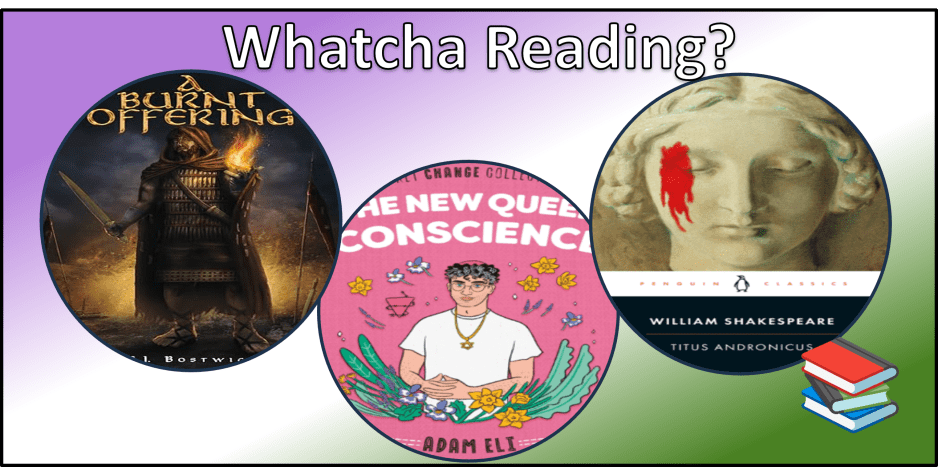
Happy Wednesday, Geekly Gang! Kyra Kyle here, and in today’s post, our writers share what they’ve been reading over the past month. Feel free to share what you’ve been reading, too, because we’re all part of the Geekly Gang. I’ll get things started with what I’ve been reading over this past month.
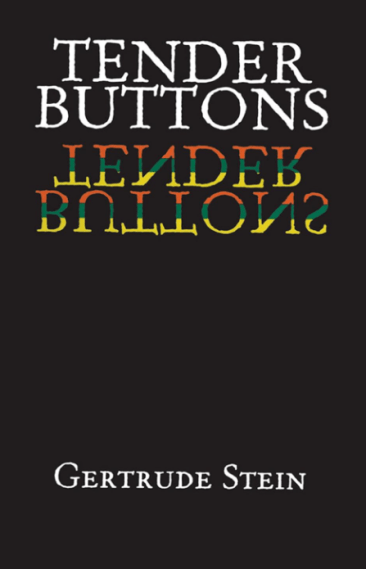
Gertrude Stein’s Tender Buttons is mostly poetry. Yeah. Let’s go with poetry. Leave it to Stein to create something undefinable. I would expect nothing less from the same writer who penned The Autobiography of Alice B. Toklas, which is a quasi-memoir by Stein through the lens of her partner, Alice B. Toklas. I highly recommend this book, too. Put simply, Tender Buttons plays with language. Just look at this short poem:
DIRT AND NOT COPPER.
Dirt and not copper makes a color darker. It makes the shape so heavy and makes no melody harder.
It makes mercy and relaxation and even a strength to spread a table fuller. There are more places not empty. They see cover.
Stein is on top of her literary game in Tender Buttons. She exhibits top-notch diction. The poetic rhythm is stellar. And the fact that she tackles mundane objects and makes them sing is outstanding. Tender Buttons is difficult to define. It’s not a beach read, and I don’t know if I’ll ever write anything like it, but I’m glad it’s in my collection. I love geeking out to it. And since Tender Buttons is in the public domain, there are plenty of free Tender Buttons PDFs available. Tender Buttons reminds us that the act of writing can be playful. And no subject is off limits. Have fun.
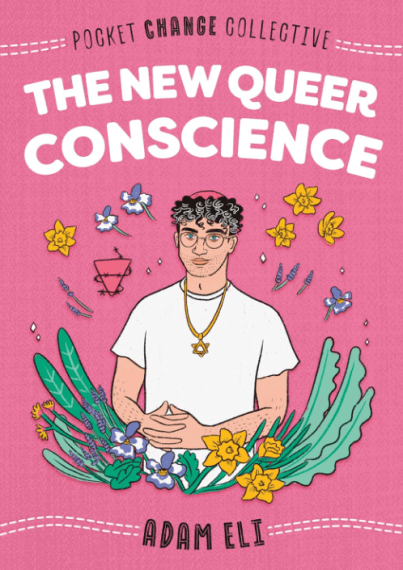
I mentioned the Pocket Change Collective series of nonfiction books in a past Whatcha Reading post. Last time, I discussed Beyond the Gender Binary by Alok Vaid-Menon. This month, I read Adam Eli’s The New Queer Conscience. This short piece of nonfiction holds one important takeaway: Queer people anywhere are responsible for queer people everywhere. Eli shares two major identities: he’s Jewish and queer. He notes how the Jewish community came together over an outside group attacking one of their own, and during a similar timeframe, the same was not done within the queer community. And that should change.
I like how Eli shares his life experience. He doesn’t profess to know everyone’s lived experience and affords everyone space within the LGBT community. Eli’s lived experience lends him credibility and allows him to empathize with people who may not want to take a stand. As queer people, we’re raised to feel ashamed of our identity. But we can rise above shame to make a difference. Eli gives the reader actionable items, beginning with ten points to change one’s mindset and begin with what he likes to call The New Queer Conscience.
1) We approach all queer people with the principles of identification and kindness.
2) Treat newly out people with a particular kindness and understanding.
3) Allow people to come out on their own terms.
4) Recognize that the playing field is not equal.
5) The more privileged members of our society must rally behind the less privileged.
6) Ask “What can I do to help?” and listen to the answer.
7) LGBTQIAA+ people should work in solidarity with all oppressed people.
8) We have limited time and resources–let’s use them to lift each other up.
9) Support queer people whenever possible, wherever possible.
10) You can be closeted and still do this work. You can be straight and still do this work.
Adam Eli ends The New Queer Conscience with multiple support groups to get involved. I love it. The New Queer Conscience suggests ways to help the queer community while not getting preachy. This short nonfiction packs a lot of punch.
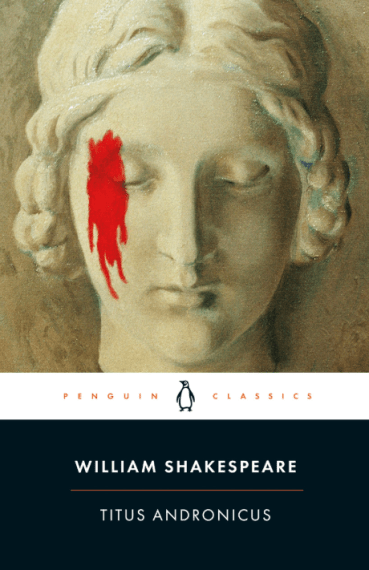
I started reading Shakespeare’s tragedies and comedies this past month. Titus Andronicus is the first one, and it lives up to its billing as Shakespeare’s bloodiest play. So many hand amputations, tongues getting cut out, and there’s even a body or three cooked into pies. There were a few moments when I had to do a double-take. Did Titus just kill his own son? And poor Lavinia. From what I’ve heard, Titus Andronicus was written in a similar fashion to several of Shakespeare’s contemporaries. Revenge plays were in the rage.
But I also can’t help but view Titus Andronicus as an allegory for the fall of Rome. While Goths did raid Rome a handful of times, the empire crumbled from within. Something similar occurs at the end of Titus Andronicus. Ultimately, I can see why several critics don’t care for this play, but I can also see why other critics hail Titus Andronicus as one of Shakespeare’s best. It delivers an unflinching look at violence.
Those are all the titles I’ve read this past month. Let’s see what Skye’s been reading.
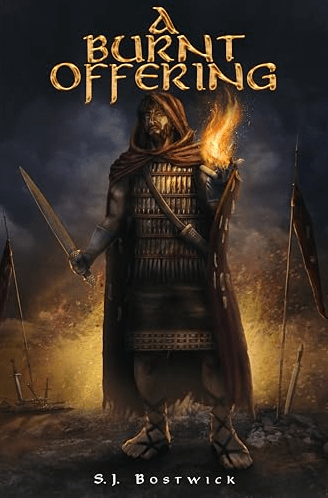
Y’all likely haven’t heard of A Burnt Offering. If I hadn’t had this chance encounter, I probably wouldn’t have either. A year and a half ago, I came across a quiet booth at a board game convention in western Iowa. Running the booth was the author themselves, S. J. Bostwick, an independent writer from Omaha, NE. They were nice enough to give me a free signed copy of A Burnt Offering. I’m happy to support local and independent writers, and finally started reading A Burnt Offering. The story is progressing at a moderate pace, and I’m intrigued by the details of how this world works. The only thing I’m a bit confused by is who the protagonist is supposed to be, but it’s still early. Hopefully, soon, it will be revealed.
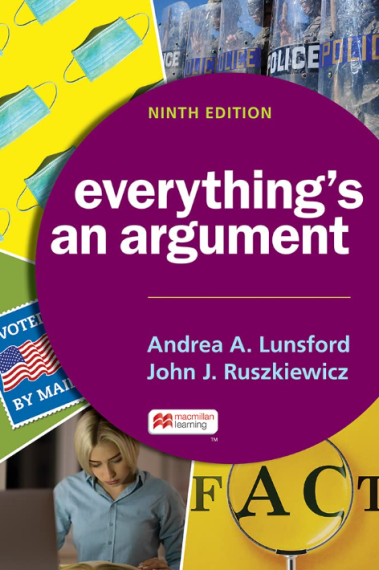
I’m still enrolled in an English Comp II course and happened across Everything’s an Argument. While not required reading, Everything’s an Argument was recommended to me by my professor. The material fascinates me. The nature of argumentation strikes my curiosity. Ever since hearing the title, Everything’s an Argument, I’ve realized how true that statement is. Of course, the book itself goes into more detail on the types of arguments we encounter in everyday life, how even offhanded statements can contain subtle personal values, and how to navigate our current system of untruths and alternative sources. Given the era we live in, I see these tools as invaluable. I’ll be using them in the future, and I want to make sure I use them correctly. You bet I’m taking notes.
Hey, hey. Kyra Kyle again. Those are all the books our writers have been reading this past month. Let us know what you’ve been reading in the comments, Geekly Gang. Thank you for reading this post, and wherever you are, I hope you’re having a great day.

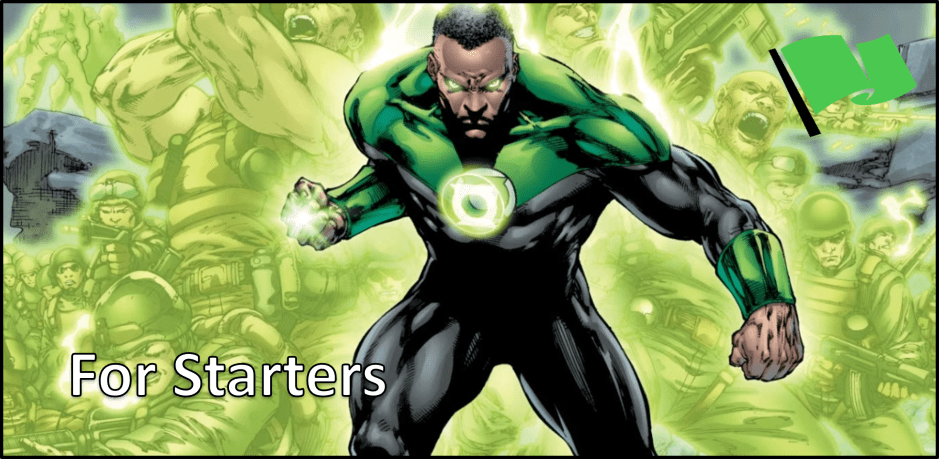
Hey, hey, Geekly Gang! Kyra Kyle here. I’m still writing posts months in advance (in preparation for writing/editing novels during the final months of 2025), and we don’t yet know when Lanterns will release on HBO Max. We only have a release date of First Quarter 2026. We do know that Lanterns will feature at least three Green Lanterns (Hal Jordan, John Stewart, and Guy Gardner), so we’re releasing Green Lantern Starter Stories for all three characters over the next few months, just in case you want to get started reading Green Lantern comics. Our next Green Lantern in this series is John Stewart.
Typically, I like to include numerous storylines for people to begin reading a character, but John Stewart bounced around a lot before he became a standard DC Comics character. And John Stewart has a bunch of single-issue stories. We haven’t had too many single-issue stories in recent Getting Into Comics installments, but many of these John Stewart issues are collected in various John Stewart Green Lantern anthologies, and they’re available online. Buckle up. We’re in for a wild ride.
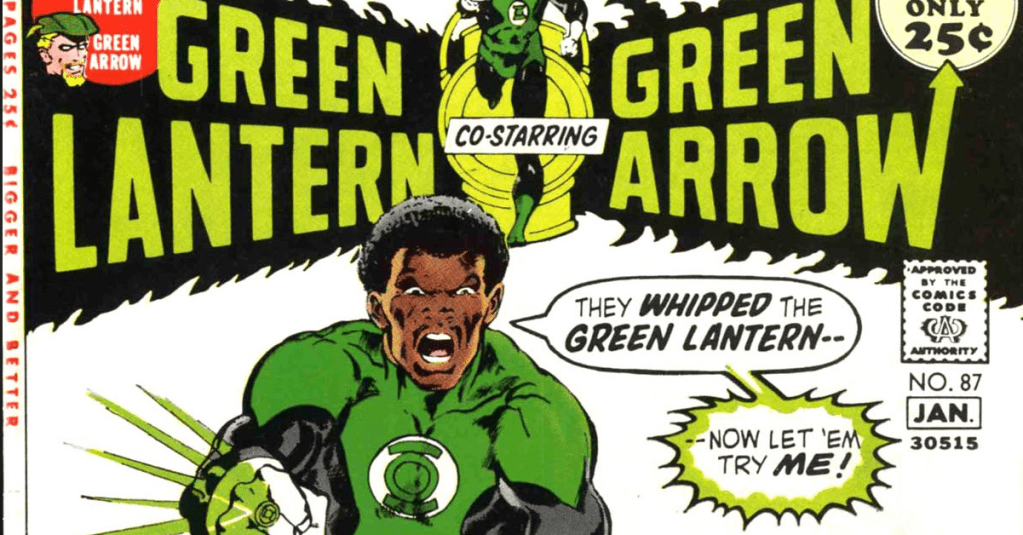
While “Beware My Power’s” politics may be dated and cause a little cringe, you can see where the creative team behind Green Lantern/Green Arrow (Dennis O’Neil and Neal Adams) were going with John Stewart during his first outing. As a Green Lantern rookie, John Stewart must prove his worth to a skeptical Hal Jordan by showing he can protect a racist politician from assassination. Things go haywire, but in the end, Stewart proves himself worthy of Green Lantern’s light.
“Beware My Power” proved John Stewart to be a character worthy of exploration over the years. He would evolve into an iconic DC Comics hero.
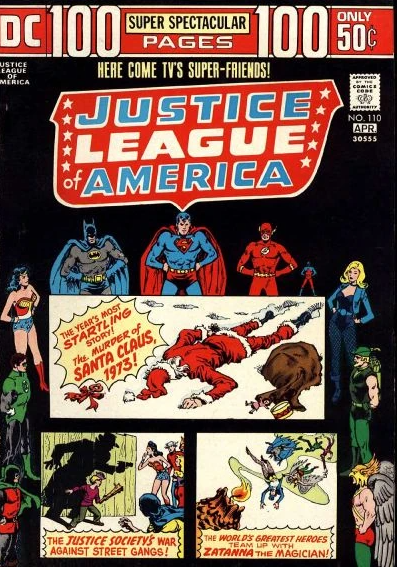
Justice League of America Vol 1 #110 is a comic book oddity. “The Man Who Murdered Santa Claus!” story makes sense for a comic released during December, and the comic book states it’s “The Year’s Most Startling Story! The Murder of Santa Claus, 1973!,” but the cover also has a date of April 1974. What? I included both December 1973 and April 1974 as the dates for this comic.
Date screw-up aside, “The Man Who Murdered Santa Claus!” is the second time John Stewart donned the Green Lantern costume. Even if this story’s original date was December 1973, John Stewart had to wait almost two years to reappear. DC Comics didn’t know what to do with John Stewart. The story is straightforward. A villain named The Key murdered a department store Santa, and the Justice League investigates.
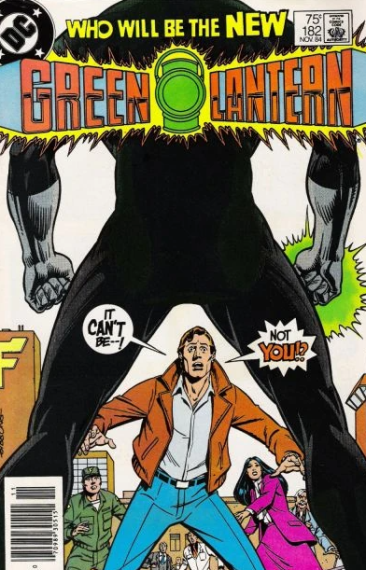
Villain Major Disaster began as a Captain Atom nemesis before turning into a Hal Jordan Green Lantern foe. By 1984, Jordan had given up being Green Lantern. Jordan doesn’t even know who took over for him as Green Lantern of Sector 2814 (which includes Earth). Jordan invites his long-time friend John Stewart to a drink when the duo watches Major Disaster cause havoc in Jordan’s home city of Coast City. Major Disaster intends to draw out Hal Jordan, and Hal takes the bait. He calls his superhero friends at the Justice League, as John Stewart flies off as the new, full-time Green Lantern.
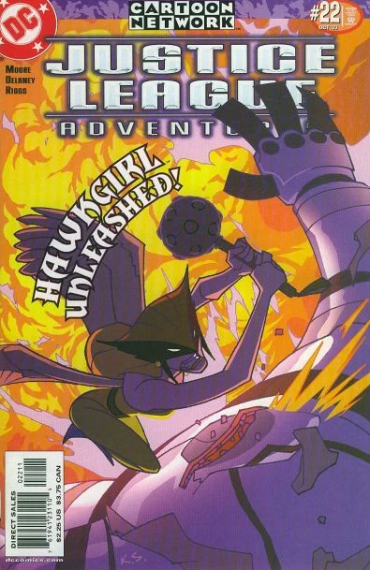
The Justice League and Justice League Unlimited animated series played a huge role in building John Stewart’s popularity. These cartoons had a comic book counterpart, named Justice League Adventures, which continued the same John Stewart from the comics. In “Second Contact,” John recounts the last time he battled the villain Shayol; three of Stewart’s Green Lantern Corps allies were killed. “Second Contact” is John Stewart’s first time commanding a Green Lantern Corps mission, which just happens to include battling Shayol. He warns his young Green Lantern colleagues of the danger.
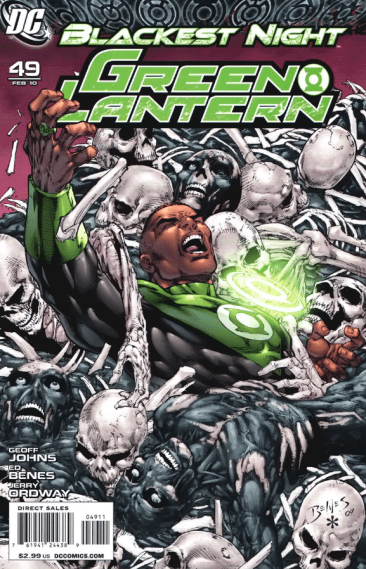
“Semper Fi” is part of the major Blackest Night crossover event. While many stories revolve around Hal Jordan, “Semper Fi” shows John Stewart in action. The Blackest Night event featured a reimagined Nekron, the embodiment of death. Nekron, with the help of his right-hand man, Black Hand, resurrects numerous people in the DC Universe. The pair converts these undead into a Black Lantern Corps.
In Green Lantern Vol 4 #49, John fights an army of Black Lanterns. One of these Black Lanterns is John’s dead wife, Katma Tui. “Semper Fi” doesn’t pull punches. John was responsible for the planet Xanshi’s destruction (where John’s wife died), and the Black Lantern Corps did what he couldn’t. It saved the victims of Xanshi.
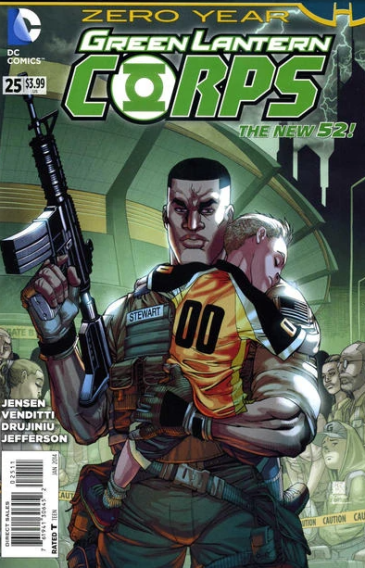
“Powers That Be” functions as a prequel story. It revisits a day in the life of John Stewart before he became Green Lantern. During his days as a Marine, John is sent to Gotham City to help civilians during a blackout, only to discover an anarchist revolt threatening to tear the city apart. We gain insight into John’s character without his Power Ring. While maintaining John’s origin story’s morality, “Powers That Be” manages to avoid the original’s heavy-handed message.
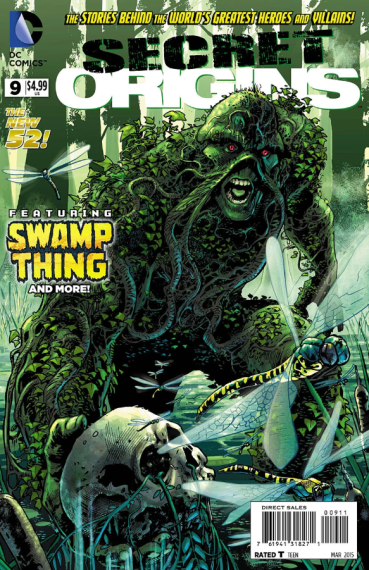
The New 52 retold numerous DC Comics’ origins. Because they wanted to finish these origins quickly, the New 52 universe loaded comic book issues with the origins of multiple characters. So, don’t be alarmed that Swamp Thing is on the cover of Secret Origins Vol 3 #9.
In John Stewart’s story, he recently retired as a marine and now works as an architect. Stewart is suddenly attacked by a Manhunter who wants the blood of a Green Lantern. John’s courage in the face of an emotionless killing machine earns him a power ring, but the New 52’s Guardians may not be as benevolent as other iterations. The little blue creeps sent the Manhunter to Earth, risking the lives of hundreds (if not thousands) of innocents, to test John’s mettle.
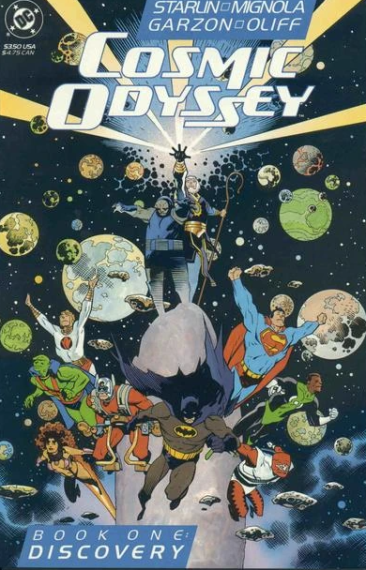
“Cosmic Odyssey” may be the one story that does the most to define John Stewart. In this Batman, Superman, Martian Manhunter, and New Gods crossover, the team battles a being made of Anti-Life itself. John Stewart and Martian Manhunter find the planet Xanshi infected by the Anti-Life Aspect. After evading a volcanic eruption, John arrogantly blames Martian Manhunter for holding him back, restraining him in a construct bubble.
John’s actions directly led to the planet Xanshi exploding. This tragic failure leaves a deep emotional scar that John Stewart never forgets. It also turns out that Xanshi has a sole survivor, Fatality, who makes it her mission to eradicate all Green Lanterns. “Cosmic Odyssey” is a must-read for any John Stewart Green Lantern fan.
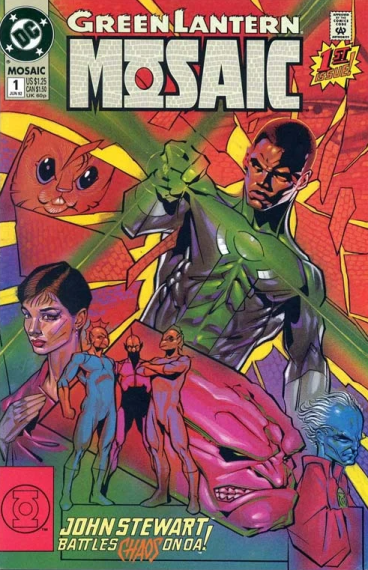
We go from one of John Stewart’s most poignant stories (in “Cosmic Odyssey”) to one of his wildest in “Green Lantern: Mosaic.” One of the Guardians of Oa merges together a city comprised of cities from disparate alien worlds. John Stewart is tasked to keep this patchwork “mosaic” of worlds in one piece.
“Green Lantern: Mosaic” shows the most alien of DC Comics’ cosmic residents. It’s a joy watching John Stewart attempt to keep the peace with this group of unique, diverse, and fascinating alien cultures. “Mosaic” explores where Green Lantern stories could go. Not only does “Green Lantern: Mosaic” help define John Stewart as an expert mediator, but it also serves as a window to DC Comics’ alien populations.
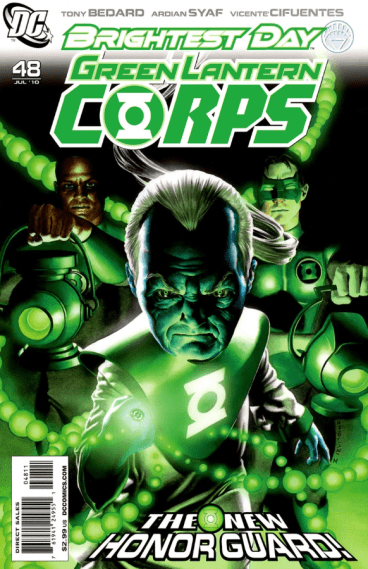
In the wake of the Justice League cartoons, John Stewart received some amazing stories in the 2010s, beginning with the “Revolt of the Alpha-Lanterns.” This story resurrects Cyborg Superman as he manipulates the Alpha Corps to do his bidding. The Alpha Lanterns begin “requisitioning” unwilling Green Lanterns to join their emotionless ranks. While Ganthet, Kyle Rayner, and other Green Lanterns resist, John Stewart leads the charge.

While the Green Lantern Corps serves as a galactic police force (of sorts), the Alpha Lanterns are Internal Affairs, meant to keep them in check. In “Alpha War,” John Stewart is accused of murder and incarcerated by the Alpha Lanterns. The allegations are based on incomplete evidence, and a guilty verdict means execution. Guy Gardner and the other Green Lanterns band together to break Stewart out of prison and prove his innocence. After “Alpha War,” the Alpha Lanterns will never be the same.
Those are the John Stewart Green Lantern stories that made our list. We covered Hal Jordan starter stories last month, and will be covering Guy Gardner’s starter stories next month. Are there any John Stewart Green Lantern stories you would add to this list? Let us know in the comments, Geekly Gang. Thank you for reading, and wherever you are, I hope you’re having a great day.

Happy Sunday, Geekly Gang! Kyra Kyle here with another week of Geekly News. This week saw plenty of new releases for board games and video games, but before we get into those, let’s get into this week’s headline. Obsidian Entertainment made a sizeable announcement this past week. The Fallout: New Vegas developer announced that they may need to go in a different direction with their games. Obsidian cancelled any plans for The Outer Worlds 3 and an Avowed sequel.
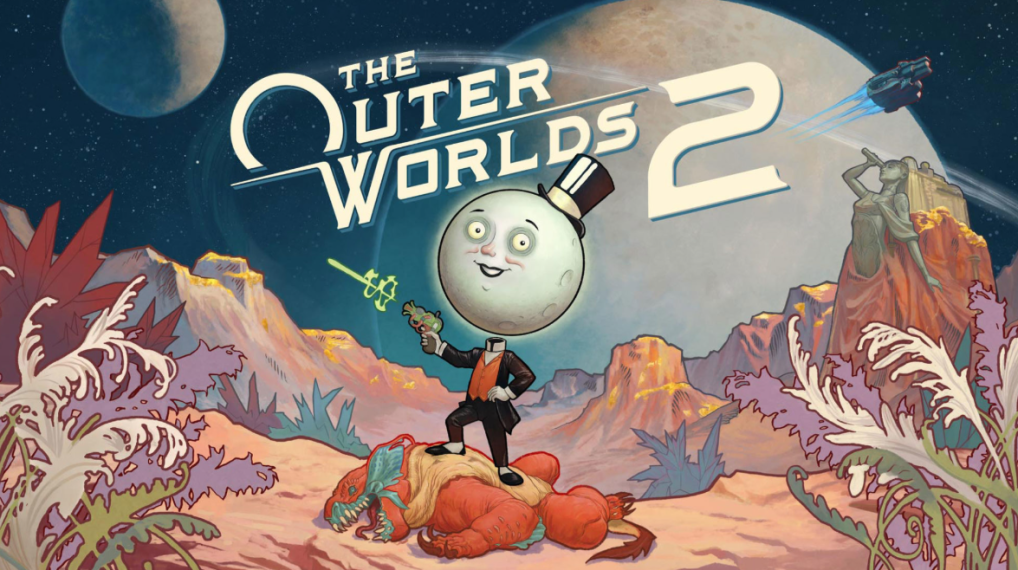
Honestly, I may be more in tune with Obsidian Entertainment because I just finished an Obsidian Entertainment Video Game History, slated for a May 2026 release. Thank you, Obsidian. I may need to alter the final two segments of that piece. But Obsidian Entertainment dropped a bombshell this past week. Obsidian President Urquhart announced that Obsidian Entertainment needs to reduce the development time of their games, which means titles like The Outer Worlds 2 and Avowed will not receive sequels.
Obsidian Entertainment has a penchant for developing brand-new game engines with each of its large titles. Despite The Outer Worlds 2 and Avowed releasing within months of each other, both games have different game engines. This increases the development time for games that will already have massive development times. The Outer Worlds 2 took six years to develop, while Avowed had a development time of seven years. Yikes! Less-than-expected sales for both titles has led Obsidian Entertainment to cancel plans for any future games in these series.
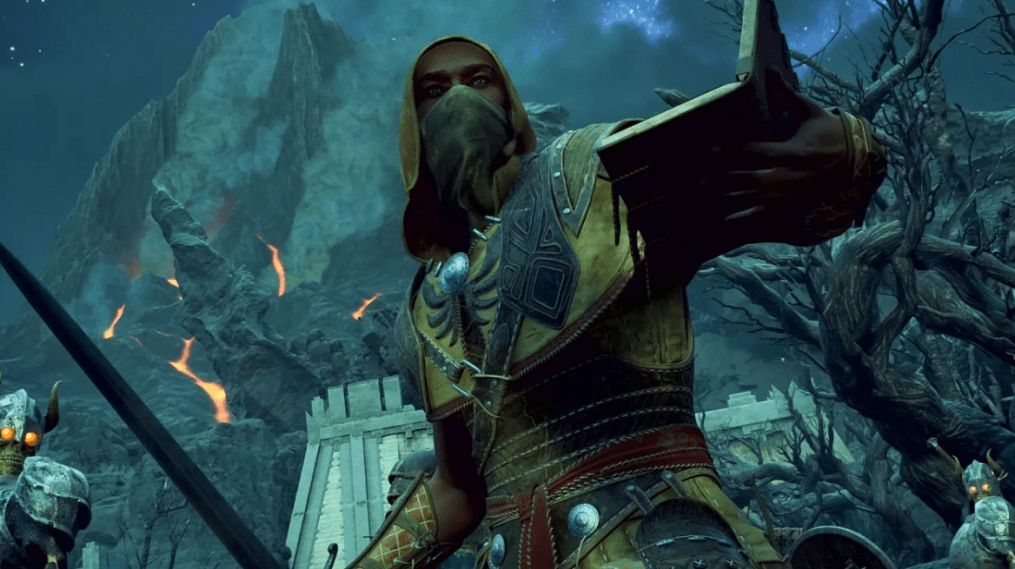
Several factors led to The Outer Worlds 2 and Avowed selling fewer copies than expected. The Outer Worlds 2 suffered backlash with a proposed $80 price tag. Obsidian/Microsoft reverted to a $70 price tag before launch, but the damage was done. Gamers lost faith in the series. And then there’s Avowed. Avowed is more of a straight fantasy open-world RPG, and that is a tough market to crack into with a new title. Yes. Avowed is set in the popular Pillars of Eternity universe, but it functions as a new game in a new series. It also doesn’t help that Obsidian wasted a couple of years trying to turn Avowed into what Urquhart dubbed “Skyrim meets Destiny 2.” Obsidian could never get the multiplayer gameplay (the Destiny 2 portion) to work and turned Avowed into a single-player RPG experience. But that led to Avowed’s seven-year development window.
Video games work a lot like films. Many modern films flop even when they earn well over $500 million at the box office because producing them costs so much. A video game, like Avowed, that has a seven-year development will need to bring in a lot more money than a video game that takes three to four years to develop, like Obsidian’s other 2025 release, Grounded 2, or even Obsidian’s 2022 indie-like Pentiment. Even though Pentiment had a niche market, it didn’t cost Obsidian much to make the game, and smaller games like Pentiment and Grounded 2 may become the developer’s new business model. I don’t think we’ve seen the last of large open-world RPGs from Obsidian, but the developer may reduce the number of those games it releases.
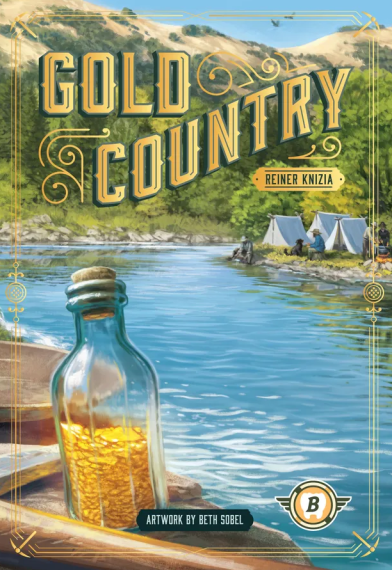
Bitewing Games delivers one heck of a one-two punch this week with Reiner Knizia’s Gold Country and Kasper Lapp’s Totally Human. Gold Country is a new California Gold Rush strategy game created by Reiner Knizia and gorgeously illustrated by Beth Sobel, the same Beth Sobel who provided Wingspan’s art. While the design is inspired by a cult-classic Knizia game called Spectaculum, it has undergone extensive redevelopment by Reiner Knizia (closely collaborating with Bitewing Games) to become the ultimate stock market manipulation game. It features a completely reworked core game, all-new maps, exciting tactical abilities, and the lush landscapes of California.
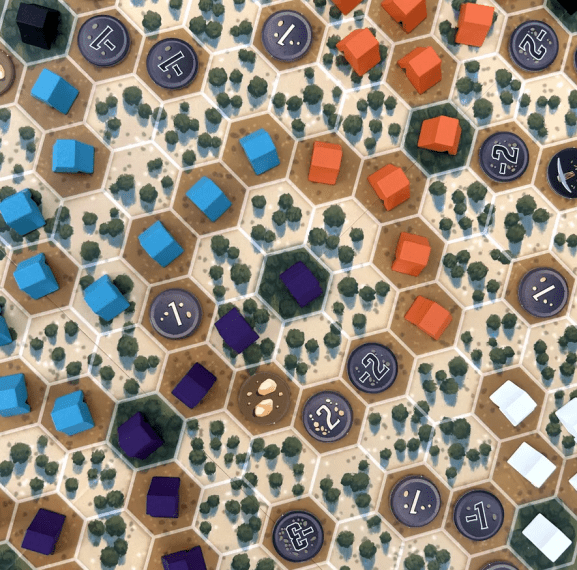
Gold Country looks great on the table. I’ve never played Spectaculum, but heard great things. And this is a Reiner Knizia game. Knizia has been on a roll. And then there’s Kasper Lapp’s Totally Human. Lapp had a hit with Magic Maze. In Totally Human, players are given hidden identities (human or alien) and must answer three multiple-choice questions as “human-like” as possible, but aliens don’t understand human culture completely and face restrictions on how they can respond.
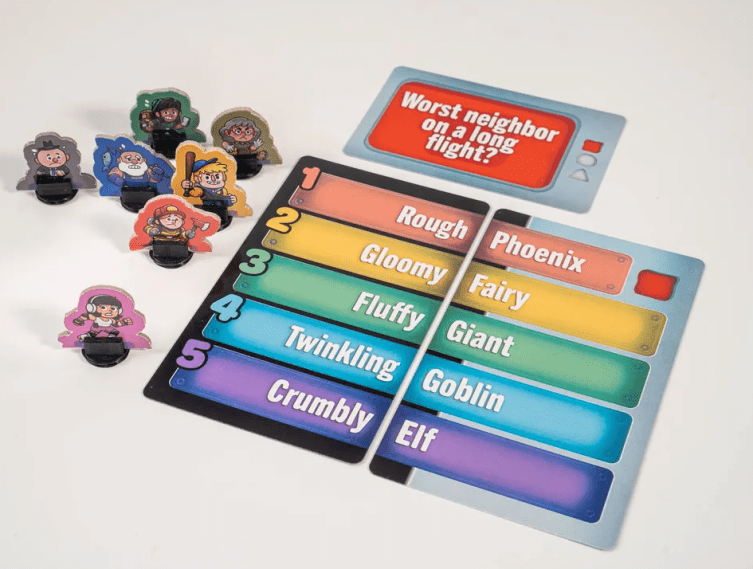
Totally Human gives me strong Spy Fall and Ferret Out vibes. Players take on hidden roles and must try and figure out who’s an alien in disguise. When done well, this concept can be a ton of fun. I’ve had more fun with Ferret Out than Spy Fall because players (including the ferret) don’t know who’s the odd one out. Based on Totally Human’s description, I don’t know how exactly the game plays. But I’ll give it a try. You can back Gold Country or Totally Human separately, but backing them both gives gamers a discount. If you’re interested in Totally Human and/or Gold Country, check out their KickStarter page.
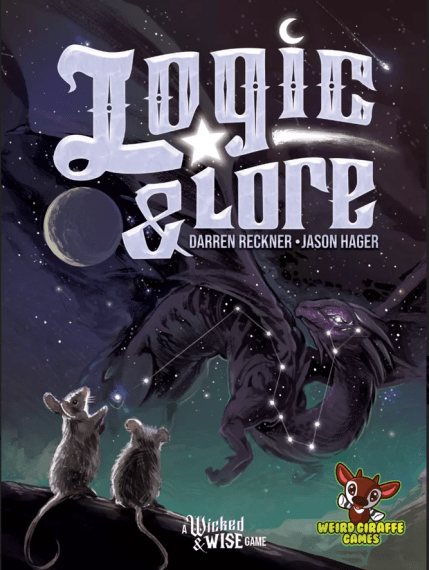
In Logic & Lore, rivals race to be the first to align their hidden stars, numbered 1-9. Each player has dragons and mice working together to organize the cosmos: they send their dragons out to gather information and the mice stay back to take notes and make conclusions based on the knowledge brought back by their dragons. Players each start with their set of cards face-down and shuffled. The game ends when either one player aligns all of their cards correctly OR a player chooses to reveal all of their cards. If the cards are correct, they win; otherwise, their opponent wins.
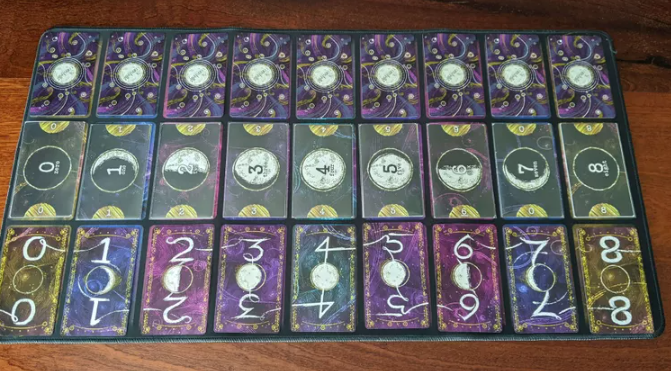
I like Logic & Lore’s description of a competitive logic game that stays cozy. And I think Logic & Lore gains its cozy designation based on its theme. What could be cozier than aligning the night sky? I dig the theme and the game’s look. Logic & Lore has a great score on Boardgamegeek. If you’re interested in backing Logic & Lore’s second edition, check out its KickStarter page.
Covering the monthly Solo Game of the Month has become a tradition for Geekly. This month’s title, Astra Imperium, sounds incredible. Astra Imperium offers the complexity of a Euro game in a ten-minute playtime. That’s perfect for a solo game. Usually, I can’t justify long setups and plays of solo games. I don’t need to worry with Astra Imperium.
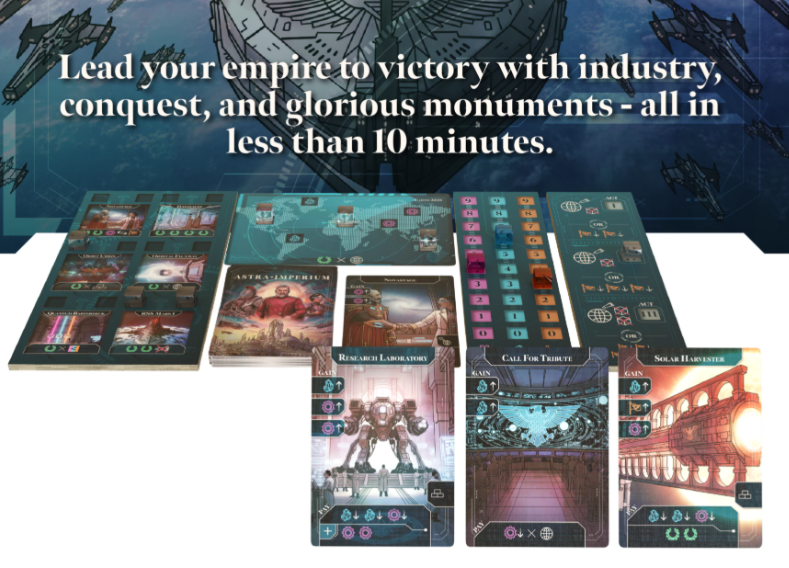
As usual, Solo Game of the Month offers great production value. Astra Imperium’s resource management has me intrigued, and as you can tell with the picture above, there’s minimal setup and tear down for what looks to be an engaging solo game. Perfect! If you’re interested in Astra Imperium, check out its GameFound page.
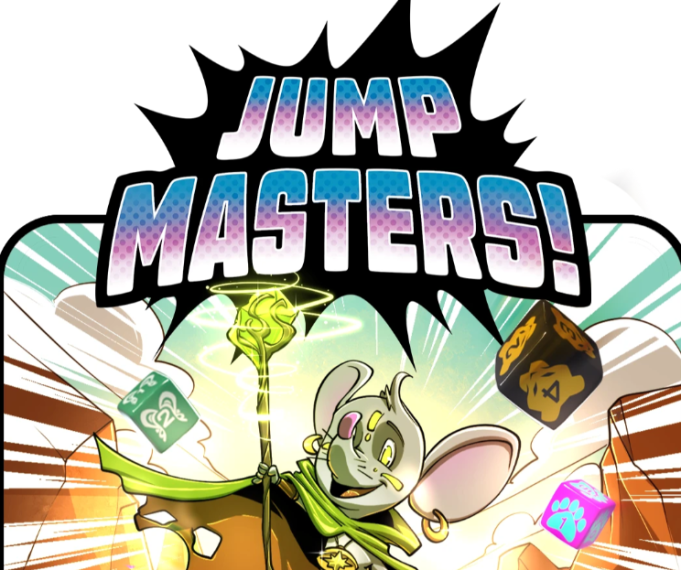
Publisher Chip Theory is known for their amazing production value. At the time of writing this post, we have few images of Chip Theory’s latest game, Jump Masters!, but the game sounds fun. Jump Masters! combines dice placement (where the dice are unique characters with abilities) with Chinese Checkers. I love this concept.
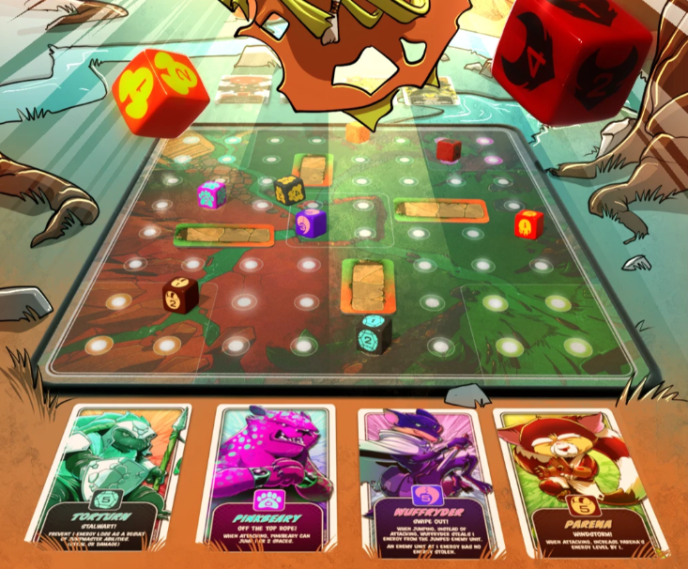
Taking advantage of their character abilities, players try to dominate the board. Take advantage of positioning and terrain to best your opponent in this light-hearted, cute-throat game. Not gonna lie, I favorited Jump Masters! while researching it. Again, we have few images, other than the ones above. But I trust Chip Theory to produce a fantastic-looking game. If you’re interested in Jump Masters!, check out its GameFound page.
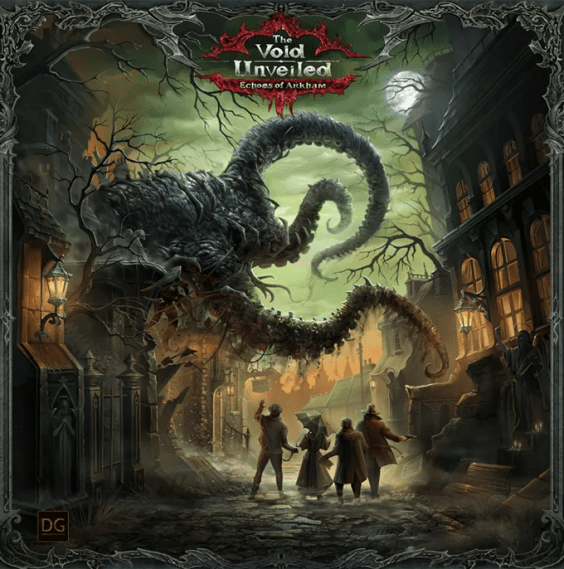
The Void Unveiled: Echoes of Arkham is a story-driven Lovecraftian board game of investigation, madness, and cosmic horror, designed for 1–4 players. Fully cooperative, rich in narrative, and steeped in creeping insanity, it invites you to descend into a world where every choice matters—and madness is never far behind. Step into the role of investigators unraveling a series of eerie mysteries in 1930s Arkham, each told through branching narrative chapters filled with meaningful choices, unique events, and escalating dread. As you read the story, your decisions shape the course of the game, leading to different outcomes and consequences. Each creature you encounter is governed by its own distinct set of rules and behaviors—not a single generic AI system in sight. Every monster feels unique, each one changing how you fight, think, and survive.
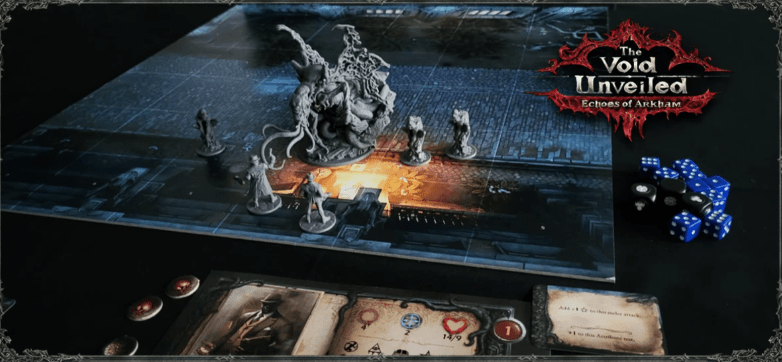
The above description comes from The Void Unveiled: Echoes of Arkham’s publisher. It is tough to stand out in the Cthulhu board game space. The phrase “not a single generic AI system in sight” must be a knock against Mansions of Madness. Honestly, The Void Unveiled: Echoes of Arkham reminds me a lot of a streamlined Mansions of Madness. But while Mansions Second Edition features an app that helps build the world, The Void Unveiled: Echoes of Arkham goes old school with an included storybook. From what I’ve seen of The Void Unveiled, it strikes me as a mixture of Mansions of Madness and Sherlock Holmes: Consulting Detective. If that’s the case, I’m interested. Since The Void Unveiled is another GameFound campaign, we have little information during its prerelease. But if you’re interested in The Void Unveiled: Echoes of Arkham, check out its GameFound page.
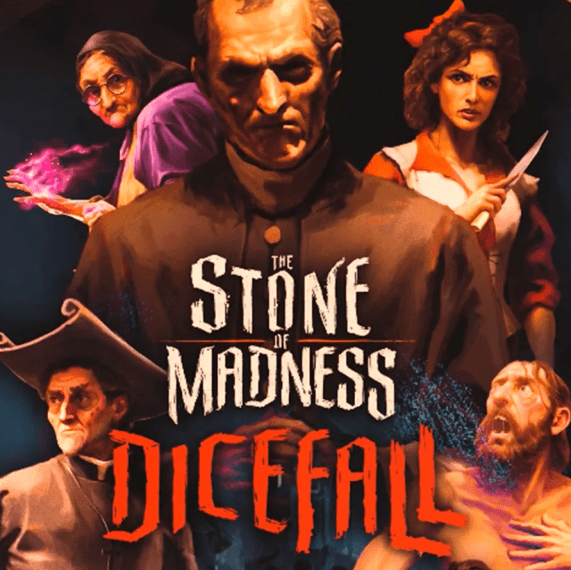
The Stone of Madness Dicefall is a cooperative tactical stealth board game for one to five players. Players jointly control five prisoners confined within an isolated monastery ruled by the Inquisition. Each prisoner has distinct abilities, restrictions, and mental conditions. The game is played in structured rounds where players assign actions to the prisoners, move them through the monastery, and interact with rooms, objects, and objectives. Actions are resolved using dice. Dice represent uncertainty under pressure and are tightly linked to the character performing the action and the current situation.
Stealth is the core of the experience. Many actions create noise, which increases tension and causes Inquisition patrols to react and reposition. Patrol movement and behavior respond to player decisions and accumulated alerts, turning the monastery into an active threat rather than a static board. Avoiding detection requires coordination, timing, and restraint.
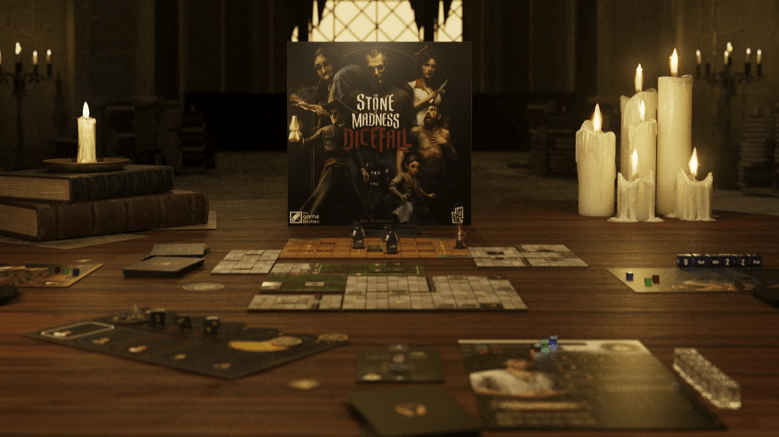
I love it when a publisher includes a good description for their game (like the one we included above). The Stone of Madness Dicefall is a cooperative stealth board game? Count me in. That’s an amazing premise. There aren’t enough stealth board games, and most of the ones that exist are hidden movement games, where players take opposing sides. I have no idea how The Stone of Madness Dicefall intends to make stealth cooperative. Color me intrigued. If you’re interested in The Stone of Madness Dicefall, check out its GameFound page.
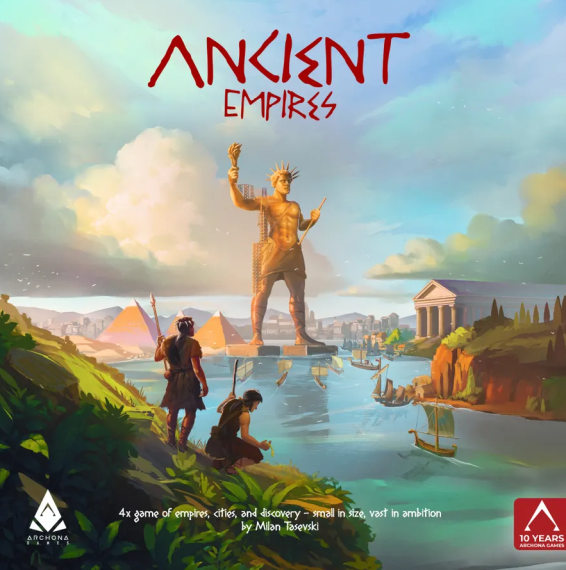
Ancient Empires is an action-programming, area-control, civilization game of expansion, conquest, and cunning decisions. In just a small box, it packs the feel of an epic empire-building experience. Players take the role of rising civilizations, competing for dominance across a modular map divided into regions rich with resources, settlements, and natural wonders. Through clever programming of action tokens, players expand their armies, establish cities, harvest resources, and challenge rivals for control of key territories. The game is divided into three Ages. During the Stone Age, the players will play as roaming tribes, establishing villages and expanding their reach. In the Bronze Age, the players will choose one of the available Civilizations to play with, gaining unique abilities. Finally, in the Iron Age, the players will be able to construct their Wonders.
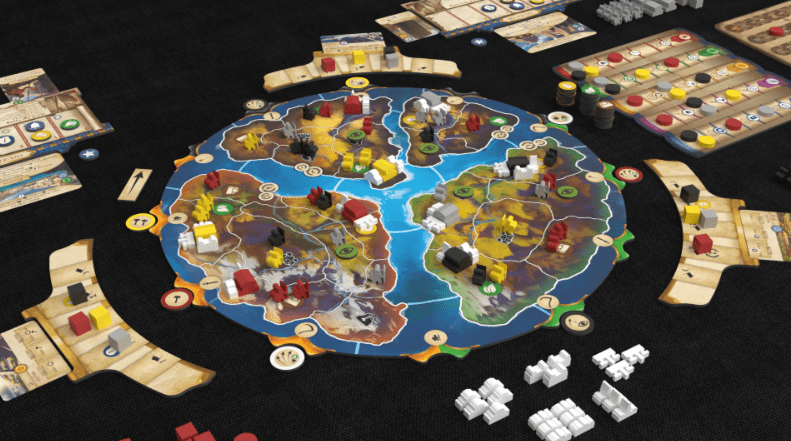
We are three for the last three with great publisher descriptions of their games. Seriously, it makes covering games a lot easier. I love the tightness of Ancient Empires’ board. The three ages intrigue me. Transitioning from one age to the next could get intense. I’m unsure if players draft which empires they may choose, or if they gain an empire during the Bronze Age if they achieve certain benchmarks during the Stone Age. Either way could be fun. Ancient Empires looks to pack a lot of game into a small box. Most 4X (Explore, Expand, Exploit, Exterminate) games take up a much larger footprint. And 4X games tend to take copious amounts of time. Ancient Empires suggests it plays in 1-2 hours. That’s lightning fast for a game with three distinct ages. If you’re interested in Ancient Empires, check out its GameFound page.
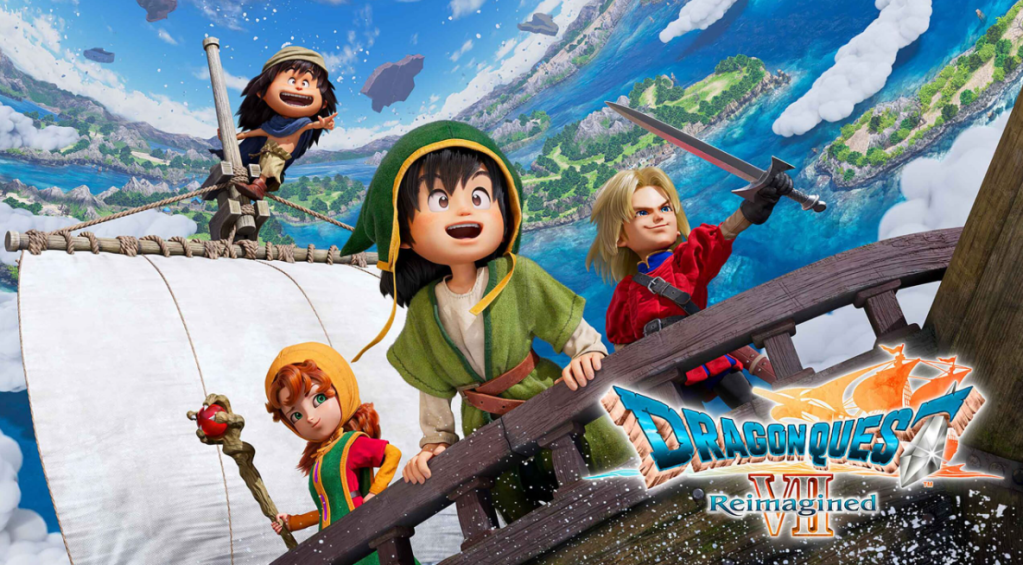
Dragon Quest VII doesn’t get a remake. It receives a reimagining. This is an important distinction. The original Dragon Quest VII was unruly. It didn’t hold players’ hands and show them where to go next. In short, it was easy to get lost in the original Dragon Quest VII. Dragon Quest VII Reimagined makes the classic JRPG approachable.
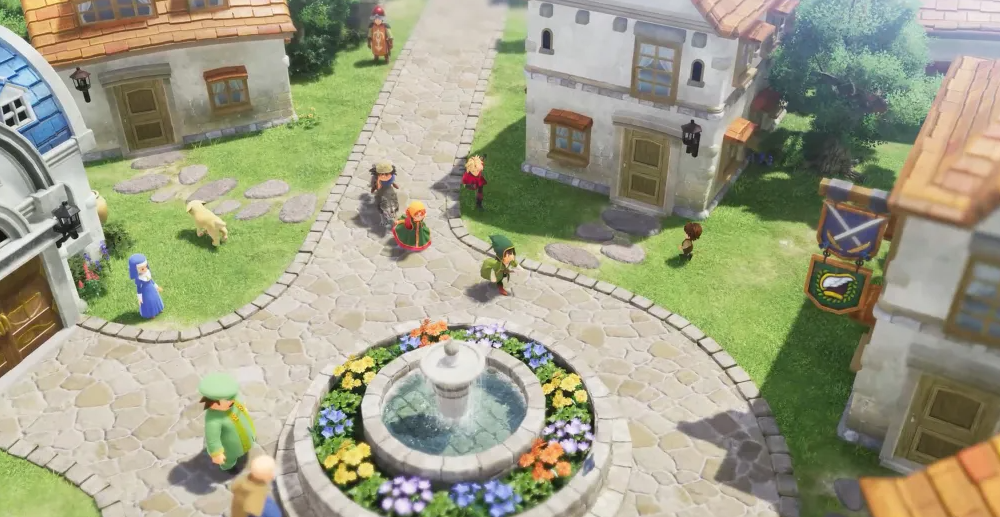
The graphics look stunning in Dragon Quest VII Reimagined. And this title may be a great place to start for gamers who never played the original, but fans of the original may be a little disappointed. SquareEnix streamlined the heck out of Dragon Quest VII Reimagined. It truly earns the title Reimagined. Similar to games like Ni No Kuni, you won’t even need to battle overworld enemies if your level far exceeds theirs. That’s amazing. If you’ve played JRPGs, you know how much of a time sink grinding can be. Dragon Quest VII Reimagined fixes that issue.
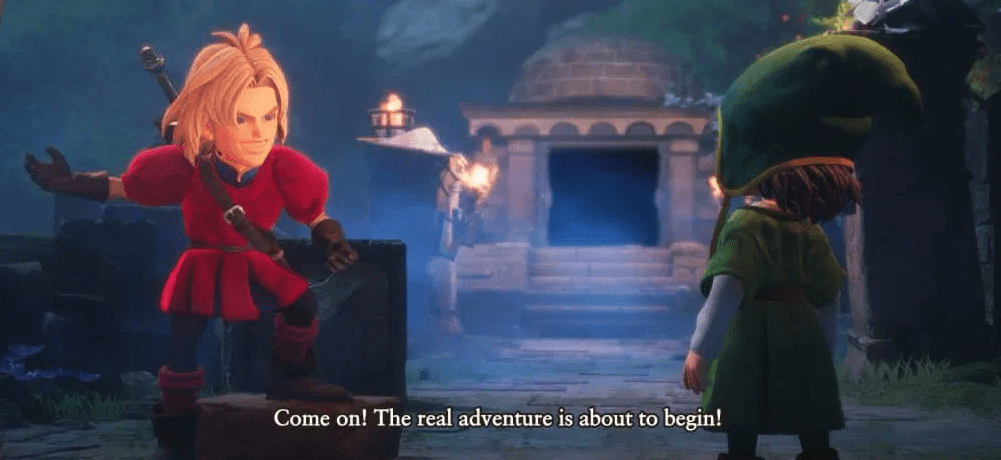
Despite cutting out islands from the original, Dragon Quest VII Reimagined improved on the game’s formula. I just wished another version of the game was available with the Reimagined version. Players could begin with Reimagined, the most approachable variant of the game, and progress to one of the other versions. But that’s a nitpick. Dragon Quest VII Reimagined is a must-play if you’ve never played the original. Dragon Quest VII Reimagined is available on PlayStation 5, Nintendo Switch, and Nintendo Switch 2.
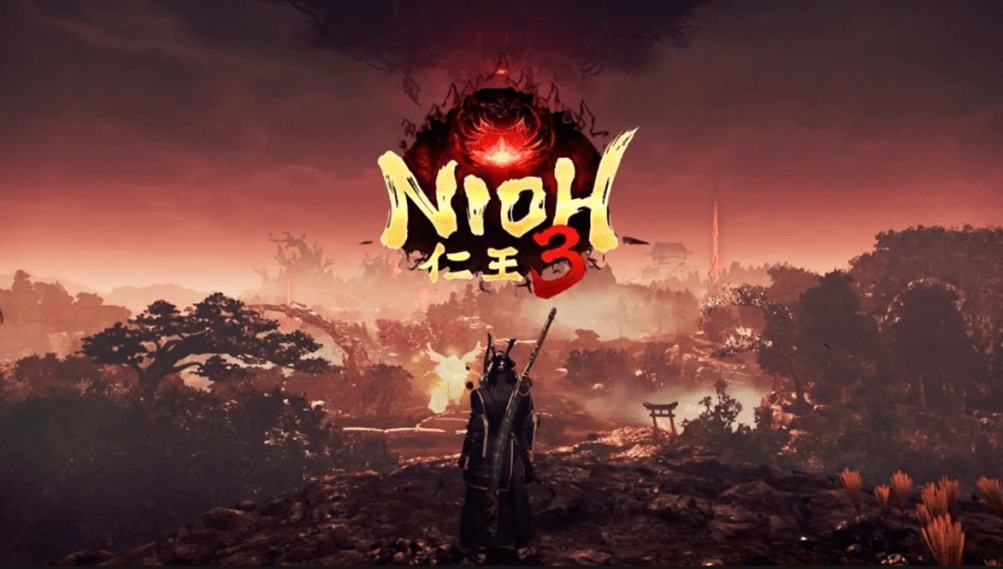
While Nioh 2 functions as a prequel to the original game, Nioh 3 takes place after the events of the other two games. A true sequel at last. Yay! Unlike previous installments, gamers will have large spaces to explore. And players will have the option of playing as a samurai or ninja. The samurai playstyle resembles gameplay from previous Nioh installments. It has a focus on parrying. But the ninja playstyle is faster and features evasion and aerial attacks. This should increase Nioh 3’s replay value.
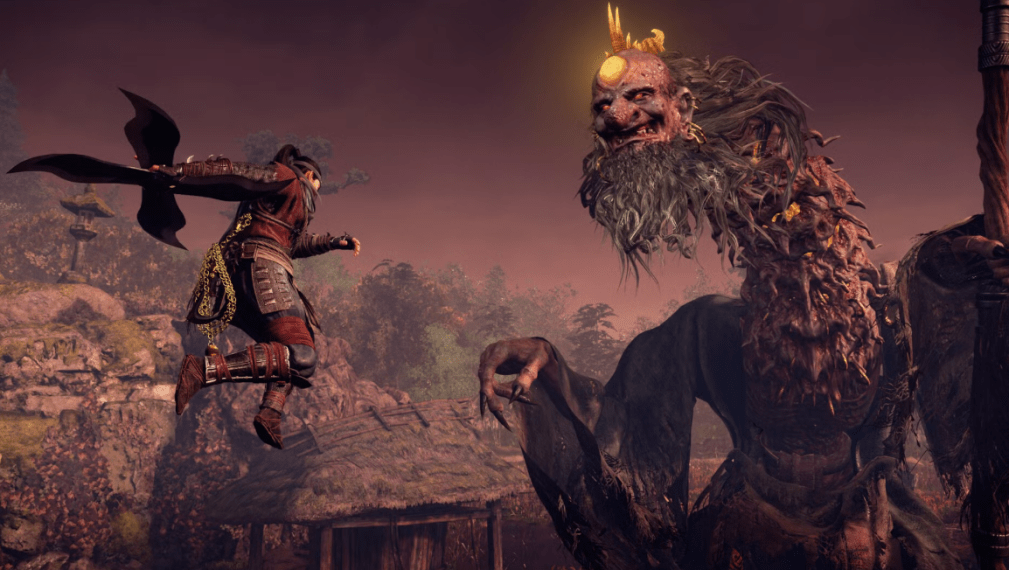
Nioh 3’s graphics look incredible. The game has received stellar reviews. I can’t wait to get my hands on this title. I’ll most likely play the ninja playstyle first and then play a second round as a samurai. How about you?
That’s all the Geek News we have for this week. Thank you for reading, and wherever you are, I hope you’re having a great day.

Happy Saturday, Geekly Gang! Kyra Kyle here with a reaction to Fallout Season Two’s Finale, “The Strip.” Before we get into any spoilers, I’ll set the table for this reaction/review. Fallout Season One played out similarly to Star Wars: A New Hope. The creatives behind the show didn’t know they were getting renewed for a second season, so they teased New Vegas as the setting for a potential Fallout Season Two. Conversely, the creatives behind the show knew they had been renewed for a third season before Season Two finished filming. So, Fallout Season Two’s finale plays out similarly to Star Wars: The Empire Strikes Back. Major plot points get introduced during the episode’s final ten minutes. Heck. There’s a rather large complication teased during Fallout Season Two’s end-credit scene.
Last week, I lauded Fallout season two’s penultimate episode for doing everything the next-to-last episode should do. It answers some questions, but held back elements for the season finale to explore. “The Strip” does a good job of answering some of these questions, but since season three is on the way, it asks almost as many questions as it answers.
I’ve kept this reaction spoiler-free for about as long as I can. We’re about to enter spoiler territory. You’ve been warned.
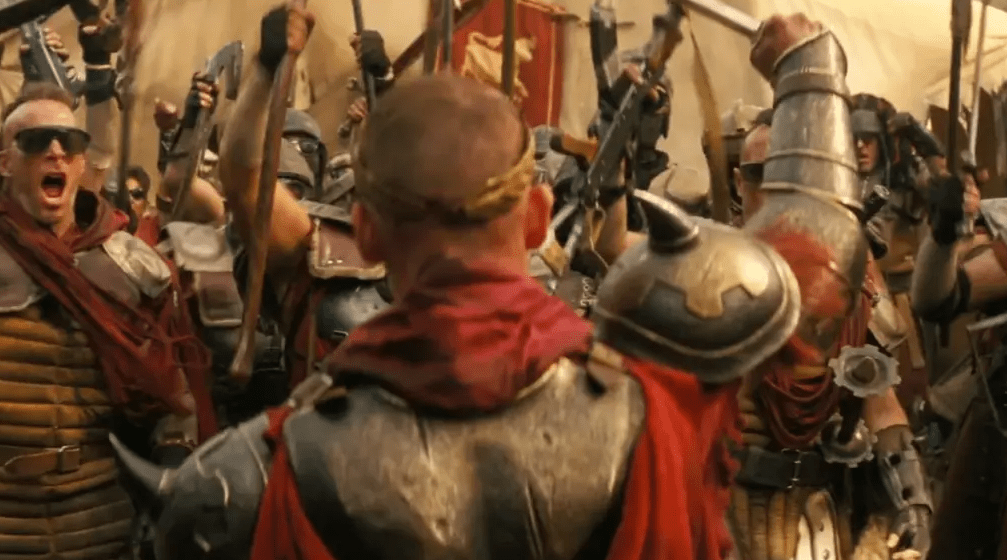
I’ll begin with Caesar’s Legion because it needs the least amount of explanation and receives the smallest airtime. Macauley Culkin’s character recovers Caesar’s corpse and reads the former leader’s last will. Basically, Caesar named himself his successor. Culkin’s Legate character doesn’t accept this answer and takes the crown for himself. He also eats Caesar’s message. Ew! Dude, that was on someone’s corpse, and it was decaying. Nastiness aside, Culkin’s character becomes the new Caesar and galvanizes the Legion toward the Holy Land, New Vegas, to build a palace. Caesar’s Palace. How many takes do you think it took Culkin to say that line without laughing? Watching the Legion march on New Vegas was a sight. I can’t wait for the impending battle.
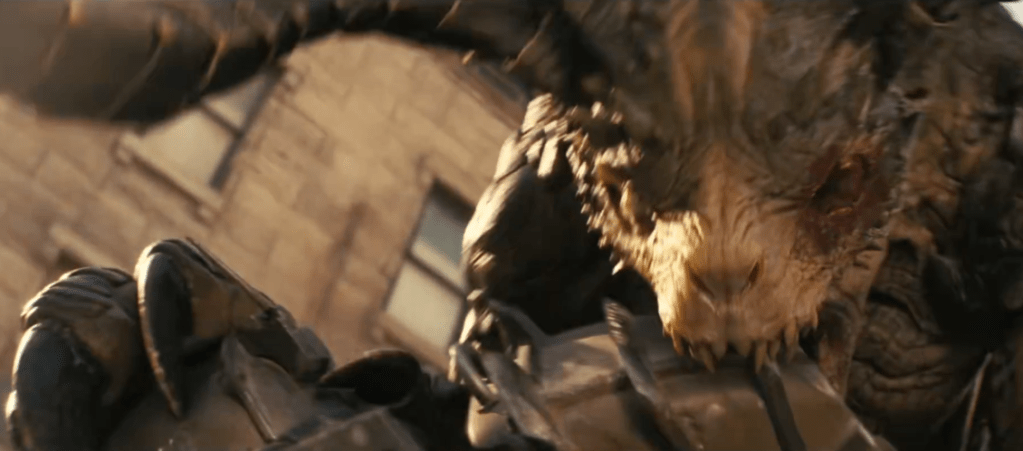
Inside the Strip, Maximus fights off the horde of deathclaws. The action sequence ventures into the unrealistic. Deathclaws may be less deadly than radroaches. More on that in a minute. The scenes with Maximus and the deathclaws contain the most fan service. That’s much appreciated. Still no confirmation on what Thadeus is transforming into, but he manages to lead Freeside’s residents into a shop, where they promptly bet on how long Maximus can survive against the deathclaws. This is a nice callback to The Thorn (in Fallout: New Vegas). Combatants battled various wasteland creatures, like deathclaws, and observers would place bets. Nice!
The battle concludes when the New California Republic marches into town and takes over the deathclaw fight. While the moment when the NCR sniper kills a deathclaw brought a smile to my face, it was undercut by Lucy doing something similar a few episodes earlier. Why did Lucy need to mimic the NCR shot from the game? She was on Buffout. That was already cool and hilarious. I would’ve preferred Fallout to reserve that shot for the NCR. That’s a nitpick. The moment still rocked

Accompanied by Mr. House (via a Pip-Boy), The Ghoul searches the Vegas Executive Vault for his family. We receive a lot more of The Ghoul’s backstory, but I was left with even more questions. This is part of what I mean by Fallout Season 2 functioning like The Empire Strikes Back. The Enclave is behind most things, including the bombs falling, but we still don’t know who’s behind the Enclave. Someone’s behind it all, but we’ll get to that more while discussing Steph’s storyarc.
There are a lot of storyarcs during “The Strip.”
Surprise! The Ghoul’s family is not in the Vegas Executive Vault. Their cryogenic chambers are empty, but in Barb’s place was a postcard from Colorado. This is a callback to a Ghoul flashback. It looks like The Ghoul’s family is in Colorado. The Ghoul is at least on his way to Colorado. And this separates The Ghoul and Lucy.

Speaking of Lucy, she destroys the mainframe. Rather, at Diane Welch’s request, Lucy kills Welch’s severed head. Yeesh! I’m with Lucy in this scene. Why does everyone want her to kill them? While she ponders her next move, Lucy discovers her dad, Hank, escaped, and he wants to put a mind control chip on her, forcing her to obey. Dude, Hank just went total supervillain. Hank orders the brainwashed legionnaire to subdue Lucy, but The Ghoul shows up in the nick of time, shooting the legionnaire dead, and Hank in the buttocks. You could almost see the pop-up message, “Lucy Liked That.” Lucy turns the tables, placing a chip on Daddy Dearest. Before she hits the button, she wants answers. Of course, she doesn’t get them because Hank has his own button and resets his brain. This was a stellar moment.
Hank and Lucy’s story goes so hard. Both stay true to each other. We were never going to get a straight answer from Hank, and his action at the end solidified this fact. Loved this. We only have a few more threads to discuss: Steph, Norm, and the impending Enclave.

Surprise again! Steph and Hank are married. What? And the little time we get with Steph, we see her enact Phase Two, whatever that means. Steph contacts the Enclave, who have been listening to all the radio relays up to this point. A computer updates Phase One as completed, but Phase Two’s details are redacted. Because of course they are. My guess, and this is a guess, is that Phase Two has something to do with the Forced Evolutionary Virus. And that gets me back to Thaddeus. He may or may not become a Centaur, but he definitely got some variant of the Forced Evolutionary Virus.
We catch a glimpse of the Enclave, who have a base in the mountains. My guess, again a guess, is that the Enclave are based in Colorado, because that’s where The Ghoul is headed. We know the Super Mutants, who don’t make an appearance in this episode, have a vendetta against the Enclave. See what I mean about Fallout Season Two holding back most of its deck of cards? I have no idea where any of this will lead. “The Strip” gives us enough information to keep the audience engaged but dangles plenty of loose threads.
We have a couple more threads, I promise. The Vault-Tec goons unlock the radroaches from their farm. They wreak havoc. Seriously, the radroaches deal more damage than the deathclaws. Norm manages to rescue his would-be girlfriend, Claudia, from the wreckage. Funny how Norm and Claudia are the only ones left alive after the radroaches go ham. I’m not complaining. I don’t mind a Norm/Claudia side story for Fallout Season Three. So, that leaves us with at least four groups we’re following next season: Lucy, Maximus, and Thaddeus; The Ghoul and Dogmeat; Norm and Claudia; Vault 32 and 33. Oh. And the Brotherhood of Steel; they factor into the post-credit scene.
Elder Quintus has left his Unification stage and entered his Destruction stage. I’m unsure how the Brotherhood of Steel has hidden Liberty Prime Alpha, but I’m all for a kaiju battle in Fallout Season Three. There are so many places Fallout Season Three can go, and I’m pumped. Too bad we need to wait another year for the next episode.
So, what do you think? What was your favorite part about Fallout “The Strip?” Let us know in the comments. Thank you for reading, and wherever you are, I hope you’re having a great day.


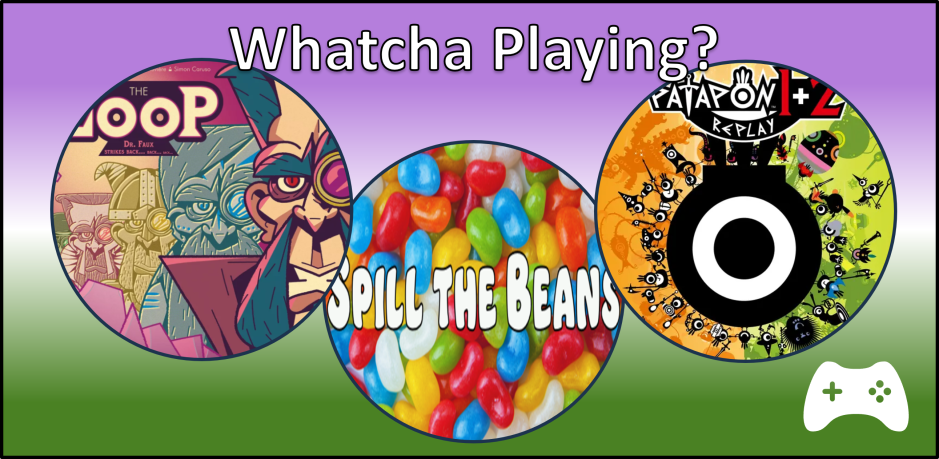
Happy Wednesday, Geekly Gang! Kyra Kyle here. In today’s post, our writers will share the games (board games and video games) they’ve been playing over the past month. Let us know which games you’ve been playing in the comments, because we’re all part of the Geekly Gang. I’ll get things started with the games I’ve been playing over the past month.
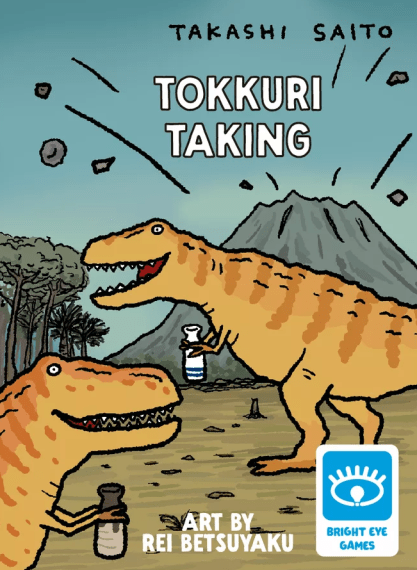
JK Geekly attended Scroogecon (in Lincoln, Nebraska) last month, so many of my board games will be ones I played during that event. Tokkuri Taking was the first game I tried. Dinos drinking sake, what’s not to love? I love this theme. And Tokkuri Taking was fun for a single round. Players score points for each empty tokkuri (the vases used to hold sake). I like plenty of the mechanisms here. I’ve never seen wooden sticks depicting how much sake is in a tokkuri. A round ofTokkuri Taking runs less than 15 minutes, which is what the box says. Unfortunately, Tokkuri Taking ends after numerous rounds. Players begin with ten chips. As soon as one player runs out of chips, the game ends. With players exchanging chips each round, Tokkuri Taking could last anywhere from an hour to two hours. Yikes! I wouldn’t want a two-hour session of Tokkuri Taking. I’ll stick to one or two rounds.
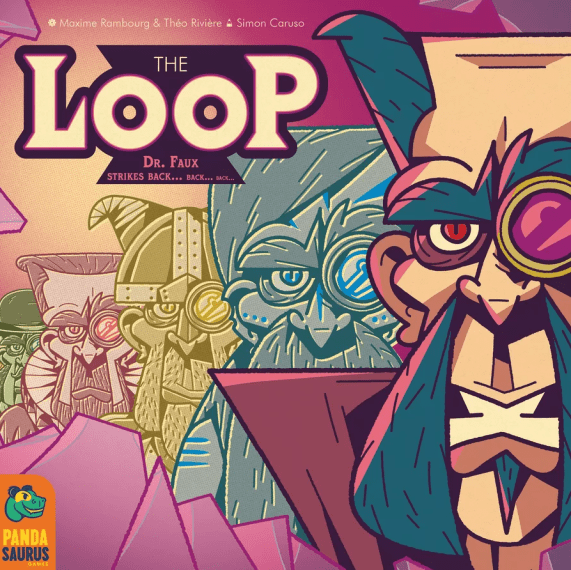
While I enjoyed my single play of The Loop, I don’t know if it’ll make my board game collection anytime soon. The theme and mechanisms are amazing, but I worry about The Loop’s scalability. We played with a full complement of four players. I never felt like we were going to lose this cooperative game. According to boardgamegeek.com, The Loop plays best at 2 players. I believe that. The person who shared The Loop with us said solo games skewed toward being too difficult. I felt four was too easy. Three may not be much better than four. But who knows? The Loop features a lot of variability. We could’ve gotten lucky during this game. I would play The Loop again. It was fun.

River Valley Glassworks is a game I’d gladly add to my collection. All Play Games has a knack for quick, accessible games with quirky mechanisms and themes. River Valley Glassworks meets these criteria. Heck! We played two games. And I got skunked both times. Gamers play as pioneers, drafting glass (acrylic pieces) from the market of river tiles. To claim glass, you must play a piece from your inventory into the river. But beware, each river tile can take one specific shape, and you must play into a space adjacent to where you want to draft. After you pick up your glass and place it on your player board, the river shifts forward, revealing new pieces. Perfection! The mechanisms enhance the theme. And the theme enhances what you do each turn. By the time you’re reading this, I may have already bought a copy of River Valley Glassworks. It looks gorgeous.

The next game I played was playtesting my prototype, Dungeon Chef. It was a smash. And that’s not just me saying that. One of the playtesters asked if Dungeon Chef was print-and-play. They wanted to spend $15 or so and print off a copy of their own. That’s a great sign.
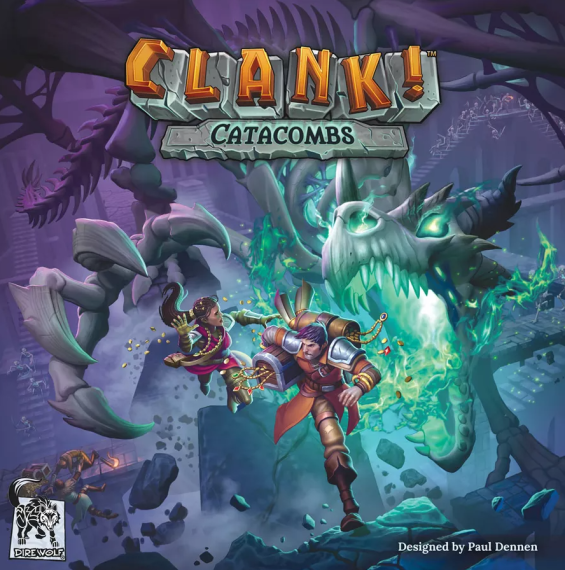
I’ve always wanted to try Clank! or Clank! Catacombs, and finally got my chance during Scroogecon. It was good. But it wasn’t as good as I wanted. Similar to The Loop, another game I’ve wanted to try for some time, Clank! Catacombs may have suffered because we played with a full complement of players: four. Unlike The Loop, Clank! Catacombs played well (balance-wise) at four, but ran long. Honestly, several of us at the table had been playing games all day and had little interest in turns that weren’t our own, and we got distracted. Scroogecon had been quiet most of the day. It got loud when we started Clank! Catacombs. I liked how Clank! Catacombs melded disparate mechanisms into a cohesive whole. I even won the game–by a lot. Beginner’s luck. But it didn’t quite land. Clank! Catacombs is another game I’d give another chance.
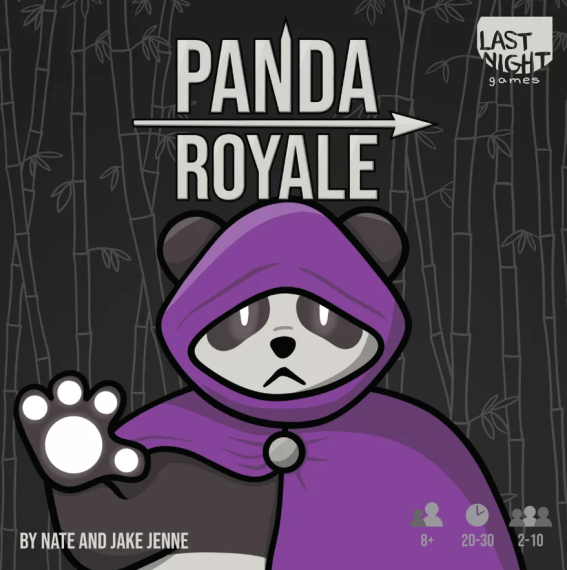
Panda Royale is a cute dice-chucking and drafting game. It plays super fast, and that worked for the limited time we had remaining at the convention. We had fifteen minutes or so before Scroogecon’s raffle drawing. Panda Royale fit nicely into that window. The game has a cute theme, but the mechanisms don’t match the theme. Panda Royale could’ve been titled Yahtzee Royale, but this theme is more appealing. And the title Yahtzee is most likely copyrighted. Panda Royale can get swingy, and the game doesn’t do enough to address a potential runaway winner. Skye cobbled together a handful of consecutive 100-point rounds, and I knew she was going to win halfway through the game. Still, Panda Royale is quick enough to exact revenge. If we had more than fifteen minutes, I would’ve been challenging her to a rematch.
One last note on Panda Royale: I hated the dry erasers. You may need to bring tissues and cleaner whenever you play.
That’s all I have for this past month. Let’s check in with Season.
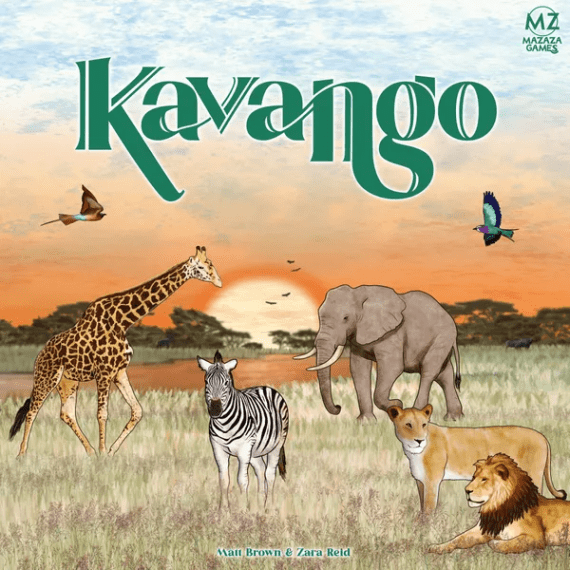
I played Kavango for the first time last year at Nuke Con. Guess what I got for Christmas, Geekly Gang? Kavango has players build their own wildlife reserves in Africa through conservation. Whoever has the most thriving reserve wins. I’ll say this: Kavango isn’t a game you’ll win on your first try unless you’re a board game genius. It looks more intimidating than it is since there are many moving pieces, but it’s got a good flow. Kavango has three rounds with ten turns apiece, but each turn is played simultaneously between players.
The creators of Kavango did research on real-life conservation and included player roles based on their real-life counterparts. The Kickstarter edition (my copy) has a map of wildlife conservation parks across Africa. I’m totally using it for an African wildlife safari that I’m planning for in the distant future.
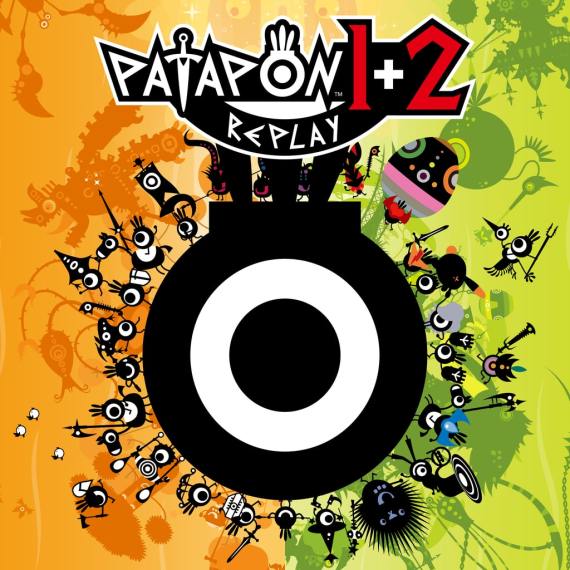
I played the first Patapon on PSP eighteen years ago. I never completed it because it was too difficult for me. Patapon is a rhythm-based side-scrolling game that relies on the player to match their drums (buttons on the controller) to the movements of their Patapon tribe. Maintaining the rhythm allows the player to go into Fever mode. Some of the Patapon tribespeople do more damage and have special abilities when in Fever mode. If the player loses their rhythm, the Patapons glare at the screen and shout, “Huh?” Some of them even fall over. Maintaining Fever mode is difficult when levels throw many enemies and environmental effects at players.
That’s all from me. What are you playing, Skye?

Rustbucket Riots is a game I’ve been meaning to mention for a while, and I’m glad to finally offer my take on it. For those who’re unfamiliar, Rustbucket Riots is a cooperative dice-placement game created by our very own Kyra Kyle about taking down renegade robots in a not-so-distant dystopian future. While not yet published, I had the pleasure of playing a newly updated version of the game last month, and it’s amazing to see how much progress it’s made over time. The board has become much easier to read, and the flow of the game has been perfected. It goes without saying, but I certainly can’t wait until Rustbucket Riots hits the shelves because I’ll be one of the first to pick up a copy.

Another Kyra Kyle original, Spill the Beans (working title) is a much simpler party game. With the objective of spilling Jellybeans (not too many) out of the jar and placing/eating them in a way that leaves you with the most points. Spill the Beans is fast-paced. It also puts a spin on the idea with the addition of jar-specific abilities depending on where you decide to place your Jellybeans. Spill the Beans is a great pick for some lighthearted party game fun.
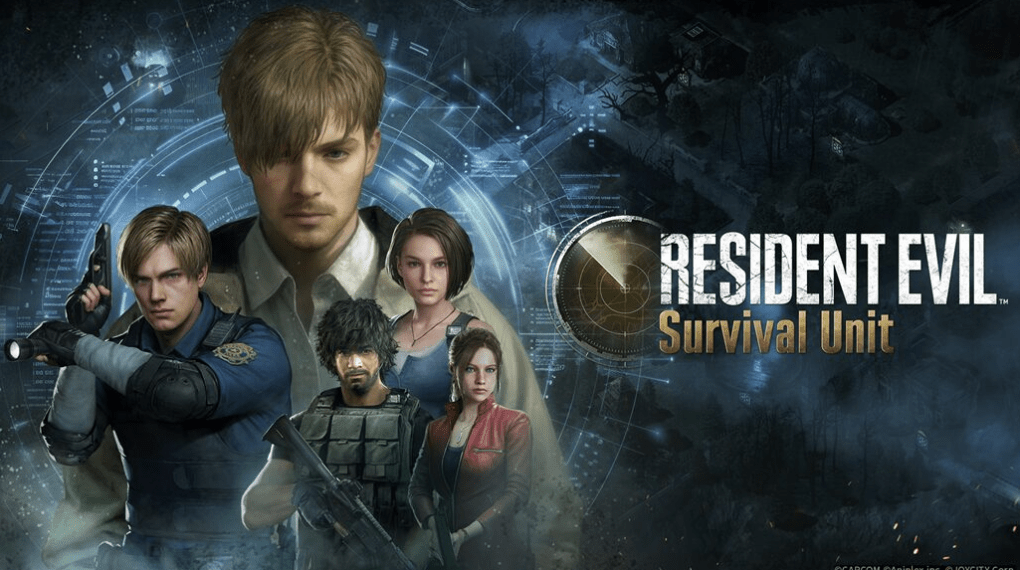
I don’t have a problem. Well, ever since beating Resident Evil 2 and Silent Hill 2 last month, I became transfixed by the world of Resident Evil. I’ll admit there isn’t much that sets Resident Evil: Survival Unit apart from other survival strategy mobile games with the sole exception of it being Resident Evil themed. For that reason, it’s been hard for me to pull myself away from it. Every day I have my construction and research progress in the back of my mind and the urge to participate in alliance raids is too much for me to resist. That and it’s great to see some of my favorite characters still alive in this non-canonical story. I never fully recovered after Marvin; just let me have this.
Hey, hey! Kyra Kyle here again. Those are the games our writers have played this past week. Let us know what you’ve been playing. Thank you for reading, and wherever you are, I hope you’re having a great day.

