

Happy Sunday, Geekly Gang! Kyra Kyle here with another week of Geek News. We have a slate of new releases, both board games and video games. We’ll get to them soon enough, but first, we’ll discuss our headlines from the previous week. And Disney’s interest in buying Epic Games (Fortnite’s publisher) tops those headlines, so let’s discuss a possible Disney acquisition of Epic Games.

Disney Keen on Buying Epic Games
The news may have dropped originally on April 1st, but this was no April Fool’s Joke. The Mouse House is interested in acquiring Fortnite publisher Epic Games. This leak’s proximity to last week’s story of Epic Games laying off over 1,000 employees is more than a coincidence. Currently, Epic Games isn’t operating from a source of strength. Disney may have found the perfect time to strike.
The claim of Disney being interested in purchasing Epic Games comes from veteran tech reporter Alex Heath, via The Town podcast. Disney has already heavily invested in Epic Games, and Fortnite more specifically. The battle royale giant has already sported crossovers with numerous Disney properties: Star Wars, Marvel, Pixar and Disney animated characters. Fortnite has even included a Disney-specific mode that offers fans the ability to play, watch, create, and shop.
“I know for a fact there are senior executives in Disney who want them to buy Epic and are just waiting for that moment,” Heath said, “and then there are others who think it’s a bad idea. If Epic ever sold, if it ever decided to call it quits on being an independent company, Disney would be the most natural home for it for a lot of reasons.”
If Epic Games were to sell to Disney, the House of Mouse would gain control of the Unreal Engine, which many video game companies use to develop their games. Disney doesn’t have a large footprint in the video game space. Acquiring Epic Games could go a long way toward Disney throwing its hat into the video game landscape. Disney did something similar with its streaming service offerings. Shortly after launching Disney+, they bought 20th Century Fox and its streaming giant Hulu. Disney does produce some games. Epic Games could give Disney the opening it may want to fully enter the world of video games.

Sadie Sink Signs 5-Film Deal for MCU Role
We’ve known Sadie Sink was set to star in a secret role for the upcoming Spider-Man: Brand New Day. Speculation about who Sink would portray exploded in the coming days, weeks, and months. Geekly may have even mentioned who we’d like to see her play. Ahem. Firestar. Ahem. But news of Sink signing a 5-film deal to play an MCU character means she’ll most likely portray someone of importance. So, not Firestar. Some fans still believe Sink could be playing the MCU’s version of Gwen Stacy (Ghost-Spider), but rumors still suggest that Emma Myers (Wednesday) or Kiernan Shipka (The Chilling Adventures of Sabrina) are the most likely candidates to portray Gwen Stacy. The most likely major role Sink could portray is the X-Men’s Jean Grey.
Sure, Geekly discussed Sink playing Mayday Parker (Peter and Mary Jane’s daughter/Spider-Girl) in Spider-Man: Brand New Day, but Mayday may not be a significant enough role for a 5-film deal. Five films? Yikes! Jean Grey is definitely a character whose actor would necessitate a 5-film deal. So, Marvel/Disney may have tipped their hat as to who Sink will play in Spider-Man: Brand New Day. But who knows? Marvel/Disney hasn’t confirmed anything. We’ll have to wait.
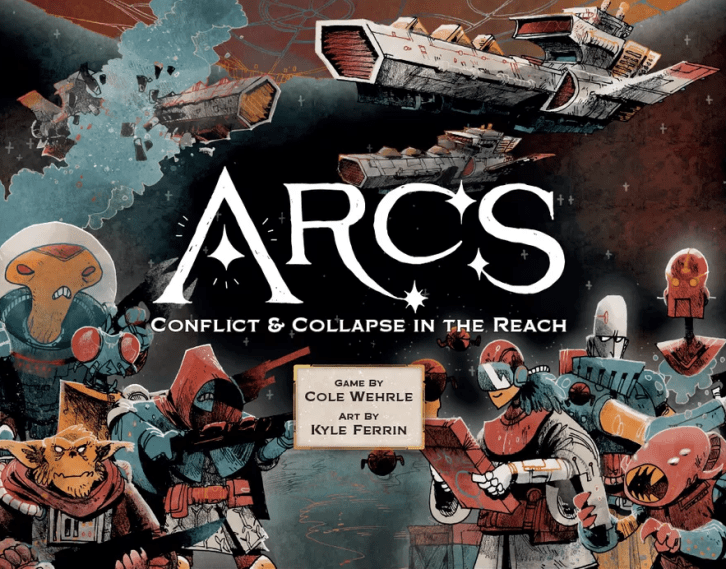
Arcs: Beyond the Reach Launches on KickStarter
Arcs is a sharp, tactical space opera game set in a dark yet silly universe. Players represent officials from a distant, decaying and neglectful Empire who are now free to vie for dominance whether through battle, gathering scarce resources or diplomatic intrigue. Ready yourself for dramatic twists and turns as you launch into this galactic struggle.
A deck of cards in 4 suits with ranks from 1-7 (2-6 for fewer than 4 players) defines the action selection system. These cards are played in a trick-taking adjacent system to select actions, take the initiative and declare Ambitions. The 3 declared Ambitions are what will score in that deal. Timing is everything. Bad hands must be mitigated by careful card play and benefitting from other players’ card play.
Battles are resolved quickly, with the attacker choosing their level of risk. The defenders must be prepared with adequate defensive ships and cards in their tableau.
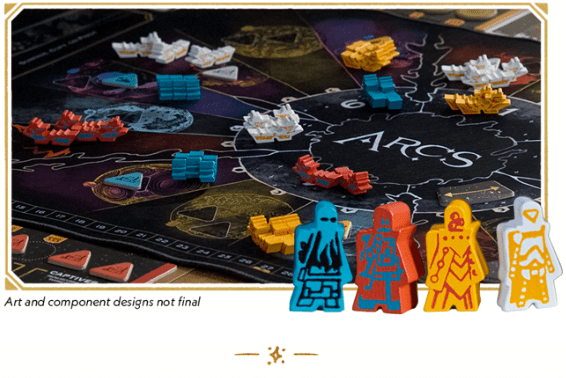
Thank you, Leder Games, for Arcs‘ description. Arcs has been on my short list of games to play for some time. It’s a space opera. Check. Factions have asymmetric powers. Double check. And Arcs has a storyline. What? Triple check. And each individual game last less time than a game of Twilight Imperium, but you get the 4X goodness you’d expect from a game of TI. Quadruple Check.
Leder Games consistently produces fabulous games: Root, Fort, Oath, and so many others. Arcs stands just outside the BGG (BoardGameGeek) Top 100. That’s no small feat. And I know several gamers who swear by this game. I wonder if one of them wouldn’t mind showing Arcs‘ ropes. Arcs: Beyond the Reach adds more campaign/story to the core game. This is my kind of expansion. If you’re more of a story-driven gamer, you may want to watch this campaign. This may be the best time to get into Arcs. Arcs: Beyond the Reach offers three pledge levels: $40, $90, and $250. If you’re interested in Arcs: Beyond the Reach, check out its KickStarter page.
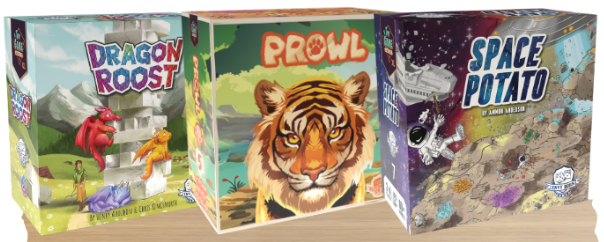
Envy Born Games’ Tiny Game Series Two Launches on KickStarter
I’ve said it before, and I’m saying it again, I love the recent board game trend of packaging multiple smaller games to form a series of games. Button Shy Games may have started this trend with their wallet games, but keep them coming. This week marked the second series of Envy Born Games’ Tiny Games Series. Each of these games can fit inside a fanny pack. Who wears fanny packs? Envy Born Games is using the “fits inside a fanny pack” marketing. I don’t know who this is geared toward, but fanny pack does give us an idea of each game’s size. Three games comprise Envy Born Games’ Second Series of Tiny Games: Space Potato, Prowl, and Dragon Roost.
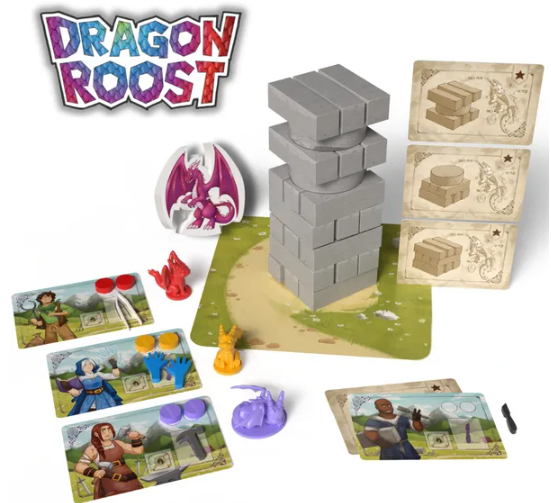
Dragon Roost is a cooperative Jenga. Players work together to build the perfect home for a set of baby dragons. Let’s see what the publisher Envy Born has to say about Dragon Roost.
Greetings, Townsfolk! Your cosy hamlet recently welcomed three new dragon hatchlings, but there’s not enough room for them in the watchtower where mother dragon has chosen to roost. Work together to manipulate the watchtower, to create safe spaces for the baby dragons and to settle the hatchlings in before mother dragon returns…
Working together, use tools to manipulate a tower of wooden pieces. Create enough space to safely balance 3 baby dragon miniatures before running out of tool actions. Finally, place the mother dragon on top of your tower to win. If any baby dragons fall, you lose (but don’t worry; we put up a net to catch them!). Test your skills over dozens of levels with new tower structures and challenge tokens.
Kyra Kyle here again. Thank you, Envy Born, for the description. Jenga has been played out. I like Dragon Roost’s twist on that core gameplay.
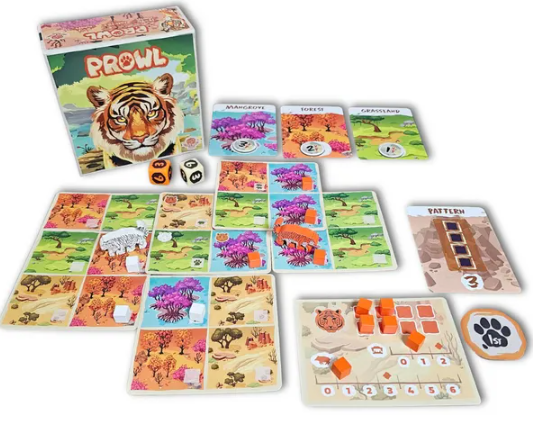
Prowl is a stripped-down, easy-to-learn area control game that adds an element of exploration. The game looks big for one that fits inside a fanny pack-sized box. Let’s hear what Envy Born has to say about Prowl.
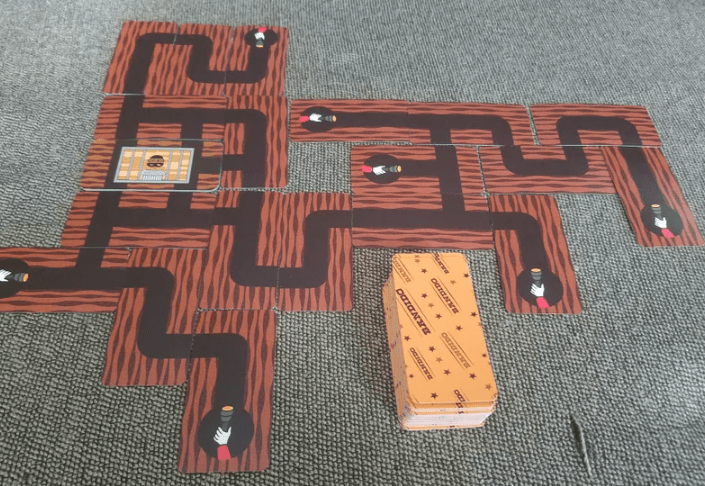
Prowl is a compact area control game designed for 2 to 4 players, where each participant vies for dominance over territory with their tiger companion.
In this immersive game, players embody tigers navigating the wilderness, strategically exploring, hunting for sustenance, marking terrain, and initiating challenges to assert their dominance. As you navigate this dynamic landscape, you’ll need to safeguard your territory against rival tigers while seizing opportunities for expansion.
Beware, however, as rival tigers are always poised to challenge for coveted spots, ensuring constant engagement and tension. The survival of the fittest hinges on your ability to outmaneuver opponents and secure the most advantageous land.
Ultimately, victory is determined by accumulating points from controlling valuable territory, ensuring your tiger’s supremacy and survival in the unforgiving wilderness.
Kyra’s back. Back again. Thank you again, Envy Born. Prowl sounds intriguing, and I love how its theme varies wildly–pun intended–from Dragon Roost’s. But we have one final Envy Born game in this set.
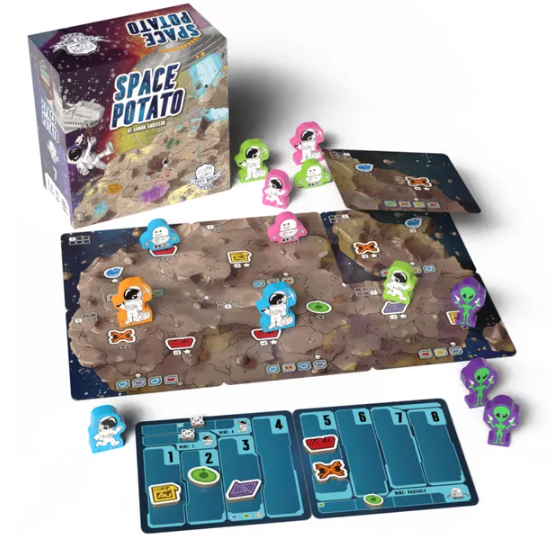
Space Potato combines the good, old-fashioned worker placement mechanism and combines it with a resource management system. I like these two mechanisms. Let’s see what Envy Born has to say about Space Potato.
Space Potato is a small box worker placement game. You are stranded in space. Your spaceship was hit by an asteroid, shaped like a massive potato. Now, each of the corporations must mine critically needed resources from the asteroid to make repairs to their shared ship, while simultaneously collecting valuable resources for their companies.
On your turn you will place astronaut workers to take actions, mine the asteroid, or build essential components to repair the ship. Players will also manage their resources on their player boards and refine resources like Gold and Iridium into ingots to get points. Players will be rewarded with points for mining away chunks of the asteroid, refining materials, and repairing parts of the ship.
The player with the most points when the ship is finally repaired wins!
Hey, hey! I’m back, and count me in. It looks like the titular “space potato,” an asteroid, slowly disintegrates as you mine it for resources. Space Potato may be the most interesting of the three cool titles.
I like the idea of all three of these games. Envy Born Games offers pledges of $20 or $40 if you only want two of these titles, but for $49, you can claim all three. They even offer their previous series of Tiny Games in an All-In pledge ($90). If you’re interested in Envy Born Games’ second series of Tiny Games, check out its KickStarter page.

Garden Club Launches on KickStarter
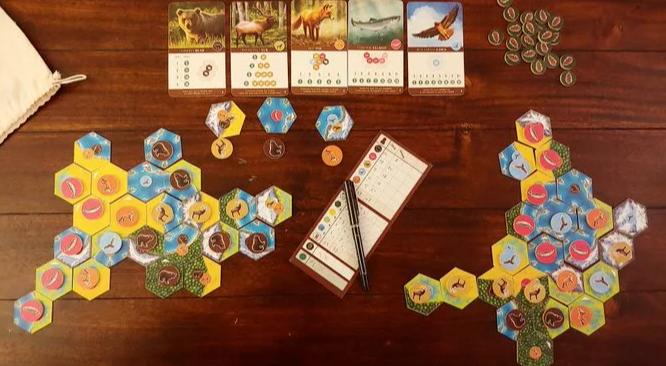
Welcome to the Garden Club, where fruits, veggies, and flowers flourish into clever combinations. Match, grow, and out-bloom your friends in this lighthearted game of strategy and charm!
In Garden Club, players compete to grow the most vibrant and well-balanced garden in the neighborhood. Each tile you place will plant fruits, veggies, and flowers — all carefully arranged to create stunning patterns and score points.
On your turn, you’ll select and place a tile into the collective garden, connecting matching icons to form combos and fulfill unique objectives. Then, you’ll select one tile as a point multiplier for what’s in your garden. The challenge lies in planning your layout — every placement can unlock new scoring opportunities or block a path to a perfect harvest.
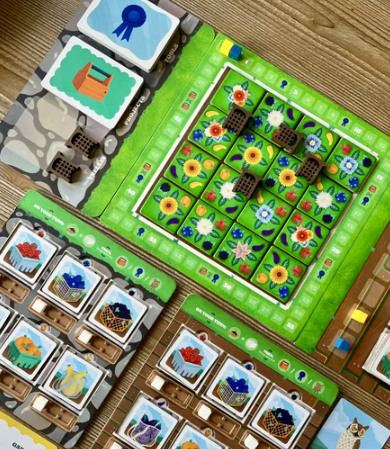
Thank you, Chris Couch Games, for the Garden Club description. This week’s crowdfunding games have charm, and Garden Club is no exception. Look at the cute artwork. Garden Club continues multiple different trends in board gaming. It’s a two-player only game. Sometimes, you just want a fantastic two-player experience. This is great for couples. I should know. I’ve spent plenty of game nights playing cute and clever two-player games. Garden Club looks like it fits into that mold. And the nature theme has caught fire.
Garden Club is perfect for a spring crowdfunding project. And Chris Couch Games has a great habit of packaging similar in theme smaller games with its larger titles. Petal looks like another adorable gardening-themed game for two players. And Chris Couch Games are on a roll. Last Christmas’s Holiday Hill/Jingle Bell Roll combination dominated the holiday season. They’re a board game company to watch. Don’t believe me? Jamey Stegmaier (founder of Stonemaier Games) sings Garden Club’s praises. If you’re interested in Garden Club, check out its KickStarter page.
Modern Classic Goa Receives an Update with the Latest GameFound Project
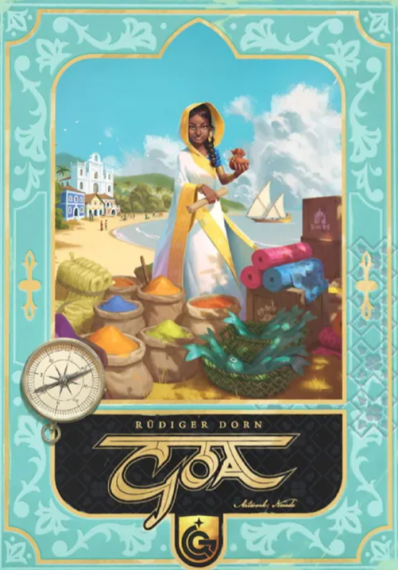
Goa, a strategy game of auctions and resource management, is set at the start of the 16th century: beautiful beaches, a mild climate, and one of the most important trading centers in the world. Competing companies deal in spices, send ships and colonists into the world, and invest money. Are you on top or at the bottom? It depends on how you invest your profits. Will you make your ships more efficient? Enhance your plantations? Recruit more colonists? Only a steady hand in business will help.
Each turn begins with an auction phase, where each player gets to auction one item (and the starting player two items). The first item being auctioned gives the right to go first the next turn (along with a card that gives an extra action). If you buy your own item, you pay it to the bank. If someone else buys the item you sell, they pay you. Items include plantations complete with crops, income tiles (income in money, ships, plantation refills each turn etc.), ships, settlers, and later on tiles that score points for certain achievements.
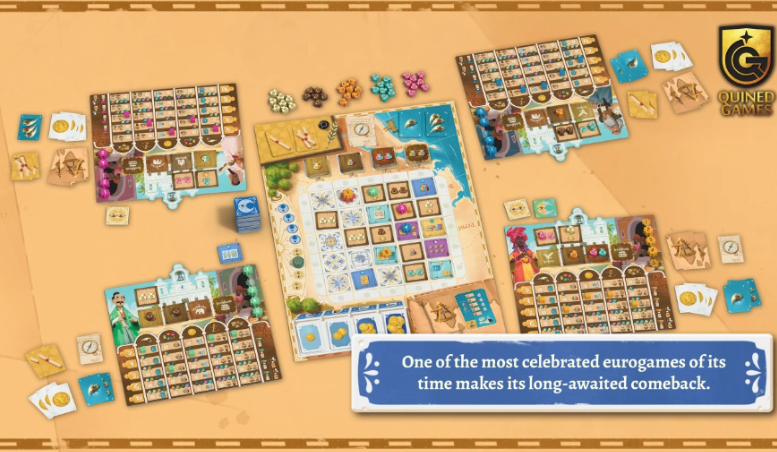
GameFound is the place for classic games getting a modern facelift. Goa is the latest in the trend, and I like it. So many classic board games get forgotten because they don’t look as nice as modern games. The original Goa didn’t look the best. This update gives it pizzazz. And you know Goa has stellar gameplay. It’s a classic for a reason. If you’re interested in Goa, check out its GameFound page.
Darwin’s Paradox! Releases
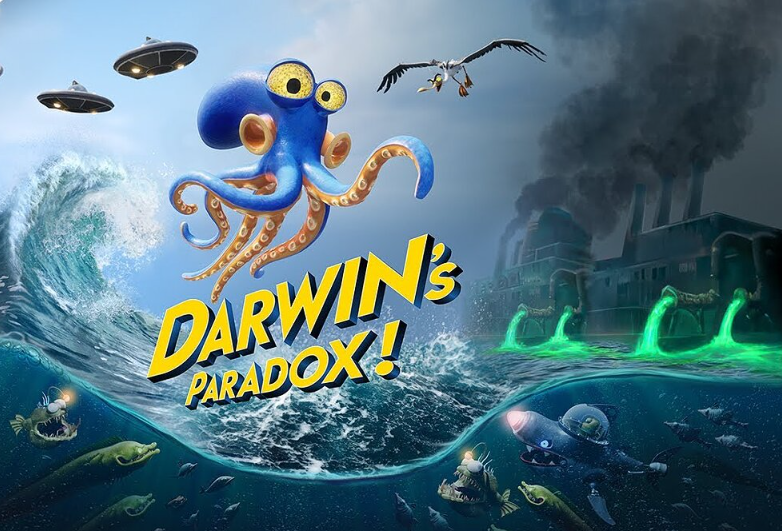
Darwin’s Paradox! is Paris-based developer ZDT Studio’s inaugural release. I wondered how long it would take for an octopus to receive the platformer game treatment. Those extra arms should allow for some interesting gameplay, and critics agree. Darwin’s Paradox! has gotten some solid reviews, especially for a fledgling video game developer like ZDT Studio.
And I like Darwin’s Paradox’s premise. Dive into the adventure with Darwin, an octopus as endearing as he is ingenious, torn from the ocean and trapped in a vast and mysterious industrial complex. Harness his unique talents and abilities to help him overcome the many dangers and traps in this captivating platformer and adventure game.
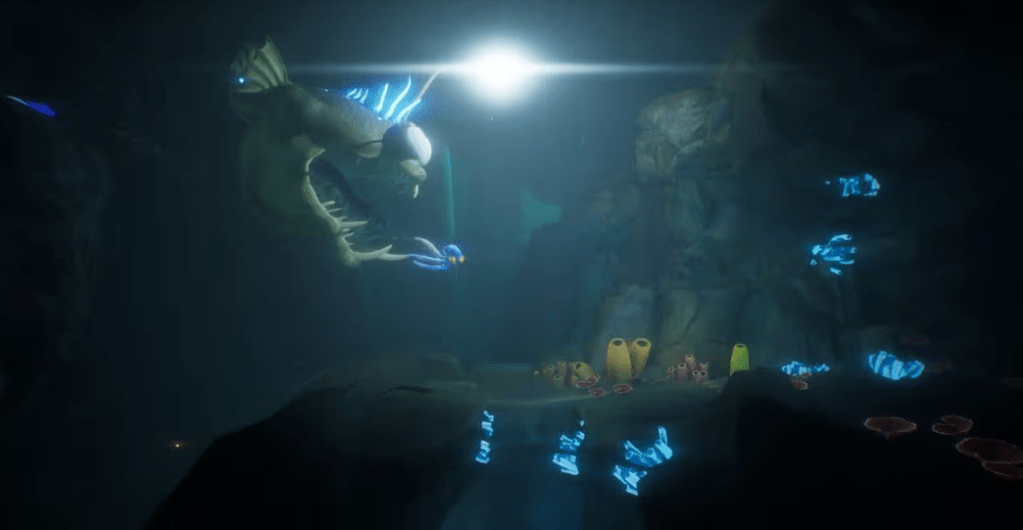
Darwin’s Paradox! bills itself as a 2.5D platformer. This leads to some interesting camera angles and shifts in perspective. At times, Darwin the octopus will navigate side-scrolling levels, but others, he traverses an almost 3-dimensional world. Gamers can take full advantage of Darwin’s abilities. His legs have suckers, and he can camouflage himself to avoid detection. Despite Darwin’s Paradox! being a platformer, I can see the game sporting some impressive stealth moments. Darwin’s Paradox! is available on PC, PlayStation 5, Nintendo Switch 2, and Xbox Series S/X.
Clean Up Earth Releases
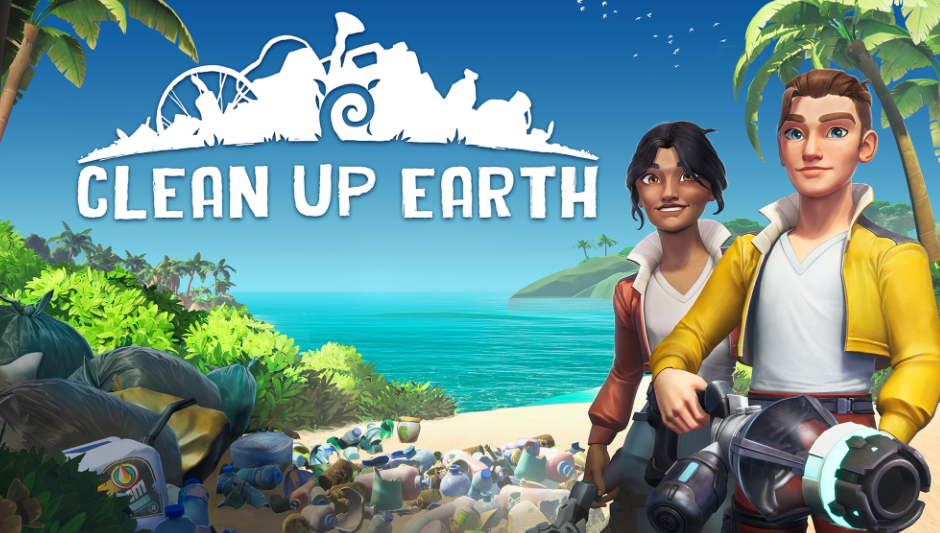
I like the premise of Clean Up Earth. Video games with a restoration theme have taken off over the past several years. I’ve played my share of these games. Geekly has covered Spilled! and Terra Nil this past year. Clean Up Earth gives me strong Slime Rancher vibes. Instead of using a vacuum gun on slimes (on an alien planet), you’re using a vacuum gun to clean up our planet. Clean Up Earth looks intriguing.
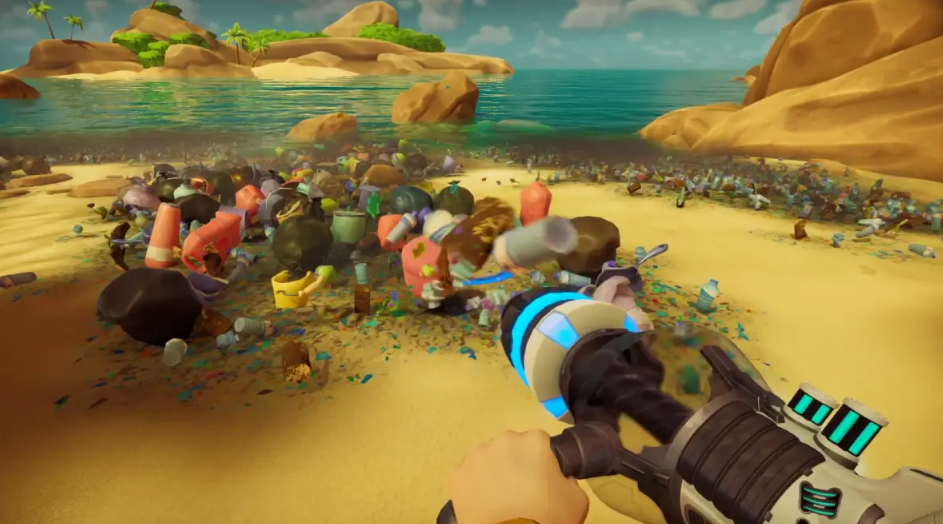
Clean Up Earth describes itself as a relaxing co-op restoration game where you vacuum waste, rebuild ecosystems, and watch nature return in real time. Play solo, with friends, or in online multiplayer sessions with up to 25 players. Community gameplay can help support real environmental initiatives with no extra spending required. I don’t know how this works. Clean Up Earth has my attention, but with mixed early reviews, I may wait until after a few patches. You can try out Clean Up Earth’s free demo and see if it’s something you’d enjoy before buying. Clean Up Earth is available on PC, PlayStation 5, and Xbox Series S/X.
That’s all the Geek News we have for you this week. Which games have your interest? Let us know in the comments. Thank you for reading, and wherever you are, I hope you’re having a great day.

















 jkgeekly.com