Kyle Kyra (they/them) writes fiction, nonfiction, and poetry. They live in a sleepy Nebraska town. Yes, corn lives outside their back door. They hold a BFA in creative writing from the University of Nebraska at Omaha, and their work has appeared in Menacing Hedge, Spank the Carp, Danse Macabre, The Door is a Jar, The Collidescope, and other journals and anthologies.
Hey, hey, Geekly Gang! Kyra Kyle here for a second round of a Daredevil: Born Again review/reaction. This post will focus on the second season’s third episode, “The Scales and the Sword.” It played out exactly how I thought it would. If you didn’t catch my thought on “Shoot the Moon,” here’s a link to the previous episode’s reaction. While some may say that an episode playing out exactly as someone believed it would is not a good thing, it works in the case of “The Scales and the Sword.” But this fact may have played a role in Daredevil: Born Again’s second and third episodes releasing the same day. They’re two halves of the same episode.
Seriously, I got the sense that Disney/Marvel ended up with an hour and a half to two-hour episode and decided to cut it into two, roughly forty-five-minute episodes. Angela dons White Tiger’s amulet and helps Daredevil escape his infiltration of Red Hook. We even get a trial scene with Duquesne (Swordsman) that goes as well as you’d expect. All of this I predicted. But again, I don’t think this is a bad thing. It proves that Daredevil: Born Again is building toward something. Many of the major plot points have yet to be revealed. And I’m certain we’ll get plenty of twists and turns before the second season’s climax.
I said it before, and I’ll say it again, Heather Glenn serves as a fantastic secondary antagonist to Daredevil. She has a haunting history in the comic books. I won’t spoil that here, but trust me, Daredevil: Born Again could’ve gone a lot darker with her storyline. It still could. I like how she navigates her trauma at the hands of Muse. It makes her sympathetic. She believes she’s doing the right thing. Her scenes around Duquesne trial are great. I loved the quick rundown we got with Heather and Buck at the ball. We may have even gotten a hint that Blake will become The Rose. Buck and Heather could be an interesting couple.
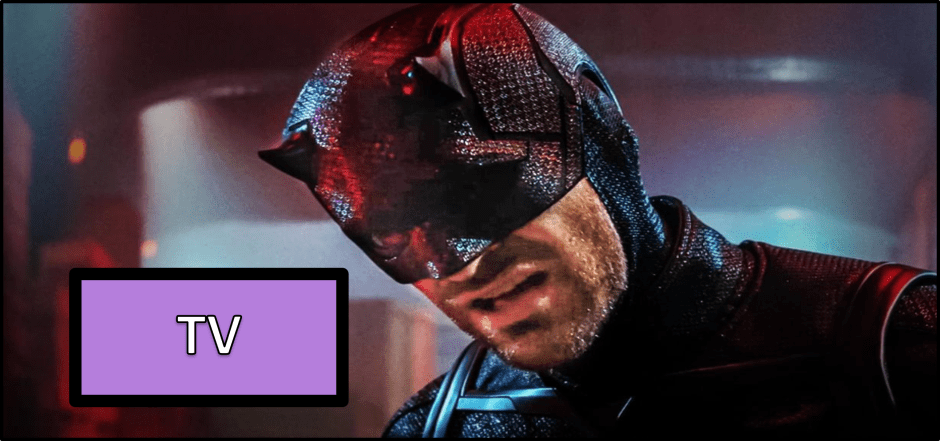
I don’t have much to say beyond what I did with the previous episode’s (“Shoot the Moon”) reaction. It was a joy to watch Daredevil use his powers during the Red Hook infiltration, and I was shocked by how satisfying it was to watch Duquesne fight alongside the Man Without Fear. “Shoot the Moon” could stand on its own as an episode. I don’t believe “The Scales and the Sword” could’ve done the same. Disney/Marvel made the right decision to release both episodes on the same day. If we had gotten “The Scales and the Sword” by itself next week, we might’ve felt a little shortchanged. I’m glad Daredevil: Born Again tied up its early loose ends with this episode, and I hope this frees up the next episode to deliver a few twists.
That’s all I have for my reaction to “The Scales and the Sword.” I did watch the episode twice like I did the previous one, but there isn’t as much to discuss. “The Scales and the Sword” serves as an enjoyable second half to the last episode. But those are my opinions. What do you think? Let us know in the comments. Thank you for reading, and wherever you are, I hope you’re having a great day.
Happy Saturday, Geekly Gang! Kyra Kyle here with another Daredevil: Born Again reaction/review post. Daredevil: Born Again released two episodes this week, so we’ll have a reaction for the next episode, “The Scales & the Sword,” later today. I’m writing this reaction/review of “Shoot the Moon” after watching the episode twice. I like most of the developments in this episode, but Daredevil: Born Again also continues its penchant for adding more story threads and characters we need to follow. Before long, I may need a roadmap.
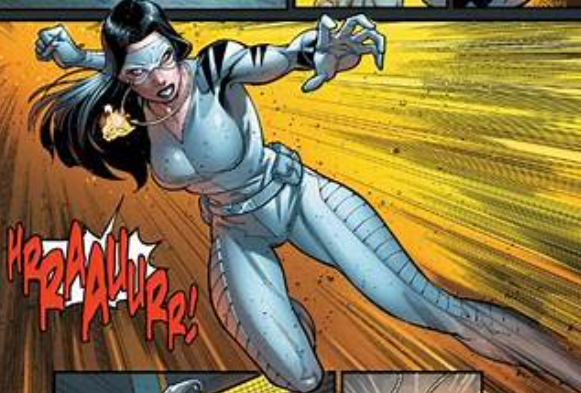
Angela del Toro, niece of Hector Ayala (White Tiger) and definitely the next White Tiger, is reintroduced in this episode. I don’t mind having another White Tiger this quickly. Several characters have donned the White Tiger mantle. I like the story centered around del Toro. It gives ICE in Minnesota vibes. Daredevil: Born Again, Season Two may not have shot these scenes as an homage to ICE in Minnesota, but one can see parallels. I’m down for it. My issue from last week stands. Daredevil: Born Again, Season Two has a massive cast. It does a lot of things great, but I don’t know where to focus. I don’t even know if the show knows to place its focus.
The massive cast was my rant from the previous episode. I don’t know if I mentioned enough of the previous episode’s strengths. I do like how Kirsten McDuffie gets roped into Angela’s superhero origin. McDuffie already fights the legal battles for vigilantes. She’s going to war for vigilantes in the courtroom. I can see her helping Angela as the new White Tiger outside the courtroom. This could mirror Foggy and Matt’s relationship way back in the original Netflix Daredevil. I’m all for that. And it’s confirmed. BB Urich is behind the Mayor Fisk smear campaign, and she’s the one dressing up as Kingpin. I think I called that last week. If I didn’t, I certainly thought BB was behind the Fisk mask. Honestly, the reveal wasn’t that big of a shock, so it’s best that it occurred so soon in the season. But the scene between BB and Deputy Mayor Daniel Blake was fantastic.
I liked Daniel Blake’s portrayal from last season. We lost him in the second season’s first episode, but “Shoot the Moon” highlights why Blake is a dynamic character. Michael Gandolfini shows unlimited range in this episode. He switches from affable to terrifying within the same scene. He’s so good in this role. I don’t care if he is or isn’t Wilson Fisk’s son, Richard Fisk, also known as the supervillain The Rose. There are so many great performances on the Wilson Fisk side of the aisle. Sheila Rivera stands on the precipice of learning who Mayor Kingpin is and watching her navigate which path to take is mesmerizing. Vanessa and Wilson Fisk share several heartfelt moments in “Shoot the Moon.” If they weren’t murderers, you’d swoon.
And “Shoot the Moon” brings back Benjamin “Dex” Poindexter into the fold. It’s fun watching Wilson Bethel’s Bullseye get to work. There are so many delicious layered plot threads introduced in Daredevil: Born Again so far. Bullseye takes down the anti-vigilante task force (AVTF). This obviously hurts Fisk’s AVTF and authority. But it doesn’t do Matt Murdock any favors, because Fisk can blame most of the deaths on Bullseye working alongside Daredevil. And I like how Fisk sends NYC citizens after Murdock because he’s a hero, while siccing his AVTF after Daredevil. The only thing I didn’t care for was Matt explaining what’s happening to Karen because whoever wrote the script didn’t trust the audience would pick up on Fisk playing both sides. This was Kingpin acting like Kingpin. There’s a reason we love the big guy. Vincent D’Onofrio is brilliant.
And that brings me back to Venessa and Wilson, and I’ll add Matt and Karen. I like the parallels between these two couples. There’s a reason why the Heather Glenn/Matt Murdock relationship felt like it would be short-lived. The two didn’t have chemistry. Matt Murdock and Karen Page’s relationship is the one that could rival Venessa and Wilson’s, and it’s great to see them together in Daredevil: Born Again. But I do like Heather Glenn as a secondary antagonist. The Vigilante Trials should play a huge role in Daredevil: Born Again’s Second Season. I’m watching these episodes one at a time, so I may contradict myself in the next post. In fact, I’m going to make some predictions before I watch the next episode, “The Scales & the Sword.”
Sword makes me wonder if the Swordsman will get involved. We may see Duquesne, but I think we’re more likely to see him in court, the aforementioned Vigilante Trials, because Scales and the Sword is also the symbol for justice. Red Hook was built up in this episode, so we’ll see Daredevil attempt to infiltrate the facility. And there’s an outside chance del Toro will don the White Tiger amulet. Most likely, she won’t wear an outfit…yet.
I may have focused a lot on the first episode’s shortcomings, but I do like Daredevil: Born Again’s, Second Season. There are a lot of interesting characters and plotlines. I just hope we get some satisfying payoffs. But what do you think? Let us know in the comments. Thank you for reading, and wherever you are, I hope you’re having a great day.
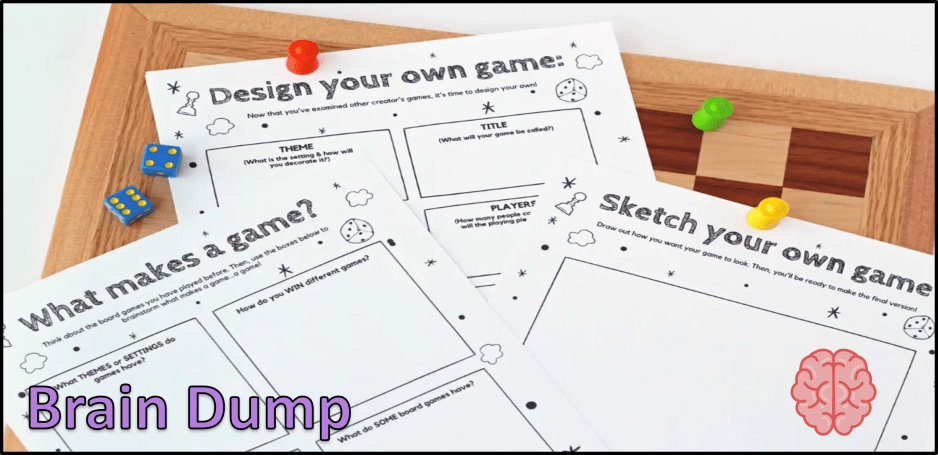
Hey, hey, Geekly Gang! Kyra Kyle here. I’m just checking because this is when I would typically post a board game design brain dump. I’m skipping this week, but I have a good reason. This week (and next week) are crunch time for my board board game designs. I’ll be submitting them to Great Plains Game Festival’s (GPGF) Playtest to Win event. So, if you’re in the Lincoln, Nebraska area and you’re attending GPGF, you can play Spill the Beans, No Kings, and Whirligig Pets.
I may or may not post a game design brain dump next week either, as I will be attending GPGF. If you’re attending stop by and say, hi.
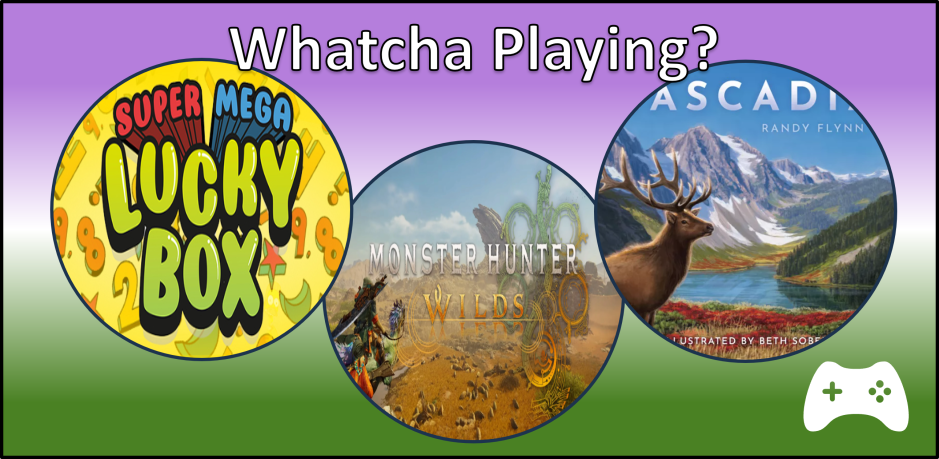
Happy Wednesday, Geekly Gang. Kyra Kyle here. Today, our writers share the games (both video games and board games) they’ve been playing over the past month. Feel free to add which games you’ve been playing this past month. We’re all part of the Geekly Gang. I’ll kick off this post with the games I’ve been playing this past month.
Kyra’s Video Games
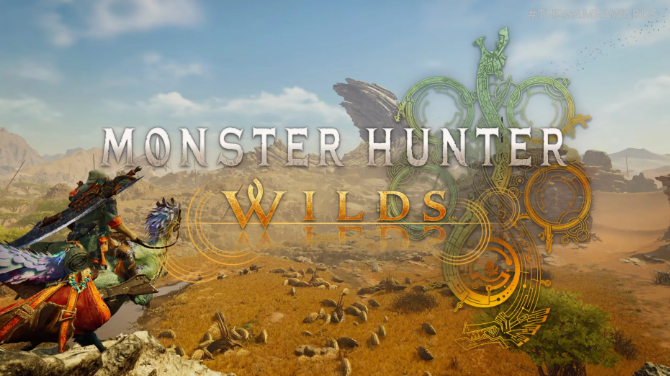
My first entry is the first of two Monster Hunter games. Woah! Monster Hunter Wilds follows in Monster Hunter World’s footsteps. Ironically, we covered the release of Monster Hunter Wilds a little over one year before I picked up a copy on the PlayStation 5. Monster Hunter Wilds gives the Monster Hunter World formula some much-needed updates. Mounts are a great addition; we saw them in Monster Hunter Rise. I like that one can harvest things on one’s mount, and the grapple comes in handy. The load times and the ability to ready up for a mission from almost anywhere are fantastic quality of life upgrades over Monster Hunter World. Objectively, Monster Hunter Wilds is the better game. But there are two things I wish Monster Hunter Wilds retained from Monster Hunter World: scale and research.
Simply put, Monster Hunter World feels larger than Monster Hunter Wilds. Having finished Monster Hunter Wilds’ main story, I found monsters segregated by size. This means monsters will fight each other for territory because they’ll be of similar size. This is a good thing. I don’t know how many times I waited for another monster to damage the monster I’m hunting, and then swoop in for the final blows. But I also liked how smaller monsters will run away from larger ones. This gave Monster Hunter World a sense of scale. A pukei-pukei high-tailing it from an anjanath made the anjanath feel bigger and more imposing. Sure, this made hunting a pukei-pukei more difficult, but I didn’t mind. It made World’s monster feel more alive. Without dissimilar-sized monsters in the same area, I lost sight of a monster’s size.
Sure, Monster Hunter Wilds has some massive monsters. I judged that from the environment. That boulder looks a lot smaller. That must be a massive monster. Still, I’d trade the occasional small monster getting away for a more cohesive biome.
And then, there’s research. I understand why Monster Hunter Wilds mostly got rid of research. It got tedious. Finding monster mucous in a biome and learning that a specific monster marked its territory with its mucous was awesome the first time I heard it. But it loses its luster after the hundredth time collecting mucous. Monster Hunter Wilds could’ve toned down the amount of research one needed to conduct. I liked the idea of my character as a field zoologist. Or would they be monstologists? Regardless of those two minor shortcomings, I enjoyed Monster Hunter Wilds.
The story wasn’t that good, but no one plays a Monster Hunter game for its story. Exploring the world is as fun as ever. I can’t wait to dive into the post-game and any new DLC. Bring it on!
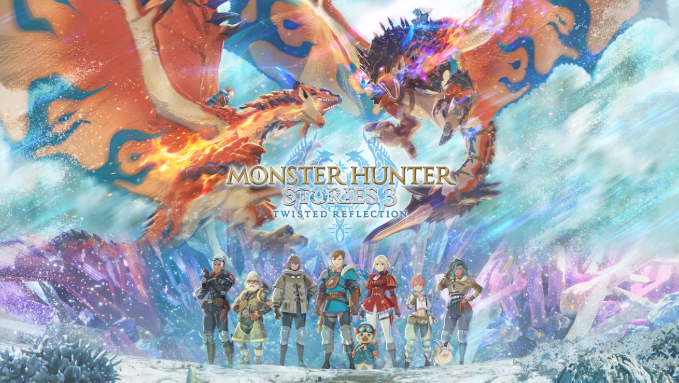
You know how I just said, no one plays a Monster Hunter game for its story? The same can be said for Monster Hunter Stories 3: Twisted Reflection. But I think I found where all Monster Hunter World’s research went. But Monster Hunter Stories may be the better title for monster research. Monster Hunter Stories 3 is the first game in the series I’ve played. From what I’ve heard from Season, Monster Hunter Stories 3 added quality of life updates just like Monster Hunter Wilds did to the mainline series. I’ll leave those points for Season; I’m sure she’ll talk about Monster Hunter Stories 3. But I’ve been enjoying Monster Hunter Stories 3: Twisted Reflection. I love restoring biomes.
Yes. Monster Hunter Stories 3 features invasive monsters, disrupting the flow of each of the game’s biomes. Players are tasked with restoring each biome to its original balance. This includes researching monsters and learning their moves. Speed, Power, and Technique Attacks play out like a Rock-Paper-Scissors style of combat. Add this to an additional layer of elemental type (which also plays out like Rock-Paper-Scissors), and Monster Hunter Stories 3 prompts players to collect ’em all. You’ll need monsters with a Fire, Water, or Lightning (and others) element and each of the three attack types. This dual-layered game of Rock-Paper-Scissors adds plenty of complexity. And it’s fun collecting eggs and watching them hatch.
Most of the popular monsters in the Monster Hunter series make an appearance in Monster Hunter Stories 3. Heck, you begin the game with a Rathalos. The story overview (first paragraph in this write-up) mentions Twin Rathalos, and I’m certain the other Rathalos factors into Monster Hunter Stories 3’s storyline. Again, I couldn’t care less about the story. The voice acting is over-the-top. Characters sport the JRPG-styled mannerisms. And the ultimate attacks (for each of the monsters) play out like a summon spell in Final Fantasy VII, but at least you can skip the animation if it’s the one millionth time you’ve seen it. I like the shake-up the Monster Hunter Stories series gives the typical Monster Hunter gameplay formula.
Did I mention you can ride your monsters? Flying on my Rathalos rules. But so does riding my Tobi-Kadachi up wall faces. Yes! I haven’t yet found (or built) a monster I can reliably ride on while they swim, but I’m working on it, and when that happens, I’m certain that’ll be a blast.
Kyra’s Board Games
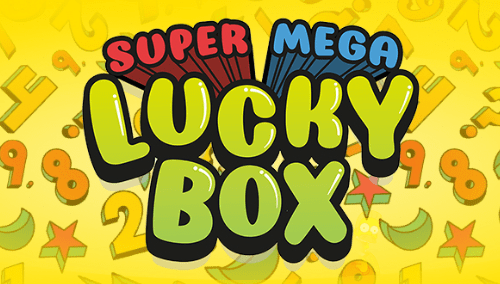
I’ve talked about Super Mega Lucky Boxin this series before, but I’ve played it with Skye at least twice this past month, so I had to mention Phil Walker-Harding’s take on Bingo. If you know how to play Bingo, you know more than half the rules to Super Mega Lucky Box. This board game is one of those perfect games to introduce to people who don’t play board games. And it’s fun. I could play Super Mega Lucky Box with Skye another twenty times this upcoming month. It’s that good.
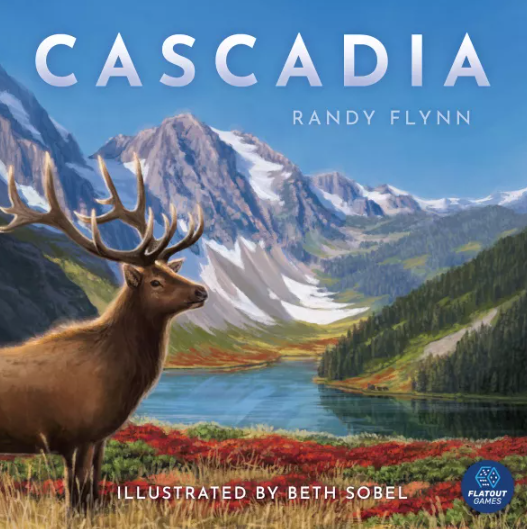
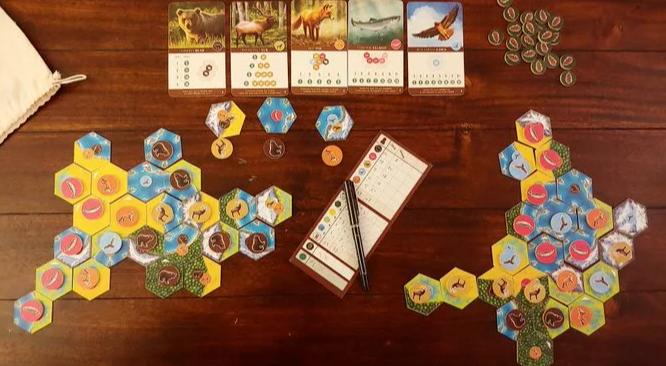
I have been meaning to play Cascadia ever since it was first released in 2021. I never picked up a copy of Cascadia because I already owned Overboss, which has a similar pick-up a tile and token combo. But that’s where the similarities of the two games end. Cascadia offers varied but balanced play in every game. I didn’t catch all the ways one can score during the original rules explanation (I didn’t know that each collection of land types scored, and it wasn’t just the player who had the most of the largest type of each land), but my brain wouldn’t let me place a tile without a match. I ended up scoring way more points than I thought I would. And matching animals to the pattern they wanted made thematic sense. I was impressed.
Beth Sobel’s art elevates any nature-themed game. Her art has appeared in so many games of this type. Keep it coming. And Flatout Games has a knack for designing/developing easy-to-learn but difficult to master board games. They’re the company behind the Point Salad series of games, Ten, and Calico. I knew I would like Cascadia. I can’t believe it took me this long to play a round.
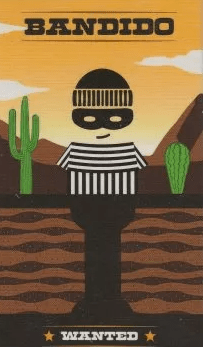
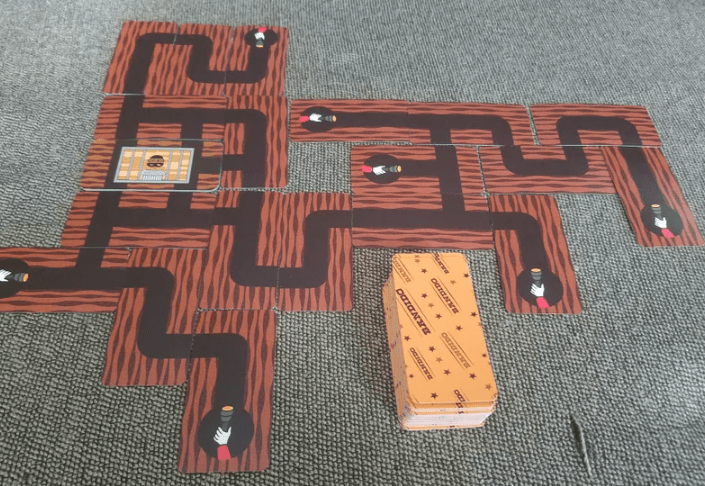
Bandido may be the oddest board game on this list. It certainly generated the most laughs. Gamers take on the role of prison guards. The titular Bandido has broken out of his cell, and it’s up to the players to work together to cut off the Bandido’s exit by strategically placing flashlight cards, dead ends, and loops for the tunnel. Bandido likes to sprawl, so gamers are encouraged to stand while they draw a card from the deck and add a card to one of the tunnel’s open ends.
You’re not allowed to show your teammates your cards, and there’s limited table talk. But that didn’t stop us from ribbing someone for making a suboptimal play. Bandido may not work for every game group. The subject matter could rub people the wrong way. The gameplay can be a little difficult to explain at first, but with the right group, Bandido is a blast.
Those are all the games I have for this month, and it looks like I’ll be flying solo this month. We’ll have to wait on Season’s take for the two Monster Hunter games. But hey, what games have you been playing this past month, Geekly Gang? Let us know in the comments. Thank you for reading, and wherever you are, I hope you’re having a great day.
Happy Monday, Geekly Gang! Kyra Kyle here with a review/reaction to Daredevil: Born Again, Season Two’s premiere, “The Northern Star.” Daredevil: Born Again’s second season begins well, but one issue persists: the show feels off-balance. I’ll get to the good stuff soon (and there is a lot to like about “The Northern Star”), but I can see Daredevil: Born Again’s showrunners’ original vision of making seasons one and two of Daredevil: Born Again a single season. I don’t yet know if this show could’ve worked better with these first two seasons squeezed into a single season, but I’ve been on the record stating that Daredevil: Born Again Season One did a better job developing Kingpin’s side of the narrative, while shortchanging Daredevil’s. Yeah. This season, or at least during this season’s premiere, the roles reversed.
Daredevil: Born Again has a balancing issue. Both “seasons” could’ve benefited from evenly spreading the love for Daredevil and Kingpin’s story. Granted, “The Northern Star” is season two’s premiere, and I didn’t rewatch Daredevil: Born Again’s first season. But I shouldn’t have to rewatch a show’s previous season. Again, this is the first episode of the new season. All may be revealed in future episodes. But that’s also my point. We had to wait a full calendar year for Foggy Nelson’s death to find meaning. Sure, Karen Page left Hell’s Kitchen for most of last season, but the first season spent too much time trying to develop new characters. Matt Murdock seldom grieved the loss of his friend.
He does in “The Northern Star,” though. What a difference twelve real-world months can make. Matt’s story glossing over Foggy’s death may have sparked a lot of last season’s doubts. It wasn’t that the showrunners couldn’t kill Foggy. It was that no one seemed to care he died. I’m glad that we finally see Matt and Karen grieving the loss. And that makes me wonder what this story could’ve looked like where this episode part of the first season. We would’ve seen this catharsis sooner, and I wouldn’t be playing catch-up, trying to remember who everyone is, with Kingpin’s characters. Were there always this many characters? Yikes! I may have mentioned the volume of new characters in the previous season, but returning to Daredevil: Born Again after a year requires flashcards. Who are these people?
And we’re not done introducing more characters like Mr. Charles, Matthew Lillard’s character, who works for CIA director Valentina Allegra de Fontaine. That’s a mouthful. Try saying that name three times fast. Mr. Charles is on Kingpin’s side of the narrative. We also get introduced to Ariana, who owns the Aegean Gardens, and aids in witness protection. Didn’t know that was a thing. That’s cool. BB Urich has more time to develop. I still don’t like the BB Report segments (the people on the street interviews with a shaky cam), but it’s clear, through a scene between Urich and Page, that she’s also the one behind the gorilla news stories defaming Mayor Fisk. This story angle has legs.
But that’s another minor issue. Many of these story angles have interesting ways they could go, but will Daredevil: Born Again season two have enough runtime to explore all of them? It’ll have to cut certain threads. I haven’t even mentioned Heather Glenn’s full heel turn. We got a whiff of Glenn (Murdock’s therapist girlfriend from last year) changing sides by the end of Daredevil: Born Again season one, but it was nice to see the show explore plenty of gray areas. Glenn may do the wrong things, but she believes she’s in the right. She suffers from PTSD after the attack by Muse. While I didn’t like how quickly Daredevil: Born Again dispatched Muse, I love how he continues to haunt the series.
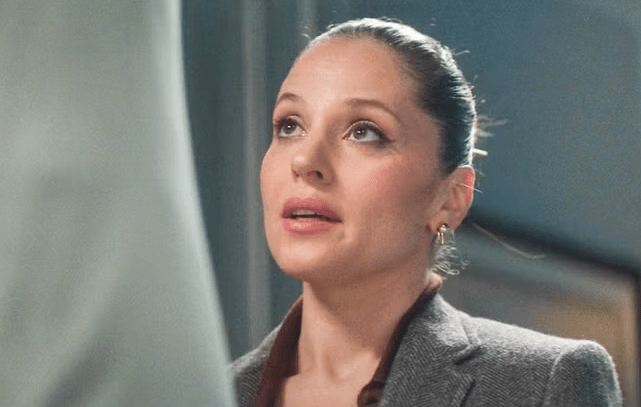
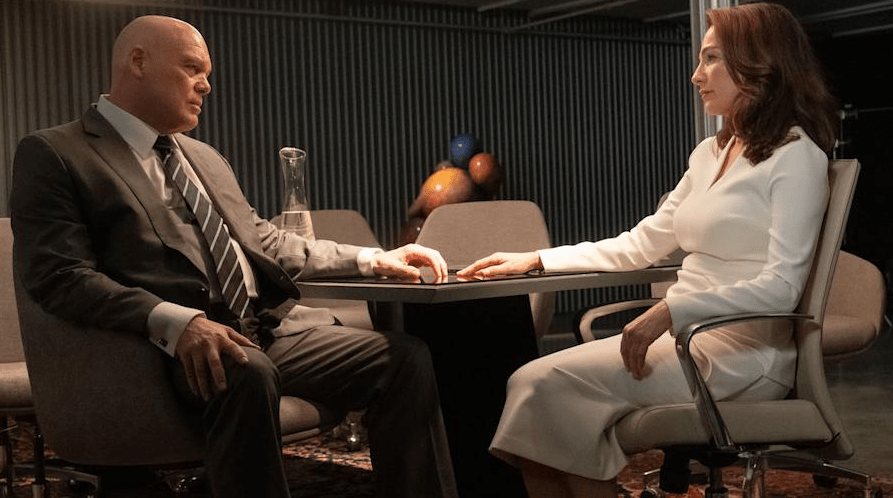
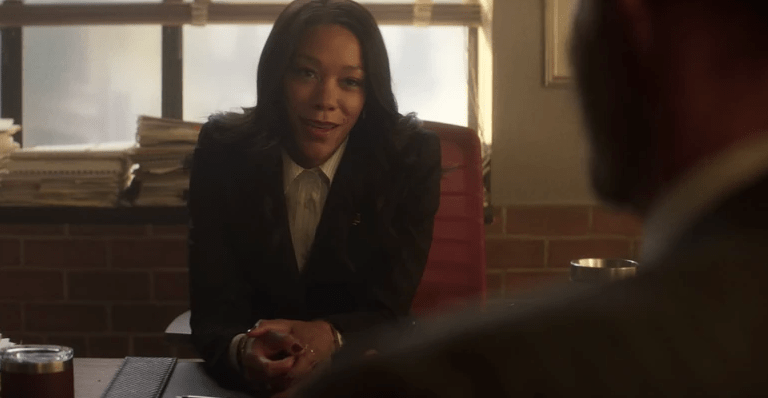
And then there’s Murdock’s new law firm partner, Kirsten McDuffie (pictured above), who has an interesting interaction with one of Fisk’s lawyers, Benjamin Hochberg. And there’s also Cherry, the retired cop turned Murock’s personal investigator, who gets more to do in this episode. And Bullseye’s return gets teased. And the antivigilante task force continues its insane mission. And did I mention that the poignant Page-Urich scene is available because of a lead Page gets from Jessica Jones? Well, it is. And Krysten Ritter will return as Jessica Jones in Daredevil: Born Again season two. There’s a lot to unpack in “The Northern Star.” I watched this episode four or five times; that’s why this reaction got postponed from Saturday to Monday. I needed the weekend to digest.
Most of these are great developments. I’d love to see Ritter return as Jones. The Bullseye tease has me hyped. So many of these character developments are fun: McDuffie’s, Cherry’s, Page’s, the AVTF, most of Fisk’s entourage, and Glenn’s PTSD and struggling with remaining objective. I don’t know how Daredevil: Born Again season two plans to tie up some of these loose ends. Thankfully, Daredevil: Born Again will receive a third season; they’re already filming the third season. But I don’t want another Lost situation. For those who don’t know, the television show Lost presented numerous great ideas and seldom finished any of them.
Daredevil: Born Again should make good on many of its premises, but Matt did get shot (by Bullseye) at the end of last season, and we didn’t see the shot’s effects in the second season’s first episode. Something tells me we’ll get flashbacks and flash sideways and flash forwards to fill us in with Matt recovering from his gunshot. I’ll just leave this here: Lost used a lot of flashbacks and flash sideways and flash forwards, too. Uh oh. Let’s hope we don’t get too many flash somewheres.
That’s all I have for “The Northern Star.” Oddly enough, this episode could’ve used more guidance from something like a northern star. Daredevil: Born Again’s Season Two premiere was a solid beginning. I just hope the season can stick the landing. But what did you think? Let us know in the comments. Thank you for reading, and wherever you are, I hope you’re having a great day.
Happy Sunday, Geekly Gang! Kyra Kyle here with another week of Geek News. Sorry about missing last week’s news post. We have new releases for board games and video games, but before we get to those, we have a few headlines to discuss first. The news this week was rough, but not as rough as the recent PlayStation 5 price hike.
Sony Raises PS5 Prices Worldwide
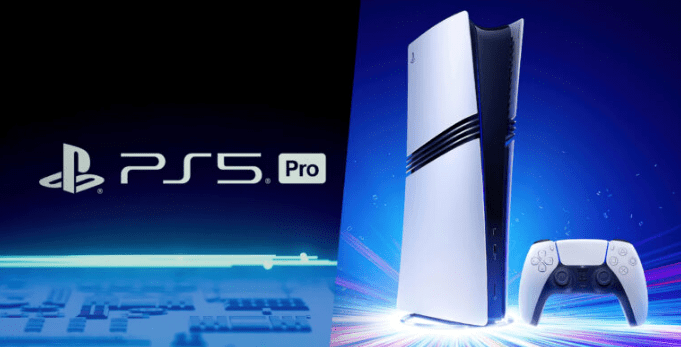
This Friday, Sony announced that it will raise its prices on PlayStation 5 consoles on April 2, 2026. Despite the proximity to April 1st, this is not an April Fool’s Joke. In the United States, the standard PS5 will increase to $649.99, up by $100. The digital game-only edition will also increase by $100 to $599.99, while the PS5 Pro will see a $150 increase to $899.99. The company cited ongoing economic pressures for this price hike.
Note: If you’re in the market for a PlayStation 5, you may want to purchase one before April 2, 2026.
“We know that price changes impact our community,” Sony said in a statement, “and after careful evaluation, we found this was a necessary step to ensure we can continue delivering innovative, high-quality gaming experiences to players worldwide.” Ongoing economic pressures indeed. While Sony mentioned the rising cost of memory chips (thank you, AI slop factories), a couple of other factors could’ve assisted Sony in making this decision: shipping costs may increase because of the closure of a certain strait in the Middle East, and tariff wars continue to add additional costs to companies conducting international business.
And there’s the next headline for this week: Sony has laid off a lot of its workforce by shuttering first-party developers. The climate looks dire at PlayStation.
Sony Shuts Down Dark Outlaw Games and Downsizes Mobile Game Development
2026 hasn’t been kind to Sony or its first-party developers. This past week’s announcement of Sony shutting down Dark Outlaw Games marks the second major Sony has shut down this calendar year, and the year isn’t that old yet. Dark Outlaw Games, a studio founded barely a year ago, was founded by Call of Duty veteran Jason Blundell. The company didn’t even get a chance to produce one game. In fact, Dark Outlaw only had working title for a new project that was “still in the early stages” (according to ResetEra user J-Soul, who first broke the story), when Sony Interactive Entertainment decided to close the fresh “incubation studio.”
Sony has made other cuts, including its mobile development and developers who primarily worked on virtual reality titles. These cuts may be in conjunction with the “ongoing economic pressures” mentioned in the previous story, and/or they could signal a pivot by Sony to traditional single-player titles. I wouldn’t mind more titles like the upcoming Wolverine. Many of the developers Sony has recently shut down have worked on live-service projects, which makes sense after the failure that was 2024’s Concord.
The overcrowded online game market has slowed down, even for giants like Fortnite. And hey, we have some news about Fortnite, too. Fingers crossed that the employees affected by these layoffs find work. Sony has maintained its commitment to producing great first-party titles. Let’s hope we’ll see Sony’s vision soon.
Epic Games Lays Off Over 1,000 Employees
Fortnite developer Epic Games has announced it is laying off 1,000 staff due to a “downturn in engagement” in Fortnite. “Today we’re laying off over 1,000 Epic employees,” Sweeney told Epic Games employees. “I’m sorry we’re here again. The downturn in Fortnite engagement that started in 2025 means we’re spending significantly more than we’re making, and we have to make major cuts to keep the company funded.” So much for Fortnite being an evergreen battle royale. But when in 2025 did Fortnite begin to see a sharp decline in sales? Epic Games controversially raised the price of the game’s lucrative V-Bucks in-game currency two weeks ago. This caused an outcry among gamers, but that only occurred two weeks ago. Should Fortnite have done something sooner?
Gamers have spent less money in recent months. That could contribute to Fortnite’s drop in sales, and the game has seen growth in the number of game modes it offers. Fortnite began as a player-versus-zombies game, until it added a battle royale component. The game has since added numerous game modes, several of which will get mothballed (like its Pysonix-made Rocket Racing mode). Fewer game modes, means fewer employees needed to maintain those game modes.
But Epic Games has known about Fortnite’s dip in sales for months (if not close to a full year), and it also controls the Unreal Engine. Surely, the company makes enough from that asset alone to finance 1,000 employees. Every game seems to use Unreal Engine 5. Epic does plan to unleash Unreal Engine 6 in the near future. But isn’t Unreal Engine 5 a few years old at this point?
Sweeney mentioned that the company has experienced a setback like this before when they moved from 2D to 3D with Unreal Engine 1 back in the Nineties. Honestly, I started singing the Bojack Horseman theme in my head when I wrote, Back in the Nineties, I was on a very famous TV… Nevermind. To his credit, Sweeney made it a point that “the layoffs aren’t related to AI,” he said, “to the extent it improves productivity, we want to have as many awesome developers developing great content and tech as we can.”
So does that mean Epic Games uses AI or not? The phrase “to the extent it improves productivity” is doing a lot of work in that statement. The illusion of increased productivity is what tempts employers to shift toward AI. Regardless of the company’s true reasons, Epic Games was believed to employ a little over 4,000 people, so this week’s layoffs impacted almost a quarter of the company.
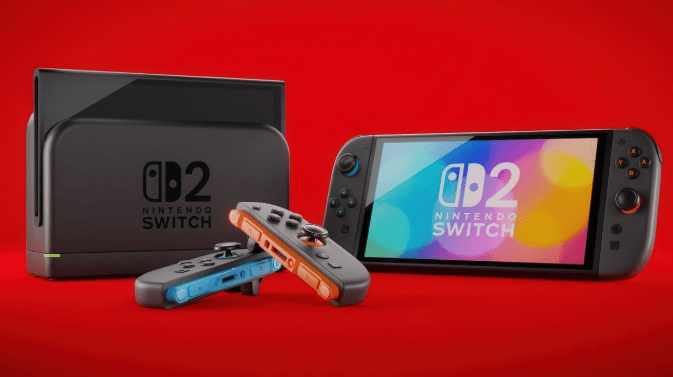
Nintendo Suggests Cutting US Switch 2 Output
We’re just full of great news this week. Nintendo’s Switch 2 struggled in the United States during its first holiday period. The console’s sales numbers were down 35% in the United States when compared with its predecessor in 2017. As a result, Nintendo has lowered its US production for the quarter. According to sources, this decision is “driven by slower demand from consumers” over the holiday period, and not by wider economic factors affecting worldwide hardware production, like rising component prices. Thank you again, AI Slop Factories.
I can see why Nintendo’s Switch 2 would struggle this past year in the United States. It had few titles that sparked gamers’ imaginations. No new Zelda. No new Mario title. Not even a new Kirby title. The long-awaited Metroid Prime entry (in over a decade) bombed; Metroid Prime 4 was the lowest-rated game of the series. And Mario Kart World, the game that’s packaged with many Switch 2s, had stiff competition in the kart racing genre in 2025. Many critics and gamers believed Sonic Racing: CrossWorlds was the better game. The kart racing debate could come down to choice, but that’s the point I’m making. Mario Kart has always been unequivocally the best kart racing game to release each year it had an entry until last year.
But the Switch 2 has had some superb titles. Mario Kart World is still a fabulous game, and an excellent Donkey Kong game was released last year. DK doesn’t pull the same numbers he used to, but a great title in his line of games is a good sign. I am stoked for the recently released Pokémon Pokopia, which is a joint effort by the creators of Dragon Quest Builders 2, one of my favorite newer game series. Pokémon Pokopia has renewed interest in the Switch 2, moving 2.2 million units in its first four days. Yay! And we have an upcoming Yoshi video game to tie into the upcoming Mario Galaxy movie, releasing this summer. I would’ve thought Nintendo would have planned a major Mario release as a movie tie-in, but Donald Glover is voicing Yoshi. Glover’s stardom could elevate Yoshi to icon status. Stay Yosh!
Even with Nintendo reducing its United States production for the Switch 2, this may be a blip in the console’s life cycle. So, when is the Legend of Zelda getting another entry, Nintendo?
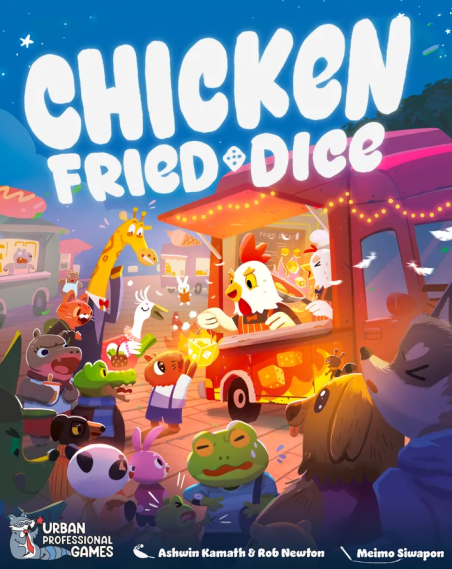
Chicken Fried Dice Launches on KickStarter
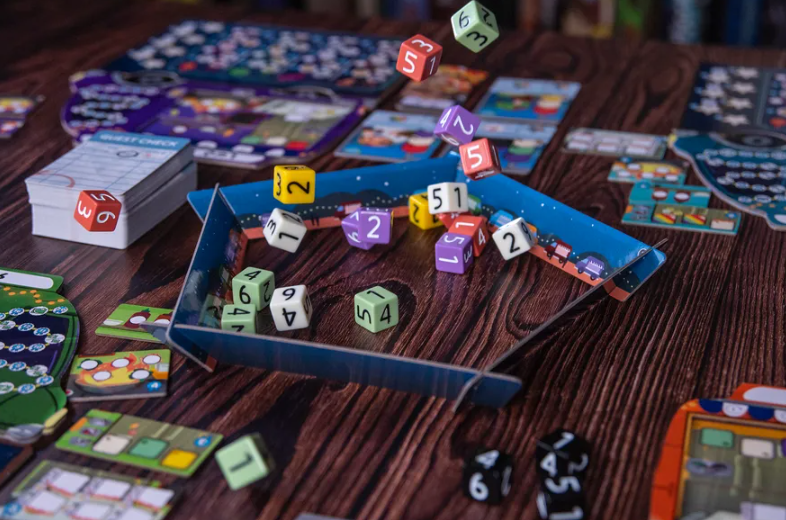
Order up! Become Top Chef at a Food Truck Festival by serving up delicious dishes to hungry customers. You’ll be chuckin’ and pluckin’ dice in this frantic, puzzly roll ‘n write for 1-5 players! Upgrade your truck to out serve your competition featuring dry erase customer cards and dual layer food truck player boards.
Operate your own food truck serving up delicious dishes to hungry customers. Each food truck is represented by a double-layer board with different food stations that help you feed customers. Upgrade your truck with dry-erase tiles to out-serve the competition. Insert tiles onto your truck to change the way each station works and make your job easier.
Pluck ingredients from the market before the other chefs get a chance. It’s a race to grab the ingredients you need each round.
Based on the description (provided by the publisher), I had to check and see if Chicken Fried Dice was a real-time. It is. Each player owns a unique food truck with various meal offerings. Customers have food desires, and the quickest chef to claim the appropriate number and colored die can serve the customer first. I have never played Chicken Fried Dice, but I love the concept and the game’s punny name.
Chicken Fried Dice is the first of a couple roll-and-write games (like Yahtzee) this week. It’s been on my radar for a few months now, and I’m excited to see it released. This title scored big at the PAX Unplugged Convention a year or two ago. If you’re interested in Chicken Fried Dice’s fast-paced roll-and-write action, check out its KickStarter page.
Brass: Pittsburgh Launches on GameFound
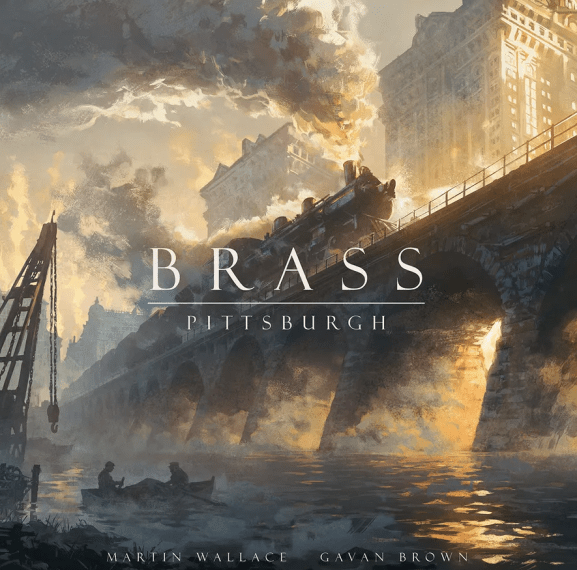
From Roxley and Gavan Brown, co-designer of Brass: Birmingham, comes Brass: Pittsburgh, which allows you to re-experience the explosive late 19th-century industrial boom of America’s Gilded Age in its northeastern “Steel Belt” region (1865-1913). Players take on the role of a ruthless industrial titan in the age of Cornelius Vanderbilt, Andrew Carnegie, John D. Rockefeller, and Henry Frick as they build sprawling networks of railways, pipelines, steel mills, oil refineries, and more.
Built on Martin Wallace’s acclaimed Brass system, this standalone game introduces innovative new mechanisms and content, while maintaining the overall structure and strategic depth for which Brass has become known.
The description above comes from Brass: Pittsburgh’s publisher, Roxley. I’ve never played a game in the Brass board game series. Brass: Birmingham has dominated the BGG (BoardGameGeek) charts for years, and Brass: Pittsburgh is the latest game in the series. I have some familiarity with Pittsburgh, so the subject matter strikes a chord. But I’ve seen some Brass fans unhappy with this latest offering.
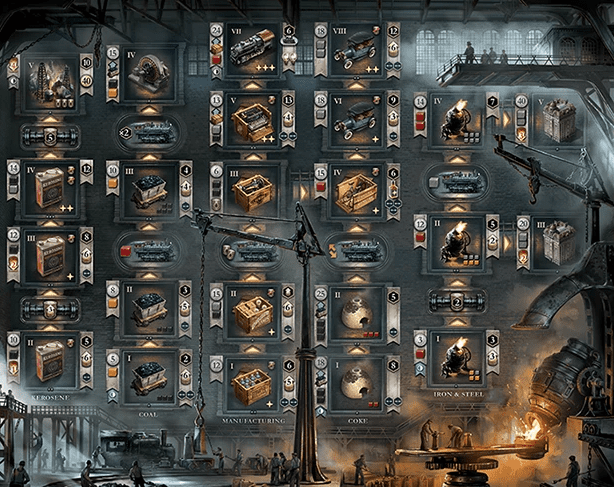
Above is a picture of a player’s tech tree in Brass: Pittsburgh’s. Yes. Games in the Brass series feature tech trees you can progress. You can see why I’ve been reluctant to play one of these games. But Brass fans have pushed back on Brass: Pittsburgh’s $125 price tag, and that doesn’t include shipping. And I’ll push back a little on those Brass fans by saying, Roxley does offer a Brass: Pittsburgh Essentials Edition. This stripped-down version of Brass: Pittsburgh will resemble the kind of copy you can pick up at retail for only $79, so I can see disgruntled Brass fans’ point. What’s the point in picking up the Brass: Pittsburgh Essentials Edition via GameFound if you can wait a few extra months and pick up the game at your local game store?
I’ve heard few people say negative things about Brass: Pittsburgh’s gameplay. By most accounts, it deserves the Brass name, and if the shift to the States, and specifically Pittsburgh, piques your interest and you want a stunning copy of the game, you could give Brass: Pittsburgh a shot. If you’re interested in Brass: Pittsburgh, check out its GameFound page.
Hyve Launches on KickStarter
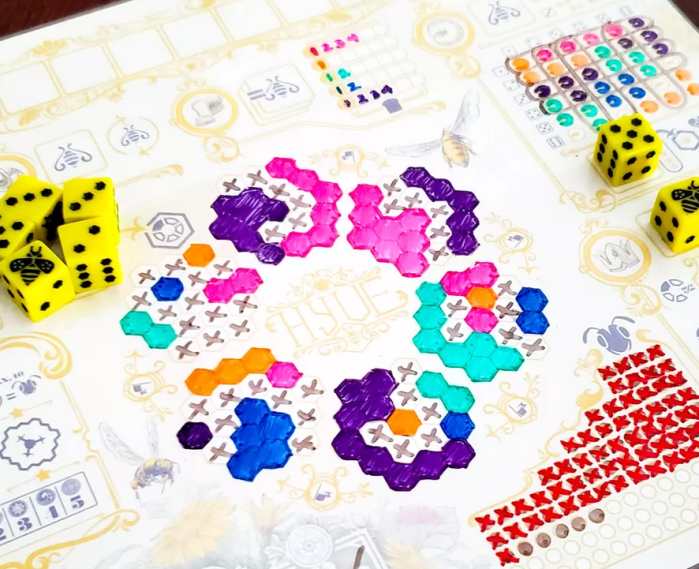
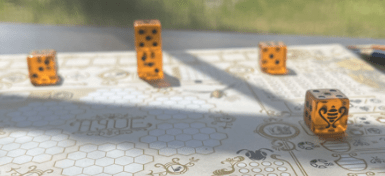
Hyve puts you in control of a beehive. Each turn in, you roll dice equal to your population. These rolled dice represent your worker bees. Using these bees, you select actions you wish to perform. All of your remaining bees are then used to gather nectar, building you a very colorful Hyve. Struggle to stay alive against the constant threats of nature, and lead your colony from merely surviving to thriving.
Thank you for the description, Aerobellum Games. Roll and write–or in this case, roll-and-color–have had a moment in modern board gaming. These games scale well at large player counts, although the original Hyve release was strictly a one or two-player game. I love how most completed Hyve games look so colorful.
Aerobellum Games isn’t kidding about Hyve being a roll-and-color beehive simulator. The new KickStarter campaign aims to make Hyve a multiplayer experience. I wouldn’t mind having the option of pollinating extra player into this game. The new KickStarter even includes amber dice that look as if they’re made from honey. Ah. Gorgeous!
I don’t know why bee-themed games have become huge in the tabletop game space. Perhaps, they lend themselves to strategic planning and managing resources. We must have the pollen. There are too many pledge options for Hyve to discuss in this short write-up. I counted eight for typical customers (no retail store pledges) and at least a dozen add-ons. Yowza! Pledges do range from $38 to $149. And the add-ons range from $12-$15. Not a bad deal if you want more Hyve merch like colored pencils, playing cards, or a Hyve pin. If you’re interested in Hyve, check out its sweet as honey KickStarter page.
Galen’s Games Mint Tin Series 2 Launches on KickStarter
Bring on the mint tin games. Galen McCown, owner of Galen’s Games, is a four-time semifinalist in Game Crafter community contests, many of which included games that can fit inside a mint tin (like Altoids). Naturally, he publishes mini-board games that fit inside a mint tin. This year’s KickStarter campaign marks the second in Galen’s Games Mint Tin Series, and it includes four new games: Kickabout, Hard Drive, That’s An Order, and Mint Mechs. The four games in this series can be further broken down into two smaller bundles: Action and War.
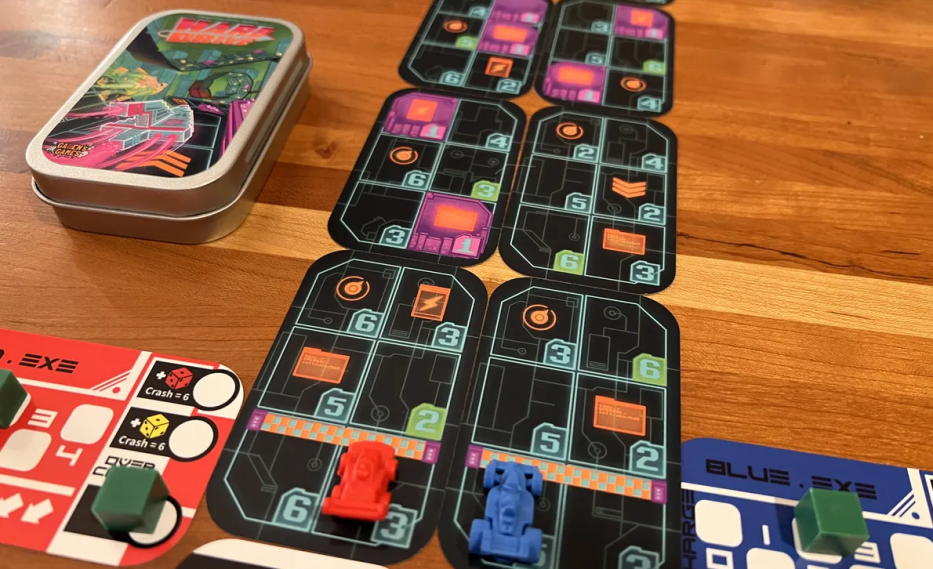
Hard Drive is pictured above. Along with Kickabout, it belongs to the Action bundle. I like the variety in this bundle. Kickabout is a soccer-themed game, where players attempt to out-think their opponents, while Hard Drive plays more like a fast-paced Android: Netrunner. Gamers battle each other to be the first to hack a corporation. The War bundle has a couple of solid offerings as well. That’s An Order looks like a miniaturized Memoir ’44 in the best way. And who doesn’t love a good Mech battle?
Don’t worry if you missed the original mint tin games set. The KickStarter includes multiple options for gamers to pick up the previous series. Pledges range from $8-$230. The cheapest option is a print-and-play (gamers download and print their own game copies), while the most expensive option includes everything (Series 1 and 2, along with all their expansions). Galen’s Games Mint Tin Series offers a lot of games. You’re sure to find something that strikes your fancy. If you’re interested in Galen’s Games Mint Tins Series 2, check out its KickStarter page.
Crimson Desert Releases
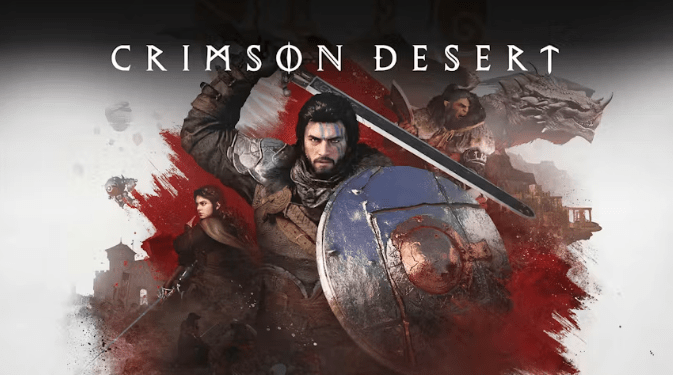
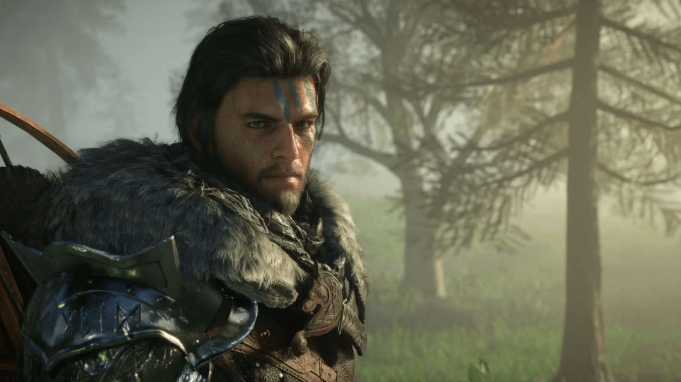
Because we missed a week of Geek News, we’re a bit late with Crimson Desert. We’ll let publisher Pearl Abyss describe their game. Crimson Desert is an open-world action-adventure set on the continent of Pywel. Join Kliff on his journey to rebuild the Greymane faction and to save the land from a looming threat. From vast wilderness and cities to ruins and the mysterious Abyss, forge your path through battles and discovery.
Originally planned as a prequel to Black Desert and another MMORPG, Pearl Abyss soon found that Crimson Desert worked better as a single-player open-world RPG. Yes, please. The publisher has no further plans to make Crimson Desert a multiplayer experience. Thank you. And Crimson Desert’s setting, Pywel, is based on Sicily. I am so there, and I think, Mrs. Geekly is, too. The only issue I can see Mrs. Geekly having is the reported boss difficulty spike. Combat works fine until a boss enters the battlefield. Eek! Crimson Desert is available on PC, PlayStation 5, and Xbox Series S/X.
Life is Strange: Reunion Releases
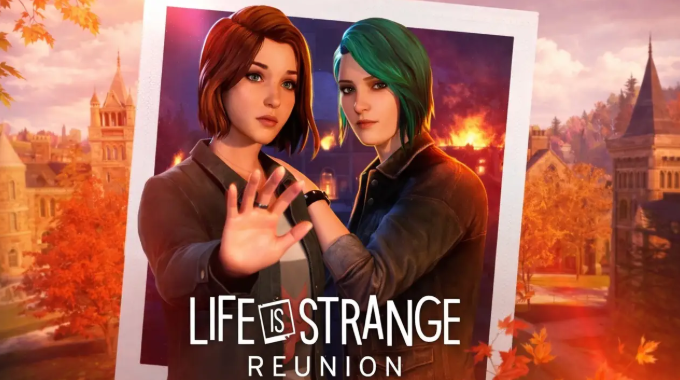
The saga of Max and Chloe, and the fate of Caledon, is yours to decide! Play as both Max and Chloe as an all-new story builds towards an epic climax. The fire will force Max and Chloe to make devastating decisions. Can they find a future together… Before everything burns?
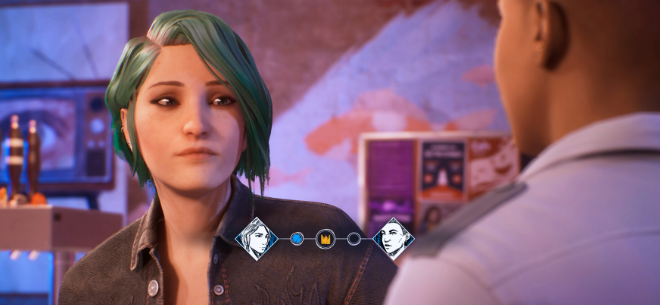
We’re going back to Caledon. What? I loved the original Life is Strange. I even dabbled with the sequel that featured new characters, but I never played Double Exposure, the continuation of Max and Chloe’s story. After Life is Strange: Reunion’s release (the third game in the Max and Chloe’s trilogy), I may have some gaming to add to my growing TBP (to be played) pile. Unlike the original Life is Strange, Life is Strange: Reunion was released all at once, not in an episodic format. Okay. And you can play as Chloe. Yes! I added Life is Strange: Reunion to my wishlist. Max, Chloe, and I have some catching up to do. Life is Strange: Reunion is available on PC, PlayStation 5, and Xbox Series X/S.
Damon and Baby Releases
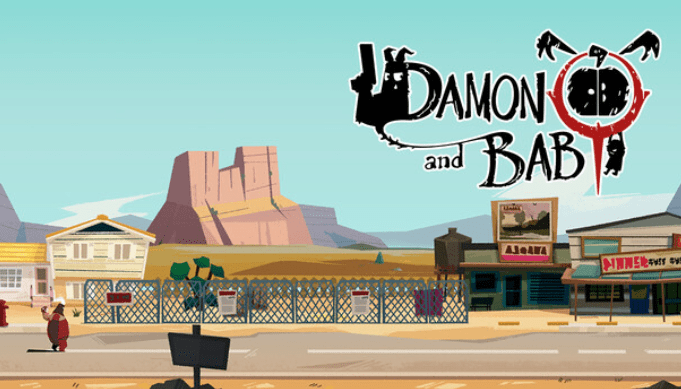
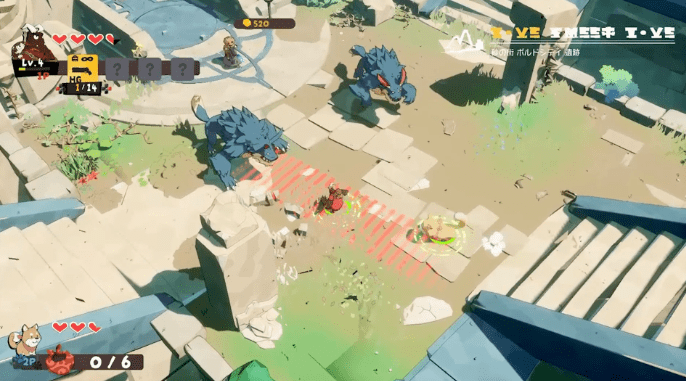
I know little about Damon and Baby and just discovered the game’s publisher, Arc System Works. This company has a knack for retro-style games. While most of their offerings use dated graphics (like the old Dodgeball video game from the 80s), Damon and Baby has updated cell-shaded graphics.
Damon and Baby‘s combat harkens back to Smash TV, the 80s video game where gamers play as contestants in a warfare game show, but Damon and Baby also features a large world to explore. From what I’ve gathered from reviews, Damon and Baby has some great ideas, but the execution doesn’t always land. This sounds like the perfect candidate to wishlist and wait for a sale. Or you can try out Damon and Baby’s free demo to see if it’s right for you. Damon and Baby is available on PC, PlayStation 4, PlayStation 5, Nintendo Switch, and Nintendo Switch 2.
That’s all the Geek News we have for this week. Thank you for reading, and wherever you are, I hope you’re having a great day.





 jkgeekly.com