Hey, hey, Geekly Gang! Kyra Kyle here. I’m just checking because this is when I would typically post a board game design brain dump. I’m skipping this week, but I have a good reason. This week (and next week) are crunch time for my board board game designs. I’ll be submitting them to Great Plains Game Festival’s (GPGF) Playtest to Win event. So, if you’re in the Lincoln, Nebraska area and you’re attending GPGF, you can play Spill the Beans, No Kings, and Whirligig Pets.
I may or may not post a game design brain dump next week either, as I will be attending GPGF. If you’re attending stop by and say, hi.
Happy Sunday, Geekly Gang! Kyra Kyle here with another week of Geek News. Sorry about missing last week’s news post. We have new releases for board games and video games, but before we get to those, we have a few headlines to discuss first. The news this week was rough, but not as rough as the recent PlayStation 5 price hike.
Sony Raises PS5 Prices Worldwide
This Friday, Sony announced that it will raise its prices on PlayStation 5 consoles on April 2, 2026. Despite the proximity to April 1st, this is not an April Fool’s Joke. In the United States, the standard PS5 will increase to $649.99, up by $100. The digital game-only edition will also increase by $100 to $599.99, while the PS5 Pro will see a $150 increase to $899.99. The company cited ongoing economic pressures for this price hike.
Note: If you’re in the market for a PlayStation 5, you may want to purchase one before April 2, 2026.
“We know that price changes impact our community,” Sony said in a statement, “and after careful evaluation, we found this was a necessary step to ensure we can continue delivering innovative, high-quality gaming experiences to players worldwide.” Ongoing economic pressures indeed. While Sony mentioned the rising cost of memory chips (thank you, AI slop factories), a couple of other factors could’ve assisted Sony in making this decision: shipping costs may increase because of the closure of a certain strait in the Middle East, and tariff wars continue to add additional costs to companies conducting international business.
And there’s the next headline for this week: Sony has laid off a lot of its workforce by shuttering first-party developers. The climate looks dire at PlayStation.
Sony Shuts Down Dark Outlaw Games and Downsizes Mobile Game Development
2026 hasn’t been kind to Sony or its first-party developers. This past week’s announcement of Sony shutting down Dark Outlaw Games marks the second major Sony has shut down this calendar year, and the year isn’t that old yet. Dark Outlaw Games, a studio founded barely a year ago, was founded by Call of Duty veteran Jason Blundell. The company didn’t even get a chance to produce one game. In fact, Dark Outlaw only had working title for a new project that was “still in the early stages” (according to ResetEra user J-Soul, who first broke the story), when Sony Interactive Entertainment decided to close the fresh “incubation studio.”
Sony has made other cuts, including its mobile development and developers who primarily worked on virtual reality titles. These cuts may be in conjunction with the “ongoing economic pressures” mentioned in the previous story, and/or they could signal a pivot by Sony to traditional single-player titles. I wouldn’t mind more titles like the upcoming Wolverine. Many of the developers Sony has recently shut down have worked on live-service projects, which makes sense after the failure that was 2024’s Concord.
The overcrowded online game market has slowed down, even for giants like Fortnite. And hey, we have some news about Fortnite, too. Fingers crossed that the employees affected by these layoffs find work. Sony has maintained its commitment to producing great first-party titles. Let’s hope we’ll see Sony’s vision soon.
Epic Games Lays Off Over 1,000 Employees
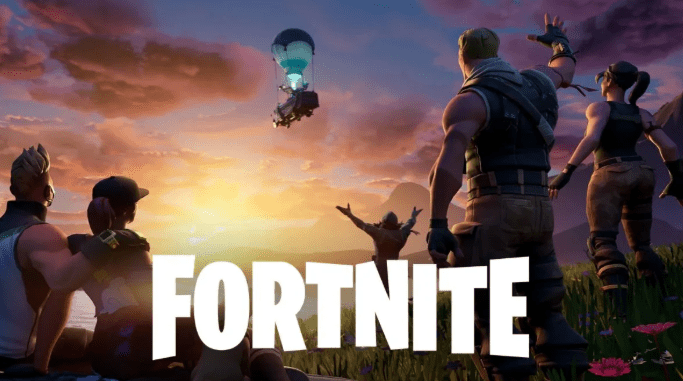
Fortnite developer Epic Games has announced it is laying off 1,000 staff due to a “downturn in engagement” in Fortnite. “Today we’re laying off over 1,000 Epic employees,” Sweeney told Epic Games employees. “I’m sorry we’re here again. The downturn in Fortnite engagement that started in 2025 means we’re spending significantly more than we’re making, and we have to make major cuts to keep the company funded.” So much for Fortnite being an evergreen battle royale. But when in 2025 did Fortnite begin to see a sharp decline in sales? Epic Games controversially raised the price of the game’s lucrative V-Bucks in-game currency two weeks ago. This caused an outcry among gamers, but that only occurred two weeks ago. Should Fortnite have done something sooner?
Gamers have spent less money in recent months. That could contribute to Fortnite’s drop in sales, and the game has seen growth in the number of game modes it offers. Fortnite began as a player-versus-zombies game, until it added a battle royale component. The game has since added numerous game modes, several of which will get mothballed (like its Pysonix-made Rocket Racing mode). Fewer game modes, means fewer employees needed to maintain those game modes.
But Epic Games has known about Fortnite’s dip in sales for months (if not close to a full year), and it also controls the Unreal Engine. Surely, the company makes enough from that asset alone to finance 1,000 employees. Every game seems to use Unreal Engine 5. Epic does plan to unleash Unreal Engine 6 in the near future. But isn’t Unreal Engine 5 a few years old at this point?
Sweeney mentioned that the company has experienced a setback like this before when they moved from 2D to 3D with Unreal Engine 1 back in the Nineties. Honestly, I started singing the Bojack Horseman theme in my head when I wrote, Back in the Nineties, I was on a very famous TV… Nevermind. To his credit, Sweeney made it a point that “the layoffs aren’t related to AI,” he said, “to the extent it improves productivity, we want to have as many awesome developers developing great content and tech as we can.”
So does that mean Epic Games uses AI or not? The phrase “to the extent it improves productivity” is doing a lot of work in that statement. The illusion of increased productivity is what tempts employers to shift toward AI. Regardless of the company’s true reasons, Epic Games was believed to employ a little over 4,000 people, so this week’s layoffs impacted almost a quarter of the company.
Nintendo Suggests Cutting US Switch 2 Output
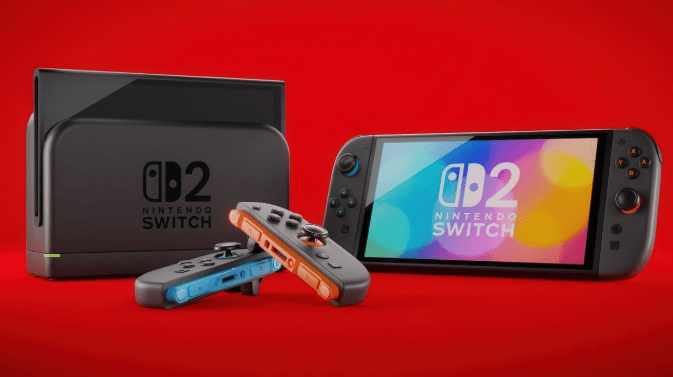
We’re just full of great news this week. Nintendo’s Switch 2 struggled in the United States during its first holiday period. The console’s sales numbers were down 35% in the United States when compared with its predecessor in 2017. As a result, Nintendo has lowered its US production for the quarter. According to sources, this decision is “driven by slower demand from consumers” over the holiday period, and not by wider economic factors affecting worldwide hardware production, like rising component prices. Thank you again, AI Slop Factories.
I can see why Nintendo’s Switch 2 would struggle this past year in the United States. It had few titles that sparked gamers’ imaginations. No new Zelda. No new Mario title. Not even a new Kirby title. The long-awaited Metroid Prime entry (in over a decade) bombed; Metroid Prime 4 was the lowest-rated game of the series. And Mario Kart World, the game that’s packaged with many Switch 2s, had stiff competition in the kart racing genre in 2025. Many critics and gamers believed Sonic Racing: CrossWorlds was the better game. The kart racing debate could come down to choice, but that’s the point I’m making. Mario Kart has always been unequivocally the best kart racing game to release each year it had an entry until last year.
But the Switch 2 has had some superb titles. Mario Kart World is still a fabulous game, and an excellent Donkey Kong game was released last year. DK doesn’t pull the same numbers he used to, but a great title in his line of games is a good sign. I am stoked for the recently released Pokémon Pokopia, which is a joint effort by the creators of Dragon Quest Builders 2, one of my favorite newer game series. Pokémon Pokopia has renewed interest in the Switch 2, moving 2.2 million units in its first four days. Yay! And we have an upcoming Yoshi video game to tie into the upcoming Mario Galaxy movie, releasing this summer. I would’ve thought Nintendo would have planned a major Mario release as a movie tie-in, but Donald Glover is voicing Yoshi. Glover’s stardom could elevate Yoshi to icon status. Stay Yosh!
Even with Nintendo reducing its United States production for the Switch 2, this may be a blip in the console’s life cycle. So, when is the Legend of Zelda getting another entry, Nintendo?
Chicken Fried Dice Launches on KickStarter
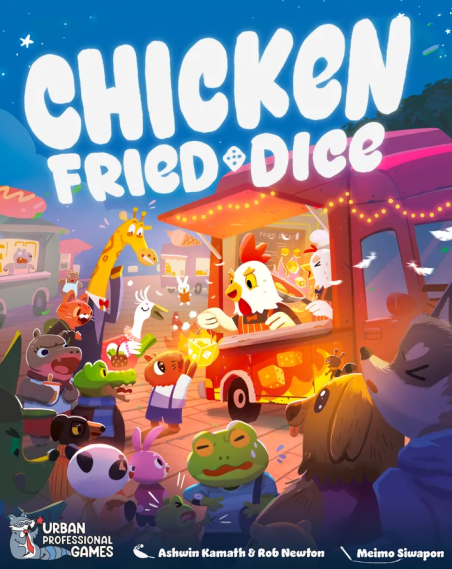
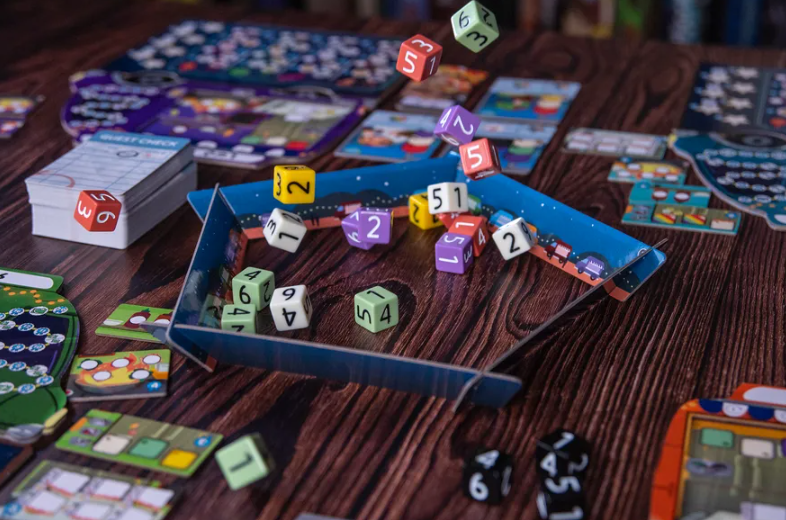
Order up! Become Top Chef at a Food Truck Festival by serving up delicious dishes to hungry customers. You’ll be chuckin’ and pluckin’ dice in this frantic, puzzly roll ‘n write for 1-5 players! Upgrade your truck to out serve your competition featuring dry erase customer cards and dual layer food truck player boards.
Operate your own food truck serving up delicious dishes to hungry customers. Each food truck is represented by a double-layer board with different food stations that help you feed customers. Upgrade your truck with dry-erase tiles to out-serve the competition. Insert tiles onto your truck to change the way each station works and make your job easier.
Pluck ingredients from the market before the other chefs get a chance. It’s a race to grab the ingredients you need each round.
Based on the description (provided by the publisher), I had to check and see if Chicken Fried Dice was a real-time. It is. Each player owns a unique food truck with various meal offerings. Customers have food desires, and the quickest chef to claim the appropriate number and colored die can serve the customer first. I have never played Chicken Fried Dice, but I love the concept and the game’s punny name.
Chicken Fried Dice is the first of a couple roll-and-write games (like Yahtzee) this week. It’s been on my radar for a few months now, and I’m excited to see it released. This title scored big at the PAX Unplugged Convention a year or two ago. If you’re interested in Chicken Fried Dice’s fast-paced roll-and-write action, check out its KickStarter page.
Brass: Pittsburgh Launches on GameFound
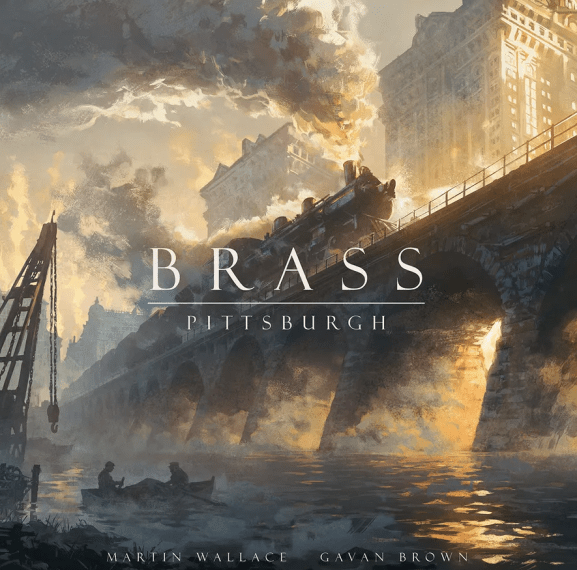
From Roxley and Gavan Brown, co-designer of Brass: Birmingham, comes Brass: Pittsburgh, which allows you to re-experience the explosive late 19th-century industrial boom of America’s Gilded Age in its northeastern “Steel Belt” region (1865-1913). Players take on the role of a ruthless industrial titan in the age of Cornelius Vanderbilt, Andrew Carnegie, John D. Rockefeller, and Henry Frick as they build sprawling networks of railways, pipelines, steel mills, oil refineries, and more.
Built on Martin Wallace’s acclaimed Brass system, this standalone game introduces innovative new mechanisms and content, while maintaining the overall structure and strategic depth for which Brass has become known.
The description above comes from Brass: Pittsburgh’s publisher, Roxley. I’ve never played a game in the Brass board game series. Brass: Birmingham has dominated the BGG (BoardGameGeek) charts for years, and Brass: Pittsburgh is the latest game in the series. I have some familiarity with Pittsburgh, so the subject matter strikes a chord. But I’ve seen some Brass fans unhappy with this latest offering.
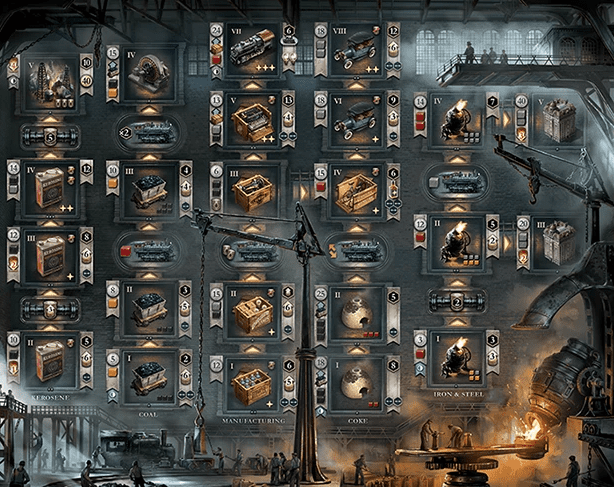
Above is a picture of a player’s tech tree in Brass: Pittsburgh’s. Yes. Games in the Brass series feature tech trees you can progress. You can see why I’ve been reluctant to play one of these games. But Brass fans have pushed back on Brass: Pittsburgh’s $125 price tag, and that doesn’t include shipping. And I’ll push back a little on those Brass fans by saying, Roxley does offer a Brass: Pittsburgh Essentials Edition. This stripped-down version of Brass: Pittsburgh will resemble the kind of copy you can pick up at retail for only $79, so I can see disgruntled Brass fans’ point. What’s the point in picking up the Brass: Pittsburgh Essentials Edition via GameFound if you can wait a few extra months and pick up the game at your local game store?
I’ve heard few people say negative things about Brass: Pittsburgh’s gameplay. By most accounts, it deserves the Brass name, and if the shift to the States, and specifically Pittsburgh, piques your interest and you want a stunning copy of the game, you could give Brass: Pittsburgh a shot. If you’re interested in Brass: Pittsburgh, check out its GameFound page.
Hyve Launches on KickStarter
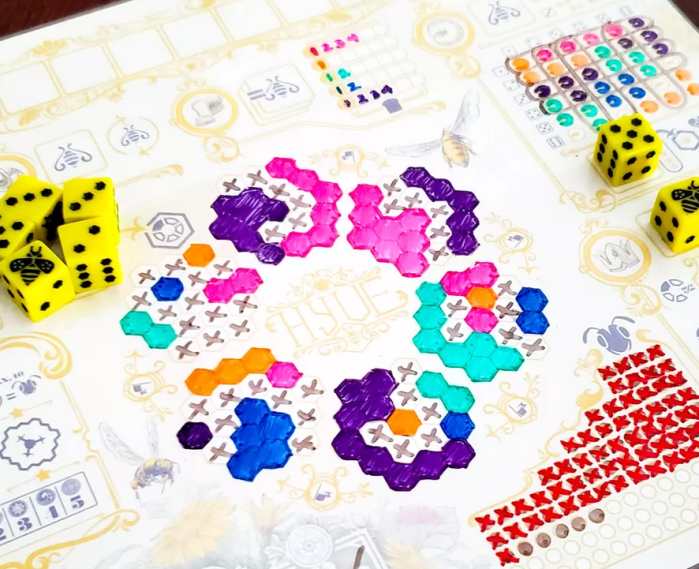
Hyve puts you in control of a beehive. Each turn in, you roll dice equal to your population. These rolled dice represent your worker bees. Using these bees, you select actions you wish to perform. All of your remaining bees are then used to gather nectar, building you a very colorful Hyve. Struggle to stay alive against the constant threats of nature, and lead your colony from merely surviving to thriving.
Thank you for the description, Aerobellum Games. Roll and write–or in this case, roll-and-color–have had a moment in modern board gaming. These games scale well at large player counts, although the original Hyve release was strictly a one or two-player game. I love how most completed Hyve games look so colorful.
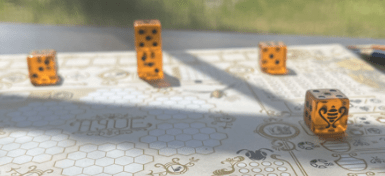
Aerobellum Games isn’t kidding about Hyve being a roll-and-color beehive simulator. The new KickStarter campaign aims to make Hyve a multiplayer experience. I wouldn’t mind having the option of pollinating extra player into this game. The new KickStarter even includes amber dice that look as if they’re made from honey. Ah. Gorgeous!
I don’t know why bee-themed games have become huge in the tabletop game space. Perhaps, they lend themselves to strategic planning and managing resources. We must have the pollen. There are too many pledge options for Hyve to discuss in this short write-up. I counted eight for typical customers (no retail store pledges) and at least a dozen add-ons. Yowza! Pledges do range from $38 to $149. And the add-ons range from $12-$15. Not a bad deal if you want more Hyve merch like colored pencils, playing cards, or a Hyve pin. If you’re interested in Hyve, check out its sweet as honey KickStarter page.
Galen’s Games Mint Tin Series 2 Launches on KickStarter
Bring on the mint tin games. Galen McCown, owner of Galen’s Games, is a four-time semifinalist in Game Crafter community contests, many of which included games that can fit inside a mint tin (like Altoids). Naturally, he publishes mini-board games that fit inside a mint tin. This year’s KickStarter campaign marks the second in Galen’s Games Mint Tin Series, and it includes four new games: Kickabout, Hard Drive, That’s An Order, and Mint Mechs. The four games in this series can be further broken down into two smaller bundles: Action and War.
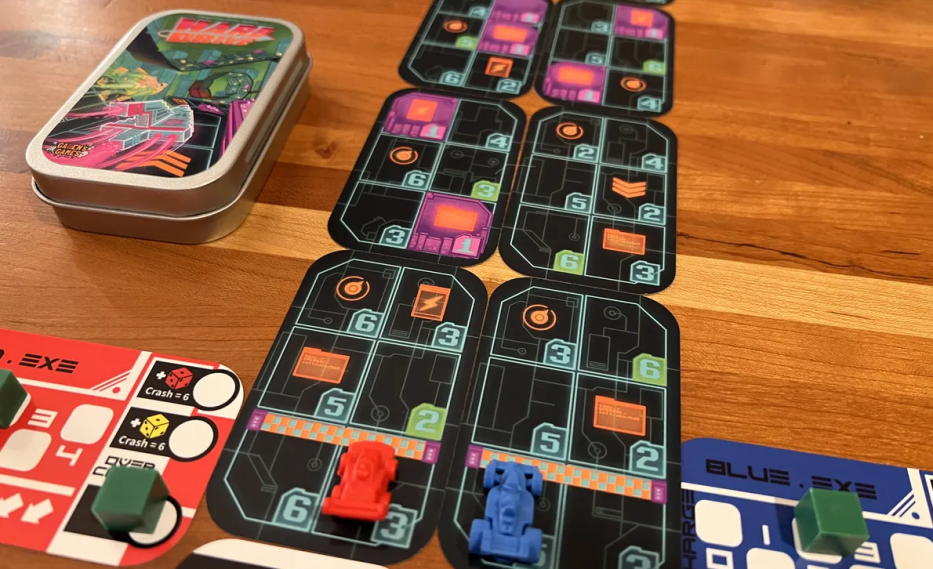
Hard Drive is pictured above. Along with Kickabout, it belongs to the Action bundle. I like the variety in this bundle. Kickabout is a soccer-themed game, where players attempt to out-think their opponents, while Hard Drive plays more like a fast-paced Android: Netrunner. Gamers battle each other to be the first to hack a corporation. The War bundle has a couple of solid offerings as well. That’s An Order looks like a miniaturized Memoir ’44 in the best way. And who doesn’t love a good Mech battle?
Don’t worry if you missed the original mint tin games set. The KickStarter includes multiple options for gamers to pick up the previous series. Pledges range from $8-$230. The cheapest option is a print-and-play (gamers download and print their own game copies), while the most expensive option includes everything (Series 1 and 2, along with all their expansions). Galen’s Games Mint Tin Series offers a lot of games. You’re sure to find something that strikes your fancy. If you’re interested in Galen’s Games Mint Tins Series 2, check out its KickStarter page.
Crimson Desert Releases
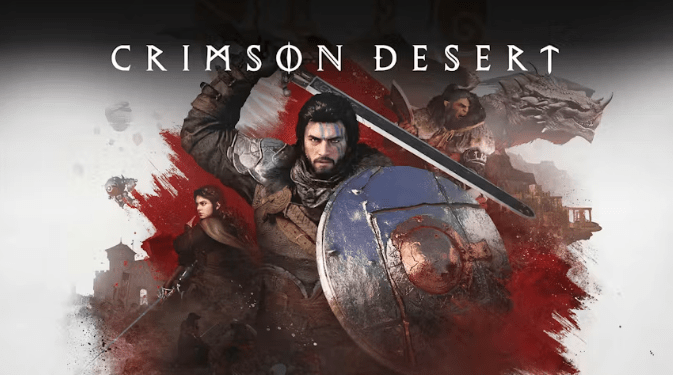
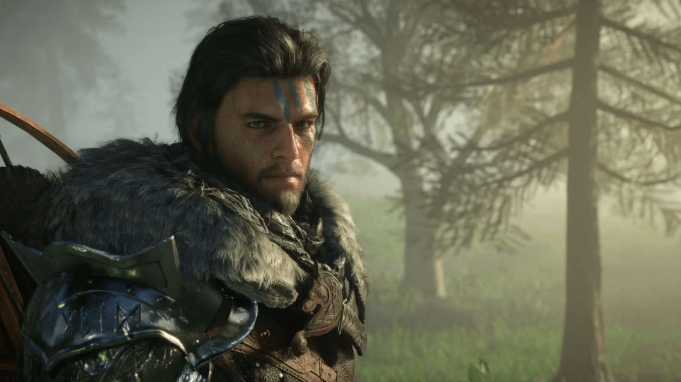
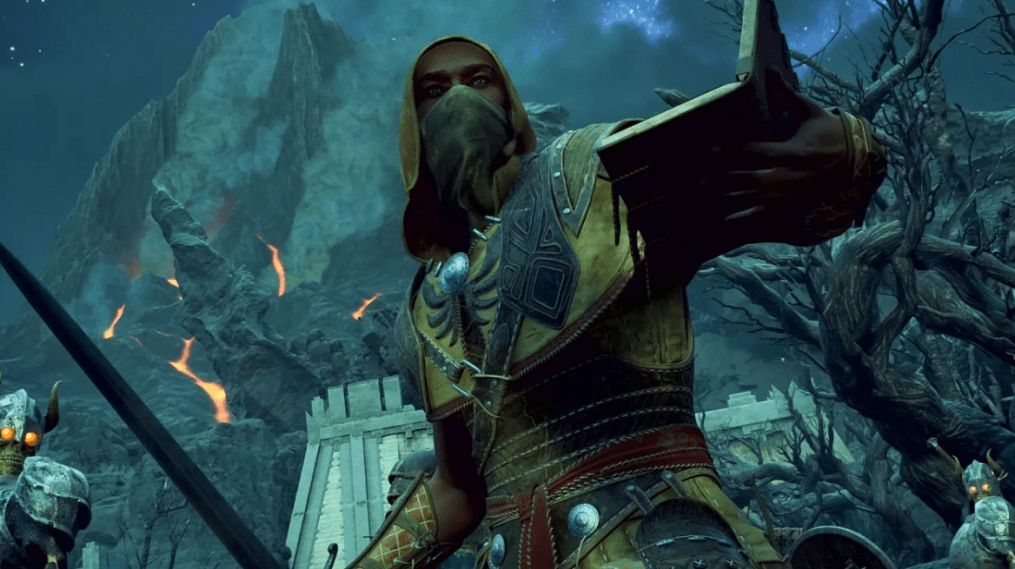
Because we missed a week of Geek News, we’re a bit late with Crimson Desert. We’ll let publisher Pearl Abyss describe their game. Crimson Desert is an open-world action-adventure set on the continent of Pywel. Join Kliff on his journey to rebuild the Greymane faction and to save the land from a looming threat. From vast wilderness and cities to ruins and the mysterious Abyss, forge your path through battles and discovery.
Originally planned as a prequel to Black Desert and another MMORPG, Pearl Abyss soon found that Crimson Desert worked better as a single-player open-world RPG. Yes, please. The publisher has no further plans to make Crimson Desert a multiplayer experience. Thank you. And Crimson Desert’s setting, Pywel, is based on Sicily. I am so there, and I think, Mrs. Geekly is, too. The only issue I can see Mrs. Geekly having is the reported boss difficulty spike. Combat works fine until a boss enters the battlefield. Eek! Crimson Desert is available on PC, PlayStation 5, and Xbox Series S/X.
Life is Strange: Reunion Releases
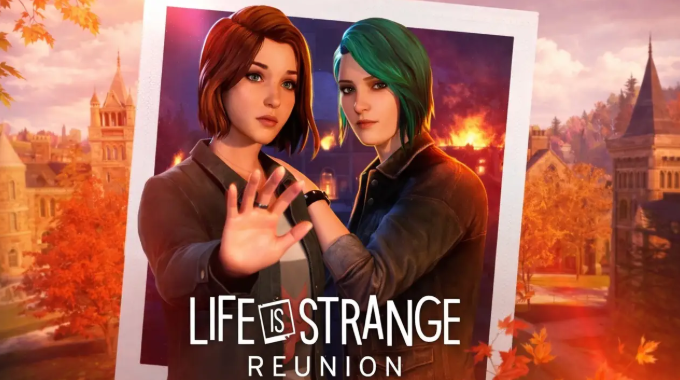
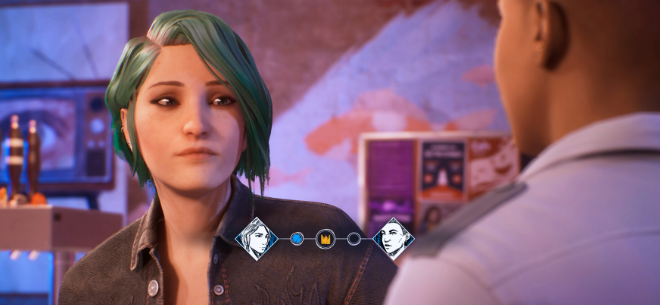
The saga of Max and Chloe, and the fate of Caledon, is yours to decide! Play as both Max and Chloe as an all-new story builds towards an epic climax. The fire will force Max and Chloe to make devastating decisions. Can they find a future together… Before everything burns?
We’re going back to Caledon. What? I loved the original Life is Strange. I even dabbled with the sequel that featured new characters, but I never played Double Exposure, the continuation of Max and Chloe’s story. After Life is Strange: Reunion’s release (the third game in the Max and Chloe’s trilogy), I may have some gaming to add to my growing TBP (to be played) pile. Unlike the original Life is Strange, Life is Strange: Reunion was released all at once, not in an episodic format. Okay. And you can play as Chloe. Yes! I added Life is Strange: Reunion to my wishlist. Max, Chloe, and I have some catching up to do. Life is Strange: Reunion is available on PC, PlayStation 5, and Xbox Series X/S.
Damon and Baby Releases
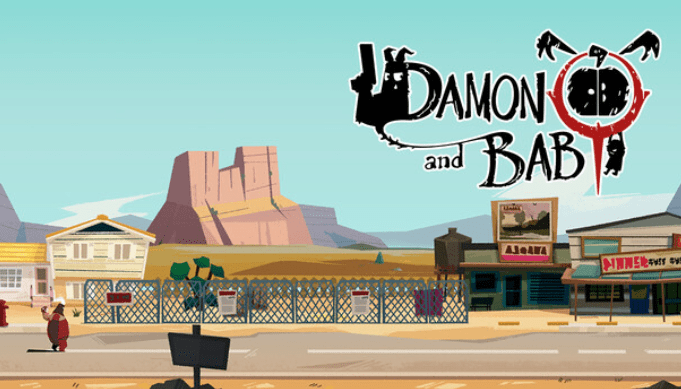
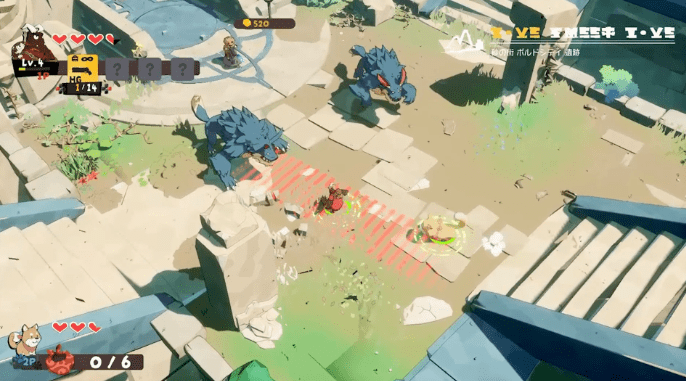
I know little about Damon and Baby and just discovered the game’s publisher, Arc System Works. This company has a knack for retro-style games. While most of their offerings use dated graphics (like the old Dodgeball video game from the 80s), Damon and Baby has updated cell-shaded graphics.
Damon and Baby‘s combat harkens back to Smash TV, the 80s video game where gamers play as contestants in a warfare game show, but Damon and Baby also features a large world to explore. From what I’ve gathered from reviews, Damon and Baby has some great ideas, but the execution doesn’t always land. This sounds like the perfect candidate to wishlist and wait for a sale. Or you can try out Damon and Baby’s free demo to see if it’s right for you. Damon and Baby is available on PC, PlayStation 4, PlayStation 5, Nintendo Switch, and Nintendo Switch 2.
That’s all the Geek News we have for this week. Thank you for reading, and wherever you are, I hope you’re having a great day.
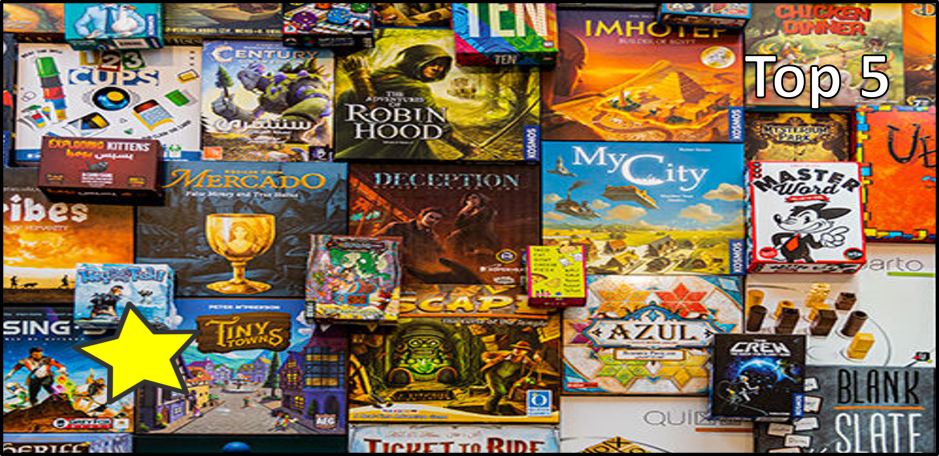
Hey, hey, Geekly Gang! Kyra Kyle here with another Top 5 Tabletop Game List throughout the years. Today, we’ve reached the current millennium for tabletop games. The 90s shook up what it meant to be a modern board game; the first decade of the 2000s will give us numerous evergreen titles that dominate the board game landscape today. We should see plenty of familiar designers and familiar titles in these upcoming lists. We’ll get to the games in a bit, but first, let’s review our list’s criteria.
1: Cultural relevance plays as much of a factor as overall quality. A game might make a list that doesn’t hold up to others of its type, but you must admit the game is everywhere.
2: Only one game from a franchise makes the list. This will become more of an issue the closer we get to games with expansions.
3: Longevity plays a role, too. A game doesn’t have to fly off the shelves today, but it had to have some widespread appeal for a decent time.
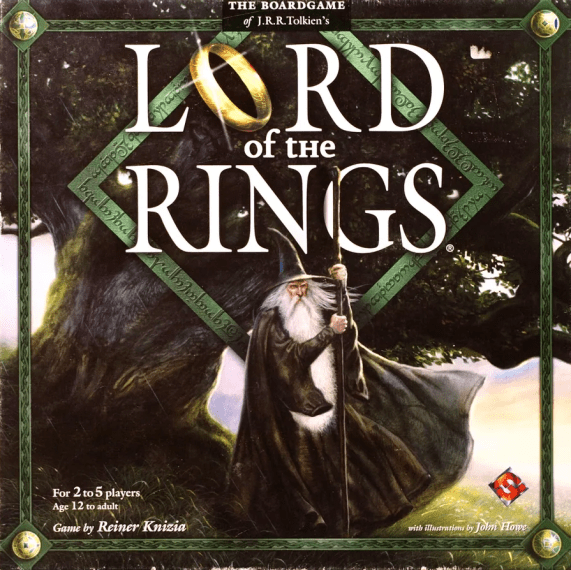
5: Lord of the Rings (2000)
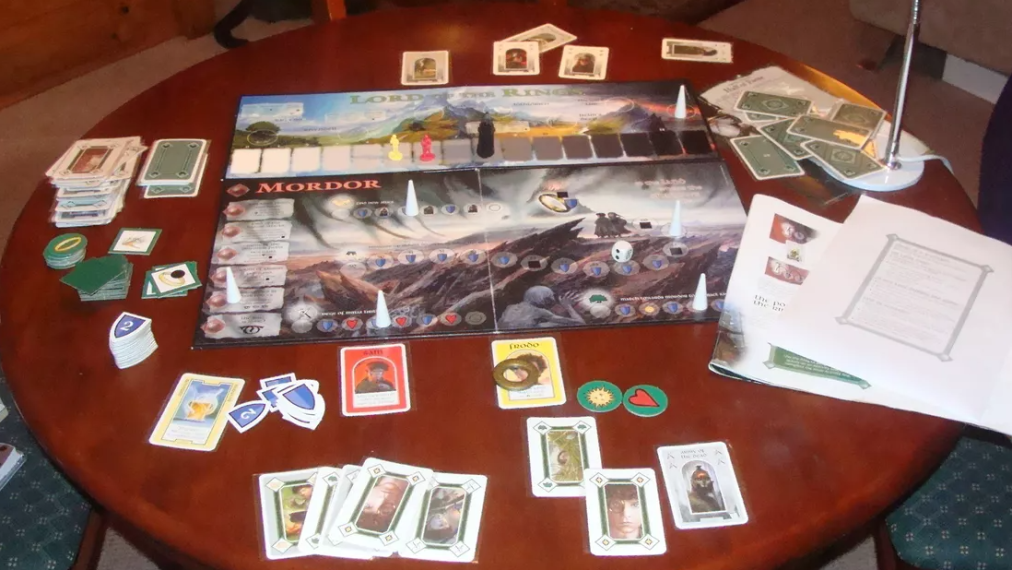
Yes! Yet another Reiner Knizia title makes one of these lists. 2000’s Lord of the Rings is still a lot of people’s go-to board game that uses the Lord of the Rings intellectual property. It’s also one of Knizia’s few cooperative board games and may have inspired a cooperative board game boom that we’ll see in a handful of years.
Lord of the Rings follows the events of the novels to a T, which is why some gamers still consider this board game to be the definitive Lord of the Rings board game experience. And it runs fast. Gameplay is centered on advancing through a series of scenarios (that mirror the books). Players turn tiles and play cards to move forward and collect and spend tokens to avoid advancing the Dark Lord Sauron. In dire situations, tokens may be spent to call Gandalf for assistance, or the One Ring may be used to advance toward Sauron. The push-pull is thematic and tense. It’s no wonder Lord of the Rings received a Spiel des Jahres special award.
4: Java (2000)
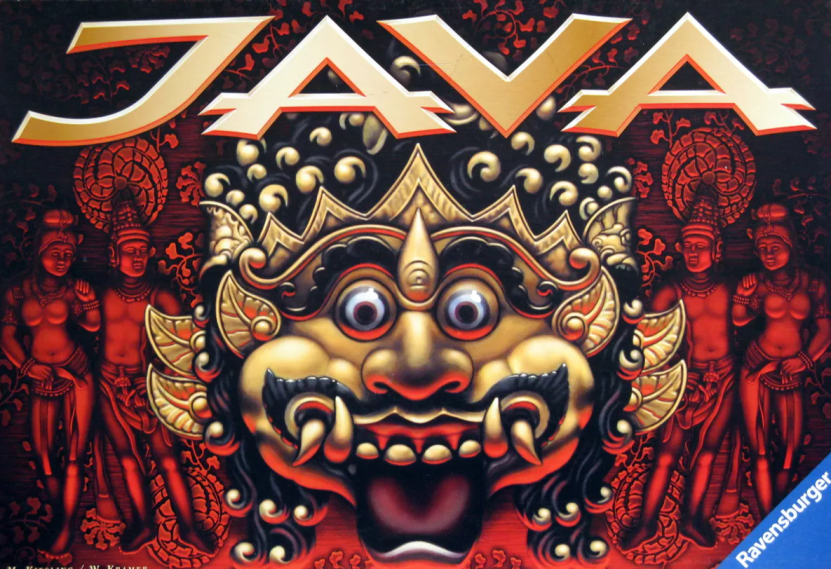
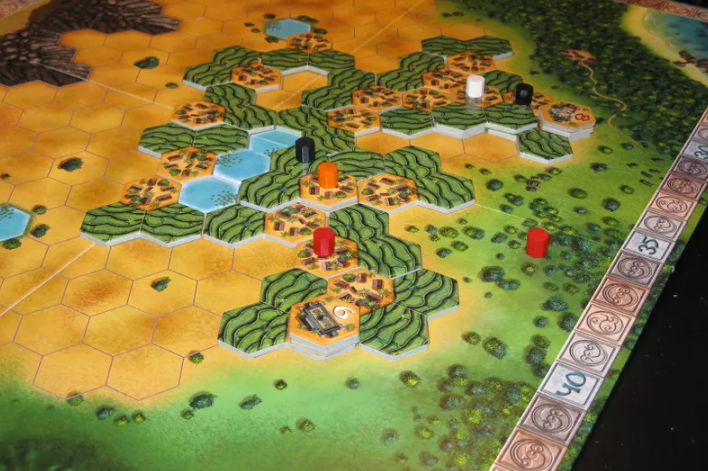
I could’ve gone with Torres, another Wolfgang Kramer and Michael Kiesling collaborative design that won this year’s Spiel des Jahres (German game of the year), but I decided to go with the next game in Kramer and Kiesling’s Mask Series, Java. Tikal made the 1999 list. Java tends to be the forgotten game in the Mask Trilogy of board games, and I don’t know why. I love Java’s exploration.
Players take turns building the titular island, scoring victory points by setting up palace festivals at the right moment. Java ends when the players run out of tiles. It’s a simple premise, but Java’s rules may be unforgiving for novice players. Still, Java is a great addition to the Mask Trilogy.
3: Battle Cry (2000)
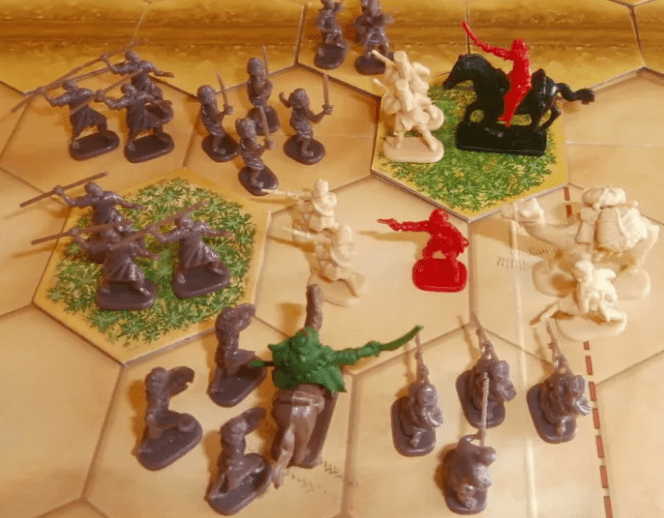
Wargame purists may disagree, but Battle Cry revolutionized wargames. Richard Borg (we’ll see his name again on one of these lists) took elements of wargames, combined them with miniatures, and simplified the rules, and came up with the war game powerhouse that is Battle Cry.
Borg would continue to perfect his system of card and dice combat with future wargame installments, but Battle Cry, set in the American Civil War, marked the first use of this system. Players command a variety of units: infantry, cavalry, and artillery. Scenarios dictate how many of each unit a player (one playing the Union and the other playing the Confederacy) will control. For each opponent’s unit removed from the board, a player receives one victory point. The player who scores the required number of victory points first (determined by the scenario instructions) is the winner. Battle Cry and its spiritual successors continue to divide gamers. Wargame purists, as I mentioned before, may consider Battle Cry too simplistic, but this simplicity makes Battle Cry more accessible.
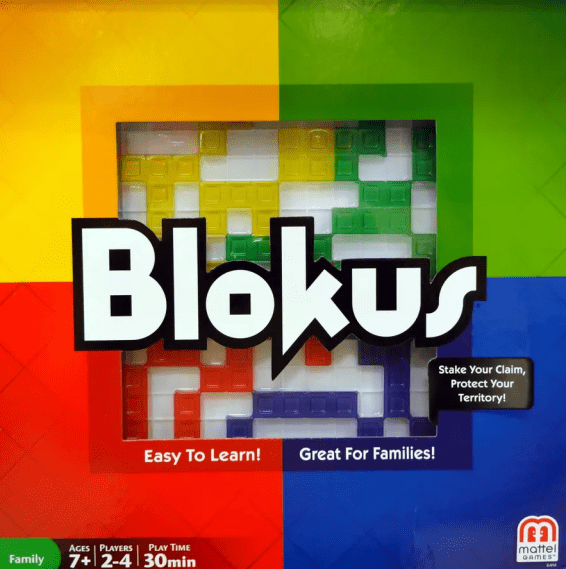
2: Blokus (2000)
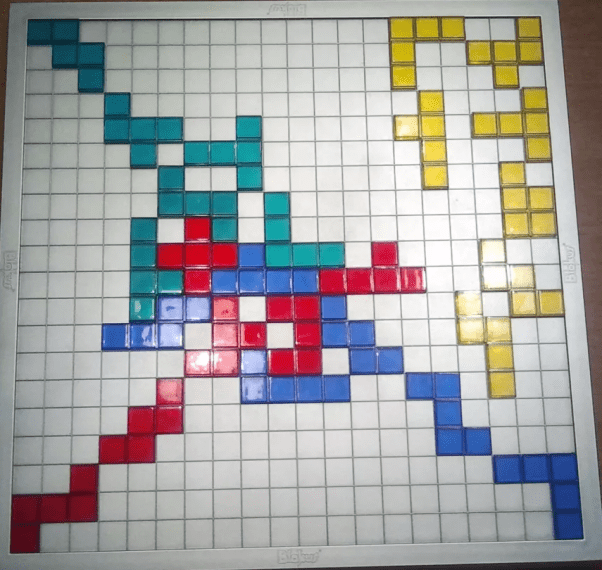
In Blokus, players score points by occupying the board with Tetris-style pieces(named polyominoes because they’re dominoes of irregular shape) in their color. Even today, Blokus is visually arresting. It earned numerous awards, including the Mensa Select award and the 2004 Teacher’s Choice Award. There’s no denying that Blokus has staying power.
But the reason Blokus is this high on our list is because of its use of polyominoes. While it took a decade or more to catch on, polyominoes have soared in popularity. Patchwork, Barenpark, Isle of Cats, A Feast for Odin, Planet Unknown, and many other board games that use polyominoes owe Blokus a debt of gratitude. Thank you, Blokus, for introducing this amazing board game component.
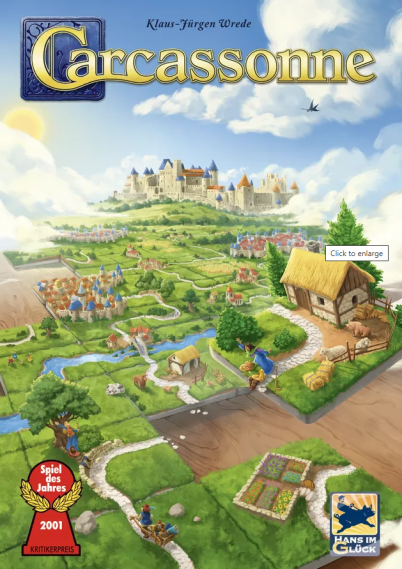
1: Carcassonne (2000)
Blokus just misses out on our top spot because the evergreen title, Carcassonne, was released in 2000. Polyominoes took some time to catch on, but tile-laying as found in Carcassonne exploded immediately, and it continues to grow today. Carcassonne has spawned numerous expansions, spin-offs, and imitators.
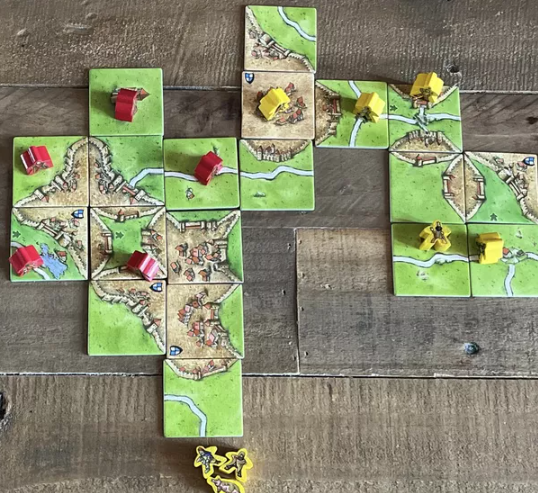
Carcassonne’s gameplay is simple. Draw and place a terrain tile. Station a follower on the newly placed tile (optional), but this shows you claim control of this region. And then score completed feature(s) if relevant. Carcassonne earned the 2001 Spiel des Jahres and Deutscher Spiele Preis award. I don’t know how the Spiel des Jahres committee determines which year a game is eligible. But Carcassonne’s influence can still be felt today. Carcassonne’s core mechanisms inspired 2023’s Spiel des Jahre winner Dorfromantik, and in turn, the award-winning Dorfromantik video game that inspired the board game was also inspired by Carcassonne. Carcassonne is everywhere, people. It even crossed over into video games. And that’s why Carcassonne takes our top spot for 2000.
Did we get the list mostly correct? Let us know which games you’d add in the comments. Thank you for reading, and wherever you are, I hope you’re having a great day.
Hey, hey, Geekly Gang! Kyra Kyle here with another brain dump. Today’s post will be about board game design, but these brain dumps have a nasty habit of crossing over from writing to game design and back again. I may have found my stride. We’re averaging a brain dump (alternating between game design and writing) every other week. That feels good, so the next writing brain dump should occur on March 20, 2026. Yay! But let’s go to a macro look at game design. That’s right. We’re zooming out and potentially talking about the creative process as a whole.
I read another game designer’s (Ann Journey’s) game diary. She likened her design technique to her writing process, and it rang true. There’s a lot of crossover between game design and writing as both are creative endeavors. She would brainstorm, create an outline, and build her board game based on the outline. This resembles the Plotter approach to writing. Plotters are at one extreme end of the writing spectrum.
Yes. Like most things in life, writing can be depicted as a spectrum. In fact, the opposite extreme ends of the writing spectrum tend to get as hotly debated as political factions. When I say Plotters are at one end of the writing spectrum, we’re talking Ultra Conservative or Wacky Liberal levels of extreme. Plotters like JK Rowling insist that writing without an outline would be like taking a trip without a map. You’ll get lost. That makes sense. Pantsers are at the other end of the spectrum. They never use outlines. Stephen King may be the most famous Pantser. King wrote in On Writing, “Outlines are the last resourceof bad fiction writers.” King suggests outlines limit inspiration and the joy of creativity. This also makes sense.
And like most things (like gender identity and sexual orientation), I fall somewhere in the middle. Pantsing and Plotting aren’t the only ways to write or design games. They’re the ones that get all the attention.
I’m somewhere in the purple. I like purple. Yay! We discussed how Plotting works within board game design. Ann Journey uses this method to great effect in Cretaceous Rails. Brainstorm, create an outline, and build a game based on the outline. Euro Games may insist on this method of board game design. Euros lend themselves to following a well-crafted outline and often feature distinct beginnings, middles, and ends.
But you could Pants your way to a good game. In the past, Molly Johnson, Robert Melvin, and Shawn Stankewich shared that they threw various ideas at the wall while designing Point Salad. If it’s cool, it rules, and if it rules, it makes it into the rulebook. That sounds akin to Pantsing. The Point Salad series of games (which also includes Point City and Point Galaxy) tends to be adaptable and demands that players remain flexible. This could be a feature of this method of board game design. I’m just throwing something against the wall here.
Then we get to two alternatives to Pantsing and Plotting: Lighthousing and Blotting. Are these two methods in the purple, or is there a Y-axis to this spectrum that I don’t see? I’m unsure, but I do know that Lighthousing and Blotting are two major alternatives to Pantsing and Plotting. There may be others.
While writing, whenever I Lighthouse, I usually know where my story begins (the opening scene), and I know a Lighthouse scene for the future, a poignant scene I know will make the final story, but I don’t know how to get there yet. This Lighthouse scene informs my decisions, but it also gives me leeway to explore. Early into Mysterium’s development, Oleksandr Nevskiy and Oleg Sidorenko knew how the game would begin and the game’s final turn. Most–if not all–of Mysterium’s design choices were in service of the game flowing from its beginning to that final turn. Lighthousing may be the method you’ll want to use if you have planned an epic final turn or series of turns.
Finally, we get to Blotting. I picture myself with a blank canvas whenever I Blot while writing. In my hand, I have a sopping wet paintbrush, like Bob Ross and his wet-on-wet painting method. I slap a scene on the blank canvas, and it causes a blot. Then I add another and another, and after I’m finished, I have to make sense of the mess by molding these Blots into a cohesive whole. While designing Marvel United, Eric Lang suggested that he knew his theme (Marvel Comics, obviously) and a handful of the game’s mechanisms. He just needed to take those elements and sculptthem into a cohesive gaming experience. Sounds like Blotting to me. Blotting can lead to fun and exciting fusions of disparate elements.
Word of caution for Blotting (and for designing games in general): One can add too many elements to a game. Typically, the fewer gaming elements, the better. The old adage “Less is More” is key.
I’ve used all of these methods for game design and writing. There are some I prefer and others I don’t. I wouldn’t say one method for a creative endeavor always trumps another. Your goal is to find which method works best for you and for your project.
And just because you Pants or Lighthouse your way to a story or game, doesn’t mean you can’t use a reverse outline. Have I talked about reverse outlines? Yes, in a previous writing brain dump. I’ll leave that link right here.
Remember, Stephen King subscribes to Pantsing. He has suggested that one’s reader won’t be surprised if you’re not surprised as the writer. Pantsing induces moments of surprise in King whenever he writes. But King is also known for horror fiction. The element of surprise is important for horror stories. There may be a reason Stephen King chooses the Pantsing method.
If you’ve made it through my rambling, you’re awesome. We all know it. Thank you for reading, and wherever you are, I hope you’re having a great day.
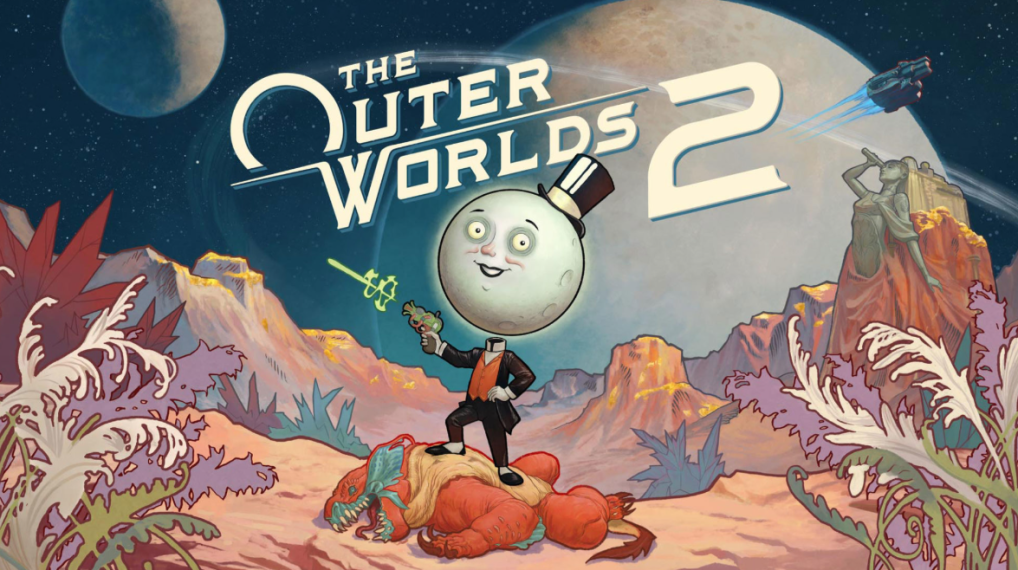
Happy Sunday, Geekly Gang! Kyra Kyle here with another week of Geekly News. This week saw plenty of new releases for board games and video games, but before we get into those, let’s get into this week’s headline. Obsidian Entertainment made a sizeable announcement this past week. The Fallout: New Vegas developer announced that they may need to go in a different direction with their games. Obsidian cancelled any plans for The Outer Worlds 3 and an Avowed sequel.
Obsidian Entertainment at a Crossroads
Honestly, I may be more in tune with Obsidian Entertainment because I just finished an Obsidian Entertainment Video Game History, slated for a May 2026 release. Thank you, Obsidian. I may need to alter the final two segments of that piece. But Obsidian Entertainment dropped a bombshell this past week. Obsidian President Urquhart announced that Obsidian Entertainment needs to reduce the development time of their games, which means titles like The Outer Worlds 2 and Avowed will not receive sequels.
Obsidian Entertainment has a penchant for developing brand-new game engines with each of its large titles. Despite The Outer Worlds 2 and Avowed releasing within months of each other, both games have different game engines. This increases the development time for games that will already have massive development times. The Outer Worlds 2 took six years to develop, while Avowed had a development time of seven years. Yikes! Less-than-expected sales for both titles has led Obsidian Entertainment to cancel plans for any future games in these series.
Several factors led to The Outer Worlds 2 and Avowed selling fewer copies than expected. The Outer Worlds 2 suffered backlash with a proposed $80 price tag. Obsidian/Microsoft reverted to a $70 price tag before launch, but the damage was done. Gamers lost faith in the series. And then there’s Avowed. Avowed is more of a straight fantasy open-world RPG, and that is a tough market to crack into with a new title. Yes. Avowed is set in the popular Pillars of Eternity universe, but it functions as a new game in a new series. It also doesn’t help that Obsidian wasted a couple of years trying to turn Avowed into what Urquhart dubbed “Skyrim meets Destiny 2.” Obsidian could never get the multiplayer gameplay (the Destiny 2 portion) to work and turned Avowed into a single-player RPG experience. But that led to Avowed’s seven-year development window.
Video games work a lot like films. Many modern films flop even when they earn well over $500 million at the box office because producing them costs so much. A video game, like Avowed, that has a seven-year development will need to bring in a lot more money than a video game that takes three to four years to develop, like Obsidian’s other 2025 release, Grounded 2, or even Obsidian’s 2022 indie-like Pentiment. Even though Pentiment had a niche market, it didn’t cost Obsidian much to make the game, and smaller games like Pentiment and Grounded 2 may become the developer’s new business model. I don’t think we’ve seen the last of large open-world RPGs from Obsidian, but the developer may reduce the number of those games it releases.
Bitewing Games Launch Gold Country and Totally Human on KickStarter
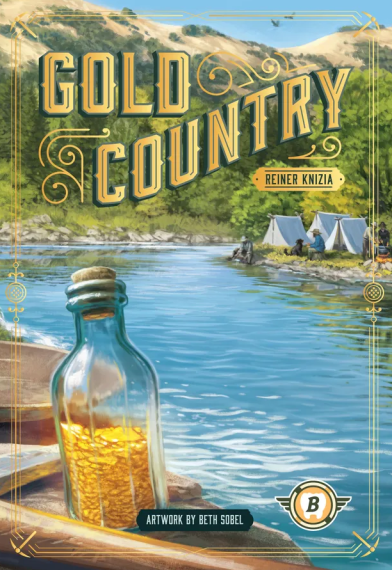
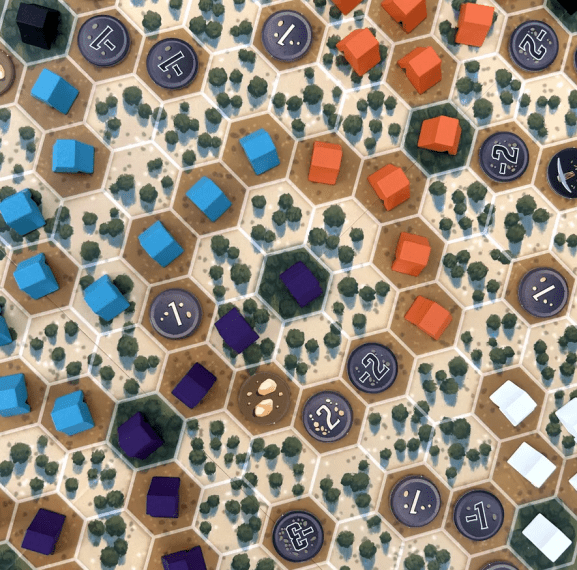
Bitewing Games delivers one heck of a one-two punch this week with Reiner Knizia’s Gold Country and Kasper Lapp’s Totally Human. Gold Country is a new California Gold Rush strategy game created by Reiner Knizia and gorgeously illustrated by Beth Sobel, the same Beth Sobel who provided Wingspan’s art. While the design is inspired by a cult-classic Knizia game called Spectaculum, it has undergone extensive redevelopment by Reiner Knizia (closely collaborating with Bitewing Games) to become the ultimate stock market manipulation game. It features a completely reworked core game, all-new maps, exciting tactical abilities, and the lush landscapes of California.
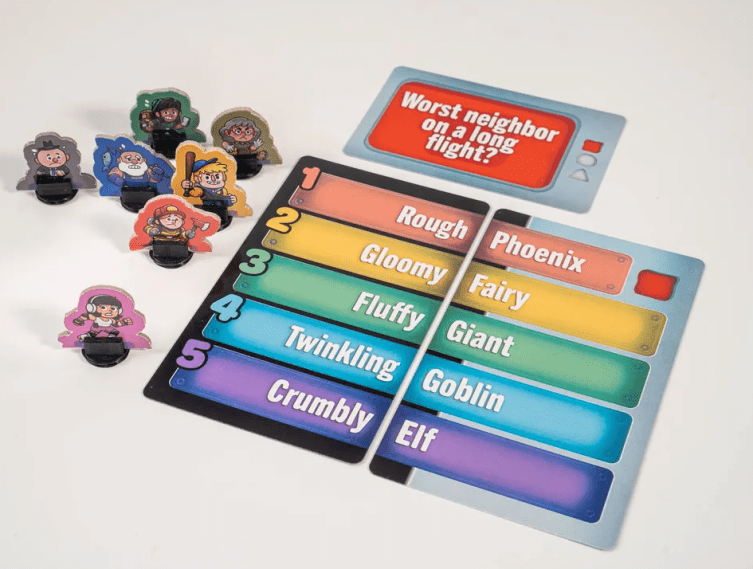
Gold Country looks great on the table. I’ve never played Spectaculum, but heard great things. And this is a Reiner Knizia game. Knizia has been on a roll. And then there’s Kasper Lapp’s Totally Human. Lapp had a hit with Magic Maze. In Totally Human, players are given hidden identities (human or alien) and must answer three multiple-choice questions as “human-like” as possible, but aliens don’t understand human culture completely and face restrictions on how they can respond.
Totally Human gives me strong Spy Fall and Ferret Out vibes. Players take on hidden roles and must try and figure out who’s an alien in disguise. When done well, this concept can be a ton of fun. I’ve had more fun with Ferret Out than Spy Fall because players (including the ferret) don’t know who’s the odd one out. Based on Totally Human’s description, I don’t know how exactly the game plays. But I’ll give it a try. You can back Gold Country or Totally Human separately, but backing them both gives gamers a discount. If you’re interested in Totally Human and/or Gold Country, check out their KickStarter page.
Logic & Lore Launches on KickStarter
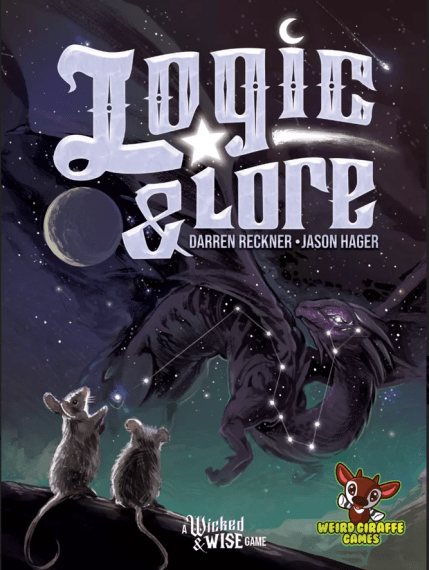
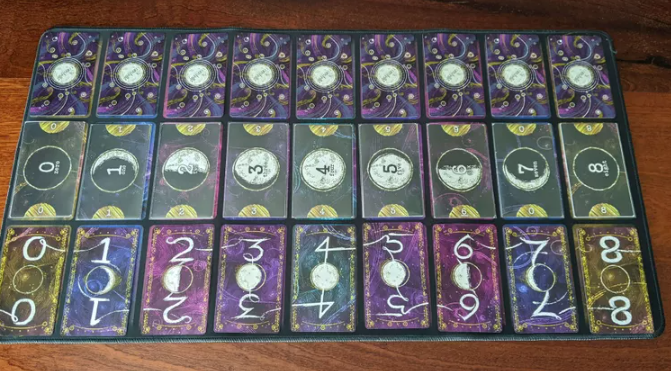
In Logic & Lore, rivals race to be the first to align their hidden stars, numbered 1-9. Each player has dragons and mice working together to organize the cosmos: they send their dragons out to gather information and the mice stay back to take notes and make conclusions based on the knowledge brought back by their dragons. Players each start with their set of cards face-down and shuffled. The game ends when either one player aligns all of their cards correctly OR a player chooses to reveal all of their cards. If the cards are correct, they win; otherwise, their opponent wins.
I like Logic & Lore’s description of a competitive logic game that stays cozy. And I think Logic & Lore gains its cozy designation based on its theme. What could be cozier than aligning the night sky? I dig the theme and the game’s look. Logic & Lore has a great score on Boardgamegeek. If you’re interested in backing Logic & Lore’s second edition, check out its KickStarter page.
Astra Imperium Launches on GameFound
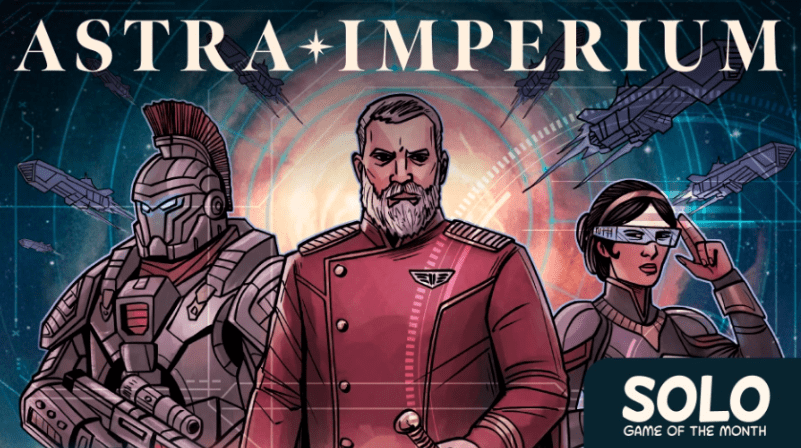
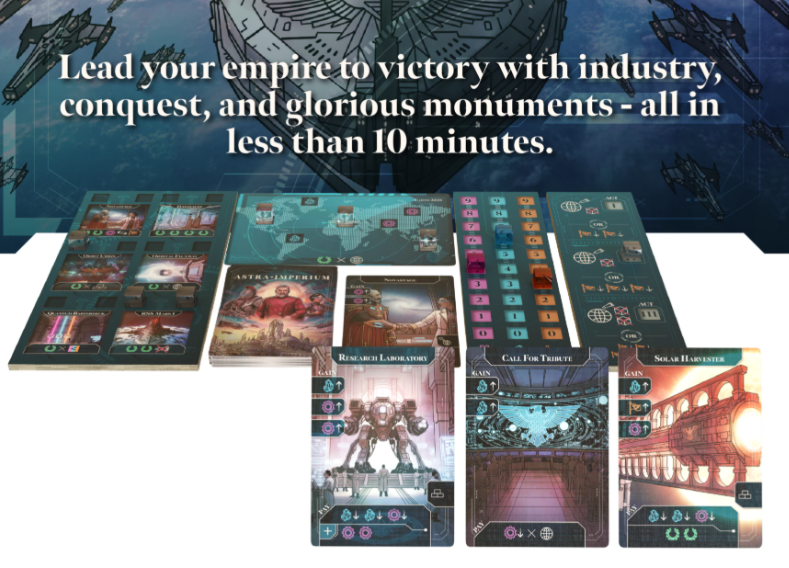
Covering the monthly Solo Game of the Month has become a tradition for Geekly. This month’s title, Astra Imperium, sounds incredible. Astra Imperium offers the complexity of a Euro game in a ten-minute playtime. That’s perfect for a solo game. Usually, I can’t justify long setups and plays of solo games. I don’t need to worry with Astra Imperium.
As usual, Solo Game of the Month offers great production value. Astra Imperium’s resource management has me intrigued, and as you can tell with the picture above, there’s minimal setup and tear down for what looks to be an engaging solo game. Perfect! If you’re interested in Astra Imperium, check out its GameFound page.
Jump Masters! Launches on GameFound
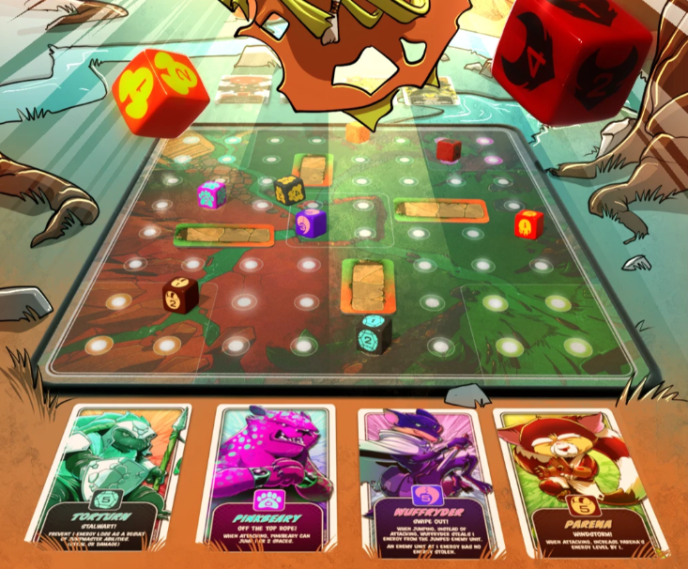
Publisher Chip Theory is known for their amazing production value. At the time of writing this post, we have few images of Chip Theory’s latest game, Jump Masters!, but the game sounds fun. Jump Masters! combines dice placement (where the dice are unique characters with abilities) with Chinese Checkers. I love this concept.
Taking advantage of their character abilities, players try to dominate the board. Take advantage of positioning and terrain to best your opponent in this light-hearted, cute-throat game. Not gonna lie, I favorited Jump Masters! while researching it. Again, we have few images, other than the ones above. But I trust Chip Theory to produce a fantastic-looking game. If you’re interested in Jump Masters!, check out its GameFound page.
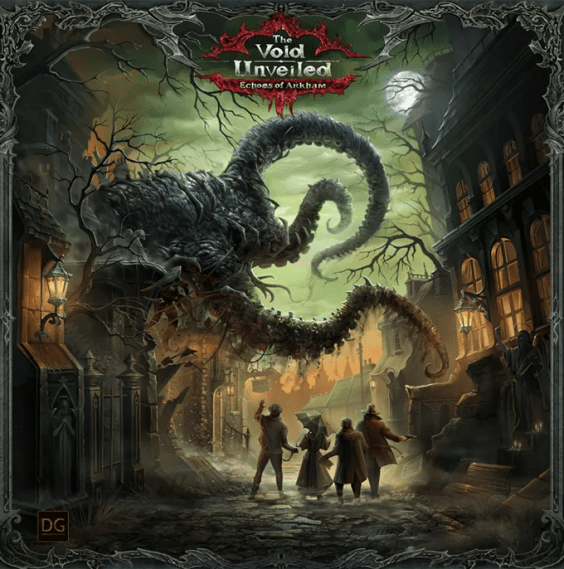
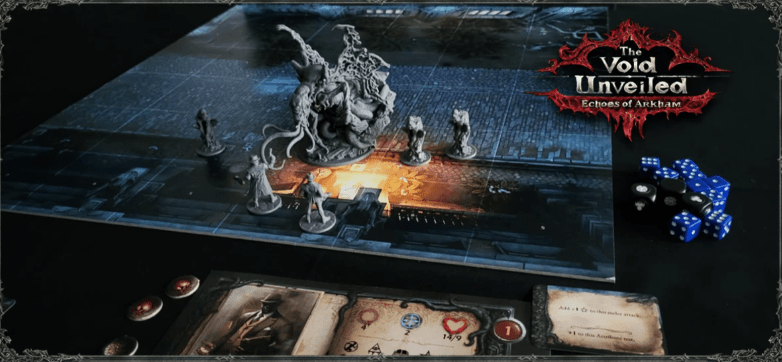
The Void Unveiled: Echoes of Arkham is a story-driven Lovecraftian board game of investigation, madness, and cosmic horror, designed for 1–4 players. Fully cooperative, rich in narrative, and steeped in creeping insanity, it invites you to descend into a world where every choice matters—and madness is never far behind. Step into the role of investigators unraveling a series of eerie mysteries in 1930s Arkham, each told through branching narrative chapters filled with meaningful choices, unique events, and escalating dread. As you read the story, your decisions shape the course of the game, leading to different outcomes and consequences. Each creature you encounter is governed by its own distinct set of rules and behaviors—not a single generic AI system in sight. Every monster feels unique, each one changing how you fight, think, and survive.
The above description comes from The Void Unveiled: Echoes of Arkham’s publisher. It is tough to stand out in the Cthulhu board game space. The phrase “not a single generic AI system in sight” must be a knock against Mansions of Madness. Honestly, The Void Unveiled: Echoes of Arkham reminds me a lot of a streamlined Mansions of Madness. But while Mansions Second Edition features an app that helps build the world, The Void Unveiled: Echoes of Arkham goes old school with an included storybook. From what I’ve seen of The Void Unveiled, it strikes me as a mixture of Mansions of Madness and Sherlock Holmes: Consulting Detective. If that’s the case, I’m interested. Since The Void Unveiled is another GameFound campaign, we have little information during its prerelease. But if you’re interested in The Void Unveiled: Echoes of Arkham, check out its GameFound page.
The Stone of Madness Dicefall Launches on GameFound
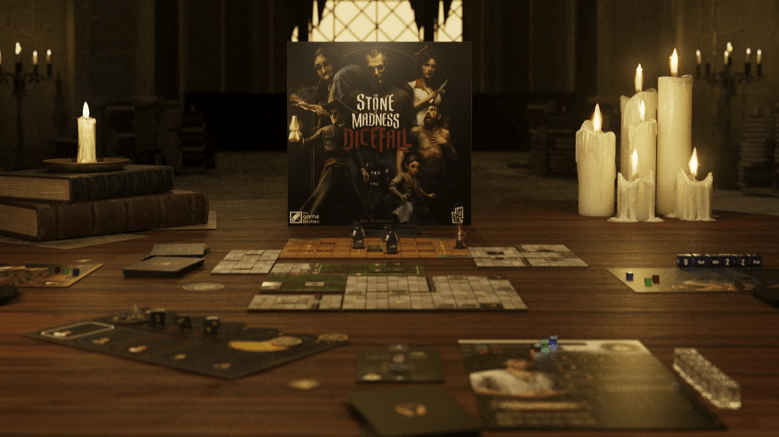
The Stone of Madness Dicefall is a cooperative tactical stealth board game for one to five players. Players jointly control five prisoners confined within an isolated monastery ruled by the Inquisition. Each prisoner has distinct abilities, restrictions, and mental conditions. The game is played in structured rounds where players assign actions to the prisoners, move them through the monastery, and interact with rooms, objects, and objectives. Actions are resolved using dice. Dice represent uncertainty under pressure and are tightly linked to the character performing the action and the current situation.
Stealth is the core of the experience. Many actions create noise, which increases tension and causes Inquisition patrols to react and reposition. Patrol movement and behavior respond to player decisions and accumulated alerts, turning the monastery into an active threat rather than a static board. Avoiding detection requires coordination, timing, and restraint.
I love it when a publisher includes a good description for their game (like the one we included above). The Stone of Madness Dicefall is a cooperative stealth board game? Count me in. That’s an amazing premise. There aren’t enough stealth board games, and most of the ones that exist are hidden movement games, where players take opposing sides. I have no idea how The Stone of Madness Dicefall intends to make stealth cooperative. Color me intrigued. If you’re interested in The Stone of Madness Dicefall, check out its GameFound page.
Ancient Empires Launches on GameFound
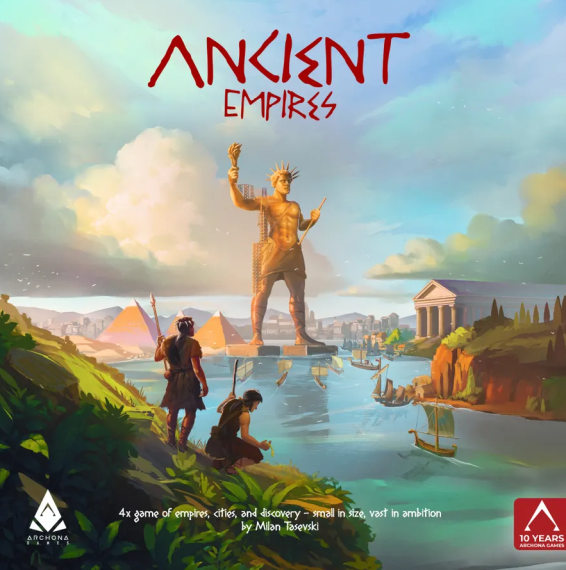
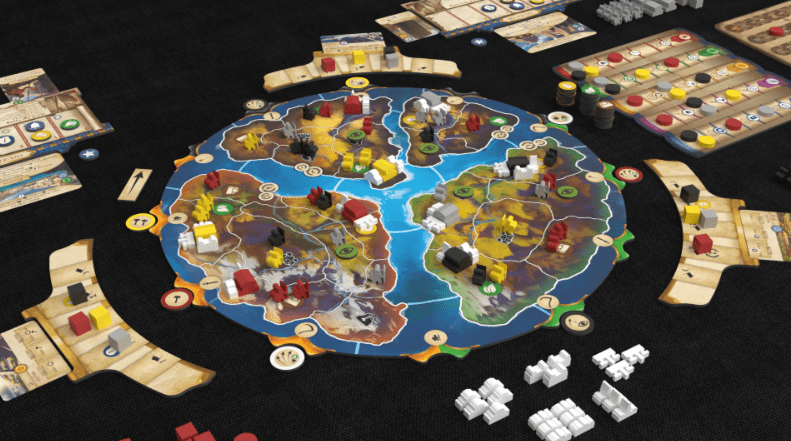
Ancient Empires is an action-programming, area-control, civilization game of expansion, conquest, and cunning decisions. In just a small box, it packs the feel of an epic empire-building experience. Players take the role of rising civilizations, competing for dominance across a modular map divided into regions rich with resources, settlements, and natural wonders. Through clever programming of action tokens, players expand their armies, establish cities, harvest resources, and challenge rivals for control of key territories. The game is divided into three Ages. During the Stone Age, the players will play as roaming tribes, establishing villages and expanding their reach. In the Bronze Age, the players will choose one of the available Civilizations to play with, gaining unique abilities. Finally, in the Iron Age, the players will be able to construct their Wonders.
We are three for the last three with great publisher descriptions of their games. Seriously, it makes covering games a lot easier. I love the tightness of Ancient Empires’ board. The three ages intrigue me. Transitioning from one age to the next could get intense. I’m unsure if players draft which empires they may choose, or if they gain an empire during the Bronze Age if they achieve certain benchmarks during the Stone Age. Either way could be fun. Ancient Empires looks to pack a lot of game into a small box. Most 4X (Explore, Expand, Exploit, Exterminate) games take up a much larger footprint. And 4X games tend to take copious amounts of time. Ancient Empires suggests it plays in 1-2 hours. That’s lightning fast for a game with three distinct ages. If you’re interested in Ancient Empires, check out its GameFound page.
Dragon Quest VII Reimagined Releases
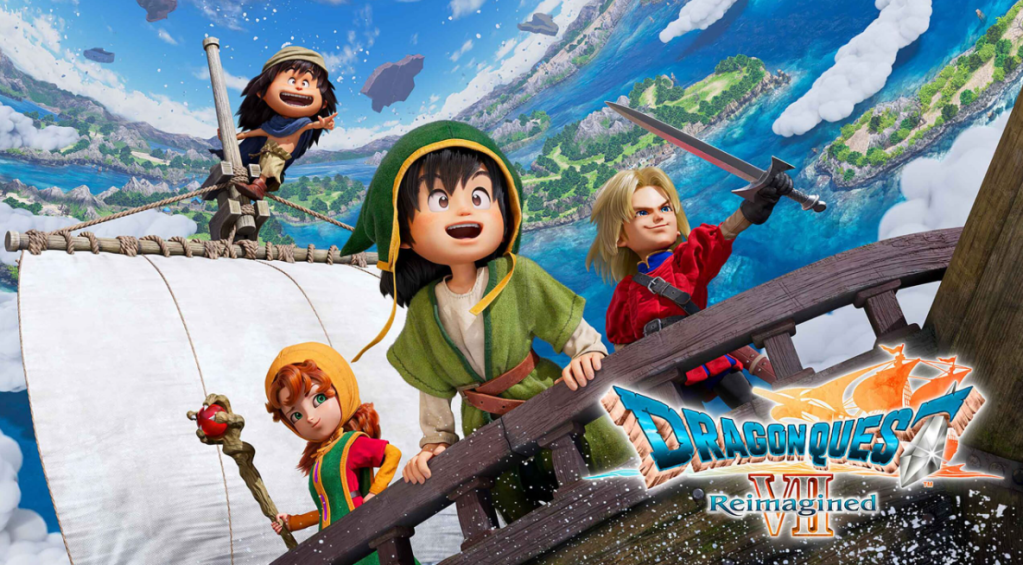
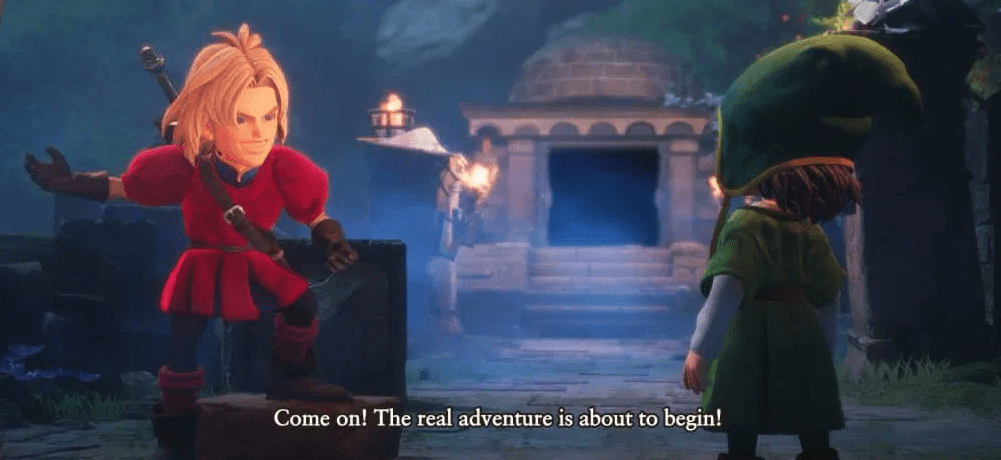
Dragon Quest VII doesn’t get a remake. It receives a reimagining. This is an important distinction. The original Dragon Quest VII was unruly. It didn’t hold players’ hands and show them where to go next. In short, it was easy to get lost in the original Dragon Quest VII. Dragon Quest VII Reimagined makes the classic JRPG approachable.
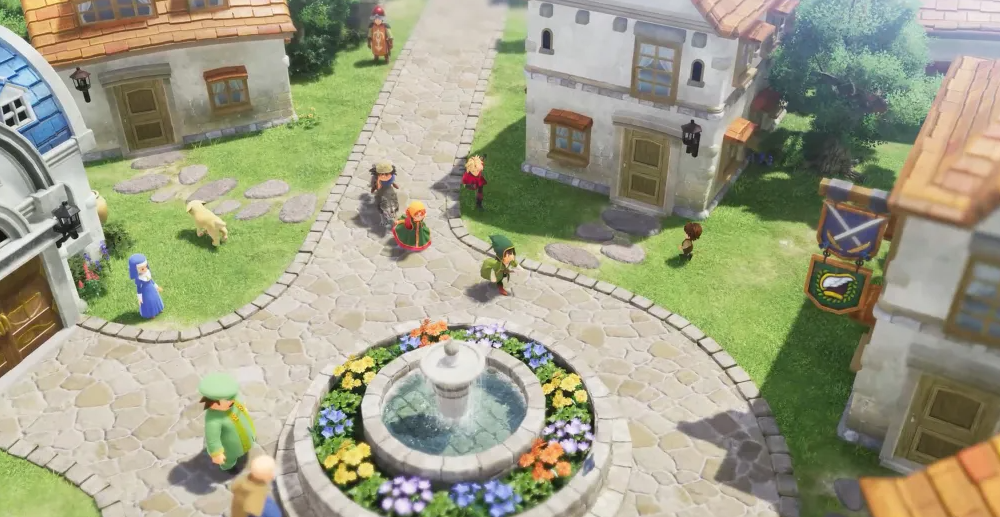
The graphics look stunning in Dragon Quest VII Reimagined. And this title may be a great place to start for gamers who never played the original, but fans of the original may be a little disappointed. SquareEnix streamlined the heck out of Dragon Quest VII Reimagined. It truly earns the title Reimagined. Similar to games like Ni No Kuni, you won’t even need to battle overworld enemies if your level far exceeds theirs. That’s amazing. If you’ve played JRPGs, you know how much of a time sink grinding can be. Dragon Quest VII Reimagined fixes that issue.
Despite cutting out islands from the original, Dragon Quest VII Reimagined improved on the game’s formula. I just wished another version of the game was available with the Reimagined version. Players could begin with Reimagined, the most approachable variant of the game, and progress to one of the other versions. But that’s a nitpick. Dragon Quest VII Reimagined is a must-play if you’ve never played the original. Dragon Quest VII Reimagined is available on PlayStation 5, Nintendo Switch, and Nintendo Switch 2.
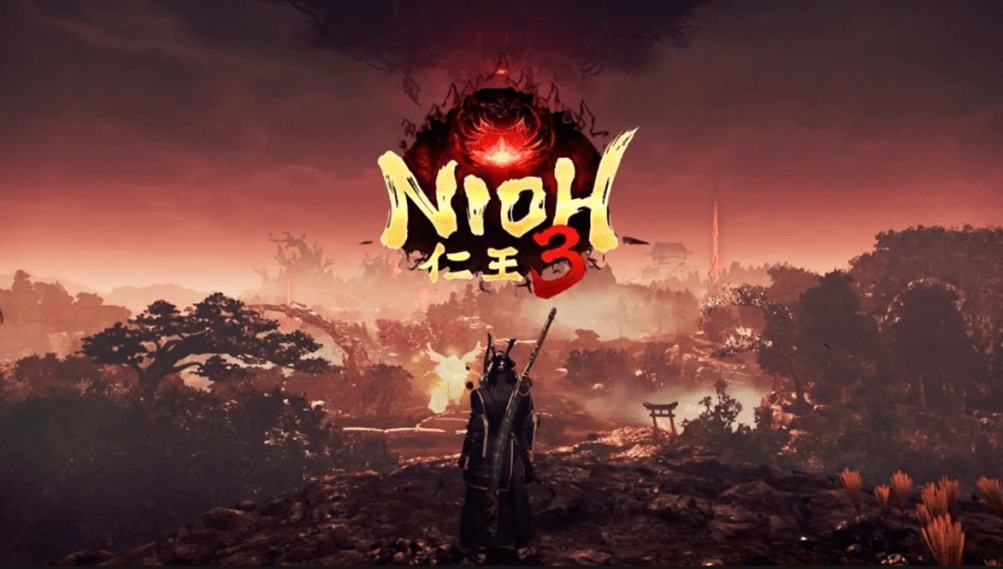
Nioh 3 Releases on PC and PlayStation 5
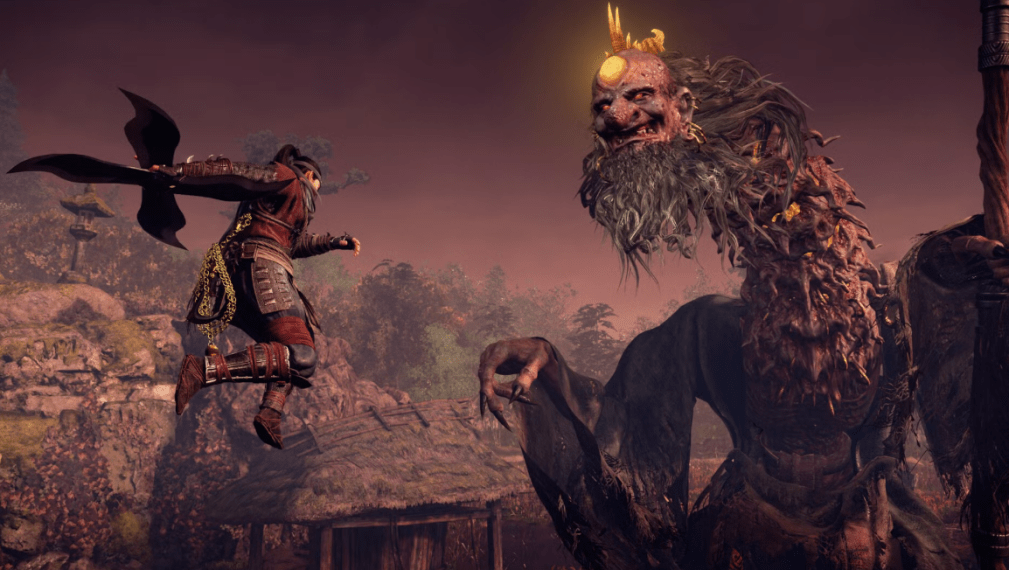
While Nioh 2 functions as a prequel to the original game, Nioh 3 takes place after the events of the other two games. A true sequel at last. Yay! Unlike previous installments, gamers will have large spaces to explore. And players will have the option of playing as a samurai or ninja. The samurai playstyle resembles gameplay from previous Nioh installments. It has a focus on parrying. But the ninja playstyle is faster and features evasion and aerial attacks. This should increase Nioh 3’s replay value.
Nioh 3’s graphics look incredible. The game has received stellar reviews. I can’t wait to get my hands on this title. I’ll most likely play the ninja playstyle first and then play a second round as a samurai. How about you?
That’s all the Geek News we have for this week. Thank you for reading, and wherever you are, I hope you’re having a great day.
Spring Meadow is the grand finale of Uwe Rosenberg’s puzzle trilogy of games. It follows 2016’ Cottage Garden and 2017’s Indian Summer. The complexity of this game—the most interactive between the players in the trilogy—is set in between those two games. Hey, hey, Geekly Gang! Kyra Kyle here with another tabletop game review. We’ll be placing oddly shaped polyominoes on wintery player boards in today’s game review, Spring Meadow. Uwe Rosenberg’s final game of his puzzle trilogy marks the end of a harsh winter, and the first delicate flowers bloom. Can you have the lushest meadow? We’ll get to Spring Meadow’s review in a bit, but first, let’s talk about the less picturesque elements of the game and discuss Spring Meadow’s credits.
The Fiddly Bits
Designer: Uwe Rosenberg Publisher: Stronghold Games; Pegasus Spiele; Edition Spielwiese Date Released: 2018 Number of Players: 1-4 Age Range: 8 and up Setup Time: 5-10 minutes Play Time: 15-60 minutes
We’ll be paraphrasing the Spring Meadow rule book. The setup is succinct and easy enough to follow.
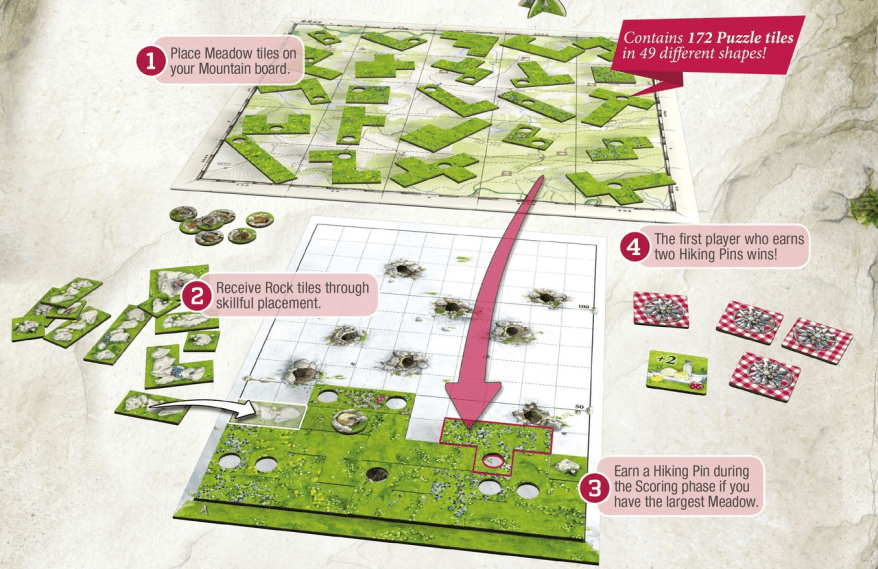
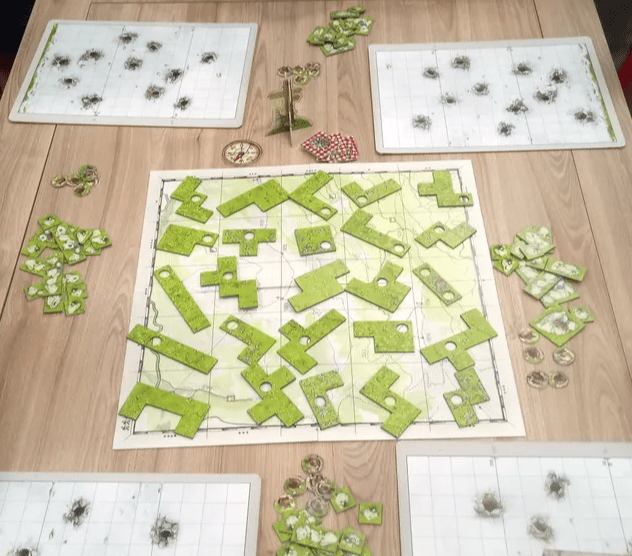
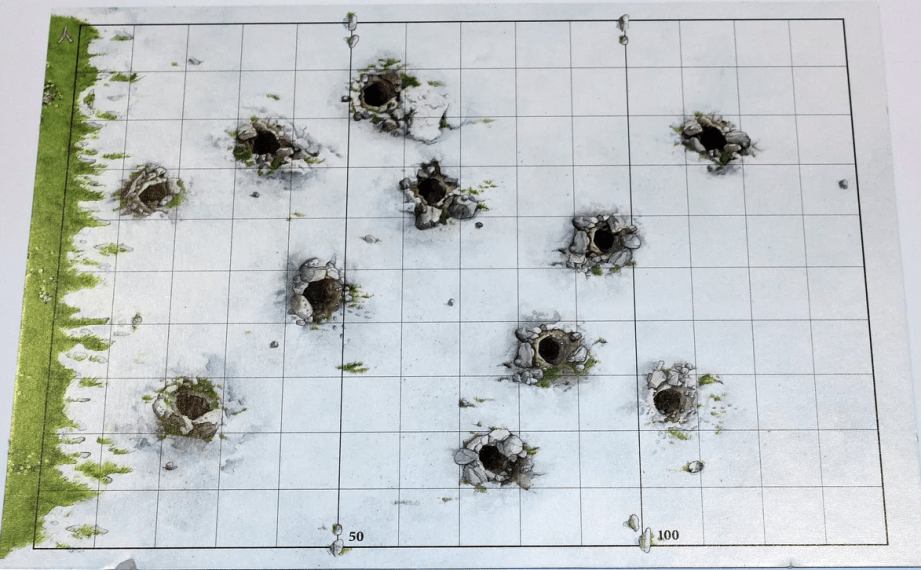
1) Place the double-sided Hiking Map (shared board featuring the offering of polyominoes) that corresponds to the number of players face up in the center of the table.
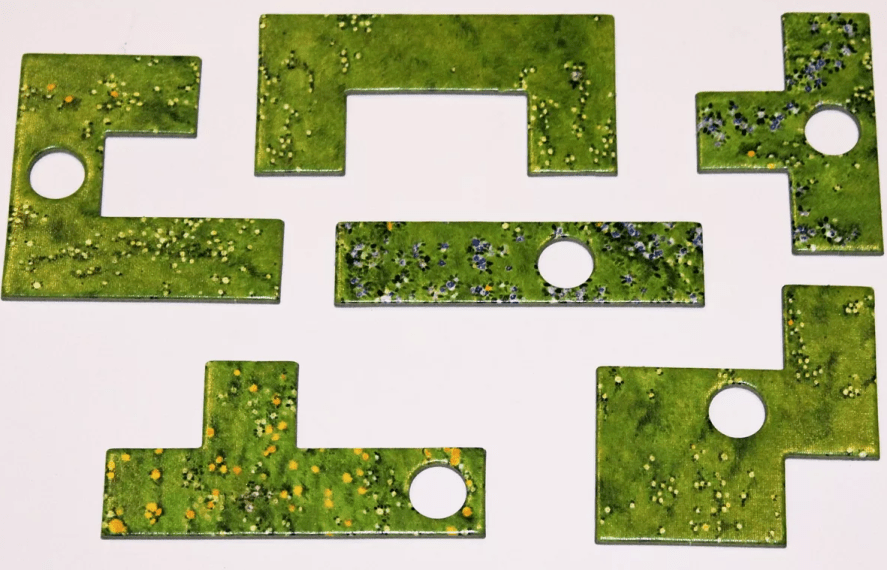
2) Shuffle all Meadow (polyomino) tiles and randomly place one on each of the 25 spaces of the Hiking Map.
3) Return the remaining Meadow tiles to the box. You will need them later to refill the Hiking Map.
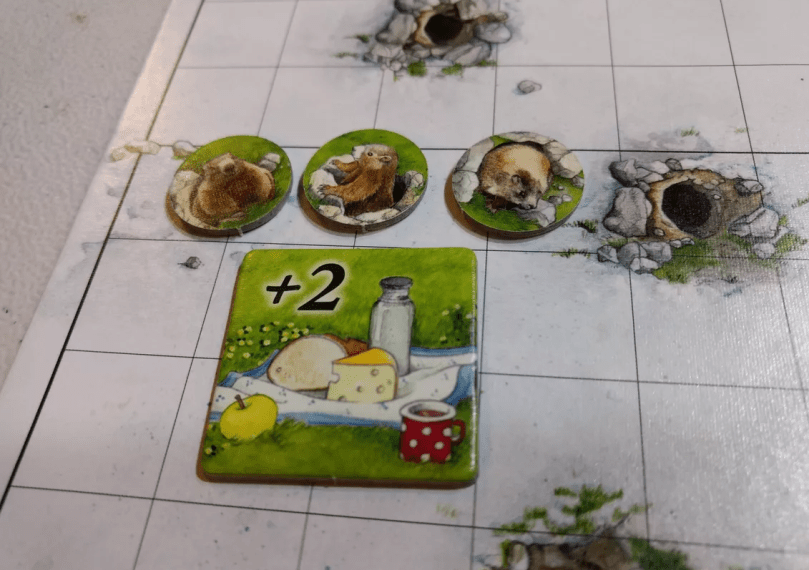
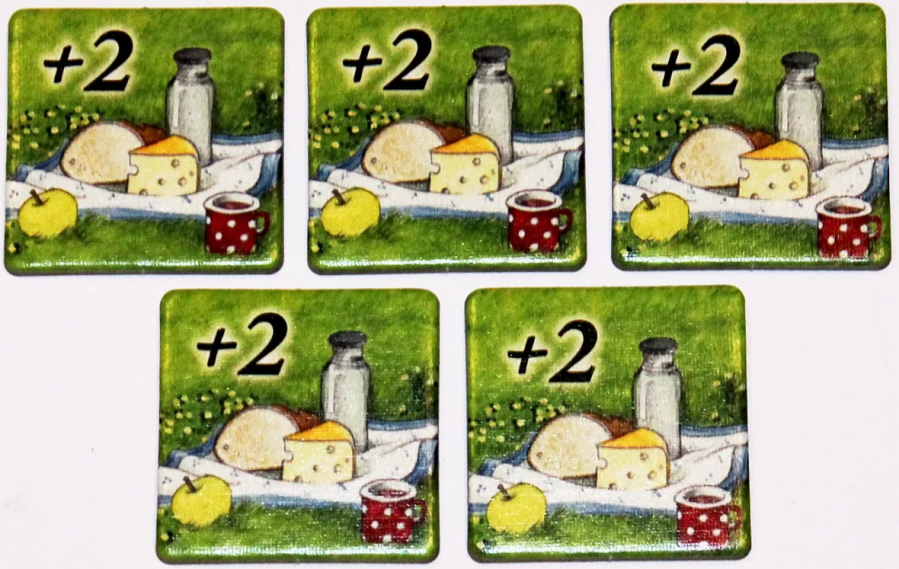
4) Place the Rock tiles, Marmots, Picnics/Hiking Pins, and Compass within reach of the players in a common supply.
5) Place the Signpost next to the player count icon on the Hiking Map.
6) Shuffle the double-sided Mountain boards and give one to each player. Orient the Mountain board with the arrow pointing up.
7) Randomly select a starting player. Each successive player will take a Rock tile, the size of which will depend on the player count and the player order.
Game Flow
On a turn, the active player chooses 1 Meadow tile from the Signpost Path (noted by the Signpost pawn, you’ll either select from a row or column of polyominoes, depending on the Signpost’s orientation during your turn) on the Hiking Map. Place the tile on your Mountain board.
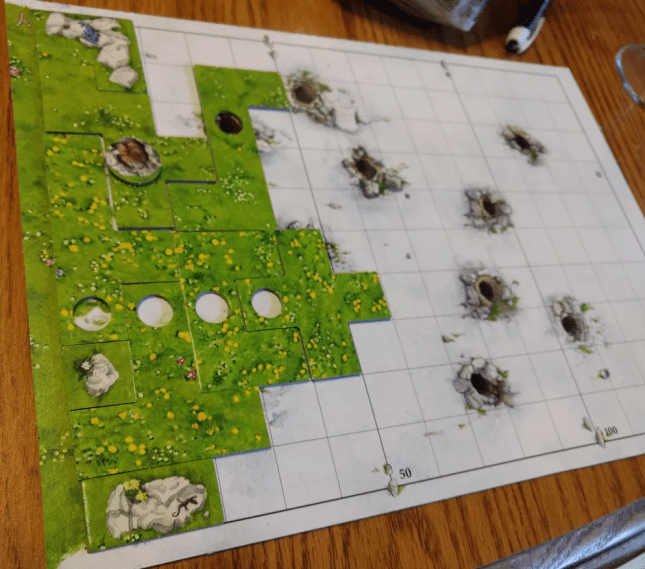
Pay attention to the Holes in the Meadow tiles and the Burrows on your Mountain board. Burrows will challenge your puzzle skills and placing adjacent Holes will allow you to place extra Rock tiles on your Mountain board.
If you wish to cover a Burrow, you must place a Marmot over a Burrow that has already been cleared.
When the Signpost stands next to a Signpost Path (column or row) on the Hiking Map containing zero or one Meadow tile(s), a Scoring phase is triggered.
Starting from the bottom of your Mountain board, count all covered spaces up to and including your first incomplete row to tally your score.
The player with the most points earns a Hiking Pin and must place Marmots over all their cleared Burrows (so they cannot score those Burrows again).
Once scoring is completed, refill the Hiking Map with randomly drawn Meadow tiles afterwards.
The first player to earn their second Hiking Pin wins the game.
Review
It took some time for me to get into Spring Meadow. I appreciated Spring Meadow’s theme. There’s something about the earth waking up from a cold winter. One of my favorite things to do during this time is to stop by the Platte River and hear the ice turn into slush and float on by. Spring Meadow gives me those vibes. And I love polyominoes in general, and Spring Meadow uses them in interesting ways. Kind of like a competitive Tetris, where you want to fill the board with as many blocks as possible. But Spring Meadow has a steep learning curve, and if you play with a new player, that can derail the game.
Sure, at one point, I was that new player. The person who taught me the game had a fun enough time, but he didn’t really find enjoyment in playing Spring Meadow until me and another player from my gaming knew had played a handful of games. He told me as much. And I found the same to be true. Spring Meadow feels unforgiving as the “new player,” but as an “experienced player,” I felt as if I was taking advantage of someone else.
While Spring Meadow’s player (Mountain) boards can be oriented in landscape or portrait, I prefer portrait. There isn’t much difference between the two orientations, but portrait clicks a little better with me. Other players in my gaming group said the opposite, so there’s a chance portrait or landscape orientation could benefit one player over another because of how different brains process information. This doesn’t lower Spring Meadow in my estimation, but I had to mention it.
I’m uncertain if Spring Meadow has a runaway leader problem. Certain plays of Spring Meadow devolve into a runaway leader, especially if you have a veteran player against noobs, but evenly skilled players can keep the game close. Still, I don’t think the Marmots covering cleared Burrows is a big enough penalty or catch-up mechanism. Player boards stay the same in between rounds, so if you’re ahead by fifteen points at the end of one round, all other players need to score fifteen more points than the leader during the second round. Good luck with that.
I could see gamers instituting an extra catch-up mechanism of handing players who are behind by more than five points, a one, two, or three rock tile. But that would be a house rule.
I also prefer Spring Meadow with fewer players. The three and four-player variants have one player selecting on the diagonal (instead of a row or column), but it’s the same player picking on the diagonal each time that happens. While picking the Meadow tile you want from a diagonal line may not add extra strategic value for that one player, it feels bad for the players who don’t get to choose from the diagonal, and choosing a tile from a diagonal line gives the illusion of more choice, because you’re literally picking your tile in a manner no one else can.
Despite any minor gripes I may have, I’ve enjoyed my time with Spring Meadow. It’ll be one of those games you’ll need to play multiple times to grasp the game’s nuanced strategy. Fortunately, games of Spring Meadow don’t take that long. Fifteen minutes per player is short. This is another reason why I like playing Spring Meadow with fewer players. A two-player game takes up to thirty minutes. Nice!
Too Long; Didn’t Read
Spring Meadow may have a runaway leader problem, and veteran players have a decided advantage over noobs. But I love the theme and the game uses polyominoes in intriguing ways. Spring Meadow is one of those games you’ll need to play more than once to grapple with its nuanced strategy. Thankfully, games of Spring Meadow don’t take long: fifteen minutes per player.
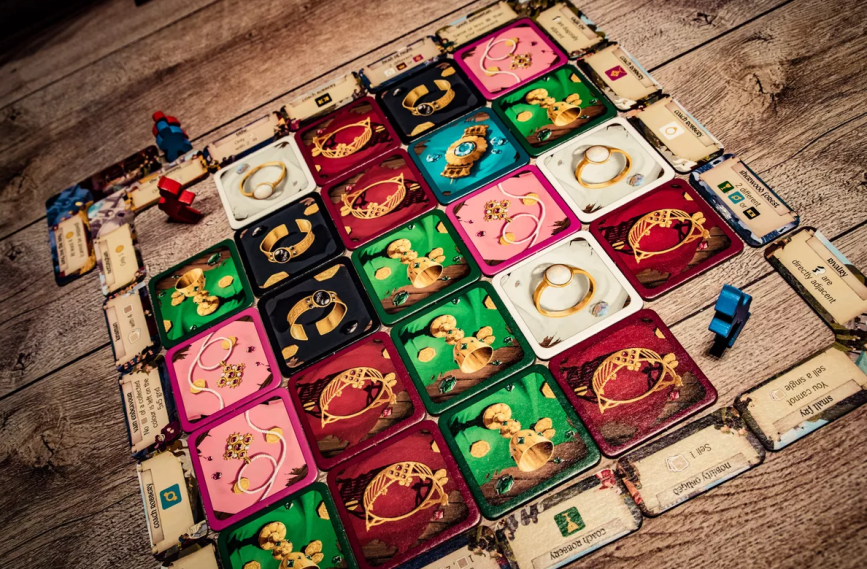
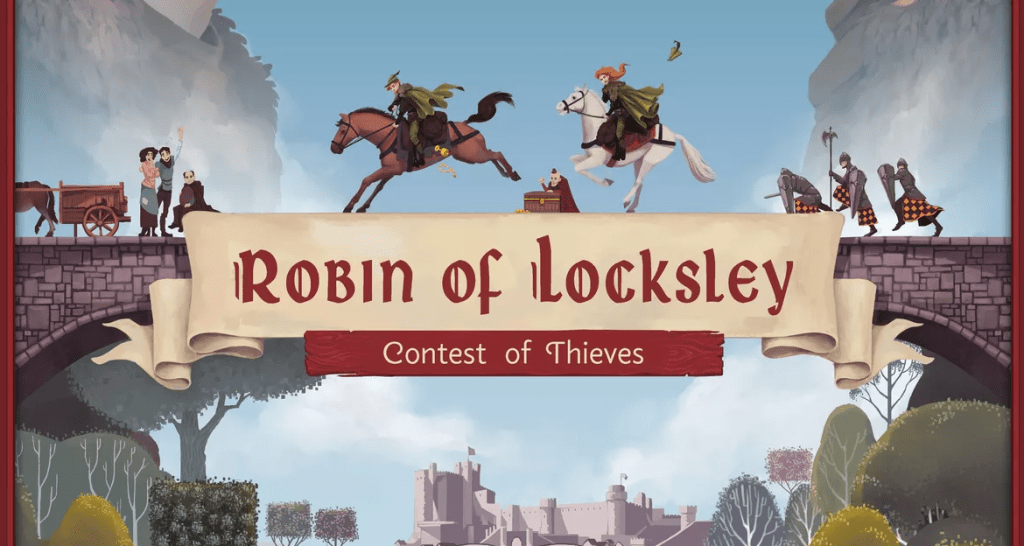
Hey, hey, Geekly Gang! Kyra Kyle here with another board game review. Full disclosure: Today’s game is one of my go-to 2-player board games, Robin of Locksley by Uwe Rosenberg. I’ll try to stay as neutral as possible, but it’ll be difficult. I love this game that functions as a race between two players. You control two pawns, Robin and a Bard. While Robin steals Loot from the rich, that Loot is used to move the Bard on a Race Track. The first player to finish the race wins. We’ll get to the daring do soon, but first, let’s discuss some of the less swashbuckling aspects of Robin of Locksley.
The Fiddly Bits
Designer: Uwe Rosenberg Publisher: Funforge, Rio Grande Games, Wyrmgold GmbH Date Released: 2019 Number of Players: 2 Age Range: 8 and up Setup Time: 5-10 minutes Play Time: 20-30 minutes
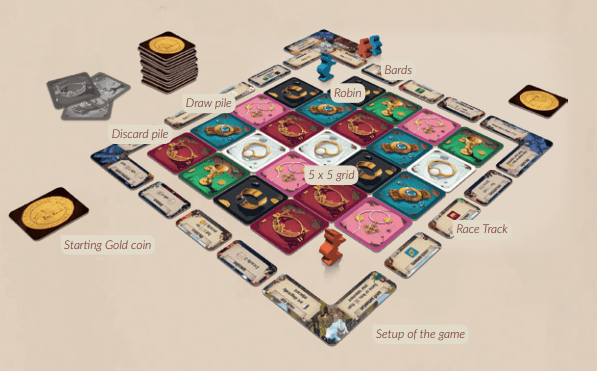
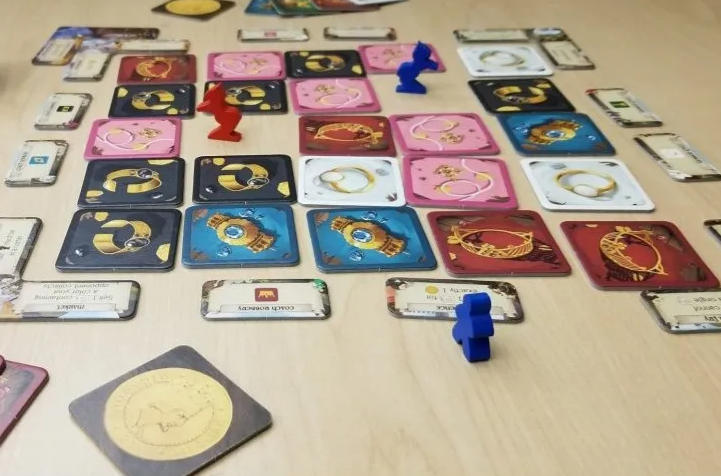
We’ll use Robin of Locksley’s rulebook for this section. I don’t know if words can express how to set up the game. We’ll include the picture the rulebook provides. I always use it when building the board.
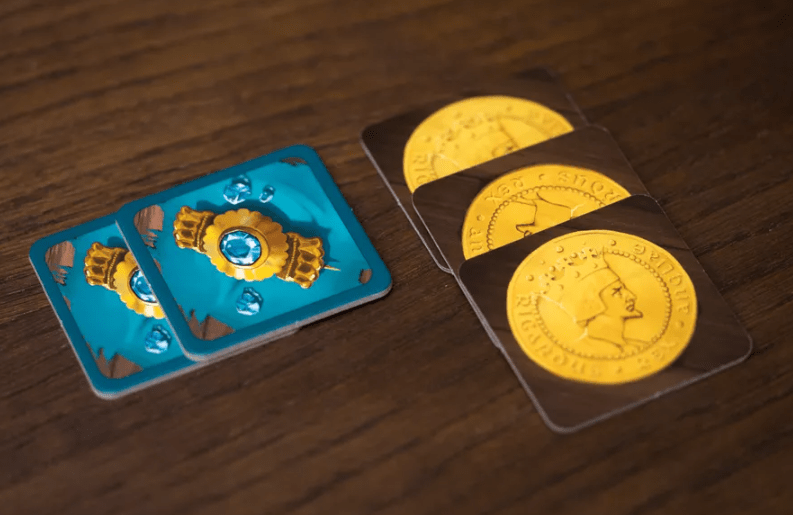
* Shuffle all Loot tiles (gold coin side up) and build a 5×5 grid.
* Choose a player to go first. The first player takes one loot tile from any corner of the board. The second player takes the tile from the opposite corner. Each player flips the tile they chose back over to the side showing the gold coin and forms their personal supply.
* The players put their Robins in the now empty corners.
* Place the remaining loot tiles with the gold coin side up in a draw pile.
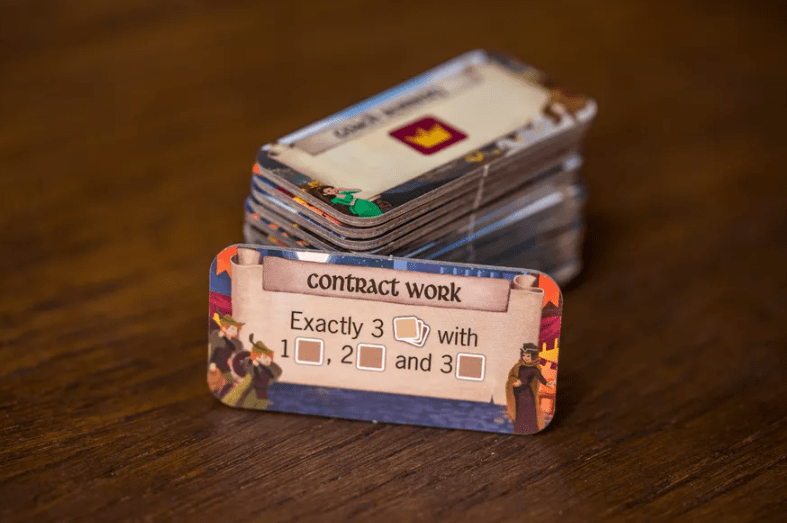
* Find the corner pieces labelled “The Beginning” (start) and “Long Live the King” (end). Put them together in one of the corners. Place “The Beginning” piece (as shown above) in the inner corner.
* Shuffle the remaining corner pieces, draw three, and put them in the remaining corners.
* The players put their Bards in their color next to the start tile.
* Shuffle the small fame tiles and put three of them between the corners.
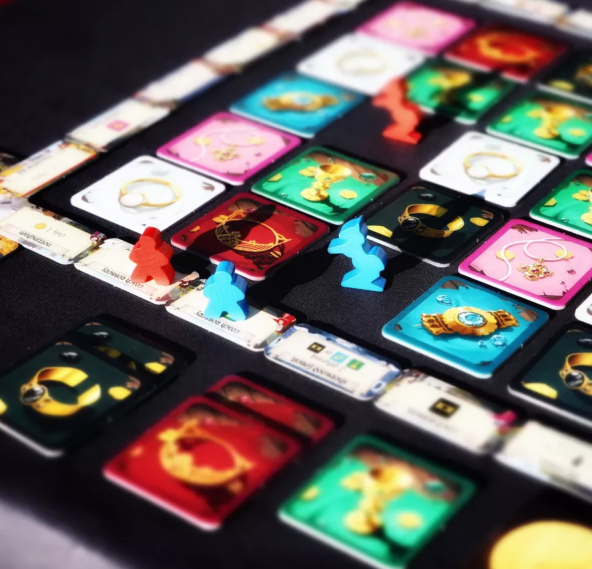
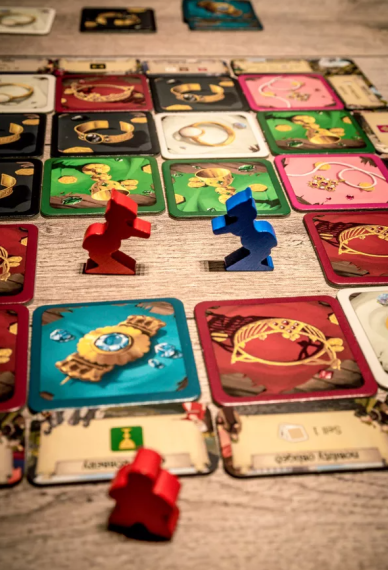
* When complete, the game layout should look similar to the picture above.
Game Flow
Moving Robin
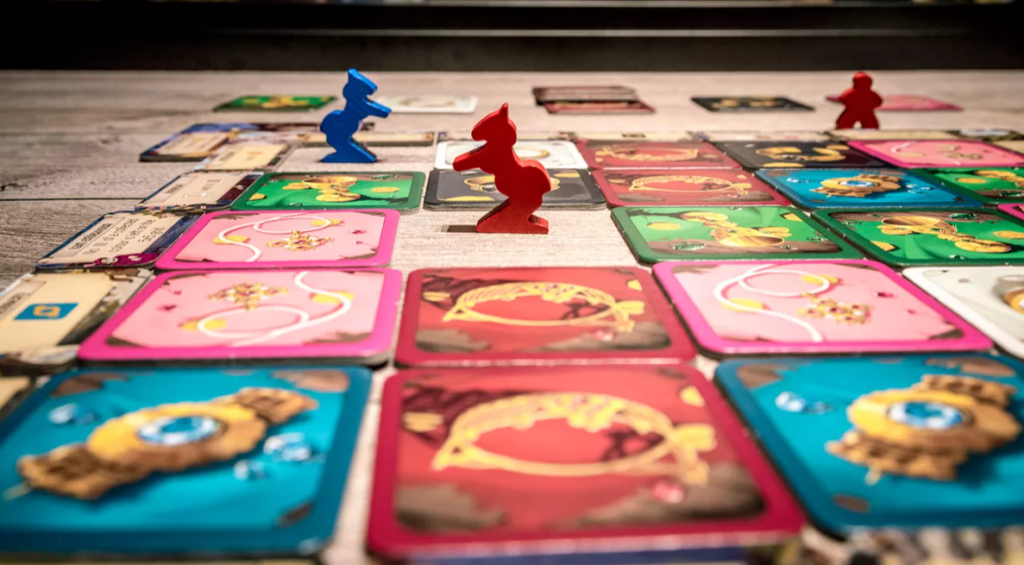
* Players alternate turns. The start player begins the game. * Players move their Robin in the shape of an “L” composed of three tiles (just like the knight’s move in Chess).
* The player takes the tile they landed on into their personal supply.
* At the end of their turn, the player fills the now empty space (the space their Robin left) with a Loot tile from the general supply. Do not fill the square occupied by a Robin.
The Racing Track
Players win the game by moving their Bard along the Racing track (the one surrounding the loot tiles). There are two ways to move with your Bard.
1) Every Fame tile (the ones that compose the Racing Track) shows one task. If the player is able to fulfill the task indicated on the Fame tile, they may move their Bard 1 tile forward on the Race Track. These tasks range from possessing a specific color of Loot or having your Robin in the corner of the 5×5 Loot tile grid.
2) The player may spend 1 Gold coin (and discard it to the open discard pile with the Loot side up) to move their Bard 1 tile forward (clockwise) on the Race Track. The player may continue to move their Bard forward as long as they can meet the requirement or pay the bribe for each tile they encounter.
Loot Collection
A Loot collection is a set of 1 or more Loot tiles of the same color. Loot collections may never be split into smaller collections.
Selling a Loot Collection
Anytime during their turn, players may sell a Loot collection which consists of 3 or more Loot tiles of the same type.
Discard two of the Loot tiles on the open discard pile and collect the remaining ones as Gold coins by turning them over.
Game End and Winning
There are two ways the game can end, and a player can win.
1) The game ends immediately if one player’s Bard “laps” the other player’s Bard on the race track. To “lap” the other player, one player’s Bard must have made a full extra lap around the track thus passing the other player’s Bard a second time. The player whose Bard has passed the other is the winner. If both Bards are on the same spot on the Race Track, the game does not end.
2) The player who first completes two full laps of the Race Track and fulfils the challenge on the goal tile is the winner.
Review
I love the way the Robins move. Robin of Locksley’s new players will have an easier time picking up the move mechanisms, but the way knights in Chess move isn’t straightforward. The Robins have familiarity, and each move functions as a spatial puzzle. One of the Fame tiles (the spaces on the Race Track) requires a player’s Robin to be one move away from their opponent. I don’t know how many times I’ve spent a Coin to skip this requirement, but I get a rush every time I can meet that requirement naturally. Then, it becomes a race, so my opponent can’t finish that Fame tile during their next turn.
The Fame tiles have varied requirements. Robin of Locksley’s modular board ensures no two games will ever be the same. And planning spaces ahead is fun, making each turn meaningful, even if your move this turn won’t help you progress right away. Robin of Locksley also has that volta, a turn where the game shifts, and it’s usually during the mid-point. Players bide their time, collecting Loot, meeting easier requirements, and accruing enough Coins to skip five or six spaces on the Race Track during a single turn. I love this volta (turn). As soon as this happens, the race is on. The other player will pop off a five or six spaces of their own, and Robin of Locksley begins in earnest. Typically, this momentum continues until the game ends.
And games of Robin of Locksley don’t take too long. BoardGameGeek and the rules list games as lasting up to 40 minutes. This hasn’t been my experience. My first game of Robin of Locksley may have taken close to 40 minutes (with the teach), but as soon as you have two players who know what they’re doing, turns take no time at all. Sometimes, I must call time and raise my hand if I want to move those five or six spaces in a turn, because it’s easy to get into a rhythm. The game’s rhythm getting interrupted raises the stakes during the volta. It’s so good.
Looking up a Fame tile’s requirement is one of the few ways a game of Robin of Locksley slows. None of the Fame tiles has any text; they’re all conveyed through icons. The Robin of Locksley rulebook contains a glossary of what each icon means, but it will slow down the game to look up that information during your first lap around the Race Track. Despite this occasional slowdown, I like how both game elements work with each other in Robin of Locksley. It’s a healthy balance of figuring out how best to maximize your Loot with your Robin piece and looking ahead on the Race Track to see what you may need.
Robin of Locksley is my go-to 2-player only game. My spouse and I have played a ton of 2-player games lately, but Robin of Locksley is one of the few competitive 2-player-only games that consistently make our rotation.
Too Long; Didn’t Read
Robin of Locksley has short, punchy turns that lead to a satisfying race to meet Loot (or spatial) requirements. With its modular board, each game is unique, but one thing stays constant: the volta (turn). Each game will have an exciting turn where one player moves multiple spaces, and then the race is on.
















 jkgeekly.com