Gacha Game Review: Persona 5: The Phantom X

Hi, Geekly Gang! Season here. I mentioned in a previous “Whatcha” that I’d started playing Persona 5: The Phantom X. I’ve gotten a good feel for the game and have decided to pit it against our Gacha game review system. Let’s see how Persona 5: The Phantom X scores.

Before we begin, it’s impossible not to compare Persona 5: The Phantom X with Persona 5 and Persona 5: Royal.

Mechanisms

Mechanisms: 6/10

Maybe I should have rated this lower since the mechanisms are similar to Persona 5 and Persona 5 Royal. Since the mechanisms in Persona 5: The Phantom X stay true to the original Persona 5, they’re baseline good. Enemies maintain their weaknesses, and the game is more upfront about what enemies are weak to, instead of players having to guess. The main character (Wonder) can alternate between up to three different personas for different enemies. This cuts the score a bit since the main character from Persona 5 (Joker) can alternate between up to ten different personas.

The baton pass in Persona 5: The Phantom X is a step up from Persona 5. When prompted to perform a baton pass (baton touch in this case), any character who has an element that any of the enemies they’re facing is weak to will have “Weak!” pop up next to their picture. The downside is that players still have to remember which enemies are weak to which elements, because a character possessing an enemy weakness may target one that’s already been incapacitated.

Gameplay Loop

Gameplay Loop: 5/10

I’ll start with the positives. Players can go back to cleared Palaces. Unlike the original Persona 5, there’s no pressure to collect everything before the Palace collapses. Due to small map sections, the overworld is easy to navigate. Event-wise, story-related events (the Palaces from Persona 5) remain as permanent events. Smaller events with limited rewards get phased out after a certain period of time. This makes events easier to navigate for new players, and for players who’ve never played Persona 5.

Mementos differs slightly between Persona 5: The Phantom X and Persona 5 Royal (Persona 5 doesn’t include this). In Persona 5 Royal players collect stamps and flowers in Mementos to collect rewards. In Persona 5: The Phantom X, players collect train tickets to exchange for items and unlock different areas of Mementos.

I’m going to level with you, Geekly Gang. This is my biggest gripe with Persona 5: The Phantom X’s gameplay loop, and it’s not something I’ve ever complained about in a game this much. Persona 5: The Phantom X has fifteen different currencies. Fifteen. Why? I don’t even pay attention to most of them because many of them are zone-specific. The two important currencies are the Yen and Meta Jewels. Yen allows you to purchase anything in the overworld, and Meta Jewels lets you pull for characters and weapons. If you’re short on anything required for a specific task/character level, the game will prompt you to go collect it.

Respectful of a Player's Time

Respecting Time: 8/10

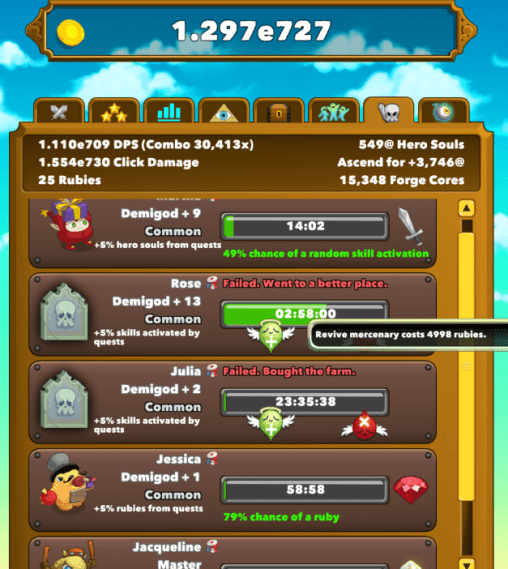
Persona 5: The Phantom X allows me to complete my dailies in under ten minutes. There’s no auto-clear for farming, but after a player completes a farming-related battle, they can spin a dodecahedron (a 12-sided die) up to six times and gain that much in resources. Seriously. I can complete my farming after two auto-battles.

Battle Pass: 4/10

The battle pass is nothing special. It’s similar to Genshin Impact, Honkai: Star Rail, and Wuthering Waves, but with an extra ten levels tacked onto it. I’m not sure why, since these ten levels offer the same rewards with every level.

Video Game's True Cost

True Cost: 7/10

Unfortunately, Persona 5: The Phantom X falls into the same weapon banner pattern as Genshin Impact. Players select two five star weapons they want to include on the banner in addition to the featured one, and there’s a 1/3 chance they’ll get that weapon after eighty pulls. However, pulling (opening packs to gain new units or weapons) is cheaper in Persona 5: The Phantom X than the other gachas we’ve covered. Weapons cost one-hundred Meta Jewels per pull, and characters cost 150 per pull.

Story or Narrative

Narrative: 2/10

The only upside to Persona 5: The Phantom X’s narrative is it’s easy-to-follow—especially if you’ve played Persona 5. It doesn’t build on Persona 5 or Persona 5 Royal, but reskins it with characters and Palaces that mirror the original. The group of teenagers fights to get their desire back, which doesn’t make much sense for rag-tag teenagers. They haven’t survived high school and have minimal life experience. This would hit harder if the characters were much older, by, like, thirty years.

The “time” in the game doesn’t flow well, either. In Persona 5, there were days of the week, holidays, and deadlines. Players had to plan their time well to get the most out of their time. In Persona 5: The Phantom X, “time” is only relevant for overworld tasks and when confidants are available to hang out. Instead of using specific dates, day progression is denoted by today, tomorrow, and yesterday.

Storytelling

Storytelling: 3/10

Since the story flows in Persona 5: The Phantom X, it gets a slightly higher rating than the narrative. However, it still gets a lower score than other gachas because it’s mimicking Persona 5 in every way. Come on, guys.

Also, how long are Wonder’s parents going to be on vacation? They’ve been on vacation since the game began. I think they went out to buy milk and cigarettes.

Credit: GameRant

Presentation; User Interface: 5/10

The UI has a similar setup to Honkai: Star Rail, which isn’t too difficult to navigate. There are too many subcategories. Why are there two different categories for shopping? Combining them would eliminate one of the subcategories.

Credit: Game8

Presentation; Graphics and Audio: 4/10

The audio quality is fine. It’s average. The graphics, on the other hand, are slightly better than the original Persona 5, which is almost a decade old at the time of writing. There shouldn’t be minuscule graphics differences between two games that are ten years apart.

Aggregated Score: 4.89

I tried to raise the score for Persona 5: The Phantom X as much as I could, but this is the best score I could give it. There are definitely some sections that could’ve earned harsher scores. If you’re looking for Persona 5, Persona 5: The Phantom X has that to a degree. I recommend playing Persona 5 (or any other Persona game, for that matter) over Persona 5: The Phantom X. Since it’s around the holidays at the time of writing, Persona 5 and Persona 5 Royal are likely on sale somewhere. If not, they’ll probably be on sale at the end of the year. Steam normally has a huge end-of-year sale. I’ve also seen PlayStation have sales on Persona 5 and Persona 5 Royal in the past.

What do you think, Geekly Gang? Was our final score too low, too high, or just right? Let us know in the comments. Thank you for reading and have an amazing rest of your day.

Classic Companions: Playskool Glo Worm (1996)

Happy Holidays, Geekly Gang! Season here. This month’s plushie review is special to me. I got a Playskool Glo Worm (1996) as a present on my first Christmas, and I still have it. My Glo Worm’s name is “Baga,” so I’ll be using that title throughout this review.

Before we begin, let’s review the categories. I’ll be looking at size, softness, kid-friendliness, and cuddliness. There won’t be an aggregated score.

Size

Baga is on the smaller side and fits perfectly in your lap if you’re sitting cross-legged as an adult. Baga rivals newborns in size.

Softness Versus Firmness

Baga has— or, in my case, had — a music box inside that plays “Twinkle, Twinkle, Little Star,” and when activated, his face lights up. This, plus his hard head, puts him toward the middle of the soft versus firm scale. In my biased opinion, he’s super soft, but I’ve worn him down over the years.

Kid Friendly Versus Adult Only

Since he’s designed for infants, Baga is kid-friendly. He gets docked a few points for small pieces like the zipper on his back, which could be ripped off by a rambunctious child. I used him to fight my other toys when I was two. It was war, I tell you.

Cuddle Buddy Versus Desk Buddy

Baga is definitely a cuddle buddy. That’s part of his design. Since Playskool doesn’t make him anymore, I could see him as a collector’s item. Playskool intended for Baga to be a cuddle buddy, so he’s a cuddle buddy.

Final Thoughts

I tried to be as unbiased. Let me know your opinions of Playskool’s Glo Worm in the comments. I have a baby picture of me with Baga when I got him. Would you like to see that picture, Geekly Gang? Let me know. Thank you for reading, and have an amazing holiday season.

Tabletop Game Review: Little Devils

Hey, hey, Geekly Gang! Kyra Kyle here with another board game review. Today’s game is Michael Feldkötter’s Little Devils, a quick trick-taking game with a twist. Little Devils has no suits. Instead, players must follow the first card (in a series of 54 numbered cards) that’s played per round. The second card dictates which direction every other player must follow (up or down from the original number). The player who either plays in the wrong direction (up instead of down) or plays the furthest number from the original card wins the trick; you’re trying to win as few tricks as possible. Little Devils takes a simple concept and bakes in some interesting choices.

Before we get any further, we’ll get devilish with Little Devils’ details.

The Fiddly Bits

Designer: Michael Feldkötter
Publisher: Arclight Games, Stronghold Games, White Goblin Games
Date Released: 2012
Number of Players: 3-6
Age Range: 8 and up
Setup Time: Less than a minute
Play Time: About 15 minutes

Game Mechanisms

Card Game
Trick-Taking

Game Setup

Little Devils consists of a 54-card deck. Depending on the number of players, remove a number of cards numbered between 28-54 from the game. The rulebook will state which specific cards need to be removed at each player count. Ultimately, players will be dealt 9 cards each, which should be the entire deck.

After you’ve prepared the deck, deal out all the cards.

Game Flow

For the first round, the player to the left of the dealer begins the trick; for every round after the first, whoever “won” the previous trick, begins the next trick. The first player starts the trick by playing any card from their hand that doesn’t have five little devils beneath the number. Quick note: most cards in Little Devils will have at least one little devil underneath its number. Players cannot lead a trick with a card with five little devils, unless they have no other card in their hand.

The player to the left of the starting player will play a card from their hand. If the second player plays a higher card, all other players must play cards valued higher than the first card if possible. Whoever played the highest card gets the trick, unless a player is unable to play a higher card. This player will get the trick unless more players are unable to play higher cards. If a player (or players) plays a card in the opposite direction of the second player, the player with the furthest valued card from the original card wins the trick.

After all cards have been played, a round ends. Players score the number of little devils from their tricks. As soon as someone scores 200 points, play ends, and whoever has the fewest points wins.

Review

Little Devils has a built-in catch-up mechanism: the player who wins a trick can’t possibly win the next one; they begin the next trick. I love that. It’s simple and offers plenty of strategic choices. I could play a card closer to the low or high end, thinking the players in front of me (on the scoreboard) might get stuck with a trick or two. There are even cards that have no little devils on them. Often, when I know I’m going to get stuck with a trick, I’ll play one of the one devil or no devils cards to net the fewest little devils I can.

While you could card count during Little Devils, it doesn’t matter that much. Little Devils plays quickly. It’s more fun to play a second game. Even when I’ve finished last (triggered the end game), I feel like I did something if I stiffed someone else with a bunch of points during one round. Little Devils is a great filler game. It may get overshadowed by Cat in the Box (we still need to review that game), but it requires less setup, is an easier teach, and I’ve found more gamers catch on to Little Devils a lot faster.

Too Long; Didn’t Read

Quick to pick up and easy to teach, Little Devils is an excellent trick-taking game that offers plenty of strategic choices, a brilliant built-in catch-up mechanism, and fun gotcha moments.

Cozy Video Game Review: Dorfromantik

Inspired by tile-laying board games, Dorfromantik offers the relaxing gameplay of creating a pastoral landscape of trees, villages, water, railroads, and fields. Designed by four German and Swiss students (Timo Falcke, Sandro Heuberger, Luca Langenberg, and Zwi Zausch) in a game design master’s program at HTW Berlin, Dorfromantik is a peaceful, minimalist game that lives up to the title, cozy. Hey, hey! Kyra Kyle here. We’re back with another cozy video game review. Even though Dorfromantik has crossed over into an award-winning board game, we’ll be discussing the equally stellar indie video game by Toukana Interactive. Get ready to build a gorgeous landscape with Dorfromantik.

Mechanisms

Game Mechanisms: 7/10

Dorfromantik takes a simple concept of tile laying and does it exceptionally well. I’d wager the idea of Dorfromantik stemmed from playing board games like Carcassonne. Dorfromantik’s game mechanisms lend themselves well to board games, so there is an excellent, cooperative board game by the same name. Sometimes, you don’t need an elaborate set of mechanisms to make a game sing. Sometimes, you just need to do a simple concept well, and Dorfromantik does just that.

Chain similar land types with each other to gain points and finish goals (that the game presents) to score even more points and to increase the number of tiles you have to draw from. Dorfromantik can be played competitively–there is a leaderboard–or you could watch the countryside bloom as you place tiles. Dorfromantik‘s ability to make me invested in a landscape reminds me of another cozy video game we covered, Terra Nil.

Gameplay Loop: 9/10

Whether you play Dorfromantik to get the highest score possible or casually place tiles and find your Zen, you can’t deny Dorfromantik’s gameplay loop. Once you get started, you won’t build just one pastoral scene. You’ll want to go farther with your next run, reveal new tiles like the windmill (pictured above), or watch your boats and trains traverse the landscape. And yes, the scene above is animated. It’s so neat watching your creation come to life.

Because the tiles can come out in different orders, no two scenes in Dorfromantik are exactly the same. This adds spice to the simplistic gameplay. Dorfromantik is an easy game to get into, but a difficult one to master if you want to climb that leaderboard. Or you could be like me. I just want to discover new tiles and watch my landscape get bigger and more diverse. I’m so glad Dorfromantik has been ported over to the Switch. It’s the perfect game to play on the go.

Story or Narrative

Narrative/Storytelling: 1/10

I should’ve excluded this element, but I didn’t with other video games that had little to no story, so narrative/storytelling is staying in the lineup. Let us know what you’d replace this element with for games that have little to no story. Dorfromantik has no story to speak of, so it receives a low mark in this category.

User Interface: 10/10

Dorfromantik has a stripped-down but effective user interface. The tiles feel great to manipulate. They almost feel like placing a board game’s tiles. The picture above shows how Dorfromantik will highlight the spaces where a tile can be placed. Gamers can only place the tile on top of the draw pile. Dorfromantik does an excellent job of not only showing where a tile can be placed, the callouts show where you can gain extra points, and whenever you hover a tile over a space and begin rotating it, Dorfromantik will make the matching tiles shimmer.

Dorfromantik’s elegant and minimalistic user interface makes it accessible. Like I said, Dorfromantik may use a familiar board game mechanism in tile placement, but every element Dorfromantik adds is handled with care and purpose. I had to give Dorfromantik top marks for user interface.

Graphics: 8/10

Dorfromantik has excellent graphics for a top-down isometric video game. The art style works well, and I appreciate the small details. Look at the clock towers, cottages, and windmills in the image above. Like I mentioned before, Dorfromantik uses small animations to denote movement. The boats (if you’ve unlocked the boats) move along the waterways. Smoke puffs from chimneys. While all of this is great, Dorfromantik does venture into cartoony graphics.

These cartoony graphics work well when one zooms out and sees more of the landscape, so I understand why Dorfromantik chose a minimalistic, cartoon-like art style. Players are meant to take a macro view of their village. But I dock Dorfromantik a point or two for graphics because the game doesn’t quite hold up on closer inspection.

Audio: 7/10

Dorfromantik’s music exudes the concept of a cozy game. I’ve listened to Dorfromantik’s soundtrack to fall asleep. It’s that soothing. Unfortunately, the game’s sound effects detract from this calm. The clacking and clicking of the tiles often takes me out of the game’s vibe. I would’ve preferred more pastoral sound effects accompanying the mechanical sounds of turning and placing tiles on the board. Yes, I could reduce the sound effects’ volume or turn them off altogether, but that would eliminate half of Dorfromantik’s audio. We’re grading the game’s entire audio. If we were only grading Dorfromantik’s soundtrack, its audio would score much higher.

Replay Factor: 10/10

Dorfromantik has an addictive gameplay loop, so the replay factor is through the roof. I can see myself playing Dorfromantik on my Switch while waiting in line. Heck, I’m surprised Dorfromantik hasn’t yet made it to the mobile game space. I could see plenty of people playing Dorfromantik on their phones. It may be an even better game for smartphones. The Switch tends to be a game’s first foray into mobile gaming. Fingers crossed that this cozy game classic makes it onto more mobile devices.

Aggregated Score: 8.6

Sure, I gave Dorfromantik a story/narrative score, but I’m not including that score with its aggregated score. Sometimes you need a cozy video game to find your Zen. Dorfromantik is a great game for that. I’m hoping more gamers will have the opportunity to play Dorfromantik on other platforms soon.

Video Game Review: The Survivalists

Team 17 produced The Survivalists as a cooperative adventure game set in the Escapists universe. The player wakes up marooned on a mysterious island. You must adapt to your new surroundings. Prepare your defenses against island threats. Explore, hunt, build, craft, and train monkeys with up to three friends as you do your best to survive.

Hey, hey! Kyra Kyle here. Today’s post is a follow-up of sorts. Months ago, I mentioned during one of our Whatcha Playing segments that I’ve been playing The Survivalists. I finished the game and figured I’d share my thoughts. I played The Survivalists on PlayStation (so most of my comments will reflect that), but The Survivalists is also available for Xbox, Nintendo Switch, and Steam. Typically, it retails for about $25, but The Survivalists tends to go on sale for as low as $5. I snagged a copy when it was this cheap. Let’s see how The Survivalists measures up in our review criteria.

Mechanisms

Mechanisms: 8/10

Full disclosure: I’m not the biggest survival game fan; that’s more Skye’s video game genre. Survival games often frustrate me. It takes a while to make progress (I’m impatient), and your progress can be foiled with a single false move, which causes the game to devolve into a frustration simulator. I usually like to chill whenever I play video games. Most survival games have no chill. That’s where The Survivalists is different.

The Survivalists takes a laid-back approach to the survival game genre. Sure. You can–and most likely will–die in the game, and after respawning, you’ll have to travel back to where you lost your belongings, but The Survivalists is more forgiving. Upgrades don’t take as long, eliminating one of the barriers for me. If you train monkeys, these upgrades take a fraction of the time. Monkeys are The Survivalists’ single best addition. It took me a while to figure out how to train a monkey (the controls are a little wonky), but once you get the knack, you’re no longer alone on this island. Even if you play The Survivalists solo, you have allies.

The Survivalists’ monkeys element is enough to give it an above-average score in mechanisms, but the game doesn’t add too much to the survival video game genre, so I couldn’t give it higher than an eight out of ten. Still, I enjoyed my time with The Survivalists, and the game’s mechanisms kept me engaged.

Gameplay Loop

Above Image from GameDesigning.Org

Gameplay Loop: 8/10

The Survivalists has the same addictive gameplay loop as most survival games. While I love the addition of monkeys, you can get stuck waiting for your monkeys to finish constructing key materials. That holds back this score a bit. The missions can also get too specific; one also doesn’t receive credit for a task unless they have the mission in their questline. The Beast Master is notorious for this. Kill 10 Bats. I already have; I guess I must hunt for 10 more. And the Beast Master’s questlines (in particular) don’t appear to have a linear progression. You can go from slaying a mid-level boss to hunting wolves, and then to taming animals, which transitions to killing warthogs (an equivalent animal to wolves). These mission progressions tend to be head-scratching.

Still, The Survivalists has a satisfying gameplay loop. The world resets after every few days (after a blood moon). So, if you must hunt wolves for their pelts (or to finish a quest), you may need to wait for them to respawn after a blood moon. The morning after a blood moon, you’ll be attacked by natives. Perishing during one of these raids isn’t too big of a deal, provided you’re at or near one of your camps. You’ll lose the items in your inventory, but your attackers will vanish, and you’ll respawn at your nearest camp. Easy.

Sailing can be tricky to master. I was fifteen hours into the game before I could navigate the waters well. Once you get the hang of sailing, exploring becomes a blast. I couldn’t wait to discover a new island or the materials I could find on the island. This is a hallmark of survival games. Perhaps I should give more of them a try.

At first, obtaining a new monkey can be exciting, but you’ll end up with well over 15 monkeys. That’s a lot of monkeys. The number of monkey companions will become unruly, and monkeys have a range limit. The Survivalists doesn’t do a good job of marking this range. I lost count of the times I’d task a monkey to do something like chop down trees, only to see the monkey skip a tree to knock one farther away. Make the monkey’s range make sense. I’ll also get a monkey falling me a little too long, and then they’ll randomly swim on the beach on a foreign island. It’s a good thing monkeys can’t die.

Story or Narrative

Narrative: 6/10

The Survivalists has a basic premise with little story beyond that, but it doesn’t need a lot of story beyond a person marooned on a distant island. I do enjoy the ending. It’s not a true ending, because you can continue playing after this moment, and the credits roll. I won’t spoil what happens here, but The Survivalists has an adorable cutscene after the player rebuilds the Galleon and sets off for home.

Storytelling

Storytelling: 7/10

Even though The Survivalists has little story, the story it has is done well. Flavor snippets from the labyrinths and vaults sprinkled through the various islands do a lot to build The Survivalists’ world. My favorite parts of The Survivalists’ story are piecing together a story from the random objects I encountered. This game allows players to fill in certain blanks in its story. As of writing this post, I have yet to play The Escapists. I’ve heard that there are references from the previous games set in this universe. If so, that’s fun.

User Interface: 9/10

The Survivalists’ user interface works well. With few exceptions (I mentioned a lack of showing the player their monkey’s range), the game provides ample information in a digestible manner. The volume of information a survival game needs to convey is staggering. Players can get lost in menus and submenus. While that can happen occasionally with The Survivalists, it doesn’t happen as often as other survival video games. This contributes to The Survivalists‘ ease of play.

The well-laid-out GUI gives players the information they need. Yes. I could locate my missing monkeys if I wanted; I just didn’t want to retrieve them. The map allows for customized markers, which makes remembering where things are easy enough. Furthermore, you don’t really need too many personalized markers because the taskmasters have unique markers, and they spawn on the game’s five islands: Mysterious Strange at the player’s island, Beast Master at the Badlands, Survival Gourmand in the Swamp, The Collector at the Volcano, and The Salesman at the final island shaped like a skull and is a combination of all the biomes. The Survivalists also labels all the labyrinths and vaults, so the randomized map is clearly marked.

One can also mark a recipe and know when they’ve collected the necessary materials. I only have a few gripes, like the lack of a monkey range display. The Survivalists did their homework and included enough features from other survival video games to make playing this game enjoyable.

Graphics: 9/10

In keeping with The Escapists’ universe, The Survivalists uses a cute pixel art style. I don’t tend to like pixel art because the art style sacrifices detail for the sake of the designer not wanting to include detail (it tends to be cheaper), and it taps into nostalgia. A stripped-down look is a key feature of pixel art; it makes the art more abstract, which can allow players to see themselves in the graphics. Somehow, The Survivalists’ graphics maintain a level of detail despite using pixel art. That’s impressive.

As you can see in the image above, The Survivalists uses a mock 16-bit art style, but the shadows from the trees have detail, the water ripples, and the grass shifts. The Survivalists has enough detail to make its world breathe, but it has enough abstraction for players to see themselves in their protagonist. This is pixel art done right.

Audio: 8/10

Truth time. I predominantly played The Survivalists muted. The times when I had the sound on, the effects sounded natural. The music is solid and suitable, except for the sailing tune. That song alone raises the audio score a full two or three points. I would sail from island to island just to hear this tune. The Survivalists’ sailing music feels like an adventure, and that’s what I wanted from this game. Don’t believe me? Check out the audio on YouTube. The track is titled “Adventure Awaits.” That’s so fitting. I can almost smell the salt from the ocean.

Replay Factor: 8/10

The Survivalists’ ability to be played cooperatively raises this score a lot. I don’t know how often I’d play it as a solo experience. If you have no desire to play The Survivalists in co-op mode, I could see you dropping this score a point or two, but I do like playing this game as a co-op experience. Since the game randomly generates the islands each time, The Survivalists becomes a different puzzle. During my solo play, I had plenty of rocks for masonry but not enough trees for lumber at the game’s start. The inverse was true during my co-op playthrough. Plenty of other game elements, like the labyrinths and vaults, change too, so each play of The Survivalists is different.

I enjoyed my time on the island and wouldn’t mind returning after several months. If you need me, I’ll be listening to “Adventure Awaits” while heading out on a road trip.

Aggregated Score: 7

Holiday Helpers: Sugar Daddy

Happy Turkey Day, Geekly Gang! Season here. Are you worried the food comas in your family will get too intense next week? Never fear! I’ve got the perfect solution to get you and your family active after next week’s feast. Or, at least, annoy the crud out of them. Let’s get smacking with this month’s plushie review: Sugar Daddy.

Before we begin, let’s review the categories. I’ll be looking at size, softness, kid-friendliness, and cuddliness. There won’t be an aggregated score.

Size

The Sugar Daddy plushie is more on the medium side. It’s slightly smaller than Chibithulhu and is perfect for whacking unsuspecting victims on the backside.

Softness Versus Firmness

Sugar Daddy has a bit of softness, but it isn’t a plush I’d recommend substituting for a pillow. It’s definitely a plushie I’d recommend hitting a wall with for stress relief. Also, definitely keep it out of arm’s reach from mischievous house guests.

Kid Friendly Versus Adult Only

I’m leaving this one in the middle. It’s really open to interpretation and how you use it. Kids and adults alike can have a lot of fun with the Sugar Daddy plushie. I recommend a scavenger hunt. Whoever finds the Sugar Daddy plushie gets to smack the person they want to hide it next. How would you use it, Geekly Gang?

Cuddle Buddy Versus Desk Buddy

Sugar Daddy is easy to cuddle with, but I wouldn’t recommend it due to its firmness. It’d make a great couch decoration, but I can also see someone keeping it locked away in a safe to avoid mischief. Honestly, I think Sugar Daddy makes for goofy decor anywhere in the house. It’s one of those things that makes people question why you have it. Keep them guessing.

Final Thoughts

Sugar Daddy is a fun plushie to have around. We’ve had many a giggle fit in my family whenever we chase each other around the house with it. I’m not sure if they’re in circulation anymore, but you can purchase a Sugar Daddy plush between $7 and $30 on eBay. I highly recommend getting one for fun, or if you’re a candy lover looking to add a Sugar Daddy plushie to your collection.

Do you agree with my assessment of the Sugar Daddy plushie? Would you like me to cover more candy/food-related plushies in the future? Let us know in the comments. Thank you for reading and have a relaxing time with your families.

P.S. This year, I’m thankful for all of you, Geekly Gang. I appreciate you taking time out of your busy schedules to read our posts and leaving us likes and comments. I hope we can continue to bring you content you enjoy reading.

Quirky Video Game Review: Ratropolis

Happy Spooky Season, Geekly Gang! Kyra Kyle here, and while Ratropolis doesn’t exactly fit the horror aesthetic for this month’s theme, it is an interesting blend of deck building, tower defense, and real-time strategy. That’s right, it’s time for another quirky video game review. Relatively new, Korean video game design group, Cassel Games, combines so many disparate themes and mechanisms that they couldn’t possibly work together. Could they? Let’s put Ratropolis against our video game review criteria.

Mechanisms

Game Mechanisms: 9/10

Ratropolis does manage to merge its separate parts into a cohesive whole, but I don’t imagine players unfamiliar with deck building to fare well. Sure, Ratropolis begins with slow waves of enemies. The deck-building is somewhat pared down, but this game retains most of a deck-building game’s complexity, and the time constraint can be intimidating. The real-time strategy meets tower defense work well together. They’re almost seamless.

The deck-building does get streamlined to a point. Ratropolis splits cards into specific leader types: Builder, General, Merchant, Navigator, Scientist, and Shaman. Each leader type has a male and female variant with their own special powers, so this specializes each potential deck even further. You begin the game with the Builder, which allows for upgraded buildings and extra building cards that provide sustained benefits, even resources over time. Ratropolis has addictive gameplay and since it offers so many avenues to customize your deck, once you get hooked, you’ll lose several hours and not even notice.

I can’t believe how well Ratropolis blends its various game mechanisms. Each leader takes advantage of different design spaces, and I love that. Different avenues for victory make a great deck-builder, and Ratropolis is a great deck-building game without the added wrinkles of an RTS and tower defense.

Speaking of tower defense, Ratropolis does an excellent job of ramping up its difficulty from one wave to the next. Gameplay balance like that is difficult to find. Each city run lasts up to 30 waves of enemies. The furthest I’ve ever gone has been level 25 or 27. Each new enemy type adds a new threat for the player to manage, and while these new challenges can feel unfair when first introduced, runs don’t take too long (players can even send in a new wave early to earn extra in-game money), and a quick look at Ratropolis’s card library should reveal a strategy to deal with each one. The only reason Ratropolis doesn’t get top marks in game mechanisms is that the deck-building can–at first–be overwhelming.

Gameplay Loop: 10/10

I spoiled this entry in the last one. Yes! Ratropolis has an addictive gameplay loop. I spent hours playing the game, not knowing I had spent hours playing the game. Not only does Ratropolis start players with one leader type, but you can unlock other leaders and extra cards for each deck by gaining experience. Ratropolis manages to add a little bit of Pokémon to its gameplay. Gotta catch ’em all! These new cards tend to be more complex, but they also break the game in fun ways. Ratropolis is one of those video games where you’ll be arguing to play one more game.

Story or Narrative

Narrative/Storytelling: 6/10

One wouldn’t think a deck-builder, real-time strategy, tower defense video game would have much of a story, but that’s not the case with Ratropolis. The game has a loose story that adapts to the events of your game. Did you recently have a lot of rat citizens die during an enemy raid? You may get approached by grieving parents who want burials for their children. You decide how your rat leader reacts. Do you give them a proper burial? Do you ask the parents for a death tax? Yikes! That got dark, but so does Ratropolis’s story. This game paints its story in its liminal spaces, but there isn’t much in the way of an overarching narrative.

User Interface: 7/10

Ratropolis’s user interface is well designed, but a lot is going on in this game. Too much. I don’t know how Ratropolis could fix this issue, but it is an issue and drags down the game’s user interface score a hair. Currently (I’m writing this review in June 2025), Ratropolis is only available on Windows (and by extension, Steam). I can’t imagine Ratropolis on a console or mobile device, despite deck-building games running well on smartphones. Information pockets form in all four corners. The screen is cut into two sections: the top is the city (which players can scroll from side to side, making this space even larger and unwieldy), and the bottom center shows the player’s hand. Many cards have extensive text, so that adds even more cognitive load (how much information one’s brain must compute at one time).

Throw in the random story elements, and Ratropolis can get overwhelming. Still, Ratropolis has a space for everything. It offers a clean interface for players to find most information. I don’t know how the game could improve on its UI design, but it’s missing something.

Graphics: 8/10

Ratropolis’s graphical details are fantastic. The images on the cards are cartoonish but have a well-defined style. Ratropolis is a pretty game. I may have lowered it to average if it wasn’t for the city, slowly building in the space above the cards. Look at the reflection effects in the water. You can see your entire ratropolis reflected in the river. Depending on the location you build your city (Ratropolis offers a handful of places, which can vary gameplay), you’ll be given flourishes that make every rat city unique.

Audio: 7/10

Typically, I play most video games with the sound off. That makes grading a game’s audio difficult. But I have heard plenty of Ratropolis’s audio, and it’s well above average. While the soundtrack does its job (it doesn’t stand out, but it serves the game well), the sound effects, especially the jingling of merchants entering your city or the growls and grumbles of various enemies invading your rat city raise this score. In fact, it’s these unique sounds–that I grew accustomed to–that made managing my city a lot easier. I won’t go as far as to say that you need to play Ratropolis with the sound on, but the sound mixing immerses me in the game’s world. And that’s what you want from a game’s audio.

Replay Factor: 10/10

Unlocking all the leader types, the cards, and the random city generator that makes each playthrough different gives Ratropolis an infinite replay factor. Not since Civilization have I felt this strong of an urge for “just one more turn” or game or unlock one card in my journey of mastering the Merchant leadership style. Ratropolis combines several game mechanisms that lend themselves to replay (deck-building, tower defense, and a varied enemy and environment for a real-time strategy). These mechanisms work together to form a game you won’t put down for hours.

Aggregated Score: 8.14

Ratropolis does the unthinkable and combines deck-building, tower defense, and real-time strategy into one addictive indie game package. This game may not appeal to everyone, but if you’re interested in two or more of the game’s three main mechanisms, you should try Ratropolis.

Tabletop Game Review: L.L.A.M.A. Card Game

You’ll want to shed your hand of cards quicker than anyone else in L.L.A.M.A. The Card Game, but you might not be able to play what you want. Strategic quitting, which freezes the cards in your hand, may be the key to victory in this silly, engaging (German Game of the Year) Spiel des Jahres-nominated game. Don’t get stuck with a llama!

Hey, hey! Kyra Kyle here. I mentioned L.L.A.M.A. The Card Game in a previous Whatcha Playing post and figured we should cover the game with a full review. I’m unsure if we’ll continue doing this with future board game reviews, but I’ve played a lot of L.L.A.M.A. The Card Game (also known as Don’t L.L.A.M.A. The Card Game) in the past several months. Board game design legend Reiner Knizia made another rules-light, fun game, but before we discuss L.L.A.M.A., we don’t want to skip the fine print.

Above is the designer Reiner Knizia dressed as a llama.

The Fiddly Bits

Designer: Reiner Knizia
Publisher: AMIGO
Date Released: 2019
Number of Players: 2-6
Age Range: 6 and up
Setup Time: Almost none
Play Time: Less than 20 minutes

Game Mechanisms

Hand Management
Ladder Climbing
Matching
Push Your Luck

Game Setup

Shuffle all the cards and deal six cards to each player. The remaining cards make up the face-down draw pile. Turn over the top card to start the discard pile. Have the tokens nearby to give all players access, and you’re done.

Game Flow

L.L.A.M.A. has an easy-to-read and brief rulebook, so I’ll borrow heavily from it. L.L.A.M.A. is played over several rounds. Randomly choose who goes first. During your turn, players may take one of these three actions:

* Play a card
* Draw a card
* Quit

Play a Card

Cards are numbered 1-6, and there’s a seventh, specialty card (the Llama). The top card on the discard pile determines which cards can be played. You can play a card with the same value as the top card or a value that’s one more than the top card. Llamas can be played on 6s or other llamas. On top of a llama, you can play another llama or a 1.

Draw a Card

You may draw 1 card from the draw pile. You can’t play this card on the same turn, so the turn passes to the next player. If the draw pile runs out, don’t create a new one. From now on, you can’t choose this action.

Quit

If you can’t play a card or don’t want to, and you don’t feel like drawing a card either, you can quit for the current round. Place your cards in front of you, face down. You are no longer playing this round.

End of Round

The round ends if:

* One player has played all of their cards.
* All players have quit for the round.

If all but one player has quit the round, that player continues on their own. However, this player may no longer draw cards.

Scoring

Your remaining cards give you negative points, no matter if you have them in front of you (quitting) or in your hand. Each card is worth its value in points. Llamas are worth 10 points.

However, you count each card value only once per round, so if you have four 1s, for example, you only get one point. Likewise, all of your llamas would only give you a total of 10 points.

Taking Tokens

Tokens denote your negative points. There are white 1-point tokens and black 10-point tokens, which you may swap at any time.

Returning Tokens

If you played all your cards during a round and you have tokens from a previous round, you may return one of them (either a 1-point or 10-point token).

Shuffle all the cards and deal another six cards to each player for the next round. Start a new discard pile with the top card from the draw pile. The last player to play a card in the previous round starts off the new round.

End of Game

Continue playing until one of you has collected 40 or more points. The player with the fewest points wins the game. If there is a tie, the players share the victory.

Review

L.L.A.M.A. The Card Game may play a touch like Uno, but it has just enough juice to hold my attention. Players need to shed the cards in their hand, much like Uno, but the option to quit for the round and discarding the right cards makes all the difference. Sure. Most games of L.L.A.M.A. revolve around the right cards showing up in the deck. In fact, the first couple of times I played L.L.A.M.A. I had either forgotten about the quitting rule or the person who taught me the rules forgot to explain the rule. L.L.A.M.A. played without the quitting rule plays like a less backstabby Uno. But after learning about (or remembering) the quitting option, I’ve experienced enough rounds where strategic quitting works.

I’ve been dealt a stellar hand at the beginning of a round (five 1s and another card). As soon as I can play the one card that isn’t a 1, I’d quit for the round and take one point. Quitting puts a ton of pressure on one’s opponents to shed cards quickly and then quit themselves. While it may seem at first like an advantage to be the final player in a round, you can no longer draw cards. If you can’t go out with what’s in your hand, you’re scoring with whatever cards remain, and you don’t want to get caught with any llamas. Hence the game’s alternate name, Don’t L.L.A.M.A..

The game’s odd theme, silly titular mascot, and bright colors add to L.L.A.M.A.’s charm. And llama is a fun word to say. Llama, llama, llama, llama. L.L.A.M.A. is a hit with multiple game group types. I’ve played with numerous demographics and ages. The game is easy enough to quickly grasp and allows for interesting choices for more serious gamers (like strategic quitting or going out one round and discarding a token of your choice). L.L.A.M.A. is light enough that many of my Monday Game Nights begin with this game, and everyone chats while they throw down a card from time to time. It’s games like this that remind us of the social aspect of board games.

Too Long; Didn’t Read

More than just a less cutthroat Uno, L.L.A.M.A. The Card Game adds strategic quitting for the round, which adds pressure to your opponents. While I can’t see myself playing too many rounds of Uno, I’ll gladly play a game or two of L.L.A.M.A. The Card Game.

Cozy Video Game Review: Terra Nil

Terra Nil flips the city/civilization builder on its head. The world has been sapped of its resources, and it’s up to the player to return the world to its former lush landscapes, complete with wildlife, and then leave without a trace, allowing life to begin anew. Can you bring the world back to life Hey, hey! Kyra Kyle here. Today’s cozy video game is Terra Nil. I wish listed this one on Steam when its demo dropped, and then forgot about it. It wasn’t until Terra Nil popped up on Netflix, of all places, that I tried the full game. Terra Nil doesn’t have much of a story, so I’ll merge those two elements. Let’s see how Terra Nil rates on our review criteria.

Game Mechanisms: 9/10

Like I said in the introduction, Terra Nil deconstructs the city/civilization builder video game genre. Players start with a barren wasteland (similar to the picture above), and they must clean the (nuclear?) waste with items like scrubbers and then replenish the Earth using various gadgets like propagators, seeders, and hydroponics. Each stage of Terra Nil plays out like an elaborate puzzle. Depending on the climate you’re trying to achieve, you may need to lower or raise the region’s temperature. Balance between biomes is crucial, and you can monitor animals and the animals’ desires when they return.

This game loop is satisfying and familiar. For being the opposite of a city builder, Terra Nil uses plenty of city builder game tropes. This makes the game easier to get into, even if what you’re doing is the exact opposite of a city builder. Finding the right balance between biomes gets tricky–Who am I kidding? It can be rage-inducing. I lost count of the number of times I was off on a certain biome and had to add an acorn to a tree to create more forest, or I had to burn more green area with a solar panel incinerator. Ugh!

And just when you’ve almost figured out how one region works, Terra Nil will add a twist like adding tundra and lava floes to the mix. I binged Terra Nil on Steam and Netflix (I still can’t get over how Netflix has a video game of Terra Nil’s caliber), and it only took about forty or fifty hours to complete the game. There was a lot of trial and error. Terra Nil’s tutorial level teaches the basics, but you’re on your own after that level, and I got stuck. A lot. But Terra Nil made getting stuck fun.

Gameplay Loop

Above Image from GameDesigning.Org

Gameplay Loop: 7/10

The frustration Terra Nil can create at higher levels keeps the Gameplay Loop score from claiming top honors, but outside of that, it’s fantastic. Terra Nil shuffles the gameplay enough to keep gamers on their toes for a good forty to fifty hours. Later levels combine elements of former levels in intriguing ways, building a super puzzle. Unlocking as many animals as you can for each region is a mini-game unto itself. I forget how many times I was rooting for a frog or otter to populate.

Terra Nil is a good, chill time. I would crank up the sound effects to hear the sounds of the forests, streams, and lakes. Perhaps Terra Nil is a new way to Netflix and chill.

Story or Narrative

Narrative/Storytelling: 3/10

Because Terra Nil doesn’t have much of a story, I’m lumping Narrative and Storytelling into one element. Despite being mostly a straightforward building a green space game, Terra Nil’s premise suggests a greater story. That keeps this score from being any lower than a three. Terra Nil gives hints to what happened to the planet and drives home the idea that humans should be stewards of the environment.

User Interface: 7/10

Terra Nil’s volume of information causes the game to falter with its user interface. Despite an easy-to-navigate heads-up display and well-crafted menus, I got lost in Terra Nil’s mountains of options and data I needed to parse. The game does a good job of easing players into its cavernous menus at first, but after the first three regions, you’re thrown to the wolves. Good luck.

Terra Nil offers a detailed rulebook with phenomenal detail. I would flip through this rulebook even if I weren’t lost on what to do. The page above does a great job of showing and telling gamers how a turbine and a toxin scrubber work. I love Terra Nil’s attention to detail.

Graphics: 8/10

For what it is (a city builder game where you’re not building a city), Terra Nil’s graphics are on point. Despite how pretty Terra Nil can be, it still uses an isometric, top-down view of the environment. Sure, there’s an option to view your creation at the ground level, and that’s fun, but Terra Nil’s graphics stop shy of top marks.

Terra Nil pours in a lot of detail. The geese in the picture above are geese who reinhabited the area. If you look closely at wetlands, you can spot a frog hopping. You can find deer, bears, and wolves roaming the forests and mountains. You don’t even need to zoom in at the ground level, even though I love doing this after I finish a region. Terra Nil works as an interactive background. It’s soothing, cozy.

Audio: 10/10

Terra Nil is one of the few games I will always play with the sound. While the game’s soundtrack is relaxing and memorable in its own way, the sound effects of the environment give Terra Nil a high score. Even the noises the gadgets (like the scrubbers and terraformers) make satisfy. Putting down a ditch borer and listening to it create a future river feels great. The crackling of fire as it makes way for new growth makes me smile.

Terra Nil spares no expense with its audio effects. From the animals to the wind and snow, I’ve spent hours listening to one of my regions, trying to pinpoint which sounds I’m hearing. In short, Terra Nil may have some of the best sound editing I’ve ever heard in a video game.

Replay Factor: 7/10

Even though Terra Nil plays like a puzzle, it’s one of those games I can see replaying after multiple months or years have passed. It won’t take long for me to forget how to complete each region. In fact, I played Terra Nil within the last couple of months, and I’m pretty sure it would take me a couple of playthroughs before remembering how each gadget works and when best to use them. Terra Nil also includes scenarios, variable difficulties, and each region is randomly generated during each playthrough. That last point alone gives Terra Nil better than average replay value. I enjoyed my time with Terra Nil and look forward to playing it again.

Aggregated Score: 8

Even though I gave Terra Nil a story/narrative score, I’m omitting that score from its aggregated score. Terra Nil offers dozens of hours of calming gameplay. It functions like an interactive desktop background. I’m shocked Netflix picked up the rights to Terra Nil. Perhaps this is a sign of things to come for the streaming giant.

Tabletop Game Review: Marvel United: Fantastic Four

We had to discuss the Marvel United: Fantastic Four expansion from the Marvel United: X-Men launch. In fact, we’ll begin our coverage of the Marvel United: X-Men wave with this expansion. Hey, hey, Geekly Gang! Kyra Kyle here. We return once again to Marvel United. This is one of those game systems with a heap of expansions. Too many, if you ask me. But we’ll cover the expansions that will either be fan favorites (plenty of people will be interested in adding them to their collection) or good additions because of their gameplay variants. Fortunately, Marvel United: Fantastic Four fits both criteria.

We’ll get to Marvel’s first family in a minute, but first, let’s take a look at Marvel United: Fantastic Four’s less heroic details.

The Fiddly Bits

Designer: Andrea Chiarvesio, Eric M. Lang, and Francesco Rugerfred Sedda
Publisher: CMON Global Limited and Spin Master Ltd.
Date Released: 2022
Number of Players: 1-5
Age Range: 8 and up
Setup Time: 5-10 minutes
Play Time: 30-40 minutes

Game Mechanisms

Cooperative Play
Hand Management
Modular Board
Solo / Solitaire Game
Variable Player Powers

Marvel United Tabletop Game Set Up

Game Setup

We already covered the Game Setup and Game Flow in our original Marvel United review (here’s a link to that review), so we’ll go over the basics in the following two sections. Let’s cover an abbreviated review of the game setup and rules.
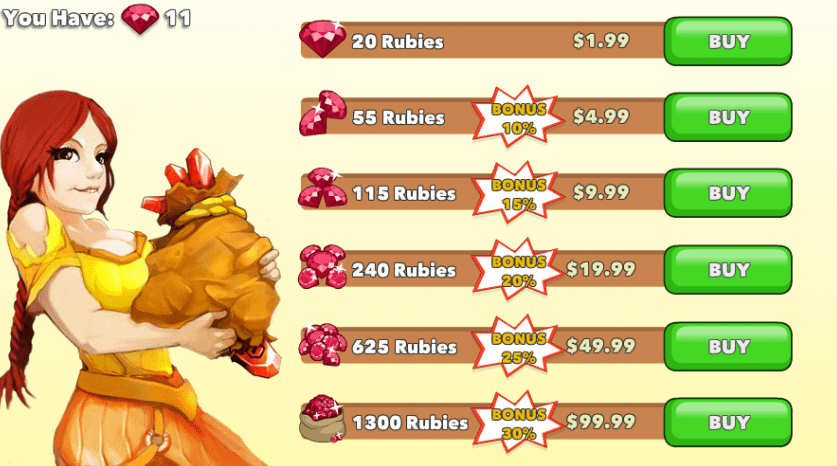
Marvel United: Fantastic Four’s setup can change depending on which Villain(s) and Heroes you choose to play. Each game consists of six locations. Since Marvel United: Fantastic Four is an expansion, only includes four locations, and you’ll need a core set in addition to this expansion to play. You may choose your locations or shuffle them and choose six at random. Each Location card has spaces at the top for civilians and thugs, and a rectangle with a block of text that will state “End of Turn” at the top of the box.

Place civilian/thug tokens on their matching spaces. Shuffle the Villain’s Threat deck and deal out each Threat face-up so that it covers the rectangle at the bottom of each location. You must clear this threat before gaining the “End of Turn” effect printed on a Location. Place health tokens where signified on threat cards and on the Villain dashboard. Place the three mission cards (Defeat Thugs, Rescue Civilians, and Clear Threats) face up under the villain dashboard where the text reads “Unlocked.”

Each player shuffles their hero decks and then draws three cards to form their hands. Shuffle the Villain’s Master Plan deck. Leave the Master Plan deck face down. This will be the villain’s draw pile.

Players place their miniatures on one of the six location cards, usually the centralmost location for each player (easy access). Then, they place the villain on the location card opposing the heroes. If one player chooses to play as the villain, hand the Super Villain cards to them, and the Heroes gain access to Super Hero cards. These new card times can be played if the game state triggers their use (for example, “You play a Master Plan card” or “Any Hero has 4 or more cards in their hand at the end of the Hero turn.” Timing is key.

Marvel United Game Flow Board Game Review

Game Flow

The villain(s) play first. Draw the top card of their master plan deck. The villain moves the number of spaces indicated. Resolve any BAM! Effects and these effects will be printed on a space within the villain’s dashboard. Then, place the civilian/thug tokens (if any) indicated at the bottom of the card. If a player has taken the role of the villain, they get a hand of cards and can choose which card they play. The heroes get their turn after all the villain’s effects are resolved.

Heroes pick which player goes first, and hero turns will continue around the table clockwise. At the beginning of each game, Heroes will get three turns before the villain receives another turn. During their turn, heroes play one card from their hand.

Marvel United Sample Hero Turns Gacha Game Review

Resolve actions and the symbols printed at the bottom of the hero’s card in any order. The symbols at the bottom of a hero’s card will be shared with the next player, but any printed action will not be shared. Heroes will use these actions to complete missions. The game begins with three missions in play: Defeat Thugs, Rescue Civilians, and Clear Threats. Each mission card will have spaces for the tokens they require to complete. As soon as these spaces are filled, the card is discarded, and the mission is considered complete. Mission cards can be completed in any order.
After the heroes complete the first mission, the villain panics and will act (play a card) every two hero cards instead of every three hero cards. After the heroes complete the second mission, the villain becomes vulnerable to damage. The heroes can complete the third mission, but it isn’t necessary. If the heroes do complete the third mission, each hero immediately draws 1 card, increasing each player’s hand size by one.

Play continues back and forth until either the villain wins (by completing their unique master plan or anyone, heroes or villains, runs out of cards) or the heroes win by dealing enough damage to the villain after the villain becomes vulnerable to damage.

Review

Marvel United: Fantastic Four has a huge legacy to live up to, and it lives up to the hype. I’m writing this review in June 2025, and Marvel United: Fantastic Four’s BGG score is an 8.5 (out of 10). This makes Fantastic Four the highest-rated Marvel United expansion. Yeah. It’s—pardon the pun—fantastic.

While Marvel United: X-Men Blue and Gold Teams features semi-cooperative play (players compete to clear the most goals), and this gives me strong X-Men: Under Siege vibes (a game I have a soft spot for), Fantastic Four introduces the idea of teamwork, and it does so simply and elegantly. Included in the box is a Fantastic Four team card. Various hero cards (from the members of the Fantastic Four) will add action tokens to the card, and can then use all actions on the Fantastic Four team card with different cards in their deck. This promotes a slow build. It simulates teamwork without using a lot of convoluted rules. I like the Team Cards from Marvel United’s third wave (Multiversus), but the method used in Fantastic Four is easy to follow and makes narrative sense.

Marvel United: Fantastic Four includes six heroes. One of which is the anti-hero (hero and villain) Doctor Doom. That’s a lot of heroes for one expansion—it’s almost as many as a core box—and each hero illustrates Marvel United’s second wave’s power creep. Granted, to get the most out of the Fantastic Four characters (Mr. Fantastic, Invisible Woman, The Thing, and Human Torch), you’re encouraged to play as the Fantastic Four. The aforementioned Fantastic Four Team Card is amazing, but these characters are still effective outside the team setting.

Each member has a unique flavor. Mr. Fantastic is flexible. Get it? Flexible? Ha…ha. Invisible Woman can avoid damage altogether (using her “Invisiblity” card), but she takes herself out of combat, which makes sense. Human Torch can use Nova Flame and deal 2 damage to everything at his location—super useful. And The Thing deals copious amounts of damage and can ignore 1 damage during each Villain Turn. Very nice.

The remaining two heroes, Doctor Doom and Silver Surfer, don’t gain any benefit from the Fantastic Four team card, but they don’t need it. Doom gets tokens for each damage he takes. He can even use the symbols from the 3 previous Hero cards in the Storyline (instead of the previous one). This can generate as many as seven actions on a single turn. Yikes! Silver Surfer has extra card draw, can move anywhere with one of his special abilities, and can exchange a Location in play with one that isn’t in play. What? Silver Surfer can literally yeet any Location for another Location. That’s coconuts.

But Marvel United: Fantastic Four’s villains are just as overpowered as their hero counterparts. Even though Doctor Doom is the marquee villain, we’ll begin with Super-Skrull. Don’t overlook Super-Skrull. He has one of the more unique Special Rules in Marvel United. Whenever he BAM!s, he performs actions based on the symbols on the last Hero card in the Storyline. The heroes have some control over what Super-Skrull can do, but that doesn’t matter. None of Super-Skrull’s BAM! actions are things you want to happen. Super-Skrull attempts to knock out (KO) and hand each in-play hero a KO token, but this isn’t the only way he can win. Super-Skrull can’t be damage if any Crisis tokens exist, and he adds cards from his deck facedown in the Storyline, which leads to a shortened clock.

Super-Skrull is a spiffier version of Green Goblin. He does enough things well that you must split your focus on the various ways he can win, and even though he doesn’t have Henchmen (like Green Goblin), he makes up for it with crazy Threat card abilities that make clearing Thugs and Civilians less efficient, and each Threat card requires one of each action type. Super-Skrull covers all bases. But most people purchase Marvel United: Fantastic Four for Doctor Doom, and Doom delivers.

First off, Doom must be played with Latveria—naturally—and Latveria is the first Location card that has a negative “End of Turn” effect. In fact, Doom only has five Threat cards because Latveria begins the game without one. Latveria marks the first time Marvel United has included an “End of Turn” effect that benefits the villain. “You MUST take 1 damage for each Thug or Doombot in this Location.” Ouch! Latveria begins every game with three Doombot tokens, so if you don’t take out all of the Doombots, you’re discarding your entire hand. Double ouch! Doom’s Threat cards add extra Doombots (sometimes not even in the same place as the Threat card’s location) and can deal extra damage to heroes. Triple ouch!

As for his Villainous Plot, Doc Doom plays like Red Skull but way, way worse. He can increase the Doom Track (changed from the Red Skull’s Threat Track) far more often, and he can’t be damaged if a Doombot is at his Location. In short, Doctor Doom is nasty. You’ll need the Fantastic Four with their Team Card to defeat him. It can be done, but it’s a tough go. I find Doctor Doom tuned to the perfect level of difficulty. He may be one of the many reasons Marvel United: Fantastic Four is the highest-rated Marvel United expansion.

We talked about Latveria, but there’s another Location, Mount Wundagore, that has a negative “End of Turn” effect: Each Hero in this Location MUST discard all cards in their hand and draw the same number of cards (this does not KO). Even though this effect doesn’t count as a KO, it’s another way to shorten the clock. If anyone (including Heroes) runs out of cards in their deck, the heroes lose. Yowza! I like Marvel United: Fantastic Four’s inclusion of villain-centric Locations. We’ll see more of this later in the series, but villain-centric Locations do a lot to shake up Marvel United’s status quo. The remaining Locations have unique “End of Turn” abilities as well. The Baxter Building provides token draw if the character you’re playing was ever a member of the Fantastic Four. This is a boon for anyone who knows the comics. I appreciate that.
I also appreciate the Takeover Challenge card included in Marvel United: Fantastic Four. If a Thug, Civilian, or Doombot token can’t be added to a Location, after resolving Overflow, place the excess tokens on the Takeover card. If the card is full, Heroes immediately lose. The Takeover card has two sides with different difficulties (number of spots for tokens). This Challenge card, like the Fantastic Four’s Team Card, is simple and elegant. It adds just enough difficulty if the game has gotten too predictable.

Too Long; Didn’t Read

Marvel United: Fantastic Four is the highest-rated Marvel United expansion on BoardGameGeek and for good reason. This expansion adds more layers of complexity while staying thematic and not burdening the player with too many over-complicated rules. Every element from the Locations, the Challenge Card, the Heroes, and especially the Villains is well thought out and an excellent addition to any Marvel United collection.