




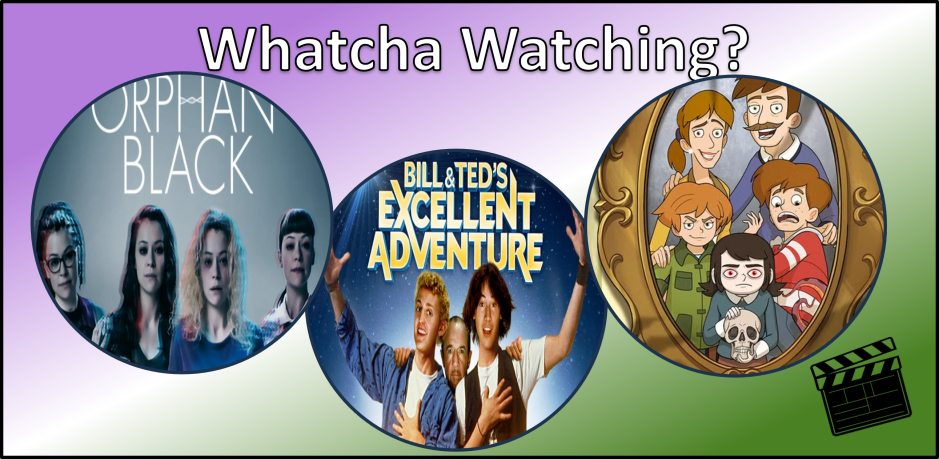
Happy Wednesday, Geekly Gang! Kyra Kyle here. Since it’s Wednesday, our writers will be sharing what they’ve been watching (television or movies, or other content) over the past month. Feel free to share what you’ve been watching over this past month, too. We’re all part of the Geekly Gang. I’ll get us started with what I’ve been watching.

If Sinners hadn’t been released this year, Companion would be the best horror film of 2025. Despite how good Sinners is, it has limited rewatchability. Companion may be one of the most rewatchable recent horror films I’ve seen. Companion’s blend of comedy and horror helps. There are laugh-out-loud moments. Dialogue is on point. The characters are as well-developed as any you’ll find in Sinners. Sophie Thatcher’s portrayal of Iris (Companion’s main character and emotional support robot who f***s) is the reason I chose her to play Apex Legends’ Wraith in an upcoming Geekly Casting (scheduled for February 2026). Thatcher does an amazing job, growing from naive f***bot to self-aware heroine. Companion is a joy to watch over and over again. Perfect for Spooky Season.
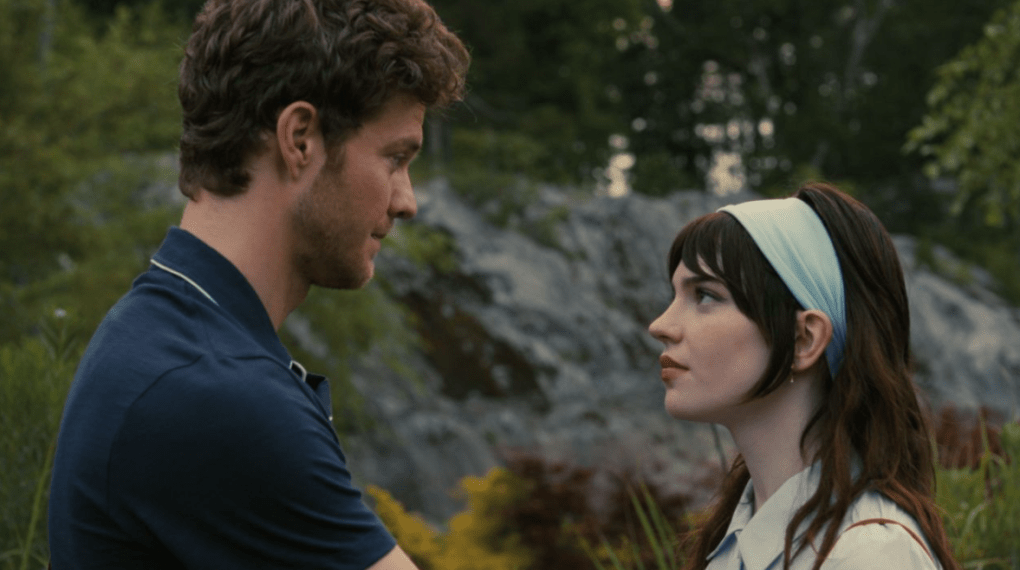
While Sinners tackles systemic racism, Companion takes on misogyny, toxic masculinity, and male fragility. And Companion doesn’t bother with straw man arguments or spend too much time on obviously misogynistic men. Antagonist Jack Quaid is affable. He’s likable, even after he reveals himself as a complete jerk. It’s those affable misogynists who are the worst. Quaid’s Josh gaslights. He refuses to take any responsibility for his own actions. Josh is the perfect representation of peak incel, broculture. And it’s fun hating Josh and laughing at his impotence. You should give Companion a watch.
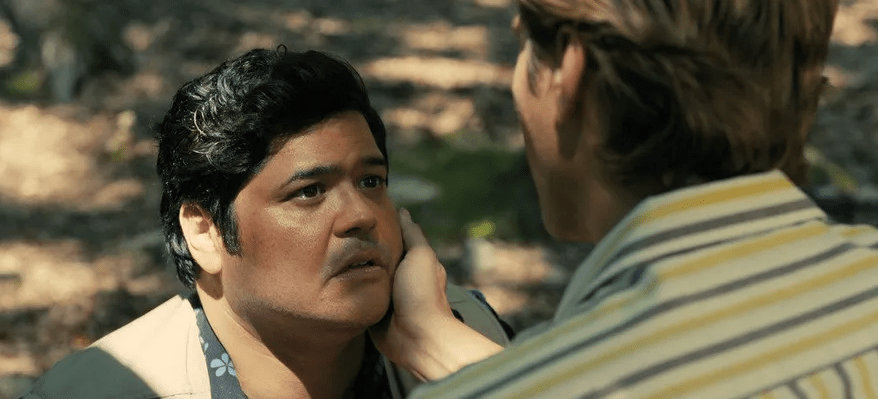
I also love Harvey Guillén. I’ll watch anything that features Guillén, especially now that What We Do in the Shadows has concluded, and I won’t get to watch any more Guillermo. And I adore the scene depicted above with Guillén’s Eli and Lukas Gage’s Patrick. It’s so good. Companion even managed to squeeze in a bizarro tender moment or two.

I watched Orphan Black when it first released over a decade ago and couldn’t remember when or why I stopped watching the series. Spoiler: I figured out why by season 3. But seasons 1 and 2 are some of the best television has to offer. Orphan Black was one of the shows–along with Breaking Bad and the better seasons of Game of Thrones–that made me (and a lot of others) think a decade plus ago was peak television. The series holds up. Tatiana Maslany deserves all the accolades she earned for Orphan Black. Maslany portrays over a dozen clones. With the somewhat cringy exception of Tony Sawicki (the transman Leda clone who shows up in a one-off episode in season 2), who’s little more than a male version of Sarah, most of the clones are chef’s kiss good.

Over the course of Orphan Black’s five seasons, all of the clones develop and grow. I’m going to take a moment and mention how five seasons seems to be a television show’s sweet spot. Breaking Bad lasted five seasons. Game of Thrones and Mad Men began falling apart after five seasons. Heck, What We Do in the Shadows only added a sixth season. And isn’t Stranger Things planning its fifth season as its finale? Five is the magic number.
Anyway, I won’t go into too many Orphan Black details. This show is best watched with little to no prior knowledge. Discovery is key. But I will say that season 3 is where Orphan Black originally lost me. It lost sight of its core characters by adding too many auxiliary characters, and that’s not just my opinion. Many of those extra characters were removed for season 4, and Orphan Black went back to brass tacks. Originally, I had given up on this show too soon. I’m glad I gave the later seasons a second chance, and if you’re interested in biopunk (sci-fi based in biotechnology), Orphan Black is a great place to start.
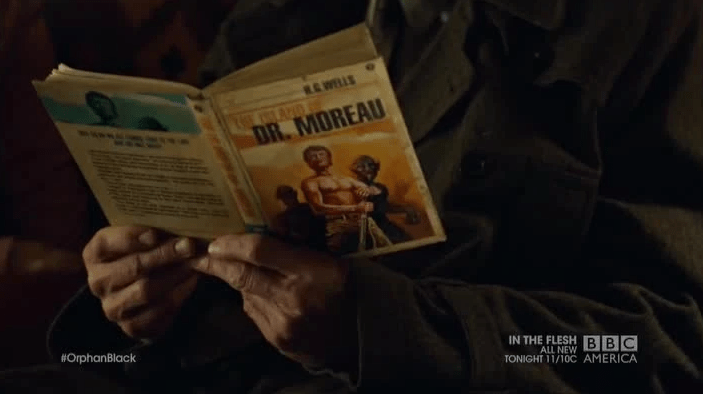
And Orphan Black pays homage to a novel that may have begun biopunk, H.G. Wells’s The Island of Dr. Moreau.
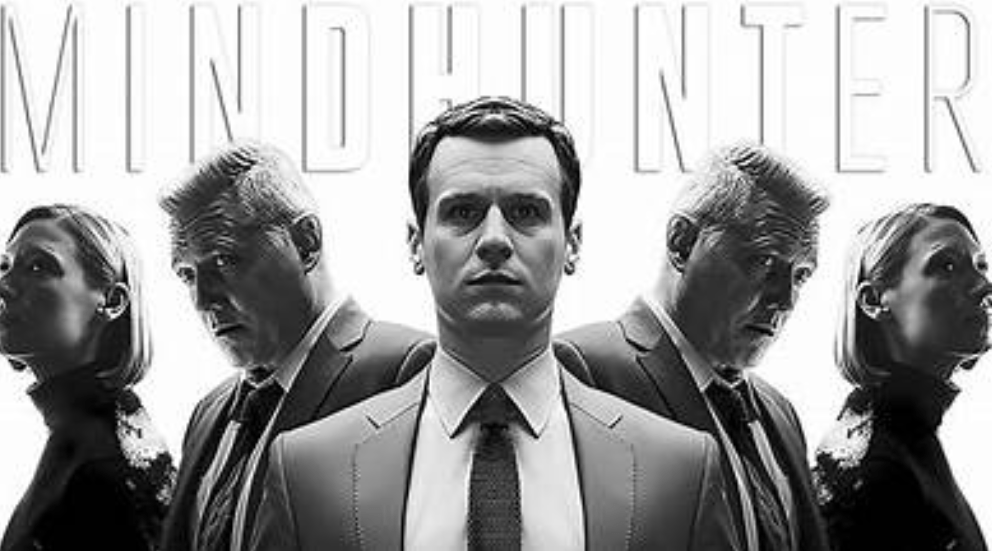
With the rumors of a Mindhunter season three or a couple of Mindhunter movies to close out the series, entering the zeitgeist, I rewatched the only two seasons of Mindhunter available on Netflix…for now. Simply put, Mindhunter is the best true crime series. Period. It chronicles the people who started the Federal Bureau of Investigation’s (FBI’s) Behavioral Science Division. Because Mindhunter focuses on investigators, it manages to not glorify serial killers. It treats serial killers as cautionary tales and gives insight into how psychopaths think and behave.

You will find plenty of name-brand serial killers (or, in the case of Charles Manson, serial killer adjacent) in Mindhunters’ episodes. But the focus is always on what makes these people tick. Even the fictionalized versions of the FBI’s Behavioral Science Division’s founders explore how a push here or there may drive someone to do something unthinkable. Mindhunters is infinitely rewatchable. The show throws out so many references and breadcrumbs (for seasons that haven’t yet been released–fingers crossed), you’ll have to watch it more than once.
That’s all I have for what I’ve been watching this past month. Let’s check in with Season and Skye.

I’ve had a pretty full schedule lately, Geekly Gang. I haven’t had as much time to branch out and find new things to watch. However, I discovered Haunted Hotel on Netflix and fell in love with it. Needless to say, this show is on my most rewatched list (I’ve been falling asleep to it). The show follows a single mom with her two children as the owner of a haunted hotel that gets no business. How is it still standing? Who knows? I like to think the ghosts sell ectoplasm.
Kidding aside, Haunted Hotel is a comedy that has an overarching plot filled with family issues and the meaning of companionship. Each of the characters copes in unhealthy ways, which leads to the main plots (sometimes subplots) of the episodes. Each episode is between 21-25 minutes long, and there are only ten episodes so far. Haunted Hotel is easy to binge-watch in an afternoon.
That’s all I’ve got for this week. What have you been watching, Skye?

Most excellent! That’s how I’d sum up Bill & Ted’s Excellent Adventure and Bill & Ted’s Bogus Journey. I didn’t have a reason for wanting to watch the Bill & Ted movies; I just felt like it. Oddly enough, that also seems like the vibe these movies give off. “I just felt like it.” Are they dumb? Yes. Are they pointless? Absolutely. But are they bad? I can’t bring myself to say yes. Despite centering around a utopian future created by a couple of lovable half-wit teenagers, I still really enjoyed the Bill & Ted movies. While they may not be winning any high artistic awards, the original Bill & Ted movies are great for some dumb fun. Party on, dudes!

You’re welcome for the 180° tone shift. After watching Monster: The Ed Gein Story, I can confirm that I enjoyed it. Only to a point, though. For the most part, Monster: Ed Gein felt like a deep dive into the creation of an infamous killer, which is what you’d want, but they often blended reality and fantasy in ways that were hard to follow. There are several rewinds and fast-forwards, which jumble the pacing even more. Charlie Hunnam’s (portrayer of Ed Gein) UK accent in the middle of small-town Wisconsin was distracting. Also, the overemphasis on Gein’s relationship with Adeline Watkins (played by Suzanna Son) didn’t feel right.
When you look at the real story of Ed Gein, Watkins was a long-time friend of his, but much of what’s shown on Monster: Ed Gein about her is heavily dramatized. It also makes bold claims by showing Watkins beating her landlady to death in New York City. In truth, much of Gein and Watkins’ relationship is unknown. All we know is what Watkins explained to reporters after Gein’s crimes came to light: they had known each other for 20 years and were relatively close. The prospect of romance was brought up by Gein when he proposed to her, but she declined. I wouldn’t mind this so much if Monster addressed these facts, but the show goes out of its way to paint her as a major influence on Gein’s character.
If you’re going to adapt a true story to the screen, particularly one as gruesome as this, you should try to be as truthful and forthright as possible. Implying that someone loosely connected to it had this much influence and could’ve even been a criminal themselves is insulting. I don’t always engage in true crime, especially if it’s a dramatized version of the real story. These stories are harrowing to listen to because they really happened, but when showrunners try to lighten up the events or change aspects, I get upset. These were real things that happened to real people, and that’s disrespectful.
Rant over. But if you enjoy true crime stories, you’ll probably enjoy Monster: Ed Gein. I’ll also say that I don’t think you’re wrong if you like it. While Monster: Ed Gein pushed specific buttons for me, it may be a perfect fit for you. What matters most is knowing the facts from fiction. What you’re watching is based on true events; it’s not a window to the past. Stay safe out there.
Hey, hey! Kyra Kyle here again. Those are the television shows and movies we’ve seen over the past month. Let us know in the comments what you’ve been watching. Thank you for reading, and wherever you are, I hope you’re having a great day.


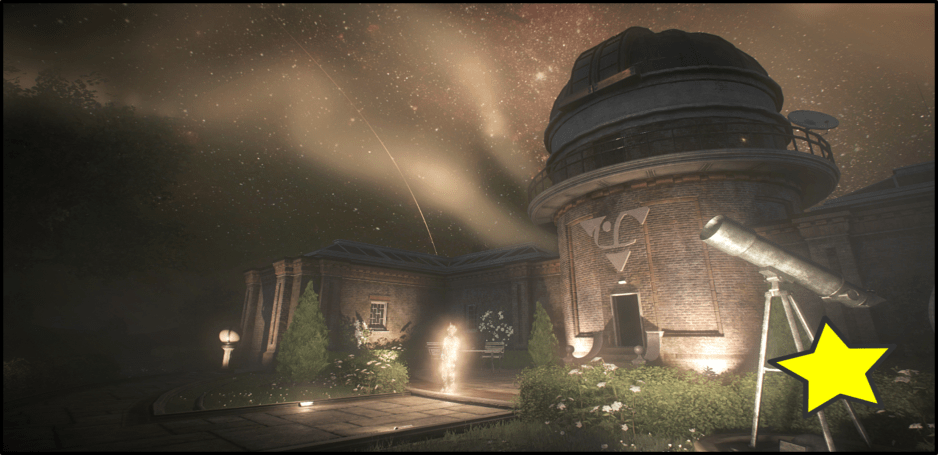
Hey, hey, Geekly Gang! Kyra Kyle here. We’re keeping the theme of Spooky Season alive with today’s post, but we’ll be taking horror or dark themes in a different direction. I’ll be up front, this post may meander more than usual. I didn’t know what to call these types of video games at first. Some of these video games could fall under the term “empathy games.” I mentioned some of these games in a previous post, but the prevailing term for the type of video game we’ll cover today is Walking Simulator. That name doesn’t do these games justice.
In fact, the Walking Simulator term is beyond reductive. It’s demeaning. All you’re doing is walking. This pejorative name reminds me of the terms Euro-Trash or Ameri-Trash board game from a decade or two ago. We’ll use the modern, friendlier terms for these board game types. Euro board games focus on mechanisms and balanced gameplay, while Amerithrash–they’re totally metal and they “thrash”–board games place more emphasis on theme. If you used the negative terms, you’re thumbing your nose at the other board game type. Many “hardcore” video gamers despise “Walking Simulators.”
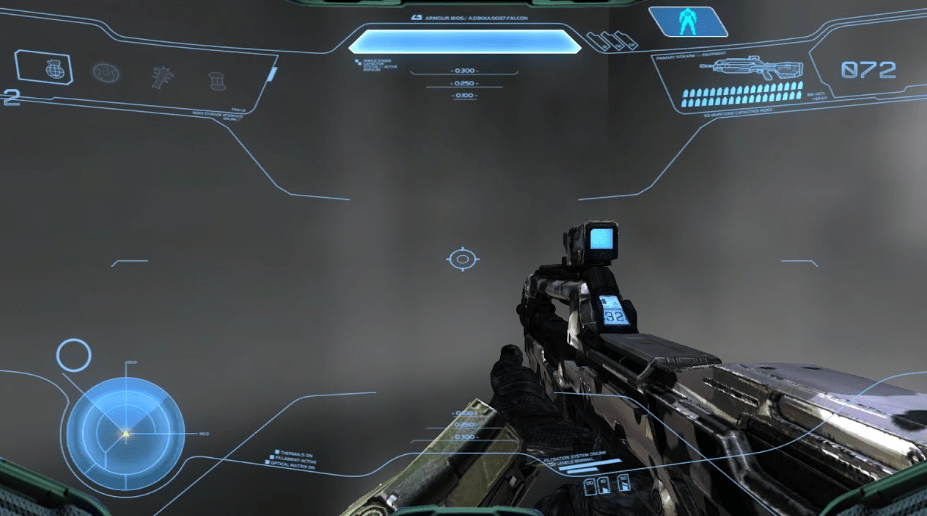
“Hardcore” video gamers not liking “Walking Simulators” makes sense. Video games sprang from the Military Industrial Complex. The first video games came from military facilities. Many “hardcore” video games promote wanton violence where the player kills countless enemies, feature “heads-up displays” one might find in a fighter jet, and some video games are even military recruitment tools. Of course, something quieter and geared toward empathy would ruffle the feathers of “hardcore” video gamers.
Getting back to Euro and Amerithrash board games, modern board games often blur the lines between these two game types. I reviewed Cretaceous Rails a couple of months ago, and it’s equal parts interlocking mechanisms and heavy on theme. Death Stranding notwithstanding, I don’t know if AAA video games have adopted enough from indie Walking Simulators, but that’s another topic. I told you I would meander. Despite the negative connotation (all you’re doing is walking), Walking Simulator is the term most people use. We’ll use that one. Since we’ll be dealing with psychological horror and/or darker themes, let’s call these games Dark Walking Simulators. Let’s cover a brief history with some of my favorite Dark Walking Simulators.

Point and click games could and sometimes do fall under the heading of a Walking Simulator, because they involve movement and interacting with the game world’s environment (which are hallmarks of Walking Simulators), and point and click games have been around since the early 80s. But we’ll begin this quick history with 2003’s [domestic] by Mary Flanagan. Flanagan repurposed the Unreal gaming engine to recreate a childhood memory of a house fire. One look at [domestic], and you can see why many consider it the first modern Walking Simulator.
In fact, the term Walking Simulator gained prominence in the late 2000s, perhaps as a direct result of [domestic]’s release. When you have the chance, you should check out Mary Flanagan’s website. She discusses at length her artistic choices while designing [domestic]. While she doesn’t have a link for a playable version of the game, Flanagan provides a two and a half minute video of [domestic]’s gameplay. There are so many innovative choices, like family photos and text constructing the walls of this 3D space, that we’ll see in future Walking Sims.
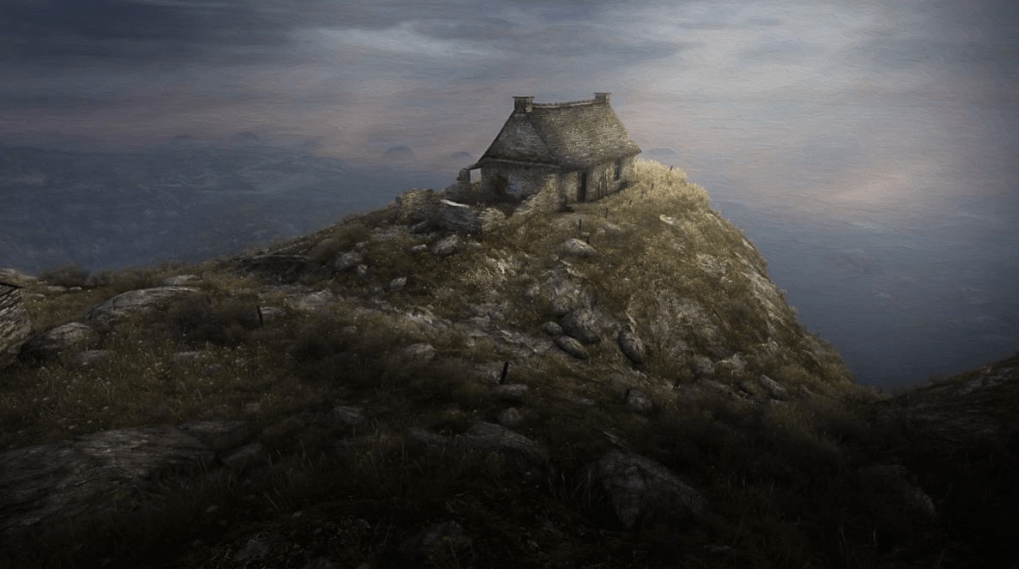
First, Dear Esther is gorgeous. Look at that uninhabited Hebridean island. My partner and I made our way to one of the Inner Hebridean islands in Scotland, and this looks close. I could smell the salt air and the heather on the wind. Second, Dear Esther’s gameplay is minimal. I would almost classify this game as a Walking Simulator, but in the best possible way. An anonymous man reads a series of letter fragments to his deceased wife, Esther. Each location on the island reveals a new letter fragment. Players can unlock different audio fragments with each playthrough of the game, leading to a different narrative each time you play Dear Esther.
So, you’re literally walking from one area of the island to the next and listening to various letters, but the letters reveal more about the titular Esther’s life. Esther has passed under mysterious circumstances, and her husband is looking for answers. Dear Esther has a gripping narrative, but the tension comes from internal struggles. The Chinese Room developed this Walking Simulation classic, and this won’t be the last time we’ll see one of their games on this list.

The Unfinished Swan marks Giant Sparrow’s first major release. It has a simple premise. Monroe is a young boy whose mother recently died. Monroe’s mother was a painter famous for never finishing a painting. Over 300 paintings and not one of them complete. The orphanage tells Monroe he can keep only one of his mother’s paintings, so he chooses his favorite, a swan missing its neck. The swan escapes, and Monroe follows it. Armed with his mother’s silver paintbrush, Monroe explores the painted world.
As you can guess, The Unfinished Swan ventures into magical realism. It tackles themes of loss. It puts players into the shoes of a young child, making sense of the world without their parents. The Unfinished Swan is the first of Giant Sparrow’s games to make this list. It showcases the studio’s knack for eclectic settings and its flair for the dramatic.

Gone Home puts the player in the role of a young woman returning from overseas to her rural Oregon family home to find her family absent and the house empty. She must piece together recent events to determine why her family’s home is empty. Gone Home is similar to the previous year’s Dear Esther, but the anonymous protagonist in Dear Esther knew that his wife had died. Katie, Gone Home’s protagonist, has no clue why her family is missing.
Dark Walking Simulators do a great job of presenting mysteries. In fact, I’d wager most great video game mysteries have large elements of Walking Simulators. Even the AAA titles that lean more into the mystery genre borrow heavily from Walking Simulators. Traveling in someone else’s shoes and interacting with your environment can make for a great mystery premise.
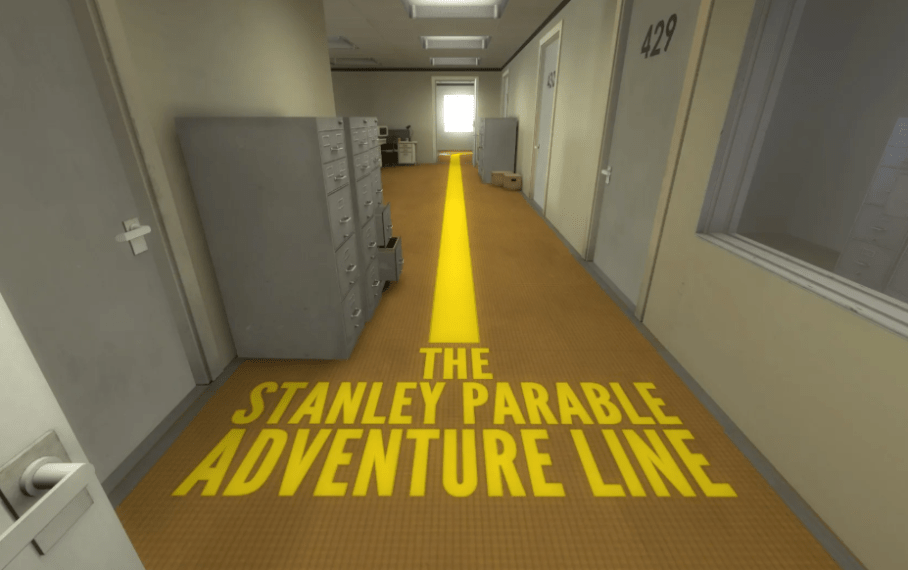
The Stanley Parable stands out in a group of video games that stand out. This Walking Simulator challenges preconceived notions about video games with a thick coat of sarcasm. Developed by Davey Wreden and William Pugh, The Stanley Parable tackles themes like choice in video games and fate/pre-destination. British actor Kevan Brighting narrates while the silent protagonist (Stanley) conducts a day at the office. As you can see in the image above, Stanley may follow the adventure’s line, or he may contradict The Narrator’s directions, which, if disobeyed, will be incorporated into the story. Depending on the choices made, the player will encounter different endings before the game resets to the beginning.
The Stanley Parable proves that Walking Simulators can strike a chord with “hardcore” gamers. The Stanley Parable crossed over into mainstream video game culture. Developer Davey Wreden has gained a following, and his follow-up game, The Beginner’s Guide, actually deals (in part) with Wreden’s struggles with success. Showrunner Dan Erickson cited The Stanley Parable as an inspiration for Apple+’s Severance.

While the previous games on this list have dark themes, The Static Speaks My Name is the first true horror video game.
Quick trigger warning: The Static Speaks My Name includes self-harm. If you’re sensitive to the subject of self-harm, feel free to skip this entry to our next one.
In The Static Speaks My Name, players assume the role of Jacob Ernholtz, a man who has committed suicide by hanging at the age of 31. We start as an amorphous blob in a dark void until we inhabit Ernholtz during his last day. We awake in his dimly-lit apartment with boarded-up windows and doors as he performs a series of menial tasks, including using the restroom, eating breakfast, and chatting with online friends. Exploring Ernholtz’s apartment reveals that he’s obsessed with a painting of two palm trees and its painter, Jason Malone. Locked behind a bookcase, we find Malone in a cage. The player has the option to unlock the cage or electrocute Malone. We’re finally presented with the task to go to a small closet with a noose.
Yowza! The Static Speaks My Name is trippy in every sense of the word. Jesse Barksdale developed The Static Speaks My Name in a 48-hour game jam. I’ve participated in a few board game jams, and you can encounter some messed-up concepts during one of these events. I would’ve liked to have seen Barksdale’s creative process for The Static Speaks My Name during these 48 hours. This is a haunting game. I’ve only chosen the electrocute option once, and Malone’s blood-curdling screams invaded my dreams for a few days. Yikes!
We included the exact date The Static Speaks My Name was first released because our next entry in this list was released the next day. This week in August was a great week for Walking Simulators.
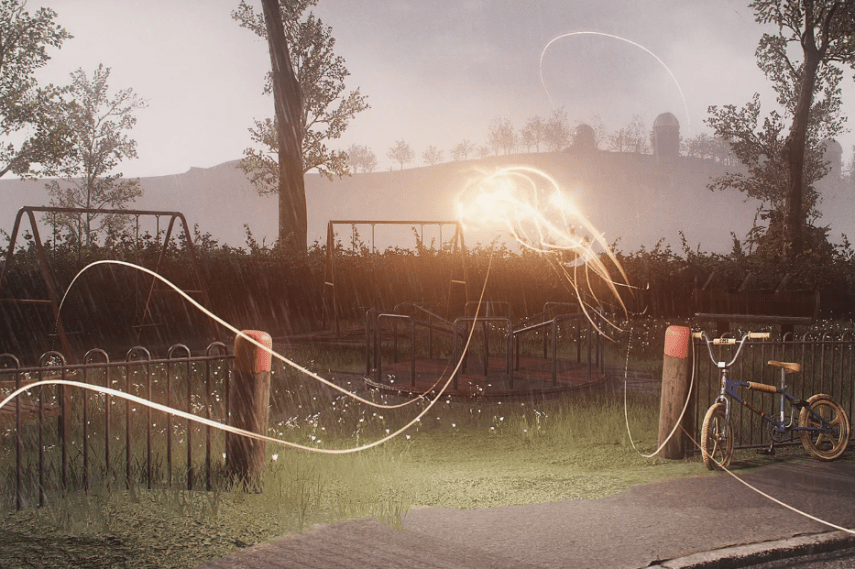
Fresh off their hit Dear Esther, The Chinese Room takes the mysterious disappearance of people from the scope of a family in Gone Home to that of an entire English village’s citizens in Everybody’s Gone to the Rapture. Players assume the role of Katherine “Kate” Collins, which is funny because Gone Home’s protagonist was named Katie. Set in 1984, Dr. Kate Collins and her husband travel to the fictional Shropshire village of Yaughton. Players can interact with floating lights throughout the world, most of which reveal parts of the story.
Feel free to turn on radios, answer the phone, and test the power switches as you unearth why an entire English village’s people vanished. Could this be the beginning of the Rapture and the end of days? Or has some mysterious fate only affected this one village? You’ll have to play Everybody’s Gone to the Rapture to find out.
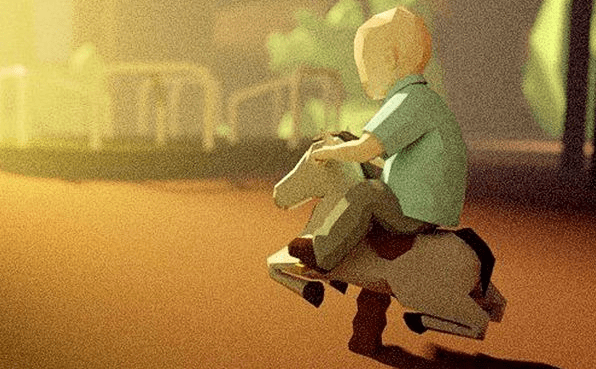
Get ready to reach for the tissues. This next entry is a tear-jerker. Created by Ryan and Amy Green, Josh Larson, and a small team under the name Numinous Games, That Dragon, Cancer is an autobiography based on the Greens’ experience raising their son Joel, who was diagnosed with terminal cancer at twelve months old. Though given a short time to live (four months tops), Joel survived for four more years before succumbing to cancer in March 2014. That Dragon, Cancer harkens to the age of point and click games–see, point and click games are closely related to Walking Simulators–and uses the medium of pointing and clicking to experience the Greens’ lives through interactive storytelling.
That Dragon, Cancer illustrates a video game’s storytelling potential. At first, Ryan and Amy developed the game to relay their personal experience with Joel while they were uncertain of his health, but following his death, the Greens reworked much of That Dragon, Cancer to memorialize and personalize their time and interactions with Joel for the player. Joel Green may have had a short life, but That Dragon, Cancer ensures he won’t be forgotten.

I’ll start this write-up by commenting on it’s always monday’s title. I love its use of all lowercase letters. Yes, Monday is supposed to be capitalized, but the lack of capital letters gives the impression of words in the middle of a sentence. Brilliant. I debated including it’s always monday on this list. To put it mildly, it’s always monday is surreal.
Players assume the role of an office worker who, as the game’s title implies, is stuck in a loop of perpetual Mondays. My bad…mondays. Frequently, you’ll find moments where a coworker is cut into slices. The player character will freak out–naturally–and then notice a pizza on the conference table and comment, Today’s a pizza day. Score! What? I often wonder what it’s always monday’s overall message is supposed to be. Perhaps we’re supposed to feel trapped in a malaise where we want the character to feel something. Anything. But it’s always monday’s workplace offers plenty of bizarre occurrences that run counter to the mundane.
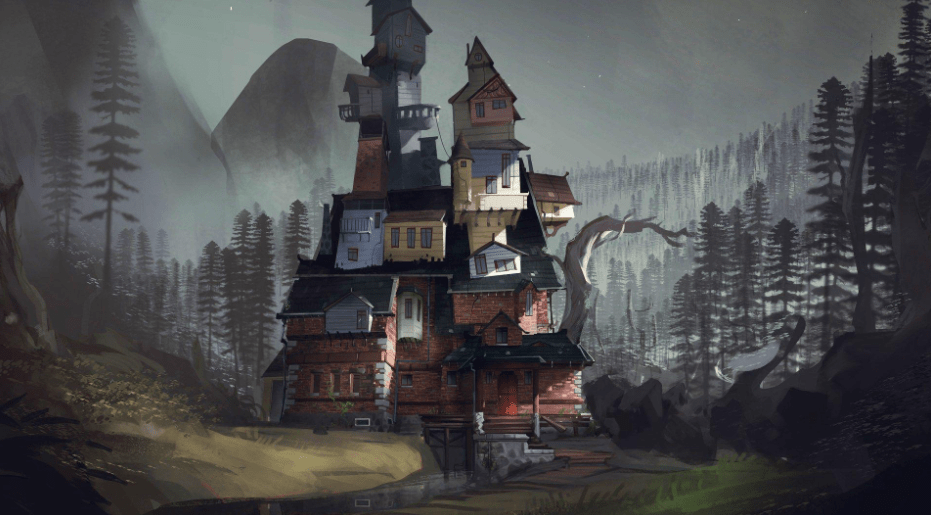
What Remains of Edith Finch borrows concepts from Gabriel Garcia Marquez’s One Hundred Years of Solitude and applies them to an interactive video game where we follow the titular Edith Finch explores her family home. Like Marquez’s work, What Remains of Edith Finch ventures into magical realism. The game’s narrative works as an interconnected anthology series, and it’s all the better for it. I don’t know which member of the Finch family’s stories I like best. What Remains of Edith Finch is a triumph of video game storytelling. Giant Sparrow took everything they learned from The Unfinished Swan to create a singular gaming experience.
I could go on about What Remains of Edith Finch, but I’ve discussed it in the past. Giant Sparrow even made our 3 List of 3: Video Games as Art post. That was another shameless plug for one of our previous lists. You should check it out.
Walking Simulators fizzled out after 2017. I don’t know if the backlash of these games reached a fevered pitch or if the designers who make these games needed time to create something new. Death Stranding was released in 2019. To date, it may be the closest a AAA game has come to a Walking Simulator. It certainly incorporates a lot of Walking Simulator concepts into its gameplay. But our lack of Walking Simulators in the early 2020s can be attributed to the pandemic.
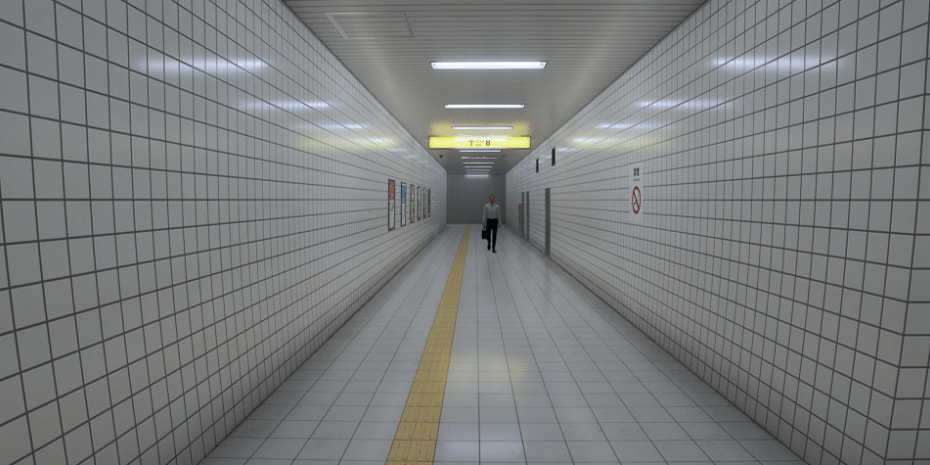
All video game struggles in the early 2020s, but we’ve seen a resurgence of Walking Simulators since 2022. Exit 8 has a premise similar to the Backrooms. Players explore the liminal space of Japanese subways. I’m writing this post in June, but by the time this post goes live, a live-action film based on Exit 8 should have been released. Walking Simulators have gripping stories and an avid fan base. I can’t wait to see what this video game genre has in store over the next decade.
If you’ve made it this far, you’re awesome. We all know it. Be sure to comment on your favorite Walking Simulator or an idea of a better name for this video game type. Thank you for reading, and wherever you are, I hope you’re having a nice day.

Happy Sunday, Geekly Gang! Kyra Kyle here with another week of Geek News. Plenty of board games and video games released this past week, but we’ll kick off this past week’s Geek News with an update about the Halo television series.

Halo is the most expensive television series ever produced in Paramount+’s short history, so it made sense for the streaming service to cancel the show after a couple of seasons (17 episodes in total), and it also made sense for Paramount+ to sell the rights to stream Halo on Netflix. Earlier this month, Halo debuted on Netflix. Its reception was immediate as Halo reached number 4 on Netflix’s United States Top 10, outperforming almost all licensed programming, with the exception of popular original shows like Monster: The Ed Gein Story. Halo even held similar numbers internationally. This shows a demand beyond hardcore gamers.
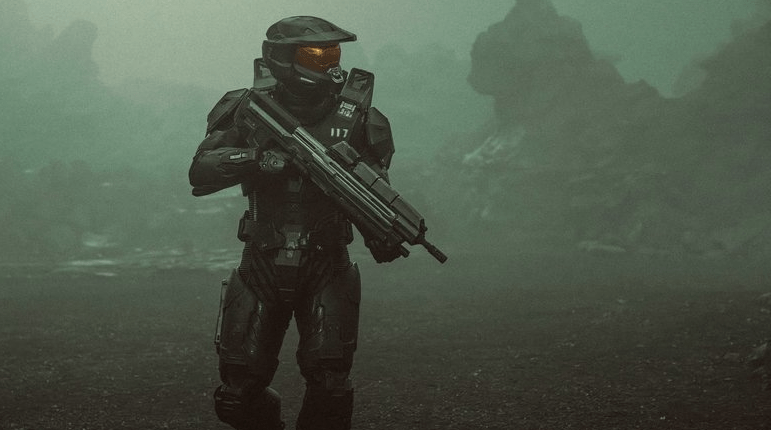
Netflix has a track record of reviving shows like Longmire and Lucifer after a strong streaming performance. Halo’s global numbers and fan campaigns, like the ones found on Change.org, may sway the streamer to green-light a third season. There’s a chance. But there are a few loopholes, Halo must navigate. Netflix only has a year-long streaming agreement for Halo. For a third season to be possible, Netflix must secure a long-term streaming agreement. And Halo has steep production costs. Season 1 was estimated to cost between $90-200 million. Yikes!
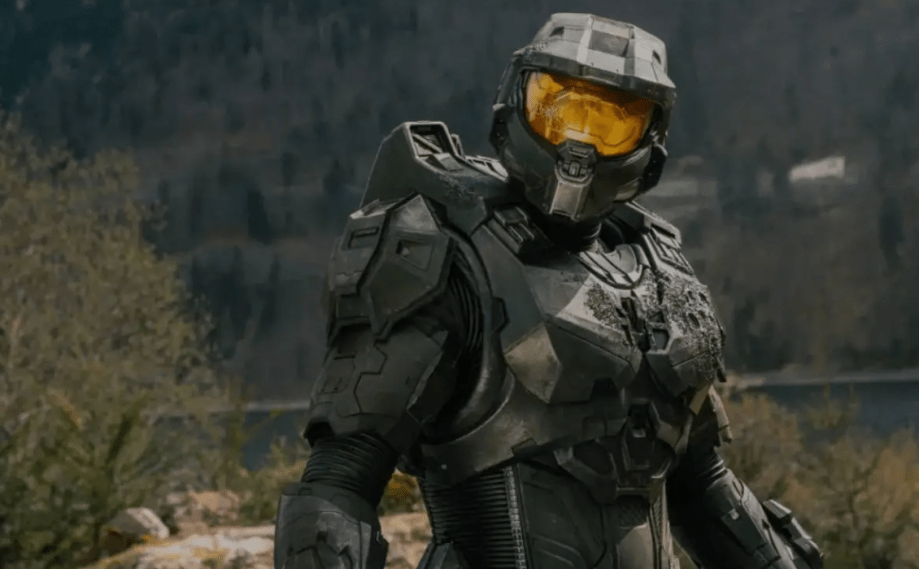
But I wouldn’t count out a third season for Halo. Critics gave Halo a 70% on Rotten Tomatoes–does anyone still use Rotten Tomatoes when looking for reviews–with many appreciating Halo’s production values, while questioning narrative choices like an odd romantic subplot and unmasking Master Chief. Still, #SaveHalo has trended on various social media platforms, and if Halo’s numbers hold strong, Netflix may need to consider a third season, regardless of the cost.
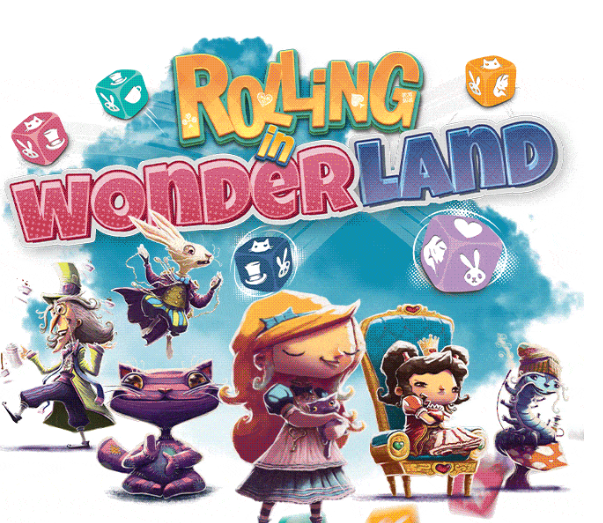
This week has seen a lot of dice drafting games (games where players pay to add dice to their dice pool), and Rolling in Wonderland is a great place to begin with board game new releases. Channeling the whimsy of Alice in Wonderland, Rolling in Wonderland features quirky art and vibrant colors.

The game suggests that players may adapt the game’s play how they want. You may play a light and breezy or tight and tense game of Rolling in Wonderland. I don’t know exactly how Rolling in Wonderland attempts to do this (undoubtedly two sets of rules for both playstyles), but I’m intrigued. Rolling in Wonderland offers an affordable $39 entry-level pledge, but players may spend $79 for the deluxe version or add various expansions a la carte. If you’re interested in Rolling in Wonderland, check out its KickStarter page.

In preparation for Gen Con, we reviewed Cretaceous Rails a few months ago. If you want to see an extended look at our thoughts, check them out here. Dinosaurs and trains together at last. If you’ve ever wanted a game that combined these two elements (or think this mash-up sounds awesome), then you should consider backing Cretaceous Rails.

The core game is amazing. I love Cretaceous Rails’s dual-action selection mechanism. I even tried my hand at designing a game that did something similar (I mentioned this in the most recent game design brain dump). Cretaceous Rails’s reprint will include the first expansion, Cretaceous Skies, which I’m not too fond of, but it adds the second expansion, Cretaceous Seas, and I’ve enjoyed every iteration of Cretaceous Seas. I can’t wait to see the final version.
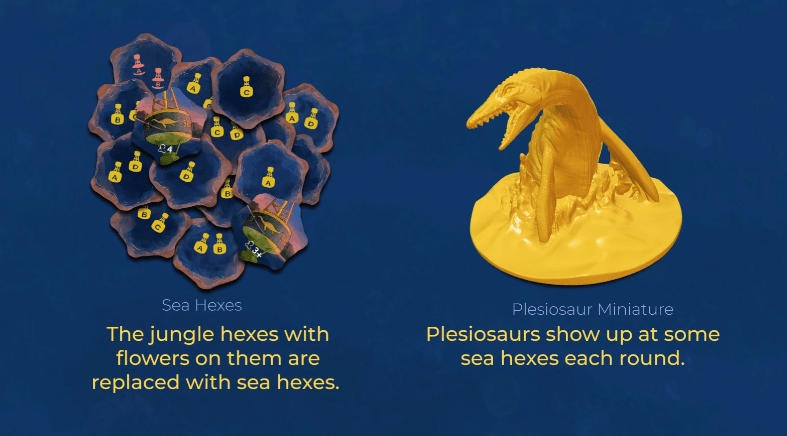
Bring on the sea hexes and plesiosaurs. You can pick and choose which rewards you want a la carte. Since I have the base Cretaceous Rails, I’ll most likely pick up Cretaceous Seas for $30 (plus shipping). The project launches in two days. If you’re interested in Cretaceous Rails, check out its GameFound page.

Raas adapts the dazzling folk dance of Gujarat to a vibrant dice-drafting, tableau-building game. Players recruit dancers, represented by colorful dice, where each color and pip shows off their style and rhythm. Collect stunning dress swatches, give them dandiya sticks, and match the style of the song to create shining performances.
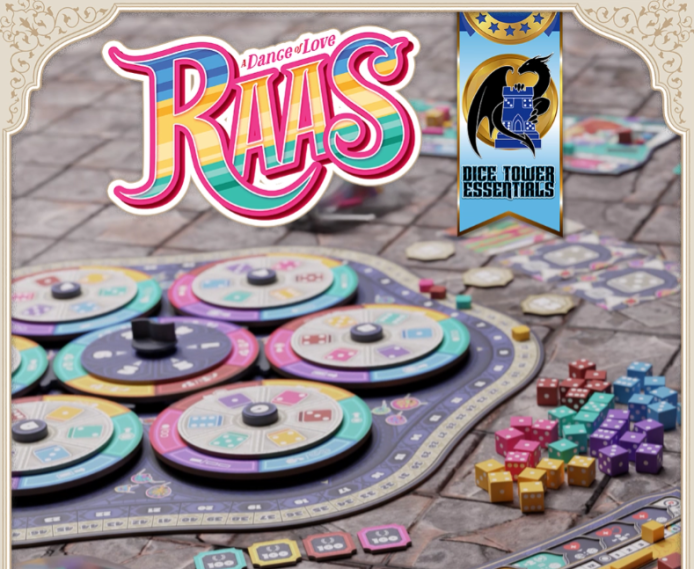
Raas’s moving dials remind me of the interlocking gears of my design Rustbucket Riots. I may need to keep an eye on this title; I do like that it’s competitive instead of cooperative. I love Raas’s theme. The tight board looks amazing, and I’m always down for splashes of color. Raas looks as if it captures the vibe of its subject matter. As of this write-up, we don’t yet know Raas’s price points. If you’re interested in Raas, check out its GameFound page.

The theme Vampire: The Masquerade piqued my interest (I’ve always enjoyed this IP’s mythos), but the statement that Teburu may be the future of tabletop gaming places Vampire: The Masquerade, Palermo Conspiracies in my sights. Per its description, the Teburu system integrates physical and digital gaming, while keeping players focused on the board and its components. Evidently, players won’t need a rulebook. What? You may save your game progress and continue later. Vampire: The Masquerade, Palermo Conspiracies offers immersive storytelling and audio support. You may save player data with smart-technology miniatures.

This all sounds fantastic, and it could be “the future of board games,” but I’m cautious. The Teburu system will most likely be patented and only be available from the company of the same name. As of this write-up, we don’t know the cost of this game, and Palermo Conspiracies sounds as if it will be at least $100 at its cheapest price point. Since it’s launching on GameFound, which offers payment plans, I wouldn’t be surprised if Vampire: The Masquerade, Palermo Conspiracies is upwards of $150-$200 or more (board game meets video game pricing) before shipping. I’m also leery of a game playing itself; I like to know why NPCs take specific actions in tabletop games. But this game looks and sounds amazing.
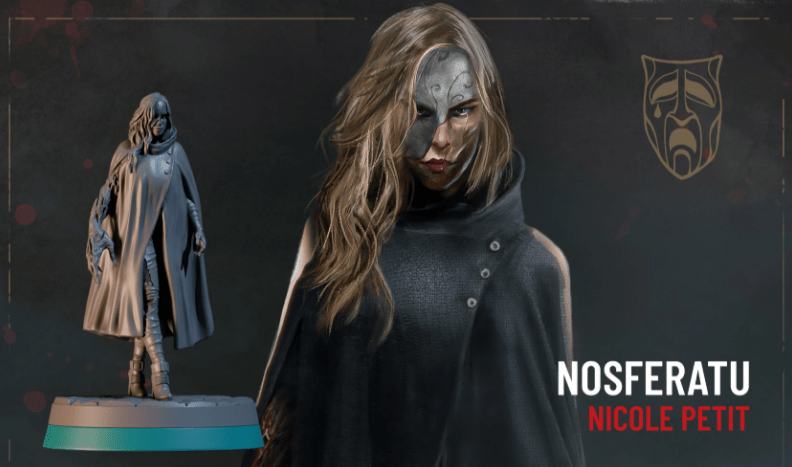
The miniatures are stunning. And there’s tech in those bases. Yowza! If you’re interested in Vampire: The Masquerade, Palermo Conspiracies, check out its GameFound page.

I’ve never been into the Battlefield series. Later titles have leaned into online only, player-versus-player brawls. I have to admit that I’m interested in Battlefield 6 because of the return of campaign mode. It’s been some time since Battlefield has featured a robust campaign mode, and judging from Battlefield 6’s early reviews, it looks as if the game delivers.
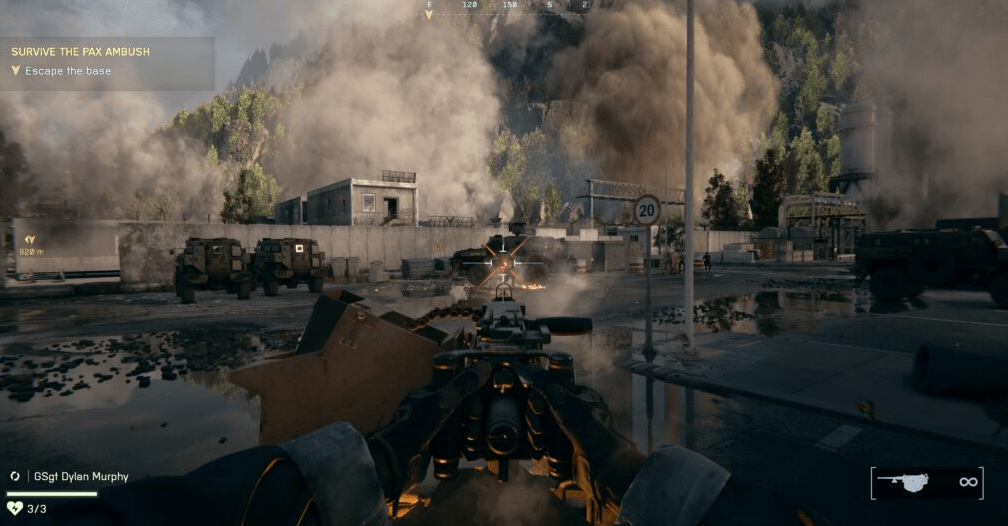
I may wait another week or two, or even for the first price decline, before venturing into this highly touted first-person shooter. Battlefield 6 is available on PC, PlayStation 5, and Xbox Series X/S.
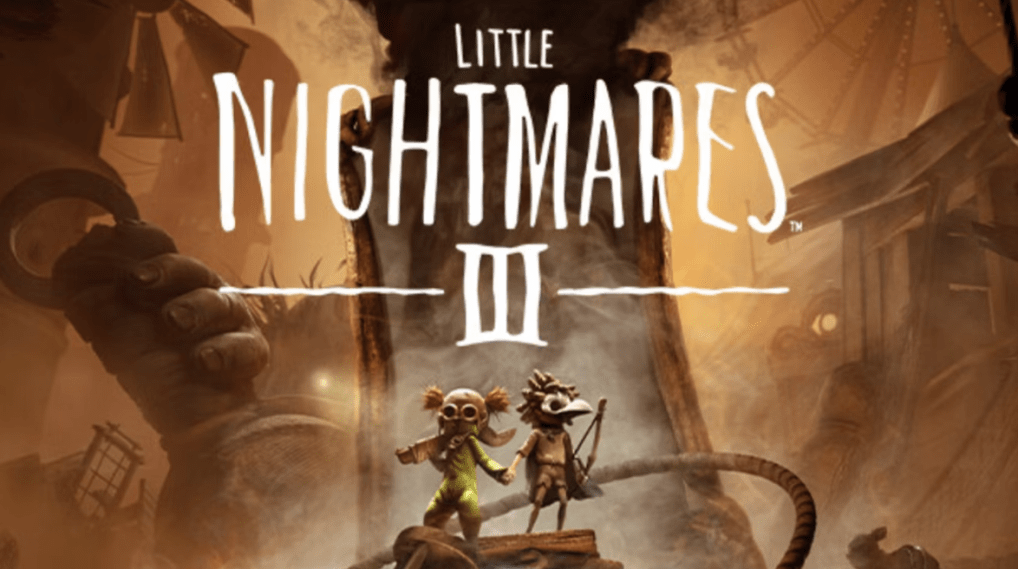
Popular puzzle-platform horror adventure game series Little Nightmares returns just in time for Halloween. I see what you did there, Supermassive Games. Little Nightmares III follows two new child protagonists, Low and Alone, as they navigate through The Nowhere and escape from a looming threat.
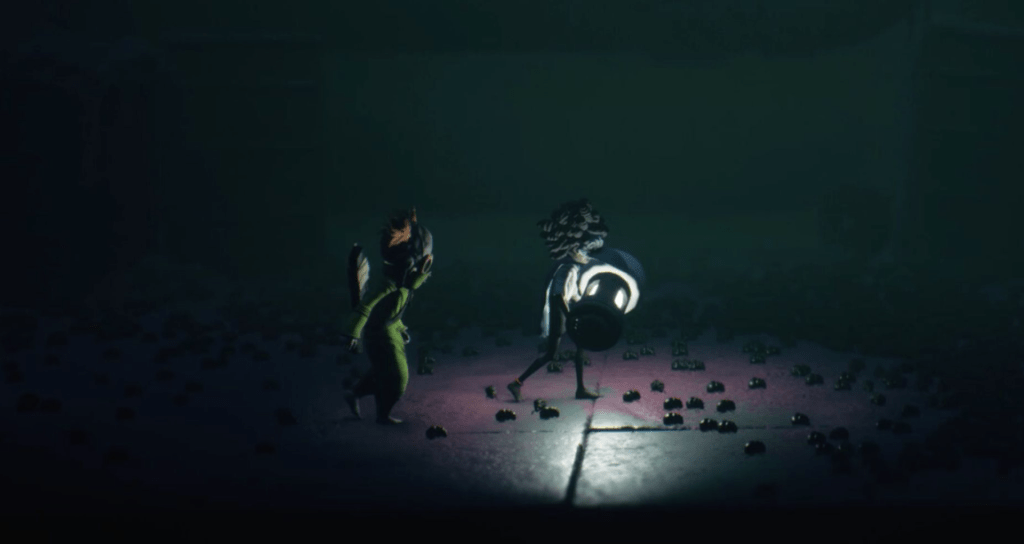
While I am more interested in the Little Nightmare series than I am in Battlefield, Little Nightmares III has received mixed to average reviews so far. I may wait on Little Nightmares III for a very different reason than Battlefield 6. I’m waiting on Battlefield 6 for the hype to die down a bit. But Little Nightmares III may need an update or two. Still, I’m all for another journey into Nowhere. Little Nightmares III is available on PC, PlayStation 4, PlayStation 5, Nintendo Switch, Nintendo Switch 2, Xbox One, and Xbox Series X/S. Fingers crossed for cross-play and cross-saving between platforms.
That’s all the Geek News we have for this week. Thank you for reading, and wherever you are, I hope you’re having a great day.

It’s Monday the 13th. OoooOOoooo! Happy Spooky Season, Geekly Gang! Kyra Kyle here. We’re continuing our Halloween coverage with slash films. Grease your chainsaws. Sharpen your machetes. It’s time to discuss the five best slasher film villains of all time. All time!

Art the Clown is a demented killer clown mime who kills people on Halloween nights. He carries a multitude of crude weapons and mutilates his victims in gruesome ways. Art the Clown’s manner of killing–which includes lots of kills and gore–cause his movies to verge on torture porn (popularized by the Saw franchise), but the Terrifier films maintain their slasher film status because of Art the Clown at their center.
Art the Clown has appeared in three movies and two shorts, and in a short time span, he’s become a horror icon. He’s easily the best slasher villain of the past decade. Given enough time, Art the Clown could climb this list, but I’m not so sure. The names above him are horror mainstays. Still, Art the Clown and the movies that feature him are more hardcore than most slasher killers throughout the years. He causes a glorious mess with every kill.
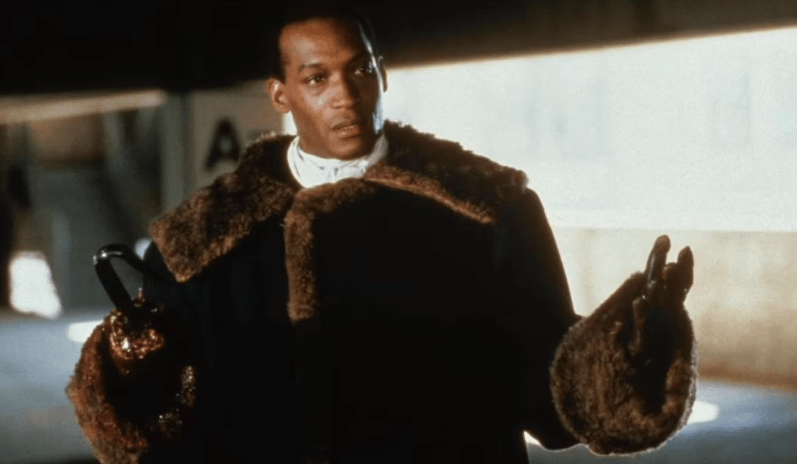
Candyman, or Daniel Robitaille, is as much an urban legend or myth as he is a slasher villain. This is only one way he stands out. He’s tragic backstory goes beyond slasher movie tropes. Rooted in themes of racial violence and injustice, Candyman’s origin adds a layer of empathy, making his vengeful actions terrifying and, in an odd way, justified. His phrase, “Be my victim,” adds to the sense of dread and serves as a reminder of buried societal traumas.
The Candyman series had me scared to say his name five times. The first Candyman film remains the best. Tony Todd (rest in peace) gave Candyman a sense of purpose and grace that separated him from any slasher villain of his era. The second film went deeper into Candyman’s lore, while the fourth movie, produced by Jordan Peele, brought back the iconic killer while honoring the Black culture within the story. I love the Candyman series. Its villain just misses out on our top three, but the top three are horror movie royalty.

Freddy Krueger’s ability to invade dreams sets him apart from other slasher movie villains. He transforms the safe haven of sleep into a terrifying killing ground. With his burned face, razor-sharp blades, and sinister laugh, Freddy taps into primal fears. He is the boogie man under the bed, in the bed, above the bed, hiding in the closet, and so much more. But Freddy isn’t all horror. He adds enough dark humor and charisma to make him repulsive and magnetic.
There’s no escape from Freddy. He follows victims into their most vulnerable state. Created by Wes Craven, Freddy Krueger will haunt the audience’s dreams long after his movies end. I’m haunted by the children’s song that serves as Freddy’s preamble. One, two, Freddy’s coming for you. Three, four, better lock your door. Five, six, grab your crucifix. Seven, Eight, gonna stay up late. Nine, ten, never sleep again. Try singing that right before you go to bed. You may just stay up an extra hour or two or five.
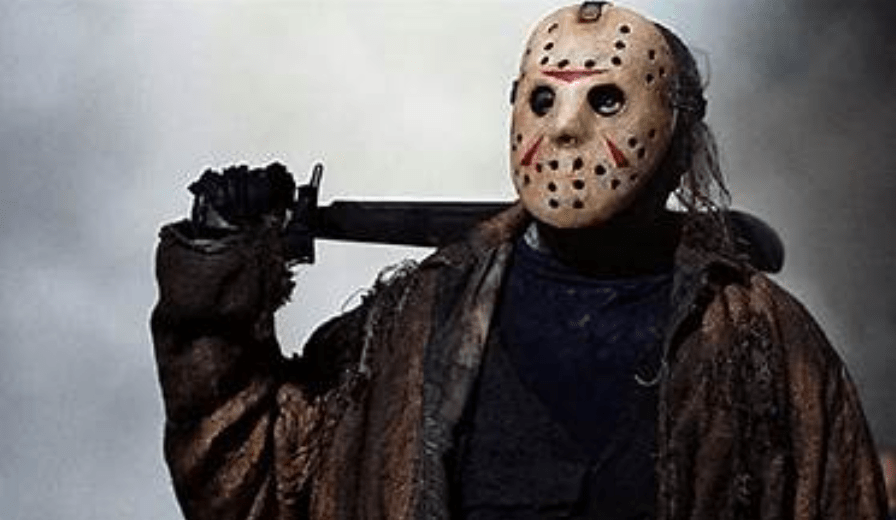
At the end of the first Friday the 13th movie, and after his mother died, Jason rose from the depths of Camp Crystal Lake to become the franchise’s new villain. He machetes his way through the camp and into the audience’s hearts with his bloody kills. Jason is a killing artist. He became more flamboyant through the years. He’s been killed and reanimated more times than a comic book hero, which actually matches his demeanor of an unstoppable zombie-like killer.
Interestingly, Jason is the more sympathetic character in his big crossover movie with Freddy Krueger, despite Jason being an unfeeling killing machine in his solo movies. Few slasher villains are more prolific than Jason. We can only think of one other slasher villain who tops his kill count and takes the number one spot as the true face of evil.

Black Christmas may have come first, but Halloween’s Michael Myers is the first name and face people think of when they think of a slasher villain. There’s something about a bleached William Shatner mask. Michael Myers completes the slasher villain big three of Michael, Jason, and Freddy. Michael Myers doesn’t claim our haunting number one spot because he’s physically imposing. He’s the shape of evil. He’s the one who began killing when he was a child and never stopped.
John Carpenter’s 1978 Halloween didn’t create the slasher subgenre. The genre bloomed in the wake of Michael Myers’ butcher knife. This horrifying classic had a simple premise. A silent serial killer stalks a quiet town. After decades of movies (and more on the way, we’re sure), Michael Myers petrifies audiences. Michael’s theme music is the stuff of legend. As soon as I wrote this post’s title, it played in my head. Not going to lie, I played the song. Pure movie magic.
That’s our list of the top five slasher film villains. Did we get the list right? Who would you add or take away? Let us know in the comments. Thank you for reading, and wherever you are, we hope you’re having a great day.
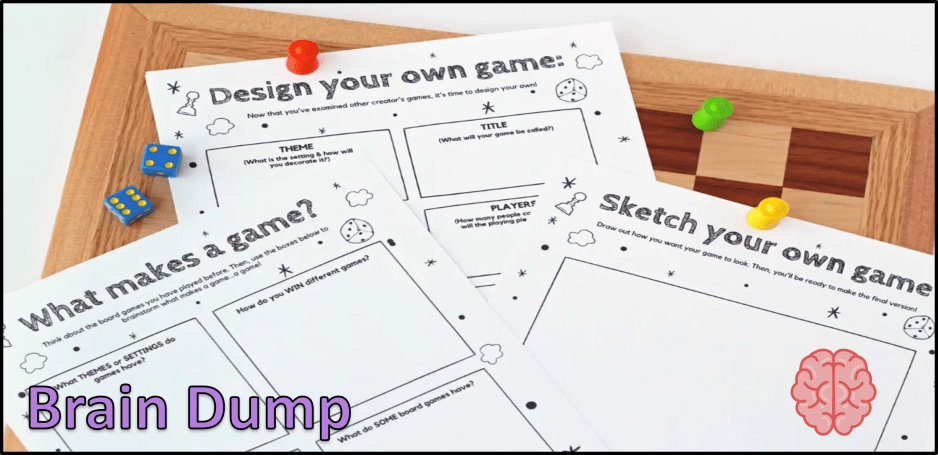
Hey, hey, Geekly Gang! Kyra Kyle here. Last week, we began a series called–for the time being–Writing Brain Dump, and this week is the time to roll out Game Design Brain Dump. The title is a work in progress. Let’s hope I can express my board game design process with this series. Fingers crossed for a cogent thought or two. Strap in for a Board Game Design Brain Dump.

I’m going a different route from last week’s writing brain dump. Recently, I attended a panel about board game design at Nuke-Con (Omaha’s board game convention) and figured we could begin with what prompted me to begin designing Rustbucket Riots.
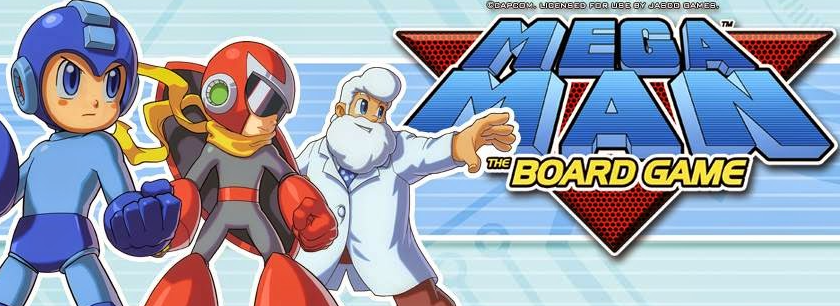
I knew Mega Man: The Board Game by Jasco Games wasn’t the best when I purchased it at a severe discount. Honestly, I wanted the bits. Jasco Games did an amazing job with Mega Man’s miniatures and the look of the game. But good luck finishing a game of Mega Man in under 10 hours. Each robot stage plays like five games of Munchkin played back-to-back, with every other player doing their best to prevent you from completing the stage. And you need to complete multiple boss stages. 10 hours may be too few hours to complete this game. You may need to dedicate a table to preserve your month-long game of Mega Man.
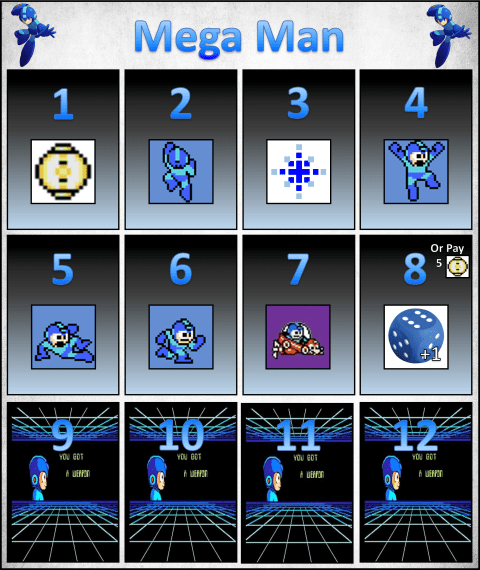
I hope I won’t get copyright claimed for any images. Eek! I began with a simple dice chucker of a game. Players would roll standard six-sided dice (I don’t recall the exact number, but it was likely around four or five) and then place the dice on their player boards. Each space on the player board would grant different abilities, with the final four slots variable for powers obtained by defeating robot bosses. Players could place multiple dice in a single space to combine the rolled result. A six may be played with a single die showing a six or with a two and a four or any other combination of six.
I chose dice chucking because rolling dice and placing them with predetermined spaces made for quick turns. Quick turns lead to a game that one can finish within ten hours. This game worked well. Heck, I even tried it as a real-time game, and it worked extremely well. Games lasted less than 15 minutes. I even saw this Mega Man variant as a game that could be played in tournaments of speed runs. Now that I think about it, I may revisit this variant in the future and give it a reskin. Sorry, the ADHD took the wheel for a second.
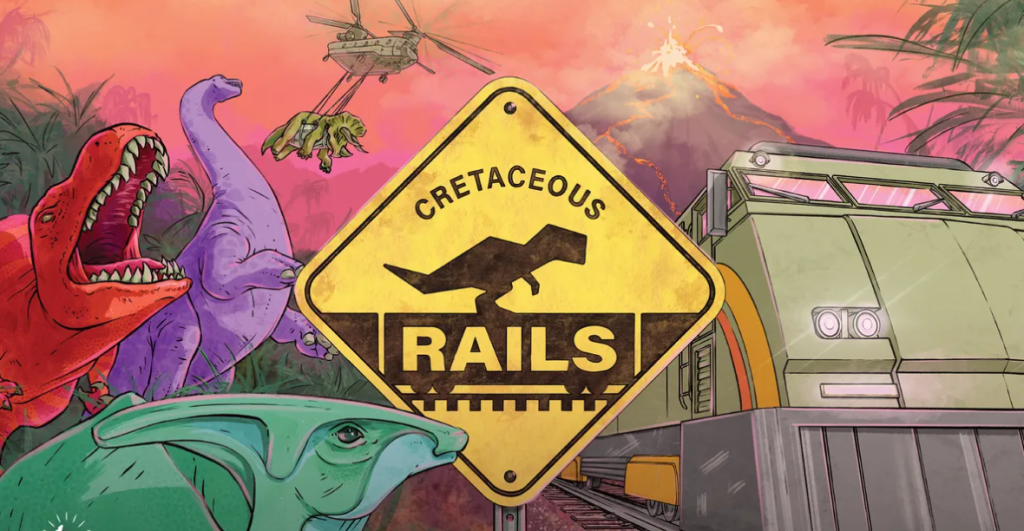
For some reason, I abandoned the above game concept and went in a different direction. I love Cretaceous Rails. Unlike Jasco’s Mega Man, there isn’t much I’d change with this title. Cretaceous Rails makes this list because I wanted to try using one of its core game mechanisms: dual action selection. I even asked Cretaceous Rails’ designer, Ann Journey, if it’d be okay if I borrowed this game mechanism before trying the next Mega Man remix iteration. The result was a game I nicknamed Rondelande.
Oh my goodness. This game wasn’t just a different direction from my first Mega Man remix; it was different in every possible way. I didn’t keep any of Rondelande’s hardcopy versions. I only have the digital files, and it’s difficult to recreate what the game looked like without a physical copy. But I’ll try my best.
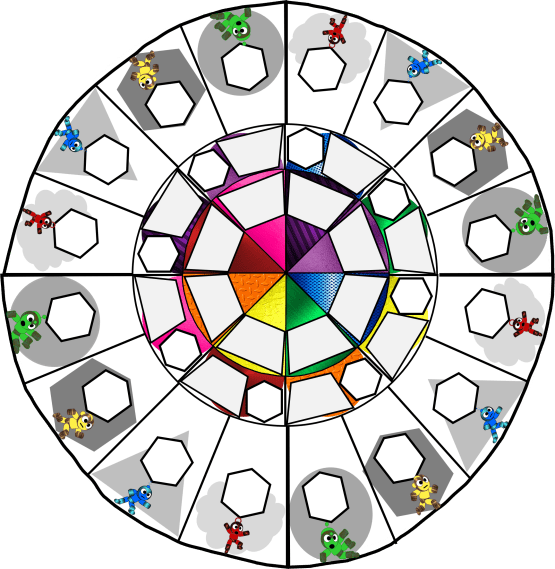
That’s a lot of color going on. Those are supposed to be three rondels (a circular game mechanism with pie wedges representing which actions one may take) stacked on top of one another. Each turn, players would place their gear tokens on one of the hexagon-shaped spaces and take the actions indicated. But before placing gears, players could play up to two cards (depicting one of the actions run, slide, jump, shoot, or climb) underneath the spaces on the outer edge. Players would then be able to take all the actions, including actions on cards, during their turn.
Note: The trapezoid spaces had different actions like draw cards or oil cans (that functioned as wild actions) or even rotating one of the top two rondels, so the action selection could vary.
Rondelande was a lot of fun. It ventured far from what I had originally intended to make. That’s the ADHD brain taking the wheel again. Unfortunately, Rondelande was a space hog. The image above is at least a twentieth of the size of the original game. Despite its size, Rondelande may have been a great game if I had stuck with it. I liked how players could build up the board as they went, benefiting themselves for a turn, but also allowing an opponent to take the same action in a future turn. Players could even refresh (take back their gear tokens) or choose not to refresh for a turn to prevent someone from taking an action their token is currently occupying. Rondelande was great. But something felt off. I wanted interlocking gears for the board because it made sense for a robot theme. I had chosen rondels because they were easier to build. And then I found gears that would work.

I found a file that could work for interlocking gears. Yay! As an aside, I was working on making this file work while producing my Mega Man variant and Rondelande, so a lot of what we’re about to discuss happened concurrently with the previous two games.
At first, I was using a lot of memory foam. Rondelande’s rondels were comprised of foam. I’d print out the digital files (of that rainbow nightmare above) onto full sheet labels and then sticker them over the foam and cut them out. I tried the same concept with the gear pictured above. And it worked…for like one playthrough of the game. Foam likes to shred under friction. Who knew? So, I put the interlocking gears aside until I found a set of wooden gears on Amazon.
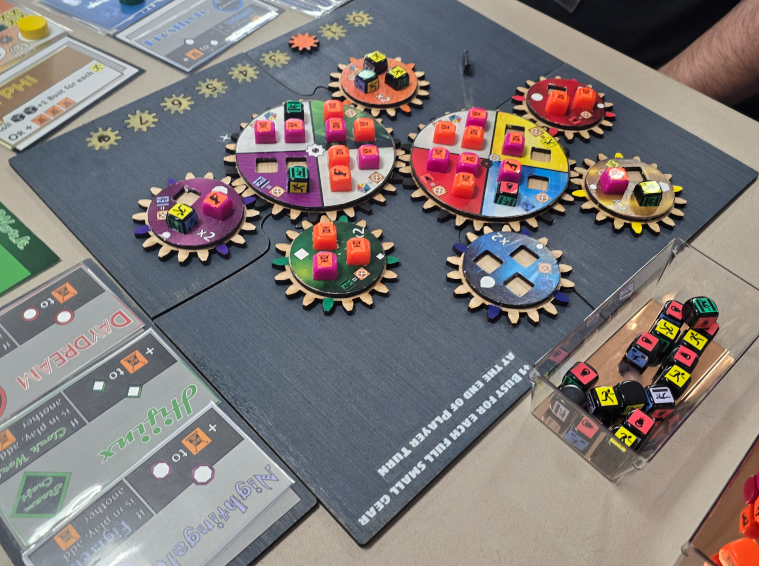
Yes! I was in business. I could continue with Rustbucket Riots. The picture above is a modern version of the game; the first version still used foam for its board (the gears haven’t changed too much). I still have a version of the first game and will include a picture of it in a future post. Rustbucket Riots combines multiple ideas. I brought back dice chucking from Mega Man, only this time, I used specialty dice that included run, slide, climb, shoot, and jump. And I always thought Tzolk’in’s gears didn’t move enough. I could fix two issues I saw in other games. Jasco’s Mega Man took too long, and Tzolk’in (Tzolk’in is an amazing game that earns its spot in BGG; I’m nitpicking) could have gears that frequently turn.
The name Rustbucket Riots came swiftly. Originally, I wanted to make a better Mega Man board game, but I couldn’t copy Mega Man exactly. So, I wondered if I could make the player characters villainous. The Boss Robots attempt to free themselves from an oppressive corporocracy and the humans using them as cheap labor, while the players assume the role of corporate robots tasked with bringing the rogue robots under control. Even though the Boss Robots would view what’s happening as a revolution, we’re playing this game from the viewpoint of corporate robots, and they’d see it as riots. Throw in a slur, and you get Rustbucket Riots.
I think that’s everything up to the idea of Rustbucket Riots materialized. We’ll cover early iterations of the game in the next board game design brain dump. If you’ve made it this far through my rambling, you’re awesome. You know it. Thank you for reading, and wherever you are, I hope you’re having a great day.

Happy Wednesday, Geekly Gang! Kyra Kyle here. Today, our writers will share what they’ve been reading over the past month. Feel free to share what you’ve been reading, because we’re all part of the Geekly Gang. I’ll kick off this post.

Returning to Saga was like reuniting with an old friend. For context, I read Saga in trades (graphic novel format), so I can go at least three months between reading volumes. I seldom need to reread previous volumes, even when Brian K. Vaughn and Fiona Staples took more than a year hiatus from the series, and that’s a testament to Saga’s excellence.
And there happens to be time hops between volumes. That helps. Hazel, Alana, and Squire continue their interstellar circus/casino odyssey. The two children (Hazel and Squire) have hit puberty, and this volume explores the difficulties of being a teen while also on the run from numerous entities. I love Saga and highly recommend it. There’s a reason it’s been nominated and won numerous Hugo Awards. But beware of the ninth volume, the one just before Saga’s extended hiatus. Volume Nine ends with what may be one of Sci-Fi’s greatest gut punches.
That last statement wasn’t even close to hyperbole.
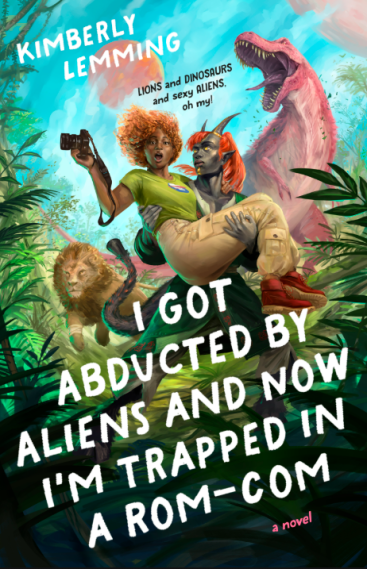
Kimberly Lemming’s I Got Abducted by Aliens and Now I’m Trapped in a Rom-Com is the first monster romance I’ve read. Heck, it’s the first romantasy I’ve read. While I may not be I Got Abducted by Aliens and Now I’m Trapped in a Rom-Com’s target audience, I can see why novels like this are swoon-worthy. I wish I could write scenes as steamy as the ones you can find in I Got Abducted by Aliens and Now I’m Trapped in a Rom-Com.
The book’s title says all you need to know about the novel’s premise. The tagline elaborates further. (Talking) Lions and Dinosaurs and sexy Aliens, oh my! Outside the scenes that led to cold showers, Lemming has a knack for comedic timing. I Got Abducted by Aliens and Now I’m Trapped in a Rom-Com delivers.

I’m listening to Brandon Sanderson’s The Way of Kings in audiobook format. I find audiobooks a great way of reading an extra book or two. My two favorite streaming (does it count as streaming?) sites are Libby and Hoopla. All you need is a library card (from a participating library) for both, and you can check out audiobooks, e-books, and other digital content.
Audiobooks totally count for read books for the month. I’m counting The Way of Kings. Audiobooks make for more interesting walks. It only takes almost getting run over twice while reading a physical book and walking at the same time to get you to switch to audiobooks. Anyway, I love how Sanderson introduces the hard magic system in The Stormlight Archive. Sanderson dips just enough information about how magic works for the reader to follow along, while avoiding massive walls of expository text. The Way of Kings is a fun read. And you should check out Libby and Hoopla.
Those are all the books I’ve read over the past month, and it looks as if I’m the only one of our writers with entries. Season began a new job and hasn’t read much beyond instruction booklets. Skye’s rereading a handful of books. Perhaps she’ll share some of those next month.
In the comments, let us know what you’ve been reading this past month and if you count audiobooks as books you’ve read. Thank you for reading, and wherever you are, I hope you’re having a great day.
 jkgeekly.com