


Kitaria Fables by Indonesian indie game studio Twin Hearts combines a farming sim like Stardew Valley with a mild adventure game. Players assume the role of a cat hero Nyanza (or Nyan for short), hence the name Kitaria, as Nyan upgrades his weapons and armor and learns new abilities to save the Empire.
Hey, hey! Kyra Kyle here. We’re covering a video game today that’s unlike most we’ve covered in the past. Kitaria Fables is a cozy game. Full disclosure: I’ve picked up this game on sale for multiple systems (Steam, Switch, and PlayStation 4), but I’ve played the most on PS4. Cozy games have taken off in the past few years, and I’m here for it. I love a good cozy game. But how does Kitaria Fables stack up against our review criteria?

Kitaria Fables has solid game mechanisms, but there’s a reason it’s often compared to Stardew Valley—I compared Kitaria Fables to Stardew Valley in the opening paragraph of this review. Kitaria Fables borrows many mechanisms, its graphic design, and some of its perspective from Stardew Valley. All of the mechanisms Kitaria Fables borrows are well done. But I can’t give it top marks.
Still, Kitaria Fables adds a few things to the Stardew Valley formula to make it stand out. Not the least of which is the adventure aspects. Gone are the procedurally generated mines. In their place are regions to explore and enemies to vanquish. Enemies will drop items to use for upgrade materials. So far, this sounds like a typical adventure game, but Kitaria Fables opts to go with ability upgrades instead of leveling.
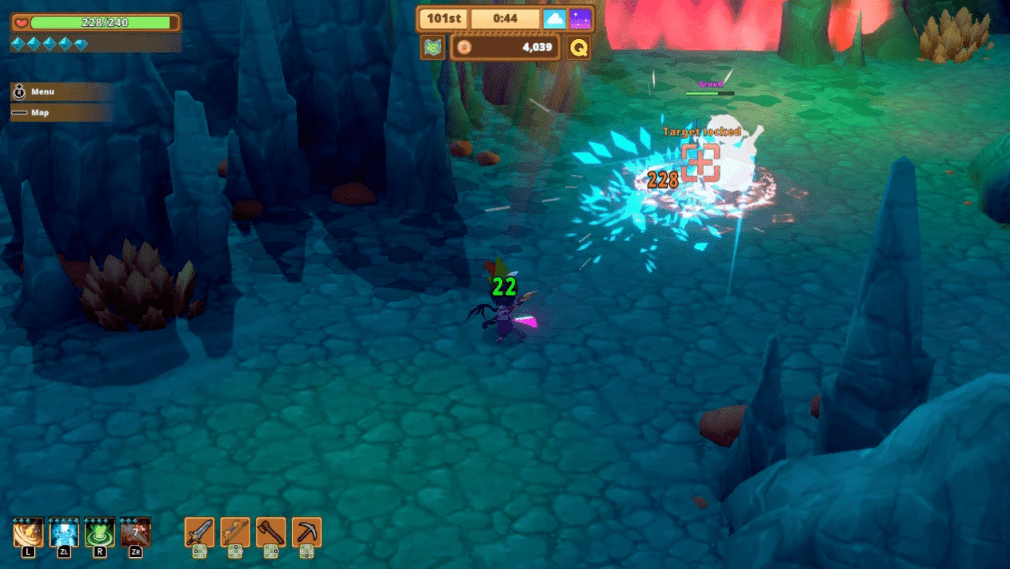
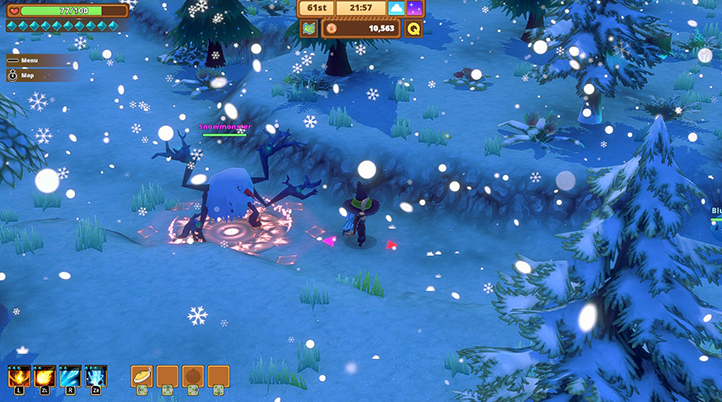
Players can trade out Nyan’s magic abilities at any time. The only downside is that more powerful spells usually cost more magic gems. In the top left-hand corner, you’ll see Nyan’s health. Magic gems are displayed below Nyan’s health bar. Nyan can gain more magic gems by physically attacking enemies, so there’s a push-pull with varying Nyan’s combat style.
I’ve seen other games use custom move-sets similar to Kitaria Fables’ setup (like the Cat Quest series), but Kitaria Fables does just enough to separate itself from its competition. But not enough to escape a slightly above average score.
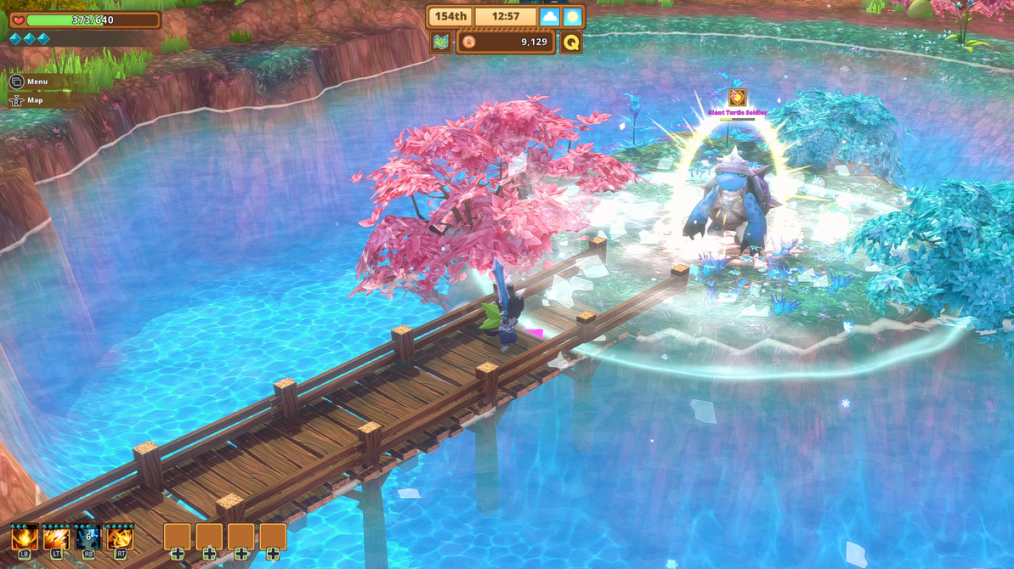
This score should come as no surprise. Kitaria Fables combines Stardew Valley and Cat Quest. I didn’t think of Cat Quest before writing this review (funny how both games have cat protagonists). With Stardew Valley and Cat Quest as inspiration, Kitaria Fables has a high gameplay loop score. All enemies (including bosses like the one pictured above) respawn at the beginning of each day, so it’s easy to grind Nyan to god-like powers.
Kitaria Fables has a couple of obtuse missions. I was stuck a handful of times and used trial and error to figure out what the game meant for me to do. But those moments were few and didn’t detract from the overall experience. And the NPCs rebooted their routine every in-game day in addition to the enemies respawning. If I couldn’t figure out something one day, I could try again the next. This is one of the reasons why Kitaria Fables is a cozy game. It induces little to no stress.

The Empire, the Calamity, Capital City, and other generic terms left me wanting. Kitaria Fables doesn’t have much of a story, and the story it has can get grown-inducing. I’m unsure if this lack of story comes from poor localization or if Kitaria Fables wanted generic names and storylines to make it easy for people from different backgrounds to follow. Either way, I’m unimpressed. Kitaria Fables has one big twist. I won’t spoil it here, even though that’s unnecessary. The big reveal is obvious.
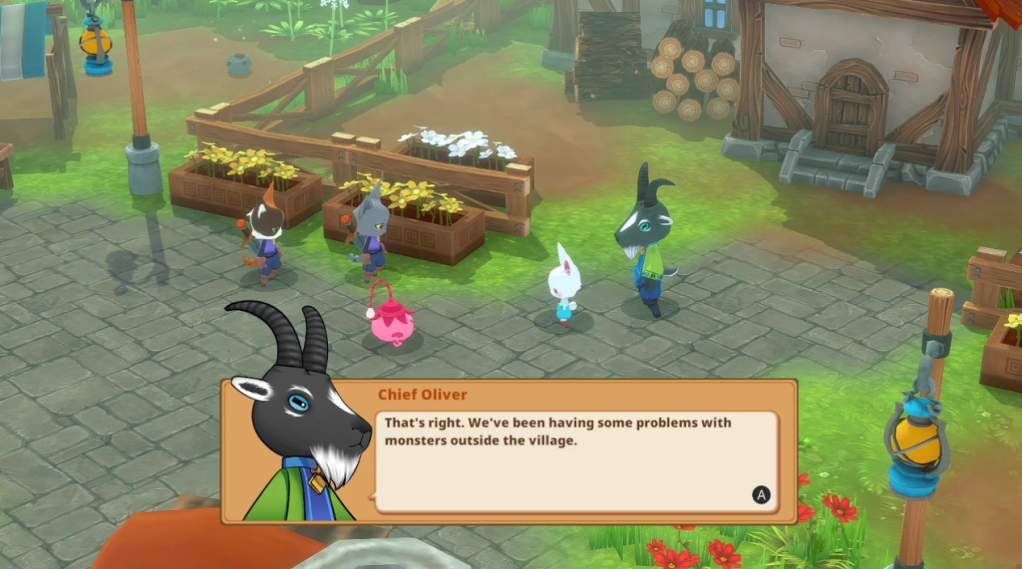
I can’t tell which score should be higher, narrative or storytelling. I’m giving storytelling an average score. That seems right. Kitaria Fables does a good job of executing its story, but it just has a forgettable story. Still, look at the adorable animal people. I love characters like Caramel, a brown furred mouse child who lives in Paw Village. Caramel will ask Nyan for a piece of candy. If you give him candy, you’ll unlock a mission. If you refuse to give him candy, you’ll unlock a different mission. This happens to be one of the obtuse story branches I mentioned in the gameplay loop section. You can unlock both missions. All you must do is interact with Caramel on two different occasions.
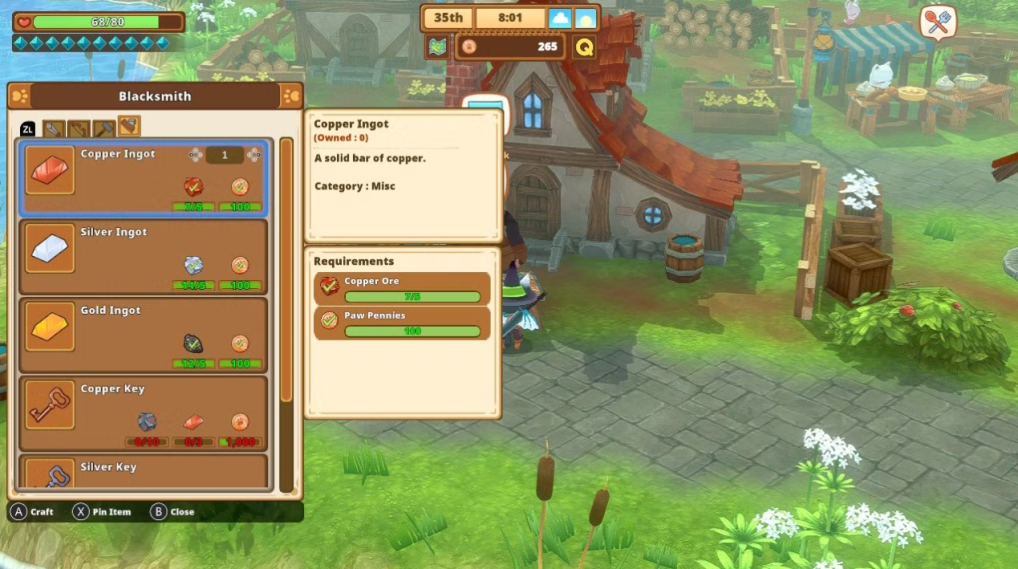
Kitaria Fables has an easy-to-use interface. During combat, Nyan will have items (to include healing items) and spells/moves assigned to hot keys. While not in combat, Nyan can pull up a menu (on the left-hand side of the screen) that will have clearly marked tabs. Players will receive different options depending on whether Nyan interacts with an NPC or an object (like a mirror to change Nyan’s appearance) or doesn’t interact with anything.
Players can pin items (if they find them in a store) to know how much of an item they need for an upgrade. This is standard stuff, but you’d be surprised how many games forget to include a pin object option. Kitaria Fables does a great job of incorporating good practices from other games with its user interface. The only reason I knock the game down a point is the Switch version. If you pick up Kitaria Fables on PlayStation 4 or Steam, go ahead and raise this score. The Switch version isn’t too difficult to navigate, but it’s lacking.

Kitaria Fables features charming graphics, but it doesn’t take top marks because Twin Hearts may have lowered the graphic quality to fit on the Switch. Honestly, if Kitaria Fables exclusively came out for the Switch 2 and PlayStation 5 (three or four years later), the graphics score could be even higher. Older systems may have held back the graphics, but that doesn’t mean that Kitaria Fables’ look is anything but enchanting.
I also love Kitaria Fables’ colorful world. Each zone feels unique: lush forests, dank swamps, and barren deserts. Kitaria Fables mixes up its enemies in quirky ways to match the various biomes. Despite some technical limitations, Kitaria Fables has gorgeous graphics.
When I first booted Kitaria Fables, the music didn’t grab me. It was there and pleasant. But the more I played, the more Kitaria Fables’ soundtrack grew on me. Kitaria Fables’ soundtrack isn’t one of those wow you when you first hear it soundtracks. It’s one of those slow-burning soundtracks. I wasn’t surprised to see the Kitaria Fables’ soundtrack available on vinyl. It can be infectious.

I enjoyed my time with Kitaria Fables. Heck, I blew through the game in a few days and picked it up on multiple platforms. But I wouldn’t call Kitaria Fables a game with high replay value. I can hope that I’ll forget specifics about Kitaria Fables and return to the game in several years. While a solid game, Kitaria Fables’ linear story (with no alternative storylines) makes it a one-time play game. And that’s okay.

Kitaria Fables delivers a well-constructed video game that combines elements of Stardew Valley and Cat Quest. I enjoyed a lot of the colorful characters and the gorgeous set pieces. And cats, who doesn’t love cat people? While I wouldn’t expect a game with a ton of replay value, Kitaria Fables is a great one-time play game, especially if it’s on sale.
Happy Sunday, Geekly Gang! Kyra Kyle here with another week of Geek News. A lot has been happening in the tabletop/board game industry this past week, but I may take another week to gather some thoughts. Something to look forward to for next week. XD Instead, we have a couple of MCU updates this past week, and of course, we’ll discuss this past week’s new releases. There were some good ones. But first, let’s discuss the rumors and leaks for Spider-Man: Brand New Day.
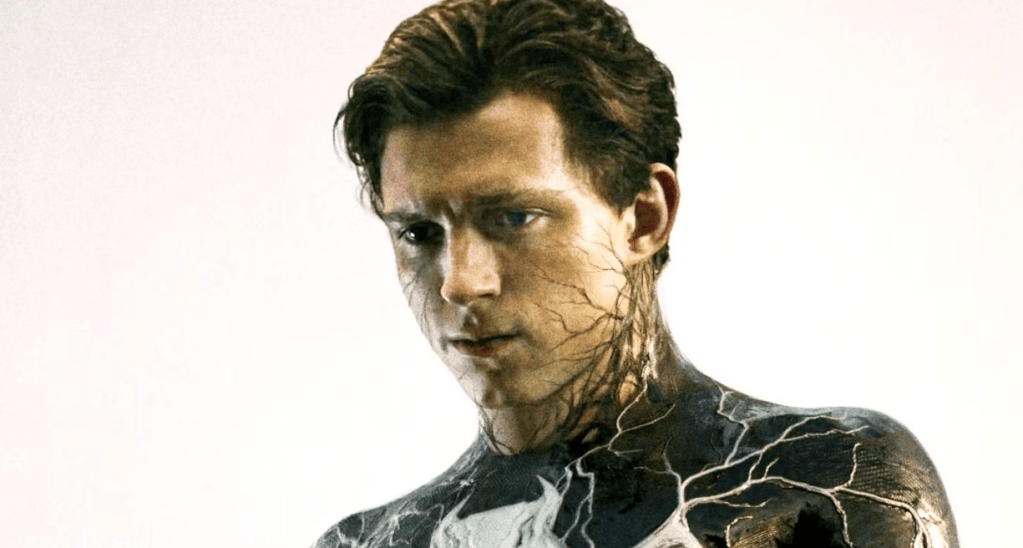
We already received word from Michael Mando that he will return in Spider-Man: Brand New Day as Matt Gargan, Scorpion. Mando even teased that he will be sporting a comic book accurate Scorpion costume, he’ll be involved in the alien symbiote story teased during a post-credit scene for Spider-Man: No Way Home. While Tom Hardy may be done with the Venom character, the alien symbiote does exist in Earth-616 (the MCU). The alien symbiote that is Venom has bonded with more characters than Eddie Brock and Peter Parker in Marvel comics. One of those other characters is Matt Gargan, so Mando saying his character will be involved with the alien symbiote makes sense. And Peter bonding with the alien symbiote aligns with the original 1980s Secret Wars, which will be a future MCU movie.
Spider-Man: Brand New Day’s director, Destin Daniel Cretton, and his camp have already shared multiple leaks about the upcoming Spider-Man movie. They plan to bring two comic books to life: Amazing Spider-Man #134 and Amazing Spider-Man #345.

Amazing Spider-Man #134 has Tarantula on the cover, and Tarantula was confirmed to be in Spider-Man: Brand New Day months ago by Marvel’s merchandising firm. Scorpion was also featured in this comic book, and we’ve received word from Michael Mando, who plays Scorpion in the MCU, that he will be in the next Spider-Man movie, so the leak is accurate, but this brings us to the second comic book.
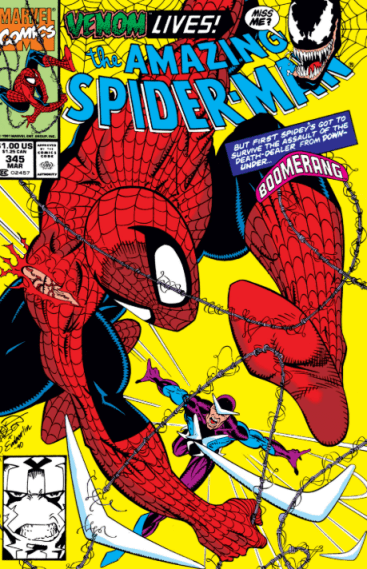
Amazing Spider-Man #345 has Boomerang on the cover, and he was also leaked in a similar fashion to Tarantula and Scorpion. But look at the top of this issue (pictured above). Venom returns. It looks as though Cretton intends to include Venom, or at least the alien symbiote, in Spider-Man: Brand New Day.
Spider-Man’s next cinematic outing looks like it’ll be packed with villains. Earlier this year, a savage Hulk was leaked to appear in the film, and Shang-Chi (the protagonist of director Cretton’s first MCU film) is also set to return. We’ll keep you posted if we find out any more about Spider-Man: Brand New Day.

Chris Hemsworth will reprise his role as Thor for Avengers: Doomsday, and the actor recently shared a video titled “Thank You! The Legacy of Thor,” which ignited speculation that he might be preparing to hang up the hammer for good, after Avengers: Doomsday. Heck, I’ve seen speculation that Thor could be one of the MCU heroes Doctor Doom slays in the upcoming crossover movie.
But Chris Hemsworth clarified that he will return in Thor 5, which will most likely be set in Valhalla. Valhalla is the Asgardian version of heaven, so there’s a chance Thor could perish in Avengers: Doomsday and then star in a fifth Thor installment. Rumors suggest that Natalie Portman will also star in Thor 5, and since her character Jane Foster perished at the end of Thor: Love and Thunder, this furthers speculation that Thor 5 will take place in Valhalla. We’ll have to wait and see.

Konami partnered up with M2 to deliver the perfect 40th Anniversary celebration for Gradius. Gradius Origins compiles most entries of the series into a single title. Gradius Origins chronicles Gradius from its arcade roots in the mid-80s all the way to the brand-new spin-off, Salamander 3. The game features over a dozen different game variations. It includes numerous quality of life additions and historical artwork.
Gradius Origins is available on PC, Xbox Series X, Nintendo Switch, and PlayStation 5.
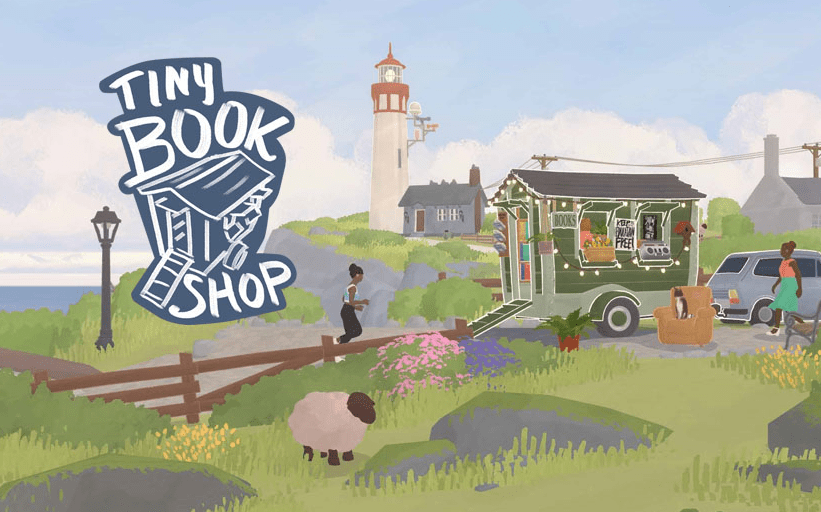
Tiny Bookshop looks like it’ll be right up my alley. I love books and cozy video games. I even like resource management games. Tiny Bookshop includes all three of those things. Leave everything behind and open a tiny bookshop by the sea. Stock your Tiny Bookshop with different books (some of them are real-world classics) and items. Take in scenic locations and run your cozy second-hand bookshop while getting to know the locals.
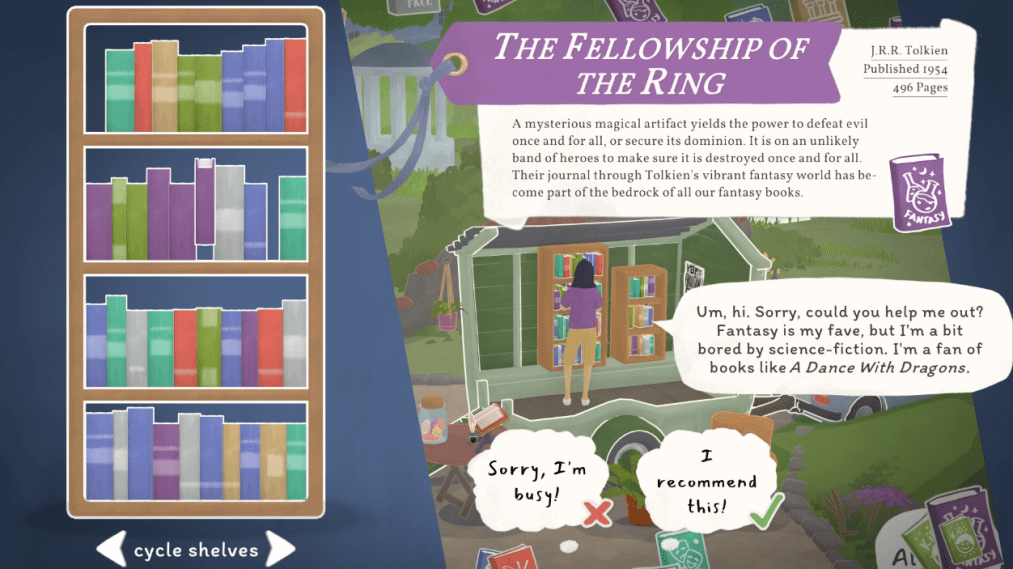
And what would a second-hand bookshop be without the occasional cat? Yes! Tiny Bookshop gives you the experience of running your own bookstore. If Tiny Bookshop sounds like something you’d be interested in, the game has a playable demo on Steam. Meow!

The upcoming Xbox Series X game, Mafia: The Old Country is a prequel to the original Mafia trilogy. It explores the origins of mob life in the United States, transporting players back to the birthplace of one particular crime family.
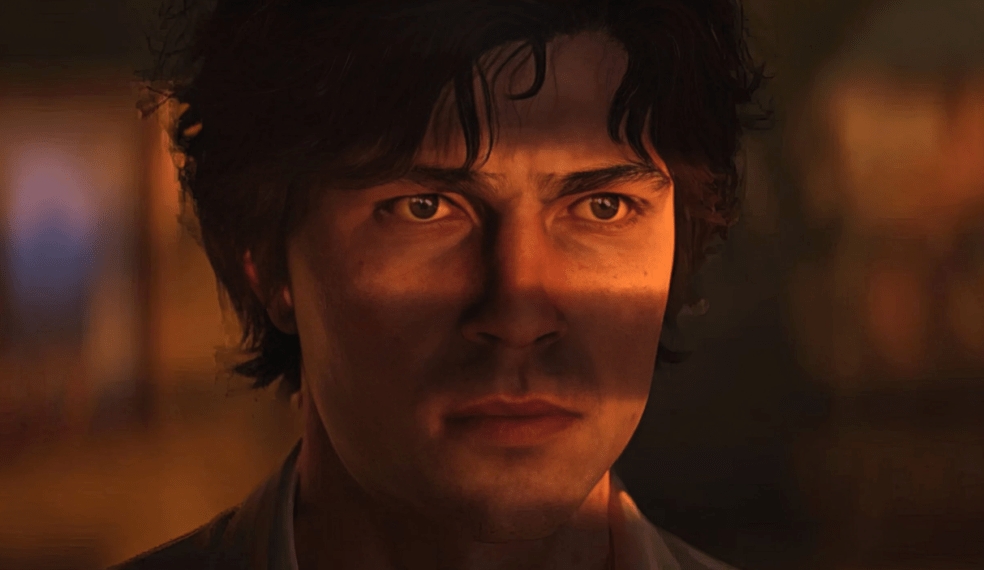
Set in 1900s Sicily and following one man’s ascent from an underling to a mafioso, Mafia: The Old Country offers a new angle to the Mafia formula. Narrative-driven, Mafia: The Old Country provides a singular Mafia experience. While not Grand Theft Auto 6 (which got pushed back to May 2026), Mafia: The Old Country scratches a similar itch. It’s available on PC, Xbox Series X, and PlayStation 5.
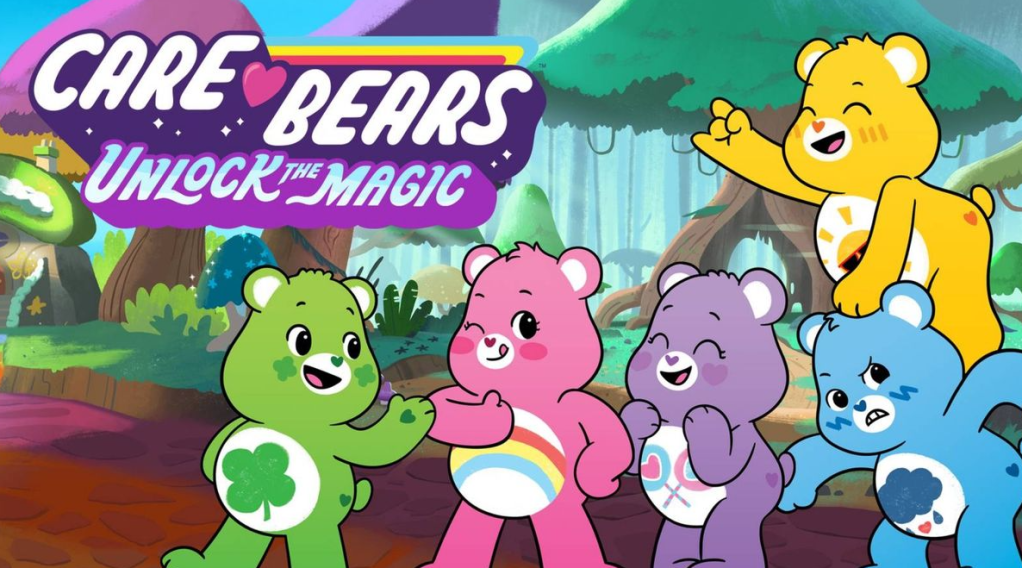
Care Bears receive the deck-building game treatment. Care Bears: Unlock the Magic Deck Builder Game has players spread caring and compassion while facing off against unpredictable weather, wild creatures, and the mischievous Bluster and his Bad Crowd. The game features multiple difficulty settings, perfect for younger players and gamers who want more of a challenge.
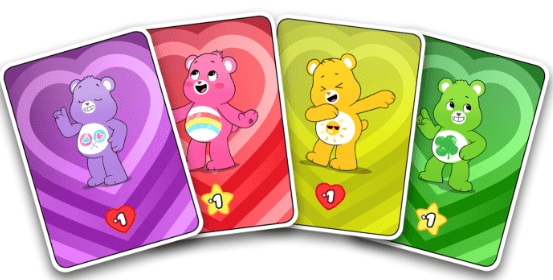
Like most deck builders, each player begins with a basic deck in Care Bears. You can purchase new cards with Wish (stars), and prevent Bluster and his Bad Crowd from spreading uncaring with Care (hearts). Care Bears hasn’t received a major tabletop game since the Eighties (there have been some reskinned games like Monopoly and an odd Chutes & Ladders-like game a couple of years ago), so Care Bears: Unlock the Magic Deck Builder Game is great for Care Bears fans who’ve been waiting for a deeper Care Bears board game experience.

Care Bears: Unlock the Magic Deck Builder Game has multiple pledge levels that range from $34 (for the base game, plus shipping) to the massive All-In Pledge of $400. But the best bang for your buck may be the popular Care-a-Lot Expansion Edition ($119) that includes all base Care Bears (to include Grumpy and Tenderheart Bear) and a neoprene playmat. If you’re interested in Care Bears: Unlock the Magic Deck Builder Game, check out its KickStarter page.
Vines and Flowers: Blooming Harmony offers 3d tile placement. What? Players take turns taking tiles from the offering and then collectively building a pergola. Watch your vines and flowers climb and trigger effects, scoring you points, on your way to victory.

I love how Vines and Flowers: Blooming Harmony turns tile placement on its head by simply adding a vertical axis. The game has stunning table presence. Tell me you wouldn’t gravitate toward this game. You’d have to know what the players were doing.
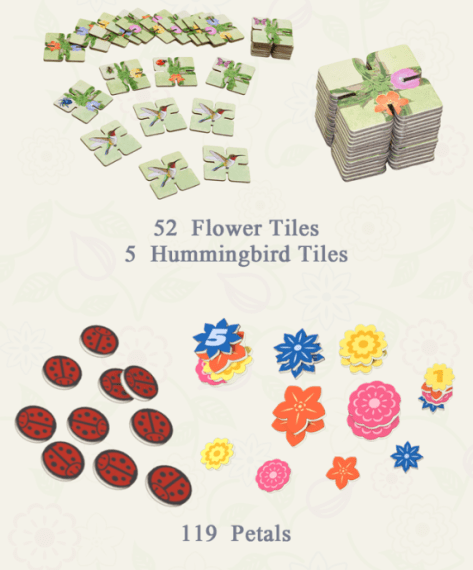
Newcomer, Whales Entertainment, has done a great job with Vines and Flowers: Blooming Harmony’s production value. While you can enjoy Vines and Flowers with cardboard pieces ($35 pledge), this Kickstarter campaign includes an exclusive wooden pieces upgrade for a $45 pledge. I’m watching this campaign closely. If you’re interested in Vines and Flowers: Blooming Harmony, check out its KickStarter page.

Publisher Salt and Pepper has been releasing some fantastic games on GameFound this year. We covered The Battle of the Divas, and The Voynich Puzzle looks like it’ll be another amazing game with an interesting theme.
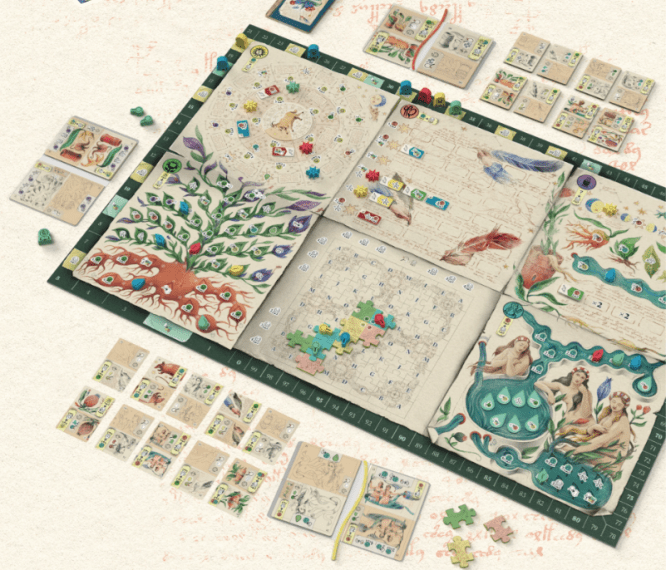
In The Voynich Puzzle, players reconstruct the mysterious Voynich Manuscript. All the art is inspired by this ancient text, and I love that The Voynich Puzzle includes actual puzzle pieces. We don’t know much about the game’s mechanisms yet (it’s set to launch on Monday or Tuesday), but the production value looks fantastic and thematic, and Salt and Pepper has been on a roll. They’re a well-respected board game publisher with titles like Resist! and Witchcraft! to their credit.
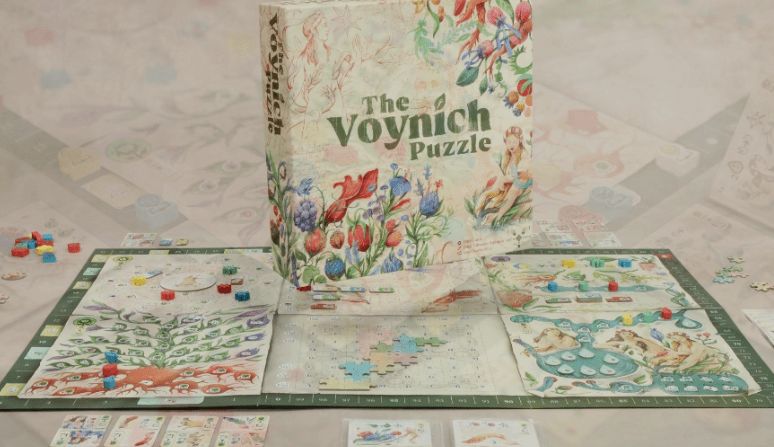
I may have to pick up a copy of The Voynich Puzzle for the artwork alone. We don’t yet know what pledge levels The Voynich Puzzle will have, but if you’re interested in this title, too, you can follow The Voynich Puzzle’s GameFound page.
That’s all the Geek News we have for this week. Thank you for reading, and wherever you are, I hope you’re having a great day, Geekly Gang.

Happy Indigenous Peoples’ Day! Geekly is marking the occasion by listing some of our favorite indigenous video game characters. Hey, hey! Kyra Kyle here. This list was a little more difficult to compile than one would first expect. There are plenty of indigenous people in video games. Unfortunately, many of them lean into cultural stereotypes. We’ll do our best to avoid stereotypical indigenous video game characters. With that disclaimer in place, let’s get to our list of 5 famous indigenous video game characters.

Pîhtokahanapiwiyi, better known by the title of “Poundmaker,” doesn’t quite make our list because he was an actual Cree leader during the late 19th Century. Poundmaker advocated the rights of indigenous people at a time when the Canadian government was starving them and encroaching on their land. Though he didn’t hold his position for long, Poundmaker would be arrested for alleged treason. He was exonerated in 2019. Poundmaker earned the respect of the indigenous community. When Civilization 6 added the Cree as a playable civilization, they gave the honor of Cree leader to Poundmaker, a real-life Cree hero.

Ubisoft didn’t play it safe when they moved the Assassin’s Creed story to the American Revolution. Instead of glorifying the colonists, Assassin’s Creed 3 shifted the focus toward how indigenous people were affected by a morally ambiguous war that had nothing to do with them. Ratonhnhaké:ton (aka Connor) is an assassin who worked tirelessly to defend his people from colonial oppression. Connor is divided between two worlds, which provides an interesting and unexplored perspective in video games for one of the most significant wars in American history.
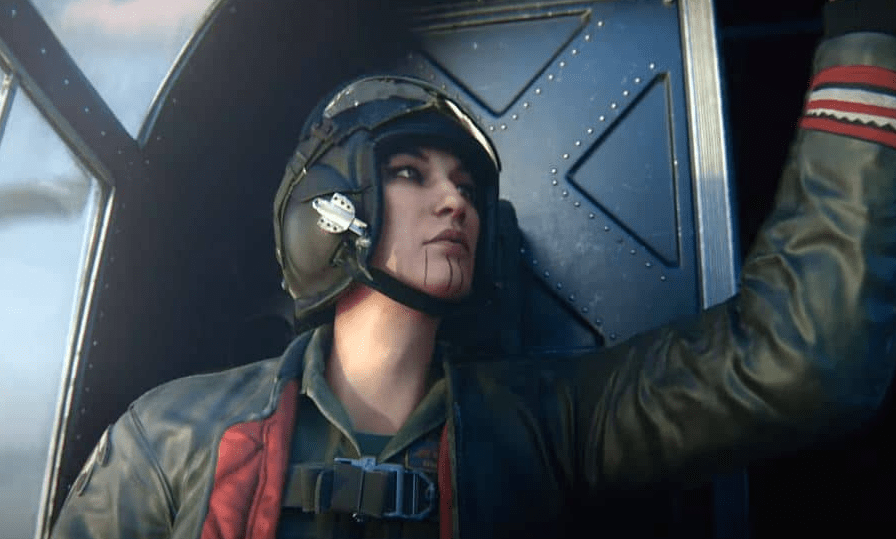
Video games don’t tend to feature indigenous characters. This trend goes double for indigenous women, so Rainbow Six Siege‘s introduction of Mina “Thunderbird” Sky was a boon. Mina Sky is a Canadian Air Force pilot originally from the Nakota tribe of Saskatchewan. She proudly wears traditional facial tattoos of her people. Her codename “Thunderbird” derives from an old legend about a powerful bird that often protected the Nakota people. Thunderbird is a fitting name for an operator who protects her Nakota and Rainbow Six families.
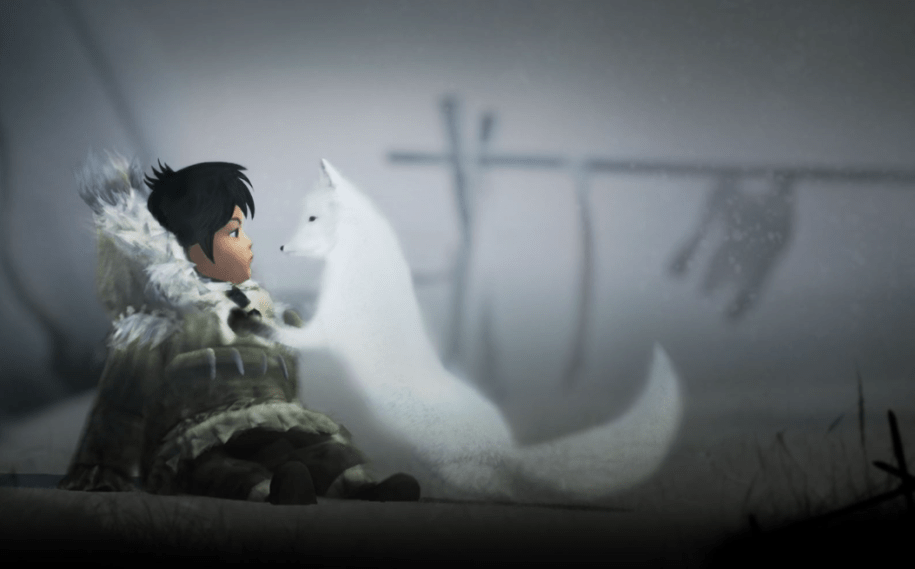
Upper One Games’ Never Alone takes inspiration from a famous Inuit legend. The hero seeks an end to perpetual winter. While traditionally the hero is portrayed as a man, Never Alone casts the role to a young girl. Nuna has to face harsh Arctic weather with only a white fox for company. She faces trials from puzzles to combat, but proves resilient. Rather than using skill points, Never Alone doles out progression through the telling of Inuit stories. This is fitting with the game’s theme of keeping cultural stories alive.

The Thunderbird is a mythological creature for various indigenous cultures. Often portrayed as an eagle-like creature, the thunderbird has immense power and serves as a guardian of the natural order. Game designer Elizabeth LaPensée takes this setup for her game Thunderbird Strike, where players control the legendary bird as it defends the land from the oil industry and restores life. Thunderbird Strike modernizes a famous legend and addresses real-life issues of industrial encroachment on indigenous land.

The original Prey (2006)–not Bethesda’s 2017 spiritual successor, also called Prey–had a story built around an odd mix of indigenous spiritual beliefs and science fiction. It shouldn’t come as a surprise that the game has an indigenous protagonist. “Tommy” Towaldi can spiritually reach places others can’t. He often uses this skill to evade death and outwit his alien captors. Interestingly, a game in 2006 featured an indigenous protagonist. Most games that included indigenous characters in 2006 would’ve put them in stereotypical clothes. Tommy wears a leather jacket and jeans. He happens to be indigenous, and Prey (2006) explores his culture well. Almost two decades later, and Tommy still resonates with gamers.
So, what do you think? Who are your favorite indigenous video game characters? Are there any games that feature indigenous characters we should try? Let us know in the comments. Thank you for reading, and wherever you are, I hope you’re having a great day.

Happy Wednesday, Geekly Gang! Kyra Kyle here. Since it’s Wednesday, we have another post from our Whatcha series. Today’s topic is games, both video games and board games. We’ll hear from Season and Skye soon, but I’ll kick things off this post with the games I’ve been playing over the past month.

Bruno Cathala’s Kingdomino takes the simple mechanism of laying dominoes beside a starting castle (domino piece) and allows players to build their own scoring tableau. Each domino has two sides. Each side will belong to a terrain type, and players attempt to connect like terrain types, chaining as many crowns (which will be printed on some dominoes and determine how much each terrain scores) as they can to their largest collection of each terrain type. Kingdomino has restrictions on how far out from a player’s starting castle they can build, and this is where the game gets tricky.
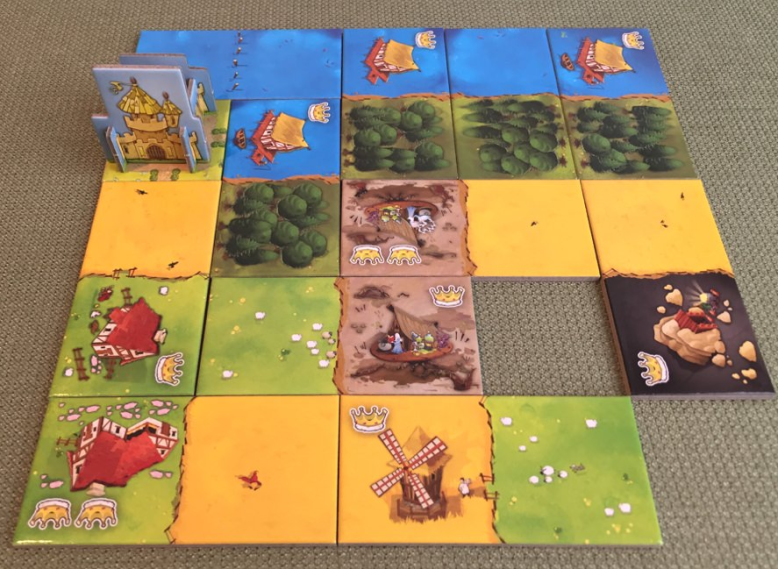
I don’t know how many times I’ve ended up with dead corners (corners that I can’t legally add another domino), but it’s satisfying every time I can put down my full complement of dominoes. Kingdomino is a quick game. The 15-30 minutes printed on the box is accurate. I love Kingdomino’s selection system. Each player has two royal meeples. One will claim the current round’s domino, but the domino you select in the current round will affect when you can select a tile in the next round. Each tile’s backing has a number. Typically, the more valuable tiles have higher numbers, and if you pick a higher value tile, you’ll pick later in the following round. Brilliant!
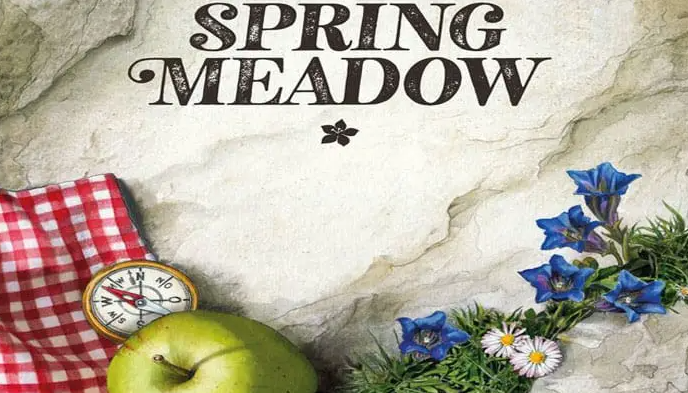
While many board games grant an advantage to seasoned players, Uwe Rosenberg’s Spring Meadow almost requires players to have a similar experience. The person who taught me and a couple of other noobs how to play Spring Meadow skunked us. Spring Meadow has an intriguing mechanism of players choosing a polyomino from a communal display and then placing the polyomino on their player board filled with holes. You’re trying to fill each row or column (depending on your board’s orientation), scoring points for each filled row or column with some added bonus points.
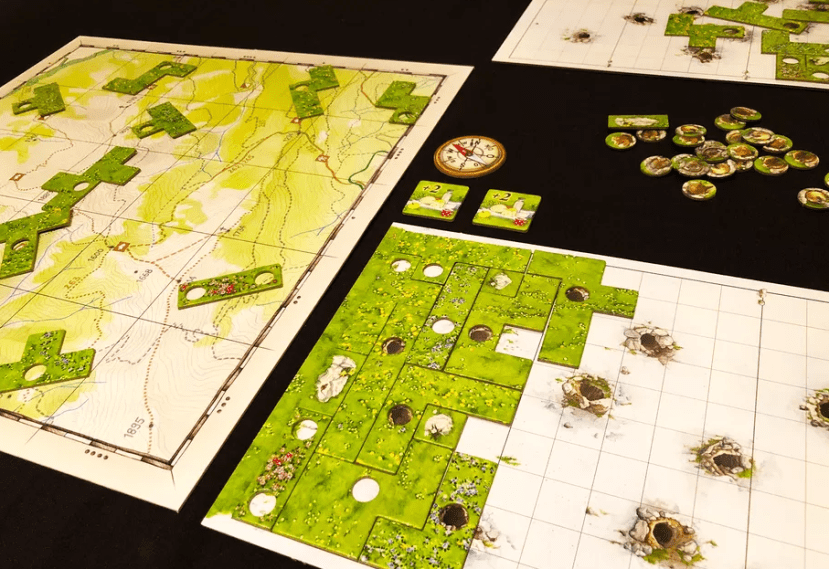
There are tricks involved, a dash of luck, and not all of the polyominoes are created equal. But you won’t know the best plays during your first playthrough, and if you’re playing against a seasoned Spring Meadow player, they will easily beat you. Despite my utter failure of a first play, I enjoyed Spring Meadow. I’ve since rematched the person who taught me how to play, and I managed to eek out a victory during our third, two-player play. Spring Meadow is fantastic as a two-player game against players who know how best to place their polyominoes.
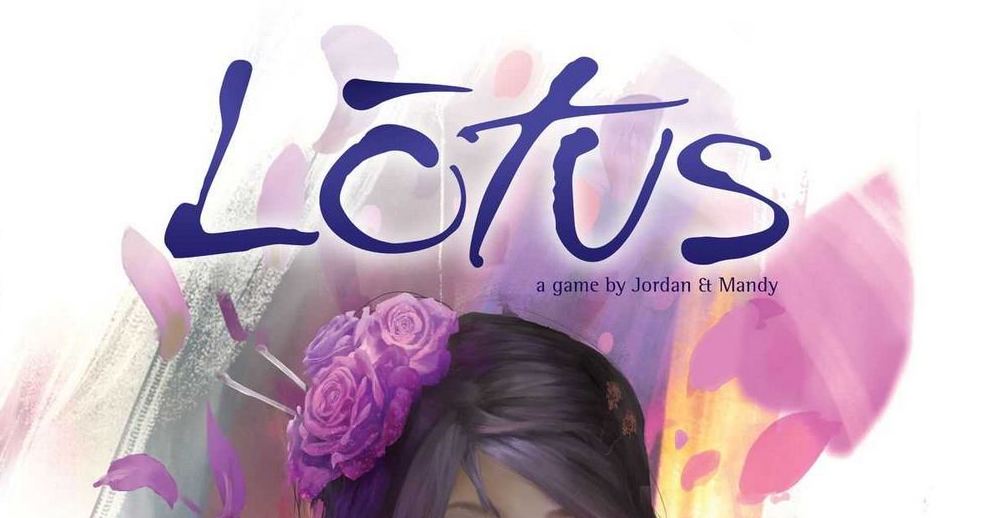
I’d include Lotus in the group of games where it’s best played when all players involved have similar experience. The same person who taught me Spring Meadow also taught me Lotus, and the result was similar. I have yet to replay them at Lotus, but I plan on it.

Players compete to complete flowers. Seriously, the image above is what most Lotus cards look like. Lotus is a stunning game. It’s quick to teach, but knowing when to add pedals or use an ability makes all the difference. Usually, new players will misuse their abilities, unlock the wrong ones first, or add too many pedals to make a flower easy to complete and leaving themselves open for another player to take advantage of an opening. Lotus is the definition of a game that’s easy to learn but difficult to master. It doesn’t have a lot of moving parts, but the parts that are there are chef’s kiss.
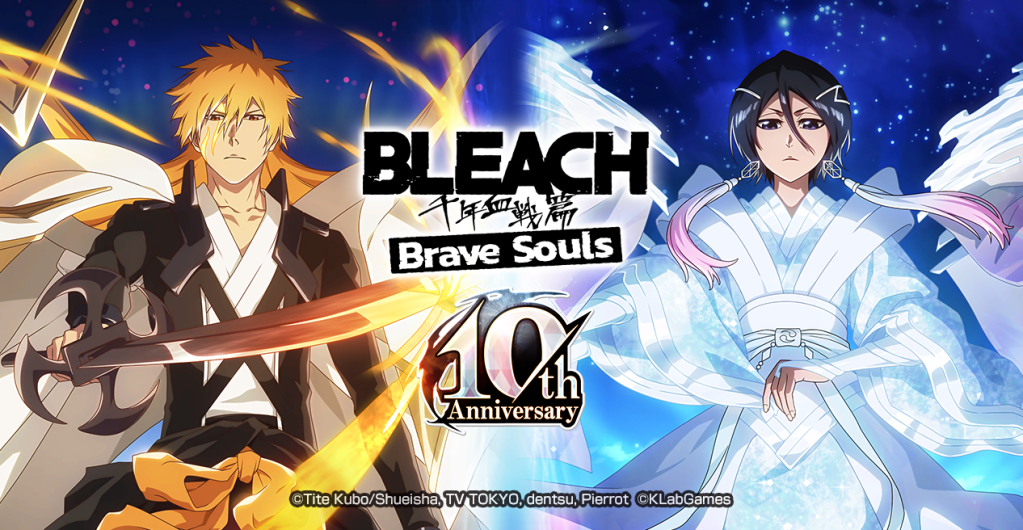
I gave Bleach: Brave Souls a try this past month. Notice how I didn’t say I played Bleach: Brave Souls. Bleach: Brave Souls offers an autobattle function. I did more watching Bleach: Brave Souls play itself than playing the game. To be fair, Bleach: Brave Souls is a ten-year-old gacha game. During boss battles, players borrow the featured character from a random player (chosen from the tens, if not hundreds of thousands, of players). Typically, I’d borrow a character from a player who had maxed out their character five or six years ago. Most boss battles had a cutscene. I would skip the cutscene, and the borrowed character will have already beaten the boss. Did I really play Bleach: Brave Souls?
Bleach: Brave Souls was a nice trip down memory lane. I wish the game had tightened the story a little bit. Each scene from the manga received its own level, so there are hundreds, if not thousands, of story levels. I gave up on Bleach: Brave Souls after a few days, but I could see the game being fun years ago, when it first released. I like the chibi character designs.
Those are the game highlights for me this past month. Let’s see what Season and Skye have been playing.
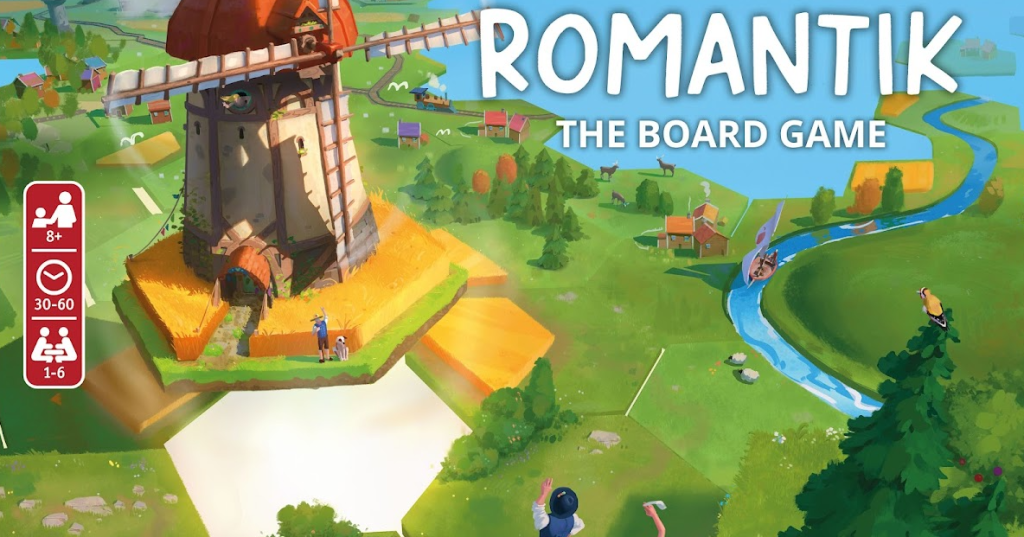
The fabulous Kyra Kyle has done it again. While Dorf Romantik was not a game they created, they were the ones who introduced me to it. Props to them, because I thoroughly enjoyed it! Dorf Romantik takes concepts from games like Catan and Carcassonne, but manages to be a special kind of fun. With the help of your fellow players, y’all gotta build the best town you can. It’s Sim City without financial stress. What can I say?
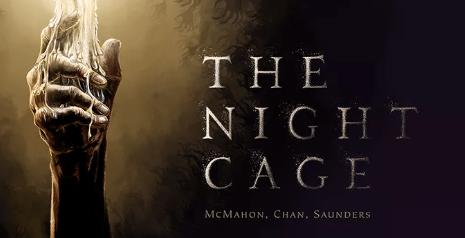
The Night Cage is a game that’s right up my alley. As a big fan of cooperative games, horror, and eldritch themes, The Night Cage is perfect for a dark game night with your friends. In a Lovecraftian setting, you find yourselves in a place of eternal darkness. You’re trapped in the Night Cage, and you must escape. The corridors shift and change direction. You only have a candle, and monsters hunt you at every turn. Good luck.

Lately I’ve been into casual phone games. Tap Gallery is a simple game about tapping arrow blocks to reveal a hidden image underneath. That’s pretty much it. While not the most complex, what appeals to me about Tap Gallery is its premise. It’s satisfying to watch every block slowly disappear from the screen. Sometimes that’s all you need in a game, and Tap Gallery has me hooked.

Cryptogram, while still a casual phone game, requires its players to use their brains. As you can likely tell from the title, Cryptogram is all about decoding a hidden message by following the clues given to you. Cryptogram helps stretch your brain while not being too difficult. Many of Cryptogram’s hidden messages are famous quotes from historical figures. Wait, you can solve puzzles and learn history? Sign me up!
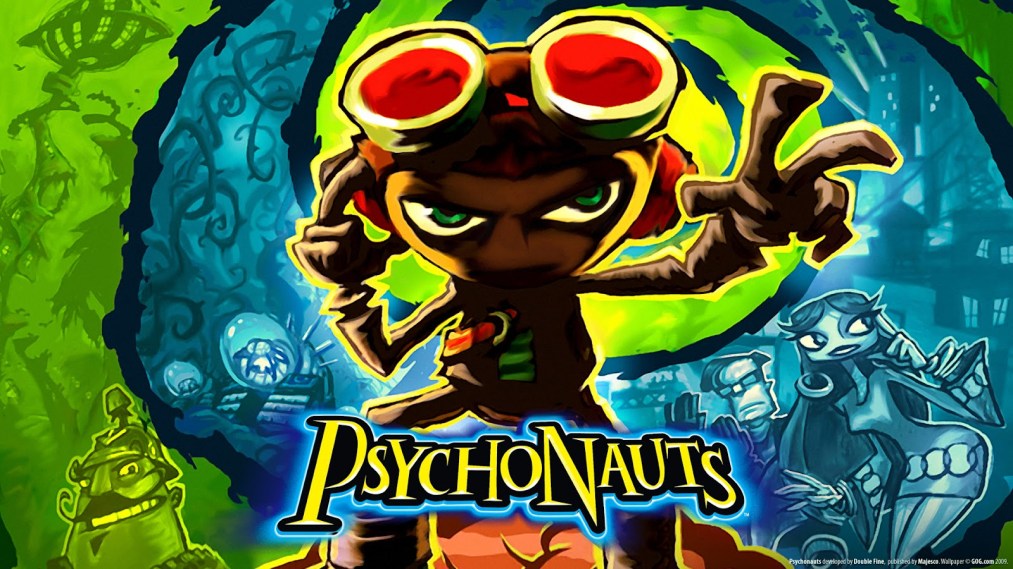
I’m kicking things off with a classic platformer. Psychonauts was released back in 2005 and is one of the more unique platformers I’ve played. Each level takes place inside people’s minds, so the player learns about each character by playing through their level. The level itself represents the character’s cognition of the world, but there are collectibles called “memory vaults” within each level. These memory vaults allow the player to sneak a peek into each character’s past through pictorial storytelling.
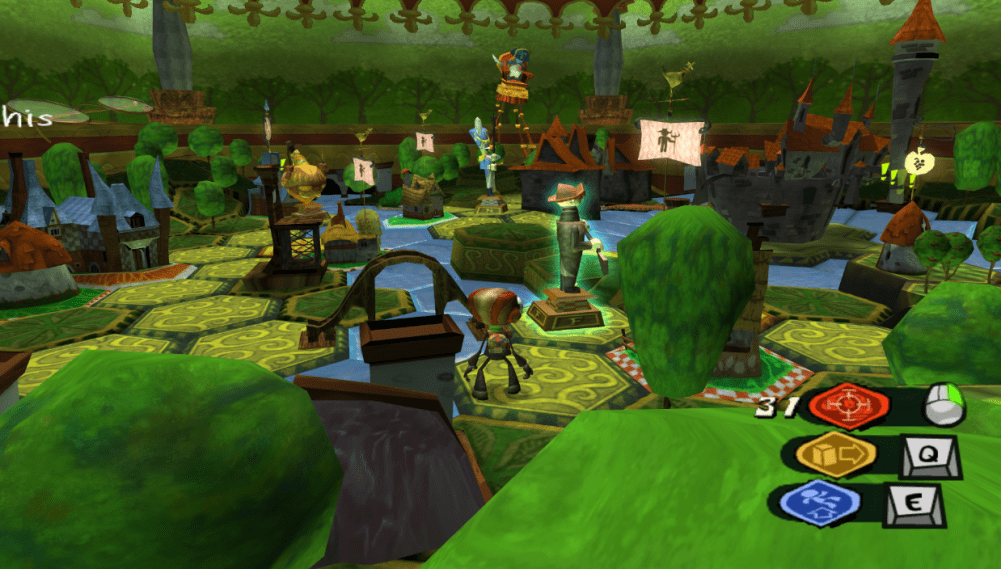
Players also spend a fair amount of time roaming the campgrounds in the overworld. I spent several minutes chatting with my fellow campers, collecting arrowheads to upgrade my gear and scavenger hunt items. Most objects/creatures in Psychonauts allow players to interact with them in some form, so there’s never a shortage of things to discover. I used clairvoyance on everything. Everything.

Fallout 4 has been out for ten years, but this is my first time playing it. Dead serious. I’ve never been crazy about open-world RPGs. In the past, I’d try them for twenty minutes before wanting to play something else. I tried playing Fallout: New Vegas on Steam many years ago, and it crashed every few minutes. I got frustrated and gave up on it. That said, I’ve enjoyed Fallout 4 so far. I like to stop tracking quests periodically so I can explore the world. I’m a digital hoarder, so picking up everything and being over-encumbered is my way of life.

I have one question for you, Geekly Gang. Why do radscorpions burrow under toilets?
Hey, hey! Kyra Kyle here again. That’s all our writers have for what they’ve been playing this past month. Feel free to share what you’ve been playing, Geekly Gang. Thank you for reading, wherever you are, I hope you’re having a great day.

August 2nd just happens to be International Beer Day. Who knew? Hey, hey! Kyra Kyle here. To celebrate this holiday (or observance) that I just found out about, we’ll be breaking down the Top 5 fictional beers in video games.
Quick content warning: We’ve noticed that video games that name fictional beers often travel into crude territory. We tried to tone down the gross-out humor and sexual content, but there may be a few mentions in this post.
After applying the restriction of one fictional beer per video game franchise, I found this list difficult to compile. Numerous video games include beer, but they often give it the generic name “beer” or have a sponsorship with a real-world beer brand. The games that create their own beer brands typically have more than one fictional beer brand, and then there are near beers. Nuka-Cola Dark is the Fallout universe’s favorite soft drink, blended with rum. That’s not exactly a beer. With that said, we were able to find five of the tastiest fictional beers in video games.
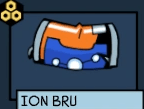
Void Bastards is a well-received sci-fi first-person shooter inspired by BioShock. If nothing else, I may be finding more video games to put on my to-be-played list. Void Bastards has some interesting game mechanisms I’d like to try. Ion Bru pokes fun at Scotland’s second national beverage (second only to Scotch), Irn-Bru.

Unfortunately, I don’t believe anyone drinks Ion Bru within Void Bastards. The can pictured before this entry is used as an upgrade material. Ion Bru is included in the following recipes: air freshener, colon cleanser, and germspiker. Germspiker and colon cleanser? Are we sure we should be drinking Ion Bru?

Typically, the Elder Scrolls series calls its beers by a generic name, or it replaces beer with mead. But the Elder Scrolls does have a beer from Morrowind: Mazte. I know. I know. Mazte may be the Dunmer name for beer, but it’s unique enough to make this list. And we’re striking out on beer brands for this list. Ion Bru may not be a drink people consume, matze may not be a brand, and I don’t know about the next entry. I love Morrowind, so mazte takes the fourth spot.
According to its entry in the Morrowind guide, Mazte is a local beer brewed from fermented saltrice. Cheap, plentiful, and invigorating, this beverage is popular, despite its dulling effect of wit and judgement. For the price, folks are willing to feel dumb and weak-willed, so long as they feel strong. Sounds like beer to me, but fermented saltrice? I don’t know about that. It might raise my blood pressure.

Grand Theft Auto is one of those video game series with plenty of beer brands. Even Sprunk Cola has its own alcohol variant, which may venture into Nuka-Cola Dark territory. So, we decided to go with Pißwasser. I know. I promised tasty fictional beers. Pißwasser may not fit that bill.

Pißwasser (or Pisswasser) made its first appearance in Grand Theft Auto IV and has been a staple in the series ever since. The German import lager is advertised everywhere. You’ll hear about it on the in-game radio and see it on television or billboards (many of which have suggestive themes; I didn’t include one billboard that may show a woman recycling what she drank–ew). The name suggests that Pisswasser doesn’t taste great, but everyone in the GTA universe loves it. You can even purchase stocks of the brand and try to get rich.
You may be in for a good time. Whoops! I butchered the tagline. You’re in for a good time with Pisswasser. Yuck. Just make sure you don’t drink too much, or else you’ll stumble and lose your bearings and maybe worse.

While Gwinnett has an entire line of beers in Fallout 4, they don’t capture the imagination as much as Gamma Gulp Beer from Fallout 2 and Fallout Tactics. This beer hasn’t been seen much in the series since, but that could change. I would love to see an updated Gamma Gulp in Fallout 5 or even Fallout 76. Make it happen, Bethesda.
Just look at the happy ghoul in the picture above. How can you resist a sip of Gamma Gulp? Come to think of it, the Fallout universe must’ve started brewing Gamma Gulp after the bombs fell. That or they predicted ghouls. Interesting.
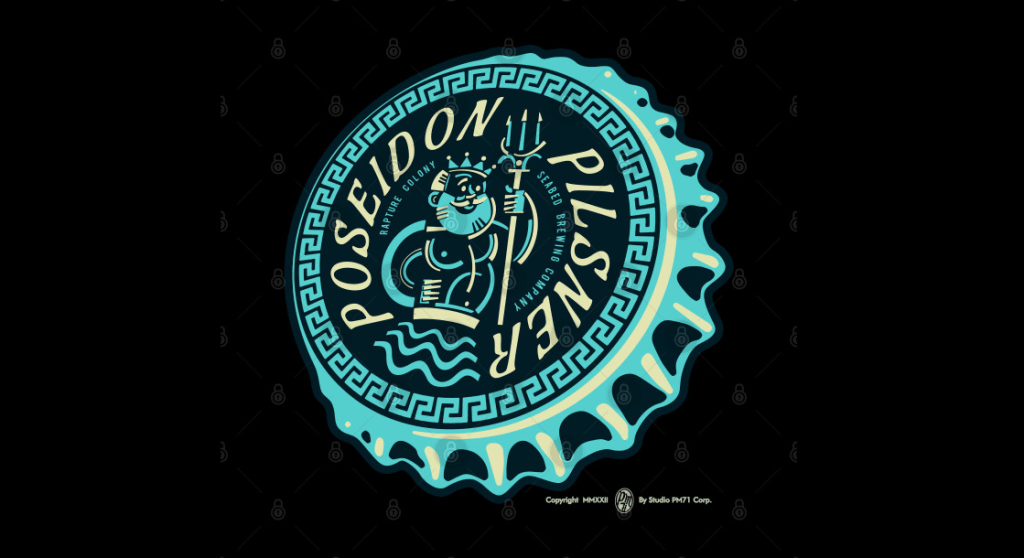
Poseidon Pilsner had to take the top spot because it inspired a brewery in California of the same name. Poseidon Pilsner made its first appearance in BioShock. Most of Rapture’s bars sports the pils; there are even bars named after the beer.

I like how BioShock layered the above Poseidon poster over an advertisement for 123 Beer, which is another beer that could’ve made this list if we didn’t have our pesky one beer per franchise. Poseidon gets the nod because it’s the only beer on this list–so far–that has inspired a real-world brewery. I’m going to be honest. If a Pisswasser becomes a thing, I may have to try a sip.
That’s our list. Which video game fictional beers would you include on this list? Let us know in the comments. Thank you for reading, and wherever you are, I hope you’re having a great day.



Happy Sunday, Geekly Gang! Kyra Kyle here with another week of Geek News on Sunday. We’ll kick off this week’s news with upcoming DCU projects. Let us know if you want something similar for the MCU in the coming weeks.
Giving a quick rundown of upcoming DCU films and series was prompted by watching Superman this past week. Check out Friday’s review of Superman. The DCU has over 25 planned projects. We’ll only cover the ones that have release windows (anything with at least a vague release month, quarter, or year). Let’s get started.
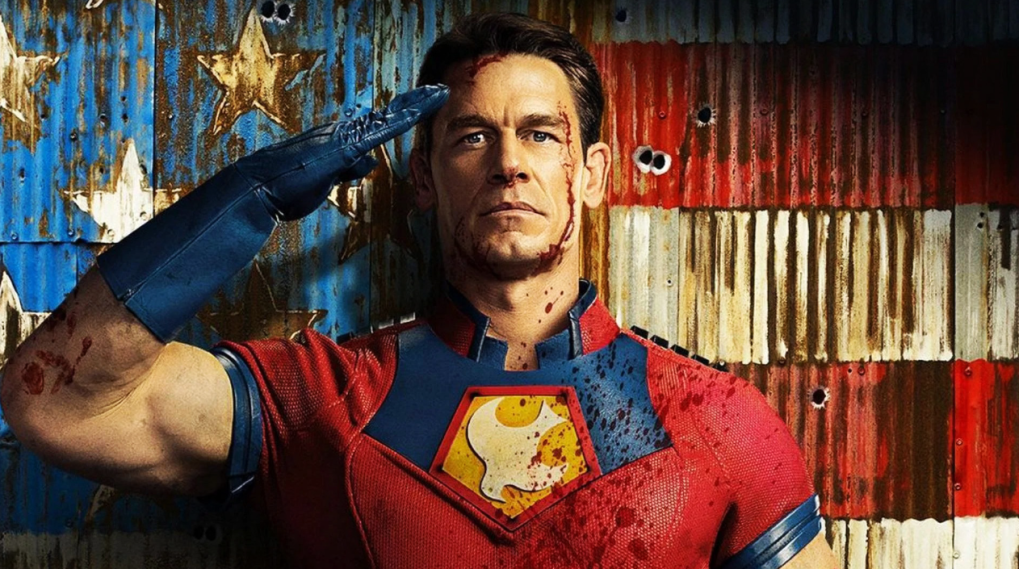
Peacemaker Season 2 is scheduled to return at the end of next month (August 2025), and this season should dovetail into the events of Superman. Frank Grillo (General Flag, who also makes an appearance in Superman) is set to return for Peacemaker Season 2. Oh. And of course, there was that cameo of Peacemaker on the news during Superman.

Krypto will make his return at the end of 2025 (either November or December 2025). The DCU can be tight-lipped about exact release dates, especially when the project is soon to be released. Peacemaker, which will air next month, doesn’t have a specific date (as of when I’m writing this post). Hopefully, these Krypto shorts will be released by the end of this year. Harley Quinn Season Five had a similar release schedule for 2024 and was then postponed until the following year.
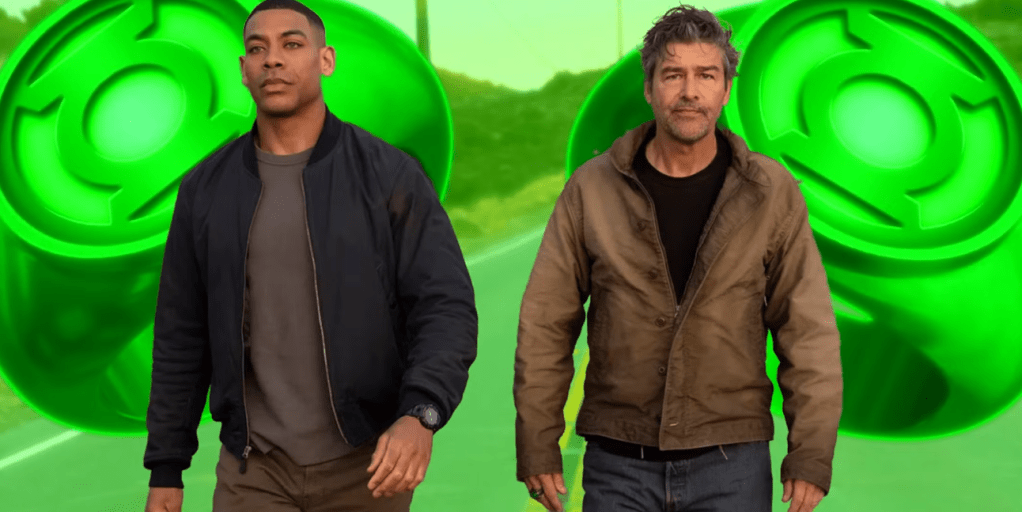
Green Lantern characters Hal Jordan and John Stewart will play a key role in the new DCU. Lanterns will be an Earth-based detective story, described as a “huge HBO-quality event” in the style of True Detective. This is music to my ears. I love this concept. Lanterns will have eight episodes with Chris Mundy serving as showrunner. Throw in some cameos of Nathan Fillion as Guy Gardner (don’t lose the hair), and Lanterns sounds like a party. The series is expected to premiere in early 2026.

One of the few future DCU projects with an exact release date, Supergirl: Woman of Tomorrow, is scheduled for a June 26, 2026 release. Milly Alcock made a cameo in Superman (2025), and her brief stint in the movie got me excited for this title. Alcock’s Supergirl will battle with PTSD (while Kal-El was a baby, she watched her family die on Krypton) and struggle with having no purpose in life (she was supposed to protect a now adult Superman). Supergirl: Woman of Tomorrow will show Supergirl claw her way out from rock bottom, and I’m here for it. This is why Superman needs to be the clean-cut hero he is in the DCU (and in DC Comics). There are plenty of other characters, like Supergirl, who can fill in the morally gray spaces.
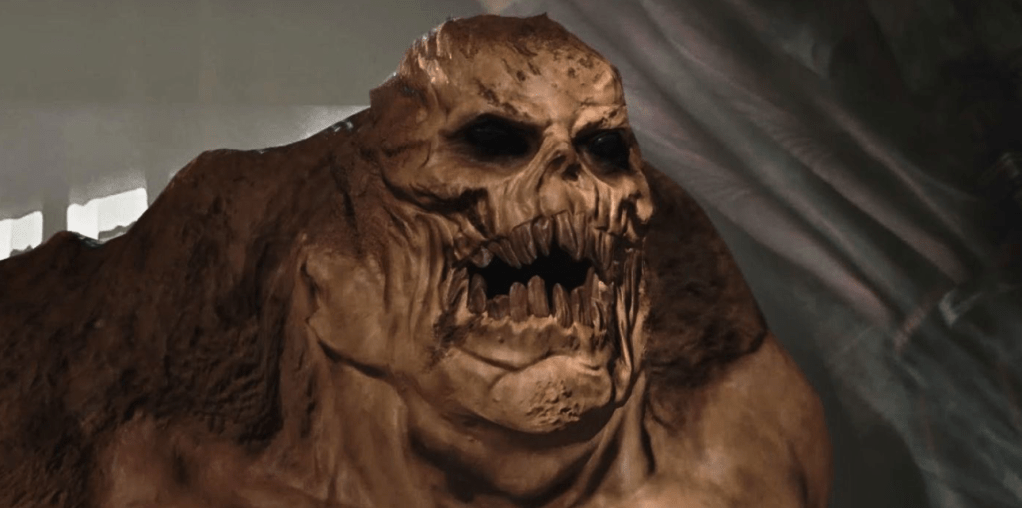
A Clayface movie? What? That was my reaction to the DCU announcing a body-horror style film based on the classic Batman villain. We know little about Clayface. The movie is set for a specific release date, September 11, 2026, and filming began earlier this summer. While I would’ve liked to have seen Clayface in a Batman movie, I’ll take Clayface getting a stand-alone film. I’d like to see the DCU explore other villains. Vandal Savage could be interesting.
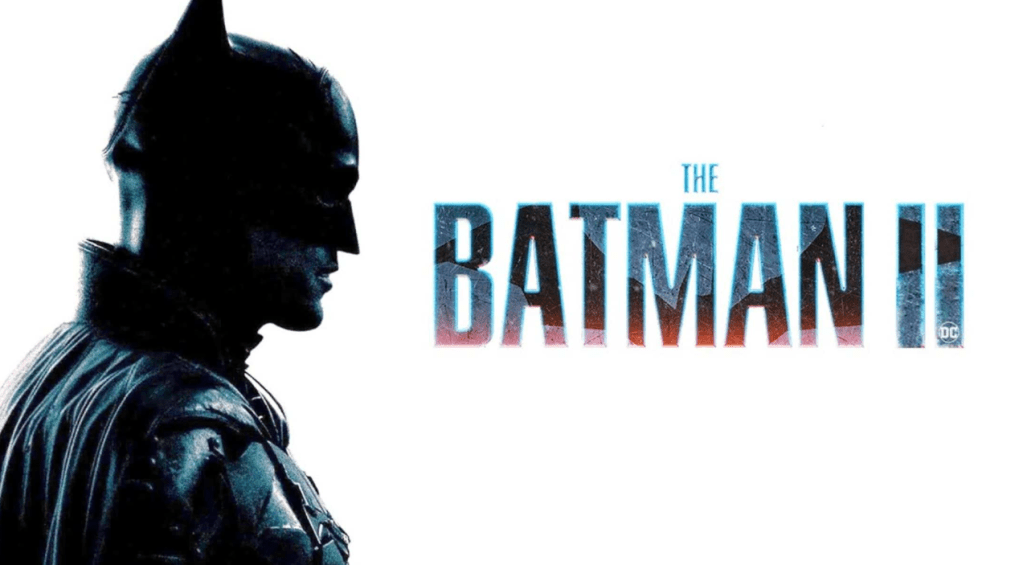
How is it that we have more precise dates the farther out the schedule? The second installment of Matt Reeves’ The Batman series is set for October 1, 2027. Titled The Batman – Part II, the film will feature the return of Robert Pattinson, Jeffrey Wright, Andy Serkis, and Colin Farrell reprising their roles as Batman, Commissioner Gordon, Alfred Pennyworth, and The Penguin. Filming is set to begin in April 2026 at Warner Bros. Studios in Leavesden, England.
Those are all the DCU projects we have tentative dates for, but here’s a list of other DCU projects that are in the works:

Waller (Spinoff series of Viola Davis as Amanda Waller; yes please)
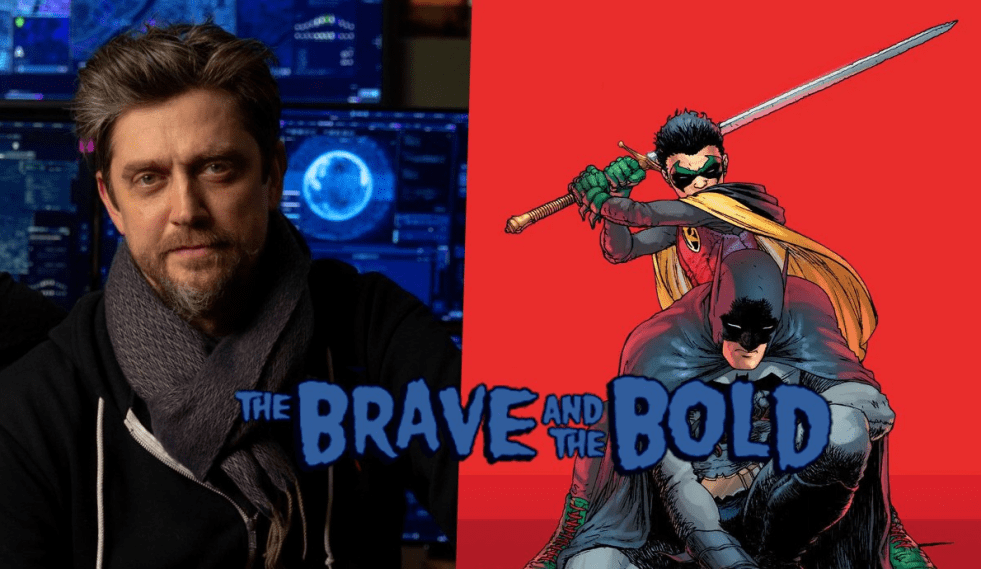
The Brave and The Bold (New live-action series that will introduce the DCU’s Batman and the Bat Family; looks like the DCU isn’t shying away from Robin and the rest)

The Authority (A lesser-known group of anti-heroes brought over from Wildstorm Comics; could be R-rated)

Swamp Thing (Logan Director, James Mangold, revives this amazing supernatural character)
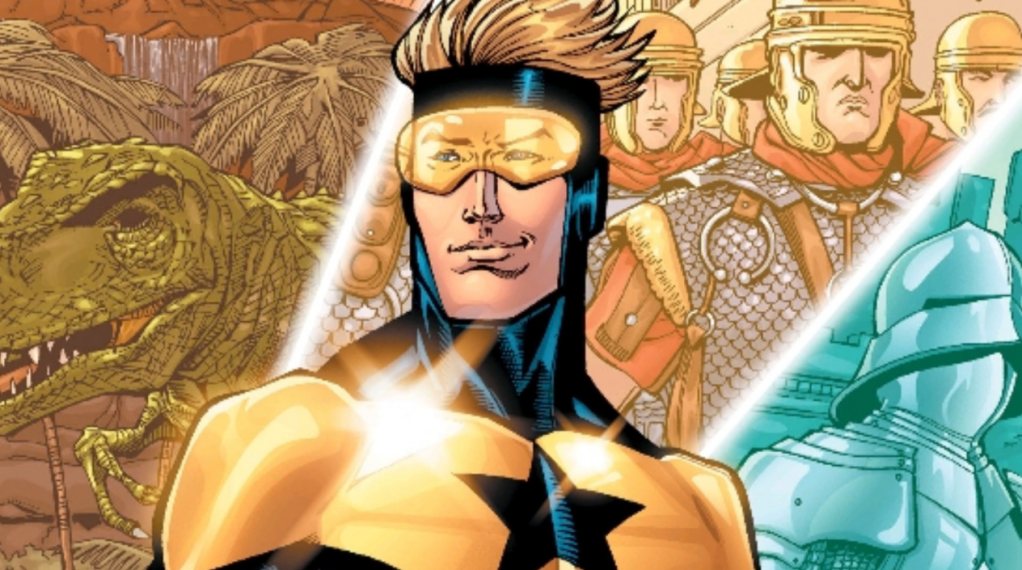
Booster Gold (Failed 25th Century football star, Mike Carter, goes back in time to become a superhero armed with knowledge of the future; a straight-up superhero comedy series–I love Booster Gold in the comics)
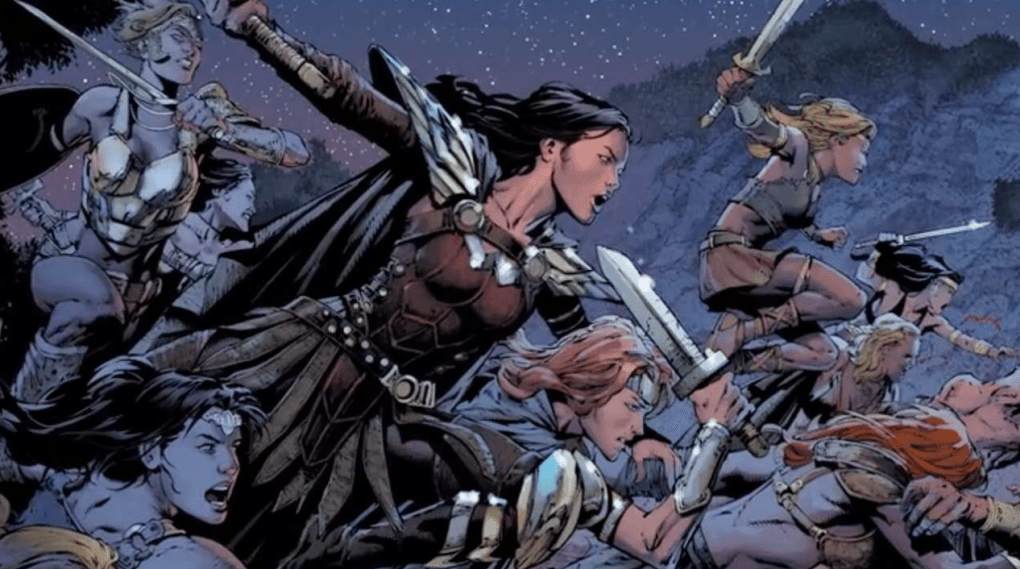
Paradise Lost (A Game Of Thrones-like series that will introduce Wonder Woman into the DCU–oh, yeah!)
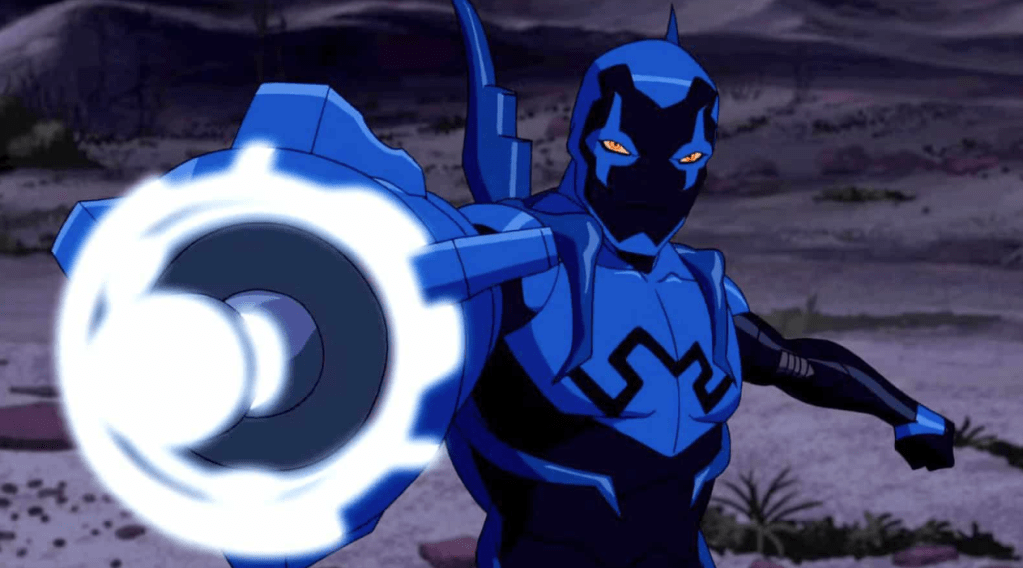
Untitled Blue Beetle Animated Series (I always thought Blue Beetle would work better as an animated series; we’ll see)
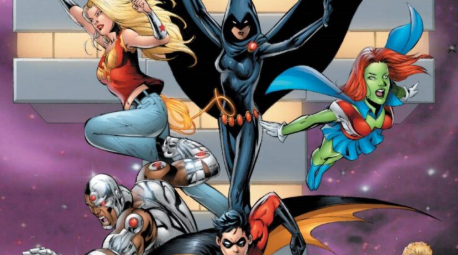
Untitled Teen Titans Film (Ana Nogueira is writing the screenplay; I wish we had more information about this title, but I’m ready for the first Teen Titans film)
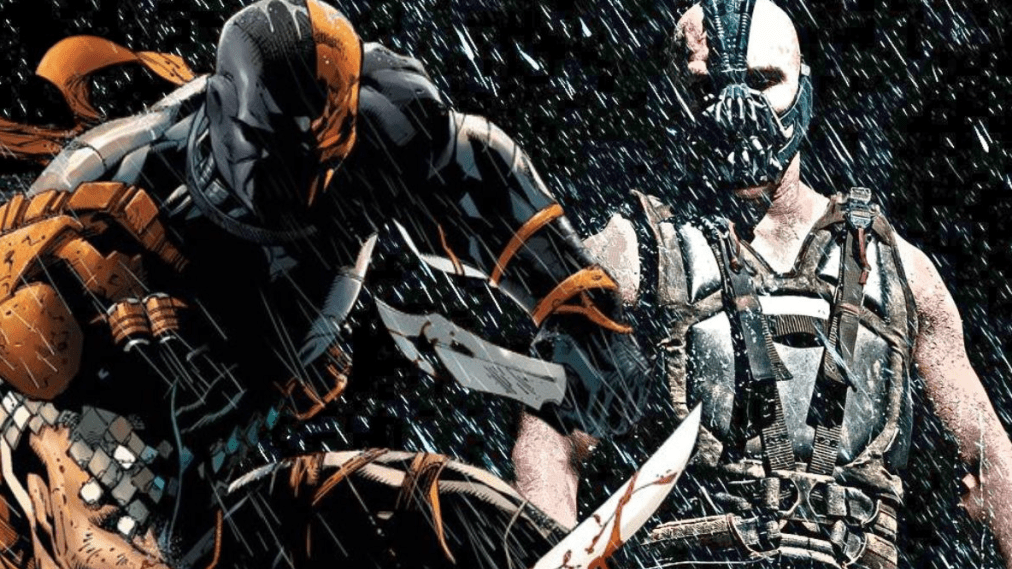
Untitled Bane and Deathstroke Film (Yes! Another movie based on DCU villains; this one’s a team-up)

Black-led Superman Film (Black Panther scribe Ta-Nehisi Coates and director J.J. Abrams are attached to this Elseworlds version of Superman; sounds promising)
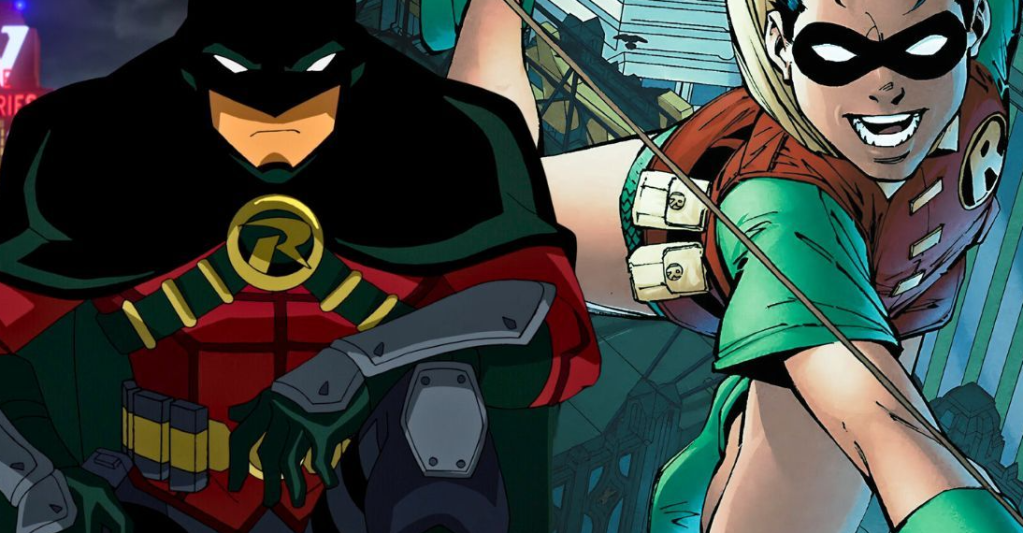
Dynamic Duo (Mixed-animation style, like traditional and stop-motion animation, series that features Dick Grayson and Jason Todd as Robin–the art style interests me)

Starfire (Animated series that aims to explore Teen Titans Starfire’s origin)
My Adventures with Green Lantern (Animated series that features a teenaged Jessica Cruz when she becomes the newest Green Lantern)
DC Super Powers (Animated series set at the Alliance School for Heroes, where new students like Lightning, Flash, Plastic Man, Aquagirl, Green Lantern, and Terra train to become the next generation of crimefighters)

Harley Quinn Season 6 (Yay! We will cover this series’ season six whenever it releases; it looks as though Harley will be space-bound)

My Adventures with Superman Season 3 (We’ll have to catch up with this Adult Swim animated series; I’ve heard great things)
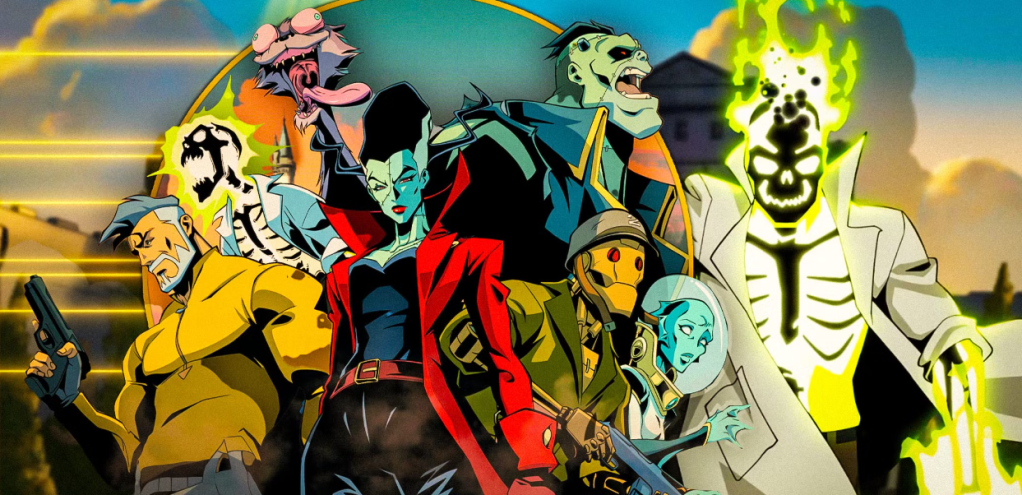
Creature Commandos Season 2 (This series came out of nowhere to become a hit last year; of course, it’s getting a second season)

Constantine Sequel (Keanu Reeves is set to return as John Constantine in this sequel to the 2005 film; better late than never)
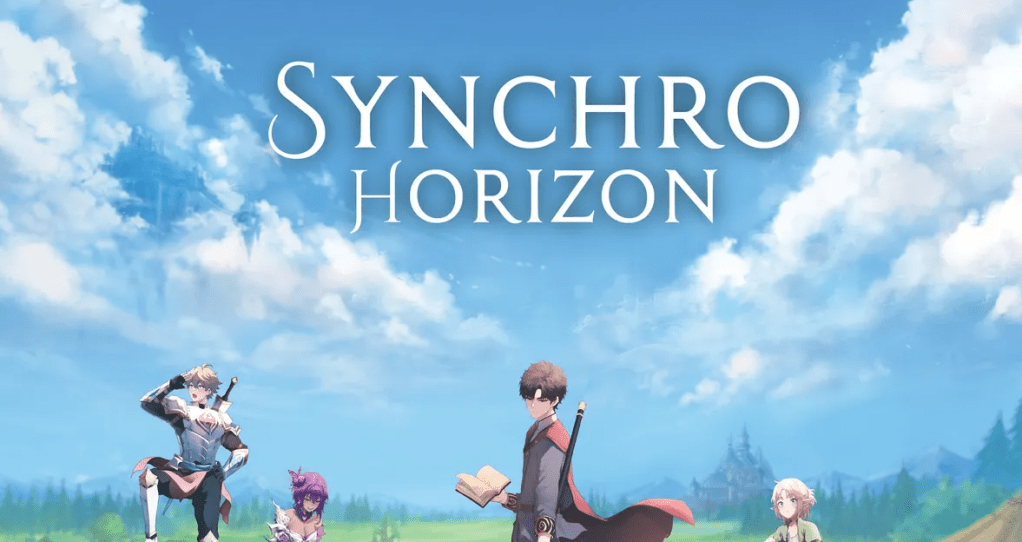
I’m a sucker for JRPG (Japanese Role Playing Games), so Synchro Horizon is right up my alley. From what I’ve seen, players can customize characters to dive into dungeons. The dungeons and characters can change during each play of this cooperative game. If that’s true, Synchro Horizon may have copious amounts of replay value.

Even though Synchro Horizon marks New Game Entertainment’s first board game, the production value looks to be top-notch. Beyond the game’s variability and potential replay value, Synchro Horizon’s custom skills have me intrigued.

Each of the 50 potential character skills appears to have upgraded versions. The artwork claims to be 100% AI-free. I like that Synchro Horizon chose to pay human artists for their work, but it’s sad that the board game industry has made claims like this necessary. Synchro Horizon offers multiple pledge levels, ranging from $80 to close to $400. If you’re interested in customizing your group of heroes and swarming ever-changing dungeons, check out Synchro Horizon’s KickStarter page.
PostCurious offers the next evolution of puzzletales with Emerald Echoes. Written by Lauren Bello (The Morrison Game Factory, Threads of Fate), Emerald Echoes spans four captivating chapters. It can be played as a solo or cooperative adventure. Emerald Echoes serves as a standalone sequel to the award-winning puzzletale, The Emerald Flame.

Gamers play Emerald Echoes across four chapters, consisting of thirteen puzzle folders. Within each chapter envelope, you’ll find a collection of items, along with a series of puzzle folders, labeled in the order they should be solved. Each of the thirteen puzzle folders contains at least one written document to investigate–these documents will contain clues and can be used to piece together which items are needed to solve a puzzle.
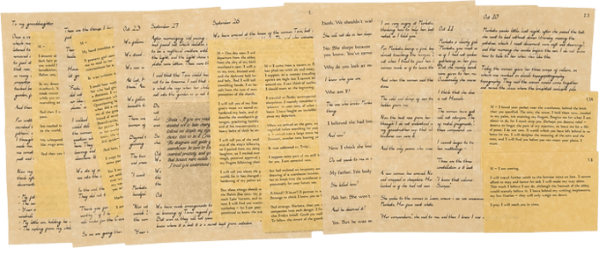
Emerald Echoes gives me strong Sherlock Holmes: Consulting Detective vibes. Emerald Echoes can be played on its own or in conjunction with the original The Emerald Flame. If you haven’t played The Emerald Flame, don’t worry. Emerald Echoes’ KickStarter includes pledges that include The Emerald Flame. Check out Emerald Echoes on KickStarter.

A Pac-Man Metroidvania game wasn’t on my Bingo Card for this year. Shadow Labyrinth shatters the concept of Pac-Man. This side-scrolling 2d platformer looks amazing. Players take the role of “The Swordsman,” traversing through a large “maze,” and fighting against enemies and upgrading their abilities as they progress. Yep. Sounds like a Pac-Man Metroidvania game to me. I chuckled while watching the Shadow Labyrinth’s trailer. The Pac-Man theme was jarring beside a gritty post-apocalyptic world.

I don’t know what’s going on in the image above, but I want to experience it first-hand. Fortunately, Shadow Labyrinth is available for Windows, Xbox Series X/S, PlayStation 5, and the Nintendo Switch and Switch 2. I will give credit to Nintendo for its free Switch 2 upgrade for Shadow Labyrinth. Several weeks ago, Geekly called out Nintendo for charging for a Switch 2 upgrade. We hope this is a sign for Nintendo allowing for free original Switch to Switch 2 upgrades in the future.
Donkey Kong Bananza marks the first new release in the DK Series since 2014’s Donkey Kong Country: Tropical Freeze. Donkey Kong hasn’t had this long of a drought in its over four-decade history. Expectations are high for this title.

Donkey Kong Bananza uses terrain in interesting ways. Donkey Kong can smash certain terrain types, and if the material is sturdy enough, he can fling it at enemies and cause damage. Donkey Kong Bananza could be a game-changer for the DK Series. It’s available for the Nintendo Switch 2. I may have to add Donkey Kong Bananza to my must-buy Switch 2 games whenever I get around to purchasing the new system.
That’s all the Geek News we have for this week. This week’s post was a little longer than normal. We may do a round-up of future MCU projects after Fantastic Four: First Steps releases. Let us know if you’d be interested in that. Thank you for reading, and wherever you are, I hope you’re having a great day.


Today is Shark Awareness Day. Geekly’s celebrating by listing the top five sharks that originated in video games. Things are about to get fishy.
Hey, hey! Kyra Kyle here. With today’s list, we won’t include all sharks in video games. These are the sharks that originated in video games. So, we won’t include King Shark, Jeff the Land Shark, or Jaws, because they started in comic books or in the movies and then made their way over into video games. We’re talking straight video game sharks.
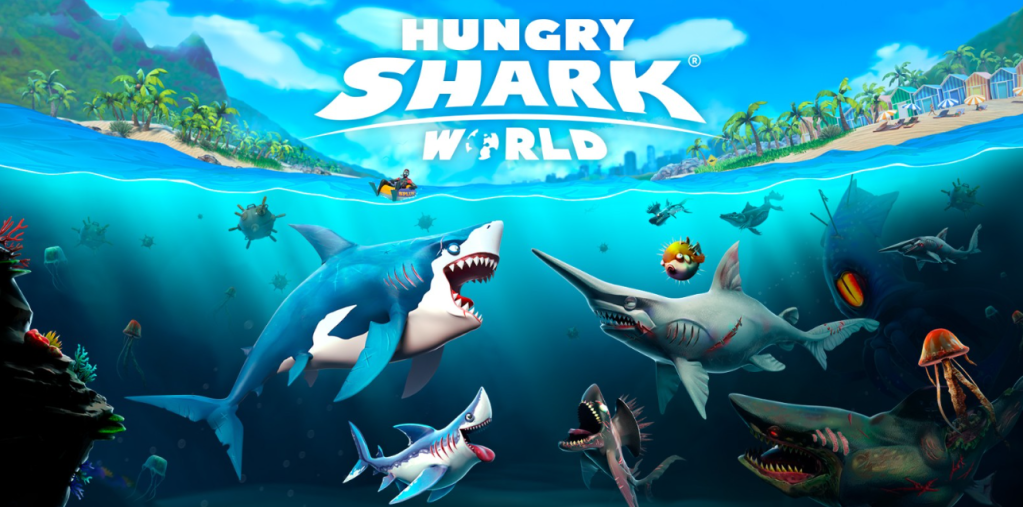
None of the sharks in Hungry Shark World have names, but this game may be one of the highest-rated games where gamers play as sharks. The game features numerous fun maps and 30 species of sharks that players can customize into their own cuddly predator. Hungry Shark World just misses our list because there isn’t one specific shark to feature. Instead, Hungry Shark World pits gamers’ shark creations against unique enemies.
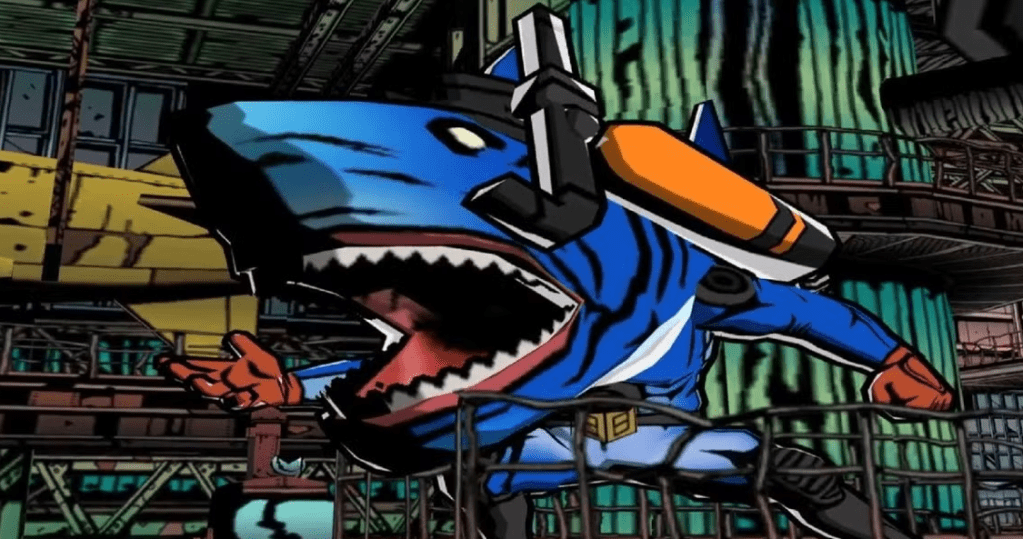
Gran Bruce is one of the many bosses Viewtiful Joe faces. This shark enemy pays homage to the world’s most famous movie shark, Jaws. Steven Spielberg’s crew gave the prop sharks on the set of Jaws the nickname Bruce. Players can even trigger an explosion in Gran Bruce’s mouth, which was how Jaws was defeated at the end of the first film. Gran Bruce may be little more than a dim-witted boss for Joe to slap down in the first game, but he also had a role in the Viewtiful Joe anime, which makes him one of the few gaming sharks to crossover into other media.
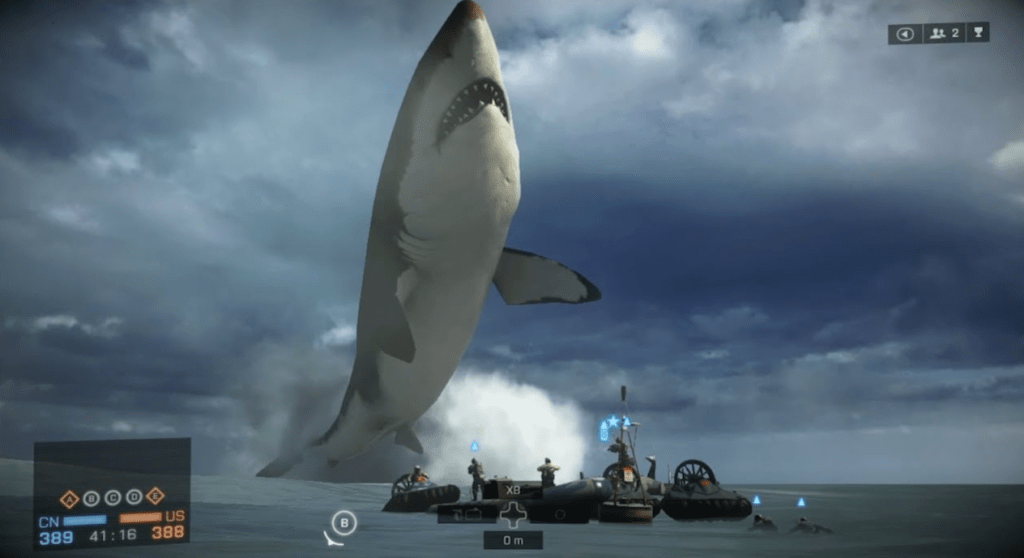
What started as a joke in the Battlefield series became a random appearance of a Megalodon shark in the game. The Megalodon is one of the largest creatures to ever prowl the seas, so of course, this ancient beast lurked in one of Battlefield’s maps. It didn’t help that gamers photoshopped a large shark in some of the gameplay. The gag became reality when Battlefield 1 included a Megalodon in its mission “They Shall Not Pass.” The rest is history. Or prehistory.
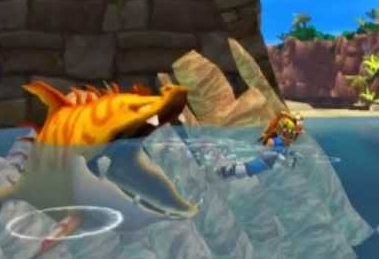
Many video games during the early 2000s would prevent heroes from swimming beyond the limits of the game world with an invisible wall. Jak and Daxter decided to ward off would-be cross-game-world swimmers by having a shark eat them alive. While the Lurker Shark made its biggest impact in the first game of the Jak and Daxter series, it would return in Daxter in a variety of shapes and sizes. It even has a brief cameo in Jak 2.
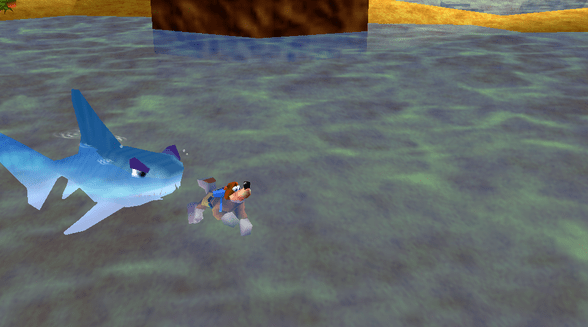
Snacker the Shark serves the same purpose as Lurker Shark in Jak and Daxter. Snacker is a clever way to keep Banjo and Kazooie within the limits of their game world. Snacker makes two appearances in the original Banjo-Kazooie, but he made his debut in the Treasure Trove stage, spouting one-liners and taunting players before he eats them. Like Gran Bruce, Snacker also pays homage to Jaws with his Jaws-inspired theme song. He’s cute even while he devours you.

While investigating the Penguin’s lair, Batman runs into a great white shark ironically named Tiny. This encounter is one of the most blood-pumping moments in Batman: Arkham City. Batman must carefully cross a body of water without being eaten alive by Tiny. Looks like Bats forgot the shark repellent. Never leave home without it. Despite a brief appearance in Batman: Arkham City, Tiny made an impact. The series brought him back with a jump-scare sequence in Batman: Arkham Knight.
I may have listened to the Jaws theme song while putting together this list. Which video game shark is your favorite? Let us know in the comments. Thank you for reading, and wherever you are, I hope you’re having a great day.
 jkgeekly.com