Happy Wednesday, Geekly Gang. Kyra Kyle here. Today, our writers share the games (both video games and board games) they’ve been playing over the past month. Feel free to add which games you’ve been playing this past month. We’re all part of the Geekly Gang. I’ll kick off this post with the games I’ve been playing this past month.
Kyra’s Video Games
My first entry is the first of two Monster Hunter games. Woah! Monster Hunter Wilds follows in Monster Hunter World’s footsteps. Ironically, we covered the release of Monster Hunter Wilds a little over one year before I picked up a copy on the PlayStation 5. Monster Hunter Wilds gives the Monster Hunter World formula some much-needed updates. Mounts are a great addition; we saw them in Monster Hunter Rise. I like that one can harvest things on one’s mount, and the grapple comes in handy. The load times and the ability to ready up for a mission from almost anywhere are fantastic quality of life upgrades over Monster Hunter World. Objectively, Monster Hunter Wilds is the better game. But there are two things I wish Monster Hunter Wilds retained from Monster Hunter World: scale and research.
Simply put, Monster Hunter World feels larger than Monster Hunter Wilds. Having finished Monster Hunter Wilds’ main story, I found monsters segregated by size. This means monsters will fight each other for territory because they’ll be of similar size. This is a good thing. I don’t know how many times I waited for another monster to damage the monster I’m hunting, and then swoop in for the final blows. But I also liked how smaller monsters will run away from larger ones. This gave Monster Hunter World a sense of scale. A pukei-pukei high-tailing it from an anjanath made the anjanath feel bigger and more imposing. Sure, this made hunting a pukei-pukei more difficult, but I didn’t mind. It made World’s monster feel more alive. Without dissimilar-sized monsters in the same area, I lost sight of a monster’s size.
Sure, Monster Hunter Wilds has some massive monsters. I judged that from the environment. That boulder looks a lot smaller. That must be a massive monster. Still, I’d trade the occasional small monster getting away for a more cohesive biome.
And then, there’s research. I understand why Monster Hunter Wilds mostly got rid of research. It got tedious. Finding monster mucous in a biome and learning that a specific monster marked its territory with its mucous was awesome the first time I heard it. But it loses its luster after the hundredth time collecting mucous. Monster Hunter Wilds could’ve toned down the amount of research one needed to conduct. I liked the idea of my character as a field zoologist. Or would they be monstologists? Regardless of those two minor shortcomings, I enjoyed Monster Hunter Wilds.
The story wasn’t that good, but no one plays a Monster Hunter game for its story. Exploring the world is as fun as ever. I can’t wait to dive into the post-game and any new DLC. Bring it on!
You know how I just said, no one plays a Monster Hunter game for its story? The same can be said for Monster Hunter Stories 3: Twisted Reflection. But I think I found where all Monster Hunter World’s research went. But Monster Hunter Stories may be the better title for monster research. Monster Hunter Stories 3 is the first game in the series I’ve played. From what I’ve heard from Season, Monster Hunter Stories 3 added quality of life updates just like Monster Hunter Wilds did to the mainline series. I’ll leave those points for Season; I’m sure she’ll talk about Monster Hunter Stories 3. But I’ve been enjoying Monster Hunter Stories 3: Twisted Reflection. I love restoring biomes.
Yes. Monster Hunter Stories 3 features invasive monsters, disrupting the flow of each of the game’s biomes. Players are tasked with restoring each biome to its original balance. This includes researching monsters and learning their moves. Speed, Power, and Technique Attacks play out like a Rock-Paper-Scissors style of combat. Add this to an additional layer of elemental type (which also plays out like Rock-Paper-Scissors), and Monster Hunter Stories 3 prompts players to collect ’em all. You’ll need monsters with a Fire, Water, or Lightning (and others) element and each of the three attack types. This dual-layered game of Rock-Paper-Scissors adds plenty of complexity. And it’s fun collecting eggs and watching them hatch.
Most of the popular monsters in the Monster Hunter series make an appearance in Monster Hunter Stories 3. Heck, you begin the game with a Rathalos. The story overview (first paragraph in this write-up) mentions Twin Rathalos, and I’m certain the other Rathalos factors into Monster Hunter Stories 3’s storyline. Again, I couldn’t care less about the story. The voice acting is over-the-top. Characters sport the JRPG-styled mannerisms. And the ultimate attacks (for each of the monsters) play out like a summon spell in Final Fantasy VII, but at least you can skip the animation if it’s the one millionth time you’ve seen it. I like the shake-up the Monster Hunter Stories series gives the typical Monster Hunter gameplay formula.
Did I mention you can ride your monsters? Flying on my Rathalos rules. But so does riding my Tobi-Kadachi up wall faces. Yes! I haven’t yet found (or built) a monster I can reliably ride on while they swim, but I’m working on it, and when that happens, I’m certain that’ll be a blast.
Kyra’s Board Games
I’ve talked about Super Mega Lucky Boxin this series before, but I’ve played it with Skye at least twice this past month, so I had to mention Phil Walker-Harding’s take on Bingo. If you know how to play Bingo, you know more than half the rules to Super Mega Lucky Box. This board game is one of those perfect games to introduce to people who don’t play board games. And it’s fun. I could play Super Mega Lucky Box with Skye another twenty times this upcoming month. It’s that good.
I have been meaning to play Cascadia ever since it was first released in 2021. I never picked up a copy of Cascadia because I already owned Overboss, which has a similar pick-up a tile and token combo. But that’s where the similarities of the two games end. Cascadia offers varied but balanced play in every game. I didn’t catch all the ways one can score during the original rules explanation (I didn’t know that each collection of land types scored, and it wasn’t just the player who had the most of the largest type of each land), but my brain wouldn’t let me place a tile without a match. I ended up scoring way more points than I thought I would. And matching animals to the pattern they wanted made thematic sense. I was impressed.
Beth Sobel’s art elevates any nature-themed game. Her art has appeared in so many games of this type. Keep it coming. And Flatout Games has a knack for designing/developing easy-to-learn but difficult to master board games. They’re the company behind the Point Salad series of games, Ten, and Calico. I knew I would like Cascadia. I can’t believe it took me this long to play a round.
Bandido may be the oddest board game on this list. It certainly generated the most laughs. Gamers take on the role of prison guards. The titular Bandido has broken out of his cell, and it’s up to the players to work together to cut off the Bandido’s exit by strategically placing flashlight cards, dead ends, and loops for the tunnel. Bandido likes to sprawl, so gamers are encouraged to stand while they draw a card from the deck and add a card to one of the tunnel’s open ends.
You’re not allowed to show your teammates your cards, and there’s limited table talk. But that didn’t stop us from ribbing someone for making a suboptimal play. Bandido may not work for every game group. The subject matter could rub people the wrong way. The gameplay can be a little difficult to explain at first, but with the right group, Bandido is a blast.
Those are all the games I have for this month, and it looks like I’ll be flying solo this month. We’ll have to wait on Season’s take for the two Monster Hunter games. But hey, what games have you been playing this past month, Geekly Gang? Let us know in the comments. Thank you for reading, and wherever you are, I hope you’re having a great day.
Happy Sunday, Geekly Gang! Kyra Kyle here with another week of Geek News. Sorry about missing last week’s news post. We have new releases for board games and video games, but before we get to those, we have a few headlines to discuss first. The news this week was rough, but not as rough as the recent PlayStation 5 price hike.
Sony Raises PS5 Prices Worldwide
This Friday, Sony announced that it will raise its prices on PlayStation 5 consoles on April 2, 2026. Despite the proximity to April 1st, this is not an April Fool’s Joke. In the United States, the standard PS5 will increase to $649.99, up by $100. The digital game-only edition will also increase by $100 to $599.99, while the PS5 Pro will see a $150 increase to $899.99. The company cited ongoing economic pressures for this price hike.
Note: If you’re in the market for a PlayStation 5, you may want to purchase one before April 2, 2026.
“We know that price changes impact our community,” Sony said in a statement, “and after careful evaluation, we found this was a necessary step to ensure we can continue delivering innovative, high-quality gaming experiences to players worldwide.” Ongoing economic pressures indeed. While Sony mentioned the rising cost of memory chips (thank you, AI slop factories), a couple of other factors could’ve assisted Sony in making this decision: shipping costs may increase because of the closure of a certain strait in the Middle East, and tariff wars continue to add additional costs to companies conducting international business.
And there’s the next headline for this week: Sony has laid off a lot of its workforce by shuttering first-party developers. The climate looks dire at PlayStation.
Sony Shuts Down Dark Outlaw Games and Downsizes Mobile Game Development
2026 hasn’t been kind to Sony or its first-party developers. This past week’s announcement of Sony shutting down Dark Outlaw Games marks the second major Sony has shut down this calendar year, and the year isn’t that old yet. Dark Outlaw Games, a studio founded barely a year ago, was founded by Call of Duty veteran Jason Blundell. The company didn’t even get a chance to produce one game. In fact, Dark Outlaw only had working title for a new project that was “still in the early stages” (according to ResetEra user J-Soul, who first broke the story), when Sony Interactive Entertainment decided to close the fresh “incubation studio.”
Sony has made other cuts, including its mobile development and developers who primarily worked on virtual reality titles. These cuts may be in conjunction with the “ongoing economic pressures” mentioned in the previous story, and/or they could signal a pivot by Sony to traditional single-player titles. I wouldn’t mind more titles like the upcoming Wolverine. Many of the developers Sony has recently shut down have worked on live-service projects, which makes sense after the failure that was 2024’s Concord.
The overcrowded online game market has slowed down, even for giants like Fortnite. And hey, we have some news about Fortnite, too. Fingers crossed that the employees affected by these layoffs find work. Sony has maintained its commitment to producing great first-party titles. Let’s hope we’ll see Sony’s vision soon.
Epic Games Lays Off Over 1,000 Employees
Fortnite developer Epic Games has announced it is laying off 1,000 staff due to a “downturn in engagement” in Fortnite. “Today we’re laying off over 1,000 Epic employees,” Sweeney told Epic Games employees. “I’m sorry we’re here again. The downturn in Fortnite engagement that started in 2025 means we’re spending significantly more than we’re making, and we have to make major cuts to keep the company funded.” So much for Fortnite being an evergreen battle royale. But when in 2025 did Fortnite begin to see a sharp decline in sales? Epic Games controversially raised the price of the game’s lucrative V-Bucks in-game currency two weeks ago. This caused an outcry among gamers, but that only occurred two weeks ago. Should Fortnite have done something sooner?
Gamers have spent less money in recent months. That could contribute to Fortnite’s drop in sales, and the game has seen growth in the number of game modes it offers. Fortnite began as a player-versus-zombies game, until it added a battle royale component. The game has since added numerous game modes, several of which will get mothballed (like its Pysonix-made Rocket Racing mode). Fewer game modes, means fewer employees needed to maintain those game modes.
But Epic Games has known about Fortnite’s dip in sales for months (if not close to a full year), and it also controls the Unreal Engine. Surely, the company makes enough from that asset alone to finance 1,000 employees. Every game seems to use Unreal Engine 5. Epic does plan to unleash Unreal Engine 6 in the near future. But isn’t Unreal Engine 5 a few years old at this point?
Sweeney mentioned that the company has experienced a setback like this before when they moved from 2D to 3D with Unreal Engine 1 back in the Nineties. Honestly, I started singing the Bojack Horseman theme in my head when I wrote, Back in the Nineties, I was on a very famous TV… Nevermind. To his credit, Sweeney made it a point that “the layoffs aren’t related to AI,” he said, “to the extent it improves productivity, we want to have as many awesome developers developing great content and tech as we can.”
So does that mean Epic Games uses AI or not? The phrase “to the extent it improves productivity” is doing a lot of work in that statement. The illusion of increased productivity is what tempts employers to shift toward AI. Regardless of the company’s true reasons, Epic Games was believed to employ a little over 4,000 people, so this week’s layoffs impacted almost a quarter of the company.
Nintendo Suggests Cutting US Switch 2 Output
We’re just full of great news this week. Nintendo’s Switch 2 struggled in the United States during its first holiday period. The console’s sales numbers were down 35% in the United States when compared with its predecessor in 2017. As a result, Nintendo has lowered its US production for the quarter. According to sources, this decision is “driven by slower demand from consumers” over the holiday period, and not by wider economic factors affecting worldwide hardware production, like rising component prices. Thank you again, AI Slop Factories.
I can see why Nintendo’s Switch 2 would struggle this past year in the United States. It had few titles that sparked gamers’ imaginations. No new Zelda. No new Mario title. Not even a new Kirby title. The long-awaited Metroid Prime entry (in over a decade) bombed; Metroid Prime 4 was the lowest-rated game of the series. And Mario Kart World, the game that’s packaged with many Switch 2s, had stiff competition in the kart racing genre in 2025. Many critics and gamers believed Sonic Racing: CrossWorlds was the better game. The kart racing debate could come down to choice, but that’s the point I’m making. Mario Kart has always been unequivocally the best kart racing game to release each year it had an entry until last year.
But the Switch 2 has had some superb titles. Mario Kart World is still a fabulous game, and an excellent Donkey Kong game was released last year. DK doesn’t pull the same numbers he used to, but a great title in his line of games is a good sign. I am stoked for the recently released Pokémon Pokopia, which is a joint effort by the creators of Dragon Quest Builders 2, one of my favorite newer game series. Pokémon Pokopia has renewed interest in the Switch 2, moving 2.2 million units in its first four days. Yay! And we have an upcoming Yoshi video game to tie into the upcoming Mario Galaxy movie, releasing this summer. I would’ve thought Nintendo would have planned a major Mario release as a movie tie-in, but Donald Glover is voicing Yoshi. Glover’s stardom could elevate Yoshi to icon status. Stay Yosh!
Even with Nintendo reducing its United States production for the Switch 2, this may be a blip in the console’s life cycle. So, when is the Legend of Zelda getting another entry, Nintendo?
Chicken Fried Dice Launches on KickStarter
Order up! Become Top Chef at a Food Truck Festival by serving up delicious dishes to hungry customers. You’ll be chuckin’ and pluckin’ dice in this frantic, puzzly roll ‘n write for 1-5 players! Upgrade your truck to out serve your competition featuring dry erase customer cards and dual layer food truck player boards.
Operate your own food truck serving up delicious dishes to hungry customers. Each food truck is represented by a double-layer board with different food stations that help you feed customers. Upgrade your truck with dry-erase tiles to out-serve the competition. Insert tiles onto your truck to change the way each station works and make your job easier.
Pluck ingredients from the market before the other chefs get a chance. It’s a race to grab the ingredients you need each round.
Based on the description (provided by the publisher), I had to check and see if Chicken Fried Dice was a real-time. It is. Each player owns a unique food truck with various meal offerings. Customers have food desires, and the quickest chef to claim the appropriate number and colored die can serve the customer first. I have never played Chicken Fried Dice, but I love the concept and the game’s punny name.
Chicken Fried Dice is the first of a couple roll-and-write games (like Yahtzee) this week. It’s been on my radar for a few months now, and I’m excited to see it released. This title scored big at the PAX Unplugged Convention a year or two ago. If you’re interested in Chicken Fried Dice’s fast-paced roll-and-write action, check out its KickStarter page.
Brass: Pittsburgh Launches on GameFound
From Roxley and Gavan Brown, co-designer of Brass: Birmingham, comes Brass: Pittsburgh, which allows you to re-experience the explosive late 19th-century industrial boom of America’s Gilded Age in its northeastern “Steel Belt” region (1865-1913). Players take on the role of a ruthless industrial titan in the age of Cornelius Vanderbilt, Andrew Carnegie, John D. Rockefeller, and Henry Frick as they build sprawling networks of railways, pipelines, steel mills, oil refineries, and more.
Built on Martin Wallace’s acclaimed Brass system, this standalone game introduces innovative new mechanisms and content, while maintaining the overall structure and strategic depth for which Brass has become known.
The description above comes from Brass: Pittsburgh’s publisher, Roxley. I’ve never played a game in the Brass board game series. Brass: Birmingham has dominated the BGG (BoardGameGeek) charts for years, and Brass: Pittsburgh is the latest game in the series. I have some familiarity with Pittsburgh, so the subject matter strikes a chord. But I’ve seen some Brass fans unhappy with this latest offering.
Above is a picture of a player’s tech tree in Brass: Pittsburgh’s. Yes. Games in the Brass series feature tech trees you can progress. You can see why I’ve been reluctant to play one of these games. But Brass fans have pushed back on Brass: Pittsburgh’s $125 price tag, and that doesn’t include shipping. And I’ll push back a little on those Brass fans by saying, Roxley does offer a Brass: Pittsburgh Essentials Edition. This stripped-down version of Brass: Pittsburgh will resemble the kind of copy you can pick up at retail for only $79, so I can see disgruntled Brass fans’ point. What’s the point in picking up the Brass: Pittsburgh Essentials Edition via GameFound if you can wait a few extra months and pick up the game at your local game store?
I’ve heard few people say negative things about Brass: Pittsburgh’s gameplay. By most accounts, it deserves the Brass name, and if the shift to the States, and specifically Pittsburgh, piques your interest and you want a stunning copy of the game, you could give Brass: Pittsburgh a shot. If you’re interested in Brass: Pittsburgh, check out its GameFound page.
Hyve Launches on KickStarter
Hyve puts you in control of a beehive. Each turn in, you roll dice equal to your population. These rolled dice represent your worker bees. Using these bees, you select actions you wish to perform. All of your remaining bees are then used to gather nectar, building you a very colorful Hyve. Struggle to stay alive against the constant threats of nature, and lead your colony from merely surviving to thriving.
Thank you for the description, Aerobellum Games. Roll and write–or in this case, roll-and-color–have had a moment in modern board gaming. These games scale well at large player counts, although the original Hyve release was strictly a one or two-player game. I love how most completed Hyve games look so colorful.
Aerobellum Games isn’t kidding about Hyve being a roll-and-color beehive simulator. The new KickStarter campaign aims to make Hyve a multiplayer experience. I wouldn’t mind having the option of pollinating extra player into this game. The new KickStarter even includes amber dice that look as if they’re made from honey. Ah. Gorgeous!
I don’t know why bee-themed games have become huge in the tabletop game space. Perhaps, they lend themselves to strategic planning and managing resources. We must have the pollen. There are too many pledge options for Hyve to discuss in this short write-up. I counted eight for typical customers (no retail store pledges) and at least a dozen add-ons. Yowza! Pledges do range from $38 to $149. And the add-ons range from $12-$15. Not a bad deal if you want more Hyve merch like colored pencils, playing cards, or a Hyve pin. If you’re interested in Hyve, check out its sweet as honey KickStarter page.
Galen’s Games Mint Tin Series 2 Launches on KickStarter
Bring on the mint tin games. Galen McCown, owner of Galen’s Games, is a four-time semifinalist in Game Crafter community contests, many of which included games that can fit inside a mint tin (like Altoids). Naturally, he publishes mini-board games that fit inside a mint tin. This year’s KickStarter campaign marks the second in Galen’s Games Mint Tin Series, and it includes four new games: Kickabout, Hard Drive, That’s An Order, and Mint Mechs. The four games in this series can be further broken down into two smaller bundles: Action and War.
Hard Drive is pictured above. Along with Kickabout, it belongs to the Action bundle. I like the variety in this bundle. Kickabout is a soccer-themed game, where players attempt to out-think their opponents, while Hard Drive plays more like a fast-paced Android: Netrunner. Gamers battle each other to be the first to hack a corporation. The War bundle has a couple of solid offerings as well. That’s An Order looks like a miniaturized Memoir ’44 in the best way. And who doesn’t love a good Mech battle?
Don’t worry if you missed the original mint tin games set. The KickStarter includes multiple options for gamers to pick up the previous series. Pledges range from $8-$230. The cheapest option is a print-and-play (gamers download and print their own game copies), while the most expensive option includes everything (Series 1 and 2, along with all their expansions). Galen’s Games Mint Tin Series offers a lot of games. You’re sure to find something that strikes your fancy. If you’re interested in Galen’s Games Mint Tins Series 2, check out its KickStarter page.
Crimson Desert Releases
Because we missed a week of Geek News, we’re a bit late with Crimson Desert. We’ll let publisher Pearl Abyss describe their game. Crimson Desert is an open-world action-adventure set on the continent of Pywel. Join Kliff on his journey to rebuild the Greymane faction and to save the land from a looming threat. From vast wilderness and cities to ruins and the mysterious Abyss, forge your path through battles and discovery.
Originally planned as a prequel to Black Desert and another MMORPG, Pearl Abyss soon found that Crimson Desert worked better as a single-player open-world RPG. Yes, please. The publisher has no further plans to make Crimson Desert a multiplayer experience. Thank you. And Crimson Desert’s setting, Pywel, is based on Sicily. I am so there, and I think, Mrs. Geekly is, too. The only issue I can see Mrs. Geekly having is the reported boss difficulty spike. Combat works fine until a boss enters the battlefield. Eek! Crimson Desert is available on PC, PlayStation 5, and Xbox Series S/X.
Life is Strange: Reunion Releases
The saga of Max and Chloe, and the fate of Caledon, is yours to decide! Play as both Max and Chloe as an all-new story builds towards an epic climax. The fire will force Max and Chloe to make devastating decisions. Can they find a future together… Before everything burns?
We’re going back to Caledon. What? I loved the original Life is Strange. I even dabbled with the sequel that featured new characters, but I never played Double Exposure, the continuation of Max and Chloe’s story. After Life is Strange: Reunion’s release (the third game in the Max and Chloe’s trilogy), I may have some gaming to add to my growing TBP (to be played) pile. Unlike the original Life is Strange, Life is Strange: Reunion was released all at once, not in an episodic format. Okay. And you can play as Chloe. Yes! I added Life is Strange: Reunion to my wishlist. Max, Chloe, and I have some catching up to do. Life is Strange: Reunion is available on PC, PlayStation 5, and Xbox Series X/S.
Damon and Baby Releases
I know little about Damon and Baby and just discovered the game’s publisher, Arc System Works. This company has a knack for retro-style games. While most of their offerings use dated graphics (like the old Dodgeball video game from the 80s), Damon and Baby has updated cell-shaded graphics.
Damon and Baby‘s combat harkens back to Smash TV, the 80s video game where gamers play as contestants in a warfare game show, but Damon and Baby also features a large world to explore. From what I’ve gathered from reviews, Damon and Baby has some great ideas, but the execution doesn’t always land. This sounds like the perfect candidate to wishlist and wait for a sale. Or you can try out Damon and Baby’s free demo to see if it’s right for you. Damon and Baby is available on PC, PlayStation 4, PlayStation 5, Nintendo Switch, and Nintendo Switch 2.
That’s all the Geek News we have for this week. Thank you for reading, and wherever you are, I hope you’re having a great day.
Hey, hey, Geekly Gang! Kyra Kyle here with another week of Geek News. We have quite a few new releases for video games and board games. We’ll mix things up a bit this week. We’ll skip a headline (we had two or three the past couple of weeks) and only go with new releases. Let’s get to this week’s new games.
Dusk Runners Launches on GameFound
Welcome to Dusk Runners, a cooperative roguelike deckbuilder, set in a torn-apart world of years-long days and nights ruled by death. Take up the role of Dusk Runners, survivors and explorers who stay a few steps ahead of the night. Gather forgotten technologies so powerful they look like magic, battle monsters in the night to get stronger, make allies or enemies of survivor factions and learn ancient secrets in order to defeat the ultimate threat of the darkness: the Nightstalker.
Thank you to Dragonmount Press for Dusk Runners’ description. Dusk Runners ticks a lot of boxes: cooperative, solo, deckbuilder, and roguelike. We have nothing but GameFound board games this week, so most–if not all–the games in this week’s roundup will be previews. We do previews for GameFound because the site does a great job with previews. Its “New” games aren’t always the newest games released. Since these are previews, we don’t have as much definitive information. I like deckbuilders. Check. I also enjoy cooperative games, and having a good solo option is a plus, especially if I can’t get everyone at the table. And roguelike means Dusk Runners should have plenty of variability. Score!
Dusk Runners’ one to three-hour runtime makes me a little concerned. Are most games one hour or three? It seems odd to have that much of a variance for a campaign-based board game. Usually, most scenarios clock in at about the same time, but I can see having more players could slow down the game. The theme has me intrigued, too. Explorers need to stay a few steps ahead of the night. How is the night portrayed in Dusk Runners? I love it when tiles disappear, and I hope that could be a mechanism in Dusk Runners. I’d like to know more. And if you want to know more, check out Dusk Runners’ GameFound page.
Apex: Carnivore Launches on GameFound
APEX: Carnivore is a fast, head-to-head evolution deckbuilder where both players start from the same Miacidae ancestor and branch toward one or more of three carnivore families: Felidae (cats), Ursidae (bears), and Mustelidae (weasels). Each trait you add reshapes how your species hunts, defends, and outmaneuvers its rival. The goal is to drive your opponent’s population to zero and become the apex carnivore.
Your deck is your species. Each round you draw a hand of traits and activate them. To activate a trait, or to evolve a new one from the shared pool, roll a d20 against its Difficulty Class. Succeed, and the effect triggers or the new trait mutates your species deck. There is no currency: your die and engine determine what you can activate and acquire. Active modifiers apply to every check that turn, rewarding timing and sequencing.
After both players have activated their traits, their species fight for survival. Compare total Power and Defense; any excess reduces the opponent’s population. Initiative may let you act first, while natural selection keeps decks lean and the game fast. Solo rules and 3–4 player free-for-all (with two copies) are included.
Thank you, OneStone Studios, for the Apex: Carnivore description. Apex: Carnivore has an interesting premise. I like the idea of creating my own animal species. This gives me Spore (the video game) vibes. The gameplay does remind me a little of Marvel: Legendary in a good way. In Legendary, one didn’t begin the game with a character, but would add cards to their deck, slowly revealing the two or three characters the player specialized in their deck. While having more than one character in one’s deck in Marvel: Legendary made little sense. Am I even playing a specific character? This concept makes way more sense in the context of building an animal. I’m making a half-bear, half-cat animal. Woo hoo!
Apex: Carnivore’s campaign features the game’s second printing and its first major expansion, Pack Instinct. Apex: Carnivore (2025) has received strong reviews. The Pack Instinct expansion features red panda pictures. We should expect animals of this ilk in the expansion. Fortunately, Apex: Carnivore has shared their pledge levels. This is rare for a GameFound preview. Gamers can pick up the base game (or just the expansion) for around $30 and the base game-expansion combo for just over $50. And of course, OneStone Studios offers a couple more pledge levels that include premium extras. Apex: Carnivore’s campaign launches in the next day or two. If you’re interested, check out its GameFound page.
The Realm of Silvanus Launches on GameFound
Enter a mystical land, powered by elemental crystals and the might of sacred beasts. In The Realm of Silvanus, players take on the role of explorers chosen by Silvanus to restore harmony, gathering animal allies and channeling crystal energy to rebuild the Three Temples of Power: Jade, Emerald, and Diamond. The Realm of Silvanus combines strategic board movement, card collection, and resource management. On each turn, players roll the dice to travel across the forest board, drawing Animal, Crystal, or Surprise cards depending on where they land. Animals inhabit your temples, while crystals enhance their strength and value. Surprise cards introduce unpredictable twists: blessings, curses, or clever opportunities to outsmart your rivals.
Balancing luck, planning, and timing leads to victory. The goal of The Realm of Silvanus is to complete all three temples or reach the end of the board, while earning the highest total points from your animal allies, crystal upgrades, and bonus rewards. Each decision (whether to advance swiftly or carefully fortify your temples) shapes your destiny in the realm.
Thank you to The Realm of Silvanus production team for the description. I have more than a few reservations about this board game, but I’ll discuss those in a minute. First, let’s talk about what I like about The Realm of Silvanus. Everything on the left two-thirds (in the above picture) I like. The artwork looks cool. I don’t yet know how filling in all 3 Temples works, but I’m down with Temples holding various powers. I also like the two ways The Realm of Silvanus can end: finish the three temples or reach the end of the Game Board. This is a GameFound preview, so I don’t have all the details for The Realm of Silvanus, but if I’m reading the description properly, it looks like one player could trigger the end game, and another player can win if they have the most points. If so, that’s dope.
But I have reservations. The Realm of Silvanus is the company’s first game. Not always a deal breaker. I like giving new designers and publishers a chance. The company is also named The Realm of Silvanus. Not the best move. If gamers don’t resonate with the first game a publisher produces, you don’t want your company’s name sharing that game’s name. It’d be difficult to distance oneself from that game.
And The Realm of Silvanus uses a roll, spin, and move mechanism for advancement on its Game Board. I don’t know how The Realm of Silvanus plans to use the roll, spin, and move mechanism. It sounds like the board can affect which cards or events occur and can trigger the endgame. If so, great. Roll, spin, and move isn’t inherently bad. Last year’s Magical Athlete and this year’s DC Breakout: Arkham Asylum are great examples of modern roll, spin, and move variants. Just don’t be another version of Monopoly. We’ve moved past that version of roll, spin, and move. I’m interested to see what updates The Realm of Silvanus shares in the coming days. If you’re interested in The Realm of Silvanus, check out its GameFound page.
Hidden Realms: The Mummy’s Tomb Launches on GameFound
Hidden Realms: The Mummy’s Tomb is a single-page, Print & Play, Roll & Write dungeon crawl inspired by classic D&D maps. Draw polyomino shapes to map a new dungeon every game. Uncover treasure in the form of coins, keys, and magic items. Face deadly guardians, like oozes, skeletons, zombies, golems, mimics, and the Mummy itself. Plan carefully, because defeating it is not for the faint of heart. Are you up for the challenge?
The game is played over the course of 20 rounds. At the end of the 20th round, all players tally up their fame points, and whoever has the most wins. If you’re playing solo, you’re trying to set the most points possible or Beat Your Own Score. There are also achievements that can be completed in both solo and multiplayer modes.
Hidden Realms: The Mummy’s Tomb offers a low-cost entry point for a Roll & Write dungeon crawl. I’m assuming Hidden Realms: The Mummy’s Tomb will not cost much because it’s a Print & Play. For those who don’t know what a Print & Play is, its name says it all. Players download a file and print off a copy of the game. The copy of Hidden Realms: The Mummy’s Tomb pictured above is also laminated, so one can use a dry-erase marker. That’s clever. I may have to try this.
I love Roll & Writes (a game type popularized by Yahtzee), and there are plenty of Roll & Write Dungeon Crawlers out there, like Paper Dungeons. Hidden Realms: The Mummy’s Tomb can offer someone a chance to test out whether they like Roll & Write Dungeon Crawlers before purchasing a more expensive game that will take up space on one’s shelf. I can’t be the only one who’s running out of room in my gaming shelf system. I may prefer Hidden Realms: The Mummy’s Tomb because it’s easier to store.
John Carpenter’s Toxic Commando Releases
Pick a character and team up with three friends, ‘cause it’s time to save the world. Experience intense FPS action as you obliterate hordes of terrifying monsters! You may not be on the best team of mercenaries, but you are a Toxic Commando!
John Carpenter throws his hat into the video game ring. That’s reason enough to check out John Carpenter’s Toxic Commando. But is it any good? Toxic Commando–we’ll refer to the game as Toxic Commando going forward–can be an enjoyable experience with a couple of friends. The game doesn’t kid when it says you’ll fight a horde of terrifying monsters. Zombies. The terrifying monsters are zombies or zombie-like. Emphasis on horde.
Look at all those monsters above. Yikes! From what I’ve heard, Toxic Commando is a competent first-person shooter you can play with three friends. This isn’t bad for an initial video game release for John Carpenter. But I have also heard that Toxic Commando doesn’t feel as great on console. In particular, the PS5 loses some of the scale a PC gives players. I interpret those statements (by other gamers and critics) to mean that consoles narrow the player’s field of vision, so most of what you can see are the handful of zombies–I mean, monsters–in front of your face. Toxic Commando also offers fun set pieces like tanks and other vehicles. I can be fun, mowing over these monsters, and Toxic Commando offers RPG-like looting.
The looting can add to the game’s survival elements. But I’ve also heard that while thematic, the looting can become tedious. Still, Toxic Commando sounds like it’s worth it on PC, and if it goes on sale, it could be worth a flyer on console. John Carpenter’s Toxic Commando is available on PC, PlayStation 5, and Xbox Series S/X.
Solasta II Enters Early Access
In a Mana-infused land, a dark force led by the enigmatic Shadwyn threatens Neokos. Bring your party of adventurers together across perilous realms in this Turn-Based Tactical RPG based on the SRD 5.2 (the most recent Dungeons & Dragons release, which is actually 5.5 Edition) ruleset. You make the choices, dice decide your destiny.
The above description comes from Solasta II’s publisher, Tactical Adventures. I looked up SRD 5.2, so you wouldn’t have to do so. While Solasta II is a direct sequel to the first Solasta, it functions as a spiritual sequel to Baldur’s Gate 3. Gasp! I gasped for the folks who may have seen that last statement as blasphemy. Solasta II is another game I have yet to play. There actually is one that was released this week that I have played, but I’m saving it for last. The game has received good to great reviews, and that’s no small feat for a game in early access.
Solasta II looks pretty good. I can’t speak to the game’s story, but I have seen the character creation system. I can’t believe you can custom-make all of your starting party members. What? And designing your characters can get in detail.
It’s a small thing, but someone in my family loves creating characters, and the ability to create more than one in a single game will have them stoked. Solasta II has done well this past week. We’ll have to see if it has staying power to survive early access. So many video games leave early access or can spend near a decade mired in “early access.” Fingers crossed that Solasta II makes it to the other side and gets a full launch. Since Solasta II is in early access, it’s only available on PC.
Collector’s Cove Releases
All aboard! Collector’s Cove is a cozy farming adventure on the high seas. Sail with your animal friend to uncharted waters, cultivate your floating farm, and discover new islands, crops and fish on your quest to become a Named Collector!
Collector’s Cove sets Harvest Moon on the seven seas. This cozy game carries the usual trappings of a farm and chill game. From what I’ve gleaned from reviews, the gameplay loop resembles many others of this game type and is easy to pick up. I like cute farming sims. I’ve played Fae Farm, plenty from the Harvest Moon series, Kitaria Fables, and of course, Stardew Valley. So, Collector’s Cove is on my radar.
Like a lot of games in this genre, you’ll have plenty of missions (or quests) to progress the story, unlocking new abilities. Collector’s Cove offers a hodgepodge of game types (fishing, farming, sailing, decorating one’s quarters, and crafting). None of the individual activities is difficult to comprehend, because they can’t be. That’s not the point of these games. I wouldn’t mind floating on the ocean, exploring new islands (kind of like Animal Crossing: New Horizons), and sapping those islands dry for resources. Environmental conscience be darned.
The only odd thing I’ve seen (in other people’s reviews) is that Collector’s Cove has a limited cast of characters. You’ll mostly interact with your family. This doesn’t tarnish Collector’s Cove; it’s just odd. Most games like this have a robust cast of characters. But there must be a Harvest Moon release here or there that only includes a handful of NPCs. I can’t think of any. Still, I put Collector’s Cove on my wishlists, waiting for a sale. Collector’s Cove is available on PC, PlayStation 5, and Nintendo Switch.
The third entry in the Monster Hunter Stories RPG series is here! Twin Rathalos, born in a twist of fate. Monster Hunter Stories 3: Twisted Reflection is an RPG series set in the Monster Hunter world, where you can become a Rider, raising and bonding with your favorite monsters.
Yes! We finally reached the game I picked up this past week. I’ve only played Monster Hunter Stories 3 for around three hours–it was released a day and a half ago as I’m writing this–and I’m hooked. Monster Hunter Stories 3 is the first of this series I’ve played, so I can’t speak to how it rates against the previous two entries. The story is ridiculous. But that’s to be expected in the mainline Monster Hunter series. One doesn’t play Monster Hunter for its story. You play it for the titular monsters. And I love making monster besties, or monsties, in Monster Hunter Stories 3.
Most of the popular monsters in the Monster Hunter series make an appearance in Monster Hunter Stories 3. Heck, you begin the game with a Rathalos. The story overview (first paragraph in this write-up) mentions Twin Rathalos, and I’m certain the other Rathalos factors into Monster Hunter Stories 3’s storyline. Again, I couldn’t care less about the story. The voice acting is over-the-top. Characters sport the JRPG-styled mannerisms. And the ultimate attacks (for each of the monsters) play out like a summon spell in Final Fantasy VII, but at least you can skip the animation if it’s the one millionth time you’ve seen it. I like the shake-up the Monster Hunter Stories series gives the typical Monster Hunter gameplay formula.
Speed, Power, and Technique Attacks play out like a Rock-Paper-Scissors style of combat. Add this to an additional layer of elemental type (which also plays out like Rock-Paper-Scissors), and Monster Hunter Stories 3 prompts players to collect ’em all. You’ll need monsters with a Fire, Water, or Lightning (and others) element and each of the three attack types. This dual-layered game of Rock-Paper-Scissors adds plenty of complexity. And it’s fun collecting eggs and watching them hatch.
Did I mention you can ride your monsters? Flying on my Rathalos rules. But so does riding my Tobi-Kadachi up wall faces. Yes! I haven’t yet found (or built) a monster I can reliably ride on while they swim, but I’m working on it, and when that happens, I’m certain that’ll be a blast.
I’m enjoying my time with Monster Hunter Stories 3: Twisted Reflection so far. Customization is fabulous. One can easily change their appearance at a Catavan. I’ve been trying as many looks as I can, and I’ve considered purchasing some of the DLC. It’s a Monster Hunter title, so there are plenty of paid cosmetics available. But there are also plenty of armors and weapons to craft. I still lack plenty of the ingredients (only five hours played), so I have countless hours of crafting ahead of me. Monster Hunter Stories trades the realistic and intimidating graphics of the mainline Monster Hunter games for a softer color palette and a younger demographic. And yet, Monster Hunter Stories is very much a Monster Hunter game. I may have to pick up the other titles in this series.
Monster Hunter Stories 3: Twisted Reflection is available on PC, PlayStation 5, Xbox Series X/S, and Nintendo Switch 2.
Those are all the new releases we have for this week. Which game sounds the most interesting to you? Let us know in the comments. Thank you for reading, and wherever you are, I hope you’re having a great day.
Happy Sunday, Geekly Gang. Kyra Kyle here with another week of Geek News. We have plenty of board games and video games new releases, but before we get into those, let’s discuss our headline for this week. Xbox revealed its plans for a next-generation console. What? Project Helix is on the way, and the details we’ve seen have made us the most excited for an Xbox console in several years.
Xbox Reveals Plans for Project Helix
Xbox announced its next-generation console, following the Xbox Series X/S (sometime in the next few years, possibly as soon as late Fall 2027). Even though Xbox has pivoted to software over hardware, Codename: Project Helix confirms Xbox hasn’t left the console race. The official Xbox X account shared the project name “Project Helix” and a new logo (pictured above) that blends the classic Xbox logo with a DNA double helix. Xbox’s new CEO, Asha Sharma, shared more details in her own post, claiming the system will “lead in performance and play your Xbox and PC games,” which marks a major shift in Xbox’s approach.
Since the new Xbox machine will be capable of playing Xbox and PC games, it will challenge the upcoming Steam Machine. Talk about a new console generation. Xbox has hinted that its new system will run on Windows, which should allow players to download third-party software like Steam, GOG, and Epic. This has me excited. And one quick note on the name, Project Helix. Typically, tech companies use a working title for their consoles. Xbox Series X/S was nicknamed “Project Scarlett,” while Nintendo used “Project Revolution” for the Wii. While the name Helix may change, I could see Xbox keeping the double helix design in some capacity.
We should hear more news about Xbox’s upcoming console in the coming weeks. Xbox CEO Asha Sharma promises to meet with shareholders next week. While most details discussed during this meeting should remain confidential, fans may get a few tidbits of information in the coming days. We’ll keep you posted if we hear anything.
While this announcement occurred after Sharma assumed the CEO position, plans for “Project Helix” had to have been started during Phil Spencer’s tenure. But this could be a shift in direction after Spencer’s departure. Either way, “Project Helix” looks to shake up the video gaming console landscape, and we’re all for it. I may need to buy a new big-screen TV.
Botany: Floral Dragons Launches on KickStarter
In Botany: Floral Dragons, players assume the role of a botanist, travelling the world in search of fame, fortune, and the coveted honor of floral dragons. As you travel the globe, you’ll need to manage your expedition funds, experience thrilling events, and acquire support. Each player begins the game with a set of randomized goals. Players can use these coins to traverse the globe and gain crew members and items, improving their odds of surviving the unknown. However, there is danger in spending too freely. Players must have coins to return with their specimens intact. Whenever you return to your estate, you’ll add new floral dragons and build new garden features. At the end of the game, the player with the most points wins.
We paraphrased Dux Somnium Games’ description for Botany: Floral Dragons. Thank you for the write-up. Botany: Floral Dragons features amazing graphics and artwork. Gardening games have grown–pun intended–in popularity over the past decade or so, and dragons are always a welcome addition. Botany: Floral Dragons’ combination of themes reminds me of Cretaceous Rails (dinosaurs and trains). Why hasn’t anyone combined these two themes before Botany: Floral Dragons?
Botany: Floral Dragons should build off of Dux Somnium Games’ 2025 release, Botany: A Victorian Expedition, and that game received good reviews. Dux Somnium Games always delivers with high-quality components, and I like that every game in their catalogue features similar art and graphics. Botany: Floral Dragons has the same vibe as previous Dux Somnium Games. Of course, this company is known for offering multiple pledge levels for their crowdfunding campaigns, too. Pledges range from $49 to $599. Wow! A lot of the extras included with the $599 are nice things to have, but unnecessary to play the game. Still, Dux Somnium Games are ones I can see some gamers wanting top-notch, upgraded pieces. If you’re interested in Botany: Floral Dragons,check out its KickStarter page.
The Old Ones of El Dorado Launches on KickStarter
The Old Ones of El Dorado is a hand management and drafting game in which the cards form a closed economy of actions. You can play a card into one of four action rows and perform both the action of the space and the action on top of your card. However, the next player may choose to play into the same row, if there’s space, gaining them the action on their card, your card, and the action associated with that row. Each card offers two actions to choose from, but once played, the orientation becomes fixed.
Throughout The Old Ones of El Dorado, you’ll gather resources to construct temples, craft sacred masks, and raise shrines. You’ll make dark sacrifices to the Old Ones and send cultists into the village to obtain knowledge and goods. These efforts will earn you points and bring you closer to immortality as promised to you by the Old Ones of El Dorado… but is it a blessing or a curse?
Another good description by publisher, Dranda Games, and another great mash-up of themes. Plenty of games have a setting of El Dorado, but even more have used the Cthulhu Mythos as a theme. I like The Old Ones of El Dorado’s use of meeples. And the 3D elements on the board grant life to the setting. My only issue may be the cardboard Cthulhu, First Player Marker. I’d love to see that as another wooden meeple. I need some Cthumeeple in my life.
The different meeples function as different workers. I like this concept in Worker Placement Games. The Old Ones of El Dorado looks to bring the Cthulhu Mythos to a heavy Euro game. That’s something else that doesn’t happen too often. Cthulhu-themed games lend themselves more to highly thematic games. I’d like to see how The Old Ones of El Dorado’s different meeple types function with the game’s 3D elements. The Old Ones of El Dorado offers multiple pledge levels: $47, $54, and $99. It looks as if the higher levels add more value for not as much money as one might think. If you’re interested in The Old Ones of El Dorado, check out its KickStarter page.
Re;Match: Marble Puzzle Fighter Launches on KickStarter
Re;Match: Marble Puzzle Fighter is an asymmetric 1 versus 1 fighting game, fueled by a marble puzzle system. Input your attacks each turn by clearing connected matching marbles from a 3 x 5 grid. Your attack corresponds to number and color marbles you cleared. The more marbles you clear, the bigger the attack. Every move changes the board state for what you allow your opponent to clear, and you can only clear from 2 of the 3 lanes, so every move has immediate consequences.
Deal damage to your opponent’s 3 health bars, each corresponding to a different color of attacks: Red, Yellow, and Blue. Breaking a health bar forces your opponent to spend a quarter to keep playing, and disables that color of attacks from being used. But be careful, a broken health bar turns those corresponding marbles into WILD connectors, allowing them to launch even more powerful attacks with their remaining colors, not to mention each cleared WILD marble restores health to that broken health bar, bringing it back into play.
Thank you, Brother Ming, for the description. Re;Match: Marble Puzzle Fighter has an undeniable toy factor. Look at the central marble puzzle piece. I don’t care for the game’s name. Why isn’t it Rematch instead of Re;Match? But this game earns that moniker, Rematch. From what I’ve seen, Rep;Match: Marble Puzzle Fighter matches last between 15-30 minutes. That’s short enough for a series of rematches. And players can choose between multiple combat styles (asymmetric powers). The DJ, Chef, Trickster, and Psychic have various playstyles. You’re bound to find one you like best.
Brother Ming Games is best known for its Genshin Impact line of game peripheries (like dice and playing cards). I’ll glad to see them stretching their wings in the tabletop game space. Since Brother Ming has experience with game production, I trust Re;Match: Marble Puzzle Fighter will use good quality materials. The acrylic standees I’ve seen in Re;Match’s pictures are in line with board game standards. A lot of games are switching to acrylic standees, and these look good. But who am I kidding? That marble puzzle element slays. Re;Match: Marble Puzzle Fighter offers pledge levels ranging from $99 – $300. If you’re interested in Re;Match: Marble Puzzle Fighter, check out its KickStarter page.
The Glasgow Train Robbery Launches on GameFound
The Glasgow Train Robbery is a co-operative game for two players inspired by one of the most infamous crimes in British history. Set in 1960s Scotland, you and your partner take on the roles of two key members of a criminal crew determined to intercept and rob a high-value train — without getting caught. Over the course of the game, you’ll work together to plan the heist, gather the right equipment, mislead the authorities, and finally execute the robbery in a high-stakes finale. Communication is limited, tension is high, and every decision counts. Will you manage to synchronize your actions, stay ahead of the investigation, and escape with the loot? Or will a single misstep derail the whole operation?
The Glasgow Train Robbery challenges players with unexpected twists and a constantly shifting landscape. The game is played over an undetermined number of turns, ending successfully if you manage to complete all five plan cards before the train reaches London, with the Coordinator needing to complete the first four, and the Operator the final one. Fail to complete the plan in time, the police will catch you. The Glasgow Train Robbery is the first title in a new series of games inspired by legendary historical heists. With a focus on historical flavor, immersive gameplay, and tight teamwork, this series invites players to step into the shoes of infamous criminals to see whether they can outsmart the law.
That was a great description, Salt and Pepper Games. I love The Glasgow Train Robbery’s theme and the fact that Salt and Pepper Game intends on making this an ongoing board game series. Yes! I can’t wait to play other famous heists throughout history. The Glasgow Train Robbery has been on my radar for several months. The look. The theme. The fact that Salt and Pepper Games is an up-and-coming board game publisher. Yes to all.
I’m a sucker for The Glasgow Train Robbery’s art. I also love wooden pieces in board games. Look at those uniquely shaped meeples. It makes the game look classic and unique. Salt and Pepper Games also has a knack for producing history-based board games. They’ve published Watergate, Resist!, and Skulls of Sedlec. I can’t wait to see what they’ll do with this new series of history-based board games. If you’re interested in The Glasgow Train Robbery, check out its GameFound page.
Marathon Releases
Marathon is a first-person multiplayer extraction shooter set in the same universe as the Destiny series. Yes. Bungie has returned to the Destiny universe, and the publisher takes a swing at the extraction shooter genre, a genre growing in popularity after the battle royale boom about a decade ago. Players deploy into a shared environment, search for loot, and attempt to successfully extract (either an item or non-combatants) from the region before getting eliminated by enemy players or environmental threats. While Marathon’s core gameplay focuses on player-versus-player (PvP) encounters, the game offers ample player-versus-environment (PvE) game options and hazards within PvP encounters.
Multiplayer extraction shooters await a smash hit (like Fortnite or Apex Legends), and Bungie has plenty of experience delivering fantastic video games. Marathon might be what this game genre needs to truly take off. Marathon is available on PC, PlayStation 5, and Xbox Series X/S.
Never Grave: The Witch and The Curse Releases
Never Grave: The Witch and The Curse is a Metroidvania x Roguelite where you journey with the aid of a cursed hat. Use a variety of magic or possess your enemies to reach the dungeon’s lowest levels. Bring back loot, build new facilities in your village, make a living, and strengthen yourself for the next battle. While you can play Never Grave: The Witch and The Curse as a solo experience, the game supports up to 4-player multiplayer.
It’ll be difficult for a side-scrolling Roguelite to stand out in this year’s market. 2026 may only have a dozen or so weeks under its belt, but it’s already produced stellar games of this type. Never Grave: The Witch and The Curse has received mixed reviews (as of this post), but it offers a multiplayer option that few Roguelite games released this year have. Roguelites don’t tend to support multiplayer, but a few levels might be fun. Never Grave: The Witch and The Curse is available on PC, PlayStation 4, PlayStation 5, Xbox Series X/S, and Nintendo Switch.
Planet of Lana II: Children of the Leaf Releases
Sequel to the stellar 2023 puzzle-platform game Planet of Lana, Planet of Lana 2: Children of the Leaf trades a heroic rescue for a darker story of revenge. While the game’s mechanisms are inspired by cinematic platform puzzlers like Inside, Planet of Lana 2: Children of the Leaf takes its visual inspiration from Studio Ghibli.
So pretty. And from what I’ve seen in early reviews, Planet of Lana II has a banger story with a compelling ending that will stick with players for ages. I never got around to playing Wishfully’s original Planet of Lana, but I may dive into this haunting world. Can you help Lana rescue her planet’s soul? Planet of Lana II: Children of the Leaf is available on PC, PlayStation 4, PlayStation 5, Xbox One, Xbox Series X/S, Nintendo Switch, and Nintendo Switch 2.
Pokémon Pokopia Releases
The Pokémon series finally gets a crossover with Animal Crossing–of sorts. Pokémon Pokopia is a life simulation game, and since Game Freak teamed up with Omega Force (developer of Dragon Quest Builders 2), I believe Pokémon Pokopia will share similarities with Dragon Quest Builders 2. If that’s the case, Pokémon Pokopia will be awesome. I love Dragon Quest Builders 2. Players navigate a day-night cycle and cultivate different biomes. This sounds so much like Dragon Quest Builders 2. I can’t wait.
Players control Ditto, who imitates a human. Players can customize Ditto’s appearance, including skin color, hair color, and clothing. Pokémon Pokopia features crafting and building mechanics that players use to befriend new Pokémon, who, in turn, can teach Ditto new moves to interact with the environment. Ditto can perform various tasks like creating bushes, watering dry plants, cutting debris, and smashing rocks. Pokémon Pokopia is only available for the Nintendo Switch 2. Whenever I pick up a Nintendo Switch 2, I know this game will be one of my first.
Slay the Spire 2 Enters Early Access
Yes! The sequel to the iconic roguelite deckbuilder, Slay the Spire, entered early access this past week. What did I say about roguelites being a crowded market this year? Wow! Within months of Hollow Knight: Silksong, Slay the Spire 2 drops. Late 2025 to 2026 has been insane.
If you liked the original Slay the Spire, you’ll undoubtedly like Slay the Spire 2. According to some reviews, Slay the Spire 2 plays a lot like the original in the early game. But after a few rounds, the sequel throws in some welcome wrinkles to the award-winning formula. So far, Slay the Spire has received universal praise.
Peak concurrent users hit 217,932 gamers during the sequel’s launch, nearly quadrupling the original game’s lifetime record. The surge to purchase Slay the Spire 2 was so great, it temporarily paralyzed Steam’s payment servers for 30 minutes. If you tried to make a purchase on Steam during this 30-minute window and couldn’t, blame Slay the Spire 2. But hey, Slay the Spire 2 is a fantastic game and worth the hype, so far. Slay the Spire 2 is available on Steam.
That’s all the Geek News we have for this week. Thank you for reading, and wherever you are, I hope you’re having a great day.
Happy Wednesday, Geekly Gang! Today, our writers share what they’ve been playing over the past month. Feel free to share what you’ve been playing, too, because we’re all part of the Geekly Gang. I’ll get things started with the games I’ve been playing over the past month.
Kyra’s Video Games
Highguard answers a couple of questions. What if Apex Legends was a base siege game? And what if Apex Legends had a fantasy theme with mounts? Many of the creatives behind Apex Legends made Highguard, so Highguard borrows more than a little bit from Apex Legends. If you know how the buttons work in Apex Legends, you’ll know how the combat works in Highguard. That’s a plus. There’s a lot more to unpack with Highguard. On one hand, I like the effort in creating a unique gaming experience. A base siege game is cool. On the other, Highguard has three game phases. That’s confusing.
Highguard’s first phase should sound familiar with a small twist. Kit up your character (weapons and armor) and fortify your base, on the off chance you’ll be the team tasked as the defenders. Second phase plays like capture the flag. Something called a Shieldbreaker spawns in the center of the game map. The two teams via for control of the Shieldbreaker, which is kind of a flag. The first team to bring the Shieldbreaker to their opponent’s base becomes the siege team. The other team is the defender. The third phase is a siege between the two teams. The offensive team wants to destroy the other’s base, while the defensive team wants to run out the clock.
And we got word yesterday that Highguard will shudder its doors the middle of this month. I played the a game little more. The graphics are okay but generic. That may have turned off gamers. Highguard also came out of nowhere (with graphics that clearly cost a pretty penny) which begged the question who financed this game? Turns it, it was Chinese mega publisher Tencent. Don’t know why Tencent refused to take credit for bankrolling Highguard before it released. Tencent is better known for mobile games. That may be why they stayed in the shadows.
I didn’t care for Highguard’s characters. They were more generic than the graphics. Highguard needed lore or a story to capture gamers’ hearts, and it didn’t have enough time to do that. The game functions as three separate games. They may have turned off gamers. I like the big swing, but a less complex game could’ve faired better.
I forgot to cover Drop Duchy. Oops! I’ve been playing Drop Duchy off and on ever since it first released on Steam a few months ago. I believe Drop Duchy is also available on mobile. And I highly recommend it. Drop Duchy gives the classic Tetris formula a much-needed twist. Players build their village–or duchy–by playing Tetris, matching terrain to buildings that can make use of the terrain. But beware, you’ll also place Tetris pieces for your opponent. Ultimately, you’re trying to build up your defenses, while keeping your opponent weak. Tetris is already a thinky puzzle. Drop Duchy cranks up the puzzle several notches. If you’re tired of classic Tetris, give Drop Duchy a try.
And my last entry for video games is a remaster of an old favorite: Plants Vs. Zombies Replanted. The gameplay still holds up. I can’t tell what Replanted adds to the most recent mobile version of the original Plants Vs. Zombies. The graphics might be slightly better than before, but then the ending (if you know, you know) gets screwy because we’re watching the end credits on an old screen with Crazy Dave sitting on the couch. Okay. That was a choice. Regardless, it was fun going down memory lane, and Plants Vs. Zombies Replanted gets more right than it gets wrong.
Kyra’s Board Games
I’ve played New York Slice far more often than I thought I would over the past month. I like the game a lot. But I also stink at New York Slice. New York Slice uses a game mechanism that I wish more board games used: I cut, You choose. Pizza slices can earn players points. Whoever has the most of a specific pizza type will score those points. Players gain slices by one player cutting the pizza into sections for all players. Then, starting with the player to the cutter’s left, players choose which slices of pizza they want.
New York Slice takes a simple concept and makes it sing. I also like the production value. The scorecard is a server’s check. Excellent! I just wish I were good at the game. LOL
I have a few other board games I played this past month, but I may save my discussion about them in a future Whatcha. Let’s see what Skye has been playing.
Skye’s Video Games
Since I’m still in the process of obtaining the platinum trophies for previous games on this list, I have few new games to discuss. Except for mobile games. Idle Human allows you to create your own human using trillions, quadrillions, and even quintillions of cells. And not just humans, but aliens, cyborgs, and yetis? Sure. Gamers accumulate cells and build a human. Hopefully, you’re not squeamish, because this game has surprisingly detailed depictions of internal organs.
I frequently get ads for “satisfying” puzzle games. One of those games was Pixel Flow. Pixel Flow is a simple game that requires you to destroy a colored pixel image by shooting colored pixels with a pig cannon of the same color. I promise it makes sense when you see it. Images can range from simple to incredibly complex, which makes levels easier or harder. At the end of the day, Pixel Flow is kinda dumb, but wait until you see that pig cannon. I rest my case.
I didn’t need another coloring app, but Happy Color is unique enough to justify having it on my phone. Happy Color is easily the most popular color-by-number app in the App Store, so it needs little introduction. I like Happy Color’s significantly larger number of coloring categories and unique styles. My special pixel coloring app, Pixel Art, allows me to upload my own custom images to color from my gallery, which is its primary use, but I still enjoy variety in my artwork. Unlike Pixel Art, Happy Color allows me to explore those different styles. And it’s okay to have two coloring apps on one’s phone.
Hey, hey! Kyra Kyle here again. Those are all the board games and video games our writers played this previous month. Let us know what you’ve been playing. Thank you for reading, and wherever you are, I hope you’re having a great day.
Happy Sunday, Geekly Gang! Kyra Kyle here with another week of Geek News. We have another weekly round-up of new game (board games and video games) releases, but before we get into those, we have some headlines to discuss. We missed last week, because I was on a romantic getaway with my spouse, so some of these headlines may come from the previous week, and we begin with a doozy. Xbox Gaming CEO Phil Spencer retires, and Spencer’s mentee Sarah Bond resigns. Woah! What is happening at Xbox? Let’s find out.
Xbox Gaming Changes Leadership
After nearly 40 years with Microsoft Gaming, Xbox CEO Phil Spencer retires. While Spencer will stay on in an advisory capacity later this year (2026), advisory roles are more symbolic. I don’t imagine Spencer having much input into Xbox’s future–if Xbox even has a future, but more on that in a little while. What muddies the water further is that Sarah Bond, who Spencer prepared to take over as CEO in the event of his leaving Xbox, resigned her position. Undoubtedly, Spencer and Bond are subject to a non-disclosure agreement, so we may need to wait numerous years before they share why they left the company, and Xbox/Microsoft hasn’t expanded on why the pair left. Talk about chaos.
But we’re not done yet. Microsoft Gaming/Xbox has named Spencer’s replacement: Asha Sharma. Prior to joining Microsoft in 2024, Sharma was chief operating officer of Instacart and previously vice president of product at Meta. Her role within Microsoft was within its CoreAI division. Uh, oh! Artificial Intelligence. Sharma immediately addressed gamer concerns with Microsoft/Xbox potentially leaning further into AI. She made the following statement: “Xbox will commit to the ‘future of play,’ and that Xbox would not focus on ‘soulless AI slop.'” There’s a lot to unpack with Sharma’s brief statement.
What does “Future of Play” mean? Sharma is saying the right things. She wants to return Xbox to its early days. She wants to focus on games. I’m all for better games. And Xbox has acquired a ton of developers. Fingers crossed that many of the better ones survive a potential reorganization or that the developers who do get let go can re-establish themselves as independent publishers. We’ve heard rumblings that Xbox could be disbanded. “A focus on games” could mean Microsoft has no interest in consoles, and to be fair, consoles don’t always garner huge revenue. And then, there was the bombshell dropped by Xbox co-founder Seamus Blackley during a Gamesbeat interview earlier this week. “I expect that [Sharma’s] job is going to be as a palliative care doctor who slides Xbox gently into the night.”
If the Xbox Series S/X is Microsoft’s final console, it may be a fate Xbox has been heading toward for years. I never bought Phil Spencer’s claim that a tablet can be an Xbox. Your phone can be an Xbox. I can be an Xbox. If anything can be an Xbox, doesn’t that mean that nothing is an Xbox? Microsoft Gaming could’ve been heading toward becoming a game developer/publisher and dropping the console producer for years, and it may not even be Sharma’s doing. Spencer’s past comments may have hinted at this shift.
But Sharma’s background in AI makes the “Future of Play” comment sound ominous for a different reason. While I like Sharma addressing the issue of soulless AI slop, this may be corporate speak. Gamers received their first impression of Sharma as head of Xbox this past week. Again, she’s saying the right things, but she has an extensive history with AI development. There are levels to AI integration. Most people don’t want AI slop, and Sharma may make good on her promise of not including AI slop, but I wouldn’t discount Xbox leaning heavier into higher levels of AI integration. Could we see AI voice acting, AI graphics for background assets (or even foreground graphical assets, because building character models is hard), or AI writing for side quests? Time will tell. This is a developing story.
Paramount Increases Its Offer for Warner Bros.
Guess who’s back. We’ve been following the Warner Bros. Sale for several months, and we may have several more months before the final deal goes through. Paramount offered $108 billion That would’ve been about $30 per share, but Warner Bros. declined, deciding to go with Netflix’s offer, but that was only for HBO Max and the Warner Bros. movie studio. Last week, Paramount upped its offer to $31 per share. Paramount wants all of Warner Bros. Discovery, which includes CNN, TNT, TBS, and other assets.
I had written this piece before Netflix responded to Paramount’s offer. I thought Netflix might increase its offer. Earlier in the week, there was a chance Warner Bros. could still accept Netflix’s offer. If Warner Bros. sold its two assets to Netflix, it would still have enough remaining assets to sell to another buyer, like Paramount. But Paramount’s offer was too tempting. The streaming giant Netflix has rescinded its offer. Paramount has acquired all of Warner Bros. Discovery. Even though both sides have agreed to the deal, it must go through regulatory agencies before being approved. We’ll see what the future holds.
This deal makes me wonder about CNN. Last year, Paramount appointed Bari Weiss as CBS News’ Editor in Chief. The hire was questionable at best, in large part because Weiss seldom fact-checks. That doesn’t work so well for a news network. Big changes may be on the horizon. We’ll keep you posted.
AI-Fueled Memory Chip Crisis May Delay Next Gen Consoles
It’s no secret that the current generation of gaming consoles has suffered setbacks due to the pandemic and unfair tariffs. We’ve discussed the tariffs, and let’s not relive the pandemic, but the rise of AI has also impacted the PS5 and Xbox Series S/X. And AI may just impact the next generation of gaming consoles, too.
We haven’t heard official word that Sony or Microsoft plans to delay their next consoles. We haven’t even heard definitively if Nintendo plans to raise the price of the Switch 2. But there are rumors. These rumors began late last year in various articles by Reuters and Forbes. The AI boom has led to tech companies (specializing in AI) gobbling up memory chips. One also needs memory chips to produce gaming consoles. With AI’s demand for memory chips rising, there may not be enough memory chips for gaming consoles. This raises the price of memory chips. More expensive memory chips raise the price of gaming consoles. And new consoles like the PlayStation 6 and whatever Microsoft plans to name their next console–if they even make another console–get delayed by years. The industry’s current guess is 2028 or even 2029.
Again, Sony, Microsoft, and Nintendo have made no formal plans to delay console releases and/or increase console prices, but all of those outcomes are on the table if the AI-fueled memory chip crisis continues. This is yet another developing story. We’ll keep you posted.
Perch: Birds of Play Launches on Kickstarter
In Perch, players fight for control of locations by commanding birds of their own and other players’ flocks. Earn points and command woodland creatures by having the most birds on a location, pushing your foes off the perch, and breaking ties to take the lead.
Each round, players add their birds into a shared bag. Players then draw birds of their own, and other players take turns stacking birds on location tiles. Each location tile will award variable points for majorities and sometimes grant players a unique ability. The game ends after five rounds, and the player who has earned the most points wins.
With a modular tile configuration and a variety of woodland creatures to control, each game will present a new tactical challenge.
Thank you for the stellar description, Inside Up Games. Perch: Birds of Play is the first major expansion to Perch. If you don’t have the base game, don’t worry. Perch: Birds of Play offers multiple pledge levels to accommodate those who are new to Perch. I would be one of those Perch newcomers. I’ve heard plenty of great things about this title, Perch: Birds of Play intends to add to Perch’s winning formula.
From what I’ve heard, Perch can get intense. Players fight each other for control of tiles. In short, Perch may share a theme with Wingspan (birds), but it feels more like a fist fight. If you have the base game, players can pick up Perch: Birds of Play for $24. If you’d like the base game and the expansion, the pledge level is $58. And there are other options for upgraded bits like the 3D birds pictured above. If you’re interested in Perch: Birds of Play, check out its KickStarter page.
The Old King’s Crown’s 2nd Printing and New Songs of Home Expansion Launches on GameFound
The Old King’s Crown is a game of card-driven conquest, where you play as heirs to a vacant throne, vying for control of an ancient, overgrown kingdom. Wield unique abilities and leverage your followers’ traits to best outwit your opponents across a map that stretches from the teetering heights of the castle to the dappled light of the necropolis.
As leader of your faction you will be staking claims with Heralds openly as well as positioning your forces in secret, hoping to claim the locations that fit your designs. However, keep an eye on your rivals, as they too have agents and agendas, poised to undo your best laid plans.
Royalty, rebels or ruses. What crown will you wear?
Another great description by the publisher. Thank you, Eerie Idol Games. Love the company name. The Old King’s Crown is yet another game I’ve heard great things about. It has a solid rating on BoardGameGeek, but it does skew toward the heavier side. One look at the game above cues one in about The Old King’s Crown’s complexity. But it looks as if it has plenty of iconography, and the board has a pleasant layout. This gives me the impression of a game that has a lot of moving parts, but it’s easy enough to understand once you get the flow.
The New Songs of Home expansion adds two new factions. Each faction has its own asymmetric gameplay, so two new factions are welcome news. The expansion also expands on The Old King’s Crown’s world. Another plus. The Old King’s Crown can be played competitively, cooperatively, or solo. That’s always a plus. As of this writing, we don’t have details of The Old King’s Crown’s pledge level costs, but if you’re interested in The Old King’s Crown, check out its GameFound page.
Hair Band Launches on KickStarter
Rock the stage and Rule the Strip!
In Hair Band, you’re an upstart 80’s glam metal band vying for Hollywood’s next record deal. But to get it, you’ll need to convince the label you’re the next big thing – get awesome, get fans, perfect your show, and complete your demo to sign on the dotted line.
Each round, you’ll place your dice-as-rockers around Hollywood to write, rehearse, promote, gig, and party all night. But watch out! Musicians can be a reckless and unruly bunch. So, you’ll need to choose wisely to steer clear of drama that can derail your ambitions. The first band to complete 3 of the 4 record label requirements gets the deal and wins the game.
Rock on, Frown Clowns Games with that fun write-up for Hair Band. We’ve seen a few rock-inspired board games over the past year or two, but I’m a sucker for any dice-placement game. And the act of rolling makes sense for a rock-inspired game. Rock and “Roll.” Hair Band appears to capture the glam band vibe. The art above may come from Board Game Arena or Tabletop Simulator (a virtual board game), but the final product looks great. I chose to use a virtual board game picture to show more of the game. Vector graphics are more likely to maintain their crispness. But look at the dice. I choose pink.
I have yet to play Hair Band, but I’ll quote Alex Wolf (of Spielcraft Games, the publisher of the superb Cretaceous Rails), “(Hair Band) is a light, thematic strategy game where you lead your hair metal band to practice, play shows, and complete albums, and of course navigate the challenges that come with a rock and roll lifestyle.” Yep. I may have to try Hair Band. If you’re interested in Hair Band, check out its KickStarter page.
Sky Empire Launches on GameFound
In the skies over planet Dopheus, players will take on the role of a Doppler, a salamander-like creature with one mind and two bodies, in a quest to find the crystals and reactivate the monolith defense to thwart the invasion from the evil sentinels! Take part in this epic adventure, in more than 40 different airships, to find the crystals and stop the invasion – and become Emperor over all of Dopheus!
Sky Empire takes place over several game rounds, where players place their Dopplers either in the Council to take Council actions, or on the board for character unique abilites. Or both! You have two bodies! To take actions on the map you activate the tiles with an initiative token, and that allows you to move to this tile, explore, produce, construct and/or battle opponents!
To win the game, you must collect the four crystals, activate a monolith, and ascend to the position of the Emperor of Dopheus!
Yet another great description. Thank you, Greymarsh Games. I said it before, but publishers know their game a lot better than I do with these write-ups. I love it when a publisher provides a good description. That leaves me the opportunity to go into how great those miniatures look. Minis aren’t everything, but great-looking minis can enhance a theme. And a 4X Steampunk board game is one heck of a theme. Sky Empire is another complex board game–we got a couple of them on the list this week–and it plays over two and a half to six hours. Yowza! Sky Empire may just be the steampunk equivalent of Twilight Imperium.
While I’m not the biggest fan of six-hour-plus board games, I’d be willing to try Sky Empire. It looks stunning. I love the theme. And Sky Empire offers a solo mode. What? I can’t imagine purchasing a game as well-produced as Sky Empire for only the solo mode, but a solo option is great for a game I may struggle to find others willing play. That’s always something to consider. At the time of writing this post, we don’t have any details about Sky Empire’s pledge levels, but if you’re interested in Sky Empire, check out its GameFound page.
Resident Evil: Requiem Releases
Resident Evil: Requiem may be the perfect way to celebrate the horror survival franchise’s 30th anniversary. Acclaimed Resident Evil 7: Biohazard’s director Koshi Nakanishi returns in this title, and Resident Evil: Requiem’s narrative centers on the Raccoon City incident and the Umbrella Corp’s activities. Sure. Resident Evil: Requiem introduces a new protagonist, FBI analyst Grace Ashcroft, but fan-favorite federal agent Leon S. Kennedy returns. Yes!
And players can shift from first-person to third-person. I love Resident Evil: Requiem’s customization. Does the game live up to the hype? We aren’t sure. I started writing this post early in the week, and reviews weren’t available. But Nakanishi’s return to the series, the focused story, and the ability to shift points of view make Resident Evil: Requiem a game to keep on one’s radar. Resident Evil: Requiem is available on PC, PlayStation 5, Xbox Series S/X, and Nintendo Switch 2.
Tales of Berseria Remastered Releases
I have yet to play a title in the long-running Tales series. Honestly, I don’t know where to begin. Tales of Berseria is the sixteenth title in the series, and it was released almost ten years ago. Smaller gaps exist between original releases and video game remasters. Is ten years long enough to warrant a Tales of Berseria remaster? Again, I’m unsure. I’ve heard great things about this title, but I’ve also heard that, in terms of story, Tales of Berseria ventures from the mainline Tales series. Perhaps this tale of revenge is the Tales game I should try first.
Tales of Berseria Remastered looks stunning, but so did the original. For context, the original Tales of Berseria was a launch title for the PlayStation 4. Tales of Berseria features unique combat, and the remaster looks to retain this stellar combat and perhaps build upon it. Tales of Berseria is available on PC, PlayStation 5, Xbox Series S/X, and Nintendo Switch.
That’s all of the geek news we have for this week. Which game are you the most excited to play? Let us know in the comments. Thank you for reading, and wherever you are, I hope you’re having a great day.
Happy Monday, Geekly Gang! We’re back with another video game review, one that’s overdue. I’ve talked about This War of Mine in various forums, even The Pixels, a few years ago, so it was only a matter of time before we, JK Geekly, would cover the video game in a review.
I love this game. This War of Mine harkens back to my days as an imagery analyst/targeteer. Typically, I’ve seen the world of This World of Mine from a top-down view. This video game made me see the people I affected from a ground level, and I love it for it. But how does This World of Mine rate against JK Geekly’s video game review criteria? Let’s find out.
Mechanisms: 8/10
This War of Mine does a great job of balancing the various things you need to survive. Yes. This War of Mine is, first and foremost, a survival game. The denizens of your building attempt to survive the duration of a war, ripping apart this undisclosed Eastern European nation, although with hindsight, we could assign This War of Mine’s setting as Ukraine, circa 2025.
This War of Mine’s game mechanisms are a difficult category to rate. On one hand, This War of Mine offers a singular experience of rummaging through a war-torn nation, while gathering supplies. On the other hand, it uses pre-established game mechanisms to express its subject matter. I’m giving This War of Mine an eight out of ten because it does enough to subvert the typical game mechanisms of acquiring resources. This may play into This War of Mine’s story/narrative, but while the specific mechanisms one can find in this game can be found in other video games, the narrative weight these choices offer makes This War of Mine unique.
Above Image from GameDesigning.Org
Gameplay Loop: 9/10
This War of Mine is addictive. I don’t care if you’re looking through a survival game like Ark: Survival Evolved or The Survivalists, This War of Mine equals or bests these survival games, only with the experience of someone who may have to experience war overseas. Even though you could find a similar gaming experience with any number of survival games, none of them put you in the shoes of someone having to fight for their lives in a real-world scenario.
Few survival games balance the day-to-day survival with the greater good like This War of Mine. I don’t know how many times I’ve had to choose how much I intend to “steal” from an elderly couple, while gathering enough to keep my survivors alive. This War of Mine offers an odd balancing act unseen by most video games. No two plays of This War of Mine will turn out the same. That’s a strength.
Add in the Little Ones expansion, and that adds an extra layer of complexity. Few games have me replaying its core game through a different lens than This War of Mine. This game blends a tasty survival game with an empathy game. I’ve found myself making choices in This War of Mine that I think I’d never make until presented with the scenarios this game includes. This is the This War of Mines’ greatest strength.
Narrative and Storytelling: 9/10
This War of Mine offers a branching narrative that changes each time you play it. I’ve lost count many times I’ve replayed this title and see where the story takes me. This adds to This War of Mine’s narrative and storytelling. It’s a glorified “Choose Your Own Adventure” story with so many branching arcs that it’ll take multiple playthroughs to unearth each one.
Add in expansions that further explore this unnamed Eastern European nation, and This War of Mine has narratives so deep, you can spend months exploring them. But you don’t even need expansions. If you play the game on Steam, This War of Mine is host to a plethora of mods. Any one of them can shake up the gameplay, and sometimes, the story. This War of Mine offers a fertile ground to tell any number of interesting stories set against the backdrop of war.
User Interface: 7/10
This War of Mine has plenty of menus, and for the most part, it does a great job of presenting these menus to its players. But the sheer volume makes it easy to get confused. Honestly, I’ve had to play portions of This War of Mine a second time because I didn’t understand the ramifications of my actions or choose something I didn’t want to choose from one of the game’s multiple menus and selections within selections of head’s up displays.
To be fair, it’s easy to get lost in This War of Mine’s multiple workshop (or production area) menus or dialogue exchanges or even its basic movement and interaction with the world around you. This War of Mine includes a steep learning curve, even if the game tries its best to handhold you through the early stages of that steep learning curve. Without these handholding efforts, I would give This War of Mine a below-average rating. Since the game goes out of its way to try and teach you these menus, it gains a well above average rating.
Graphics: 7/10
This War of Mine offers above-average graphics, but grading this game’s graphics does it a disservice. Even though the game is over a decade old, This War of Mine is timeless. Even during its 2014 release, This War of Mine harkened back to the past. And oddly enough, the future. Ultimately, it doesn’t matter which war This War of Mine is supposed to represent. By extension, it doesn’t matter how dated This War of Mine’s graphics become. It matters the vibe This War of Mine captures. And if we consider the vibe, This War of Mine may score above a ten.
Audio: 8/10
If you know me, you know I seldom play video games with the sound on, but I make an exception with This War of Mine. This game’s soundtrack does enough to carry me to a war-torn Eastern European nation. I challenge anyone playing this game to listen to This War of Mine’s desolation. It’s haunting.
Replay Factor: 8/10
This War of Mine has so many expansions and mods (from Steam users) that you can play and replay This War of Mine for countless hours. The only reason why I put a damper on This War of Mine’s replay factor is its subject matter. I don’t know how long gamers can play a game meant to show the horrors of war. Each person’s mileage will vary. If you’re sensitive to war, you may not play This War of Mine very long. If you’re interested in putting yourself in the shoes of someone struggling to stay alive in a war-torn nation, This War of Mine will offer thousands of hours of gameplay. This War of Mine won’t be for everyone, but I don’t think that’s the point. Step into the darker, more personal corners of war if you dare.
Aggregated Score: 8
This War of Mine may not be for everyone, and that’s okay. For those who want to explore what they might do if confronted with living in a war-torn Eastern European nation, This War of Mine offers numerous morally gray options.
Happy Sunday, Geekly Gang! Kyra Kyle here with another week of Geek News. I’ll be away this weekend. My spouse and I are celebrating Valentines Day a weekend late to avoid the crowds. We’ll skip a headline story this week, but should have a major MCU update for next week’s Geek News. We have a lot to discuss with Marvel. Until then, enjoy these board game and video game new releases.
Forage and Honeypot by Flatout Games Launch on KickStarter
I love the Flatout Games creative team, Molly Johnson, Robert Melvin, and Shawn Stankewich, behind the Point Salad series of games. They’ve had a few other hits like Propolis. Each one of their games is a joy. Well, they’re back at it with Forage, and the designer of Fantastic Factories, Joseph Z. Chen, joins the party with his latest offering, Honeypot. Yes! AEG/Flatout Games are known for their combo releases on KickStarter and the pairing of Forage and Honeypot looks to be another great.
Forage is a puzzly tableau-building roll-and-write game for 1-6 players with gorgeous artwork by Beth Sobel! It is designed and developed by the team that brought you the Calico, Cascadia, and Point Salad series of games!
Rules are simple: Roll the forage dice and reveal a unique journey tile each round. Choose a combination of dice and carry out one of the actions: exploring, storing, or gift-giving. As you carry out actions, you’ll earn bonuses that allow you to power up your future actions or make additional moves to complete your goals! Use your time wisely–there are several journeys you can take to collect knowledge, experience, and prestige. Once you have completed your turn, you’ll choose one of the three types of cards to draw and add to your tableau giving you more ways to combo and complete goals!
The previous was a description provided by Flatout Games. Thank you for the great write-up. While the description continues, I figured I would leave it at about a short hundred words. Forage doesn’t need much more of an introduction; I’m hooked. I’m a sucker for roll-and-writes (Yahtzee-style games), and Forage gives me strong Cascadia roll-and-write vibes. One of the members of my game night owns a copy of the Cascadia roll-and-write, so I may pick up Forage. Games of this ilk can accommodate several players at once. Heck, they may be better with more players. And Flatout Games has a strong history of delivering on simple concepts with fun twists.
And art by Beth Sobel (of Wingspan fame) is always appreciated.
Flatout Games challenges AllPlay for those small box board games that feel like instant classics. Honeypot may just be another fantabulous game, by a designer (Joseph Z. Chen) who, despite being a new game designer, has an impressive resume.
Honeypot is a quick and simple I Stack, You Choose game for 1-6 players with delightful artwork by Kwanchai Moriya!
In Honeypot, players take on the role of secret agent bears trying to gather the best intel and spy supplies without getting stung! Players arrange secret caches for their opponents and carefully sift through the secret caches passed to them. The question is: how far to dig for valuable intel and spy supplies? Have your opponents passed you the sweetest honey, or a swarm of bees? In this thrilling game of setting traps and trying to avoid them, only the agent with the best instincts will capture the best set of items to come out on top!
Again, great description, Flatout Games. Honeypot is another game that looks to play great at higher player counts. Its solo mode intrigues. I can’t wait to dive into a game or two of solo Honeypot, because I love the I Cut, You Choose game mechanism. Remember what I said about Flatout Games giving familiar game mechanisms fun twists? Honeypot looks to do that with I Stack, You Choose. I always thought more games should use the I Cut, You Choose game mechanism. I can’t wait to try an I Stack, You Choose game. Yes, please.
Honeypot and Forage are available with pledges of $19 apiece, or one can buy both at $35. Flatout Games offers a handful of other pledge options, but I’ll let you discover those on your own. If you’re interested in Forage or Honeypot, check out their KickStarter page.
For the Gods! Launches on KickStarter
Watch out! Players are building monuments during this visually arresting game, For the Gods! The following pictures will feature For the Gods!’s prototype. I can only imagine what the final product will look like. Before I share my thoughts on this game, let’s hear from the publisher, Mighty Boards, and their description.
As a seafaring builder in ancient Greece, in For the Gods! you’ll navigate the archipelago, constructing towering monuments to the gods and vying for control of sacred islands.
For the Gods! is a tactical area majority game in which every stone shapes your path to victory. The rules are simple: Sail the seas to establish new temples or elevate existing ones. Along the way, collect God stones and unleash their divine powers at the right moment. With twelve unique God powers, each game offers fresh strategies and dynamic gameplay, ensuring high variability.
For the Gods! has table presence. I don’t know if players will be able to build the Greek islands. Look at the space where the columns stand. Those look like potential puzzle pieces. Yes! I’d play the heck out of For the Gods! for the column pieces alone. The God tiles, which offer unique abilities to players on their turns, curve to match For the Gods!’s interior board. You can’t walk past For the Gods! during a convention or a game night without doing a double-take. And publisher Mighty Boards has a strong history of delivering great games. I’m glad that the game is area majority as opposed to “dudes on the map.” I prefer area majority. And with the play area being this small, there should be some impressive battle for supremacy.
Quest & Request is an easy-to-learn dungeon crawler arena (learnable in 10 minutes) where gamers take the roles of anti-heroes. That’s right. Quest & Request goes dark. Players won’t be playing heroes. According to the publisher, they’ll be looting and killing a world full of innocent monsters, controlled by a benevolent wizard. A role reversal like this could be a hoot.
Unlike a lot of other dungeon crawler board games, set up appears to be quick in Quest & Request. I’m a little confused by the game’s description of a 4 v 1 Cooperative Game. That makes me wonder if Quest & Request can be played as a fully cooperative game or if one player can play as the wizard and monsters. Either way, I’m interested in any game of this type that has an easy setup and teardown. As of writing this post, we don’t have details on Quest & Request’s pledge levels, but if you’re interested in Quest & Request, check out its GameFound page.
Labyrinth: Chronicles Launches on GameFound
Once upon a time, there was a Labyrinth, a magical place full of wonders and mysteries. Adventurers who returned told unbelievable stories of its ever-changing walls and shifting corridors, a mind-boggling challenge indeed that only the bravest could tackle. But it was worth it, they say, as the dark nooks of the Labyrinth hide real treasures. The Labyrinth waits for you. Are you brave enough to enter?
Labyrinth: Chronicles brings a new Co-op Campaign mode to one of the best-selling board games ever. Enter the mysterious Labyrinth, now with a stunning 3D board and graphic design from Awaken Realms, to gather the resources required to help a nearby faefolk village. But beware! Inside dwell grasping goblins who want to snatch valuables before you! As you progress, you will rebuild the damaged village, meet new friends, unlock new skills, and many more!
Yes! That was another great description by the publisher. I don’t know how Ravensburger and Awaken Realms managed to turn the classic tile-shifting game, Labyrinth (1986) into a cooperative narrative campaign. What? Labyrinth is one of those titles that I thought could never receive the campaign treatment, but Labyrinth: Chronicles appears to have done just that. And look at the board above. Again, the picture is of a prototype. I can’t imagine how insane the final product will look. But what else would one expect with an Awaken Realms release. They’re known for over-the-top productions.
As you can guess, Labyrinth: Chronicles will cost around $105. Higher price tags are another Awaken Realms hallmark. Even if Labyrinth: Chronicles was a prestige printing of the original Labyrinth, I’d still be interested. I always enjoyed the original. The fact that Labyrinth: Chronicles shakes up the original’s gameplay makes $100 not seem like that much money. If you’re interested in Labyrinth: Chronicles. If you’re interested in Labyrinth: Chronicles, check out its GameFound page.
Cloud War Tales: Nuvitrum Launches on GameFound
What lies beyond the clouds that shroud the peaks of Nuvitrum? What mysterious power does Croconium hold—an amber mineral hidden deep within the mountains?
Explore the kingdom and develop your faction to uncover the truth. Nuvitrum is a tactical, asymmetrical deck-building game for 1 to 4 players, playable competitively, cooperatively, or even solo through a narrative campaign that reveals the world’s forgotten history.
Choose your faction, strengthen it, and engage in battle using unique mechanics. Excavate the mountain to unearth rare metals as a Deepdelver, master powerful spells as an Ambathean, or tame monstrous beasts as a Greenblood. Reveal your faction’s core to claim victory!
Alright! Deck-builders are always a fun time. Cloud War Tales: Nuvitrum adds player factions to the concept. Usually, players begin with small decks and choose how they will build those decks, but Nuvitrum starter decks look to have a unique flavor from the start. Throw in some interesting movement and combat, which looks like it may take a page from Summoner Wars, the ability to play Cloud War Tales: Nuvitrum competitively, cooperatively, or solo, and this could make for a versatile deck-builder with legs. As of writing this post, we don’t have pledge values, but if you’re interested in Cloud War Tales: Nuvitrum, check out its Gamefound page.
StarTrek: Voyager – Across the Unknown Releases
Don’t look now, but the Star Trek universe receives a major video game release. Last week, I mentioned how Rogue-Lites are having a moment. With the release of a Rogue-Lite, survival strategy video game based on Star Trek: Voyager, that trend continues. The player takes control of USS Voyager and manage the starship, including systems and resources, as well as the crew. Can you lead Voyager across 12 sectors of the Delta quadrant. Battle ship-to-ship. Send your away team on missions. And since Star Trek: Voyager – Across the Unknown contains narrative rogue-like elements, each playthrough varies.
Sure. Star Trek: Voyager may not be a Trekkie’s first choice for a Star Trek video game, but Star Trek: Voyager – Across the Unknown sounds amazing. As of writing this post, I have yet to play Star Trek: Voyager – Across the Unknown, but don’t be surprised if it makes a future Whatcha Playing, Geekly post. Star Trek: Voyager – Across the Unknown is available on PC, PlayStation 5, Xbox One, Xbox Series S/X, and Nintendo Switch 2.
Demon Tides Releases on PC
Race across open oceans and uncover a kingdom’s dark secrets. Expressively platform your way across dozens of locales, upgrading your gear and modifying your move-set every step of the way! The previous description comes from the publisher. While I don’t know what “expressively platform” means exactly, Demon Tides’ videos shows multiple ways your character can traverse Demon Tides’ world. 3D platformer games may play better on console–we could see a future Demon Tides console release–but the game looks interesting enough for me to give it a go. Can you even customize your character? You may. Talk about expressively platforming.
Early reviews for Demon Tides have been positive. The Gamer suggests that Demon Tides should be on every platformer fan’s radar. Check! I may even check out Demon Tides’ demo on Steam. Demon Tides is available on PC.
Paranormasight: The Mermaid’s Curse Releases
Usually, we don’t cover visual novels in our video game new releases, but we’re making a rare exception for Paranormasight: The Mermaid’s Curse. The Mermaid’s Curse is a direct sequel to the well-received Paranormasight: The Seven Mysteries of Honjo. Only, this time around, Paranormasight trades in the scares for some emotional depth.
That doesn’t mean that Paranormasight: The Mermaid’s Curse isn’t without its share of horror. Season is our writer who usually plays visual novels, but I may make an exception for the Paranormasight franchise. I may have to go back and play the original, too. Paranormasight: The Mermaid’s Curse is available on PC and Nintendo Switch (yes, the original Switch).
Styx: Blades of Greed Releases
Styx returns for a third installment with Styx: Blades of Greed. I always liked the idea of playing as a goblin. Styx: Blades of Greed allows players to go full goblin mode. While the Styx series has had its ups and downs, it’s one of the better recent additions to the stealth video game genre.
Explore the dizzying heights of the Iserian Continent and cunningly eliminate your enemies. Thanks to your Quartz powers, you are freer than ever. Be creative. Never has it felt so good to be greedy. The wisecracking Styx is always fun to play. There just aren’t enough great stealth games to play. The Styx franchise is one of those great stealth games. Skye’s a huge fan of games like Hitman, so Styx: Blade of Greed might be a great alternative. Heck! I may enter goblin mode soon, too. Styx: Blades of Greed is available on PC, PlayStation 5, and Xbox Series S/X.
That’s all the geek news we have for this week. Thank you for reading, and wherever you are, I hope you’re having a great day.

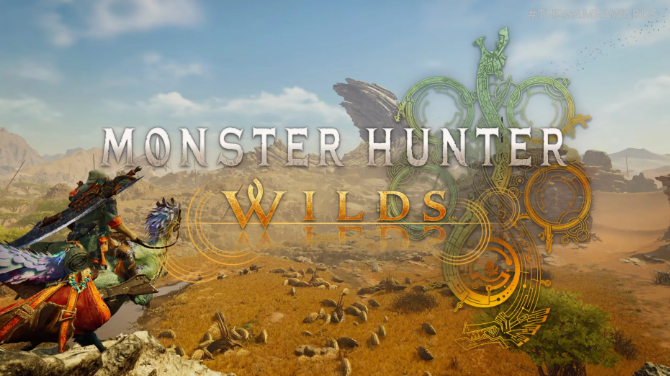
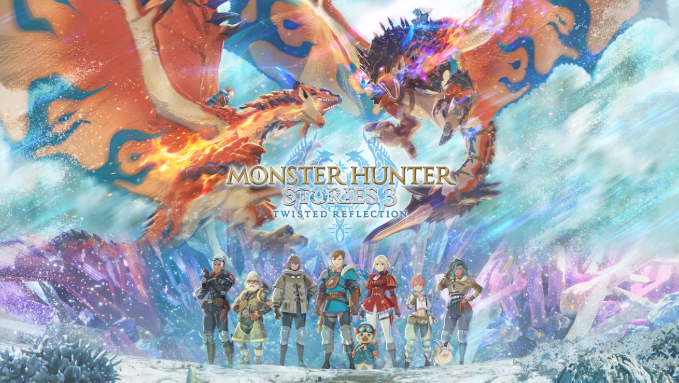

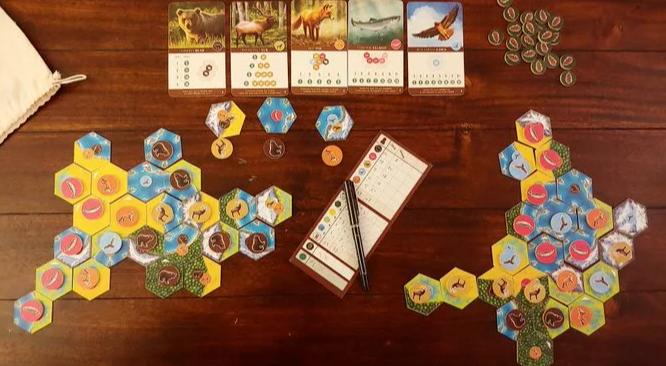

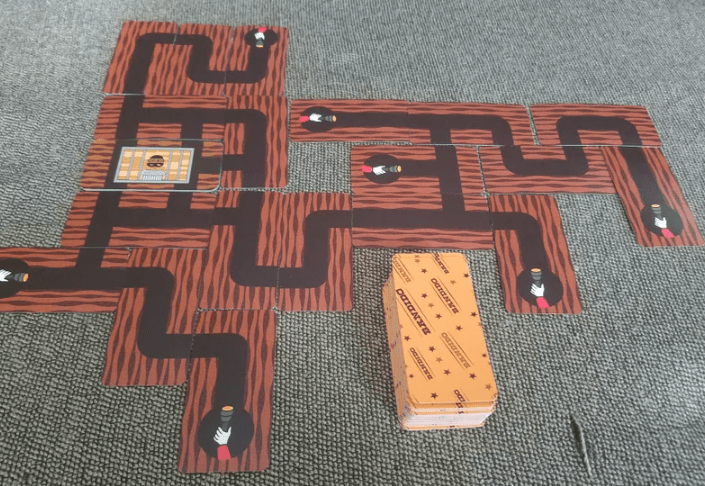


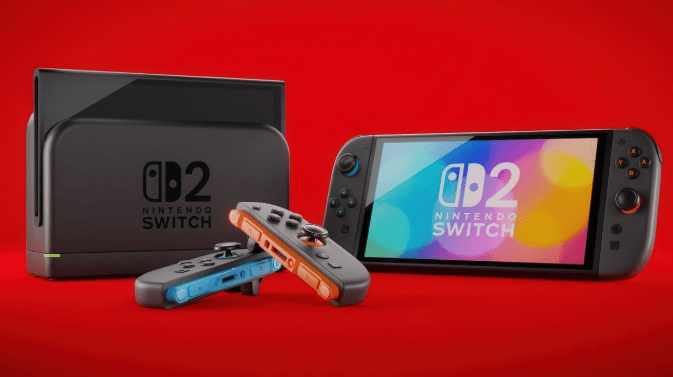
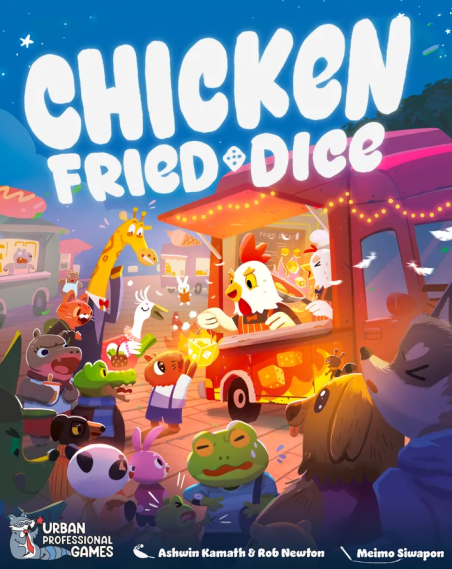
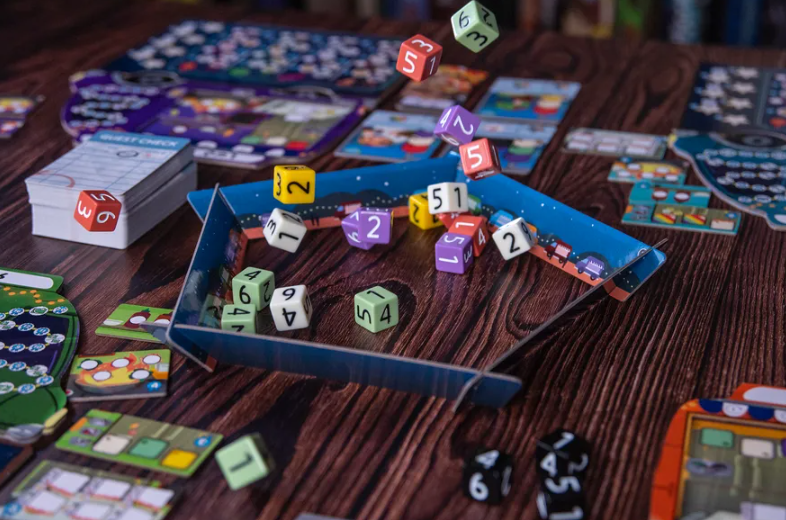

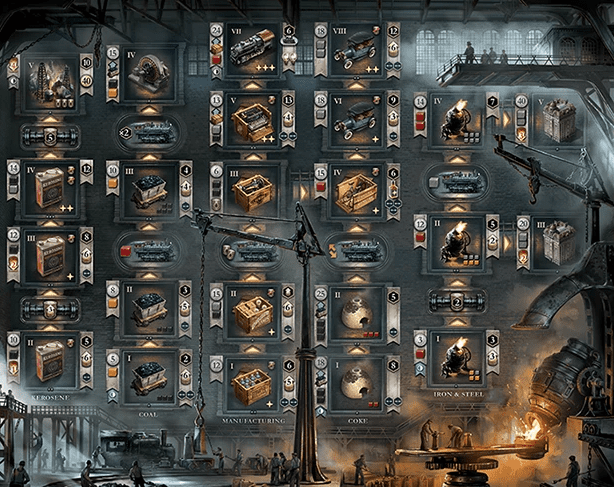

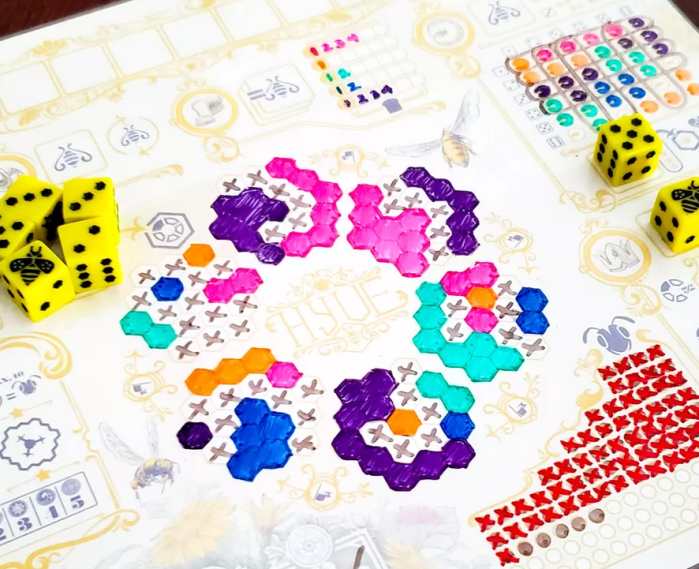
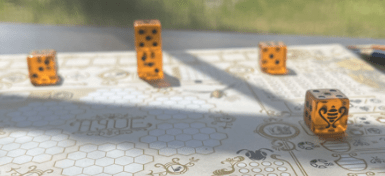
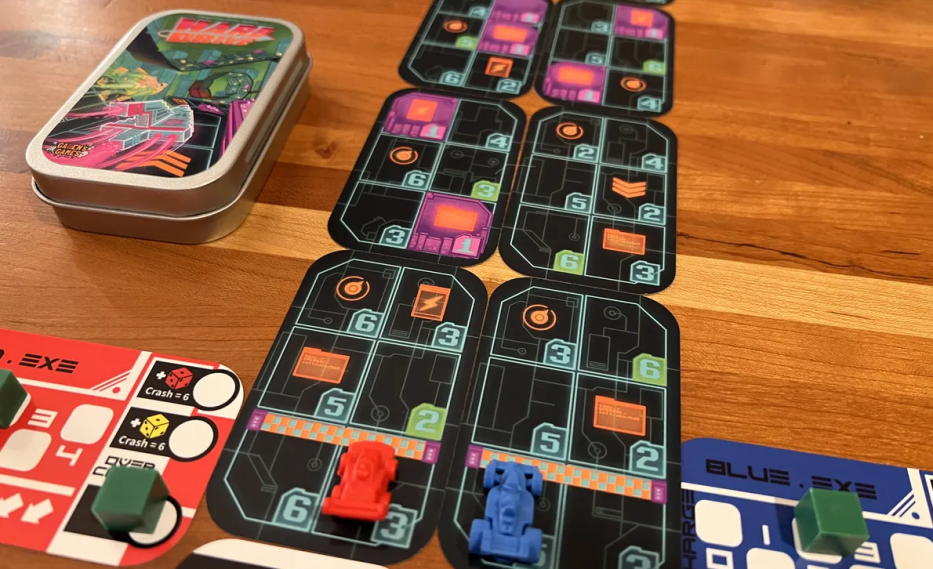
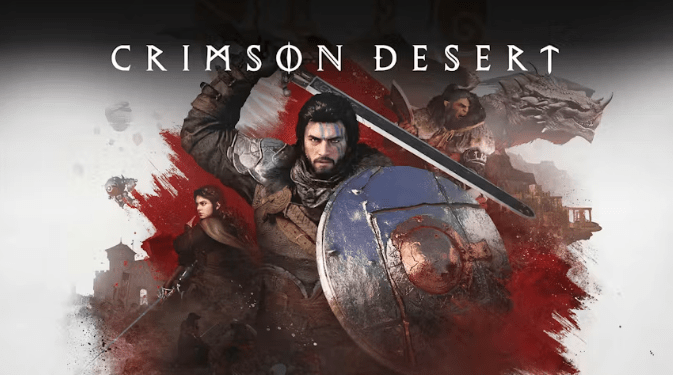
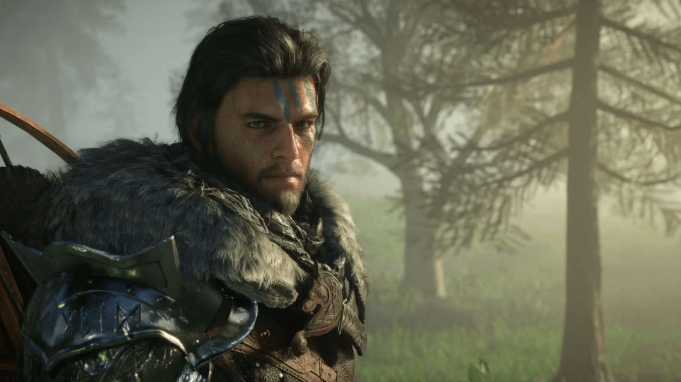
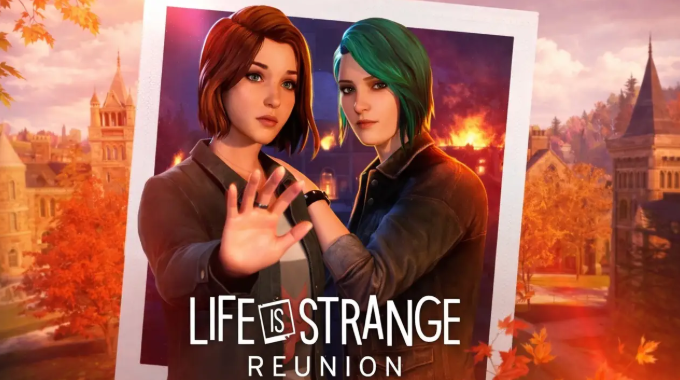
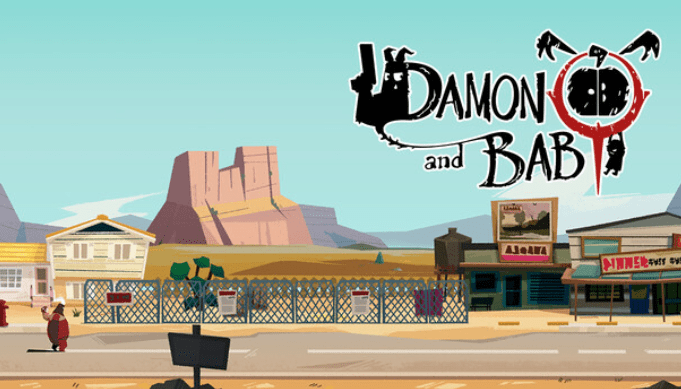
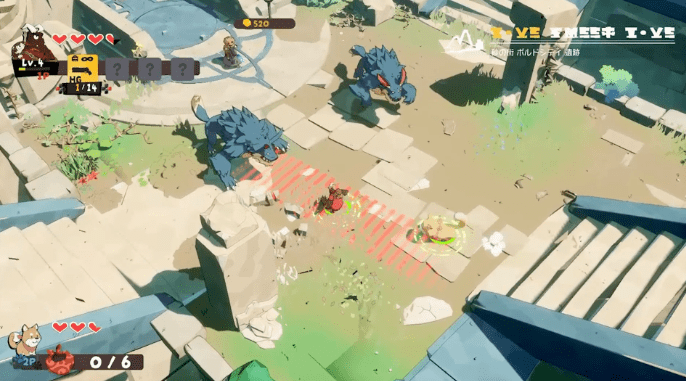
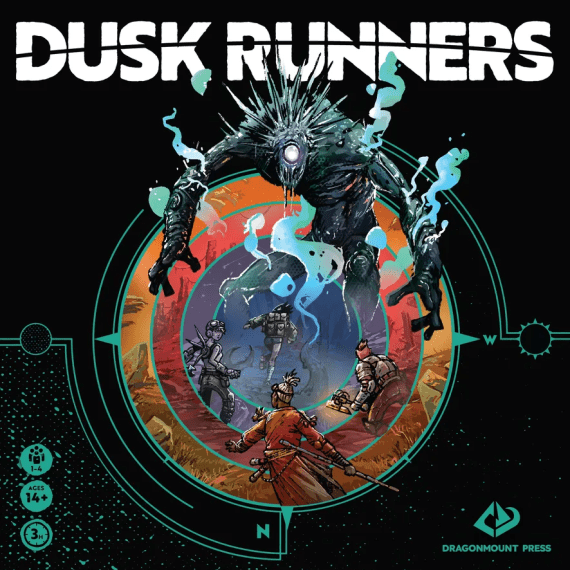
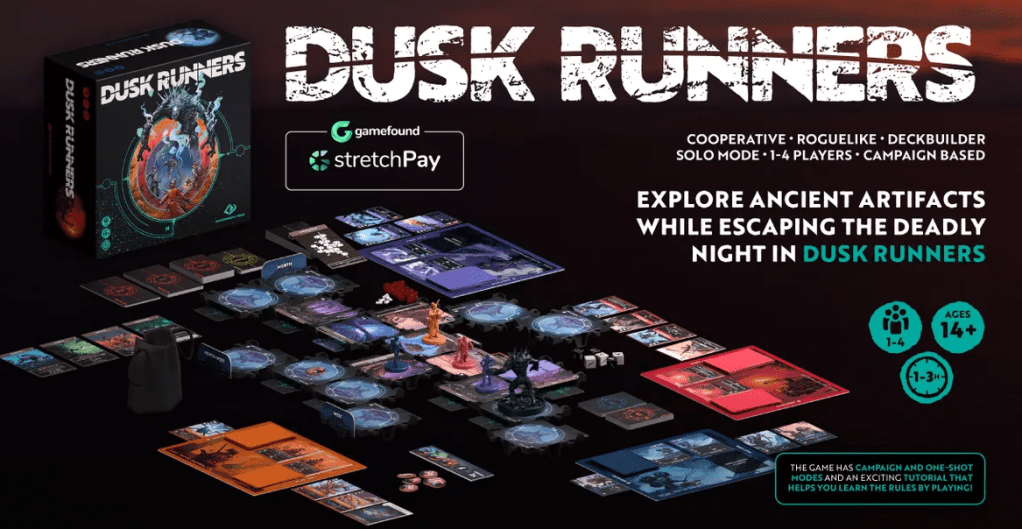
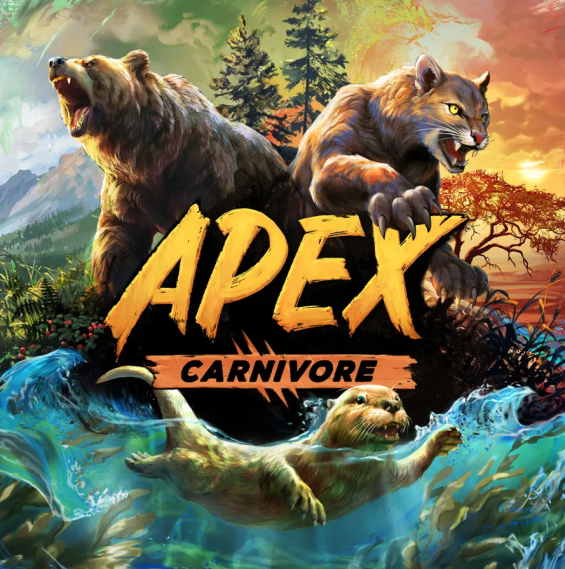
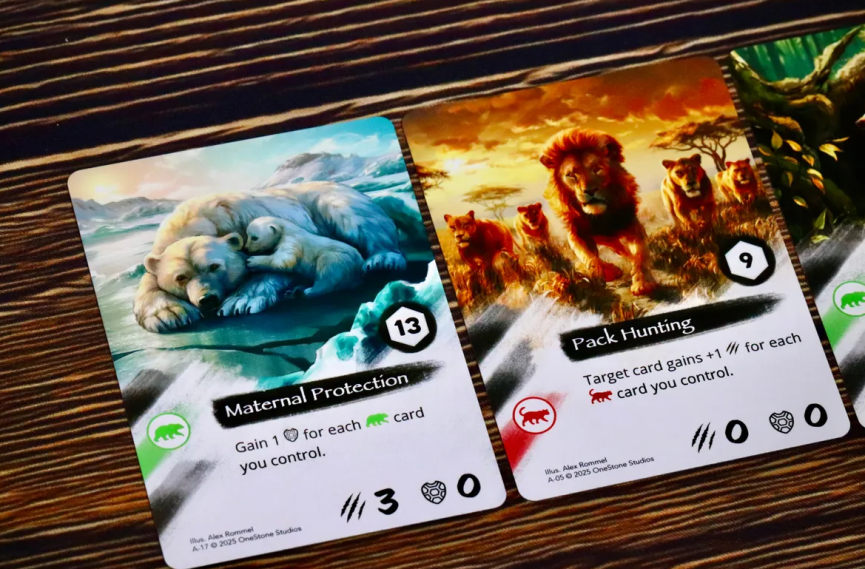
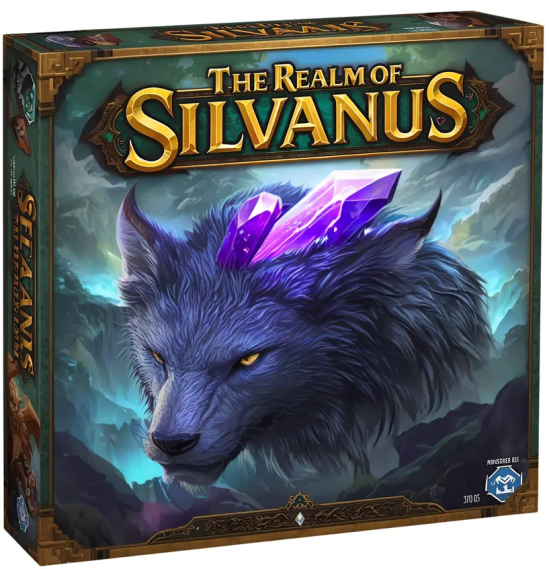
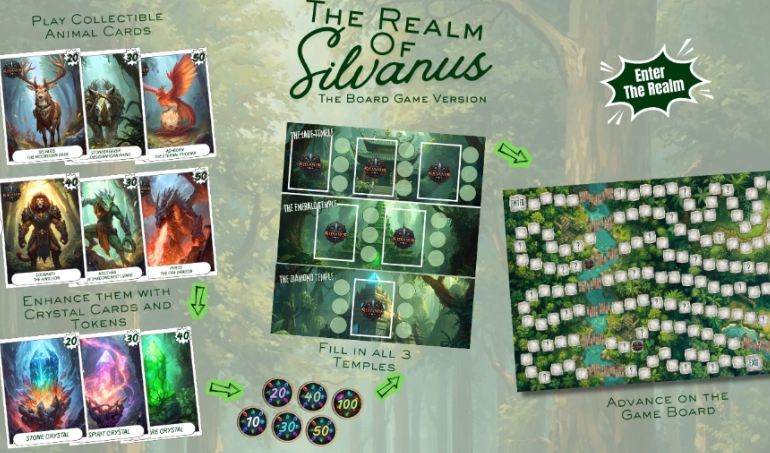
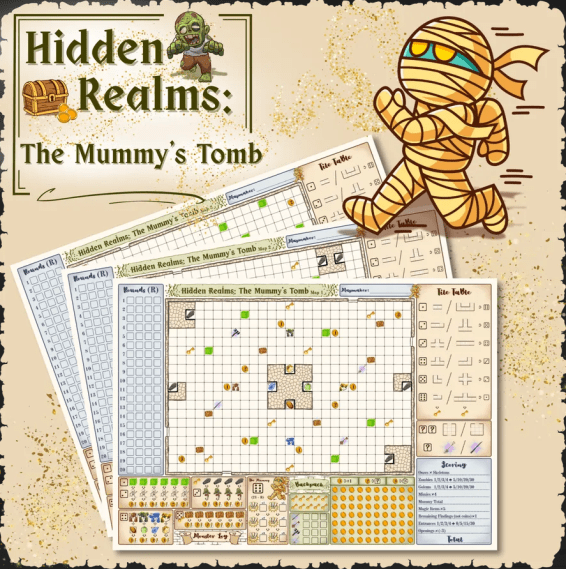
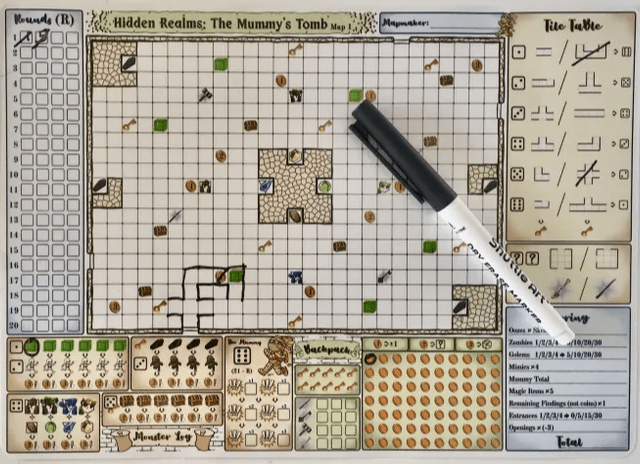
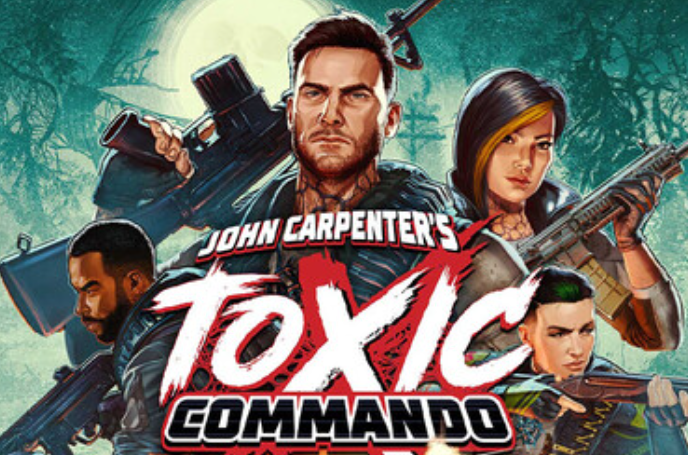
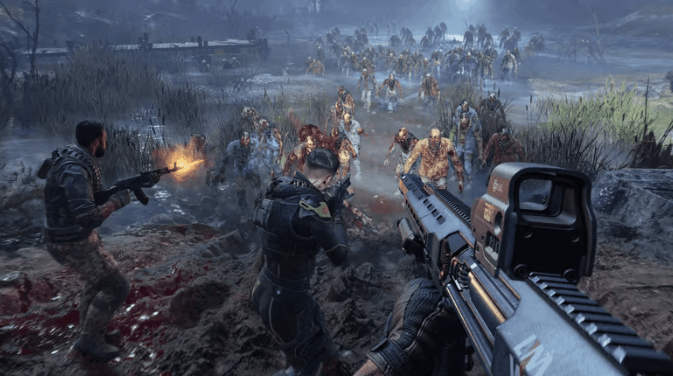
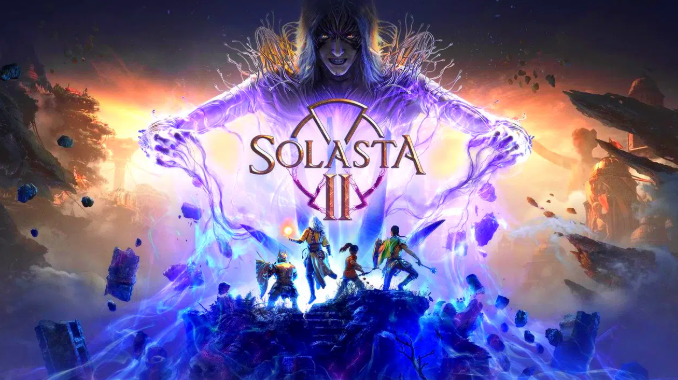
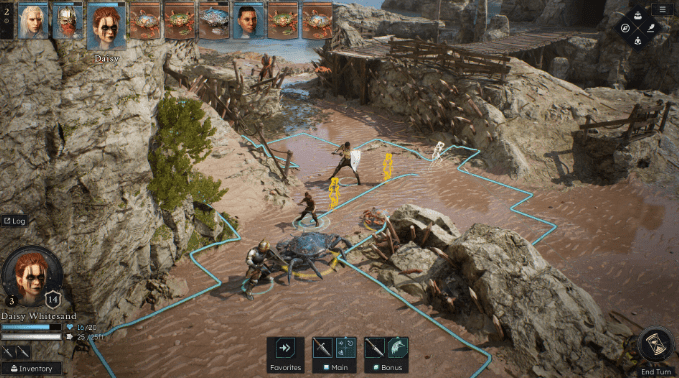
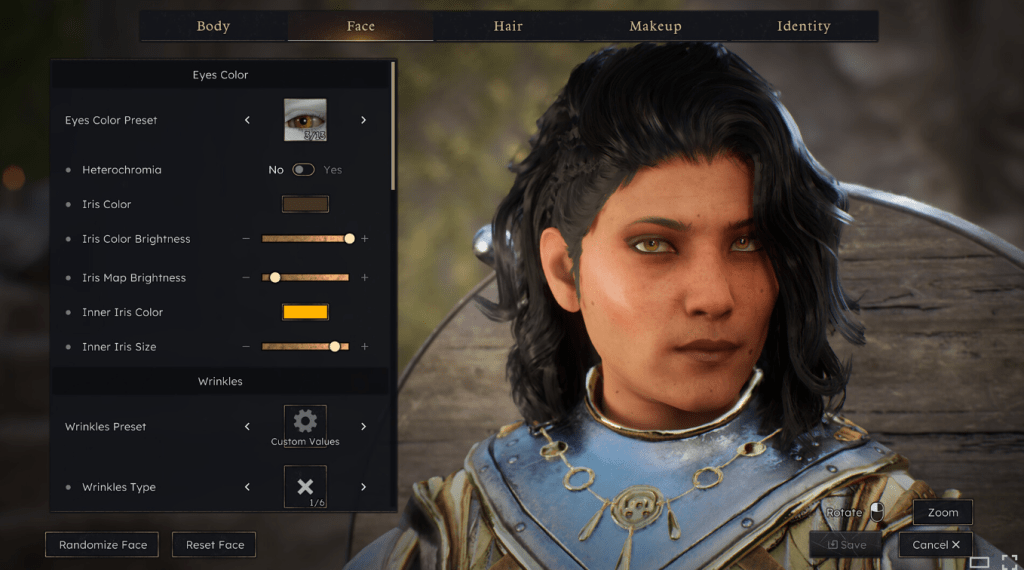
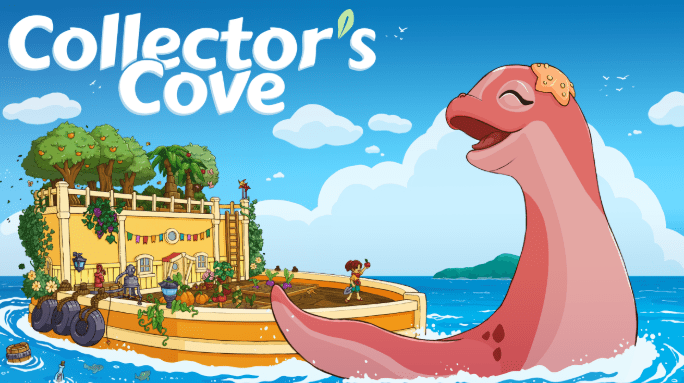
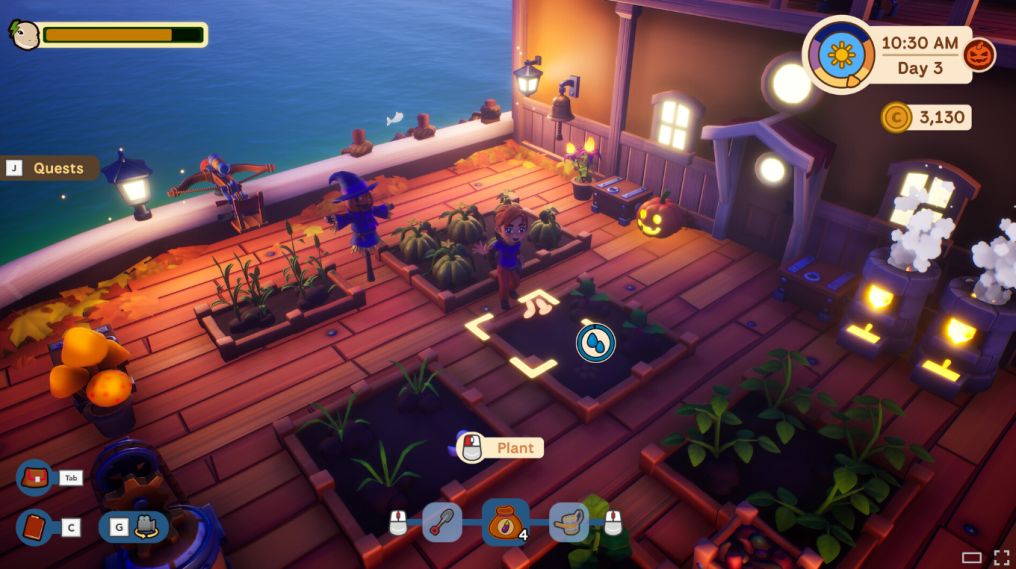
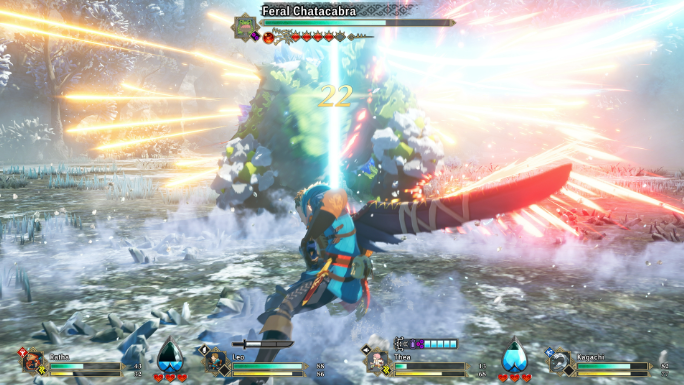
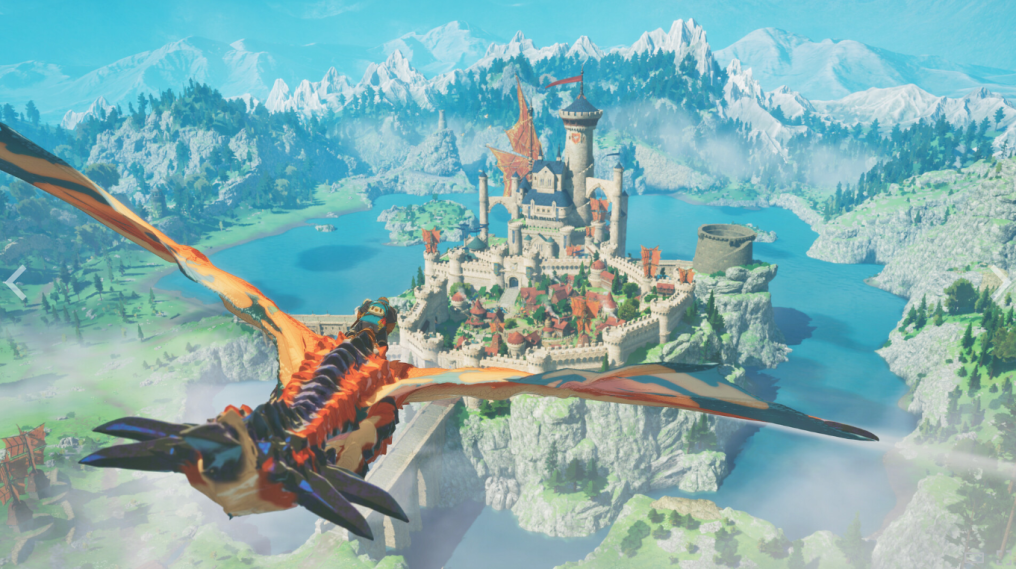



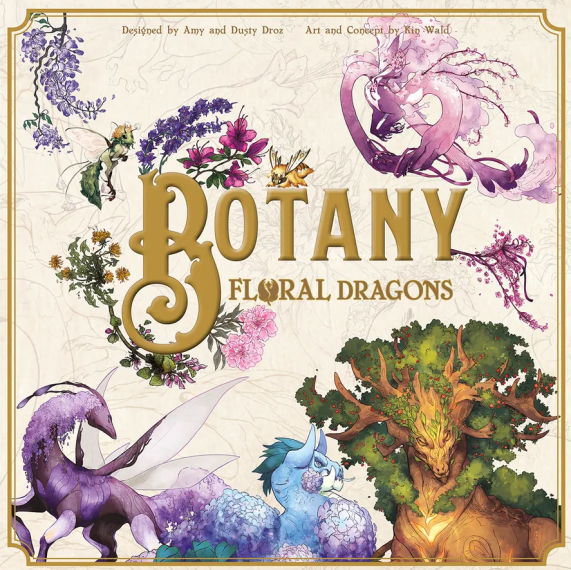
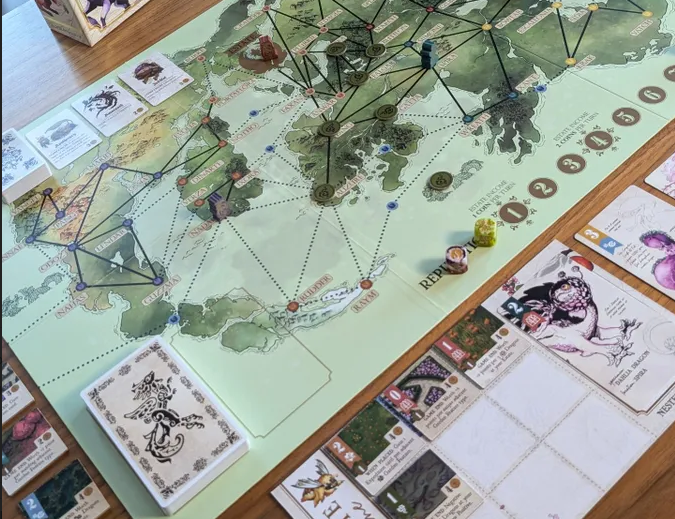
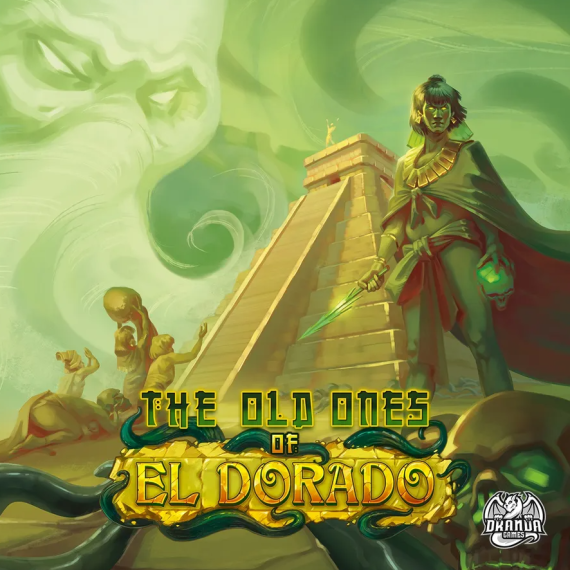
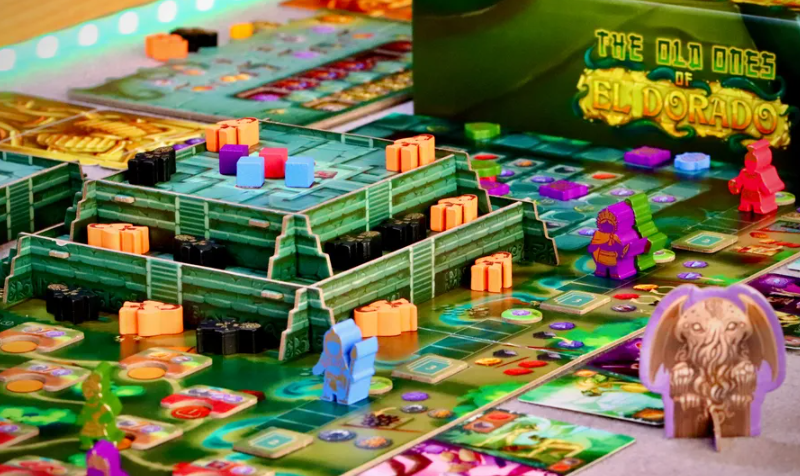



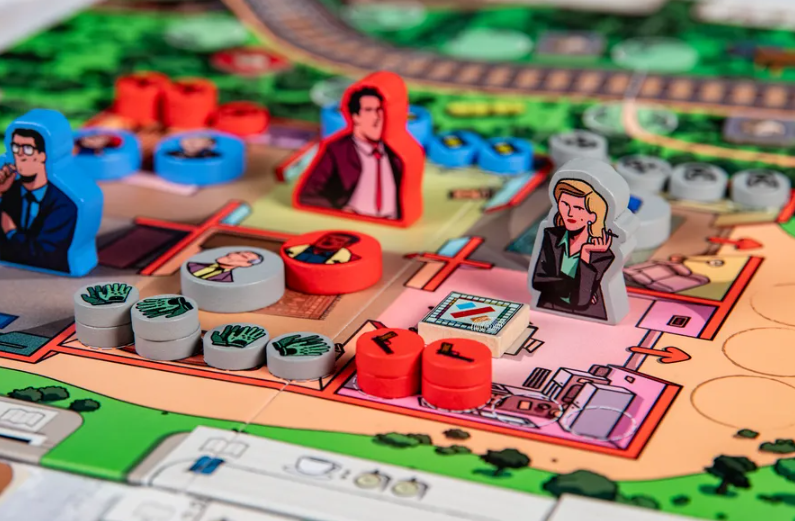
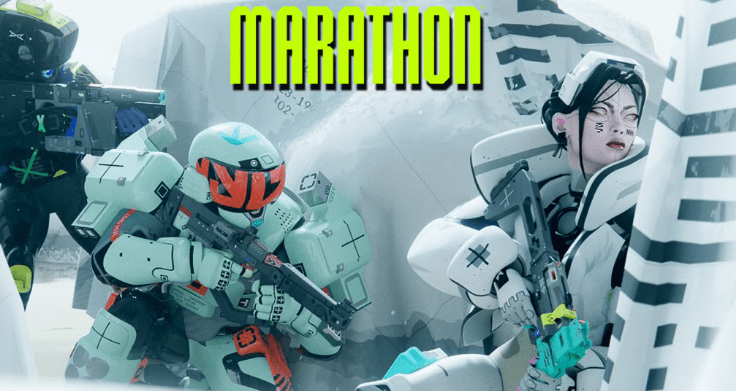
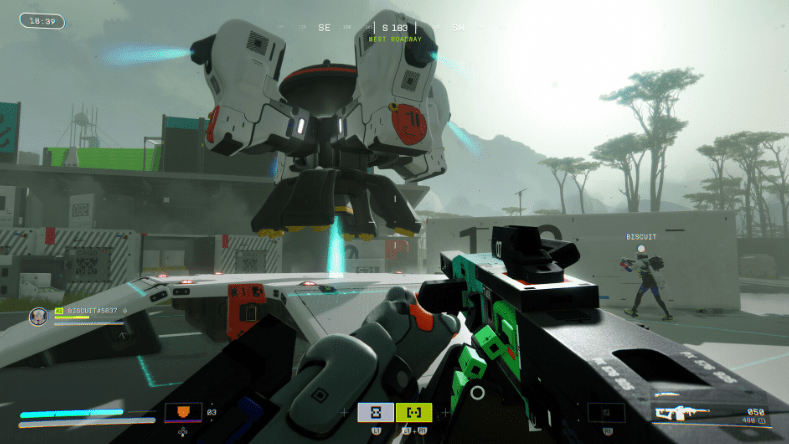
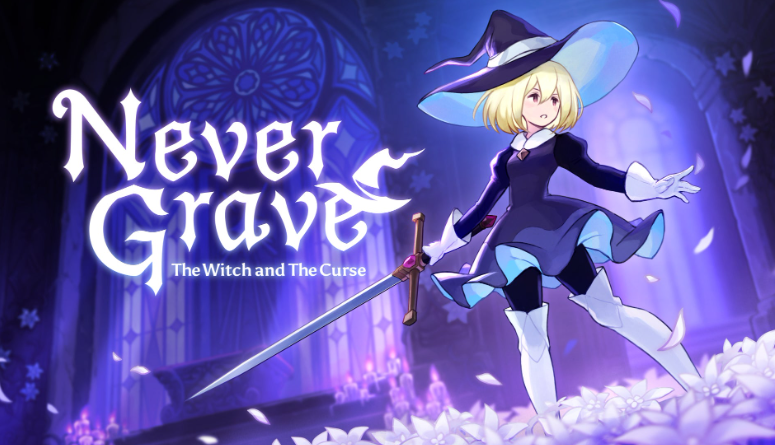
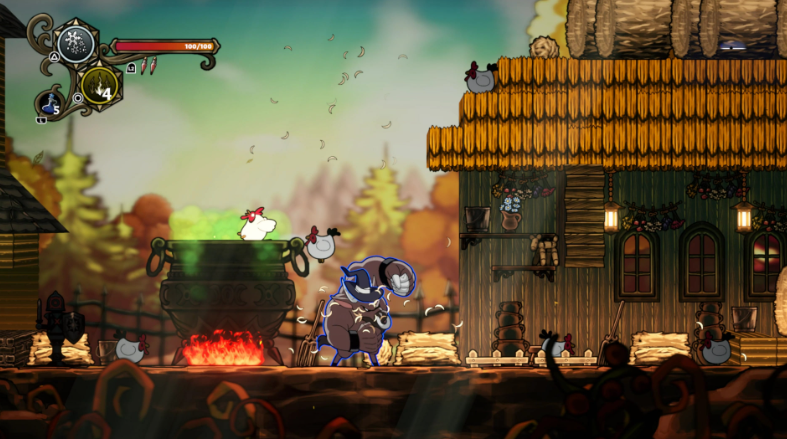

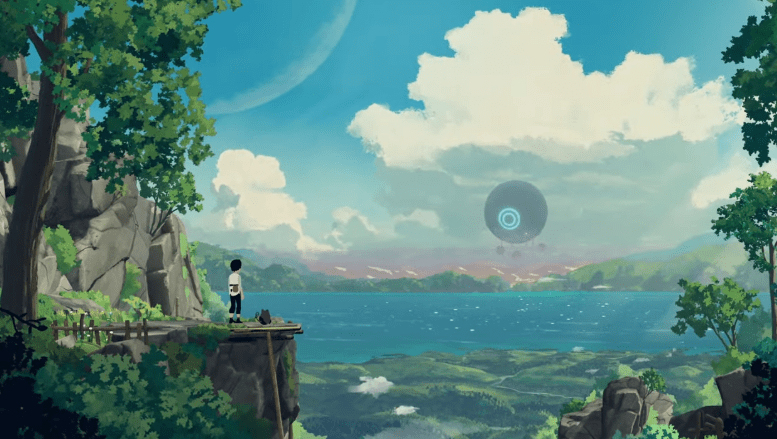

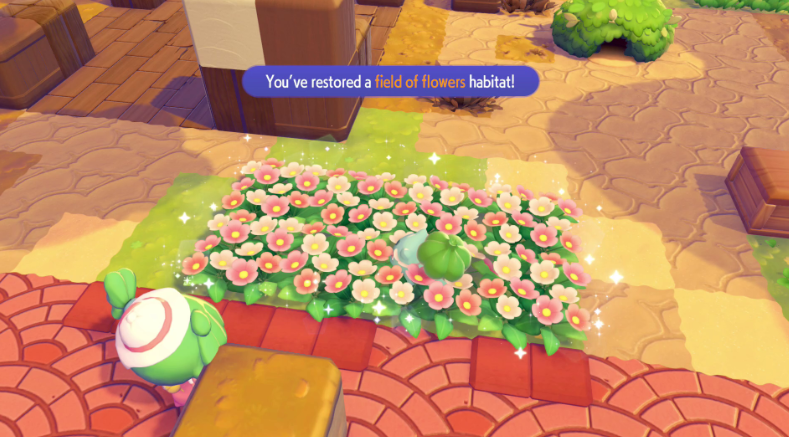
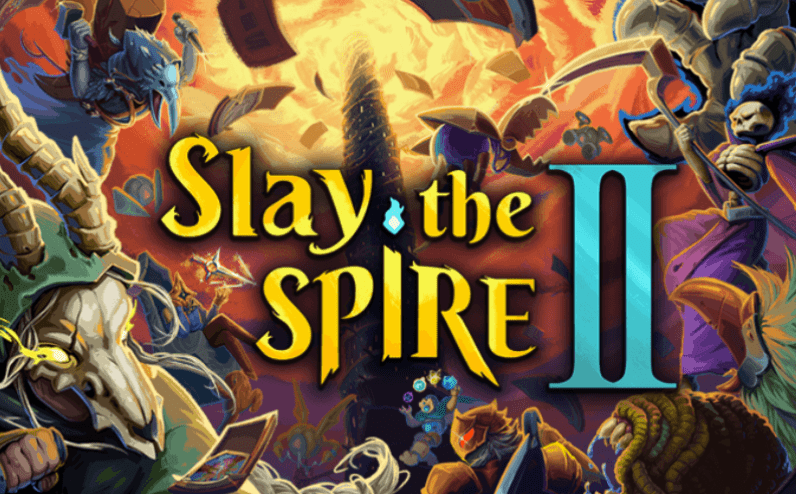
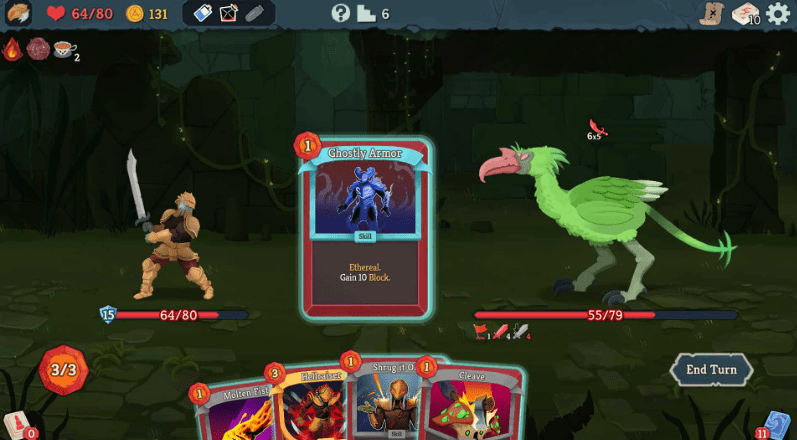

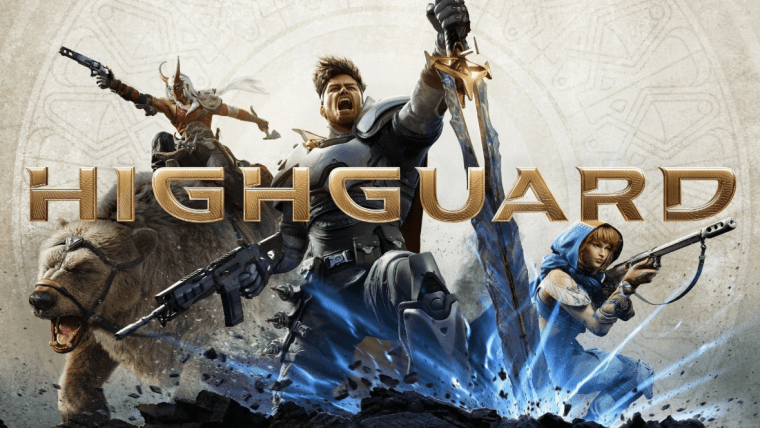








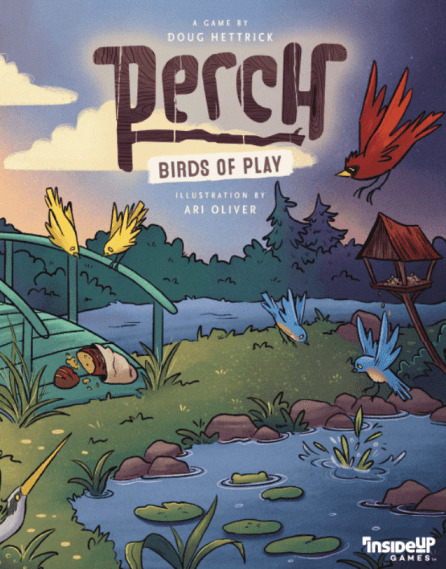
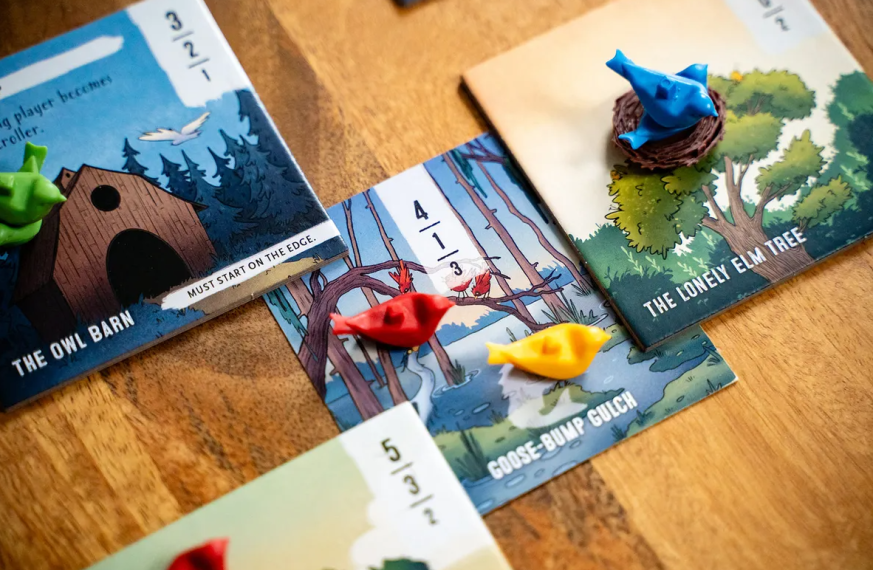
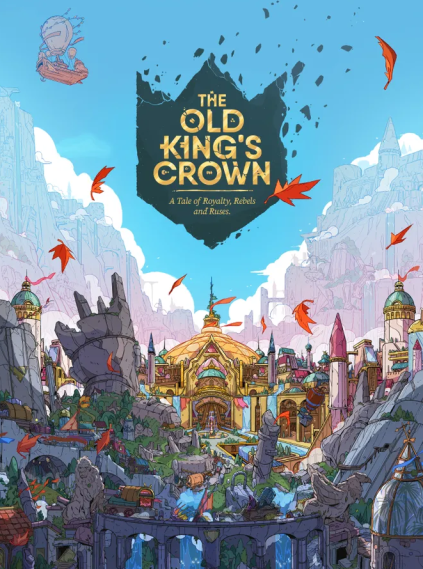
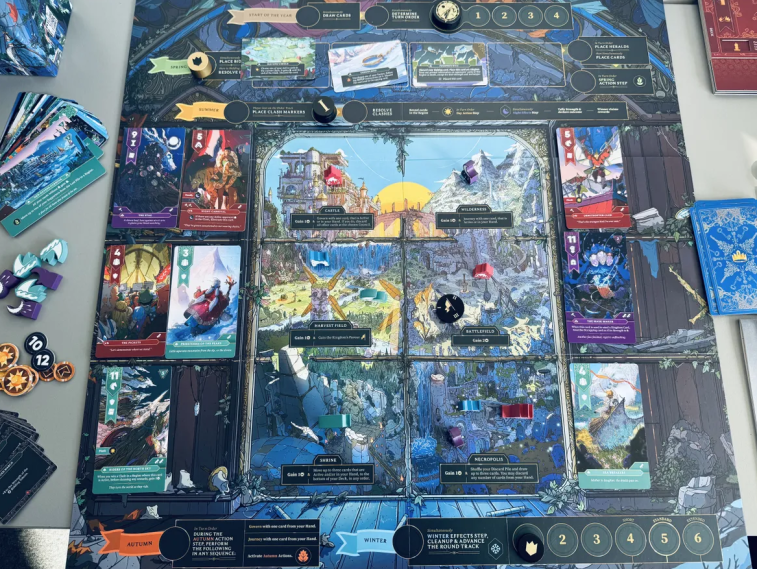

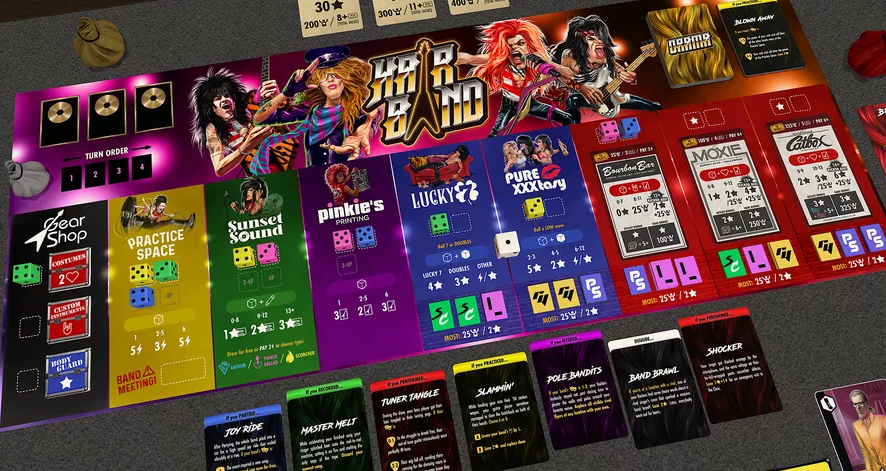
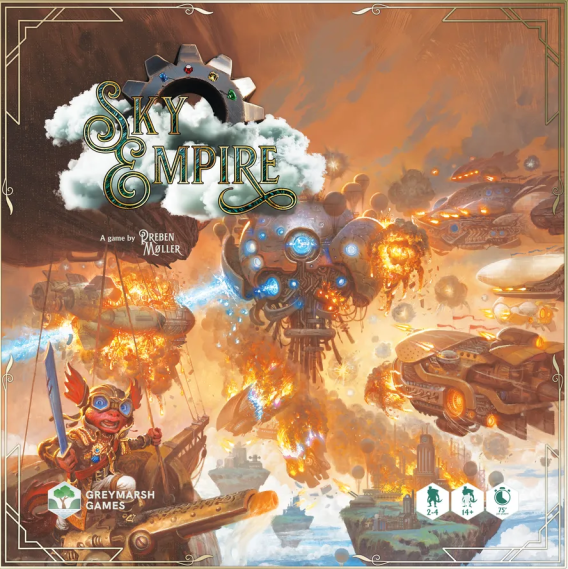
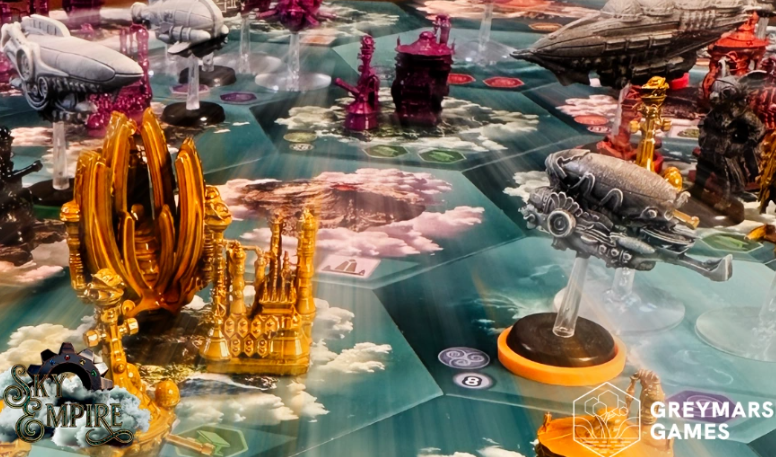
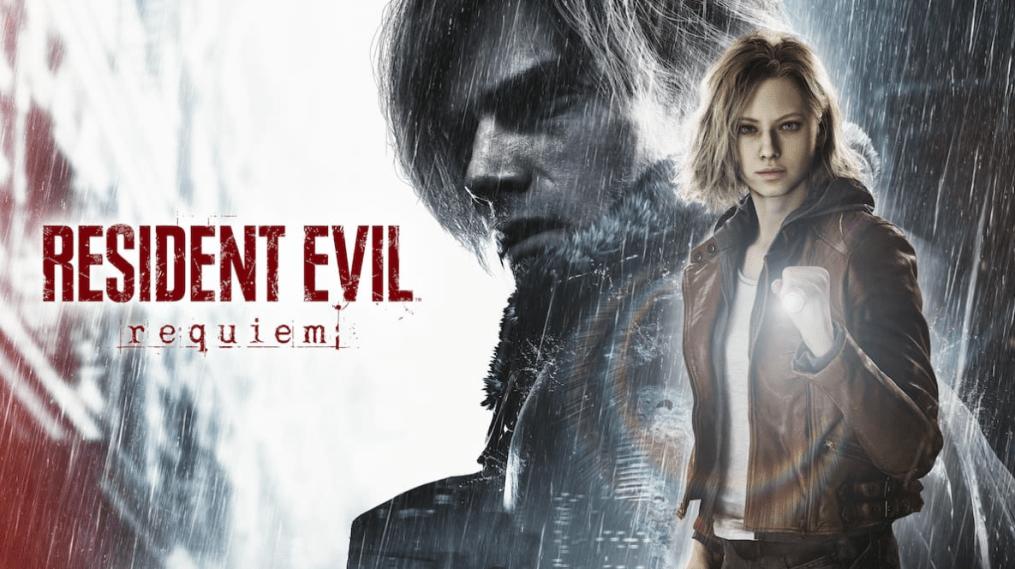
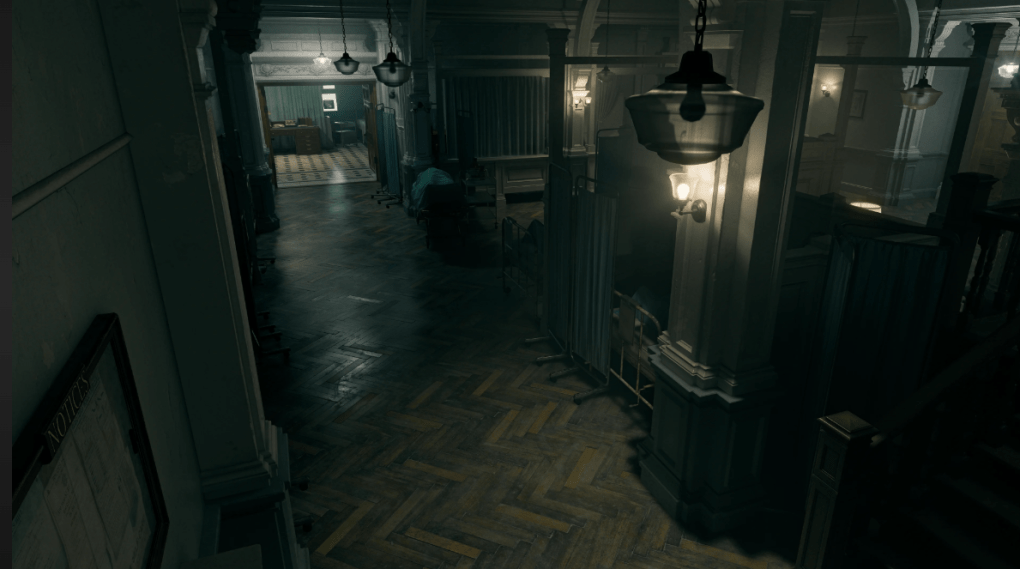

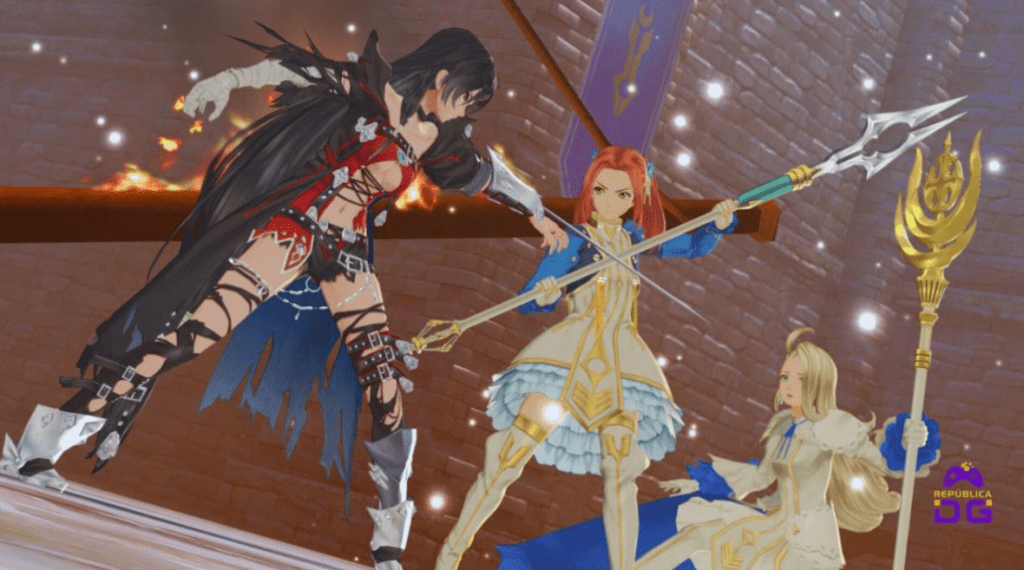

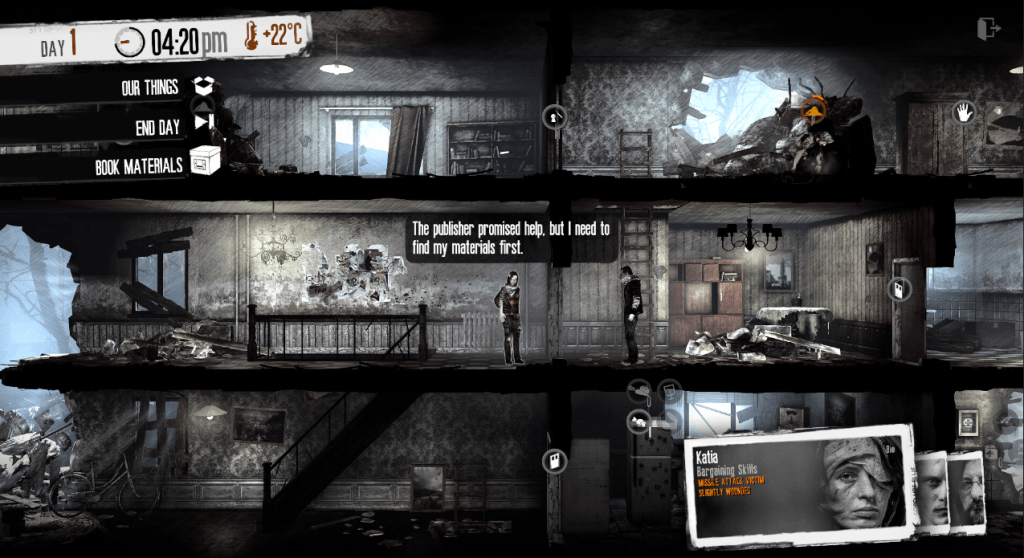




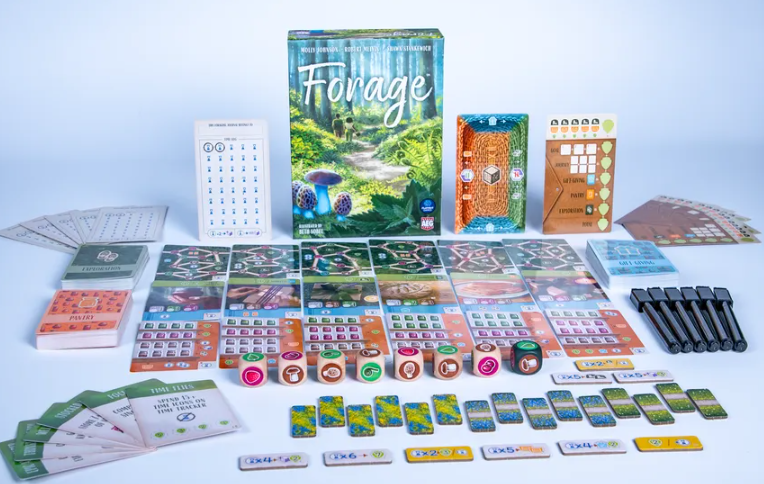
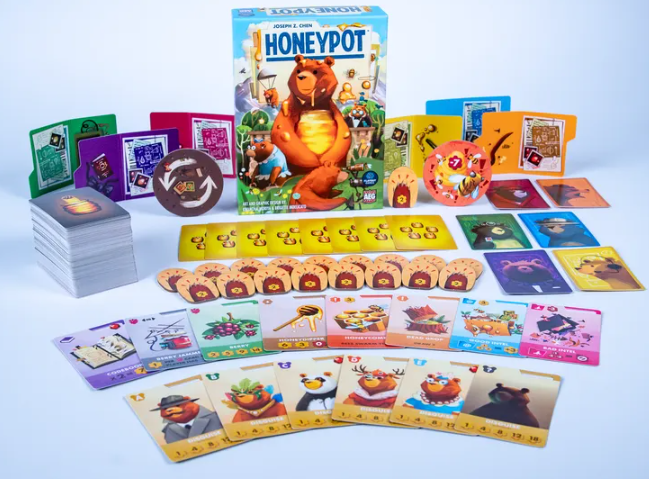
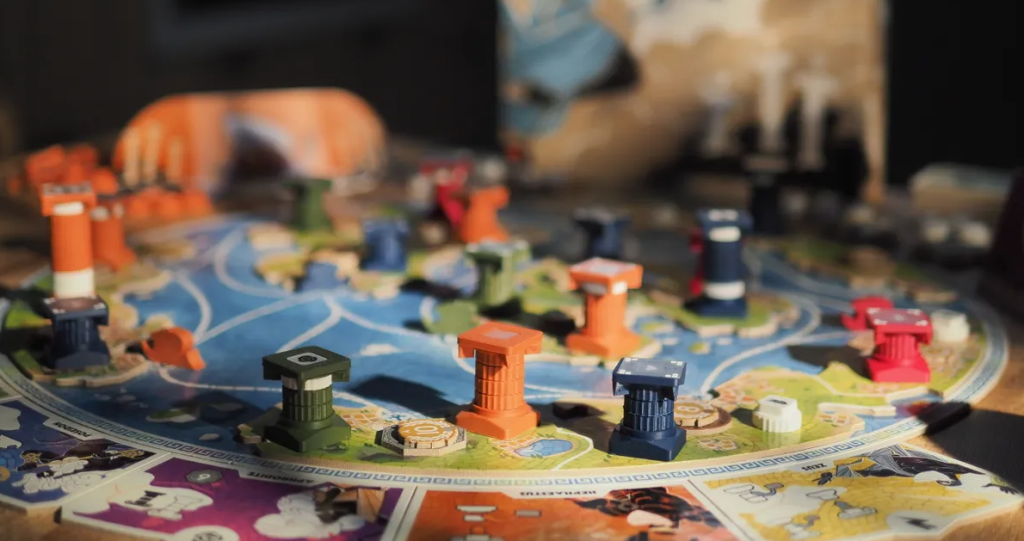
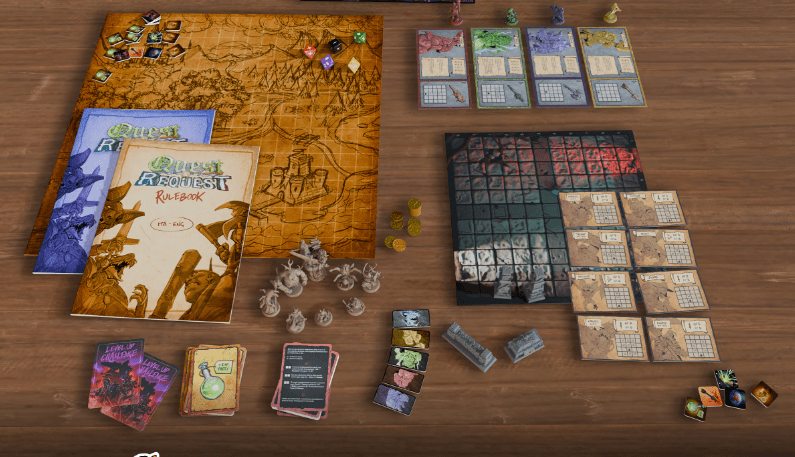
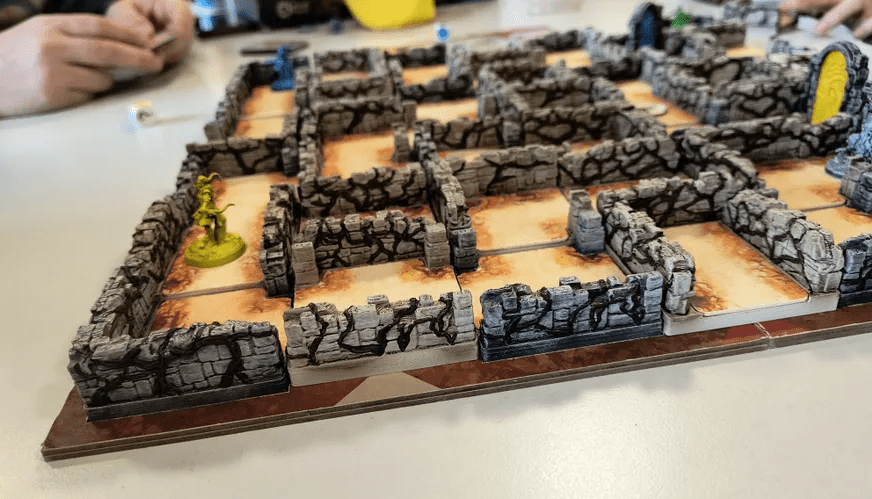
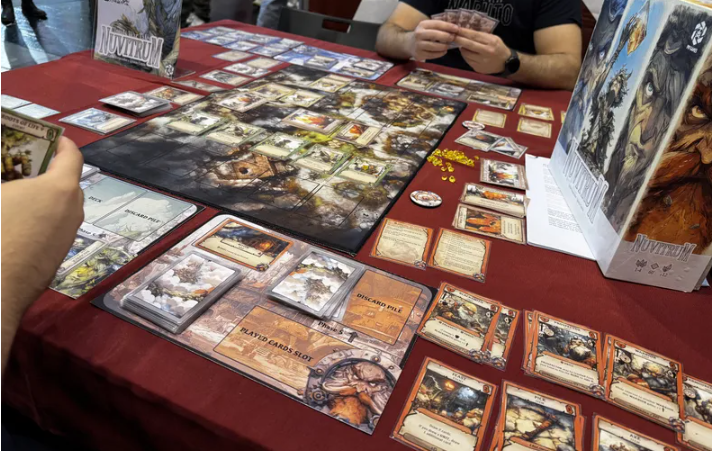
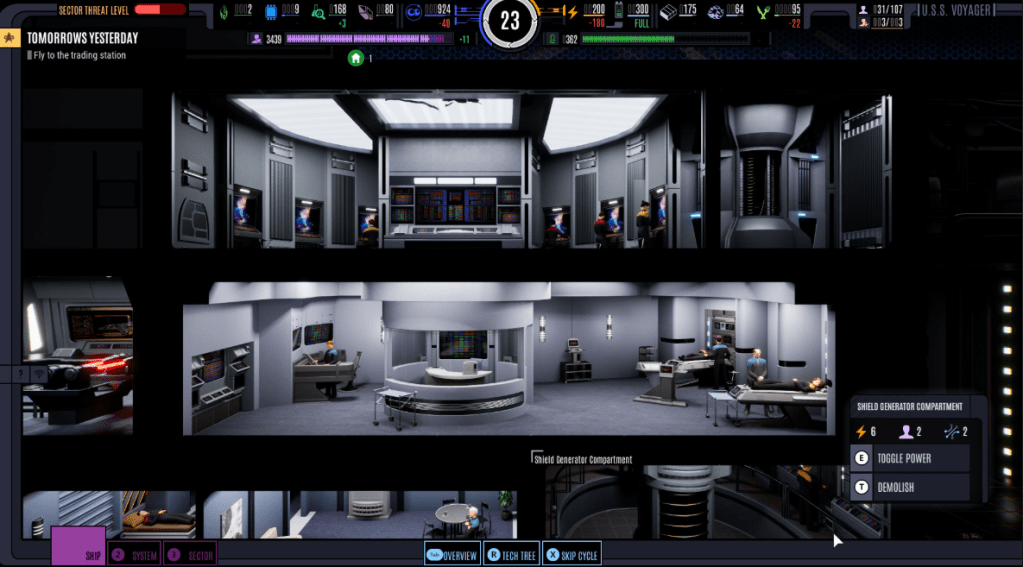
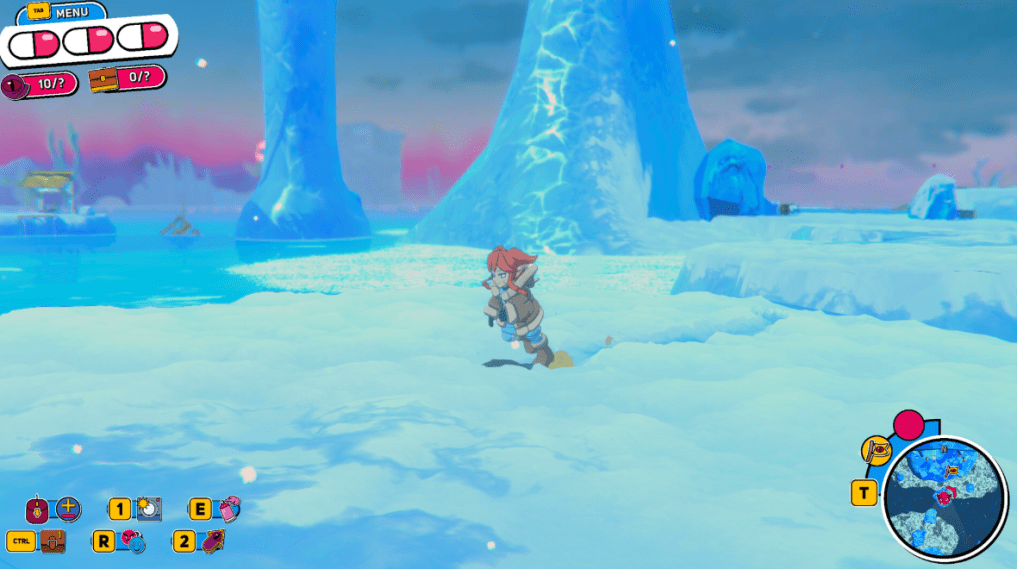
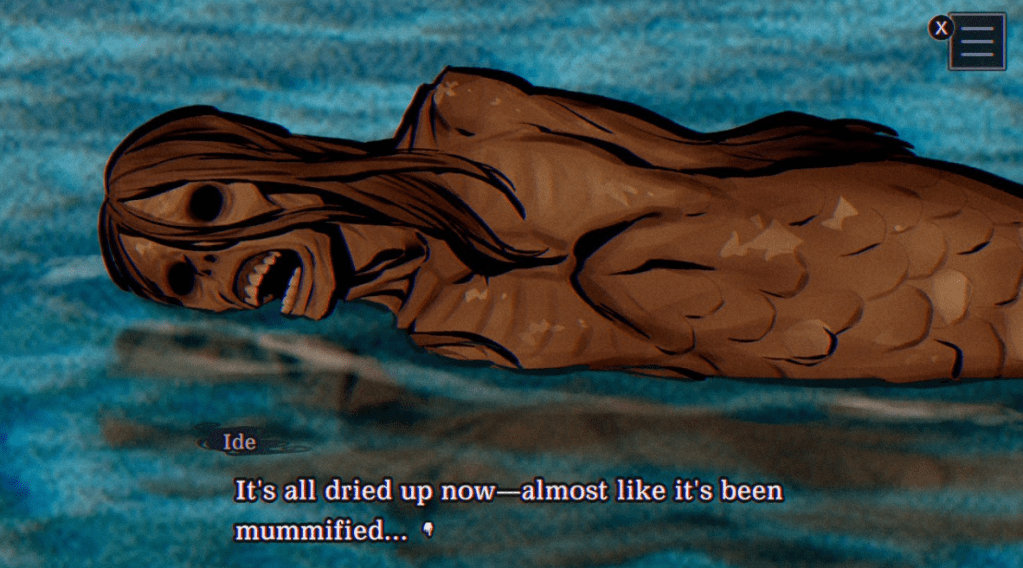
 jkgeekly.com