Tabletop Game Review: Spring Meadow

Spring Meadow is the grand finale of Uwe Rosenberg’s puzzle trilogy of games. It follows 2016’ Cottage Garden and 2017’s Indian Summer. The complexity of this game—the most interactive between the players in the trilogy—is set in between those two games. Hey, hey, Geekly Gang! Kyra Kyle here with another tabletop game review. We’ll be placing oddly shaped polyominoes on wintery player boards in today’s game review, Spring Meadow. Uwe Rosenberg’s final game of his puzzle trilogy marks the end of a harsh winter, and the first delicate flowers bloom. Can you have the lushest meadow? We’ll get to Spring Meadow’s review in a bit, but first, let’s talk about the less picturesque elements of the game and discuss Spring Meadow’s credits.
The Fiddly Bits

Designer: Uwe Rosenberg
Publisher: Stronghold Games; Pegasus Spiele; Edition Spielwiese
Date Released: 2018
Number of Players: 1-4
Age Range: 8 and up
Setup Time: 5-10 minutes
Play Time: 15-60 minutes

Game Mechanisms

Grid Coverage
Pattern Building
Tile Placement
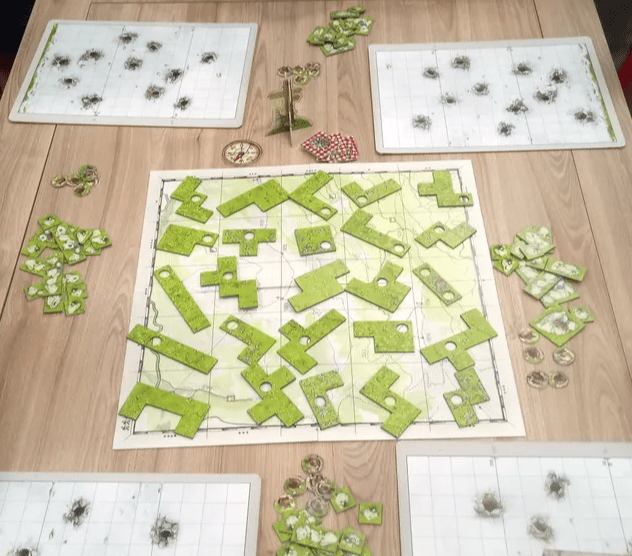
Game Setup

We’ll be paraphrasing the Spring Meadow rule book. The setup is succinct and easy enough to follow.

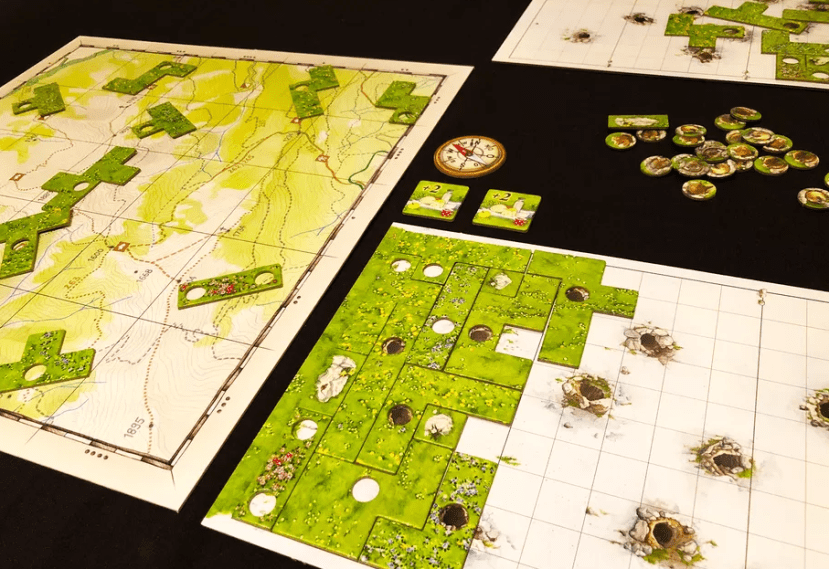
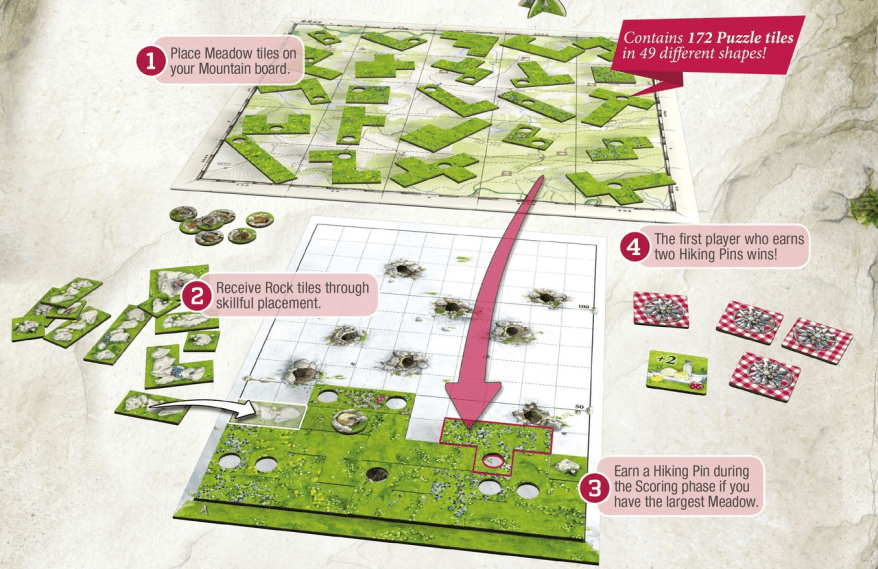
1) Place the double-sided Hiking Map (shared board featuring the offering of polyominoes) that corresponds to the number of players face up in the center of the table.

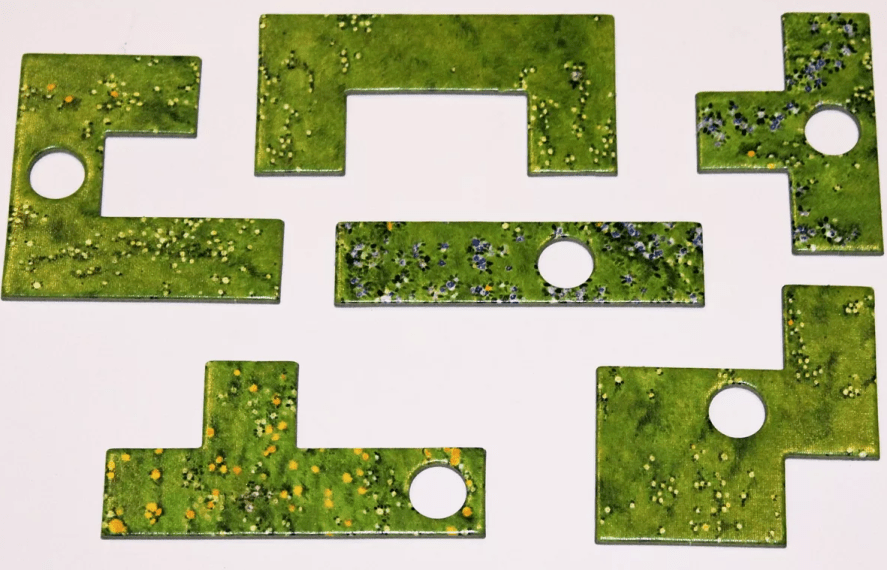
2) Shuffle all Meadow (polyomino) tiles and randomly place one on each of the 25 spaces of the Hiking Map.

3) Return the remaining Meadow tiles to the box. You will need them later to refill the Hiking Map.

4) Place the Rock tiles, Marmots, Picnics/Hiking Pins, and Compass within reach of the players in a common supply.

5) Place the Signpost next to the player count icon on the Hiking Map.

6) Shuffle the double-sided Mountain boards and give one to each player. Orient the Mountain board with the arrow pointing up.

7) Randomly select a starting player. Each successive player will take a Rock tile, the size of which will depend on the player count and the player order.
Game Flow

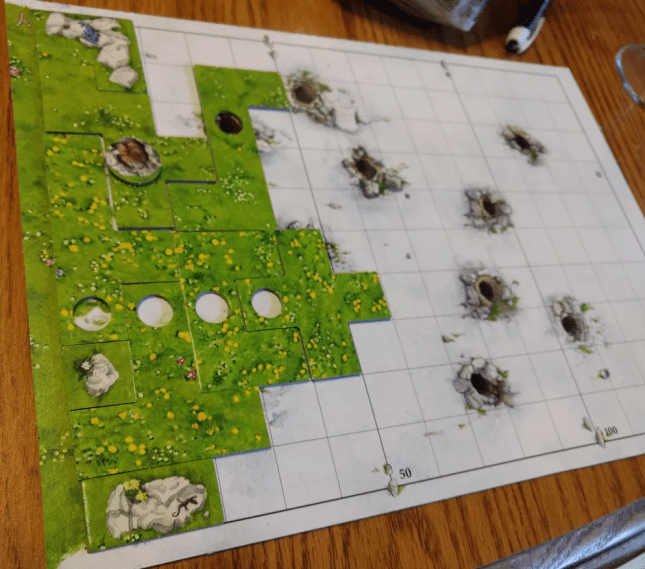
On a turn, the active player chooses 1 Meadow tile from the Signpost Path (noted by the Signpost pawn, you’ll either select from a row or column of polyominoes, depending on the Signpost’s orientation during your turn) on the Hiking Map. Place the tile on your Mountain board.

Pay attention to the Holes in the Meadow tiles and the Burrows on your Mountain board. Burrows will challenge your puzzle skills and placing adjacent Holes will allow you to place extra Rock tiles on your Mountain board.

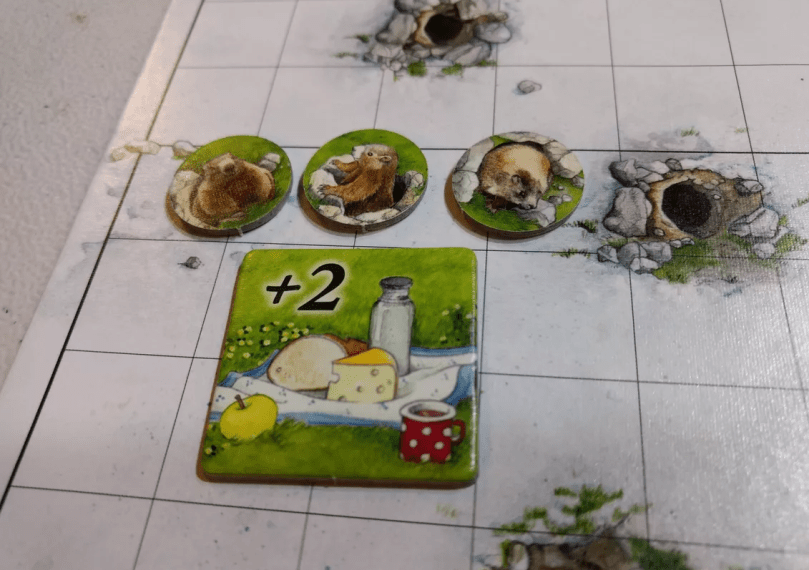
If you wish to cover a Burrow, you must place a Marmot over a Burrow that has already been cleared.

When the Signpost stands next to a Signpost Path (column or row) on the Hiking Map containing zero or one Meadow tile(s), a Scoring phase is triggered.

Starting from the bottom of your Mountain board, count all covered spaces up to and including your first incomplete row to tally your score.

The player with the most points earns a Hiking Pin and must place Marmots over all their cleared Burrows (so they cannot score those Burrows again).

Once scoring is completed, refill the Hiking Map with randomly drawn Meadow tiles afterwards.

The first player to earn their second Hiking Pin wins the game.
Review

It took some time for me to get into Spring Meadow. I appreciated Spring Meadow’s theme. There’s something about the earth waking up from a cold winter. One of my favorite things to do during this time is to stop by the Platte River and hear the ice turn into slush and float on by. Spring Meadow gives me those vibes. And I love polyominoes in general, and Spring Meadow uses them in interesting ways. Kind of like a competitive Tetris, where you want to fill the board with as many blocks as possible. But Spring Meadow has a steep learning curve, and if you play with a new player, that can derail the game.

Sure, at one point, I was that new player. The person who taught me the game had a fun enough time, but he didn’t really find enjoyment in playing Spring Meadow until me and another player from my gaming knew had played a handful of games. He told me as much. And I found the same to be true. Spring Meadow feels unforgiving as the “new player,” but as an “experienced player,” I felt as if I was taking advantage of someone else.

While Spring Meadow’s player (Mountain) boards can be oriented in landscape or portrait, I prefer portrait. There isn’t much difference between the two orientations, but portrait clicks a little better with me. Other players in my gaming group said the opposite, so there’s a chance portrait or landscape orientation could benefit one player over another because of how different brains process information. This doesn’t lower Spring Meadow in my estimation, but I had to mention it.

I’m uncertain if Spring Meadow has a runaway leader problem. Certain plays of Spring Meadow devolve into a runaway leader, especially if you have a veteran player against noobs, but evenly skilled players can keep the game close. Still, I don’t think the Marmots covering cleared Burrows is a big enough penalty or catch-up mechanism. Player boards stay the same in between rounds, so if you’re ahead by fifteen points at the end of one round, all other players need to score fifteen more points than the leader during the second round. Good luck with that.
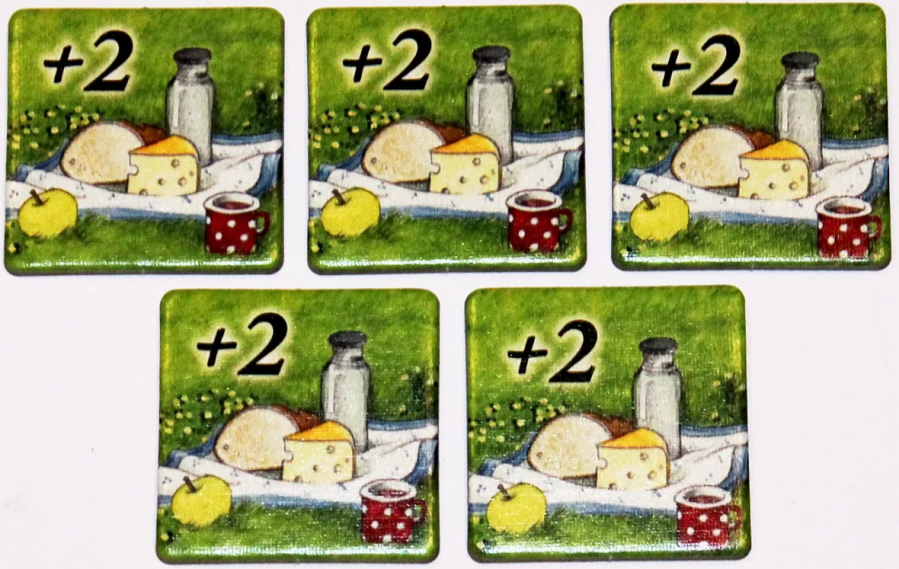
I could see gamers instituting an extra catch-up mechanism of handing players who are behind by more than five points, a one, two, or three rock tile. But that would be a house rule.

I also prefer Spring Meadow with fewer players. The three and four-player variants have one player selecting on the diagonal (instead of a row or column), but it’s the same player picking on the diagonal each time that happens. While picking the Meadow tile you want from a diagonal line may not add extra strategic value for that one player, it feels bad for the players who don’t get to choose from the diagonal, and choosing a tile from a diagonal line gives the illusion of more choice, because you’re literally picking your tile in a manner no one else can.

Despite any minor gripes I may have, I’ve enjoyed my time with Spring Meadow. It’ll be one of those games you’ll need to play multiple times to grasp the game’s nuanced strategy. Fortunately, games of Spring Meadow don’t take that long. Fifteen minutes per player is short. This is another reason why I like playing Spring Meadow with fewer players. A two-player game takes up to thirty minutes. Nice!
Too Long; Didn’t Read

Spring Meadow may have a runaway leader problem, and veteran players have a decided advantage over noobs. But I love the theme and the game uses polyominoes in intriguing ways. Spring Meadow is one of those games you’ll need to play more than once to grapple with its nuanced strategy. Thankfully, games of Spring Meadow don’t take long: fifteen minutes per player.

Whatcha Playing, Geekly? August 2025

Happy Wednesday, Geekly Gang! Kyra Kyle here. Since it’s Wednesday, we have another post from our Whatcha series. Today’s topic is games, both video games and board games. We’ll hear from Season and Skye soon, but I’ll kick things off this post with the games I’ve been playing over the past month.

Kyra’s Board Games

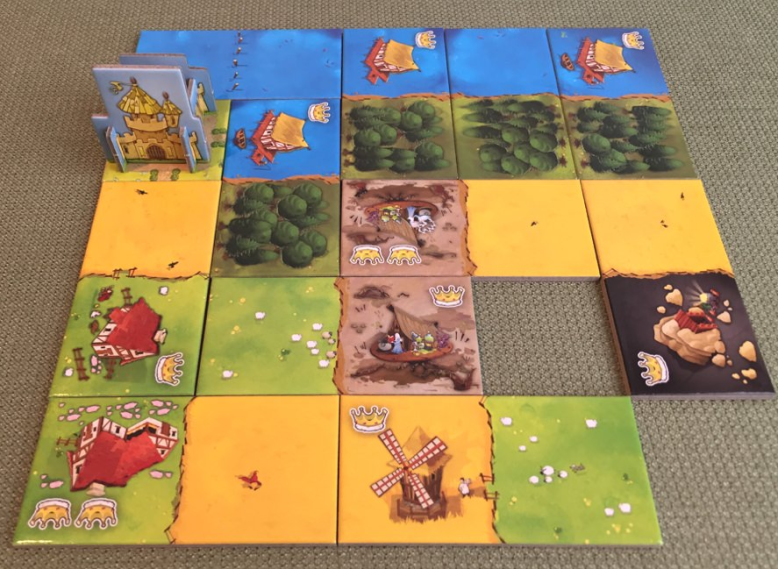
Bruno Cathala’s Kingdomino takes the simple mechanism of laying dominoes beside a starting castle (domino piece) and allows players to build their own scoring tableau. Each domino has two sides. Each side will belong to a terrain type, and players attempt to connect like terrain types, chaining as many crowns (which will be printed on some dominoes and determine how much each terrain scores) as they can to their largest collection of each terrain type. Kingdomino has restrictions on how far out from a player’s starting castle they can build, and this is where the game gets tricky.

I don’t know how many times I’ve ended up with dead corners (corners that I can’t legally add another domino), but it’s satisfying every time I can put down my full complement of dominoes. Kingdomino is a quick game. The 15-30 minutes printed on the box is accurate. I love Kingdomino’s selection system. Each player has two royal meeples. One will claim the current round’s domino, but the domino you select in the current round will affect when you can select a tile in the next round. Each tile’s backing has a number. Typically, the more valuable tiles have higher numbers, and if you pick a higher value tile, you’ll pick later in the following round. Brilliant!

While many board games grant an advantage to seasoned players, Uwe Rosenberg’s Spring Meadow almost requires players to have a similar experience. The person who taught me and a couple of other noobs how to play Spring Meadow skunked us. Spring Meadow has an intriguing mechanism of players choosing a polyomino from a communal display and then placing the polyomino on their player board filled with holes. You’re trying to fill each row or column (depending on your board’s orientation), scoring points for each filled row or column with some added bonus points.

There are tricks involved, a dash of luck, and not all of the polyominoes are created equal. But you won’t know the best plays during your first playthrough, and if you’re playing against a seasoned Spring Meadow player, they will easily beat you. Despite my utter failure of a first play, I enjoyed Spring Meadow. I’ve since rematched the person who taught me how to play, and I managed to eek out a victory during our third, two-player play. Spring Meadow is fantastic as a two-player game against players who know how best to place their polyominoes.

I’d include Lotus in the group of games where it’s best played when all players involved have similar experience. The same person who taught me Spring Meadow also taught me Lotus, and the result was similar. I have yet to replay them at Lotus, but I plan on it.

Players compete to complete flowers. Seriously, the image above is what most Lotus cards look like. Lotus is a stunning game. It’s quick to teach, but knowing when to add pedals or use an ability makes all the difference. Usually, new players will misuse their abilities, unlock the wrong ones first, or add too many pedals to make a flower easy to complete and leaving themselves open for another player to take advantage of an opening. Lotus is the definition of a game that’s easy to learn but difficult to master. It doesn’t have a lot of moving parts, but the parts that are there are chef’s kiss.

Kyra’s Video Games

I gave Bleach: Brave Souls a try this past month. Notice how I didn’t say I played Bleach: Brave Souls. Bleach: Brave Souls offers an autobattle function. I did more watching Bleach: Brave Souls play itself than playing the game. To be fair, Bleach: Brave Souls is a ten-year-old gacha game. During boss battles, players borrow the featured character from a random player (chosen from the tens, if not hundreds of thousands, of players). Typically, I’d borrow a character from a player who had maxed out their character five or six years ago. Most boss battles had a cutscene. I would skip the cutscene, and the borrowed character will have already beaten the boss. Did I really play Bleach: Brave Souls?

Bleach: Brave Souls was a nice trip down memory lane. I wish the game had tightened the story a little bit. Each scene from the manga received its own level, so there are hundreds, if not thousands, of story levels. I gave up on Bleach: Brave Souls after a few days, but I could see the game being fun years ago, when it first released. I like the chibi character designs.

Those are the game highlights for me this past month. Let’s see what Season and Skye have been playing.

Skye’s Board Games

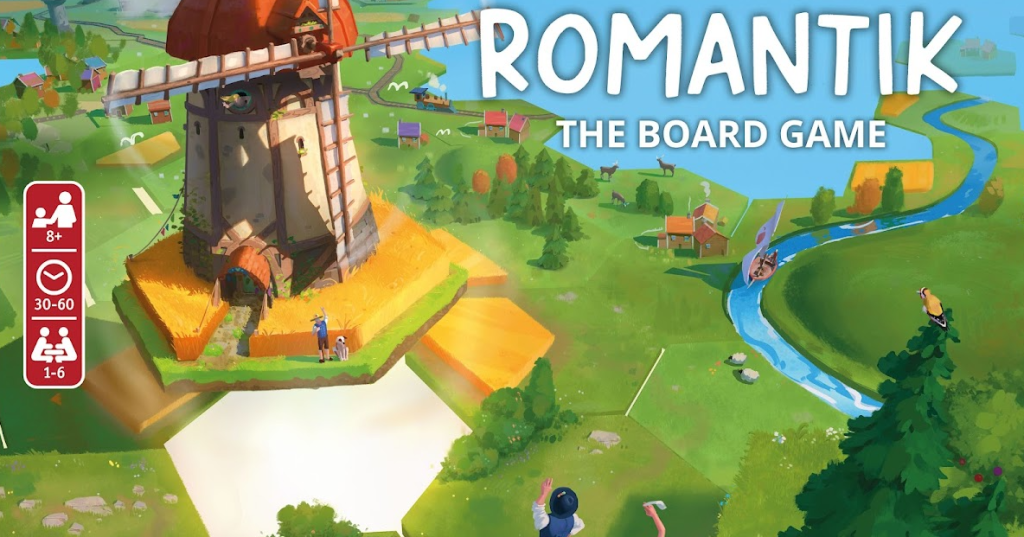
The fabulous Kyra Kyle has done it again. While Dorf Romantik was not a game they created, they were the ones who introduced me to it. Props to them, because I thoroughly enjoyed it! Dorf Romantik takes concepts from games like Catan and Carcassonne, but manages to be a special kind of fun. With the help of your fellow players, y’all gotta build the best town you can. It’s Sim City without financial stress. What can I say?

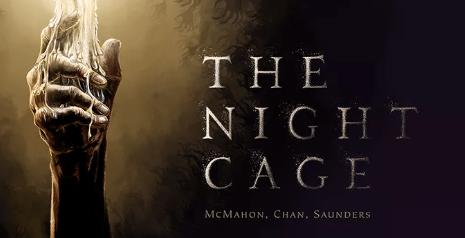
The Night Cage is a game that’s right up my alley. As a big fan of cooperative games, horror, and eldritch themes, The Night Cage is perfect for a dark game night with your friends. In a Lovecraftian setting, you find yourselves in a place of eternal darkness. You’re trapped in the Night Cage, and you must escape. The corridors shift and change direction. You only have a candle, and monsters hunt you at every turn. Good luck.

Skye’s Video Games

Lately I’ve been into casual phone games. Tap Gallery is a simple game about tapping arrow blocks to reveal a hidden image underneath. That’s pretty much it. While not the most complex, what appeals to me about Tap Gallery is its premise. It’s satisfying to watch every block slowly disappear from the screen. Sometimes that’s all you need in a game, and Tap Gallery has me hooked.

Cryptogram, while still a casual phone game, requires its players to use their brains. As you can likely tell from the title, Cryptogram is all about decoding a hidden message by following the clues given to you. Cryptogram helps stretch your brain while not being too difficult. Many of Cryptogram’s hidden messages are famous quotes from historical figures. Wait, you can solve puzzles and learn history? Sign me up!

Season’s Video Games

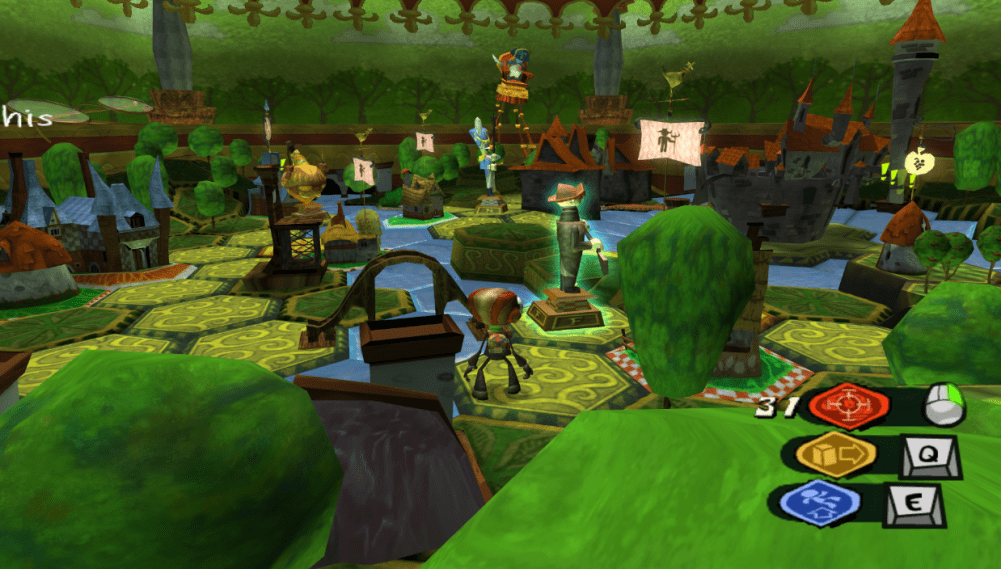
I’m kicking things off with a classic platformer. Psychonauts was released back in 2005 and is one of the more unique platformers I’ve played. Each level takes place inside people’s minds, so the player learns about each character by playing through their level. The level itself represents the character’s cognition of the world, but there are collectibles called “memory vaults” within each level. These memory vaults allow the player to sneak a peek into each character’s past through pictorial storytelling.

Players also spend a fair amount of time roaming the campgrounds in the overworld. I spent several minutes chatting with my fellow campers, collecting arrowheads to upgrade my gear and scavenger hunt items. Most objects/creatures in Psychonauts allow players to interact with them in some form, so there’s never a shortage of things to discover. I used clairvoyance on everything. Everything.

Fallout 4 has been out for ten years, but this is my first time playing it. Dead serious. I’ve never been crazy about open-world RPGs. In the past, I’d try them for twenty minutes before wanting to play something else. I tried playing Fallout: New Vegas on Steam many years ago, and it crashed every few minutes. I got frustrated and gave up on it. That said, I’ve enjoyed Fallout 4 so far. I like to stop tracking quests periodically so I can explore the world. I’m a digital hoarder, so picking up everything and being over-encumbered is my way of life.

I have one question for you, Geekly Gang. Why do radscorpions burrow under toilets?

Hey, hey! Kyra Kyle here again. That’s all our writers have for what they’ve been playing this past month. Feel free to share what you’ve been playing, Geekly Gang. Thank you for reading, wherever you are, I hope you’re having a great day.