
Happy Wednesday, Geekly Gang! Kyra Kyle here. During today’s post, our writers share what they’ve been reading over the past month. Feel free to share what you’ve been reading, too. We’re all part of the Geekly Gang. I’ll kick things off with what I’ve been reading over this past month.

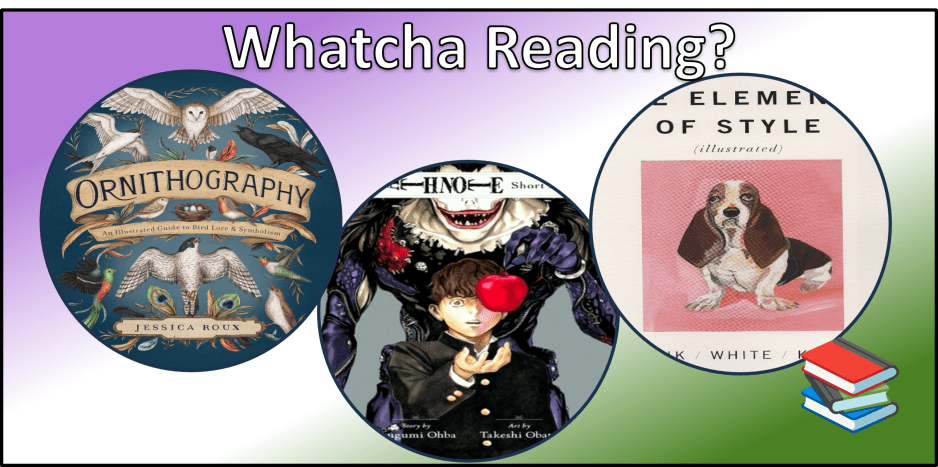
It’s the holidays. Naturally, I was out shopping for others, but that doesn’t mean I can’t pick up something relatively cheap for myself. I picked up Ornithography for under $5. Bird lore and symbolism sounded interesting, and Ornithography hasn’t disappointed. Each bird entry includes an illustration of the bird, its scientific name, and a brief legend about it. To say Ornithography is a quick read is an understatement. Just look at this sample page.

I figured Orinithography would yield some writing ideas, and it has shaken some things loose there. The only issue I’ve found is that the bird write-ups can contradict each other. One culture may view a bird as lucky and another unlucky. But that’s part of the fun.

Keeping my trend of quick to read and illustrated alive, my next entry is Strunk and White’s The Elements of Style. At one point, I read The Elements of Style once a year. It’s a writing style handbook and well worth the read. We can’t depend on AI to catch every mistake. This past month marks the first time I’ve read The Elements of Style in over two years. Yikes! I may need to get back into the habit of reading this must-read for any writer.
Yes. Style has changed somewhat, but most of what Strunk and White (and that’s E.B. White, the author of Charlotte’s Web) holds up today. And I love the gentle humor the two manage to give the subject. Writing style books can be a chore to get through. Strunk and White make it enjoyable.
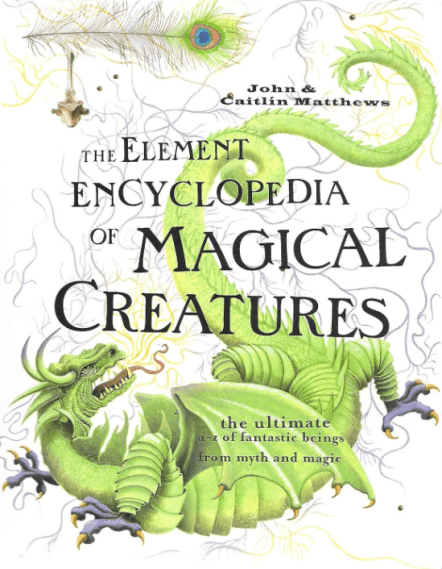
The Element Encyclopedia of Magical Creatures makes one of these lists again. I won’t go into too much detail. As the title suggests, this encyclopedia chronicles magical and mythical creatures. Entries in this book mirror Ornithography’s. I had a book type this month.
That’s all I have for this month’s Watcha Reading. Let’s see what Season’s been reading.

I participated in the Black Friday/Cyber Monday boycott this year, only purchasing essentials. This boycott also extended to streaming services. I rewatched my DVD box set of Death Note on my computer with a USB disc reader and remembered I’d picked up a copy of Death Note Short Stories. Death Note Short Stories is a collection written by the author of the main Death Note series (with the same artist), so I consider all of these stories canon.
I’m not a fan of the Taro Kagami story since it includes a “death eraser,” which brings people back to life if they haven’t been cremated. In Japan, there isn’t enough land mass to bury the dead, so people are cremated, with their crematory bits kept separate from their memorial site. I’d assume the same logic would apply to someone whose body is in pieces. That’d make for a weird zombie.
The first story was interesting. It’s set nine years after the end of Death Note, and features Donald Trump buying the “power of Kira (Death Note)” from a mysterious seller in Japan (Minoru Tanaka). Death Note is a fantastical series, but this is the most realistic story in the franchise. No notes.
The last couple of stories feature background information on L, such as his upbringing and daily life. This man tumbles in a human-sized washing machine every day as his “shower” because physically taking a shower is too bothersome. I mean, I don’t always want to shower, but a washing machine? That’s definitely a choice.
Hey, hey! Kyra Kyle here again. That’s all we have for Whatcha Reading this week. Let us know what you’ve been reading in the comments. Thank you for reading, and wherever you are, I hope you’re having a great day.

Hey, hey, Geekly Gang! Kyra Kyle here. It’s Wednesday again, so we have another post from the Whatcha Reading series. Today, we’ll have our writers share what they’ve been reading over the past month. Feel free to share what you’ve been reading in the comments, because we’re all part of the Geekly Gang.
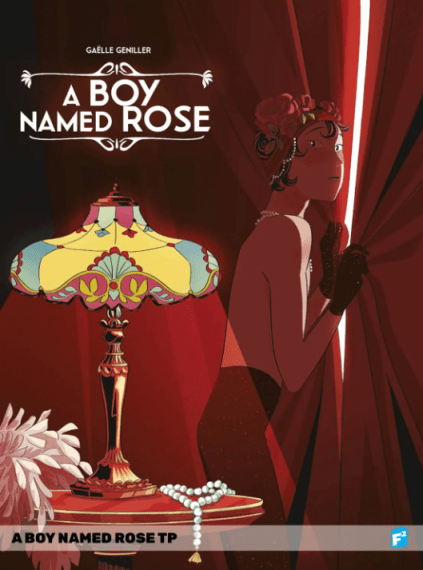
I picked up a handful of comic books and graphic novels at the recent Comic Con Nebraska. FairSquare Graphics’ stand stood out to me. Founded in 2019 by Fabrice Sapolsky (co-creator of Spider-Man Noir), Kristal Adams Sapolsky (consulting producer for various Hulu and Netflix shows), and Ethan Sapolsky, FairSquare’s mission is to produce comics for underrepresented groups. And they sure do deliver.
I love FairSquare Graphics’ production value. Each book (even the comic books) has a sturdy, soft finish. The art is stunning. But the stories. It’s all about the stories. 2024’s A Boy Named Rose was a finalist for an Eisner Award. I’m happy to see queer stories like A Boy Named Rose in comic books (or rather, a trade, graphic novel). There needs to be more, and that’s part of FairSquare’s mission. Set in 1920, A Boy Named Rose exists in an era where it was difficult for someone to express their gender and love freely. The title character, Rose, grew up in Le Jardin (The Garden) and has lived a life of greater self-expression. Rose has blossomed within Le Jardin’s protective walls. Rose’s coming-of-age gender fluid story touches numerous people who are stuck within the confines of a world not yet ready to accept them. A Boy Named Rose offers hope. And if you might be struggling with your identity or know someone who does, maybe even a hug.
Gaelle Geniller’s art elevates A Boy Named Rose’s narrative. I can’t imagine one without the other. I enjoyed all the gorgeous dance scenes. They were liberating. And as a gender non-confirming person who’s been interviewed, I felt every moment of Rose answering the reporter’s questions. I loved how the reporter’s cigarette smoke obscured what Rose was saying. That’s so relatable.

I love Black Girl Magik’s banter. It makes sense Black Girl Magik would sport excellent banter. Writer (and FairSquare Graphics’ cofounder) Kristal Adams Sapolsky is also a stand-up comedian. You can catch her on Season 2 of Laugh After Dark on Amazon Prime Video. Black Girl Magik has a hilarious premise. “Incel Whisperer,” Moriyah Pleasant, is helping one of her clients to score a date, when her client’s would-be date winds up being an Alchemist from another dimensional. Magical shenanigans ensue after the Alchemist passes, and her mystical and sentient tool (usually in the shape of a hammer) chooses Moriyah as its new Alchemist.
Holy Beyoncé, Black Girl Magik is a fun ride. I’m glad I picked up the first two issues (the only two available at the time of writing this post) and had the chance for Kirstal Adams Sapolsky to sign them. I highly recommend A Boy Named Rose and Black Girl Magik, and I’ll be checking out more of FairSquare Graphics’ titles. If you’re interested in FairSquare Graphics, check out their website.
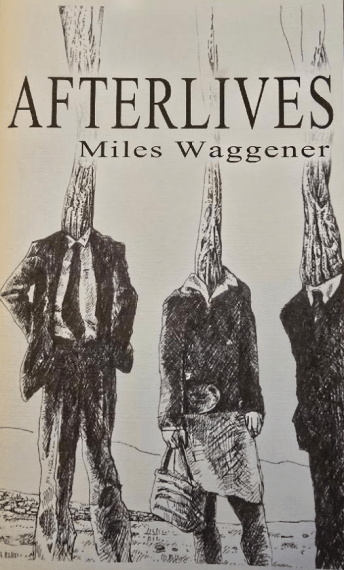
I often revisit poetry collections. You never know what you’ll find during a subsequent read after several years. I first read Miles Waggener’s Afterlives almost a decade ago; it’s time for a reread. Waggener has amazing command over diction and enjambment. Afterlives offers vivid imagery and poems that change gears, both metaphorically and with speed. These poems flow. I love it. The pictures Waggener paints vacillate from brutal to gorgeous, but they always feel lived in and human.
I’ll share I quick snippet of “Grooming” from Afterlives.
Well into the hairdresser’s
nervous breakdown, she snapped
the smock around my neck, and in
locks and curls, the hair, more hair
than I have grown in many lifetimes,
fell onto the tiles, and I grew thin
in the oily hum of the clippers,
in the perfume of tattooed Carlotta.
I love how you can read the above in its entirety and gain one message, and then read each line as a separate entity. The language used here reflects what you may find in Afterlives. If you can find a copy of Afterlives, you should give it a try. Phoenix Suites and Sky Harbor by Miles Waggener may be easier to find, and also well worth the read.
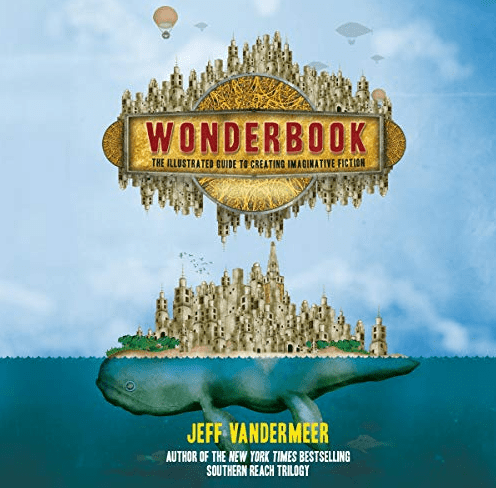
Ah, Jeff Vandermeer’s Wonderbook is an excellent resource for anyone wanting to write a science fiction or fantasy novel. Wonderbook provides thought-provoking images and writing prompts/exercises, while giving the reader numerous ways of looking at the writing craft. Wonderbook gives me the vibe of a writer’s companion for the Codex Seraphinianus, only you’re supposed to understand what you’re reading. Lol
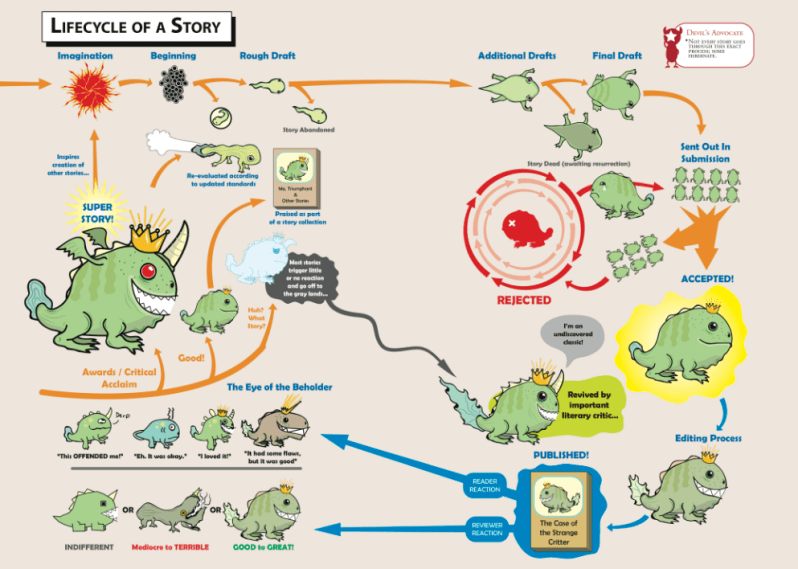
Loaded with graphs/charts, art, and writing advice from dozens of popular speculative fiction authors, Wonderbook offers a little bit of everything. No matter how you learn, Wonderbook has you covered. And Wonderbook is a living document. Vandermeer and company update Wonderbook’s online companion page. If you’ve ever wanted to write speculative fiction, you should check out Wonderbook.
That’s all I have for this month’s Whatcha Reading. Let’s see what Season’s been reading.
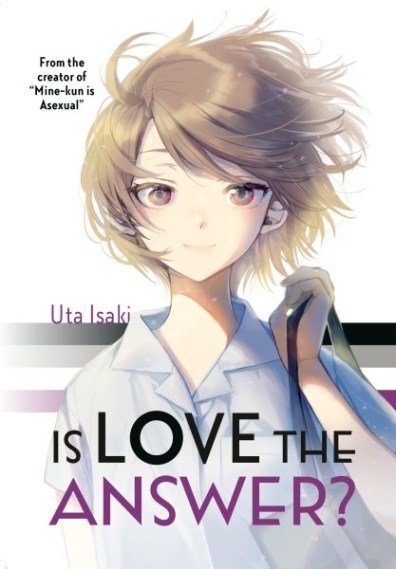
I decided to switch things up this month. Normally, I’m down for a good romance story. Is Love the Answer? scratched that itch differently. Chika is asexual, and all of her friends go on dates. But she doesn’t want to go on dates. She thinks there’s something wrong with her, so she studies psychology to figure out why she doesn’t want to be involved with anyone romantically. She discovers much about herself, but none of it is clear-cut.
Is Love the Answer? felt realistic. I appreciated the ambiguity of how Chika expresses herself. She didn’t know who she was, which is relatable to most audiences.
Hey, hey! Kyra Kyle here again. That’s all our writers have for Whatcha Reading this month. Let us know what you’ve been reading. Thank you for reading, and wherever you are, I hope you’re having a great day.
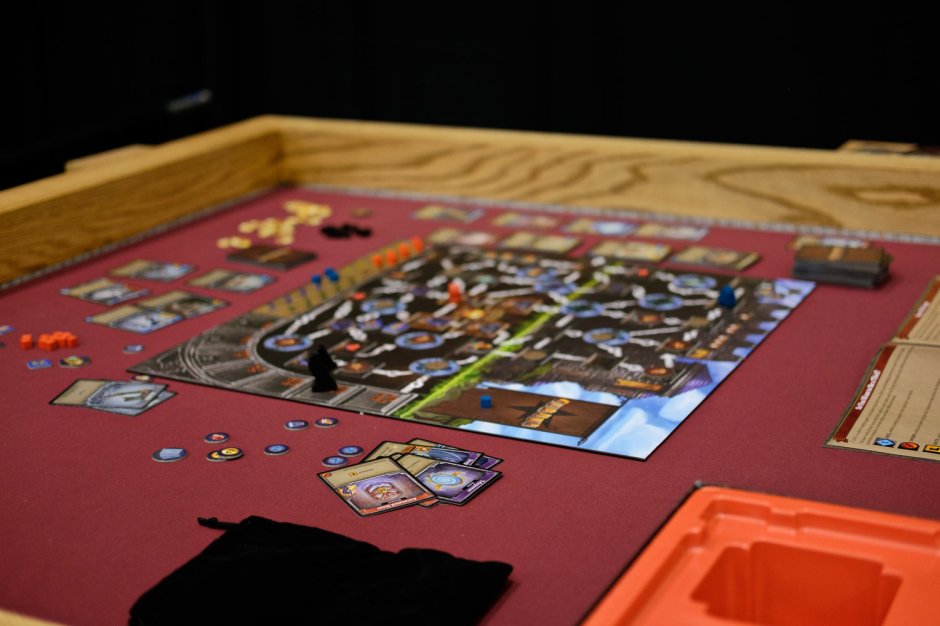
Not every intellectual property gets the tabletop game treatment. They can’t all be Star Wars that has hundreds of games on boardgamegeek (BGG), granted a lot of those are Star Wars skinned versions of other games, but still, there are a lot of Star Wars games to choose from. That made your uncle Geekly wonder which intellectual properties could use a tabletop game or two. Here we go.
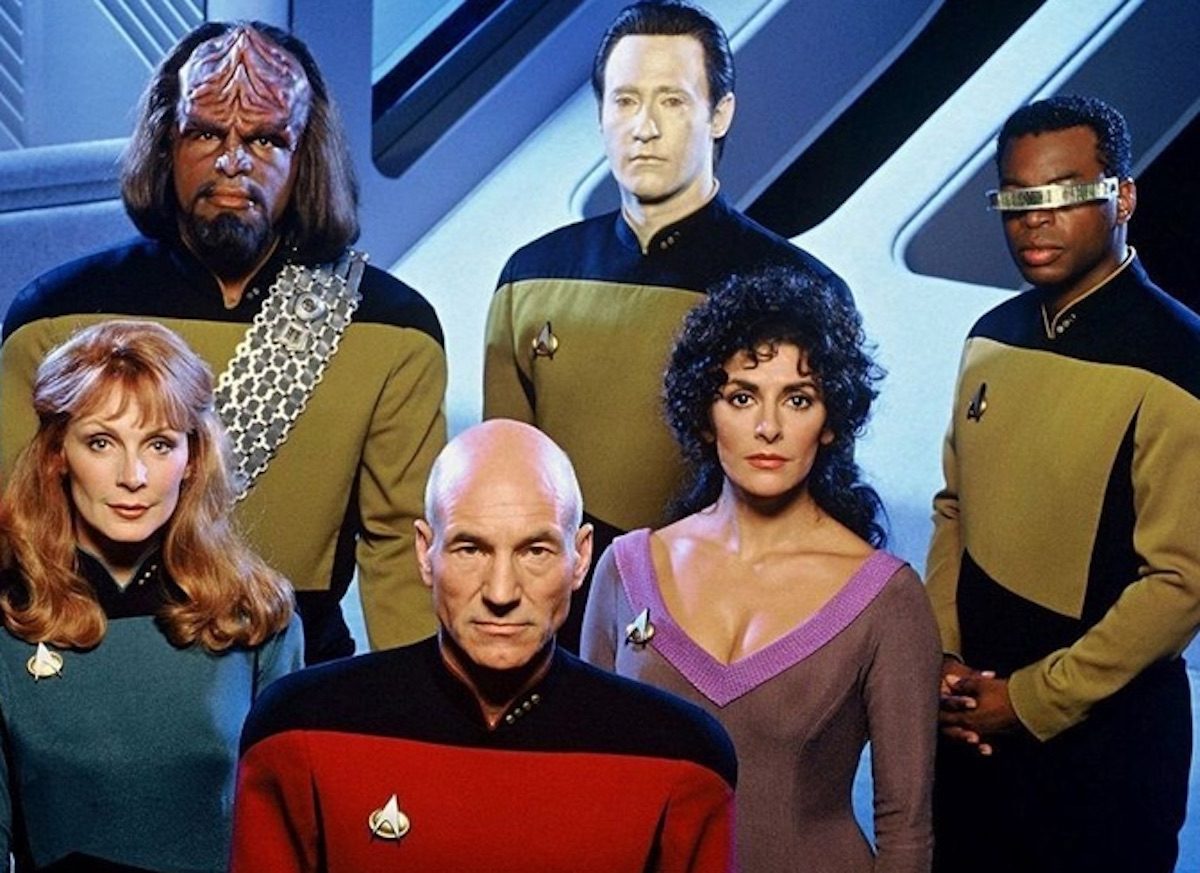
You know how I said that there are a lot Star Wars games out there. The same can’t be said of Star Trek. What’s worse is that most Star Trek games that are on the market are little more than rethemed Star Wars games. Now, I’m a little fuzzy, so perhaps someone can help me, but are Star Wars and Star Trek so similar that they’re interchangeable?
Yeah, that pissed off some fans. I don’t believe they are, but the real issue is that board game companies don’t seem to see a difference between Wars and Trek.
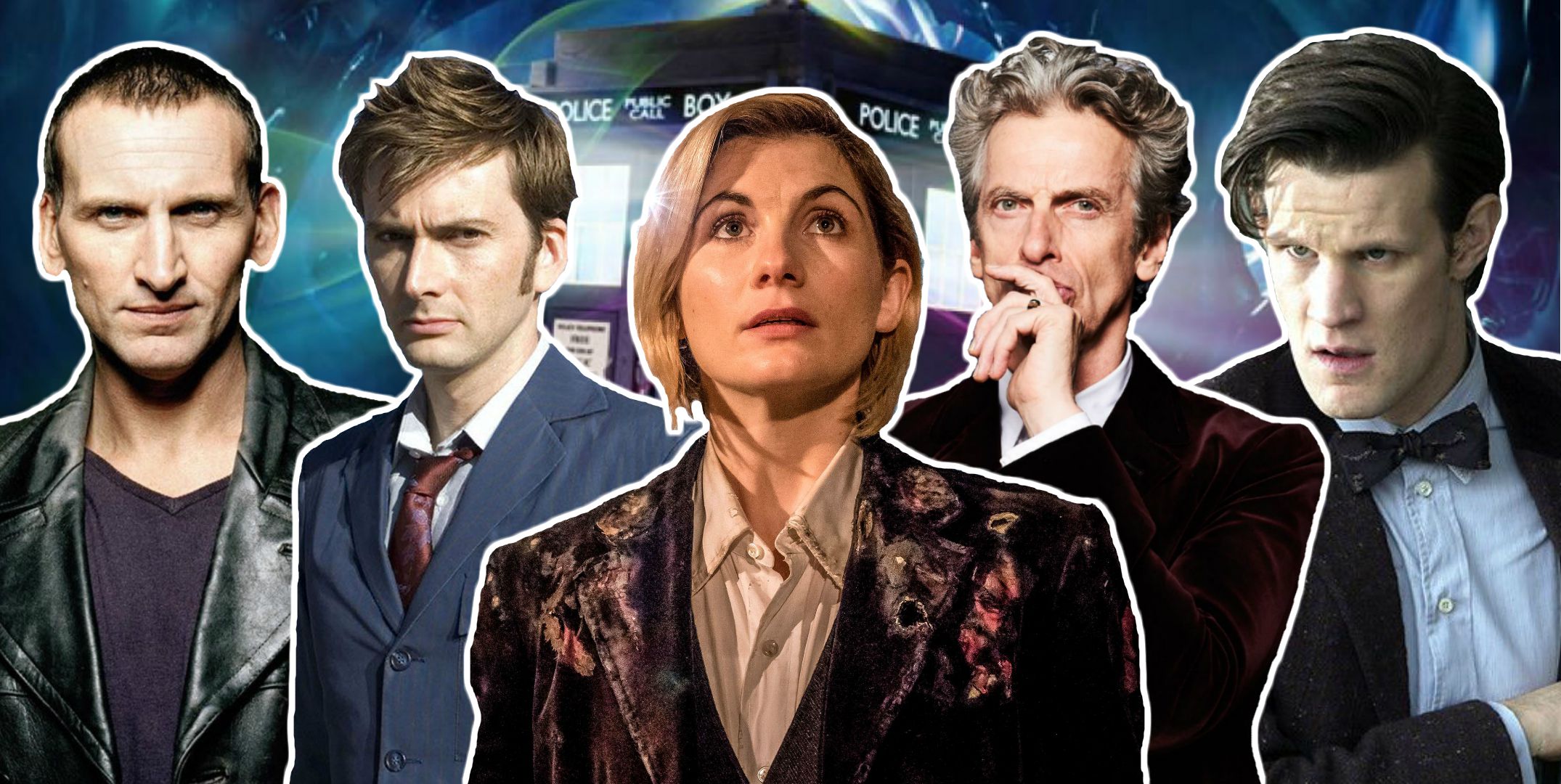
This is another overlooked intellectual geek culture property, and I’m not sure why. Sure, there’s an RPG and a handful of licensed games like Yahtzee with a TARDIS and a Dalek as the dice cup out there, but the time travel of Doctor Who is prime for some interesting game mechanisms that could bring certain game types into the 21st century.
Board games have been turning to books lately for inspiration. The Cthulhu mythos has dominated the board game landscape for years, due its status in the public domain, but other classic works like 1984, Animal Farm, Moby Dick, and Beowulf as well as newer works like Cronin’s The Passage trilogy and Pratchett’s Discworld novels have received the board game treatment. There’s a wealth of classic works out there. Why not turn one into a game?
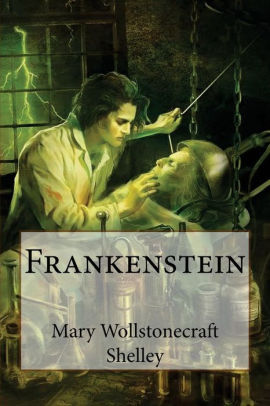
Why not a class/status struggle game based on Jane Austen? Or cast a gamer as Gatsby trying to impress Daisy? Or base a game on Mary Wollstonecraft Shelley’s Frankenstein? There are shockingly few games based on Frankenstein.
Horror novels have generated a lot of buzz. There’s even a game adaptation of Stephen King’s The Shining, where one player assumes the role of the Torrance family and the other plays as the Overlook Hotel. You can’t tell me there isn’t at least one or two more King novels that wouldn’t make a good board game.
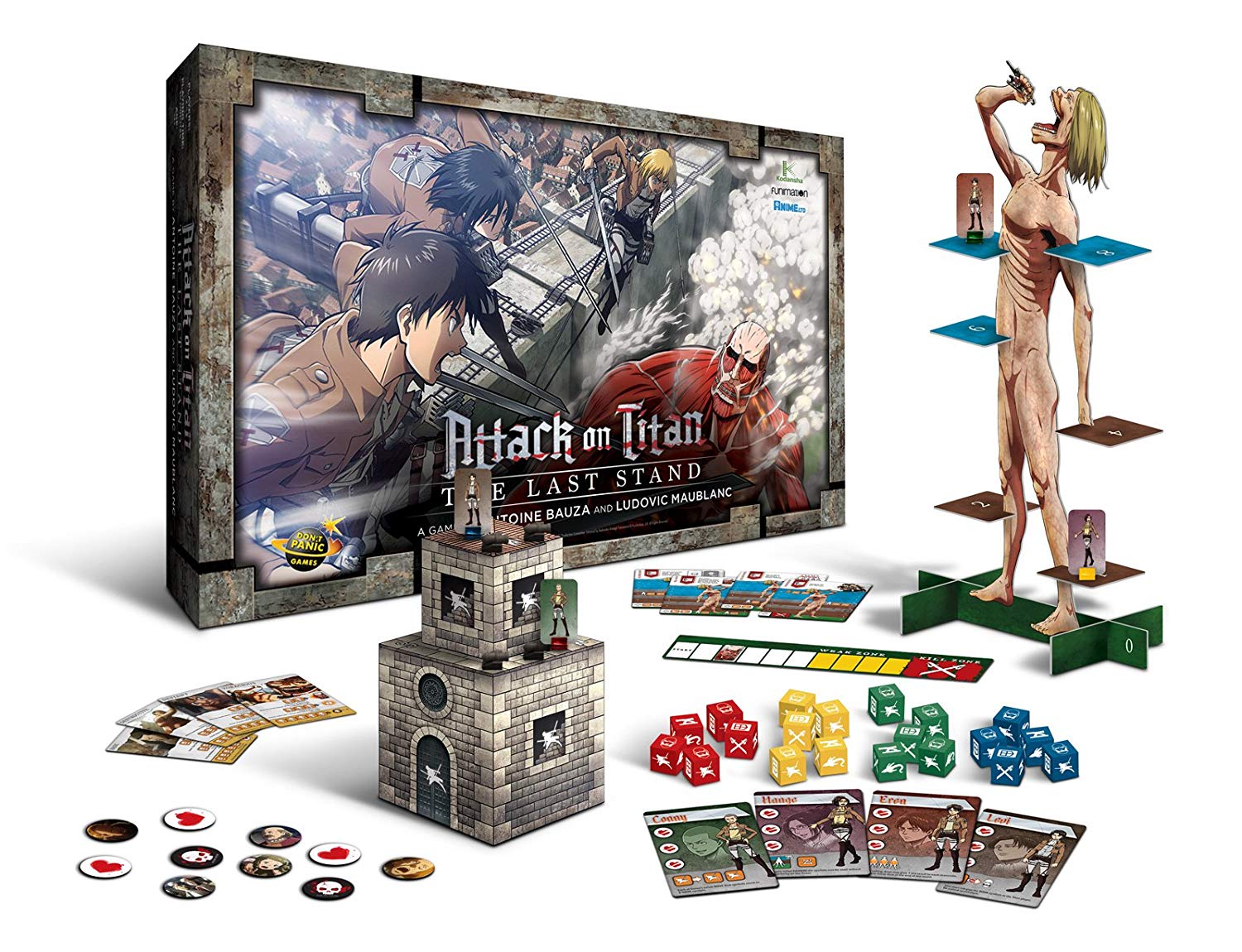
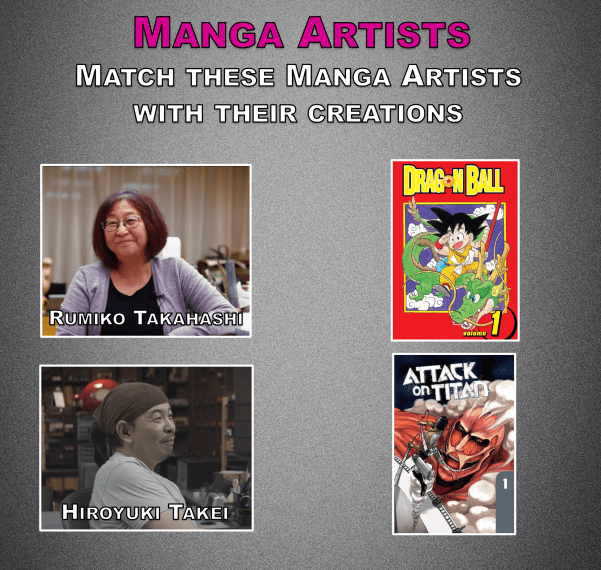
Yes. Some anime and manga titles have received board or card games in the past, and some of those have been pretty good, but most of the time anime fans are left with cheap knock off games. Like some other properties on this list, anime games tend to be skinned versions of other games. It says something when there are more animes about board games than there are board games about anime.
To add insult to injury, countless games use anime style art, but have nothing to do with the source material. It’s about time there was at least one or two decent anime/manga games out there.
Note: I haven’t yet played Bauza’s Attack on Titan board game. I hold out hope that it’s good. I like Attack on Titan and Bauza as a designer.
Scooby-Doo
With so many horror board games doing well, why not make a game featuring Scooby Doo? Exploration and puzzle solving are huge in board gaming right now. Fred, Velma, Daphne, Shaggy, and Scoob would make for some accessible characters for younger gamers, and older gamers would mind the link to Saturday morning cartoons.
I could’ve added more than these five, but your uncle Geekly wants to hear your thoughts. Are there any intellectual properties you’d like to see made into board games? Let us know in comments.

Is there snow in forecast or is it Anime Season? I’m sure our resident anime/manga geek Season appreciates the joke at her name’s expense. She’s going to break down why the Death Note anime is better than the manga. Take it away, Anime Season.
Usually, it’s the other way around, right? The manga typically doesn’t include huge filler arcs and has a more consistent flow than the anime. Typically. In the case of Death Note, not only does the format in which it’s presented in the anime suit it better, the ending has a more accurate depiction of a certain character in the anime than the manga. Spoiler alert. Let’s get started.
The first issue with the Death Note manga is the type of storytelling Ohba is presenting. Death Note is a detective story with supernatural elements and is dialogue heavy. I mean very dialogue heavy. Page after page of the Death Note manga contains blocks of text as each of the characters expresses their thoughts. This doesn’t allow for good flow in the manga since it’s easy to zone out in the sea of text. I had to go back on several occasions just to appreciate the artwork (which Obata did an amazing job of). In Death Note 13: How to Read, Ohba states that he cut down on a lot of the text. Dude, what did you originally have? Never mind. I don’t want to know.
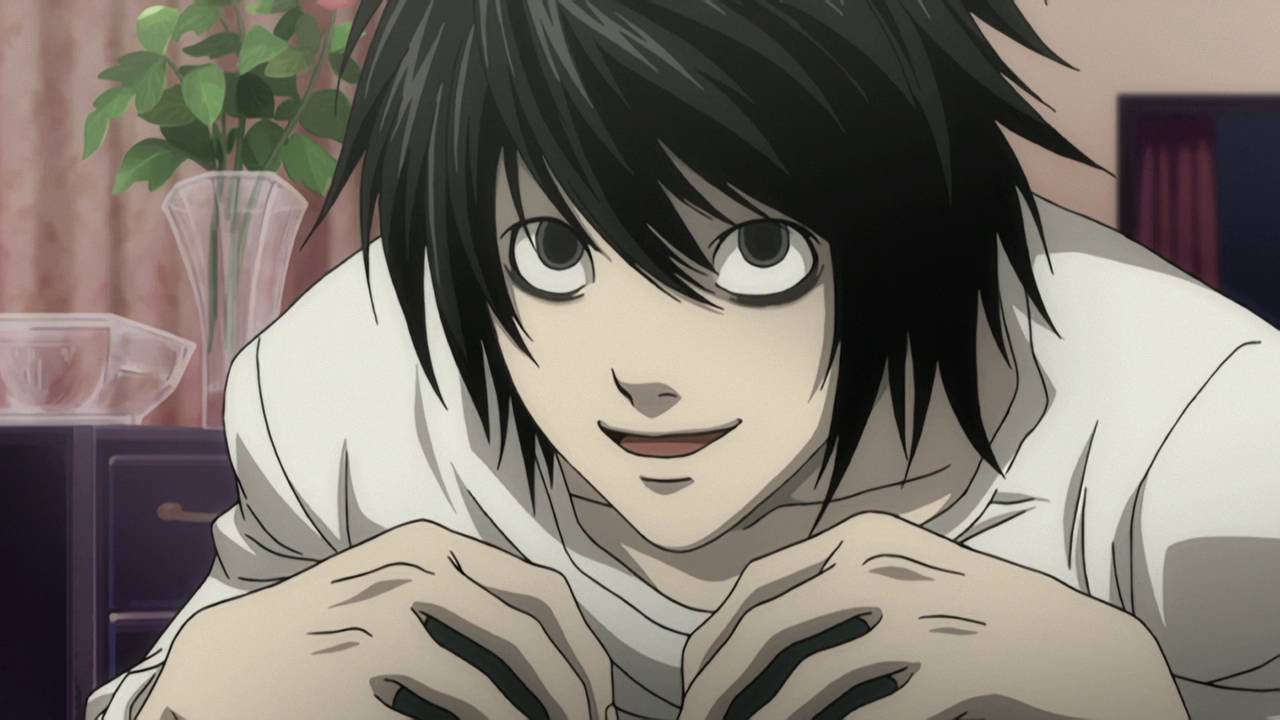
As far as the anime goes with the dialogue, that much of it is fine. As a viewer, one doesn’t have to read the text (unless you’re watching it subbed) and can just listen and watch the characters’ reactions. Since it’s animated in this format, even if the characters talk a lot, they’re also moving and doing other things. For instance, L is always stacking or making something out of, say, coffee creamer pods, while he talks. This keeps the viewer engaged while progressing the story. The manga does show this, but since it’s depicted in a panel and the reader is focused on what L is saying, it gets lost. There is a segment in the manga (I believe it’s in volume 11—don’t quote me on that) that has several panels of pictures, showing what each of the characters is doing. More of that should have been included.
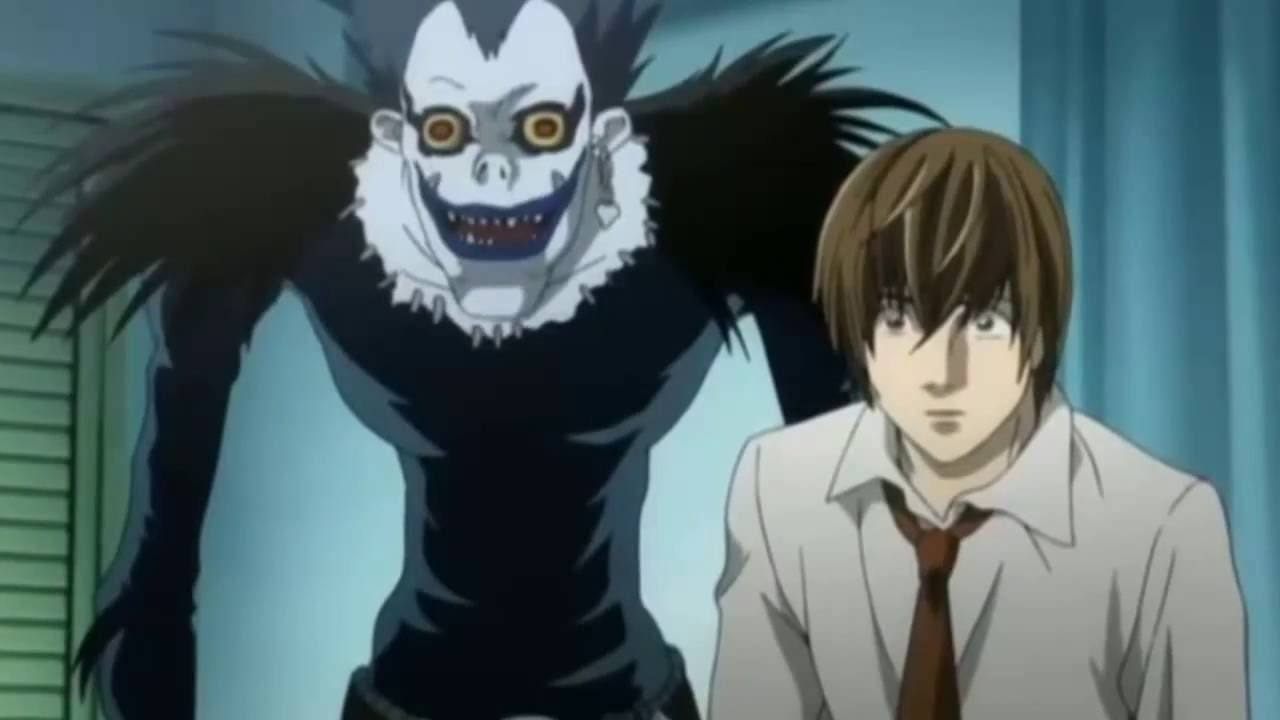
My second point contains major spoilers. Read at your own discretion. The ending in the anime made way more sense than the ending in the manga. For those who have seen Death Note in both formats and disagree with me, hear me out. In the anime, Light runs away, wounded, and collapses on a staircase in a warehouse, with Ryuk writing Light’s name down in his Death Note, killing him. In the manga, Light has a panic attack after getting shot several times and begs Ryuk to save him. Ryuk still writes Light’s name down in his Death Note and kills him. Ryuk killing Light was foreshadowed in both the manga and anime versions, so that was fine. Light freaking out in the manga and begging Ryuk for his life was not. That isn’t Light’s character. In Death Note 13: How to Read, Obata states that he wanted to express all of Light’s pent up emotions in one huge psychological breakdown. Basically, he wanted to draw Light in anguish just because he could. Again. That isn’t Light’s character.
A cult dedicated to Light (Kira) was also shown at the tail end of the manga. Why? I can understand that people still worship his ideals, but this makes it look like there’s going to be a part two to the story. I don’t think there will be twelve years after the final volume was published, but this is unnecessary. This is something the reader can infer based on the general public’s reception to Light throughout the series.
I’d recommend the Death Note anime over the manga, but that doesn’t mean the manga is horrible. I don’t think the Death Note concept suits the manga as well as it does the anime. For those who have seen the anime and are looking for something to read the manga will definitely keep you occupied for a while.
Did we miss anything? Do you agree with our arguments? Do you prefer the Death Note anime or the manga? Let us know in the comments.

 jkgeekly.com