Geek Out

3 Lists of 3 Mini Games in Video Games

There are some mini games—small games within larger one—that are more fun to play than the original video game in which they’re found. Mini games are so pervasive in video games that there are some video games that are nothing but compilations of mini games. Uncle Geekly’s looking at you, Mario Party and Wario Ware.

But which mini games are the best in the business? Which ones are ones someone could play for hours on end without finishing the main questline? Your uncle Geekly will give you his answer with this week’s 3 list of 3.

Great Mini Games

geometrywars

Project Gotham Racing 2 (Geometry Wars)

Geometry Wars had its humble beginnings in the popular racing game Project Gotham Racing 2 as a hidden joke. The designers threw in this minimalist retro puzzle game, and it became so popular that it received a standalone release, Geometry Wars: Retro Evolved.

This twin-stick space shooter had such addictive gameplay and stunning visuals that gamers didn’t care about the game’s uncompromising difficulty. Slap me around and call me novice.

supermonkeyball_monkeytarget

Super Monkey Ball (Monkey Target)

Rolling monkeys inside giant, transparent spheres is no easy task. I never got into Super Monkey Ball’s main game, but I’m up for a multiplayer game Monkey Target any time. Your monkey rolls down a huge ramp, and once they’ve built up enough momentum, those large balls open up to form wings. Then, players glide their monkeys gently through bananas and power-ups to land on targets found in the middle of the sea.

Gliding is relaxing, Monkey Target’s controls are far better than Super Monkey Ball’s, and the mini game is joy. I could play—and have played—this mini game all day.
animalcrossing_nes_games

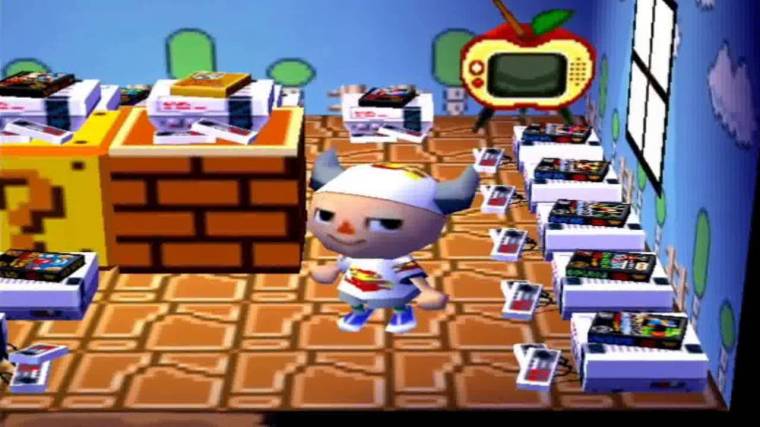
Animal Crossing (Nintendo Entertainment System)

Who needs a Nintendo Entertainment System (NES) Classic when you can collect in-game NES cartridges in Animal Crossing?

Sure, this one’s a little bit of a cheat because they’re classic NES games coded within a Wii game, but I got excited whenever I found an NES cartridge in Animal Crossing. I picked up Donkey Kong Jr. Math. Woo hoo!


Final Fantasy Mini Games
finalfantasyx_blitzball

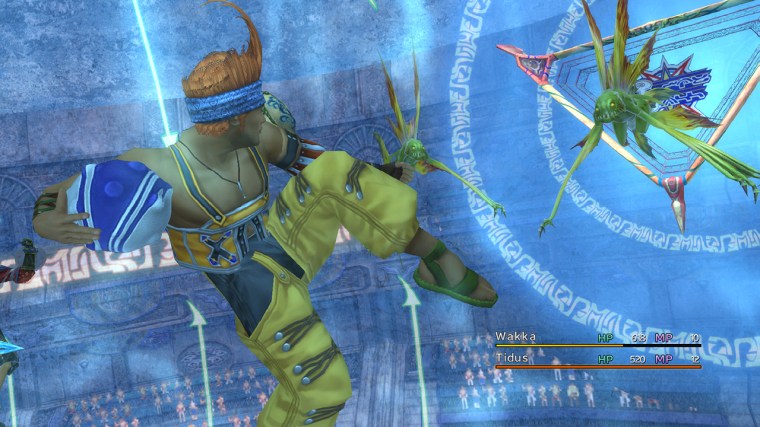
Final Fantasy X (Blitzball)

I was going to make this list by incorporating Final Fantasy mini games within the larger list of great mini games, but I came up with 2 out 3 games coming from Final Fantasy, so FF’s getting its own list. I’m not even sorry.

The first one in this list is the one I didn’t include at first because the premise is the strangest of the three: Blitzball. Final Fantasy X’s Blitzball is underwater soccer meets basketball. It makes no sense. It’s also awesome.

I don’t know how many hours I wasted playing Blitzball instead of finishing Final Fantasy X’s main story line. I didn’t care that Sin was going to destroy Spira. I want to sign the best Blitzball goalie Nimrook to a long-term contract. I’m also going to transition from Wedge, who’s a great shooter early game, to a combination of Nedus (very fast and a great prospect for shooting) and Nav Guado (great counter-attacking forward). I’ll assemble a team that no one can beat. Mwah-ha-ha!
finalfantasyvii_chocoboracing

Final Fantasy (Chocobo Racing)

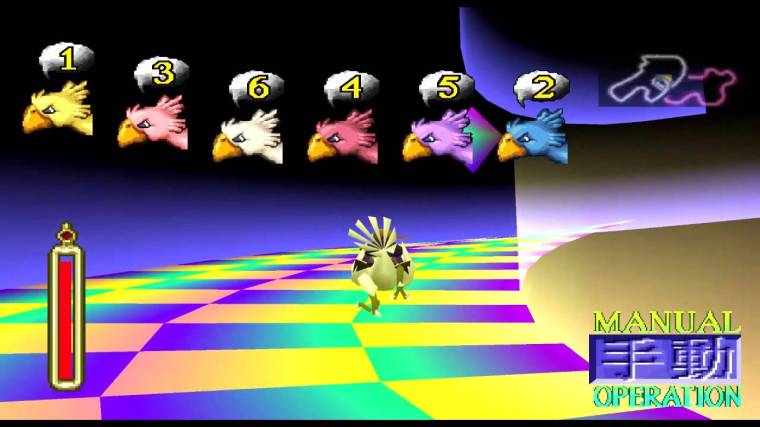
Final Fantasy VII introduced chocobo racing, and it was a blast. The breeding system didn’t make a lot of sense, but the actual act of racing your chocobo (those are ostrich-type creatures for those who don’t play much Final Fantasy) played well. You had to know when to sprint your chocobo and when not to. I’m king of the chocobos.

The mini game was so popular that Final Fantasy brought the sport back for several iterations. Final Fantasy XIII-2 had a complex system where players could develop their chocobo’s statistics. You had to strike the right balance to achieve victory. Final Fantasy XV allows players to ride chocobos in the open world, which felt great, especially when Prompto makes up words for the song that plays every time a chocobo graces the screen.

“I like to ride my chocobo all day.” Me, too, Prompto. Me, too.

finalfantasyviii_tripletriad

Final Fantasy VIII (Triple Triad)

I find that most gamers fall into one of two mini card game camps: Triple Triad or Gwent. While I admit Gwent is a great game, it got its own release separate from The Witcher after all, I’m in the Final Fantasy VIII’s Triple Triad camp. I’m an older gamer. Deal with it.

I never used Quezacotl’s Card Mod Ability on any rare card. Keep your 100 Megalixirs; I want my Bahamut card. The same goes for three Diamond Armors. That Seifer card is too awesome.

I even cast the card capture spell so many times I lost count. I didn’t even care if I won a battle, I just wanted my cards. Sure, it’s a little like Pokemon, but I had to collect them all.


Fun skill checks that may as well be mini games

This one may need a little clarification. There are games within games, but there are also skill checks that can happen (like sneaking or fishing) that can occur within a game that’s really another mini game within a larger game. Here are three good examples of skill check mini games.
bioshock_pipehacking

Bioshock (Pipe Hacking)

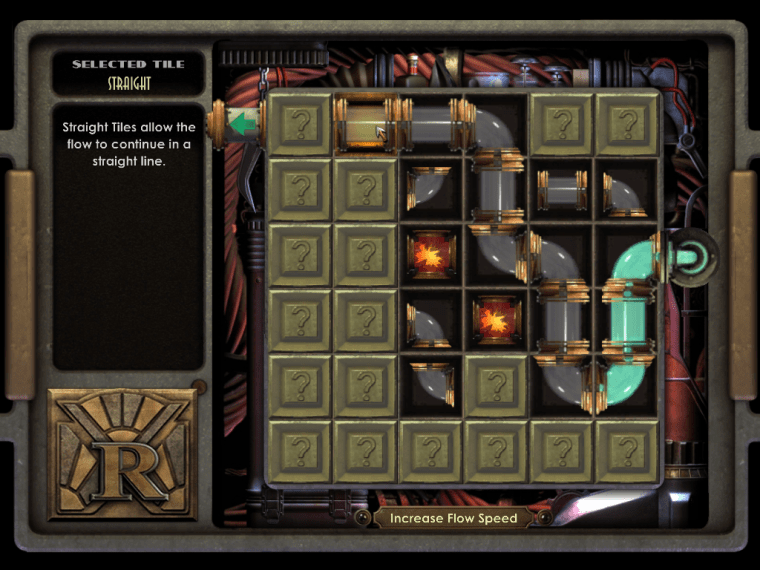
A lot of games feature some lame computer hacking mini game—I’m looking at you Fallout 3’s word searches and Mass Effect 2’s matching blurry lines of code that you couldn’t pay me to play—but Bioshock took the classic game Pipe Dream and added a steampunk twist. One had to find and match pipes to make water flow where you wanted it to before the water escaped the system.

It’s a fun mini game that gets a little old after the hundredth hack, but it’s a great throwback in an equally great game.

legendofzelda_ocarinaoftime_fishing

The Legend of Zelda: Ocarina of Time (Fishing)

Gamers can fish as a mini game or skill check in numerous titles. Legend of Zelda even has several titles in its series where fishing is possible, but Ocarina of Time proves to be the best of the best.

The big payout is a piece of heart, but I liked it when I caught a fish so big that the guy who runs the plays deemed it “illegal.” Screw him. I threw his hat into the pond.
skyrim_lockpicking

Skyrim and other Bethesda titles (Lockpicking)

Skyrim started the old hair grip and screwdriver method of opening locks. Bethesda has perfected this rumble controller feedback, dexterous challenge. I know that I’d never be a great lockpicker in real life, but for a few hours, I can pretend with Skyrim, Wolfenstein: The New Order, and Fallout 3.

There are too many mini games to list here. Let us know what your favorites are in the comments and if you don’t agree with any of the games on this list, you can challenge me to lockpicking duel in Skyrim. First one to 100 wins.

Crazy Things Video Game Developers Charged Money For

Video gamers have to put up with a lot from developers. Increased costs for additional content and hidden fees have become the norm. While developers can—and will—defend practices like extra downloadable maps, loot boxes, and microtransactions in addition to a game’s original $60 asking price, there have been things video game developers have charged players that make no sense.

Fortunately, your uncle Geekly is good at nonsense, so here are some crazy things video game developers have charged their customers and hoped their customers wouldn’t notice. Buckle up; this’ll be a bumpy ride.

mortalkombateasyfatalities

Mortal Kombat (Easy Fatalities)

Mortal Kombat is known for one thing: gore. The gore doesn’t get more gruesome than when it comes in the form of fatalities.

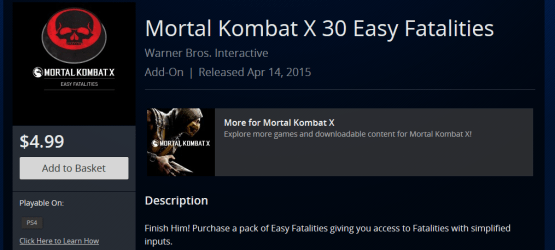
Usually, players input a series of buttons to execute a fatality after their opponent is weak enough. We’re talking about your opponent swaying back and forth on wobbly knees, but Mortal Kombat X sold the aptly named “Easy Fatalities” as downloadable content. Developer NetherRealm Studios insisted that it was to help players experience every part of the game, but it’s just a cash grab.

Fighting games center around pressing the right combination of buttons. If someone is playing Mortal Kombat X and doesn’t remember a button combination, they shouldn’t be given the opportunity to pull off a fatality. You’d still win the game; you just wouldn’t have the extra animation. Learn the controls.

metalgearsurvive

Metal Gear Survive (Extra Save File)

What? Someone had the grapes to charge players for an extra save space of a game they bought? Yes. Yes, they did. Screw you, Konami.

This scrapes the top of a very ugly iceberg for Konami. They’ve produced some terrible add-on content before and charged folks full price for unfinished games that were nothing but extended demos—we’re looking at you Metal Gear Solid V: Ground Zeroes—but the worst thing Konami has charged players for is the privilege of occupying more space on their hard drives.

We’re not talking about one of the better Metal Gears either. Metal Gear Survive must be the worst thing with Metal Gear in its title. Ugh!

asuraswrathtrueending02

Asura’s Wrath (The True Ending)

Unlike a lot of other games on this list Asura’s Wrath is very good—I recommend it as it’s a sort of interactive anime that blends mythology and sci-fi—but it’s on this list because of an unsavory practice that many other games have duplicated: teasing a better and different ending. The game does more than suggest that there will be a sequel—we’re still waiting—and instead of doing that, Capcom added new downloadable content entitled “The True Ending.”

While it didn’t cost that much, this true ending proved the first in the line of game developers screwing over their customers with unnecessary content. I don’t care about a slightly different ending. Where’s “the true sequel?”

FinalFantasy_AllTheBravest01.jpg

Final Fantasy: All the Bravest (Buy Randomized Characters)

Remember how I said that Metal Gear Survive was the worst thing with Metal Gear in its title? Final Fantasy: All the Bravest may be the worst thing with Final Fantasy in its title. Square Enix marketed this game as a mobile game for Final Fantasy fans, but it’s nothing like a typical Final Fantasy game and the developer pumped the game with so many microtransactions that it’s made as much, or more money than, a typical Final Fantasy release, even though it’s free to play.

The worst of these microtransactions comes from buying characters ($0.99 apiece). It’s bad enough that players can’t unlock characters, but All the Bravest adds another level of shade by making these characters random when players buy them. That means that you can purchase the same character you already have. And let’s face it, Final Fantasy has been around so long that there are as many bad characters as good ones. Who wants fifty Snows and no Tifas or Clouds?

streetfighterxtekken_fightersalreadyonthedisc

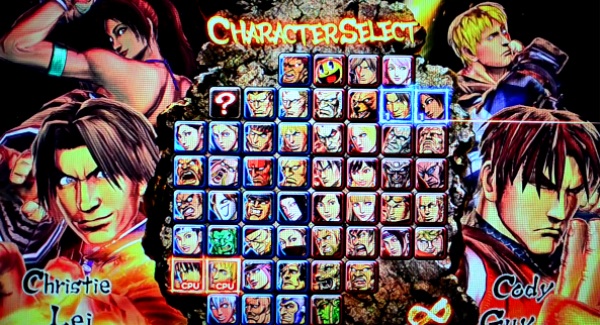
Street Fighter X Tekken (Fighters Already on the Disc)

Street Fighter X Tekken is another case of a game pioneering some bad industry practices. Many games allow the player to unlock additional characters through downloadable content. If a gamer’s lucky, the absence of these characters won’t matter. In others the character in question could fill plot holes—ahem, Mass Effect 3–but Street Fighter X Tekken makes this list because Capcom didn’t do a good enough job of hiding this extra content.

Several additional characters existed at the game’s launch, but players had to purchase a code to download them onto their copy. This reeks of greed. Since these characters were fully developed at the game’s launch, it felt like Capcom gave players a partial game. Again, many developers have copied this practice or have taken it to new heights of low—Star Wars Battlefront 2—but Street Fighter X Tekken started a dirty precedent.

TaleOfVesperia_CharacterExperience.jpg

Tales of Vesperia (Character Experience)

JRPG fans are used to a few things: androgynous protagonists with big hair, scantily clad females with large assets, and grinding—the process of fighting previously conquered areas for experience and levels for your characters. Tales of Vesperia takes the idea of grinding and flips it on its head.

For about $5 players can buy experience points. Okay, that’s bad enough. But that’s only for five levels or so. For another $10 players can purchase more experience that’ll afford them more levels. Great. It might seem silly to put this gaffe on the list. NBA2K and other sports games have charged players for in-game experience points, but players can ignore this offering. Heck, JRPG fans shouldn’t fall victim to this avarice because they’re used to playing long hours to raise levels. The issue is that Namco doles out too little experience in Tales of Vesperia.

The only way to level up any of your characters in a meaningful way is to pay for it. Foul!

saboteur_buyingnipples

The Saboteur (Nipples)

To understand why nipples in a video game would be something someone would pay for, one must understand the video game rating system. A protagonist can blow people’s brains out of their eye sockets. A game can even zoom in on said brains oozing out of an eye hole in slow motion and the worst a game will get is a Mature rating. But no one can show nipples.

That’s fair. Children see brains flying out of orifices all the time; they don’t ever see nipples. Filth! Filthy little boob hats.

To avoid a higher rating (Adults Only), Electronic Arts omitted every nipple in The Saboteur and allowed players to pay for DLC that returned the omitted nipples to their breasts.

Why? Not that I’m a prude, but why would anyone pay to have digital nipples placed on virtual breasts? And why would Electronic Arts omit nipples to avoid a higher game rating? No one looks at those ratings. Put the nipples on the breasts.

Full disclosure: I just wanted to say nipple and breast several times and drop a boob hat reference in this write up. Mission accomplished.

Maybe you like microtransactions for random characters or you like paying for characters who are already in a game. Maybe there are other examples of DLC and microtransactions that you don’t like. Feel free to share them with us in the comments.

Stay geeky.

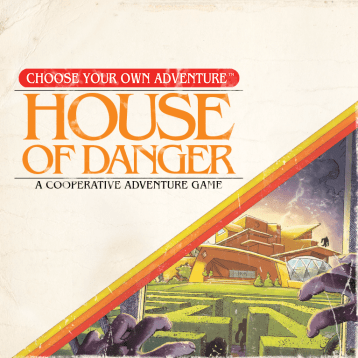
My Favorite Game Mechanic: Choose Your Own Adventure: House of Danger

Sometimes you want a game that’s easy to learn. Sometimes you want a blast from the past. Choose Your Own Adventure: House of Danger happens to be both, and your uncle Geekly found a lot of enjoyment out of the game. So much so, that I can’t wait for the next game of the Choose Your Own Adventure series.

If you’ve ever read a Choose Your Own Adventure book, you’re seventy-five percent familiar with this game’s mechanisms. Seriously. House of Danger adds a simple skill check system, but the rest of the game follows the original book. Yes. R. A. Montgomery released a Choose Your Own Adventure book of the same name in 1982.

houseofdanger02

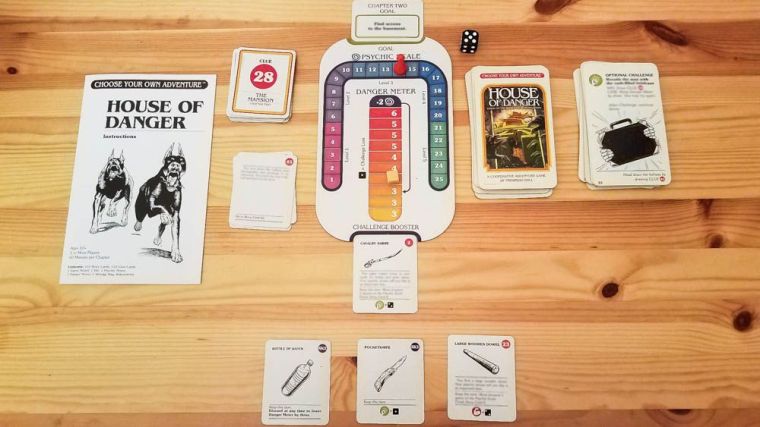
I think this game came at the right time. Many games borrow ideas from the classic Choose Your Own Adventure books (T.I.M.E. Stories and most escape room games), but House of Danger commits to recreating one. It’s simple, but it works.

Since the pages (of the novel) are split into individual cards, it’s easy to play the game as a family—and in saying you’re playing the game I really mean that a family or group of friends is reading a book together. I like how House of Danger draws the players’ attention to the Choose Your Own Adventure style of books.

houseofdanger_chooseyourownadventuregame01

There were a few moments where die rolls took over the game—I’m looking at you, braving the underground maze—but the bulk of the game when I played with my family was engaging with the written material and making choices that went well or went horribly wrong. And yes, there are moments that make someone what to say that they never did that. Their finger was on the previous page the whole time.

It can be difficult to add a new element to something or manipulate how a story is consumed, but House of Danger does a good job of capturing the feel of a Choose Your Own Adventure, while making it feel new. The added die rolls and progress tracks don’t detract from the original fun.

houseofdanger

Many gamers won’t like that House of Danger has limited replay value, but it’s cheap and like the novels, you can gift them to someone else when you’re done. Sometimes it’s nice to have a finite number of plays. Sometimes it’s nice to relive the past. It also doesn’t hurt that House of Danger is inexpensive.

If you don’t agree with me, go to page 472 or you can leave a comment.


Thor Starter Stories

Doth mine eyes deceive me? T’would be folly to journey the path of Asgardian tales alone.

Okay. I can’t do that for more than two sentences. Hi, it’s your uncle Geekly, and if you can’t tell, this week’s starter comic book stories will feature the Avenger who sounds as if he belongs to an oafish Shakespearean acting troupe. Thor!

Many comic fans wouldn’t place Thor as one of the most important Marvel creations, but I’d argue that the Jack “The King” Kirby and Stan “The Man” Lee character did as much for Marvel’s universe as the Fantastic Four or at least his tales gave context to the Fantastic Four’s. The dysfunctional, loving family may have introduced readers to the Marvel universe’s greatest reaches due to their exploits, but Thor is a citizen of one of these far reaches. He gives readers a different perspective.

It should come as no surprise that when the Marvel Cinematic Universe needs an alien perspective, it often turns to Thor or another Asgardian. Speaking of the movies and television shows, I’ll be focusing more on Thor stories for new readers who have been introduced to the character by the MCU and that means that there will be a notable omission: Kirby and Lee’s series run.

Boo! Hiss! Uncle Geekly isn’t a true believer.

Okay, I may not include it in the main list, but I’ll give Kirby and Lee’s run an honorable mention here because it’s some of their best work and does a great job of setting up most of the series’ regulars. Thor Epic Collection: The God of Thunder is a great place to find one of the best mixes of sci-fi and mythology. It’s like Thor and the other Norse gods were meant to be reinvented by Lee and Kirby.

With that out of the way let’s get to the stories that may remind readers of the movies.

thor the mighty avenger vol 1

Thor: The Mighty Avenger Vol 1 (written by Roger Langridge/art by Chris Samnee; 2010-2011)

We’ll start with a short read. Thor: The Mighty Avenger didn’t last long enough, but it does a great job building the relationship between Thor and Jane Foster. Don’t worry. Readers can find some action, but it often takes a backseat to Thor’s personal life and that’s a major point in a lot of Thor books and a focus for the first Thor movie.

thor j michael straczynski

Thor (written by J. Michael Straczynski/art by Olivier Coipel; 2007-2011)

Thor had disappeared from the Marvel Universe for many years before Straczynski and Coipel brought him back in a big way. He and the rest of the Asgardian gods were reborn in this run. Lady Loki—you’ll see plenty of people dressed as her at Comic Con—made her first appearance in this storyline as did changing the thunder god’s base of operations west of the Mississippi (specifically Broxton, Oklahoma), which helped combine elements of the fantastic and mundane.

The Marvel Cinematic Universe may have changed where Thor landed to New Mexico, but the earthly elements in this story are the basis for the earthly ones in Thor.

avengers disassembled thor

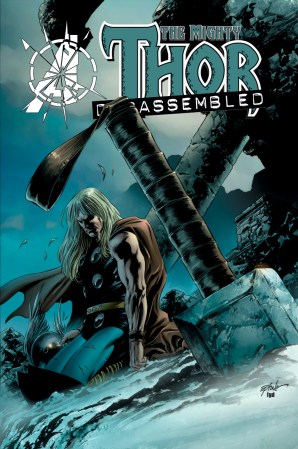
Avengers Disassembled: Thor (written by Michael Oeming/art by Andrea Di Vito; 2004)

There’s a reason Thor vanished from the Marvel universe for several years before Straczynski and Coipel brought him back, and Avengers Disassembled: Thor is it. Ragnarok has been explored in the Marvel universe before, but the basis for Thor’s part of Thor: Ragnarok comes from this section of the crossover event.

This comic felt like a movie waiting to happen, but if you’re thinking that it’ll be as light-hearted as Thor: Ragnarok, think again. This is a much somber tale.

thor god of thunder

Thor: God of Thunder (written by Jason Aaron/art by Esad Ribic; 2013-2014)

In deference to Jim I won’t include Jane Foster as Thor when I discuss Thor: God of Thunder. He may have to write an unpopular opinion or another article of that ilk explaining why he doesn’t care for different characters donning the costumes of classic superheroes in the future. But before Jane took the mantel, Thor: God of Thunder was epic.

It made Thor a rock star. It showcased the character’s raw power and with stories that explored Thor as a brazen youth, it reminds readers of the immaturity Thor sometimes displays in the movies.

the mighty thor walt simonson

The Mighty Thor (stories and art by Walter Simonson; 1983-1986)

It’s hard to find a place for Walter Simonson’s run on Thor. Many fans would dub his series run as the definitive Thor.

Simonson built on what Lee and Kirby started. The fusion of sci-fi and mythology grew. Classic battles with villains like Hela and a version of Loki similar to the movies can be found here. Even the—shudder—villain of Thor: The Dark World Malekith comes from Simonson’s run. If you want a better Malekith tale, check him out in the original comics.

Simonson is the one Thor creator who had the stones to transform the main character into a frog and make it amazing. These stories remain arguably the character’s highest point.

That’s my list for readers who are new to Thor comics. Great Jim Plath’s beard those were terrible choices. Unleash hate mail on the writer from Broxton. Or you can leave a comment. If you’d like access to the Bifrost, subscribe for new content.

3 Lists of 3 Tabletop Game Themes

Your uncle Geekly has talked about board game mechanisms in the past, so I figured it may be a good time to cover some tabletop games that tackle some great themes and intellectual properties. Let’s start with some board games that do a great job of putting their players in the middle of some other world.

Games that perfectly captured the intellectual property it used

fireflythegame01

Firefly: The Game

I resisted playing this game for several years because I heard it used the pickup and delivery mechanism, and it sounded boring flying around the ‘Verse picking up things and dropping them off at other planets. But that’s what Serenity’s crew does. Firefly: The Game excels at capturing the feel of the original TV show. Players fly around various ports, picking up passengers and crew and cargo and performing jobs, while avoiding Reavers and the Alliance.

Easter Eggs flood this game. Character abilities and motivations—yes, there’s enough character development and story for the characters to have motivations—make sense. I’ve played and replayed the scenarios more than I can remember. This is a must play for any Firefly fan.

star wars rebellion01


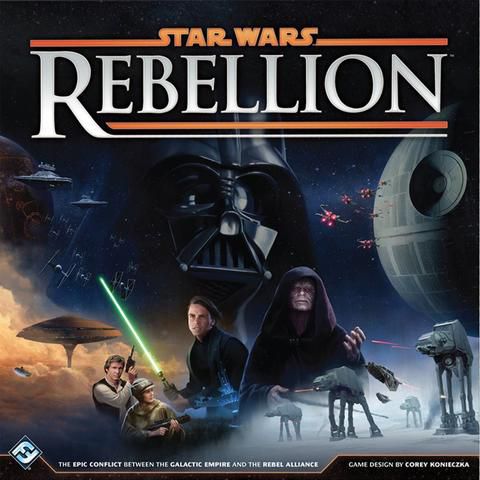
Star Wars: Rebellion

I liked this game a ton when it first came out and stand by what I’ve said in the past that Star Wars: Rebellion is the original trilogy in a tabletop game. The only issue I had with it was its runtime. Firefly isn’t a short game either, but it’s quick compared to Star Wars: Rebellion. But like Firefly: The Game, Rebellion feels like the original trilogy.

The Empire tries to find the hidden Rebel base and crush it. The Rebels perform various tactics to undermine the Empire, so the planets overthrow their oppression. Rebellion is a great example of how to design an asymmetric game, but it also happens to cast the two gamers playing it in two very different positions that mirror—but doesn’t duplicate—the roles in the original movies.

teenagemutantninjaturtlesshadowsofthepast01

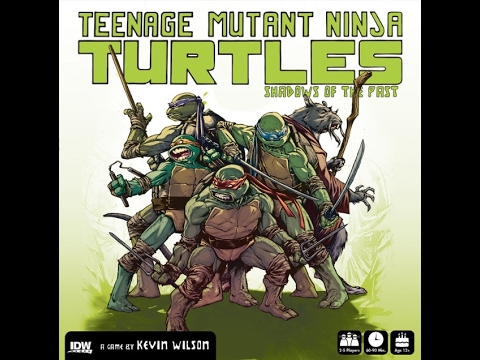
Teenage Mutant Ninja Turtles: Shadows of the Past

This is another one I’ve talked about in the past, but Shadows of Time deserves another mention. It’s another game that features asymmetric sides that play like gamers would expect them to. One player takes on the role of Shedder and the rest of the Foot Clan, while the rest of the players join forces as the Turtles.

Each turtle’s power set matches their strength as ninjas and their personality. This is by far the quickest of the three games mentioned so far and that’s a huge plus for my family. I also like how adaptable Shadows of Time can be. Gamers may play a campaign (an extended story) or play individual scenarios. The dice sharing mechanism is great; it brings the combat to life.

Can you feel that? I think it’s called Turtle Power.

Games that don’t use an intellectual property, but they are heavily based on one

deadofwinter01

Dead of Winter

There are plenty of Walking Dead board games out there; most of them stink, so don’t waste your time with them. Dead of Winter doesn’t use the IP, but it does a great job of capturing what makes the series great: internal struggle.

Are there zombies present? Yes, but like the TV show, player alliances and motives factor as much as the walkers. Traitors and the threat of traitors will have gamers doubting if the others seated at the table are friend or foe.

Dead of Winter also has plenty of survival elements, where players must determine which needs are most pressing. It’s a tense game that captures what the essence of The Walking Dead.

wastelandexpressdeliveryservice01

Wasteland Express Delivery Service

As the name implies, this is another pickup and delivery game, but this time players traverse a dystopia like the one found in the Mad Max franchise.

I’m not going to lie, I like the idea of delivering packages while avoiding berserk motorbike gang members—from the safety of my gaming table of course. The game shows the underrepresented people of this world who just want to live a normal life apart from the freaks patrolling the roads. How does the other half live?

Wasteland Express Delivery Service does a great job of combining a dissimilar mechanic (pickup and delivery) and theme (Mad Max), but it’s using the Mad Max theme and designer Jon Gilmour doesn’t try to hide it. Wait. Gilmour’s a co-designer of Dead of Winter and Wasteland Express Delivery Service. I’m sensing a trend.

dinosaurisland01

Dinosaur Island

Yep. There is a trend. Gilmour co-designed the hodgepodge of game mechanisms that is Dinosaur Island, and Dinosaur Island is Jurassic Park the board game. Like The Walking Dead, there are a lot of bad Jurassic Park board games out there and Dinosaur Island is a great one that doesn’t have the license.

Players build their own Jurassic Park and how awesome is that? Dinosaur Island also happens to be a great study in how to combine seemingly unlikely game mechanisms to form a cohesive whole. I’m a Gilmour fan if you can’t tell.

Games with interesting themes

sagrada01

Sagrada

Sagrada’s been a critical darling and that stems from the marriage of its theme and gameplay. Players compete to construct the stained-glass window masterpieces in the Sagrada Familia. The game uses dice drafting, and the dice it uses are color-coded to match the windows. It’s a simple, beautiful game that I highly recommend.

greatwesterntrail01

Great Western Trail

Have you ever wanted to relive City Slickers? Well, you can with Great Western Trail. Players move cattle from Texas to Kansas city, taking turns to add to your herd, construct buildings, and contracting cowboys, engineers, and craftsman.

I’m not a huge fan of point salad games (point salad games are those games where players cobble together enough points from various means to achieve victory), but Great Wester Trail is a great strategy game and the theme of cattle wrestling isn’t used enough in tabletop games. My only complaint is that they don’t go through Omaha.

newyorkslice01

New York Slice

Pizza. There aren’t enough games that use pizza as their theme. “I cut, you choose” game mechanism. There aren’t enough games that use the “I cut, you choose” game mechanism, and New York Slice’s gameplay is mostly that. The first player in the round splits up a pizza composed of 11 random slices (meat lovers, pepperoni, cheese, veggie, and more). The player to the first player’s left picks which slices they want and play continues in a clockwise fashion until the player who split the pizza gets the slices remaining.

New York Slice is lightning fast, and I can’t think of a better way of teasing dinner for your guests. Mwah-ha-ha!

Do you agree with my picks? Cool. If you don’t, you can take to the message boards and let me know about it comments.

Good Anime Filler

Your uncle Geekly dabbles with anime. It’s not my forte, like it is Season’s, but I’ve watched enough to find some good examples of anime filler. Wait. There may be some of you who don’t know what anime filler is. Okay, here goes some background and a quick definition for the uninitiated.

Anime has rapid production schedules and usually an anime that’s based on a manga (Japanese comic) gets far ahead of the source material. It’s the same issue Game of Thrones has with George R. R. Martin’s A Song of Ice and Fire if Game of Thrones was on 49 weeks out of 52. Like I said, anime has a rapid—crazy!—production schedule.

To combat this, most of these anime add episodes into the storyline to mark time until the source material can get ahead. These extra episodes are “filler.” A lot of filler stinks, because they’re marking time for the source material to get caught up, but some good episodes have graced the small screen as a result too. This quick list will show some of those moments.

myheroacademiaeveryonesinternships

My Hero Academia (Everyone’s Internships)

I’m going to be honest. I watched My Hero Academia before reading any of the manga, and I’m glad I did. The way the My Hero Academia anime integrates the cast’s internships was so seamless that I didn’t know it was filler.

Full disclosure: this is My Hero Academia’s only episode of filler to date, but these internships fill the audience in on what every other classmate of UA Highschool (My Hero Academia has a massive cast) is doing while Midoriya, Todoroki, and Iida are facing Stain. Many fans call this episode their favorite. With so much character development going on, it’s easy to see why.

cowboybeboptoysintheattic

Cowboy Bebop (Toys in the Attic)

For a 26-episode anime, Cowboy Bebop has a shocking amount of filler, but a lot of that filler is great. Wait a minute. Cowboy Bebop and the show it inspired Firefly only have a runtime of just over 10 hours. What’s with 10 hours and shows of this type?

Anyway, “Toys in the Attic” is one of the best Cowboy Bebop episodes and it happens to be filler. An unknown poisonous creature terrorizes the crew, and they spend the bulk of the episode running from it and formulating plans to rid themselves of the creature, only to find that the creature is attracted to a fridge filled with moldy food.

Crap. I should’ve said spoilers before saying any of that because viewers fear for the crew’s safety and that’s in stark contrast with the moment they chuck the fridge out of the space station. For added levity, the episode ends with Ed eating the creature. Oh darn. Spoilers!

naruto

Naruto (Lesser characters during the filler between the two series)

Yeah, this one may be controversial because most Naruto fans hate the five or six seasons of filler between childhood Naruto and company and their young adulthood. But Naruto also happens to be a show where few people cite the title character as their favorite and so many characters, who are most likely viewers’ favorites, receive much needed airtime.

We’re talking the characters who weren’t a part of the main cast. Unfortunately, most of the filler involving the title character Naruto was unwatchable. Three words: Curry of Life.

dragonballz_gokusordeal

Dragon Ball Z (Goku’s Ordeal)
Many fans would argue that Goku is anime’s answer for Superman. His power level is over 9000, and usually, he can do no wrong. Those powers don’t mean a thing in Goku’s Ordeal.

ChiChi asks Goku to do things around the house and that means that he needs to get a driver’s license—that lazy bum. This episode does a lot to humanize Goku as he struggles to complete day-to-day chores and fails during driving lessons. It also doesn’t hurt to have so much comedic mayhem.

souleaterexcalibur

Soul Eater (Excalibur)

This one is less a single episode and more of a character. Depending on who you ask, Excalibur is the best or worst part of Soul Eater.

While the legendary sentient blade who dubs himself the “Elder God of Madness Born from Rage,” appears in the manga, his character is more fleshed out in the anime. Fool! Excalibur says that a lot. Fool!

That might be why he’s polarizing. Oh, well. The Soul Eater anime wouldn’t get into nearly as many shenanigans if it wasn’t for Excalibur. A fight with King Arthur? Check. Screw around with Sherlock Holmes? Yep, that’s Excalibur’s doing. I could go on, but half the fun is not knowing what to expect.

Buffoon!

What’s your favorite anime filler? You can yell out your window, but make sure you punctuate each sentence with “Fool!”. Or you could leave a comment, and I may respond with an idiotic reply.

My Favorite Game Mechanism: Super Mario Bros.

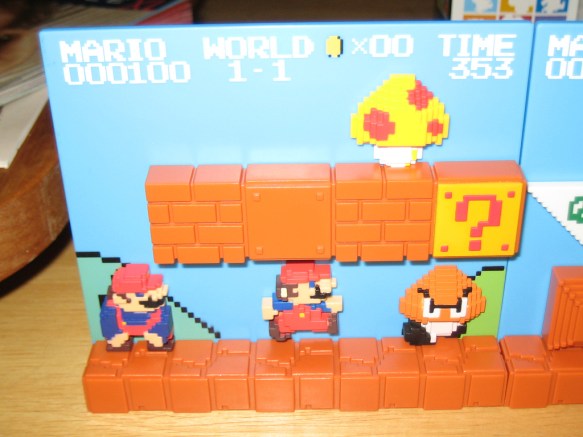
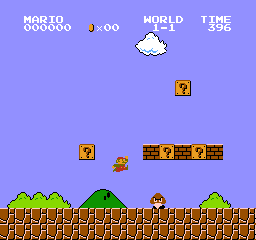
I’ve talked about this before years ago, but one of my favorite game designs is the first Super Mario Bros., specifically the game’s first stage World 1-1. It’s an example of flawless game design that has inspired many game designers since. It’s a wonderful use of intuitive game design.

Mario begins on the screen’s far left. The player could try and move farther left, but the game won’t allow the player to do so. It’s showing the player that Mario must go right. Sure, the buttons are limited, but Mario can only move and jump, and the controls are easy to understand without ever reading the game’s manual. Soon, Mario encounters a Goomba (a mushroom-shaped enemy). Since Mario can only jump and the player gets caught in a corridor where they must interact with the Goomba, they find that Goombas can be defeated by jumping on them. This informs the player of Mario’s skillset and his enemies’ weakness.

supermariobrosstage1-1_start

A question mark box flashes ahead, begging to be pressed. When pressed, a mushroom emerges. New players won’t know if the mushroom’s good or bad, but the game’s design makes it almost impossible to miss it. The mushroom turns out to be a powerup.

There’s even a moment where a seemingly random jump would result in finding a hidden 1UP mushroom (or extra life mushroom) and since it looks like the previous powerup mushroom, players are informed to grab it. A field study showed that most people who had never played Super Mario Bros. before found the 1UP mushroom. That’s because of its placement in the world; the first 1UP mushroom’s placement is just before a hole in the floor that players must jump over. It takes a little intuition to learn this game.

SuperMarioBrosLegos.jpg

Speaking of jumping over something, the first occurrence of a piranha plant, a polka-dot Venus flytrap enemy, is also strategically placed. With its mouth and fangs pointed up, players are informed to avoid them, but if a plant like that can go up a pipe, Mario can go down a pipe and that’s exactly what Mario can do there. It’s an excellent way of revealing a game’s secrets.

The rest of the level continues in a similar fashion, non-verbally teaching the game. When gamers say that they want intuitive game design or controls, they want something like Super Mario Bros. World 1-1. It’s still one of the best game designs.

Don’t believe me? When Hirokazu Yasuhara designed 1991’s Sonic the Hedgehog, he stated that he tried to recreate Super Mario Bros. World 1-1 with every level. That’s high praise from Nintendo’s greatest competitor at the time. What are your favorite elements of classic or modern video games? If you disagree with my choice in World 1-1, feel free to jump on my Goomba head. That might hurt. Instead, leave me an angry comment.


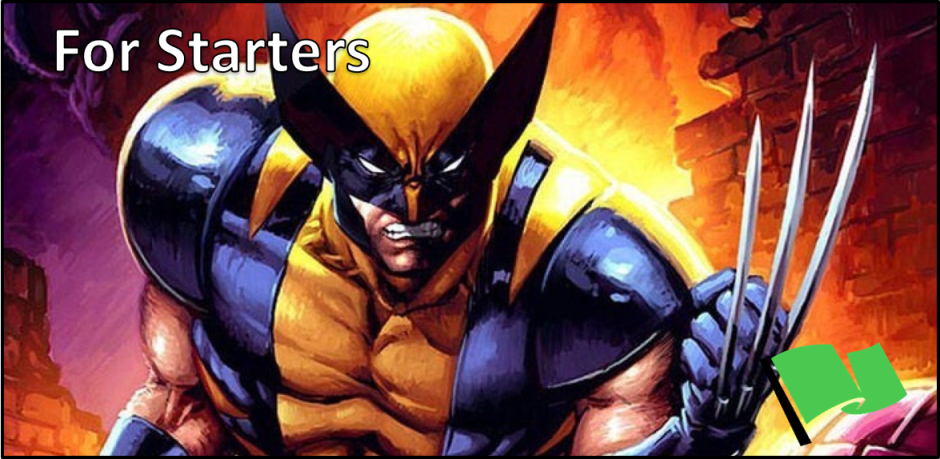
Wolverine Starter Stories

Uncle Geekly may be a little rusty with getting back into the swing of things, so I’ll kick off this year’s starter list with someone who’s the best at what he does, but what he does isn’t nice.

Wolverine invades the Marvel’s comic book universe. He may not have as long of a history in the comics or in films as characters like Spider-Man or even the Hulk (I’m including made-for-TV movies here), but Logan’s adventures bring droves of fans to comic book shops. It can get tricky with where new readers should start with the Canucklehead—for the newbie, that’s a fusion of the word Canuck or Canadian (Wolverine’s homeland) and knucklehead—but your uncle Geekly will set you on a good path to get to know Marvel’s number one furball.

Wolvie got his start in the Incredible Hulk #181 (1974), and he famously joined the X-Men with Giant-Size X-Men #1 in 1975, but I won’t focus too much on Logan’s X-Men stories. I’ll try and stick with his solo adventures as he’s become a comic book superstar in his own right.

I’ll also try and suggest a reading series that goes with the character’s timeline, instead of the dates in which the stories were released. This can get sticky as Marvel writers like to jump back and forth through time and space. I’ll do my best at navigating.

wolverineorigin

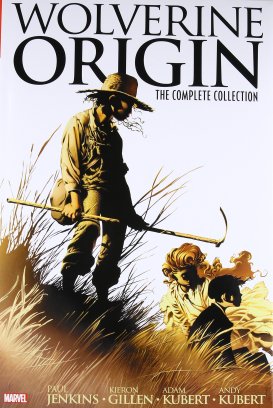
Origin #1-6 (written by Bill Jemas, Paul Jenkins, and Joe Quesada/art by Andy Kubert and Richard Isanove; 2001-2002)

For decades Marvel refused to reveal little about Logan’s past prior to the Weapon X Program, but that all changed after Hugh Jackson made Wolverine a household name in the X-Men movies. Marvel realized if they didn’t give Logan an origin, the movies might beat them to the punch. So, the mini-series Origin was born.

Origin goes back to Logan’s childhood in the 19th century. That’s right, he’s that old. I won’t go into too many details, but Origin shows most of the character’s ancient past: Wolverine’s real name, his parents, his first berserker rage, and how he became the mononymous Logan.

marvelcomicspresentsweaponx

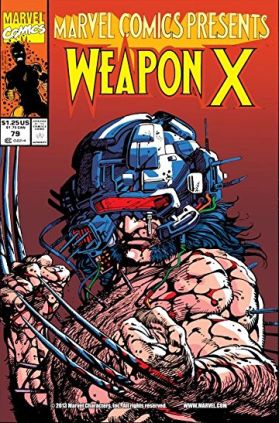
Marvel Comics Presents #72-91: Weapon X (story and art by Barry Windsor-Smith; 1991)

Origin may have been Logan’s true origin story, but most of the character is defined by his time as Weapon X.

Only the prologue and part of the final chapter in this story are told from Wolverine’s perspective. The bulk of Weapon X follows three members of the Weapon X team and much of the story plays out like a slasher film, featuring the bladed berserker.

If you’ve seen the movies, but haven’t read the comics, you’ll notice references in X-Men 2 and X-Men Origins: Wolverine.

wolverinemini-series

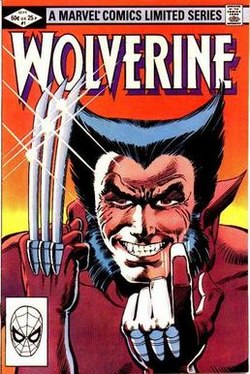
Wolverine Original 4-Part Mini-Series (written by Chris Claremont/art by Frank Miller; 1982)

When the X-Men was revamped in 1975 Wolverine wasn’t supposed to be the series’ star—heck, he wouldn’t show up on covers for months at a time—but Chris Claremont’s portrayal of the character made him a fan favorite. 1982’s Wolverine limited series marked the first time Marvel ever made a limited series—it’s a comic book industry standard now—and it’s the first time that Claremont used the words I mentioned in the beginning of this post to describe Logan: “I’m the best there is at what I do, but what I do isn’t very nice.”

In this series Logan travels to Japan. The story plays out like a samurai redemption, and many familiar elements find there way here. Logan’s love interest Mariko will appear several times in various timelines and universes. Frank Miller included The Hand in Wolverine, and they’ve been in numerous episodes from the Marvel/Netflix series of shows. The second Wolverine film (simply titled The Wolverine) also pulled a lot from this classic.

kittyprydeandwolverine

Kitty Pryde and Wolverine #1-6 (written by Chris Claremont/art by Al Milgrom; 1984-85)

Wolverine has a thing for taking young, female members of the X-Men and becoming their mentors—in a non-creeper way, I swear. He mentored Jubilee in the comics and 1990s cartoon. He mentored Rogue in the first X-Men film. He would mentor Armor in the late 2000s. But Wolverine’s first mentee was Kitty Pryde in this mini-series.

There are several modern comic book fans who wouldn’t get why Kitty Pryde was that popular. Kitty Pryde and Wolverine brought her notoriety. Prior to this series, Kitty was little more than a spoiled, rich kid, but she grows up fast here as she’s torn down and built back up with the help of Logan. This is the moment Kitty Pryde became Shadowcat. It’s also the first time fans saw Logan’s “softer side.” Sure, he’s a killer, but he’s a killer with a heart of gold.

wolverinenotdeadyet

Wolverine: Not Dead Yet (written by Warren Ellis/art by Leinil Francis Yu; 1998)

If you can’t tell, Logan is the king of Marvel mini-series, and Wolverine: Not Dead Yet is another example. I included this one mostly because there aren’t that many good Wolverine stories where Logan has bone claws and Logan’s bone claws added a leather-toughness to the character that goes missing whenever his claws have their adamantium.

Wolverine: Not Dead Yet takes place in a time after Fatal Attractions where Magneto sucks the adamantium out of Logan. This mini-series can be a little uneven at times, but it’s one of the best bone-claw Wolverine stories, and bone-claw Wolverine always had a more animal nature that made him more susceptible to his berserker rages. It’s a Wolverine that lives more on the edge.

oldmanlogan

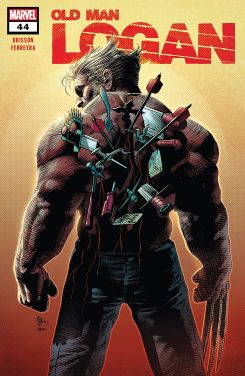
Old Man Logan from Wolverine #66-72 and Wolverine: Giant Size Old Man Logan #1 (written by Mark Millar/art by Steve McNiven; 2009)

Mark Millar may be one of comics most prominent creators this century, but his work is either a classic like The Ultimates and Kick-Ass, or it devolves into childish shock value. Old Man Logan can be characterized as both.

It’s set in an alternate, dystopian future where most superheroes are dead, and the United States has been conquered and divided up among the world’s supervillains. Wolvie gave up superhero work long ago, but he’s convinced by former Avenger Hawkeye to embark on a road trip and collect an item that could save humanity.
Yeah, this story can be bonkers and a mess, but it’s a great read. It also doesn’t hurt that the movie Logan borrows just enough from this story with its “road trip” and dystopian future. Old Man Logan just happens to be the current (current as of this write-up) version of Wolverine. This series is where this version of the character began.

That’s my list for readers who are new to Wolverine comics. Did I get the list right or did I pull a Canucklehead? Let me know in comments.
3 Lists of 3 Collectible Card Games

And we’re back from our scheduled holiday break. Hope you had a great and geeky couple of weeks. Your uncle Geekly sure did. Let’s get this Monday started with a new 3 Lists of 3.

Ah. Collectible card games represented a very specific time in tabletop gaming history. When Magic: The Gathering came out in 1993, a deluge of similar games came out in its wake. Every gaming company wanted to throw their hat into the CCG ring. Several of these games were good, but few of them lasted.

Old Uncle Geekly has played several of these games, so get your booster packs ready.

Overlooked, Long-running CCGs

VampireTheEternalStruggle.jpg

Vampire: The Eternal Struggle

Let’s start with Richard Garfield’s follow up to Magic, Vampire: The Eternal Struggle. This game is deeper than people might first think. It’s based off White Wolf’s Vampire: The Masquerade RPG, so there’s plenty of political intrigue as well as combat and hunting for food. You know, the stuff you’d think vampires would be up to at night.

The series may come and go, but fan support for Vampire: The Eternal Struggle persists, and it remains in production (as of this write-up). What truly separates Vampire from Magic is that Vampire insists on a higher player count. It’s best played with more players, so gamers can form alliances and potentially betray those alliances.

battlespirits

Battle Spirits

Battle Spirits is a Mike Elliot design—you’ll see Mike Elliot’s name again on this list—that never really took off in the States due to inaccurate translations from Japanese to English, but it has interesting resource management component. Like a simplified Vampire: The Eternal Struggle, Battle Spirits players use their core crystals (also their life) to summon creatures.

The push-pull of when to summon these creatures is magnified in Battle Spirits as there are fewer crystals with which to summon creatures. If you run out of core crystals, you lose. It’s a fun, brisk tight-rope walk. Battle Spirits was first released in 2009, and as of this write-up, it’s still in print.

legendofthefiverings

Legend of the Five Rings

Legend of the Five Rings (L5R) makes this list on its character development and lore. It was in print from 1995-2015 and has since become a living card game, but while it was in print as a collectible card game, players affected the world in which they played.

If a certain faction won a tournament, that faction would assume power in the world of Rokugan. L5R’s actual card play centers on building one’s stronghold. Dynasty and fate cards may alter a stronghold’s future or the surrounding land. The personality cards are based on characters of L5R, and they change and grow during each match as well as the stories after major tournaments.

CCGs with Unique Game Mechanisms

doomtownreloaded

Doomtown: Reloaded

Doomtown combines Poker with a collectible card game, and the Poker aspect to the game is the one that determines a player’s combat power. Each card has an ability but also a card suit and value. This leads to a very interesting push-pull. While most collectible card games require a gamer to think of only a card’s ability, one may choose one card over another because it works better for playing the Poker side of things.

It also doesn’t hurt that Doomtown is more of an area control game. Movement is just as important as combat as players go back and forth, building up the town and trying to control as much of the town as they can throughout the game. The currency may be called “victory points,” but it functions as money. One must consider the ebb and flow of their actions to be successful and that makes for an interesting puzzle.

hecatomb

Hecatomb

I never realized how many collectible games Mike Elliot has made in his career, but Hecatomb is another good one. It’s essentially Magic with pentagon cards that players can play on top of each other. The edges of the pentagram can hold extra play text and that’s how each player upgrades the creatures they summon.

It doesn’t surprise me that Hecatomb is no longer in print. The production value was through the roof and unsustainable, but it’s an excellent game and if you find it in a sale rack or garage sale, it’s worth a shot.

darkagefeudallords

Dark Age: Feudal Lords

I hope Dark Age: Feudal Lords gets reprinted as a self-contained game or living card game because the combat system in it is unique. It borrows more from miniatures games and RPGs than it does from typical collectible card games. The characters have a range of numbers (on a die) that can hit your opponents and power up cards add to that range. It’s a simple, elegant combat system that’s a lot of fun.

I could take or leave the actual theme (dystopia) so a rebranding of this combat system would be welcome as well. Still, if you can find Dark Age on the cheap, I’d highly recommend it.

Collectible Card Games that Became Living Card Games

I’ll preface this section by clarifying what a living card game is. The term living card game (LCG) can only be used by Fantasy Flight Games because they trademarked the term, but many other card games qualify as LCGs.

LCGs work differently than CCGs. While CCGs have random packs that players may purchase, and players must purchase a lot of packs—and I mean a lot of packs—to gain a copy of each card in a set, LCGs have everything available from a set in one box or series of boxes. Both game types encourage—or better yet require—deck building.

androidnetrunner

Android: Netrunner

A lot of people’s favorite LCG Android: Netrunner started as a CCG, and it was a very good CCG, but it works just as well as an LCG. The two players have asymmetric decks. One side plays as a futuristic corporation while the other plays as a hacker trying to break into the corporation’s defenses.

I always liked the concept behind Netrunner, but it’s a game that has a lot of barriers for entry. While the two sides have similarities in the card types they play, the game renames these cards. It’s almost like learning two new games for each side, and there are plenty of Netrunner fans who know how to play your deck better than you if you’re a beginner.

Still, it’s a solid game that deserves its community. Each side feels different and thematic.

starwarsthecardgame

Star Wars: The Card Game

The Star Wars Customizable Card Game was fun to play, but the unruly card sets made it difficult to balance the game. It may have followed the movies a little closely too. If the rebel player built a deck centered around destroying the Death Star (and they’d win the game by blowing up the Death Star), the empire player would only have to not play the Death Star to prevent the rebel player from winning.

Star Wars: The Card Game LCG does a better job of balancing these discrepancies while still giving the players the flavor they want. The various objective cards a based on the specific decks each player constructs, so one side can’t play keep away. Players will want to use as many of the various expansions as each one invokes a sense of place. The Hoth expansion feels like Hoth.

vssystem2pcg

Vs. System 2PCG

The Versus system was a relatively short-lived CCG from the early 2000s. It did a decent job of depicting all manner of comic book characters. You could even pit one comic book world against another—Marvel versus DC anyone?—and that wouldn’t happen again until Dice Masters.

Vs. System 2PCG takes elements from the popular Versus system and turns it into an LCG. Of course, it’s not named an LCG because it’s published by Upper Deck, but it functions the same way. Vs. System 2PCG streamlines the original gameplay and while that may turn off some Versus purists, the game had gotten bloated. The new LCG does a better job of introducing new players to the system. Marvel, Alien, and Predator have gotten their own LCG releases. We’re still waiting on DC.

That’s what I have for CCGs. I’m sure I didn’t collect them all. If you have any suggestions or complaints, leave a message with my answering service or just leave a comment.

Holiday Shuffle

Your uncle Geekly’s going on hiatus over the next couple weeks for the holidays and the end of the year, but he’ll be back on Sunday, January 6, 2019.

2019? Are we almost two decades removed from the Y2K scare? Yikes!

Happy New Year, everyone. We hope you’re well. Until next we meet, be nice to each other and stay geeky.