
Hey, hey, Geekly Gang! Kyra Kyle here with another Top 5 Tabletop Game List throughout the years. Today, we’ve reached the current millennium for tabletop games. The 90s shook up what it meant to be a modern board game; the first decade of the 2000s will give us numerous evergreen titles that dominate the board game landscape today. We should see plenty of familiar designers and familiar titles in these upcoming lists. We’ll get to the games in a bit, but first, let’s review our list’s criteria.
1: Cultural relevance plays as much of a factor as overall quality. A game might make a list that doesn’t hold up to others of its type, but you must admit the game is everywhere.
2: Only one game from a franchise makes the list. This will become more of an issue the closer we get to games with expansions.
3: Longevity plays a role, too. A game doesn’t have to fly off the shelves today, but it had to have some widespread appeal for a decent time.
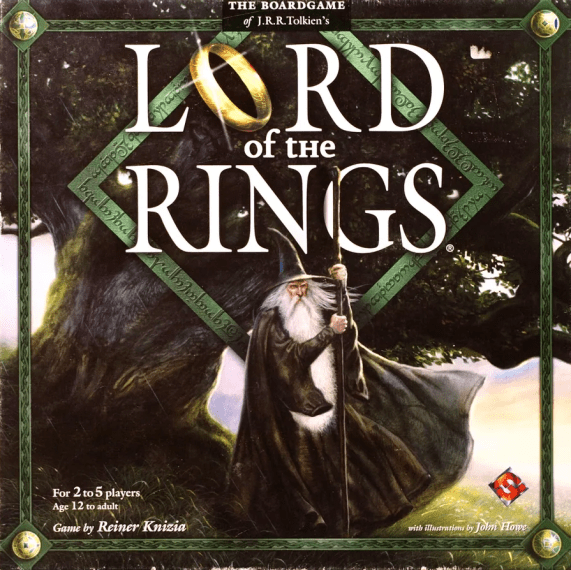
5: Lord of the Rings (2000)
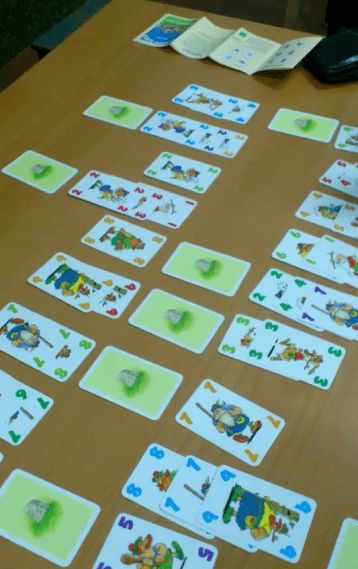
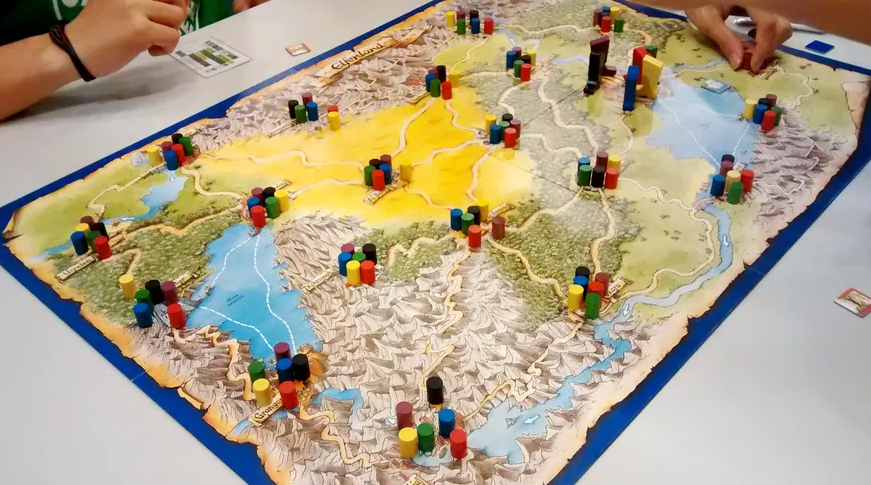
Yes! Yet another Reiner Knizia title makes one of these lists. 2000’s Lord of the Rings is still a lot of people’s go-to board game that uses the Lord of the Rings intellectual property. It’s also one of Knizia’s few cooperative board games and may have inspired a cooperative board game boom that we’ll see in a handful of years.
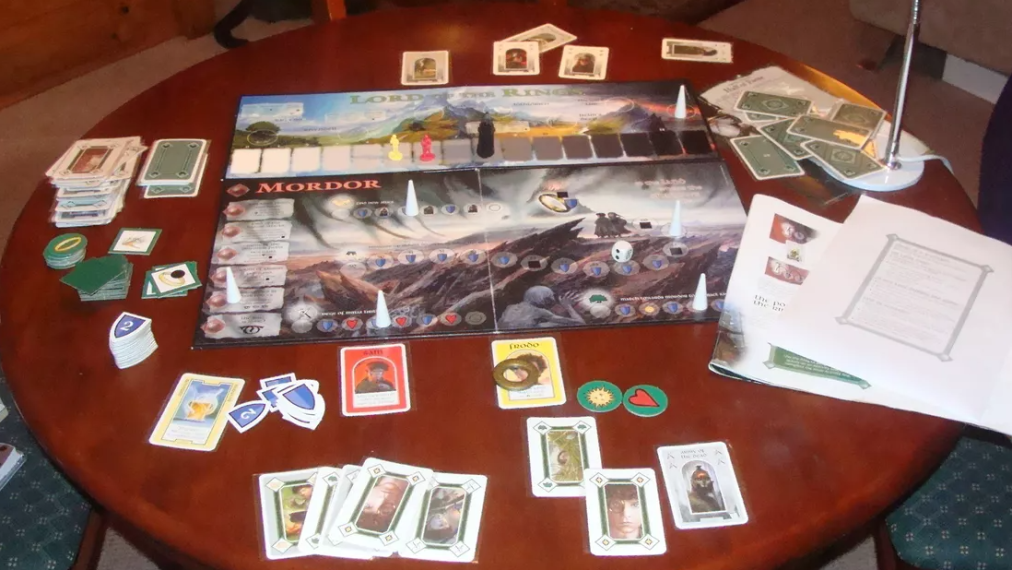
Lord of the Rings follows the events of the novels to a T, which is why some gamers still consider this board game to be the definitive Lord of the Rings board game experience. And it runs fast. Gameplay is centered on advancing through a series of scenarios (that mirror the books). Players turn tiles and play cards to move forward and collect and spend tokens to avoid advancing the Dark Lord Sauron. In dire situations, tokens may be spent to call Gandalf for assistance, or the One Ring may be used to advance toward Sauron. The push-pull is thematic and tense. It’s no wonder Lord of the Rings received a Spiel des Jahres special award.
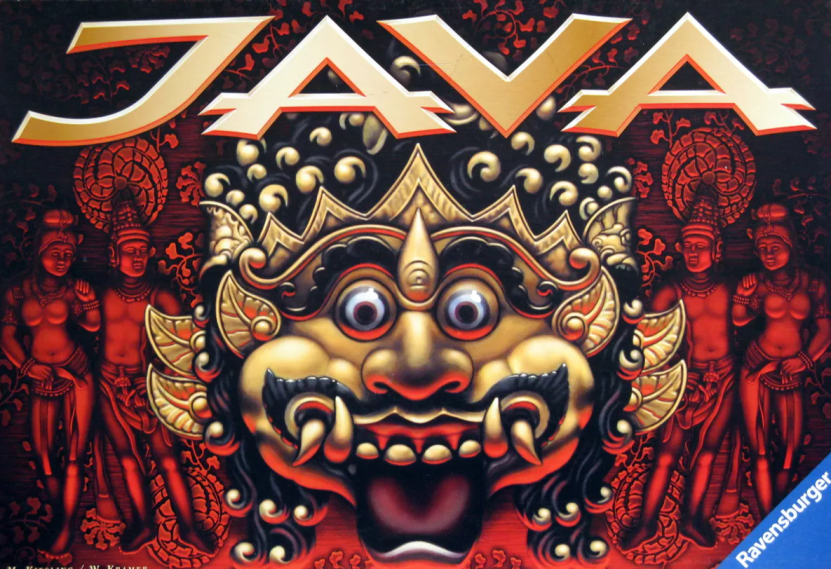
4: Java (2000)
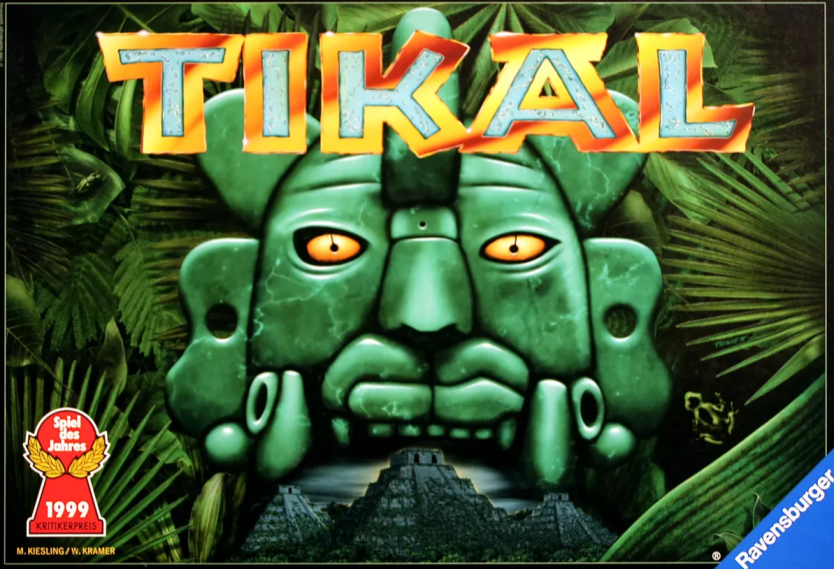
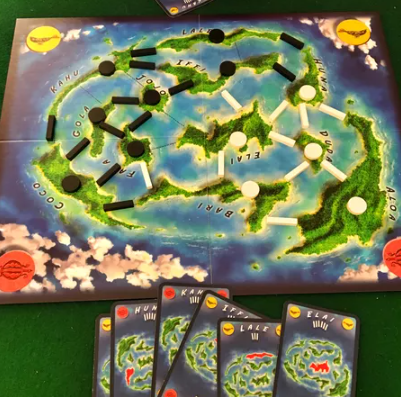
I could’ve gone with Torres, another Wolfgang Kramer and Michael Kiesling collaborative design that won this year’s Spiel des Jahres (German game of the year), but I decided to go with the next game in Kramer and Kiesling’s Mask Series, Java. Tikal made the 1999 list. Java tends to be the forgotten game in the Mask Trilogy of board games, and I don’t know why. I love Java’s exploration.
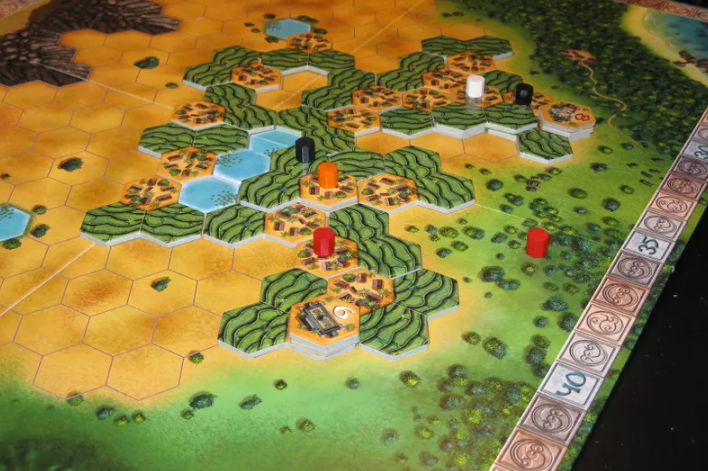
Players take turns building the titular island, scoring victory points by setting up palace festivals at the right moment. Java ends when the players run out of tiles. It’s a simple premise, but Java’s rules may be unforgiving for novice players. Still, Java is a great addition to the Mask Trilogy.
3: Battle Cry (2000)
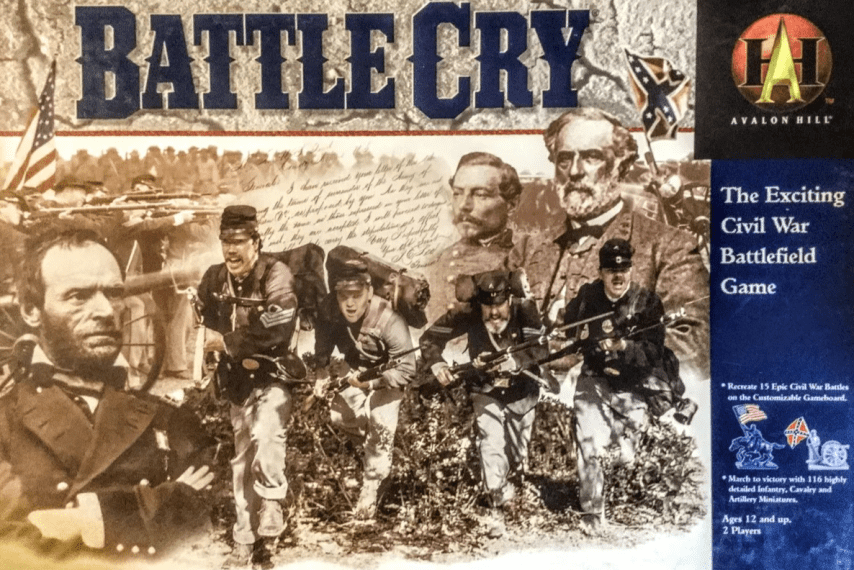
Wargame purists may disagree, but Battle Cry revolutionized wargames. Richard Borg (we’ll see his name again on one of these lists) took elements of wargames, combined them with miniatures, and simplified the rules, and came up with the war game powerhouse that is Battle Cry.
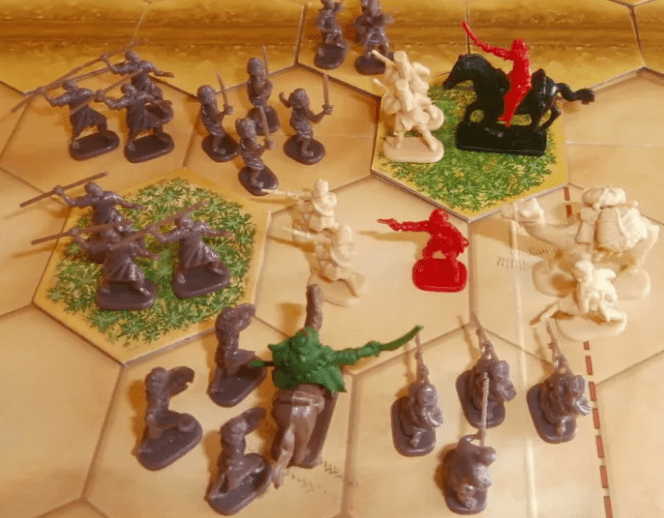
Borg would continue to perfect his system of card and dice combat with future wargame installments, but Battle Cry, set in the American Civil War, marked the first use of this system. Players command a variety of units: infantry, cavalry, and artillery. Scenarios dictate how many of each unit a player (one playing the Union and the other playing the Confederacy) will control. For each opponent’s unit removed from the board, a player receives one victory point. The player who scores the required number of victory points first (determined by the scenario instructions) is the winner. Battle Cry and its spiritual successors continue to divide gamers. Wargame purists, as I mentioned before, may consider Battle Cry too simplistic, but this simplicity makes Battle Cry more accessible.
2: Blokus (2000)
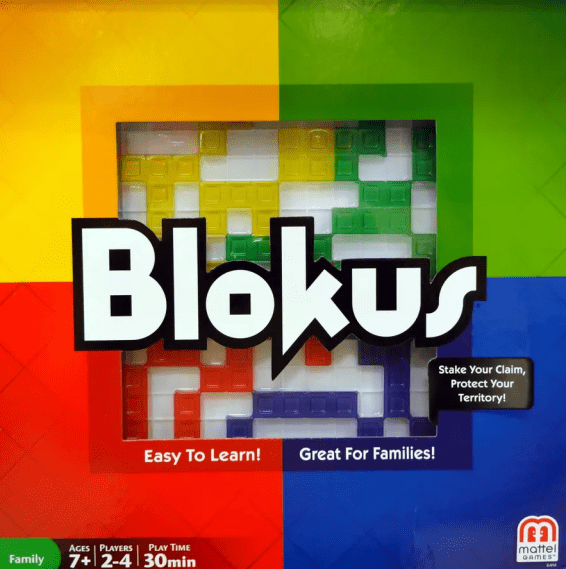
In Blokus, players score points by occupying the board with Tetris-style pieces(named polyominoes because they’re dominoes of irregular shape) in their color. Even today, Blokus is visually arresting. It earned numerous awards, including the Mensa Select award and the 2004 Teacher’s Choice Award. There’s no denying that Blokus has staying power.
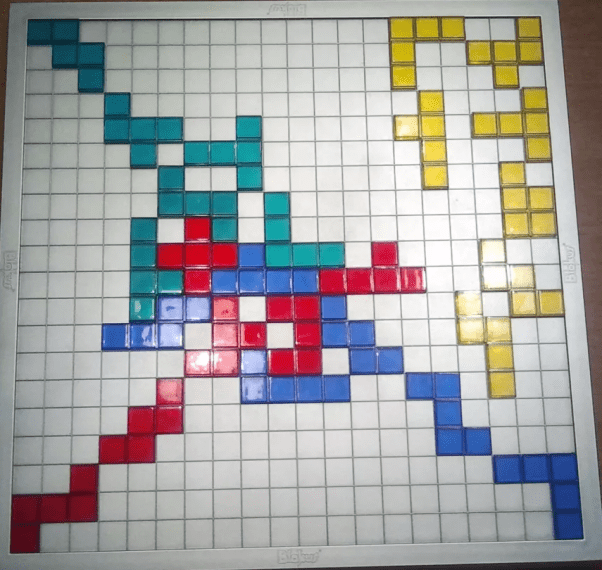
But the reason Blokus is this high on our list is because of its use of polyominoes. While it took a decade or more to catch on, polyominoes have soared in popularity. Patchwork, Barenpark, Isle of Cats, A Feast for Odin, Planet Unknown, and many other board games that use polyominoes owe Blokus a debt of gratitude. Thank you, Blokus, for introducing this amazing board game component.
1: Carcassonne (2000)
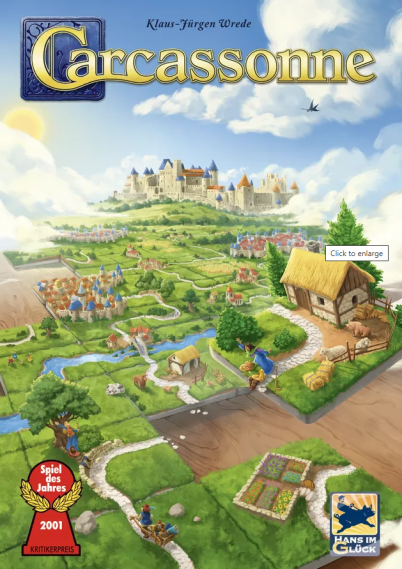
Blokus just misses out on our top spot because the evergreen title, Carcassonne, was released in 2000. Polyominoes took some time to catch on, but tile-laying as found in Carcassonne exploded immediately, and it continues to grow today. Carcassonne has spawned numerous expansions, spin-offs, and imitators.
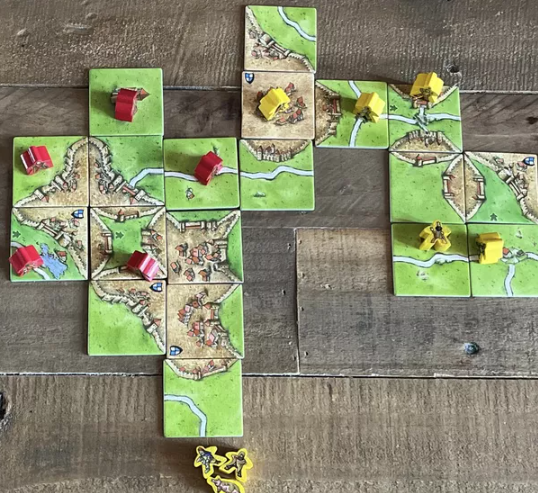
Carcassonne’s gameplay is simple. Draw and place a terrain tile. Station a follower on the newly placed tile (optional), but this shows you claim control of this region. And then score completed feature(s) if relevant. Carcassonne earned the 2001 Spiel des Jahres and Deutscher Spiele Preis award. I don’t know how the Spiel des Jahres committee determines which year a game is eligible. But Carcassonne’s influence can still be felt today. Carcassonne’s core mechanisms inspired 2023’s Spiel des Jahre winner Dorfromantik, and in turn, the award-winning Dorfromantik video game that inspired the board game was also inspired by Carcassonne. Carcassonne is everywhere, people. It even crossed over into video games. And that’s why Carcassonne takes our top spot for 2000.
Did we get the list mostly correct? Let us know which games you’d add in the comments. Thank you for reading, and wherever you are, I hope you’re having a great day.
































 jkgeekly.com