Top 5 Tabletop Games from 2000

Hey, hey, Geekly Gang! Kyra Kyle here with another Top 5 Tabletop Game List throughout the years. Today, we’ve reached the current millennium for tabletop games. The 90s shook up what it meant to be a modern board game; the first decade of the 2000s will give us numerous evergreen titles that dominate the board game landscape today. We should see plenty of familiar designers and familiar titles in these upcoming lists. We’ll get to the games in a bit, but first, let’s review our list’s criteria.

1: Cultural relevance plays as much of a factor as overall quality. A game might make a list that doesn’t hold up to others of its type, but you must admit the game is everywhere.

2: Only one game from a franchise makes the list. This will become more of an issue the closer we get to games with expansions.

3: Longevity plays a role, too. A game doesn’t have to fly off the shelves today, but it had to have some widespread appeal for a decent time.
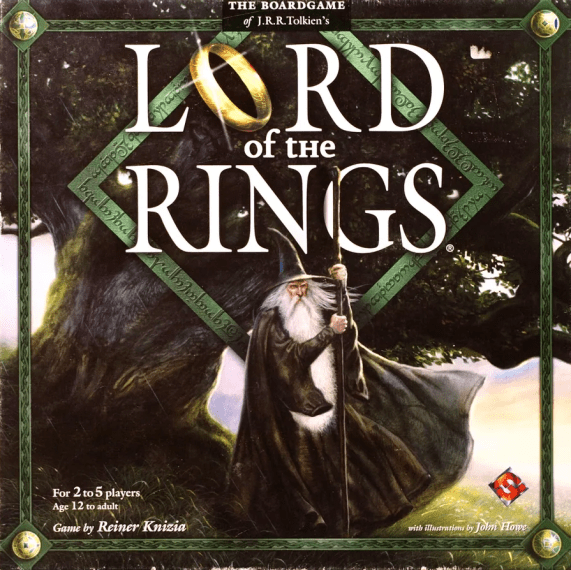
5: Lord of the Rings (2000)

Yes! Yet another Reiner Knizia title makes one of these lists. 2000’s Lord of the Rings is still a lot of people’s go-to board game that uses the Lord of the Rings intellectual property. It’s also one of Knizia’s few cooperative board games and may have inspired a cooperative board game boom that we’ll see in a handful of years.
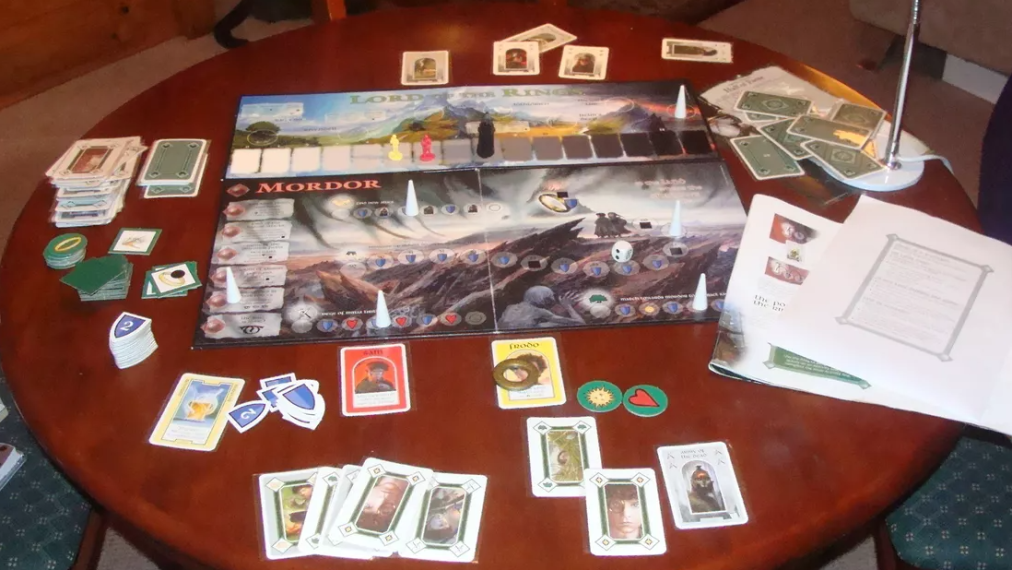
Lord of the Rings follows the events of the novels to a T, which is why some gamers still consider this board game to be the definitive Lord of the Rings board game experience. And it runs fast. Gameplay is centered on advancing through a series of scenarios (that mirror the books). Players turn tiles and play cards to move forward and collect and spend tokens to avoid advancing the Dark Lord Sauron. In dire situations, tokens may be spent to call Gandalf for assistance, or the One Ring may be used to advance toward Sauron. The push-pull is thematic and tense. It’s no wonder Lord of the Rings received a Spiel des Jahres special award.
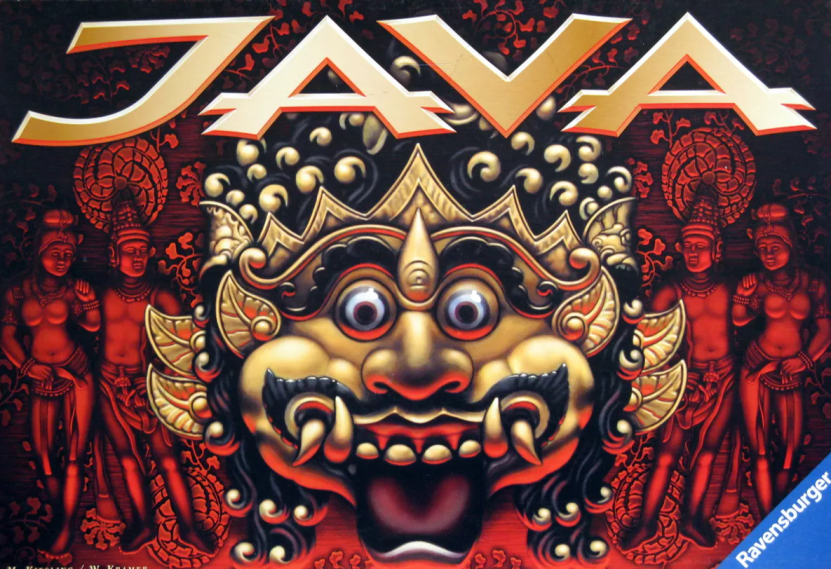
4: Java (2000)

I could’ve gone with Torres, another Wolfgang Kramer and Michael Kiesling collaborative design that won this year’s Spiel des Jahres (German game of the year), but I decided to go with the next game in Kramer and Kiesling’s Mask Series, Java. Tikal made the 1999 list. Java tends to be the forgotten game in the Mask Trilogy of board games, and I don’t know why. I love Java’s exploration.
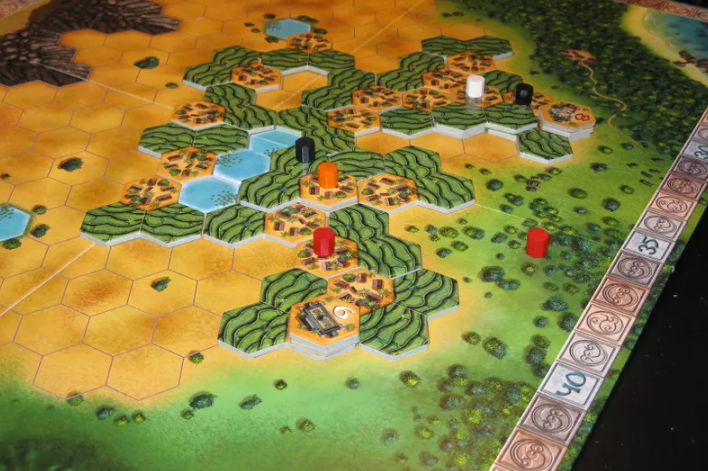
Players take turns building the titular island, scoring victory points by setting up palace festivals at the right moment. Java ends when the players run out of tiles. It’s a simple premise, but Java’s rules may be unforgiving for novice players. Still, Java is a great addition to the Mask Trilogy.
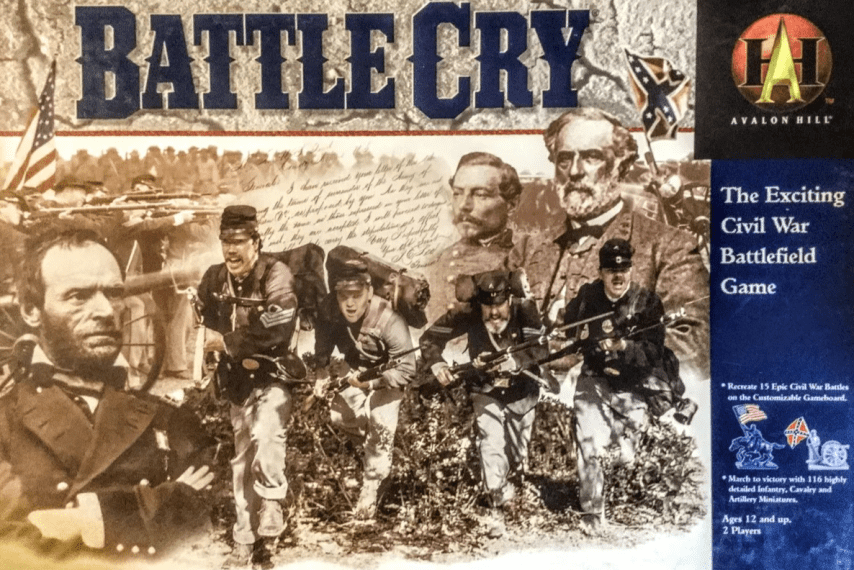
3: Battle Cry (2000)

Wargame purists may disagree, but Battle Cry revolutionized wargames. Richard Borg (we’ll see his name again on one of these lists) took elements of wargames, combined them with miniatures, and simplified the rules, and came up with the war game powerhouse that is Battle Cry.
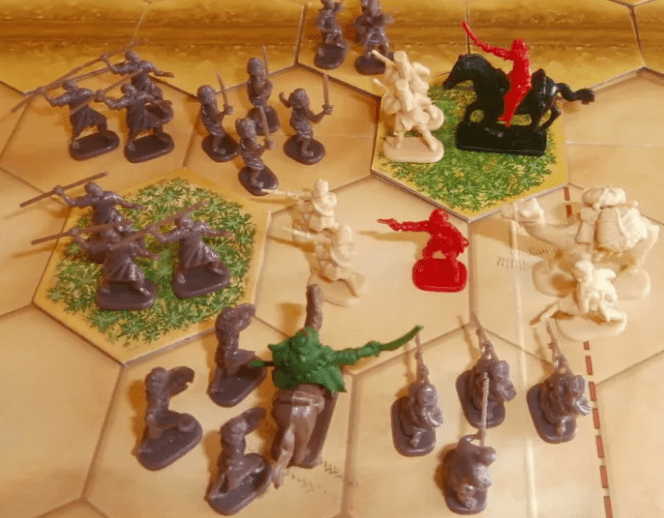
Borg would continue to perfect his system of card and dice combat with future wargame installments, but Battle Cry, set in the American Civil War, marked the first use of this system. Players command a variety of units: infantry, cavalry, and artillery. Scenarios dictate how many of each unit a player (one playing the Union and the other playing the Confederacy) will control. For each opponent’s unit removed from the board, a player receives one victory point. The player who scores the required number of victory points first (determined by the scenario instructions) is the winner. Battle Cry and its spiritual successors continue to divide gamers. Wargame purists, as I mentioned before, may consider Battle Cry too simplistic, but this simplicity makes Battle Cry more accessible.
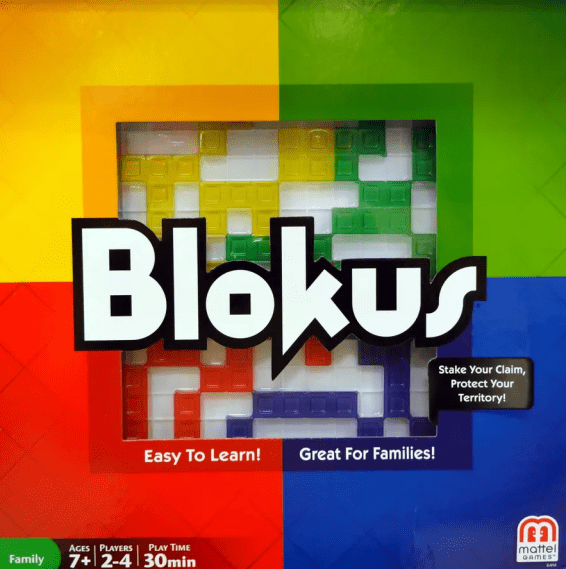
2: Blokus (2000)

In Blokus, players score points by occupying the board with Tetris-style pieces(named polyominoes because they’re dominoes of irregular shape) in their color. Even today, Blokus is visually arresting. It earned numerous awards, including the Mensa Select award and the 2004 Teacher’s Choice Award. There’s no denying that Blokus has staying power.
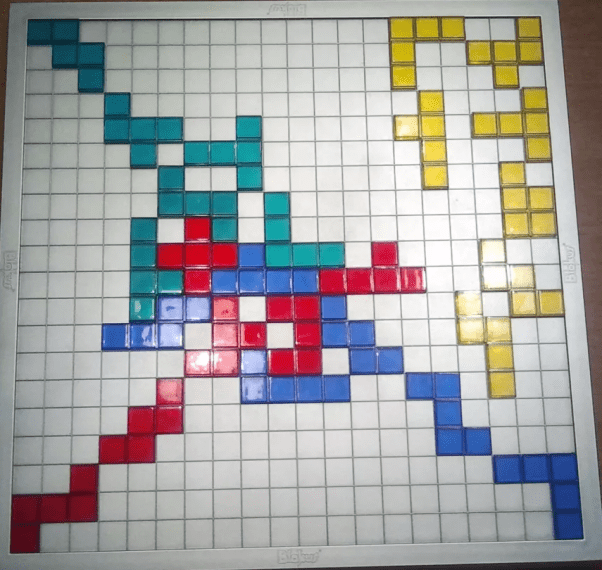
But the reason Blokus is this high on our list is because of its use of polyominoes. While it took a decade or more to catch on, polyominoes have soared in popularity. Patchwork, Barenpark, Isle of Cats, A Feast for Odin, Planet Unknown, and many other board games that use polyominoes owe Blokus a debt of gratitude. Thank you, Blokus, for introducing this amazing board game component.
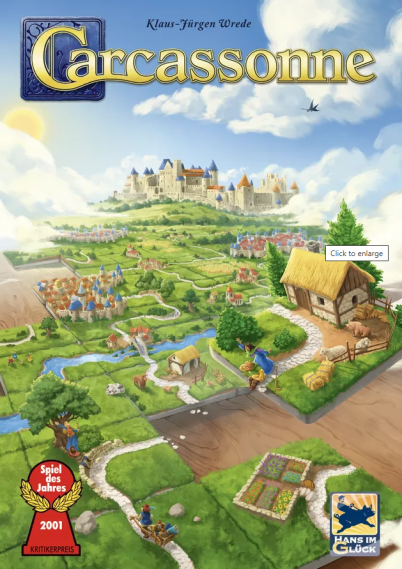
1: Carcassonne (2000)

Blokus just misses out on our top spot because the evergreen title, Carcassonne, was released in 2000. Polyominoes took some time to catch on, but tile-laying as found in Carcassonne exploded immediately, and it continues to grow today. Carcassonne has spawned numerous expansions, spin-offs, and imitators.
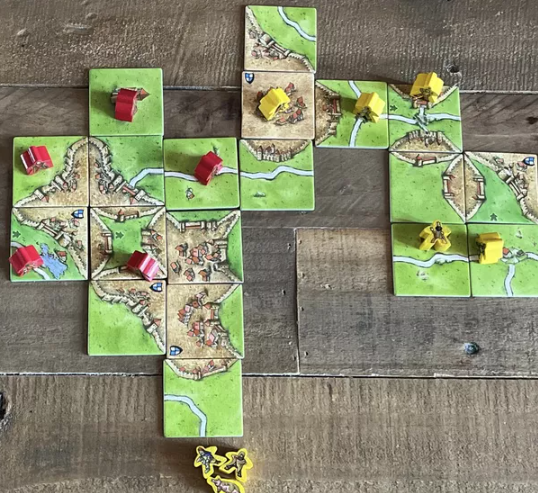
Carcassonne’s gameplay is simple. Draw and place a terrain tile. Station a follower on the newly placed tile (optional), but this shows you claim control of this region. And then score completed feature(s) if relevant. Carcassonne earned the 2001 Spiel des Jahres and Deutscher Spiele Preis award. I don’t know how the Spiel des Jahres committee determines which year a game is eligible. But Carcassonne’s influence can still be felt today. Carcassonne’s core mechanisms inspired 2023’s Spiel des Jahre winner Dorfromantik, and in turn, the award-winning Dorfromantik video game that inspired the board game was also inspired by Carcassonne. Carcassonne is everywhere, people. It even crossed over into video games. And that’s why Carcassonne takes our top spot for 2000.

Did we get the list mostly correct? Let us know which games you’d add in the comments. Thank you for reading, and wherever you are, I hope you’re having a great day.

3 Lists of 3 Movie Marathons

It’s Friday night, and you have no plans—or your plan options are limited. Why not try a movie marathon? But which movie marathon should you choose? Old uncle Geekly doesn’t know for sure, I don’t know what type of movies you like, but the following three lists of three could help narrow the search.

Short and Sweet Marathons Most People Could Finish

three-flavours-cornetto-trilogy.jpg

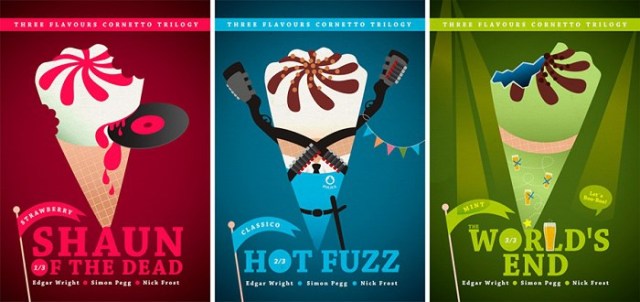
Three Flavours Cornetto Trilogy (5 Hours and 29 Minutes)

The shortest of the movie marathons on this list is the one named after the various flavors of Cornetto ice cream treats featured in each film: Shaun of the Dead, Hot Fuzz, and The World’s End. Edgar Wright and Simon Pegg make a dynamic duo in these three comedies. The different themes and characters also make the Cornetto Trilogy feel like it isn’t a trilogy and perhaps, the easiest one to watch.

I may not be The World’s End’s biggest fan, but it’s still a good movie and the trilogy doesn’t come close to overstaying its welcome.

TheDarkKnightTrilogy

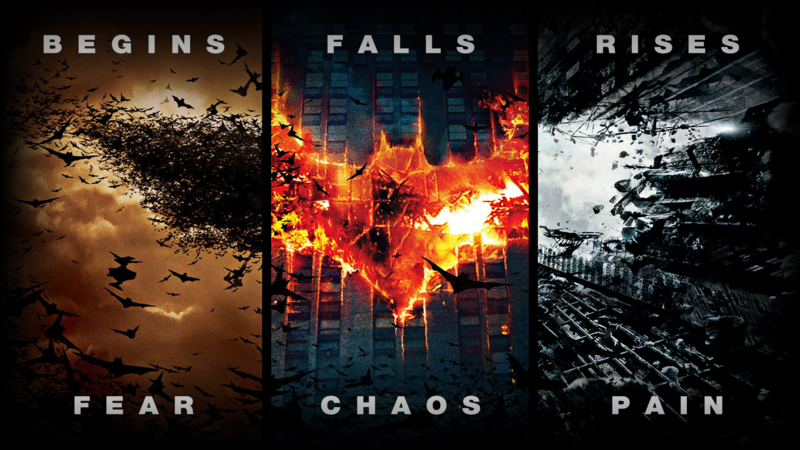
The Dark Knight Trilogy (7 Hours and 37 Minutes)

Jim might slap the back of my wrist with a classroom ruler for including Christopher Nolan’s Dark Knight Trilogy: it’s overrated. To be fair, I agree with him, but it’s still a quick watch, and the films have their moments—Heath Ledger’s Joker alone is worth the price of admission. While Kevin Conroy will always be my Batman, Christian Bale does a good job, despite hyperventilating through half the movies, and many of the villains are satisfyingly menaces.

BackToTheFutureTrilogy

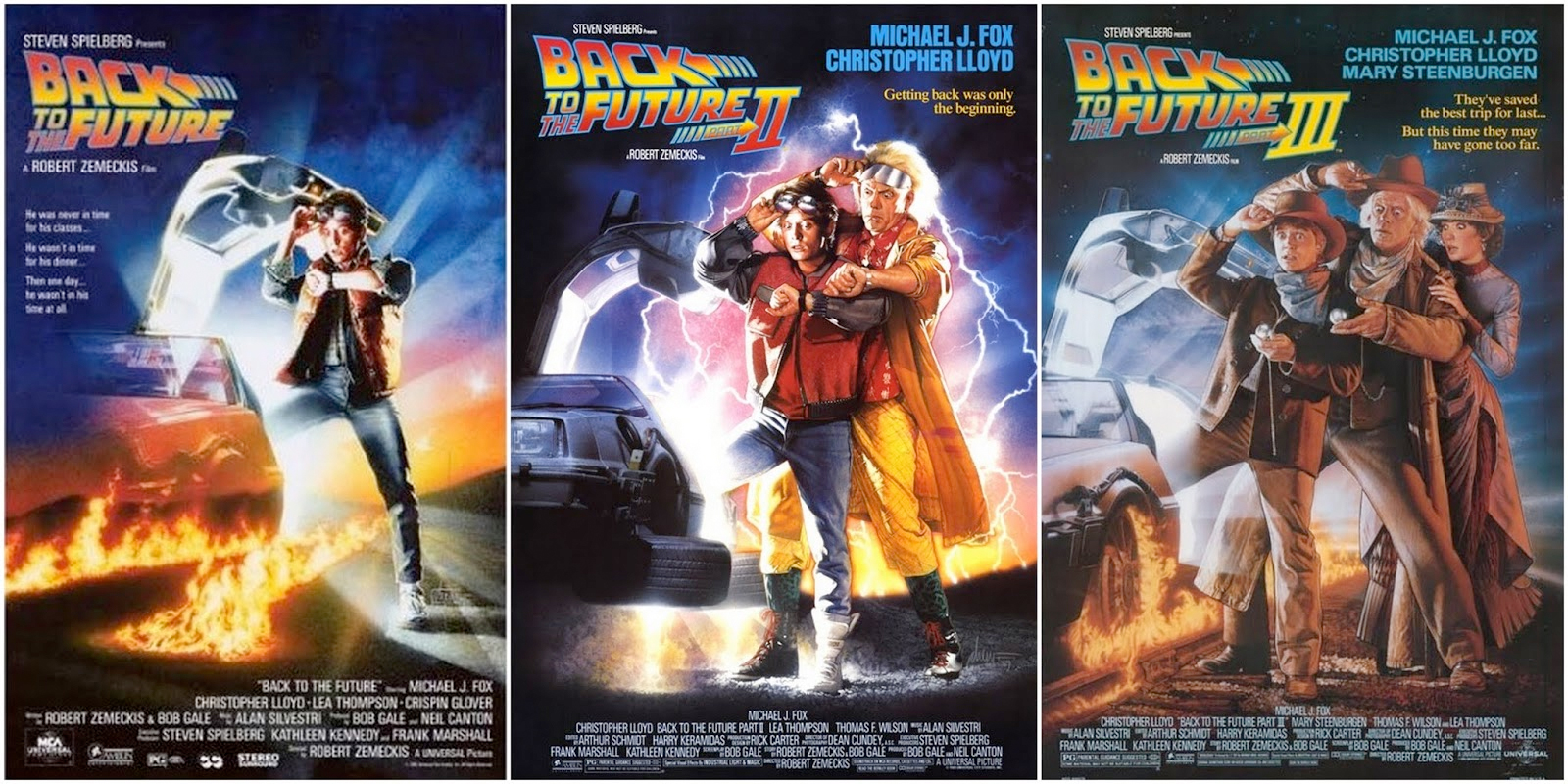
Back to the Future (5 Hours and 42 Minutes)

I had to go with the film series that has pervaded pop culture so much that there was a Back to Future Day on October 21, 2015. Universal Pictures created a trailer for Jaws 19, Mattel manufactured a hoverboard as seen in the film, Pepsi produced a limited run of “Pepsi Perfect,” Nintendo released the Wild Gunman game Marty played in the Café ‘80s scene, and many more including Nike recreating the Nike Mag shoes Michael J. Fox wore. The Back to the Future franchise begets Rick and Morty. ‘Nuff said.

Ridiculously Long Marathons I Might Be Crazy Enough to Try One Day

JamesBondMovieMarathon

James Bond (2 Days, 4 Hours, and 56 Minutes)

He’s the world’s best/worst secret agent—he’s given his real name to how many people?—and along with Sherlock Holmes, one of the most successful and recognizable fictional characters of all time. James Bond also has 26 movies (before the one that’s due in 2019) with six actors portraying the titular character. Sure, the early films are dated. Daniel Craig’s turn is a modern retelling of Connery’s and if one is looking for a more relatable Bond, one should turn there. I also wouldn’t blame you for not wanting to blow an entire long weekend. We’re talking days. Days!

MarvelMovieMarathon

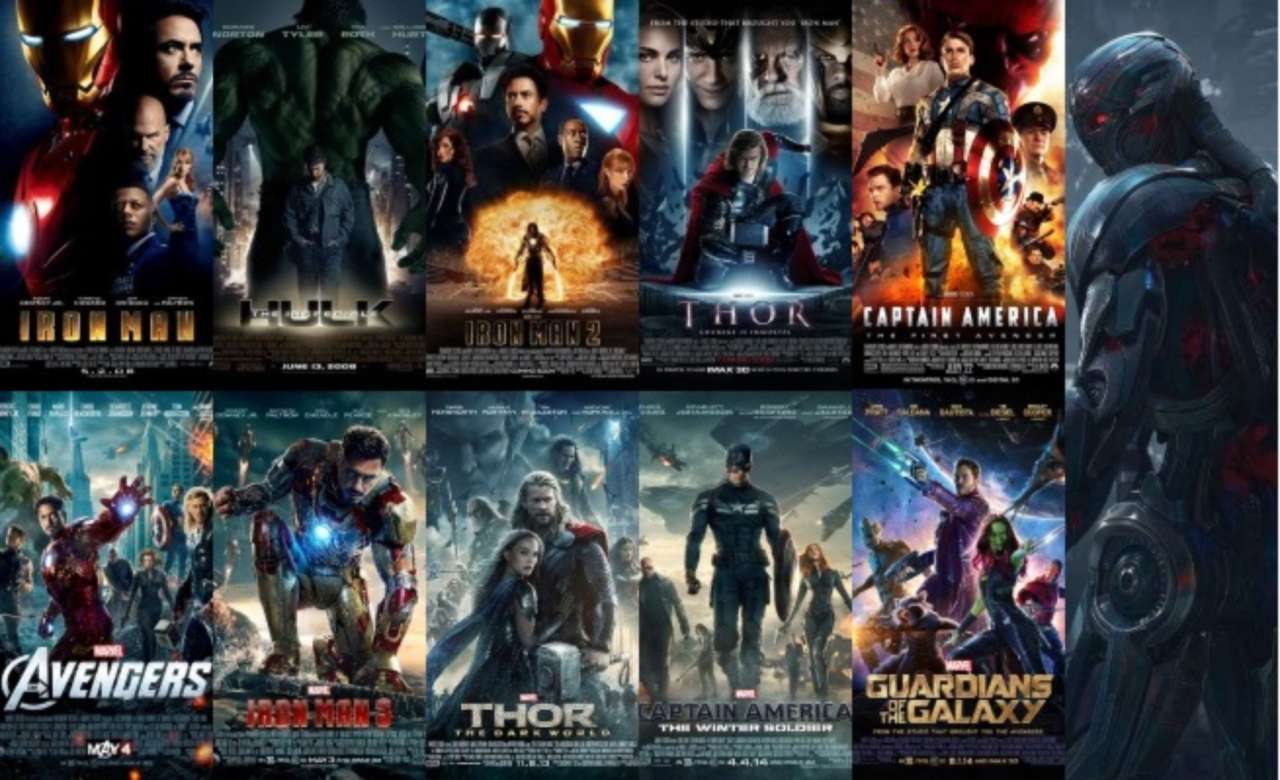
The Marvel Cinematic Universe (1 Day, 18 Hours, and 44 Minutes—and counting)

While DC continues to flounder (I hope that changes soon), Marvel consistently produces strong movie-going experiences. The trick was to start with solid individual movies before expanding and crossing the various franchises. The only problem is that there are too many Marvel movies. This marathon only includes the films, not the Netflix originals and other TV shows. I’m crazy; I’m not that crazy.

You may not be able to finish every film over a standard weekend. You may have to call in sick from work. If I’m being honest, I’d have to be a little sick to attempt this movie marathon that gets longer every other month. So, I wouldn’t be lying. I am sick. Cough. Cough.

MiyazakiMarathon

Miyazaki Marathon (1 Day and 10 Minutes)

Miyazaki’s marathon is the shortest of the full day ones, and it happens to be the most likely one I’ll try to make happen. Season squeed after hearing that. I’ll have to track down his shorts (that make up about an hour of this runtime) and make sure we have all the animated features he’s ever written and directed. We’ve got to do this right.

To date Miyazaki is the only anime director to have ever won an Academy award. It’s shocking that he’s only won one. He’s a director who I’m always on the lookout for his next release.

Classic Geekly Movie Marathons

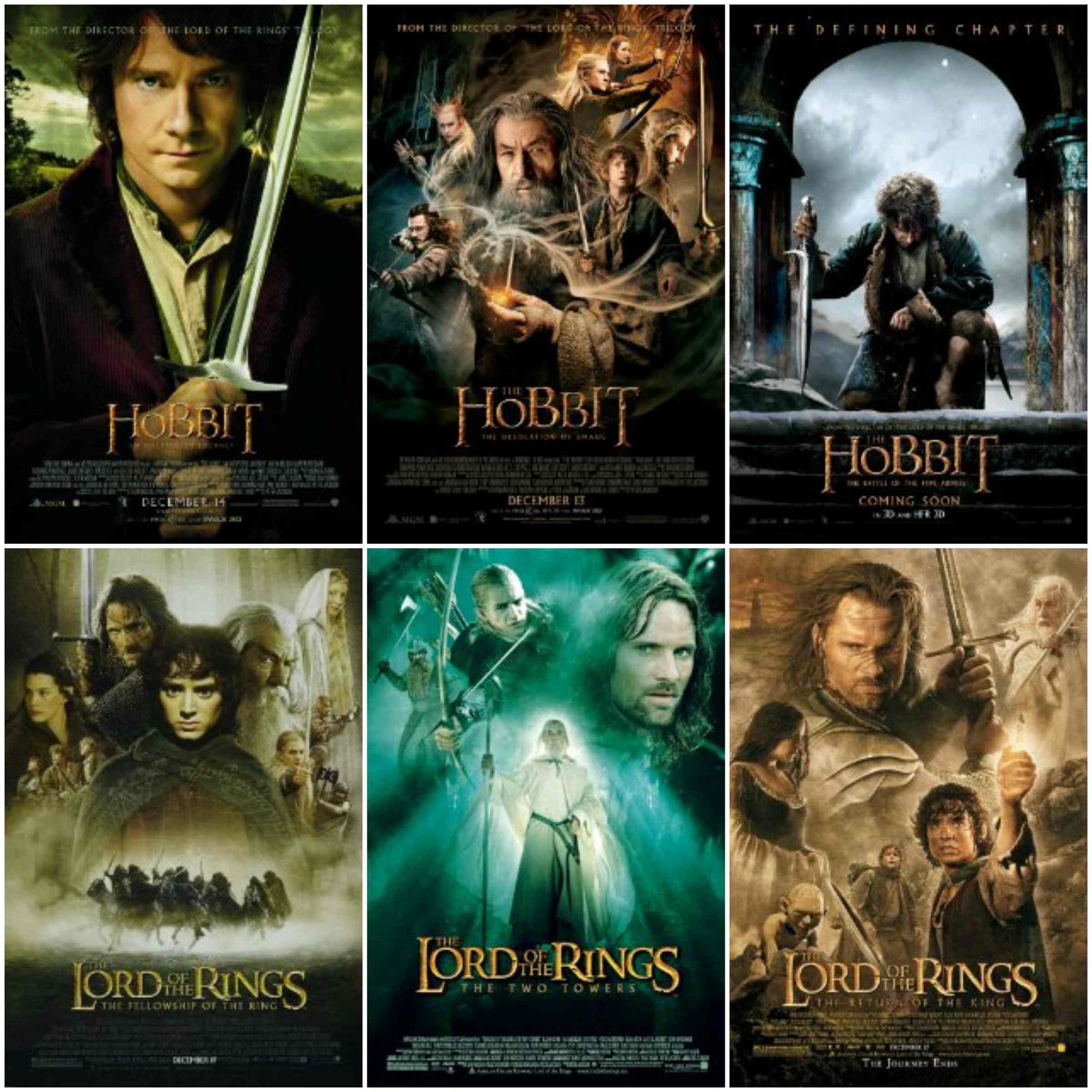
Lord-of-the-rings-Hobbit-Movie-Marathons

The Middle-Earth Anthology (20 Hours, 13 Minutes)

You could be forgiven if you wanted to cut the showtime in half and watch only The Lord of the Rings trilogy, Uncle Geekly won’t judge, but even at 10 hours or so, The Lord of the Rings will occupy a large portion of your day. No regrets. Miss Geekly has me beat as she’s seen it at least five or six times with all the bonus features.

Any way you slice it, the Middle-Earth Anthology is cinematic magic and worth your time. Peter Jackson and company do a phenomenal job of bringing to life the series that birthed epic fantasy.

StarWarsMovieMarathon.png

Star Wars (22 Hours, 27 Minutes)

This runtime includes the anthology films (Solo and Rogue One) and that may turn off several fans. It also doesn’t include the upcoming ninth main film, but I had to include Star Wars somewhere on this list. It’s too good. It transformed people’s lives. Some other fill-in-the-blank hyperbolic statement that somehow doesn’t seem like enough.

There are so many ways to watch the films: in order of release, chronological order, and many, many others. I won’t go into the virtues of how to watch these films, you do you, but with a runtime of just under a day one could watch a Star Wars marathon on a day like May the Fourth.

StarTrekMovieMarathon

Star Trek (1 Day, 1 Hour, and 17 Minutes)

Okay. This one may be the other more than a day marathon I’ll have to try at some point and that’s why it’s on the lists of classics. Star Trek may not get the same recognition as the other two titles on this list of three, but it’s every bit as iconic. I’m also required to say something like “iconic” because Jim would put me in a sleeper hold if I didn’t. Zzzz.

Where was I? Yes. Some of Sci-Fi films’ greatest moments have come from Star Trek movies, and it deserves to be on our classic Geekly movie marathons.

That’s my list. I’m sure you guys have more marathons you’d like to add. Tell me how wrong I am in the comments.