
Happy Wednesday, Geekly Gang! Kyra Kyle here. In today’s post, our writers will share the games (board games and video games) they’ve been playing over the past month. Let us know which games you’ve been playing in the comments, because we’re all part of the Geekly Gang. I’ll get things started with the games I’ve been playing over the past month.
Kyra’s Board Games
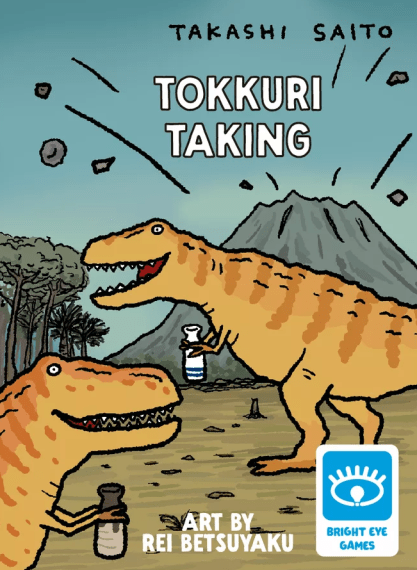
JK Geekly attended Scroogecon (in Lincoln, Nebraska) last month, so many of my board games will be ones I played during that event. Tokkuri Taking was the first game I tried. Dinos drinking sake, what’s not to love? I love this theme. And Tokkuri Taking was fun for a single round. Players score points for each empty tokkuri (the vases used to hold sake). I like plenty of the mechanisms here. I’ve never seen wooden sticks depicting how much sake is in a tokkuri. A round ofTokkuri Taking runs less than 15 minutes, which is what the box says. Unfortunately, Tokkuri Taking ends after numerous rounds. Players begin with ten chips. As soon as one player runs out of chips, the game ends. With players exchanging chips each round, Tokkuri Taking could last anywhere from an hour to two hours. Yikes! I wouldn’t want a two-hour session of Tokkuri Taking. I’ll stick to one or two rounds.
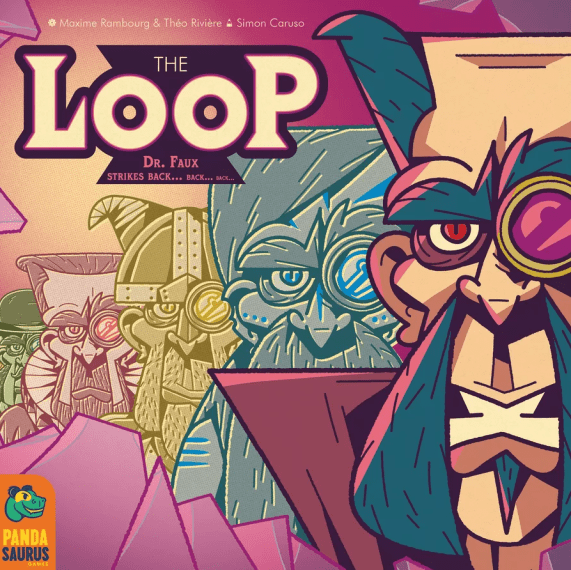
While I enjoyed my single play of The Loop, I don’t know if it’ll make my board game collection anytime soon. The theme and mechanisms are amazing, but I worry about The Loop’s scalability. We played with a full complement of four players. I never felt like we were going to lose this cooperative game. According to boardgamegeek.com, The Loop plays best at 2 players. I believe that. The person who shared The Loop with us said solo games skewed toward being too difficult. I felt four was too easy. Three may not be much better than four. But who knows? The Loop features a lot of variability. We could’ve gotten lucky during this game. I would play The Loop again. It was fun.

River Valley Glassworks is a game I’d gladly add to my collection. All Play Games has a knack for quick, accessible games with quirky mechanisms and themes. River Valley Glassworks meets these criteria. Heck! We played two games. And I got skunked both times. Gamers play as pioneers, drafting glass (acrylic pieces) from the market of river tiles. To claim glass, you must play a piece from your inventory into the river. But beware, each river tile can take one specific shape, and you must play into a space adjacent to where you want to draft. After you pick up your glass and place it on your player board, the river shifts forward, revealing new pieces. Perfection! The mechanisms enhance the theme. And the theme enhances what you do each turn. By the time you’re reading this, I may have already bought a copy of River Valley Glassworks. It looks gorgeous.

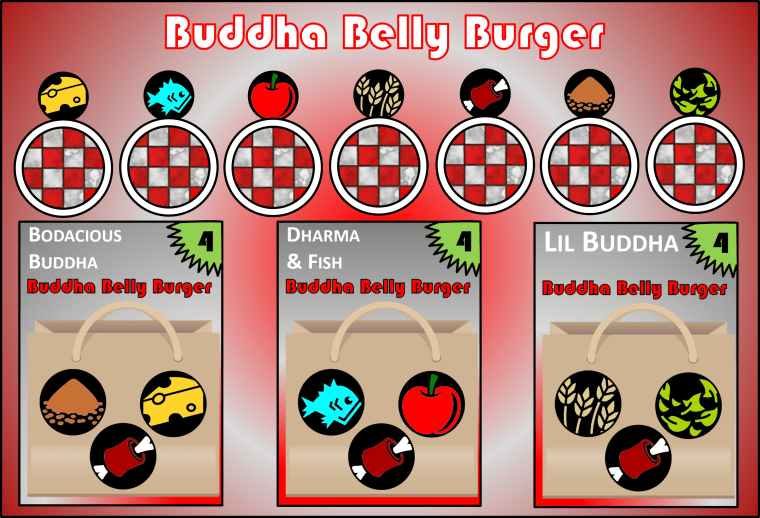
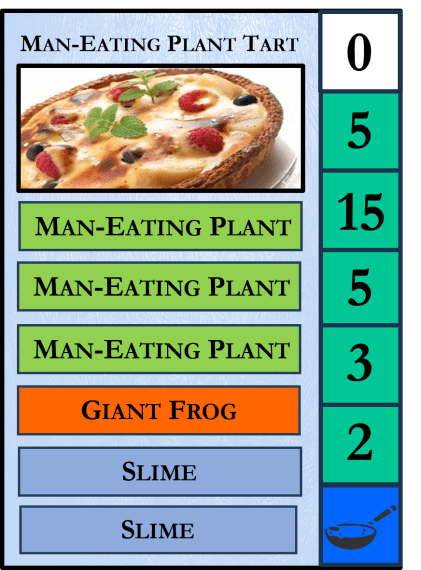
The next game I played was playtesting my prototype, Dungeon Chef. It was a smash. And that’s not just me saying that. One of the playtesters asked if Dungeon Chef was print-and-play. They wanted to spend $15 or so and print off a copy of their own. That’s a great sign.
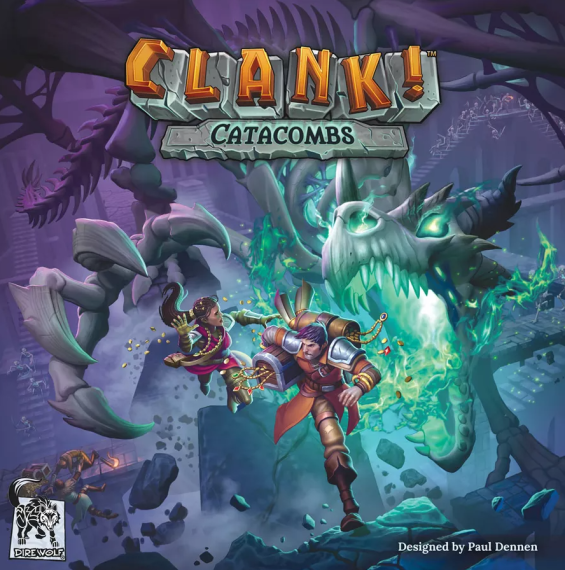
I’ve always wanted to try Clank! or Clank! Catacombs, and finally got my chance during Scroogecon. It was good. But it wasn’t as good as I wanted. Similar to The Loop, another game I’ve wanted to try for some time, Clank! Catacombs may have suffered because we played with a full complement of players: four. Unlike The Loop, Clank! Catacombs played well (balance-wise) at four, but ran long. Honestly, several of us at the table had been playing games all day and had little interest in turns that weren’t our own, and we got distracted. Scroogecon had been quiet most of the day. It got loud when we started Clank! Catacombs. I liked how Clank! Catacombs melded disparate mechanisms into a cohesive whole. I even won the game–by a lot. Beginner’s luck. But it didn’t quite land. Clank! Catacombs is another game I’d give another chance.
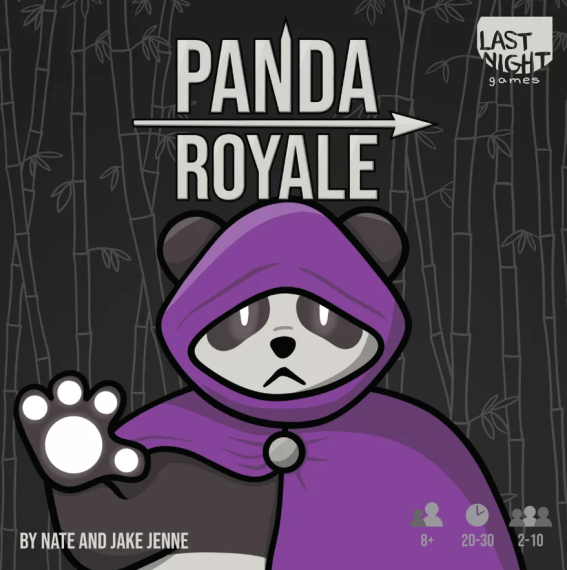
Panda Royale is a cute dice-chucking and drafting game. It plays super fast, and that worked for the limited time we had remaining at the convention. We had fifteen minutes or so before Scroogecon’s raffle drawing. Panda Royale fit nicely into that window. The game has a cute theme, but the mechanisms don’t match the theme. Panda Royale could’ve been titled Yahtzee Royale, but this theme is more appealing. And the title Yahtzee is most likely copyrighted. Panda Royale can get swingy, and the game doesn’t do enough to address a potential runaway winner. Skye cobbled together a handful of consecutive 100-point rounds, and I knew she was going to win halfway through the game. Still, Panda Royale is quick enough to exact revenge. If we had more than fifteen minutes, I would’ve been challenging her to a rematch.
One last note on Panda Royale: I hated the dry erasers. You may need to bring tissues and cleaner whenever you play.
That’s all I have for this past month. Let’s check in with Season.
Season’s Board Game
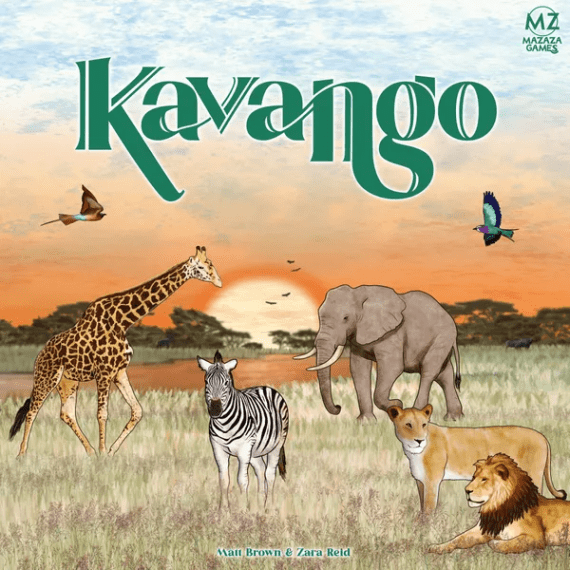
I played Kavango for the first time last year at Nuke Con. Guess what I got for Christmas, Geekly Gang? Kavango has players build their own wildlife reserves in Africa through conservation. Whoever has the most thriving reserve wins. I’ll say this: Kavango isn’t a game you’ll win on your first try unless you’re a board game genius. It looks more intimidating than it is since there are many moving pieces, but it’s got a good flow. Kavango has three rounds with ten turns apiece, but each turn is played simultaneously between players.
The creators of Kavango did research on real-life conservation and included player roles based on their real-life counterparts. The Kickstarter edition (my copy) has a map of wildlife conservation parks across Africa. I’m totally using it for an African wildlife safari that I’m planning for in the distant future.
Seasons Video Game
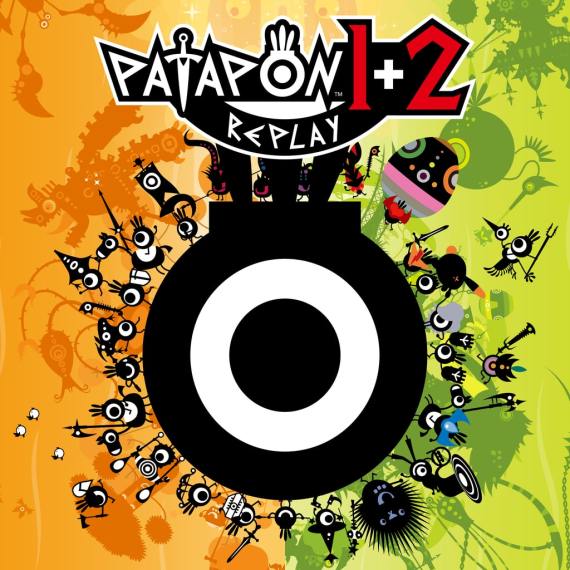
I played the first Patapon on PSP eighteen years ago. I never completed it because it was too difficult for me. Patapon is a rhythm-based side-scrolling game that relies on the player to match their drums (buttons on the controller) to the movements of their Patapon tribe. Maintaining the rhythm allows the player to go into Fever mode. Some of the Patapon tribespeople do more damage and have special abilities when in Fever mode. If the player loses their rhythm, the Patapons glare at the screen and shout, “Huh?” Some of them even fall over. Maintaining Fever mode is difficult when levels throw many enemies and environmental effects at players.
That’s all from me. What are you playing, Skye?

Skye’s Board Games
Rustbucket Riots is a game I’ve been meaning to mention for a while, and I’m glad to finally offer my take on it. For those who’re unfamiliar, Rustbucket Riots is a cooperative dice-placement game created by our very own Kyra Kyle about taking down renegade robots in a not-so-distant dystopian future. While not yet published, I had the pleasure of playing a newly updated version of the game last month, and it’s amazing to see how much progress it’s made over time. The board has become much easier to read, and the flow of the game has been perfected. It goes without saying, but I certainly can’t wait until Rustbucket Riots hits the shelves because I’ll be one of the first to pick up a copy.

Another Kyra Kyle original, Spill the Beans (working title) is a much simpler party game. With the objective of spilling Jellybeans (not too many) out of the jar and placing/eating them in a way that leaves you with the most points. Spill the Beans is fast-paced. It also puts a spin on the idea with the addition of jar-specific abilities depending on where you decide to place your Jellybeans. Spill the Beans is a great pick for some lighthearted party game fun.
Skye’s Video Game
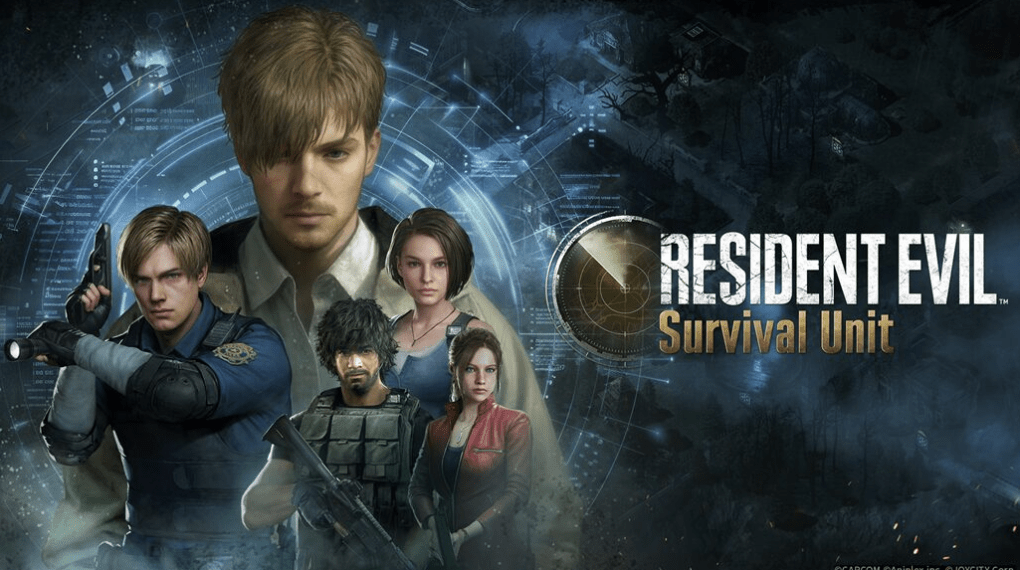
I don’t have a problem. Well, ever since beating Resident Evil 2 and Silent Hill 2 last month, I became transfixed by the world of Resident Evil. I’ll admit there isn’t much that sets Resident Evil: Survival Unit apart from other survival strategy mobile games with the sole exception of it being Resident Evil themed. For that reason, it’s been hard for me to pull myself away from it. Every day I have my construction and research progress in the back of my mind and the urge to participate in alliance raids is too much for me to resist. That and it’s great to see some of my favorite characters still alive in this non-canonical story. I never fully recovered after Marvin; just let me have this.
Hey, hey! Kyra Kyle here again. Those are the games our writers have played this past week. Let us know what you’ve been playing. Thank you for reading, and wherever you are, I hope you’re having a great day.
 jkgeekly.com