






Happy Wednesday, Geekly Gang! Today, our writers share what they’ve been reading over the past month. Feel free to share what you’ve been reading, because you’re part of the Geekly Gang, too. I’ll start our monthly reading post.
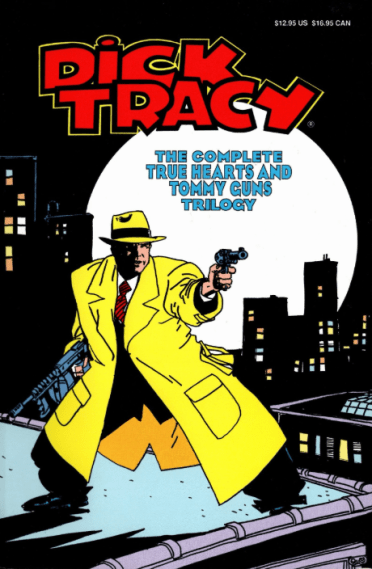
I reread a favorite graphic novel this past month, Dick Tracy: The Complete True Hearts and Tommy Guns Trilogy. Dick Tracy is a classic 90s graphic novel. The 1990 Dick Tracy film could’ve been so much better had Warren Beatty decided to start with the first of these three stories. Yes. Dick Tracy: The Complete True Hearts and Tommy Guns Trilogy concludes with what we now know as the 1990 Dick Tracy movie. Movie audiences lost so much by only getting the third installment. The Dick Tracy screenwriters planned on Dick Tracy being a trilogy, beginning with the first installment in this collection. Fortunately, those same writers decided to release the whole trilogy as a graphic novel.
After reading a Variety article about how 1990’s Dick Tracy served as a cautionary tale for comic book movies (specifically MCU films), I was enticed to reread Dick Tracy: The Complete True Hearts and Tommy Guns Trilogy. Needless to say, the Variety article got it wrong. The article’s writer suggests that Dick Tracy failed despite having every advantage (money, a heap of stars, etc.). One must have a great story. The sad thing is 1990’s Dick Tracy had a great story. The creative team had pulled a DCEU. (Think Batman V Superman; we’re behind the MCU, so let’s make the second DCEU movie feature Batman, Superman, Wonder Woman, Lex Luthor, and even Doomsday with some Darkseid and gang thrown in for funsies.) Back to Dick Tracy. TMNT and Batman had recently been released, so Dick Tracy skipped the first two parts of this great story to show the climactic end where everyone’s story converges.
If you read Dick Tracy: The Complete True Hearts and Tommy Guns Trilogy in its entirety, you’ll cheer as Big Boy puts Lips in the bath. Without the context of the previous two stories, viewers are left wondering who Lips is. A bad man. Lips abused Big Boy. We spend two movie-length stories watching Big Boy claw his way to the top with his buddy, Flattop. Breathless Mahoney’s background gets fleshed out. BB Eyes and Pruneface actually have personalities. Even Dick Tracy and Tess Trueheart’s relationship gets explored, so there’s more weight to them adopting The Kid. I highly recommend reading Dick Tracy: The Complete True Hearts and Tommy Guns Trilogy before watching–or rewatching–the 1990 film Dick Tracy. You’ll find a greater appreciation for what this film could’ve been.

The Alcoholic Republic: An American Tradition is eye-opening. Prior to Prohibition, drinking was pervasive in the United States. Reading The Alcoholic Republic recontextualizes Prohibition. 1) Prohibition had to happen. Citizens of the United States drank far too much. We’re talking about a six-pack a day was considered extremely light. President Lincoln was assassinated because his guard was wasted. Vice President Johnson was spared because his would-be assassin had downed five bottles of whisky in one night. 2) Prohibition wasn’t a complete failure. I had been taught Prohibition failed on most–if not every–levels, but that may not be accurate. After Prohibition, most of the nation curtailed its drinking.
The Alcoholic Republic even explores gender roles. Men needed to work because if a man didn’t work, he’d drink himself stupid. This idea persisted decades after Prohibition. Even Ed Gein’s father was a drunken layabout. While I can’t say I “enjoyed” reading The Alcoholic Republic, I appreciated the history it told.
I’ve reread a handful of things–besides Dick Tracy: The Complete True Hearts and Tommy Guns Trilogy–over the past month, but let’s check in with Skye and see what she’s been reading.
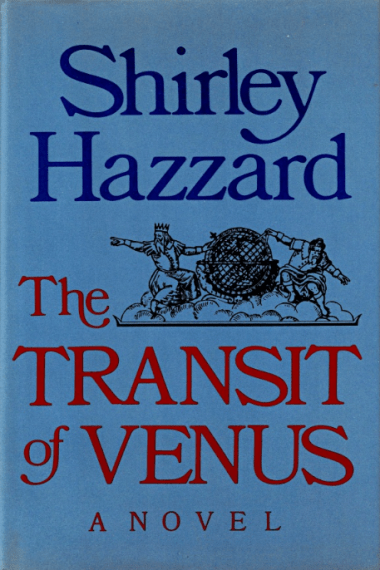
I came across The Transit of Venus in Barnes & Noble a few months ago, but only now got around to reading it. So far, it’s proven to be a heavily layered story, which I love. The Transit of Venus follows the lives of two orphan sisters from Australia and the adventures they get into as they travel around the world. Considering the subject matter, The Transit of Venus can be depressing, but I keep reading in hopes that they overcome their struggles. After all, that’s what the title implies: all moments are fleeting, and time keeps ticking forward.

TL;DR: I was morbidly curious.
I’m intrigued by how each of the Bible’s stories fits together, since I’ve heard them referenced several times throughout my life but never read them. The biggest thing that stands out to me is the sheer number of names the Bible drops. For real, I’m only halfway through Genesis, and 50+ people have been named while only about 10 of them have done anything. Am I cramming for a test? I feel like God’s gonna give me a pop quiz at some point about who begets whom, and I’m gonna fail. I’m still reading.
No offense to God, but He should tighten His prose. There’s very little investment in these stories; they’re just dry. Surely the creation of man was more interesting.
Oh.
Kyra Kyle here again. I don’t know how to follow that. Lol
I’ve read the Bible multiple times growing up (my family was religious–pseudo Southern Baptist, as in they called themselves something else but behaved similarly to Southern Baptist), but I’ve never considered the Bible from a writing perspective. That piques my interest. 👀
Season is skipping Whatcha Reading this month. I’m sure she’ll return next month. Thank you for reading, and wherever you are, I hope you’re having a great day.

Hey, hey, Geekly Gang! Kyra Kyle here. We’ve tackled the idea of cartoons or animated series based off comic books almost a decade ago with a Top 5 Animated TV Shows Based Off Comic Books. It’s a good idea to update this post. Our reasoning is three-fold: 1, it’s been long enough and more shows have been produced since 2015; we increased the number of shows on this list from five to ten; and Geekly forgot about a few shows inspired by comic books in the previous list. Whoops! Before we get into the shows, let’s set down some ground rules for this list.
1: Cultural relevance will play a role, as will the show’s overall quality.
2: Some of these shows’ animation doesn’t stack up to even its contemporaries, but they’re outstanding just the same.
3: We’ll have to stick with one show from a franchise because we wouldn’t want a list that includes only Batman and Spider-Man.
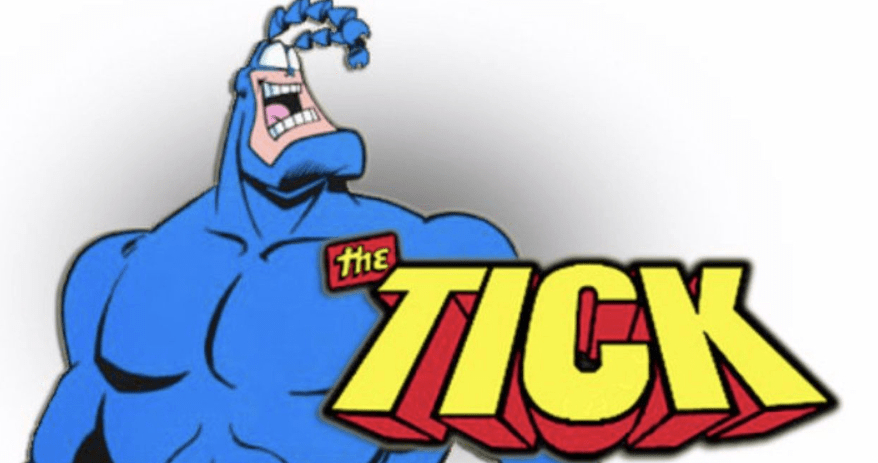
We’re kicking off this list with a cartoon that didn’t make the former Top 5 Cartoons based on comic books, 1994’s The Tick. We’ll be getting serious soon enough with the other titles on this list, so it’s only fitting that we begin with a goofy superhero who doesn’t take himself too seriously. Well, actually, The Tick character takes himself seriously, but he’s so off-the-wall bonkers that it’s difficult for viewers to take him seriously. The Tick is one of those animated shows that blends adult and child humor.
The partnership between The Tick and his sidekick Arthur is one of the best in superhero history, even if it draws inspiration from classic superhero duos. The Tick is a fun watch for anyone familiar with comic books and superheroes, because The Tick sends a relentless barrage of potshots at iconic heroes and villains at the audience.
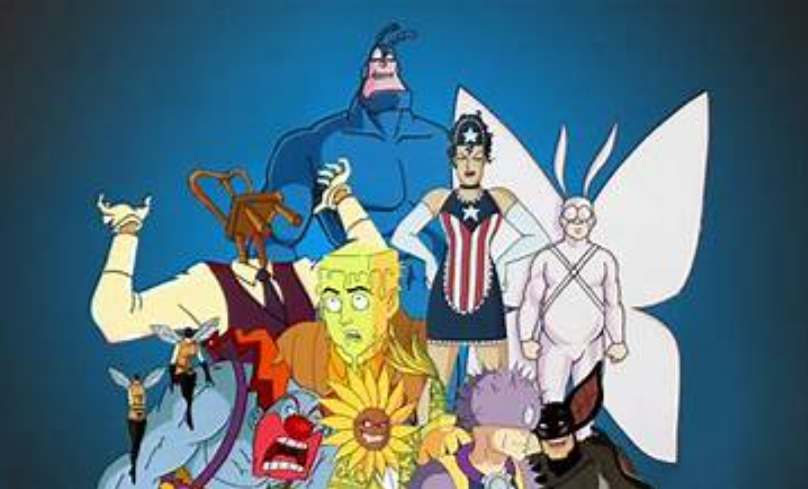
Warning: The Tick uses a lot of puns. If you like Dad Jokes, great. If you’re not as into jokes like American Maid or El Seed, you may not get through too many Tick episodes. Either way, you should give The Tick theme song a listen. I dare you to not hum along. Tee hee!

I have fond memories of the classic 1987 Teenage Mutant Ninja Turtles. 1987’s TMNT even took the second spot ten years ago, but that may have been due to nostalgia goggles. The Teenage Mutant Ninja Turtles reboot that occurred in the 2000s stays true to the source material and claims a spot on this list.
Produced by 4Kids Entertainment, Teenage Mutant Ninja Turtles was a huge departure for the franchise. Because it stayed close to the comics’ tone, this version of TMNT had dark storylines, plenty of character growth, and amazing action sequences. Many shots in the 2000s TMNT would be at home with the best martial arts films.
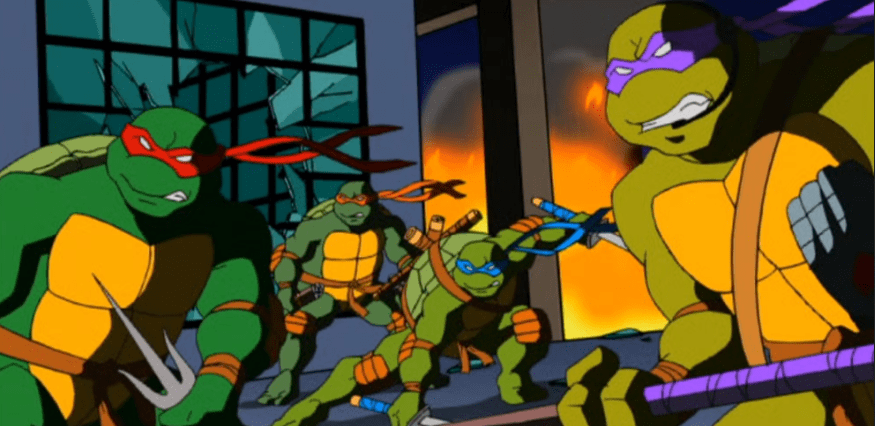
The 2003 Teenage Mutant Ninja Turtles set a new standard for the franchise. Sure, the TMNT franchise can still skew toward a younger audience, but the 2003 Teenage Mutant Ninja Turtles animated series proves that TMNT works for an older audience, too. Several characters from this show, such as the Shredder’s enforcer, Hun, were even adopted into the comics and future TMNT shows. Not bad for a reboot series.

Spider-Man: The Animated Series falls far from our previous list, but it’s a fantastic show. It fell victim to newer series, shows we forgot were based on comic books, and lifted restrictions (more on that with the next entry). Spider-Man: The Animated Series adapted many of the comic books’ best storylines. No other Spider-Man cartoon includes the breadth of Spider-Man: The Animated Series’ characters. It introduced numerous Spider-Man characters that had not yet been seen on the small or big screen.
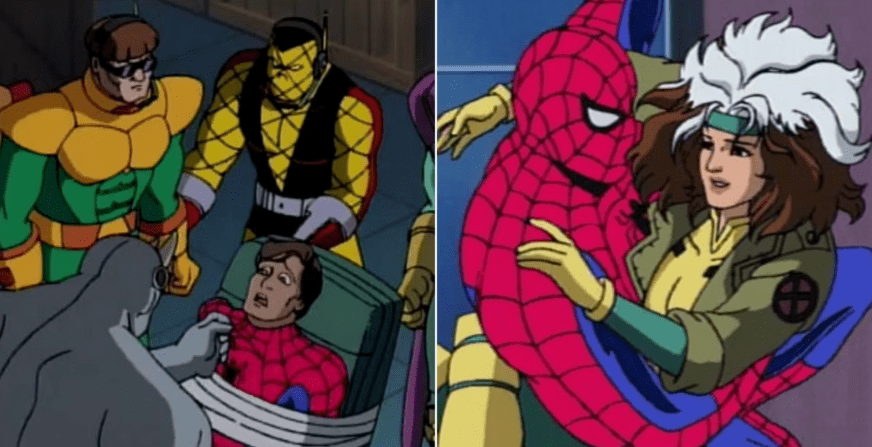
Throughout Spider-Man: The Animated Series’ run, Spider-Man interacts with many Marvel comics characters: The Hulk, The X-Men, The Avengers, and The Fantastic Four. X-Men: The Animated Series may have started the Marvel animated universe of the Nineties, but Spider-Man: The Animated Series galvanized the Marvel universe. The Nineties Marvel Animated Universe paved the way for the MCU, and Spider-Man: The Animated Series was the linchpin.

We didn’t include Superman: The Animated Series in the previous list ten years ago because it was too close to Batman: The Animated Series, and we didn’t want more than one entry from a franchise. Forget that. We’re not including more than one show with the same main character. How about that? Moving on, Superman: The Animated Series did for the Man of Steel what Batman: The Animated Series did for the Dark Knight.
Superman: The Animated Series updated Superman’s stories for a new audience. The characters and tone mixes contemporary and classic Superman stories, making this animated version of Superman feel powerful, but not unbeatable. Supes’s supporting characters had memorable personalities that bounced off one another well. Superman: The Animated Series also introduced a generation of viewers to classic Superman villains like Lex Luthor and Brainiac, while giving viewers the first glimpse of Superman’s deadliest enemy, Darkseid.

I love how Superman: The Animated Series’ tone and differs from Batman: The Animated Series. The two are polar opposites, but look as if they belong within the same universe. Superman: The Animated Series is a testament to how great the DC Animated Universe was and often still can be. I’m also glad we’re able to extend this list to a Top Ten. There are so many great cartoons based off comic books.

Yes! We’re lifting many of those odd self-induced limitations with the prior list. I didn’t include Superman: The Animated Series, Justice League, or Young Justice because they were part of the Batman: The Animated Series universe. What was I thinking? Young Justice is nothing like Justice League. Young Justice follows characters who are often pigeonholeed as sidekicks. Speedy, Aqualad, Kid Flash, Robin, and more team up in Young Justice.
Co-created by animation legend Greg Weisman (who also co-created Disney’s Gargoyles, another stellar series), Young Justice showcases many of Weisman’s strengths: fantastic character work, character development, and an emphasis on strong continuity. Young Justice’s emphasis on sidekicks is a great angle for an animated show. This conceit allows the audience to watch the characters grow and develop over many seasons.

Some Young Justice members strike out on their own and become their own heroes. Others remain on the team and mentor new heroes. Still others come to some shocking ends. Young Justice doesn’t shy away from grizzly ends. Young Justice survived cancellation and jumping between three networks before concluding its run. Thank goodness, because it’s one of the best modern animated shows based on a comic book.
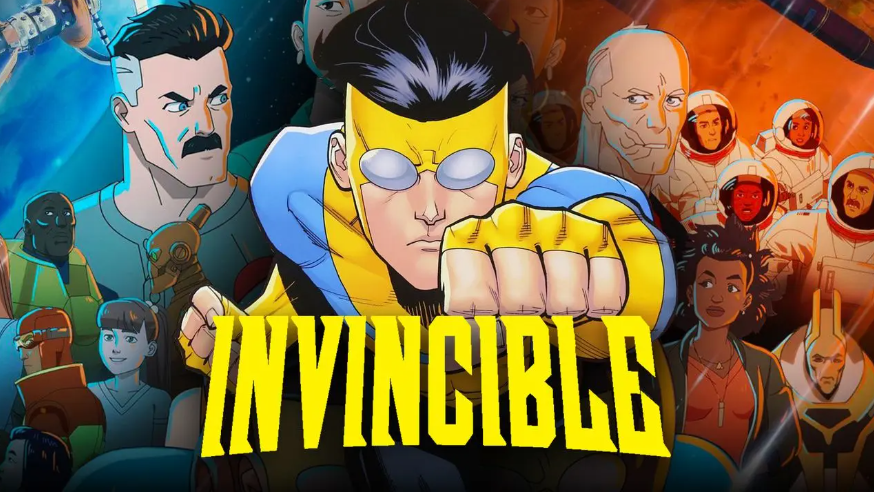
Invincible is the most recent animated series on this list. Heck! It’s still in the middle of its run. This is what I mean by several new animated shows based on comic books have been released since our previous list ten years ago. Invincible basks in the fact that it’s a superhero show. It pokes fun at classic character types and comic book tropes, while simultaneously paying homage to these same ideas. It’s a delicate balance, but Invincible does a great job of handling this tightrope.
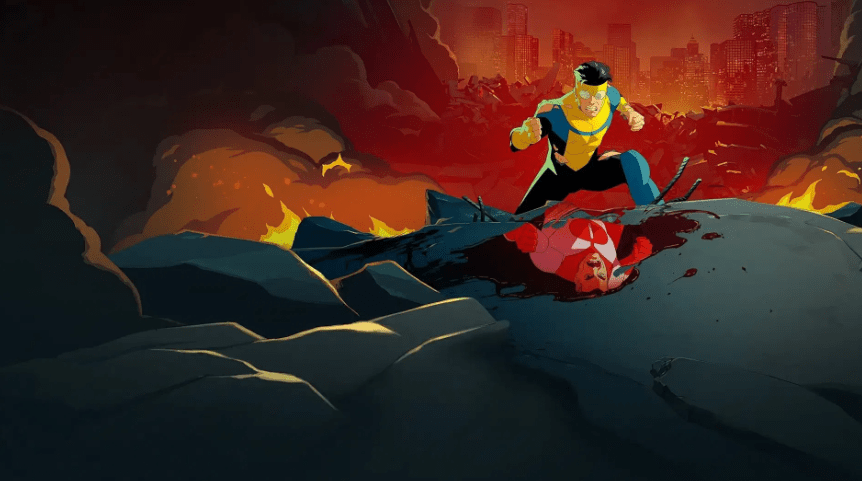
Yet Invincible uses its framing devices to tell very, and I mean very, mature stories that explore the mentality of being a superhero. Heroes and their loved ones struggle with this responsibility. Invincible shows a terrifying world where heroes, villains, and monsters battle each other among civilians.
Invincible sports a brilliant voice cast. It’s a modern classic, and it may just climb this list in another decade.

Simply put, Justice League was the culmination of Bruce Timm and Paul Dini’s years of work on the Batman and Superman animated series. Justice League was the next logical step. Justice League: Unlimited (2004-2006) continues where the original series left off and gives the series (as a whole) a proper ending.
Timm and Dini combine old and new storytelling tactics to form something new and exciting in Justice League. They pay homage to who these characters are in the comics and explore their interpersonal relationships. This is a theme for this list, but Justice League stays true to its comic book roots but add enough twists to make the show a must-watch for hardcore fans.
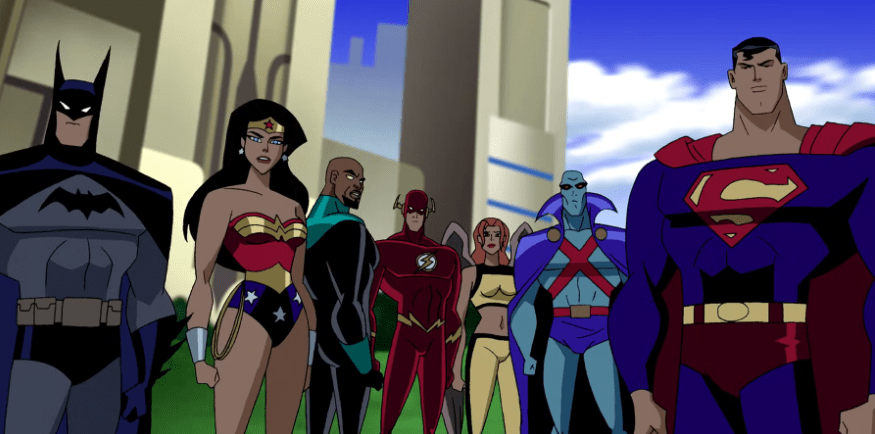
Justice League and Justice League: Unlimited understand each of their team members and give all of them ample time to shine. This is only possible because Timm and Dini had a decade to work with these characters, refining them and respecting the source material. I don’t want to spoil anything here, but these two series (which are really one long series) make for a great binge-watch. The cast is legendary.

DuckTales was the one animated series that needed to be on the previous list. I forgot that DuckTales originated from the Uncle Scrooge comic book by Carl Barks. Scrooge McDuck’s globetrotting quests in search of treasure captivated viewers. It launched the Disney Afternoon line of cartoons. While none of the other series from that cartoon line made this list because they didn’t start as comic books, they took their cues from DuckTales. Much of Disney animation during the late Eighties and early Nineties followed DuckTales‘ lead.
And even though it originally released in the Eighties, DuckTales holds up surprisingly well. Scrooge McDuck and the dynamic trio of Huey, Dewey, and Louie join forces with Launchpad McQuack and Gyro Gearloose. DuckTales raised the profile of underused Disney characters and added plenty of new favorites. Because Uncle Scrooge’s adventures sent him all around the globe, DuckTales subtly taught geography and threw in some cultural references for good measure.

DuckTales was Disney’s first syndicated animated TV series. While it paved the way for other successful shows like TaleSpin and Chip n’ Dale Rescue Rangers, DuckTales had two direct spin-offs, Darkwing Duck and Quack Pack. Talk about a media powerhouse. But only takes our third spot. What shows could dethrone a legend like DuckTales?
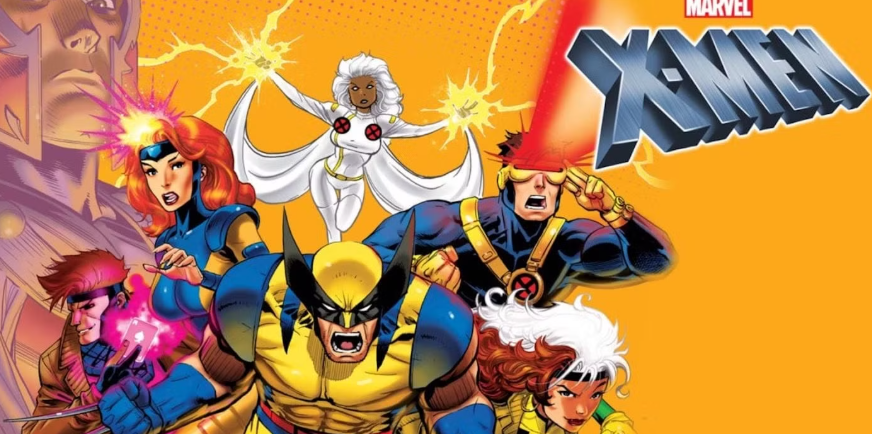
The original X-Men: The Animated Series ranked high on our previous list. I’d be lying if I told you the phenomenal X-Men ’97 didn’t help this series climb higher on this list. Last year’s X-Men ’97 is the highest-rated Marvel Series on most review sites. I highly recommend it and can’t wait for the next season, but Geekly’s going with the original Nineties X-Men Series. We’re going with the source material.
And that’s what made the Nineties X-Men: The Animated Series so great. While the series that claims our top spot paved the way for authentic comic book storytelling in cartoons, X-Men doubled down by not shying away from epic X-Men tales. I never thought I’d see a “Days of Future Past” or the “Phoenix Saga” on the small screen, but X-Men: The Animated Series dived headfirst into the spectacle and long-form storytelling the X-Men comic book was known for. Did the show always stick the landing? No. But X-Men: The Animated Series set the standard for how the public saw The X-Men.

The X-Men: The Animated Series didn’t treat young viewers with kid gloves. It delved into mature themes of prejudice, death, and the effects of trauma, while maintaining a hopeful outlook with its stellar cast of characters. The continuation series X-Men ’97 captures almost every element of what made the original series great. Here’s to some new fond memories. And who knows? Perhaps, the X-Men: The Animated Series will claim the top spot in another ten years.
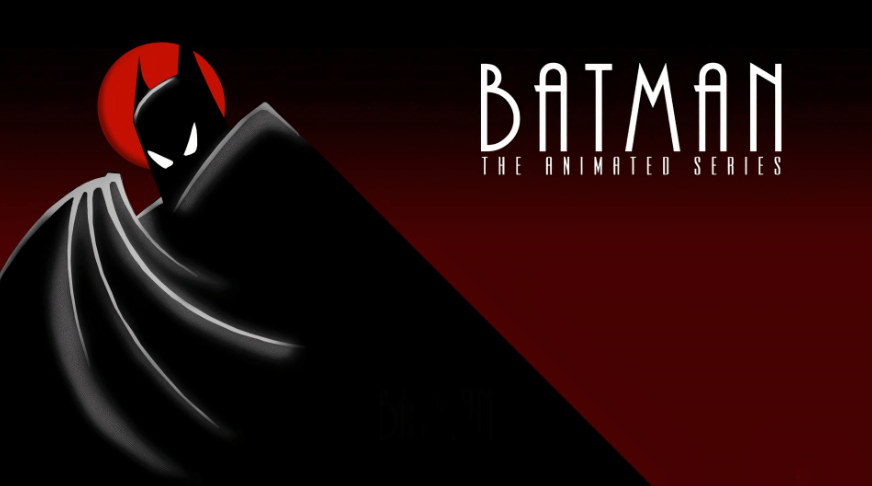
Batman: The Animated Series claimed the top spot ten years ago, and it remains at the top of this list. Heck. I’ve seen other sites’ lists of the greatest comic book animated shows, and while some sites include some spicy inclusions (that I wouldn’t think would make a top 10), almost everyone is in agreement that Batman: The Animated Series is the greatest cartoon based on a comic book.

Kevin Conroy became a generation’s Batman. That’s not right. Conroy voiced Batman since 1992, and Warner Bros. continues to release animated films with Conroy as Batman more than thirty years later. Numerous animated Kevin Conroy Batman projects were released posthumously. So, he’s the voice of Batman for more than one generation. The rest of the cast is stellar. Not just stellar, iconic.
Speaking iconic, the Batman: The Animated Series’ soundtrack when I think of many Batman characters. I seldom need to watch an episode to pinpoint the antagonist. Our previous list noted Batman: The Animated Series’ introduction that didn’t even need to reveal the character’s name. You knew how Batman was from the symbol. Batman: The Animated Series serves as a definitive Batman for many people. It kickstarted the DC Animated Universe, which rivals the MCU and, for several people, dwarfs the MCU. Countless Batman: The Animated Series episodes won Emmies.
“Heart of Ice” is one of the Batman: The Animated Series episodes that earned an Emmy. This episode took a joke character, Mister Freeze, and grounded him into a fan favorite. Batman: The Animated Series did a lot of that during its four-year run. Side note: I can’t believe it’s been over thirty-three years since “Heart of Ice” originally aired. Yikes! Batman: The Animated Series claims the top spot. We’ll have to see if it continues to do so in another ten years.
Did we get the list right? Which shows would you add? Let us know in the comments. Thank you for reading, and wherever you are, I hope you’re having a great day.

 jkgeekly.com