Happy Monday, Geekly Gang! We’re back with another video game review, one that’s overdue. I’ve talked about This War of Mine in various forums, even The Pixels, a few years ago, so it was only a matter of time before we, JK Geekly, would cover the video game in a review.
I love this game. This War of Mine harkens back to my days as an imagery analyst/targeteer. Typically, I’ve seen the world of This World of Mine from a top-down view. This video game made me see the people I affected from a ground level, and I love it for it. But how does This World of Mine rate against JK Geekly’s video game review criteria? Let’s find out.
Mechanisms: 8/10
This War of Mine does a great job of balancing the various things you need to survive. Yes. This War of Mine is, first and foremost, a survival game. The denizens of your building attempt to survive the duration of a war, ripping apart this undisclosed Eastern European nation, although with hindsight, we could assign This War of Mine’s setting as Ukraine, circa 2025.
This War of Mine’s game mechanisms are a difficult category to rate. On one hand, This War of Mine offers a singular experience of rummaging through a war-torn nation, while gathering supplies. On the other hand, it uses pre-established game mechanisms to express its subject matter. I’m giving This War of Mine an eight out of ten because it does enough to subvert the typical game mechanisms of acquiring resources. This may play into This War of Mine’s story/narrative, but while the specific mechanisms one can find in this game can be found in other video games, the narrative weight these choices offer makes This War of Mine unique.
Above Image from GameDesigning.Org
Gameplay Loop: 9/10
This War of Mine is addictive. I don’t care if you’re looking through a survival game like Ark: Survival Evolved or The Survivalists, This War of Mine equals or bests these survival games, only with the experience of someone who may have to experience war overseas. Even though you could find a similar gaming experience with any number of survival games, none of them put you in the shoes of someone having to fight for their lives in a real-world scenario.
Few survival games balance the day-to-day survival with the greater good like This War of Mine. I don’t know how many times I’ve had to choose how much I intend to “steal” from an elderly couple, while gathering enough to keep my survivors alive. This War of Mine offers an odd balancing act unseen by most video games. No two plays of This War of Mine will turn out the same. That’s a strength.
Add in the Little Ones expansion, and that adds an extra layer of complexity. Few games have me replaying its core game through a different lens than This War of Mine. This game blends a tasty survival game with an empathy game. I’ve found myself making choices in This War of Mine that I think I’d never make until presented with the scenarios this game includes. This is the This War of Mines’ greatest strength.
Narrative and Storytelling: 9/10
This War of Mine offers a branching narrative that changes each time you play it. I’ve lost count many times I’ve replayed this title and see where the story takes me. This adds to This War of Mine’s narrative and storytelling. It’s a glorified “Choose Your Own Adventure” story with so many branching arcs that it’ll take multiple playthroughs to unearth each one.
Add in expansions that further explore this unnamed Eastern European nation, and This War of Mine has narratives so deep, you can spend months exploring them. But you don’t even need expansions. If you play the game on Steam, This War of Mine is host to a plethora of mods. Any one of them can shake up the gameplay, and sometimes, the story. This War of Mine offers a fertile ground to tell any number of interesting stories set against the backdrop of war.
User Interface: 7/10
This War of Mine has plenty of menus, and for the most part, it does a great job of presenting these menus to its players. But the sheer volume makes it easy to get confused. Honestly, I’ve had to play portions of This War of Mine a second time because I didn’t understand the ramifications of my actions or choose something I didn’t want to choose from one of the game’s multiple menus and selections within selections of head’s up displays.
To be fair, it’s easy to get lost in This War of Mine’s multiple workshop (or production area) menus or dialogue exchanges or even its basic movement and interaction with the world around you. This War of Mine includes a steep learning curve, even if the game tries its best to handhold you through the early stages of that steep learning curve. Without these handholding efforts, I would give This War of Mine a below-average rating. Since the game goes out of its way to try and teach you these menus, it gains a well above average rating.
Graphics: 7/10
This War of Mine offers above-average graphics, but grading this game’s graphics does it a disservice. Even though the game is over a decade old, This War of Mine is timeless. Even during its 2014 release, This War of Mine harkened back to the past. And oddly enough, the future. Ultimately, it doesn’t matter which war This War of Mine is supposed to represent. By extension, it doesn’t matter how dated This War of Mine’s graphics become. It matters the vibe This War of Mine captures. And if we consider the vibe, This War of Mine may score above a ten.
Audio: 8/10
If you know me, you know I seldom play video games with the sound on, but I make an exception with This War of Mine. This game’s soundtrack does enough to carry me to a war-torn Eastern European nation. I challenge anyone playing this game to listen to This War of Mine’s desolation. It’s haunting.
Replay Factor: 8/10
This War of Mine has so many expansions and mods (from Steam users) that you can play and replay This War of Mine for countless hours. The only reason why I put a damper on This War of Mine’s replay factor is its subject matter. I don’t know how long gamers can play a game meant to show the horrors of war. Each person’s mileage will vary. If you’re sensitive to war, you may not play This War of Mine very long. If you’re interested in putting yourself in the shoes of someone struggling to stay alive in a war-torn nation, This War of Mine will offer thousands of hours of gameplay. This War of Mine won’t be for everyone, but I don’t think that’s the point. Step into the darker, more personal corners of war if you dare.
Aggregated Score: 8
This War of Mine may not be for everyone, and that’s okay. For those who want to explore what they might do if confronted with living in a war-torn Eastern European nation, This War of Mine offers numerous morally gray options.
Hey, hey, Geekly Gang! Kyra Kyle here. We’ve waited a month, so it may be time to do another Geekly Casting. Today’s subject is Apex Legends. Respawn/EA has been teasing an Apex Legends show or movie for years. The franchise came out of the gates hot. It’s since cooled in the past few years, but a show or film could reignite Apex Legends.
We decided to keep casting simple and go with the original eight Apex Legends’ characters, the first four characters released after the originals, and Blisk. We needed to cast Blisk. He’s the one who ties Apex Legends to the greater Titanfall universe and assembles the Legends for the Apex Games. I’m going to cast Apex Legends with modern actors, and our movie geek Skye will be casting the film with actors from all of Hollywood history. My picks are up first. Let’s see who made our Apex Legends cast.
Kyra’s Picks
Blisk: Sharlto Copley
Canonically, Blisk is from South Africa. Unlike other characters from the Titanfall/Apex Legends universe, Blisk doesn’t hail from a planet with an accent, which sounds like one we’d find on planet Earth. Blisk is literally from South Africa. District 9’s Sharlto Copley is also South African. He’s no stranger to Sci-Fi/Action films either. Allow him to grow a sculpted beard, and he’s a dead ringer for Blisk. I can see Sharlto Copley as the man reinstating the Apex Games for selfish and dubious means. Copley does a great job portraying morally gray characters.
Wraith: Sophie Thatcher
Sophie Thatcher makes for a younger Wraith. This could help because if the Apex Legends movie/show follows the video game, Wraith will receive ample flashback scenes. Thatcher has plenty of experience with flashback scenes as a younger Natalie in Yellowjackets. But it’s Sophie Thatcher’s turn as a sexual partner android in Companion that proves she can pull off Wraith. Thatcher struck a careful balance between innocence and calculation, and found a combination of coldness and warmth. Thatcher has what it takes to portray Wraith, and it doesn’t hurt that she looks the part.
Bloodhound: Emma Corrin
Emma Corrin is an amazing actor. They were excellent as Cassandra Nova in Deadpool and Wolverine. Corrin’s small frame can be a blessing for Bloodhound. Most of Bloodhound’s bulk comes from their gear; underneath that gear, Bloodhound also has a small frame. I can see Corrin entering Beast of the Hunt. Corrin claims they haven’t met an accent they can’t pull off. Let’s see how they bathe in the bloth. And it doesn’t hurt that Emma Corrin is non-binary, just like Bloodhound, and Bloodhound’s gender identity plays a huge role in their backstory.
Bangalore: Danai Gurira
Danai Gurira has a history of playing strong warrior women: Michonne from The Walking Dead and Okoye from the MCU. Gurira as Bangalore is a no-brainer. She can pop a chimney with the best of them while bringing the Rolling Thunder. And Gurira can easily rock Bangalore’s signature look. She was meant to play Bangalore.
Lifeline: Halle Bailey
Yep. Disney’s live-action Ariel from The Little Mermaid is a dead ringer for Lifeline. Her turn as the titular mermaid means Halle Bailey is no stranger to red hair. She just needs to wear it in a double bun. It also helps that Bailey has musical training and could pull off Lifeline’s penchant for drumming on her D.O.C. Heal Drone. Halle Bailey has the effervescent personality for Ajay Che. I can’t see anyone else playing the character.
Pathfinder: Chris Edgerly
Pathfinder will be CGI anyway. Why not retain his voice actor, Chris Edgerly, in the role? Next.
Gibraltar: Cooper Andrews
As Jerry from The Walking Dead, Cooper Andrews portrayed a character who can see the bright side in the darkest of any situation. I see that in Apex Legends’ Gibraltar. Anyone who portrays Gibraltar and the next character on this list needs to tower over most of the cast. Andrews has that part down. He also has the charisma to pull off Gibby. Cooper Andrews can easily pull off a line like, “I’m here to watch your back, brudda” without a hint of irony.
I would also like to see fan favorite and Gibraltar voice actor, Branscombe Richmond, make an appearance. Even at 70 years old, he could still pull off a live-action Gibraltar if he wanted.
Caustic: David Harbour
David Harbour may have gotten his big break as small-town cop Jim Hopper in Stranger Things, but he’s had a varied acting career, which spans decades. Lately, Harbour has been typecast as a lovable screwball. He plays a character similar to Hopper (in some ways) in the MCU as Red Guardian. Caustic could show a different side of Harbour. He’s menacing. Of the original eight Apex Legends characters, Caustic is the most villainous. It would be nice to see Harbour turn full villain.
Mirage: Andy Samberg
A lot of people fan-cast Ryan Reynolds as Mirage. I don’t see it. Reynolds is funny, but he isn’t Mirage funny. Reynolds is sarcastic. Whoever portrays Mirage needs sincerity (the opposite of sarcasm) and to be comfortable with self-deprecating humor. Mirage has talent and intelligence, while being several layers of goofball. Andy Samberg is Mirage funny. Heck, he allowed himself to get beaten up by Ryan Reynolds in a Lonely Island music video, “I Threw It On the Ground.” That’s Mirage. I can see Samberg struggle to find the right words and spewing, “You got bamboozled.” I can also see Samberg pulling off a convincing stutter. “This match is gonna be extra-vagah…extr..ext, extravagant! That’s the word.”
Samberg’s Jake Peralta (from Brooklyn-99) is a cop version of Mirage: sincere, goofy, and full of self-deprecating humor. My only reservation with casting Samberg as Mirage is his age. Respawn hints at a romantic relationship between Wraith (whom I cast with Sophie Thatcher) and Mirage. But when has Hollywood shied away from a relationship between people who are fifteen to twenty years apart in age?
Octane: Anthony Ramos
Anthony Ramos got his big break as Philip Hamilton in the musical Hamilton. Ramos is the fourth or fifth potential cast member with musical roots. Should Apex Legends be a musical? Anyway, Ramos has the perkiness and energy to pull off Octavio Silva. He’s also close enough in age to Halle Bailey (whom I cast as Lifeline) for them to convincingly be childhood friends. Can’t you see Ramos saying, “Scootin’ and lootin’, amigo?”
Wattson: Chloe Hayden
Chloe Hayden made as splash as Quinni in Heartbreak High. The role marked one of the few times in Australian TV that an autistic actor portrayed an autistic character. And Hayden was brilliant in that role. She’s uniquely qualified to play the resident autistic Legend Wattson in Apex Legends. I can see her giving extra weight to lines like “Electricity, I get. People, I don’t” and laugh at her own bad dad jokes. Hayden definitely has the goofiness, earnestness, and playfulness to pull off Natalie Paquette. Trust me. Before Rampart was released, I was a Wattson main. Hayden is my top choice for the character. It’d be great to see autistic representation in Apex Legends.
Honorable Mention: Kauda Pharaon.
Pharaon is a relative unknown in Hollywood. She’s starred in the award-winning horror short Delirium Fantasy and has predominantly featured in numerous French films like Pour la France. But Pharaon’s energy on her YouTube vlog, KaudaTV, convinced me she’d be make a good Natalie Paquette (Wattson) if Apex Legends wanted to stay true to Natalie’s French roots.
Crypto: Seo Kang-Joon
While Crypto’s voice actor, Johnny Young, could portray Crypto in the show/film, we may need to go younger with Crypto’s live-action portrayal, since Wattson crushes on him. Note: I would be okay with Johnny Young; I love his portrayal as Crypto, even though I can’t play Crypto for crap on Apex Legends. Seo Kang-Joon has starred in numerous K-Dramas: Cheese in the Trap, Are You Human?, Watcher, When the Weather is Fine, and Grid. Kang-Joon’s training from Dong Seoul University (a Julliard of Korea) will serve him well, while portraying the nuanced character, Tae Joon Park (Crypto). Second Note: I love Crypto as a character, and Seo Kang-Joon would nail this character.
Revenant: Alan Tudyk
Alan Tudyk has the look to pull off Revenant before he turns into a simulacrum. The picture above is a younger Tudyk, but nothing says you can’t have an older Kaleb Cross (Revenant) before he gets transformed into Revenant. Revenant is supposed to be a seasoned assassin. It may make more sense for Cross to be an older, paid assassin. I also wanted to play into the meme where Alan Tudyk portrays a lot of androids and robots. Tudyk needs to add a simulacrum to his repertoire.
But in case Tudyk can’t do the voice (which is unlikely), we can always go with Revenant’s voice actor, Darin De Paul. I love De Paul’s rendition of the character. He’s so good. I love him in so many other video game voice acting roles like Overwatch’s Reinhardt and Sony Spider-Man’s J. Jonah Jameson. You know what? I may change my answer to Tudyk portraying Revenant before he gets turned into a simulacrum, and then have De Paul voice the simulacrum.
That’s my cast for Apex Legends. Let’s see who Skye picks for these roles through Hollywood history.
Skye’s Picks
Blisk: Arnold Vosloo
Respawn has a tradition of creating diverse characters and casting diverse actors to play them. I took my picks for this list seriously. When searching for an ideal actor for the role of Blisk, I suddenly remembered Arnold Vosloo. Most folks are familiar with his role as Imhotep in the 1999 Mummy reboot and subsequent sequel, The Mummy Returns, which is also where I know him. Given his experience playing an evil role like that, it’s not hard for me to imagine him as Blisk. Also, it’s been a minute since I’ve seen Vosloo in any major roles, so it would be great to see him make a big comeback.
Wraith: Aubrey Plaza
When thinking of an actor to play Wraith, I couldn’t get Aubrey Plaza out of my head. While she’s well-known for her comedic roles, I chose her for personality. She has a way of playing deadpan and oddball characters that I think would match Wraith, and it would be great to see her express her acting prowess in a more serious role. Ever since the spotlight faded on her popularity from Parks and Recreation, I’ve been wanting to see her in more mainstream roles as well. Also, just look at the comparison. I shouldn’t have to explain myself on that one.
Bloodhound: Emma D’Arcy
I’m not dead set on this pick. While I think Emma D’Arcy would be a good fit for the Bloodhound role, they aren’t the only ones who could portray Bloodhound. Kyra mentioned Emma Corrin for their Bloodhound pick, and I find them to be an equally valid choice. I decided to mention Emma D’Arcy to highlight another non-binary actor. We have a criminally small amount of them, and they need to get the recognition they deserve. It also brings non-binary identities to the forefront as Bloodhound’s gender plays a large part in shaping their background and is explicitly addressed in their story. Whether it’s Emma D’Arcy or Emma Corrin, I’d enjoy watching their depiction of Bloodhound.
Bangalore: Whoopi Goldberg (Young)
This is where things get interesting. It’s been a long time since Whoopi Goldberg has received a major role in a mainstream project, and she’d be great as Bangalore. She’d have to be younger but still. We’ve all gotten to know Whoopi as a prominent couch speaker on The View over the years, but people forget how versatile and dedicated an actress she is. With decades of experience across a wide variety of roles and even training under world-renowned actress Uta Hagen, her talent as an actor cannot be underestimated. I’m gushing, but I don’t get to gush about Whoopi Goldberg often. Let me have this, okay.
Lifeline: Naomie Harris
If you’re familiar with Naomie Harris, my casting her as Lifeline shouldn’t come as a surprise. She’s another highly skilled actress with a resume a mile long. What I like most about Lifeline is her upbeat and playful demeanor, which is a role Harris doesn’t often get to play. I’ve been picking a lot of actors who have fallen out of the public eye in recent years. Harris is certainly one of them and one I’d love to see reenter mainstream again. What better way to do it than with one of Apex’s most likable characters? She’s got the attitude, she’s got the look, she’s got the experience. What more can I say?
Pathfinder: Richard Kind
Despite the fact Richard Kind isn’t the actor most folks would expect for a role like Pathfinder, I couldn’t help but imagine him in the role. Why is that? Well, most people recognize Richard Kind by his distinct voice (me included), and that voice is often associated with positivity and, dare I say, kindness. That is undeniably Pathfinder. However, I totally understand someone who may be distracted by Kind’s voice in the role. If you’re on the fence about my choice, I have an exercise for you. Read this in Kind’s voice: “Who’s ready to fly on a zipline? I am!” If that doesn’t convince you, nothing will.
Gibraltar: Cooper Andrews
Yeah, you nailed this one, Kyra. While I tried to find another actor with Pacific Islander ancestry to offset Kyra’s choice, I couldn’t get Cooper Andrews’ smile out of my head. Be honest, that smile is trademark Gibraltar. Then, the more I thought about it, the more it made sense. He’s also got the look and the feel down to a T. If Cooper Andrews plays Gibraltar, he wouldn’t just play him, he’d be him. You got it, bruddah!
Caustic: Ethan Hawke
After seeing Ethan Hawke’s most recent roles, I felt like him as Caustic might make too much sense. If you haven’t been to the movie theatre in recent years, you may not have noticed that Ethan Hawke has been taking on more villainous roles. Most notable is his role as The Grabber in the Black Phone franchise. While I had some outlying issues with those films, Hawke’s performance was easily one of my favorite parts. Given that, it wouldn’t be too big a stretch to see him as Caustic in the Apex universe. At this point, just give him the goggles and gas canisters, and he’ll pull it off no problem.
Mirage: Andy Samberg
Another great pick from Kyra that I couldn’t pass up. Again, I really tried to find someone else who could realistically fill the role of Mirage, but Andy Samberg just fits too well. There honestly isn’t much to say about it that Kyra hasn’t already said, so I won’t go into too much detail. Either way, I can easily see Samberg saying, “You got bamboozled!”
Octane: Diego Amozurrutia
Octane was one of my favorite roles to cast. I ended up combing through a lot of well-established telenovela actors who could potentially fill Octane’s robotic legs when I came across Diego Amozurrutia. Given Amozurrutia’s experience across several telenovelas starting in the late 2000s, he’s certainly been around the block a few times. Even though his primary acting experience is in dramatic roles, it would be nice to see him take on the role of a reckless adrenaline junkie to show off his versatility. I also knew I wanted to cast a prominent telenovela actor since it’s rare for popular Mexican entertainers crossover into mainstream American media. Since that’s something I’ve long been waiting for, I’d love to see Diego Amozurrutia’s interpretation of Octane.
Wattson: Kayla Cromer
Wattson is another character I had fun casting. A few years ago, I watched Everything’s Gonna Be Okay for the first time and thought it was good. My favorite thing about the show was easily the actors and their on-screen charisma. Ever since then, I’ve been wanting to see them have a breakout mainstream role, and Wattson seems like a great fit for Kayla Cromer. One of the biggest achievements of Everything’s Gonna Be Okay was the overwhelming number of cast and crew who were on the spectrum. Cromer is among them. Due to this and her previous acting experience, I have faith that Cromer would be able to create a convincing Wattson. She’ll just need some dialect training.
Crypto: Choi Woo-sik
Since I just mentioned my feelings surrounding the actors from Everything’s Gonna Be Okay, it’s worth mentioning that I had similar feelings about the actors from Parasite. Ever since I watched that film, I was dying to see more of those actors in other roles. Among the cast of Parasite, Choi Woo-sik, who portrayed the lower-class family’s son/brother Ki Woo, would be the best fit for Crypto. Considering he and the rest of the cast have already been recognized by the American Academy Awards, it shouldn’t be that difficult to get him connected with Hollywood. To that same end, I’d also like to acknowledge Kyra’s pick. Between the two actors, both would make an interesting Crypto.
Revenant: Ron Perlman
To be real, I’ve been meaning to cast Ron Perlman in one of these for a while. Lucky for me, I finally found a great role for him. If you’re familiar with Perlman’s filmography, I shouldn’t have to explain myself. Perlman has an identifiable deep voice, which is already a great fit for Revenant, but he’s also had many roles as quiet badass types. Sure, this is probably a typecast, but you can’t say he doesn’t play this type well. Due to his increasing age, you would only need him to provide the voice of Revenant. Thanks, Kyra, for mentioning Alan Tudyk. I believe Tudyk could also make a good Revenant, but he’d be especially good at providing Revenant’s physicality and his old human form during flashbacks.
Hey, hey! Kyra Kyle here again. Those were Skye’s and my picks to portray a live-action Apex Legends movie or show. Who would you cast? Let us know in the comments. If you made it this far, you’re awesome. We all know it. Thank you for reading, and wherever you are, I hope you’re having a great day.
Happy Valentine’s Day, Geekly Gang! Love is in the air. You can find it, even in video games, and that’s what we’ll be talking about in today’s post of the Top 5 Video Game Couples. Like the real world, video game couples take all shapes and sizes. Despite its short existence as an art form, video games have plenty of great video game couples. We’re sure to leave a few dozen off this list. It’s time to look at the video game couples that get us twitterpated.
5) Geralt of Rivia and Yennefer of Vengerberg (The Witcher 3: Wild Hunt)
Geralt has had plenty of romantic partners in The Witcher series, but most fans would agree his one true love is Yennefer. She’s one of The Witcher 3: Wild Hunt’s main characters, and if gamers make the right choices, Geralt can peacefully retire with the love of his life, Yennefer.
Yennefer and Geralt have a chaotic relationship, complicated by political intrigue and Ciri influence on the couple. Geralt isn’t the best at showing his emotions, but Yennefer is the only one who understands the Witcher. Geralt and Yennefer are one of those perfectly imperfect couples. They may be the most relatable couple of this list.
4) Chloe and Rachel (Life is Strange)
The original Life is Strange hints at Chloe Price and Rachel Amber’s relationship. You know, before Rachel disappeared. During the events of Life is Strange, Rachel’s disappearance shakes Chloe to her core. This alone doesn’t make Chloe and Rachel worthy of this list. Fortunately, the spin-off Life is Strange: Before the Storm explores their relationship, and we see why Chloe is heartbroken.
At first, we thought the pair shared a strong friendship, but Before the Storm has Chloe calling Rachel “my angel.” Their love goes deeper than any friendship. And Before the Storm’s clarification shatters any doubt of the two’s romance.
3) Cody and May (It Takes Two)
Okay. I may have been wrong about Geralt and Yennefer being the most relatable couple on this list. Cody and May from It Takes Two may take that award. It Takes Two’s story centers around the realistic relationship between the two, as they try to navigate their messy divorce and alleviate its effects on their daughter, Rose.
Players control two toy versions of the characters as they explore a bizarre version of their home. Get ready to laugh and cry as you help Cody and Max repair their relationship.
2) Mario and Princess Peach (Super Mario Series)
You probably clicked on this post expecting to see Mario and Princess Peach. We didn’t want to disappoint you. Mario and Princess Peach is one of the most well-known and celebrated relationships in video game history. They’ve overcome obstacles since the early Eighties.
Princess Peach has stepped out of the shadow of the damsel in distress in early Super Mario games. As early as Super Mario Bros. 2, she’s taken adventuring and heroism into her own hands. She’s the princess of the Mushroom Kingdom. You can’t keep her down. This pair should see plenty of future titles and spin-offs as they battle all of the Mushroom Kingdom’s foes. But Mario and Princess Peach just miss out on our top spot.
1) Link and Zelda (The Legend of Zelda Series)
Yep. We went double Nintendo properties for the top of this list. Link and Zelda may be the second couple you expected to see on this list when you clicked on the link. If you guessed these two, you’re two for two. Even though Link and Zelda are a classic video game romance, there were doubts the two were a couple until Skyward Sword put any doubts to rest. Skyward Sword showed the couple soar through the clouds, and solidified Zelda as Link’s equal.
Zelda and Link’s relationship grew with Breath of the Wild and its sequel Tears of the Kingdom. This couple is there for each other every step of the way. And we love them for it. Here’s to another great four plus decades of romance and adventure.
These five video game couples are by no means the only ones we could mention. Plenty just missed the cut. Who would you add to this list? Let us know in the comments. Thank you for reading, and wherever you are, I hope you’re having a great day.
Happy Monday, Geekly Gang! Kyra Kyle here with Geekly’s first-ever video game history post, where we discuss a video game company’s history. Today’s video game publisher/developer is the indie darling, inXile Entertainment. It took me a while to realize that inXile is pronounced “In Exile.” That phrase will factor into the game’s history, and wow, do founder Brian Fargo and inXile Entertainment have a long and bumpy history, complete with plenty of stellar games. Before we get to the formation of inXile, we must first talk about Brian Fargo’s first video game publishing company, Interplay.
Brian Fargo Pre-inXile Entertainment
Brian Fargo began developing video games while he was still in high school. Per a 2017 interview with Stay Awhile and Listen, Fargo’s first semi-widely distributed game (he had an earlier game that sold five copies) was Demon’s Forge. The title Demon’s Forge will return, but not until much later. A handful of years later, Brian Fargo would co-found Interplay Entertainment in 1983 with fellow developers Jay Patel, Troy Worrell, and Rebecca Heineman. Fargo was 20 years old at the time.
In 2022, inXile Entertainment released a 20th Anniversary Documentary. I will draw from this documentary often, but since it was released by inXile Entertainment, it glosses over some details, so I’ll be providing some context from other sources. If you have a chance, and hopefully after reading this post (wink), you should watch inXile Entertainment’s 20th Anniversary Documentary. It runs about 20 minutes. According to Fargo in the documentary, (he was so young), his vice president had to buy him beer if he wanted it. Fargo tries his best to hide a smirk. I, Kyra Kyle, have never participated in underage drinking. (Wink.)
Brian Fargo’s Time at Interplay
We won’t spend too much time on Interplay’s history — that could be its own video game history post — but we will need to cover Brian Fargo’s time with Interplay Entertainment, as it provides context for inXile Entertainment. Fargo hit the ground running with a trio of hits between 1985 and 1988. Fargo led the Interplay team with the original The Bard’s Tale (1985), Battle Chess (1988), and the RPG classic Wasteland (1988), which would later inspire the Fallout series.
When the Eighties transitioned into the Nineties, Fargo ceased to develop games directly with Interplay. The last game I could find Fargo co-developed for Interplay Productions was 1991’s Track Meet for the Game Boy. Instead of designing games, Fargo served as Interplay’s CEO. The business may have started small, but with Interplay amassing numerous intellectual properties like Dungeons & Dragons (leading to the Baldur’s Gate series), Wasteland undergoing a title change to Fallout (and thriving as Fallout), Earthworm Jim, and Alone in the Dark, the company became a major force in video games. At this time, Interplay was easily one of the best video game developers.
Fargo has a knack for spotting video game development talent. During the early 1990s, Fargo advised Silicon & Synapse. In exchange for 10% equity in the company, Fargo and Interplay contracted Silicon & Synapse to port games developed by Interplay into other consoles, which gave Silicon & Synapse the capital it needed to transition into making original games (and eventually becoming Blizzard Entertainment).
Despite a great track record and hits like 1997’s Fallout, 1998’s Fallout 2, and 1998’s Baldur’s Gate, Interplay experienced financial difficulties. To avoid bankruptcy, Interplay went public on the NASDAQ. According to a Bit Gamer article, Brian Fargo admitted that further losses (because of increased competition, an underwhelming sports division, and a lack of console titles) forced Interplay to look to a third party. That third party would be French software developer Titus Interactive S.A.. Per a Los Angeles Times article, Titus bought 6 million of Interplay shares for $25 million, giving Titus a controlling stake in Interplay. Fargo and Titus’s relationship was strained.
Fargo would claim (in a Gamespot interview) that he and Titus have a “very different ideology of management that was not compatible.” Fargo always loved video games, and Interplay grew into a huge company of over 500 people with offices all around the world. He had to deal with shareholders. He grew distant from his first love, video games. Fargo no longer got to make games; he didn’t want to be a CEO. Ripples of this pattern will emerge in the future.
So, Fargo stepped down as Interplay’s CEO. He was a CEO without a company for several months, when he’d attend an industry convention.
Founding inXile
Fargo recounts his experience at E3 in an interview found on RPG Codex: Right after Interplay, I was going to E3 in May. I needed a quick name to get a badge. I chose the “Workshop,” and as a joke, I gave my title “CEO in exile.” It got such a funny response that we figured there was something to it.
“InExile” was already taken, so “inXile” was chosen as the newly formed company’s name. Fargo’s experience with finding talent during his days at Interplay served him well as he recruited the best team for inXile. According to the YT inXile Documentary, Fargo called Matt Findley (New Orleans, Louisiana Chief) to join the newly minted inXile. Unlike what Interplay had become, inXile would work on only one game. (Vice President of People) Elene Campbell received a phone call from Fargo to go to lunch, and she quickly joined. Max Kaufman (inXile’s former art director) also joined.
My favorite anecdote during these early days of inXile came from Elene Campbell. Campbell said, “inXile Entertainment’s office had a great location. We were right across the beach. We would purchase a surfboard for an employee if they wanted to surf.” Sounds like you couldn’t beat inXile’s location.
The Bard’s Tale (October 26, 2004)
The one video game inXile Entertainment chose to develop first just happened to be its first hit. 2004’s The Bard’s Tale couldn’t continue the story of the original trilogy because Interplay/Electronic Arts still owned the copyright. 2004’s The Bard’s Tale was neither a remake nor a sequel. It had to be something different, and it certainly was. According to Findley (in the inXile Documentary), we wanted to make some sort of cliché-busting, fourth-wall-breaking game. Former art director Kaufman added, We wanted The Bard’s Tale to be irreverent, looking back at the tropes of RPGs and making fun of them.
Fargo noted the difficulty of including comedy in video games. Humor is a subjective thing, Fargo said, but typically, people rate your game on certain criteria: graphics, gameplay, sounds, (control) responsiveness. When you add humor, you’ve added another category for people to criticize you for. You could hit on all the other categories, but someone could think the jokes are not funny. It’s very tricky doing humor.
Adding humor to The Bard’s Tale was risky, but the risk paid off. The Bard’s Tale became a classic because of its sarcastic humor. While the classic Bard’s Tale trilogy used a first-person view, 2004’s The Bard’s Tale had a 3D environment with the player watching in third-person. The player controlled “The Bard,” who never received a name. Dialogue followed a “snarky” or “nice” option system. While the player wouldn’t know exactly what The Bard would say, the player can set the tone for how the game’s world perceives The Bard.
The first dialogue decision is with a barmaid in The Drunken Rat. Being nice to her gives the barmaid the impression The Bard is a gentleman, and she leaves him alone, while being snarky results in the barmaid spending the night with The Bard. The Bard’s Tale gets into some adult themes. Nudge-nudge. Wink-wink.
inXile always intended The Bard’s Tale to be a comedy, but Findley shares (in the Documentary) the moment The Bard’s Tale became a “silly” comedy was when Art Director Maxx Kaufman turned in a drawing of a Bug Bear. Findley told Kaufman the bug bear looked like a guy wearing a terrible Bug Bear costume.
Kaufman admitted he rushed the Bug Bear character concept. He was doing a character concept a day, maybe even two a day. When he made the Bug Bear, he was being serious with the character. His intent was not to make a funny character, but that’s what ended up happening.
I have to agree with Findley. One of The Bard’s Tale’s most enduring legacies must be its use of music within the game. One of The Bard’s Tale’s biggest innovations was the original music that they wrote that had lyrics, Findley said (in the documentary). The songs weren’t just a soundtrack; they were being performed by characters in the game. This cornerstone survived all the way up to Wasteland 3 and The Bard’s Tale IV. inXile loves using original music to tell a story.
I always liked “The Blood of the Lamb” song that plays when dealing with a crazed cult in Wasteland 3. So creepy. And I appreciate inXile’s use of original music to tell a story. It also doesn’t hurt to have stellar voice actors for a video game. Tony Jay narrates The Bard’s Tale, while Cary Elwes earned a nomination for Outstanding Character Performance — Male from the Academy of Interactive Arts & Sciences.
With one hit under their belt, inXile looked poised for a long run of hits (much like Interplay a couple of decades prior), but inXile immediately hit a snag.
HEI$T
Heist (stylized as HEI$T) is a cancelled action-adventure video game developed by inXile for publisher Codemasters (known for the video game peripheral Game Genie). Set in 1969 San Francisco, Heist follows a group of criminals as they perform various thefts.
Heist features plenty of high-speed chases in what could’ve been an immersive open-world. In a Gamespy article, Lead Heist Designer Sean Patton, cites Need for Speed: Most Wanted and its virtual cops as one influence in the general flow of the getaway chase in Heist. The game sounded amazing. inXile sunk tens–if not hundreds–of thousands of dollars and countless design hours into making Heist the best they could, and then, Codemasters canceled the project.
“Heist is probably my favorite title I ever worked on that never made it to the end,” Findley said in the documentary. “We had an inspired concept of doing something that was supposed to feel like Quentin Tarantino. We had Bruce Campbell as the main character. Ed Asner, Rutger Hauer, Vinnie Jones, Christian Slater, and we had recorded the entire script from beginning to end before the project was shut down.”
Fargo added, “It (Heist) was the closest I’ve ever come to finishing a game–it was finished–and not coming out, but we just couldn’t. Unreal Engine, at the time, to do a true open world wasn’t working for us. Our publisher (Codemasters) really wanted a true open world, but we would have had to make it sort of modularized. Our publisher canceled it.”
There are conflicting reports as to why Heist was canceled. In an interview with Video Games 24-7 (VG247) about Wasteland 2, Fargo said, inXile had an agreement with Codemasters to create an open-world using Unreal Engine on the PS3–but the specs didn’t yet exist for the PS3. They (inXile) found a way to make Heist run great on PC and Xbox, but Codemasters wanted PS3. I gather that Heist worked on every system besides the PS3. Based on the wording, I’m unsure if Heist could’ve been an open-world on the other two systems (PC and Xbox) and needed to be a hub-world on PS3, or if Heist only worked as a hub-world on the other two systems and didn’t work at all on the PS3. Either way, Codemasters canceled Heist.
Heist was a massive blow. It certainly left a bad taste in Fargo’s mouth. He said in the documentary that he couldn’t wait to get back to making games he loves. He disliked making games other people wanted him to make. Well over a decade later, Heist still haunts inXile. They had created a great game in their minds, but their publisher wanted something different. And you don’t need to take my word for it. Heist gets a full segment dedicated to it in inXile’s 20th Anniversary Documentary. Fargo even lists various games, like Payday: Heist, that resemble what Heist attempted to do, but they didn’t have Bruce Campbell, Ed Asner, Rutger Hauer, and Christian Slater in their cast. Fargo insists Heist could’ve done well on the market.
Mobile and Web-Based Games
While one half of inXile developed games like The Bard’s Tale and Heist, the other half developed mobile and web-based games. This half of inXile yielded mixed results. In 2006, inXile acquired the rights to Line Rider, and later on, Fantastic Contraption. inXile ported these indie games to a wider market. They also created a series named Super Stacker. You can still play Super Stacker 2 for free as a web-based game.
Baby Pals Controversy
Fargo discusses inXile’s early days and why they chose to create two branches of the company. “We were trying to find a sustainable business model,” Fargo said (in the Documentary), “but the (video game) world was shifting underneath our feet. We just had to be plucky entrepreneurs and find something. We had the rights to Line Rider. Nintendogs had come out, and we said, let’s do cats (Purr Pals), and we sold three-quarters of a million copies. Dogs are done. What could we do next? People like babies.”
Enter Baby Pals. inXile had licensed the same sound library as the one Mattel was using for their upcoming dolls, so the company thought it was safe. But the next thing Fargo and company knew, inXile was in the news. If you listen carefully, one of the babies says, “Islam is the Light.”
During the documentary, Campbell says, “It was just a baby babbling. There were no hidden references, and it caused so much trouble.”
I like how Findley contextualized these small titles. “I have nothing but warm thoughts for Baby Pals, Purr Pals, Super Stacker, and Line Rider,” Findley said in the documentary. “All of those small and mobile titles we did during those periods…allowed us to do crazy things like Heist and the early stages of Hunted: Demon’s Forge.”
While I thought Findley had a slight smirk when he discussed inXile’s smaller titles during the 20th Anniversary Documentary, his inclusion of these smaller titles financing larger ones rings true.
Hunted: The Demon’s Forge
I promised the title of Fargo’s first semi-widely distributed game, Demon’s Forge, would return. With Heist in their rearview mirror, Hunted: The Demon’s Forge allowed inXile to return to their role-playing roots. But they added a cooperative gameplay twist. Hunted: The Demon’s Forge was an ambitious title. According to Findley in a Game Sauce article, Most co-op games are two guys with the same guns running through the world, so we really like the concept of teamwork…We’ve built these arenas with different heights and areas for players to really get out. They get to use their skills and still be able to help out their partners.
Based on Findley’s description, Hunted: The Demon’s Forge sounds something akin to an early hero shooter. The only other hero shooter available at this time would’ve been Team Fortress 2. But Hunted: Demon’s Forge only allowed couch cooperative play. With World of Warcraft going strong for seven years by 2011, and first-person shooters like Battlefield 3 (also released in 2011), and trying to capture the budding online cooperative wave, couch cooperative games were fading in popularity, and Hunted: Demon’s Forge underperformed.
Competition in the role-playing space was fierce during 2011. It didn’t help that many critics viewed Hunted: Demon’s Forge as a Gears of War clone. Hunted: Demon’s Forge may have fared better if it had been released in a different year. RPG juggernauts Mass Effect 2 and The Legend of Zelda: Skyward Sword were released the same year. Bethesda, Hunted: Demon’s Forge’s publisher, even released Skyrim that year. Yikes! Bethesda may not have given Hunted: Demon’s Forge much of a chance.
Choplifter HD
A little over seven months later, inXile released its 3D polygonal remake of the classic 1982 game Choplifter by Dan Gorlin. inXile even hired Gorlin as a design consultant for Choplifter HD. Despite Choplifter HD remaining true to the original, it was the second game in a row by inXile that received mixed reviews. Some critics appreciated how faithful the remake was to the original, while others criticized the game’s difficulty. Ryan Winterhalter of 1Up.com, compared Choplifter HD to that of a bullet hell shooter. I love Winterhalter’s title: Choplifter Appeals to Your Inner-Masochist. Yowza! That’s good copy.
For those keeping score, that’s a canceled game (Heist) that cost countless hours of development to make, a controversy (Baby Pals) that eventually led inXile to halt production on smaller games, and back-to-back near misses with Hunted: Demon’s Forge and Choplifter HD. inXile was at a crossroads.
A Comet Almost Hits the Earth
Fargo shared in the inXile Documentary, “I’ve had so many near-death events in this industry, where the comet almost hits the Earth. If Battle Chess wasn’t a hit…If Castles wasn’t a hit. I can go through ones where if that didn’t work, we’re out of business. Hunted didn’t work, so we had to scale back to a very small group of people.”
Up to this point, Brian Fargo had seen his share of misses and near-misses. inXile’s history began to mirror Interplay’s over a decade earlier. Interplay started as a focused team working on a couple of titles and then swelled to a company of 500 working on dozens of projects. Findley says (in the Documentary), “The years between The Bard’s Tale (2004) and Wasteland (2) was a roller coaster. We got smaller again, then we got bigger, and we got smaller. We went from being a focused team working on one title to 120 people working on four or five titles at once. We were all over the place.”
Interplay made itself a “public” company, entering NASDAQ. inXile would also go “public” but in a different manner. Only this version of “going public” involved inXile’s and Wasteland 2’s historic KickStarter campaign. Like Fargo said, “We threw it all in with our KickStarter and that changed everything.”
Wasteland 2’s KickStarter Campaign
“We were able to pitch the games we want to make,” Findley said (inXile Documentary), instead of pitching the game you know you can sell, which is a much more fun place to be.” This mindset changed everything for inXile. Heist and Hunted were financed by another company. Codemasters wanted a game in Heist inXile couldn’t deliver, while Bethesda released Hunted a few months before Skyrim. KickStarter showed inXile what their fans wanted to play.
For years, gamers asked for a follow-up to 1988’s Wasteland, but the rights to Wasteland proved tricky. Before inXile could begin work on Wasteland 2, they needed to obtain the rights to Wasteland from Electronic Arts. The original publisher, EA, had let the rights lapse. The last time Electronic Arts had worked on a project connected with Wasteland was Fountain of Dreams. “Originally, Interplay (and Brian Fargo) were supposed to be involved with Fountain of Dreams (1990), but EA took control of the project and produced it themselves,” said Fargo in a Wired interview. “By 2003, Electronic Arts dropped all claims that Fountain of Dreams had any connection to Wasteland.” This opened the legal door for Wasteland 2 to become a reality.
Wasteland 2 was a sequel to 1988’s Wasteland. To be fair, Wasteland 2 is a fusion of a sequel and an update to the original. The stories of both games share many similarities. Wasteland 2 is a joy to play. I highly recommend playing it. Wasteland 2 delivers on Fargo’s idea of a “hardcore role-playing game.” There is no one way to play through Wasteland 2. Your choices affect the world.
There are moments where it’s obvious how your choice will affect the world, especially the game’s first choice of saving Highpool (a community based around a local dam that provides water to the region) or the Ag Center (which grows genetically modified vegetables to feed the locals). You can’t respond to both distress signals. Other moments are more subtle in how your choices will affect the world.
But why KickStarter? inXile had never used a crowd-sourced platform before, in fact, Fargo had never heard of KickStarter. Fargo shares the moment he decided to Kickstart Wasteland 2 (in the inXile Documentary), “Tim Schaefer launches his KickStarter (Double Fine Adventures). The first day, it makes half a million dollars. I was like, this is it. I called Matt the next day, drop everything. This is what we’re gonna do. We went from what’s KickStarter? to launching within 30 days.”
Wasteland 2’s KickStarter did not end up beating Double Fine Adventures (per an inXile community post), but it was, at the time, the second-largest video game KickStarter campaign, closing in at just over $2.9 million. Add in PayPal donations of over $100,000, and Wasteland 2’s total funds equaled over $3 million.
To this day, Wasteland 2’s KickStarter campaign sports the third-highest total on KickStarter. I’ll admit, KickStarter is better known for board games than video games, but this fact may make Wasteland 2’s success on KickStarter all the more impressive. Wasteland 2’s success goes a long way to show how much the video game community appreciates inXile, and more specifically, Brian Fargo’s work.
Torment, The Mage’s Tale, and The Bard’s Tale IV
Torment: Tide of Numenara was released in 2017 after another successful KickStarter campaign. inXile learned plenty of lessons from their first crowdfunding campaign. Torment: Tides of Numenara was written by Monte Cook, who also wrote the rules to the tabletop role-playing game Numenara where Torment is set, but Torment: Tides of Numenara is also a spiritual successor of a former Interplay game, Planescape: Torment. Torment: Tides of Numenara received favorable reviews, continuing inXile’s hot streak. It also honors inXile’s past.
We won’t go into too much detail with the remaining titles in this segment. The Mage’s Tale was developed in parallel with The Bard’s Tale IV. The two projects share some assets. Both games received average or mixed reviews. Regardless of reviews, both games had ambition. While The Mage’s Tale brought the world of The Bard’s Tale to the new medium of virtual reality, The Bard’s Tale IV: Barrows Deep attempted to fuse elements of the original 1980s Bard’s Tale trilogy with the 2004 spin-off The Bard’s Tale.
After a shaky decade, inXile had found a sustainable business model. But nothing stays the same for long.
Joining Xbox
In November 2018, Microsoft Studios acquired inXile Entertainment and Obsidian Entertainment on the same day. Eurogamer made the announcement, stating, “The two independent studios who had fought against each other would now be under the Xbox umbrella. This announcement led to Fargo staying as head of inXile, because in March 2017 (also on Eurogamer), Fargo had announced his plans to retire from inXile following the release of Wasteland 3.
Fargo has said in the past that he doesn’t enjoy being a CEO. He may have wanted to leave on a high note (with Wasteland 3). Microsoft Studios’ absorption of inXile as a subsidiary allows Fargo to stick to his passion, developing video games. Microsoft’s near limitless resources mean that inXile won’t need to rely on crowdsourcing to make the games it wants to make.
Clockwork Revolution
This video game history post is one of the final pieces I wrote in preparation for my end-of-year novel writing/editing break, so I’m writing this post in 2025. Clockwork Revolution is slated for a 2026 release. Who knows? Clockwork Revolution may already be released by the time you’re reading this. I am stoked for this title. What I’ve seen looks amazing, and since Clockwork Revolution is categorized as an action-RPG, I’m anticipating it having gameplay similar to The Bard’s Tale (rather than Wasteland). Regardless, I have Clockwork Revolution wishlisted and will be playing it soon after it releases.
inXile and Brian Fargo had a crazy ride, filled with hits, misses, and near-misses. I’m glad Fargo and his team had those Wasteland 2 KickStarter moments. In the inXile Documentary, Fargo said, “They (fans) valued the work we’ve done before. It felt good. I can say that when we hit our funding goal, it was one of the highlights of my whole career.”
Thank you for reading. Let us know what other video game companies you want us to write a history for, and wherever you are, I hope you’re having a great day.
Hey, hey, Geekly Gang! I haven’t done a free-to-play video game review in a handful of months and figured I’d give the treatment to a game I played a lot of this past summer, Clicker Heroes. Yes. Clicker Heroes has been out for over a decade, but it’s still available on multiple platforms: PC, mobile, PlayStation 4, and Xbox One. Clicker Heroes started as a Flash game, so this free-to-play video game has been around for some time. But just because a game is “free-to-play,” does that mean that it’s free-to-play friendly? Let’s subject Clicker Heroes to our review criteria.
Mechanisms: 2/10
Clicker Heroes doesn’t cover new ground, so its mechanisms score suffers as a result. Don’t get me wrong, I like idle games. I played the heck out of AdVenture Capitalist. I did the same with Clicker Heroes. I sunk hundreds of hours into this game, but it doesn’t do anything more than click on heroes, like the game’s name suggests, allow you to upgrade the heroes, and then face the next goofy-looking boss monster.
I do like how you can choose to upgrade your heroes by factors of 1, 10, 25, and 100 levels each time. This makes leveling up lesser heroes like Cid, the Helpful Adventurer (your first Hero), a breeze. Goldfish and Bees will flash on the screen with button prompts, but this does little to shake up the stale gameplay.
Above Image from GameDesigning.Org
Gameplay Loop: 2/10
I know I just said I sunk hundreds of hours into Clicker Heroes, but most of that time I spent AFK (away from keyboard), and that’s by design. Clicker Heroes is one of those games you log in once, maybe twice, a day, check on your heroes, and put the game back to sleep.
You’re encouraged to “ascend” your world, which erases much of your progress, and then you must climb back to where you just were. This is what keeps Clicker Heroes’ gameplay loop score from reaching even lower, because Clicker Heroes’ most engaging gameplay is at the beginning. Waiting for your power-ups to recharge or your characters to defeat enough monsters to upgrade your heroes becomes tedious.
After some time, you can use hero souls (from ascending) and purchase Ancients that can help you progress faster in the game, but once you reach Level 300, you’re given the choice to “transcend” your world. This is another layer of ascending that erases your gilded heroes (upgraded heroes through relics) and your Ancients. So, after “ascending,” you go all the way back to the game’s tedious beginnings.
But you do obtain “Outsiders,” which are supposed to be stronger Ancients, but it takes a long time to accrue enough ancient souls, what you get for “transcending,” before you begin to see a tangible difference. Plenty of websites offer ideas on how to speed this process, but I don’t imagine too many players will sink enough time into learning Clicker Heroes’ math to take full advantage. Clicker Heroes becomes a slog.
Respecting Time: 1/10
Clicker Heroes is an idle game, so it’s supposed to be more of a time waster, and it does indeed do that. I can forget Clicker Heroes exists for several days and return to my heroes. But Clicker Heroes makes upgrading your world so difficult that it goads gamers into either spending hours of research to get the perfect set-up or spending money to make the hurting stop. Is the drop of juice you get worth the tens of billions of squeezes? I don’t think so.
True Cost: 3/10
While Clicker Heroes offers skins for auto-clickers (Why would anyone want that?, but okay), it gains most of its money through the purchase of rubies. Fortunately, players can earn rubies by sending mercenaries on missions, opening relics, and clicking on goldfish. But I still struggled with how to grade Clicker Heroes’ “True Cost” or its “free-to-play friendliness,” because I can see players getting caught in a trap. Heck, I got baited into that same trap: reviving mercenaries.
Every once in a while, one of your mercenaries may perish while on a mission. You can spend rubies to revive a mercenary, but there’s some math (I haven’t done the research) where the mercenary’s level and/or the amount of time they have remaining for a mission dictates the number of rubies you’ll need to revive them. In my experience, reviving mercenaries takes a mountain of rubies. Players have little chance of having enough rubies to revive advanced mercenaries, like the “Demigod +13 level” mercenary pictured above with the low, low revival price of almost 5000 rubies. Looks like time to open another credit card and buy 5000 rubies for about $400.
With one exception, outside of reviving mercenaries, I see little use for spending rubies. That one exception is a one-time damage boost for your Heroes. This costs somewhere between 50-100 rubies, and once you buy it, you’ll have it for the duration of the game. 100 rubies or less is a steal.
But the remaining ruby purchases involve buying gilded Heroes, which will reset after you ascend, some version of speeding up Clicker Heroes’ glacial pace, or buying an auto-clicker. Eh. I almost gave Clicker Heroes an average score for “True Cost.” Reviving mercenaries aside, few of the other ruby purchases can be avoided.
User Interface: 2/10
Clicker Heroes doesn’t have that many menus and submenus, but what is there is confusing and difficult to navigate. I’ve played the game for months and still get turned around, not knowing where I can find certain information. I can’t imagine a noob looking at the screen above and being able to tell what does what. And several buttons have multiple functions, so it’s easy to misclick.
Graphics: 3/10
While simplistic, Clicker Heroes’ graphics are pleasant. I’m grading this one on a little bit of a curve, because Clicker Heroes is over ten years old. But the game hasn’t received too many graphic updates through the years, so I can’t get too crazy with this score.
Audio: 6/10
I had to average Clicker Heroes’ audio score. Clicker Heroes has epic music. It often gets stuck in my head. But the sound effects are as annoying and repetitive as clicking a button thirty-five times a second. Ow! My ears. Those moments when I don’t use an ability and listen to Clicker Heroes’ soundtrack make all the difference for this score.
Aggregated Score: 2.72
Clicker Heroes is an idle game, so don’t expect much. While it has charm, the graphics haven’t been upgraded too much to keep up with modern devices. Clicker Heroes can be a slog if you don’t research how to maximize your Heroes or spend money, and I worry about gamers who fall into the ruby pit of reviving their “good” mercenaries.
Before we begin, it’s impossible not to compare Persona 5: The Phantom X with Persona 5 and Persona 5: Royal.
Mechanisms: 6/10
Maybe I should have rated this lower since the mechanisms are similar to Persona 5 and Persona 5 Royal. Since the mechanisms in Persona 5: The Phantom X stay true to the original Persona 5, they’re baseline good. Enemies maintain their weaknesses, and the game is more upfront about what enemies are weak to, instead of players having to guess. The main character (Wonder) can alternate between up to three different personas for different enemies. This cuts the score a bit since the main character from Persona 5 (Joker) can alternate between up to ten different personas.
The baton pass in Persona 5: The Phantom X is a step up from Persona 5. When prompted to perform a baton pass (baton touch in this case), any character who has an element that any of the enemies they’re facing is weak to will have “Weak!” pop up next to their picture. The downside is that players still have to remember which enemies are weak to which elements, because a character possessing an enemy weakness may target one that’s already been incapacitated.
Gameplay Loop: 5/10
I’ll start with the positives. Players can go back to cleared Palaces. Unlike the original Persona 5, there’s no pressure to collect everything before the Palace collapses. Due to small map sections, the overworld is easy to navigate. Event-wise, story-related events (the Palaces from Persona 5) remain as permanent events. Smaller events with limited rewards get phased out after a certain period of time. This makes events easier to navigate for new players, and for players who’ve never played Persona 5.
Mementos differs slightly between Persona 5: The Phantom X and Persona 5 Royal (Persona 5 doesn’t include this). In Persona 5 Royal players collect stamps and flowers in Mementos to collect rewards. In Persona 5: The Phantom X, players collect train tickets to exchange for items and unlock different areas of Mementos.
I’m going to level with you, Geekly Gang. This is my biggest gripe with Persona 5: The Phantom X’s gameplay loop, and it’s not something I’ve ever complained about in a game this much. Persona 5: The Phantom X has fifteen different currencies. Fifteen. Why? I don’t even pay attention to most of them because many of them are zone-specific. The two important currencies are the Yen and Meta Jewels. Yen allows you to purchase anything in the overworld, and Meta Jewels lets you pull for characters and weapons. If you’re short on anything required for a specific task/character level, the game will prompt you to go collect it.
Respecting Time: 8/10
Persona 5: The Phantom X allows me to complete my dailies in under ten minutes. There’s no auto-clear for farming, but after a player completes a farming-related battle, they can spin a dodecahedron (a 12-sided die) up to six times and gain that much in resources. Seriously. I can complete my farming after two auto-battles.
Battle Pass: 4/10
The battle pass is nothing special. It’s similar to Genshin Impact, Honkai: Star Rail, and Wuthering Waves, but with an extra ten levels tacked onto it. I’m not sure why, since these ten levels offer the same rewards with every level.
True Cost: 7/10
Unfortunately, Persona 5: The Phantom X falls into the same weapon banner pattern as Genshin Impact. Players select two five star weapons they want to include on the banner in addition to the featured one, and there’s a 1/3 chance they’ll get that weapon after eighty pulls. However, pulling (opening packs to gain new units or weapons) is cheaper in Persona 5: The Phantom X than the other gachas we’ve covered. Weapons cost one-hundred Meta Jewels per pull, and characters cost 150 per pull.
Narrative: 2/10
The only upside to Persona 5: The Phantom X’s narrative is it’s easy-to-follow—especially if you’ve played Persona 5. It doesn’t build on Persona 5 or Persona 5 Royal, but reskins it with characters and Palaces that mirror the original. The group of teenagers fights to get their desire back, which doesn’t make much sense for rag-tag teenagers. They haven’t survived high school and have minimal life experience. This would hit harder if the characters were much older, by, like, thirty years.
The “time” in the game doesn’t flow well, either. In Persona 5, there were days of the week, holidays, and deadlines. Players had to plan their time well to get the most out of their time. In Persona 5: The Phantom X, “time” is only relevant for overworld tasks and when confidants are available to hang out. Instead of using specific dates, day progression is denoted by today, tomorrow, and yesterday.
Storytelling: 3/10
Since the story flows in Persona 5: The Phantom X, it gets a slightly higher rating than the narrative. However, it still gets a lower score than other gachas because it’s mimicking Persona 5 in every way. Come on, guys.
Also, how long are Wonder’s parents going to be on vacation? They’ve been on vacation since the game began. I think they went out to buy milk and cigarettes.
Credit: GameRant
Presentation; User Interface: 5/10
The UI has a similar setup to Honkai: Star Rail, which isn’t too difficult to navigate. There are too many subcategories. Why are there two different categories for shopping? Combining them would eliminate one of the subcategories.
Credit: Game8
Presentation; Graphics and Audio: 4/10
The audio quality is fine. It’s average. The graphics, on the other hand, are slightly better than the original Persona 5, which is almost a decade old at the time of writing. There shouldn’t be minuscule graphics differences between two games that are ten years apart.
Aggregated Score: 4.89
I tried to raise the score for Persona 5: The Phantom X as much as I could, but this is the best score I could give it. There are definitely some sections that could’ve earned harsher scores. If you’re looking for Persona 5,Persona 5: The Phantom X has that to a degree. I recommend playing Persona 5 (or any other Persona game, for that matter) over Persona 5: The Phantom X. Since it’s around the holidays at the time of writing, Persona 5 and Persona 5 Royal are likely on sale somewhere. If not, they’ll probably be on sale at the end of the year. Steam normally has a huge end-of-year sale. I’ve also seen PlayStation have sales on Persona 5 and Persona 5 Royal in the past.
What do you think, Geekly Gang? Was our final score too low, too high, or just right? Let us know in the comments. Thank you for reading and have an amazing rest of your day.
Inspired by tile-laying board games, Dorfromantik offers the relaxing gameplay of creating a pastoral landscape of trees, villages, water, railroads, and fields. Designed by four German and Swiss students (Timo Falcke, Sandro Heuberger, Luca Langenberg, and Zwi Zausch) in a game design master’s program at HTW Berlin, Dorfromantik is a peaceful, minimalist game that lives up to the title, cozy. Hey, hey! Kyra Kyle here. We’re back with another cozy video game review. Even though Dorfromantik has crossed over into an award-winning board game, we’ll be discussing the equally stellar indie video game by Toukana Interactive. Get ready to build a gorgeous landscape with Dorfromantik.
Game Mechanisms: 7/10
Dorfromantik takes a simple concept of tile laying and does it exceptionally well. I’d wager the idea of Dorfromantik stemmed from playing board games like Carcassonne. Dorfromantik’s game mechanisms lend themselves well to board games, so there is an excellent, cooperative board game by the same name. Sometimes, you don’t need an elaborate set of mechanisms to make a game sing. Sometimes, you just need to do a simple concept well, and Dorfromantik does just that.
Chain similar land types with each other to gain points and finish goals (that the game presents) to score even more points and to increase the number of tiles you have to draw from. Dorfromantik can be played competitively–there is a leaderboard–or you could watch the countryside bloom as you place tiles. Dorfromantik‘s ability to make me invested in a landscape reminds me of another cozy video game we covered, Terra Nil.
Gameplay Loop: 9/10
Whether you play Dorfromantik to get the highest score possible or casually place tiles and find your Zen, you can’t deny Dorfromantik’s gameplay loop. Once you get started, you won’t build just one pastoral scene. You’ll want to go farther with your next run, reveal new tiles like the windmill (pictured above), or watch your boats and trains traverse the landscape. And yes, the scene above is animated. It’s so neat watching your creation come to life.
Because the tiles can come out in different orders, no two scenes in Dorfromantik are exactly the same. This adds spice to the simplistic gameplay. Dorfromantik is an easy game to get into, but a difficult one to master if you want to climb that leaderboard. Or you could be like me. I just want to discover new tiles and watch my landscape get bigger and more diverse. I’m so glad Dorfromantik has been ported over to the Switch. It’s the perfect game to play on the go.
Narrative/Storytelling: 1/10
I should’ve excluded this element, but I didn’t with other video games that had little to no story, so narrative/storytelling is staying in the lineup. Let us know what you’d replace this element with for games that have little to no story. Dorfromantik has no story to speak of, so it receives a low mark in this category.
User Interface: 10/10
Dorfromantik has a stripped-down but effective user interface. The tiles feel great to manipulate. They almost feel like placing a board game’s tiles. The picture above shows how Dorfromantik will highlight the spaces where a tile can be placed. Gamers can only place the tile on top of the draw pile. Dorfromantik does an excellent job of not only showing where a tile can be placed, the callouts show where you can gain extra points, and whenever you hover a tile over a space and begin rotating it, Dorfromantik will make the matching tiles shimmer.
Dorfromantik’s elegant and minimalistic user interface makes it accessible. Like I said, Dorfromantik may use a familiar board game mechanism in tile placement, but every element Dorfromantik adds is handled with care and purpose. I had to give Dorfromantik top marks for user interface.
Graphics: 8/10
Dorfromantik has excellent graphics for a top-down isometric video game. The art style works well, and I appreciate the small details. Look at the clock towers, cottages, and windmills in the image above. Like I mentioned before, Dorfromantik uses small animations to denote movement. The boats (if you’ve unlocked the boats) move along the waterways. Smoke puffs from chimneys. While all of this is great, Dorfromantik does venture into cartoony graphics.
These cartoony graphics work well when one zooms out and sees more of the landscape, so I understand why Dorfromantik chose a minimalistic, cartoon-like art style. Players are meant to take a macro view of their village. But I dock Dorfromantik a point or two for graphics because the game doesn’t quite hold up on closer inspection.
Audio: 7/10
Dorfromantik’s music exudes the concept of a cozy game. I’ve listened to Dorfromantik’s soundtrack to fall asleep. It’s that soothing. Unfortunately, the game’s sound effects detract from this calm. The clacking and clicking of the tiles often takes me out of the game’s vibe. I would’ve preferred more pastoral sound effects accompanying the mechanical sounds of turning and placing tiles on the board. Yes, I could reduce the sound effects’ volume or turn them off altogether, but that would eliminate half of Dorfromantik’s audio. We’re grading the game’s entire audio. If we were only grading Dorfromantik’s soundtrack, its audio would score much higher.
Replay Factor: 10/10
Dorfromantik has an addictive gameplay loop, so the replay factor is through the roof. I can see myself playing Dorfromantik on my Switch while waiting in line. Heck, I’m surprised Dorfromantik hasn’t yet made it to the mobile game space. I could see plenty of people playing Dorfromantik on their phones. It may be an even better game for smartphones. The Switch tends to be a game’s first foray into mobile gaming. Fingers crossed that this cozy game classic makes it onto more mobile devices.
Aggregated Score: 8.6
Sure, I gave Dorfromantik a story/narrative score, but I’m not including that score with its aggregated score. Sometimes you need a cozy video game to find your Zen. Dorfromantik is a great game for that. I’m hoping more gamers will have the opportunity to play Dorfromantik on other platforms soon.
Team 17 produced The Survivalists as a cooperative adventure game set in the Escapists universe. The player wakes up marooned on a mysterious island. You must adapt to your new surroundings. Prepare your defenses against island threats. Explore, hunt, build, craft, and train monkeys with up to three friends as you do your best to survive.
Hey, hey! Kyra Kyle here. Today’s post is a follow-up of sorts. Months ago, I mentioned during one of our Whatcha Playing segments that I’ve been playing The Survivalists. I finished the game and figured I’d share my thoughts. I played The Survivalists on PlayStation (so most of my comments will reflect that), but The Survivalists is also available for Xbox, Nintendo Switch, and Steam. Typically, it retails for about $25, but The Survivalists tends to go on sale for as low as $5. I snagged a copy when it was this cheap. Let’s see how The Survivalists measures up in our review criteria.
Mechanisms: 8/10
Full disclosure: I’m not the biggest survival game fan; that’s more Skye’s video game genre. Survival games often frustrate me. It takes a while to make progress (I’m impatient), and your progress can be foiled with a single false move, which causes the game to devolve into a frustration simulator. I usually like to chill whenever I play video games. Most survival games have no chill. That’s where The Survivalists is different.
The Survivalists takes a laid-back approach to the survival game genre. Sure. You can–and most likely will–die in the game, and after respawning, you’ll have to travel back to where you lost your belongings, but The Survivalists is more forgiving. Upgrades don’t take as long, eliminating one of the barriers for me. If you train monkeys, these upgrades take a fraction of the time. Monkeys are The Survivalists’ single best addition. It took me a while to figure out how to train a monkey (the controls are a little wonky), but once you get the knack, you’re no longer alone on this island. Even if you play The Survivalists solo, you have allies.
The Survivalists’ monkeys element is enough to give it an above-average score in mechanisms, but the game doesn’t add too much to the survival video game genre, so I couldn’t give it higher than an eight out of ten. Still, I enjoyed my time with The Survivalists, and the game’s mechanisms kept me engaged.
Above Image from GameDesigning.Org
Gameplay Loop: 8/10
The Survivalists has the same addictive gameplay loop as most survival games. While I love the addition of monkeys, you can get stuck waiting for your monkeys to finish constructing key materials. That holds back this score a bit. The missions can also get too specific; one also doesn’t receive credit for a task unless they have the mission in their questline. The Beast Master is notorious for this. Kill 10 Bats. I already have; I guess I must hunt for 10 more. And the Beast Master’s questlines (in particular) don’t appear to have a linear progression. You can go from slaying a mid-level boss to hunting wolves, and then to taming animals, which transitions to killing warthogs (an equivalent animal to wolves). These mission progressions tend to be head-scratching.
Still, The Survivalists has a satisfying gameplay loop. The world resets after every few days (after a blood moon). So, if you must hunt wolves for their pelts (or to finish a quest), you may need to wait for them to respawn after a blood moon. The morning after a blood moon, you’ll be attacked by natives. Perishing during one of these raids isn’t too big of a deal, provided you’re at or near one of your camps. You’ll lose the items in your inventory, but your attackers will vanish, and you’ll respawn at your nearest camp. Easy.
Sailing can be tricky to master. I was fifteen hours into the game before I could navigate the waters well. Once you get the hang of sailing, exploring becomes a blast. I couldn’t wait to discover a new island or the materials I could find on the island. This is a hallmark of survival games. Perhaps I should give more of them a try.
At first, obtaining a new monkey can be exciting, but you’ll end up with well over 15 monkeys. That’s a lot of monkeys. The number of monkey companions will become unruly, and monkeys have a range limit. The Survivalists doesn’t do a good job of marking this range. I lost count of the times I’d task a monkey to do something like chop down trees, only to see the monkey skip a tree to knock one farther away. Make the monkey’s range make sense. I’ll also get a monkey falling me a little too long, and then they’ll randomly swim on the beach on a foreign island. It’s a good thing monkeys can’t die.
Narrative: 6/10
The Survivalists has a basic premise with little story beyond that, but it doesn’t need a lot of story beyond a person marooned on a distant island. I do enjoy the ending. It’s not a true ending, because you can continue playing after this moment, and the credits roll. I won’t spoil what happens here, but The Survivalists has an adorable cutscene after the player rebuilds the Galleon and sets off for home.
Storytelling: 7/10
Even though The Survivalists has little story, the story it has is done well. Flavor snippets from the labyrinths and vaults sprinkled through the various islands do a lot to build The Survivalists’ world. My favorite parts of The Survivalists’ story are piecing together a story from the random objects I encountered. This game allows players to fill in certain blanks in its story. As of writing this post, I have yet to play The Escapists. I’ve heard that there are references from the previous games set in this universe. If so, that’s fun.
User Interface: 9/10
The Survivalists’ user interface works well. With few exceptions (I mentioned a lack of showing the player their monkey’s range), the game provides ample information in a digestible manner. The volume of information a survival game needs to convey is staggering. Players can get lost in menus and submenus. While that can happen occasionally with The Survivalists, it doesn’t happen as often as other survival video games. This contributes to The Survivalists‘ ease of play.
The well-laid-out GUI gives players the information they need. Yes. I could locate my missing monkeys if I wanted; I just didn’t want to retrieve them. The map allows for customized markers, which makes remembering where things are easy enough. Furthermore, you don’t really need too many personalized markers because the taskmasters have unique markers, and they spawn on the game’s five islands: Mysterious Strange at the player’s island, Beast Master at the Badlands, Survival Gourmand in the Swamp, The Collector at the Volcano, and The Salesman at the final island shaped like a skull and is a combination of all the biomes. The Survivalists also labels all the labyrinths and vaults, so the randomized map is clearly marked.
One can also mark a recipe and know when they’ve collected the necessary materials. I only have a few gripes, like the lack of a monkey range display. The Survivalists did their homework and included enough features from other survival video games to make playing this game enjoyable.
Graphics: 9/10
In keeping with The Escapists’ universe, The Survivalists uses a cute pixel art style. I don’t tend to like pixel art because the art style sacrifices detail for the sake of the designer not wanting to include detail (it tends to be cheaper), and it taps into nostalgia. A stripped-down look is a key feature of pixel art; it makes the art more abstract, which can allow players to see themselves in the graphics. Somehow, The Survivalists’ graphics maintain a level of detail despite using pixel art. That’s impressive.
As you can see in the image above, The Survivalists uses a mock 16-bit art style, but the shadows from the trees have detail, the water ripples, and the grass shifts. The Survivalists has enough detail to make its world breathe, but it has enough abstraction for players to see themselves in their protagonist. This is pixel art done right.
Audio: 8/10
Truth time. I predominantly played The Survivalists muted. The times when I had the sound on, the effects sounded natural. The music is solid and suitable, except for the sailing tune. That song alone raises the audio score a full two or three points. I would sail from island to island just to hear this tune. The Survivalists’ sailing music feels like an adventure, and that’s what I wanted from this game. Don’t believe me? Check out the audio on YouTube. The track is titled “Adventure Awaits.” That’s so fitting. I can almost smell the salt from the ocean.
Replay Factor: 8/10
The Survivalists’ ability to be played cooperatively raises this score a lot. I don’t know how often I’d play it as a solo experience. If you have no desire to play The Survivalists in co-op mode, I could see you dropping this score a point or two, but I do like playing this game as a co-op experience. Since the game randomly generates the islands each time, The Survivalists becomes a different puzzle. During my solo play, I had plenty of rocks for masonry but not enough trees for lumber at the game’s start. The inverse was true during my co-op playthrough. Plenty of other game elements, like the labyrinths and vaults, change too, so each play of The Survivalists is different.
I enjoyed my time on the island and wouldn’t mind returning after several months. If you need me, I’ll be listening to “Adventure Awaits” while heading out on a road trip.
Happy Spooky Season, Geekly Gang! Kyra Kyle here, and while Ratropolis doesn’t exactly fit the horror aesthetic for this month’s theme, it is an interesting blend of deck building, tower defense, and real-time strategy. That’s right, it’s time for another quirky video game review. Relatively new, Korean video game design group, Cassel Games, combines so many disparate themes and mechanisms that they couldn’t possibly work together. Could they? Let’s put Ratropolis against our video game review criteria.
Game Mechanisms: 9/10
Ratropolis does manage to merge its separate parts into a cohesive whole, but I don’t imagine players unfamiliar with deck building to fare well. Sure, Ratropolis begins with slow waves of enemies. The deck-building is somewhat pared down, but this game retains most of a deck-building game’s complexity, and the time constraint can be intimidating. The real-time strategy meets tower defense work well together. They’re almost seamless.
The deck-building does get streamlined to a point. Ratropolis splits cards into specific leader types: Builder, General, Merchant, Navigator, Scientist, and Shaman. Each leader type has a male and female variant with their own special powers, so this specializes each potential deck even further. You begin the game with the Builder, which allows for upgraded buildings and extra building cards that provide sustained benefits, even resources over time. Ratropolis has addictive gameplay and since it offers so many avenues to customize your deck, once you get hooked, you’ll lose several hours and not even notice.
I can’t believe how well Ratropolis blends its various game mechanisms. Each leader takes advantage of different design spaces, and I love that. Different avenues for victory make a great deck-builder, and Ratropolis is a great deck-building game without the added wrinkles of an RTS and tower defense.
Speaking of tower defense, Ratropolis does an excellent job of ramping up its difficulty from one wave to the next. Gameplay balance like that is difficult to find. Each city run lasts up to 30 waves of enemies. The furthest I’ve ever gone has been level 25 or 27. Each new enemy type adds a new threat for the player to manage, and while these new challenges can feel unfair when first introduced, runs don’t take too long (players can even send in a new wave early to earn extra in-game money), and a quick look at Ratropolis’s card library should reveal a strategy to deal with each one. The only reason Ratropolis doesn’t get top marks in game mechanisms is that the deck-building can–at first–be overwhelming.
Gameplay Loop: 10/10
I spoiled this entry in the last one. Yes! Ratropolis has an addictive gameplay loop. I spent hours playing the game, not knowing I had spent hours playing the game. Not only does Ratropolis start players with one leader type, but you can unlock other leaders and extra cards for each deck by gaining experience. Ratropolis manages to add a little bit of Pokémon to its gameplay. Gotta catch ’em all! These new cards tend to be more complex, but they also break the game in fun ways. Ratropolis is one of those video games where you’ll be arguing to play one more game.
Narrative/Storytelling: 6/10
One wouldn’t think a deck-builder, real-time strategy, tower defense video game would have much of a story, but that’s not the case with Ratropolis. The game has a loose story that adapts to the events of your game. Did you recently have a lot of rat citizens die during an enemy raid? You may get approached by grieving parents who want burials for their children. You decide how your rat leader reacts. Do you give them a proper burial? Do you ask the parents for a death tax? Yikes! That got dark, but so does Ratropolis’s story. This game paints its story in its liminal spaces, but there isn’t much in the way of an overarching narrative.
User Interface: 7/10
Ratropolis’s user interface is well designed, but a lot is going on in this game. Too much. I don’t know how Ratropolis could fix this issue, but it is an issue and drags down the game’s user interface score a hair. Currently (I’m writing this review in June 2025), Ratropolis is only available on Windows (and by extension, Steam). I can’t imagine Ratropolis on a console or mobile device, despite deck-building games running well on smartphones. Information pockets form in all four corners. The screen is cut into two sections: the top is the city (which players can scroll from side to side, making this space even larger and unwieldy), and the bottom center shows the player’s hand. Many cards have extensive text, so that adds even more cognitive load (how much information one’s brain must compute at one time).
Throw in the random story elements, and Ratropolis can get overwhelming. Still, Ratropolis has a space for everything. It offers a clean interface for players to find most information. I don’t know how the game could improve on its UI design, but it’s missing something.
Graphics: 8/10
Ratropolis’s graphical details are fantastic. The images on the cards are cartoonish but have a well-defined style. Ratropolis is a pretty game. I may have lowered it to average if it wasn’t for the city, slowly building in the space above the cards. Look at the reflection effects in the water. You can see your entire ratropolis reflected in the river. Depending on the location you build your city (Ratropolis offers a handful of places, which can vary gameplay), you’ll be given flourishes that make every rat city unique.
Audio: 7/10
Typically, I play most video games with the sound off. That makes grading a game’s audio difficult. But I have heard plenty of Ratropolis’s audio, and it’s well above average. While the soundtrack does its job (it doesn’t stand out, but it serves the game well), the sound effects, especially the jingling of merchants entering your city or the growls and grumbles of various enemies invading your rat city raise this score. In fact, it’s these unique sounds–that I grew accustomed to–that made managing my city a lot easier. I won’t go as far as to say that you need to play Ratropolis with the sound on, but the sound mixing immerses me in the game’s world. And that’s what you want from a game’s audio.
Replay Factor: 10/10
Unlocking all the leader types, the cards, and the random city generator that makes each playthrough different gives Ratropolis an infinite replay factor. Not since Civilization have I felt this strong of an urge for “just one more turn” or game or unlock one card in my journey of mastering the Merchant leadership style. Ratropolis combines several game mechanisms that lend themselves to replay (deck-building, tower defense, and a varied enemy and environment for a real-time strategy). These mechanisms work together to form a game you won’t put down for hours.
Aggregated Score: 8.14
Ratropolis does the unthinkable and combines deck-building, tower defense, and real-time strategy into one addictive indie game package. This game may not appeal to everyone, but if you’re interested in two or more of the game’s three main mechanisms, you should try Ratropolis.

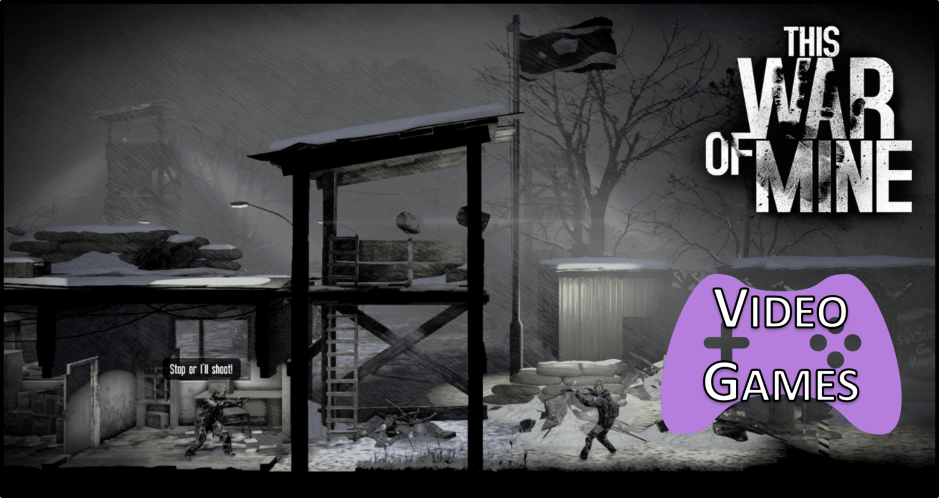

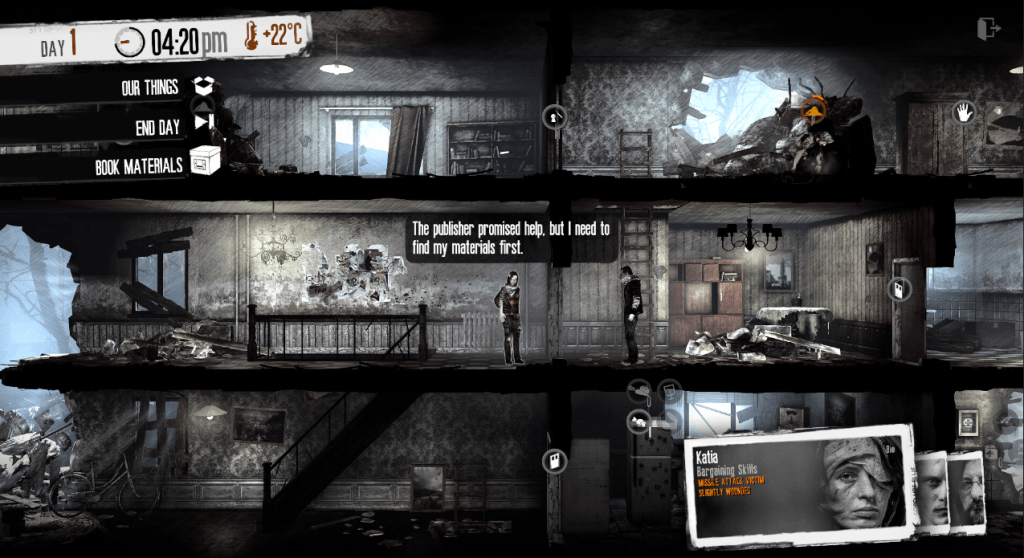

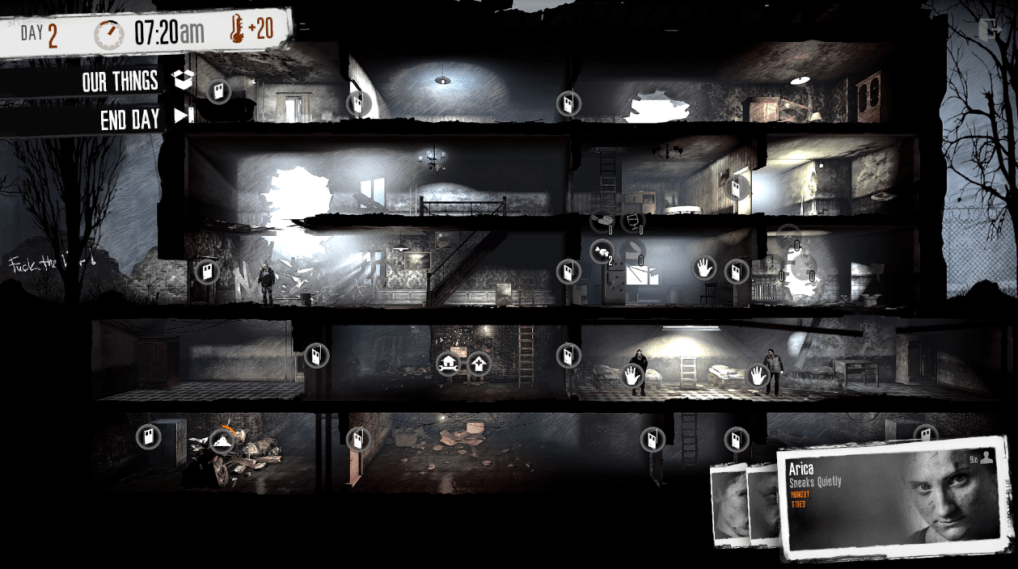

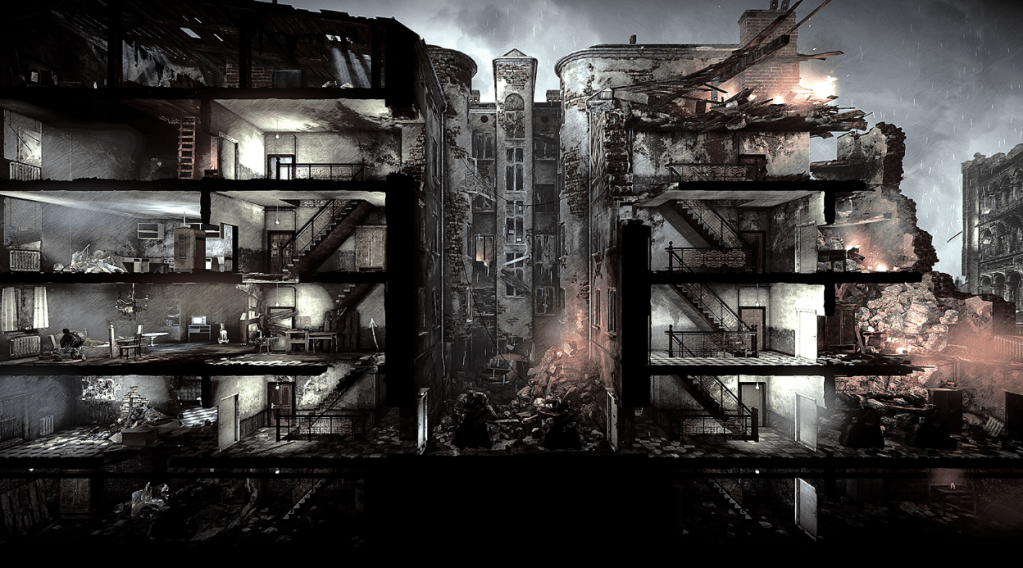
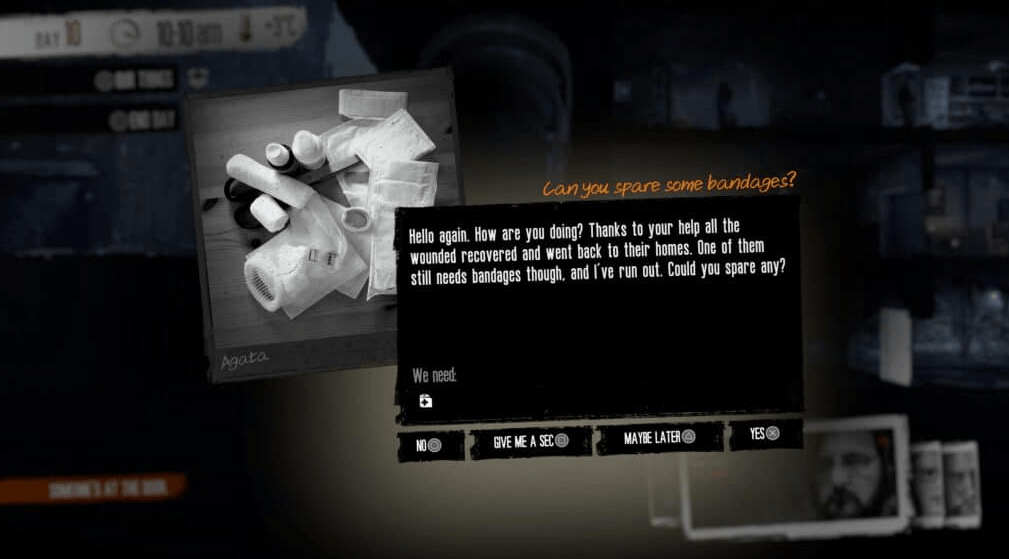
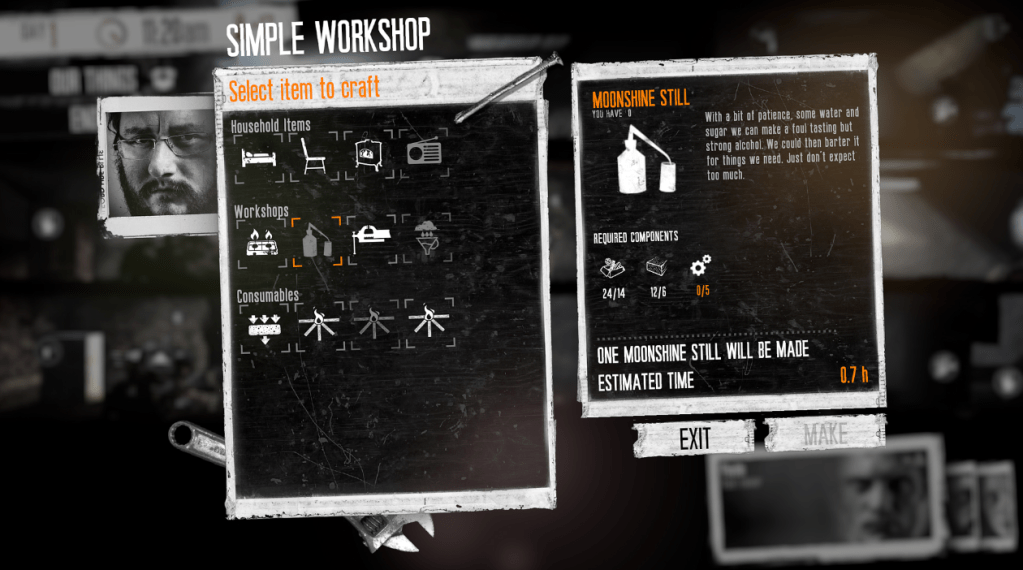
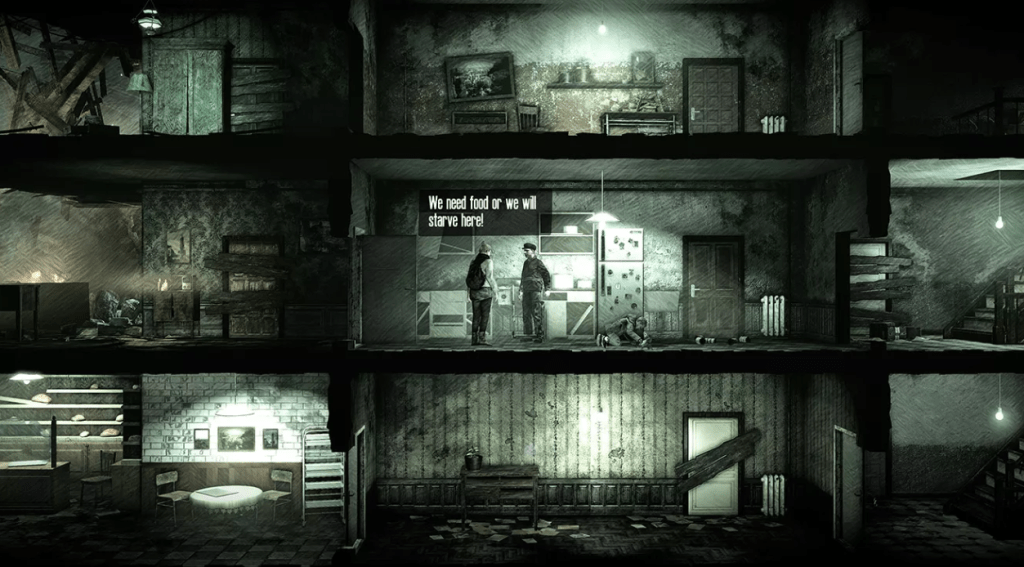

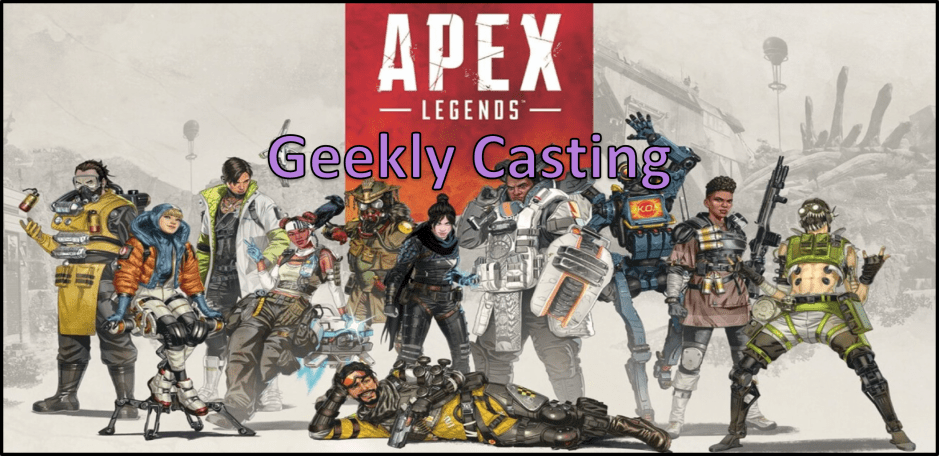

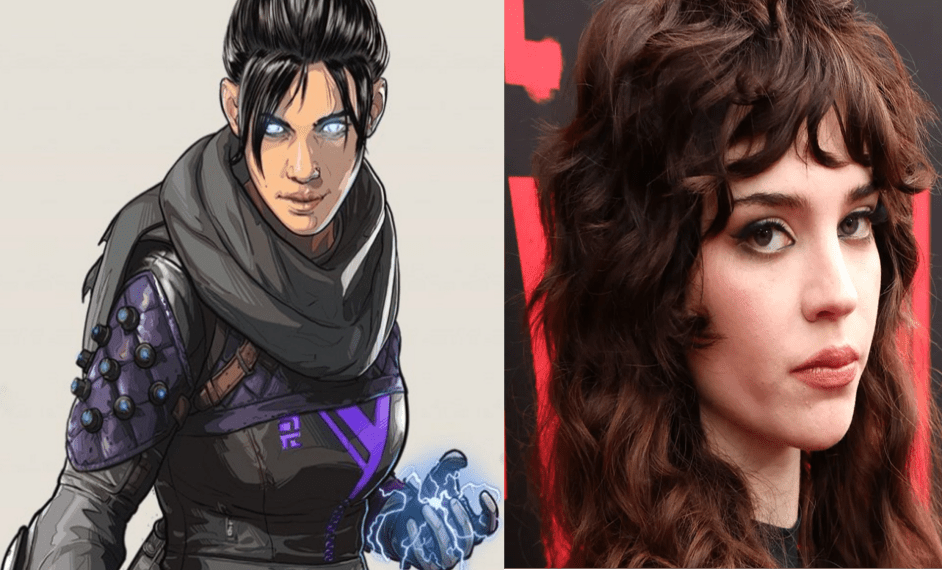
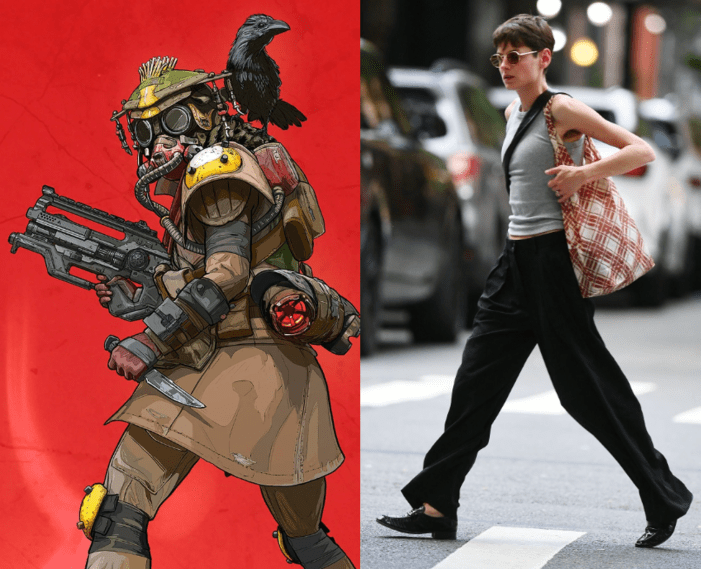
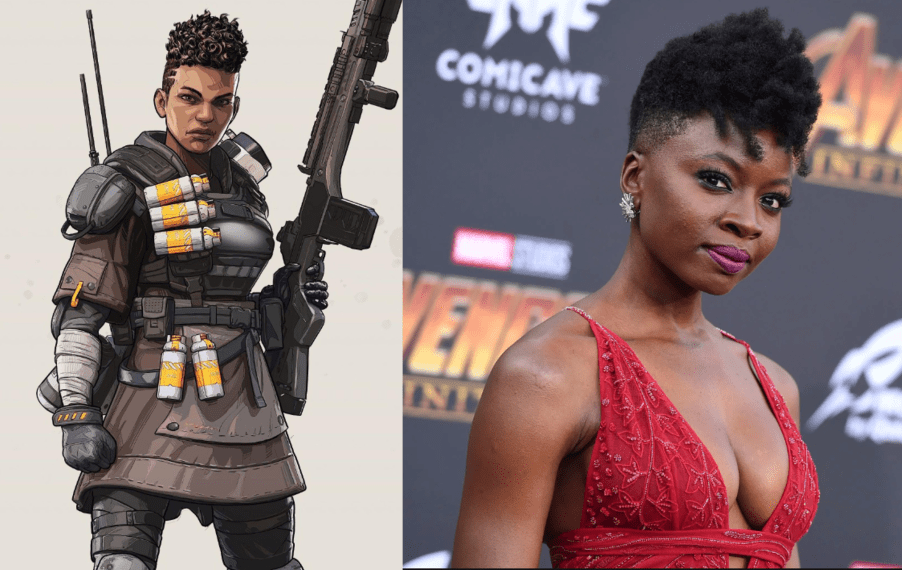






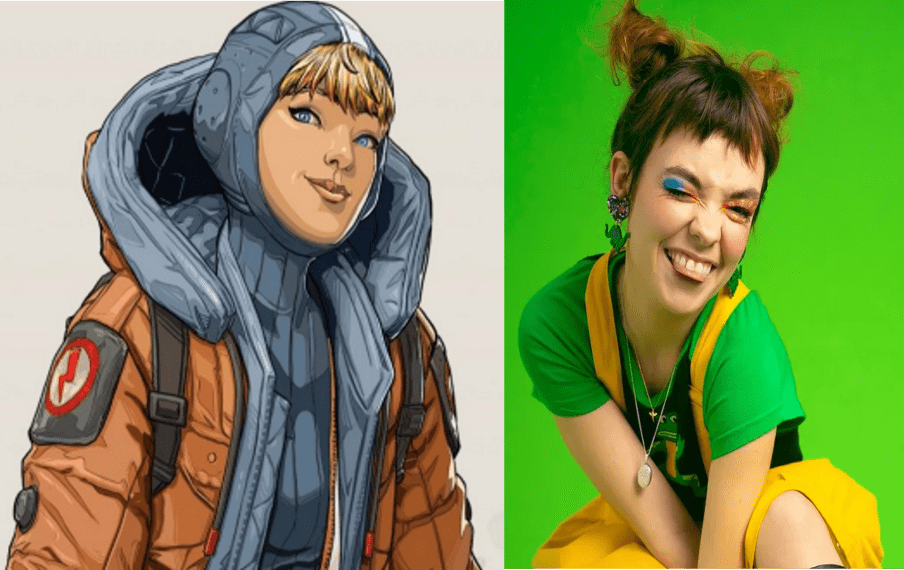





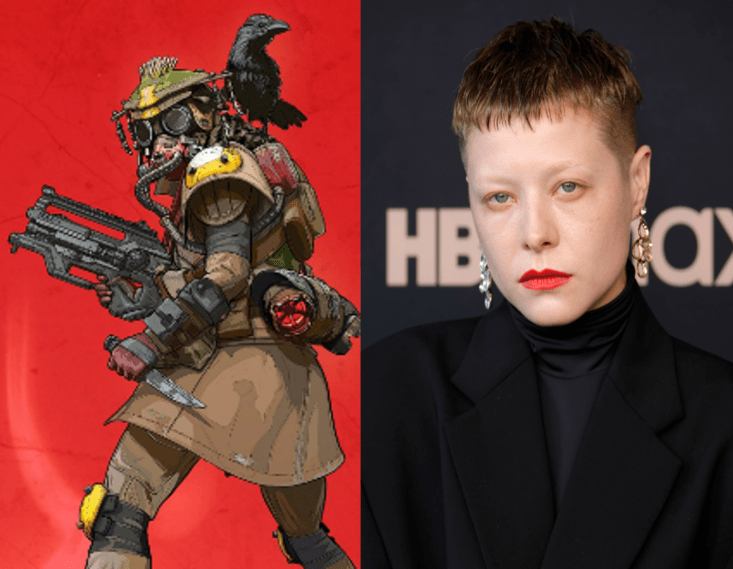
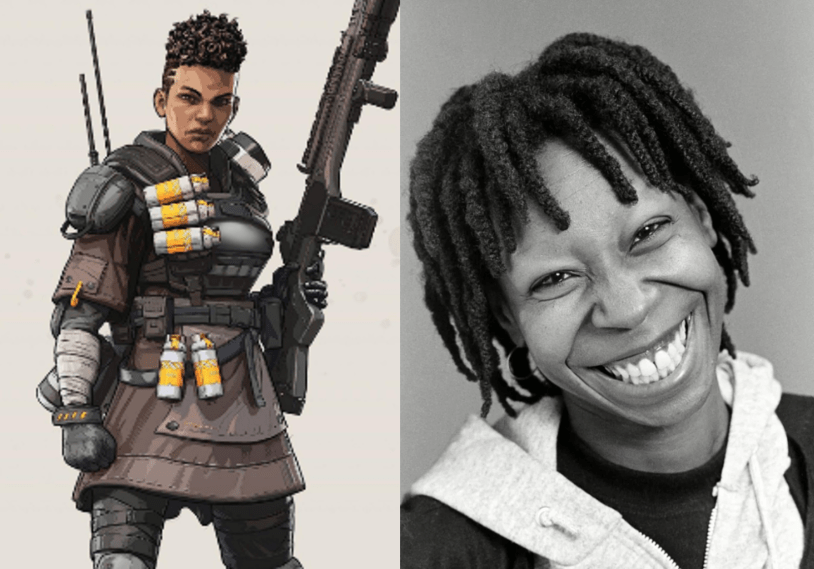
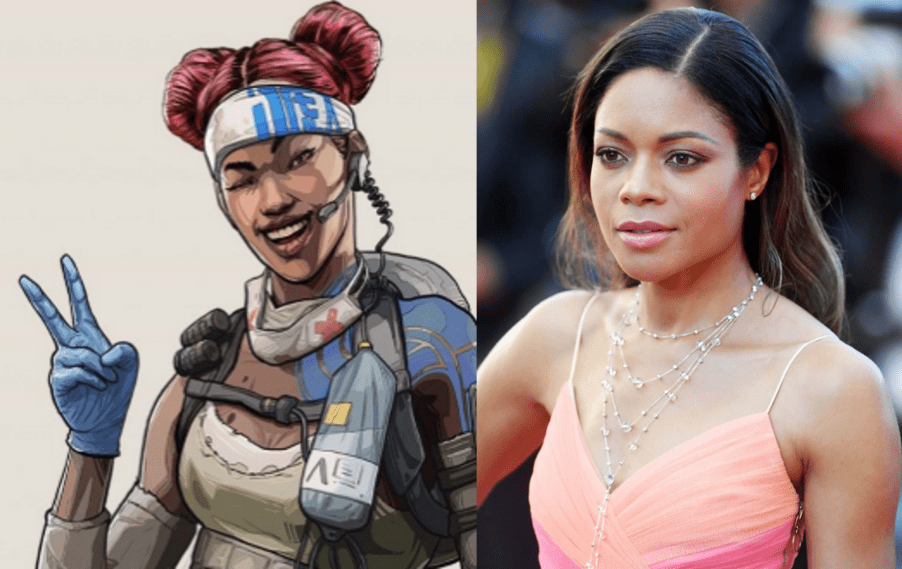
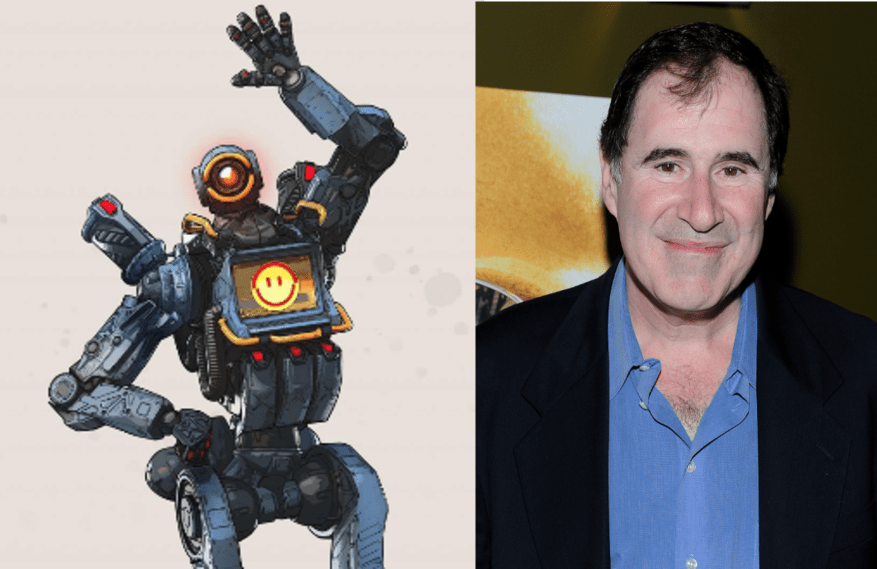

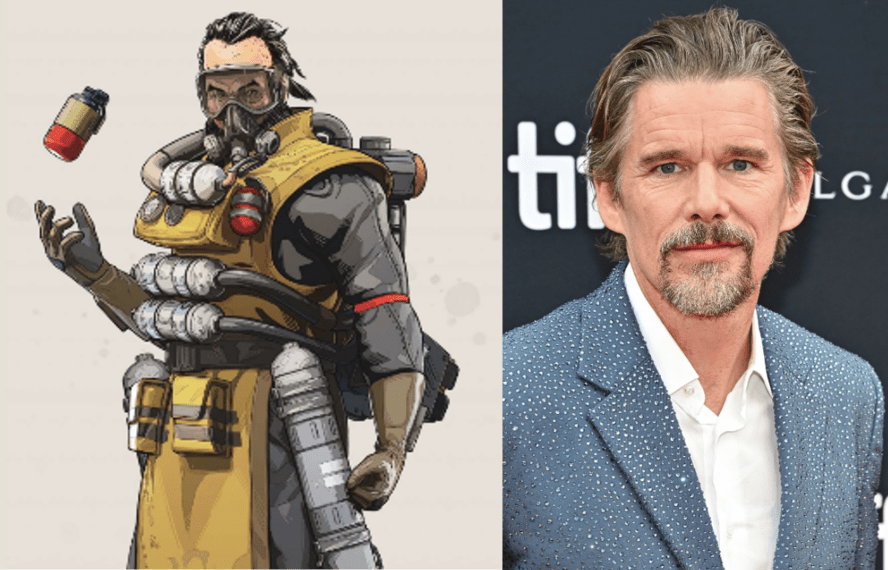

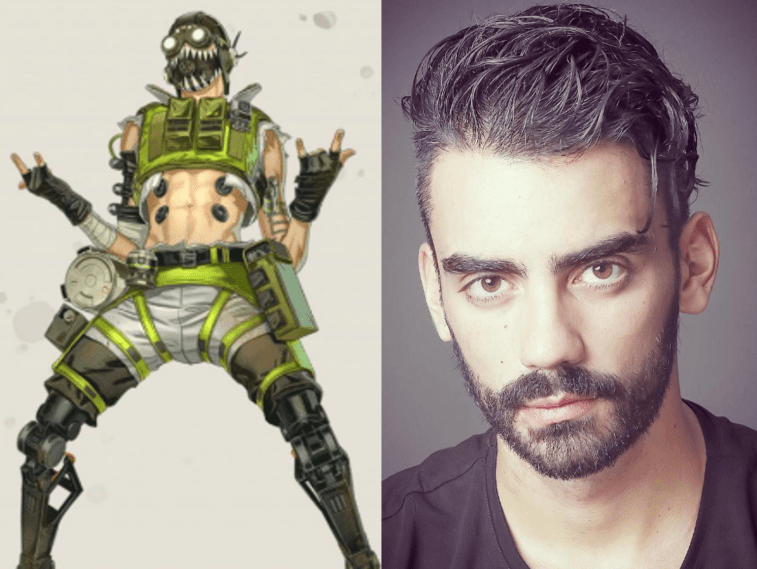




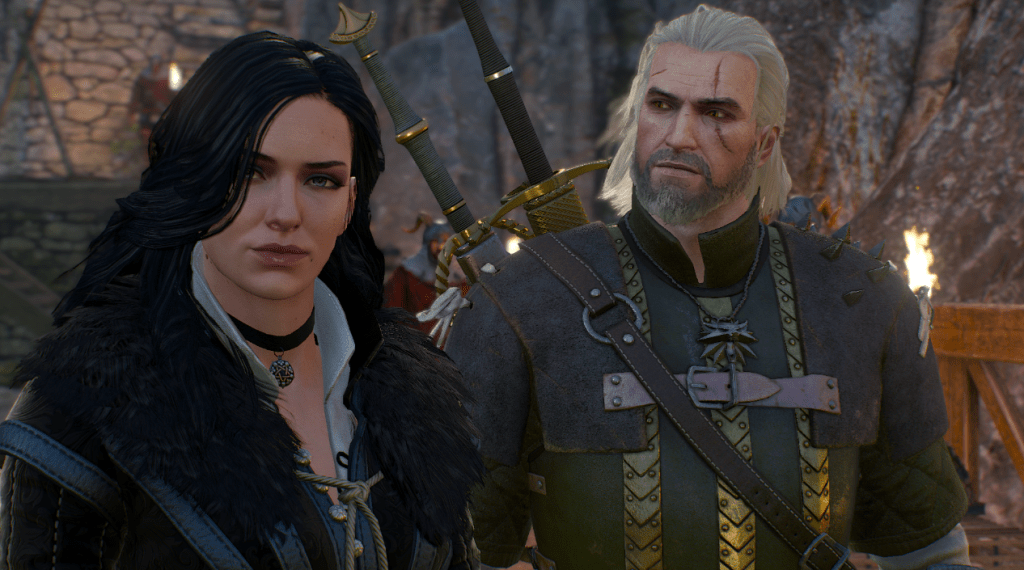
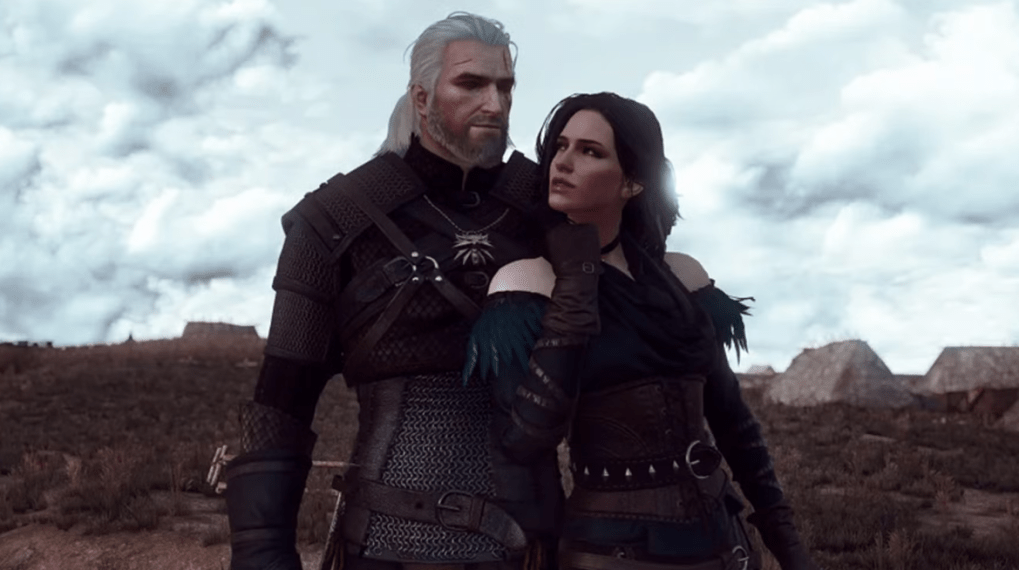
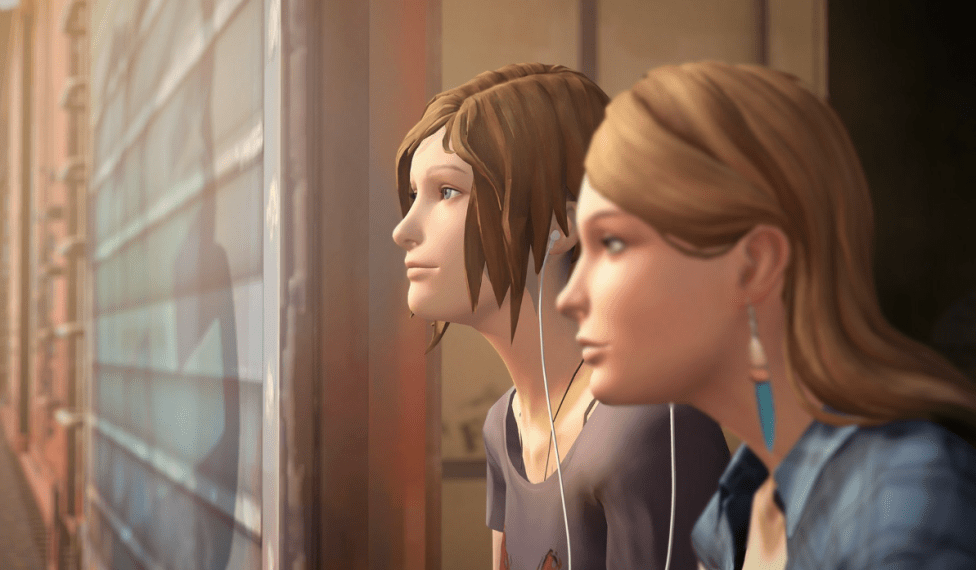
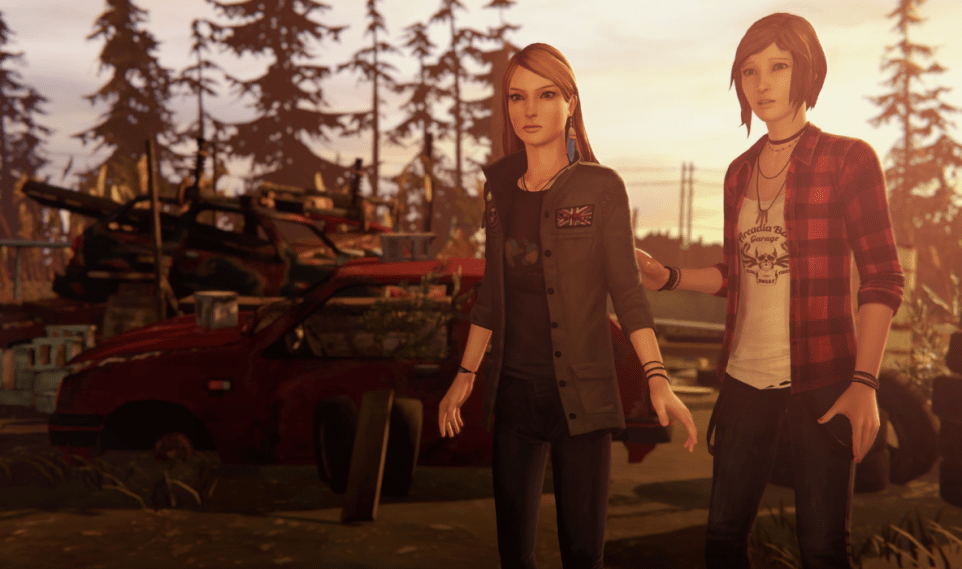
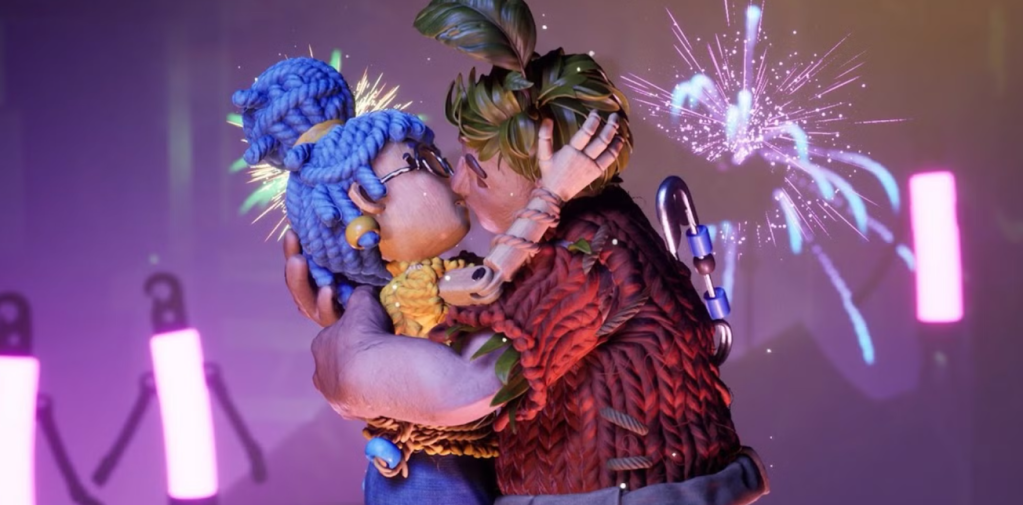
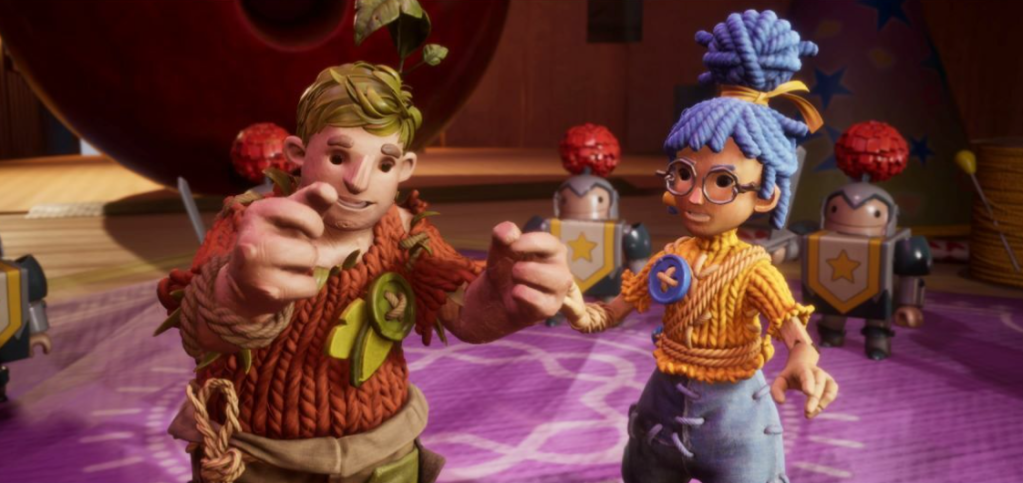
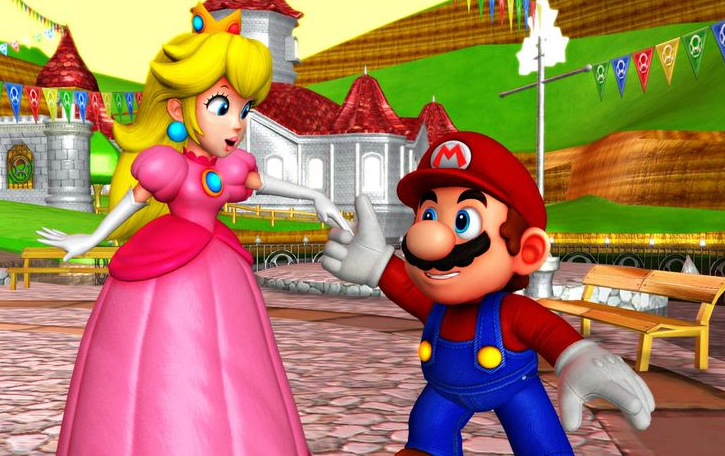
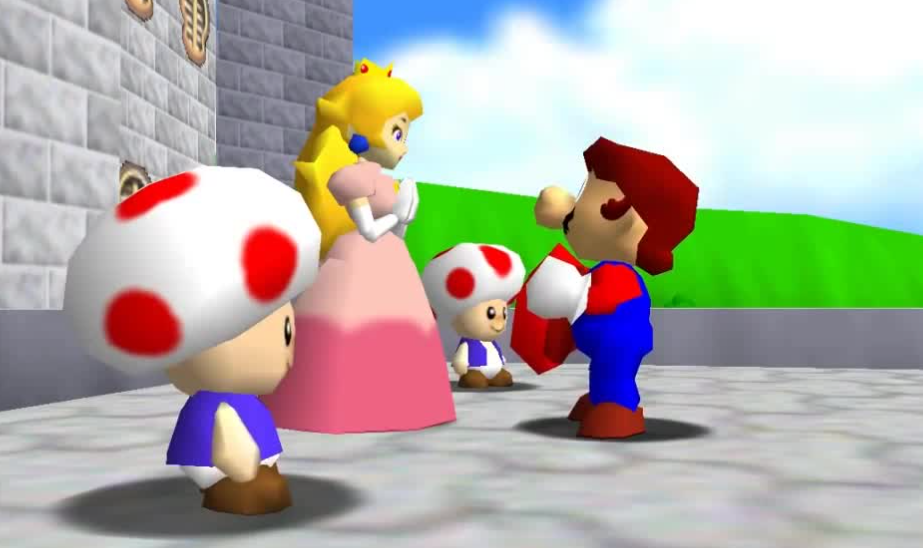
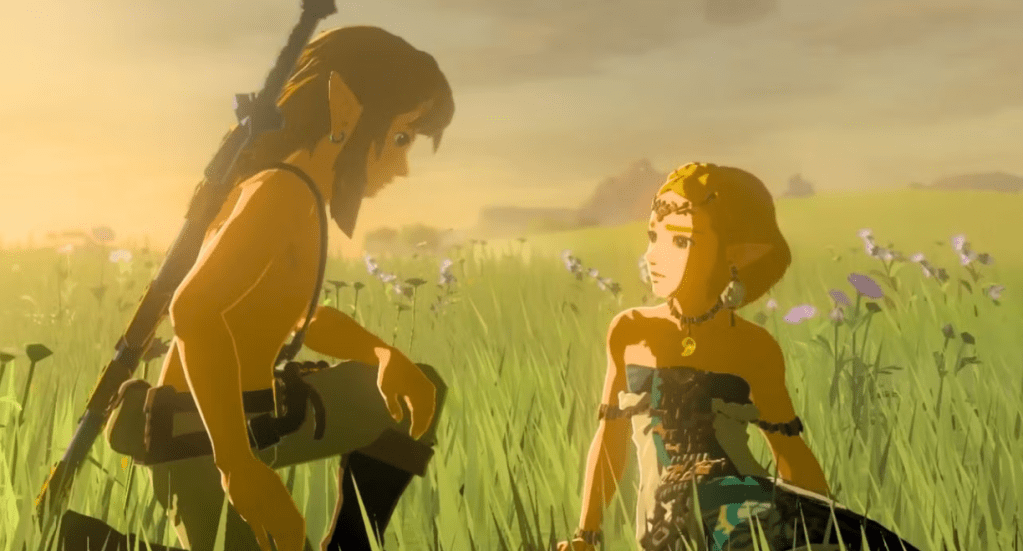
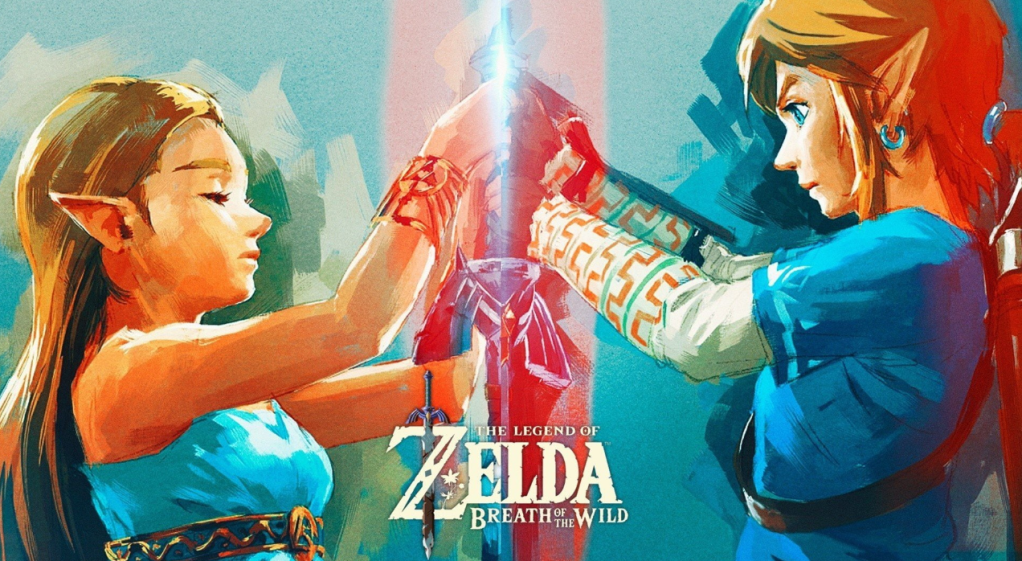



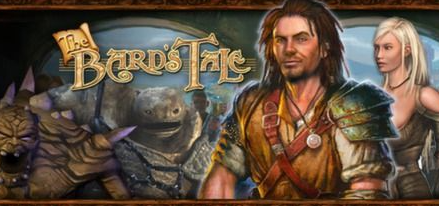
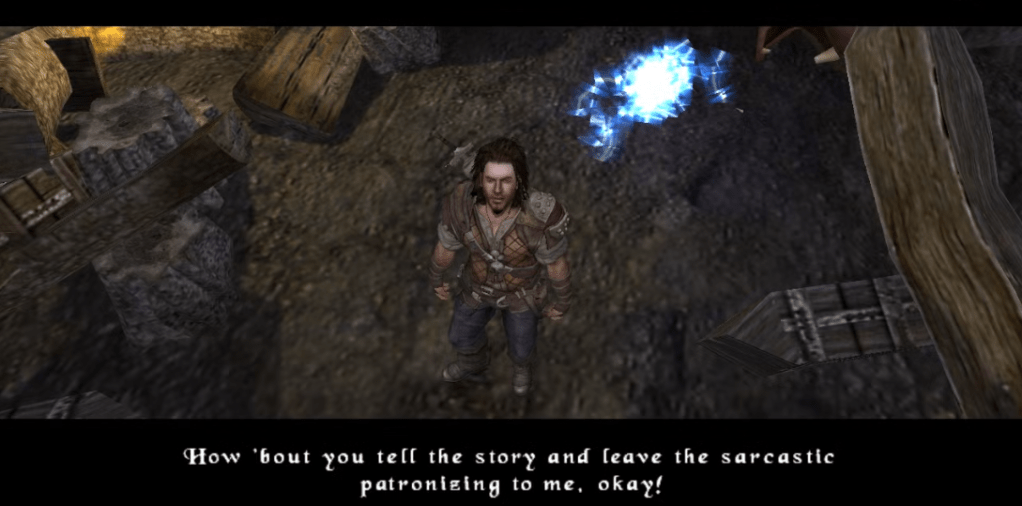
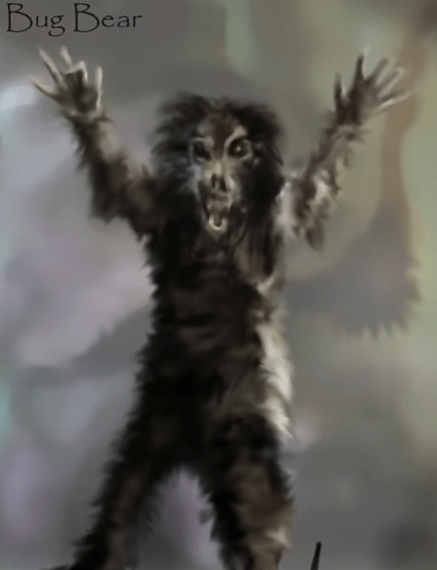
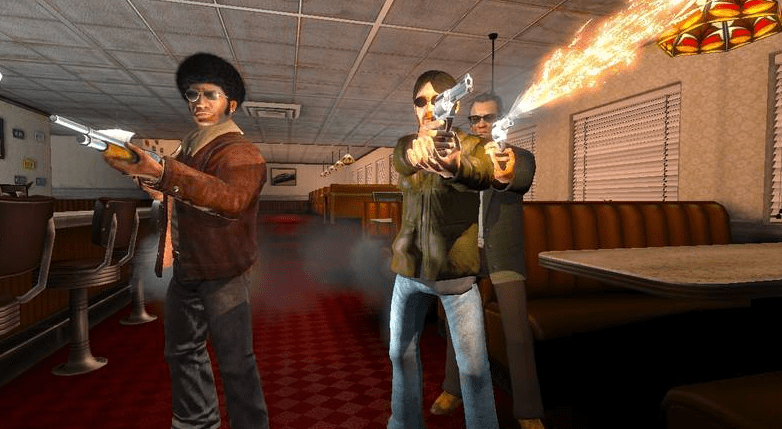
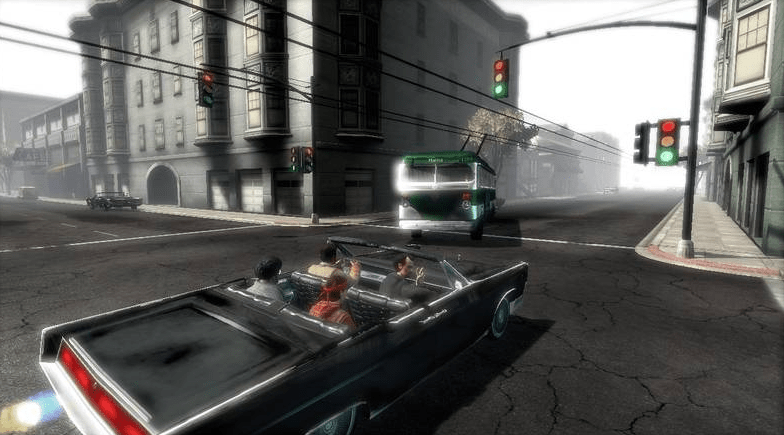
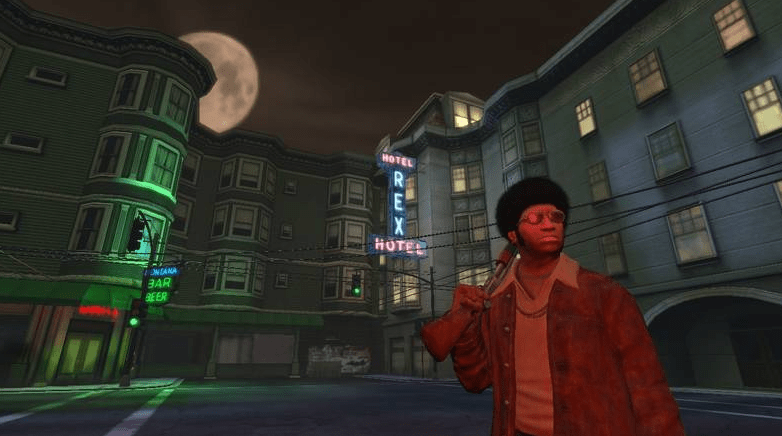

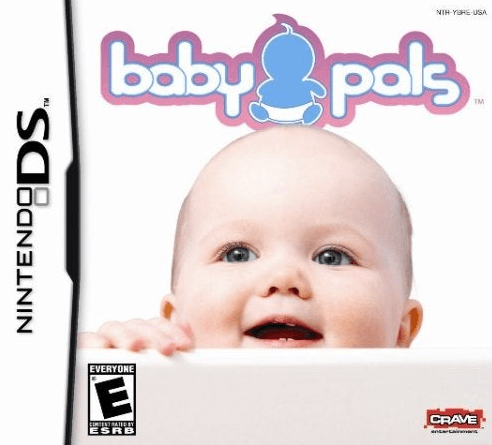

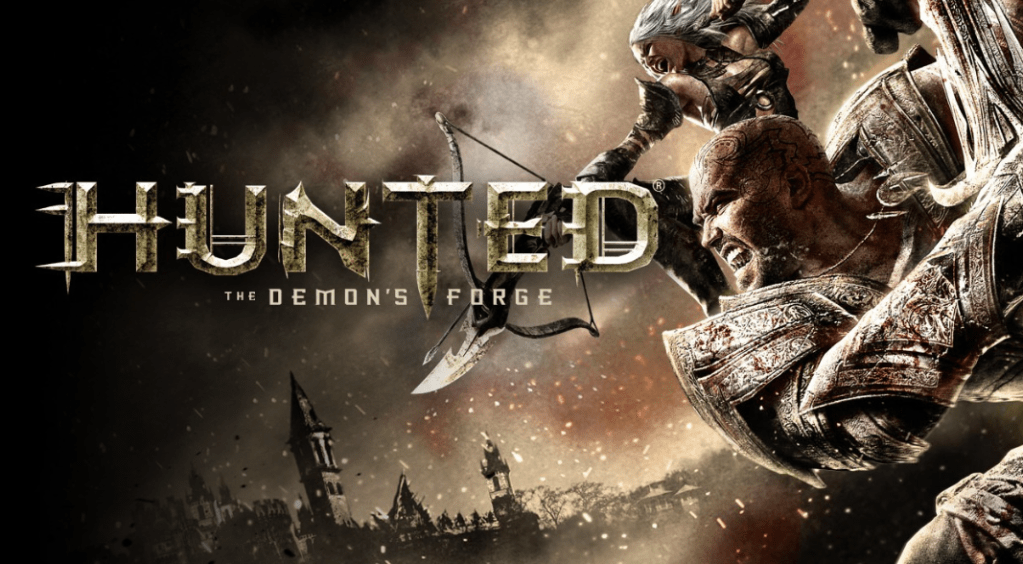
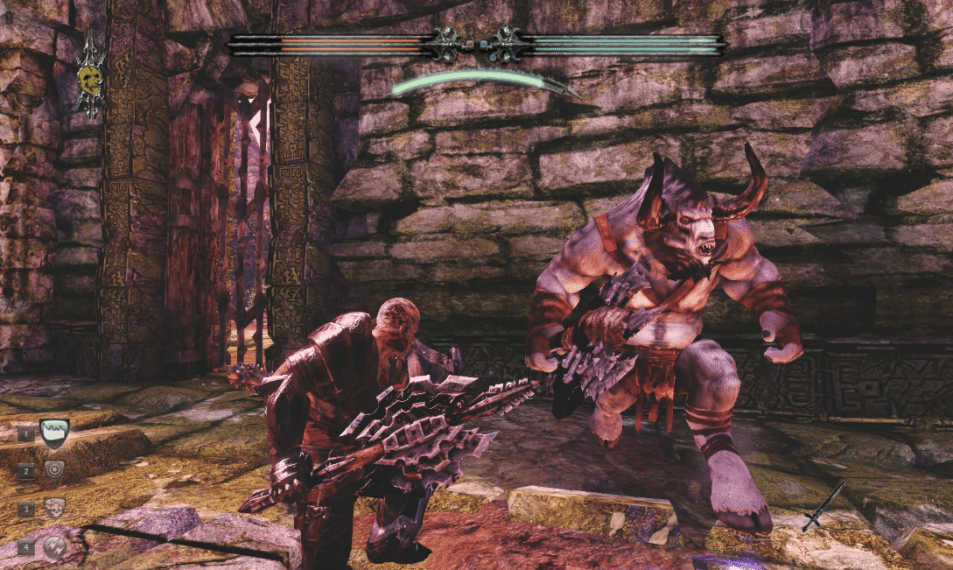
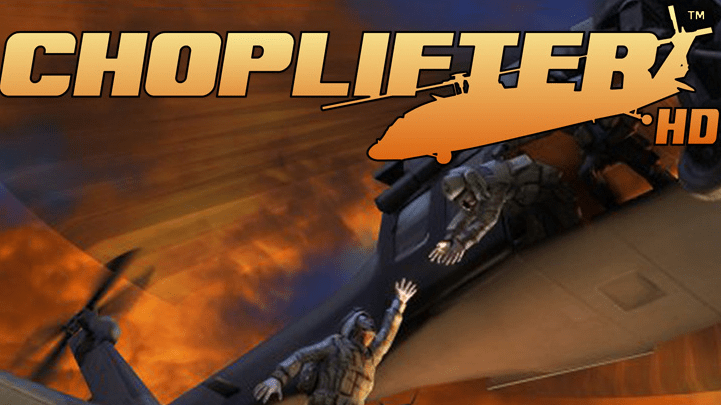
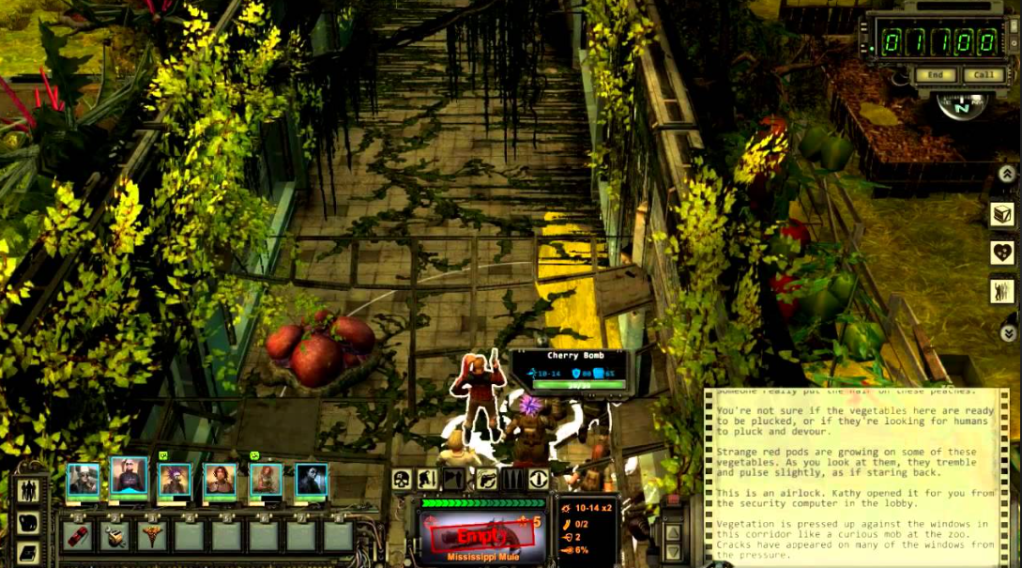
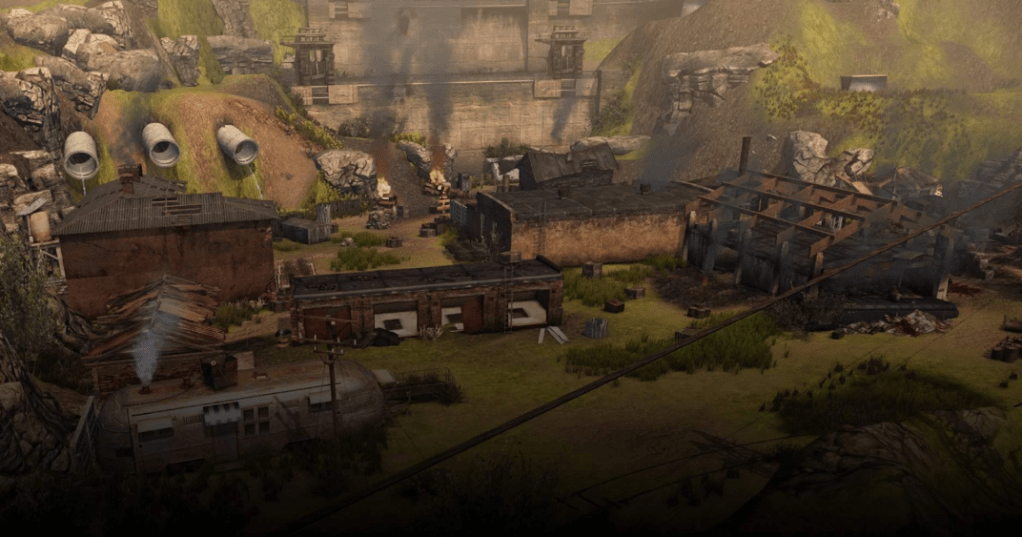
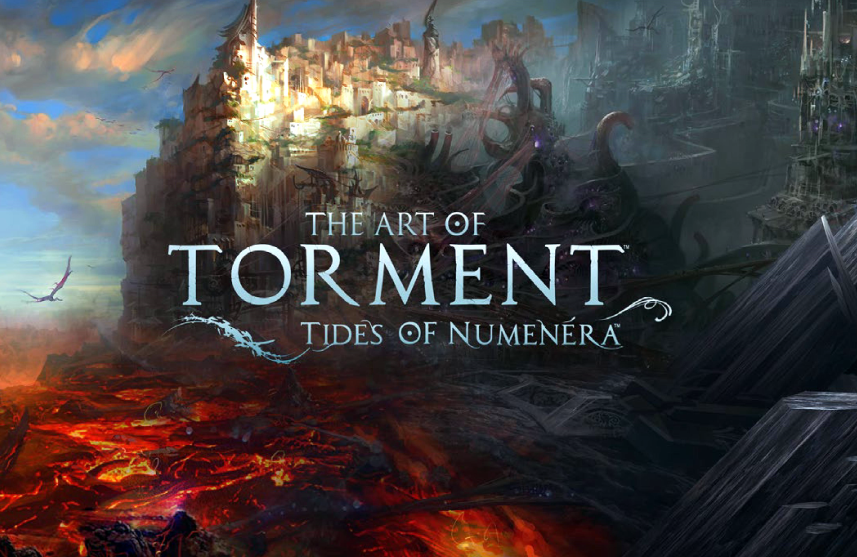
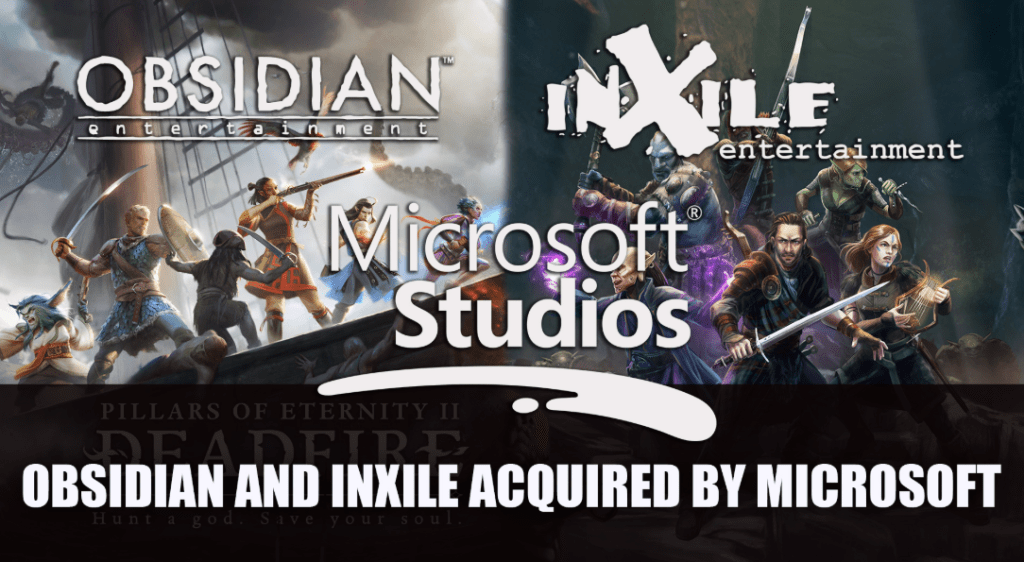
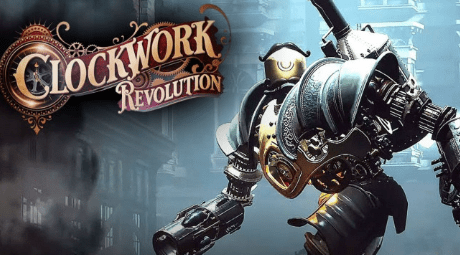
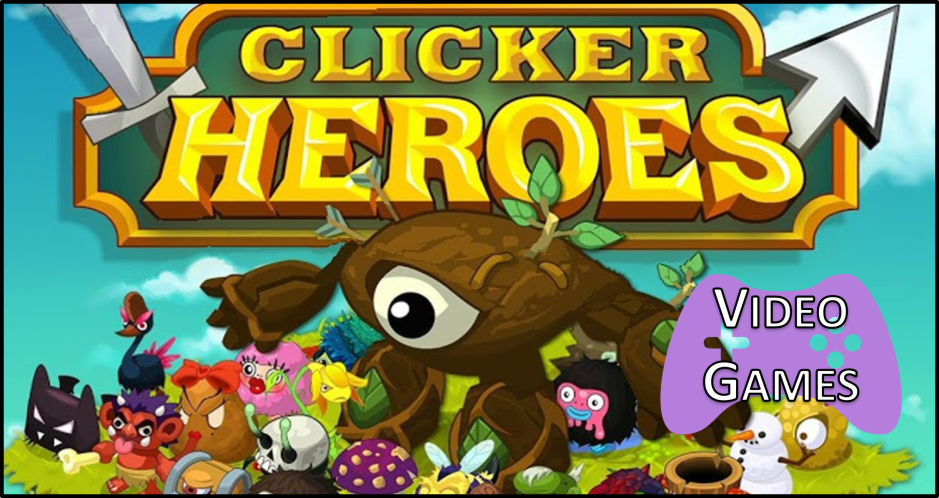

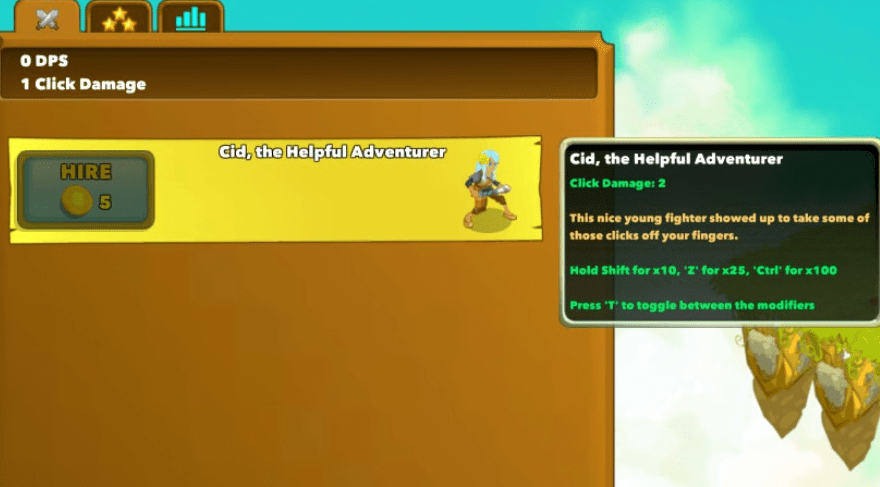
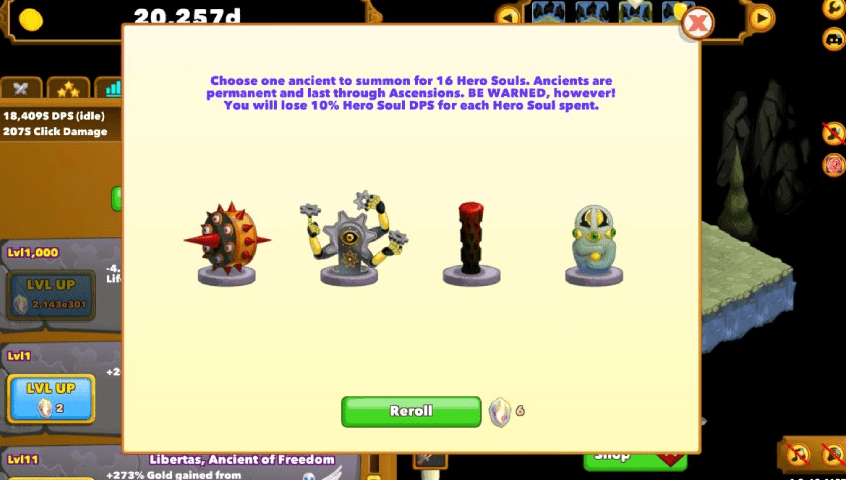

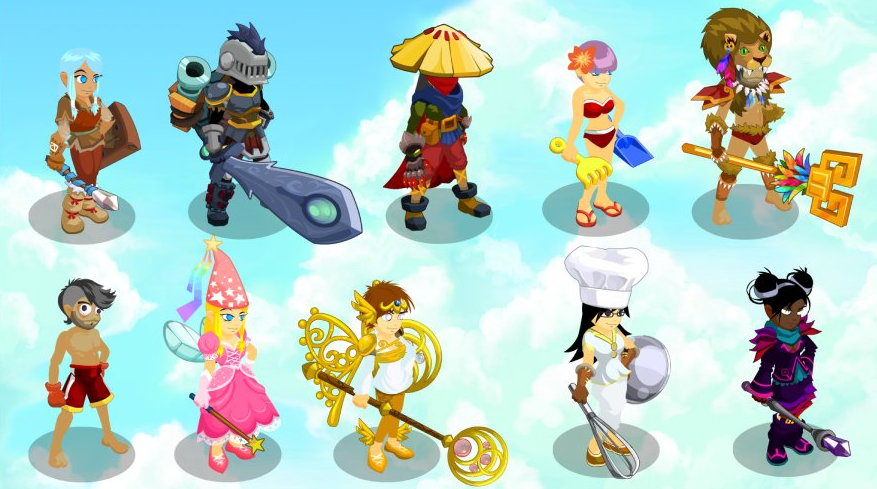

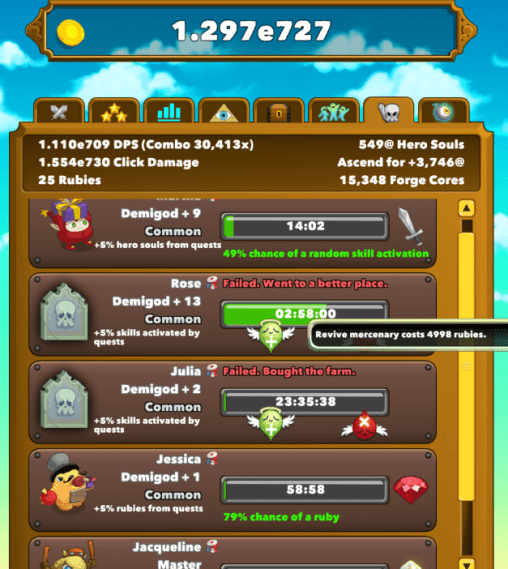


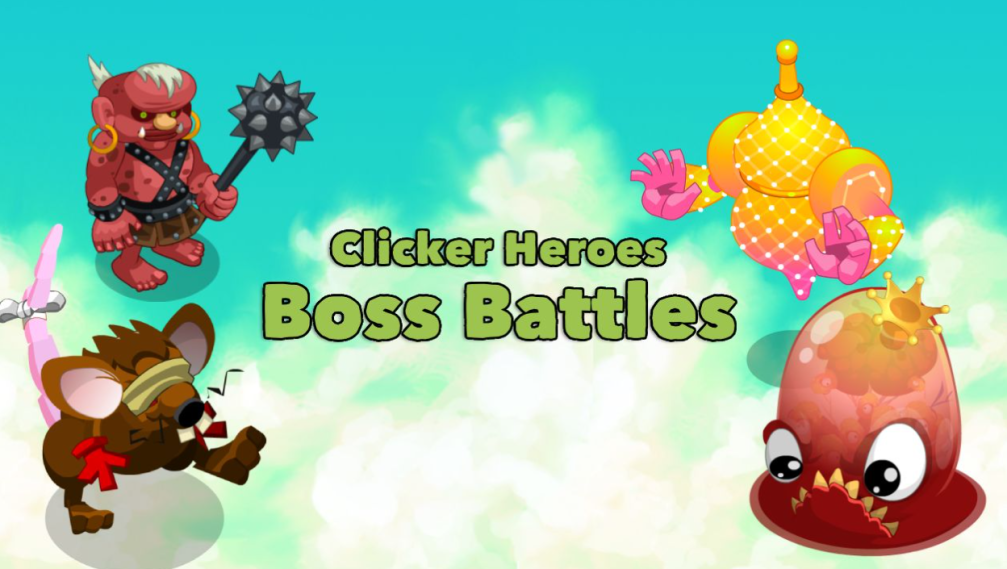



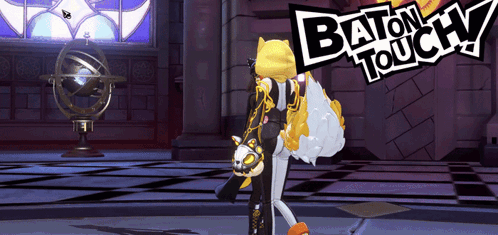




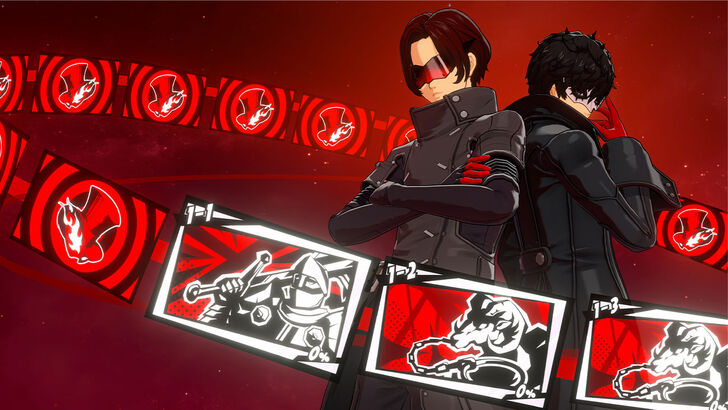


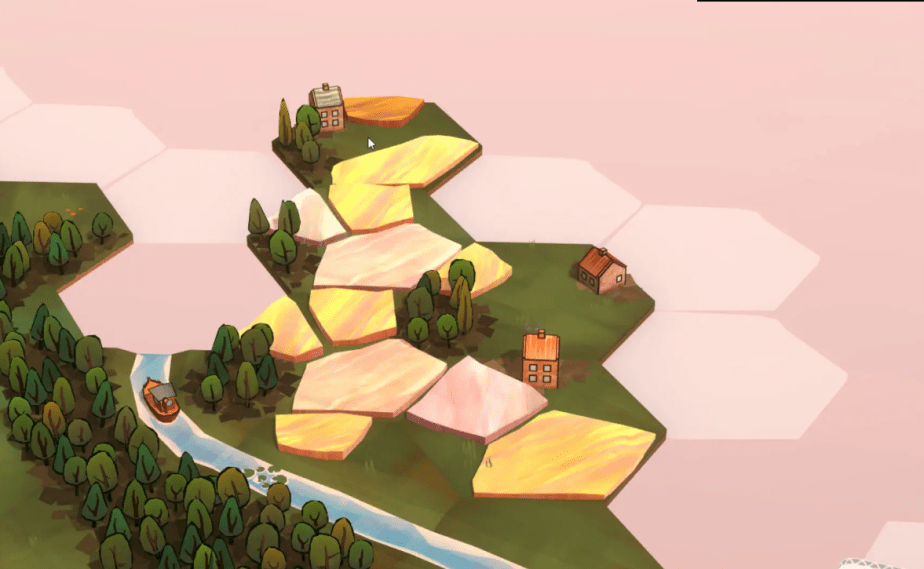
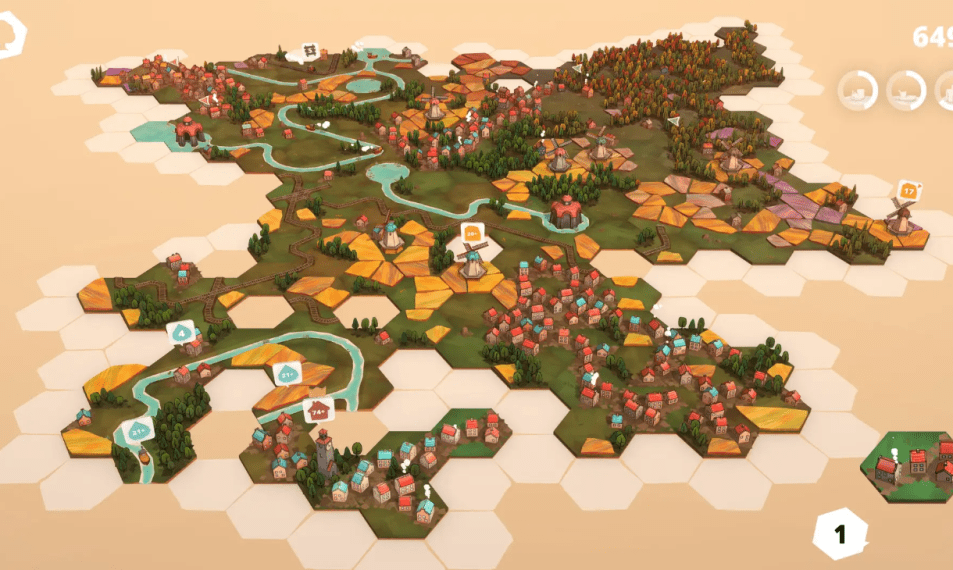


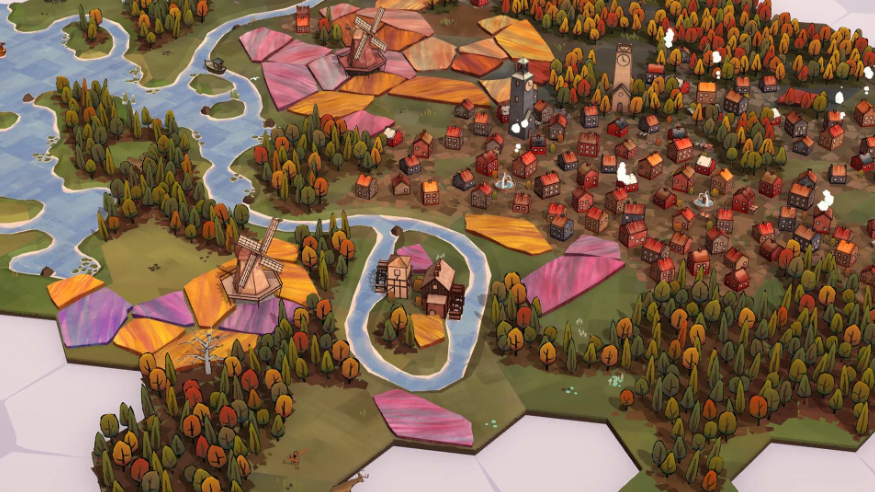

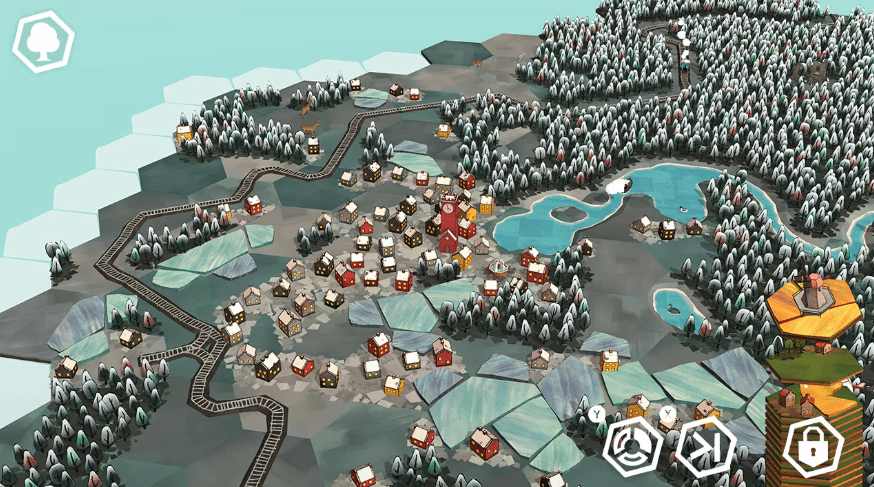
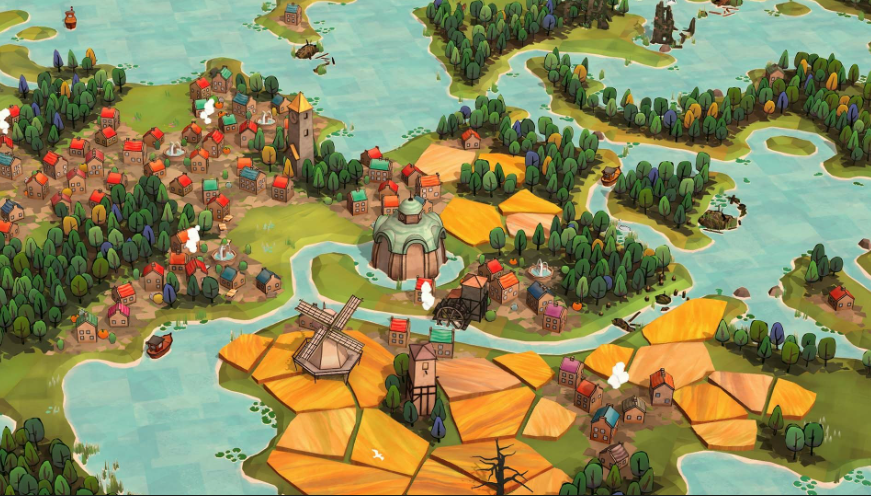
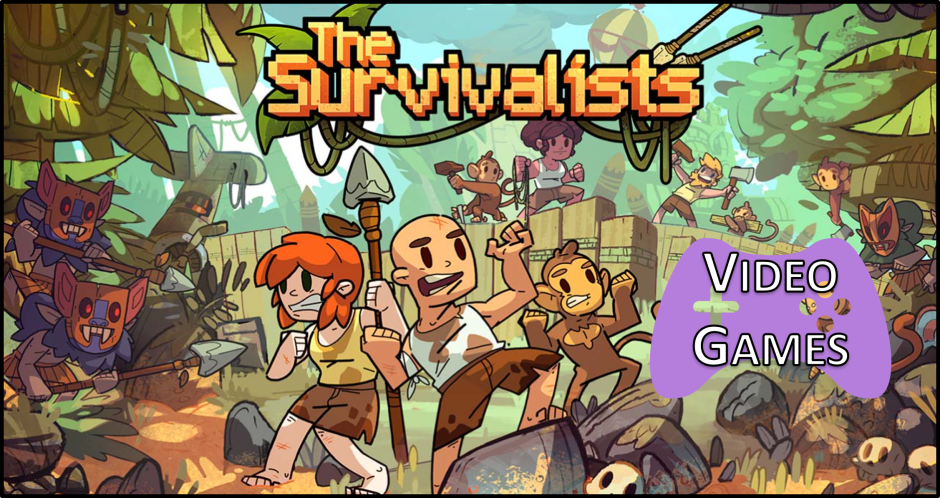
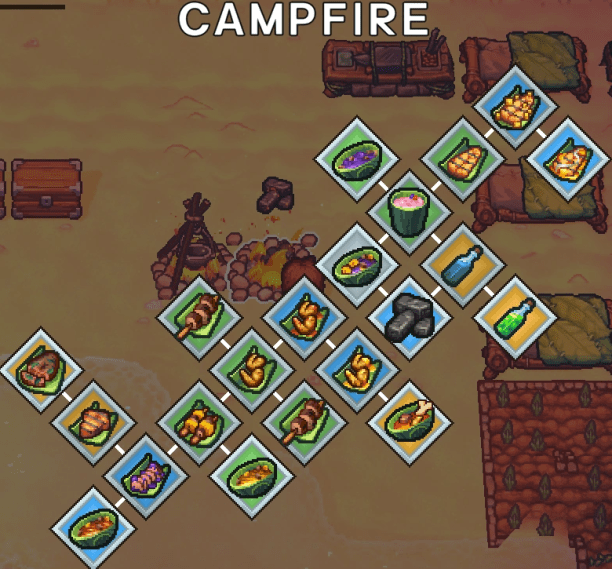

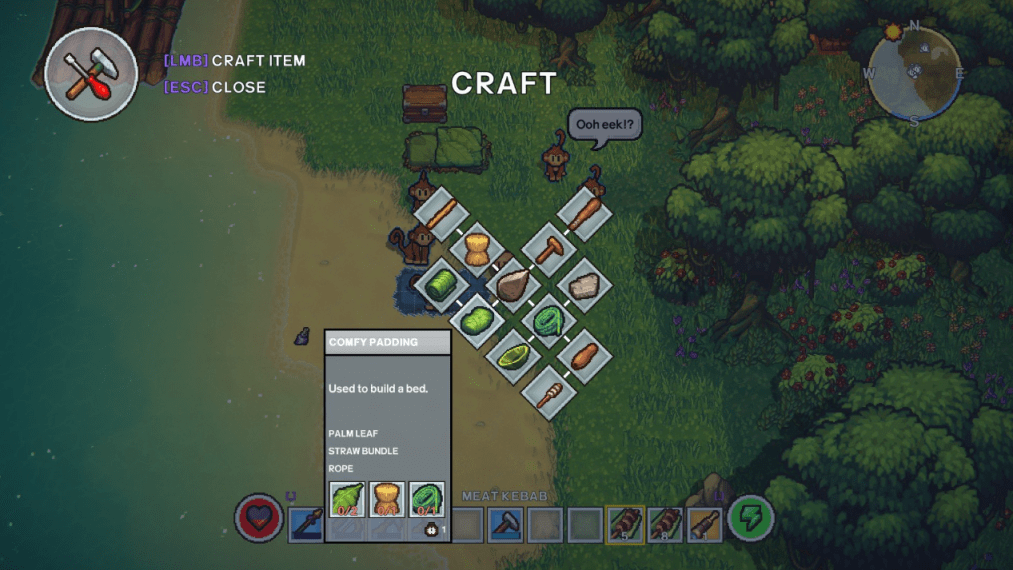


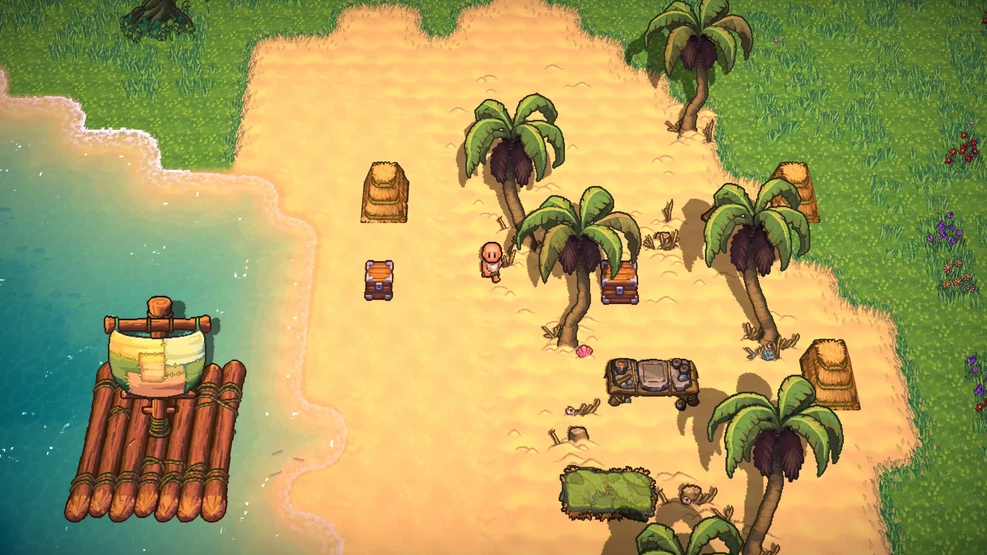
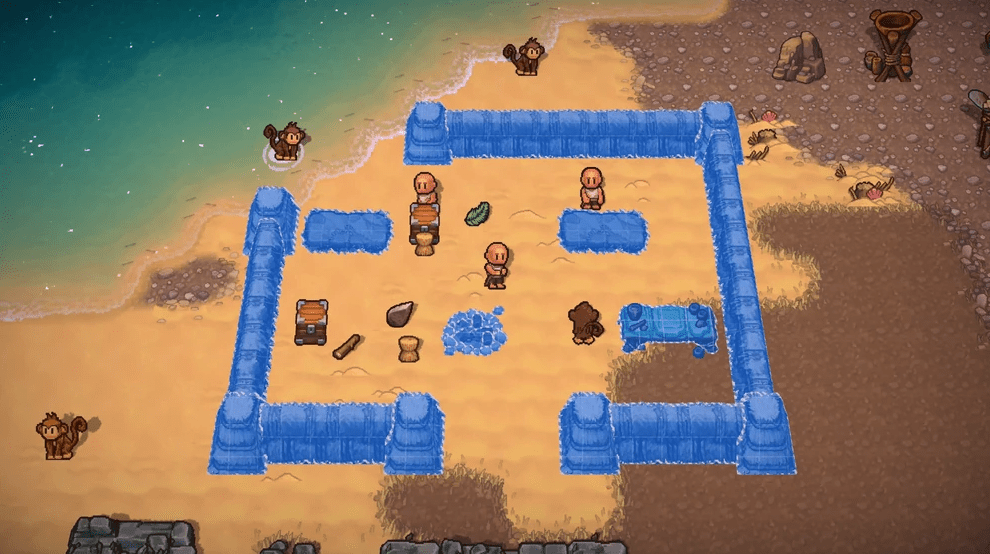



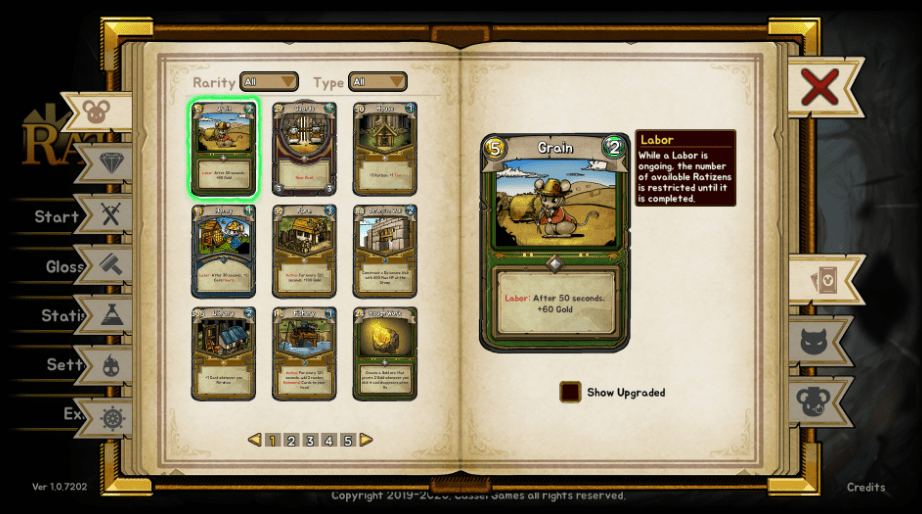
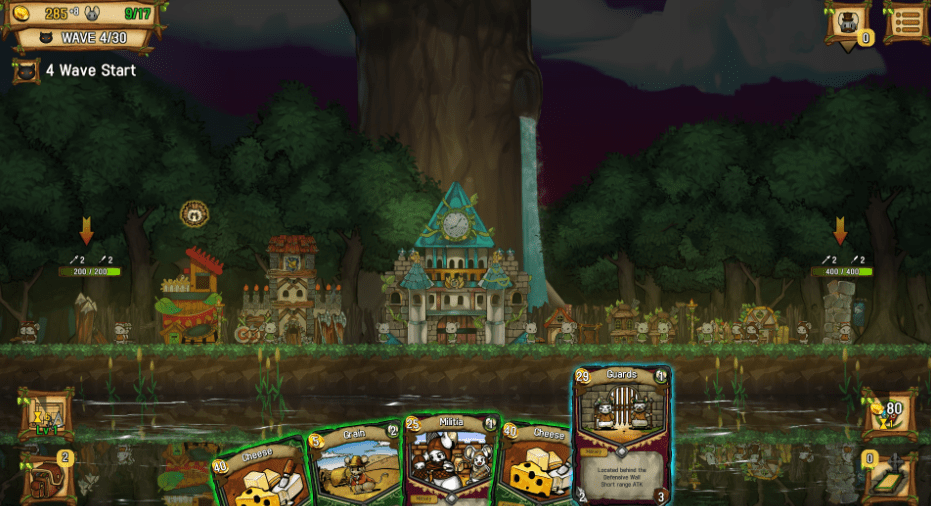
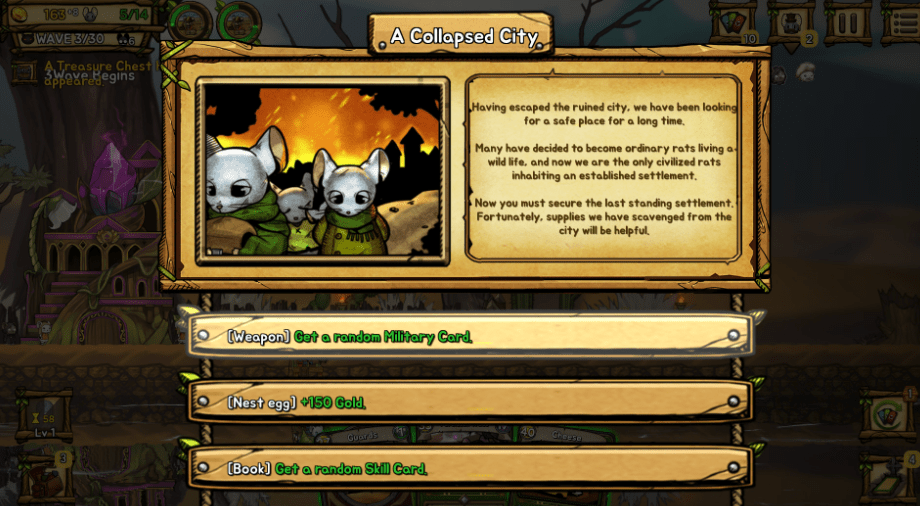
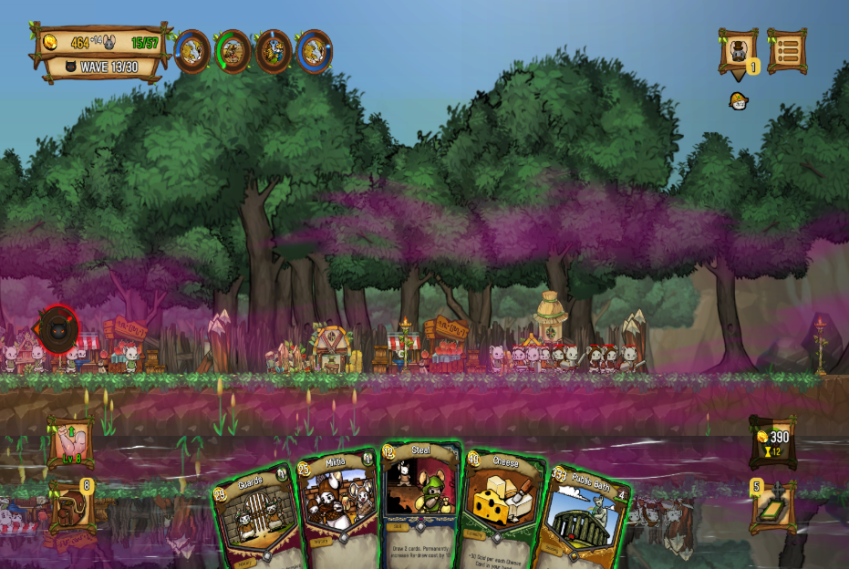


 jkgeekly.com