3 Lists of 3 Anime: Take 3

This is one of the last older posts that I haven’t yet published. Up to this point, we’ve been sprinkling in some newer stuff, but it may be mostly new stuff from this point forward. This is the third and possibly final 3 Lists of 3 for anime.

Just in case you’ve forgotten how these posts work, I’ll break down some of the more popular anime genres and list a few anime for new viewers to dip their toes into. This series differs from our typical starters writeups because we won’t spend too much time on each anime—usually—and it’ll function more as an “if you like this story, you may like this other one.” Let’s get started.

Mystery

When one hears mystery as a genre, one thinks about stories that feature detectives and gumshoes. The same holds for anime—for the most part—but there are some anime that go a little off that tried and true formula.
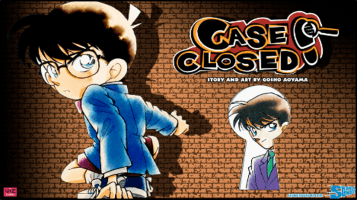
Detective Conan

We’ll start with the one that’s the most familiar for westerners. Detective Conan (also known as Case Closed) features a precocious teen detective Jimmy Kudo who solves the police’s most difficult cases. He gets poisoned by a secret organization, but the poison doesn’t kill him, it turns Jimmy into a short pants kid.

To keep his identity a secret, Jimmy adopts the alias Conan Edogawa (he names himself Conan after his favorite author Sir Arthur Conan Doyle). Detective Conan continues to solve crimes, while unearthing who reversed his aging into a child. Detective Conan plays out a little like Inspector Gadget with Conan solving crimes for an inept adult detective, but while Detective Conan has its comedic moments, it’s a classic detective series.
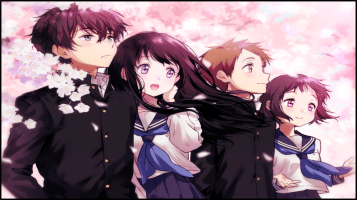
Hyouka

Here comes another young gumshoe—or a group of gumshoes. The Hyouka anime is based on the manga, which was in turn based on the novel series Classic Literature Club by Honobu Yonezawa. It’s set in Kamiyama High School where the members of the Classic Literature Club help others out by solving crimes. If you liked series like the Hardy Boys or the Babysitters Club, you might want to give Hyouka a try.

Eden of the East

Eden of the East is the one anime on this list that journeys the furthest from a traditional detective story. This gets a little convoluted. Eden of the East behaves a little like the cloak and dagger elements of 100 Bullets, so there are plenty of twists and turns.

Essentially, the two main protagonists are given 8.2 billion yen that’s supposed to be used to “save” Japan in some way. They must use their money to pay a group named The Seleção, but if they use the money for selfish reasons, they fail, and Japan is destroyed. There’s a lot more to it than that—a lot more—but Eden of the East builds on a series of terrorist attacks and who’s behind them. It asks moral questions like if you could sell out your home country for a small fortune, would you?

Horror

As you can see, I’m going with more traditional subgenres with this list—for now. Horror anime ranges from ghosts and goblins to myths or just the plain creepy. Get ready for a few chills.
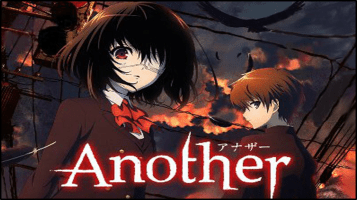
Another

We’ll start with a horror anime that could classify as a pseudo mystery. Another is set in a high school where a student died in 1972 and in the wake of that death, everyone denied that it happened. As a result, a curse befalls the school, and students, faculty, and their family members are at risk of gruesome deaths like the ones you might see in a Final Destination film.

We’re talking plenty of blood and gore. But there may be something or someone behind these murders and that’s where Another blends mystery and horror. Expect plenty of red herrings in this short, twelve-episode series. You may also want a change of pants.
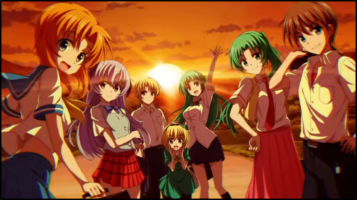
When They Cry

When They Cry is adapted from the video game series of the same name. Set in June of 1983 and in a quiet rural village Hinamizawa, protagonist Keiichi Maebara leaves his hometown for Hinamizawa after a series of unfortunate events. He makes friends in this sleepy town, but soon finds out that there’s more to the town than he first believed. A series of murders and other gruesome events occur in Hinamizawa, and the friends Keiichi has made may not be all they seem. Who needs enemies when you have lunatics for friends?

Parasyte

I could’ve gone with Corpse Parade here—another great, short series—but it’s another spooky school anime and I wanted to branch out. Parasyte, based on a manga that ran from 1988-1995, has plenty of stunning visuals, gore for those of you who like gore-fests, and aliens. That’s right. Let’s give some aliens a little love. The titular aliens enter orifices and transform humans into monsters.

Main character Shinichi encounters such an alien, but the alien can’t overtake him and only manages to turn him into a human with one alien arm. Shinichi maintains control of the parts of him that aren’t an alien arm, but the alien arm has a mind of its own. Parasyte explores many issues of what it means to be human, and it’s a much watch for horror fans who like scares like Alien.

Josei

I’m venturing a little off the beaten path here with Josei, but just a little. Josei is more of a demographic than an anime genre. It targets female viewers around the ages 18-40 and depicts life and romance in a more mature light. Romance doesn’t have to factor into the story all the time; a Josei anime needs to cater to women of this age range (essentially not teens or children) and feature more grounded characters, instead of idealistic fantasies.

Princess Jellyfish

The crux of Princess Jellyfish rests with a group of otaku (geek) women who happen to be flat mates. They bond with each other and no men are allowed in their club. Protagonist Tsukimi, one of the otaku women, hopes to become an illustrator and loves jellyfish because they remind her of her mother who took her to the aquarium to see them.

Enter Kuranosuke, the illegitimate son of a politician, who cross-dresses to rebel against his father and feel closer to his mother. Tsukimi befriends Kuranosuke and allows Kuranosuke to join her band of otaku, hiding Kuranosuke’s gender from her flat mates. Princes Jellyfish addresses gender identity and challenges one’s preconceptions. It also makes for a non-conforming romantic-comedy as Kuranosuke develops feelings for Tsukimi.

Nana

Nana’s title derives from its two main characters, both of whom are named Nana. Nana Komatsu has a habit of falling in love at first site. The other Nana, Nana Osaki, is the lead vocalist of a band called Black Stones (BLAST for short). Osaki’s boyfriend, the band’s bassist, leaves BLAST for a better gig, but Osaki continues with BLAST. Nana centers on these two Nanas as Komatsu seeks love and happiness, and Osaki pursues fame and recognition. Neither Nana finds what they want at first and perhaps what they want isn’t what they need.

Whenever I get enough of the Nana manga, I may have to place eight of them on the shelf with a Batman graphic novel after them, that way anyone who looks at the books in my library will get the 1960s Batman theme stuck in their head. If you’ve heard the song, you have it in your head right now. Mwah-ha-ha!

Seriously, Nana is a great read.

Shouwa Genroku Rakugo Shinjuu

Shouwa Genroku is a shot of fresh air for anime. Set against the art form Rakugo, a traditional form of Japanese entertainment where a storyteller must sit and convey a tale with only a paper fan and small cloth, Shouwa Genroku unveils the story of two friends.

One begins his path as a Rakugo performer after being released from prison, the other takes a different path and both have disparate performance styles. Shouwa Genroku may be the most intimate of all the anime on these lists and one of the most character-driven stories.

Final Thoughts

I hope there are plenty of anime in these lists for you try out. I’m sure I got something wrong. Let me know in the comments.

And wherever you are, I hope you’re having a great day.

3 Lists of 3: Video Games as Art

This 3 Lists of 3 article was written years ago and never posted. I’m unsure why. I decided to edit it a bit before posting. There’s even a link to an old Flash game I included that I had to check and see if it still works. It does. Yay!

Younger Kyra may sound a little different than current day Kyra. Hopefully, this still holds up. If it doesn’t, new content is on its way. Take it away, younger Kyra.

The argument of video games as art has raged for a few decades now, and I’m not sure it’ll end any time soon. Many of you have your own opinion and can’t be swayed one way or another and a little writeup won’t change your mind. Others don’t care if video games are art. But it is something that’s found its way in higher courts of the United States because of video games’ status as freedom of speech, so maybe video games as art is a valid discussion.

I’m unsure. To be fair, I’m unsure of most things but let’s break down the argument against video games as art (to show a counter point) with the first list before going into the next two lists that’ll suggest video games are art. I’ll try to be as fair as I can, but I do stand with one side. Oh well, let’s get to the lists.


1) Arguments Against Video Games as Art


Roger Ebert

Bear with me, folks. This first one will be a long one. Video games as art never had a more adamant opponent than Roger Ebert. Ebert became an unlikely adversary and may never have voiced his opinions on the topic if he wasn’t asked about his thoughts on the video game Doom after he gave the film Doom one star. When asked if Doom received that low of a score because it was based on a video game, Ebert fired back.

“To my knowledge, no one in or out of the field has ever been able to cite a (video) game worthy of comparison with the dramatists, poets, filmmakers, novelists and composers. That a game can aspire to artistic importance as a visual experience, I accept. But for most gamers, video games represent a loss of those precious hours we have available to make ourselves more cultured, civilized, and empathetic.”

The above statement by Ebert doesn’t make any specific points against video games as art. Essentially, it claims that video games aren’t art because they’re a waste of time. It’s telling that Ebert sandwiched filmmakers in the middle of his group of valid artists, so that the medium he dedicated most of his life to wouldn’t be put under the microscope again (there were plenty of people who pushed back against films as art), but Ebert did say once that “hardly any movies are art,” so his reluctance to add video games to art’s canon is consistent. Regardless, Ebert’s major point during a panel discussion a year later in 2006’s “An Epic Debate: Are Video Games an Art Form?” was salient.

Too Malleable to be Art

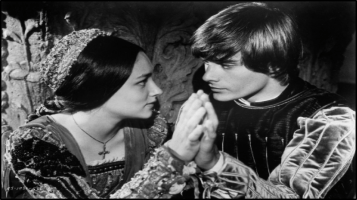
In a 2006 debate, Ebert claimed that video games were too malleable to be considered art. He posed the idea of a video game version of Romeo and Juliet where players could pick a happy ending. That would ruin the original artist’s vision. For art to exist, an artist’s vision must remain intact, so I’d agree with this. He made an obvious choice with Romeo and Juliet. A happy ending would be terrible. But there are a couple of issues with this point.

First, nothing prevents a movie company from making a Romeo and Juliet film with a happy ending; one may already exist. Second, changing a Shakespeare tragedy so that it has a happy ending is an extreme example and one based on a story that exists outside of video games. Video game stories provide options for players and there’s a case for any of those options as the original artist’s vision.

Like Black Mirror’s Bandersnatch, video game directors can create multiple endings, each as valid as the next (which may be debatable at times). Games have player choice, but many of the better ones have the illusion of choice like Life is Strange or Telltale’s The Walking Dead Season One. There are ways to eschew Ebert’s claim that video games can’t retain a director’s original vision. Still, it’s an interesting position and one with merit.

They’re Objective Based

Ebert’s next thought-provoking claim came in a 2010 essay. “One obvious difference between art and games is that you can win a game. It has rules, points, objectives, and an outcome.” This one is more difficult to call into question. Plenty of people in the video game industry reject the idea of video games as art because they’re objective based. The next year, Brian Moriarty (of “Wishbringer” and “Loom” fame) gave a lecture entitled “An Apology for Roger Ebert.” Moriarty agreed with Ebert and expanded Ebert’s argument with making video games an extension of traditional rule-based games and that there has been no call to declare games like Chess and Go to be art.

Phew! Again, that point is difficult to argue. There must be some objective that drive art, even if it’s subconscious. To paraphrase Ebert, art makes us more cultured, civilized, and empathetic. Perhaps one of these, specifically the one that fosters empathy or seeing the world from another’s perspective, is an objective.

There are even some video games that try and promote empathy, and not all video games have clearly defined objectives. Thatgamecompany, which will show up again, has produced a few games that fit in this category.

I’ll paraphrase Ebert once more and say that hardly any video games that I play are art; most of the games I play are just fun. But some of the following games might qualify as art.

2) Games

Braid

 It’s difficult to cover any of these games without getting into major spoilers, so consider this your first of many spoiler warnings.

Braid has been out for some time, so a few of you may already know what’s in the offing. Braid begins like a typical Super Mario Bros. game. The princess is captured by a monster, and you must rescue her, but Braid uses this trope to throw off gamers. Once you rescue the princess, you realize that she’s been running away from you the entire game and that you were the monster. Braid does a great job of showing that perspective is everything. A villain never believes they’re in the wrong. Everyone is the hero of their own story, but others may not view you as heroic.

Shadow of the Colossus could’ve taken this spot for similar reasons, but so many people include Shadow of the Colossus on lists like this, and I wanted to be different. How long do you think it took me to realize that I just included it on this list anyway? Drat. Everyone thinks they’re the hero of their own writeup.

Brothers: A Tale of Two Sons

Shock: more spoilers. Huge spoilers!

Brothers: A Tale of Two Sons centers on two brothers. Players control the younger brother with the left analog stick and the older brother with the right analog stick. That distinction comes in handy when at some point the older brother dies. Players have spent plenty of time using both analog sticks and suddenly the right one does nothing. It’s gone.

Just like the younger brother losing his sibling, the physical reminder that the right analog stick doesn’t work haunts gamers. There are plenty of moments when gamers want to use the right stick but can’t. It’s a visceral feeling of loss, but that changes when the younger brother encounters a flooding river. The younger brother can’t swim and then he hears the voice of his older brother urging him to try. At this point, the right stick becomes active again and the younger brother can continue. It’s a beautiful moment, and I’m sorry if I ruined it for you by spoiling it, but I said spoilers twice. I’ll take partial blame.

Loneliness

This next one, Loneliness, is short—really short, like five minutes to play the entire thing short—and you can play it right now because it’s a web game.

https://www.necessarygames.com/my-games/loneliness/flash

I’ll wait for you to play it, because I know some of you just skipped right over the link. Here’s the link again. It’s well worth the less than five minutes to play. Trust me.

https://www.necessarygames.com/my-games/loneliness/flash

Alright. That’s long enough. Loneliness does an excellent job of portraying its namesake. It reveals as much about the player as it does the subject matter. Some players will move their square toward the other ones entering the screen. Others like me will move their square away from the other ones, thinking they’ll harm them. At some point, I began moving my square toward the others just to see what might happen if the squares touch. It doesn’t take long to see that the other squares will move away and disappear from the player’s square, leaving them alone. Isolated.

Older Kyra here. This is the Flash game I mentioned at the beginning of this write-up. Years ago (circa 2017 or so), the designer left players who finished the game with the following statement:

“Children and adolescents in Korea are the least satisfied with their lives among 26 member countries of the OECD (Organization for Economic Cooperation and Development). Many report loneliness as a major factor. I taught those kids for a year. This notgame was made for them. And for anyone who has ever felt lonely.”

The squares are inanimate objects and the game simple, but few who play this game will leave it without a sense of loneliness. Loneliness is one of many empathy games, and the empathy video game subgenre is a great argument for video games as art.

 3) Game Companies

Thatgamecompany

Kellee Santiago challenged Roger Ebert’s 2010 essay on multiple occasions and for good reason. Her company, Thatgamecompany, has several games that could be viewed as art. Each one grows on the ideas set by the previous one. Gameplay and creative vision leap from Flow to Flower to Journey. We’re headed for major spoilers for all three games, especially Journey. You’ve been warned.

Flow has players guide a small, multi-segmented worm through an aquatic environment. The game doesn’t have menus. As soon as you load the game, it goes straight to a top-down world where multiple planes are stacked atop each other. The player may choose to have their worm-like creature eat other organisms to go down a plane, but it isn’t necessary. Most creatures one’s worm encounters are non-confrontational, so like Loneliness, the way a player chooses to play Flow reveals something about them.

Flower does something similar with flower petals. Each of Flower’s six main levels focuses on one of the flower’s dream. The player controls the wind as it sends the petals off a city apartment windowsill and across the countryside. There are no enemies, hit points, or time limits. Flower plays like a video game version of Fantasia, where the music and visuals tell a story with speaking no words. It does what designer Jenova Chen intended: create a game that’s intended to arouse positive emotions.

Journey is the perfect name for Thatgamecompany’s third outing. It’s a journey of sound (with its brilliant score). It’s a journey of discovery. It’s a journey of emotions. Players begin the game by flying with their magical scarves until they land abruptly. The gamer may believe they’ve done something wrong. The game doesn’t take you by the hand and tell you what to do, but that’s the way the designer intended the story to go. The world turns dark, then cold, until your magic scarf shrivels. You’re alone, but you’re not alone. Others are there if you need them and that uplifting message—again, without saying much of anything—leads Journey toward the empathy game subgenre and on several critic’s lists for greatest video games of all time.

Giant Sparrow

Giant Sparrow hasn’t been around as long as Thatgamecompany, but their two major releases are just as worthy for inclusion on this list: The Unfinished Swan and What Remains of Edith Finch. Again, there will be spoilers.

The Unfinished Swan centers on a young boy Monroe whose mother has recently died. Monroe’s mother was a painter who was known for never finishing a painting and having over 300 incomplete works. Monroe’s orphanage tells him he can only keep one of his mother’s paintings; he chooses her favorite, a painting of a swan missing its neck. One night, the swan escapes its painting, and Monroe chases it across a mysterious painted world. The Unfinished Swan deals with acceptance. Monroe chases the memory of his mother until he sees his mother in himself and knows that she carries on through him. Eventually, Monroe earns his mother’s magical silver paintbrush and he finishes his mother’s painting and adds a pair of baby swans.

What Remains of Edith Finch also deals with loss and acceptance of that loss, but it tackles the subject in a very different manner. In the present, the player-character, which (spoilers) turns out to be Christopher Finch who is Edith Finch’s son, takes a ferry to Orcas Island off the coast of Washington state with the journal of Edith Finch in tow. The journal reveals that the Finch family is under a curse going back at least five generations with all but one child of each generation dying from unusual causes, leaving a sole child to continue the family. The Finch homestead never repurposes any one room. When a family member dies, their bedroom becomes a shrine. Each room builds or plays off the other in an anthology of remembered catastrophes, resulting in a tale that’s equal parts Twilight Zone and One Hundred Years of Solitude and neither at the same time. What Remains of Edith Finch, like many other games on these lists, isn’t long, but the images and story last much longer than its playtime.

Dontnod

Dontnod—or Don’t Nod or even DONTИOD—owes its inclusion on this list for its Life is Strange series of games. It’s yet to be seen if they’ll build more franchises off the success of this title, but Life is Strange is a great character-driven game that does multiple endings well.

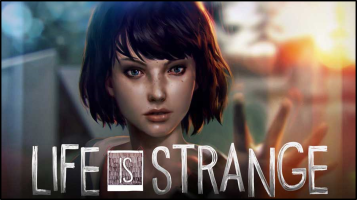
Life is Strange is set in the fictional town of Arcadia Bay, Oregon and follows Maxine “Max” Caulfield as she navigates the twelfth grade at Blackwell Academy (an art-centric high school). The town of Arcadia Bay is doomed to experience a tornado in the future, which Max catches a glimpse of in photography class, but Max can use her newly developed ability of rewinding time to change the future. Life is Strange delves into bullying, abuse, memory, and identity. Unlike many other triple A video games, the bulk of Life is Strange’s budget went toward writing and voice actors, and it shows.

There are only two possible endings and the best way to describe them is choosing the least objectionable option of the two, but like most things in life, that choice is subjective and whichever one the player chooses reveals something about the player. Both end-game choices are valid and stay true to the designer’s vision.

Conclusion?


Older Kyra is here again. While revisiting this article, I may have unearthed the three reasons why I never posted this 3 Lists of 3 several years ago. One, it’s a long post. Two, young Kyra even said that this article wouldn’t change people’s perspectives; you’re in one camp or the other. Three, some could say that it paints Roger Ebert in a bad light. Perhaps. I have a lot of respect for Ebert. Was he perfect? No. No one is. I’m sure many of you spotted plenty of flaws in my arguments and the occasional typo or three or nine thousand. They’re over nine thousand!

Ultimately, art is subjective. Art changes over time. Some of these games weren’t available during Ebert’s lifetime. Others were ones Ebert wouldn’t have known. I’m still tickled that he placed “filmmakers” in the middle of his “real artists” list. I see what you did there, Ebert. Tee hee!


I’m sure I missed more than a few things, or you’ll see things differently. Let me know your thoughts in the comments.

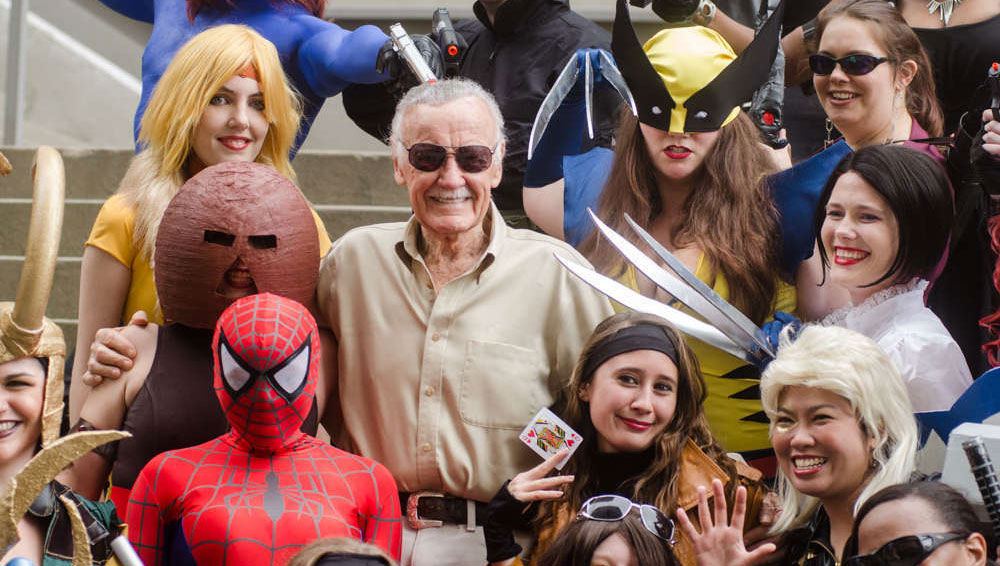
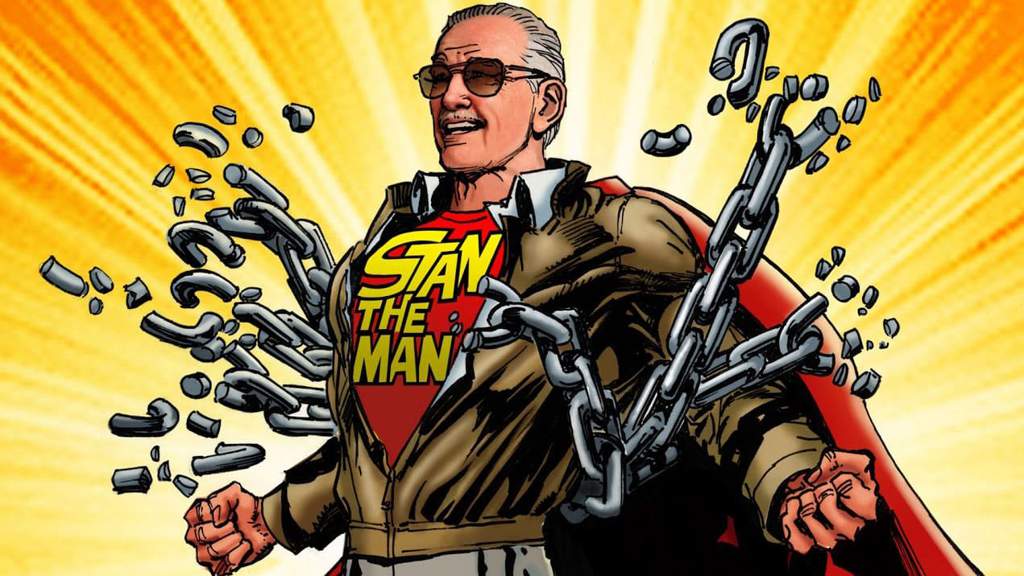
3 Lists of 3 of Stan Lee

Uncle Geekly was remiss with not publishing a write-up for the late, great Stan Lee a few months ago, but that may be because it’s difficult to boil such an uncanny comic book giant with a small write-up. Ergo, a 3 Lists of 3 may be in order.

But Stan Lee is only as human as the characters he helped bring to life, so one of the following lists may cite some issues fans had with his work or more specifically, the assigning of credit. Even with his faults, Stan “The Man” did more good than most comic book creators. The world lost a legend.

A Pioneer

StanLee01

Humanizing Superheroes

There’s a tale of Stan Lee’s—it may be a legend by now—that goes like this. Before the dawn of the Marvel Age (when the Fantastic Four first launched) Stan was frustrated with writing the same thing. He told his wife Joan he’d quit, so he could write the stories he wanted to write. Joan responded to Stan that if he wanted to quit, why not write the stories you want to write in comics? If you fail, you wanted to quit anyway, so it doesn’t matter.

Stan did what his wife suggested, and the results were character-driven stories that showed superheroes as flawed people. The Fantastic Four fought like any family. Johnny Storm was a hot-head (I’m sure the pun was intended), Peter Parker struggled with most everything (money, school, and getting picked on), and Hulk has anger issues. What made these heroes great was that they had to overcome their shortcomings.

Some of the great comic book characters of the time dabbled with this concept, but Stan Lee made it a point that all his characters would have flaws. A character’s flaws and the conflicts that ensue are what makes a character interesting. Look no further than “This Man, This Monster” where The Thing must make the choice to be The Thing in order to save his friends and family.

Relatable characters existed in comics before the Marvel Age, but Stan Lee’s storytelling spark thrust them to the forefront.

StanLee04

Interacting with Fans

To call Stan Lee charismatic is an understatement. He acted as cheerleader for his characters as well as his fellow comic book creators, but he stood out equally with his interaction with fans. Stan Lee could give a master course in how to communicate with and respond to fanboys and fangirls.

If a fan caught an error on a page, they could write in and let Stan know. He’d write them a personal letter, complimenting their keen eye. The Marvel No Prize offered no monetary reward, but there are some folks who hold onto their letters today and treasure them. Stan also had his “Soapbox” where he’d tackle issues and concerns fans had with their favorite characters or in their personal lives. He comforted those whose family members went to Vietnam. And just two or three weeks before he passed, Stan posted a video about how fans shouldn’t worry about his health. His left hand is doing okay, but he’s worried about his other hand. That’s when he unveils a toy Hulk fist on his right hand.

He was a joy to the end.

StanLee02

An Epic Story

Stan Lee had a great sense of scope and grandeur. Comic book stories rarely went beyond a single issue, but Stan, along with his bullpen, stretched them to multiple issues. I’m not sure if Stan could envision the twelve issue plus story arcs that came decades after the Marvel Age, but he and Jack Kirby were trailblazers with the original story of Galactus.

Fantastic Four’s “Galactus Trilogy” spanned three issues and if it wasn’t for Stan revitalizing the industry, he wouldn’t have been given the latitude to make something that was “supposed” to be a single issue and give it more weight. The “Galactus Trilogy’s” success led to other comic book companies and other mediums to question preconceived notions for their art.

Controversies and Personality Flaws

It’s that time where I cover some of the less tenable things in Stan Lee’s past. There aren’t that many because he’s a legend for a reason, but he did manage to rub some people the wrong way, so I’ll include them here to show another side of Stan Lee.

KirbyAndLee

Credit Where Credit is Due

I hinted at this one already, but Stan Lee often received credit for single-handedly or predominately creating the Marvel Universe. That’s false. Stan Lee had plenty of help. Jack Kirby, Steve Ditko, Marie Severin, Joe Simon, Bill Everett, and even Stan’s brother Larry Lieber did a lot to shape Marvel’s stable of superheroes.

Many fans blamed Stan Lee for taking too much credit and that may hold some truth, but Stan’s fame may have come from needing to be the company’s front man, it’s icon. With Stan Lee as the face of the franchise, Marvel moved a lot of product.

Still, there’s a debate for who had more creative control. When Steve Ditko and Jack Kirby switched the titles they worked on (Ditko with Hulk; Kirby with Fantastic Four), to shake things up, the adventures in which the effected characters embarked changed to resemble the artist’s vision. If Stan Lee was the only one responsible for the stories, that wouldn’t have happened.

StanLee05.jpg

A Shameless Self-Promoter

Have I said how charismatic Stan Lee was and how communicative he was with his fans? Well, he was, and some critics viewed his loquaciousness as shameless self-promotion or even arrogance.

There’s a good chance he was to some degree—aren’t we all at times?—but Stan Lee promoted everyone and everything. He could’ve named Hulk, The Hulk, but he had to be “The Incredible Hulk.” Spider-Man wasn’t just Spider-Man, he was “The Amazing Spider-Man.” So, Jack Kirby wasn’t just Jack Kirby, he was Jack “The King” Kirby because even Stan knew how influential Kirby was, even if some fans didn’t.

Here are some of my other favorite names Stan gave the Marvel Bullpen:

Gil “Sugar” Kane

“Gorgeous” George Perez

“Roisterous” Ralph Reese

“Nefarious” Neal Adams

Steve “The Angry Man” Ditko

“Jocular” John Byrne

“Arachnerd” Jim Salicrup

And yes, Jim Salicrup worked a lot on Spider-Man; I’d love a nickname like “Arachnerd.”

StanLee06.jpg

He Left Comics for Hollywood

To be honest, I don’t qualify this one as a personality flaw or a controversy. I had to include it because when Stan Lee moved to Hollywood in the 1980s to start Marvel’s cinematic wing, many fans questioned his love for the medium that made him famous.

That’s crap. By the 1980s, Stan Lee had been working on comics for around forty years, and most people retire at that point in their careers. Stan Lee didn’t retire. He began what he thought would make Marvel omnipresent: a movie empire. While he didn’t succeed as much as he wanted to then (mostly TV shows, cartoons, and made-for-TV movies), Stan Lee was right in accessing that cinema would eventually make Marvel one of the hottest brands on the planet.

A Legacy

An Ambassador

I’ve used the term icon and giant to describe Stan Lee, but let’s throw in ambassador of comics to mix. Stan Lee promoted comic books his entire life. Even though it may not have been what he wanted to do with his career (he wanted to write novels), he made the art form his own. He empowered others to pursue it as a legitimate career path. He, along with others, put comic books on the map.

StanLee07.jpg

The Movies

Thank goodness we have all those Stan Lee cameos in the Marvel Cinematic Universe. Each one shows how loose, carefree, and fun Stan Lee was. He never took himself too seriously. There may be a lesson there.

StanLee09.jpg

His Stories and Some Quotes

 Here are some of my favorite Stan Lee stories, in no particular order, that may be worth checking out:

“The Galactus Trilogy” Fantastic Four Vol. 1 #48-50

“This Man, This Monster” Fantastic Four Vol. 1 #51

 “If This Be My Destiny” Amazing Spider-Man #31-33

 “How Green Was My Goblin” Amazing Spider-Man #39-40

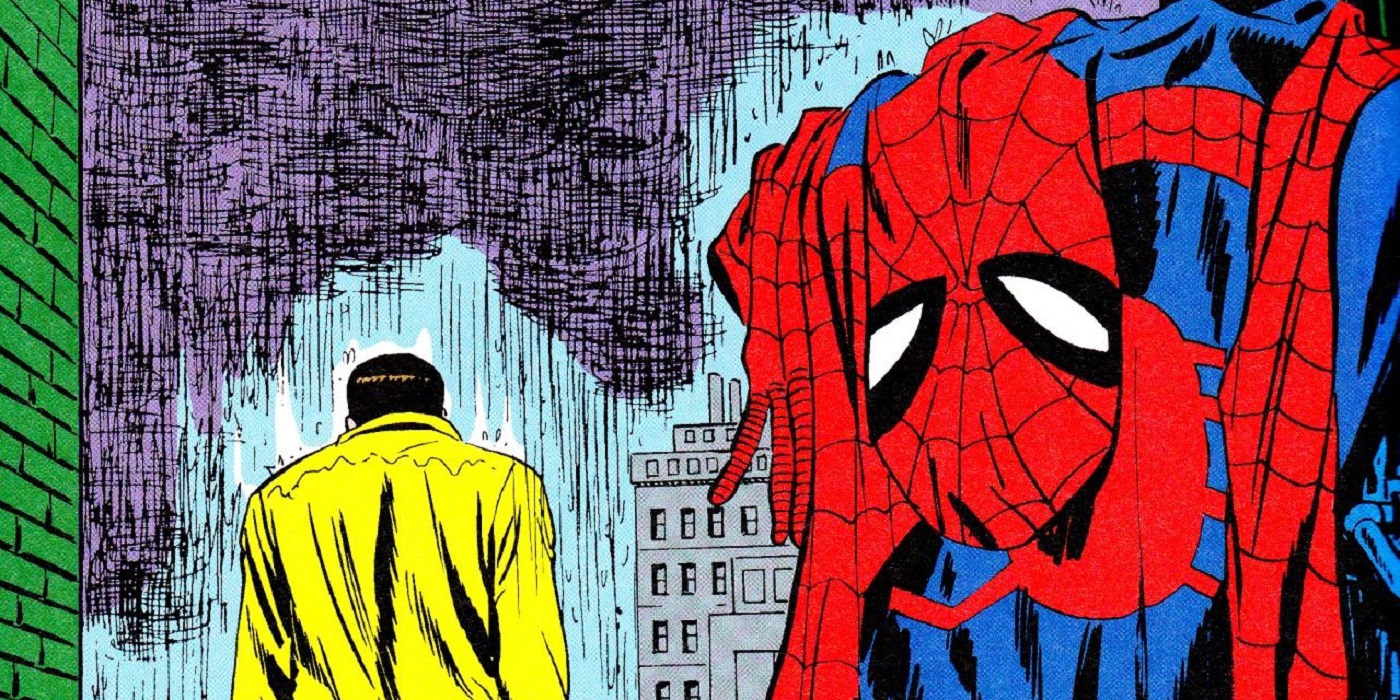
 “Spider-Man No More” Amazing Spider-Man #50

“Captain America Joins…The Avengers” Avengers #4

The Incredible Hulk Vol. 1 #1-6
This one comes with a caveat; The Hulk didn’t take off as well as Marvel would’ve liked, but one can see Stan Lee and Jack Kirby at the drawing board with each issue, reworking the character so he could work.

“The Eternity Saga” Strange Tales #130-146

And some quotes:

“Forced idleness is a terrible thing.”

“The only advice anybody can give is if you want to be a writer, keep writing. And read all you can, read everything.”

“The pleasure of reading a story and wondering what will come next for the hero is a pleasure that has lasted for centuries and, I think, will always be with us.”

“Face front, true believers.”

“With great power comes great responsibility.”

“Excelsior!”

“Nuff said!”

3 Lists of 3 Anime: Take 2

No. It’s not Anime Season (our resident anime geek). Uncle Geekly’s back with another anime 3 Lists of 3. If you didn’t catch Take 1, this series hopes to provide a starting place for people new to anime. It differs from our typical For Starters series because I won’t go into too much detail with each series—for the most part—and it’ll act more like if you like this genre or subgenre, you may like this title.

Truth time. I’m breaking that mold with the group of lists this week. Uncle Geekly will focus on some of the more popular anime subgenres that aren’t as prevalent in the West. With that said it’s time for 3 Lists of 3 Anime: Take Two.

Psychological Anime

I won’t go into too much detail with how to spot a psychological anime because Arthifis of Anime Shelter does a great job of breaking down the genre with his writeup. For those of you who want to take a deeper dive into what makes an anime psychological you can check out Arthifis’s article. To save time, I’ll skip to a paraphrased bullet point definition that Arthifis unearths:

1) The anime puts its characters in high amounts of psychological distress. We’re talking multiple levels of psychological tension.

2) The anime includes mind games, meaning that the characters win by lying or manipulating others.

3) It focuses on psychological illness.

4) It messes with your psyche by showing the viewer a perspective that greatly differs from the norm.

Few of the following anime use all these four points, but they’ll use at least a couple. Here we go.

DeathNote03

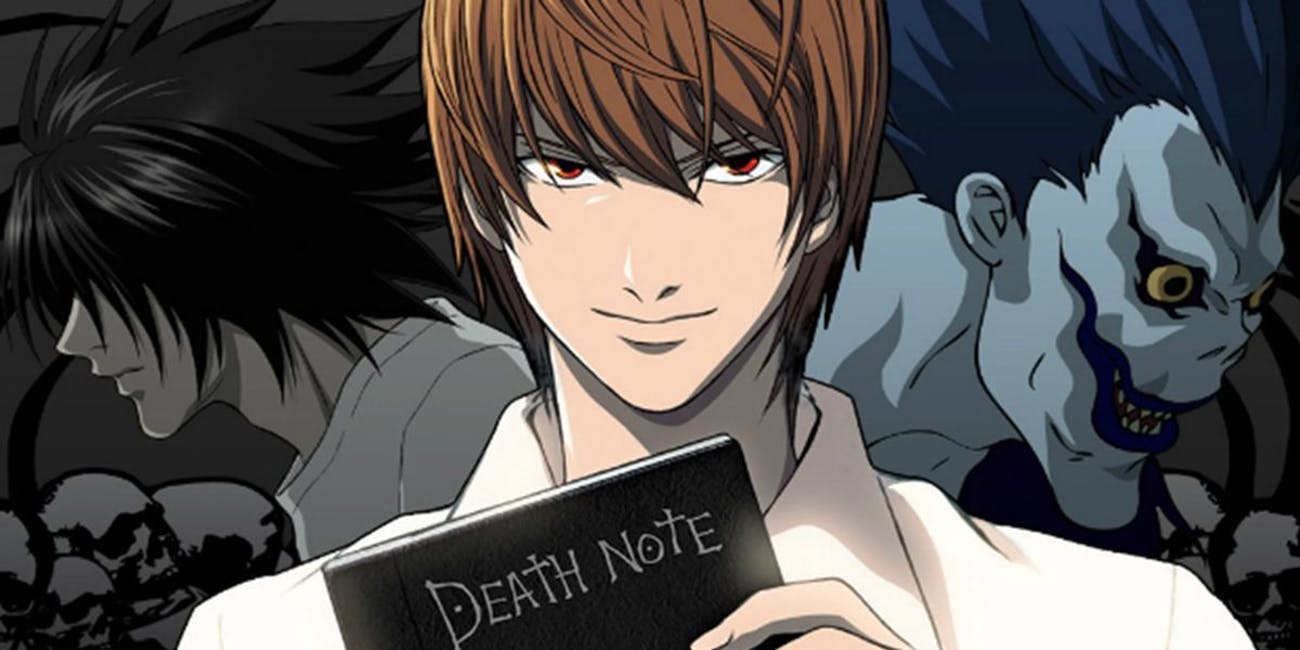
Death Note

The characters of Death Note play mind games. Lots and lots of mind games. A death note, a notebook that allows its owner to kill someone they think of by writing their name in the book while thinking of their face, drops in the lap of precocious high school student Light Yagami. Like most people who receive a gift like this, Light brands himself the god Kira and starts killing criminals worldwide. An enigmatic and equally intelligent detective known as L hunts Kira and so begins the chess match.

There’s a lot to unpack with Death Note. It’s one part murder mystery (in the vein of Columbo because the viewer knows who the killer is, it’s just a matter of how and if they’ll be caught), cosmic fantasy, and philosophical—as well as psychological—thriller. Kira or Light wants to be a bastion of justice and decency, but he has flawed judgement. At one point, L questions Kira’s logic: if all the world’s criminals disappear, then the only murderer left in the world is Kira.

So many moral questions are posed with Death Note, no wonder it’s one of the most popular psychological anime.

ParanoiaAgent01

Paranoia Agent

I went back and forth between two Satoshi Kon titles with this second pick: Paprika and Paranoia Agent. Kon was the grand master of psychological anime and it’s shame we lost him so young. One could pick any number of Kon’s work, but I went with Paranoia Agent because it’s not as familiar to the western world—and it happens to be excellent.

Paranoia Agent centers on a serial killer—or serial baseball bat basher—little slugger and how he terrorizes the town. Well. That’s Paranoia Agent’s hook. The story goes on and off the rails from there, forcing citizens to face their inner demons. I don’t want to say too much, but there’s plenty of trauma and psychological stress/tension in Paranoia Agent and it deserves a little more love.

MarchComesInLikeALion

March Comes in Like a Lion

Some don’t like March Comes in Like a Lion because it may not have as much of a story as they would like, but that’s due—in part—to the fact that it’s character-driven. The series follows the everyday life of a 17-year-old Shogi player Rei who lives by himself after his parents and sister die in an accident.

Rei shuts himself off from his foster family and doesn’t have many friends. His only interactions—at first—are out of obligation. March Comes in Like a Lion deals with psychological trauma, loss, and mental illness in a way few other anime attempt.

Isekai

Isekai loosely translates to stranger in a strange land and like the Robert Heinlein novel of that name (Stranger in a Strange Land), main characters in Isekai are foreigners in a strange land. Sometimes the characters are humans exploring new worlds, but it can be flipped with a fantasy character thrust in the mundane modern world. This may seem like a niche genre but for anime, it’s more prevalent.

SpiritedAway

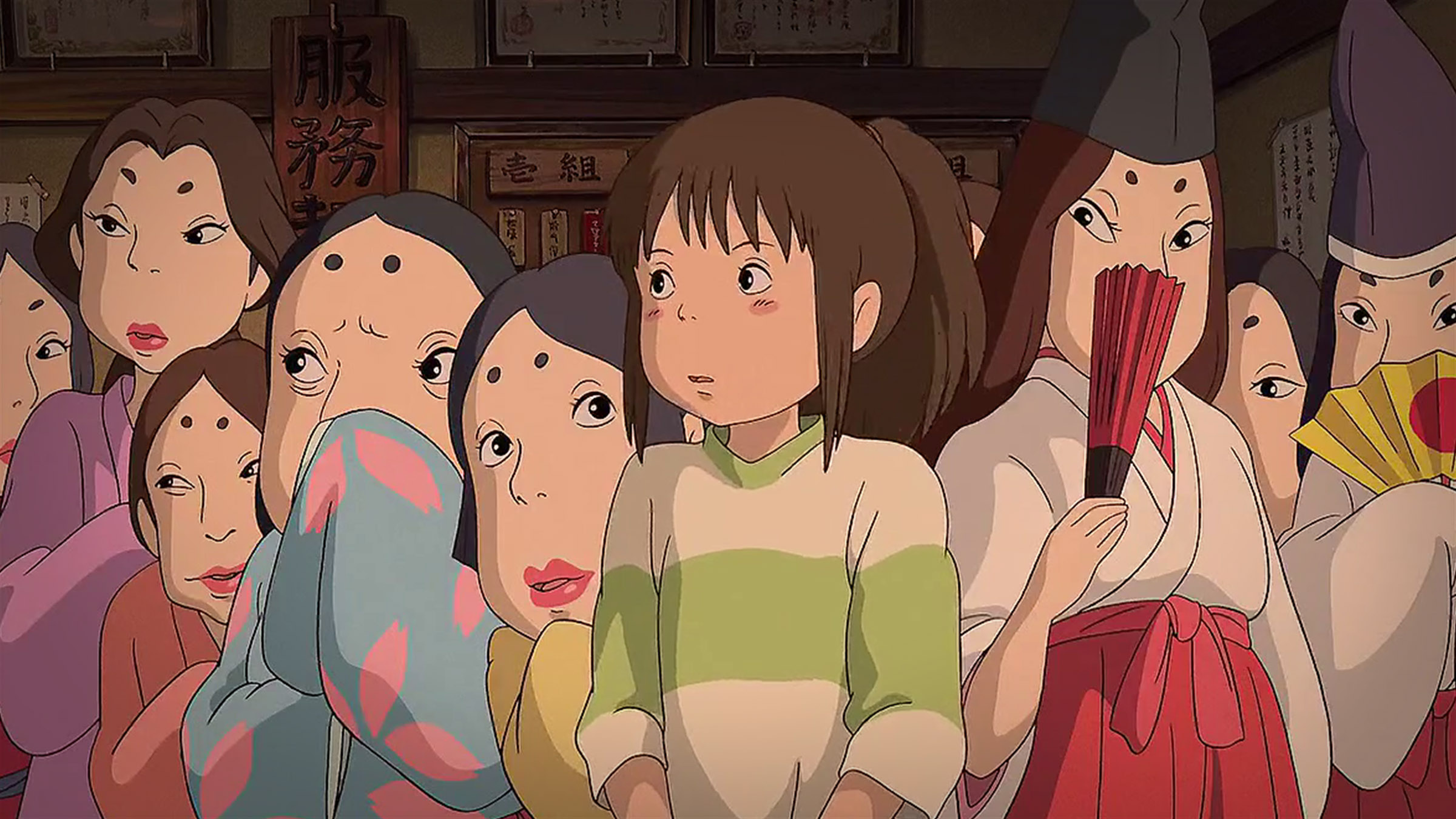
Spirited Away

I had to include this one. To date, Spirited Away is the only anime to receive an Academy Award and it happens to be an Isekai. Ten-year-old Chihiro Ogino (later renamed Sen) is trapped in the spirit world, and the spirit world is nothing like our own—to put it mildly. Sen faces discrimination because she’s still alive and not a spirit. She gets lost in this world, but ultimately finds her place in it.

Spirited Away is anime that must be experienced. I could break down each moment, of which there are several classic one, but the journey makes this bildungsroman (coming-of-age story) work.

TheDevilIsAPart-Timer

The Devil is a Part-Timer

The title The Devil is a Part-Timer is odd, but it works. The Devil is forced into a human suit and he must work a part-time job to sustain himself. Yeah. This is the oddest show on this list—maybe—and the most over-the-top. If the Devil flipping burgers is your brand of comedy, The Devil is a Part-Timer has you covered. You’re bound to find a few chuckles.

NoGameNoLife

No Game No Life

No Game No Life could qualify for the next list of anime too (Game), but I included here because sending famous online gamers to a world in which all they do is play gambling games is more of an Isekai concept. Sora and Shiro are two of the best gamers in the world and when a god from another reality Tet challenges them to a game of Chess and they win, they’re sent to a reality known as Disboard.

No Game No Life is another strange entry, but it wouldn’t be a stranger in a strange land without a little strange.

Game

Yep. I had to include the game anime genre because I’m the tabletop game geek of the group, but game anime are really common as well. Game anime involve a game being played. We’re talking board game, video game, or the most dangerous game. Not joking about that last one. Anything that sends the main characters into a game or follows characters who happen to be a part of a game fits this genre. Let’s get our game on.

SwordArtOnline

Sword Art Online

I’m not the biggest Sword Art Online fan. The premise is okay, virtual reality video game players are stuck in their favorite online game and must win back their freedom, but the story is uneven (the story should’ve started later in the series—around episode nine or ten). Still, Sword Art Online ushered in a wave of game anime.

Sword Art Online instituted a lot of the tropes viewers will see in other game anime, so it’s a great place to start for the genre.

Btooom

Btooom!

If you like Sword Art Online, you may like Btooom!. This time players of a violent video game (one in which players bomb other players) are put on a deserted island where they play the game in real life.

Btooom! explores the difference between video game violence and real-world violence. It asks if video games beget real-world violence. Either that or it’s a blast. Main character Ryota Sakamoto doesn’t want to hurt anyone and wonders why someone would want to make a live-action Btooom! game. Btooom! traverses Truman Show waters to show that all is not what it seems.

IsItWrongToTryToPickUpGirlsInADungeon

Is It Wrong to Try to Pick Up Girls in a Dungeon?

This list has gotten too serious. Let’s go with a series that features a tabletop RPG (like Dungeons and Dragons). Is It Wrong to Try to Pick Up Girls in a Dungeon? Features self-aware RPG characters. Not only do these characters know they’re in an RPG, they know what they’re stats are; their stats are tattooed on their backs. So, it’s not uncommon to see someone read another person’s back to see if they can pull off a feat before asking them to do it.

Can you leap that gorge? No, your dexterity isn’t high enough. Is It Wrong to Try to Pick Up Girls in a Dungeon? may be the least reverent of titles in any of these lists and that’s saying something. I included The Devil is a Part-Timer. Yikes!

I hope there are plenty of anime in these lists for you try out. I’m sure Uncle Geekly got something wrong. Please direct all complaints to Anime Season; she reads the comments—I think.

3 Lists of 3 Cosmic Horror

Uncle Geekly’s trying something a little different with this week’s 3 List of 3. Let’s break down what makes a certain subgenre what it is and then list a few forms of media that do a good to great job of representing the subgenre.

We’ll start with cosmic horror, or Lovecraftian horror, or Cthulhu horror. I prefer the term cosmic horror because it’s not specific to the writer H. P. Lovecraft (who popularized the mode in the early 20th century) or his creation Cthulhu and focuses more on the concept of something larger or greater than mankind. Something that reaches beyond the stars and shows us how small man is and that mankind’s role in the universe is minor one.

There have been many waves of cosmic horror, several that predate Lovecraft, so we’ll cover what makes the horror cosmic.

What is Cosmic Horror?

TheUnnamable

An Unnamable Horror

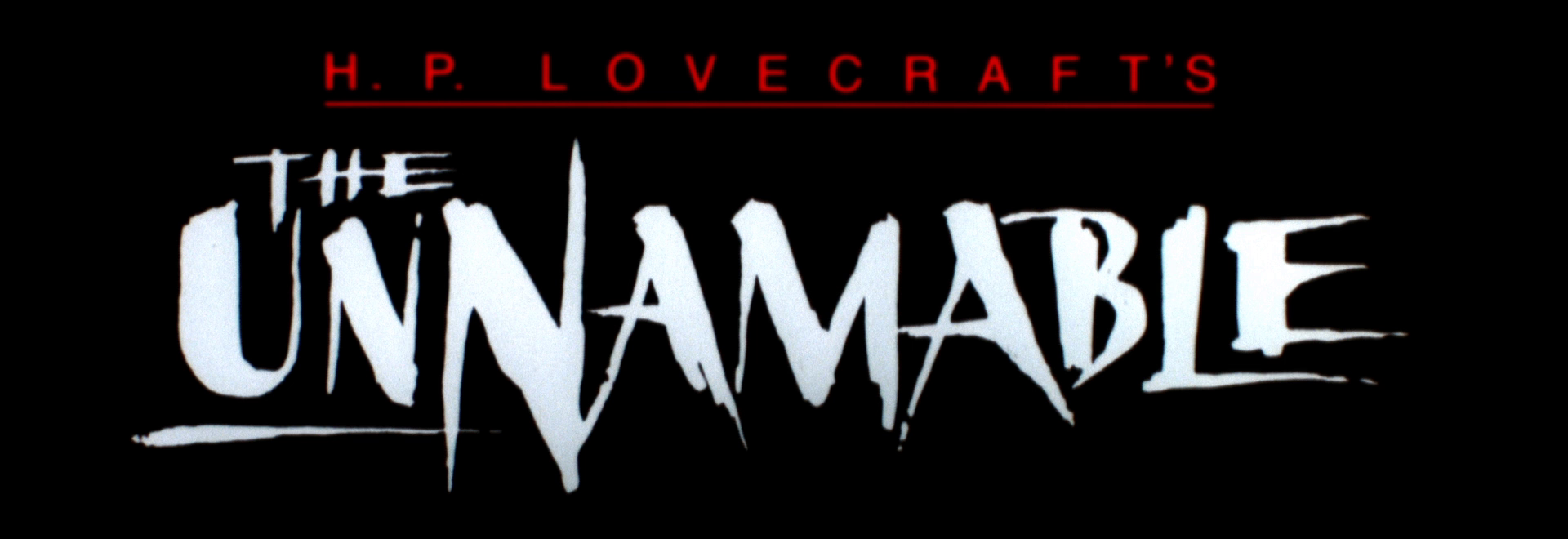
 I know that I just said that I prefer the term cosmic horror to Lovecraftian horror, but he did write in the mode a lot, and his work has laid the groundwork for future writers and other storytellers, so I’m starting with a quote from one of his short stories.

 From H. P. Lovecraft’s “The Unnamable”

“No—it wasn’t that way at all. It was everywhere—a gelatin—a slime—yet it had shapes, a thousand shapes of horror beyond all memory. There were eyes—and a blemish. It was the pit—the maelstrom—the ultimate abomination. Carter, it was the unnamable.”

This description goes in several directions. It starts with some explainable forms “a gelatin, a slime, eyes, and a blemish,” but even these bounce from one aspect to another, never settling on anything for long. Then it shifts to something less tangible. “A thousand shapes of horror beyond all memory. It was the pit—the maelstrom—the ultimate abomination.” And finally, it becomes a concept: the unnamable.

Readers aren’t supposed to know what the being is or what it looks like because the speaker can’t comprehend the being. The unnamable may as well be “the unknowable.” It’s far above humans and could crush them by stepping on them—that is if it had feet—and this feeds into man’s fear of the unknown.

It also feeds into the literary idea of the sublime, or the awe inspiring, and that’s probably why one could place the birth of cosmic horror in the Enlightenment. The Enlightenment is when humanity reordered its place in the cosmos (with its thinking, for example Immanuel Kant); it gave birth to Romantic poetry and Mary Wollstonecraft Shelley’s Frankenstein.

The sublime often ventures into the grotesque and in Frankenstein “The Creature’s” horrific outward appearance gets dwarfed only by how grotesque people treat the outsider. Man is trapped, unable to perceive something other or greater than himself, but at the same time, Dr. Frankenstein plays with things he’s not supposed to, and that’s another tenet of good cosmic horror: explore what man isn’t supposed to know.

Phew. Enough of that. Let’s get back to post 18th century.

IT

Horror, not Fantasy

Horror versus fantasy rests at the center of why I don’t like using the term Lovecraftian horror. Most people use the term Lovecraftian fiction and that ignores a different subgenre branch: cosmic fantasy.

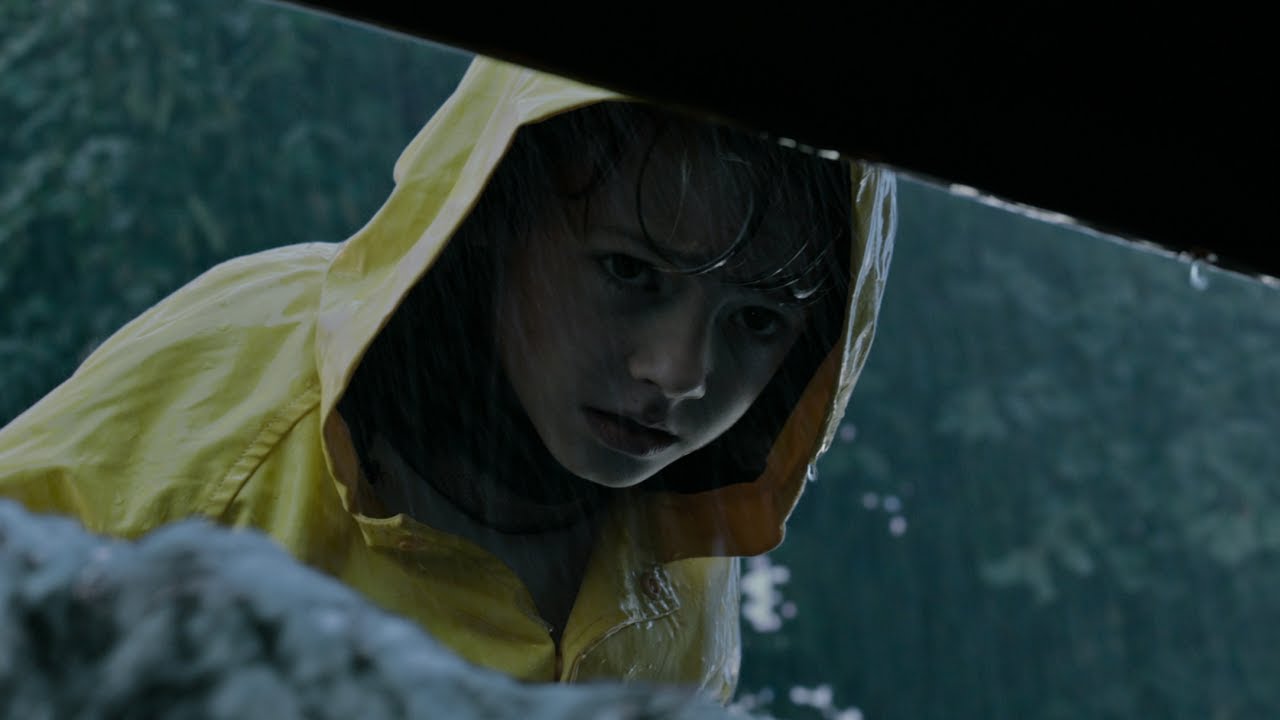
Sure. Cosmic fantasy dabbles with horror elements—the unknowable and powerful is innately scary—but while cosmic fantasy beings like the Endless from Neil Gailman’s Sandman could and may kill you if they wanted, the evil entity that sometimes appears as Pennywise the Dancing Clown from Stephen King’s IT will kill you with a smile on its face.

It’s an issue of malevolence versus benevolence or at least malevolence versus ambiguous or ambivalent. Come to think of it, I may have to do a writeup of cosmic fantasy too. Hmm.

Why Visual Mediums Struggle with Cosmic Horror

Okay. I cheated and included a why instead of a what, but it’s an important why. Movies, comics, and other visual mediums struggle at times depicting cosmic horror because the power of these beings come from the fact that they’re unknowable or unnamable.

As soon as a movie shows what the monster or creature looks like, they lose some—or all—of their power. There are a few modern examples of visual mediums getting it right and I’ll showcase some of them in the coming lists.

Movies

Birdbox

Birdbox

The Netflix original movie Birdbox sidesteps revealing its otherworldly beings by showing what they make people do. When people gaze upon the creatures in this film, they want to commit suicide in the fastest, most brutal way possible. If someone had mental issues before the creatures arrived, they’ll want to show people their true beauty, the awe inspiring, the sublime.

The most viewers see of the creatures in Birdbox comes from drawings by some of the people who want to show others their beauty. Not only does this eschew large production costs, it allows these creatures to retain their power. It’s effective, but not the only way to make this point.

TheThing

The Thing

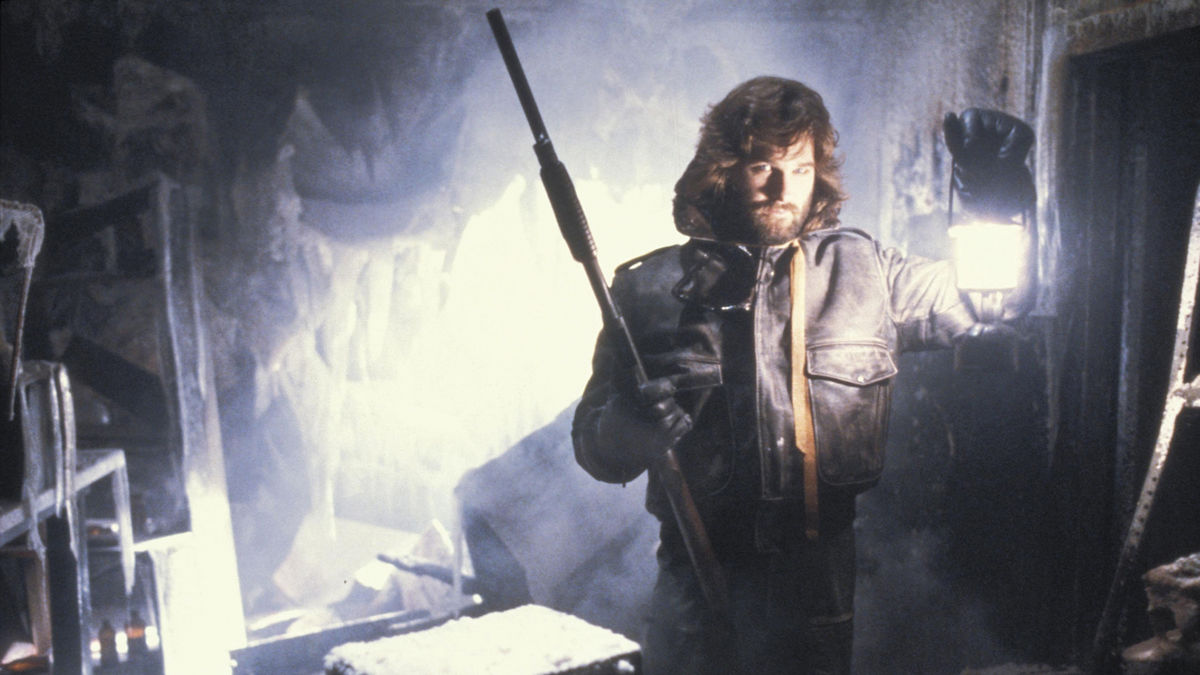
John Carpenter’s The Thing shows movie goers its monster throughout most of its run time, but this being retains its power because it can assume any form: animals, humans, even inanimate objects. If something can have any form, it has no form. This adds to the film’s tension. Is a character talking to their friend, or The Thing?

The practical special effects may bring The Thing to life in gory detail, but the uncertainty it brings gives it its power.

EventHorizon

Event Horizon

Event Horizon may look out of place with the rest of the entries here because its characters don’t face an unknown as much as being thrust into hell. But is the black hole in this movie a scientific anomaly or a gateway to pure evil?

Regardless, the characters can’t understand what’s happening to them or comprehend their fate and they fear the unknown, which again, is at the heart of any good cosmic horror. They suffer their greatest pain and fear and that causes the evil in Event Horizon to take many shapes and forms.

Print Media

TheShining

The Shining

I could go with the aforementioned IT, but I prefer Stephen King’s The Shining. Yes. This story could also be classified as psychological horror, a ghost story, or a Gothic novel, but it also makes a compelling cosmic horror tale. The spirits and what drive them go beyond the mortal plane, even if Jack’s alcoholism and anger feed into his homicidal tendencies. The Shining doesn’t attempt to answer why the Overlook wants to relive past trauma.

King is perhaps the best-known writer of this group and several of his novels and short stories could be classified as cosmic horror.

Uzumaki

Uzumaki

I’ll admit that I’m not the biggest Junji Ito fan, but Uzumaki—as does most of his other work—meets all the criteria of a cosmic horror story. An unforeseen force (similar to a curse) infects the people of Kurōzu-cho (or Black Vortex Town). They become obsessed with spirals or paranoid of them. One citizen even kills himself by bending his body into a spiral. Uzumaki has a knack for the grotesque and many people focus on Ito’s sublime and haunting images, but the pattern that makes it a cosmic horror story is the one where the people of Kurōzu-cho are doomed to repeat a cycle of the town collapsing under the spiral curse, only to be reborn.

It’s fascinating when one thinks of how important and positive many of the images and symbols that Uzumaki (Japanese for spiral) subverts. Spirals appear in comedies and represent warmth in manga. The same cannot be said of Uzumaki.

SongsOfADeadDreamerAndGrimscribe

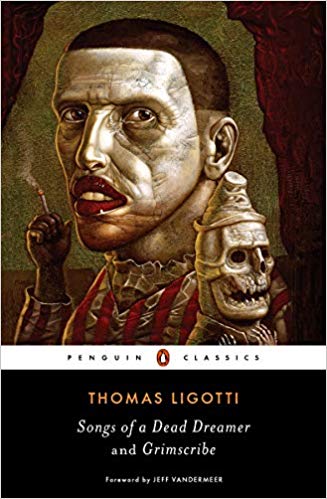
Songs of a Dead Dreamer and Grimscribe

Oh. It’s time to go further down the weird spiral. Some literary critics classify Thomas Ligotti’s work as weird fiction, but his 1986 short story collection Songs of a Dead Dreamer and 1991’s Grimscribe: His Lives and Works are some of the closest we’ll get to true, modern cosmic horror. Penguin books republished these stories as one tome Songs of a Dead Dreamer and Grimscribe and that’s what I’ve included in this list. They’re must reads for people interested in this subgenre.

The force that contaminates a town in “The Shadow at the Bottom of the World” would make Cthulhu smile—if he could smile—and Ligotti references Lovecraft by name in “The Sect of the Idiot.” Unlike many other creative forces on this list, there’s a sense of authority to Ligotti’s work. While others play in a cosmic horror sandbox, he lives it and shares what he finds.

Like so many others of these lists I could keep going. One of our commenters Levi mentioned Jeff VanderMeer’s The Southern Reach Trilogy (which is the basis for the movie Annihilation) and that in part, triggered this 3 List of 3. I have yet to read The Southern Reach Trilogy or watch Annihilation, but a lot of VanderMeer’s other work could qualify as weird fiction (like Ligotti’s work) or cosmic horror. I’m in the middle of reading VanderMeer’s Wonderbook (a writer’s guide); it looks like I may have some more reading in my future and that’s not a bad thing.

What are some of your favorite cosmic horror writers, directors, or artists? I’m okay with you mentioning them in comments but try not to invoke their name more than twice. I don’t want a portal to open on my computer; my ethernet cable isn’t fully insulated.

3 Lists of 3 Anime: Take 1

Your uncle Geekly may not be Anime Season, but he’s spent some time watching anime over the years and it may be time to share some anime for people who don’t watch anime and want to know where to begin. This may become a series of 3 Lists of 3, but it’ll differ somewhat from our typical For Starters series. A) I won’t go into too much detail, but I may break this rule on more than one occasion. B) I also want to take genres that people may be familiar with and share a few titles that could match one’s interests. Anime has a massive range of genres and subgenres and one can get lost trying to find something one likes. Think of this series of lists as if you like “fill-in-the-blank,” you may also like this title.

Disclaimer: Uncle Geekly refuses to take responsibility if you don’t like a series on one of these lists, even if you like the genre. Direct all complaints to the comments.

Superheroes

Superhero TV shows and movies dominate. Superhero novels—not graphic novels or comic books, but actual novels—infiltrate book stores, so this is a good place to start with this 3 List of 3.

MyHeroAcademia

My Hero Academia

On the surface My Hero Academia looks like standard superhero fare, but it takes an interesting turn or two and it holds a special cultural significance that few anime in any of these lists possess (more on that in a bit).

The superheroes of My Hero Academia have government and/or corporate sponsors. While I’ve seen government sponsored hero work in western superhero stories, I haven’t seen as many corporations backing superhero work. The inclusion of a capitalistic view on superheroes results in different motivations for each character. Some detest the commercialization of superhero work and push back, while others are only in it for the money. Viewers are sure to find a character, or two, they can relate to. There are even some heroes who only go into the business because of a family legacy or their families force them into the business.

The cultural significance comes in the form of taking risks or overcoming risk aversion. A lot of Japan is risk averse. For every great quote like Miyamoto’s “A delayed game is eventually good, a rushed game is bad forever” there are ones like the anonymous Nintendo executive’s “I only like to take risks if I know I’ll succeed.” If you know you’ll succeed, you’re not taking a risk. My Hero Academia’s main character Midoriya is the least likely superhero and must take risks. This series shows that it’s okay to take risks. It’s even okay to take a risk and fail; it’s what you do after a failure that defines who you are. Midoriya always gets back up—eventually—and younger Japanese generations are taking this lesson to heart.

OnePunchMan

One Punch Man

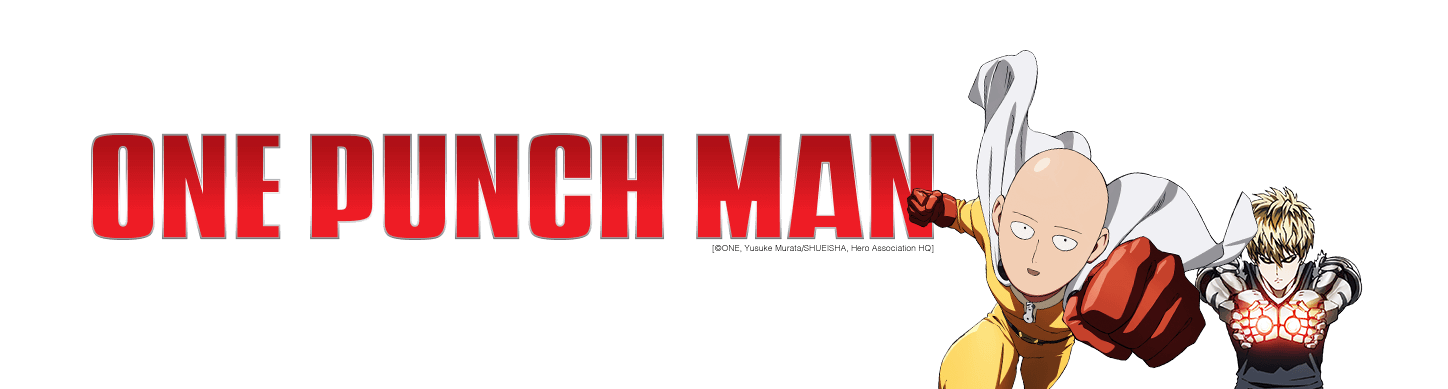
I struggled with putting One Punch Man on this list. It toes the line between parody and satire. On one hand, it’s the anime equivalent of the 1990s animated Tick. There are so many references to anime tropes and inside jokes that new anime viewers may not catch half of them. On the other hand, it takes a critical look at the all-powerful superhero and how lonely and boring their life must be if they’re never challenged—kind of an earthlier version of Watchmen’s Dr. Manhattan. Does a lack of a struggle lead to apathy?

As the title implies main character Saitama can beat anyone with one punch. The superheroes in this title are government sponsored—yay, that again—and they obtain rank through a government program. Despite being able to beat enemies with one punch, Saitama is a lower rank than most other heroes. Effort goes a long way and Saitama views fighting as a bore.

No one can beat Saitama, and how did he obtain this power? A daily routine of 100 push-ups, 100 sit-ups, 100 squats, and a 10KM run (which is a little under six and a quarter miles). That’s a good to great daily workout, but it hardly explains why he can beat people with a single punch. It’s hilarious and it does little to explain his hair loss (I’d like to know how to avoid that, asking for a friend), but it also shows how little Saitama exerts himself to achieve his goal of becoming a superhero. He possesses natural ability and it begs the question if one doesn’t have to struggle to obtain a goal, is the goal worthwhile?

But hey, One Punch Man is hilarious. Having a supervillain monologue for five minutes only to have Saitama take him down with one punch is great to watch, even if he can do it every time.

Claymore

Claymore

Claymore is the one title in this list of 3 that won’t be for everyone. To be fair, most if not all the anime on these lists won’t be for everyone, but Claymore caters to a very specific comic book fan. Here’s looking at you, Buffy, Blade, and Morbius the Living Vampire fan boys and girls.

The titular claymores fight yoma, who are shape-shifting beings akin to ogres that feed on human flesh and blood. Claymores are only female and are created by cutting open these young women and implanting them with the flesh of another claymore or the flesh of a yoma. This horrifying process conjures a lot of images and can lead to plenty of interpretations. I won’t share mine here, but after you’ve seen the process of making a claymore, you’ll have a reaction.

The Claymore series follows Clare, the newest and lowest member of the group, as she travels from town to town fighting yoma. As she uncovers more of the mysteries surrounding the Organization (the ones behind the claymores), she becomes less inclined to follow this path. Of all the main characters from the anime in this list, Clare is the most reluctant hero. If that’s something that interests you, you should give Claymore a try. Claymore also does a great job of depicting a hero who partly becomes that which they hate and in turn, how that choice causes them to question with their own humanity.

Heroman_StanLee

Heroman

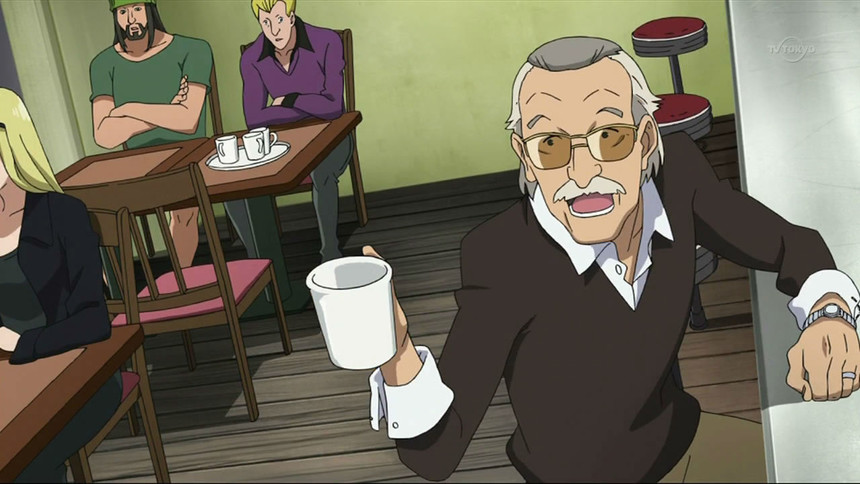
I’m cheating here a little bit, but I had to include Heroman as an honorable mention in this list because it was co-created by the late, great Stan Lee and features Stan Lee in anime form. We need more anime Stan Lee.

Firefly Fans

I’m amazed by how many anime could fill the void left by Firefly. In fact, Firefly borrows more than a little from some of these anime. Firefly can trace some of its influences back to at least a couple of the anime on this upcoming list—particularly the first two that came out five to seven years prior—so if a single season, one movie, and a few comic book series aren’t enough Firefly for you, you should try one or two of the following anime.

CowboyBebop01

Cowboy Bebop

Cowboy Bebop had to make this list. Spike and company avoid the inner planets’ predominant government and travel the edge of the universe, collecting bounties. Along the way they befriend fugitives with hearts of gold and build their own makeshift family. Yep. That’s pretty much the Firefly formula, and Cowboy Bebop doesn’t take itself too seriously to boot.

Cowboy Bebop is one of the most respected anime of all time and a lot of that comes from series director and creator Shinichirō Watanabe beginning his writing process with the characters. Watanabe wanted the series to be character-driven and he had a definitive ending for Cowboy Bebop early on, citing that he didn’t want Cowboy Bebop to be like Star Trek, something he’d be tied with doing for the rest of his life.

Sometimes the best things in life are finite. The rarer something is the more valuable it becomes and speaking of rare, Cowboy Bebop is in rarified air. Each episode plays like its own mini-movie and that was another concept adopted by Joss Whedon’s Firefly.

OutlawStar01

Outlaw Star

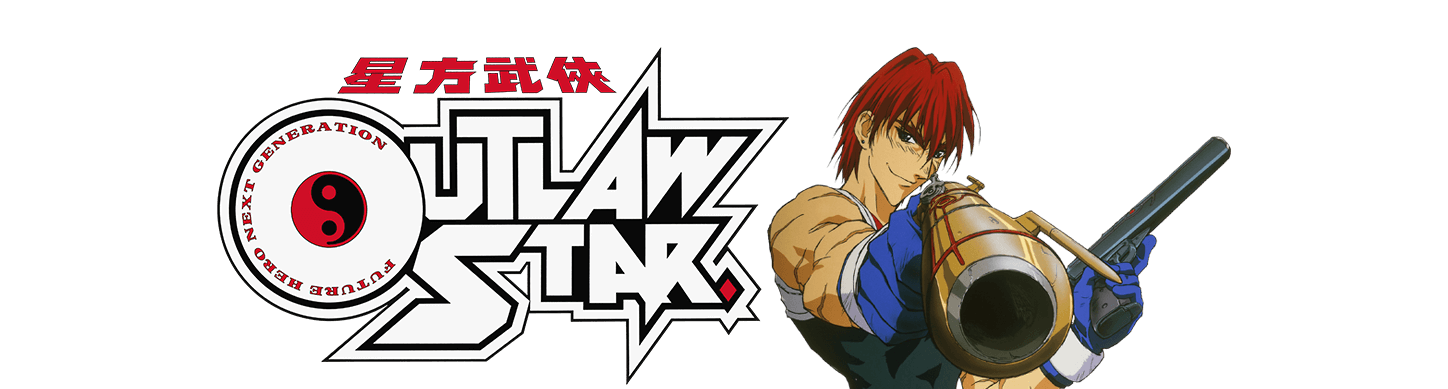
Outlaw Star never received the critical or commercial success of Cowboy Bebop because it didn’t do enough to break away from a few clichés, but it’s still a series with some excellent moments and a good fit for folks who can’t get enough Firefly.

Again, we have a ship of misfits traveling the edges of the universe and avoiding the chaotic law of four governments, but this time the governments are weak, at best, and at war. Captain Gene and company must take on odd jobs to fund the ridiculous maintenance costs of the titular Outlaw Star spaceship. This, again, tracks with Firefly.

A bio-android Melfina is the only being capable of interfacing with the ship, but her past is shrouded in mystery, she doesn’t know why she exists, besides to pilot the Outlaw Star, and she has fragmented memories that reveal that she does have a higher purpose and greater abilities. Melfina’s character is like River Tam’s as she looks as if she’s 18, acts like she’s a young child, and the first Outlaw Star captain steals her away from one of the governments—that had bigger plans for her—in an oversized suitcase. Yep. That is, for the most part, River’s backstory, except she’s not an android—or is she?.

But that may be where the similarities end. Captain Gene resembles Captain Kirk if Kirk suffered from space sickness. Seriously, he sleeps with any alien with appropriate parts, but he must use a barf bag each time the Outlaw Star launches. That must be one of my favorite Outlaw Star ongoing gags, but Outlaw Star succumbs to these gags and that may be the chief reason it doesn’t get as much love. It’s not a long series and worth a try.

SpaceDandy01

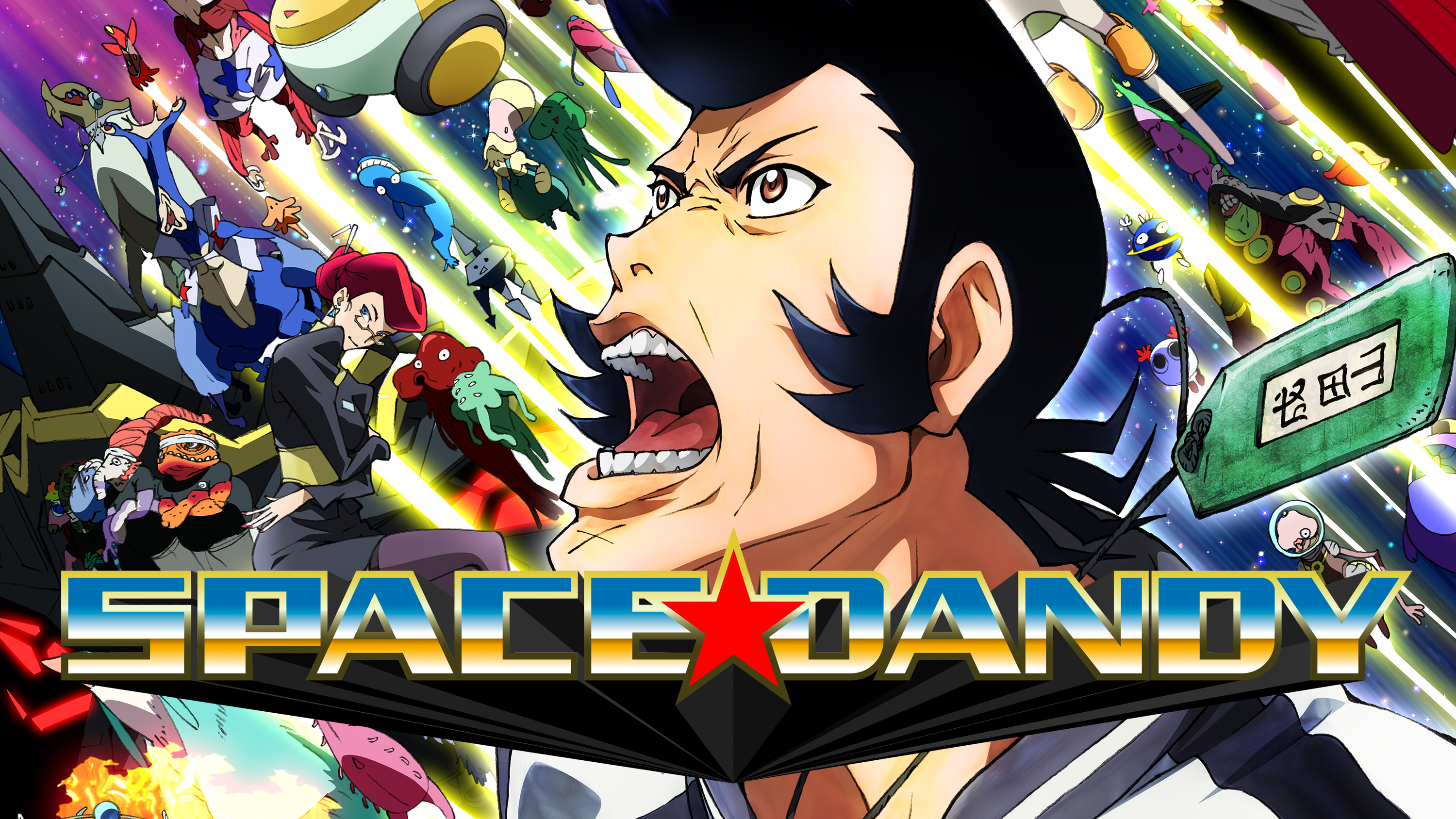
Space Dandy

The anime in this list have gone from serious with a touch of comedy to comedy with few serious themes. Space Dandy is first and foremost a parody of Firefly and other sci-fi shows. The titular Dandy, an alien bounty hunter who is “a dandy guy in space” explores the universe for rare aliens, so Space Dandy shares a lot with Star Trek if the crew of the USS Enterprise were imbeciles. Dandy and his crew (his robot assistant QT and feline-like friend Meow) have the best intentions, but they’re dimwitted and often make situations worse.

Space Dandy has loose continuity at best, since many episodes will feature Dandy, QT, and Meow getting trapped in another dimension or turned into zombies, only to see them back to normal the next episode with little to no explanation. There are plenty of references to older science fiction properties as well as ones for internet culture. Be ready for some dank Space Dandy memes, dudes.

Cyberpunk

Cyberpunk dominated the small and big screens in the 80s and 90s with Total Recall, Blade Runner, and 12 Monkeys to name a few. The subgenre slithered its way to Japan, resulting in cyberpunk as one of anime’s favorite subgenres. Me thinks there will be more than three to this list.

GhostInTheShell01

Ghost in the Shell

I had to start with this one. Major is the face of anime cyberpunk. Set in the future and blessed with high technology where cybernetic bodies (shells) become the norm the world of Ghost in the Shell still suffers from rising crime rates, and a new type of crime—cyber warfare—is given birth. Yes. Ghost in the Shell warned against cyber warfare before it was cool. Elusive hacktivist Puppet Master leads the Security Police Section 9 (the unit Major works for) into a corrupt political and corporate underbelly.

Stunning animation aside, Ghost in the Shell explores self-identity and procreation by means of mechanical replication. It shines a light on a society that prioritizes technological advancement without considering social issues. Some of these issues haunt Japan today. In Japan, there is a growing concern that some would rather reproduce by means of androids or pleasure themselves with robots instead of propagating the species. Japan’s recent population decline further fuels these concerns.
Ghost in the Shell is not only one of the greatest anime of all time, it’s a great science fiction experience and a great place to start for cyberpunk fans. Even though the series are great, I’d start with the original film.

Akira01

Akira

Akira is another quintessential cyberpunk anime. Based in a 2019 dystopian Neo-Tokyo, Akira follows a teenage biker Tetsuo and his biker gang leader Shotaro Kaneda. Tetsuo’s psychic abilities may flirt with fantasy, but Akira’s setting and themes scream cyberpunk. Gang warfare and social inequality based on technological advancement abound.

Even non-anime fans know of Akira. This 90s anime phenomena raised the West’s awareness of the artform, and Akira has influenced a lot of live action movies outside of Japan that include The Matrix and Stranger Things. Tetsuo does have killer psychic abilities after all.

BubblegumCrisis01

The Bubblegum Universe

The Bubblegum Universe (Bubblegum Crisis, A.D. Police Files, Bubblegum Crisis Tokyo 2040, and Parasite Dolls) ran off and on between 1987 and 2003, so it predates the other two entries—so far—on the cyberpunk anime list. Bubblegum Crisis is perhaps the best and most well-known of this bunch and it tells the story of an all-female group of mercenaries the Knight Sabers powered by exoskeletons. They fight rogue robots and if Iron Man is the Elvis of high-tech exoskeletons, the ladies of Bubblegum Crisis are the Ramones. Hey. Ho. Let’s go.

Bubblegum Crisis blends cyberpunk with a crime drama and even adds a splash of superheroes for good measure. It’s also one of the most visually stunning anime of the 80s. While cyberpunk tends to lean toward the dark and grim, the Knight Sabers and AD Police give it a positive spin.

Psycho-Pass01

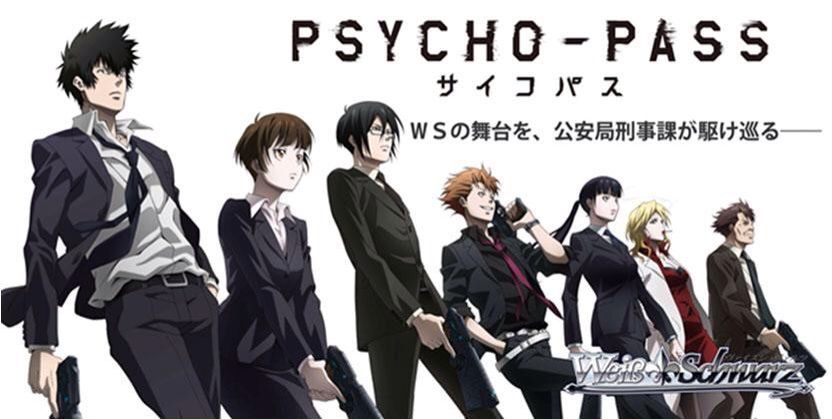
Psycho-Pass

I told you that I’d sneak in another one on this list. Psycho-Pass is essentially Minority Report if the police used brain scans to determine whether someone will commit a crime or not instead of precognition. That said, Japan becomes one of the safest countries, but they give up some personal liberties in order to institute the Sybil system (the same system that determines if you can commit a crime), but the Sybil system can be manipulated and often is. Psycho-Pass shows a society where the needs of the many outweigh the needs of the individual and presents a world where people are more likely to die from stress than criminal activity.

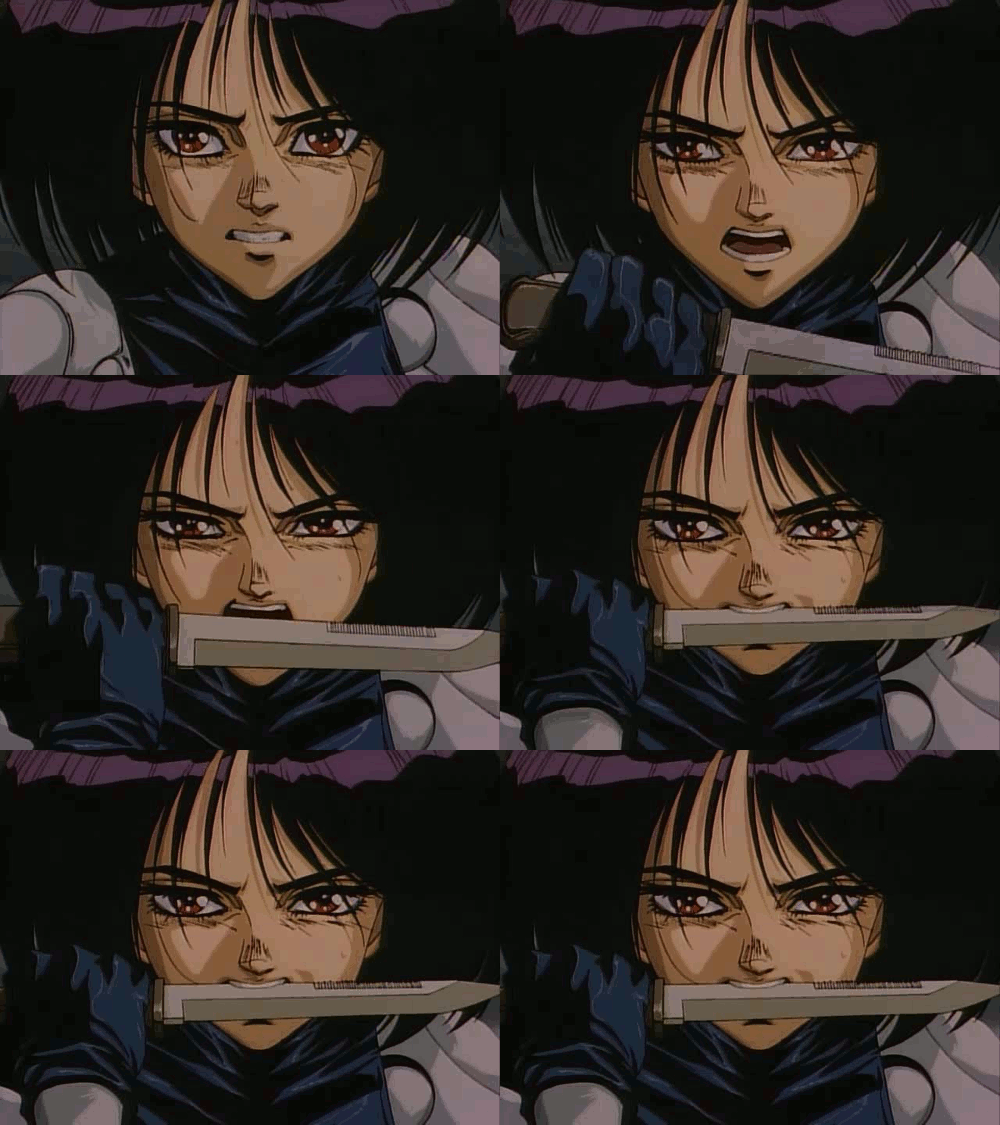
I know that I said I would stop with three, but there are too many great anime out there, especially cyberpunk anime, and at least I didn’t mention Battle Angel Alita—except that I just did and you should watch Battle Angel Alita before thinking about watching the Alita movie. The anime only ran for two episodes and it’s another great example of how society breaks down as a consequence of technological advances. A future where the have-nots must rummage through the refuse of the haves. Okay. I’m done; I promise.

BattleAngelAlita01

I hope there are plenty of anime in these lists for you try out. If Uncle Geekly got something wrong, I’m sure you’ll let me know in the comments.

3 Lists of 3 Skyrim Mods

Hello, folks, Uncle Geekly here. Skyrim Special Edition has been out for a few years and that means that console players have the same joy of Skyrim mods as those of us who play on PC. Your uncle Geekly has played Skyrim Special Edition a lot on both PC and console, so I’ve found some mods that I like to play with whenever I fire up this almost eight-year-old game.

Sounds like a good time for a Skyrim Mod 3 Lists of 3. There are a few mods that come standard in Skyrim Special Edition like realistic weather effects and improved graphics–I’ll have to remember which ones I don’t have to load for Special Ed—and I’ll try not to include any of those. The other hard part will be determining how to split up each mod type. Let’s see if Geekly’s up for the challenge.

Role Playing

OrdinatorMod

Ordinator and Apocalypse Magic

It’s our first mod in the first section of this write up, and I’m cheating by combining two mods. For shame!

It’s my list; I do what I want.

Ordinator and Apocalypse Magic come courtesy of the same modder Enai Siaion, and they’re available in a download bundle, so I’m putting them together because I seldom play Skyrim without both and I see them as two branches of the same limb. Ordinator increases the perk pool by over 400, while Apocalypse Magic adds 155 spells across all magic families.

With 400+ new perks gamers can customize their play style to a point where no two Skyrim builds are the same. One of my favorite builds is a dream master where I unlock as many Illusion perks in that branch of the magic tree as I can, but there’s more than the “dream master” branch within Illusion. There are so many paths to take that gamers can find their character’s story within the story and craft their own journey. Why is my hero drawn to dreams instead of creating pandemonium?
And that’s just one magic school. The magic schools have as many branches and the other perk trees specialize gameplay. Now it matters which one-handed weapon a player chooses. One may gain bonuses and special attacks for maces and not axes.

Apocalypse Magic Mod

Apocalypse Magic further differentiates the magic families. I don’t know how many times I used to begin Skyrim with every intention to play a pure magic user only to have the game devolve into a spellsword—emphasis on the sword—but Apocalypse Magic adds so many play options and cleans up many issues with Skyrim’s magic system that a pure magic user is an option, and a fun one at that. I can be a Thalmor who only cares to explore the reaches of the magic school Alteration.

I picked Alteration in this example because the added spells for this school in this mod are amazing. I can control the weather. I can sap armor from my attackers and give it to me and my companions. I can entomb one character and free them when I want. Yep. I am a Thalmor wanting to learn everything I can for a few schools of magic.

Imperious Race Mod

Imperious Races

Let’s face it. Race specific abilities have gone downhill in recent Elder Scrolls games. Fortunately, Imperious Races aims to make each Tamriel race unique.

Wow! I just realized that this is another mod by Enai Siaion. If you’ve liked what you’ve read so far, you may want to check out some of their other mods. I could make a list of just Enai Siaion’s mods, but I’d like to share the love—after Imperious Races of course.

Imperious Races adds race specific quests, bonuses, and powers. The quests play into the game’s lore. For example, Bosmer (Wood Elves) go on a great hunt to unlock their bonuses and power, while Altmer (High Elves) pluck the wings off butterflies—there’s a whole transformation or rebirth belief for High Elves that I won’t get into here, but butterflies play a key role. Each race has their own specific requirements or quest that adds another layer to character creation and world/lore immersion.

The race bonuses kick Elder Scrolls back to an age where it mattered to which race your character belonged. Altmer are naturally gifted mages, Redguard are fantastic warriors, and so on.

The race powers can, at times, play well with Elder Scroll lore as in Dunmer (Dark Elves) calling on their ancestors or Bosmer converting wild animals into allies, and other times these race powers create wrinkles for the different races. Anyone who’s played Skyrim knows that Nords can be xenophobic—to put it kindly—or downright racist. Their “Purge” ability allows them to choose a race at levels 10, 20, and 30 and deal bonus damage to members of that race. I don’t usually play human characters in Elder Scrolls games, but I’d consider playing an elf-hating Nord.

Again, this plays into character building as there may be a reason why my Nord is an elf-hater. There are so many new roleplaying options with each race.

LiveAnotherLifeMod

Live Another Life

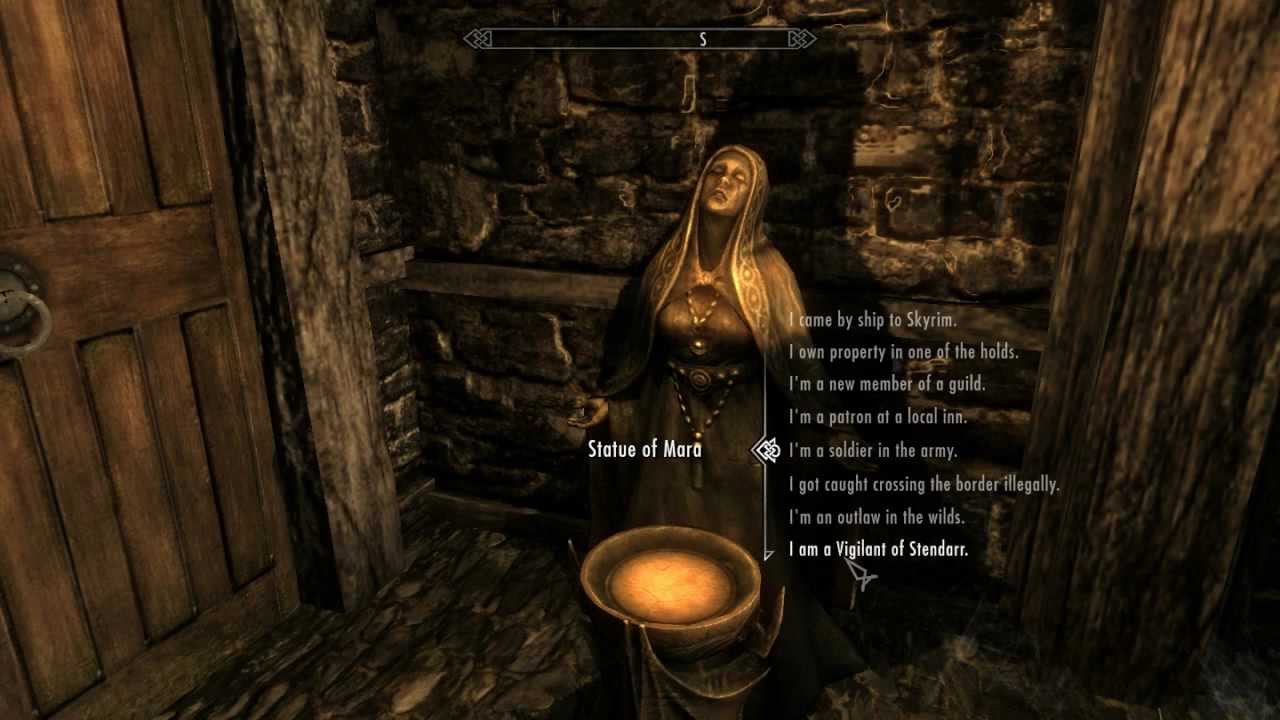
Finally, we come to a mod by a different creator Arthmoor. Live Another Life does exactly what the title states: players can change their past as a wrongfully accused prisoner awaiting execution and skip the lengthy intro sequence at Helgen. With this mod players can start the game as a landowner or a marooned sailor or a highway robbery victim. Heck, players can begin the game already a member of one of the guilds or as a bandit.

Most of these new beginnings come with small bonuses and/or disadvantages (bandits begin the game with a bounty), but the true bonus of Live Another Life comes in the form of roleplaying. Players can literally rewrite their past. Live Another Life, like other mods in this section, add character and player choice to Skyrim.

One note: Live Another Life may have some minor compatibility issues that the previous two mods, or three mods, don’t.

Added Story and/or Content

ProjectAHO Mod

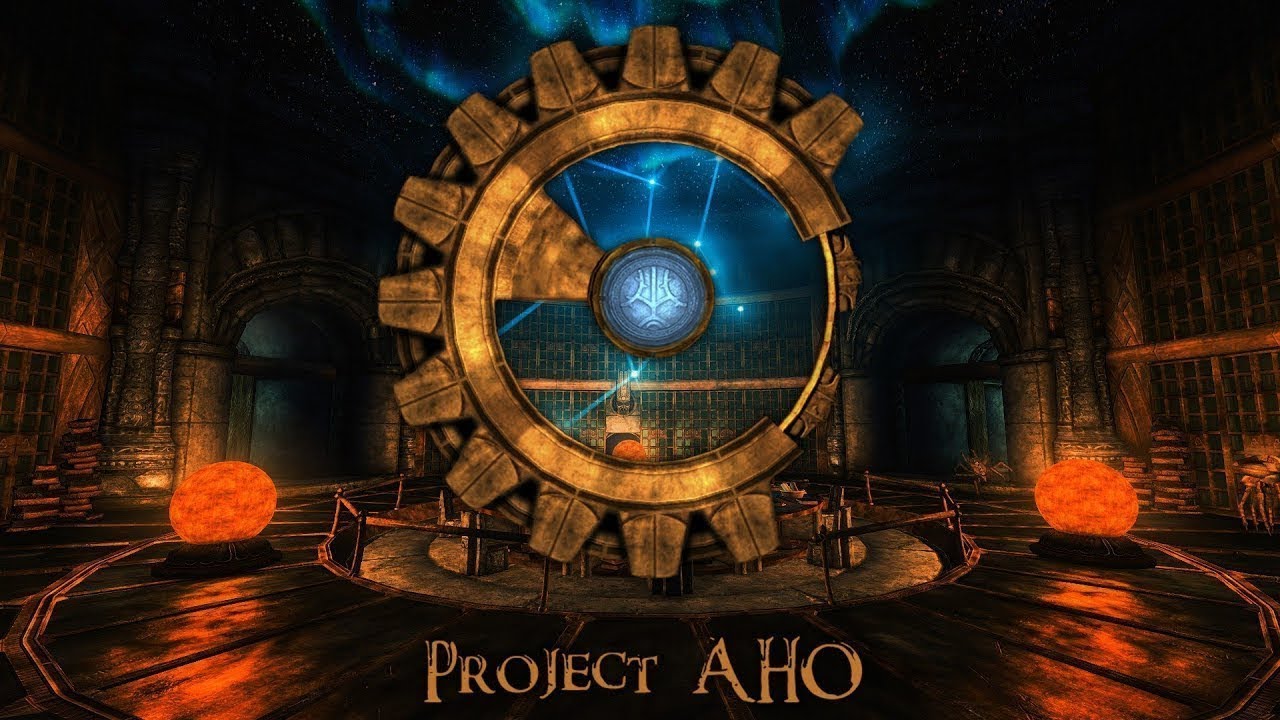
Project AHO

Most, if not all, the mods in this section will center around new areas to explore and/or new stories to experience. Let’s begin this section with a relatively new mod (released in late March 2018) by Haem Projects, Project AHO.

The content for this mod pans out to a medium-sized DLC, so a little less than Dragonborn or Dawnguard, but significantly more than Hearthfire. Players are treated to a hidden, Telvanni settlement Sadrith Kegran that’s built from the ruins of a Dwarven city. The player characters start as indentured servants and must uncover the area’s secrets as well as determine the fate of this closed off society. I won’t spoil the story here, but there are many ways for players to resolve Sadrith Kegran’s conflicts, based on character build and personality.

Project AHO comes close to full-fledged Skyrim DLC. Over 20 fully voiced NPCs have unique problems and quirks, each character acts out a daily routine, the quests and locations work and stay lore-friendly, and the DLC even has its own music by German composer Forhir. There are even reactions from these new characters that derive from the player’s choices in the main game and DLC. Project AHO does a great job of showing how some Dark Elves have carved out their own corner of Morrowind.

BeyondSkyrimBrumaMod

Beyond Skyrim: Bruma

I couldn’t leave out Beyond Skyrim: Bruma from this section. If Project AHO is a medium-sized DLC, Beyond Skyrim: Bruma is living large, about the size of Dragonborn or Dawnguard.

Players can travel to Cyrodiil’s northernmost county Bruma that borders Skyrim. Similar features to Project AHO await as NPCs have their own voice actors with dialogue options, quirks and routines, and the player character can meddle in the affairs of Bruminians (or is it Brumans?). If you’re an Elder Scrolls fan and you miss Cyrodiil or want to know what happened to Bruma’s residents after the events of Oblivion, give Beyond Skyrim: Bruma a try.

Beyond Skyrim may not be as prolific a modder as the others I’ve mentioned so far, but they do great work and have some plans for future Skyrim content. With Elder Scrolls VI years away from release Elder Scroll fans won’t say no to future mods of this caliber.

ToolsOfKagrenacMod

The Tools of Kagrenac

While Beyond Skyrim: Burma went large, The Tools of Kagrenac is a much smaller mod (perhaps even smaller than the Hearthfire DLC), but it’s a rewarding experience that’s done as well as any other in this section. The titular Dwemer Lord Kagrenac crafted three enchanted artifacts: Keening, Sunder, and Wraithguard. If those names sound familiar to Elder Scroll fans, they should. All three played a key role in the events of Morrowind.

So, The Tools of Kagrenac is lore-friendly—perhaps the most lore-friendly of all the mods in this write up so far—and it even suggests a cause for the Dwemers’ disappearance. In short, it’s a must play.

Beautiful Little Extras

ImmersiveWorldEncountersMod

Immersive World Encounters

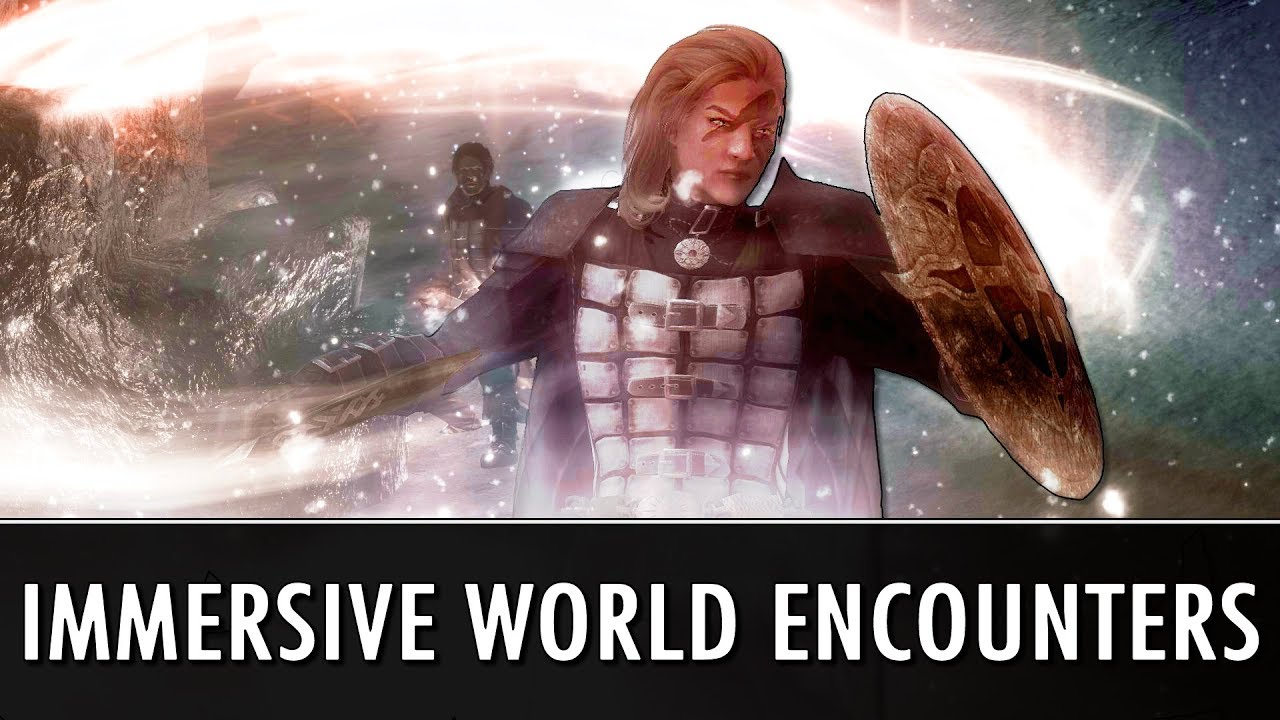
We’ll start this section with a mod that’s almost a necessity. Immersive World Encounters makes all those random encounters players experience in vanilla Skyrim worthwhile.

The following scenario may sound familiar to Skyrim veterans. You run into a random thief, he hands you something to hold onto for them (something they stole), and then you make a choice to turn him in or throw his pursuers off his trail. But what if that character had more of a past or the encounter changes depending on who they are or there are multiple outcomes depending on what the characters chooses?

Immersive World Encounters adds a lot of that to Skyrim. It functions like “Wild Wasteland”, but the encounters are more unpredictable than wacky. Just because you’ve picked the same option before during one of these encounters, doesn’t mean you’ll get the same result. I’ve encountered an injured bear in the road and had the option to help it. The first time I helped a bear, I ticked off a hunter who then attacked me because I robbed him of his kill. The second time I helped a bear, it ran off and attacked another person; I had to kill the bear because it was headed toward a town. Maybe I should stop helping bears.

Regardless, kudos to Sette Lisette for this great mod.

LucienFullyVoicedFollowerMod

Lucien: Fully Voiced Follower

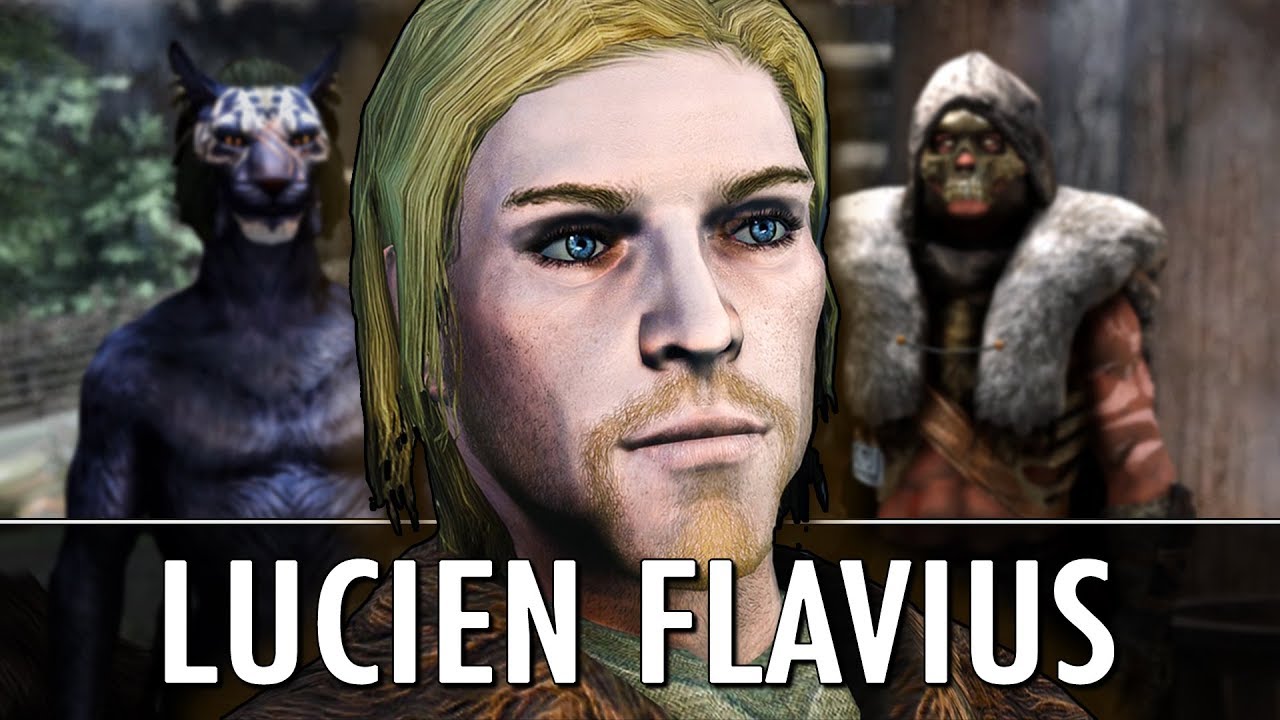
I don’t usually care for follower mods and I’m not the biggest fan of Imperials, but Lucien must be one of the best follower mods, and he happens to be an Imperial. He owns so many unique strands of fully voiced dialogue that he has an opinion on just about everything in Skyrim. The fact that Lucien is an Imperial is important too. He provides the player with an Imperial’s viewpoint.

Even better, Lucien has a dynamic personality system where he adapts to the player character’s choices; just because he’s your follower doesn’t mean that he agrees with everything you do. Players can alter how he fights, so he can complement the main character and Lucien’s training system can be adjusted as well. He has his own quest and storyline and can interact with other follower mods like Inigo, Hoth, and Auri. I almost want to play with these additional followers just to hear them banter with Lucien.

A small point, but one that makes me smile, is that Lucien has a small pool of in game books that he can read aloud to the main character, so long as the book is in the player’s inventory. I don’t know how long it took Joseph Russell to create Lucien, but this follower is well done. Wow!

HolidaysSkyrimMod

Holidays

As the name suggests, Holidays adds Tamriel holidays to Skyrim. If the player character walks into a town on the holiday in question, the villagers will be celebrating the appropriate holiday in a manner according to Elder Scroll lore.

I feel like I’ve said this a lot during these three lists, but Holidays is another mod I can’t see playing Skyrim without. Isoku has a done an excellent job of getting these celebrations right. Small details like Saturalia decorations won’t appear on Whiterun’s Gildergreen unless it’s fully grown and healthy, and Winterhold not celebrating any holidays due to the state of their town are nice touches.

There are so many other mods I could’ve included like Andromeda or Wild World or Open Civil War that nine—or technically ten—Skyrim mods don’t do the subject justice. There’s a reason Skyrim is a relevant game eight years after its release; it owes its prominence to some phenomenal modders. What are some of your favorite Skyrim mods? Let us know in the comments.

3 Lists of 3 Tabletop Game Designers

Uncle Geekly here. We’ve covered tabletop games more than once on 3 Lists of 3, but it may be time to discuss the people behind the games. I smell a few lists of game designers.

Think of these game designers as authors of books and many tabletop game enthusiasts follow them as if they were authors releasing their latest novel, so the following 3 lists may be a good place to start if you’re looking for a designer or two to follow. Let’s get to them.

Designers Who Seldom make the Same Game Twice

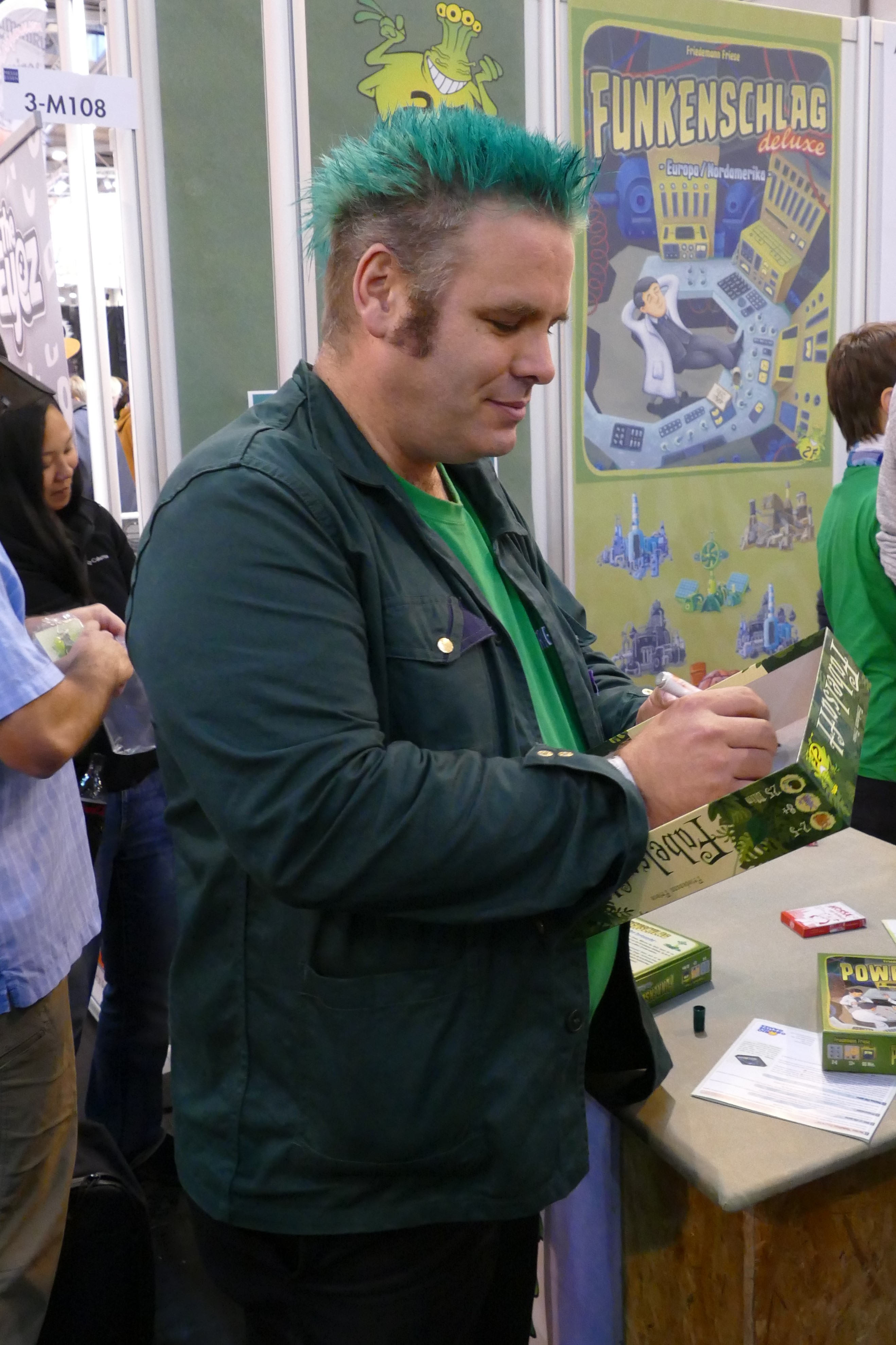
Friedemann_Friese

Friedemann Friese

504 may not have landed with fans as well as Friese had hoped, but a game system that has 504 possible combinations of games is a testament to this designer’s versatility. Funkenschlag or Power Grid is an electrifying network building game–pun intended–that may have led to the more streamlined and widespread Ticket to Ride. Friday takes the deck building genre and turns in a story-driven solo experience. I love how the cards you use in the deck can get shuffled back in and have a different effect later in the game. I don’t know how many times I’d eat something that would eventually give me diarrhea. Your uncle Geekly has a weak stomach, so that’s almost like real life.

Fauna and Terra are some of the better takes on trivia games. I don’t care for trivia games as much as I used to—Trivial Pursuit may have ruined me on the genre—but I’ll gladly play either of these two games. Fabled Fruit is a simplified worker placement, legacy game, and that’s an accomplishment. I haven’t heard of too many worker placement games one could explain in under fifteen minutes, let only one that includes a legacy component. Friese is on fire. If his hair is any indication, it’s green fire.

AntoineBauza

Antoine Bauza

We go from a German to a Frenchman. Antoine Bauza may use a similar aesthetic in his game’s artwork and their themes (strong Japanese influences), but his games have no shortage of story, mechanisms, and scope. Ghost Stories and Samurai Spirit are both cooperative games, but one pits Shaolin Monks against nightmare fuel, while the other, despite some balance issues, is a faithful recreation of Kurosawa’s Seven Samurai. If you’ve never seen the film, it doesn’t end well for the samurai. It also doesn’t usually end well for players of Samurai Spirit.

Bauza’s most celebrated works—the ones that have received the most awards—are card games: Hanabi and 7 Wonders. Hanabi is an interesting 50-card, cooperative game where players can see others’ cards, but not their own. 7 Wonders and its excellent spin-off 7 Wonders Duel popularized card drafting. I’d place Duel slightly ahead of base 7 Wonders because of its use of a pyramid set-up and speed of play, but I couldn’t deny the appeal of 7 Wonders. Grumpy Uncle Geekly wanted to dislike it but didn’t.

There are just too many game types from Bauza: Takenoko (a deceptively strategic game about a Chibi panda eating bamboo), Tokaido (a gorgeous timeline game about a Japanese vacation), and Rampage (like it’s video game namesake, players destroy a city with wooden monsters).

I could’ve gone with several other French game designers here too. Bruno Cathala and Ludovic Maublanc are not only frequent co-designers of Bauza’s, they too seldom use the same mechanism twice.

EricMLang

Eric M. Lang

If you noticed trends with Bauza’s games, you’ll see some form with Canada’s favorite game designer Eric Lang. But Lang delivers the goods and his games are eclectic. I’m a huge Lang fan-boy. I see his name on a game and I’m already interested.

Miniatures? Yeah, he’s made some of those games. Anything from Cool Mini or Not (CMON games) is a safe bet: Blood Rage (half strategy Euro, half kickass Vikings), Arcadia Quest (Chibi fantasy dungeon dive), The Godfather: Corleone’s Empire (yeah, it’s a mafia game), and Rising Sun (the second game of the Blood Rage trilogy).

Card games? Yes. He has plenty of those too: Star Wars: The Card Game (this is a great living card game update to the earlier collectible one), Warhammer: Invasion (another living card game update), A Game of Thrones: The Card Game (Same), and Call of Cthulhu: The Card Game (yeah, he does a ton of  these, but he’s great at them).

Dice games? Lang has made some of my favorite dice games. Quarriors! introduced dice to the deck building mechanism. Dice Masters added a collectible layer to Quarriors!, creating the first successful dice collection game that has since been mimicked. Yeah, I’d play a new version of Trivial Pursuit or Monopoly if it had Eric Lang’s name on it.

Designers Who Tend to make the Same Game

MattLeacock

Matt Leacock

This may be sacrilege. I can hear boos from my computer screen, but just because a designer makes a lot of similar games doesn’t mean that they’re poor game designers. I started with Matt Leacock because he’s such a great designer—one of my favorites—but he tends to make a lot of cooperative games. If there was a gaming dictionary, you’d see his face beside the word cooperative.

Pandemic, Pandemic Legacy (seasons 1 and 2), Pandemic: The Cure, Forbidden Island, Forbidden Desert, Forbidden Sky, and Thunderbirds: the Co-operative Board Game are all cooperative games. I think it’s safe to say that Leacock has a type.

UweRosenberg

Uwe Rosenberg

Rosenberg’s career is split by two games: Agricola and Patchwork. Prior to Agricola, Rosenberg experimented with various game types, but after Agricola, he made mostly worker placement games with brutal feed your workers mechanisms. What is with feeding workers? There must be some designers who went hungry one time too many.

Le Havre, and Caverna were—admittedly better—variations of Agricola. Then, Rosenberg released Patchwork (a game that added Tetris-style mechanisms to board games). A Feast for Odin combined elements of Agricola with Patchwork, and future Rosenberg games began taking Patchwork in different directions.

Rosenberg’s games are usually good to excellent, but sometimes, I have the urge to report them to the department of redundancy department.

StefanFeld

Stefan Feld

If Leacock’s picture would be next to cooperative, Stefan Feld’s picture would be next to point salad. A point salad game is one that’s heavy on strategy, there are various methods of playing and each method yields points, and the player at the end of the game who has the most points, wins. The reason it’s called a point salad is that players can—and often should—choose multiple methods of play and the resulting points to win. It’s like a big, crunchy, board game salad. You know you’re doing well when you’re eating all the game’s roughage.

Feld is the king of balance. I’m not sure if I’ve played a single game of his that wasn’t balanced and that’s fantastic, but you don’t even need to see the box or know much about the game to tell when a game is designed by Feld.

Up and Coming Designers

IsaacChildres

Isaac Childres

The designer of the current number one rated game on boardgamegeek (BGG) Gloomhaven must be on any list of newer game designers. Childres has released a handful of games prior to the dungeon crawl, but no game before or since has been as large in scope as Gloomhaven.

While I’ve heard mixed reviews surrounding Founders of Gloomhaven (a Euro strategy game based in the world of Gloomhaven), I have no doubt Childres will have plenty of other great projects in the future.

CallinFlores

Callin Flores

Callin Flores’s path to board game design is an odd one. He began as a podcast creator for Plaid Hat Games and slowly became a designer in his own right. Plaid Hat has some of the best designers in the business, so Flores had plenty of guidance for his new release Guardians. I haven’t had the chance to play Guardians, but it looks as if it’ll be another hit for the company.

LudovicRoudy

Ludovic Roudy

The only game that comes close to Gloomhaven’s scope, may be Ludovic Roudy’s 7th Continent. This game puts players in the role of shipwreck survivors, stranded on a deserted island. It’s a character and story driven game that has a unique brand of exploration. I can’t wait to see what’s next from Roudy.

Who are your favorite new game designers? Who are the best designers that have a preferred game type or choose more eclectic mechanisms? Let us know in the comments.

3 Lists of 3 Video Game Characters

Some video game characters get all the love. Some don’t get enough. Your uncle Geekly wants to even things out a bit with this week’s three list of three. I could also use some costume ideas so don’t be surprised if you see me dressed in a primary color jump suit—or two.

Underrated Video Game Characters

Princess_Zelda.png

Zelda

Yes. A famous video game series shares her name, but how many people have you seen point to the guy dressed in a green elf costume and say Zelda? That’s Link. Link gets all the attention, but he’s also the more static of the two characters.

Zelda has been portrayed in so many ways. She even gets in on the action as her alter egos Sheik and Tetra every once and while. She’s been the leader of sages and even a goddess. Link rocks the same kind of outfit game after game, but gamers don’t know what they’re going to get with Zelda. She may even be a ghost.

Ness

Ness

Many gamers would consider EarthBound (1994) or Mother 2 in Japan as one of the best RPGs to come out for the SNES, but many more of them don’t remember who the main character of the game was. Ness is a 13-year-old boy with psychic powers.

Sure, there are other characters gained along the way in EarthBound, but Ness is the players first and strongest, and a lot of the game’s character comes from Ness.

DrRobotnik_Eggman

Dr. Ivo “Eggman” Robotnik

Most gamers know of Mario’s Bowzer, but Sonic’s Dr. Eggman goes unheralded. It’s a shame. He may come off as a mad scientist clone, and he is for the most part, but Eggman wants to conquer the world, so he can install his ultimate utopia, the Eggman Empire.

A lot of other mad scientist types have had a similar motivation of wanting to rule the world because they’re the best person for the job—Doctor Doom comes to mind—but that doesn’t mean it isn’t a good motivation. What’s Bowzer trying to do most of the time besides kidnapping a princess?

Overrated Video Game Characters

MasterChiefHalo

Master Chief

First off, Master Chief isn’t a Master Chief in the navy. That’s an enlisted rank (a very high enlisted rank), not an officer’s.

Second, you can take Master Chief out of Halo and no one would miss him. He may as well be Jeff Johnson or John Jeffson. My apologies to any Jeff Johnsons or John Jeffsons who may be reading this.

Halo’s multiplayer mode is what most gamers play this game for. They aren’t looking for story, and Master Chief isn’t much of a character.

HalfLife2_GordonFreeman

Gordon Freeman

The whole point of Half-Life 2’s protagonist is that he’s a blank slate, but if he’s a blank slate, only defined by the suit he wears, he isn’t much of a character. He’s kind of like Master Chief in that sense. Cool suit. Great abilities. What’s your name again?

Iron Man detractors claim that Tony Stark wouldn’t be anything without his suit, but he’d still be rich, a genius, and have plenty of personality. Gordon Freeman is none of those things.

Kratos

Kratos

2018’s God of War notwithstanding, Kratos was a bloody He-Man for the modern era. Gamers knew he’d lost his family—which was explained more in the most recent God of War—and that’s most of what they knew about him. Kratos was an excuse for a muscle-bound, over-sexed man to tear apart some Greek gods.

He received the post-hero treatment in 2018’s God of War and while it was a refreshing take on the character, it could’ve carried more weight if there was more to the character prior to that offering.

Video Game Sidekicks

GarrusMassEffect

Garrus

Yeah, this turian may take offense with being called a sidekick, but he deserves to be on this list. He’s the only squad member available to Shepard in each Mass Effect game, he survives a rocket to the face, and he and Shepard have a special bond.

Get your head out of the gutter. Hmm. They could have a “special bond” if you play the game a certain way, come to think of it. Anyway, one of the most satisfying moments in the Mass Effect series is watching the two pal around and watching their relationship grow.

Luigi_SuperMarioBros

Luigi

He’s always number two to Mario’s top banana, but Luigi doesn’t complain, not even when Nintendo named him Luigi Mario. I guess that would make his brother Mario Mario. Man, that’s a terrible name.

Give him a vacuum to suck up ghosts and he can be a main character. A gamer may want to play as him in Super Mario Bros. 2, and I never minded letting my younger brother take the controller during the original Super Mario Bros., not telling him where any of the shortcuts or secrets were, and then use them after he lost a man. Ah, memories.

Sparx_SpyroTheDragon

Sparx

I had to put Sparx from Spryo the Dragon on here because so many of my family members love that game, and Sparx doesn’t get much love. I also don’t like it when games force a player to run over every little gem or coin or ring. All you’ve gotta do is get close to a gem, and Sparx picks it up for you.

Sparx also represents one of the cleverest ways to denote health in a video game. He changes color, gets dim, as you take damage and disappears when Spyro has one hit point left.

Yep. I’m sure I missed the boat on a lot of these characters. Please direct your complaints to our intern Jeff Johnson—or is it John Jeffson—or let me know which video game characters you’d choose by leaving a comment.

3 Lists of 3 Star Trek: The Original Series

Jim handed me two Star Trek 3 Lists of 3 last month and somehow I only posted one of them. My bad. I don’t have a whip on hand, so I may have to flagellate myself with my back scratcher.

Thanks for the Trek article, Standard Issue Star Trek Geek Jim.

In my last Star Trek article, I listed The Next Generation and Deep Space Nine ahead of The Original Series. Lest some of our readers take that as a knock on The Original Series, I want now to give credit where it’s due and explore some of what makes TOS special.

Things to Love about Star Trek: The Original Series

startrek_optimism

Optimism

Each Star Trek series reflects its time in a certain way. Now, with everything happening in our twenty-four-hour-news world, it seems the product of that is post-apocalyptic and dystopian fiction. In the 1960s, we faces race riots, the Vietnam War, and the threat of mutually assured destruction with the USSR. Somehow, Star Trek managed to imagine a future that had taken all of that and persevered onto better things. I know, in Trek canon, there is an apocalyptic war, but we survive it and we prosper.

startrek_uhura

Diversity

In a time when Americans feared a communist takeover of the world, we see Chekov, a Russian, on the bridge of the Enterprise. Twenty years after the bombings of Hiroshima and Nagasaki, we see a show put a person of Japanese ancestry, Sulu, on the bridge with Chekov. An African American woman, Uhura, is a bridge officer herself. This is the world we’re still striving for today.
startrek_philosophy

Philosophy

Star Trek has always had episodes that posed philosophical questions, but it all began with The Original Series. Yes, there were plenty of episodes that focused on seducing green women, but TOS questioned its viewers with what we might do in a situation where we found ourselves the inferior life form, and how we might respond should a superior life form treat us as indifferently as we, at times, treat our own planet’s less evolved animals.

Best Characters

startrek_captainkirk

Captain Kirk

You knew he’d have to be here, so let’s skip the how and get into why he’s a special character without having to compare him to other Trek captains. James Kirk is the prototypical romantic idea of a starship captain. He’s young to hold such a high rank, he’s handsome and charismatic, but he’s also evolved in a way that fits with the idea of our future the show sets out. Yes, we can get into his sexual proclivity and criticize the character for that, but episodes like Balance of Terror and The Enemy Within do a great job of complicating Kirk as a character and showing an appreciation for his gentler nature, his respect for life, and the effects of the strain of command.

startrek_spock

Spock

Another one you knew would have to make the cut, but let’s talk about why. Spock introduces us to Vulcans on the show, but he’s only half Vulcan. In that way, he’s a surrogate for the audience in understanding the differences between the races, but in another, very progressive way, he represents the joining of worlds the show hopes for, and what is mirrored in the civil rights movement of that time.

startrek_drmccoy_bones

Bones

Doctor McCoy is gruff, old fashioned and at times, even a little backward in his thinking by comparison to the other characters aboard Enterprise. Somehow, however, there’s still a place for him. He’s still a part of that world, still thrives in it, and the crew is better for having him there. Maybe this is Roddenberry’s way of acknowledging there will always be holdouts where progress is concerned, and maybe that’s okay.

Things We Can Forgive

pollyanna

It’s Pollyanna

I love the optimism in Star Trek. It’s probably my favorite things about the franchise, but there are some things that get a little too sugar-coated. One thing that comes to mind is Gene Roddenberry’s insistence that currency does not exist in the Federation, despite references to “credits” in the show. Who would volunteer to scrub plasma conduits, or wear a red shirt in a landing party if they weren’t being paid? What does the Federation do if not enough people aspire to mine dilithium on colony worlds? Do they force them? That’s suddenly a much darker world, isn’t it? Even so, I’ll take a little wishful thinking over mindless pessimism. The issue of currency rarely comes up in the show anyway.

startrek_retconnedklingons

Retcons

For those who don’t know the term, “retcon” means retroactive continuity. In essence, it’s what happens when a story contradicts itself and needs to be explained away. The Klingons’ appearance, and the changing color scheme of crew members’ jerseys are examples of this in the show. Gene Roddenberry described himself as a notorious revisionist, and told fans whatever the most recent instance laid out should be taken as canon. Given that Star Trek boasts improvement and evolution as some of its major themes, can’t we accept a little revising now and then?

StarTrek_Sulu.jpg

It didn’t do more

Simon Pegg, in promoting Star Trek: Beyond, expressed disappointment in the fact that some fans bristled at Sulu’s portrayal as homosexual in the movie. This was meant as an homage to George Takei, who originally portrayed the character, and is homosexual himself, but I think this portrayal may have undercut Roddenberry. We may feel discouraged by the intolerance we see in our daily lives today, but there’s no denying that whatever bigotry exists in our world, it isn’t the same as the institutionalized intolerance of the past. Some have said Gene Roddenberry would have loved to portray a gay character, but we have to remember he was facing bans in the south for having an interracial kiss on screen (Kirk and Uhura). Roddenberry may have wished he could push the envelope further. Today, an interracial kiss on screen isn’t even noteworthy, so before addressing the social issues Star Trek didn’t tackle, it’s only fair to acknowledge that we today aren’t up against the same things Roddenberry was in the 1960s.

Hopefully giving a little love to The Original Series assuages some of the perceived shade my last Trek article may have thrown in that direction. If you’re a die-hard fan of TOS, and you still feel I’ve wronged the classics, just remember that all I’ve really said is Star Trek is a franchise that has improved on itself. Would Gene Roddenberry have wanted it any other way?