


CMON’s board issued a profit warning to the Hong Kong Stock Exchange earlier this week. It estimates its losses for 2024 at between $1.4m and $2.1m, with the final, audited total expected by the end of this month. $2 Million is a large number. Several factors have contributed to CMON Games claiming a loss for 2024. We’ll give a quick rundown on what led CMON in this direction.
CMON Games quickly bounced back from the pandemic. It suffered a 17.5% revenue drop to $25.1m in 2020 because of the pandemic. In 2022, CMON reached $45.3m and almost duplicated that success the next year due to multimillion-dollar Kickstarter campaigns for its long-running Zombicide series and games based on huge IPs such as Marvel and DC Comics.

Last September, CMON’s mid-year revenue had fallen for the first time since the pandemic, to just over $15.9m with slumping wholesale earnings putting a dent into the company’s H1 results. CMON’s wholesale revenue sank 39% to $5.9m in H1 2024 compared to the same period in 2023, while revenue from its crowdfunding campaigns fell by about 9.7% to just over $9.9m.
CMON Games says the biggest contributing factor to this loss is the rising cost of living, which is eating into its revenue from tabletop game sales. They believe people aren’t buying as many board games because the cost of living has increased. Cost of living can and does play a role in reduced board game sales. But this can’t be the only factor.

CMON switched its crowdfunding strategy in February 2024 when it ended 12 years of running campaigns on Kickstarter. They chose to sign an exclusivity deal with Kickstarter’s crowdfunding competitor Gamefound. CMON had raised more than $108 Million in total on Kickstarter.

CMON’s first year on Gamefound began slowly. Large campaigns like DC Super Heroes United and Cthulu: Death May Die, Forbidden Reaches helped push CMON closer to the money they raised on Kickstarter the previous year.
At the mid-point of the year, the 2024 losses would almost wipe out CMON’s $1.8m profits across the previous three years combined, marking the first time the company suffered a loss since the pandemic.
Personal aside: I backed one of CMON’s projects on Gamefound and followed several others. The company had issues navigating Gamefound’s backend. There were growing pains but the year ended better than it could have. Different consumers use Gamefound and Kickstarter. Switching crowdfunding providers could contribute to a dip in sales. Gamefound also offers what equates to layaway, so certain Kickstarter marketing tactics CMON Games has cultivated over 12 years may not work as well on Gamefound.
CMON made two significant acquisitions last year. They bought Japon Brand, the Japanese board game collective that published Love Letter and Machi Koro and picked up the intellectual property rights to a pair of stalled Kickstarter projects from Mythic Games in January 2024.
The two games from Mythic Games, Hel and Anastyr, raised a combined $3.2 Million on Kickstarter. Per CMON Games, both games require extensive playtesting and editing to reach their standards for print. CMON Games plans to ship Hel and Anastyr to Kickstarter backers if the customers who originally backed the game are still interested. This created another issue with CMON Games switching from Kickstarter to Gamefound. Original backers of Hel and Anastyr haven’t received a single update since CMON Games acquired the rights to produce these games because CMON no longer uses Kickstarter.

Geekly mentioned a month ago that tariffs on Chinese goods have complicated board game production. We belong to several board game groups and know several publishers. Many board game publishers have cited up to $2000 for a crowdfunded board game making $100,000. CMON deals in crowdfunding projects in the millions of dollars, and the company has at least seven completed campaigns that it will fulfill by the end of 2025. The company could lose at least $500,000 in tariffs alone.
CMON started 2025 by agreeing to sell some of its intellectual properties in a $12 Million deal, with two new shareholders investing around $1.39 Million into the business by picking up a combined 16.66% stake in the company. CMON had entered a non-binding agreement to sell the unspecified IPs last August, but terminated the arrangement last month after CMON and the unnamed buyer failed to agree to terms.
CMON also revealed last week that the new shareholders had failed to hand over the money for their stakes and said it was seeking legal advice on how to cancel the process. CMON added at the time that it was now seeking other fundraising means to increase its general working capital in order to enlarge its capital base, increase the overall liquidity of its shares, and strengthen the company’s financial position.

Regardless of which factors affected their sales the most, CMON Games finds itself in a tight spot. One of board gaming’s dominant companies (especially post-pandemic) is struggling. But CMON has taken steps to get on the right track.
In January this year, CMON hired the CEO of tabletop gaming YouTube channel Man vs Meeple as its new global director of marketing. David Waybright will work full-time on promoting upcoming crowdfunding and retail releases from CMON while continuing to run Man vs Meeple, which specializes in previewing upcoming crowdfunded games. Fingers are crossed that CMON Games recovers.
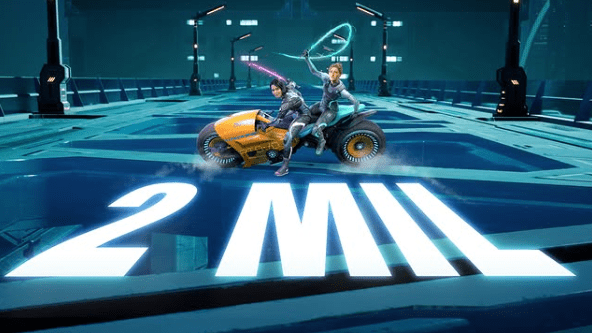
Split Fiction is the follow-up to Hazelight’s critically acclaimed It Takes Two (2021). It sold 2 million copies during its first week. Split Fiction was first announced at the 2024 Game Awards by studio chief Josef Fares, but began development immediately after Hazelight released It Takes Two. Like its predecessor, Split Fiction features dual protagonists who must work together, either locally (couch co-op) or online.
Split Fiction’s protagonists are named after Fares’ real-life daughters. Written by director and Hazelight studio chief Josef Fares and Sebastian Johansson, Split Fiction blends fantasy and science fiction, following a pair of authors trapped in the worlds they wrote. Split Fiction features unique gameplay mechanics involving split-screen combat, platforming challenges, and differing abilities for each character.
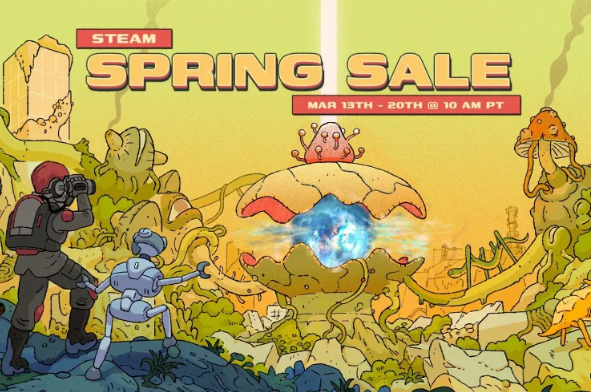
Spring starts early, thanks to Valve. Steam begins its annual Spring Sale, and while most of the games featured in this sale aren’t new, there are some classics you may consider purchasing if you don’t already own a copy.
You can pick up a copy of Square Enix’s Chrono Trigger in honor of the SNES RPG’s 30th anniversary. Cyberpunk 2077 is down to $42.76 (almost $40 off), which includes the expansion Phantom Liberty that significantly improves the gameplay. The 2016 Doom reboot is going for $1.99. I may have my eye on some deck-builder games. Slay the Spire is $6.24, while Inscryption is going for $7.99. Both of these games offer great mechanisms and blend in roguelike elements.
Steam’s Spring Sale ends March 20th so be sure to check out the store before then.
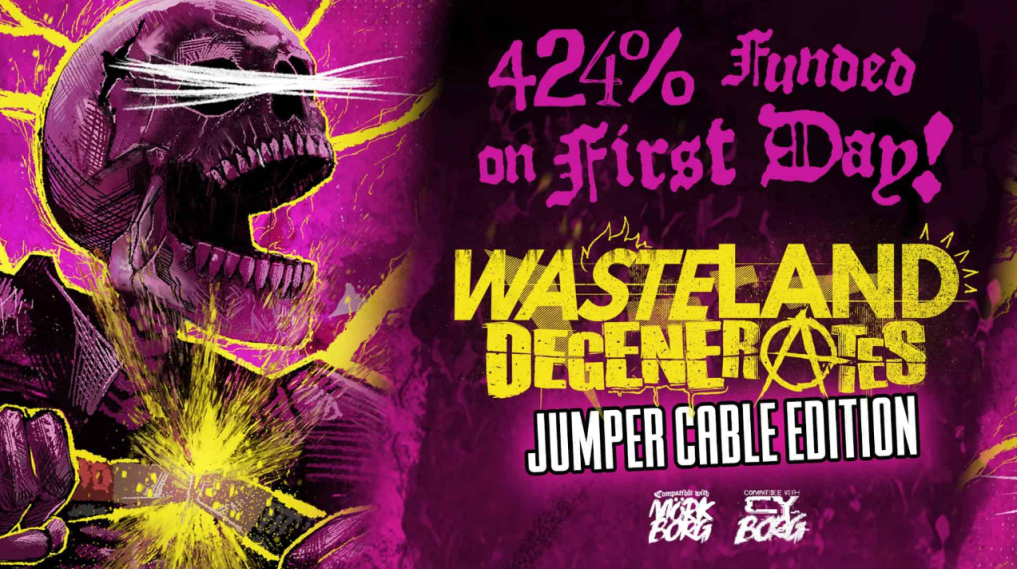
Tabletop Role-Playing Game Wasteland Degenerates launched on Kickstarter this week and was funded within hours. Wasteland Degenerates takes inspiration from the MÖRK BORG and CY_Borg systems. It features easy-to-roll-up characters, and dice rolls that can take out a character in seconds. If you want to explore the wastes, finding treasure from trash, and fight gnarly mutants, Wasteland Degenerates has you covered. While Wasteland Degenerates is based on, and compatible with, the award-winning MÖRK BORG and CY_Borg systems, it does not require any other books to play. You can learn more about this project on its Kickstarter page.
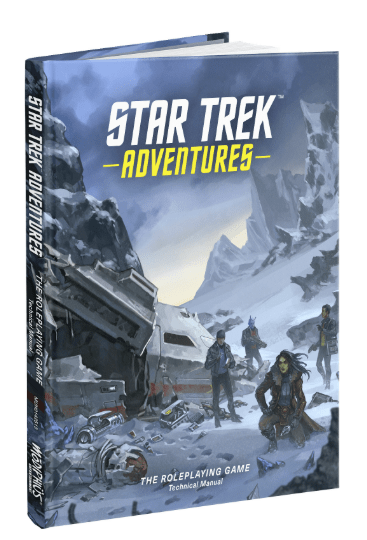
Take your Star Trek Adventures 2nd Edition RPG to the next level with the upcoming Technical Manual. Modiphius Entertainment announced that the new sourcebook will be released in June 2025.
This 129-page full-color hardcover book covers gear from across the Star Trek universe. The Technical Manual will cover details on Starfleet, Klingon, Romulan, Orion, and more technology. Add just about any piece of tech from the Star Trek universe, from universal translators to tricorders. The manual also details medical technology and the engineering elements of transporters.
The Star Trek Adventures 2nd Edition Technical Manual will retail for $46.23. You can order your copy of the base game and the Technical Manual by following this link.

Steamforged Games has a history of bringing several video game properties to the tabletop game space, and they continue by announcing a board game adaptation of the hit sci-fi shooter Helldivers II. Manning squads armed with pistols, machine guns, and flamethrowers, players protect Super Earth against alien threats. You’ll complete high-risk missions, navigate battlefields, and overcome enemy swarms.
The crowdfunding campaign will launch on Gamefound on April 8, 2025.
That’s all the geek news we have for this week. Thank you for reading, and wherever you are, I hope you’re having a great day.





Hey, hey! Kyra Kyle here. Valentine’s Day is a couple of days away, so I figured we would talk about video games for couples. Technically, any multiplayer game could work as a video game for couples. Plenty of shooters would work here. I even thought about adding Mario Kart; it just missed my list. And it also seems odd to rank any of these games, so I decided not to number them this time.

I want to include a game that doesn’t get as much attention, so I added Cat Quest 2. I hear that Cat Quest 3 has been released; I’m sure it’s good too, but I haven’t had the chance to play it yet. Cat Quest 2 is an adorable open-world action RPG. Couples join forces as royalty of the cat and dog kingdoms to save Felingard from evil forces. The premise screams lots of heart-pounding action and high fantasy, but Cat Quest 2 has the feel of a cozy game. Cat Quest 2 has plenty of battles and puzzles to appeal to several different players.

We needed at least one straight-up puzzle game for this list, and Snipperclips is that selection. Snipperclips is a physics game. Players must work together in creative and unique ways. You play as paper characters Snip and Clip and cut each other up to solve wacky puzzles by forming shapes out of each other. Snipperclips has a short runtime, the shortest of this list at about 4 hours, but it’s a fun diversion and can build communication skills in a goofy way.
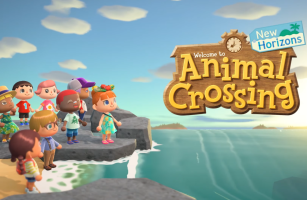
You’ll need two Switches to turn Animal Crossing: New Horizons into a multiplayer game but it’s ideal for long-distance couples. Heck. You don’t even need to be a couple. My family celebrated New Year’s Eve and other holidays on Animal Crossing: New Horizons while my oldest daughter was in Japan. I’ve even heard of some people getting married in the game during the pandemic. Animal Crossing: New Horizons has a relaxing pace, and its creative elements make it a great way to unwind and bond.
I could’ve added so many other cozy games like Animal Crossing: New Horizons. Stardew Valley just missed the list. If you want more romantic options, Sims 4 could work.

Ah! Who doesn’t love a little cooking chaos? Overcooked will test every couple’s ability to handle stressful situations, while wrapping it in the goofiest virtual kitchen imaginable. Overcooked includes levels where players must hop between two food trucks on the move, bake pizzas in a haunted house, and grill burgers in a fast-food joint ripped apart by an earthquake. Overcooked’s scenarios can become stressful but the over-the-top nature prevents anyone from taking it too seriously.
This is another game type where I struggled to keep the number of games to just one. I’ll mention the Moving Out series here; it’s filled with similar cheeky humor and puns and challenges players to help a family move out of a home.

I couldn’t omit the only game that tends to make its way to the top of every list of this type: It Takes Two. There’s a good reason for It Takes Two taking most lists like this top spot. The game’s central conflict is with a couple whose relationship is on the rocks and they need to communicate better.
Players take on the roles of wife May and husband Cody. The pair are on the verge of divorce and a little bit of magic (that I won’t spoil here) turns the family upside down at the beginning of It Takes Two. May and Cody shrink to a few inches tall. They’re made of clay, yarn, and other crafting supplies. Both characters have differing abilities so even if you make it through the challenging obstacles once, there’s a reason to play It Takes Two twice. It Takes Two was specifically designed for two players and it shows.
Those are the five games we have for this list, but there are plenty more video games that can be great for couples. I almost added Lover in a Dangerous Spacetime to the list too. Which video games do you play with your significant other? Let us know who you would add or remove in the comments. And wherever you are, I hope you’re having a great day.

We didn’t release a news post last week. We’re still figuring out how we’re going to cover Geekly News. This week, we’ll try a headliner story with other stories. Hey, hey! Kyra Kyle here, and we’re back with some Geekly News. Hopefully, I make some sense; I’ve been under the weather this past week.

The official teaser trailer for Fantastic Four: First Steps was released on February 5th. The trailer left me equally excited and nervous about the upcoming film. The new movie appears to be the most faithful adaptation of Marvel’s first family. The Thing looks comic book accurate; I watched the trailer multiple times to hear the click of his lips and clack of his fingers. And H.E.R.B.I.E.’s inclusion made me smile. Sure, the special effects look on-point, especially when we get our first glimpse of Galactus, but the teaser’s best feature is how the Fantastic Four interacted. This team has been doing the superhero shtick for a while. They behave like a family and not just because Sue uses the word family. The scene between H.E.R.B.I.E. and The Thing shows us the team’s family dynamic.
Just in case you missed the Fantastic Four: First Steps teaser trailer, here’s the official teaser:
Let’s cover some details from the trailer.

Prior to the trailer’s release, if you happened to log into the live feed, you would’ve seen a countdown sponsored by the Future Foundation. In the comics, the Future Foundation was created by Reed to better serve humanity’s future, and the Fantastic Four’s space suits resemble their Future Foundation super suits. Most likely, the group works for the Future Foundation.

The movie is set in the 1960s and showcases a retro-futuristic look. The Fantastic Four are headquartered in the Baxter Building, just like in the comics. The Baxter Building may or may not replace Avengers/Stark Tower in this alternate reality. Director Matt Shakman manipulates the aspect ratio (when the scene shifts to our first view of the Baxter Building) much like he did in WandaVision.

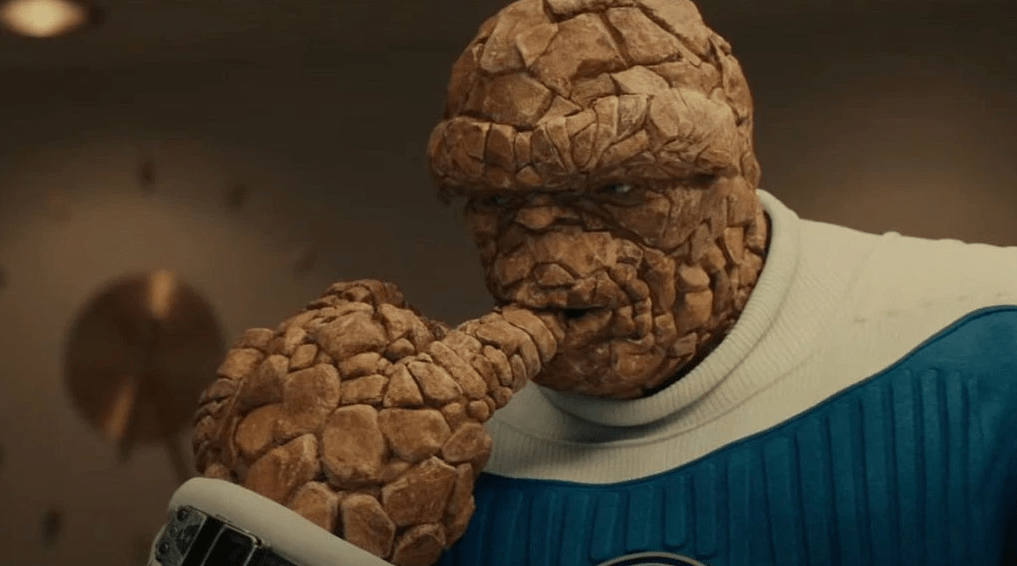
While The Thing does cook in the comics every once and a while, it’s fun to see the connection between Ebon Moss-Bachrach and his role in The Bear.

If you pause the scene where Reed works on an equation, you may notice a bridge to observe parallel worlds. This could explain how the Fantastic Four cross over into MCU’s reality.

The rocket the Fantastic Four takes in the trailer is known as Marvel-1. The Fantastic Four are indeed Marvel’s First Family. The company wasn’t even known as Marvel until after the group took to the skies in the Marvel-1. Fantastic Four: First Steps recreates the look of the original rocket.
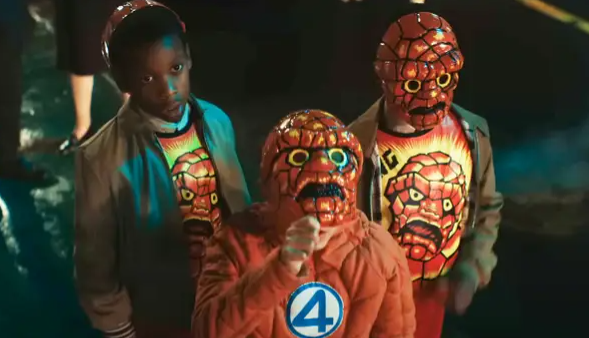
The Thing Halloween masks the three kids wear resemble a rare Thing face mask available in 1967.

The blue car that flies through the streets is most likely the Fantasticar. One can almost make out the name at the front of the car. The flying Fantasticar is the primary mode of transportation for the Fantastic Four.

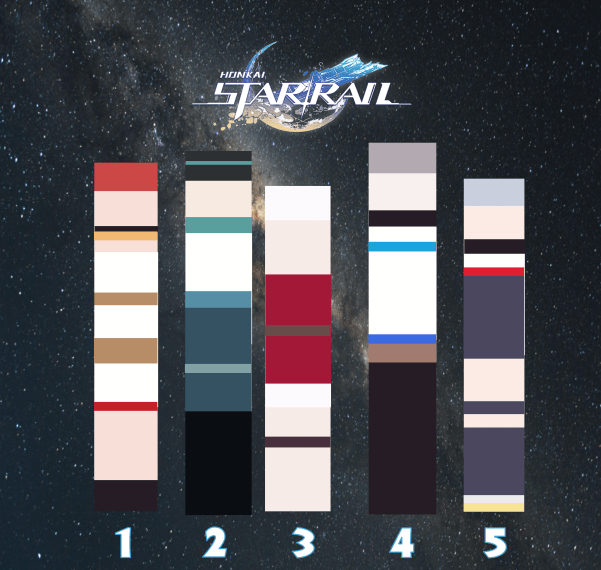
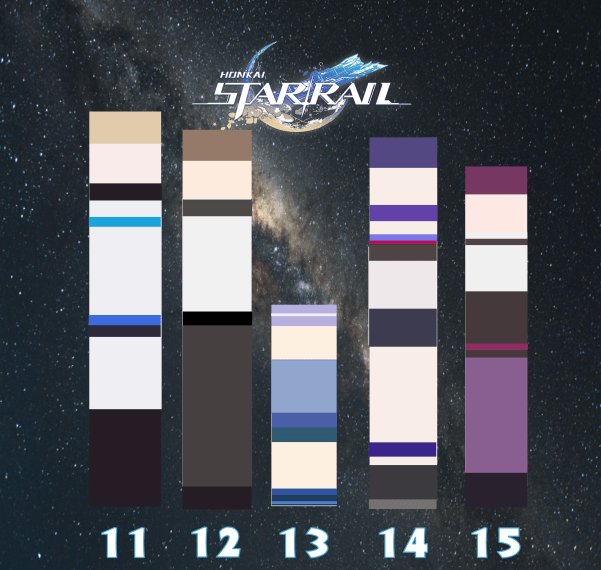
John Malkovich’s character makes a brief appearance and while the movie hasn’t announced who he’s playing, he’s most likely portraying Ivan Kragoff/Red Ghost. I was relieved. I just finished the Fantastic Four Color Palette Quiz for July and debated if I should include Red Ghost. I thought, nah, no one will know who he is and there’s no way he’ll make an appearance in Fantastic Four: First Steps. Looks like I may have been wrong.

We have a Galactus sighting. Yay! He looks comic book accurate, unlike the cloud in Rise of the Silver Surfer.

Finally, we come to the stage the Fantastic Four stand on during what appears to be a television appearance. I say television appearance because the stage looks like the famous stage that The Beatles performed on during their first performance on The Ed Sullivan Show in 1964.

Like I said, the trailer has me hyped and a little worried. Please. Let this movie be good. It must be good.

This is a developing issue and the latest addition to this geekly news break. Sony confirmed a Playstation Network (PSN) outage started on Friday, February 7th at 1900 EST. I’m writing this update on Saturday, February 8th, and the network is still down. Even if the outage returns before this post goes live, PSN would be down for over 24 hours.
The PlayStation Network outage impacts game sales, subscription sign-ups, and microtransactions across the PlayStation Store. Players can’t play live service games. This doesn’t just affect Sony. All third-party partners can’t sell games or content or run their live service games until the PlayStation Network returns.
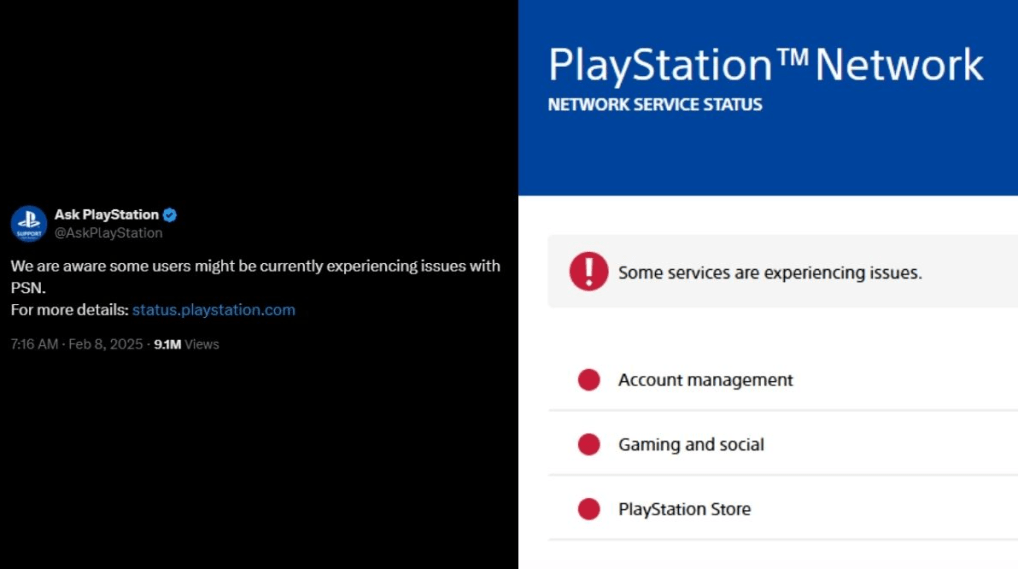
Sony gave a clipped and terse response on February 7th at 2043 EST. “We are aware some users might be currently experiencing issues with PSN.” The company didn’t give any updates or an estimate to when the servers will be restored. The company didn’t even announce that the outage was global. “Some users?” Try all users. If you’re still experiencing issues with PSN while reading this, be sure to check the PlayStation Network status page with this link.
This PSN outage of at least 24 hours marks the longest PSN outage since the infamous 2011 PlayStation Network outage. Back then, the PSN had been out for 24 consecutive days because the system got hacked. Hopefully, this outage doesn’t last as long as the 2011 outage or have as many repercussions.

This news is a bit late, but Azur Promilia, one of my most anticipated video games of 2025 (and my most anticipated Gacha video game of 2025) missed its release date of January 25th. You may be asking, “Azur Promilia. What’s that?” Let’s discuss what the game is and what this delay could mean.

Azur Promilia is an upcoming Gacha game by Chinese publisher Manjuu. Players recruit characters and form teams like Genshin Impact, sprinkle in some light farm simulation like Harvest Moon, and each character receives boosts from pets you can raise like Pokémon. You can breed these creatures that help you in combat. We don’t know if these critters inherit stats from their parents. If that’s the case, it could reduce the amount of grinding needed in a Gacha. Fingers crossed.

What we do know is there will be mounts, even flying mounts, to traverse a vast open world. The translation (into multiple languages to include English) is complete. The game will have a simultaneous launch (every region will get the game on the same day). It uses a free-to-play Gacha model. And pre-registration is open. You can pre-register for Azur Promilia on the game’s home page. Follow this link.

In short, we don’t know. Chinese video game companies apply for a release date a year in advance. Manjuu applied for Azur Promilia’s license on January 25th, 2024, which means the company needed to release the game on or before January 25th, 2025. The cost to apply for a video game release is hefty. There is a chance that Manjuu applied for an extension for their current license, or they may have to reapply. Either way, there has been little word from Manjuu since Azur Promilia missed its release date.
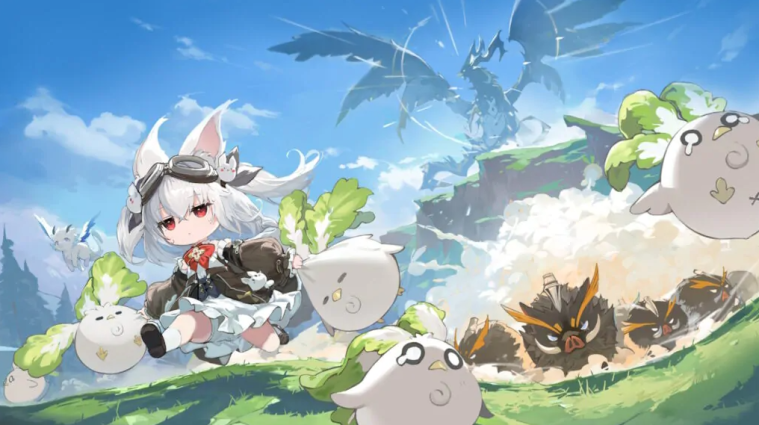
Here comes some speculation. You’ve been warned. Since Manjuu has gone radio silent and China is in the middle of a holiday season, Azur Promilia will be released in April 2025 at the earliest. There is a chance that the game could be released next month (March 2025), but Manjuu will need to ramp up its promotion for Azur Promilia in advance of the game’s release. I wouldn’t mind streaming the game if Manjuu would like to send Geekly a key. Just saying.
If we hear something from Manjuu about a new release date in the next week, great. There’s a chance for a March release. If we don’t, I’d expect an April 2025 release date or later. I’ve been waiting for Azur Promilia for months. It looks fantastic. I can’t wait to get lost in another stunning world. Plus, dragons. I want my dragon mount already.

The 2024 version of Dungeons & Dragons Monster Manual will be officially released on February 18th, 2025, but many local gaming stores have had hard copies since February 5th, 2025. I know that the previous sentence doesn’t make sense. The 2024 version of D&D’s Monster Manual releases in 2025. All I can do is shrug. Publisher Wizards of the Coast has an odd release schedule for the 2024, 50th Anniversary Dungeon & Dragons core set.

The 50th Anniversary Dungeons & Dragons edition makes some changes to D&D 5th Edition. Think of it as 5.5 Edition. It caters to new players and streamlines certain aspects of 5th Edition. If you pre-ordered the book, you can pick up your copy. If you didn’t pre-order your copy of the Monster Manual, most local gaming stores will have additional copies. And if you haven’t picked up the rest of the core set (Players Handbook and Dungeon Masters Guide), you should be able to pick up the 50th Anniversary Dungeons & Dragons core set in its entirety. Happy gaming!
And that’s all I have for you this week for Geekly News. Thank you for reading, and wherever you are, I hope you’re having a great day.

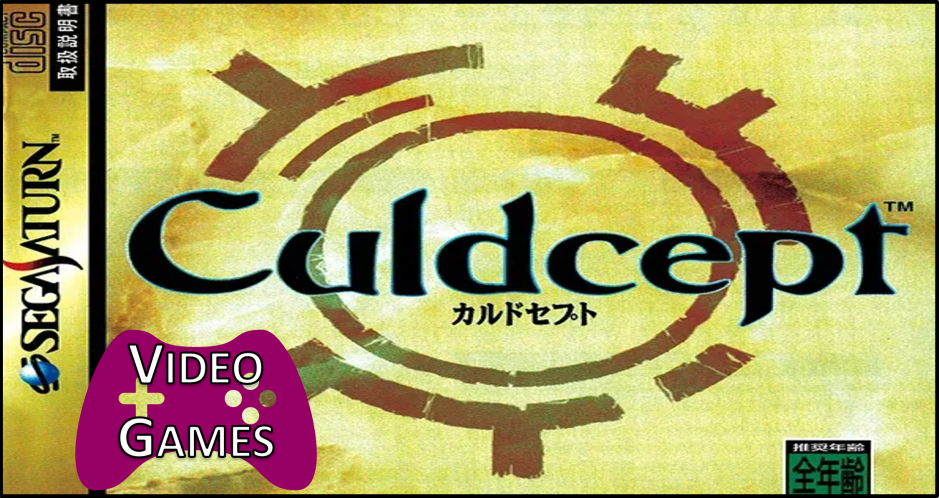
Culdcept has titles spanning nearly two decades. It has a manga series. It’s difficult to find Western copies. Discard your card and let’s play a round of Culdcept.
Hey, everyone! Season here. We’re trying something new this week with Video Game Cult Classics. This week, we’re focusing on Culdcept (or Karudoseputo in Japanese). The basic premise of Culdcept is Monopoly meets Magic: The Gathering in video game form. The first installment was developed in 1997 by Omiya Soft. For a video game to make this series, we’re going to consider its reception, relevance, and accessibility. Since Culdcept is predominantly a deck construction game, we’ll start with the different types of cards before jumping into gameplay.
Note: Most of the images are from the Culdcept Revolt wiki, but some will be from Culdcept Second (which will be labeled).

Before we jump into card types, Culdcept has a card rating system (how easy cards are to obtain). After a match, cepters (players) receive “card packs.” The number of cards contained in each pack varies depending on whether the cepter won or lost. In Culdcept Revolt, cepters may also purchase card packs outside of matches. The different ratings a card can have are normal (common), strange (uncommon), rare, and extra (ultra rare). Extra cards are powerful and may only be obtained after meeting certain conditions within the game.
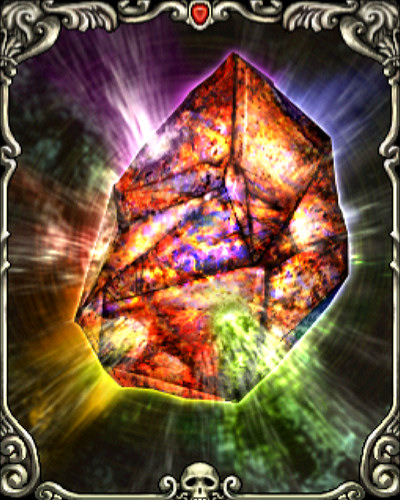
Below, we have “Rainbow Piece,” an extra item card obtained after defeating a specific cepter in story mode of Culdcept Second.
Now that we’ve got obtaining cards and their rarities down pat, let’s take a look at the categories of cards. Culdcept has three basic categories of cards: creatures, spells, and items. We’ll start with creature cards.
Creatures claim/defend land and attack/defend against other players. They’re essential for collecting tolls and fending off your opponents. Each creature card will have ST (strength), HP (health), MHP (max health), and G (cost). Some creatures will also have an element symbol or card symbol as part of their G. This means you must own the number of required land and/or discard a card from your hand to place that creature.
Some creatures will have “land limits” (types of lands they can’t be placed on) and “item limits” (items they’re unable to use in battle). Each creature card will have a different colored border, denoting their element. If the cepter places a creature on a land of their element, they’ll receive a land effect, meaning they’ll get bonus HP and ST from that land during battle. This excludes neutral (gray) creatures unless they have an effect that states otherwise.
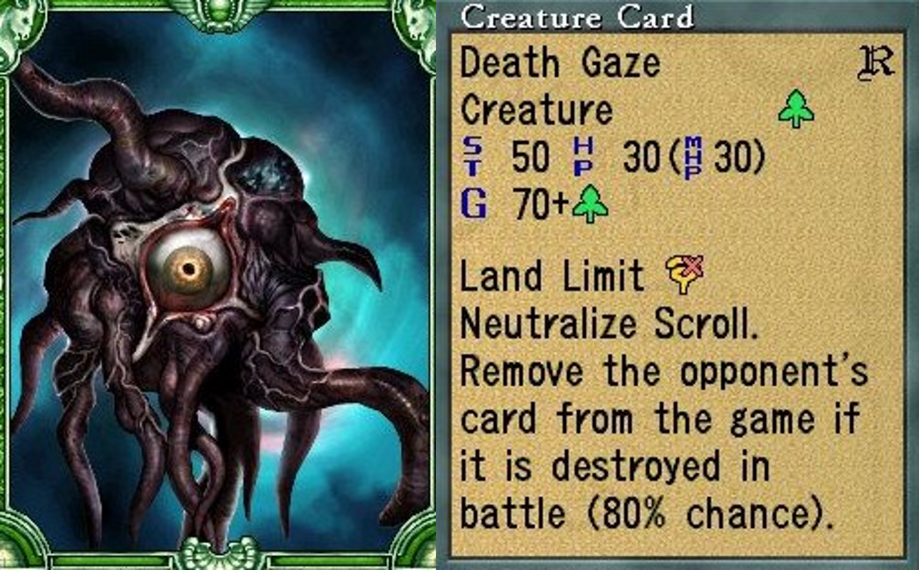
Below, we have a “Death Gaze.” It’s a rare earth creature. It has ST: 50, HP: 30, MHP: 30, and G: 70+ you must own at least one more earth land to place “Death Gaze.” The printed “Land Limit” shows that “Death Gaze” cannot be placed on a wind land. The “Neutralize Scroll” effect means that it’s impervious to scroll attacks.
Spells can either help or harm the casting cepter. They can be used offensively to steal magic (more on magic during “Gameplay”) from other cepters and harm their creatures or defensively to protect the casting cepter and their creatures from their opponents. Some spells have area effects, alter lands, and affect movement. Spells may have different symbols that denote which aspects of the game they affect. In Culdcept Revolt, there are “secret” spells, which aren’t revealed until they’re played. More on that later.
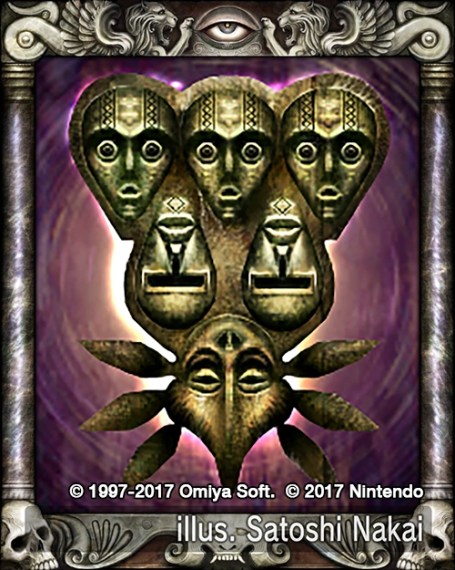
The spell below is “Holy Word 6,” which allows a cepter of the caster’s choice to have a fixed die roll of 6 on their next roll phase.
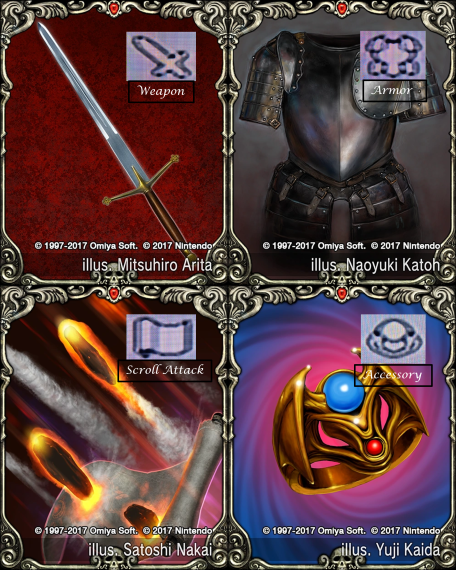
Items can be broken down into four types: weapons, armor, scroll attacks, and tools/accessories. Weapons and armor can both affect a creature’s ST and HP stat. Weapons tend to provide more strength and armor tends to provide more HP. Scroll attacks give a creature a fixed strength and can have different effects, such as critical hits to certain types of creatures and can ignore items that neutralize attacks. Tools/accessories can do a variety of things. They can neutralize attacks, penetrate (remove land effect buffs from creatures), give a creature first attack, and destroy/steal the opponent’s item. There are probably more effects we’re forgetting. Some creatures may also double as items, which is described in their effect text.
Cepters (players) draw a card, roll two 6-sided dice, and move around a board, placing creatures and paying/collecting tolls as they go. Each installment of Culdcept has different variations and add new mechanics. For this write-up, we’re going to focus on Culdcept Revolt (2016), since it’s the most recent installment.
At the beginning of a cepter’s turn, they draw one card from their book (deck). Each cepter can hold a maximum of six cards in their hand and must discard down if they draw a seventh. If they are holding any spell cards in their hand, they may play one per turn if they have enough G (cost). Culdcept is played with player hands revealed except for “secret” spells, which aren’t revealed until they’re played.

Next, the cepter rolls the dice and moves the number of spaces on the dice. If the cepter rolls a symbol on one of the dice, it equals zero. Rolling symbols on both dice equals twelve. Land tiles are elemental and may be either vacant or occupied. The different types of land tiles are air (yellow), fire (red), earth (green), water (blue), morph, and multi-elemental. The former four are more common and provide land effects to creatures corresponding with their matching element. Morph is a neutral land tile that transforms into the element of whichever creature is placed there. In Culdcept Second, these are neutral tiles and remain neutral even after a creature is placed there. Multi-elemental provides land effects to creatures of any type but won’t provide a chain effect. More on chain effects later.

There are also many types of special tiles cepters may land on. We won’t go in depth here, but we will give a brief overview of them.

Gates are represented by N, S, E, and W. They must be passed to collect magic to win the game.

Warp and Bridge tiles are similar since they send cepters to another location on the map.

Fortune Teller lets cepters choose creature, item, or spell, and gives the cepter one of the selected options at random from their book.

Spell Circle allows cepters to choose one of two spells presented, which is cast instantly, free of charge.

Card Shop allows cepters to purchase one of four cards for 20G.

Path Switch alters the path on the board for cepters, like a mine cart junction.
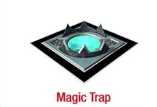
Magic Trap with either steal magic from cepters or give cepters all of the magic it has depending on what the cepter who landed on the tile rolls (1-6).

Siege Tower allows cepters to invade any land or occupy any vacant land with a creature from their hand.

Gem Store allows cepters to sell, buy, or steal Element Gems from one another, which can be used to enhance the element they’re assigned to. This increases the value of an element for a player. Cepters choose one element for the Element Gem’s rival (this element’s value decreases) and one element for the Element Gem’s ally (this element’s value increases). Element Gems are one of the more complex aspects of Culdcept Revolt and could be an article on their own.

Once a cepter lands on a tile, they will either perform the effect of the special tile, place a creature on the land tile if it’s vacant, summon a creature to battle on the land tile if it’s occupied, or use territory commands.
If a cepter places a creature on a vacant land of an element they already own, a chain happens. Chaining raises the toll of that cepter’s lands if the lands occupied are the same element. So, if a cepter has two water lands and one fire land, the two water lands will be chained, raising the toll fee of that cepter’s water lands. The fire land will not be affected until that cepter places a creature on another vacant fire land. Chains don’t apply to multi-element lands.
Battles are fairly straightforward. If a cepter lands on a land tile occupied by another cepter, they may summon a creature to invade the opposing cepter’s land. The creature chosen must have its requirements met before being summoned, such as G, discarding a card, the number of adequate lands are occupied by the summoning cepter, and land limits.
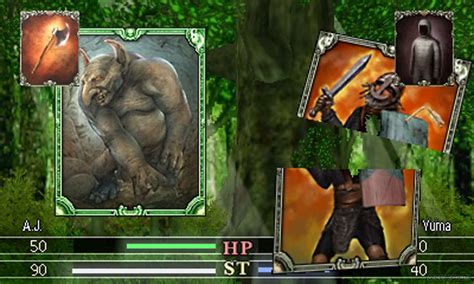
The invading creature attacks first (unless the defending creature has the “first attack” effect), dealing damage equal to its ST to the defending creature’s HP. Each cepter has the option to choose an item to use in battle. Even if an item isn’t used the backside of a blank card will lay in the upper left or right-hand corner of either creature card until the battle commences.

If an item is used it will remain in the upper left or right-hand corner of its respective creature card and its effect will occur. If a creature has a pre-battle effect, such as critical hit, that will go into effect. If a creature survives the battle and has an effect post-battle, that will go into effect before exiting the battle screen and returning to the board. If the invading creature wins, the land will be taken over. If the defending creature wins, the cepter who landed on the land will pay the toll. If both creatures get destroyed, the land becomes vacant.
Territory commands can range from leveling up lands to doing a myriad of things with creatures. They may only be available for territories the cepter has passed during their move phase. All may be accessed if the cepter lands on a gate. Lands can be level one through five—five being the highest. Cepters must pay the appropriate cost in G before a land can be leveled up. Cepters may also exchange the creature currently occupying a land with one from their hand or move a creature to an adjacent land (except for defense creatures that can’t be moved). If the adjacent land is occupied, a battle ensues. Otherwise, the creature occupies a new land. If a creature has a territory ability, the ability may be used. The game ends when whichever cepter collects the required magic power first.

Phew! That wasn’t nearly as in depth as it could have gotten, but I’ll spare you the nitty gritty. The game itself teaches new players more slowly, so it’s not nearly as much of an info dump as my breakdown.
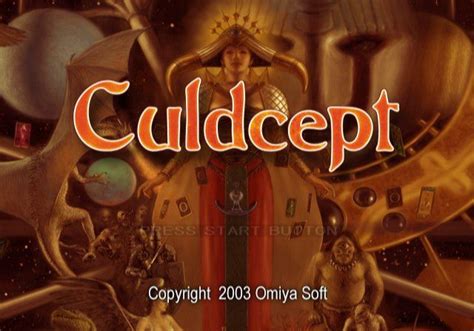
Culdcept was more of a hit in Japan than in Western countries. The original Culdcept doesn’t have an official translation. However, Culdcept did get released as Culdcept DS in 2008. Culdcept also released during the middle of the collectible card game (CCG) boom of the ‘90s. It came out one year after the Pokémon Trading Card Game (1996) and two years before the Yu-Gi-Oh! Trading Card Game (1999). Culdcept Second got an official translation and was released in North America in 2003 for PS2. This is the iteration of Culdcept I’m most familiar with. However, Culdcept Second still wasn’t very popular and sold roughly around sixty-five thousand copies globally. Culdcept 3DS released in 2012 in Japan, but this is similar to Culdcept Second. Culdcept Revolt incorporated an online element. This garnered Culdcept Revolt more popularity than its predecessors and it included elements to streamline the game.
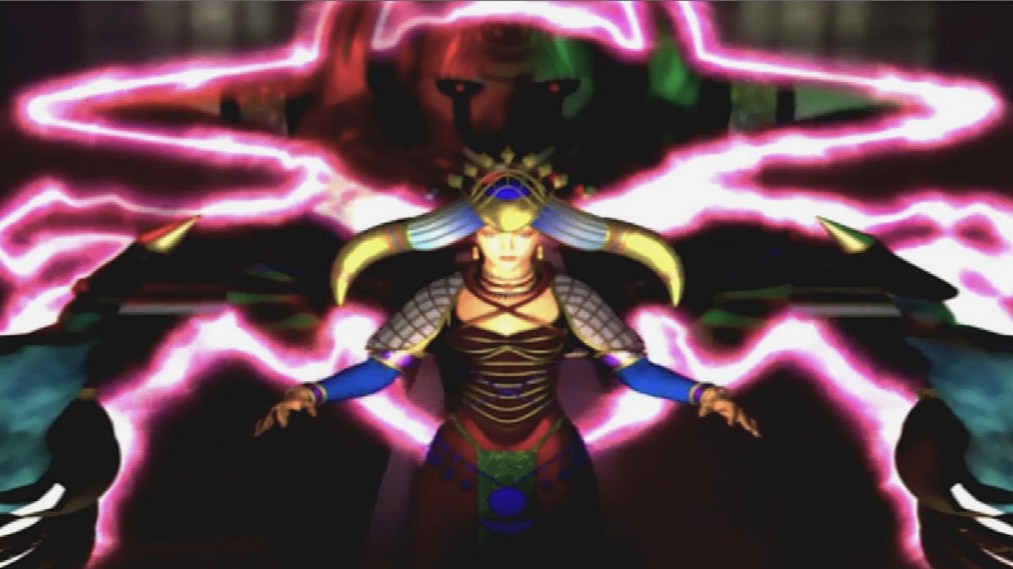
Since Culdcept released as a video game hybrid of popular tabletop games, you’d think it’d have a wider fanbase. I’m not sure why it’s an obscure series, but I can hazard a guess. OmiyaSoft wanted to jump on the CCG bandwagon with a video game resembling a CCG. Culdcept got sandwiched between two popular titles during that time. Yu-Gi-Oh! (the manga) began serializing in 1996 and Pokémon (the anime) started airing in 1997. Culdcept likely got overshadowed by these two titans and faded into obscurity.
The publisher, Omiya Soft, is a small, not well-known publisher outside of Culdcept. To their credit, Culdcept lasted for almost twenty years. They had enough dedicated fans to continue producing games. On their website, they advertise themselves as a variety publisher. They haven’t released anything since Clash! Hani World in 2017, which is only available in Japan.
I mentioned the manga at the beginning of this write-up, so I’ll cover the manga’s reception here. The Culdcept manga was serialized from 2004-2006, between the releases of Culdcept Second and Culdcept Saga, shortly after Culdcept Second became available in North America. I didn’t know it had a manga even though it was published in English by Tokyopop, which is a well-known English manga publishing company. Regardless, even the manga had a short shelf life.
If you’ve read this far and are thinking about picking up a copy of Culdcept, you’re probably asking, “Where can I find it?” Your local used video game store likely won’t have it unless you luck out. Folks sell used copies of various Culdcept titles on eBay and Amazon. The downside to getting these titles online is that they could be damaged, and you’d have to take the disc to get refurbished. Culdcept Revolt still has some new copies on the market, but their numbers are dwindling. If you want to get your hands on the original Culdcept, I recommend having a Japanese PS1 or PS2 to go with it if you’re able to find one. These aren’t the easiest games to find and the prices for English copies vary between $25-$200 USD. Maybe more, depending on where you look.

If you’re a fan of strategy and card games, I highly recommend Culdcept. I find the game charming and enjoy the different playstyles of each CPU within the game. That’s right. Unlike games like Yu-Gi-Oh! Duel Links, where each CPU has different decks, but employs a similar playstyle, CPU cepters have their unique playstyles that match their personalities and deck type. Some of them take over every land they see while others invade when they’re certain they can win. They can be predictable if you’re used to facing the same cepter, but they’ll sometimes leave you scratching your head.
Much of the information regarding Culdcept Revolt was found on Culdcept Central. If you want more in-depth guides for each game and deck strategies, please check them out.
What’s your favorite deck/strategy in Culdcept? If there are any cult classics you’d like to see covered in future posts, let us know in the comments. Thanks for reading and have an amazing rest of your day.

8Hey, hey! Kyra Kyle here. We haven’t covered video games for some time, and I figured we would start with a top 5. This week’s top 5: video game pets. Cuteness overload is incoming. Limiting video game pets to just five is difficult, so we’ll have a couple of honorable mentions. I also didn’t want to include only dogs and horses; video game dogs and horses could fill an entire list each (future list idea). But we will see at least one (sort of) dog on this list.
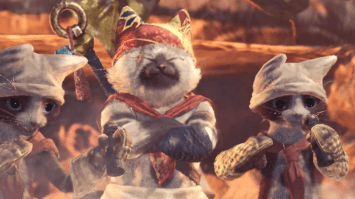
I never know if palicos count as pets or not; I love them as characters, but they may be less pets and more of a species of humanoids. The Monster Hunter series muddies the waters with palicos. Some palicos are your faithful servants and present little more than their servitude to the player character. Other palicos have jobs (like the Meowscular Chef in Monster Hunter World, he must have a wife and kids at home to support) and the Monster Hunter Stories series shows palicos as having a culture separate from humans. Many people still classify palicos as pets, but their ambiguity makes them just miss this list.

Pokémon, like horses and dogs, can fill a list by themselves. And which Pokémon should I pick? Pikachu is the obvious representative Pokémon. He has his own Macy’s Thanksgiving Day Parade balloon. But that’s reductive. I’ll include Pokémon as a video game pet type, but these critters deserve a list for themselves. Maybe even a Top 10 Iconic Pokémon list.
With Pokémon, horses, and palicos eliminated (and dogs for the most part excluded), how many video game pets are we left with? A lot. So many that I could make a Top 10 if I wanted, but these are the ones that made the Top 5.

Cheater! I can hear some of you Castle Crashers players now, you’re a cheater if you use Rammy. I say, you still have to unlock him after the bear boss. And he’s a cute orb-shaped ram. And who doesn’t like a ram charging through a side-scroller beat ‘em up game, knocking down every monster they meet? If Rammy is cheating, then I don’t want to play honorably. Charge away, Rammy. Charge away.
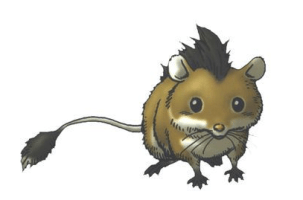
This one is esoteric. It took me a while to think of Munchie from Dragon Quest VIII. I vaguely recalled a pet mouse who rode in the main character’s coat pocket, and the only thing I could remember was that Munchie had a mohawk and liked to eat cheese and certain cheeses gave him special abilities. All of that is true (to be precise, Munchie is a pig rat), but Munchie was central to advancing Dragon Quest VIII’s plot. The game has several moments where the player controls Munchie as he conducts reconnaissance.
Munchie often procured keys to enter or exit rooms, gathered intelligence to better interact with NPCs, and even scouted ahead before major battles. Munchie may also be a little of a cheat for this list. While he spends most of the game as your pig rat pet, he’s much more than that. I won’t spoil any of the story here—Dragon Quest VIII is well worth the play and it’s available on plenty of platforms—but there’s a lot more to Munchie.
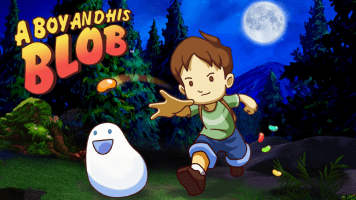
A Boy and His Blob uses a common 1980s movie trope of a boy befriending an alien (like E.T. the Extra-Terrestrial and The Last Starfighter), but that doesn’t discount the titular blob as a pet. And it’s one heck of a pet. I’m sensing a theme here with these video game pets: they’re useful. Rammy helps you cheat and Munchie progresses Dragon Quest VIII’s story. The Blob from A Boy and His Blob can transform into various objects (to help the player solve puzzles) by eating different flavored jellybeans.
The original A Boy and His Blob is at best unbalanced, but the concept is neat. I like the idea of a blob morphing into a ladder if fed a licorice jellybean or a parachute if it eats a pear jellybean. The other combinations are fun: tangerine (trampoline), berry (balloon), and punch (hole). But my favorite had to be apple and jack. I see what you did there, A Boy and His Blob. And of course, coconut transforms the blob into a coconut. Were you expecting anything else?
A Boy and His Blob got a sequel in 2009, but I wouldn’t mind some more time with this property. Not going to lie, I ate more jellybeans after playing this game. What would a Buttered Popcorn Jelly Belly turn me into?

Rush from the Mega Man Series is our one dog-like pet on this list. I could’ve gone a different direction here, but I don’t think Rush gets enough love. So, what if Rush makes another list in the future? He’ll make a future Top 5 video game dogs list. He’s Mega Man’s best buddy.
Rush continues our trend of pets who have multiple uses. Throughout the Mega Man Series, Rush has been a coil (trampoline), a jet to cross long pits, a submarine, a spaceship, a flashlight of sorts (with its “Search” function in Mega Man 7), and a motorbike to name a few. Mega Man’s Rush bridges the gap between a pet that can help in a fight or solve a puzzle and one that aids with pushing the story further. The first two Mega Man games are two of my favorite games from that era of video games, but those two games have a lack of Rush.

Could it be anyone else? Even if I included Pokémon, horses, and all video game dogs, Yoshi from the Super Mario Bros. series would still take the top spot. Heck, I named my dog after Yoshi the dinosaur. And who wouldn’t want a dinosaur as a pet?
Yoshi may be the one character on this list who doesn’t need an introduction. Most people know them and their abilities. Like Rush, Yoshi has done it all. They’re even one of the few characters on this list that have had their own video game series. They’ve had more than one.
You’re probably wondering why I keep referring to Yoshi as they; Yoshi is a sapient species of dinosaur-like creatures. They can lay eggs, which suggests that they’re female, but most people refer to the Yoshi one finds in Super Mario World as he. Yoshis (or Yoshisaurs) blur the line between male and female. They can be both or neither.
I also loved playing as Yoshi in the original Super Mario Kart. I got pretty good at managing their fast acceleration and the fact that they couldn’t take too much damage without getting knocked off course. Yoshis come in different colors. Some of these colors depict different abilities, but usually, these colors are cosmetic. Whatever their color, Yoshi rules.
Which Yoshi is your favorite? Did we miss any video game pets that aren’t dogs, horses, or Pokémon? Let us know in the comments. And wherever you are, I hope you’re having a great day.
 jkgeekly.com