My Favorite Gaming Element for Apex Legends

Your uncle Geekly has tried out the latest battle royal craze Apex Legends and I like it despite loathing the genre. I’m more of a solo experience video gamer. Give me a story and characters I can invest in and I’m happy; multiplayer games don’t usually do a lot for me. Battle royal games and the chaos they bring do even less for me, but I’m surprised by Apex Legends’ focus on teamwork.

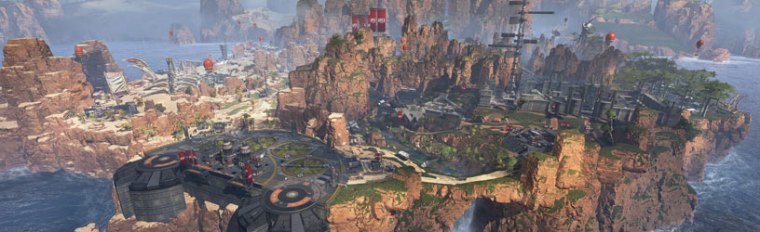
Everything about Apex Legends screams that the players must work as a team. When players jump into the map, they do so as a team and that shows the emphasis on team play at each game’s beginning. I’ve heard on some message boards that Fortnite players dislike being forced to jump as a team, but Fortnite is every player for themselves. Sure, there is a squad (or team) option for the game, but it pales in comparison to the every person for themselves game mode. Apex Legends’ squad play outshines Fortnite’s most likely because players jump as a team.

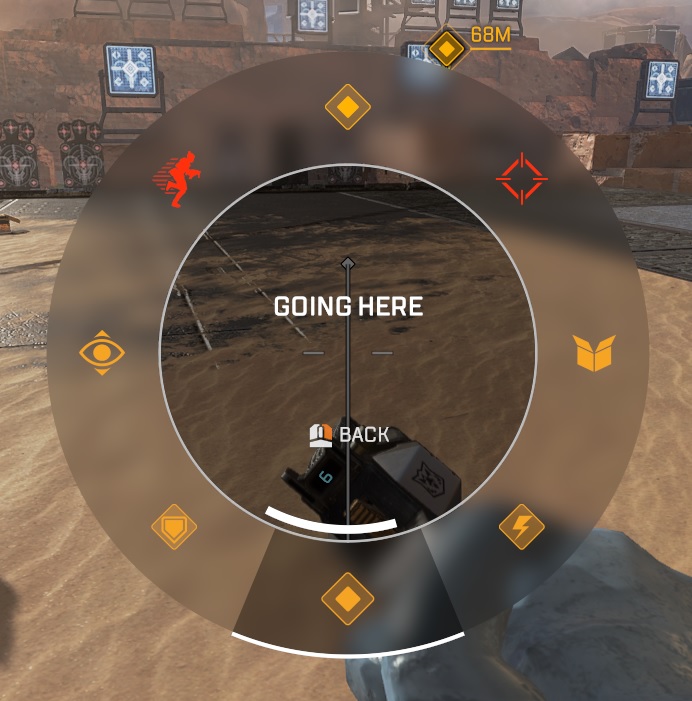
Apex-Legends-Ping

The communication system, or ping system, works like a charm. The Gears of War series may have instituted a ping system, but Apex Legends gets it right. Players don’t need to use mics if they don’t have them. Heck. Even if they do have them, they may prefer to use the ping system. If you see a shield or gun a teammate can use, ping it so the item shows up on their map. If you see an enemy on the next ridge, ping the location so it shows up on your teammates’ map and you can converge on the enemy. Players can even ping one location for their teammates and another for themselves—you go here, I’ll go here—and a team can formulate a pincer attack in near real time.

Can Apex Legends be played by oneself? Yes, but not well. I’ve had teammates drop out because of server issues—of which there have been a lot since the game’s launch—and ended up in a solo team. I’ve made it to the final three squads in several of these instances, but when the game gets tight, more firepower is needed, firepower that won’t exist if a player is by themselves. The closest I ever got to winning a game as predominately a solo squad was second place with one other combatant standing. That’s not saying that Uncle Geekly’s good at Apex Legends, in fact, I strive for mediocrity, but my point is that one can’t win the game that easily going solo.

featured-apex-legends-ping-system.jpg

More than any other battle royal game—on the market today—Apex Legends focuses on a team dynamic and if I’m going to play a multiplayer game, I prefer a team atmosphere. I could carry this team mentality further and discuss Overwatch at length and how the character selection screen breeds discontent while Apex Legends has a more relaxed feel, but let’s say that the concept of team shines through most of Apex Legends and that’s where players will find the fun. If you prefer team based multi-player games, you may enjoy Apex Legends.

Do you agree that Apex Legends is a good team battle royal game? Do you have a character that you prefer to player more than another? Let us know in the comments.

3 Lists of 3 Video Game Characters

Some video game characters get all the love. Some don’t get enough. Your uncle Geekly wants to even things out a bit with this week’s three list of three. I could also use some costume ideas so don’t be surprised if you see me dressed in a primary color jump suit—or two.

Underrated Video Game Characters

Princess_Zelda.png

Zelda

Yes. A famous video game series shares her name, but how many people have you seen point to the guy dressed in a green elf costume and say Zelda? That’s Link. Link gets all the attention, but he’s also the more static of the two characters.

Zelda has been portrayed in so many ways. She even gets in on the action as her alter egos Sheik and Tetra every once and while. She’s been the leader of sages and even a goddess. Link rocks the same kind of outfit game after game, but gamers don’t know what they’re going to get with Zelda. She may even be a ghost.

Ness

Ness

Many gamers would consider EarthBound (1994) or Mother 2 in Japan as one of the best RPGs to come out for the SNES, but many more of them don’t remember who the main character of the game was. Ness is a 13-year-old boy with psychic powers.

Sure, there are other characters gained along the way in EarthBound, but Ness is the players first and strongest, and a lot of the game’s character comes from Ness.

DrRobotnik_Eggman

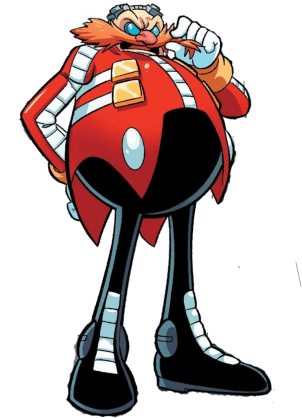
Dr. Ivo “Eggman” Robotnik

Most gamers know of Mario’s Bowzer, but Sonic’s Dr. Eggman goes unheralded. It’s a shame. He may come off as a mad scientist clone, and he is for the most part, but Eggman wants to conquer the world, so he can install his ultimate utopia, the Eggman Empire.

A lot of other mad scientist types have had a similar motivation of wanting to rule the world because they’re the best person for the job—Doctor Doom comes to mind—but that doesn’t mean it isn’t a good motivation. What’s Bowzer trying to do most of the time besides kidnapping a princess?

Overrated Video Game Characters

MasterChiefHalo

Master Chief

First off, Master Chief isn’t a Master Chief in the navy. That’s an enlisted rank (a very high enlisted rank), not an officer’s.

Second, you can take Master Chief out of Halo and no one would miss him. He may as well be Jeff Johnson or John Jeffson. My apologies to any Jeff Johnsons or John Jeffsons who may be reading this.

Halo’s multiplayer mode is what most gamers play this game for. They aren’t looking for story, and Master Chief isn’t much of a character.

HalfLife2_GordonFreeman

Gordon Freeman

The whole point of Half-Life 2’s protagonist is that he’s a blank slate, but if he’s a blank slate, only defined by the suit he wears, he isn’t much of a character. He’s kind of like Master Chief in that sense. Cool suit. Great abilities. What’s your name again?

Iron Man detractors claim that Tony Stark wouldn’t be anything without his suit, but he’d still be rich, a genius, and have plenty of personality. Gordon Freeman is none of those things.

Kratos

Kratos

2018’s God of War notwithstanding, Kratos was a bloody He-Man for the modern era. Gamers knew he’d lost his family—which was explained more in the most recent God of War—and that’s most of what they knew about him. Kratos was an excuse for a muscle-bound, over-sexed man to tear apart some Greek gods.

He received the post-hero treatment in 2018’s God of War and while it was a refreshing take on the character, it could’ve carried more weight if there was more to the character prior to that offering.

Video Game Sidekicks

GarrusMassEffect

Garrus

Yeah, this turian may take offense with being called a sidekick, but he deserves to be on this list. He’s the only squad member available to Shepard in each Mass Effect game, he survives a rocket to the face, and he and Shepard have a special bond.

Get your head out of the gutter. Hmm. They could have a “special bond” if you play the game a certain way, come to think of it. Anyway, one of the most satisfying moments in the Mass Effect series is watching the two pal around and watching their relationship grow.

Luigi_SuperMarioBros

Luigi

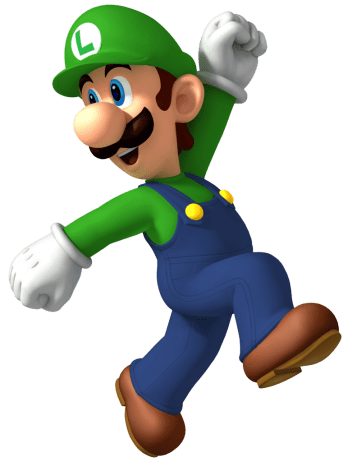
He’s always number two to Mario’s top banana, but Luigi doesn’t complain, not even when Nintendo named him Luigi Mario. I guess that would make his brother Mario Mario. Man, that’s a terrible name.

Give him a vacuum to suck up ghosts and he can be a main character. A gamer may want to play as him in Super Mario Bros. 2, and I never minded letting my younger brother take the controller during the original Super Mario Bros., not telling him where any of the shortcuts or secrets were, and then use them after he lost a man. Ah, memories.

Sparx_SpyroTheDragon

Sparx

I had to put Sparx from Spryo the Dragon on here because so many of my family members love that game, and Sparx doesn’t get much love. I also don’t like it when games force a player to run over every little gem or coin or ring. All you’ve gotta do is get close to a gem, and Sparx picks it up for you.

Sparx also represents one of the cleverest ways to denote health in a video game. He changes color, gets dim, as you take damage and disappears when Spyro has one hit point left.

Yep. I’m sure I missed the boat on a lot of these characters. Please direct your complaints to our intern Jeff Johnson—or is it John Jeffson—or let me know which video game characters you’d choose by leaving a comment.

3 Lists of 3 Mini Games in Video Games

There are some mini games—small games within larger one—that are more fun to play than the original video game in which they’re found. Mini games are so pervasive in video games that there are some video games that are nothing but compilations of mini games. Uncle Geekly’s looking at you, Mario Party and Wario Ware.

But which mini games are the best in the business? Which ones are ones someone could play for hours on end without finishing the main questline? Your uncle Geekly will give you his answer with this week’s 3 list of 3.

Great Mini Games

geometrywars

Project Gotham Racing 2 (Geometry Wars)

Geometry Wars had its humble beginnings in the popular racing game Project Gotham Racing 2 as a hidden joke. The designers threw in this minimalist retro puzzle game, and it became so popular that it received a standalone release, Geometry Wars: Retro Evolved.

This twin-stick space shooter had such addictive gameplay and stunning visuals that gamers didn’t care about the game’s uncompromising difficulty. Slap me around and call me novice.

supermonkeyball_monkeytarget

Super Monkey Ball (Monkey Target)

Rolling monkeys inside giant, transparent spheres is no easy task. I never got into Super Monkey Ball’s main game, but I’m up for a multiplayer game Monkey Target any time. Your monkey rolls down a huge ramp, and once they’ve built up enough momentum, those large balls open up to form wings. Then, players glide their monkeys gently through bananas and power-ups to land on targets found in the middle of the sea.

Gliding is relaxing, Monkey Target’s controls are far better than Super Monkey Ball’s, and the mini game is joy. I could play—and have played—this mini game all day.
animalcrossing_nes_games

Animal Crossing (Nintendo Entertainment System)

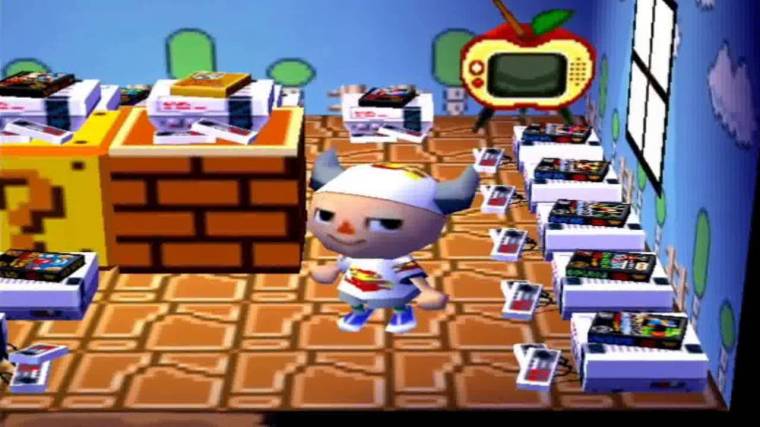
Who needs a Nintendo Entertainment System (NES) Classic when you can collect in-game NES cartridges in Animal Crossing?

Sure, this one’s a little bit of a cheat because they’re classic NES games coded within a Wii game, but I got excited whenever I found an NES cartridge in Animal Crossing. I picked up Donkey Kong Jr. Math. Woo hoo!


Final Fantasy Mini Games
finalfantasyx_blitzball

Final Fantasy X (Blitzball)

I was going to make this list by incorporating Final Fantasy mini games within the larger list of great mini games, but I came up with 2 out 3 games coming from Final Fantasy, so FF’s getting its own list. I’m not even sorry.

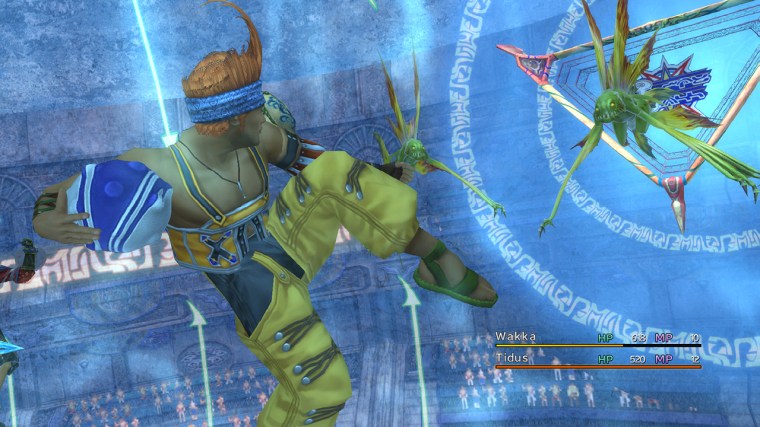
The first one in this list is the one I didn’t include at first because the premise is the strangest of the three: Blitzball. Final Fantasy X’s Blitzball is underwater soccer meets basketball. It makes no sense. It’s also awesome.

I don’t know how many hours I wasted playing Blitzball instead of finishing Final Fantasy X’s main story line. I didn’t care that Sin was going to destroy Spira. I want to sign the best Blitzball goalie Nimrook to a long-term contract. I’m also going to transition from Wedge, who’s a great shooter early game, to a combination of Nedus (very fast and a great prospect for shooting) and Nav Guado (great counter-attacking forward). I’ll assemble a team that no one can beat. Mwah-ha-ha!
finalfantasyvii_chocoboracing

Final Fantasy (Chocobo Racing)

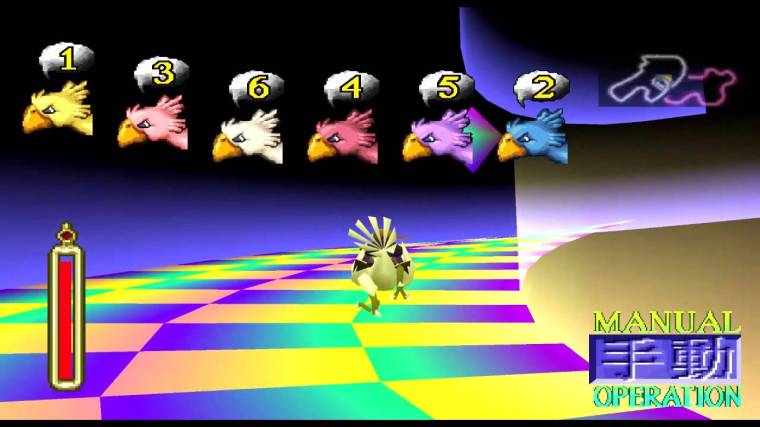
Final Fantasy VII introduced chocobo racing, and it was a blast. The breeding system didn’t make a lot of sense, but the actual act of racing your chocobo (those are ostrich-type creatures for those who don’t play much Final Fantasy) played well. You had to know when to sprint your chocobo and when not to. I’m king of the chocobos.

The mini game was so popular that Final Fantasy brought the sport back for several iterations. Final Fantasy XIII-2 had a complex system where players could develop their chocobo’s statistics. You had to strike the right balance to achieve victory. Final Fantasy XV allows players to ride chocobos in the open world, which felt great, especially when Prompto makes up words for the song that plays every time a chocobo graces the screen.

“I like to ride my chocobo all day.” Me, too, Prompto. Me, too.

finalfantasyviii_tripletriad

Final Fantasy VIII (Triple Triad)

I find that most gamers fall into one of two mini card game camps: Triple Triad or Gwent. While I admit Gwent is a great game, it got its own release separate from The Witcher after all, I’m in the Final Fantasy VIII’s Triple Triad camp. I’m an older gamer. Deal with it.

I never used Quezacotl’s Card Mod Ability on any rare card. Keep your 100 Megalixirs; I want my Bahamut card. The same goes for three Diamond Armors. That Seifer card is too awesome.

I even cast the card capture spell so many times I lost count. I didn’t even care if I won a battle, I just wanted my cards. Sure, it’s a little like Pokemon, but I had to collect them all.


Fun skill checks that may as well be mini games

This one may need a little clarification. There are games within games, but there are also skill checks that can happen (like sneaking or fishing) that can occur within a game that’s really another mini game within a larger game. Here are three good examples of skill check mini games.
bioshock_pipehacking

Bioshock (Pipe Hacking)

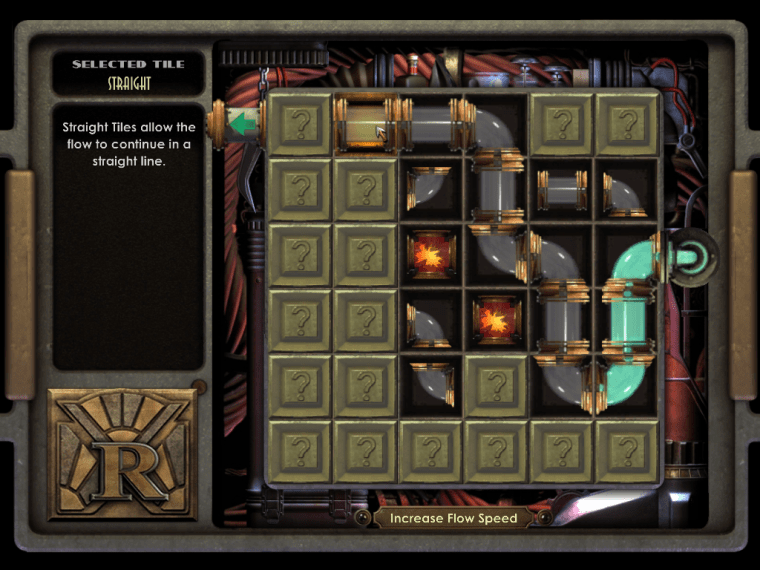
A lot of games feature some lame computer hacking mini game—I’m looking at you Fallout 3’s word searches and Mass Effect 2’s matching blurry lines of code that you couldn’t pay me to play—but Bioshock took the classic game Pipe Dream and added a steampunk twist. One had to find and match pipes to make water flow where you wanted it to before the water escaped the system.

It’s a fun mini game that gets a little old after the hundredth hack, but it’s a great throwback in an equally great game.

legendofzelda_ocarinaoftime_fishing

The Legend of Zelda: Ocarina of Time (Fishing)

Gamers can fish as a mini game or skill check in numerous titles. Legend of Zelda even has several titles in its series where fishing is possible, but Ocarina of Time proves to be the best of the best.

The big payout is a piece of heart, but I liked it when I caught a fish so big that the guy who runs the plays deemed it “illegal.” Screw him. I threw his hat into the pond.
skyrim_lockpicking

Skyrim and other Bethesda titles (Lockpicking)

Skyrim started the old hair grip and screwdriver method of opening locks. Bethesda has perfected this rumble controller feedback, dexterous challenge. I know that I’d never be a great lockpicker in real life, but for a few hours, I can pretend with Skyrim, Wolfenstein: The New Order, and Fallout 3.

There are too many mini games to list here. Let us know what your favorites are in the comments and if you don’t agree with any of the games on this list, you can challenge me to lockpicking duel in Skyrim. First one to 100 wins.

Crazy Things Video Game Developers Charged Money For

Video gamers have to put up with a lot from developers. Increased costs for additional content and hidden fees have become the norm. While developers can—and will—defend practices like extra downloadable maps, loot boxes, and microtransactions in addition to a game’s original $60 asking price, there have been things video game developers have charged players that make no sense.

Fortunately, your uncle Geekly is good at nonsense, so here are some crazy things video game developers have charged their customers and hoped their customers wouldn’t notice. Buckle up; this’ll be a bumpy ride.

mortalkombateasyfatalities

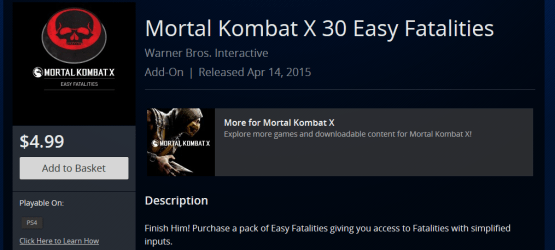
Mortal Kombat (Easy Fatalities)

Mortal Kombat is known for one thing: gore. The gore doesn’t get more gruesome than when it comes in the form of fatalities.

Usually, players input a series of buttons to execute a fatality after their opponent is weak enough. We’re talking about your opponent swaying back and forth on wobbly knees, but Mortal Kombat X sold the aptly named “Easy Fatalities” as downloadable content. Developer NetherRealm Studios insisted that it was to help players experience every part of the game, but it’s just a cash grab.

Fighting games center around pressing the right combination of buttons. If someone is playing Mortal Kombat X and doesn’t remember a button combination, they shouldn’t be given the opportunity to pull off a fatality. You’d still win the game; you just wouldn’t have the extra animation. Learn the controls.

metalgearsurvive

Metal Gear Survive (Extra Save File)

What? Someone had the grapes to charge players for an extra save space of a game they bought? Yes. Yes, they did. Screw you, Konami.

This scrapes the top of a very ugly iceberg for Konami. They’ve produced some terrible add-on content before and charged folks full price for unfinished games that were nothing but extended demos—we’re looking at you Metal Gear Solid V: Ground Zeroes—but the worst thing Konami has charged players for is the privilege of occupying more space on their hard drives.

We’re not talking about one of the better Metal Gears either. Metal Gear Survive must be the worst thing with Metal Gear in its title. Ugh!

asuraswrathtrueending02

Asura’s Wrath (The True Ending)

Unlike a lot of other games on this list Asura’s Wrath is very good—I recommend it as it’s a sort of interactive anime that blends mythology and sci-fi—but it’s on this list because of an unsavory practice that many other games have duplicated: teasing a better and different ending. The game does more than suggest that there will be a sequel—we’re still waiting—and instead of doing that, Capcom added new downloadable content entitled “The True Ending.”

While it didn’t cost that much, this true ending proved the first in the line of game developers screwing over their customers with unnecessary content. I don’t care about a slightly different ending. Where’s “the true sequel?”

FinalFantasy_AllTheBravest01.jpg

Final Fantasy: All the Bravest (Buy Randomized Characters)

Remember how I said that Metal Gear Survive was the worst thing with Metal Gear in its title? Final Fantasy: All the Bravest may be the worst thing with Final Fantasy in its title. Square Enix marketed this game as a mobile game for Final Fantasy fans, but it’s nothing like a typical Final Fantasy game and the developer pumped the game with so many microtransactions that it’s made as much, or more money than, a typical Final Fantasy release, even though it’s free to play.

The worst of these microtransactions comes from buying characters ($0.99 apiece). It’s bad enough that players can’t unlock characters, but All the Bravest adds another level of shade by making these characters random when players buy them. That means that you can purchase the same character you already have. And let’s face it, Final Fantasy has been around so long that there are as many bad characters as good ones. Who wants fifty Snows and no Tifas or Clouds?

streetfighterxtekken_fightersalreadyonthedisc

Street Fighter X Tekken (Fighters Already on the Disc)

Street Fighter X Tekken is another case of a game pioneering some bad industry practices. Many games allow the player to unlock additional characters through downloadable content. If a gamer’s lucky, the absence of these characters won’t matter. In others the character in question could fill plot holes—ahem, Mass Effect 3–but Street Fighter X Tekken makes this list because Capcom didn’t do a good enough job of hiding this extra content.

Several additional characters existed at the game’s launch, but players had to purchase a code to download them onto their copy. This reeks of greed. Since these characters were fully developed at the game’s launch, it felt like Capcom gave players a partial game. Again, many developers have copied this practice or have taken it to new heights of low—Star Wars Battlefront 2—but Street Fighter X Tekken started a dirty precedent.

TaleOfVesperia_CharacterExperience.jpg

Tales of Vesperia (Character Experience)

JRPG fans are used to a few things: androgynous protagonists with big hair, scantily clad females with large assets, and grinding—the process of fighting previously conquered areas for experience and levels for your characters. Tales of Vesperia takes the idea of grinding and flips it on its head.

For about $5 players can buy experience points. Okay, that’s bad enough. But that’s only for five levels or so. For another $10 players can purchase more experience that’ll afford them more levels. Great. It might seem silly to put this gaffe on the list. NBA2K and other sports games have charged players for in-game experience points, but players can ignore this offering. Heck, JRPG fans shouldn’t fall victim to this avarice because they’re used to playing long hours to raise levels. The issue is that Namco doles out too little experience in Tales of Vesperia.

The only way to level up any of your characters in a meaningful way is to pay for it. Foul!

saboteur_buyingnipples

The Saboteur (Nipples)

To understand why nipples in a video game would be something someone would pay for, one must understand the video game rating system. A protagonist can blow people’s brains out of their eye sockets. A game can even zoom in on said brains oozing out of an eye hole in slow motion and the worst a game will get is a Mature rating. But no one can show nipples.

That’s fair. Children see brains flying out of orifices all the time; they don’t ever see nipples. Filth! Filthy little boob hats.

To avoid a higher rating (Adults Only), Electronic Arts omitted every nipple in The Saboteur and allowed players to pay for DLC that returned the omitted nipples to their breasts.

Why? Not that I’m a prude, but why would anyone pay to have digital nipples placed on virtual breasts? And why would Electronic Arts omit nipples to avoid a higher game rating? No one looks at those ratings. Put the nipples on the breasts.

Full disclosure: I just wanted to say nipple and breast several times and drop a boob hat reference in this write up. Mission accomplished.

Maybe you like microtransactions for random characters or you like paying for characters who are already in a game. Maybe there are other examples of DLC and microtransactions that you don’t like. Feel free to share them with us in the comments.

Stay geeky.

My Favorite Game Mechanism: Super Mario Bros.

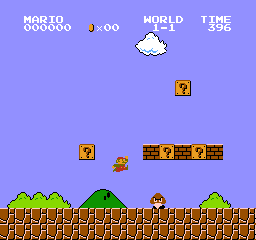
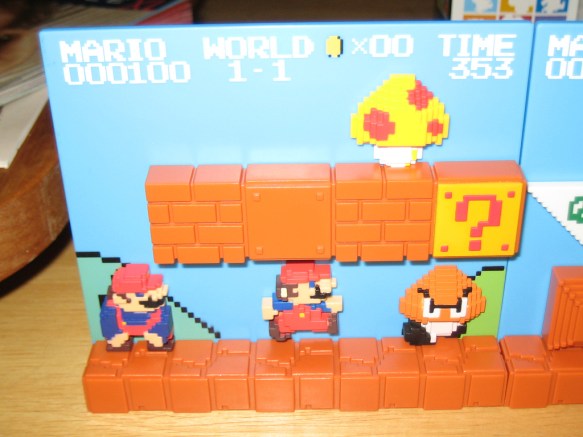
I’ve talked about this before years ago, but one of my favorite game designs is the first Super Mario Bros., specifically the game’s first stage World 1-1. It’s an example of flawless game design that has inspired many game designers since. It’s a wonderful use of intuitive game design.

Mario begins on the screen’s far left. The player could try and move farther left, but the game won’t allow the player to do so. It’s showing the player that Mario must go right. Sure, the buttons are limited, but Mario can only move and jump, and the controls are easy to understand without ever reading the game’s manual. Soon, Mario encounters a Goomba (a mushroom-shaped enemy). Since Mario can only jump and the player gets caught in a corridor where they must interact with the Goomba, they find that Goombas can be defeated by jumping on them. This informs the player of Mario’s skillset and his enemies’ weakness.

supermariobrosstage1-1_start

A question mark box flashes ahead, begging to be pressed. When pressed, a mushroom emerges. New players won’t know if the mushroom’s good or bad, but the game’s design makes it almost impossible to miss it. The mushroom turns out to be a powerup.

There’s even a moment where a seemingly random jump would result in finding a hidden 1UP mushroom (or extra life mushroom) and since it looks like the previous powerup mushroom, players are informed to grab it. A field study showed that most people who had never played Super Mario Bros. before found the 1UP mushroom. That’s because of its placement in the world; the first 1UP mushroom’s placement is just before a hole in the floor that players must jump over. It takes a little intuition to learn this game.

SuperMarioBrosLegos.jpg

Speaking of jumping over something, the first occurrence of a piranha plant, a polka-dot Venus flytrap enemy, is also strategically placed. With its mouth and fangs pointed up, players are informed to avoid them, but if a plant like that can go up a pipe, Mario can go down a pipe and that’s exactly what Mario can do there. It’s an excellent way of revealing a game’s secrets.

The rest of the level continues in a similar fashion, non-verbally teaching the game. When gamers say that they want intuitive game design or controls, they want something like Super Mario Bros. World 1-1. It’s still one of the best game designs.

Don’t believe me? When Hirokazu Yasuhara designed 1991’s Sonic the Hedgehog, he stated that he tried to recreate Super Mario Bros. World 1-1 with every level. That’s high praise from Nintendo’s greatest competitor at the time. What are your favorite elements of classic or modern video games? If you disagree with my choice in World 1-1, feel free to jump on my Goomba head. That might hurt. Instead, leave me an angry comment.


My Favorite Innovative Video Games

I’m going a little off pattern with this latest favorite game mechanism in choosing several game innovations. This writeup skirts the boundaries of a list and the semi-weekly “My Favorite” series. I’m also kicking it old school with this video games as these are the first time a game style or game feature was used, so these won’t be so much modern innovative video games—I could see that as another writeup in the future—as much as it’ll be video games that shaped how they’re designed and played.

I could go on, but let’s talk about some games.

Legend of Zelda

The Legend of Zelda

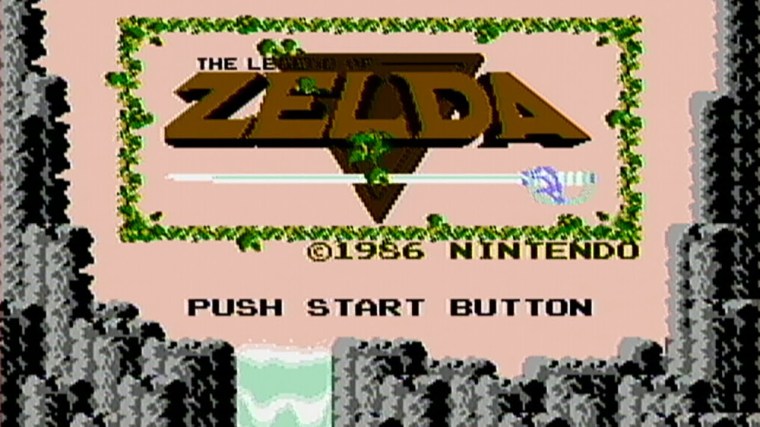
The Legend of Zelda is an easy one to include, but that doesn’t mean it hasn’t shaped modern video gaming in many ways. It’s one of the first open-world role-playing games. Without the original Legend of Zelda there would be no Bethesda as we know it. Sorry, no Fallout or Elder Scrolls. I played Morrowind a lot like I played The Legend of Zelda. I skipped the first dungeon and found one of the more difficult ones in the world and got my butt kicked. Who says I learned anything since I was a kid?

This game also created the first save file. Before The Legend of Zelda, players had to remember or write down codes to continue a game. When I first loaded the original Zelda, I wondered what a save file was. How far we’ve come.

Grand Theft Auto 3

Grand Theft Auto III

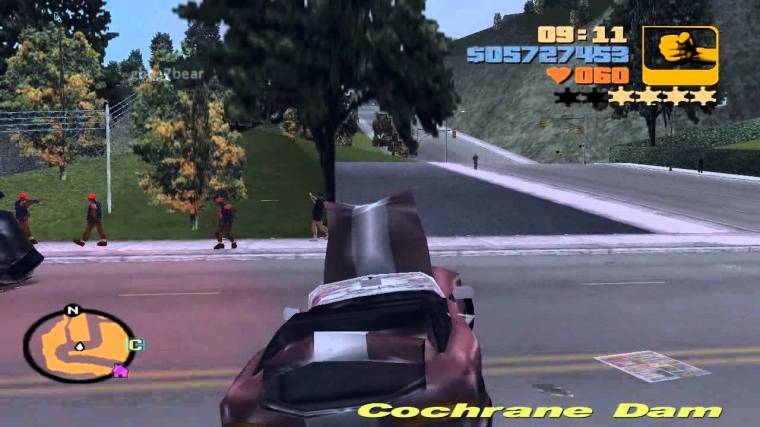
Speaking of open world gaming, no game captured the idea of “sandbox” gameplay than GTA3. Players could go anywhere and do anything. Unfortunately for your uncle Geekly, all I wanted to do was drive around town and listen to the radio. What do you mean the DJ’s name is Michael Hunt, but you can call him Mike?

Oh. That’s naughty. And players could be as naughty as they wanted to be with this title. Freedom, beautiful freedom. Now if only players could take the role of a woman like they could in the first Grand Theft Auto.

Super Mario 64

Super Mario 64

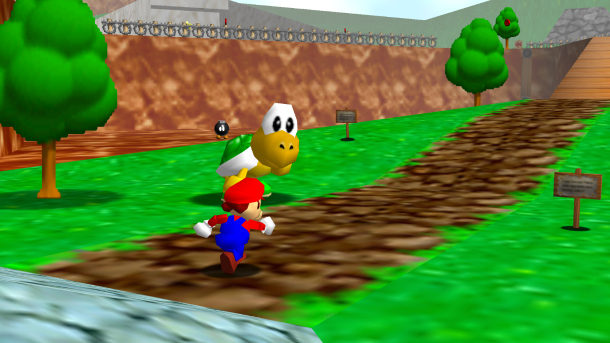
Super Mario 64 didn’t try a lot of new things in terms of a platform game. All it did was become the first game to effectively immerse gamers in a 3D world. Players could make Mario jump, flip, and run in 3-dimensional space. If they didn’t like the camera view, they could move the camera for a better angle. You know, the things gamers take for granted today.

LittleBigPlanet

LittleBigPlanet

This title took the easy way out: let users create content. Okay, with a user-friendly creation tool, LittleBigPlanet ushered in the era of “user-created content” in video games. There have been other games that have put design in players’ hands for the PC, but LittleBigPlanet made it as easy as I can remember and brought this idea to consoles. Power to the people.

TecmoBowlStefonDiggs

Super Tecmo Bowl

No. I’m not talking about the first Tecmo Bowl where players cheated by using the Raiders and Bo Jackson. I’m talking about the follow-up game Super Tecmo Bowl where the game kept track of players’ statistics for the first time—something sports gamers like—and it simulated a full season of games—another something sports gamers like. If only Super Tecmo Bowl used real names for every player.

This game gets bonus points for modders who update the classic with modern NFL rosters. J. J. Watt is in our featured image at the start of this post, and Stefon Diggs is in the one above. Those are actual screen grabs from a Super Tecmo Bowl with updated rosters. What?

Metal Gear Solid

Metal Gear Solid

Sure, I could focus on Metal Gear Solid’s stealth gameplay, which was revolutionary at the time, but I’m going to concentrate on MGS’s storytelling. The game played out like a series of short films that included some topical themes and did a lot with developing characters, even if the dialogue was wanting at times. Metal Gear Solid showed that video games could thrive as a storytelling medium.

Doom1993

Doom

Doom’s biggest contribution must be its immersion. There were first-person games before Doom, but this game was the one that immersed gamers in its world. It’s the first game that made the environments their own characters, but it didn’t stop there. Doom introduced the world to multiplayer gaming via the internet. It also popularized a “shareware model” or a “try before you buy” system that game companies still used today.

That’s my first list of innovative video games. I’m sure there are plenty more that I could make another fifty to hundred lists. If you have a problem with any of the games on this list or take issue with an omission or five, come at me with a thumb war. Or you could leave a comment.


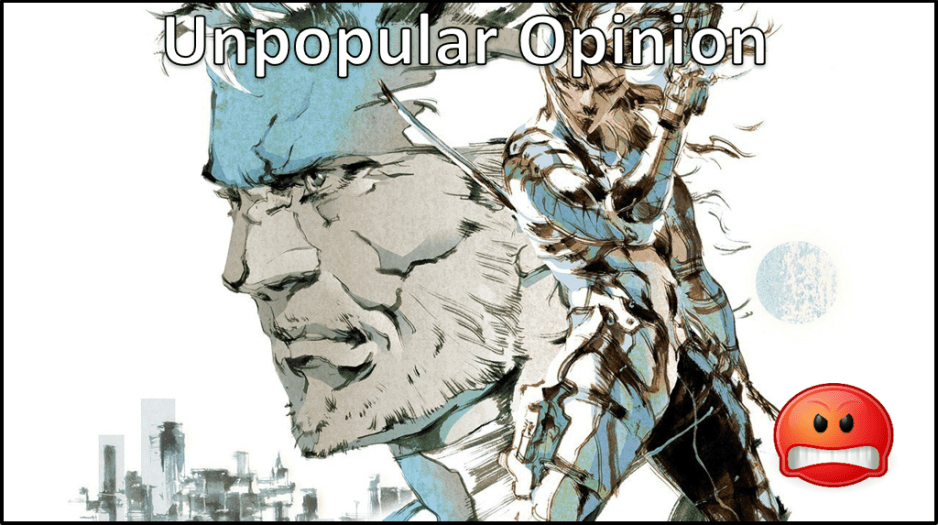
Unpopular Opinion: Raiden Was the Right Choice for Metal Gear Solid 2

Metal Gear fans saw years’ worth of trailers and demos and previews that featured their favorite stealth, badass Solid Snake in Metal Gear Solid 2. The graphics improved. The framerate looked amazing. Metal Gear Solid 2: Sons of Liberty was the reason many people purchased a Playstation 2. Gamers smiled when they got to play Snake again for the first time in three years. It was two or three hours of gaming bliss, and then the game baited and switched Snake for Raiden. Gamers started off puzzled. After another eight or so hours of Bleach Blonde Ray-Ray, they became pissed. But despite the hate, Hideo Kojima’s choice of Raiden was for the best.

I’m not saying that I enjoyed Raiden’s incompetence or how he whined so much I wanted to reach into my television and choke him. He was insufferable. I wanted to play as Snake as much as any fan, but Raiden’s foibles are what made him the best choice.

MGS2_Raiden.jpg

Snake was a badass by the end of the first Metal Gear Solid. He was a badass during Metal Gear Solid 2, and he was going to be one at the end of the game. There’s nowhere for the Snake character to go. Raiden had a character arc.

He had to learn to be a special ops agent. He watched Snake in awe during one scene, and I’m sure gamers experienced that same awe. Raiden put gamers in a perspective that they would’ve never seen had they played as Snake. Heck, that moment of awe is one that I haven’t seen in any other video game before or since. It was an earned moment. It was brilliant.

Hideo’s choice of Raiden was a bold one, and it wasn’t just a bold choice for a video game. It was a bold writing and character choice. If anyone questions whether video game writers are concerned about character building, show them Metal Gear Solid 2. Very few writers of any kind would’ve taken this big a risk.

Even though I felt deceived by Kojima at the time, he made the best writing choice. He picked what was best for the story, the characters, and the world of Metal Gear Solid instead of catering to fans.

Do you think Kojima made the right choice with Bleach Blonde Ray-Ray? You can leave a comment or complaint below, but I may be in my cardboard box hiding.

Hilarious Video Game Glitches

Glitches can ruin a video game. Some give your character two heads—and that can be equally hilarious and terrifying—while others cause sharks to fly in the sky. Many video game glitches make a game unplayable, but there are those few that a pure comic gold. These are video game glitches that improve a game. Your uncle Geekly may play more tabletop games than video games, but he seen enough of these funny video game glitches.

HeavyRainShaun.jpg

Heavy Rain: Shaun!
Heavy Rain is an excellent game—it may be more of an experience than a game, but it’s excellent–and despite all its great moments, Heavy Rain lacks levity. Thankfully, one glitch provides some. One of the main characters, Ethan, looks for his missing son in the final act of the video game and it’s this scene where the game’s glitch can be activated.

You’ll have to watch for a dialogue option for “Shaun!.” If you see that the text is blurred, there’s a strong chance the dialogue will be locked for the rest of the act. You can press the “X” button and force Ethan to scream “Shaun!” for far too long and at inappropriate moments like in the middle of dialogue with another character.

“What do you think we should–”

“Shaun!”

“We could try–”

“Shaun!”

I’m pretty sure those weren’t dialogue options, but it was about that bad. Even better, Ethan’s mouth moves every time he yells so this isn’t just an audio glitch.

CrysisLandSharkHo

Crysis: Land Sharks—Ho!

This one’s very easy to activate. It’s a famous glitch, but Crysis’s land sharks deserve a mention. Go to the beach, take and few steps into the water and wait for a shark to attack.

Once you’ve baited the shark, walk on land, and the shark will follow you, often flying in the air. Sharknado has nothing on Crysis; these sharks are everywhere.

SkyrimBasketHead

Skyrim: Basket Head

This glitch may be fixed depending on which version of Skyrim you own, but the basket head lives on in Bethesda glitch infamy. I prefer to play with it to be honest. All one has to do is grab a basket, bucket, or cauldron and place it over the head(s) of any shopkeeper. Skyrim takes line of sight literally.

The NPCs won’t be able to see you rob them blind, but keep an eye on the basket. While they won’t take off the basket, NPCs will shift and do their usual movements and that could cause what you placed over their heads to slip off.

Fastidious gamers can use a wheel of cheese to weigh down the basket, securing it to the shopkeep’s head. Ah, the power of cheese.

Fallout4TrashCanRocket

Fallout 4: Trash Can Rocket
As you can tell, I can make a list of nothing but Bethesda glitches. In fact, Fallout 4—at one point—had the same basket head glitch as Skyrim. You can give that a whirl if you want.

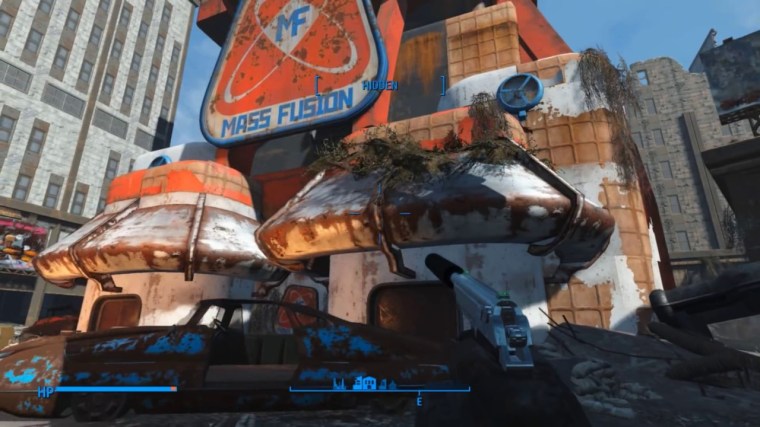
Fallout 4 offers the hard to find Freefall Legs (never take fall damage) and easier to find jetpack-equipped power armor for climbing up the Mass Fusion building (the largest building in the game), but the funniest way to climb the building is to pick up a trash can and stand with your back against the building’s wall. It’ll take some practice, but eventually, you’ll be able to jump while looking at the trash can you’re holding. This will cause the player to climb up the wall.

Jump. Jump. Jump! toward freedom.

WarlordGandhi

Civilization: Warlord Gandhi

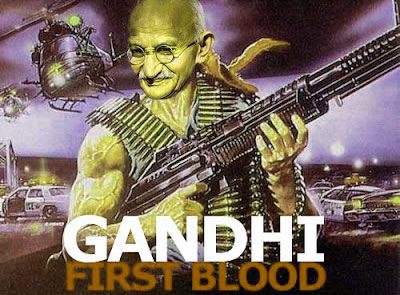
I went old school with this one. The first Civilization video game had an aggression level for each AI leader that spanned 1-255. The idea was that each leader had a baseline aggression (toward the player) at the beginning of the game and every action the player took would affect the leader’s disposition one way or the other.

Gandhi was supposed to be the most peaceful leader, so the designers gave him an aggression of 1. That makes sense. But what the designers didn’t do was create an endpoint.

As a result, if someone chose Democracy as their government, it reduces other leaders’ aggression by 2, and since Gandhi has 1 point of aggression and subtracting 2 from 1 makes an invalid negative value, his aggression rolls over to 255.

Yep. Gandhi declared war on me. Oh! He’s talking smack now.

This can only happen late game, so Gandhi nuked me to the Stone Age. After the shock wore off, I couldn’t help but laugh and do it again.

These are some of Uncle Geekly’s favorite video game glitches, but they are by no means the only ones. Are there any video game glitches that make you smile? Let us know in comments, and I’ll make not to tell Jim. Jim not tell you to tell. Comment to us Jim know.

Syntax error. Error. Error!

Shaun!

HeavyRainShaun

3 Lists of 3 Video Games

Good old, uncle Geekly may be more into tabletop games, but he still plays the occasional video game. For all you video game fans, here’s a three lists of three. Hold your anger for the end.

Underrated or Overlooked Video Games or Video Game Franchises

Persona5.jpg

Persona/Shin Megami Tensei

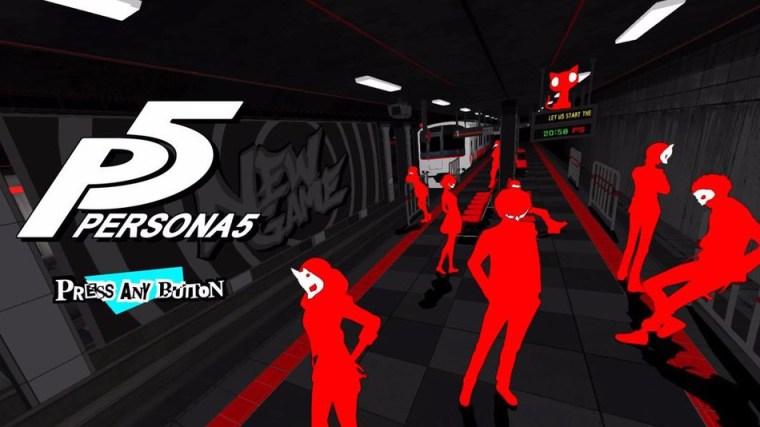
Persona may gain some traction in the States after 2017’s Persona 5, but this series has been cranking out old-school RPG hits for some time. Each game is a standalone experience that centers around a group of students battling otherworldly evils from another dimension in between class periods. With turn-based gameplay, unique monster designs, and Eastern humor the Persona series is one of the reasons I don’t mind other classic RPGs like Final Fantasy have shifted away from their roots. Persona does a great job of keeping the tradition alive.

WorldOfGoo.jpg

World of Goo

World of Goo is an indie, puzzle game that didn’t set the world on fire like Angry Birds, but its physics engine may be just as good. Honestly, I prefer World of Goo. Players control the flow of goo to an exit point and the quicker a player can do that, the more points they earn. A minimum score is required to finish a level, of course, and like most puzzle games, World of Goo’s levels start easy and grow in difficulty. You also get new versions of goo. You can never have enough goo.

This game has been ported to plenty of newer systems, so it shouldn’t be too difficult to find. It was even a Nintendo Switch launch title.

DragonQuestXI_02.jpg

Dragon Quest

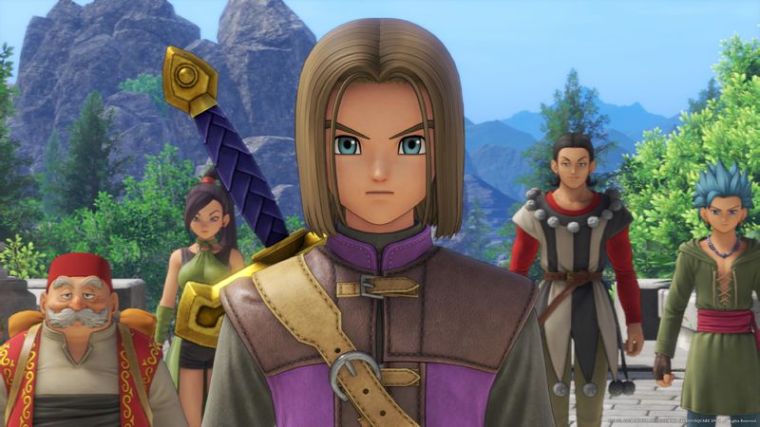
If you can’t tell, I’m a huge RPG fan and since I live in the states, Final Fantasy dominated the genre. But Dragon Quest is every bit the classic RPG franchise. Heck, if you lived on the other side of the planet, Dragon Quest would’ve been bigger than Final Fantasy. Yeah, it’s that huge.

The art design comes courtesy of Dragon Ball Z’s Akira Toriyama, so the worlds are gorgeous and character designs quirky, fun, and familiar. Turn-based battles? Yep. Random battles? Usually. Dragon Quest knows who their core audience is and does a great job of catering to it. If you get the chance, play Dragon Quest VIII: Journey of the Cursed King—by far one of the series’ best—and look out for Dragon Quest XI which should be out this holiday season.

Overrated Video Games or Video Game Franchises

AssassinsCreedOdyssey

Assassin’s Creed

The concept of someone going back in time and inhabiting the body of an assassin sounds neat. Assassin’s Creed does a great job of putting players in a certain timeline. But the story gets too convoluted for its own good and guest appearances by Da Vinci, Machiavelli, and the occasional pope doesn’t do enough to make the story or the characters interesting.

What’s left are some great set pieces, but “Cool, this game has sabres” and “I can kill someone with a bayonet in this one” and “Tomahawks! What?” can only make a game fun for so long.

Sims4.jpg

The Sims

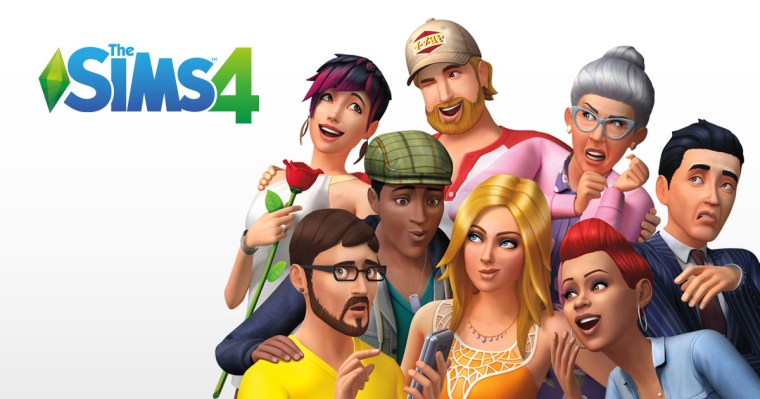
How has this one lasted this long? I’m fine with the life simulation, but after a while, a player must realize that The Sims is a life simulation. Oh, crap. I almost crapped myself. My sim got too tired and fell asleep on the kitchen floor. Hey, they’re getting frisky under those sheets. I guess that’s entertaining for a little while, but my enjoyment with the series has waned over the years.

Maybe I’m just bitter because I can no longer trick my sim into a swimming pool, remove the ladder so they can’t get out, and allow them to drown. Yeah, I may have issues.

Warcraft3

Warcraft

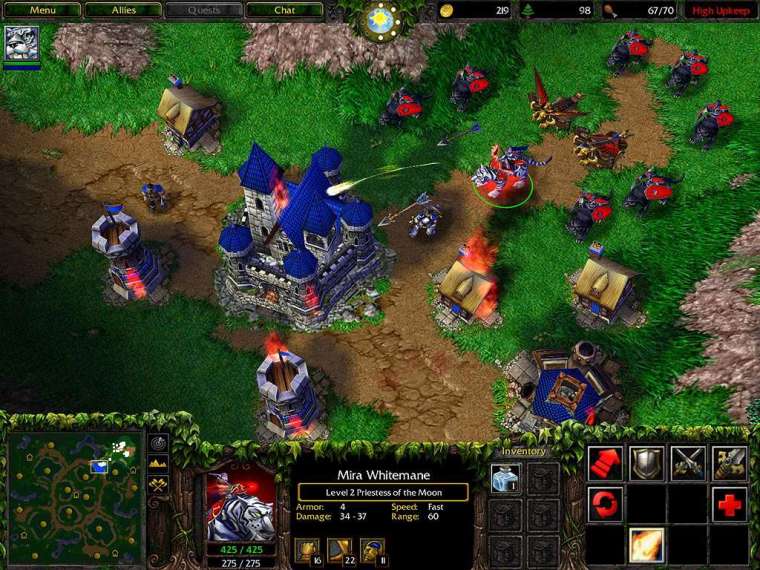
No, not World of Warcraft, the original real-time strategy game Warcraft. Now, the first three games are classics—well, at least the third one—but one must admit that Warcraft III enjoys most of its continued success due to the mods the modding community has done in the years since its release. Heck, the multiplayer online battle arena (MOBA) genre may never have come to fruition without Warcraft III.

But Warcraft’s story began with some solid character development and with the juggernaut that was World of Warcraft and the subsequent Warcraft relaunch, Blizzard put more attention on character customization instead of development. A craptacular Warcraft movie had gamers flock to Warcraft III, but the story leading up to the third installment was canned, and the third one hasn’t aged well—in terms of story as well as graphics.

Upcoming Video Games to Look Out For

Starfield

Starfield (2019?)

Not much is known about Bethesda’s big space game, except that it’s a big space game that may be in the mold of Elder Scrolls or Fallout. We don’t even have a release date. All I know is that I’m okay with a slightly longer wait for the Elder Scrolls VI if Starfield can live up to Bethesda’s high standards.

Hold on. Did I just say that I’m okay with a longer Elder Scrolls wait? Yep. I’d rather Bethesda not pull a BioWare with Mass Effect: Andromeda.

WolfensteinYoungblood

Wolfenstein: Youngblood (2019)

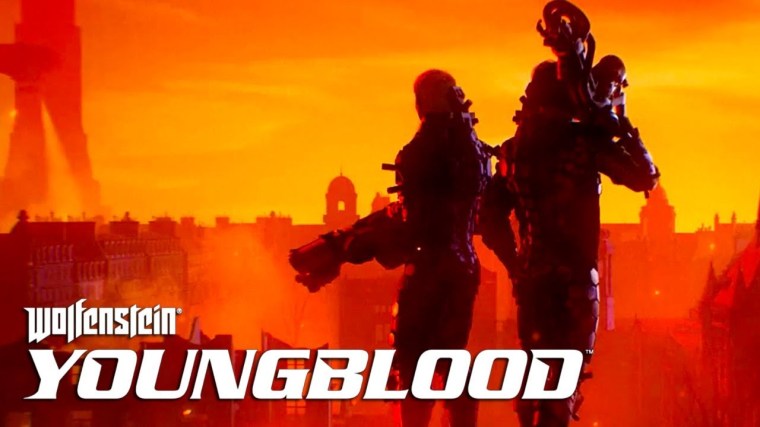
Wolfenstein II: The New Colossus flew under the radar in 2017 and that’s a shame. Bethesda did a bang-up job with that one. Wolfenstein: Youngblood will be a cooperative game set in the 1980s. I’m not sure what more to expect, but it looks as if Bethesda plans to stretch their creative muscles.

Huh. That’s two Bethesda games in a row. I couldn’t possibly go for a third.

KingdomHeartsIII.jpg

Kingdom Hearts III (2019)

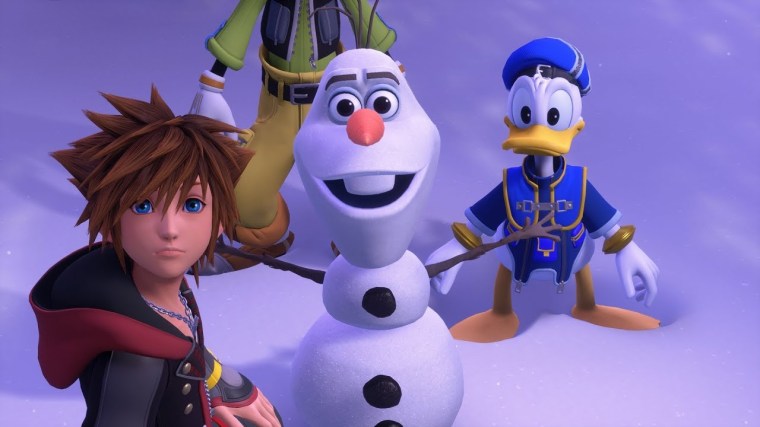
I like RPGs, but Kingdom Hearts III is on this list for Season’s sake. She—like thousands of fans—has been waiting 13 years for the next numbered title of this Final Fantasy meets Disney game series. Square-Enix and Disney have leaked some of the worlds and characters. Frozen, The Little Mermaid, Monsters Inc., Toy Story, Pirates of the Caribbean, Tangled, and Sleeping Beauty are some of the Disney properties that’ll make an appearance.

I didn’t want to like Kingdom Hearts because I have a complicated relationship with Disney, but the series works. That many fans can’t be wrong. Right?

Are there any video game series we missed with our lists? Which upcoming games do you look forward to the most? Let us know in the comments.

My Favorite Game Mechanics: Fallout Shelter

Old Uncle Geekly is trying a new trick. This week’s favorite game mechanic comes from video games, Fallout Shelter in particular.

On the surface Fallout Shelter shares a lot of commonalities with other free-to-play games/apps like Clash of Clans. Players download it for free and it offers in game purchases for players to get better at the game faster than they would by investing only time. But the one thing that separates this game from other free-to-play games is also the one thing that makes it uniquely Bethesda. The player competes against the game, not other players.

When one logs off of Clash of Clans or a Clash of Clans clone, logging back in allows them to see what other players did to their defenses while they were offline. This sometimes leads to players paying for repairs (tying up a worker to repair counts as “paying”) and regrouping. There’s usually a tournament included in games of this ilk and only the best players—or the ones willing to pay to win—fair well in these tournaments. There’s a reason people scoff at these games as “pay to win.” The only way to get ahead in a game like that is to pay something. Fallout Shelter eliminates that style of play.

Sure, you could pay to get better things faster in the game, but the only player you can see is yourself. Fallout Shelter allows players to do things at their own pace. It doesn’t apply the pressure of a tournament.

Now I’m not saying that I don’t enjoy the occasional competitive free-to-play game, but Fallout Shelter’s brand of leveling up your vault dwellers how you see fit and sending them out on missions or exploring the wastes fit with Bethesda’s gaming catalogue. This isn’t just a free-to-play game. This is a Bethesda free-to-play game.

Is it for everyone? No. Did some gamers download it because they saw the word Fallout? Of course. Am I a Bethesda fanboy? You know it. But it’s the Bethesda open-world RPG flavor of Fallout Shelter that makes me interested in the game, and I hope other free-to-play games follow suit.

Player versus environment may be my favorite game mechanic, but I promised at least one more mechanism and here it goes. When Fallout Shelter first hit the app store, it bragged about players not having to wait for construction. Again, games like Clash of Clans have players build items and then they must wait real-world minutes or even hours for those items to be constructed. It’s a time waster. Well, you could pay gems (which end up being real-world money) to instantly build an item, but that ruins the idea of “free-to-play.” Fallout Shelter doesn’t have players wait for construction. If you have the resources, you build the room within your vault immediately.

FalloutShelter_Diner.jpg

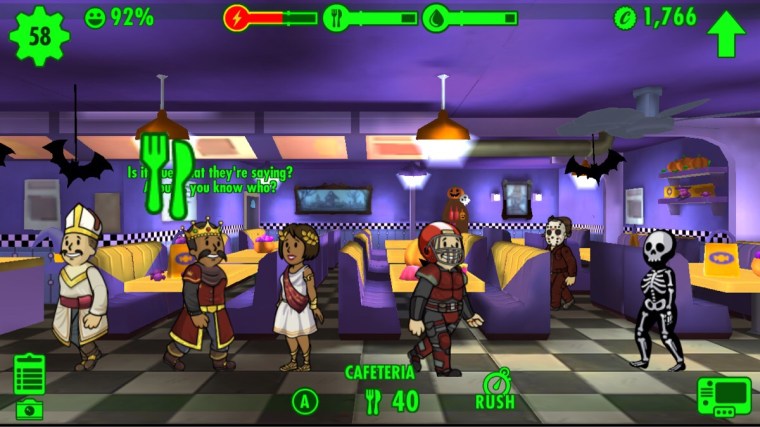
While immediate construction was a huge selling point for the game, it opened new game mechanisms: push your luck and managing vault dwellers. Players didn’t wait on construction, they waited on their rooms to produce resources like food and water that their people needed.

The more dwellers one sent to a room, the faster that room produced the resource. This is a clever way of adding yet another resource (workers) to the game system. One could also “push their luck” by rushing production in a room. If one succeeds, the game gives them more resources. If the rush fails, the game generates some crisis (radroaches, a room fire, or deathclaws) the player must resolve.

It’s subtle, but the push your luck and managing vault dwellers mechanisms are excellent additions. Come to think of it, they may be just as important as making Fallout Shelter player versus environment.

I guess I had more than one favorite mechanism for Fallout Shelter after all. I’m sure I got lost somewhere while I searched the wastes. If I did, slap upside the head with a radscorpion barb. Or you could always say something in the comments.