
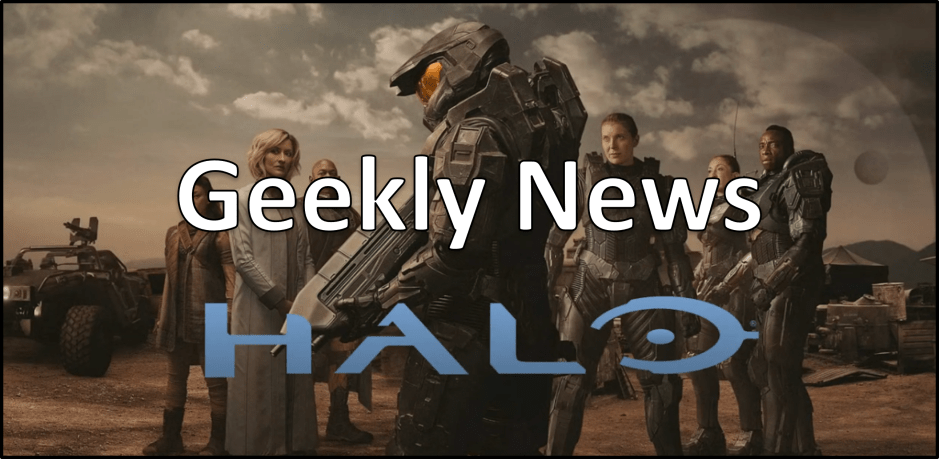
Happy Sunday, Geekly Gang! Kyra Kyle here with another week of Geek News. Plenty of board games and video games released this past week, but we’ll kick off this past week’s Geek News with an update about the Halo television series.
Halo Crashes Netflix’s Top 10. Will there be a Season 3?
Halo is the most expensive television series ever produced in Paramount+’s short history, so it made sense for the streaming service to cancel the show after a couple of seasons (17 episodes in total), and it also made sense for Paramount+ to sell the rights to stream Halo on Netflix. Earlier this month, Halo debuted on Netflix. Its reception was immediate as Halo reached number 4 on Netflix’s United States Top 10, outperforming almost all licensed programming, with the exception of popular original shows like Monster: The Ed Gein Story. Halo even held similar numbers internationally. This shows a demand beyond hardcore gamers.
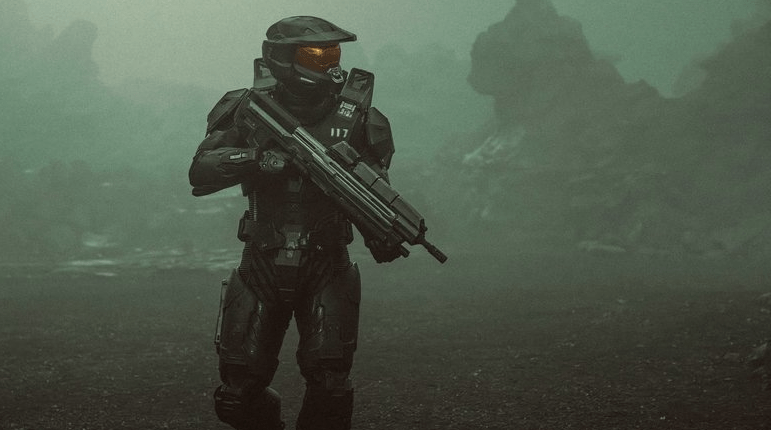
Netflix has a track record of reviving shows like Longmire and Lucifer after a strong streaming performance. Halo’s global numbers and fan campaigns, like the ones found on Change.org, may sway the streamer to green-light a third season. There’s a chance. But there are a few loopholes, Halo must navigate. Netflix only has a year-long streaming agreement for Halo. For a third season to be possible, Netflix must secure a long-term streaming agreement. And Halo has steep production costs. Season 1 was estimated to cost between $90-200 million. Yikes!
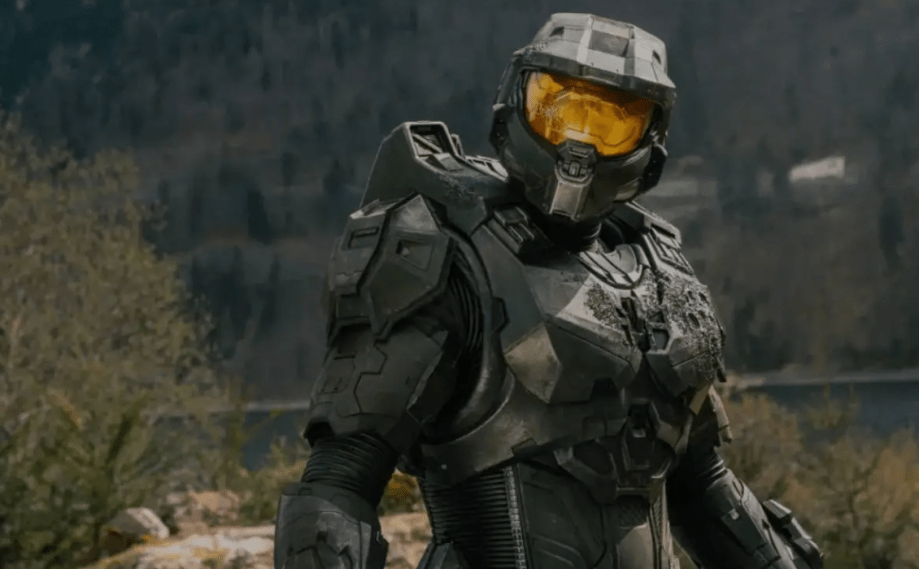
But I wouldn’t count out a third season for Halo. Critics gave Halo a 70% on Rotten Tomatoes–does anyone still use Rotten Tomatoes when looking for reviews–with many appreciating Halo’s production values, while questioning narrative choices like an odd romantic subplot and unmasking Master Chief. Still, #SaveHalo has trended on various social media platforms, and if Halo’s numbers hold strong, Netflix may need to consider a third season, regardless of the cost.
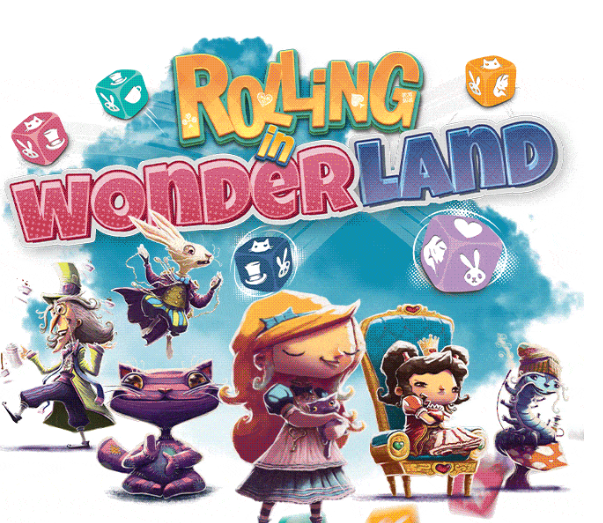
Rolling in Wonderland Launches on KickStarter
This week has seen a lot of dice drafting games (games where players pay to add dice to their dice pool), and Rolling in Wonderland is a great place to begin with board game new releases. Channeling the whimsy of Alice in Wonderland, Rolling in Wonderland features quirky art and vibrant colors.

The game suggests that players may adapt the game’s play how they want. You may play a light and breezy or tight and tense game of Rolling in Wonderland. I don’t know exactly how Rolling in Wonderland attempts to do this (undoubtedly two sets of rules for both playstyles), but I’m intrigued. Rolling in Wonderland offers an affordable $39 entry-level pledge, but players may spend $79 for the deluxe version or add various expansions a la carte. If you’re interested in Rolling in Wonderland, check out its KickStarter page.

Cretaceous Rails Reprint Lands on Gamefound
In preparation for Gen Con, we reviewed Cretaceous Rails a few months ago. If you want to see an extended look at our thoughts, check them out here. Dinosaurs and trains together at last. If you’ve ever wanted a game that combined these two elements (or think this mash-up sounds awesome), then you should consider backing Cretaceous Rails.

The core game is amazing. I love Cretaceous Rails’s dual-action selection mechanism. I even tried my hand at designing a game that did something similar (I mentioned this in the most recent game design brain dump). Cretaceous Rails’s reprint will include the first expansion, Cretaceous Skies, which I’m not too fond of, but it adds the second expansion, Cretaceous Seas, and I’ve enjoyed every iteration of Cretaceous Seas. I can’t wait to see the final version.
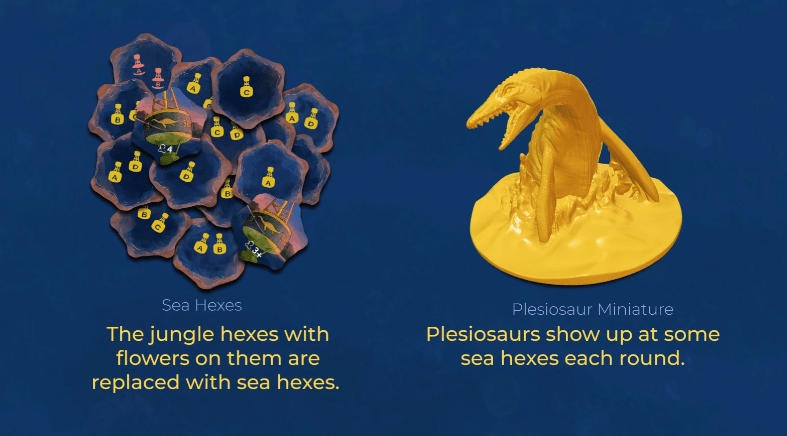
Bring on the sea hexes and plesiosaurs. You can pick and choose which rewards you want a la carte. Since I have the base Cretaceous Rails, I’ll most likely pick up Cretaceous Seas for $30 (plus shipping). The project launches in two days. If you’re interested in Cretaceous Rails, check out its GameFound page.

Raas Dances Onto GameFound
Raas adapts the dazzling folk dance of Gujarat to a vibrant dice-drafting, tableau-building game. Players recruit dancers, represented by colorful dice, where each color and pip shows off their style and rhythm. Collect stunning dress swatches, give them dandiya sticks, and match the style of the song to create shining performances.
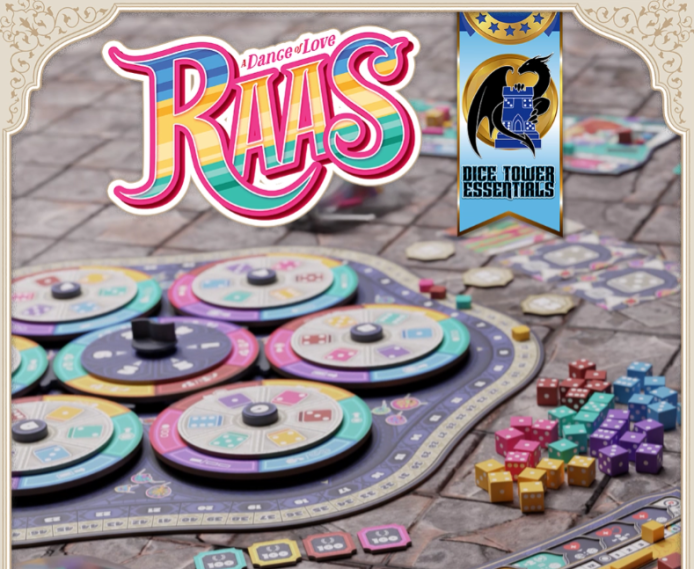
Raas’s moving dials remind me of the interlocking gears of my design Rustbucket Riots. I may need to keep an eye on this title; I do like that it’s competitive instead of cooperative. I love Raas’s theme. The tight board looks amazing, and I’m always down for splashes of color. Raas looks as if it captures the vibe of its subject matter. As of this write-up, we don’t yet know Raas’s price points. If you’re interested in Raas, check out its GameFound page.

Vampire: The Masquerade, Palermo Conspiracies, Lands on GameFound
The theme Vampire: The Masquerade piqued my interest (I’ve always enjoyed this IP’s mythos), but the statement that Teburu may be the future of tabletop gaming places Vampire: The Masquerade, Palermo Conspiracies in my sights. Per its description, the Teburu system integrates physical and digital gaming, while keeping players focused on the board and its components. Evidently, players won’t need a rulebook. What? You may save your game progress and continue later. Vampire: The Masquerade, Palermo Conspiracies offers immersive storytelling and audio support. You may save player data with smart-technology miniatures.

This all sounds fantastic, and it could be “the future of board games,” but I’m cautious. The Teburu system will most likely be patented and only be available from the company of the same name. As of this write-up, we don’t know the cost of this game, and Palermo Conspiracies sounds as if it will be at least $100 at its cheapest price point. Since it’s launching on GameFound, which offers payment plans, I wouldn’t be surprised if Vampire: The Masquerade, Palermo Conspiracies is upwards of $150-$200 or more (board game meets video game pricing) before shipping. I’m also leery of a game playing itself; I like to know why NPCs take specific actions in tabletop games. But this game looks and sounds amazing.
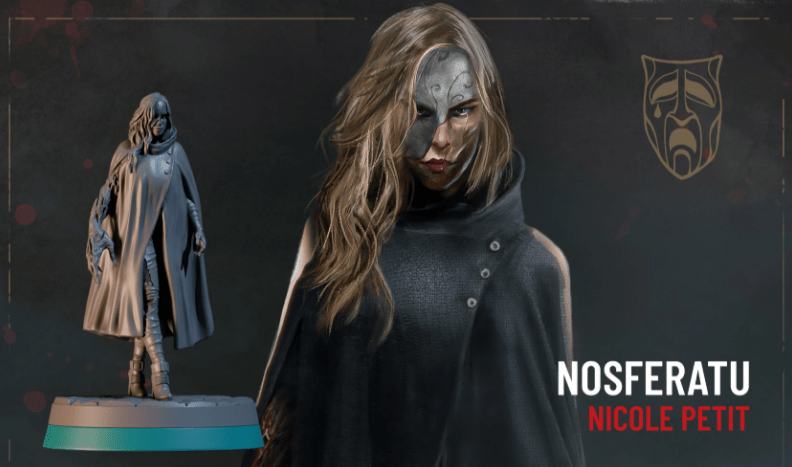
The miniatures are stunning. And there’s tech in those bases. Yowza! If you’re interested in Vampire: The Masquerade, Palermo Conspiracies, check out its GameFound page.

Battlefield 6 Released
I’ve never been into the Battlefield series. Later titles have leaned into online only, player-versus-player brawls. I have to admit that I’m interested in Battlefield 6 because of the return of campaign mode. It’s been some time since Battlefield has featured a robust campaign mode, and judging from Battlefield 6’s early reviews, it looks as if the game delivers.
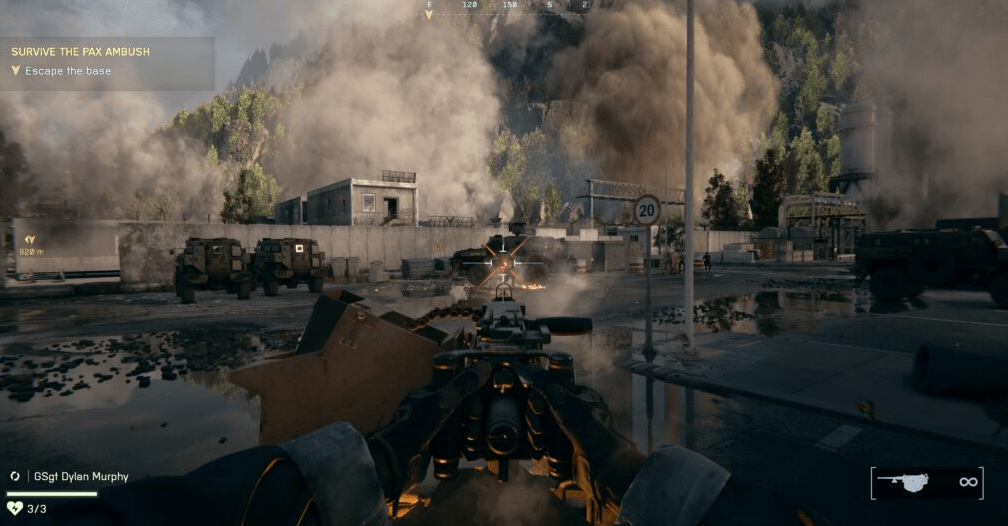
I may wait another week or two, or even for the first price decline, before venturing into this highly touted first-person shooter. Battlefield 6 is available on PC, PlayStation 5, and Xbox Series X/S.
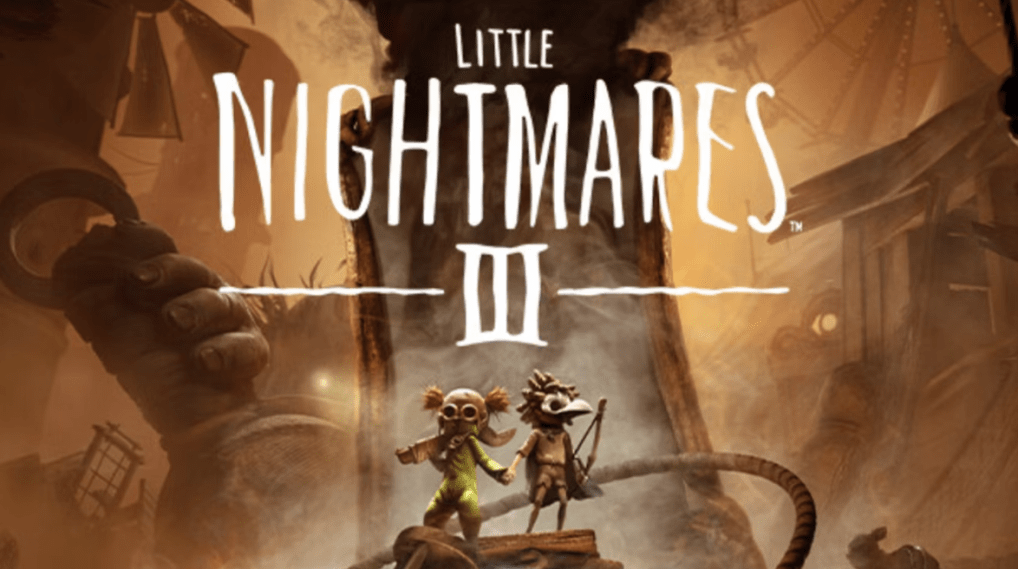
Little Nightmares III Releases
Popular puzzle-platform horror adventure game series Little Nightmares returns just in time for Halloween. I see what you did there, Supermassive Games. Little Nightmares III follows two new child protagonists, Low and Alone, as they navigate through The Nowhere and escape from a looming threat.
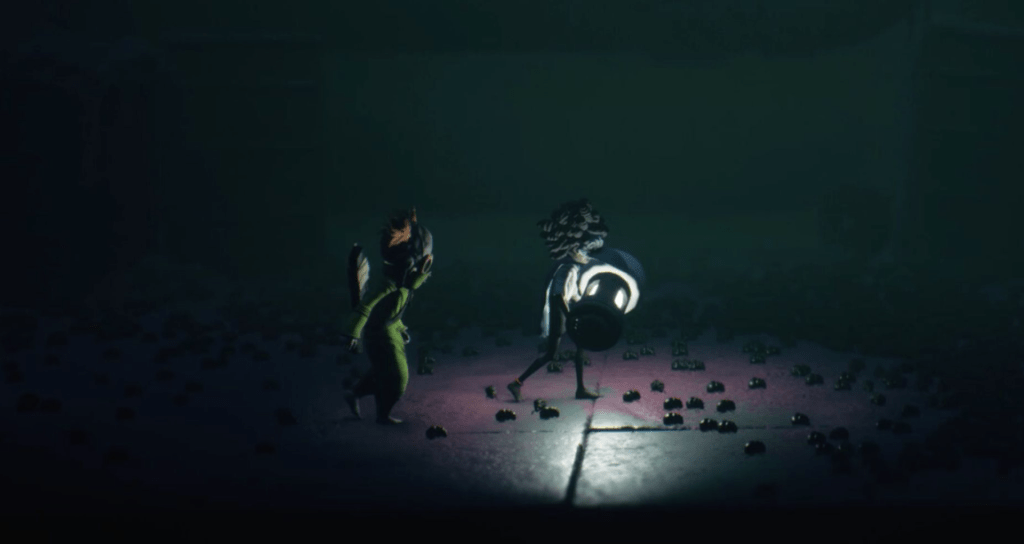
While I am more interested in the Little Nightmare series than I am in Battlefield, Little Nightmares III has received mixed to average reviews so far. I may wait on Little Nightmares III for a very different reason than Battlefield 6. I’m waiting on Battlefield 6 for the hype to die down a bit. But Little Nightmares III may need an update or two. Still, I’m all for another journey into Nowhere. Little Nightmares III is available on PC, PlayStation 4, PlayStation 5, Nintendo Switch, Nintendo Switch 2, Xbox One, and Xbox Series X/S. Fingers crossed for cross-play and cross-saving between platforms.
That’s all the Geek News we have for this week. Thank you for reading, and wherever you are, I hope you’re having a great day.







 jkgeekly.com