

Hey, hey! Kyra Kyle here. It’s still Spooky Season, but I’m going in a different direction with this week’s Top 5. What’s more horrifying than a strong series of villains? In this list, we’ll discuss the 5 most powerful rogues galleries in comic books. This differs from the most popular rogues galleries. If we did the most popular rogues galleries, Batman and Spider-Man’s rogues would certainly make the list. But most of Batman and Spider-Man’s rogues are street-level villains. And not as powerful.
So, who made the list? Let’s find out.
5: The Flash
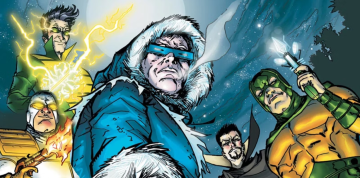
Flash has an underrated rogues gallery. I may be showing my bias here; I don’t know. Flash begins with a lot of great street-level villains or villains slightly above street-level with Captain Cold, Mirror Master, Weather Wizard, and Captain Boomerang. But then you get into Gorilla Grodd who has brains and brawn, and the Thinker who is the most intelligent being in the DC Universe.
And then Flash’s rogues reach a new height with evil speedsters. Speed is a given in a Flash story, but each of these evil speedsters can reverse time and change events. That’s Reverse-Flash’s MO. He went back in time to kill Barry Allen’s mother. Our next hero may be able to claim a more powerful set of rogues, but that level of pettiness raises the Flash’s rogues.
4: Thor
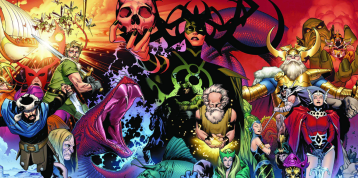
This one’s a cheat. Most of Thor’s rogues are god-tier villains, so they can get powerful. Perhaps too powerful. Mangog is the physical manifestation and sum of the hatred of a billion beings. Mangog is a threat to the entire universe. Then, there’s Surtur, the king of the fire giants. Surtur possesses a sword that can destroy universes. And there’s Gorr the God Butcher. The Marvel Cinematic Universe (MCU) may have done Gorr dirty in Thor: Love and Thunder. He’s far more menacing in the comics; he has killed hundreds of gods with All-Black, his sword that gets more powerful with each god Gorr kills. Oh, wait, I didn’t mention Loki. Yikes!
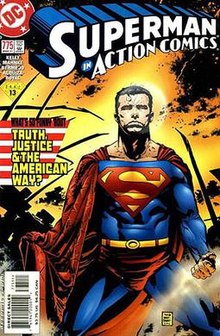
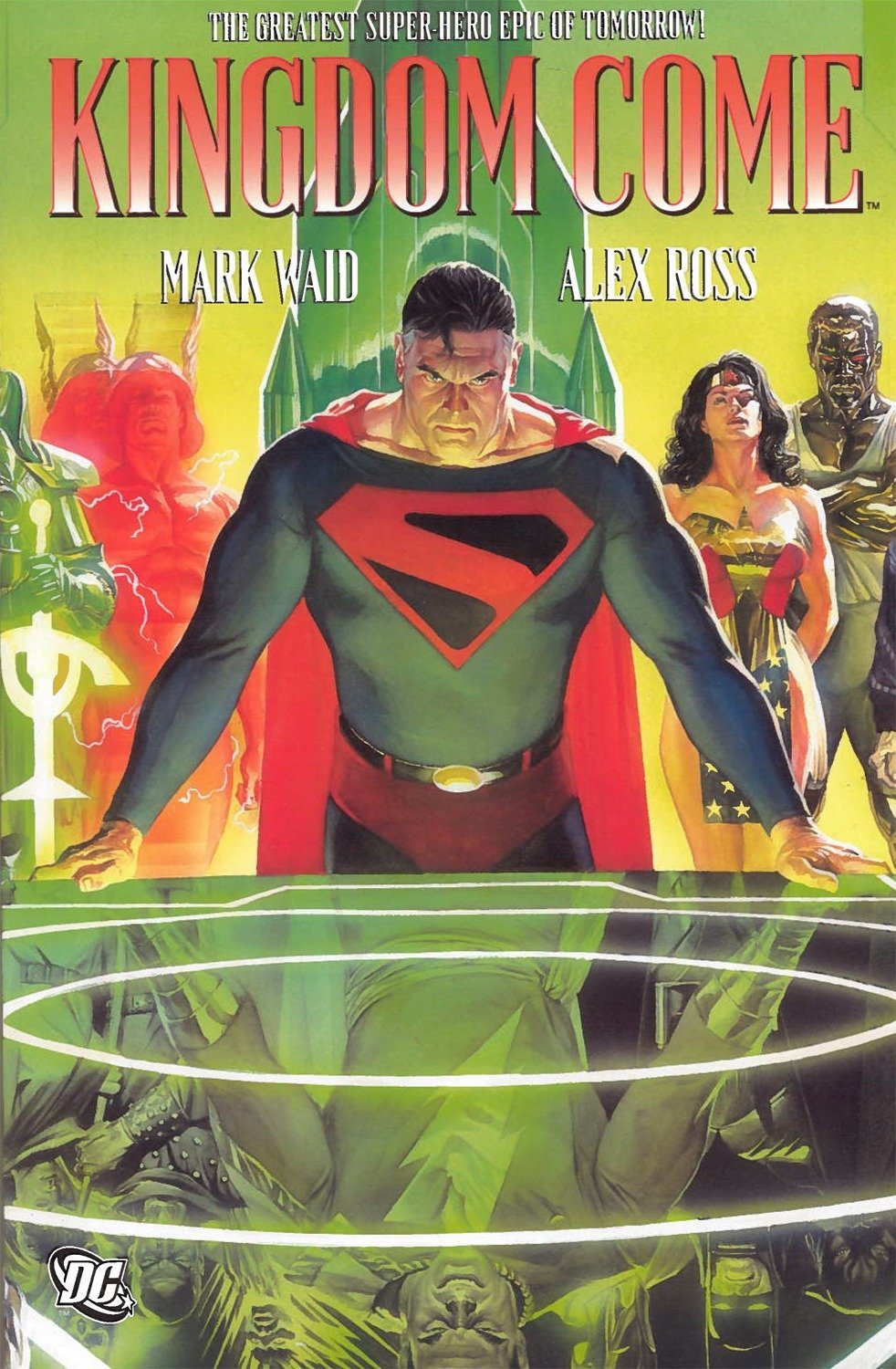
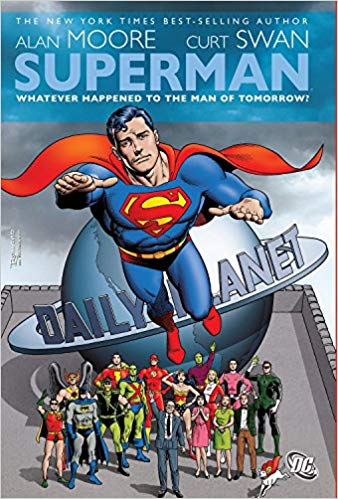
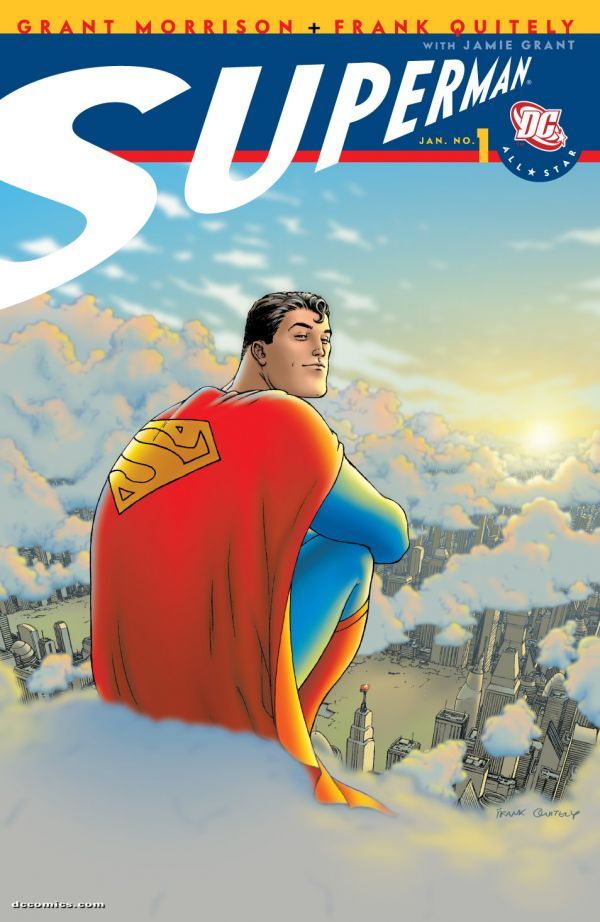
3: Superman
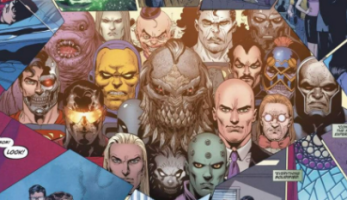
Most people think of Lex Luthor first when thinking of Superman’s rogues and with good reason. But there are quite a few people who may think Lex is a normal human. He’s not a threat. Lex happens to be DC Comics’ version of Tony Stark/Iron Man. Both Lex and Tony have money to burn, a power suit, and super genius intellects. Lex Luthor is Iron Man if Iron Man decided to break bad.
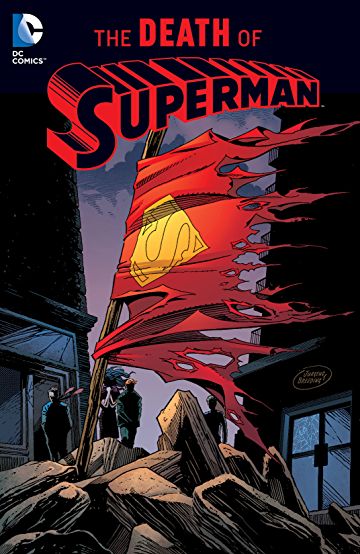
Then you add all the evil Supermen, and there are a lot. Bizzaro, Cyborg Superman, and General Zod lead the charge here. General Zod is Superman with military training. Supes may be in trouble. Brainiac is another universe-level threat. Darkseid who is a DC-wide villain can also be a solo Superman villain, and Darkseid inspired the creation of Thanos. And that’s all before we get to Doomsday who literally killed Superman. Throw in the imp from the fifth dimension, Mister Mxyzptlk, who can warp reality itself, and you can’t deny that Superman’s rogues contain a lot of heavy hitters.

2: Fantastic Four
Galactus. This being literally eats planets like Pac-Man gobbles power pellets. Galactus alone makes the Fantastic Four’s rogues gallery ridiculously powerful. But it doesn’t stop there. Doctor Doom may be one of the deadliest villains in comic book history. He has taken the Beyonder’s powers more than once. The Beyonder is an otherworldly being with universe altering abilities. Kang keeps trophies of the hundreds of heroes he’s killed while time jumping. And there’s Annihilus, ruler of the Negative Zone.
The Fantastic Four are unique in the world of comics. They tend to act than react and bump into many of their enemies on their adventures, and their adventures take them to some crazy locales like the Negative Zone. I can’t wait to see which version of the Fantastic Four the MCU will give us.

1: X-Men
But our number one spot must be the X-Men. The Fantastic Four may have Galactus, and Galactus may be more powerful than any one X-Men villain, but the X-Men have a power classification system. This makes it easy to figure out who can destroy or severely alter the world. The X-Men have at least eight Omega-level evil mutants. Madelyne Pryor (evil clone of Jean Gray), Dark Phoenix, Apocalypse, Exodus, Cassandra Nova, Stryfe, Proteus, and of course Magneto.
That short list doesn’t even include Mr. Sinister who cloned Jean Gray and has caused havoc. Sentinels and the upgrade Nimrod. Or even Bastion who is part mutant-part Sentinel. It doesn’t include Shadow King and the Adversary who can haunt people psychically. I think I forgot to mention the Brood in there. And so, so many more ridiculously powered villains who would be at home facing off against the Fantastic Four or Superman or the Justice League or the Avengers. The X-Men’s rogues gallery tops just about any comic book rogues gallery in terms of sheer power.
Did we get the list right? Let us know who you would add or remove in the comments. And wherever you are, I hope you’re having a great day.

 jkgeekly.com