Spider-Man has so many great stories in his history. There are a lot of eras to Spider-Man too, s this can be a hard character for new readers to get into. Do you want to read Spidey as a teenager (as in Spider-Man: Homecoming) or do you prefer a more adult Spidey (one seldom depicted in movies but just as interesting at times)? Your uncle Geekly doesn’t really know. What he does know is that he can narrow this search to at least Peter Parker as Spider-Man.
Yeah, so we’re not covering Miles Morales (Ultimate Spider-Man), Ben Reilly (Spider Clone), Doctor Octavius (Doc Ock in Spidey’s spandex), or Spider-Girl or Gerry Drew (son of Spider-Woman Jessica Drew) or countless others—and there are several others. We’re talking Peter—not Uncle—Benjamin Parker. Yeah!
Let’s see if I can find a middle ground of teen and adult Spidey with a leaning toward young Spidey. Clear as mud? Good. Here we go.
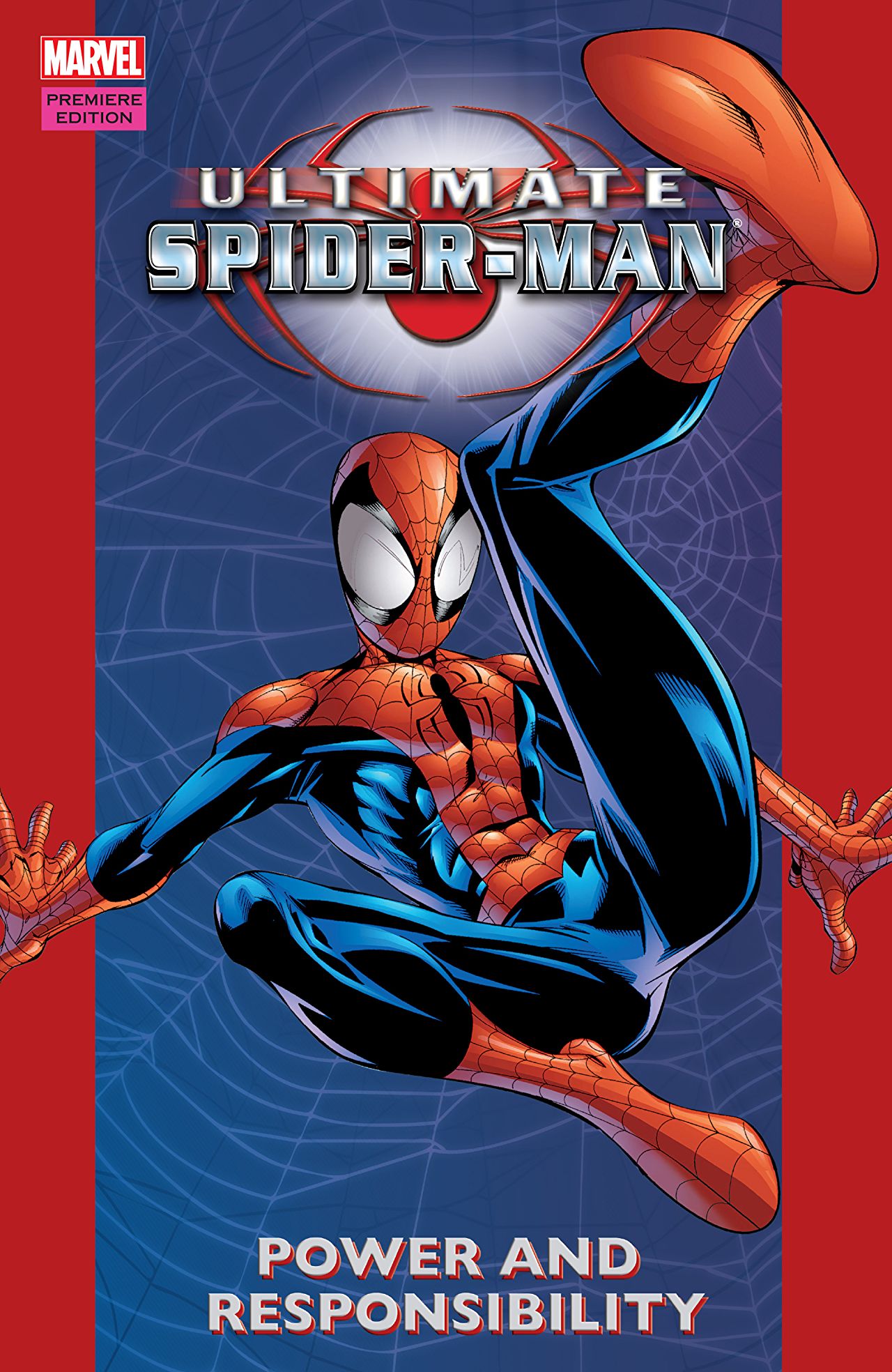
Ultimate Spider-Man #1-7, “Power and Responsibility” (written by Brian Michael Bendis/art by Mark Bagley; 2000-2001)
I know I said that I wouldn’t include Ultimate Spider-Man Miles Morales, but the original Ultimate Spider-Man series featured Peter Parker and the first seven issues titled “Power and Responsibility” retold Spider-Man’s origin in an accessible way. It also happens to be one of the main source materials for Spider-Man: Homecoming, so if you want to learn about this Peter Parker from the ground up, there’s no better place to start.

Spider-Man: Blue (written by Jeph Loeb/art by Tim Sale; 2002)
Anytime Loeb and Sale team up there’s usually an origin tale or “before they were stars” story, and Spider-Man: Blue is no exception. Sale’s art takes a nice middle ground to slick, modern comic book style and retro Spidey. Loeb’ writing adds the right kind of depth for retelling the early days of Peter and his love affair with Gwen. Gwen Stacy is the one who was portrayed by Emma Stone in The Amazing Spider-Man film series, not Peter’s better-known love interest Mary Jane.
While one could read the original appearance of Spider-Man, Spider-Man: Blue adds more depth to the character that wasn’t there in the 60s.

Amazing Spider-Man #31-33, “If This Be My Destiny” (written by Stan Lee/art by Steve Ditko; 1965-1966)
The plot for “If This Be My Destiny” is standard Spider-Man fare. It’s a well-executed Doc Ock story, but most stories of this time by Ditko and Lee were. Where “If This Be My Destiny” shines is when Spidey gets caught beneath some heavy machinery. In this classic scene, which has been duplicated in numerous Spider-Man movies, Peter musters all his willpower to free himself from the heavy load. This act shows what makes Spider-Man the endearing character he is, while his inner monologue brings his demons to light. “If This Be My Destiny” cements Spidey as the everyman hero.

Amazing Spider-Man #39-40, “How Green Was My Goblin” (written by Stan Lee/art by John Romita Sr.; 1966)
As you might be able to tell with my books I seldom go with the original telling of stories, opting to go with contemporary retellings, but the great Stan Lee does an awesome job of setting up Peter’s nemesis. And I say Peter’s nemesis because Norman Osborne’s Green Goblin has personal attachments to The Wallcrawler.
The first movie version of the Green Goblin showed him as Harry Osborne’s dad, but this reveal was a shock at the time, and this story gets to the essence of these two’s relationship. Batman needs his Joker. Spidey needs his Green Goblin.

Amazing Spider-Man #121-122, “The Night Gwen Stacy Died” (written by Gerry Conway/art by Gil Kane; 1973)
This one had to make the list. One of the pivotal moments of Spidey’s life as a hero came in the form of when Gwen Stacy died. It’s a tale that shows that even superheroes can fail.
Failure is a part of life and it’s definitely a part of Spidey’s life. This is one of the things that makes Spidey relatable as a character.
The death of Gwen Stacy also defined Green Goblin as a villain. As the previous entry attests, Green Goblin is Peter Parker’s enemy, not just Spider-Man’s, and “The Night Gwen Stacy Died” does the most to bring home this fact. It’s a must read.
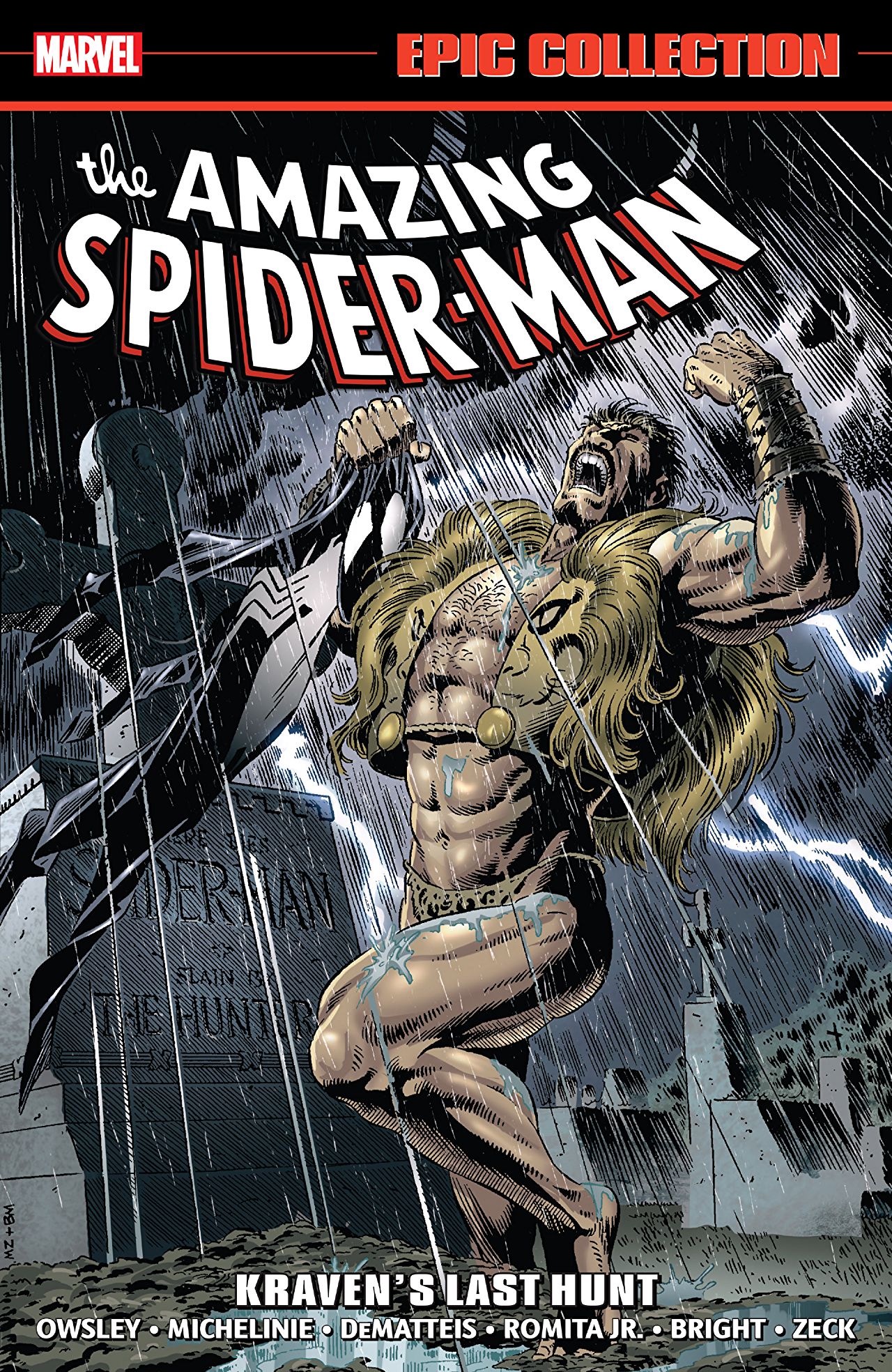
Web of Spider-Man #31-32; The Amazing Spider-Man #293-294; The Spectacular Spider-Man #131-132, “Kraven’s Last Hunt” (written by J. M. DeMatteis/art by Mike Zeck; 1987)
Kraven had been one of Spider-Man’s greatest enemies early in the Wallcrawler’s career, but time had passed him by. “Kraven’s Last Hunt” mirrored this decline, showcased Kraven’s ultimate revenge, and delved into Peter and Mary-Jane’s early marriage. There’s so much going on in this storyline that has defined and will continue to define the character.
It’s a story that asks what makes a hero, and one of the better Spider-Man stories ever written.
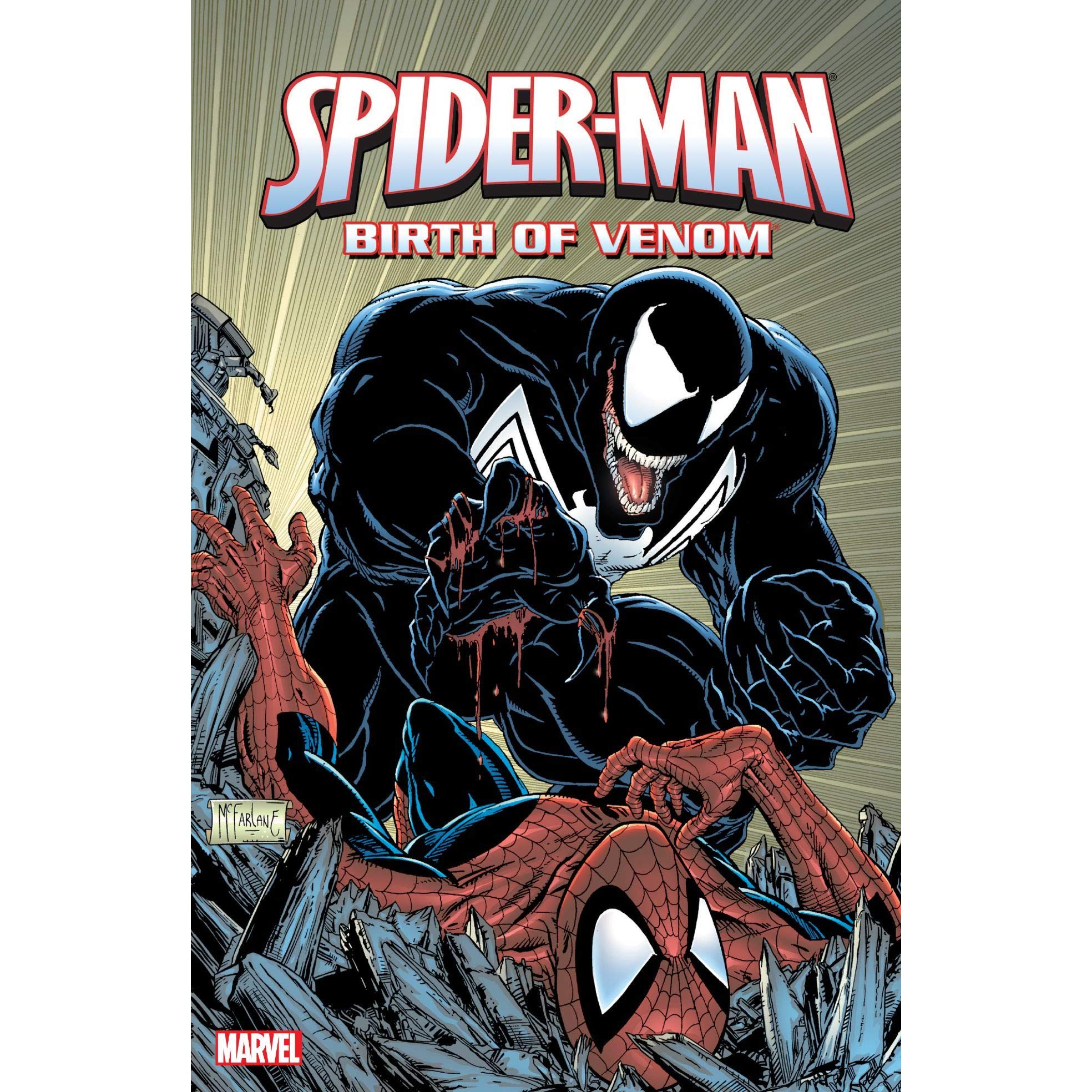
Secret Wars #8; Amazing Spider-Man #252-259; #298-300; #315-317, “Spider-Man: Birth of Venom” (written by various/art by various; 1984-1989)
There’s a lot of time gaps with this story, but “Spider-Man: Birth of Venom” has been collected in various graphic novels—maybe not all these stories, but a great many of them—and to get a good idea of Spider-Man and his relationship with the various symbiotes one should read this story first.
So much of Spider-Man in the 1990s and even in the 2000s revolved around Spidey and the various symbiotes that one should know a little something about them. “Birth of Venom” provides that background knowledge.
That’s my list for readers who are new to Spider-Man comics. There are so many to choose from—decades in fact—and I’m sure I missed more than one, two, or five hundred. Be sure to list some in comments. I’m sure Jim would prefer your picks to mine.



 jkgeekly.com