
Geekly News: March 8, 2026; Xbox Announces Next Gen Console

Happy Sunday, Geekly Gang. Kyra Kyle here with another week of Geek News. We have plenty of board games and video games new releases, but before we get into those, let’s discuss our headline for this week. Xbox revealed its plans for a next-generation console. What? Project Helix is on the way, and the details we’ve seen have made us the most excited for an Xbox console in several years.
Xbox Reveals Plans for Project Helix

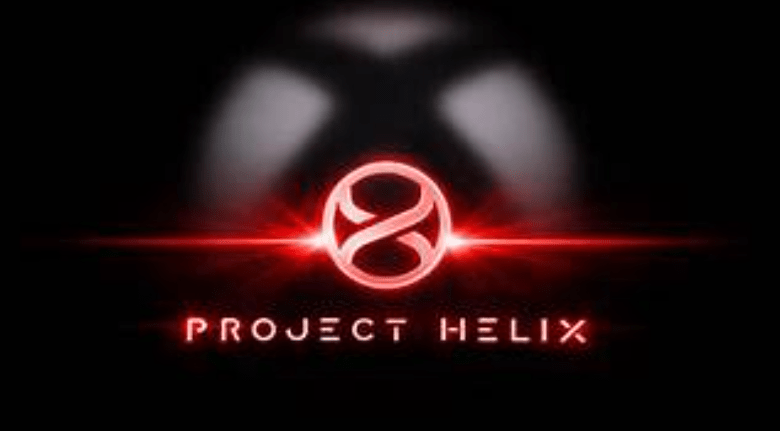
Xbox announced its next-generation console, following the Xbox Series X/S (sometime in the next few years, possibly as soon as late Fall 2027). Even though Xbox has pivoted to software over hardware, Codename: Project Helix confirms Xbox hasn’t left the console race. The official Xbox X account shared the project name “Project Helix” and a new logo (pictured above) that blends the classic Xbox logo with a DNA double helix. Xbox’s new CEO, Asha Sharma, shared more details in her own post, claiming the system will “lead in performance and play your Xbox and PC games,” which marks a major shift in Xbox’s approach.

Since the new Xbox machine will be capable of playing Xbox and PC games, it will challenge the upcoming Steam Machine. Talk about a new console generation. Xbox has hinted that its new system will run on Windows, which should allow players to download third-party software like Steam, GOG, and Epic. This has me excited. And one quick note on the name, Project Helix. Typically, tech companies use a working title for their consoles. Xbox Series X/S was nicknamed “Project Scarlett,” while Nintendo used “Project Revolution” for the Wii. While the name Helix may change, I could see Xbox keeping the double helix design in some capacity.
We should hear more news about Xbox’s upcoming console in the coming weeks. Xbox CEO Asha Sharma promises to meet with shareholders next week. While most details discussed during this meeting should remain confidential, fans may get a few tidbits of information in the coming days. We’ll keep you posted if we hear anything.

While this announcement occurred after Sharma assumed the CEO position, plans for “Project Helix” had to have been started during Phil Spencer’s tenure. But this could be a shift in direction after Spencer’s departure. Either way, “Project Helix” looks to shake up the video gaming console landscape, and we’re all for it. I may need to buy a new big-screen TV.
Botany: Floral Dragons Launches on KickStarter

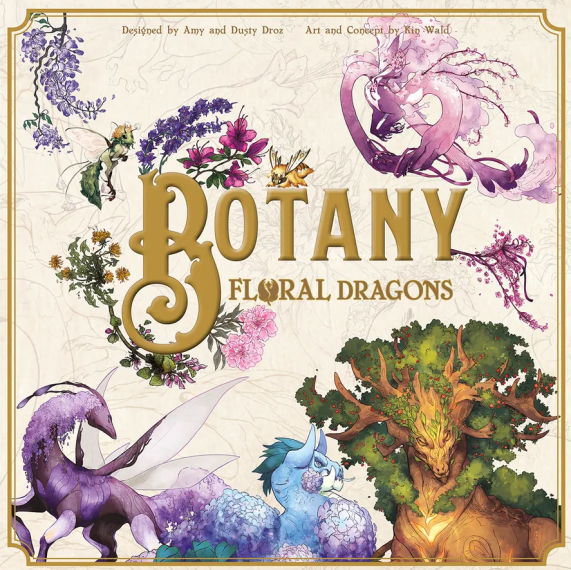
In Botany: Floral Dragons, players assume the role of a botanist, travelling the world in search of fame, fortune, and the coveted honor of floral dragons. As you travel the globe, you’ll need to manage your expedition funds, experience thrilling events, and acquire support. Each player begins the game with a set of randomized goals. Players can use these coins to traverse the globe and gain crew members and items, improving their odds of surviving the unknown. However, there is danger in spending too freely. Players must have coins to return with their specimens intact. Whenever you return to your estate, you’ll add new floral dragons and build new garden features. At the end of the game, the player with the most points wins.
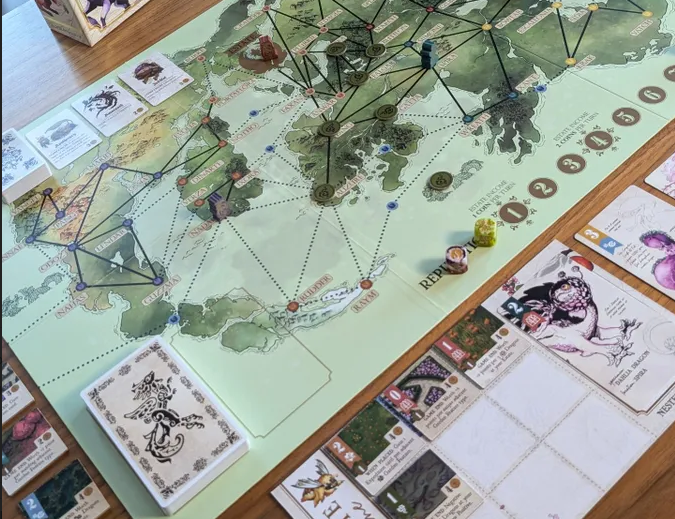
We paraphrased Dux Somnium Games’ description for Botany: Floral Dragons. Thank you for the write-up. Botany: Floral Dragons features amazing graphics and artwork. Gardening games have grown–pun intended–in popularity over the past decade or so, and dragons are always a welcome addition. Botany: Floral Dragons’ combination of themes reminds me of Cretaceous Rails (dinosaurs and trains). Why hasn’t anyone combined these two themes before Botany: Floral Dragons?

Botany: Floral Dragons should build off of Dux Somnium Games’ 2025 release, Botany: A Victorian Expedition, and that game received good reviews. Dux Somnium Games always delivers with high-quality components, and I like that every game in their catalogue features similar art and graphics. Botany: Floral Dragons has the same vibe as previous Dux Somnium Games. Of course, this company is known for offering multiple pledge levels for their crowdfunding campaigns, too. Pledges range from $49 to $599. Wow! A lot of the extras included with the $599 are nice things to have, but unnecessary to play the game. Still, Dux Somnium Games are ones I can see some gamers wanting top-notch, upgraded pieces. If you’re interested in Botany: Floral Dragons, check out its KickStarter page.
The Old Ones of El Dorado Launches on KickStarter

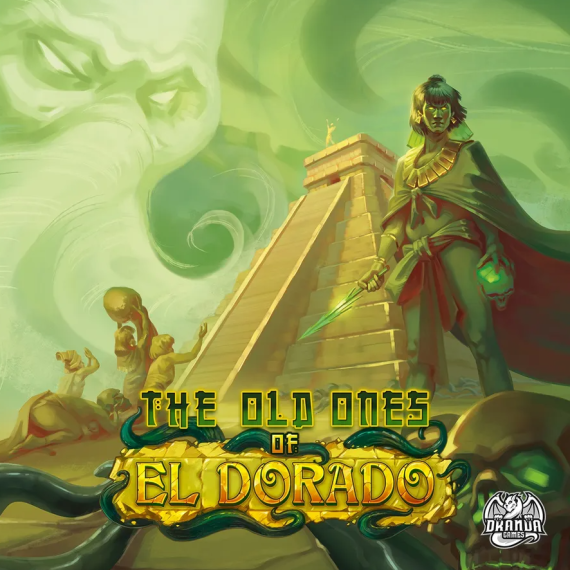
The Old Ones of El Dorado is a hand management and drafting game in which the cards form a closed economy of actions. You can play a card into one of four action rows and perform both the action of the space and the action on top of your card. However, the next player may choose to play into the same row, if there’s space, gaining them the action on their card, your card, and the action associated with that row. Each card offers two actions to choose from, but once played, the orientation becomes fixed.

Throughout The Old Ones of El Dorado, you’ll gather resources to construct temples, craft sacred masks, and raise shrines. You’ll make dark sacrifices to the Old Ones and send cultists into the village to obtain knowledge and goods. These efforts will earn you points and bring you closer to immortality as promised to you by the Old Ones of El Dorado… but is it a blessing or a curse?
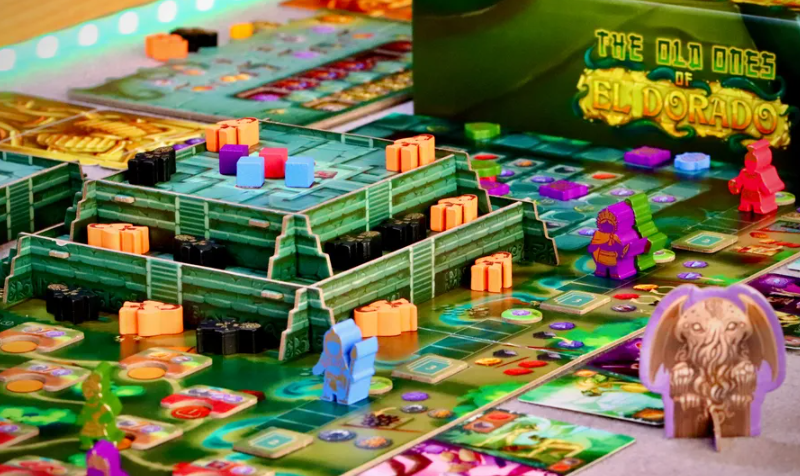
Another good description by publisher, Dranda Games, and another great mash-up of themes. Plenty of games have a setting of El Dorado, but even more have used the Cthulhu Mythos as a theme. I like The Old Ones of El Dorado’s use of meeples. And the 3D elements on the board grant life to the setting. My only issue may be the cardboard Cthulhu, First Player Marker. I’d love to see that as another wooden meeple. I need some Cthumeeple in my life.

The different meeples function as different workers. I like this concept in Worker Placement Games. The Old Ones of El Dorado looks to bring the Cthulhu Mythos to a heavy Euro game. That’s something else that doesn’t happen too often. Cthulhu-themed games lend themselves more to highly thematic games. I’d like to see how The Old Ones of El Dorado’s different meeple types function with the game’s 3D elements. The Old Ones of El Dorado offers multiple pledge levels: $47, $54, and $99. It looks as if the higher levels add more value for not as much money as one might think. If you’re interested in The Old Ones of El Dorado, check out its KickStarter page.

Re;Match: Marble Puzzle Fighter Launches on KickStarter

Re;Match: Marble Puzzle Fighter is an asymmetric 1 versus 1 fighting game, fueled by a marble puzzle system. Input your attacks each turn by clearing connected matching marbles from a 3 x 5 grid. Your attack corresponds to number and color marbles you cleared. The more marbles you clear, the bigger the attack. Every move changes the board state for what you allow your opponent to clear, and you can only clear from 2 of the 3 lanes, so every move has immediate consequences.

Deal damage to your opponent’s 3 health bars, each corresponding to a different color of attacks: Red, Yellow, and Blue. Breaking a health bar forces your opponent to spend a quarter to keep playing, and disables that color of attacks from being used. But be careful, a broken health bar turns those corresponding marbles into WILD connectors, allowing them to launch even more powerful attacks with their remaining colors, not to mention each cleared WILD marble restores health to that broken health bar, bringing it back into play.

Thank you, Brother Ming, for the description. Re;Match: Marble Puzzle Fighter has an undeniable toy factor. Look at the central marble puzzle piece. I don’t care for the game’s name. Why isn’t it Rematch instead of Re;Match? But this game earns that moniker, Rematch. From what I’ve seen, Rep;Match: Marble Puzzle Fighter matches last between 15-30 minutes. That’s short enough for a series of rematches. And players can choose between multiple combat styles (asymmetric powers). The DJ, Chef, Trickster, and Psychic have various playstyles. You’re bound to find one you like best.

Brother Ming Games is best known for its Genshin Impact line of game peripheries (like dice and playing cards). I’ll glad to see them stretching their wings in the tabletop game space. Since Brother Ming has experience with game production, I trust Re;Match: Marble Puzzle Fighter will use good quality materials. The acrylic standees I’ve seen in Re;Match’s pictures are in line with board game standards. A lot of games are switching to acrylic standees, and these look good. But who am I kidding? That marble puzzle element slays. Re;Match: Marble Puzzle Fighter offers pledge levels ranging from $99 – $300. If you’re interested in Re;Match: Marble Puzzle Fighter, check out its KickStarter page.
The Glasgow Train Robbery Launches on GameFound

The Glasgow Train Robbery is a co-operative game for two players inspired by one of the most infamous crimes in British history. Set in 1960s Scotland, you and your partner take on the roles of two key members of a criminal crew determined to intercept and rob a high-value train — without getting caught. Over the course of the game, you’ll work together to plan the heist, gather the right equipment, mislead the authorities, and finally execute the robbery in a high-stakes finale. Communication is limited, tension is high, and every decision counts. Will you manage to synchronize your actions, stay ahead of the investigation, and escape with the loot? Or will a single misstep derail the whole operation?

The Glasgow Train Robbery challenges players with unexpected twists and a constantly shifting landscape. The game is played over an undetermined number of turns, ending successfully if you manage to complete all five plan cards before the train reaches London, with the Coordinator needing to complete the first four, and the Operator the final one. Fail to complete the plan in time, the police will catch you. The Glasgow Train Robbery is the first title in a new series of games inspired by legendary historical heists. With a focus on historical flavor, immersive gameplay, and tight teamwork, this series invites players to step into the shoes of infamous criminals to see whether they can outsmart the law.
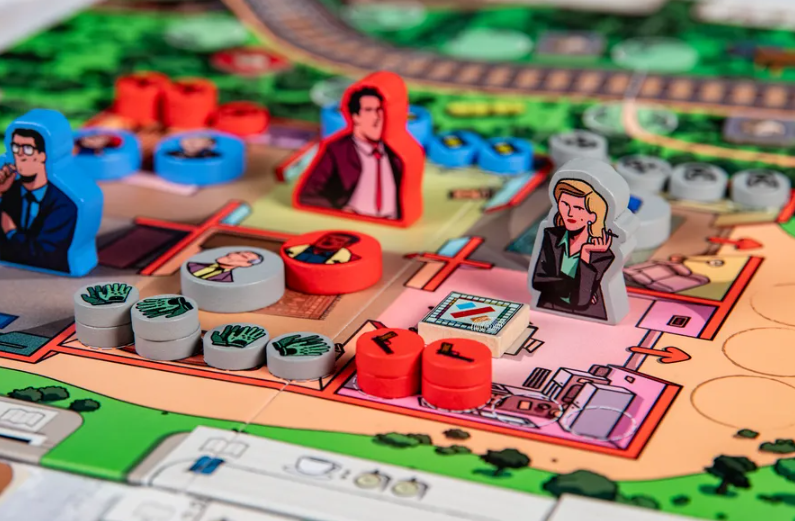
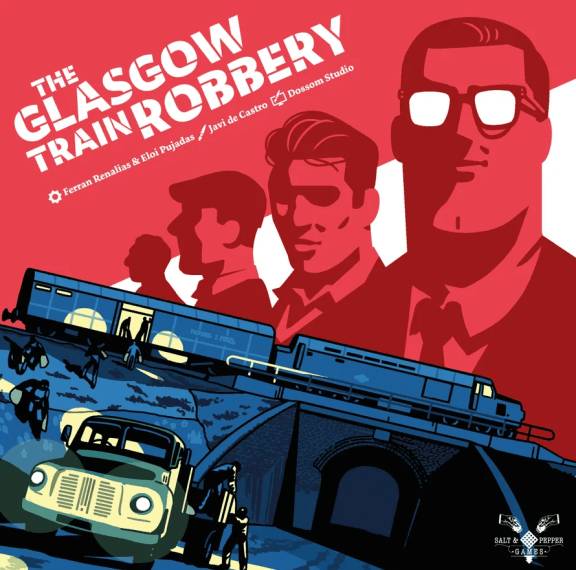
That was a great description, Salt and Pepper Games. I love The Glasgow Train Robbery’s theme and the fact that Salt and Pepper Game intends on making this an ongoing board game series. Yes! I can’t wait to play other famous heists throughout history. The Glasgow Train Robbery has been on my radar for several months. The look. The theme. The fact that Salt and Pepper Games is an up-and-coming board game publisher. Yes to all.

I’m a sucker for The Glasgow Train Robbery’s art. I also love wooden pieces in board games. Look at those uniquely shaped meeples. It makes the game look classic and unique. Salt and Pepper Games also has a knack for producing history-based board games. They’ve published Watergate, Resist!, and Skulls of Sedlec. I can’t wait to see what they’ll do with this new series of history-based board games. If you’re interested in The Glasgow Train Robbery, check out its GameFound page.
Marathon Releases

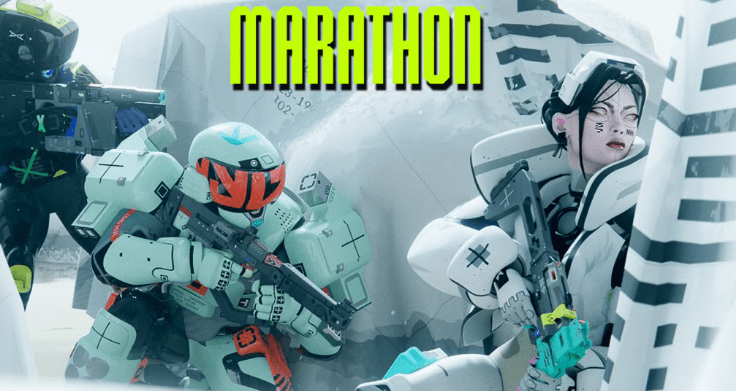
Marathon is a first-person multiplayer extraction shooter set in the same universe as the Destiny series. Yes. Bungie has returned to the Destiny universe, and the publisher takes a swing at the extraction shooter genre, a genre growing in popularity after the battle royale boom about a decade ago. Players deploy into a shared environment, search for loot, and attempt to successfully extract (either an item or non-combatants) from the region before getting eliminated by enemy players or environmental threats. While Marathon’s core gameplay focuses on player-versus-player (PvP) encounters, the game offers ample player-versus-environment (PvE) game options and hazards within PvP encounters.
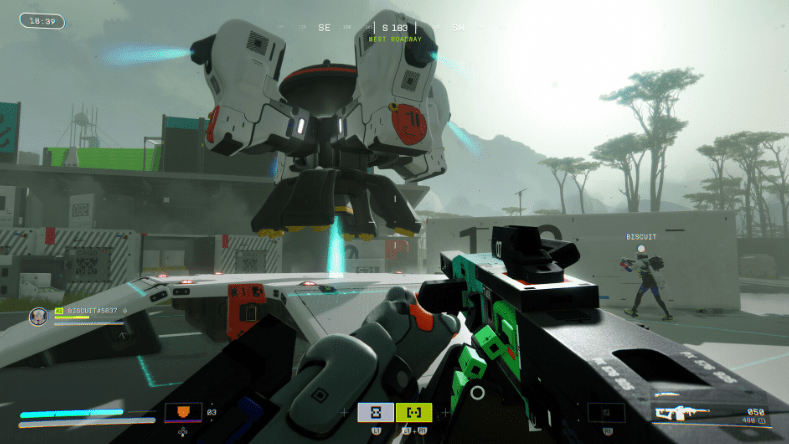
Multiplayer extraction shooters await a smash hit (like Fortnite or Apex Legends), and Bungie has plenty of experience delivering fantastic video games. Marathon might be what this game genre needs to truly take off. Marathon is available on PC, PlayStation 5, and Xbox Series X/S.
Never Grave: The Witch and The Curse Releases

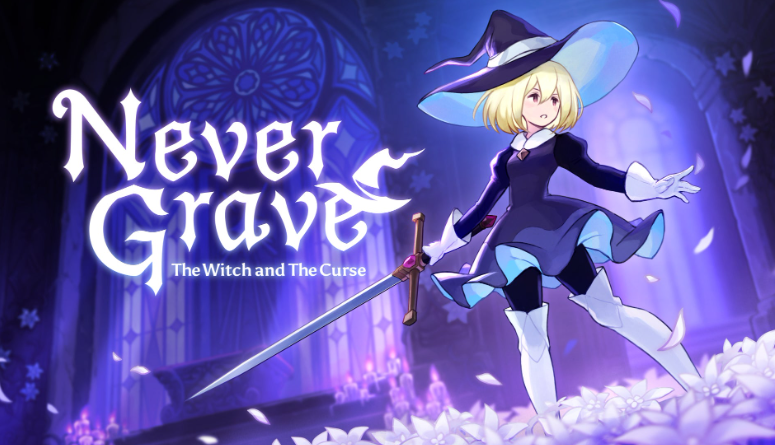
Never Grave: The Witch and The Curse is a Metroidvania x Roguelite where you journey with the aid of a cursed hat. Use a variety of magic or possess your enemies to reach the dungeon’s lowest levels. Bring back loot, build new facilities in your village, make a living, and strengthen yourself for the next battle. While you can play Never Grave: The Witch and The Curse as a solo experience, the game supports up to 4-player multiplayer.
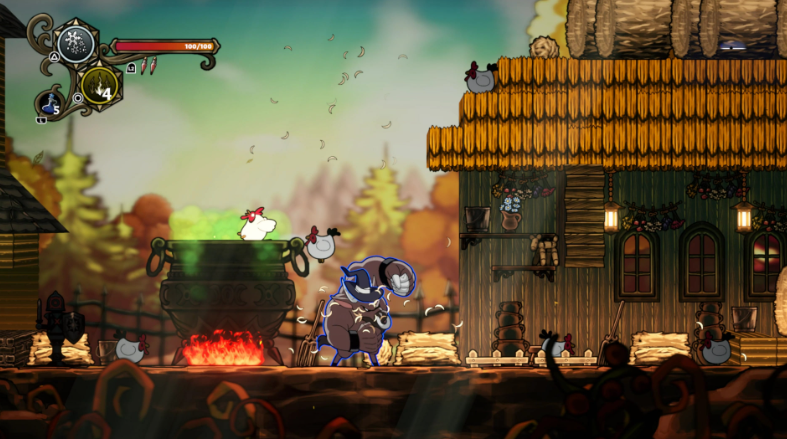
It’ll be difficult for a side-scrolling Roguelite to stand out in this year’s market. 2026 may only have a dozen or so weeks under its belt, but it’s already produced stellar games of this type. Never Grave: The Witch and The Curse has received mixed reviews (as of this post), but it offers a multiplayer option that few Roguelite games released this year have. Roguelites don’t tend to support multiplayer, but a few levels might be fun. Never Grave: The Witch and The Curse is available on PC, PlayStation 4, PlayStation 5, Xbox Series X/S, and Nintendo Switch.
Planet of Lana II: Children of the Leaf Releases

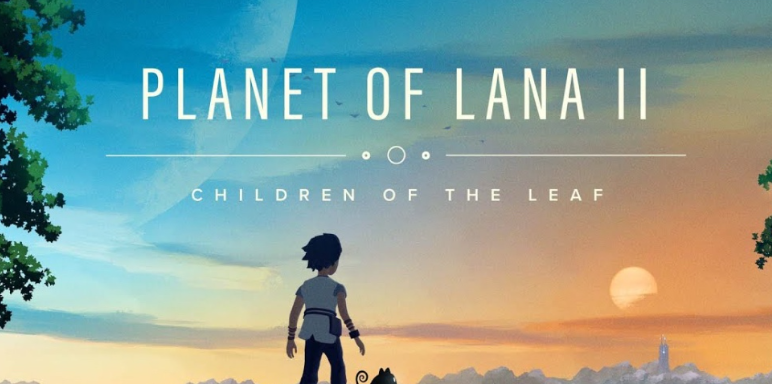
Sequel to the stellar 2023 puzzle-platform game Planet of Lana, Planet of Lana 2: Children of the Leaf trades a heroic rescue for a darker story of revenge. While the game’s mechanisms are inspired by cinematic platform puzzlers like Inside, Planet of Lana 2: Children of the Leaf takes its visual inspiration from Studio Ghibli.
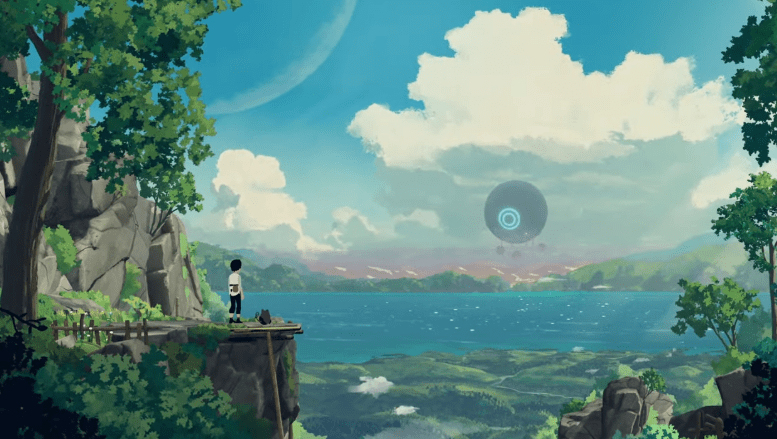
So pretty. And from what I’ve seen in early reviews, Planet of Lana II has a banger story with a compelling ending that will stick with players for ages. I never got around to playing Wishfully’s original Planet of Lana, but I may dive into this haunting world. Can you help Lana rescue her planet’s soul? Planet of Lana II: Children of the Leaf is available on PC, PlayStation 4, PlayStation 5, Xbox One, Xbox Series X/S, Nintendo Switch, and Nintendo Switch 2.
Pokémon Pokopia Releases

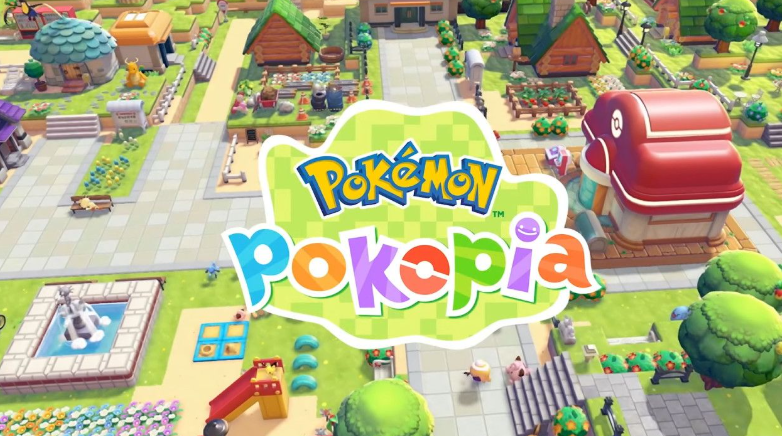
The Pokémon series finally gets a crossover with Animal Crossing–of sorts. Pokémon Pokopia is a life simulation game, and since Game Freak teamed up with Omega Force (developer of Dragon Quest Builders 2), I believe Pokémon Pokopia will share similarities with Dragon Quest Builders 2. If that’s the case, Pokémon Pokopia will be awesome. I love Dragon Quest Builders 2. Players navigate a day-night cycle and cultivate different biomes. This sounds so much like Dragon Quest Builders 2. I can’t wait.
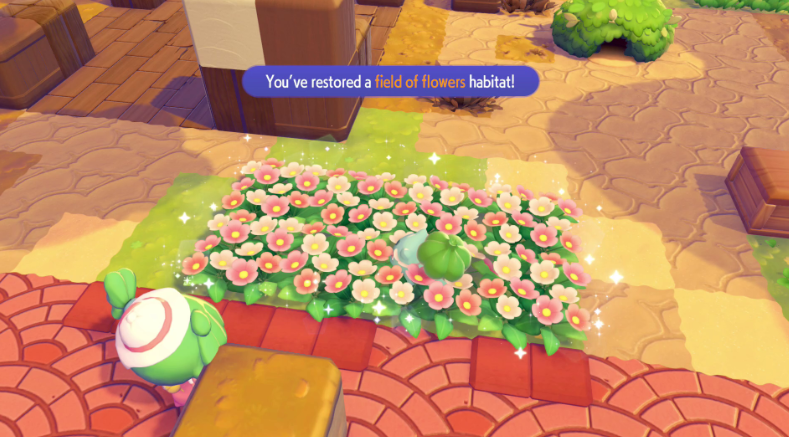
Players control Ditto, who imitates a human. Players can customize Ditto’s appearance, including skin color, hair color, and clothing. Pokémon Pokopia features crafting and building mechanics that players use to befriend new Pokémon, who, in turn, can teach Ditto new moves to interact with the environment. Ditto can perform various tasks like creating bushes, watering dry plants, cutting debris, and smashing rocks. Pokémon Pokopia is only available for the Nintendo Switch 2. Whenever I pick up a Nintendo Switch 2, I know this game will be one of my first.
Slay the Spire 2 Enters Early Access

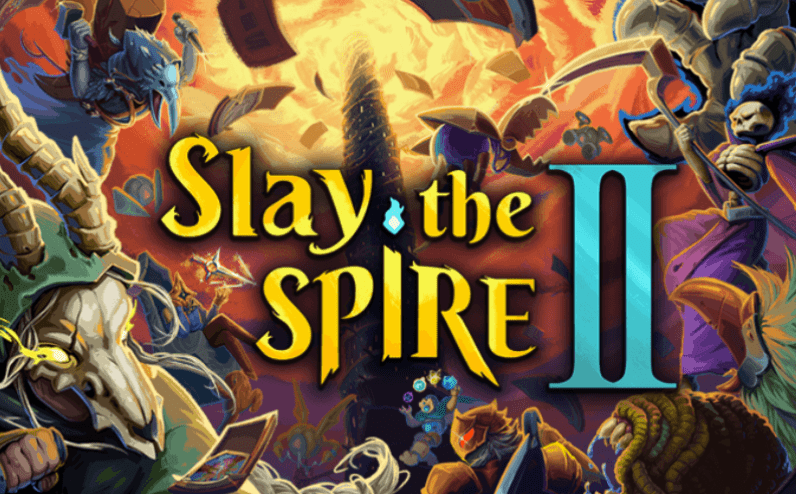
Yes! The sequel to the iconic roguelite deckbuilder, Slay the Spire, entered early access this past week. What did I say about roguelites being a crowded market this year? Wow! Within months of Hollow Knight: Silksong, Slay the Spire 2 drops. Late 2025 to 2026 has been insane.
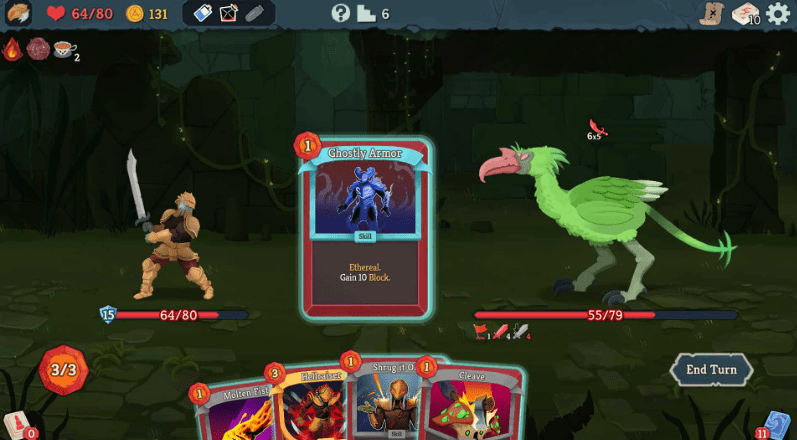
If you liked the original Slay the Spire, you’ll undoubtedly like Slay the Spire 2. According to some reviews, Slay the Spire 2 plays a lot like the original in the early game. But after a few rounds, the sequel throws in some welcome wrinkles to the award-winning formula. So far, Slay the Spire has received universal praise.

Peak concurrent users hit 217,932 gamers during the sequel’s launch, nearly quadrupling the original game’s lifetime record. The surge to purchase Slay the Spire 2 was so great, it temporarily paralyzed Steam’s payment servers for 30 minutes. If you tried to make a purchase on Steam during this 30-minute window and couldn’t, blame Slay the Spire 2. But hey, Slay the Spire 2 is a fantastic game and worth the hype, so far. Slay the Spire 2 is available on Steam.

That’s all the Geek News we have for this week. Thank you for reading, and wherever you are, I hope you’re having a great day.

Geekly News: March 1, 2026; Seismic Changes at Xbox

Happy Sunday, Geekly Gang! Kyra Kyle here with another week of Geek News. We have another weekly round-up of new game (board games and video games) releases, but before we get into those, we have some headlines to discuss. We missed last week, because I was on a romantic getaway with my spouse, so some of these headlines may come from the previous week, and we begin with a doozy. Xbox Gaming CEO Phil Spencer retires, and Spencer’s mentee Sarah Bond resigns. Woah! What is happening at Xbox? Let’s find out.

Xbox Gaming Changes Leadership

After nearly 40 years with Microsoft Gaming, Xbox CEO Phil Spencer retires. While Spencer will stay on in an advisory capacity later this year (2026), advisory roles are more symbolic. I don’t imagine Spencer having much input into Xbox’s future–if Xbox even has a future, but more on that in a little while. What muddies the water further is that Sarah Bond, who Spencer prepared to take over as CEO in the event of his leaving Xbox, resigned her position. Undoubtedly, Spencer and Bond are subject to a non-disclosure agreement, so we may need to wait numerous years before they share why they left the company, and Xbox/Microsoft hasn’t expanded on why the pair left. Talk about chaos.

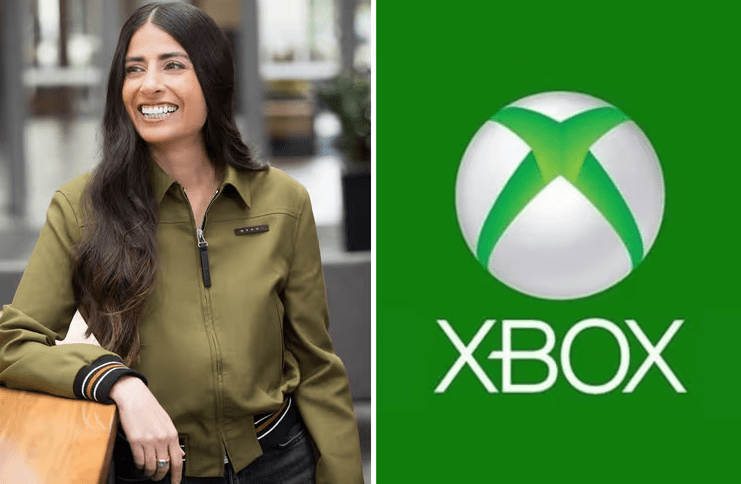
But we’re not done yet. Microsoft Gaming/Xbox has named Spencer’s replacement: Asha Sharma. Prior to joining Microsoft in 2024, Sharma was chief operating officer of Instacart and previously vice president of product at Meta. Her role within Microsoft was within its CoreAI division. Uh, oh! Artificial Intelligence. Sharma immediately addressed gamer concerns with Microsoft/Xbox potentially leaning further into AI. She made the following statement: “Xbox will commit to the ‘future of play,’ and that Xbox would not focus on ‘soulless AI slop.'” There’s a lot to unpack with Sharma’s brief statement.

What does “Future of Play” mean? Sharma is saying the right things. She wants to return Xbox to its early days. She wants to focus on games. I’m all for better games. And Xbox has acquired a ton of developers. Fingers crossed that many of the better ones survive a potential reorganization or that the developers who do get let go can re-establish themselves as independent publishers. We’ve heard rumblings that Xbox could be disbanded. “A focus on games” could mean Microsoft has no interest in consoles, and to be fair, consoles don’t always garner huge revenue. And then, there was the bombshell dropped by Xbox co-founder Seamus Blackley during a Gamesbeat interview earlier this week. “I expect that [Sharma’s] job is going to be as a palliative care doctor who slides Xbox gently into the night.”

If the Xbox Series S/X is Microsoft’s final console, it may be a fate Xbox has been heading toward for years. I never bought Phil Spencer’s claim that a tablet can be an Xbox. Your phone can be an Xbox. I can be an Xbox. If anything can be an Xbox, doesn’t that mean that nothing is an Xbox? Microsoft Gaming could’ve been heading toward becoming a game developer/publisher and dropping the console producer for years, and it may not even be Sharma’s doing. Spencer’s past comments may have hinted at this shift.

But Sharma’s background in AI makes the “Future of Play” comment sound ominous for a different reason. While I like Sharma addressing the issue of soulless AI slop, this may be corporate speak. Gamers received their first impression of Sharma as head of Xbox this past week. Again, she’s saying the right things, but she has an extensive history with AI development. There are levels to AI integration. Most people don’t want AI slop, and Sharma may make good on her promise of not including AI slop, but I wouldn’t discount Xbox leaning heavier into higher levels of AI integration. Could we see AI voice acting, AI graphics for background assets (or even foreground graphical assets, because building character models is hard), or AI writing for side quests? Time will tell. This is a developing story.

Paramount Increases Its Offer for Warner Bros.

Guess who’s back. We’ve been following the Warner Bros. Sale for several months, and we may have several more months before the final deal goes through. Paramount offered $108 billion That would’ve been about $30 per share, but Warner Bros. declined, deciding to go with Netflix’s offer, but that was only for HBO Max and the Warner Bros. movie studio. Last week, Paramount upped its offer to $31 per share. Paramount wants all of Warner Bros. Discovery, which includes CNN, TNT, TBS, and other assets.

I had written this piece before Netflix responded to Paramount’s offer. I thought Netflix might increase its offer. Earlier in the week, there was a chance Warner Bros. could still accept Netflix’s offer. If Warner Bros. sold its two assets to Netflix, it would still have enough remaining assets to sell to another buyer, like Paramount. But Paramount’s offer was too tempting. The streaming giant Netflix has rescinded its offer. Paramount has acquired all of Warner Bros. Discovery. Even though both sides have agreed to the deal, it must go through regulatory agencies before being approved. We’ll see what the future holds.

This deal makes me wonder about CNN. Last year, Paramount appointed Bari Weiss as CBS News’ Editor in Chief. The hire was questionable at best, in large part because Weiss seldom fact-checks. That doesn’t work so well for a news network. Big changes may be on the horizon. We’ll keep you posted.

AI-Fueled Memory Chip Crisis May Delay Next Gen Consoles

It’s no secret that the current generation of gaming consoles has suffered setbacks due to the pandemic and unfair tariffs. We’ve discussed the tariffs, and let’s not relive the pandemic, but the rise of AI has also impacted the PS5 and Xbox Series S/X. And AI may just impact the next generation of gaming consoles, too.

We haven’t heard official word that Sony or Microsoft plans to delay their next consoles. We haven’t even heard definitively if Nintendo plans to raise the price of the Switch 2. But there are rumors. These rumors began late last year in various articles by Reuters and Forbes. The AI boom has led to tech companies (specializing in AI) gobbling up memory chips. One also needs memory chips to produce gaming consoles. With AI’s demand for memory chips rising, there may not be enough memory chips for gaming consoles. This raises the price of memory chips. More expensive memory chips raise the price of gaming consoles. And new consoles like the PlayStation 6 and whatever Microsoft plans to name their next console–if they even make another console–get delayed by years. The industry’s current guess is 2028 or even 2029.

Again, Sony, Microsoft, and Nintendo have made no formal plans to delay console releases and/or increase console prices, but all of those outcomes are on the table if the AI-fueled memory chip crisis continues. This is yet another developing story. We’ll keep you posted.

Perch: Birds of Play Launches on Kickstarter

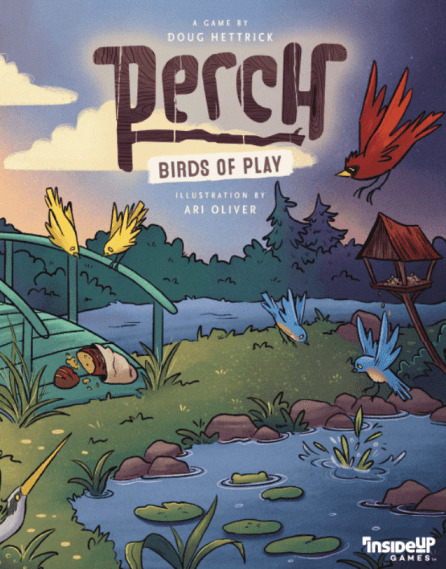
In Perch, players fight for control of locations by commanding birds of their own and other players’ flocks. Earn points and command woodland creatures by having the most birds on a location, pushing your foes off the perch, and breaking ties to take the lead.

Each round, players add their birds into a shared bag. Players then draw birds of their own, and other players take turns stacking birds on location tiles. Each location tile will award variable points for majorities and sometimes grant players a unique ability. The game ends after five rounds, and the player who has earned the most points wins.

With a modular tile configuration and a variety of woodland creatures to control, each game will present a new tactical challenge.

Thank you for the stellar description, Inside Up Games. Perch: Birds of Play is the first major expansion to Perch. If you don’t have the base game, don’t worry. Perch: Birds of Play offers multiple pledge levels to accommodate those who are new to Perch. I would be one of those Perch newcomers. I’ve heard plenty of great things about this title, Perch: Birds of Play intends to add to Perch’s winning formula.

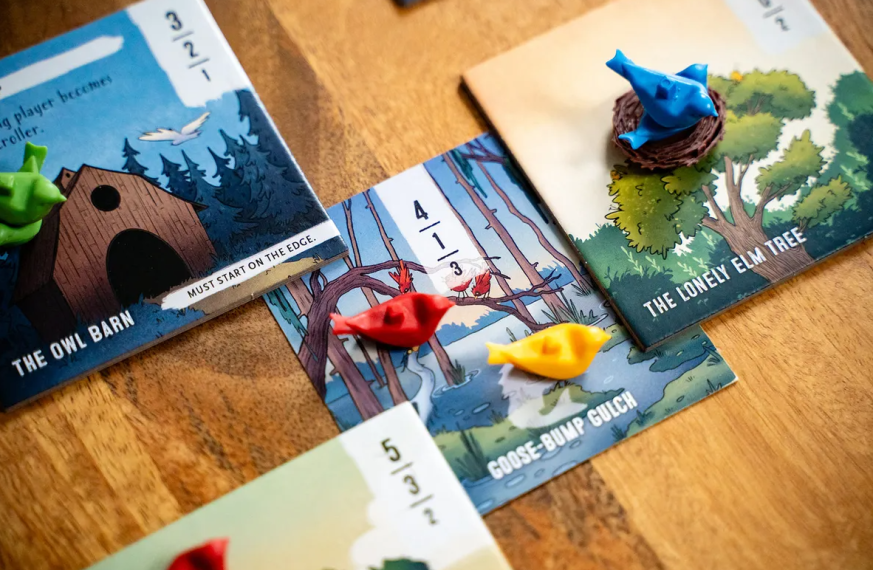
From what I’ve heard, Perch can get intense. Players fight each other for control of tiles. In short, Perch may share a theme with Wingspan (birds), but it feels more like a fist fight. If you have the base game, players can pick up Perch: Birds of Play for $24. If you’d like the base game and the expansion, the pledge level is $58. And there are other options for upgraded bits like the 3D birds pictured above. If you’re interested in Perch: Birds of Play, check out its KickStarter page.

The Old King’s Crown’s 2nd Printing and New Songs of Home Expansion Launches on GameFound

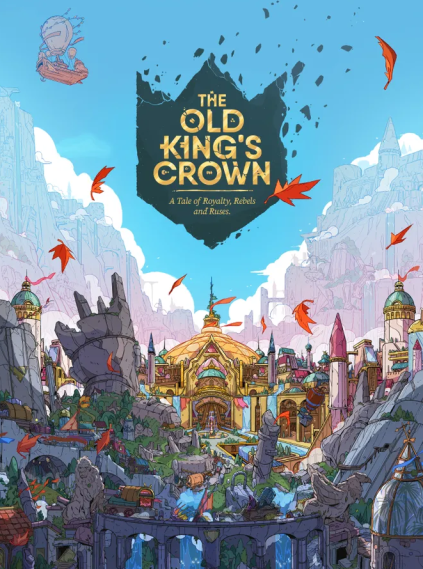
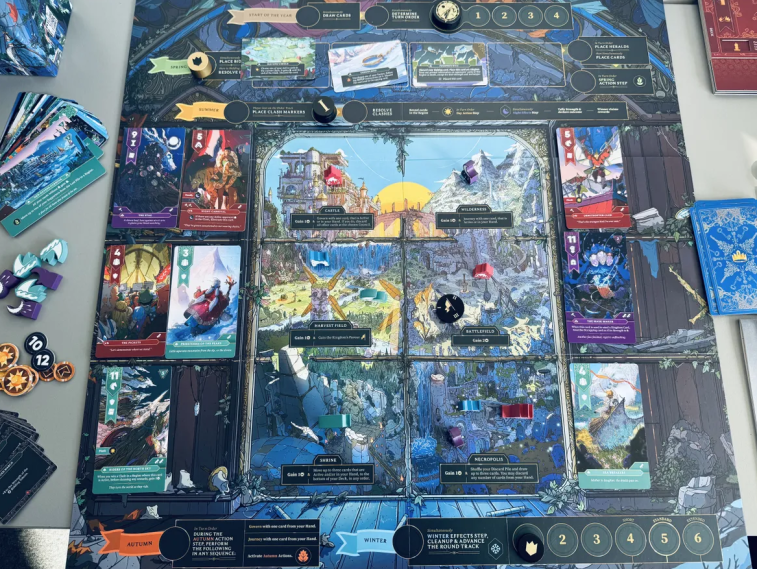
The Old King’s Crown is a game of card-driven conquest, where you play as heirs to a vacant throne, vying for control of an ancient, overgrown kingdom. Wield unique abilities and leverage your followers’ traits to best outwit your opponents across a map that stretches from the teetering heights of the castle to the dappled light of the necropolis.

As leader of your faction you will be staking claims with Heralds openly as well as positioning your forces in secret, hoping to claim the locations that fit your designs. However, keep an eye on your rivals, as they too have agents and agendas, poised to undo your best laid plans.

Royalty, rebels or ruses. What crown will you wear?

Another great description by the publisher. Thank you, Eerie Idol Games. Love the company name. The Old King’s Crown is yet another game I’ve heard great things about. It has a solid rating on BoardGameGeek, but it does skew toward the heavier side. One look at the game above cues one in about The Old King’s Crown’s complexity. But it looks as if it has plenty of iconography, and the board has a pleasant layout. This gives me the impression of a game that has a lot of moving parts, but it’s easy enough to understand once you get the flow.

The New Songs of Home expansion adds two new factions. Each faction has its own asymmetric gameplay, so two new factions are welcome news. The expansion also expands on The Old King’s Crown’s world. Another plus. The Old King’s Crown can be played competitively, cooperatively, or solo. That’s always a plus. As of this writing, we don’t have details of The Old King’s Crown’s pledge level costs, but if you’re interested in The Old King’s Crown, check out its GameFound page.

Hair Band Launches on KickStarter

Rock the stage and Rule the Strip!

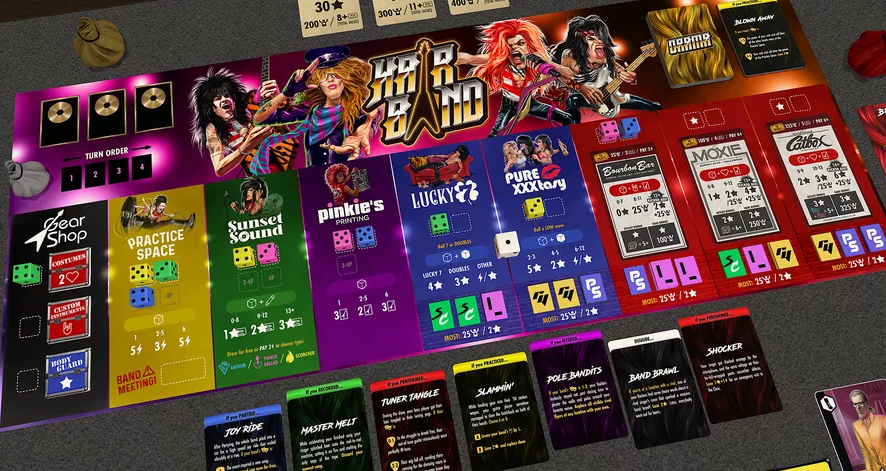
In Hair Band, you’re an upstart 80’s glam metal band vying for Hollywood’s next record deal. But to get it, you’ll need to convince the label you’re the next big thing – get awesome, get fans, perfect your show, and complete your demo to sign on the dotted line.

Each round, you’ll place your dice-as-rockers around Hollywood to write, rehearse, promote, gig, and party all night. But watch out! Musicians can be a reckless and unruly bunch. So, you’ll need to choose wisely to steer clear of drama that can derail your ambitions. The first band to complete 3 of the 4 record label requirements gets the deal and wins the game.

Rock on, Frown Clowns Games with that fun write-up for Hair Band. We’ve seen a few rock-inspired board games over the past year or two, but I’m a sucker for any dice-placement game. And the act of rolling makes sense for a rock-inspired game. Rock and “Roll.” Hair Band appears to capture the glam band vibe. The art above may come from Board Game Arena or Tabletop Simulator (a virtual board game), but the final product looks great. I chose to use a virtual board game picture to show more of the game. Vector graphics are more likely to maintain their crispness. But look at the dice. I choose pink.

I have yet to play Hair Band, but I’ll quote Alex Wolf (of Spielcraft Games, the publisher of the superb Cretaceous Rails), “(Hair Band) is a light, thematic strategy game where you lead your hair metal band to practice, play shows, and complete albums, and of course navigate the challenges that come with a rock and roll lifestyle.” Yep. I may have to try Hair Band. If you’re interested in Hair Band, check out its KickStarter page.

Sky Empire Launches on GameFound

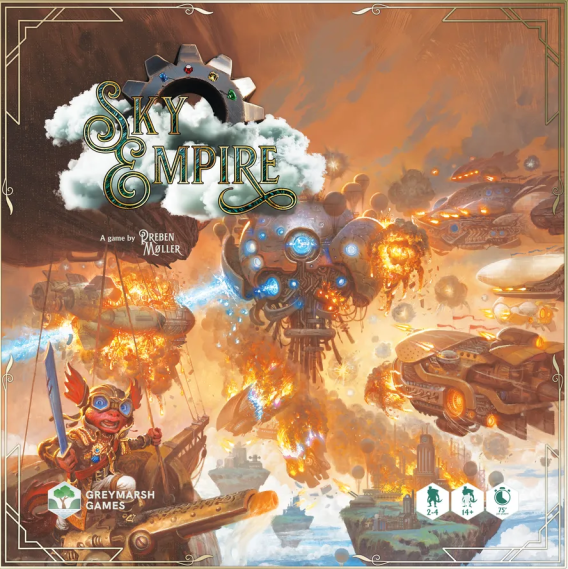
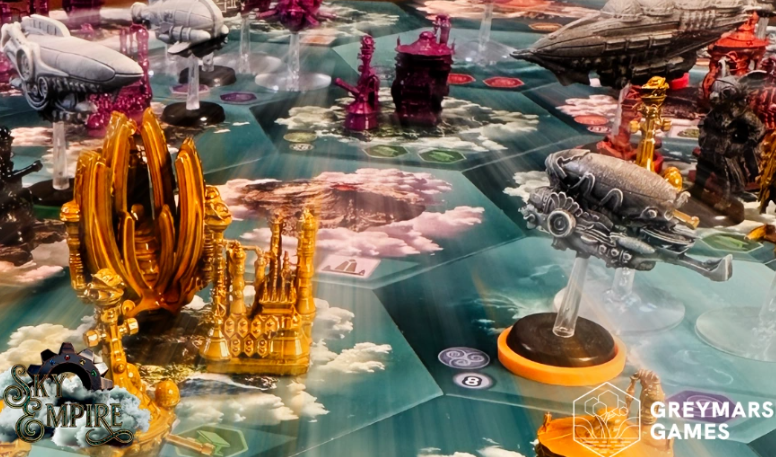
In the skies over planet Dopheus, players will take on the role of a Doppler, a salamander-like creature with one mind and two bodies, in a quest to find the crystals and reactivate the monolith defense to thwart the invasion from the evil sentinels! Take part in this epic adventure, in more than 40 different airships, to find the crystals and stop the invasion – and become Emperor over all of Dopheus!

Sky Empire takes place over several game rounds, where players place their Dopplers either in the Council to take Council actions, or on the board for character unique abilites. Or both! You have two bodies! To take actions on the map you activate the tiles with an initiative token, and that allows you to move to this tile, explore, produce, construct and/or battle opponents!

To win the game, you must collect the four crystals, activate a monolith, and ascend to the position of the Emperor of Dopheus!

Yet another great description. Thank you, Greymarsh Games. I said it before, but publishers know their game a lot better than I do with these write-ups. I love it when a publisher provides a good description. That leaves me the opportunity to go into how great those miniatures look. Minis aren’t everything, but great-looking minis can enhance a theme. And a 4X Steampunk board game is one heck of a theme. Sky Empire is another complex board game–we got a couple of them on the list this week–and it plays over two and a half to six hours. Yowza! Sky Empire may just be the steampunk equivalent of Twilight Imperium.

While I’m not the biggest fan of six-hour-plus board games, I’d be willing to try Sky Empire. It looks stunning. I love the theme. And Sky Empire offers a solo mode. What? I can’t imagine purchasing a game as well-produced as Sky Empire for only the solo mode, but a solo option is great for a game I may struggle to find others willing play. That’s always something to consider. At the time of writing this post, we don’t have any details about Sky Empire’s pledge levels, but if you’re interested in Sky Empire, check out its GameFound page.

Resident Evil: Requiem Releases

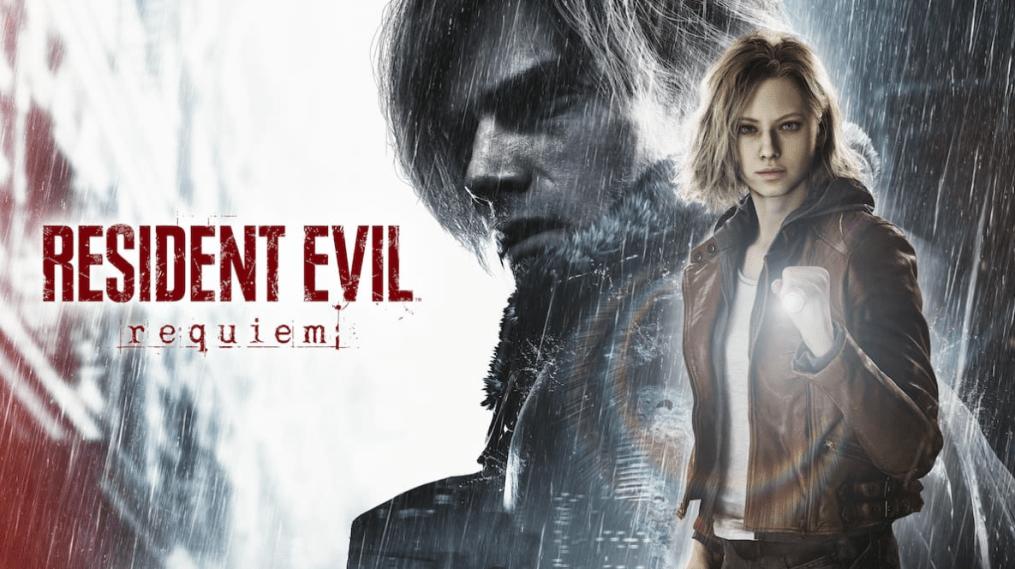
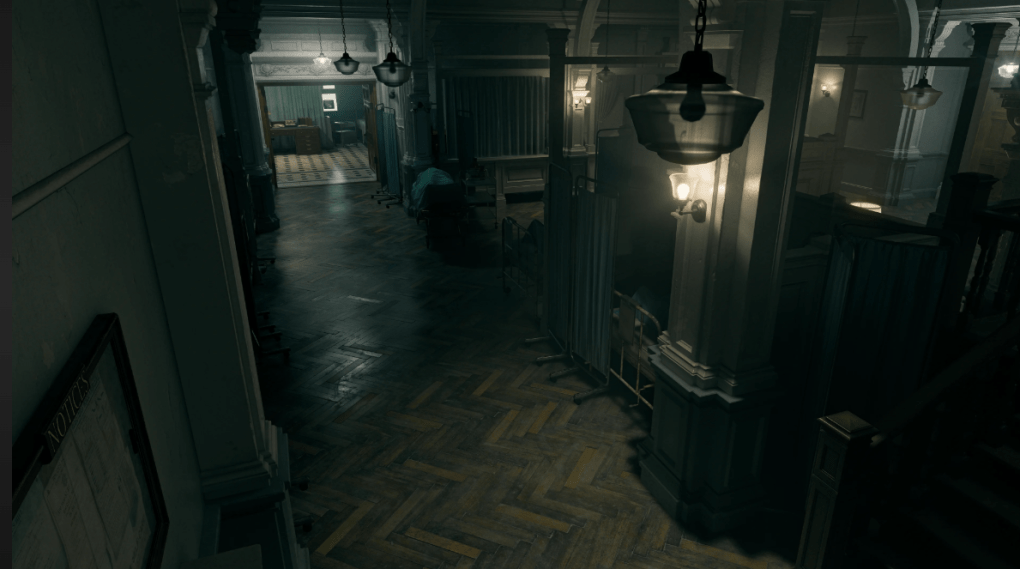
Resident Evil: Requiem may be the perfect way to celebrate the horror survival franchise’s 30th anniversary. Acclaimed Resident Evil 7: Biohazard’s director Koshi Nakanishi returns in this title, and Resident Evil: Requiem’s narrative centers on the Raccoon City incident and the Umbrella Corp’s activities. Sure. Resident Evil: Requiem introduces a new protagonist, FBI analyst Grace Ashcroft, but fan-favorite federal agent Leon S. Kennedy returns. Yes!

And players can shift from first-person to third-person. I love Resident Evil: Requiem’s customization. Does the game live up to the hype? We aren’t sure. I started writing this post early in the week, and reviews weren’t available. But Nakanishi’s return to the series, the focused story, and the ability to shift points of view make Resident Evil: Requiem a game to keep on one’s radar. Resident Evil: Requiem is available on PC, PlayStation 5, Xbox Series S/X, and Nintendo Switch 2.

Tales of Berseria Remastered Releases

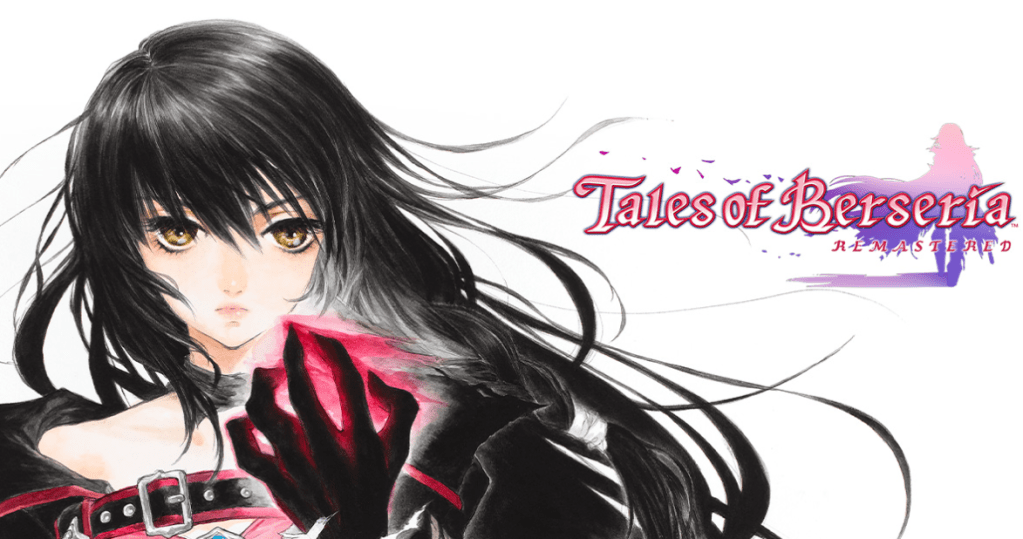
I have yet to play a title in the long-running Tales series. Honestly, I don’t know where to begin. Tales of Berseria is the sixteenth title in the series, and it was released almost ten years ago. Smaller gaps exist between original releases and video game remasters. Is ten years long enough to warrant a Tales of Berseria remaster? Again, I’m unsure. I’ve heard great things about this title, but I’ve also heard that, in terms of story, Tales of Berseria ventures from the mainline Tales series. Perhaps this tale of revenge is the Tales game I should try first.

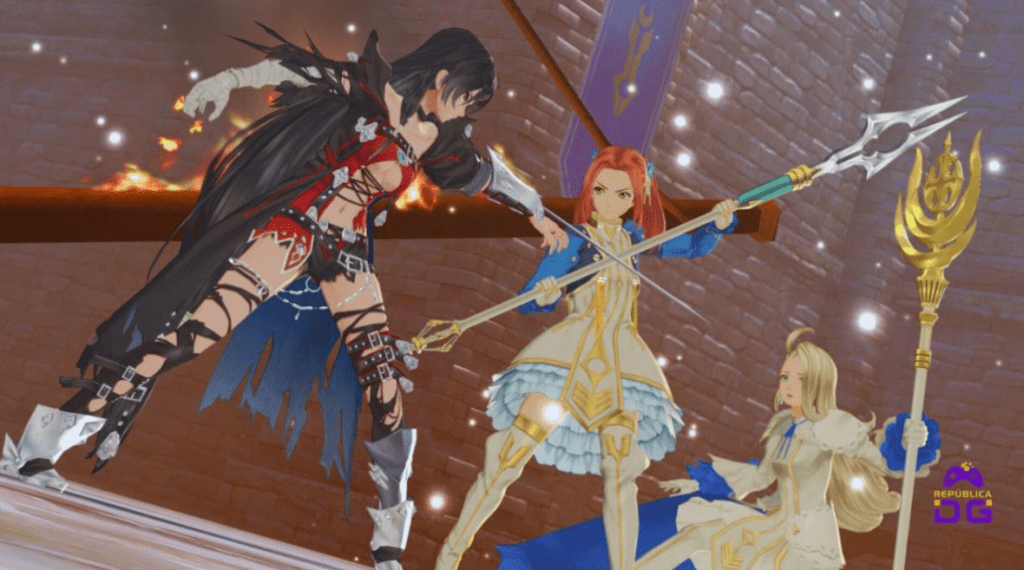
Tales of Berseria Remastered looks stunning, but so did the original. For context, the original Tales of Berseria was a launch title for the PlayStation 4. Tales of Berseria features unique combat, and the remaster looks to retain this stellar combat and perhaps build upon it. Tales of Berseria is available on PC, PlayStation 5, Xbox Series S/X, and Nintendo Switch.

That’s all of the geek news we have for this week. Which game are you the most excited to play? Let us know in the comments. Thank you for reading, and wherever you are, I hope you’re having a great day.
Video Game History: inXile Entertainment

Happy Monday, Geekly Gang! Kyra Kyle here with Geekly’s first-ever video game history post, where we discuss a video game company’s history. Today’s video game publisher/developer is the indie darling, inXile Entertainment. It took me a while to realize that inXile is pronounced “In Exile.” That phrase will factor into the game’s history, and wow, do founder Brian Fargo and inXile Entertainment have a long and bumpy history, complete with plenty of stellar games. Before we get to the formation of inXile, we must first talk about Brian Fargo’s first video game publishing company, Interplay.

Brian Fargo Pre-inXile Entertainment

Brian Fargo began developing video games while he was still in high school. Per a 2017 interview with Stay Awhile and Listen, Fargo’s first semi-widely distributed game (he had an earlier game that sold five copies) was Demon’s Forge. The title Demon’s Forge will return, but not until much later. A handful of years later, Brian Fargo would co-found Interplay Entertainment in 1983 with fellow developers Jay Patel, Troy Worrell, and Rebecca Heineman. Fargo was 20 years old at the time.

In 2022, inXile Entertainment released a 20th Anniversary Documentary. I will draw from this documentary often, but since it was released by inXile Entertainment, it glosses over some details, so I’ll be providing some context from other sources. If you have a chance, and hopefully after reading this post (wink), you should watch inXile Entertainment’s 20th Anniversary Documentary. It runs about 20 minutes. According to Fargo in the documentary, (he was so young), his vice president had to buy him beer if he wanted it. Fargo tries his best to hide a smirk. I, Kyra Kyle, have never participated in underage drinking. (Wink.)

Brian Fargo’s Time at Interplay

We won’t spend too much time on Interplay’s history — that could be its own video game history post — but we will need to cover Brian Fargo’s time with Interplay Entertainment, as it provides context for inXile Entertainment. Fargo hit the ground running with a trio of hits between 1985 and 1988. Fargo led the Interplay team with the original The Bard’s Tale (1985), Battle Chess (1988), and the RPG classic Wasteland (1988), which would later inspire the Fallout series.

When the Eighties transitioned into the Nineties, Fargo ceased to develop games directly with Interplay. The last game I could find Fargo co-developed for Interplay Productions was 1991’s Track Meet for the Game Boy. Instead of designing games, Fargo served as Interplay’s CEO. The business may have started small, but with Interplay amassing numerous intellectual properties like Dungeons & Dragons (leading to the Baldur’s Gate series), Wasteland undergoing a title change to Fallout (and thriving as Fallout), Earthworm Jim, and Alone in the Dark, the company became a major force in video games. At this time, Interplay was easily one of the best video game developers.

Fargo has a knack for spotting video game development talent. During the early 1990s, Fargo advised Silicon & Synapse. In exchange for 10% equity in the company, Fargo and Interplay contracted Silicon & Synapse to port games developed by Interplay into other consoles, which gave Silicon & Synapse the capital it needed to transition into making original games (and eventually becoming Blizzard Entertainment).

Despite a great track record and hits like 1997’s Fallout, 1998’s Fallout 2, and 1998’s Baldur’s Gate, Interplay experienced financial difficulties. To avoid bankruptcy, Interplay went public on the NASDAQ. According to a Bit Gamer article, Brian Fargo admitted that further losses (because of increased competition, an underwhelming sports division, and a lack of console titles) forced Interplay to look to a third party. That third party would be French software developer Titus Interactive S.A.. Per a Los Angeles Times article, Titus bought 6 million of Interplay shares for $25 million, giving Titus a controlling stake in Interplay. Fargo and Titus’s relationship was strained.

Fargo would claim (in a Gamespot interview) that he and Titus have a “very different ideology of management that was not compatible.” Fargo always loved video games, and Interplay grew into a huge company of over 500 people with offices all around the world. He had to deal with shareholders. He grew distant from his first love, video games. Fargo no longer got to make games; he didn’t want to be a CEO. Ripples of this pattern will emerge in the future.

So, Fargo stepped down as Interplay’s CEO. He was a CEO without a company for several months, when he’d attend an industry convention.

Founding inXile

Fargo recounts his experience at E3 in an interview found on RPG Codex: Right after Interplay, I was going to E3 in May. I needed a quick name to get a badge. I chose the “Workshop,” and as a joke, I gave my title “CEO in exile.” It got such a funny response that we figured there was something to it.

“InExile” was already taken, so “inXile” was chosen as the newly formed company’s name. Fargo’s experience with finding talent during his days at Interplay served him well as he recruited the best team for inXile. According to the YT inXile Documentary, Fargo called Matt Findley (New Orleans, Louisiana Chief) to join the newly minted inXile. Unlike what Interplay had become, inXile would work on only one game. (Vice President of People) Elene Campbell received a phone call from Fargo to go to lunch, and she quickly joined. Max Kaufman (inXile’s former art director) also joined.

My favorite anecdote during these early days of inXile came from Elene Campbell. Campbell said, “inXile Entertainment’s office had a great location. We were right across the beach. We would purchase a surfboard for an employee if they wanted to surf.” Sounds like you couldn’t beat inXile’s location.

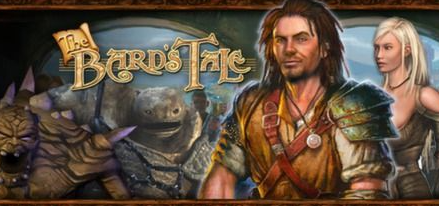
The Bard’s Tale (October 26, 2004)

The one video game inXile Entertainment chose to develop first just happened to be its first hit. 2004’s The Bard’s Tale couldn’t continue the story of the original trilogy because Interplay/Electronic Arts still owned the copyright. 2004’s The Bard’s Tale was neither a remake nor a sequel. It had to be something different, and it certainly was. According to Findley (in the inXile Documentary), we wanted to make some sort of cliché-busting, fourth-wall-breaking game. Former art director Kaufman added, We wanted The Bard’s Tale to be irreverent, looking back at the tropes of RPGs and making fun of them.

Fargo noted the difficulty of including comedy in video games. Humor is a subjective thing, Fargo said, but typically, people rate your game on certain criteria: graphics, gameplay, sounds, (control) responsiveness. When you add humor, you’ve added another category for people to criticize you for. You could hit on all the other categories, but someone could think the jokes are not funny. It’s very tricky doing humor.

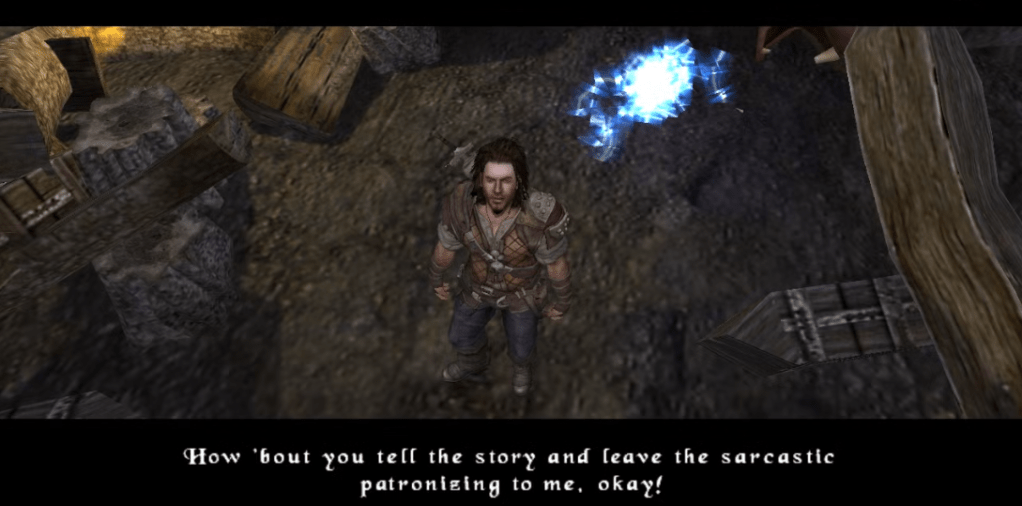
Adding humor to The Bard’s Tale was risky, but the risk paid off. The Bard’s Tale became a classic because of its sarcastic humor. While the classic Bard’s Tale trilogy used a first-person view, 2004’s The Bard’s Tale had a 3D environment with the player watching in third-person. The player controlled “The Bard,” who never received a name. Dialogue followed a “snarky” or “nice” option system. While the player wouldn’t know exactly what The Bard would say, the player can set the tone for how the game’s world perceives The Bard.

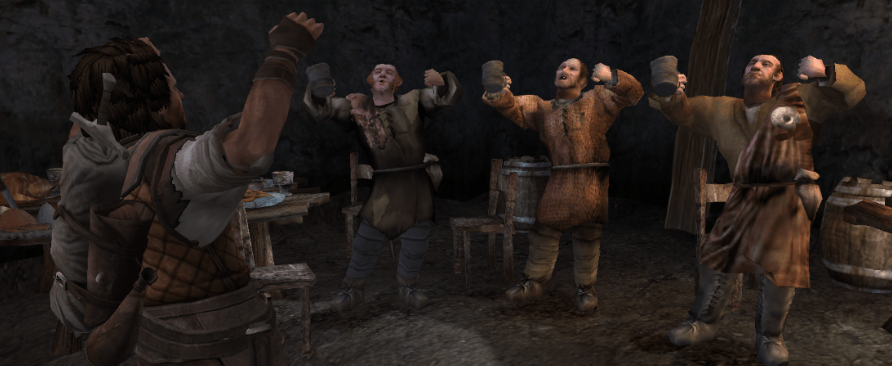
The first dialogue decision is with a barmaid in The Drunken Rat. Being nice to her gives the barmaid the impression The Bard is a gentleman, and she leaves him alone, while being snarky results in the barmaid spending the night with The Bard. The Bard’s Tale gets into some adult themes. Nudge-nudge. Wink-wink.

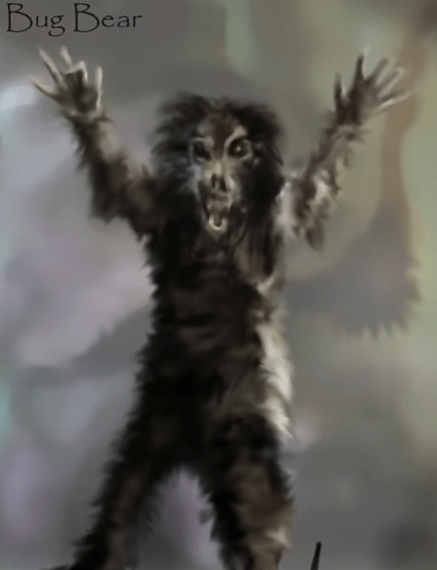
inXile always intended The Bard’s Tale to be a comedy, but Findley shares (in the Documentary) the moment The Bard’s Tale became a “silly” comedy was when Art Director Maxx Kaufman turned in a drawing of a Bug Bear. Findley told Kaufman the bug bear looked like a guy wearing a terrible Bug Bear costume.

Kaufman admitted he rushed the Bug Bear character concept. He was doing a character concept a day, maybe even two a day. When he made the Bug Bear, he was being serious with the character. His intent was not to make a funny character, but that’s what ended up happening.
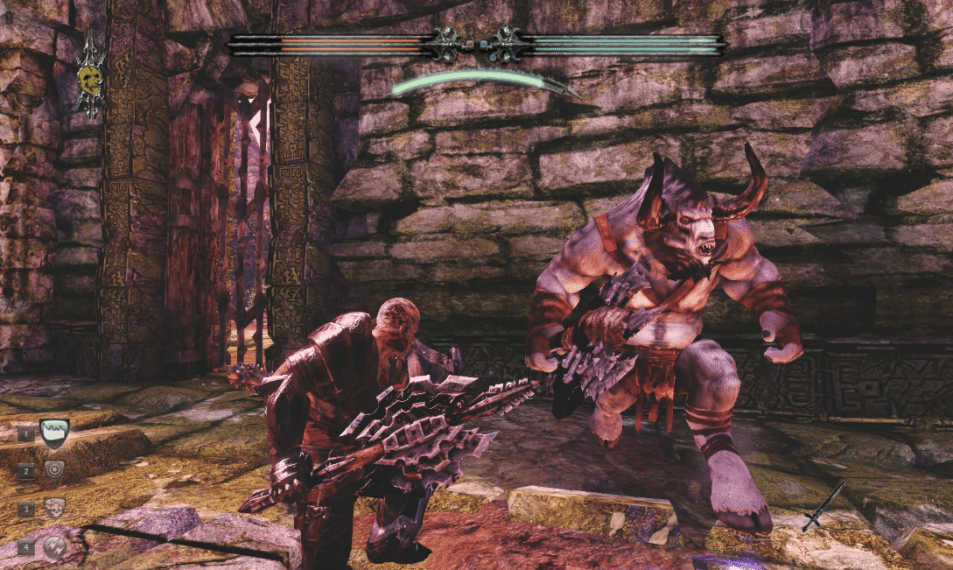
I have to agree with Findley. One of The Bard’s Tale’s most enduring legacies must be its use of music within the game. One of The Bard’s Tale’s biggest innovations was the original music that they wrote that had lyrics, Findley said (in the documentary). The songs weren’t just a soundtrack; they were being performed by characters in the game. This cornerstone survived all the way up to Wasteland 3 and The Bard’s Tale IV. inXile loves using original music to tell a story.

I always liked “The Blood of the Lamb” song that plays when dealing with a crazed cult in Wasteland 3. So creepy. And I appreciate inXile’s use of original music to tell a story. It also doesn’t hurt to have stellar voice actors for a video game. Tony Jay narrates The Bard’s Tale, while Cary Elwes earned a nomination for Outstanding Character Performance — Male from the Academy of Interactive Arts & Sciences.

With one hit under their belt, inXile looked poised for a long run of hits (much like Interplay a couple of decades prior), but inXile immediately hit a snag.

HEI$T

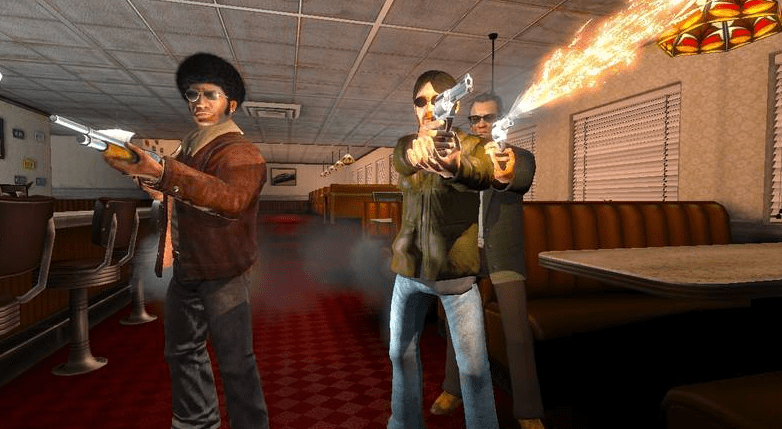
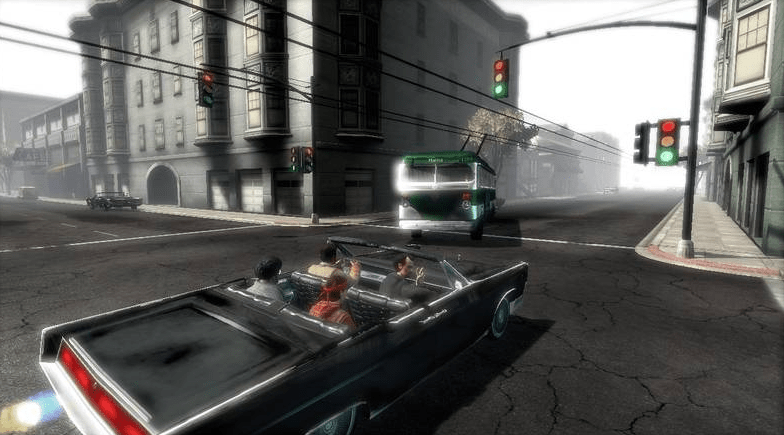
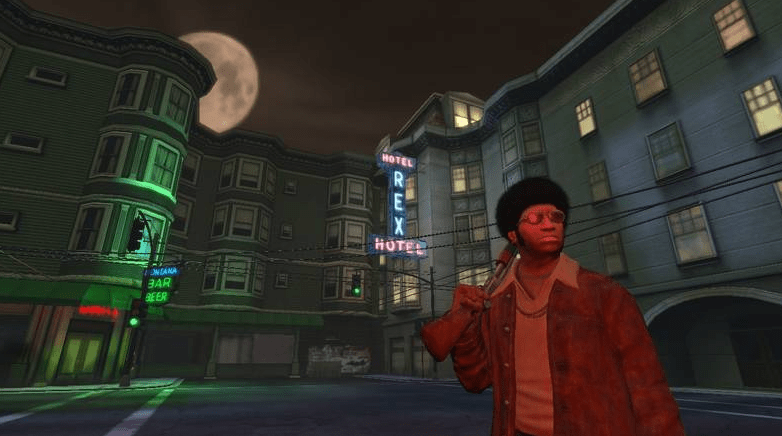
Heist (stylized as HEI$T) is a cancelled action-adventure video game developed by inXile for publisher Codemasters (known for the video game peripheral Game Genie). Set in 1969 San Francisco, Heist follows a group of criminals as they perform various thefts.

Heist features plenty of high-speed chases in what could’ve been an immersive open-world. In a Gamespy article, Lead Heist Designer Sean Patton, cites Need for Speed: Most Wanted and its virtual cops as one influence in the general flow of the getaway chase in Heist. The game sounded amazing. inXile sunk tens–if not hundreds–of thousands of dollars and countless design hours into making Heist the best they could, and then, Codemasters canceled the project.

Heist is probably my favorite title I ever worked on that never made it to the end,” Findley said in the documentary. “We had an inspired concept of doing something that was supposed to feel like Quentin Tarantino. We had Bruce Campbell as the main character. Ed Asner, Rutger Hauer, Vinnie Jones, Christian Slater, and we had recorded the entire script from beginning to end before the project was shut down.”

Fargo added, “It (Heist) was the closest I’ve ever come to finishing a game–it was finished–and not coming out, but we just couldn’t. Unreal Engine, at the time, to do a true open world wasn’t working for us. Our publisher (Codemasters) really wanted a true open world, but we would have had to make it sort of modularized. Our publisher canceled it.”

There are conflicting reports as to why Heist was canceled. In an interview with Video Games 24-7 (VG247) about Wasteland 2, Fargo said, inXile had an agreement with Codemasters to create an open-world using Unreal Engine on the PS3–but the specs didn’t yet exist for the PS3. They (inXile) found a way to make Heist run great on PC and Xbox, but Codemasters wanted PS3. I gather that Heist worked on every system besides the PS3. Based on the wording, I’m unsure if Heist could’ve been an open-world on the other two systems (PC and Xbox) and needed to be a hub-world on PS3, or if Heist only worked as a hub-world on the other two systems and didn’t work at all on the PS3. Either way, Codemasters canceled Heist.

Heist was a massive blow. It certainly left a bad taste in Fargo’s mouth. He said in the documentary that he couldn’t wait to get back to making games he loves. He disliked making games other people wanted him to make. Well over a decade later, Heist still haunts inXile. They had created a great game in their minds, but their publisher wanted something different. And you don’t need to take my word for it. Heist gets a full segment dedicated to it in inXile’s 20th Anniversary Documentary. Fargo even lists various games, like Payday: Heist, that resemble what Heist attempted to do, but they didn’t have Bruce Campbell, Ed Asner, Rutger Hauer, and Christian Slater in their cast. Fargo insists Heist could’ve done well on the market.

Mobile and Web-Based Games

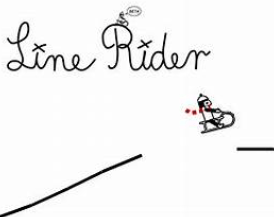
While one half of inXile developed games like The Bard’s Tale and Heist, the other half developed mobile and web-based games. This half of inXile yielded mixed results. In 2006, inXile acquired the rights to Line Rider, and later on, Fantastic Contraption. inXile ported these indie games to a wider market. They also created a series named Super Stacker. You can still play Super Stacker 2 for free as a web-based game.

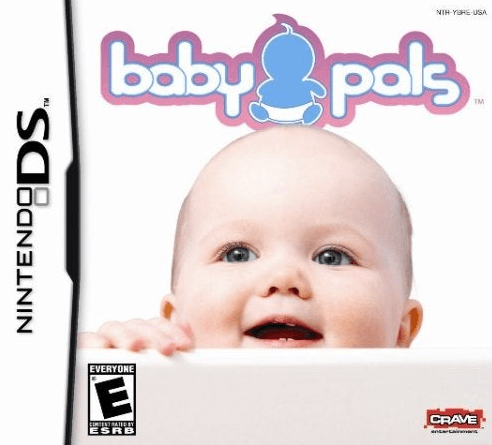
Baby Pals Controversy

Fargo discusses inXile’s early days and why they chose to create two branches of the company. “We were trying to find a sustainable business model,” Fargo said (in the Documentary), “but the (video game) world was shifting underneath our feet. We just had to be plucky entrepreneurs and find something. We had the rights to Line Rider. Nintendogs had come out, and we said, let’s do cats (Purr Pals), and we sold three-quarters of a million copies. Dogs are done. What could we do next? People like babies.”

Enter Baby Pals. inXile had licensed the same sound library as the one Mattel was using for their upcoming dolls, so the company thought it was safe. But the next thing Fargo and company knew, inXile was in the news. If you listen carefully, one of the babies says, “Islam is the Light.”

During the documentary, Campbell says, “It was just a baby babbling. There were no hidden references, and it caused so much trouble.”

I like how Findley contextualized these small titles. “I have nothing but warm thoughts for Baby Pals, Purr Pals, Super Stacker, and Line Rider,” Findley said in the documentary. “All of those small and mobile titles we did during those periods…allowed us to do crazy things like Heist and the early stages of Hunted: Demon’s Forge.”

While I thought Findley had a slight smirk when he discussed inXile’s smaller titles during the 20th Anniversary Documentary, his inclusion of these smaller titles financing larger ones rings true.

Hunted: The Demon’s Forge

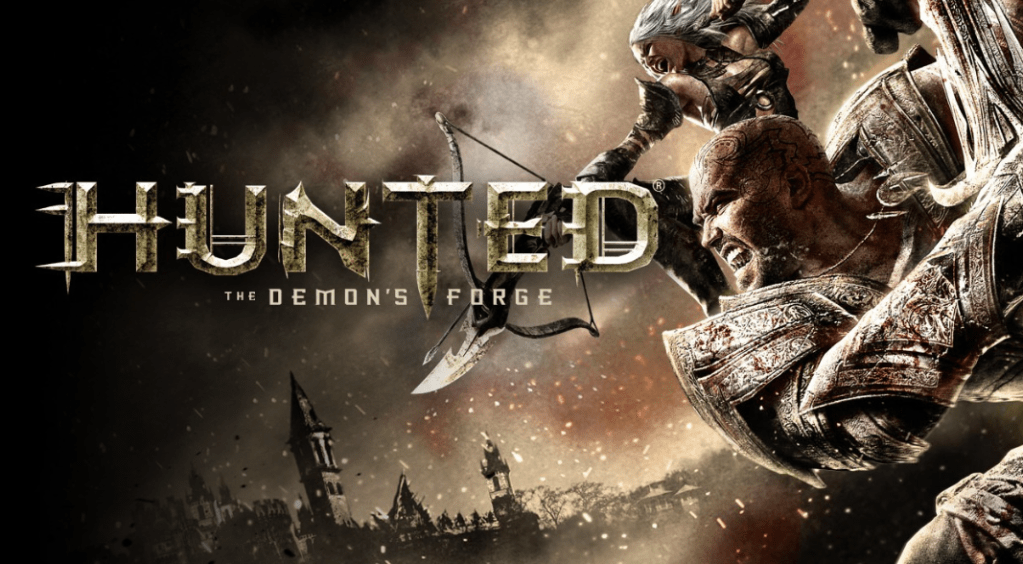
I promised the title of Fargo’s first semi-widely distributed game, Demon’s Forge, would return. With Heist in their rearview mirror, Hunted: The Demon’s Forge allowed inXile to return to their role-playing roots. But they added a cooperative gameplay twist. Hunted: The Demon’s Forge was an ambitious title. According to Findley in a Game Sauce article, Most co-op games are two guys with the same guns running through the world, so we really like the concept of teamwork…We’ve built these arenas with different heights and areas for players to really get out. They get to use their skills and still be able to help out their partners.

Based on Findley’s description, Hunted: The Demon’s Forge sounds something akin to an early hero shooter. The only other hero shooter available at this time would’ve been Team Fortress 2. But Hunted: Demon’s Forge only allowed couch cooperative play. With World of Warcraft going strong for seven years by 2011, and first-person shooters like Battlefield 3 (also released in 2011), and trying to capture the budding online cooperative wave, couch cooperative games were fading in popularity, and Hunted: Demon’s Forge underperformed.

Competition in the role-playing space was fierce during 2011. It didn’t help that many critics viewed Hunted: Demon’s Forge as a Gears of War clone. Hunted: Demon’s Forge may have fared better if it had been released in a different year. RPG juggernauts Mass Effect 2 and The Legend of Zelda: Skyward Sword were released the same year. Bethesda, Hunted: Demon’s Forge’s publisher, even released Skyrim that year. Yikes! Bethesda may not have given Hunted: Demon’s Forge much of a chance.

Choplifter HD

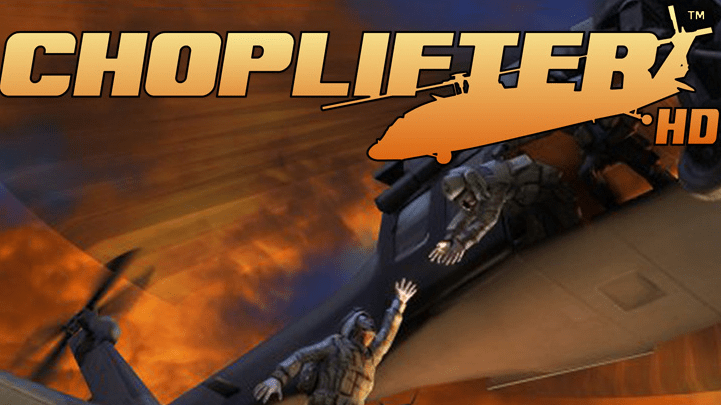
A little over seven months later, inXile released its 3D polygonal remake of the classic 1982 game Choplifter by Dan Gorlin. inXile even hired Gorlin as a design consultant for Choplifter HD. Despite Choplifter HD remaining true to the original, it was the second game in a row by inXile that received mixed reviews. Some critics appreciated how faithful the remake was to the original, while others criticized the game’s difficulty. Ryan Winterhalter of 1Up.com, compared Choplifter HD to that of a bullet hell shooter. I love Winterhalter’s title: Choplifter Appeals to Your Inner-Masochist. Yowza! That’s good copy.

For those keeping score, that’s a canceled game (Heist) that cost countless hours of development to make, a controversy (Baby Pals) that eventually led inXile to halt production on smaller games, and back-to-back near misses with Hunted: Demon’s Forge and Choplifter HD. inXile was at a crossroads.

A Comet Almost Hits the Earth

Fargo shared in the inXile Documentary, “I’ve had so many near-death events in this industry, where the comet almost hits the Earth. If Battle Chess wasn’t a hit…If Castles wasn’t a hit. I can go through ones where if that didn’t work, we’re out of business. Hunted didn’t work, so we had to scale back to a very small group of people.”

Up to this point, Brian Fargo had seen his share of misses and near-misses. inXile’s history began to mirror Interplay’s over a decade earlier. Interplay started as a focused team working on a couple of titles and then swelled to a company of 500 working on dozens of projects. Findley says (in the Documentary), “The years between The Bard’s Tale (2004) and Wasteland (2) was a roller coaster. We got smaller again, then we got bigger, and we got smaller. We went from being a focused team working on one title to 120 people working on four or five titles at once. We were all over the place.”

Interplay made itself a “public” company, entering NASDAQ. inXile would also go “public” but in a different manner. Only this version of “going public” involved inXile’s and Wasteland 2’s historic KickStarter campaign. Like Fargo said, “We threw it all in with our KickStarter and that changed everything.”

Wasteland 2’s KickStarter Campaign

“We were able to pitch the games we want to make,” Findley said (inXile Documentary), instead of pitching the game you know you can sell, which is a much more fun place to be.” This mindset changed everything for inXile. Heist and Hunted were financed by another company. Codemasters wanted a game in Heist inXile couldn’t deliver, while Bethesda released Hunted a few months before Skyrim. KickStarter showed inXile what their fans wanted to play.

For years, gamers asked for a follow-up to 1988’s Wasteland, but the rights to Wasteland proved tricky. Before inXile could begin work on Wasteland 2, they needed to obtain the rights to Wasteland from Electronic Arts. The original publisher, EA, had let the rights lapse. The last time Electronic Arts had worked on a project connected with Wasteland was Fountain of Dreams. “Originally, Interplay (and Brian Fargo) were supposed to be involved with Fountain of Dreams (1990), but EA took control of the project and produced it themselves,” said Fargo in a Wired interview. “By 2003, Electronic Arts dropped all claims that Fountain of Dreams had any connection to Wasteland.” This opened the legal door for Wasteland 2 to become a reality.

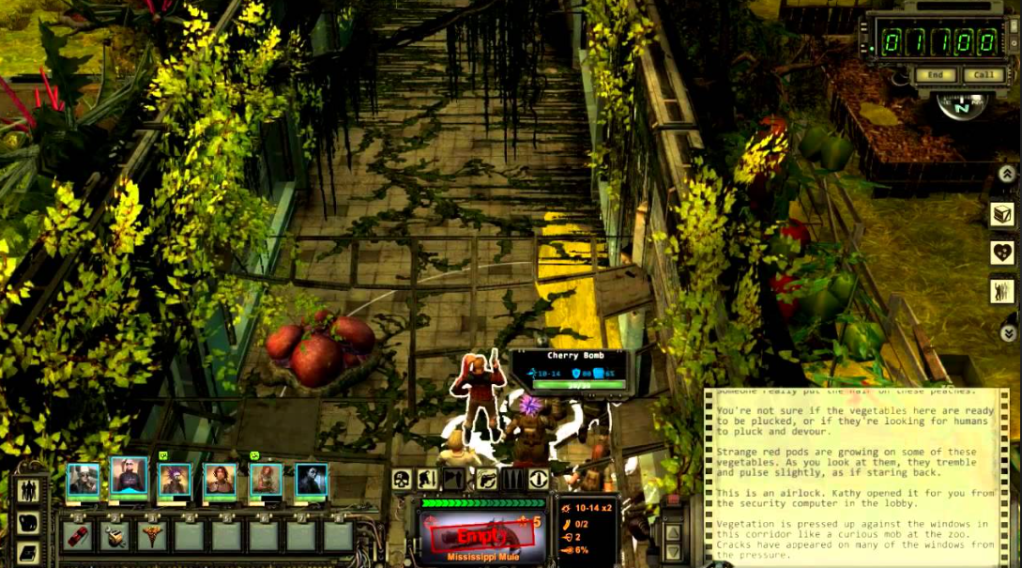
Wasteland 2 was a sequel to 1988’s Wasteland. To be fair, Wasteland 2 is a fusion of a sequel and an update to the original. The stories of both games share many similarities. Wasteland 2 is a joy to play. I highly recommend playing it. Wasteland 2 delivers on Fargo’s idea of a “hardcore role-playing game.” There is no one way to play through Wasteland 2. Your choices affect the world.

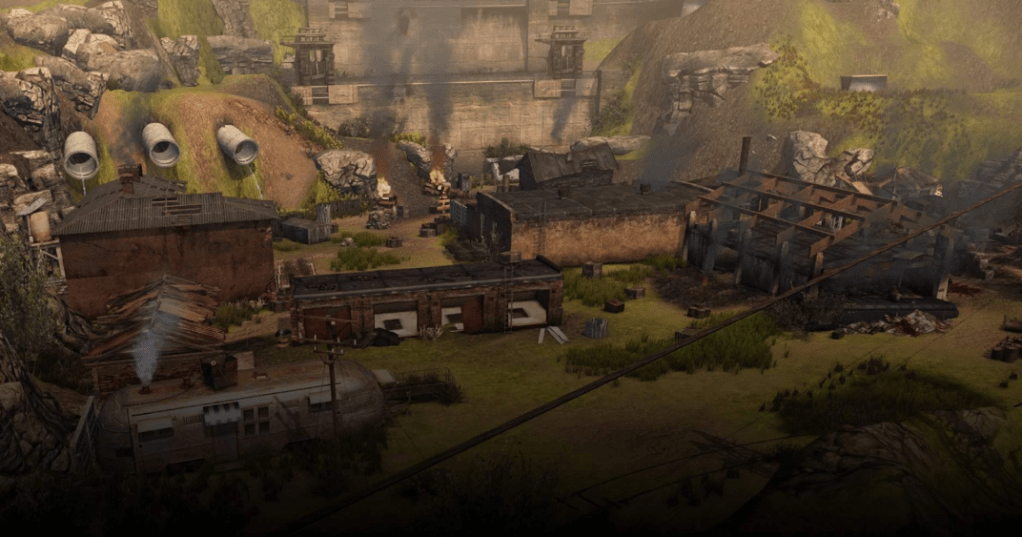
There are moments where it’s obvious how your choice will affect the world, especially the game’s first choice of saving Highpool (a community based around a local dam that provides water to the region) or the Ag Center (which grows genetically modified vegetables to feed the locals). You can’t respond to both distress signals. Other moments are more subtle in how your choices will affect the world.

But why KickStarter? inXile had never used a crowd-sourced platform before, in fact, Fargo had never heard of KickStarter. Fargo shares the moment he decided to Kickstart Wasteland 2 (in the inXile Documentary), “Tim Schaefer launches his KickStarter (Double Fine Adventures). The first day, it makes half a million dollars. I was like, this is it. I called Matt the next day, drop everything. This is what we’re gonna do. We went from what’s KickStarter? to launching within 30 days.”

Wasteland 2’s KickStarter did not end up beating Double Fine Adventures (per an inXile community post), but it was, at the time, the second-largest video game KickStarter campaign, closing in at just over $2.9 million. Add in PayPal donations of over $100,000, and Wasteland 2’s total funds equaled over $3 million.

To this day, Wasteland 2’s KickStarter campaign sports the third-highest total on KickStarter. I’ll admit, KickStarter is better known for board games than video games, but this fact may make Wasteland 2’s success on KickStarter all the more impressive. Wasteland 2’s success goes a long way to show how much the video game community appreciates inXile, and more specifically, Brian Fargo’s work.

Torment, The Mage’s Tale, and The Bard’s Tale IV

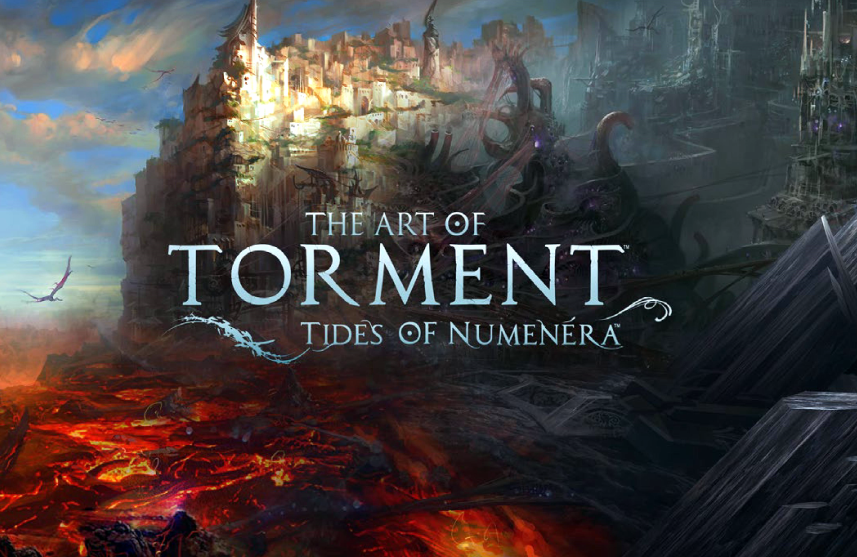
Torment: Tide of Numenara was released in 2017 after another successful KickStarter campaign. inXile learned plenty of lessons from their first crowdfunding campaign. Torment: Tides of Numenara was written by Monte Cook, who also wrote the rules to the tabletop role-playing game Numenara where Torment is set, but Torment: Tides of Numenara is also a spiritual successor of a former Interplay game, Planescape: Torment. Torment: Tides of Numenara received favorable reviews, continuing inXile’s hot streak. It also honors inXile’s past.

We won’t go into too much detail with the remaining titles in this segment. The Mage’s Tale was developed in parallel with The Bard’s Tale IV. The two projects share some assets. Both games received average or mixed reviews. Regardless of reviews, both games had ambition. While The Mage’s Tale brought the world of The Bard’s Tale to the new medium of virtual reality, The Bard’s Tale IV: Barrows Deep attempted to fuse elements of the original 1980s Bard’s Tale trilogy with the 2004 spin-off The Bard’s Tale.

After a shaky decade, inXile had found a sustainable business model. But nothing stays the same for long.

Joining Xbox

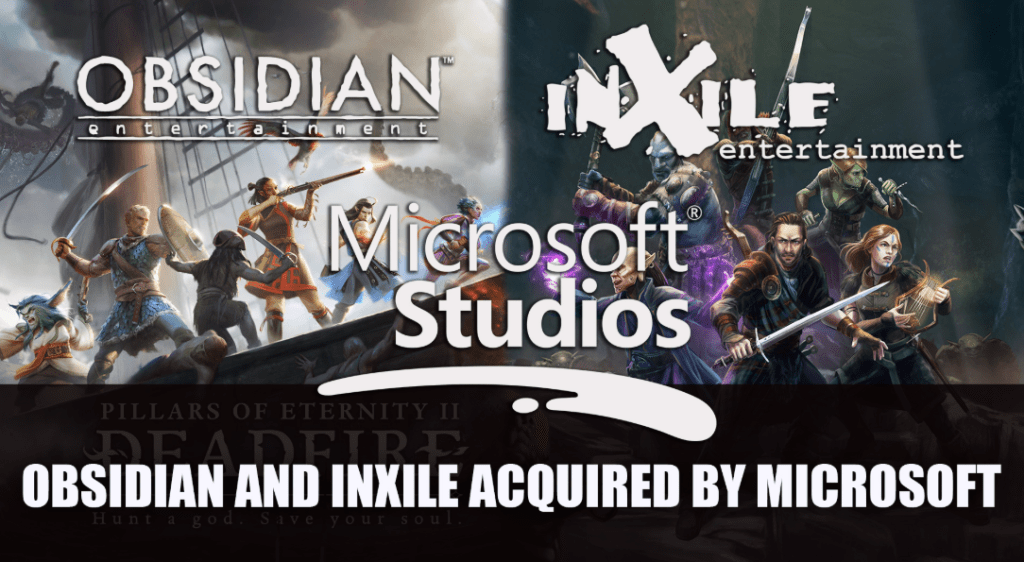
In November 2018, Microsoft Studios acquired inXile Entertainment and Obsidian Entertainment on the same day. Eurogamer made the announcement, stating, “The two independent studios who had fought against each other would now be under the Xbox umbrella. This announcement led to Fargo staying as head of inXile, because in March 2017 (also on Eurogamer), Fargo had announced his plans to retire from inXile following the release of Wasteland 3.
Fargo has said in the past that he doesn’t enjoy being a CEO. He may have wanted to leave on a high note (with Wasteland 3). Microsoft Studios’ absorption of inXile as a subsidiary allows Fargo to stick to his passion, developing video games. Microsoft’s near limitless resources mean that inXile won’t need to rely on crowdsourcing to make the games it wants to make.

Clockwork Revolution

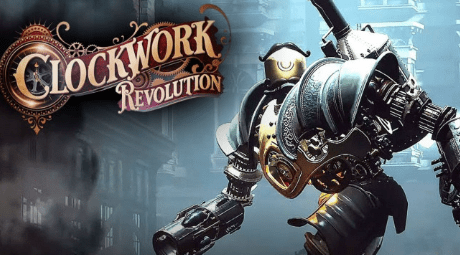
This video game history post is one of the final pieces I wrote in preparation for my end-of-year novel writing/editing break, so I’m writing this post in 2025. Clockwork Revolution is slated for a 2026 release. Who knows? Clockwork Revolution may already be released by the time you’re reading this. I am stoked for this title. What I’ve seen looks amazing, and since Clockwork Revolution is categorized as an action-RPG, I’m anticipating it having gameplay similar to The Bard’s Tale (rather than Wasteland). Regardless, I have Clockwork Revolution wishlisted and will be playing it soon after it releases.

inXile and Brian Fargo had a crazy ride, filled with hits, misses, and near-misses. I’m glad Fargo and his team had those Wasteland 2 KickStarter moments. In the inXile Documentary, Fargo said, “They (fans) valued the work we’ve done before. It felt good. I can say that when we hit our funding goal, it was one of the highlights of my whole career.”

Thank you for reading. Let us know what other video game companies you want us to write a history for, and wherever you are, I hope you’re having a great day.