
Geekly News: February 8, 2026; Obsidian Entertainment Cancels Plans for The Outer Worlds 3

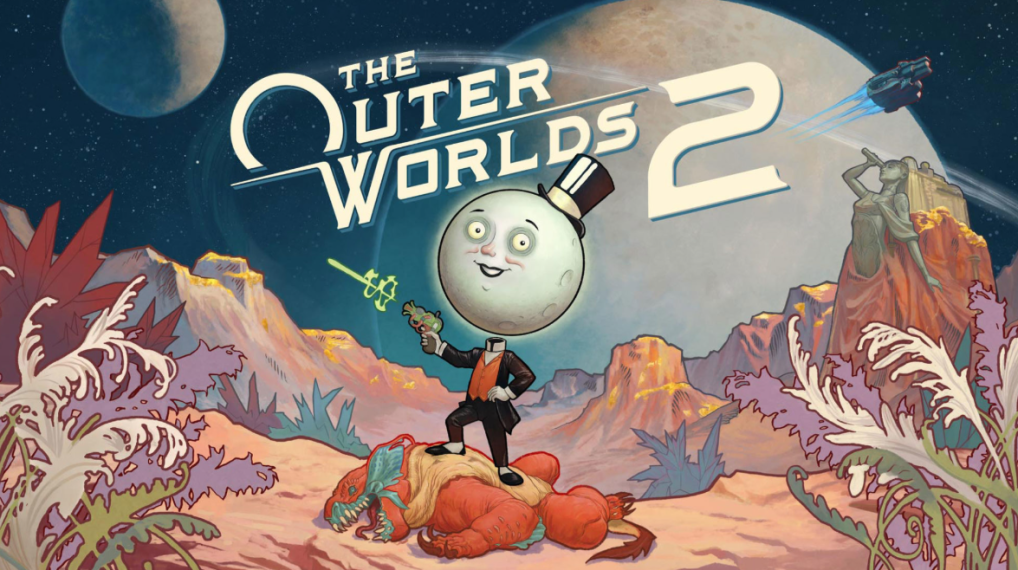
Happy Sunday, Geekly Gang! Kyra Kyle here with another week of Geekly News. This week saw plenty of new releases for board games and video games, but before we get into those, let’s get into this week’s headline. Obsidian Entertainment made a sizeable announcement this past week. The Fallout: New Vegas developer announced that they may need to go in a different direction with their games. Obsidian cancelled any plans for The Outer Worlds 3 and an Avowed sequel.
Obsidian Entertainment at a Crossroads

Honestly, I may be more in tune with Obsidian Entertainment because I just finished an Obsidian Entertainment Video Game History, slated for a May 2026 release. Thank you, Obsidian. I may need to alter the final two segments of that piece. But Obsidian Entertainment dropped a bombshell this past week. Obsidian President Urquhart announced that Obsidian Entertainment needs to reduce the development time of their games, which means titles like The Outer Worlds 2 and Avowed will not receive sequels.

Obsidian Entertainment has a penchant for developing brand-new game engines with each of its large titles. Despite The Outer Worlds 2 and Avowed releasing within months of each other, both games have different game engines. This increases the development time for games that will already have massive development times. The Outer Worlds 2 took six years to develop, while Avowed had a development time of seven years. Yikes! Less-than-expected sales for both titles has led Obsidian Entertainment to cancel plans for any future games in these series.
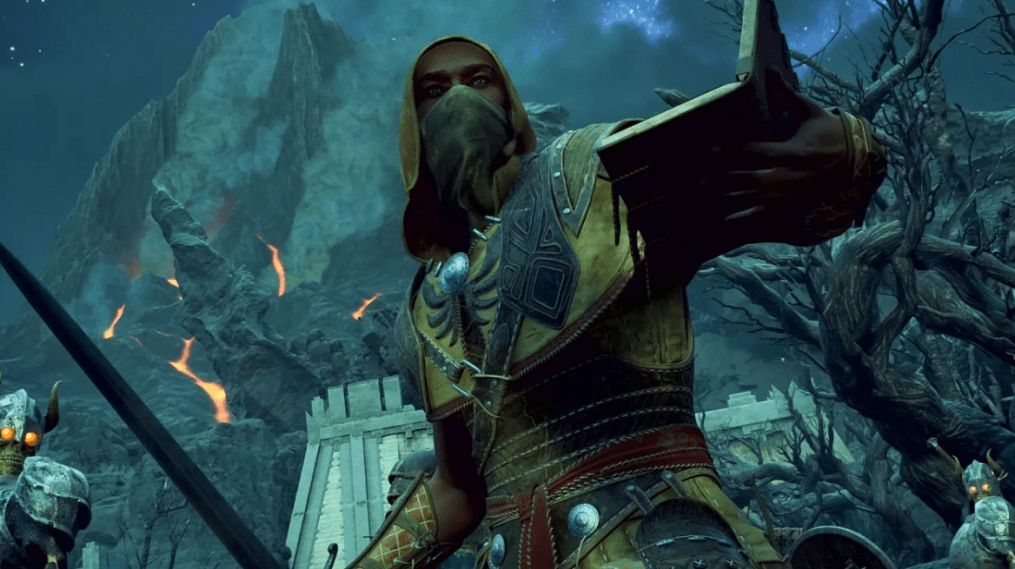
Several factors led to The Outer Worlds 2 and Avowed selling fewer copies than expected. The Outer Worlds 2 suffered backlash with a proposed $80 price tag. Obsidian/Microsoft reverted to a $70 price tag before launch, but the damage was done. Gamers lost faith in the series. And then there’s Avowed. Avowed is more of a straight fantasy open-world RPG, and that is a tough market to crack into with a new title. Yes. Avowed is set in the popular Pillars of Eternity universe, but it functions as a new game in a new series. It also doesn’t help that Obsidian wasted a couple of years trying to turn Avowed into what Urquhart dubbed “Skyrim meets Destiny 2.” Obsidian could never get the multiplayer gameplay (the Destiny 2 portion) to work and turned Avowed into a single-player RPG experience. But that led to Avowed’s seven-year development window.

Video games work a lot like films. Many modern films flop even when they earn well over $500 million at the box office because producing them costs so much. A video game, like Avowed, that has a seven-year development will need to bring in a lot more money than a video game that takes three to four years to develop, like Obsidian’s other 2025 release, Grounded 2, or even Obsidian’s 2022 indie-like Pentiment. Even though Pentiment had a niche market, it didn’t cost Obsidian much to make the game, and smaller games like Pentiment and Grounded 2 may become the developer’s new business model. I don’t think we’ve seen the last of large open-world RPGs from Obsidian, but the developer may reduce the number of those games it releases.

Bitewing Games Launch Gold Country and Totally Human on KickStarter

Bitewing Games delivers one heck of a one-two punch this week with Reiner Knizia’s Gold Country and Kasper Lapp’s Totally Human. Gold Country is a new California Gold Rush strategy game created by Reiner Knizia and gorgeously illustrated by Beth Sobel, the same Beth Sobel who provided Wingspan’s art. While the design is inspired by a cult-classic Knizia game called Spectaculum, it has undergone extensive redevelopment by Reiner Knizia (closely collaborating with Bitewing Games) to become the ultimate stock market manipulation game. It features a completely reworked core game, all-new maps, exciting tactical abilities, and the lush landscapes of California.
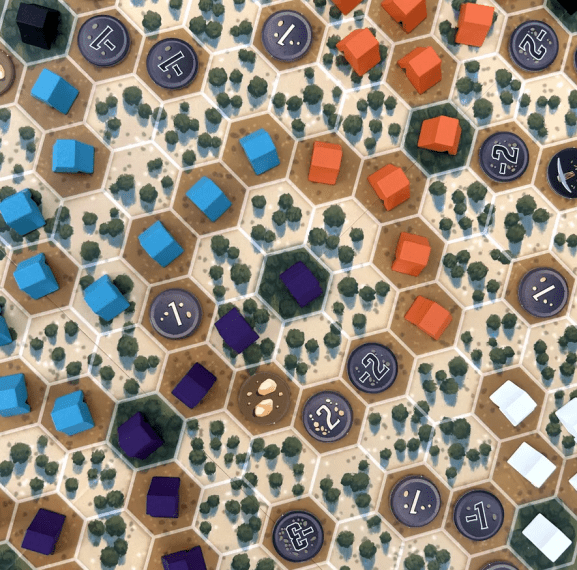
Gold Country looks great on the table. I’ve never played Spectaculum, but heard great things. And this is a Reiner Knizia game. Knizia has been on a roll. And then there’s Kasper Lapp’s Totally Human. Lapp had a hit with Magic Maze. In Totally Human, players are given hidden identities (human or alien) and must answer three multiple-choice questions as “human-like” as possible, but aliens don’t understand human culture completely and face restrictions on how they can respond.
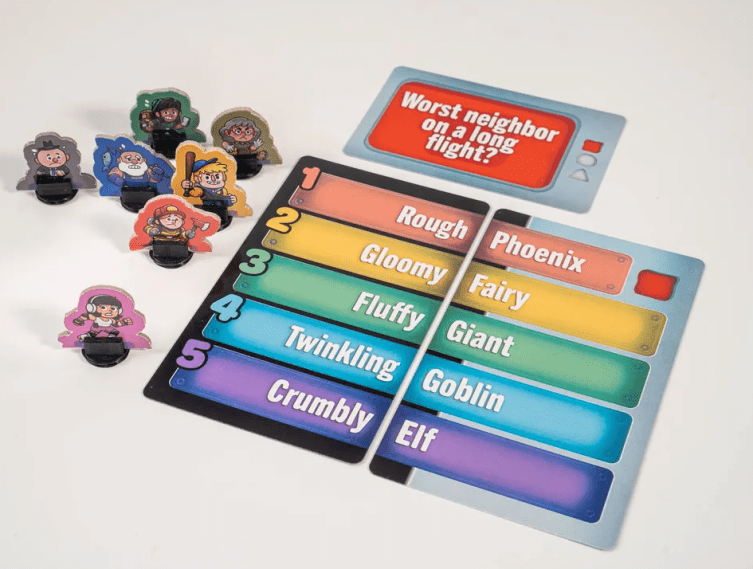
Totally Human gives me strong Spy Fall and Ferret Out vibes. Players take on hidden roles and must try and figure out who’s an alien in disguise. When done well, this concept can be a ton of fun. I’ve had more fun with Ferret Out than Spy Fall because players (including the ferret) don’t know who’s the odd one out. Based on Totally Human’s description, I don’t know how exactly the game plays. But I’ll give it a try. You can back Gold Country or Totally Human separately, but backing them both gives gamers a discount. If you’re interested in Totally Human and/or Gold Country, check out their KickStarter page.
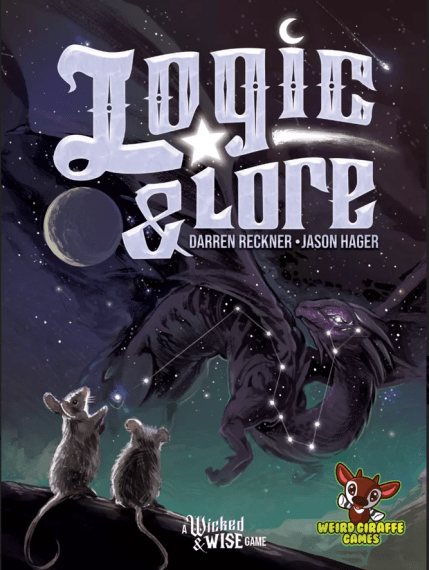
Logic & Lore Launches on KickStarter

In Logic & Lore, rivals race to be the first to align their hidden stars, numbered 1-9. Each player has dragons and mice working together to organize the cosmos: they send their dragons out to gather information and the mice stay back to take notes and make conclusions based on the knowledge brought back by their dragons. Players each start with their set of cards face-down and shuffled. The game ends when either one player aligns all of their cards correctly OR a player chooses to reveal all of their cards. If the cards are correct, they win; otherwise, their opponent wins.
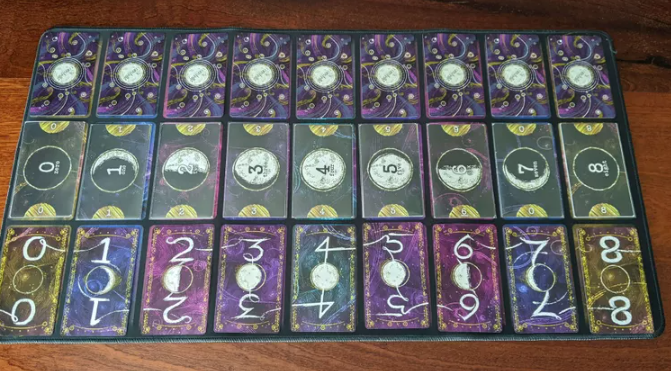
I like Logic & Lore’s description of a competitive logic game that stays cozy. And I think Logic & Lore gains its cozy designation based on its theme. What could be cozier than aligning the night sky? I dig the theme and the game’s look. Logic & Lore has a great score on Boardgamegeek. If you’re interested in backing Logic & Lore’s second edition, check out its KickStarter page.
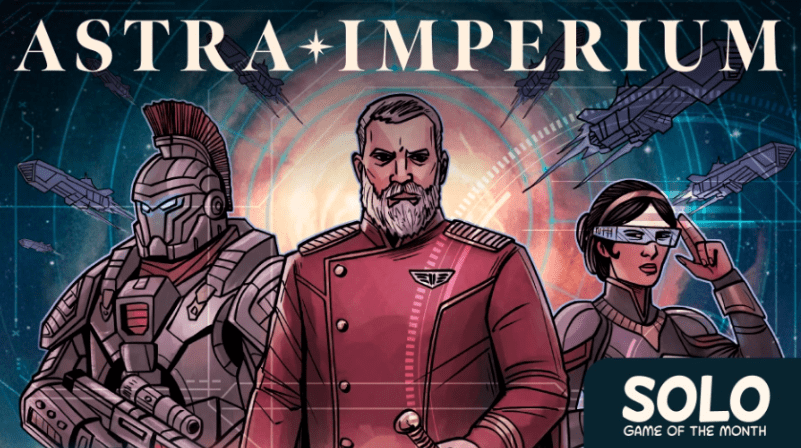
Astra Imperium Launches on GameFound

Covering the monthly Solo Game of the Month has become a tradition for Geekly. This month’s title, Astra Imperium, sounds incredible. Astra Imperium offers the complexity of a Euro game in a ten-minute playtime. That’s perfect for a solo game. Usually, I can’t justify long setups and plays of solo games. I don’t need to worry with Astra Imperium.
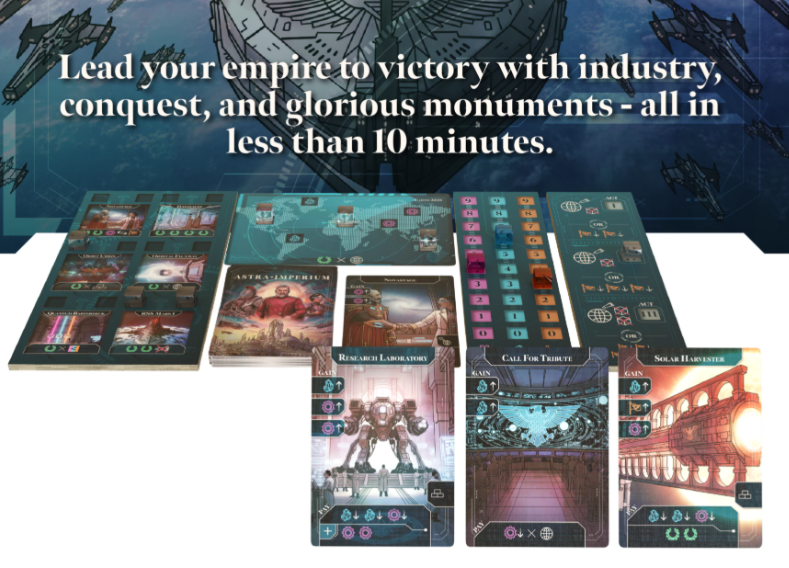
As usual, Solo Game of the Month offers great production value. Astra Imperium’s resource management has me intrigued, and as you can tell with the picture above, there’s minimal setup and tear down for what looks to be an engaging solo game. Perfect! If you’re interested in Astra Imperium, check out its GameFound page.
Jump Masters! Launches on GameFound

Publisher Chip Theory is known for their amazing production value. At the time of writing this post, we have few images of Chip Theory’s latest game, Jump Masters!, but the game sounds fun. Jump Masters! combines dice placement (where the dice are unique characters with abilities) with Chinese Checkers. I love this concept.
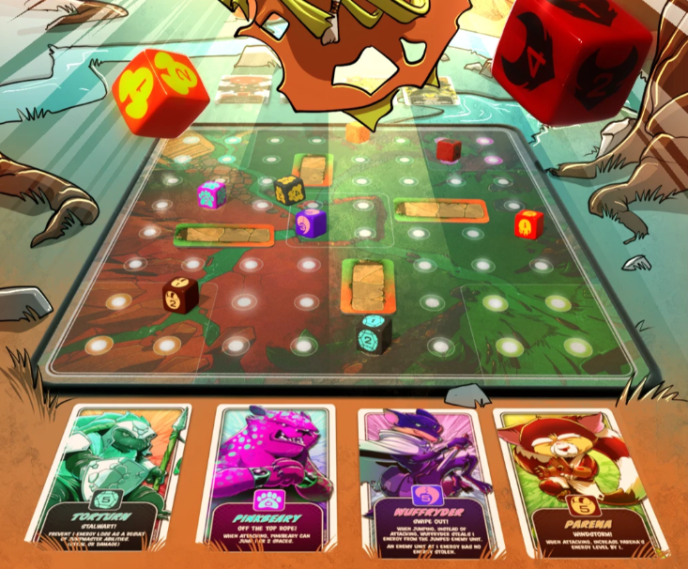
Taking advantage of their character abilities, players try to dominate the board. Take advantage of positioning and terrain to best your opponent in this light-hearted, cute-throat game. Not gonna lie, I favorited Jump Masters! while researching it. Again, we have few images, other than the ones above. But I trust Chip Theory to produce a fantastic-looking game. If you’re interested in Jump Masters!, check out its GameFound page.
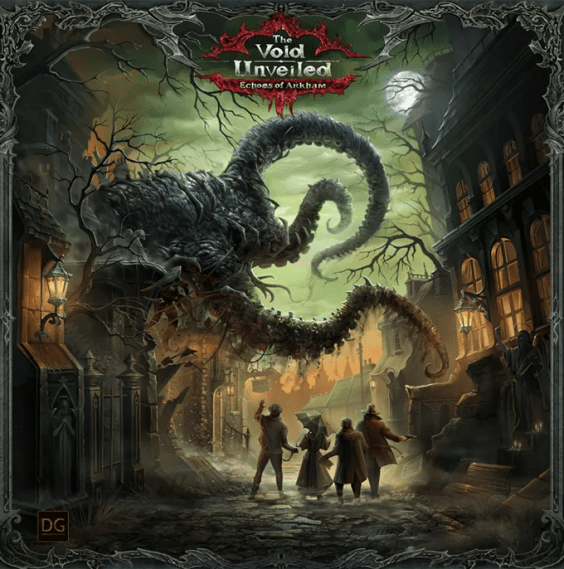
The Void Unveiled: Echoes of Arkham is a story-driven Lovecraftian board game of investigation, madness, and cosmic horror, designed for 1–4 players. Fully cooperative, rich in narrative, and steeped in creeping insanity, it invites you to descend into a world where every choice matters—and madness is never far behind. Step into the role of investigators unraveling a series of eerie mysteries in 1930s Arkham, each told through branching narrative chapters filled with meaningful choices, unique events, and escalating dread. As you read the story, your decisions shape the course of the game, leading to different outcomes and consequences. Each creature you encounter is governed by its own distinct set of rules and behaviors—not a single generic AI system in sight. Every monster feels unique, each one changing how you fight, think, and survive.
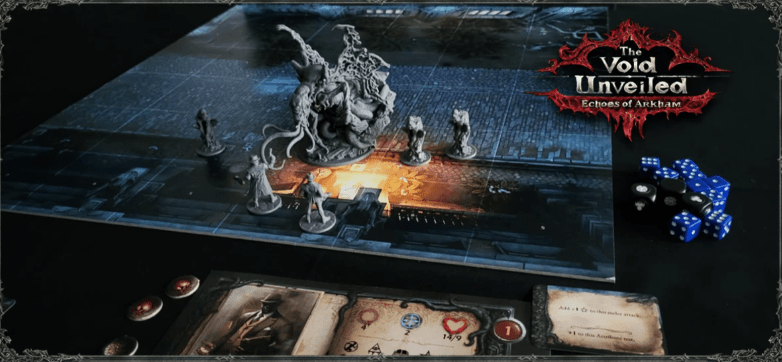
The above description comes from The Void Unveiled: Echoes of Arkham’s publisher. It is tough to stand out in the Cthulhu board game space. The phrase “not a single generic AI system in sight” must be a knock against Mansions of Madness. Honestly, The Void Unveiled: Echoes of Arkham reminds me a lot of a streamlined Mansions of Madness. But while Mansions Second Edition features an app that helps build the world, The Void Unveiled: Echoes of Arkham goes old school with an included storybook. From what I’ve seen of The Void Unveiled, it strikes me as a mixture of Mansions of Madness and Sherlock Holmes: Consulting Detective. If that’s the case, I’m interested. Since The Void Unveiled is another GameFound campaign, we have little information during its prerelease. But if you’re interested in The Void Unveiled: Echoes of Arkham, check out its GameFound page.
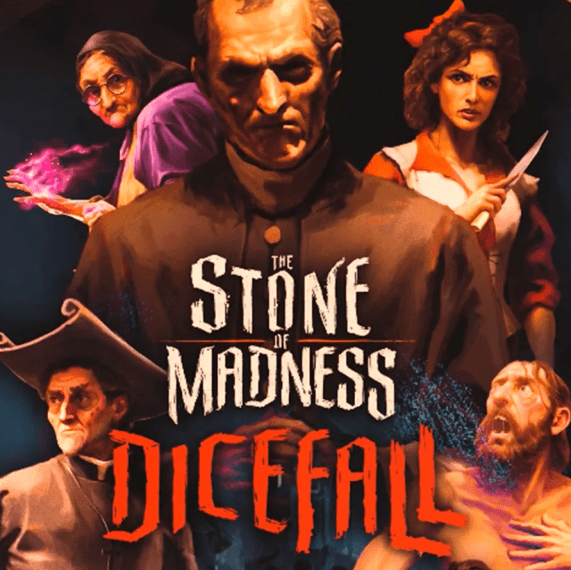
The Stone of Madness Dicefall Launches on GameFound

The Stone of Madness Dicefall is a cooperative tactical stealth board game for one to five players. Players jointly control five prisoners confined within an isolated monastery ruled by the Inquisition. Each prisoner has distinct abilities, restrictions, and mental conditions. The game is played in structured rounds where players assign actions to the prisoners, move them through the monastery, and interact with rooms, objects, and objectives. Actions are resolved using dice. Dice represent uncertainty under pressure and are tightly linked to the character performing the action and the current situation.

Stealth is the core of the experience. Many actions create noise, which increases tension and causes Inquisition patrols to react and reposition. Patrol movement and behavior respond to player decisions and accumulated alerts, turning the monastery into an active threat rather than a static board. Avoiding detection requires coordination, timing, and restraint.
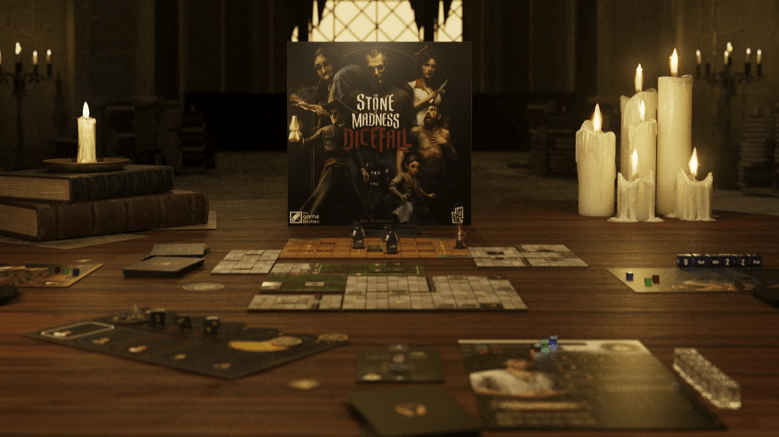
I love it when a publisher includes a good description for their game (like the one we included above). The Stone of Madness Dicefall is a cooperative stealth board game? Count me in. That’s an amazing premise. There aren’t enough stealth board games, and most of the ones that exist are hidden movement games, where players take opposing sides. I have no idea how The Stone of Madness Dicefall intends to make stealth cooperative. Color me intrigued. If you’re interested in The Stone of Madness Dicefall, check out its GameFound page.
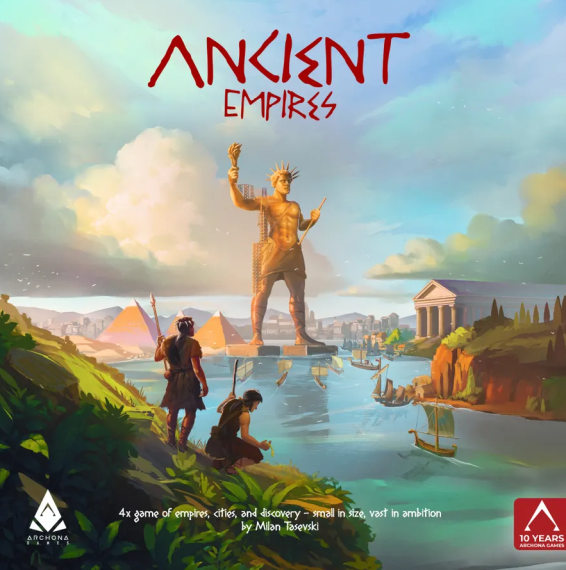
Ancient Empires Launches on GameFound

Ancient Empires is an action-programming, area-control, civilization game of expansion, conquest, and cunning decisions. In just a small box, it packs the feel of an epic empire-building experience. Players take the role of rising civilizations, competing for dominance across a modular map divided into regions rich with resources, settlements, and natural wonders. Through clever programming of action tokens, players expand their armies, establish cities, harvest resources, and challenge rivals for control of key territories. The game is divided into three Ages. During the Stone Age, the players will play as roaming tribes, establishing villages and expanding their reach. In the Bronze Age, the players will choose one of the available Civilizations to play with, gaining unique abilities. Finally, in the Iron Age, the players will be able to construct their Wonders.
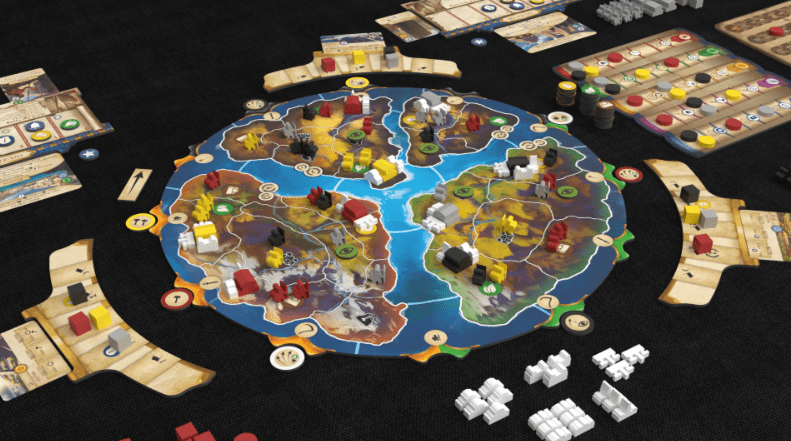
We are three for the last three with great publisher descriptions of their games. Seriously, it makes covering games a lot easier. I love the tightness of Ancient Empires’ board. The three ages intrigue me. Transitioning from one age to the next could get intense. I’m unsure if players draft which empires they may choose, or if they gain an empire during the Bronze Age if they achieve certain benchmarks during the Stone Age. Either way could be fun. Ancient Empires looks to pack a lot of game into a small box. Most 4X (Explore, Expand, Exploit, Exterminate) games take up a much larger footprint. And 4X games tend to take copious amounts of time. Ancient Empires suggests it plays in 1-2 hours. That’s lightning fast for a game with three distinct ages. If you’re interested in Ancient Empires, check out its GameFound page.
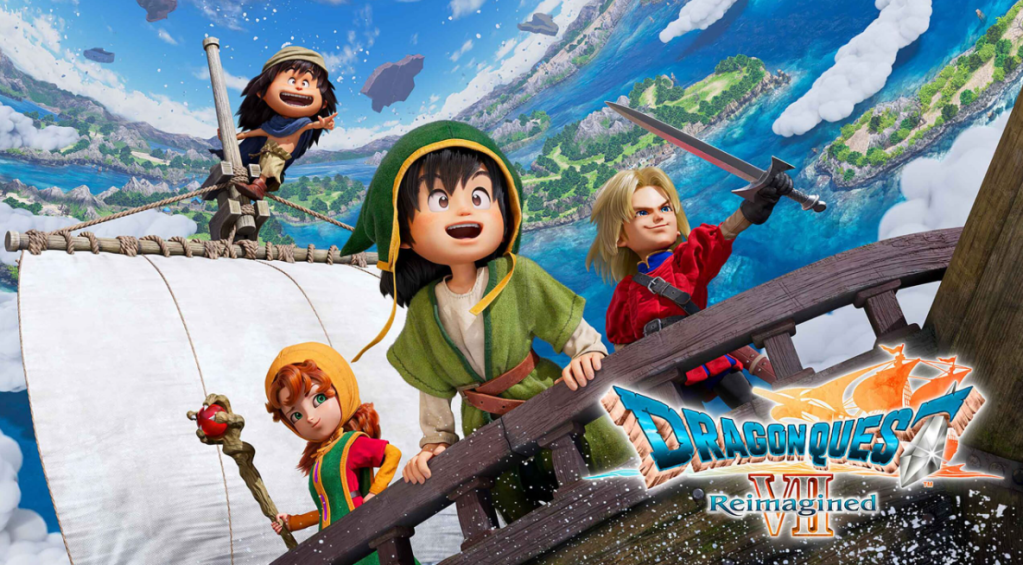
Dragon Quest VII Reimagined Releases

Dragon Quest VII doesn’t get a remake. It receives a reimagining. This is an important distinction. The original Dragon Quest VII was unruly. It didn’t hold players’ hands and show them where to go next. In short, it was easy to get lost in the original Dragon Quest VII. Dragon Quest VII Reimagined makes the classic JRPG approachable.
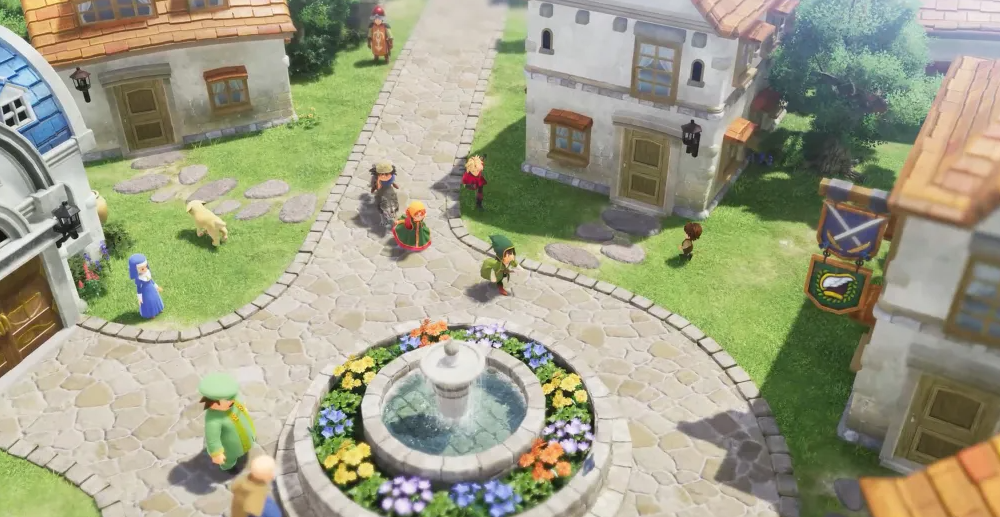
The graphics look stunning in Dragon Quest VII Reimagined. And this title may be a great place to start for gamers who never played the original, but fans of the original may be a little disappointed. SquareEnix streamlined the heck out of Dragon Quest VII Reimagined. It truly earns the title Reimagined. Similar to games like Ni No Kuni, you won’t even need to battle overworld enemies if your level far exceeds theirs. That’s amazing. If you’ve played JRPGs, you know how much of a time sink grinding can be. Dragon Quest VII Reimagined fixes that issue.
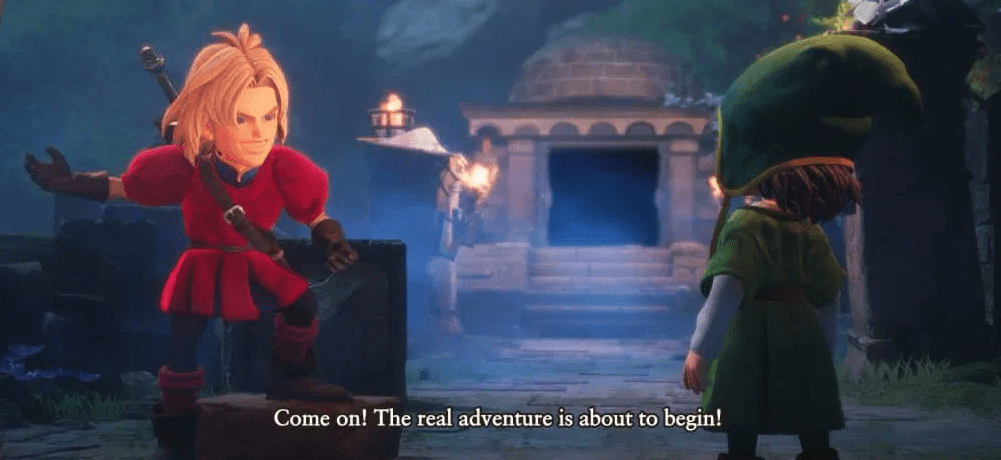
Despite cutting out islands from the original, Dragon Quest VII Reimagined improved on the game’s formula. I just wished another version of the game was available with the Reimagined version. Players could begin with Reimagined, the most approachable variant of the game, and progress to one of the other versions. But that’s a nitpick. Dragon Quest VII Reimagined is a must-play if you’ve never played the original. Dragon Quest VII Reimagined is available on PlayStation 5, Nintendo Switch, and Nintendo Switch 2.
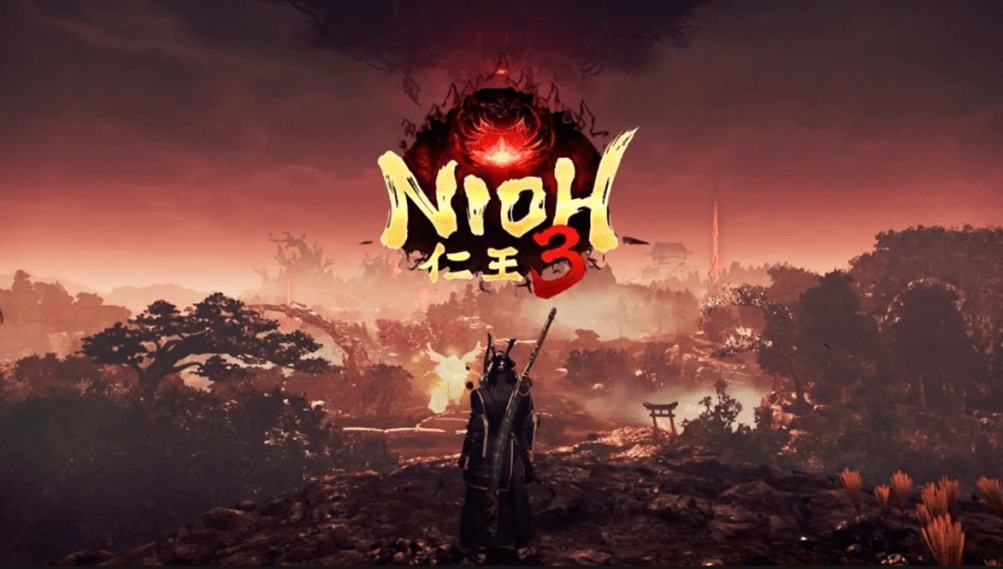
Nioh 3 Releases on PC and PlayStation 5

While Nioh 2 functions as a prequel to the original game, Nioh 3 takes place after the events of the other two games. A true sequel at last. Yay! Unlike previous installments, gamers will have large spaces to explore. And players will have the option of playing as a samurai or ninja. The samurai playstyle resembles gameplay from previous Nioh installments. It has a focus on parrying. But the ninja playstyle is faster and features evasion and aerial attacks. This should increase Nioh 3’s replay value.
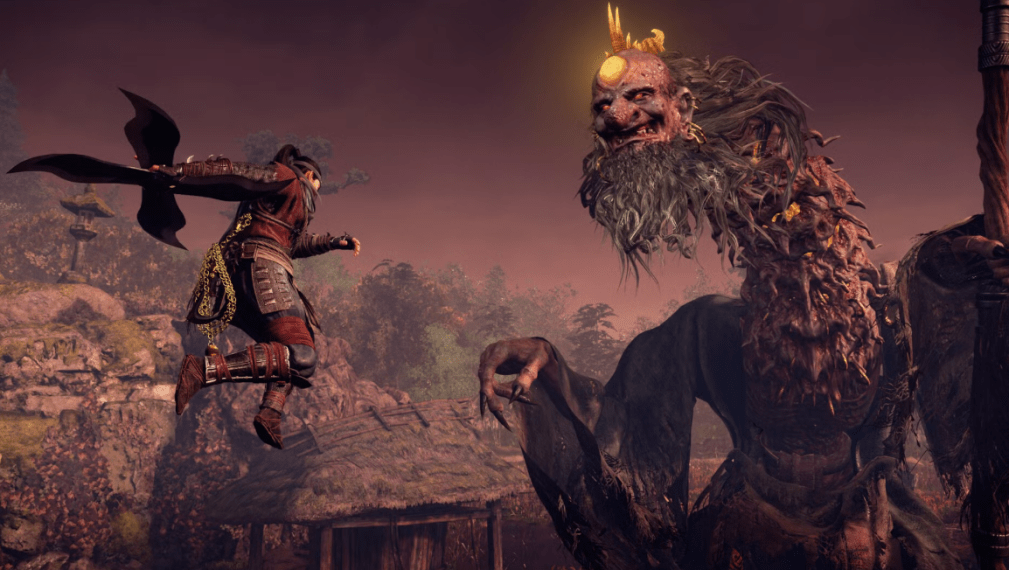
Nioh 3’s graphics look incredible. The game has received stellar reviews. I can’t wait to get my hands on this title. I’ll most likely play the ninja playstyle first and then play a second round as a samurai. How about you?

That’s all the Geek News we have for this week. Thank you for reading, and wherever you are, I hope you’re having a great day.

Video Game History: inXile Entertainment

Happy Monday, Geekly Gang! Kyra Kyle here with Geekly’s first-ever video game history post, where we discuss a video game company’s history. Today’s video game publisher/developer is the indie darling, inXile Entertainment. It took me a while to realize that inXile is pronounced “In Exile.” That phrase will factor into the game’s history, and wow, do founder Brian Fargo and inXile Entertainment have a long and bumpy history, complete with plenty of stellar games. Before we get to the formation of inXile, we must first talk about Brian Fargo’s first video game publishing company, Interplay.

Brian Fargo Pre-inXile Entertainment

Brian Fargo began developing video games while he was still in high school. Per a 2017 interview with Stay Awhile and Listen, Fargo’s first semi-widely distributed game (he had an earlier game that sold five copies) was Demon’s Forge. The title Demon’s Forge will return, but not until much later. A handful of years later, Brian Fargo would co-found Interplay Entertainment in 1983 with fellow developers Jay Patel, Troy Worrell, and Rebecca Heineman. Fargo was 20 years old at the time.

In 2022, inXile Entertainment released a 20th Anniversary Documentary. I will draw from this documentary often, but since it was released by inXile Entertainment, it glosses over some details, so I’ll be providing some context from other sources. If you have a chance, and hopefully after reading this post (wink), you should watch inXile Entertainment’s 20th Anniversary Documentary. It runs about 20 minutes. According to Fargo in the documentary, (he was so young), his vice president had to buy him beer if he wanted it. Fargo tries his best to hide a smirk. I, Kyra Kyle, have never participated in underage drinking. (Wink.)

Brian Fargo’s Time at Interplay

We won’t spend too much time on Interplay’s history — that could be its own video game history post — but we will need to cover Brian Fargo’s time with Interplay Entertainment, as it provides context for inXile Entertainment. Fargo hit the ground running with a trio of hits between 1985 and 1988. Fargo led the Interplay team with the original The Bard’s Tale (1985), Battle Chess (1988), and the RPG classic Wasteland (1988), which would later inspire the Fallout series.

When the Eighties transitioned into the Nineties, Fargo ceased to develop games directly with Interplay. The last game I could find Fargo co-developed for Interplay Productions was 1991’s Track Meet for the Game Boy. Instead of designing games, Fargo served as Interplay’s CEO. The business may have started small, but with Interplay amassing numerous intellectual properties like Dungeons & Dragons (leading to the Baldur’s Gate series), Wasteland undergoing a title change to Fallout (and thriving as Fallout), Earthworm Jim, and Alone in the Dark, the company became a major force in video games. At this time, Interplay was easily one of the best video game developers.

Fargo has a knack for spotting video game development talent. During the early 1990s, Fargo advised Silicon & Synapse. In exchange for 10% equity in the company, Fargo and Interplay contracted Silicon & Synapse to port games developed by Interplay into other consoles, which gave Silicon & Synapse the capital it needed to transition into making original games (and eventually becoming Blizzard Entertainment).

Despite a great track record and hits like 1997’s Fallout, 1998’s Fallout 2, and 1998’s Baldur’s Gate, Interplay experienced financial difficulties. To avoid bankruptcy, Interplay went public on the NASDAQ. According to a Bit Gamer article, Brian Fargo admitted that further losses (because of increased competition, an underwhelming sports division, and a lack of console titles) forced Interplay to look to a third party. That third party would be French software developer Titus Interactive S.A.. Per a Los Angeles Times article, Titus bought 6 million of Interplay shares for $25 million, giving Titus a controlling stake in Interplay. Fargo and Titus’s relationship was strained.

Fargo would claim (in a Gamespot interview) that he and Titus have a “very different ideology of management that was not compatible.” Fargo always loved video games, and Interplay grew into a huge company of over 500 people with offices all around the world. He had to deal with shareholders. He grew distant from his first love, video games. Fargo no longer got to make games; he didn’t want to be a CEO. Ripples of this pattern will emerge in the future.

So, Fargo stepped down as Interplay’s CEO. He was a CEO without a company for several months, when he’d attend an industry convention.

Founding inXile

Fargo recounts his experience at E3 in an interview found on RPG Codex: Right after Interplay, I was going to E3 in May. I needed a quick name to get a badge. I chose the “Workshop,” and as a joke, I gave my title “CEO in exile.” It got such a funny response that we figured there was something to it.

“InExile” was already taken, so “inXile” was chosen as the newly formed company’s name. Fargo’s experience with finding talent during his days at Interplay served him well as he recruited the best team for inXile. According to the YT inXile Documentary, Fargo called Matt Findley (New Orleans, Louisiana Chief) to join the newly minted inXile. Unlike what Interplay had become, inXile would work on only one game. (Vice President of People) Elene Campbell received a phone call from Fargo to go to lunch, and she quickly joined. Max Kaufman (inXile’s former art director) also joined.

My favorite anecdote during these early days of inXile came from Elene Campbell. Campbell said, “inXile Entertainment’s office had a great location. We were right across the beach. We would purchase a surfboard for an employee if they wanted to surf.” Sounds like you couldn’t beat inXile’s location.

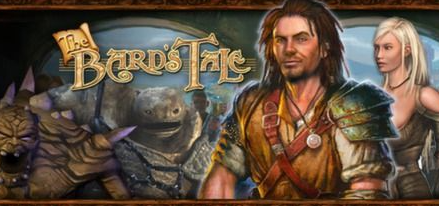
The Bard’s Tale (October 26, 2004)

The one video game inXile Entertainment chose to develop first just happened to be its first hit. 2004’s The Bard’s Tale couldn’t continue the story of the original trilogy because Interplay/Electronic Arts still owned the copyright. 2004’s The Bard’s Tale was neither a remake nor a sequel. It had to be something different, and it certainly was. According to Findley (in the inXile Documentary), we wanted to make some sort of cliché-busting, fourth-wall-breaking game. Former art director Kaufman added, We wanted The Bard’s Tale to be irreverent, looking back at the tropes of RPGs and making fun of them.

Fargo noted the difficulty of including comedy in video games. Humor is a subjective thing, Fargo said, but typically, people rate your game on certain criteria: graphics, gameplay, sounds, (control) responsiveness. When you add humor, you’ve added another category for people to criticize you for. You could hit on all the other categories, but someone could think the jokes are not funny. It’s very tricky doing humor.

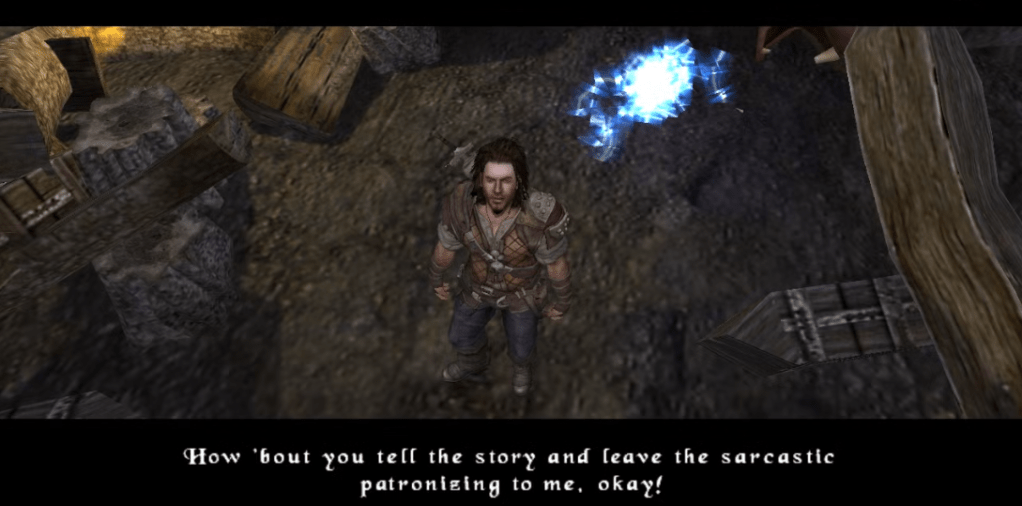
Adding humor to The Bard’s Tale was risky, but the risk paid off. The Bard’s Tale became a classic because of its sarcastic humor. While the classic Bard’s Tale trilogy used a first-person view, 2004’s The Bard’s Tale had a 3D environment with the player watching in third-person. The player controlled “The Bard,” who never received a name. Dialogue followed a “snarky” or “nice” option system. While the player wouldn’t know exactly what The Bard would say, the player can set the tone for how the game’s world perceives The Bard.

The first dialogue decision is with a barmaid in The Drunken Rat. Being nice to her gives the barmaid the impression The Bard is a gentleman, and she leaves him alone, while being snarky results in the barmaid spending the night with The Bard. The Bard’s Tale gets into some adult themes. Nudge-nudge. Wink-wink.

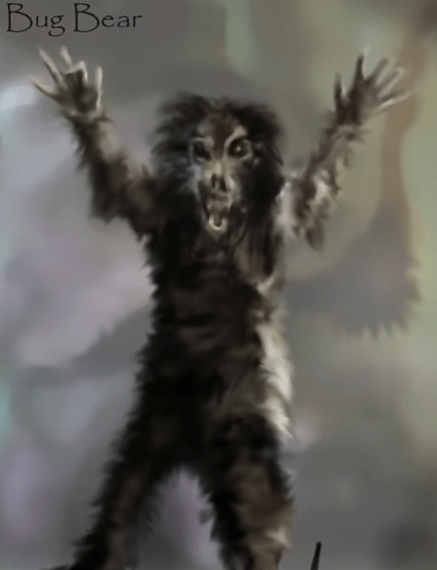
inXile always intended The Bard’s Tale to be a comedy, but Findley shares (in the Documentary) the moment The Bard’s Tale became a “silly” comedy was when Art Director Maxx Kaufman turned in a drawing of a Bug Bear. Findley told Kaufman the bug bear looked like a guy wearing a terrible Bug Bear costume.

Kaufman admitted he rushed the Bug Bear character concept. He was doing a character concept a day, maybe even two a day. When he made the Bug Bear, he was being serious with the character. His intent was not to make a funny character, but that’s what ended up happening.

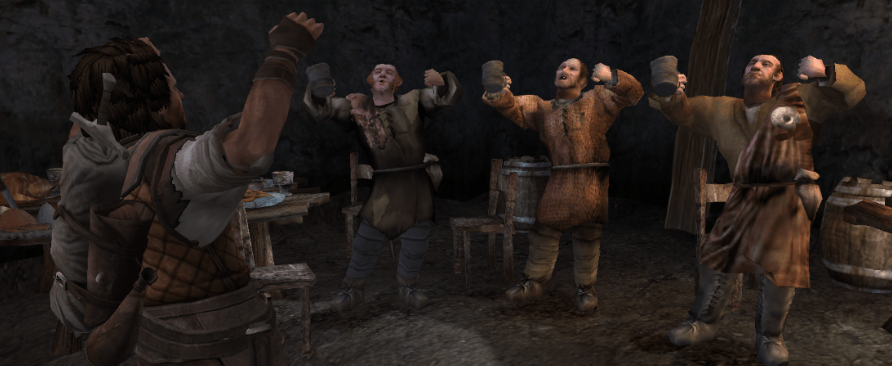
I have to agree with Findley. One of The Bard’s Tale’s most enduring legacies must be its use of music within the game. One of The Bard’s Tale’s biggest innovations was the original music that they wrote that had lyrics, Findley said (in the documentary). The songs weren’t just a soundtrack; they were being performed by characters in the game. This cornerstone survived all the way up to Wasteland 3 and The Bard’s Tale IV. inXile loves using original music to tell a story.

I always liked “The Blood of the Lamb” song that plays when dealing with a crazed cult in Wasteland 3. So creepy. And I appreciate inXile’s use of original music to tell a story. It also doesn’t hurt to have stellar voice actors for a video game. Tony Jay narrates The Bard’s Tale, while Cary Elwes earned a nomination for Outstanding Character Performance — Male from the Academy of Interactive Arts & Sciences.

With one hit under their belt, inXile looked poised for a long run of hits (much like Interplay a couple of decades prior), but inXile immediately hit a snag.

HEI$T

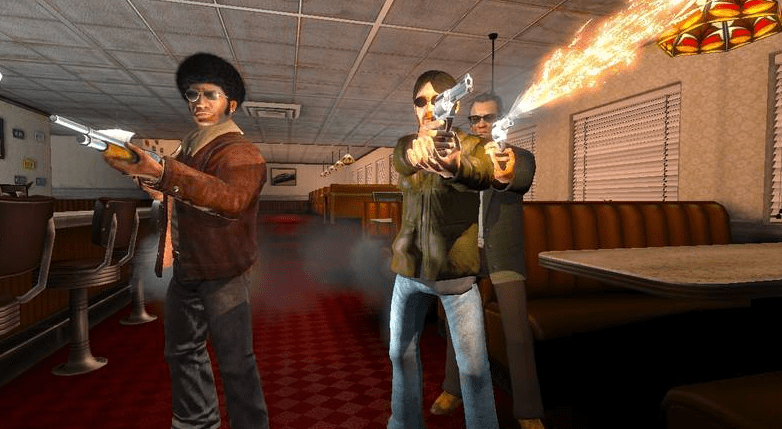
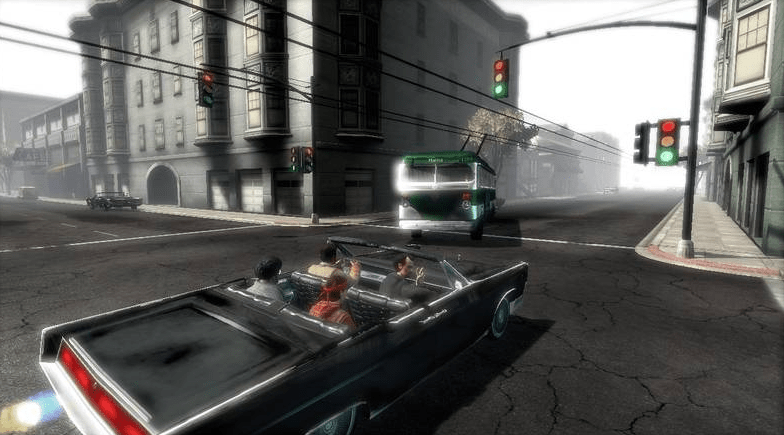
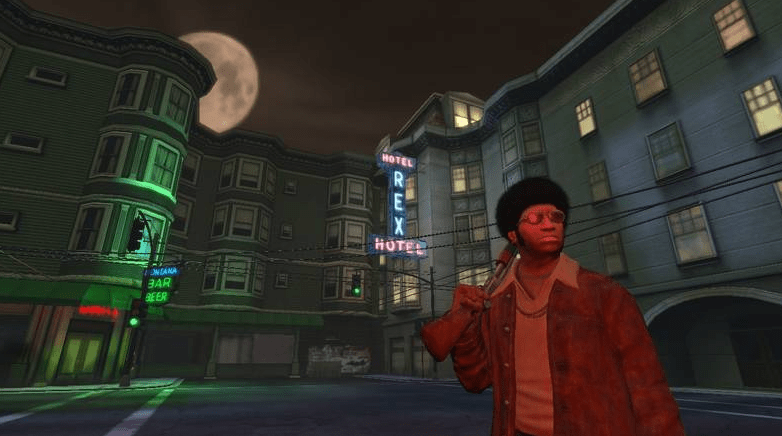
Heist (stylized as HEI$T) is a cancelled action-adventure video game developed by inXile for publisher Codemasters (known for the video game peripheral Game Genie). Set in 1969 San Francisco, Heist follows a group of criminals as they perform various thefts.

Heist features plenty of high-speed chases in what could’ve been an immersive open-world. In a Gamespy article, Lead Heist Designer Sean Patton, cites Need for Speed: Most Wanted and its virtual cops as one influence in the general flow of the getaway chase in Heist. The game sounded amazing. inXile sunk tens–if not hundreds–of thousands of dollars and countless design hours into making Heist the best they could, and then, Codemasters canceled the project.

Heist is probably my favorite title I ever worked on that never made it to the end,” Findley said in the documentary. “We had an inspired concept of doing something that was supposed to feel like Quentin Tarantino. We had Bruce Campbell as the main character. Ed Asner, Rutger Hauer, Vinnie Jones, Christian Slater, and we had recorded the entire script from beginning to end before the project was shut down.”

Fargo added, “It (Heist) was the closest I’ve ever come to finishing a game–it was finished–and not coming out, but we just couldn’t. Unreal Engine, at the time, to do a true open world wasn’t working for us. Our publisher (Codemasters) really wanted a true open world, but we would have had to make it sort of modularized. Our publisher canceled it.”

There are conflicting reports as to why Heist was canceled. In an interview with Video Games 24-7 (VG247) about Wasteland 2, Fargo said, inXile had an agreement with Codemasters to create an open-world using Unreal Engine on the PS3–but the specs didn’t yet exist for the PS3. They (inXile) found a way to make Heist run great on PC and Xbox, but Codemasters wanted PS3. I gather that Heist worked on every system besides the PS3. Based on the wording, I’m unsure if Heist could’ve been an open-world on the other two systems (PC and Xbox) and needed to be a hub-world on PS3, or if Heist only worked as a hub-world on the other two systems and didn’t work at all on the PS3. Either way, Codemasters canceled Heist.

Heist was a massive blow. It certainly left a bad taste in Fargo’s mouth. He said in the documentary that he couldn’t wait to get back to making games he loves. He disliked making games other people wanted him to make. Well over a decade later, Heist still haunts inXile. They had created a great game in their minds, but their publisher wanted something different. And you don’t need to take my word for it. Heist gets a full segment dedicated to it in inXile’s 20th Anniversary Documentary. Fargo even lists various games, like Payday: Heist, that resemble what Heist attempted to do, but they didn’t have Bruce Campbell, Ed Asner, Rutger Hauer, and Christian Slater in their cast. Fargo insists Heist could’ve done well on the market.

Mobile and Web-Based Games

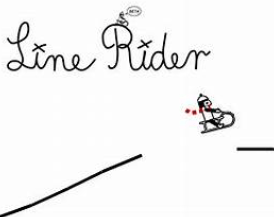
While one half of inXile developed games like The Bard’s Tale and Heist, the other half developed mobile and web-based games. This half of inXile yielded mixed results. In 2006, inXile acquired the rights to Line Rider, and later on, Fantastic Contraption. inXile ported these indie games to a wider market. They also created a series named Super Stacker. You can still play Super Stacker 2 for free as a web-based game.

Baby Pals Controversy

Fargo discusses inXile’s early days and why they chose to create two branches of the company. “We were trying to find a sustainable business model,” Fargo said (in the Documentary), “but the (video game) world was shifting underneath our feet. We just had to be plucky entrepreneurs and find something. We had the rights to Line Rider. Nintendogs had come out, and we said, let’s do cats (Purr Pals), and we sold three-quarters of a million copies. Dogs are done. What could we do next? People like babies.”

Enter Baby Pals. inXile had licensed the same sound library as the one Mattel was using for their upcoming dolls, so the company thought it was safe. But the next thing Fargo and company knew, inXile was in the news. If you listen carefully, one of the babies says, “Islam is the Light.”

During the documentary, Campbell says, “It was just a baby babbling. There were no hidden references, and it caused so much trouble.”

I like how Findley contextualized these small titles. “I have nothing but warm thoughts for Baby Pals, Purr Pals, Super Stacker, and Line Rider,” Findley said in the documentary. “All of those small and mobile titles we did during those periods…allowed us to do crazy things like Heist and the early stages of Hunted: Demon’s Forge.”

While I thought Findley had a slight smirk when he discussed inXile’s smaller titles during the 20th Anniversary Documentary, his inclusion of these smaller titles financing larger ones rings true.

Hunted: The Demon’s Forge

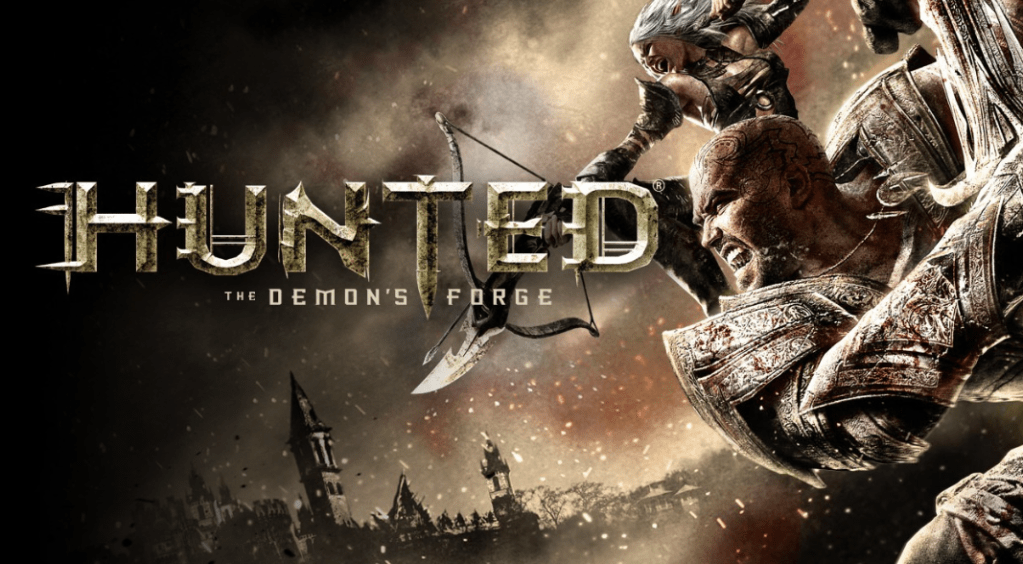
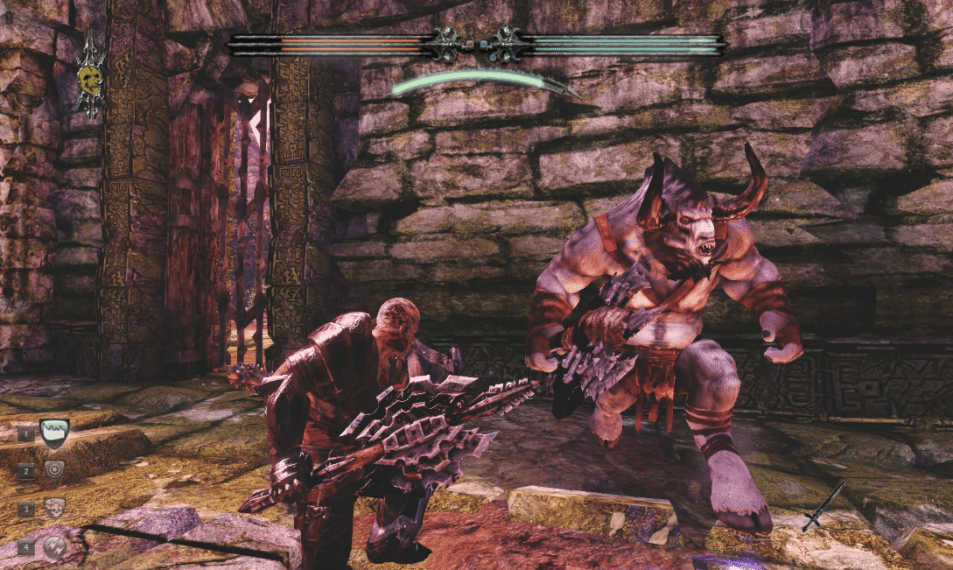
I promised the title of Fargo’s first semi-widely distributed game, Demon’s Forge, would return. With Heist in their rearview mirror, Hunted: The Demon’s Forge allowed inXile to return to their role-playing roots. But they added a cooperative gameplay twist. Hunted: The Demon’s Forge was an ambitious title. According to Findley in a Game Sauce article, Most co-op games are two guys with the same guns running through the world, so we really like the concept of teamwork…We’ve built these arenas with different heights and areas for players to really get out. They get to use their skills and still be able to help out their partners.

Based on Findley’s description, Hunted: The Demon’s Forge sounds something akin to an early hero shooter. The only other hero shooter available at this time would’ve been Team Fortress 2. But Hunted: Demon’s Forge only allowed couch cooperative play. With World of Warcraft going strong for seven years by 2011, and first-person shooters like Battlefield 3 (also released in 2011), and trying to capture the budding online cooperative wave, couch cooperative games were fading in popularity, and Hunted: Demon’s Forge underperformed.

Competition in the role-playing space was fierce during 2011. It didn’t help that many critics viewed Hunted: Demon’s Forge as a Gears of War clone. Hunted: Demon’s Forge may have fared better if it had been released in a different year. RPG juggernauts Mass Effect 2 and The Legend of Zelda: Skyward Sword were released the same year. Bethesda, Hunted: Demon’s Forge’s publisher, even released Skyrim that year. Yikes! Bethesda may not have given Hunted: Demon’s Forge much of a chance.

Choplifter HD

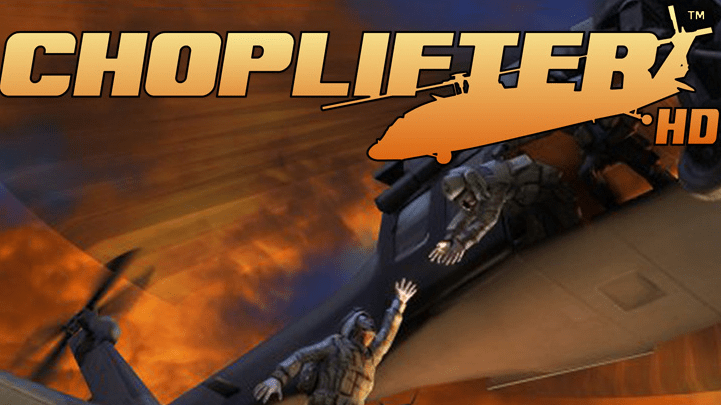
A little over seven months later, inXile released its 3D polygonal remake of the classic 1982 game Choplifter by Dan Gorlin. inXile even hired Gorlin as a design consultant for Choplifter HD. Despite Choplifter HD remaining true to the original, it was the second game in a row by inXile that received mixed reviews. Some critics appreciated how faithful the remake was to the original, while others criticized the game’s difficulty. Ryan Winterhalter of 1Up.com, compared Choplifter HD to that of a bullet hell shooter. I love Winterhalter’s title: Choplifter Appeals to Your Inner-Masochist. Yowza! That’s good copy.

For those keeping score, that’s a canceled game (Heist) that cost countless hours of development to make, a controversy (Baby Pals) that eventually led inXile to halt production on smaller games, and back-to-back near misses with Hunted: Demon’s Forge and Choplifter HD. inXile was at a crossroads.

A Comet Almost Hits the Earth

Fargo shared in the inXile Documentary, “I’ve had so many near-death events in this industry, where the comet almost hits the Earth. If Battle Chess wasn’t a hit…If Castles wasn’t a hit. I can go through ones where if that didn’t work, we’re out of business. Hunted didn’t work, so we had to scale back to a very small group of people.”

Up to this point, Brian Fargo had seen his share of misses and near-misses. inXile’s history began to mirror Interplay’s over a decade earlier. Interplay started as a focused team working on a couple of titles and then swelled to a company of 500 working on dozens of projects. Findley says (in the Documentary), “The years between The Bard’s Tale (2004) and Wasteland (2) was a roller coaster. We got smaller again, then we got bigger, and we got smaller. We went from being a focused team working on one title to 120 people working on four or five titles at once. We were all over the place.”

Interplay made itself a “public” company, entering NASDAQ. inXile would also go “public” but in a different manner. Only this version of “going public” involved inXile’s and Wasteland 2’s historic KickStarter campaign. Like Fargo said, “We threw it all in with our KickStarter and that changed everything.”

Wasteland 2’s KickStarter Campaign

“We were able to pitch the games we want to make,” Findley said (inXile Documentary), instead of pitching the game you know you can sell, which is a much more fun place to be.” This mindset changed everything for inXile. Heist and Hunted were financed by another company. Codemasters wanted a game in Heist inXile couldn’t deliver, while Bethesda released Hunted a few months before Skyrim. KickStarter showed inXile what their fans wanted to play.

For years, gamers asked for a follow-up to 1988’s Wasteland, but the rights to Wasteland proved tricky. Before inXile could begin work on Wasteland 2, they needed to obtain the rights to Wasteland from Electronic Arts. The original publisher, EA, had let the rights lapse. The last time Electronic Arts had worked on a project connected with Wasteland was Fountain of Dreams. “Originally, Interplay (and Brian Fargo) were supposed to be involved with Fountain of Dreams (1990), but EA took control of the project and produced it themselves,” said Fargo in a Wired interview. “By 2003, Electronic Arts dropped all claims that Fountain of Dreams had any connection to Wasteland.” This opened the legal door for Wasteland 2 to become a reality.

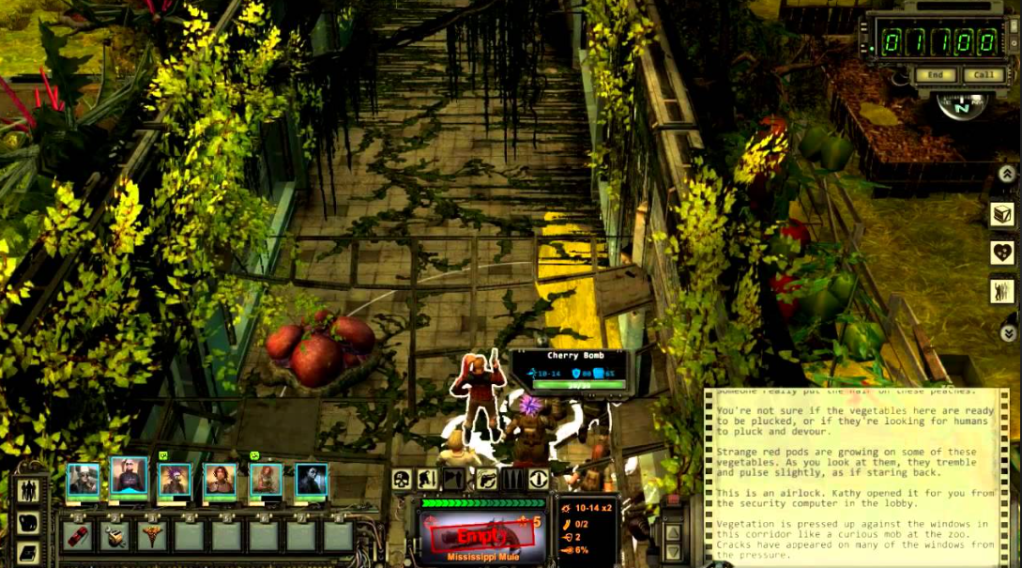
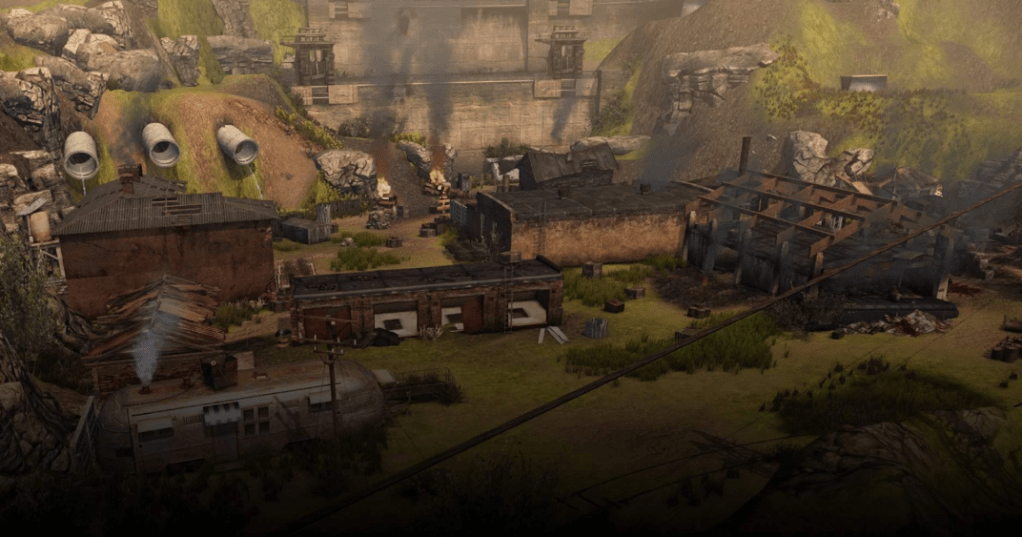
Wasteland 2 was a sequel to 1988’s Wasteland. To be fair, Wasteland 2 is a fusion of a sequel and an update to the original. The stories of both games share many similarities. Wasteland 2 is a joy to play. I highly recommend playing it. Wasteland 2 delivers on Fargo’s idea of a “hardcore role-playing game.” There is no one way to play through Wasteland 2. Your choices affect the world.

There are moments where it’s obvious how your choice will affect the world, especially the game’s first choice of saving Highpool (a community based around a local dam that provides water to the region) or the Ag Center (which grows genetically modified vegetables to feed the locals). You can’t respond to both distress signals. Other moments are more subtle in how your choices will affect the world.

But why KickStarter? inXile had never used a crowd-sourced platform before, in fact, Fargo had never heard of KickStarter. Fargo shares the moment he decided to Kickstart Wasteland 2 (in the inXile Documentary), “Tim Schaefer launches his KickStarter (Double Fine Adventures). The first day, it makes half a million dollars. I was like, this is it. I called Matt the next day, drop everything. This is what we’re gonna do. We went from what’s KickStarter? to launching within 30 days.”

Wasteland 2’s KickStarter did not end up beating Double Fine Adventures (per an inXile community post), but it was, at the time, the second-largest video game KickStarter campaign, closing in at just over $2.9 million. Add in PayPal donations of over $100,000, and Wasteland 2’s total funds equaled over $3 million.

To this day, Wasteland 2’s KickStarter campaign sports the third-highest total on KickStarter. I’ll admit, KickStarter is better known for board games than video games, but this fact may make Wasteland 2’s success on KickStarter all the more impressive. Wasteland 2’s success goes a long way to show how much the video game community appreciates inXile, and more specifically, Brian Fargo’s work.

Torment, The Mage’s Tale, and The Bard’s Tale IV

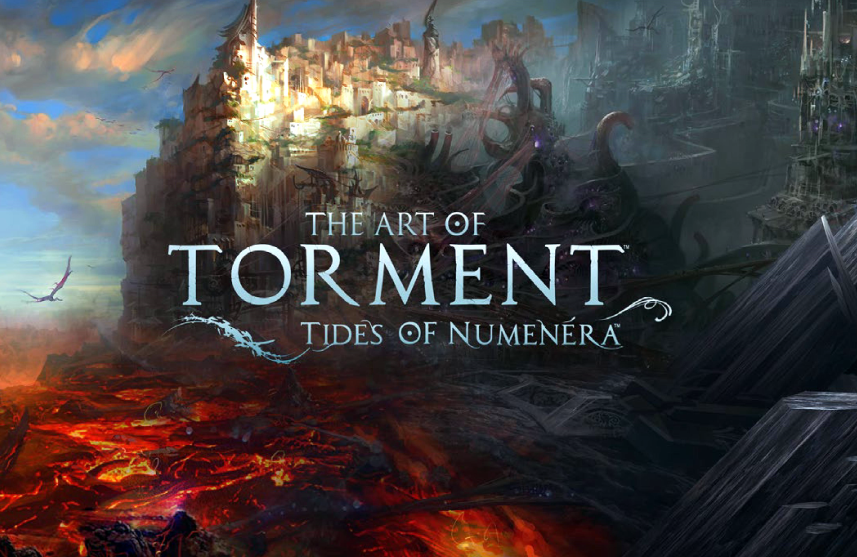
Torment: Tide of Numenara was released in 2017 after another successful KickStarter campaign. inXile learned plenty of lessons from their first crowdfunding campaign. Torment: Tides of Numenara was written by Monte Cook, who also wrote the rules to the tabletop role-playing game Numenara where Torment is set, but Torment: Tides of Numenara is also a spiritual successor of a former Interplay game, Planescape: Torment. Torment: Tides of Numenara received favorable reviews, continuing inXile’s hot streak. It also honors inXile’s past.

We won’t go into too much detail with the remaining titles in this segment. The Mage’s Tale was developed in parallel with The Bard’s Tale IV. The two projects share some assets. Both games received average or mixed reviews. Regardless of reviews, both games had ambition. While The Mage’s Tale brought the world of The Bard’s Tale to the new medium of virtual reality, The Bard’s Tale IV: Barrows Deep attempted to fuse elements of the original 1980s Bard’s Tale trilogy with the 2004 spin-off The Bard’s Tale.

After a shaky decade, inXile had found a sustainable business model. But nothing stays the same for long.

Joining Xbox

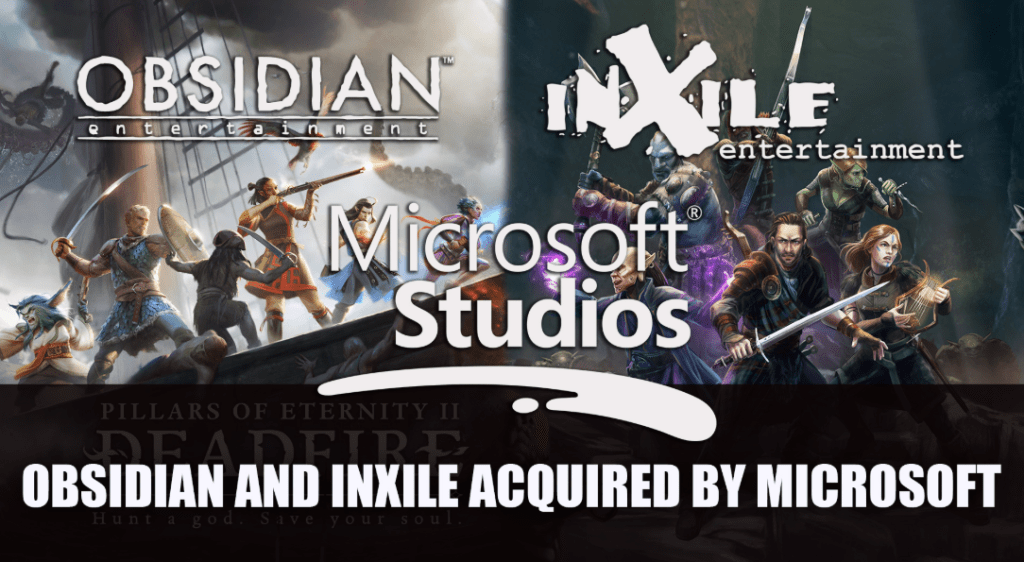
In November 2018, Microsoft Studios acquired inXile Entertainment and Obsidian Entertainment on the same day. Eurogamer made the announcement, stating, “The two independent studios who had fought against each other would now be under the Xbox umbrella. This announcement led to Fargo staying as head of inXile, because in March 2017 (also on Eurogamer), Fargo had announced his plans to retire from inXile following the release of Wasteland 3.

Fargo has said in the past that he doesn’t enjoy being a CEO. He may have wanted to leave on a high note (with Wasteland 3). Microsoft Studios’ absorption of inXile as a subsidiary allows Fargo to stick to his passion, developing video games. Microsoft’s near limitless resources mean that inXile won’t need to rely on crowdsourcing to make the games it wants to make.

Clockwork Revolution

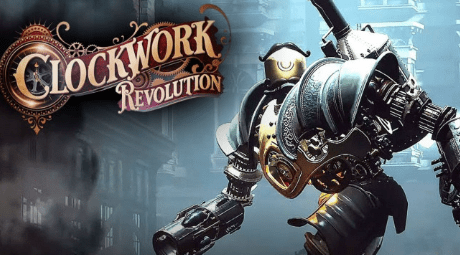
This video game history post is one of the final pieces I wrote in preparation for my end-of-year novel writing/editing break, so I’m writing this post in 2025. Clockwork Revolution is slated for a 2026 release. Who knows? Clockwork Revolution may already be released by the time you’re reading this. I am stoked for this title. What I’ve seen looks amazing, and since Clockwork Revolution is categorized as an action-RPG, I’m anticipating it having gameplay similar to The Bard’s Tale (rather than Wasteland). Regardless, I have Clockwork Revolution wishlisted and will be playing it soon after it releases.

inXile and Brian Fargo had a crazy ride, filled with hits, misses, and near-misses. I’m glad Fargo and his team had those Wasteland 2 KickStarter moments. In the inXile Documentary, Fargo said, “They (fans) valued the work we’ve done before. It felt good. I can say that when we hit our funding goal, it was one of the highlights of my whole career.”

Thank you for reading. Let us know what other video game companies you want us to write a history for, and wherever you are, I hope you’re having a great day.