

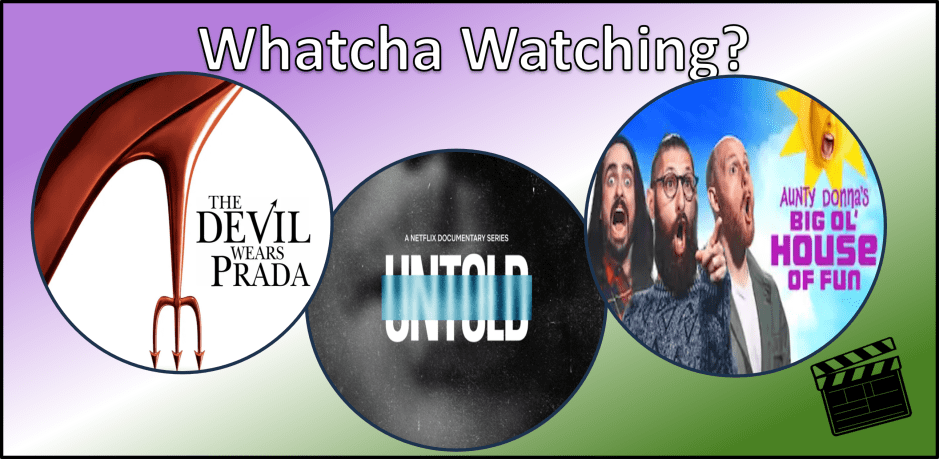
Happy Wednesday, Geekly Gang! Today, our writers share what they’ve been watching over the past month. Feel free to share what you’ve been watching, too, because we’re all part of the Geekly Gang. I’ll get things started with what I’ve been watching over the past month.
I haven’t watched too many movies over the past month, and I’m unsure if Untold: The Death and Life of Lamar Odom counts as a film. But I’m counting it. I’ve watched less and less of sports and sports-related content in the past dozen years. Netflix’s Untold series has a tendency to mischaracterize events (at best) or outright lie about details, so I watched The Death and Life of Lamar Odom with some level of skepticism. Typically, the Netflix Untold series paints its subjects in a glowing–or at least positive–light. The Death and Life of Lamar Odom bears many of Lamar’s secrets.
Let me count the ways. Lamar admits he didn’t invite his family to his and Khloe’s wedding. He confessed that he married Khloe, in part, because he wanted the Kardashian lifestyle. The reality show, Khloe & Lamar, was his idea; Khloe didn’t want cameras capturing the couple’s private life. Lamar initiated his and Khloe’s divorce; Khloe put together an intervention, stating they should separate if he didn’t get clean, and he chose drugs. And we watch candid videos of Khloe nursing Lamar back to health. The two may have even reconciled if Lamar hadn’t relapsed shortly after physical therapy.
Untold: The Death and Life of Lamar Odom holds back few of Lamar’s flaws. I actually felt sorry for Khloe Kardashian. Provided that Lamar Odom endorsed this short documentary, I believe it to be an earnest attempt by Lamar to make amends. The Death and Life of Lamar Odom may not be a hopeful story through most of its runtime, but the ending offers levity. This is one of the better Untold documentaries.
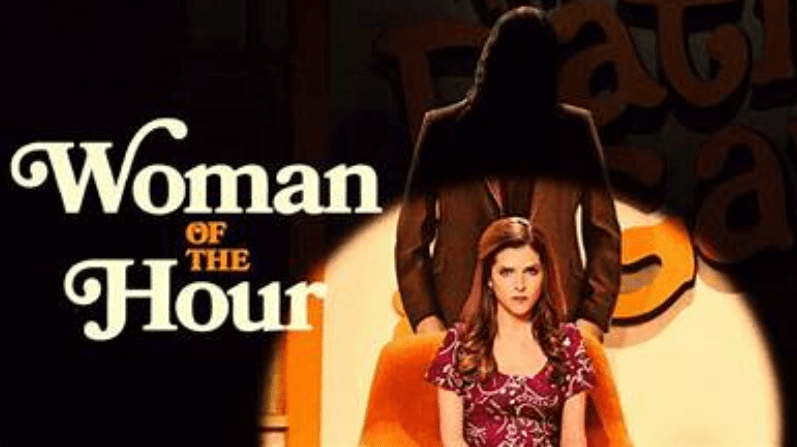
I may have mentioned Woman of the Hour in a previous Whatcha, so I’ll keep this brief. While Anna Kendrick’s debut directorial debut may have received modest reviews, I saw real potential. Kendrick showcases a keen cinematic eye in Woman of the Hour. Ironically, Kendrick doesn’t quite deliver as the title character, Sheryl, but most of the cast nail their portrayals. Zovatto’s Alcala strikes the appropriate balance of fear and unease. Tony Hale’s Dating Game host Ed and Pete Holmes, the creeper acting coach, effectively portray toxic masculinity circa 1970s. Max Lloyd-Jones’ Ken even illustrates how women can be silenced and why they may not come forward after an assault.
There’s so much to love about the characters in Woman of the Hour. The story’s a little clunky. But again, the cinematography is fantastic. The opening and closing sequences will leave one gasping. Is it weird that I put on true crime shows and movies as a comfort? Don’t answer that.
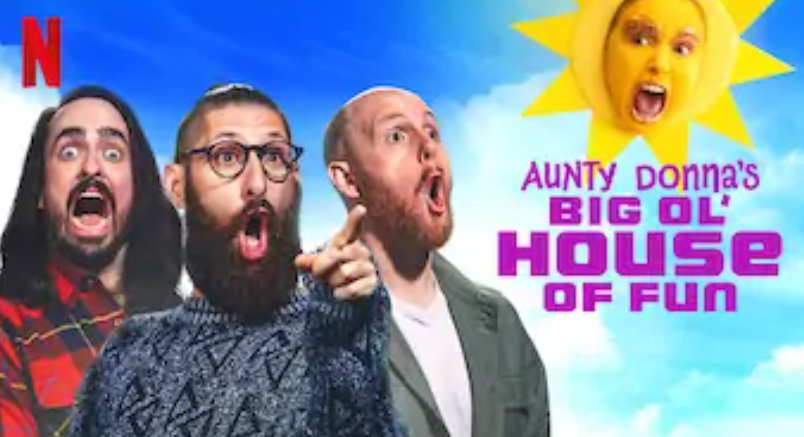
I may have watched Aunty Donna’s Big Ol’ House of Fun this past month. It was a blur. Or I could’ve been so high, I was on the show. I love watching Aunty Donna sketches on YouTube, so I decided to give their Netflix show a try. Aunty Donna’s Big Ol’ House of Fun plays out like a raunchier and updated Monty Python with an Australian twist. In short, it’s bizarre.
At one point, Broden Kelly dressed as Ellen DeGeneres talks Zachary Ruane through an intergalactic voyage in his “brand new car.” This one scene made me question what was happening. It went on for a good ten minutes. Zach picks up more than one new car on his voyage, and he turns blue. Everyone who passes through a black hole turns blue. You didn’t know that? Aunty Donna’s Big Ol’ House of Fun had plenty of laughs, but there were plenty of head-scratching moments, too. I wouldn’t have it any other way.
Each episode’s theme allows the Aunty Donna gang to tie in some callbacks to previous moments. If you’re cleaning up for the Queen visiting your flat, of course, you’re going to sweep up the little man who lives in the corner of the kitchen. We need to hear his story of owning shoes made of buttons and his bubble gum pillow. That’s a taste of what you can expect in Aunty Donna’s Big Ol’ House of Fun. Expect the unexpected.
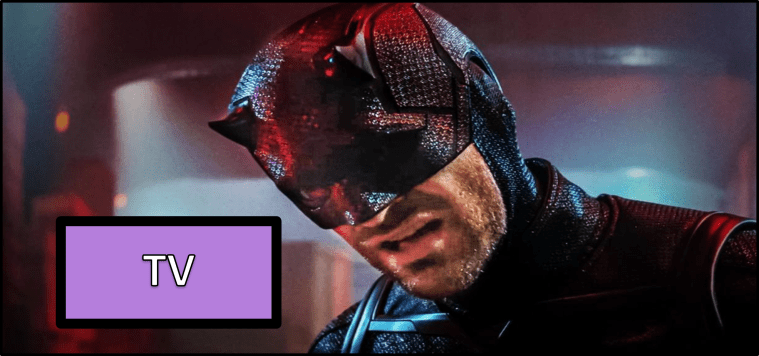
And I’ve been watching the latest season of Daredevil: Born Again. I review most episodes each Saturday and hope to continue throughout the show’s second season. I’ve enjoyed what I’ve seen of Daredevil: Born Again Season Two. The show does suffer from an abundance of characters, so the episodes that focus on Daredevil: Born Again‘s central cast are typically its strongest. As I write this entry, I have yet to watch this week’s episode, but I’m certain that will soon change.
That’s all I have for what I’ve been watching this past month. Let’s check in with Season.
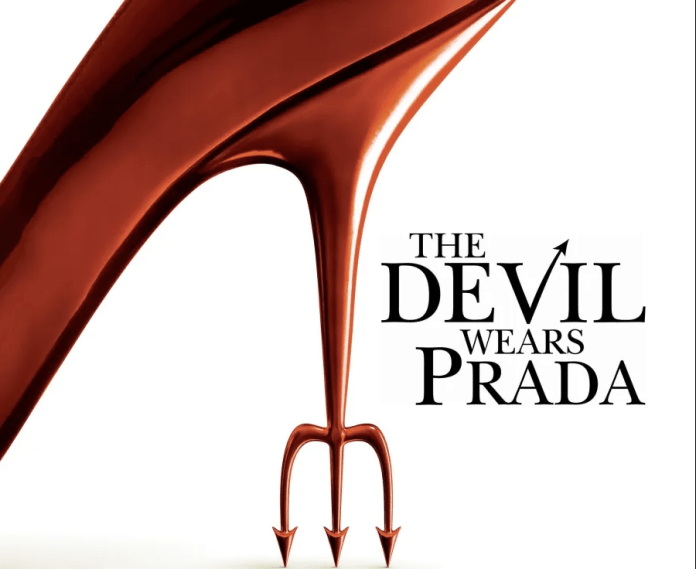
I haven’t watched much recently, but I did rewatch The Devil Wears Prada in preparation for the upcoming sequel. I watched it for the first time when I landed in Japan for foreign exchange and rewatched it several times in my dorm room. At first, I watched The Devil Wears Prada for its story. The subsequent views were for the clothes. The Devil Wears Prada may have come out in 2006, but a lot of those clothes still look fashionable today. With a runtime of 109 minutes, The Devil Wears Prada doesn’t take long, and it’s an easy watch.
The trailer for The Devil Wears Prada 2 features Simone Ashley (Kate Sharma in Bridgerton) as one of Miranda Priestly’s (Meryl Streep) new assistants. I’m unsure about the story, but I’m liking the new (and old) cast.
Hey, hey! Kyra Kyle again. Our movie geek Skye has a hectic work schedule. Hopefully, she’ll be back for next week’s post. But what have you been watching over the past month. Let us know in the comments. Thank you for reading, and wherever you are, I hope you’re having a great day.
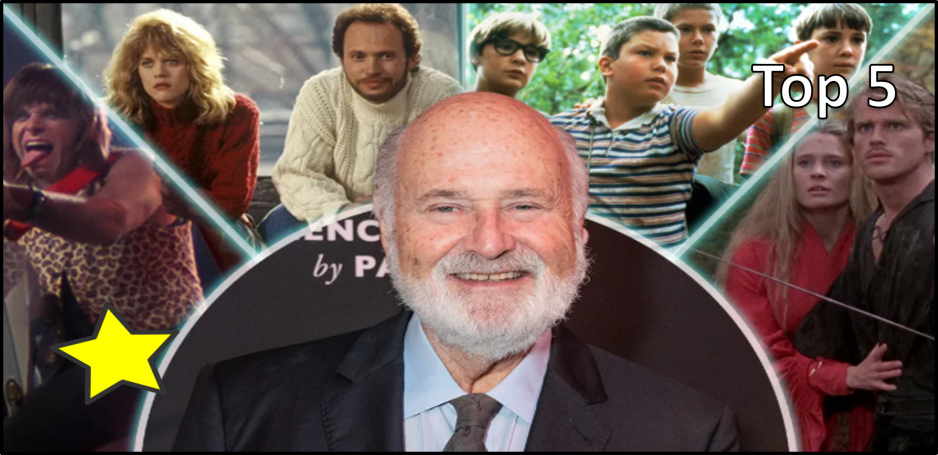
Hello, Geekly Gang. Skye here. For months, I’ve wanted to pay my proper respects to Rob Reiner. Since March is Reiner’s birth month (March 6th to be exact), I felt this month was the best time. Most movie-goers don’t notice how prolific a filmmaker Rob Reiner was. Heck. When I discuss movies with people, they tend to forget that Reiner directed some of their favorite flicks. When I saw the list of his greatest movies, I realized how big a creative powerhouse we lost last year. I’ll do my best to honor a masterful portfolio of cinematic brilliance. With that said, let’s dive in with my favorite Rob Reiner films.
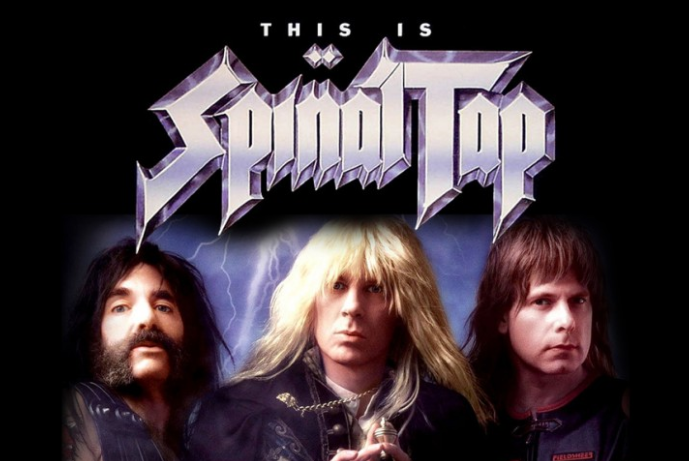
I first watched This is Spinal Tap a few months ago. It earned a place on this list for one primary reason: its impact on the “mockumentary” genre. While not the first film to invent a farcical scenario and frame it as factual (I like “F” words right now), This is Spinal Tap popularized the subgenre. If This is Spinal Tap weren’t created, we likely wouldn’t have movies and shows like Borat or What We Do in the Shadows, let alone the series of mockumentaries Christopher Guest (who stars in This is Spinal Tap) would later direct. Even though I didn’t find This is Spinal Tap to be laugh-out-loud funny, it certainly defined the “mockumentary” subgenre. It also kept me entertained by consistently throwing odd, ridiculous scenarios at me, which made me giggle.
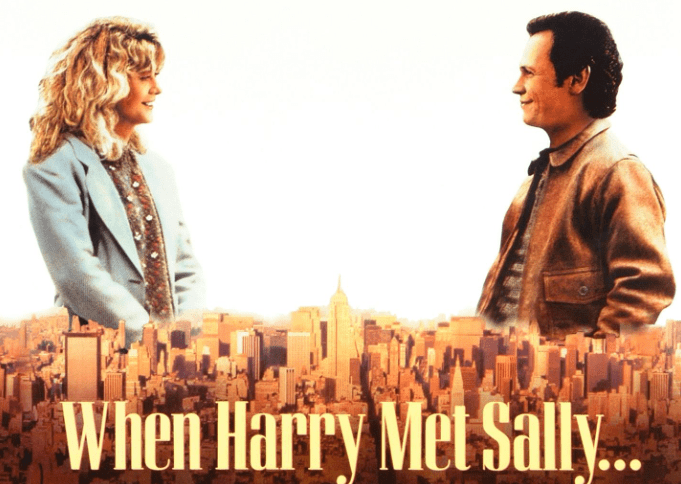
Before I saw When Harry Met Sally, I had heard many positive things about it. As far as I heard, When Harry Met Sally was a quintessential romance. I saw what everyone meant. When Harry Met Sally combines several interesting elements in equal measure. It can be charming, awkward, funny, uncomfortable, and ultimately, satisfying. The two leads’ relationship plays out like a rollercoaster of emotion that feels incredibly personal and realistic. My favorite aspect of When Harry Met Sally is how both leads are equally likable and unlikable at the same time, but despite their flaws, I wanted to see them end up together. When Harry Met Sally is worth watching, and its high praise. It’s unforgettable.
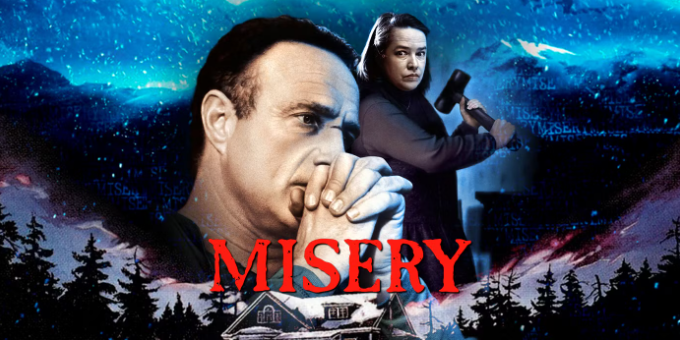
As soon as I saw Misery, I had a feeling it would be one of my favorites. Adapted from the Stephen King novel of the same name, the Misery motion picture focuses on similar themes regarding the difficulties of creators to balance pleasing audiences and exploring new ideas. Released in response to the lackluster readers’ reaction to Stephen King’s first fantasy novel, Misery’s story is coated in creative frustration, and Rob Reiner understands that feeling. Every scene drips with creative frustration. Misery manages to create a hostile and unpredictable atmosphere for its protagonist, Paul Sheldon, at the hands of one of fiction’s most horrifying villains, Annie Wilkes, and it’ll make you rethink what it means to be someone’s number one fan.
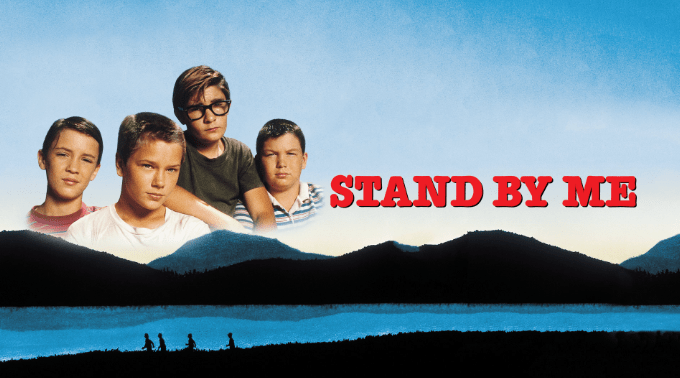
Stand By Me was the first R-rated film I have ever seen. At first, I was skeptical. Soon, I realized Stand By Me‘s weight. Chronicling the experiences of four young friends going on a quest to see a dead body, it’s not always easy to watch. Based on a Stephen King short story titled “The Body,” Stand By Me does a good job of detailing the rough side of childhood and how our relationships can help us through the quagmire of growing up. There’s a reason Stand By Me is on a lot of critics’ short lists of greatest coming-of-age movies. Stand By Me connects the audience with its material through great performances, relatable scenarios, and realistic problems. Stand By Me easily takes the number two spot on this list.
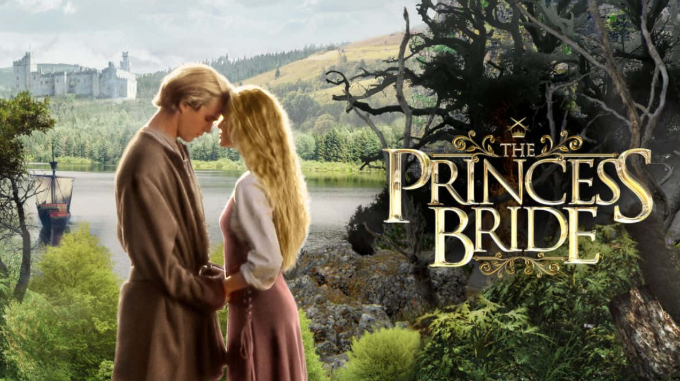
Call me shallow, but there was no way Princess Bride wasn’t going to be my number one Rob Reiner movie. I grew up with The Princess Bride. It served as my gateway into romance, action/adventure, and comedy in a medieval setting. Reiner includes something for every viewer. Don’t like action? The movie is built around the romance between the two leads and has several comedic beats. Don’t like that mushy crap? No problem. We have André the Giant! Because of that, most viewers can find something to like in The Princess Bride. That’s why it claims the top spot.
Thank you for reading my picks for my “Top 5 Favorite Rob Reiner Movies.” I hope you enjoyed it, because I certainly enjoyed paying tribute to a truly talented filmmaker. Rest in peace. With all that said, I’m curious what your favorite Rob Reiner movies are. As always, feel free to let us know in the comments, and I hope y’all are having a wonderful day.
Happy Wednesday, Geekly Gang! Kyra Kyle here, and today, our writers share what they’ve been watching over the past month. Feel free to say what you’ve been watching in the comments. We’re all part of the Geekly Gang. I’ll get things started with what I’ve been watching this past month.
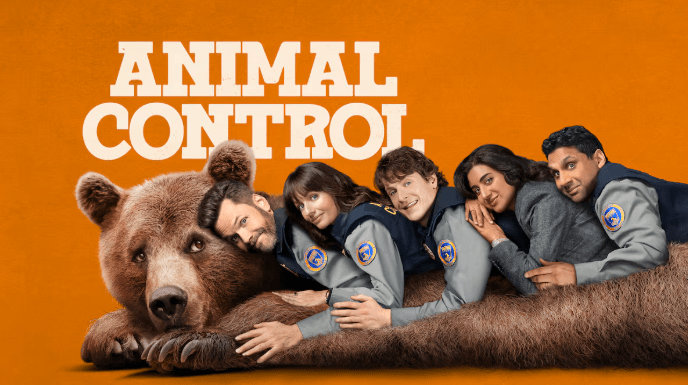
I’ve always liked SitComs, and no other television show type has suffered more from modern television programming (like streaming, binging, and shorter seasons) than SitComs. Animal Control has grown on me, but it took time to find its footing. Here comes a rant. Sorry. Shorter seasons don’t help a show find its footing. Back in the Nineties, Friends took 30 episodes to couple Ross and Rachel. This occurred a third of the way through Friends‘ second season. The coupling of the will-they, won’t-they relationship set up during Animal Control’s pilot also took 30 episodes. But it occurred during Animal Control’s season three closing episode. I binged Animal Control on Netflix, so it didn’t feel that long, but three full seasons for a SitCom is an eternity.
While I mentioned I binged Animal Control, and it did help with my enjoyment of Animal Control in this instance, dropping episodes all at once doesn’t usually help SitComs. We’ll go back to another Joel McHale SitCom, Community. Community’s pilot featured a budding relationship between Troy and Pierce. It took the showrunners half of the first season to realize Troy and Abed had more chemistry. If Community had been first released during the modern climate, it most likely wouldn’t have lasted beyond its first season (which would’ve been shorter, by the way), and we’d have never seen Troy and Abed in the Morning. Community needed audience feedback. If you drop all your episodes at once, there’s no time for audience feedback. I have a love-hate relationship with streaming. It’s done a lot of good, but streaming has done SitComs dirty.
Rant over. Let’s talk more about Animal Control. The CGI looks goofy at times, but Animal Control is a SitCom, so I don’t care. Sometimes, the dopey CGI heightens the comedy. The only times I felt the animal CGI detracted from the show were during the first season’s heartfelt moments with a mountain lion. Goofy CGI works for comedy. Not so much when Animal Control wants to tug at one’s heartstrings.
Animal Control’s human cast knew the direction they wanted to take their characters. The cast pictured above must have done some work ahead of the show’s pilot. That, or they’re incredibly lucky to have the chemistry to carry the show. Casting can be difficult. I’m glad casting directors are getting award categories in prestigious award shows like the Oscars (which also happened this past month, yay).
Even with nailing Animal Control’s main cast, the shift from season one and two saw plenty of changes in Animal Control’s secondary and tertiary cast members. “Hot Vet” needed to go because of her nickname “Hot Vet” among the rest of the cast. Those jokes grew old fast. Animal Control couldn’t find enough for her character to do before the end of the first season, which was only a dozen episodes long. Nope. I won’t rant again. If Animal Control had a full sixteen or eighteen episodes, it could’ve found a place for the Vet and the receptionist. Although I do like the replacement receptionist. She’s dope. Like most SitComs, Animal Control needed time to find its footing, but it’s picking up steam. The cast can be lovable, and I love the animal hijinx.
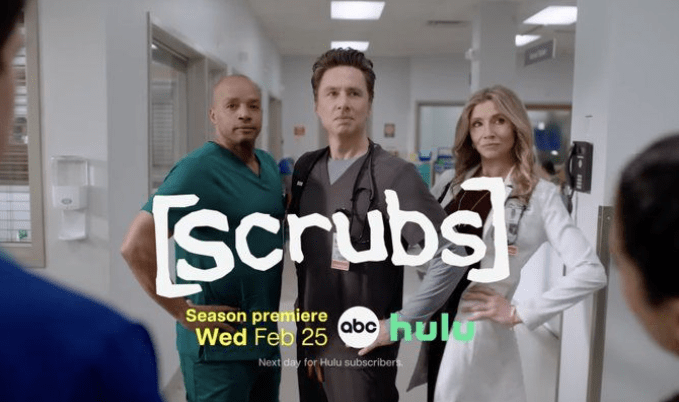
Unlike Animal Control, the Scrubs 2026 Reboot (or is it a Revival?) had the benefit of being a legacy SitCom. The returning cast members of the Scrubs Revival already knew their characters. They just needed to speed run the past two decades. I like the new characters as well. They do a great job showing what’s changed over several years. Scrubs‘ original release predates social media. Gasp! The Scrubs Revival had an episode where viewing a patient’s social media feed aided in their diagnosis. Clever.
The Scrubs Revival doesn’t reinvent the wheel. It doesn’t need to. If you enjoyed the original Scrubs, you’ll definitely like the Scrubs Revival. There are plenty of nods to the original. The new class of doctors manages to strike a great balance, reminiscent of the original Scrubs cast in their early days. Yep. I’ll be watching the Scrubs Revival for the foreseeable future.
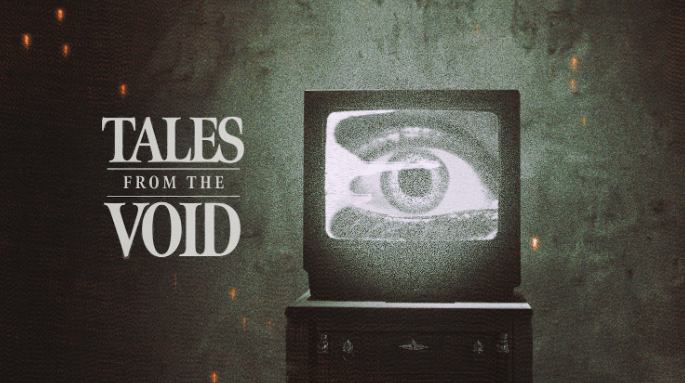
The final television show that I’ll share for this month is Tales from the Void (Prime Video). I watched the first episode, “Into the Unknown,” and fought off sleep every second. And that stinks. Tales from the Void’s premise sounded interesting. It’s an episodic horror anthology series based on the most viral and haunting stories from the r/NoSleep community. Ironic. I almost fell asleep while watching a story that originated on the r/NoSleep community. The first episode played out like a group of people adding to a story, creeping out one another. If I participated in this activity, “Into the Unknown” could’ve spooked me. The television episode fell flat. I may give Tales from the Void another chance, but I may take several weeks to revisit the show. This could be a good show to try again during Spooky Season.
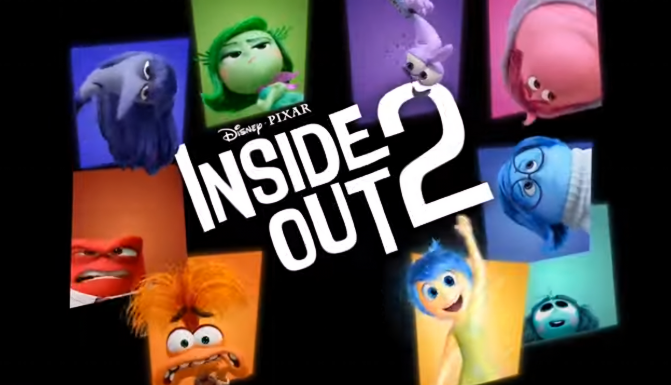
I almost forgot I watched Inside Out 2 this past month. Inside Out 2 is a worthy sequel to the original. The sequel did recast some of the original cast members; I believe Amy Poehler (Joy) made too much, and most of the other original castmates had to take less money. Several didn’t. The recast roles didn’t detract from my enjoyment. Inside Out 2 navigated puberty well. Oh. Mild Spoiler: Riley (the girl Joy and company monitor) enters puberty. But I do believe the trailers mentioned Riley entering puberty, so maybe this doesn’t constitute a spoiler. True to the original, Inside Out 2 has some tearjerker moments. Not as many as the original, but you may want tissues as you watch.
Inside Out 2 did run a little long for my liking. Some scenes could’ve been omitted or shortened. But this was minor. Inside Out 2 may be one of the better Pixar sequels. We may need our movie geek, Skye, to weigh in on this topic. The original Inside Out claimed Skye’s Number Two spot in her Top 5 Pixar Movies. While I had reservations before watching Inside Out 2, they quickly evaporated. I’d recommend Inside Out 2. You don’t need to watch the original Inside Out, but it could help.
That’s all I have for what I’ve been watching this past month. Let’s check in with Season and Skye.
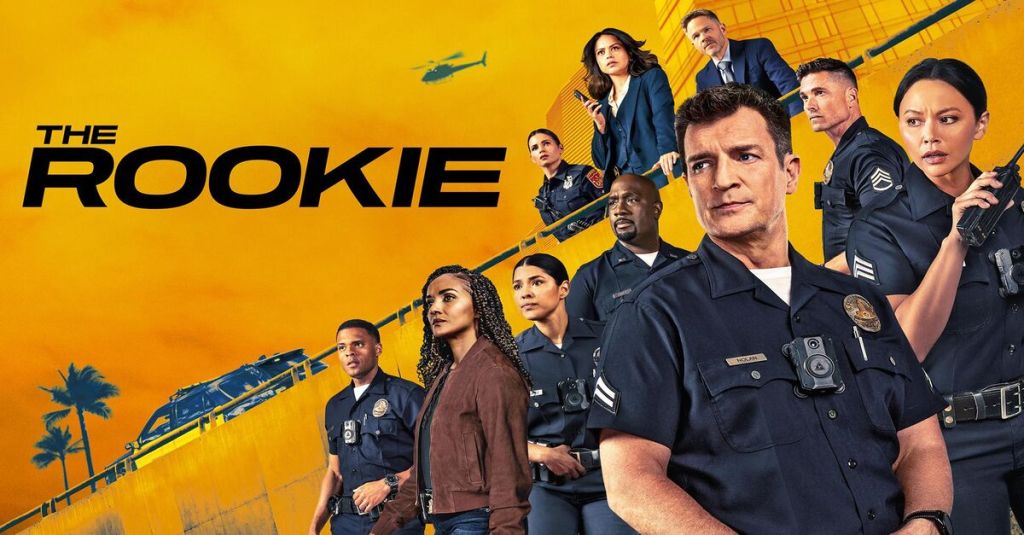
Hi, Geekly Gang! I go in and out of watching new shows, but I decided to revisit The Rookie. I watched most of the first season with some friends years ago, so I remembered bits of it. Most of the characters are well-rounded and get adequate screen time. Even tertiary characters are layered and get side stories. Normally, having many characters in a show makes it difficult not to reduce some of them to one-dimensional characters. The Rookie does a good job of making sure viewers spend an equal amount of time with the six main characters in every episode, even if one of them has a more dramatic story that episode. Also, watching just about anything with Nathan Fillion in it is a treat.
I’m aware that police shows don’t accurately portray daily police work for the sake of drama and storytelling. The Rookie tries to show some of the more mundane tasks, but there are still shootouts in most of the episodes.
What have you been watching, Skye?
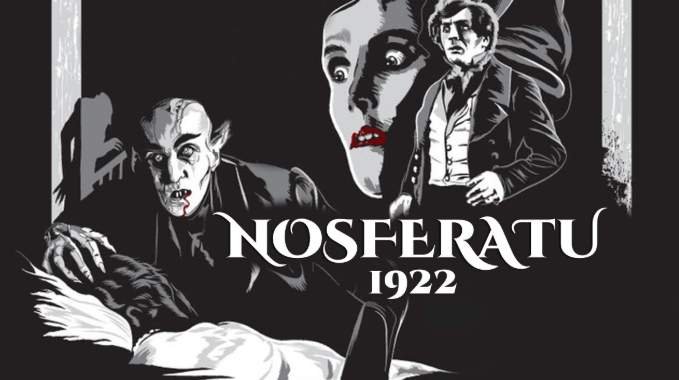
I’ve been trolling through my “To Be Watched” list and happened upon Nosferatu. I’m referring to the original 1922 Max Schreck silent film version, though I have other Nosferatu adaptations on my “To Be Watched.” After finally seeing it, I’m impressed with how it handled the psychological aspects of the story. I expected a run-of-the-mill monster flick that inspired so many others for over a century, but the horror doesn’t properly appear until after Hutter, the protagonist, enters Count Orlok’s Castle. Nosferatu’s true horror is pestilence. After Hutter is introduced to the castle rats, it’s highly possible he contracted a disease that spread everywhere he went, causing everyone to hallucinate. And Nosferatu’s visuals are unforgettable.
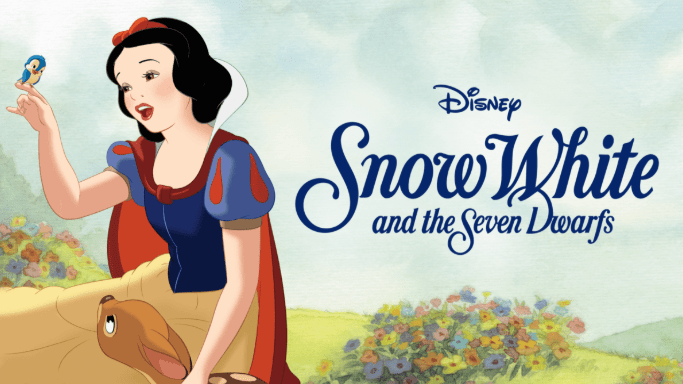
I haven’t seen Snow White and the Seven Dwarfs in a long time, so I decided to give it another look. I haven’t seen Snow White since my childhood, but my appreciation for it has grown as an adult. Not only was the animation revolutionary for its time, but Snow White’s story holds your interest, sets the tone for what was to become a giant of an entertainment company, and doesn’t skimp on the dark moments either. When I was a kid, my favorite scene was the Evil Queen’s transformation. I would rewind the VHS to watch it over and over again. They don’t make ‘em like this anymore, and if modern Disney is any indication, they never will.
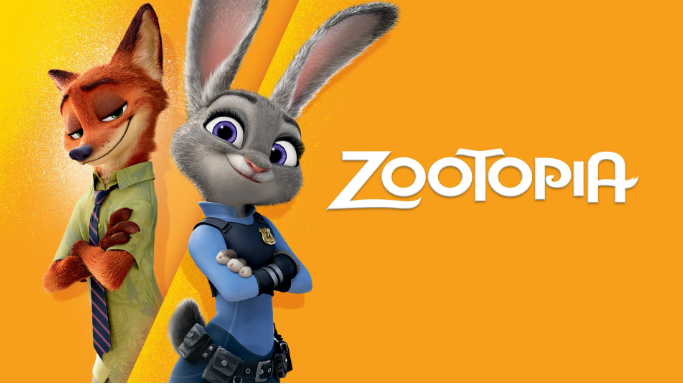
I was perusing Disney+ when I found out Zootopia 2 had made it to streaming. It had also been a while since I’d seen the original Zootopia, so I decided to refresh my memory before passing judgment on its sequel. Let me put it bluntly: I forgot how much Zootopia frustrated me. I wanted to like Zootopia, but the movie makes it so hard for me. I saw the setup of the original as the potential for an incredible deconstruction of societal prejudice and how it’s shaped our communities over hundreds, even thousands of years. Ultimately, I got Disney’s watered-down script, which was more directed at children with little care for an adult audience. Zootopia is not a bad movie. I like the dynamic between Judy and Nick, and yes, “Try Everything” will be stuck in my head until I die.
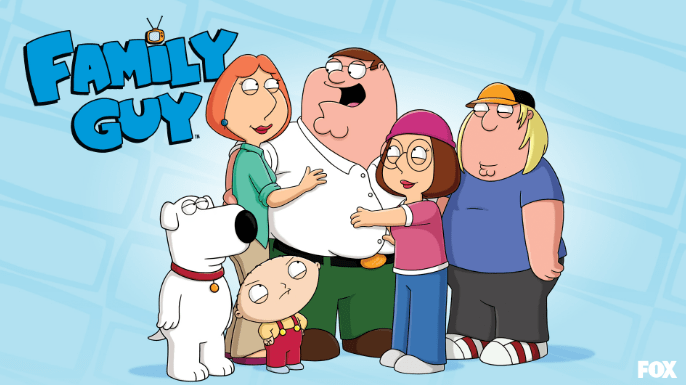
It’s about time I started catching up on my shows. Family Guy’s a heck of a one to start with, though. So far, it’s been a giggle-worthy show. I’m only midway through Season Two, and there have been a fair number of jokes that I didn’t understand, but that’s common even with other comedy shows I’ve seen and liked, including The Simpsons, Friends, Futurama, etc. Good news is that there haven’t been too many uncomfortable jokes yet. Give it time. Other than that, I think it’ll be an interesting experience exploring this iconic animated comedy series.
Hey, hey! Kyra here again. Those are all the shows and movies our writers watched over the past month. Let us know what you’ve been watching in the comments. Thank you for reading, and wherever you are, I hope you’re having a great day.
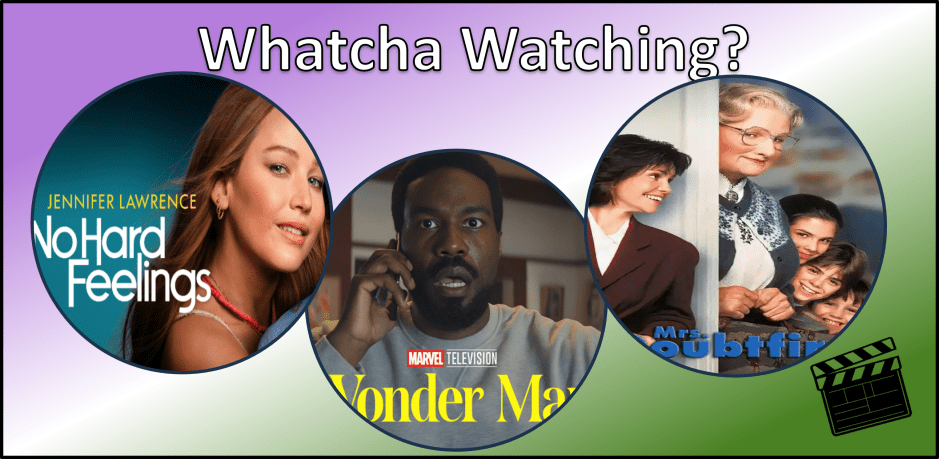
Happy, Wednesday, Geekly Gang! Kyra Kyle here. Today, our writers share what they’ve been watching over the past month. Feel free to share what you’ve been watching, because we’re all part of the Geekly Gang. I’ll get things started with what I’ve been watching over the past month.
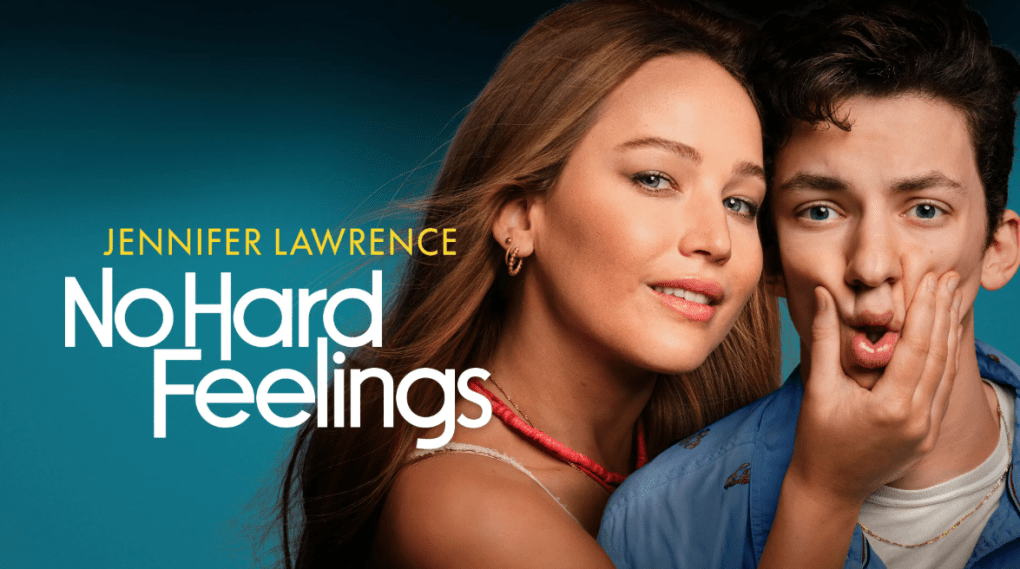
No Hard Feelings surprised me. Sure. It’s a raunchy comedy in the style of Judd Apatow circa 2005 but with fewer–if any–improvised scenes. First, this keeps No Hard Feelings to a tight hour and a half runtime, instead of the bloated two-hour-plus Apatow films. Second, No Hard Feelings contains fewer homophobic jokes (I’m looking at that scene in 40-Year-Old Virgin where Rudd and Rogan dis each other with “I know you’re gay because” jokes). In fact, No Hard Feelings’ lead, Jennifer Lawrence, gets called out for a wisecrack that could be viewed as homophobic, which is an obvious nod to 2000s Apatow movies. Great work.
And I loved Lawrence’s performance in No Hard Feelings. Before No Hard Feelings, Lawrence hadn’t acted much in a few years, and since this is a raunchy comedy, I expected her to put in the bare minimum and collect an easy paycheck. Nope. She goes all in. It helps that Lawrence is also a producer for this film. Lawrence’s performances in No Hard Feelings (2023) and Causeway (2022) mark a triumphant return. If you like sexy and raunchy comedies, you should check out No Hard Feelings. Lawrence’s fight scene on the beach is iconic. If you know, you know.
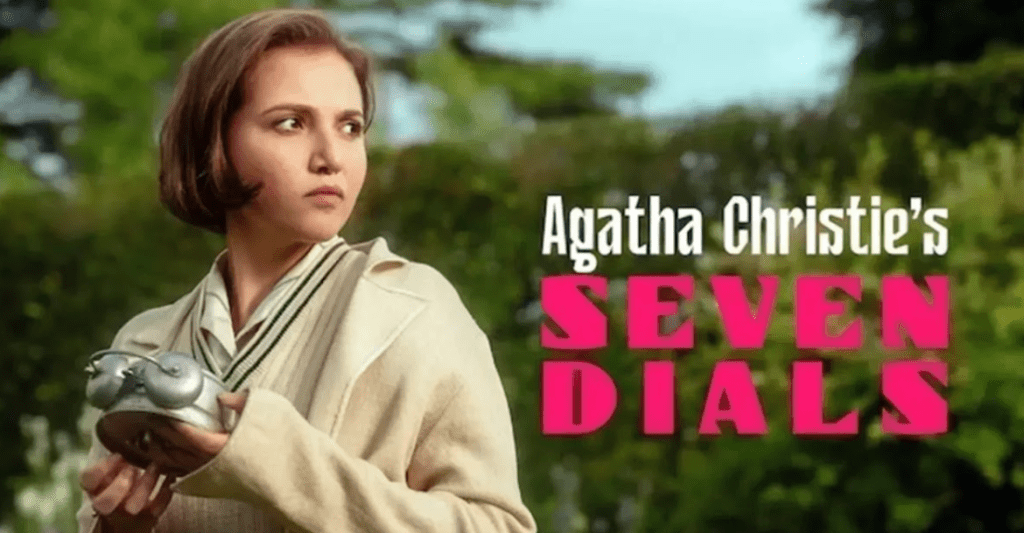
Agatha Christie’s Seven Dials was a good diversion. I’ve never read the novel. I may have to after watching this series, because the Netflix limited series doesn’t do the best job as a mystery. I knew who was behind most things from the start. Seven Dials choreographs everything to a fault. The obvious red herrings turned out to be red herrings. The “trusted” friend who would know enough to pull off the murders ends up being the one who pulled off the murders. Well, not exactly. I won’t “spoil” Seven Dials’ reveal. And I do appreciate the character reasons why the “secret” big bad does what they do.
Despite not being the most puzzling of mysteries, Seven Dials serves as a great origin story for an adventure/espionage series. The final fifteen minutes pivot hard into what could be an engaging Mission Impossible set in the 1920s United Kingdom. That’s why I say Seven Dials may not work as a mystery, but it remains entertaining. That end-of-series pivot is the most shocking, and I may have just spoiled Seven Dials’ greatest twist. I can’t see myself rewatching Seven Dials. But I wouldn’t say no to a follow-up series or spin-off series that fully embraces adventure and espionage. Yes, please.
I’ll give a quick shout-out to the shows I’ve reviewed over the past month: Fallout and Wonder Man. I’m writing this segment early–really early–so I haven’t yet watched the Fallout finale, but the penultimate episode was pitch perfect. I trust what the showrunners have in store for us with Season 2, Episode 8. Wonder Man took me by surprise. If you want my full thoughts, here’s a link to my reaction after watching Wonder Man. In short, Wonder Man is one of the best Marvel shows I’ve seen in some time. I can’t wait to watch the next Marvel Spotlight project. Wonder Man is less about superpowers and more about friendship. Endearing.
That’s all I have for now. Let’s check in with Season.
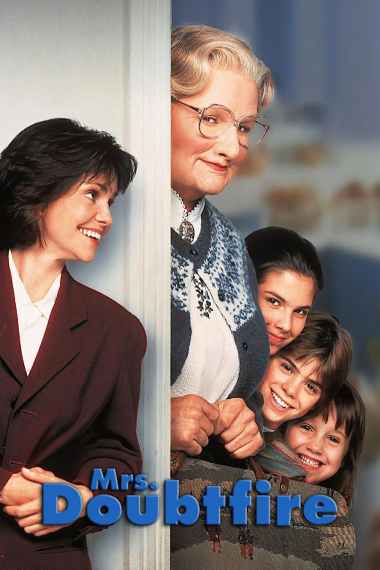
I’d never seen Mrs. Doubtfire until recently, and I’ve watched many Robin Williams films. I expected Mrs. Doubtfire to be over-the-top and campy (because Robin Williams). It definitely delivered. Mrs. Doubtfire did way better at expressing turmoil and mixed feelings between Daniel and Miranda than one would expect from a comedy. I was more interested in the relationship between the parents than the kids. The kids didn’t have as much depth and were used as a plot device to create friction between the parents. Then again, if they were more complex, that would have either created a longer movie or shortchanged the dynamic between the parents. If you’re looking for a comedy with a divorce story and an ambiguous ending, I’d recommend Mrs. Doubtfire.
Those are all the movies and television shows our writers watched this past month. What’ve you been watching? Let us know in the comments. Thank you for reading, and wherever you are, I hope you’re having a great day.

Happy Wednesday, Geekly Gang! Kyra Kyle here. Today, our writers share what they’ve been watching over the past month. Feel free to share what you’ve been watching this past month in the comments. We’re all part of the Geekly Gang. I’ll get us started with what I’ve been watching this past month.
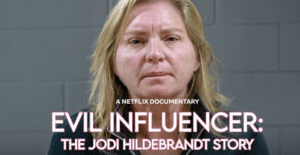
Evil Influencer: The Jodi Hildebrandt Story marks the second or third time I’ve seen this story told. I’ll keep this off the cuff and not research the topic, so I may get details incorrect. There’s a reason Jodi Hildebrandt’s story has been told multiple times. It’s harrowing. Sporting countless injuries (like rope burns on his wrists and ankles), a pre-teen boy wanders the Utah desert barefoot. He approaches three houses before someone calls the police on his behalf. That’s a killer opening.
Turns out the titular Jodi Hildebrandt coaxed MomTube influencer Ruby Franke to abuse her two youngest children. Hildebrandt leverages Franke’s religion (she’s a member of the Church of Latter-day Saints). Franke does everything Hildebrandt tells her to do, and the result is two emaciated children, scared for their lives. Yeah. There’s a reason the 2023 story of Jodi Hildebrandt has gained multiple documentaries. But Evil Influencer: The Jodi Hildebrandt Story glosses over several key details or omits them.
Again, I’m going off of memory, but Hildebrandt lived with the Frankes (Ruby and her husband Kevin) for months before Hildebrandt had Ruby kick Kevin to the curb. According to other documentaries, Hildebrandt has had past lesbian lovers, so most likely Hildebrandt and Ruby had a sexual relationship. They did sleep in the same bed for well over a year. Perhaps a previous documentary got hit with a lawsuit for stating that. But Hildebrandt as a self-hating queer makes sense. Her actions resemble those of someone who struggles with their identity. I’m not condoning Hildebrandt’s actions. She’s reprehensible. But this lens does make her actions more understandable.
And Evil Influencer: The Jodi Hildebrandt Story glosses over Hildebrandt’s “possessions.” Again, I could see someone’s self-hatred manifesting into something akin to demon possession. This went on for months while Hildebrandt lived with the Frankes, and in interviews with Kevin Franke, he suggests there would be no reason for Hildebrandt to stop after he left the house. There was also a lot of drama between Hildebrandt and the older Franke children. We get neither of the older Franke children’s accounts of what happened.
To my recollection, the oldest Franke son reconnected with Kevin after several years. Evil Influencer is a brisk 80-minute watch. Perhaps that’s another reason why it skipped several talking points. While not the most comprehensive show on the subject, Evil Influencer was enjoyable to listen to and half-watch while working on a board game. Lol
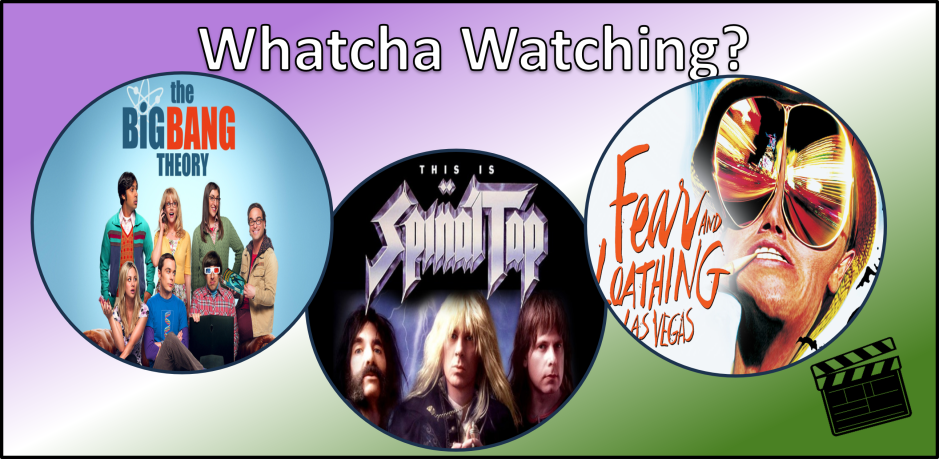
I won’t go into too much detail with This is Spinal Tap. This was one of the movies Skye got for Christmas, and we watched it on her birthday. Happy belated birthday, Skye!
The first handful of times I watched This is Spinal Tap, decades ago (Yikes! I’m old), I missed a lot of the wordplay. Frankly, I found This is Spinal Tap boring. But that changed with this viewing. I saw the groundwork of what would become Christopher Guest’s improv comedy movies like Best in Show and A Mighty Wind. Many of the actors from those films make an appearance in This is Spinal Tap. Also, RIP, Rob Reiner.

I’m still in the middle of rewatching Grimm. The special effects continue to hold up, but the idea of “don’t tell fill-in-the-blank the truth about wesen” gets old fast. Nick hides his other life from Juliette for far too long. Hank learns about wesen the hard way, and once the gang allows the same to happen to Officer Wu, I got ticked. So much of the show’s early interpersonal tension derives from people needlessly keeping secrets. I mean, Wu goes to a psych ward because he doesn’t believe what he saw. You might want to tell him the truth.
Outside of pressing the misinformation button repeatedly, Grimm has a gripping storyline. The political intrigue of the royals making moves to shift the world’s power keeps me hooked. That may be why the I can’t tell so-and-so who I am plots are so frustrating. Grimm doesn’t need to use that cliche.
As you can guess, I’ve also been listening and half-watching to Grimm while I’ve been working on board game designs. It’s a good trip down memory. Grimm was one of the shows my late mom would watch. We’d talk about it over the phone, and it brings back good memories.
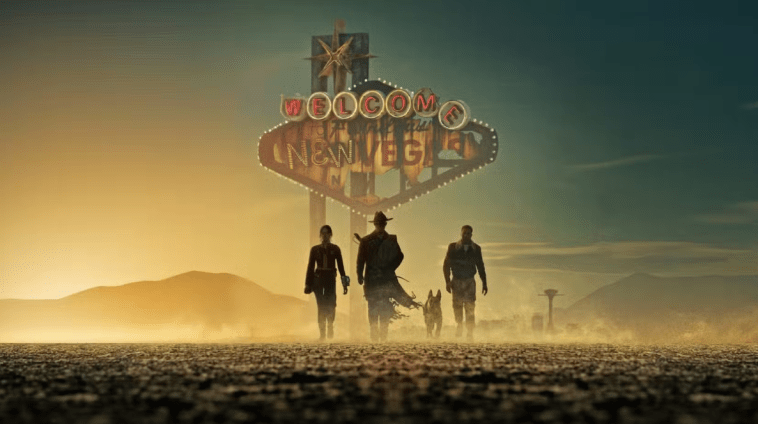
I’ve also been watching the Fallout series on Amazon Video. I won’t go into too much detail. You can check out my thoughts on the first four episodes by following this link. Hopefully, I remembered to link post. Eek!
That’s all I have for what I’ve been watching this past month. Let’s check in with Skye.
After the release of the sequel last year (Spinal Tap II: The End Continues), I’ve felt the need to give This is Spinal Tap a watch since I hadn’t seen it before. I was lucky enough to experience Spinal Tap on my birthday and had fun. Most of Spinal Tap isn’t laugh-out-loud funny since it primarily focuses on representing a realistic depiction of a band touring through the United States. Despite that drawback, there’s a specific hilarious scene that justified Spinal Tap’s existence, and it didn’t overstay its welcome, unlike many modern movies. The whole thing fits neatly into an hour and a half runtime and manages to remain vivid weeks after watching. If you haven’t seen This is Spinal Tap before, I highly recommend it.
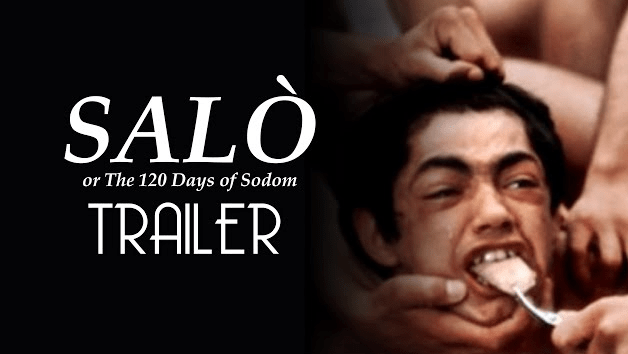
Salò is a testament to the most heinous, hedonistic desires of humanity. Given the alternate title, The 120 Days of Sodom, I’m sure you probably could’ve guessed that. Although, despite my existence on this planet as an asexual person, I still thought it was important enough to analyze. While most flicks you watch with your eyes and mind, I watched Salò with my entire body. If I could’ve recorded and posted a video of myself watching Salò, you would’ve seen me contort my body in feelings of discomfort I never knew existed. Unlike lesser exploitation films that revel in the worst of humanity, Salò stands out by conveying a distinct message. The whole thing takes place in Northern Italy at the tail-end of WWII. Salò outlines the true nature of fascism and what ultimately leads to its downfall. So long as you think you can handle it, feel free to take a look. Just make sure it’s on an empty stomach.
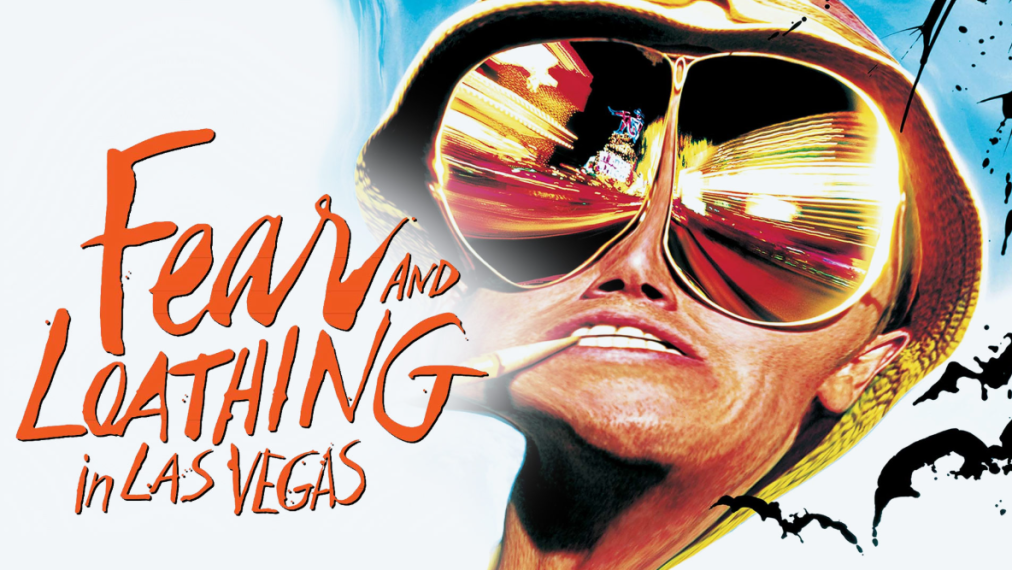
I’ve been in a weird mood lately. Given my last entry, that may have been assumed. I topped off last month with a movie I’ve been meaning to watch for a while: Fear and Loathing in Las Vegas. Ever since I learned that Fear and Loathing was directed by Terry Gilliam, I wanted to see it. Gilliam is associated with abstract imagery and avant-garde styles. Fear and Loathing is trademark Terry Gilliam. Not only is it chock-full of insane situations and fantastic camera work, but you can also say it’s a commentary on American living. Fear and Loathing chronicles protagonist Raoul Duke’s massive drug trip, so it’s impossible to say what parts of the film are real. Duke’s excessive lifestyle, reckless choices, and insufferable personality are quintessential parts of the American ethos. “The Land of the free to do whatever you want at the expense of everyone around you,” that’s the motto of Fear and Loathing in Las Vegas.
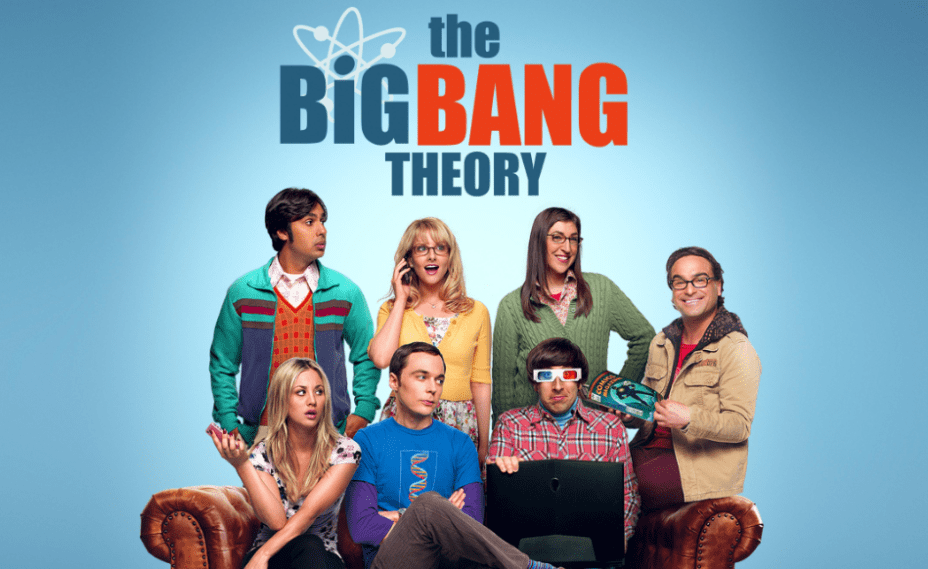
Hey, Geekly Gang! It’s been a while since I’ve contributed to this series. Much has happened these past couple of months. We’ll save that for another update. I haven’t watched The Big Bang Theory since I was in high school, and I stopped watching around season six or seven. I can’t remember.
Anyway, The Big Bang Theory is stereotypical of geek culture, and Sheldon Cooper has varying degrees of appropriate autism representation. If you’d like to read more, follow this link to Kyra’s article about The Big Bang Theory and autism representation. I remember Sheldon made me laugh a lot when I watched the show initially, and I liked seeing things I enjoy (comic books) being represented in a show.
I’m still watching The Big Bang Theory with the intention of finishing it this time. Parts of it haven’t aged well (it’s a bit too stereotypical), but it’s fun to see two Harley Quinns (Kaley Cuoco and Melissa Rauch) share a screen.
Hey, hey! Kyra Kyle here again. That’s all our writers have been watching over the past month. Let us know what you’ve been watching in the comments. Thank you for reading, and wherever you are, I hope you’re having a great day.

Hey, hey, Geekly Gang! Kyra Kyle here. We covered the DCU earlier this month, and today is the Marvel Cinematic Universe’s (MCU’s) turn. Despite Captain America: Brave New World’s lukewarm reception and Thunderbolts* underwhelming box office returns, 2025 was a great year for the MCU. Superhero films–heck, films in general–don’t make as much money. Thank you, pandemic. 2026 looks to build off of last year’s success. We’ll see the return of multiple animated and live-action shows. The Marvel Animated Universe (MAU) and street-level television superheroes may be in full swing. And Marvel Studios may only have two films scheduled for 2026, but the two films on the schedule may be the biggest ones in years.
One little disclaimer: I wrote this post months before January 2026 because I limit my Geekly output the final four months of the year to write a new novel and edit older ones; I’ll try and remember to update this list if anything changes. Without further ado, let’s get to the shows.
I should be reviewing Wonder Man as it releases, and the show will most likely have already concluded its run as of this post. If you want to see my thoughts on Wonder Man, you can check out our review(s). Hopefully, I remembered to include a link. Lol
Okay. Wonder Man has been pushed back to January 27th, so I should begin reviews next week or the following week. Wonder Man has an interesting backstory. The MCU could go in multiple directions with him. Instead of talking at length as to why Wonder Man is an interesting character, I’ll leave a link to our Wonder Man Starter Stories post.
While I still stand by Kingpin having the better storyline in Daredevil: Born Again’s first season, we may see Daredevil’s story take flight in the show’s second season. Daredevil: Born Again’s second season should center around Daredevil mobilizing an army of vigilantes to overthrow Mayor Fisk. Bullseye is still in play, and that should add some spice. With little left to lose, Daredevil may get desperate. While Jon Bernthal’s Punisher will most likely not return because he’ll star in his own Special Presentation later in 2026, Krysten Ritter’s Jessica Jones will join Daredevil: Born Again’s cast. I’m also holding out hope for Mike Colter’s Luke Cage to make a return.
Matthew Lillard makes his MCU debut in Daredevil: Born Again Season 2 in an undisclosed role, and The Conjuring actor Lilly Taylor joins the series in a supporting role. During the first season, Daredevil: Born Again was a solid, if uneven, series. Season two should build on a series that found its footing toward the end.
Spider-Man films always do well at the box office, and Spider-Man: Brand New Day looks to continue that trend. Jon Bernthal’s Punisher will return in Spider-Man: Brand New Day, and he’s joined by a villainous Hulk. Geekly reported several months ago that the fight scene between Spider-Man and Hulk will predominantly use practical effects, and that makes sense, considering director Destin Daniel Cretton of Shang-Chi and the Legend of the Ten Rings fame has taken over the reigns.
We’re still unsure which version of Hulk will appear in Spider-Man: Brand New Day. Will the MCU return Hulk to his savage self? Will they introduce an older Hulk from an alternate universe, and then Spider-Man will face off against Maestro? Or will the MCU choose a different option? No matter which direction the MCU chooses, I can’t wait to see this iconic fight scene hit theatres.
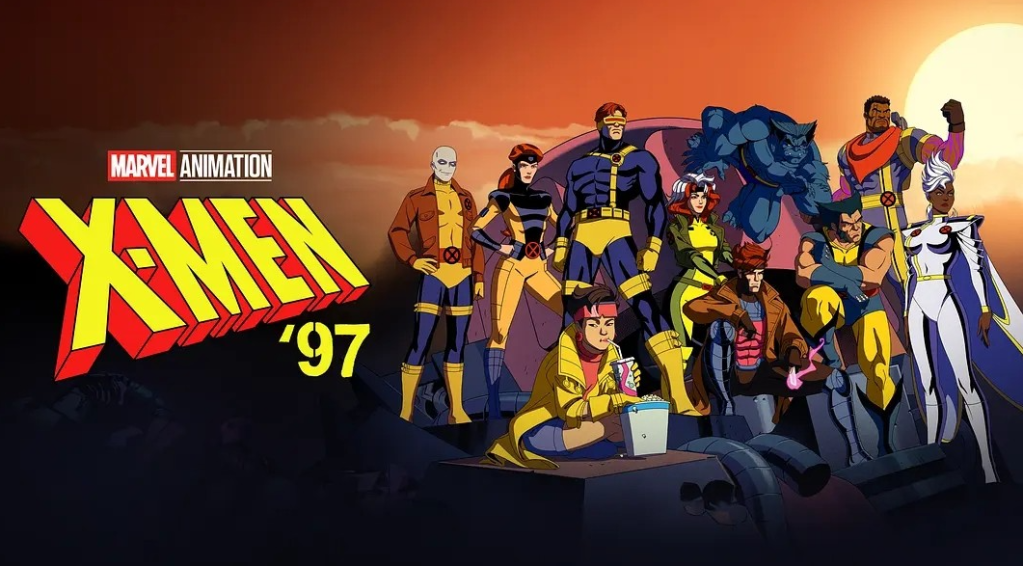
Marvel Television chairman Brad Winderbaum confirmed, “Season 2 of X-Men ’97 is going to be in 2026.” While I believe Winderbaum, X-Men ’97 Season 2 has slowly progressed. The first season aired in early 2024, but the wait should be worth it. X-Men ’97 ended on some great cliffhangers. Wolverine lost his adamantium, Apocalypse returns, and The X-Men in the past should all make for appointment viewing.
We’ve waited years for a follow-up season of X-Men ’97, but we may not need to wait nearly as long for Season 3 after Season 2. Season 3 is in active development simultaneously with Season 2. Originally, I put two quarters for X-Men ’97’s release, because we could see both follow-up seasons released the same year. If that happens, Season 2 could release in the summer, and then Season 3 could follow in the fourth quarter. I’m all for double the X-Men fun.
The whole cast is set to return for both seasons. However, Beau DeMayo was actively involved in X-Men ’97 Season 2’s development; he won’t return as showrunner or be involved with the show after Season 2. Despite DeMayo’s exit, X-Men ’97 should be in great hands. Winderbaum has stated that “The fact that we get to play in that universe (1990s X-Men Animated Series) with those actors is honestly why I went into this business in the first place.” Between Your Friendly Neighborhood Spider-Man and X-Men ’97, the Marvel Animated Universe is poised for greatness.
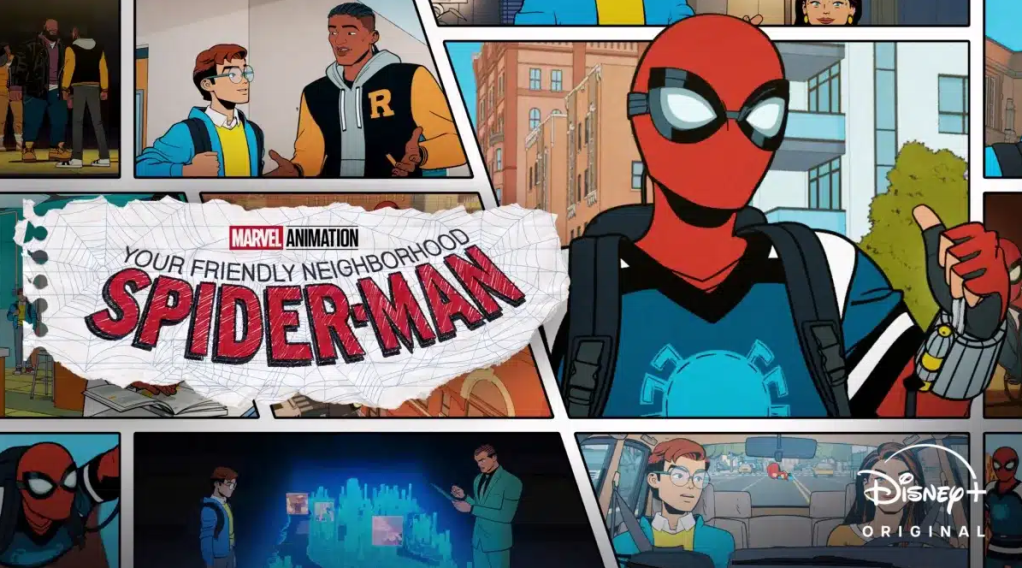
Okay. I’m writing this months in advance, and we’re nowhere near an official release date for Your Friendly Neighborhood Spider-Man Season 2. My original guess of Friendly Neighborhood Spider-Man Season 2 was Second Quarter 2026. Okay. I was way off. Lol
Anyway, Your Friendly Neighborhood Spider-Man surprised me. While it had some flaws, it was a strong debut series for the Marvel Animated Universe (MAU). The art style grew on me. Norman Osborn and Peter Parker’s relationship shakes up the MCU’s version of Spidey and the comics’. Your Friendly Neighborhood Spider-Man isn’t afraid to take risks. I can’t wait to see what the series does with Ghost-Spider, Gwen Stacey, and watch Lonnie’s transformation into Tombstone. I loved Lonnie’s storyline in Your Friendly Neighborhood Spider-Man’s first season.
And fun news, like X-Men ’97, Your Friendly Neighborhood Spider-Man seasons two and three were worked on simultaneously. The year-long gap between MCU movies could serve to establish the MAU. I grew up on Marvel cartoons, so I’d be okay if the MAU dominated Marvel’s release schedule for a year.
Vision Quest has been a long time in the making. White Vision made his debut during WandaVision’s finale (2021). Since he left Westview, White Vision has most likely been trying to recover the original synthezoid’s memories or construct an identity of his own. While we don’t have any details, I could see Wonder Man factoring into White Vision’s story, if only as a nod to the comics. In the comics, Vision’s personality was a copy of Wonder Man’s.
But we do know that Ultron actor James Spader will reprise his role, so White Vision may reconnect with characters from the original Vision’s past. We don’t know if White Vision will meet his resurrected son Billy Maximoff (from Agatha All Along), or if Vision Quest will revisit Scarlet Witch. Vision Quest has the potential to further the Multiverse’s theme of magic versus technology.
As of the writing of this post, there’s still a chance The Punisher Disney+ Special could release before or after Spider-Man: Brand New Day, but it should release around the same time, so we’re giving it a third or fourth quarter release window, making The Punisher’s release date between July and November 2026.
We don’t know how The Punisher will play into the events before or after Spider-Man: Brand New Day. We do know that the special will build off of the original Netflix series and the events of Daredevil: Born Again Season 1. Frank Castle will most likely face a new street-level MCU villain. And The Punisher marks the first mid-length format for the MCU since 2022’s The Guardians of the Galaxy Holiday Special. I always liked the Werewolf By Night Special. The Punisher should be a great addition. Marvel Television chairman Brad Winderbaum described The Punisher as a “shotgun blast of a story” with plenty of “pathos and emotion.”
Earth’s Mightiest Heroes will look a lot different in Avengers: Doomsday. Sam Wilson’s Avengers, Bucky and Yelena’s New Avengers, and Earth-828’s Fantastic Four will join forces to take on one of Marvel’s greatest villains, Doctor Doom. Nuff said.
Okay. I will add that this major Marvel crossover film has seen plenty of snags, but that’s to be expected, especially after the unexpected firing of Jonathan Majors’s Kang as the central villain. Doctor Doom is the best possible alternative. This accelerated the Fantastic Four’s timeline, but Fantastic Four: First Steps did a great job of introducing Marvel’s first family to the MCU. Dozens, if not hundreds, of cameos are scheduled for Avengers: Doomsday.
Avengers: Doomsday should set the MCU ablaze. The events of Avengers: Doomsday will play directly into what happens during Avengers: Secret Wars, and after Avengers: Secret Wars, the MCU will receive a “reset.” Who knows what the MCU will look like after Avengers: Secret Wars?
That’s all we have for our MCU 2026 Preview. Which MCU project are you most excited for? Let us know in the comments. Thank you for reading, and wherever you are, I hope you’re having a great day.
 jkgeekly.com