Geek Out

Games I Hope Are Under the Tree

A certain holiday is right around the corner, and JK Geekly plans to take a break, but before we do your uncle Geekly will give into greed and list some of the games he hopes are under the tree. United States day of avarice, here I come.

I kept the term “games” vague because I’ll have some video and tabletop games on this list. No. I’m not changing beyond all recognition. Uncle Geekly may have a love of tabletop games, but there are plenty of video games coming out this year that can’t be ignored.

BatmanGothamCityChronicles

Batman: Gotham City Chronicles (Monolith Board Games)

Yeah, I’m all in with Batman: Gotham City Chronicles. I’m also at the mercy of when the game will be available in retail stores (Conan also made it into gaming stores), so this may be a pipe dream. There’s a reason Gotham City Chronicles surpassed its Kickstarter goal in less than a day. It’s excellent.

I’m not sure if I need to clarify more than that. Okay. The asymmetric villains (one) versus heroes (many) gameplay creates some great moments. Those moments happen to be classic Batman tales from the comics, not TV or movies. And there are miniatures. Lots and lots of high-quality miniatures of classic comic book characters.

spider-man ps4

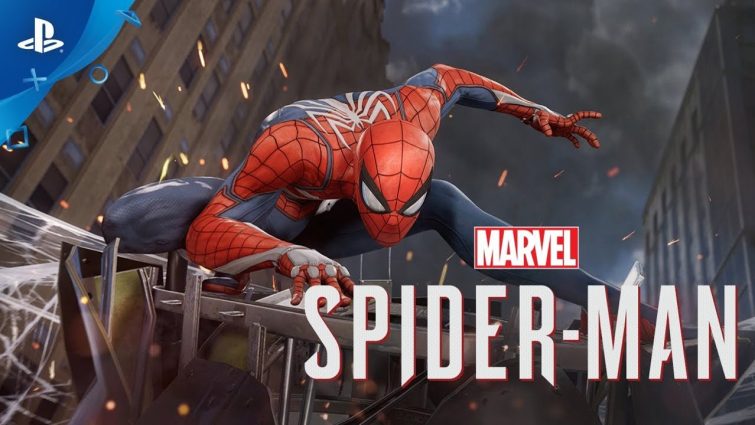
Spider-Man (Sony)

I’m hoping the PS4’s Spider-Man does for the wallcrawler what Rocksteady’s Arkham series did for Batman. The web head hasn’t had a good video game in some time, and I wouldn’t mind taking on Green Goblin, Scorpion, or whoever the game has to throw at me. Plenty of reviews have been written about the game, but I’m trying to avoid them as much as possible. It’s gotten great reviews; that’s good enough for me.

the7thcontinent

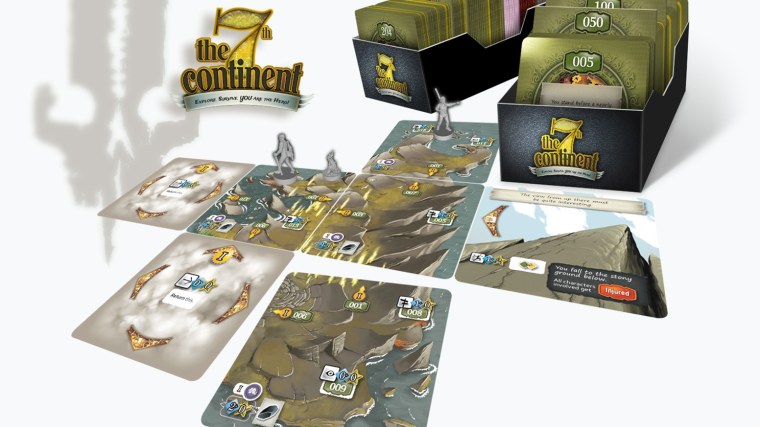
The 7th Continent (Serious Poulp)

The 7th Continent is another Kickstarter board game, but unlike Batman: Gotham City Chronicles, this one most likely won’t see mass retail appeal. Players are stranded on an island and must find ways to survive. The features exploration and has great storytelling moments. It’s an event game. It’s also one that makes you talk about it well after game night.

Megaman11

Mega Man 11 (Capcom)

I don’t care if it receives good, great, indifferent, or poor reviews. I’ll probably look for Mega Man 11. It’s the first numbered entry for the Blue Bomber in over a decade, and it’s long overdue. Bring on Block Man, Fuse Man, Blast Man, Torch Man, and Impact Man.

Dinosaur Island

Dinosaur Island (Pandasaurus)

This one may be the most likely tabletop game to find its way under the tree, and I’m happy if does. Dinosaur Island is the board game version of Jurassic Park. The game mechanisms, of which there are numerous, blend together to make a great gaming experience. There are very few games that pack a lot of strategy in a small time frame (like Dinosaur Island), and Jonathan Gilmour is one of my favorite new game designers.

Your uncle Geekly could’ve added a few dozen more games, both board and video. If you disagree with a pick or two of mine, direct your anger at Jim. He likes hate mail that isn’t his hate mail. Or you could leave a comment.

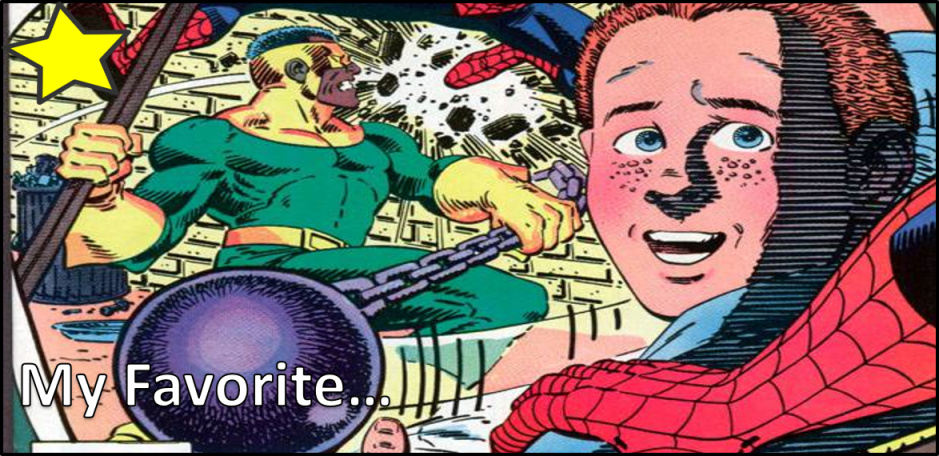
My Favorite Storytelling Element: Spider-Man “The Kid Who Collects Spider-Man”

Superheroes visiting terminally ill children may be a reality in the 2010s—Spider-Man: Homecoming’s Tom Holland has even visited children in the hospital—but in 1984 when “The Kid Who Collects Spider-Man” was first published (The Amazing Spider-Man #248), the Make A Wish foundation was barely three years old.

The story had some exploit of Spider-Man’s, but no one remembers what battle Spidey fought. Readers latched onto a kid named Tim who suffers from leukemia and only has a short time left. All Tim wants is to meet his hero. Spider-Man gives him his wish.

Part of what makes “The Kid Who Collects Spider-Man” great is Tim’s wish fulfillment. It’s a short human-interest story that writer Roger Stern made Will Eisneresque, and that is a fantastic element of the story, it dwarfs any battle, but I what I liked most happened after Spider-Man sees all the memorabilia the kid has collected (kinescopes of Spidey’s early TV appearances, a whole album of The Daily Bugle’s retractions, and bullets from a crime foiled by Spider-Man), and the kid asks Spidey who he is as Spider-Man’s about to leave. This kid loves him.

Spidey hesitates but figures the kid won’t tell anyone his identity, so he takes off his mask and identifies himself as Peter Parker. What Spidey didn’t expect was that by doing this it would lead to him telling the kid how he became Spider-Man. Part of him wants the kid or someone to know his secret.

He imagines the kid will hate him after he tells him how his negligence led to his uncle’s death, but it doesn’t. The kid hugs him and a reassures him. It’s okay for a hero to make mistakes. For a moment, it’s okay for Spider-Man to be Pete.

During this holiday season, I hope you know that it’s okay to make mistakes so long as you learn from them. It’s also okay to take off any mask you may wear and be yourself. Take care and be nice to each other.

Superman Starter Stories

Standard Issue Comic Book Geek Jim—that’s SICBG Jim to you—is back for another Starter Stories article. He rambled on about “truth, justice and the Geekly way,” and I told him he could commandeer the site if he didn’t preach Superman to me. Okay. Superman—the Standard Issue Comic Book Superhero—doesn’t get enough love. Shine on, you Crazy Kryptonian.

Superman is my favorite superhero. It’s hard to come up with a starters list for him, though, because so many of his best books are retellings of his origins, or Elseworlds stories that can’t be considered canon. With that in mind, here are the titles I recommend for approaching the character and better understanding where he is today.

Superman_Birthright

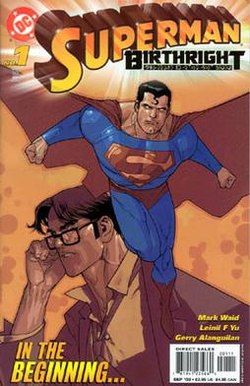
Birthright (written by Mark Waid/art by Leinil Yu; 2003-2004)

 Superman: Birthright is a good place to start with Superman. It’s a reimagining of Superman’s origin that includes a lot of what’s part of canon today. Maybe most notably, the idea that the “S” on his chest isn’t an “S,” as “Man of Steel” famously told us. Birthright sets the stage for Krypton to be used as more than a passing point of interest in Superman books. Mark Waid is always a good bet.

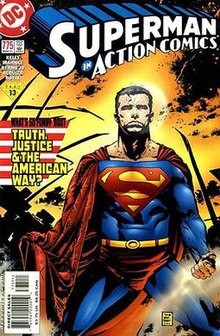
Superman_What's So Funny About Truth, Justice, and the American Way

What’s So Funny About Truth, Justice, and the American Way? (written by Joe Kelly/art by Doug Mahnke and Lee Bermejo; 2001)

I love this one because it wrestles directly with so much of what people say is wrong with Superman. It’s a defense of his optimism and an example of how his real powers aren’t in his strength, speed, or invulnerability, but in what he has the power to show humanity about itself. It’s not an attempt to retrofit the character to make him more interesting to modern audiences, but an exploration of what everyone seems to overlook about him now. Lee Bermejo is also one of my favorite creators, so that doesn’t hurt.

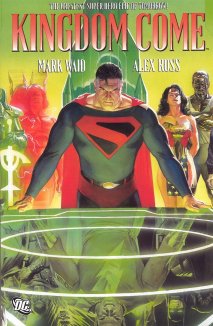
Superman_Kingdom Come

Kingdom Come (written by Mark Waid/art by Alex Ross; 1996)

This book builds on what I’ve said about our second entry. Kingdom Come contrasts Superman with a lot of the more edgy characters in recent comics and makes a case for why Superman is not only relevant, but necessary. Mark Waid does what he does, rendering a faithful depiction of the character, and Alex Ross offers some of the definitive Superman art in recent history.

Superman_Whatever Happened to the Man of Tomorrow

Whatever Happened to the Man of Tomorrow? (written by Alan Moore/art by Curt Swan; 1986)

This book is meant to put a cap on the story of Superman. It’s told by Lois Lane ten years after the supposed death of the hero. It’s gloomy, especially by the standards of Superman comics, but there’s a bittersweet quality in seeing the character’s legacy laid out on the page.

The Death of Superman

The Death of Superman (written by various/ art by various; 1992-1993)

This arc was written and drawn by various creators, as it encapsulates a pretty long arc. I’ll be honest here and say it isn’t one of my favorite stories in Superman lore, but it’s on this list because it’s iconic, and it’s too important to comics history to leave off. This is the story of how Superman died defeating Doomsday. The image of Lois cradling Superman’s broken body, Jimmy Olsen in the background pleading for him to be okay is one of comics’ great panels. Of course, this was the moment that broke death in comics, as the resurrection of Superman set a trend and lowered the stakes moving forward.

All-Star Superman

All-Star Superman (written by Grant Morrison/art by Frank Quitely; 2005-2008)

This is my personal favorite. The story that gets to the heart of what makes Superman so special, that even in the face of his own mortality, he protects the people of Metropolis. He stops to comfort a troubled teen on the verge of suicide in another of recent comics’ great panels. Quitely’s art is serene, and Grant Morrison’s affection for the character comes through without making the story saccharine.

SICBG Jim has given your uncle Geekly the honor of writing a closing statement. I hope I can live up to the great example he set. Here it goes.

Superman’s portrayal in the DC Extended Universe—and I blame the writing and directing more than Henry Cavill—leaves a lot to be desired. The DCEU may be one of the largest targets Jim thought of when he said that creators “retrofit the character (Superman) to make him more interesting to modern audiences.”

The stories above, and especially All-Star Superman, do a great job of showing that the Man of Steel is more than a super-powered Batman in gunmetal blue tights. He represents hope, and the original comic book superhero is still one of the best. Do agree with SICBG Jim’s story selections? Let us know either way. I’ll just be in the corner doing my best Mister Mxyzptlk impersonation.

Things Kyle Does When He First Opens a Tabletop Game

This little list may give you too much insight into what happens at the Geekly household when a board game is first opened. We’re talking about a rabbit hole that you may not want to go down. Consider yourself warned.

MagicMarker

Smell the box…mmm New Game Smell

I like the smell of a new board game. Nothing beats tearing off the shrink wrap, hearing the box fart for the first time as you open it, and having the smell of fresh tabletop game goodness waft over your face.

To be fair, I do this with a lot of things: books, cars, video games, the occasional magic marker. Mmm, magic markers.

I may have brain damage.

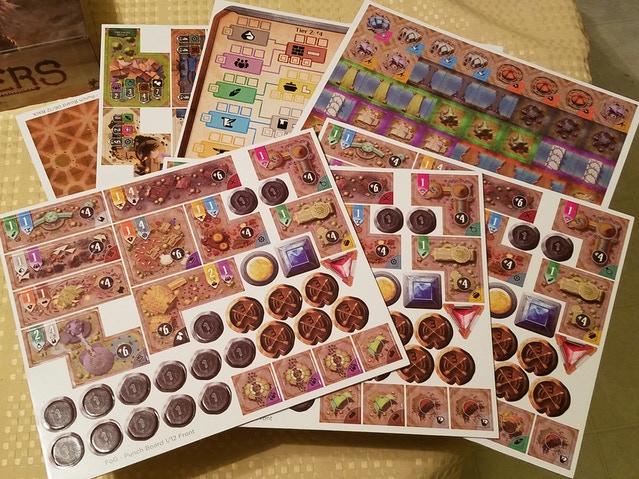
GloomhavenPunchBoards

Punch out all the bits, put them in piles, and make towers and other things out of them

I love it when I find a lot of punch boards with a heap of little bits I have to poke out. Gloomhaven had somewhere around 30 of these boards, and I was as happy as a kitten playing in gift paper.

I don’t care about the game at this point. I just want to make a fort out of cardboard discs, dice, and wooden pieces shaped like Whistler’s Mother.

Wait. Whistler’s Mother? What game did I just unbox? I don’t care. If you need me, I’ll be in space.

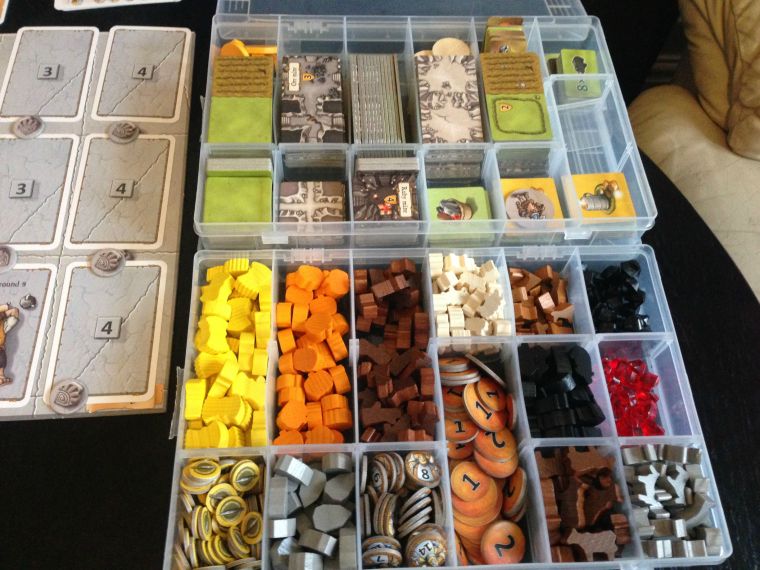
BoardGameOrganization

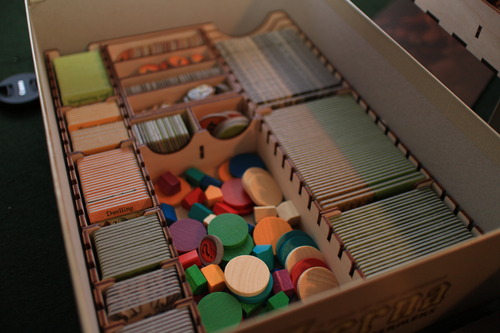
Organize things despite not knowing where they should go

Who needs to read the rules to figure out which things go together in a little baggy or small tackle box? I follow my gut, and it’s almost always wrong. Never trust a gut that suffers from GERD.

At least an hour will be wasted figuring whether the color or shape of an object should dictate where it should go. Eventually, I’ll say, screw it and check YouTube.

RodneySmithWatchItPlayed  GamingRulesPaulGrogan.jpg

See if Rodney Smith (Watch it Played) or Paul Grogan (Gaming Rules!) posted a video on how to play

Who needs to read the rules to figure out how to play a board game when Rodney and Paul will tell me in a short video with time stamps directing me to specific rules? Sure, I’ll follow along in my rule book if I can, but rule books aren’t the best reading material. So many of them have too many Appendices and use terminology I can’t understand. With few exceptions most of these designers expect you to already know how to play.

Help me, Rodney. Help, help me, Rodney.

ReorganizeBoardGame

Reorganize things after watching the video

I’ll remind myself that I should never trust a gut that suffers from GERD. If Rodney or Paul were in my house, they’d shake their heads and say, again, Kyle. What are we going to do with you?

I’ll spend another half-hour putting things where they should go and take another hour calming down before asking my friends and family if they want to play. You’d think I’d learn, but most game unboxings end the same way.

You probably know too much about your uncle Geekly’s unboxing habits at this point. What are the things you do when you first open a tabletop game for the first time? Let us know in comments.

My Favorite Innovative Video Games

I’m going a little off pattern with this latest favorite game mechanism in choosing several game innovations. This writeup skirts the boundaries of a list and the semi-weekly “My Favorite” series. I’m also kicking it old school with this video games as these are the first time a game style or game feature was used, so these won’t be so much modern innovative video games—I could see that as another writeup in the future—as much as it’ll be video games that shaped how they’re designed and played.

I could go on, but let’s talk about some games.

Legend of Zelda

The Legend of Zelda

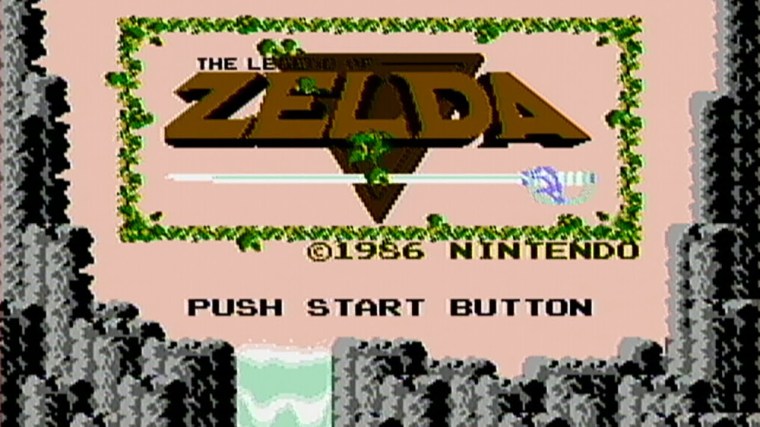
The Legend of Zelda is an easy one to include, but that doesn’t mean it hasn’t shaped modern video gaming in many ways. It’s one of the first open-world role-playing games. Without the original Legend of Zelda there would be no Bethesda as we know it. Sorry, no Fallout or Elder Scrolls. I played Morrowind a lot like I played The Legend of Zelda. I skipped the first dungeon and found one of the more difficult ones in the world and got my butt kicked. Who says I learned anything since I was a kid?

This game also created the first save file. Before The Legend of Zelda, players had to remember or write down codes to continue a game. When I first loaded the original Zelda, I wondered what a save file was. How far we’ve come.

Grand Theft Auto 3

Grand Theft Auto III

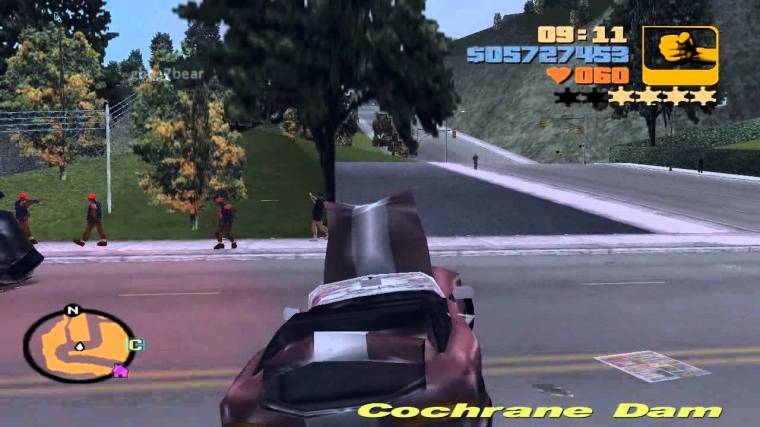
Speaking of open world gaming, no game captured the idea of “sandbox” gameplay than GTA3. Players could go anywhere and do anything. Unfortunately for your uncle Geekly, all I wanted to do was drive around town and listen to the radio. What do you mean the DJ’s name is Michael Hunt, but you can call him Mike?

Oh. That’s naughty. And players could be as naughty as they wanted to be with this title. Freedom, beautiful freedom. Now if only players could take the role of a woman like they could in the first Grand Theft Auto.

Super Mario 64

Super Mario 64

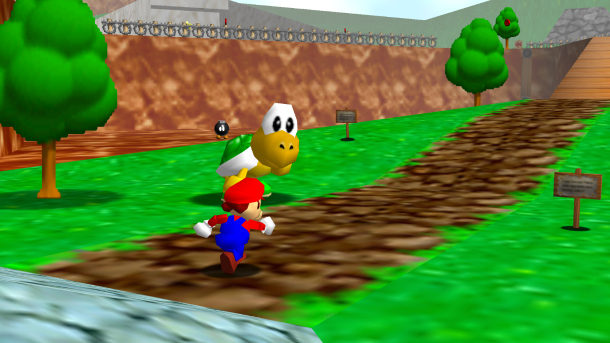
Super Mario 64 didn’t try a lot of new things in terms of a platform game. All it did was become the first game to effectively immerse gamers in a 3D world. Players could make Mario jump, flip, and run in 3-dimensional space. If they didn’t like the camera view, they could move the camera for a better angle. You know, the things gamers take for granted today.

LittleBigPlanet

LittleBigPlanet

This title took the easy way out: let users create content. Okay, with a user-friendly creation tool, LittleBigPlanet ushered in the era of “user-created content” in video games. There have been other games that have put design in players’ hands for the PC, but LittleBigPlanet made it as easy as I can remember and brought this idea to consoles. Power to the people.

TecmoBowlStefonDiggs

Super Tecmo Bowl

No. I’m not talking about the first Tecmo Bowl where players cheated by using the Raiders and Bo Jackson. I’m talking about the follow-up game Super Tecmo Bowl where the game kept track of players’ statistics for the first time—something sports gamers like—and it simulated a full season of games—another something sports gamers like. If only Super Tecmo Bowl used real names for every player.

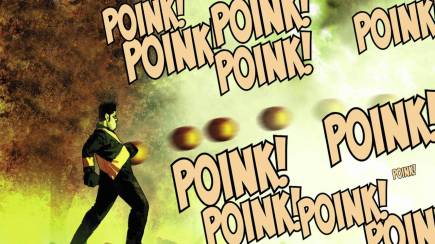
This game gets bonus points for modders who update the classic with modern NFL rosters. J. J. Watt is in our featured image at the start of this post, and Stefon Diggs is in the one above. Those are actual screen grabs from a Super Tecmo Bowl with updated rosters. What?

Metal Gear Solid

Metal Gear Solid

Sure, I could focus on Metal Gear Solid’s stealth gameplay, which was revolutionary at the time, but I’m going to concentrate on MGS’s storytelling. The game played out like a series of short films that included some topical themes and did a lot with developing characters, even if the dialogue was wanting at times. Metal Gear Solid showed that video games could thrive as a storytelling medium.

Doom1993

Doom

Doom’s biggest contribution must be its immersion. There were first-person games before Doom, but this game was the one that immersed gamers in its world. It’s the first game that made the environments their own characters, but it didn’t stop there. Doom introduced the world to multiplayer gaming via the internet. It also popularized a “shareware model” or a “try before you buy” system that game companies still used today.

That’s my first list of innovative video games. I’m sure there are plenty more that I could make another fifty to hundred lists. If you have a problem with any of the games on this list or take issue with an omission or five, come at me with a thumb war. Or you could leave a comment.


Getting Started with Area Control or Influence Games

Uncle Geekly ran a search on a popular game type, area control, and found more results than he thought. These games range from simple who controls the most regions to more complex games where area control is an aspect of the game. We’re talking starting area control or the similar mechanism area influence games, so we’ll keep it simple and easy to learn, but most of all, an area control game at its core.

Most area control or influence games employ a great build to the game, where players begin with small gains that they hope to build upon through game play. These games, more than many others, have a natural progression to them, and gamers can see why someone won. Usually, this is a game type for players who like to see the wheels turn or have a little more agency in a game’s outcome.

As usual, good old Geekly has some starter games for someone interested in this gaming genre. Let’s get to some of these smaller games and work our way up to one’s that are more complex.

Hanamikoji

Hanamikoji

We’re starting with an odd choice: Hanamikoji. It’s classified as more area influence as players compete for the attention of geishas. Hanamikoji also happens to be a two-player game, which is a little unusual as well. A group of seven geishas is placed between both players and they range in point value from 2 to 5. The first player to gain the favor of 4 or more geishas or has 11 points or more of geishas wins. This is what makes Hanamikoji area influence instead of area control. One must gain the attention of the most geishas. The game play is fast—a typical game lasts ten to fifteen minutes which is lightning quick for an area control or influence game—and it’s intriguing.

Each player is dealt cards that correspond with each geisha (for example, green twos are used to gain the attention of the green two geisha). They’ll use these cards to gain favor. The players also have four action tokens, and this is where things get interesting. Both players alternate turns using all their actions tokens. One action locks down one card from a player’s hand. A second action removes three cards from play that turn from a player’s hand. The third and fourth actions have some combination of handing your opponent some of your cards and they choose one or two of the cards handed them, and the player using these actions keep the rest. This is an excellent way of mitigating a bad draw. It also makes for a surprising amount of choices for a short and simple game.

Carcasonne

Carcassonne

Sometimes the oldies are the goodies. 2000’s Carcassonne—along with El Grande—all but popularized area control games. The two wrinkles Carcassonne adds are tile placement and worker placement. Bear with me as a quickly discuss tile placement; it does factor into area control. Each turn a player draws a land tile and places it adjacent to a tile already in the play area. These tiles will have roads, farms, cities, and/or cloisters depicted on them. When placing a tile, it must match the pre-existing tiles in the play area. Sides of tiles that show a farm can only be placed next to another tile side with a farm. So, random tiles dictate what constitutes an area. This was revolutionary at the time.

Once a tile is placed, the player may place a follower—or worker. Players gain control of areas by placing their workers on these spaces, and these workers can perform several jobs, depending on where they’re placed. Farmers work farms, monks live in cloisters, and so forth. The player with the most followers in an area when it scores gains the most points for that area. The game ends when the last land tile is played, and the player with the most points wins.

This combination of game mechanisms works well. So many other designers have used some combination of worker placement, tile placement, and area control because of how accessible Carcassonne is and these mechanisms’ inherent strategic flexibility. Carcassonne works as a great introductory game for all three game types. I’ll try not to add it to another list. No promises.

smallworldgame

Small World

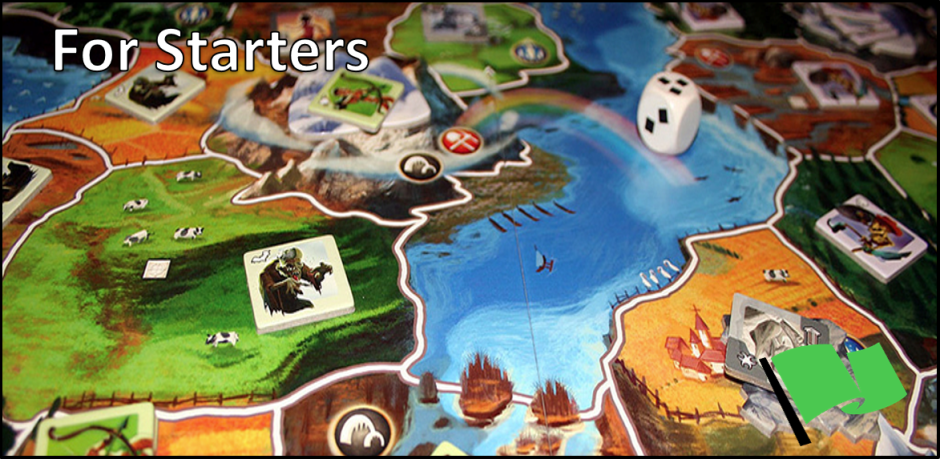
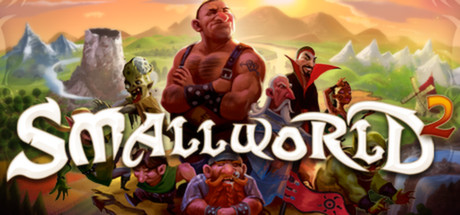
Sometimes gamers just want to conquer things. Small World takes place in a small world, where zany fantasy characters vie for control. There a lot of bells and whistles added to Small World. Each fantasy race like elves, trolls, and skeletons have their own race power, but each of these fantasy races are given one of 20 unique special powers like flying or ghostly that will make each playthrough different.

The concept is simple enough. When placing creature tokens, players start on the edge of the map. To conquer a land, they must use as many tokens as tokens in an area. If a player has enough tokens, they may conquer an adjacent land using the same method, so it’s likely that players will gain more than one area in a turn. In future turns, a player may choose to put their active race in decline (flipping their tokens upside down) and choose a new race. Players score points each turn for every area their races occupy; that’s for their active race and the race they have in decline.

At the end of the game, the player with the most points wins. That’s a common thread these games and a lot of other area control games share.

Small World does a great job of simulating combat without getting too in the weeds with it. It’s an area control game at its core with some nice window dressing, especially the use of variable player powers. Those race and special powers can be fun. Small World can also be the meanest game on this list. Players must know when to bail on a race and when to keep one. There will be a lot of hostile takeovers. It’s a small world after all.

Final Thoughts

So many of the best games on the market today use area control or area influence: Twilight Struggle, Star Wars: Rebellion, Scythe, Terra Mystica, Blood Rage, Twilight Imperium, and countless others. The games I just mentioned didn’t make this list because they get a little too complicated or they add more elements to the game than just area control.


The games I did include in this list will get new board game hobbyists the background they need to take on more complex games. Which games do you like to use as beginner area control games? You could place a worker to claim influence or it might make more sense to leave a comment.

3 Lists of 3 Unfortunate Comic Book Characters

There are several reasons a superhero or supervillain could be lame or unfortunate. Usually, it’s their name or their superpower. Some folks like to refer to these characters as morts; they aren’t long for this mortal coil. Someone take them out of their misery. Let’s take a walk on the sad side with this week’s three lists of three.

Poor Unfortunate Names

Doctor Hormone

Doctor Hormone

Yeah, Doctor Hormone was a short-lived 1940s comic, and it doesn’t hold up today to say the least. First, his name is Doctor Hormone. At best that’s the name of a product someone might sell on a late-night informercial. Second, he wears a pencil moustache and tends to sport a smarmy vibe. The good doctor of hormones doesn’t look like someone you’d leave your kids alone with on a sleepover.

But enough of those nasty thoughts. Hormone is the guy’s actual last name, because it’s a normal surname you’d find anywhere. I know of about three Phil Hormones from Hastings, Nebraska. The hormones this particular Mr. Hormone uses are “youth hormones.” These are the ones everyone knows about that keep someone young and that’s what happened to the good doctor. He was eighty-something, took a youth hormone, and became a twenty-something again. Like a high school senior, he always stays the same age.

Ebony White The Spirit

Ebony White

To be fair, Ebony White was also created in the 1940s. He played a major role in The Spirit comic books, but that role was as a less-than-intelligent buddy for the real hero to explain the story to. He also happened to chauffeur other characters.

His look was many stereotypes rolled into one. Dark skin and big lipped, his creator Will Eisner liked him so much that Ebony White would get his own solo storylines. Unfortunately, he became a vehicle for comedy and little else. I understand that he’s a product of his time and environment, but it’s hard to watch.

Pieface_DCComics

Pieface

Thomas Kalmaku is one of Hal Jordan’s closest friends. He knows the Green Lantern’s secret identity and keeps a journal of his deeds. When he finally receives superpowers, he improves those around him. He’s intelligent and hard working. He doesn’t deserve the nickname Pieface.

One fan theory suggests that Hal named him Pieface because he’s Inuit, and it’s a reference to Eskimo Pies. While that’s bad enough, the real reason behind the name is far worse. Pieface is a racial slur used for anyone with a round, flat face, specifically people of Asian descent and occasionally Inuits.

For decades Thomas accepts the Pieface nickname without batting an eye, and it’s only been recent incarnations of the character that have him rebel against an offensive name.

Poor Unfortunate Origins or Motives

Codpiece Comics

Codpiece

This one could be filed as lame for his powers as well as his name. It’s the whole package.

Thank goodness this guy only made one appearance in Doom Patrol #70. He lamented the size of his manhood and believed bigger was better when it came to impressing women. He never felt tall enough. It’s like Randy Newman once said, “Short people got no reason to live.”

He could’ve worn stilts and compensated for his height but apparently, he felt small in other ways and attached a codpiece outfitted with a rocket cannon (pun intended, I assume), a drill (another pun I’m sure), scissors, and a spring-loaded boxing glove (because why wouldn’t you).

His codpiece doesn’t last long (again, I assume the pun is intended) and he’s thwarted by the Doom Patrol, but let’s be honest, he was doomed from the start. One of the creators had to have been going through something. Either that or they need to share what they’re smoking.

BeardHunterDCComics

Beard Hunter

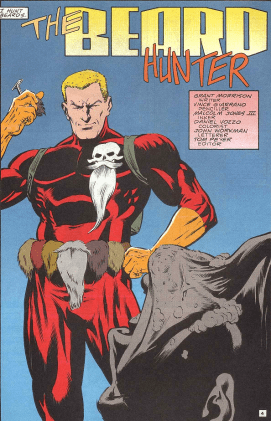
Ernest Franklin’s hatred of beards started the moment he realized that he lacked the male hormones required to grow his own beard. Again, with hormones. He began his war against beards by killing his stepdad and continued to kill other bearded men he met. He became the Beard Hunter.

Man, the writers at Doom Patrol can come up with some odd stories. The Beard Hunter is another villain, Jim and I wouldn’t want to run into. Sorry, Ernie. I don’t mean to offend you, but my hair migrated from the top of my head to my jawline.

Arm Fall Off Boy

Arm-Fall-Off-Boy

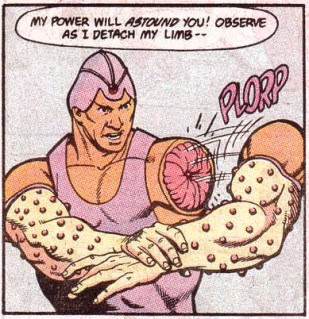
Have you ever wanted to be able to rip off your own arm, so you’d have something to bludgeon someone with? That’s idea behind Arm-Fall-Off-Boy. He can detach his arms and use them as weapons.

He makes this list because the only explanation for his power comes from Matter-Eater Lad—another “great” name—who claimed Arm-Fall-Off-Boy was careless when holding anti-gravity metal Element 152. He may have been kidding, but having your arms pop off by grabbing a strange metal makes about as much sense as any other reason your arm may have for spontaneously detaching.

Poor Unfortunate Powers

ZeitgeistMarvelComics

Zeitgeist

Zeitgeist made it into the X-Force roster in Deadpool 2 and died in a woodchipper. Oddly enough, he died quickly in another mission during the X-Statix run of X-Force, but not before he had one of the worst dates in comic history.

Zeitgeist’s power is super stomach acid; he barfs caustic acid. He discovers he has this power after he drunkenly vomits on his then-girlfriend, burning off her face. That’s one way to end a relationship.

LongneckMarvelComics

Longneck

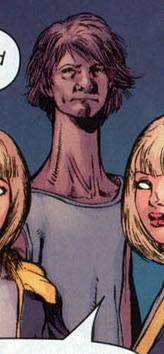
Jonah van Helsing has a 6-foot long neck and can wrap it around people and throw them. Yeah, he’s a human giraffe.

What’s worse is that Marvel’s “Decimation” event that aimed to reduce the universe’s number of mutants had Longneck lose his powers. His neck tried to revert to normal but snapped in the process. Ouch!

Goldballs_MarvelComics

Goldballs

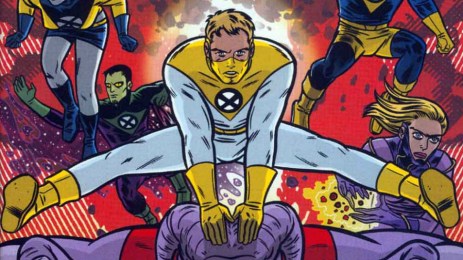
Fabio Medina is another student at Xavier’s School for the Gifted. His gift is to project gold-colored balls made of an unknown substance and of different sizes from any part of his body at high speeds.

He uses these balls as concussive weapons. He can also reabsorb the balls into his body. So. Many. Jokes.

There are plenty more unfortunate comic book characters; these nine are only the beginning. Guess what, your uncle Geekly poops cat nip. That explains the stoned cats in our neighborhood. Do you know of a hero or villain with a worse power? Let us know in the comments.

Great Anime Available on Hulu

It’s been a little while since your uncle Geekly talked anime, so let’s start by dishing about some great anime available on one of the big three streaming services: Hulu.

In terms of anime, Hulu has a huge head start on the other three streaming services. It has the rights to some of the greatest movies and series in anime history—or at least the ones that put anime on the map for westerners. It’s also done a good job of gaining the rights of some of the newer stuff that anime fans won’t stop talking about. Sure, you could buy Crunchyroll and there are other services that can be add-ons for Amazon, but Hulu has more than enough anime to have a fan covered.

There is so many anime to get through, so I’ll stick to short blurbs, but here are some anime highlights. They are by no means the only ones you can find on Hulu.

MyHeroAcademia

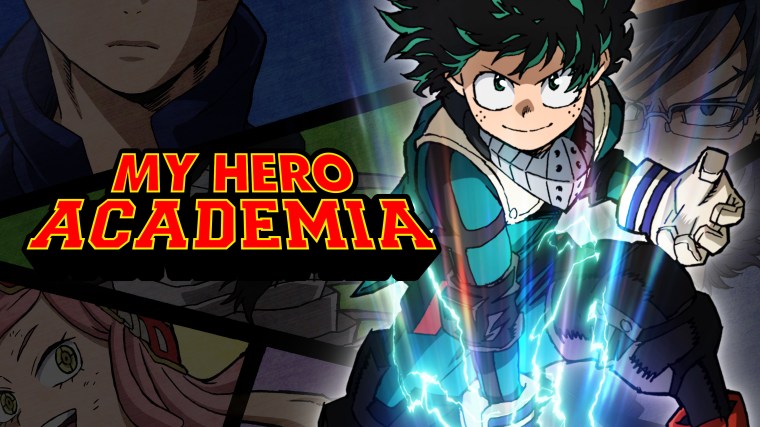
My Hero Academia

Stop me if this sounds familiar. A once-powerless boy gives his all to follow the path of his idol. The government monitors superhero activity and regulates it. Okay. The concept won’t sound new to anime and superhero fans, but My Hero Academia has earned its place as one of the biggest new anime series. It’s also more culturally relevant than a lot of other anime.

A famous Japanese CEO once said that he takes risks if he knows he won’t lose. If someone knows they can’t lose something, then that’s not a risk. Several generations of Japanese have followed a similar path and refuse to take real risks. My Hero Academia challenges that pervasive line of thinking. It empowers a younger generation to take risks, even if it means you may lose.

YuYuHakusho

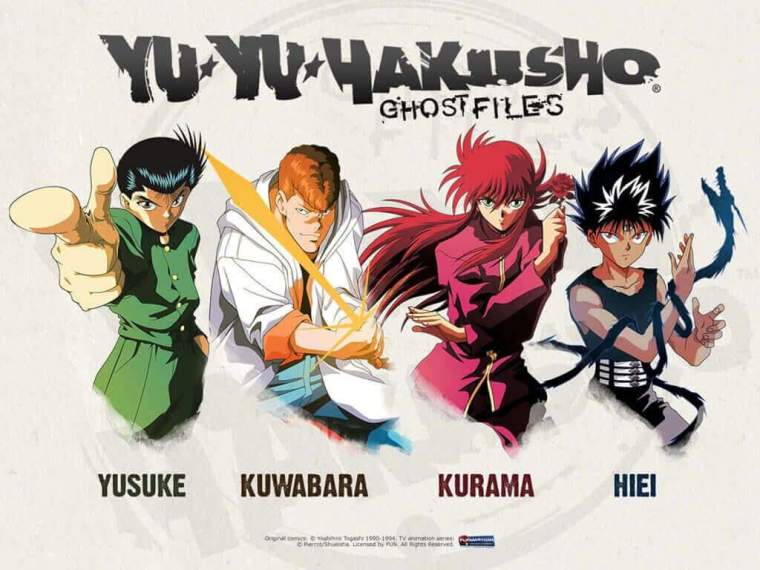
Yu Yu Hakusho

One action can change someone’s fate. That’s at least what Yu Yu Hakusho seems to suggest. This fun series tackles ethical issues without getting preachy. It’s a character-driven series centered on a 14-year-old street-brawling delinquent Yusuke who died as he saves a young boy from being run over by a car. He’s met by the pilot of the River Styx who informs him that there isn’t yet a place made for him in either heaven or hell. Yusuke’s tasks toward redemption are many. His world is hellish and varied.

AttackOnTitan

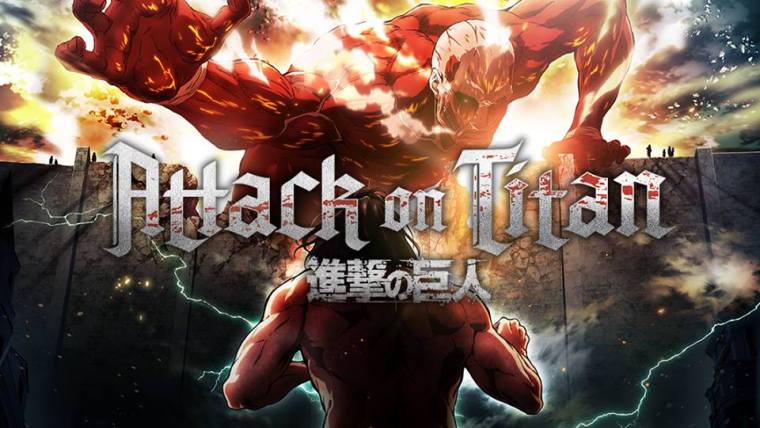
Attack on Titan

Attack on Titan is a blockbuster the likes anime has seldom seen. Large humanoids called titans terrorize a dwindling human populous. The stories play out like a fusion of The Walking Dead tension for survival and the blood-pumping action and espionage of Mission Impossible. Throw in some Spider-man like powers with the Survey Corps’ vertical equipment, and it’s easy to see why this series has so many fans.

One-Punch Man

One-Punch Man

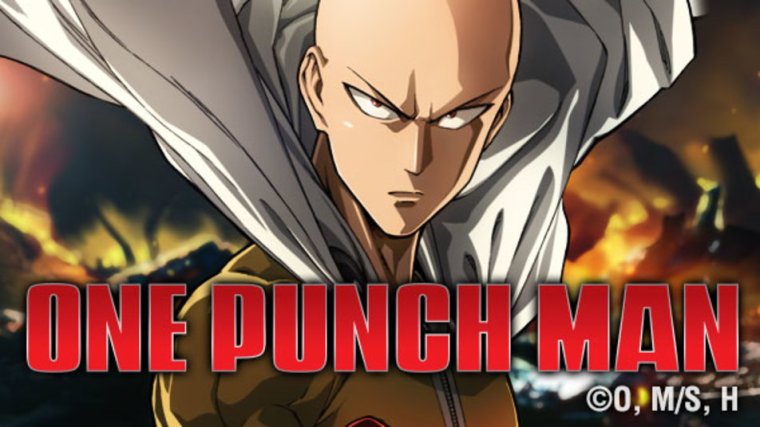
Sometimes you need something light. One-Punch Man is to anime and manga what The Tick is to comic books. Its humor is off-center. Everything in the show has some relevance to the genre as a whole, but the best thing it introduces is that idea that someone who has as much power as Saitama can grow bored with his strength. The series doesn’t navel gaze for too long as it’s a parody and a lot of fun.

CowboyBebop

Cowboy Bebop

Decades after its release Cowboy Bebop is still a lot of people’s default recommendation for anime newbies. It blends westerns, sci-fi, and noir and has some of the most diverse episodic adventures. It’s an unmistakable gateway anime that has one of the most iconic soundtracks—and not just for anime. It also doesn’t hurt that Orson Scott Card (Ender’s Game) called it “better than most sci-fi films.” Cowboy Bebop inspired Joss Whedon’s Firefly. It’s a must watch.

Akira

Akira

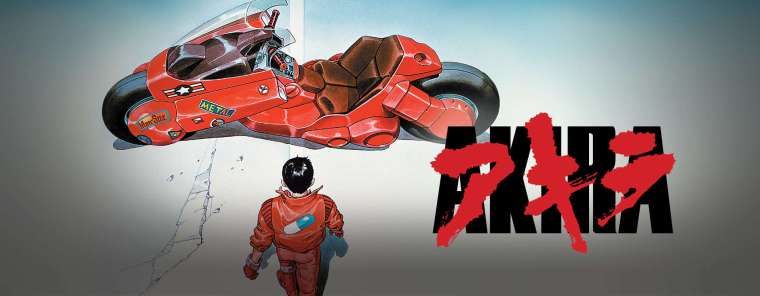
From one classic anime to another, Akira is set in the post-apocalyptic Neo-Tokyo of 2019. Akira, like Cowboy Bebop, introduced Western audiences to anime as a medium and showed that the genre could cater to more adult viewers. It’s influenced so many anime that came after it that the list would be too long to state here. Even though it came out in 1988, the animation holds up today and the world is a wonder.

GraveOfTheFireflies

Grave of the Fireflies

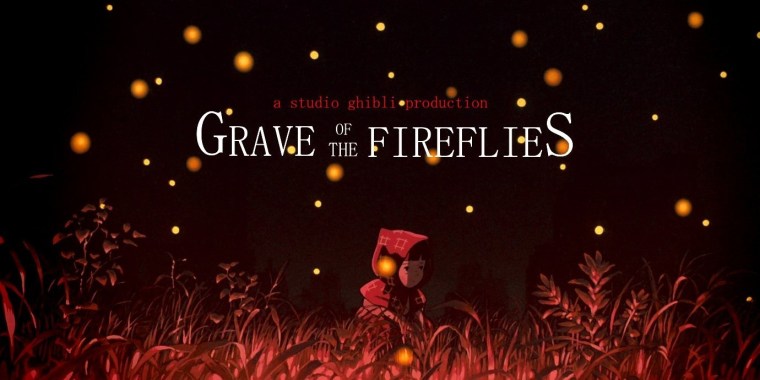
I’m sticking with the year 1988 and another anime masterpiece Grave of the Fireflies. A lot has been said of Miyazaki and Studio Ghibli, but this classic comes from the director who many say influenced Miyazaki, Isao Takahata. I don’t want to say too much about this one, lest I give too much away, but this film is set in the city of Kobe, Japan in the final months of the Second World War. It focuses on two siblings struggling to survive. It’s difficult to keep a dry eye with this one.

PrincessTutu

Princess Tutu

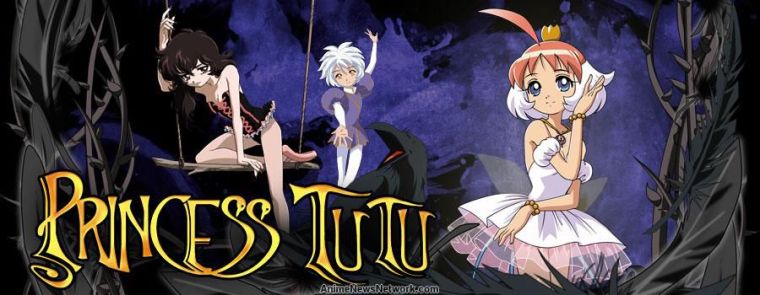
I like my anime to get a little weird. Most anime that do get weird tend to go a psychedelic route, but Princess Tutu combines fairy tale and ballet to make a magical girl anime that’s surprisingly grounded. I won’t reveal too much, but trust me, the themes are familiar and blended in a way that’s new and interesting. Princess Tutu is that rare non-standard anime that can be shared with younger audiences, but there’s plenty to unpack for adults.

That’s it for my list at this point. I may be making another one of these soon. There are so many other series I could put here. Heck, shonen anime like Bleach and Naruto could dominate this list, and I didn’t even mention Death Note. How could I have not mention Death Note? You can belly ache about Death Note or any other anime I didn’t mention by leaving a message on my answering machine—or by leaving a comment.


My Favorite Game Mechanic: Castles of Mad King Ludwig

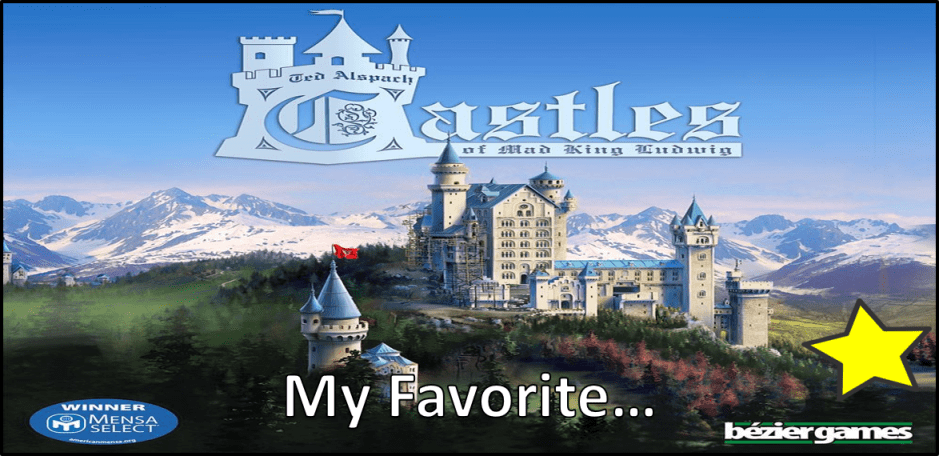
Your uncle Geekly has talked about Castles of Mad King Ludwig before, so if you want to see our review of it and Suburbia, check it out here, but this week we’ll talk about the one game mechanism I like the most from Castles of Mad King Ludwig: I cut, you choose.

I’ll try not to repeat my review of Castles, but I can’t promise to cover some familiar ground. Most games that use an I cut, you choose mechanism play out like the pizza game New York Slice. The starting player groups things together (depending on the game type) and then the player to the starting player’s left picks which group they want first and play continues to their left, meaning that the player who decided which stack of things went together gets whatever’s left over. It’s a nice little game of cat and mouse. Do I want to group things I know another player would want together, giving them points, or risk something I’m playing for? Most often, players will split the difference and hope for the best. This system gives players more agency in games. To be honest, not enough games use I cut, you choose.

CastlesOfMadKingLudwig

But Castles of Mad King Ludwig takes a different approach to this mechanism. Each turn there’s a different master builder and the master builder determines how expensive tiles (with which to construct player castles) cost each turn. When a player selects a tile from the supply, they pay the cost to acquire a tile to the turn’s master builder. That’s coconuts.

Not only does a master builder set the market price each turn, there’s an added level to I cut, you choose in that the master builder places an item for sale at the highest price they think another player would be willing to pay for the tile to get the most money they can get during their turn as the master builder. Flushed with master builder cash allows for more purchases and builds at the end of a turn (master builders still take their build turns at the end of the round like most other I cut, you choose games), and to date, I haven’t seen a tabletop game empower players at this level. This adds so many new strategies and questions.

MadKingLudwigSupply.jpg

Do I price the tile I want that turn as the most expensive? If I do, will other players buy enough of the cheaper tiles for me to buy the one I really want? Would another player pay top dollar for the tile I want most? Are other players even interested in the tile I want most? Can I price it lower or will someone buy it just to spite me? Even though the titular Mad King Ludwig wasn’t mad, this game can drive players mad with its number of choices.

Each game changes how players score, so a tile that mattered in a previous game might not matter as much in a future one. That gives Castles of Mad King Ludwig a lot of replay value.

I like Suburbia a lot too. It’s a similar game about building suburbs of a city by the same design team and publisher, but Castles of Mad King Ludwig’s take on the I cut, you choose mechanism makes it a much better game.

If you disagree, you can send me to the stocks or you can leave a comment. If you’d like to tell me I’m wrong every day, feel free to subscribe.

Flash Starter Stories

Let’s face it. Many new fans of The Flash were most likely introduced to the character with the CW show. Even if you weren’t, the concepts presented in the television show—at least the first two or three season—are a good place to get to know The Flash and more specifically Barry Allen.

Your uncle Geekly may have grown up leaning more Marvel than DC, but he dabbles with DC Comics. This week I hope to show you where to beginning reading The Flash comic books, starting with an emphasis on stories that may look and sound familiar for CW fans and moving toward other great tales of the Scarlet Speedster.

FlashRebirth

Flash Rebirth (written by Geoff Johns/art by Ethan Van Sciver; 2009)

Barry Allen returned to the DC Universe after years of being thought dead with Flash Rebirth. Readers are treated to an updated origin story, the history of the Speedforce, and Professor Zoom’s backstory.

It also happens to be the chief inspiration of the CW show as writer Geoff Johns is also one of the show’s producers. Rebirth is a great place to start for any new Flash reader and fantastic for The Flash TV fans.

The_Flash_The_Dastardly_Death_of_the_Rogues

Flash: The Dastardly Death of the Rogues (written by Geoff Johns/art by Various; 2010)

This entry is a little off when compared to the rest of the ones on this list. Bear with me, and I promise that it makes sense as a starter Flash story.

The Dastardly Death of the Rogues gives new readers a crash-course on the time-jumping nature of The Flash. Yes, characters often go back and forth through time to varying effect and this time it’s a future rogue warning Barry of another rogue’s plans for domination. And this is the first way the story turns odd.

Barry is also accused of killing rogues in the future and may have to answer for his future crimes—I smell a Minority Report—but it’s the focus of Barry as a CSI that has this story make the list. Previous Flash tales cast Barry Allen as a forensic scientist or cop but few capture Barry’s job aside superheroing like this one.

FlashFlashpoint

Flashpoint (written by Geoff Johns/art by Andy Kubert; 2011)

If you haven’t noticed, you’re going to see a lot of Geoff Johns’ work here because he defined The Flash of the 2000s and continues to do so with the TV show. Like the title before it on this list, Flashpoint has a character time travel. This time it’s Barry Allen going back in time to save his mother from being murdered.

The consequences are dire as the DC Universe is flipped upside down. It’d take a lot of time to explain everything that happened, but her are some highlights: Bruce Wayne dies instead of his parents and his parents become Batman and The Joker, Captain Cold is Central City’s greatest hero, the Justice League was never established, and Superman doesn’t exist. All this because Barry wanted to save his mom. Flashpoint does a great job of showing why a hero can’t be selfish. It’s also one of the watershed crossover events in recent DC Comics history and reshaped the comic giant’s status quo for the publisher’s 2011 relaunch, the New 52.

TheFlashNew52.jpg

Flash New 52 Volumes 1-3 (story and art by Francis Manapul and Brian Buccellato; 2011-2014)

The artwork here is amazing. No other artist captures the feel and look of The Flash running at top speed than Manapul. Barry Allen gets reintroduced here—so it’s another good place to get started for fans of the TV show—and most of his greatest enemies make an appearance in the first few volumes. You’ll meet plenty of the rogues and get to know Gorilla Grodd, too.

FlashCrisisOnInfiniteEarths

Crisis on Infinite Earths (written by Marv Wolfman/art by George Perez; 1985-1986)

This one’s a big one. The Flash isn’t the main character, but he factors into this crossover event and the odd thing is that Crisis on Infinite Earths was conceived to get rid of the multiverse, which is something The Flash instigated.

It’s a must read for anyone who wants to know more about Barry Allen as a character, because he makes the ultimate sacrifice. In an iconic scene, he literally runs himself to death and becomes one with the Speedforce. New readers could say spoilers were in order, but even being armed with that knowledge won’t prepare you for watching happen. This is Barry showing how and why he’s a hero.

FlashChroniclesVolume1

The Flash Chronicles Volume 1 (written by various/art by various; 1956-1959)

I’m going with a collection of older comics here because it’s nice to see where everything began. Barry Allen’s Flash harkened comic book’s Silver Age. If it wasn’t for Barry streaking across the page, DC may not have ever brought back other great heroes from its Golden Age and Marvel may have never gotten back into the superhero business. These stories had to make the list and fortunately, the first several years are collected in a single volume of The Flash Chronicles.

All these stories hold a special place in comic history, but here are some highlights:

Showcase #4 marks Barry Allen’s first appearance and the first instance of the ongoing gag where Iris complains that Barry is always late because he moves so slowly.

Flash #110 Iris’s nephew Wally West happens to be The Flash’s biggest fan, and this happens to be his first appearance.

Flash #123 is where the multiverse is first introduced when Barry inadvertently travels to a parallel Earth and teams up with his Golden Age counterpart Jay Garrick. It’s a simple team-up story here, but the multiverse is an essential part of many Flash stories.

Flash #139 showcases The Flash’s greatest foe Eobard Thawne (aka Professor Zoom/Reverse Flash). Thawne goes down quickly in this story, but he’ll be a thorn in Barry’s side for many decades.

TheFlashMarkWaidBookOne

The Flash by Mark Waid Book One (written by Mark Waid/art by Greg LaRocque; 1987)

I’ve focused primarily on Barry Allen up to this point, so it’s time to talk about Wally West as The Flash. Waid does an excellent job of showing how the two Flashes differ. Wally doesn’t take to the Speedforce like his predecessor. He’s as scared of his powers as he is the enemies he fights. This book reads like The Flash: Year One.

Readers will also see Barry as he trains his protégé—much like he does in the TV show—and catch a glimpse of one of DC’s greatest friendships.

TheFlashTheReturnOfBarryAllen.png

The Flash: The Return of Barry Allen (written by Mark Waid/art by Greg LaRocque; 1996)

Oddly enough, Waid does more to establish Wally as the Flash by having Barry Allen return from the dead. Comic book characters return from the dead more often than my dog poops on the floor—which is to say every other day—but Waid finds a way to turn this trope on its ear. I won’t explain how he does it here, but it’s well worth the read and an excellent case study on how to subvert a reader’s expectation.

TheFlashDeadHeat

The Flash: Dead Heat (written by Mark Waid/art by Oscar Jimenez; 2000)

No Flash story tackles the Speedforce, delves into the Flash’s sci-fi roots and explores the numerous characters who have ever had super speed than Dead Heat. A “God of Speed,” “Speed Ninjas” and all other manner of speedsters make their way in this story. It does a lot to set up the Flash’s mythos. It’s also a lot of fun.
Flash_Blitz

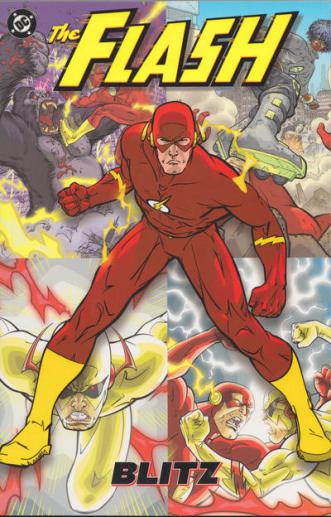
The Flash: Blitz (written by Geoff Johns/art by Scott Kolins; 2003)

Even though several of the Flash’s rogues make an appearance, Blitz is the definitive Professor Zoom story. Wally is completely outclassed, but Zoom’s speed isn’t his greatest threat. Zoom doesn’t hesitate to put Wally’s family and friends in danger to get to him. If fans of The Flash TV show liked the twisted and menacing nature of the main antagonists in seasons 1 and 2, you owe it to yourself to read Blitz.
I think that covers it for Barry and Wally as The Flash. There are other versions of the character—not the least of which is the Golden Age’s Jay Garrick—but that may have to wait for another time. If you don’t agree with any of my selections, feel free to challenge me to a race or you could leave a comment.