
We didn’t release a news post last week. Kyra was sick with the flu. That’s also why our coverage of Captain America: Brave New World has been lacking. We’ll get to it as soon as possible and figure out this news thing quickly.
Hey, hey! Kyra Kyle here, and we’re back with some Geekly News. We have several stories to get through, so let’s get started.

Spider-Gwen Joins Your Friendly Neighborhood Spider-Man Season Two
Season and Skye wrapped up their coverage of Your Friendly Neighborhood Spider-Man’s first season, and the final episode had plenty of easter eggs and loose story threads for the next season. You should check out their reviews if you haven’t yet. Your Friendly Neighborhood Spider-Man’s creative team dropped a bombshell the day after the final episodes hit Disney+, Gwen Stacy/Spider-Gwen joins the Your Friendly Neighborhood Spider-Man mayhem in season two.
We don’t yet know if Gwen will be a transplant from another dimension like she was in the Spider-Verse series or if she already exists in Peter’s universe. The spider that bit Peter and gave him his powers crawls into another student’s backpack. Perhaps that student is Gwen.
Who knows? Your Friendly Neighborhood Spider-Man injected some life in the MCU, even if it is an alternate reality and I can’t wait for the second season. Spider-Gwen or Ghost-Spider would be a fantastic sprinkle on top of this sundae.
New Avatar: The Last Airbender Series (Avatar: Seven Havens)
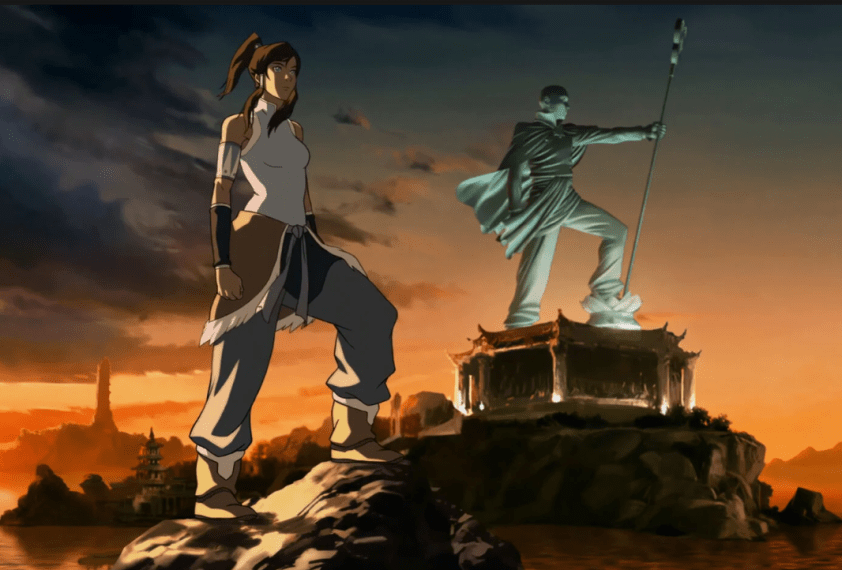
A new Avatar cartoon is coming to Nickelodeon and Avatar Studios. Avatar: The Last Airbender creators Michael DiMartino and Bryan Konietzko celebrated Avatar’s 20th anniversary with the announcement of this new series. Avatar: Seven Havens will be a 26-episode, 2D animated series following a young Earthbender who is the next Avatar following Avatar Korra.
Avatar: Seven Havens will be split into two seasons. Both seasons will consist of 13 episodes and be called “books.” No cast has been announced yet. This is the first mainline TV series from Avatar Studios who are also developing a full-length animated movie based on an adult Aang on a new adventure and set to premiere in theaters on January 30, 2026.

Elon: Make Video Games Great Again
Elon Musk has been busy tinkering with the United States government and tweets hundreds of times daily, but he’s found the time to circle back around to his idea about making an AI-based video game studio. Musk confirmed this past week that he still plans to make an xAI game studio, tweeting, “It’s got to be done. Make video games great again!”
There’s a lot to cover about Musk’s motivations and how he intends to run this new video game studio. Frankly, there’s too much to cover, so I’ll be brief and try to stay neutral. Spoiler alert: I’ll fail. The politics behind Musk starting a completely Artificial Intelligence video game studio stems from an ideology of anti-diversity, anti-equity, and anti-inclusion. I failed already. I wanted to spell out what DEI stands for because it’s easy to dismiss an acronym. The Musk superfan who tweeted his support for an xAI game studio stated that diversity, equity, and inclusion ruined video games. The world’s richest man doesn’t need a reason or encouragement to not pay employees and use artificial intelligence for all aspects of a video game.
I’m done ragging on Musk and his superfan, for the most part. The topic of AI in video games has been hotly debated. Some AI processes that don’t involve GenAI have been deemed useful enough to be used with little controversy. However, that is not true for GenAI being used in artwork, cinematics, script writing, and so on with most developers and studios. If Musk’s idea is to make an entire game based around xAI tech, that raises many questions about how that would work and what the program would produce.
Perhaps this is a coincidence, but video game developers have increased their use of artificial intelligence during the current downturn in video game quality. If anything, AI could be one of the factors in poor video game quality. But it’s not the only one. Work environments have come under fire in recent years. A lack of diversity, equity, and inclusion in video game workspaces has led to hostile work environments. Crunch culture has crushed numerous video game releases. Every studio wanting their share of the live service model has also hurt; not every studio has what it takes or needs to make a live service game. In the current environment, video game publishers have fired talented developers with a smash hit.
In short, video game companies need to show more humanity.

Marvel Rivals Lays Off Seattle Development Team
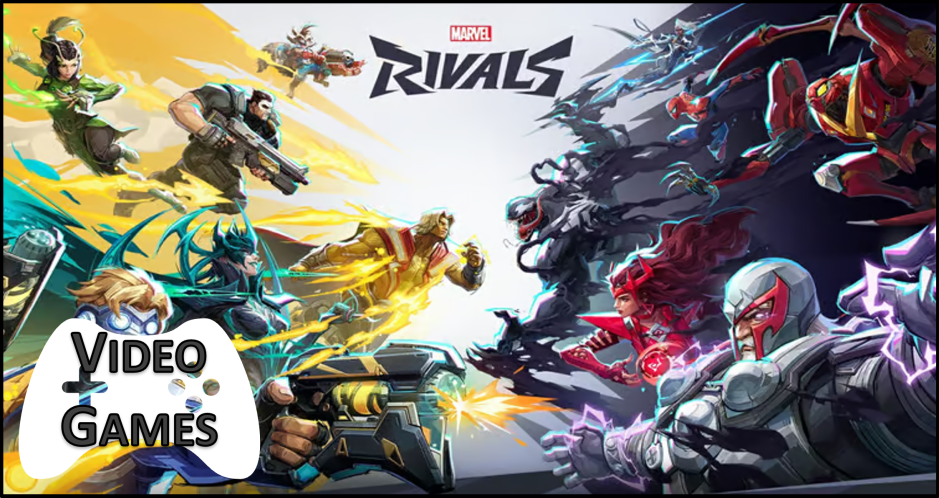
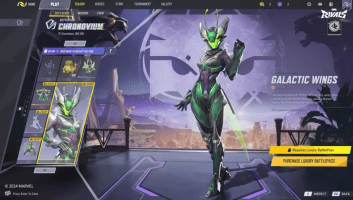
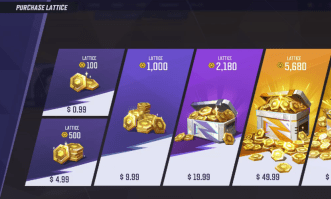
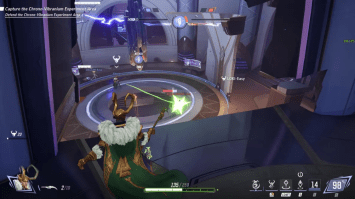
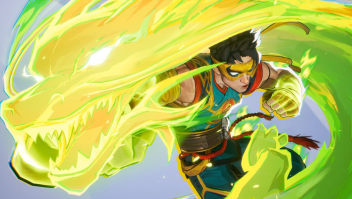
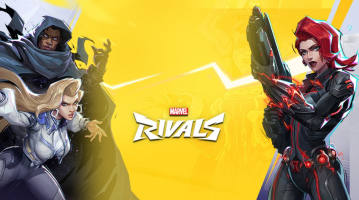
I may not have given Marvel Rivals the highest marks in my review a month ago (you can check out that review by following this link if you want), but the game is a smash hit. The only game that compares to Marvel Rivals’ hundreds of thousands of concurrent Steam players is Fortnite. Marvel Rivals is that popular. And Marvel Rivals’ developer NetEase laid off their entire Seattle office.
NetEase released a statement earlier this week, explaining the layoffs were made as part of “organizational reasons” and to “optimize development efficiency for the game.” This doesn’t make a lot of sense. While developers often bring in extra talent to release a game and then cut ties with contractors after the game releases, Marvel Rivals has the most aggressive release schedule for new characters in a hero shooter. Season 1 has seen the release of the entire Fantastic Four. Overwatch, which Marvel Rivals often gets compared to, releases one character during the same period. Marvel Rivals releases four times as many new characters. Yikes! The video game industry has experienced numerous layoffs in recent years. Even the biggest studios cut the size of their teams or close entirely, but these studios often do that when a game isn’t successful, or the company makes a blunder. NetEase has a runaway hit on their hands and to the best of my knowledge hasn’t made a huge mistake with another title or financial decision, and this still happened. Success doesn’t make one immune from getting fired.
Note: NetEase is a Chinese-owned company. Firing their United States branch may make financial sense if the company worries about international trade uncertainty. Ahem. Tariffs.

Retailers Help Dutch Tabletop Game Publisher Splotter After Tariff Uncertainty
Video games aren’t the only entertainment industry that may be affected by new tariffs. Tabletop games have had their issues, too. Food Chain Magnate publisher Splotter says, United States distributor GTS canceled a “large order” for its game Indonesia on short notice, citing uncertainty over further charges to import tariffs in the United States.
US President Donald Trump hiked tariffs on imports from China (where the majority of board games are manufactured) by 10% at the start of February, and last November threatened Chinese goods with 80% tariffs, in addition to a blanket 20% on all imports to the United States. China has responded with a tit-for-tat tariff increase for several types of US products, and Trump’s subsequent threats of further hikes for sectors such as automobiles have made international trade unpredictable.
Splotter, a small Dutch tabletop publisher, said on February 17 that almost all the United States retailers who offered pre-orders for the third edition of Indonesia were having their supplies met through GTS, meaning United States customers would not receive their copies. Designer duo Doumen and Wirsinga (of Splotter) said that a string of United States and Canadian retailers have reached out to secure direct orders from the company, while other distributors and publishers have aided the small business.
Founded in 1997, Splotter specializes in heavy—and I mean heavy—strategy games. Indonesia was first released in 2005 and is the second-highest-rated Splotter game on BoardGameGeek. Second only to Food Chain Magnate.
Elden Ring: The Board Game Coming to Retail Soon
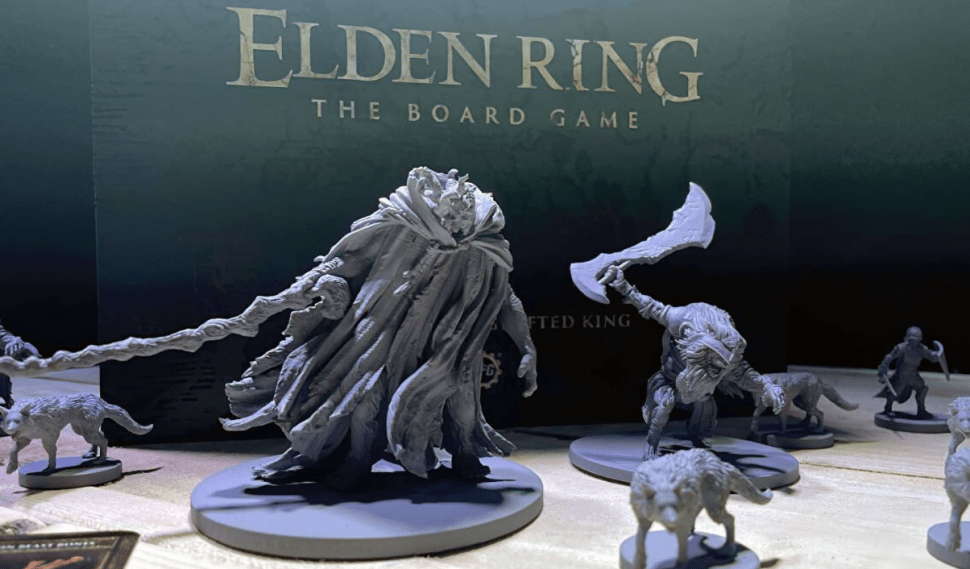
In 2022, Steamforged Games successfully funded a board game based on the smash video game Elden Ring. For years Elden Ring: The Board Game was only available through Gamefound and secondary markets (resale), but the game will become available at most game shops next month. Steamforged Games has a long history of adapting popular video game franchises to board games: Dark Souls, Horizon Zero Dawn, Monster Hunter World, and Resident Evil.
Real talk. I’ve never played a Steamforged Games adaptation of a video game. Their games tend to have high production values and a price tag to match. Many of their base games (specifically the ones I mentioned above) are at least $100. The Realm of the Grafted King is Elden Ring’s official core box. It’s priced at $200. Two expansions function as standalone games. Presumably, one can play the game with either of them. Weeping Penisula costs $120, while Stormveil Castle costs $130. These prices don’t include optional upgrades. So, yes. Steamforged Games can get expensive, extremely expensive, but if you have the money and the inclination, Elden Ring: The Board Game will be available at game stores in March 2025 or on their website https://steamforged.com/collections/elden-ring-board-game.

MetaZoo TCG Returns with Richard Garfield and Skaff Elias
The original MetaZoo TCG was launched in 2020. Despite the pandemic, MetaZoo found moderate success until the original publisher MetaZoo Games had to file for bankruptcy last year. The card game centers around creatures known as “Beasties” which are inspired by cryptids and other figures from mythology and folklore like Bigfoot, Mothman, and the Jersey Devil. The game’s art style resembled the Pokémon TCG, while its play style felt like Magic: The Gathering. Another company took over the MetaZoo IP and intends to relaunch the game this year. All this is standard fare, but the names involved in MetaZoo’s relaunch have caused the TCG world to buzz.
Rick and Emily Arons, prominent former members of the Pokémon Company, are joining forces with Richard Garfield (creator of Magic: The Gathering) and Skaff Elias (former Senior VP of R&D at Magic: The Gathering). I’m intrigued by these names. But MetaZoo showed promise without these new names. The game had some interesting mechanisms. MetaZoo’s standout feature is its fourth-wall mechanism, where real-world elements, like a player’s seat at the table, can directly influence gameplay and outcomes. I hope MetaZoo brings back some of its original creative team while adding trading card game royalty.
Phew! That was a lot. Thank you for reading, and wherever you are, I hope you’re having a great day.








 jkgeekly.com