Say What Quiz: Week of September 15, 2014

Comic books have had their share of great quotes. Perhaps no comic book quote is as famous as “With great power there must also come great responsibility.” But what some people may not know is that this famous quote originally came from a narrative caption, not Uncle Ben when it first appeared. Can you match the following quotes with the comic characters who said them?

Quotes:

1) Every time a man raises his hand against his neighbor in the name of his faith, he renounces his faith.

2) Nobody’s got so many friends that he can afford to start losin’ ‘em.

3) If rich guys like you can’t be happy in this world, what chance have the rest of us got?

4) The real proof of a man is not how he treats his friends…but his enemies.

5) Nothing turns my stomach more than a “man” who tries to prove he is one by striking a woman!

6) You know how hard it is, being your friend?

Heroes:

A) Man-Thing

B) Batman

C) Kid Flash

D) The Falcon

E) Superman

F) Nite Owl (Watchmen)

GeeklyAnswers

Geekly TV: September 12, 2014

TheAwesomes01

The Awesomes

It’s summer, and it feels grand. Did I say grand? I meant it feels so awesome. Even though there aren’t that many television shows on the air at the moment, there’s one Hulu exclusive show that tweaks the geek meter until fall: The Awesomes.

The titular misfit team, voiced predominantly by former and current SNL members, has a list of delicious psychological issues so long you could dedicate an epic poem to them. Better start rhyming now. Or not.

While the first season focused on introducing the heroes, assembling the team, and stopping a large threat, the second season hasn’t been as focused, meandering from the introduction of one villain to another with a loose storyline of a promised super villain team at season’s end. Still, the Awesomes remains endearing.

We learn more about the depth of the heroes’ problems in the second season (most notably Impresario in the “Made Man” episode), and the villains are interesting, even if some of them are footnotes in the episodes in which they appear. But despite the fact that the latest episode, “Secret Santa,” introduces yet another villain, the Fake Santa Claus, this villain is anything but a footnote. How could a fake Santa Claus take a backseat during an ubiquitous holiday panning episode let alone The Fake Santa Claus?

The Fake Santa Claus possesses mind control over animals and people, so he can convince people that he’s the real Santa Claus. This is an okay premise, but in classic Awesomes fashion the real story rests in the heroes’ insecurities. Both the leader Prock and the team’s estranged member Hotwire deal with family issues around the holidays.

Verdict:

The Awesomes is ramping up toward its season finale with the unveiling of the P.R.I.C.K.S. (the super villain team they’ve been assembling all season), and the big secret (to the team, not the viewers) that Hotwire is the do-gooder Metal Fella. We’ll see if the payoff is worth the journey.

Comic Book Reviews for the Week of 9/10/2014

Velvet #7

Image Comics

Velvet

Brubaker/Epting


Velvet #7 picks up the chase for Velvet from the points-of-view of Colt and Roberts. Actually, but for a few panels, this issue offers very little of Velvet herself. It’s not the greatest way to pick up the story arc, and it doesn’t do very much to advance the narrative or tell us anything we didn’t already know, but it does offer glimpses into the minds of Colt and Roberts. Those characters are a little more fleshed out here, and so the world of Velvet feels slightly more populated. The big payoff for this issue is in the cliffhanger, so rest assured, the story-telling pace here won’t slow for long. Steve Brubaker’s command of the hard-boiled/noir voice is as engaging as ever, and thanks to Steve Epting’s art, and Elizabeth Breitweiser’s ink work, Velvet’s aesthetic appeal continues to excel and immerse us in the environment of Cold War Europe.

If you’ve been reading this title, it’s safe to say you know what’s going on, and this issue won’t really do much to move the story forward, but it’s a solid installment. If you haven’t read the initial arc (issues #1-5), you’ll have a tough time fully investing, or seeing this book as much more than a run-of-the-mill, “Spy on the Run” story, but if you’re a fan of Ed Brubaker’s work, or of hardboiled/noir storytelling, this series is still young enough to be worth your time to catch up on.

Verdict: Worth a look. 


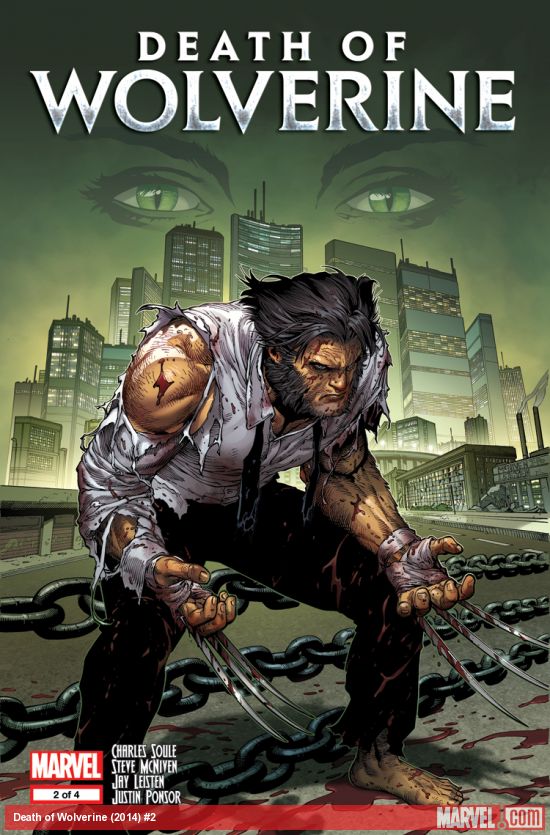
Death of Wolverine #2

Marvel Comics

Death of Wolverine 2

Soule/McNiven


Death of Wolverine #2 delivers pretty much what #1 promised, and that’s a bit of a showdown in Madripoor. If you didn’t follow Wolverine’s 3, 2, 1 Month(s) to Die storyline, this is where Death of Wolverine throws a lot of information at you that probably won’t all register, and so this series may not seem to stand quite so well on its own as was advertised. In short, #2 is much heavier on action than explanation. That’s not really a negative, but the action does feel somewhat truncated here, especially where Sabretooth is involved.


The quality of the artwork has held up from issue #1, and Madripoor as a setting is taken full advantage of when it comes to the vibrant look of the panels. The layouts make the action sequences easy enough to follow, and that’s important in this issue as more players are mixed into the fold. Since this is only a four issue series, you really can’t take an issue off here, but #2 does more than enough to earn its place in the pacing of the arc.

Verdict: Worth a look.


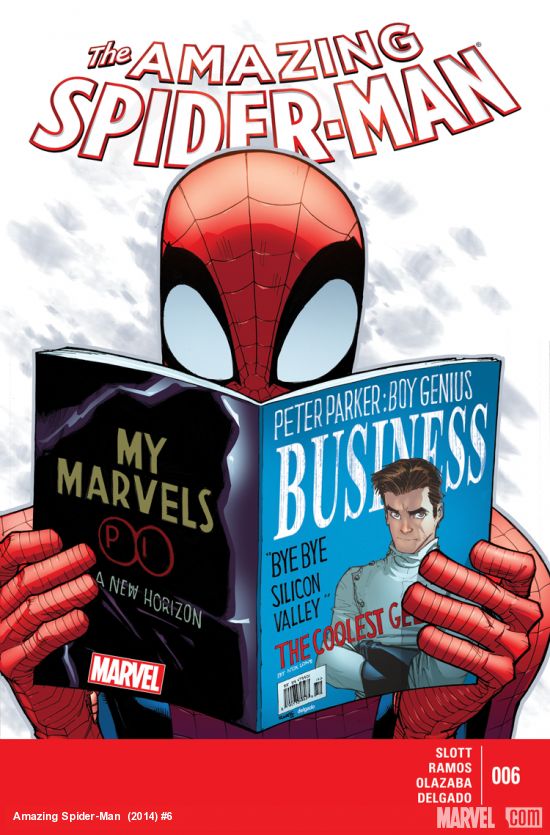
Amazing Spider-man #6

Marvel Comics

Amazing Spidey

Slott/Ramos


The story arc seemed to take a step forward with Amazing Spider-man #6. We were given, at least seemingly, a bit of closure with Electro. and we see some direct confrontation between Black Cat and Spidey. Some of the banter between Spidey and Silk feels forced here, and stretched out to take up more page space than is really warranted. That makes for some very busy looking panels, but putting Spidey into action alongside Silk is a nice change of pace from some of the more recent issues that have focused heavily on Peter and his troubles with managing his young company.

For the most part, the art work holds up. The layouts are easily digestible, but I felt during the action sequences with Electro, much of the art was washed out in blue, and the inclusion of heavy dialogue, the exchanges between Spidey and Silk forced a higher number of panels per page, and that broke up the action just a bit too much for my liking. Even so, issue #6 delivers the step forward that Amazing Spider-man has needed, and while there’s nothing particularly surprising here, it’s quite satisfying.

Verdict: Solid read 


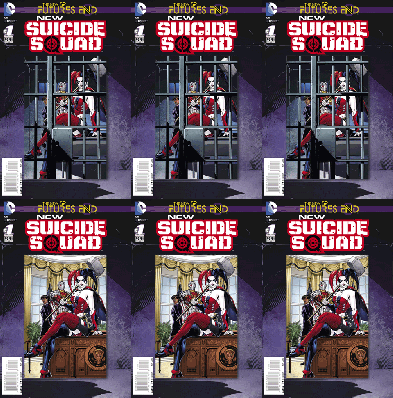
New Suicide Squad: Future’s End #1

D.C. Comics
Suicide Squad FE

Ryan/Coelho


I should preface this by saying I haven’t been following the main Future’s End title, so the tie-ins may be lost on me from the start. For those who don’t know, the Future’s End tie-ins are taking the various D.C. titles and projecting them five years into the future. These are all aside from the current story lines of their respective titles, and I think that’s an enormous part of the problem. None of them feel grounded in anything that is of current interest to the readers of those titles. With the New Suicide Squad installment of Future’s End, all I can really say is that it’s a mess. With each of the squad’s members being the victim of various experiments to enhance their abilities, none of the characters involved resemble the characters we know and are already invested in. Black Manta has been nearly mind-wiped, Harley Quinn is on Venom, a young clone of Deathstroke is on the loose, and the end result is probably best described as unintentional comedy.

Verdict: Skip it


Batman: Future’s End #1

D.C. Comics

Batman FE

Fawkes/ACO


Keeping in mind everything I’ve said about Future’s End; I haven’t followed the main title, these storylines are apart from current ones, etc… Batman’s installment is really only a little bit better than that of the New Suicide Squad. The story is certainly more coherent and cohesive. I have a better grasp on what Batman is trying to accomplish, but we aren’t told nearly enough in terms of how Batman arrived at the point where we find him. Of course, this is part of the idea. Future’s End doesn’t want to show all of its hand, but the execution of it feels coy. This may be because Batman feels out of character. He’s desperate and slightly irrational here, and without knowing what got him there, it’s harder as a reader to accept it. In the end, all I can say is this issue feels like another stalling tactic on our way back to current day Gotham City after the events of Zero Year. There’s really no satisfaction in the outcome, and for that reason, it doesn’t even work as a one-and-done.

Verdict: Skip it.

Quiz Answer: Golden Age Super Villain Timeline

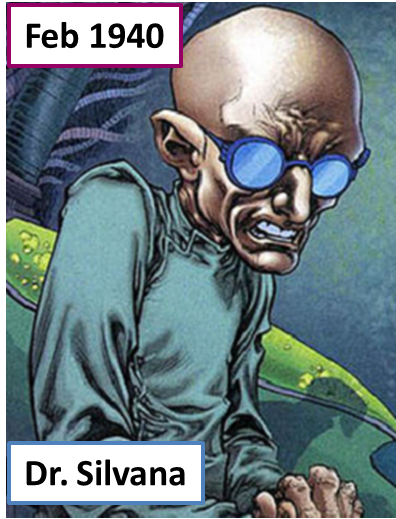
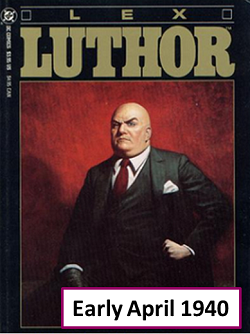
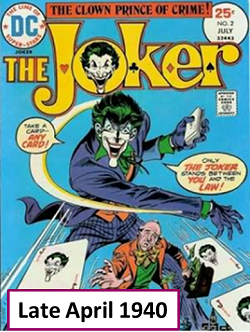
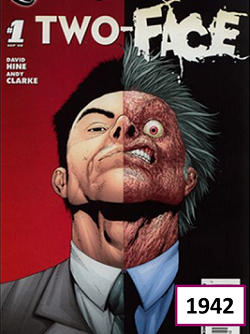
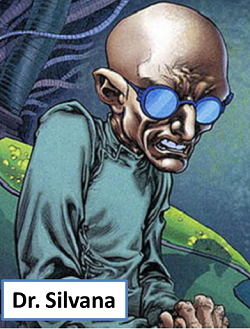
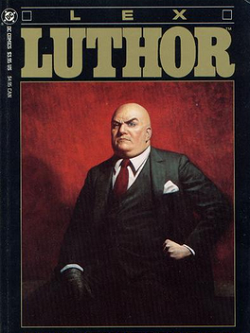
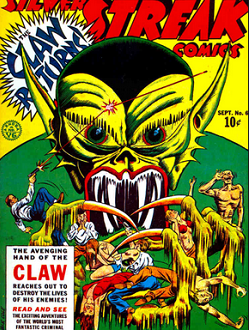
TheClaw02    Silvana02    Lex02

Joker02    RedSkull02    TwoFace02

Let’s see how we did.

All 6 correct) Soon you’ll have all of the lost city of Atlantis’ Electrium, and the world will bow to your every whim. Shazam!

4-5 correct) You don’t have a plan for world domination yet but at least you have your youth and your red hair.

2-3 correct) You may be down, but you still wear a smile. If only the Batman would stop using your head for a speed bag.

0-1 correct) Somebody threw a canister of acid in your face. Again.

Timeline: Golden Age Super Villains

We covered golden age super heroes last week. But what would the heroes be without their villains?
Can you name the following villains in order of the time in which they first appeared?

Silvana01   RedSkull01   Lex01

TheClaw01   TwoFace01   Joker01

GeeklyAnswers

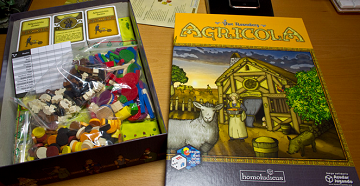
Agricola

Designer: Uwe Rosenberg
Publisher: Z-Man Games
Date Released: 2007

Number of Players: 1-5
Age Range: 12 and up (14+ on the box; 10+ for a family game)
Setup Time: 5-10 minutes
Play Time: 45-60 minutes (less for a family game)

Game Mechanics:
Area Enclosure
Card Drafting
Hand Management
Worker Placement or Action Drafting

Game Flow and Review:
Settle the land. Build a farm and a home. Raise animals. Start a family.

If any of these things appeal to you, Agricola will strike your fancy bone. Even if none of the things above sound tempting, Agricola’s solid gold gameplay, get-you-playing-in-five-minutes rules, top-notch strategic elements, and more versatility than you can shake a Swiss army knife at will put a smile on your face. In fact, Agricola is a rare game that offers a solo option (we’ll have a review of the solo game in a minute) which is always a good thing, especially if you can’t find someone to play with or you want to learn the rules by playing the game by yourself and then teach others the joy that is Agricola.

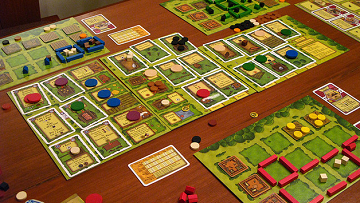
Agricola01Players start the game with a plot of land, a two room wooden house, two family members (a momma and a papa), and a hand composed of occupation and minor improvement cards. Players take turns improving their homestead with a catalog of actions, available to all the players, and with the cards in their hand. Once a player selects one of the cataloged actions, by placing their family member playing piece on the action space, no other player can take that action that round. This is the core mechanic of the game. Agricola offers many options to this game mechanic, but the options that work best build off of worker placement/action drafting.

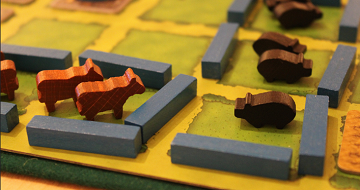
Your workers can improve your land by gathering supplies, plowing fields, building fences for pastures (area enclosure), adding more rooms to your house and upgrading the house you have. Animals give you options for food, but you have to have fences for your animals. Children give you more actions per turn, but you have to have room in your house for the newborn and you have to be able to feed all the members of your family come harvest time. Every action is tied to multiple other actions. This forces players to plan their farms carefully and allows the player who picks before you the option to screw you over by selecting the action you needed that round. Agricola rewards players at the end of the 14 round game by the variety of things you did to improve your homestead. It pays to diversify.

Agricola03

Speaking of diversity, Agricola has several options for gameplay. Agricola offers three sets of cards: the basic set (marked with an E), the complex set (K), and the interactive set (I). You can pick and choose the sets of cards you want to include in your game which is a great thing. Most of the basic cards (E) work well with the worker placement/action drafting mechanic, affording the player with new options per round. The complex set (K) is more fifty-fifty in terms of how well it plays with the core mechanic. Some of these cards have the player go down a bunny hole, wasting multiple rounds to pull off the card’s requirements, and the player, having forsaken other options they needed leading up to the card, can never crawl out of the hole. The interactive set (I) tends to be worse than the complex set as it tries to offer collectible card game players, who love a dynamic and direct interaction with their opponents, a gaming option. Most of the cards in this set deviate too much from the core game play, but there are still some gems. One card may allow you to take an action that has already been taken that round, but that plays into the worker placement game mechanic. Stick to the core gameplay whenever possible.

Agricola02Finally, we come to the family game mode and the solo version of Agricola. The family mode omits all cards and makes the game playable by younger gamers (possibly as young as ten-years-old). The solo game plays like most other solo game offerings. You get a hint of the game’s flavor, but some of the spice is lost without human interaction. Lack of a human element also adds to a repetitive play complaint. Still, this is a solid game even with one player.

Verdict: Agricola deserves its place atop, or near the top of, modern board games. There’s a reason worker placement/action drafting games have grown in recent years. That reason is Agricola.

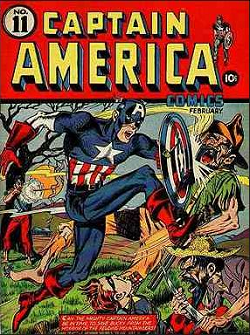
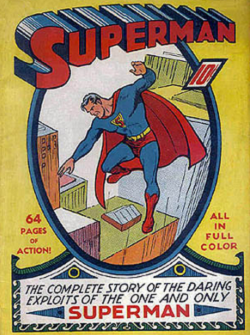
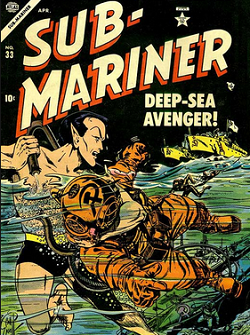
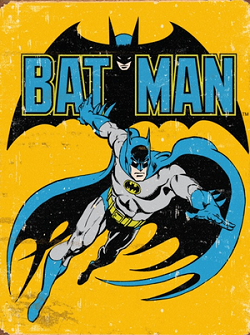
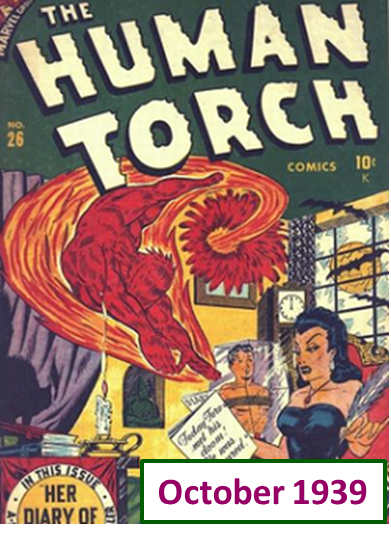
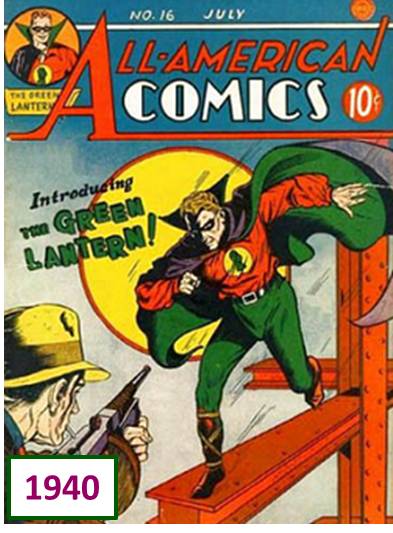
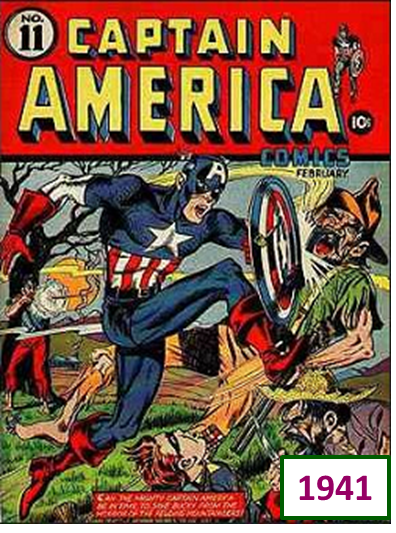
Timeline: Golden Age Super Heroes

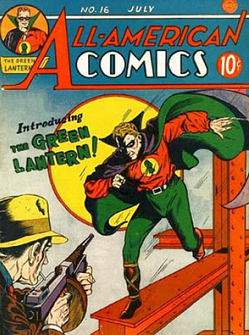
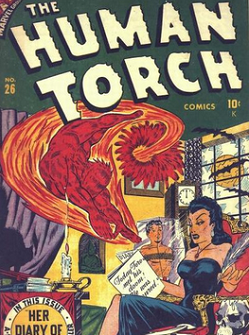
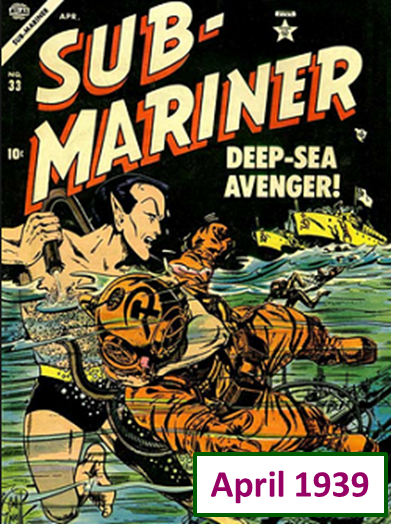
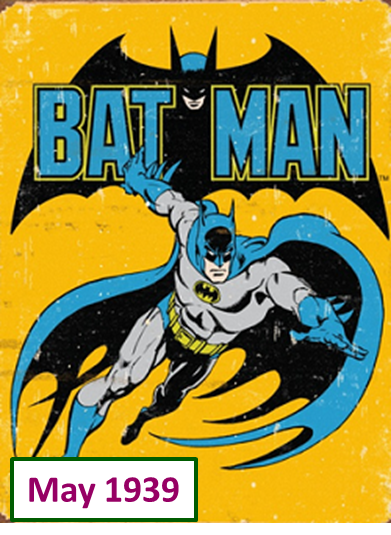
Think you know your comic book golden age heroes? Name the following super heroes in order of their first appearance.

CaptainAmerica01    Superman01    Namor01

Batman01    GL01    Torch01

GeeklyAnswers

Quiz Answer: Golden Age Super Hero Timeline

SupermanA01    NamorA01    BatmanA01

TorchA01    GLA01     CaptainAmericaA01

How did you do? Check out our rankings below.

All 6 correct) Are you still fighting World War II? Toro, Toro, Toro!

4-5 correct) Most evil doesn’t escape your sight. Wait! That’s silver age Green Lantern. Dark things can’t stand your light. Shine on.

2-3 correct) You charge the front lines and find that your shield is made of particle board.

0-1 correct) You’re smarter than a speeding bullet.

Simultaneous Action Selection

The simultaneous action selection mechanic has players secretly pick their actions and then, after all the players have chosen their actions and each player reveals what they chose, the actions resolve using the rules of the game. Using a cardboard cutout of a ship’s wheel, all the players during a game of Pirate’s Cove secretly select which island they want to visit each turn.

Secret Unit Deployment

Secret unit deployment games contain hidden information that only the individual players know. Only the player controlling their playing pieces has knowledge about the nature (and sometimes the whereabouts) of their pieces. Friedrich uses this mechanic well, but Stratego is more famous. Other war games use the secret unit deployment mechanic as it simulates the “fog of war.”