Five Video Games for Couples

Hey, hey! Kyra Kyle here. Valentine’s Day is a couple of days away, so I figured we would talk about video games for couples. Technically, any multiplayer game could work as a video game for couples. Plenty of shooters would work here. I even thought about adding Mario Kart; it just missed my list. And it also seems odd to rank any of these games, so I decided not to number them this time.

Cat Quest 2 (iOS, PS4, Xbox One, Nintendo Switch)

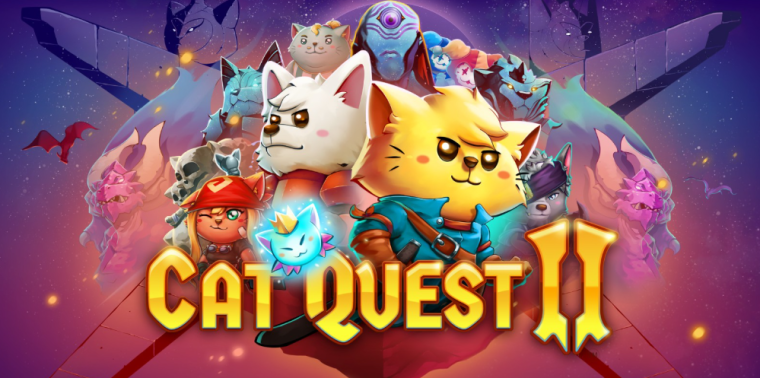
I want to include a game that doesn’t get as much attention, so I added Cat Quest 2. I hear that Cat Quest 3 has been released; I’m sure it’s good too, but I haven’t had the chance to play it yet. Cat Quest 2 is an adorable open-world action RPG. Couples join forces as royalty of the cat and dog kingdoms to save Felingard from evil forces. The premise screams lots of heart-pounding action and high fantasy, but Cat Quest 2 has the feel of a cozy game.  Cat Quest 2 has plenty of battles and puzzles to appeal to several different players.

Snipperclips (Nintendo Switch)

We needed at least one straight-up puzzle game for this list, and Snipperclips is that selection. Snipperclips is a physics game. Players must work together in creative and unique ways. You play as paper characters Snip and Clip and cut each other up to solve wacky puzzles by forming shapes out of each other. Snipperclips has a short runtime, the shortest of this list at about 4 hours, but it’s a fun diversion and can build communication skills in a goofy way.

Animal Crossing: New Horizons (Nintendo Switch)

You’ll need two Switches to turn Animal Crossing: New Horizons into a multiplayer game but it’s ideal for long-distance couples. Heck. You don’t even need to be a couple. My family celebrated New Year’s Eve and other holidays on Animal Crossing: New Horizons while my oldest daughter was in Japan. I’ve even heard of some people getting married in the game during the pandemic. Animal Crossing: New Horizons has a relaxing pace, and its creative elements make it a great way to unwind and bond.

I could’ve added so many other cozy games like Animal Crossing: New Horizons. Stardew Valley just missed the list. If you want more romantic options, Sims 4 could work.

Overcooked 1 & 2 (PS4, PS5, Xbox One, Xbox Series X/S, Nintendo Switch)

Ah! Who doesn’t love a little cooking chaos? Overcooked will test every couple’s ability to handle stressful situations, while wrapping it in the goofiest virtual kitchen imaginable. Overcooked includes levels where players must hop between two food trucks on the move, bake pizzas in a haunted house, and grill burgers in a fast-food joint ripped apart by an earthquake. Overcooked’s scenarios can become stressful but the over-the-top nature prevents anyone from taking it too seriously.

This is another game type where I struggled to keep the number of games to just one. I’ll mention the Moving Out series here; it’s filled with similar cheeky humor and puns and challenges players to help a family move out of a home.

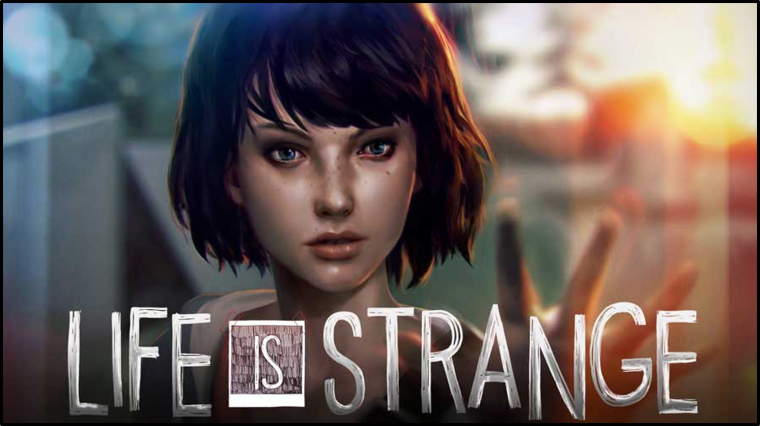
It Takes Two (PS4, PS5, Xbox One, Xbox Series X/S, Nintendo Switch)

I couldn’t omit the only game that tends to make its way to the top of every list of this type: It Takes Two. There’s a good reason for It Takes Two taking most lists like this top spot. The game’s central conflict is with a couple whose relationship is on the rocks and they need to communicate better.

Players take on the roles of wife May and husband Cody. The pair are on the verge of divorce and a little bit of magic (that I won’t spoil here) turns the family upside down at the beginning of It Takes Two. May and Cody shrink to a few inches tall. They’re made of clay, yarn, and other crafting supplies. Both characters have differing abilities so even if you make it through the challenging obstacles once, there’s a reason to play It Takes Two twice. It Takes Two was specifically designed for two players and it shows.

Those are the five games we have for this list, but there are plenty more video games that can be great for couples. I almost added Lover in a Dangerous Spacetime to the list too. Which video games do you play with your significant other? Let us know who you would add or remove in the comments. And wherever you are, I hope you’re having a great day.

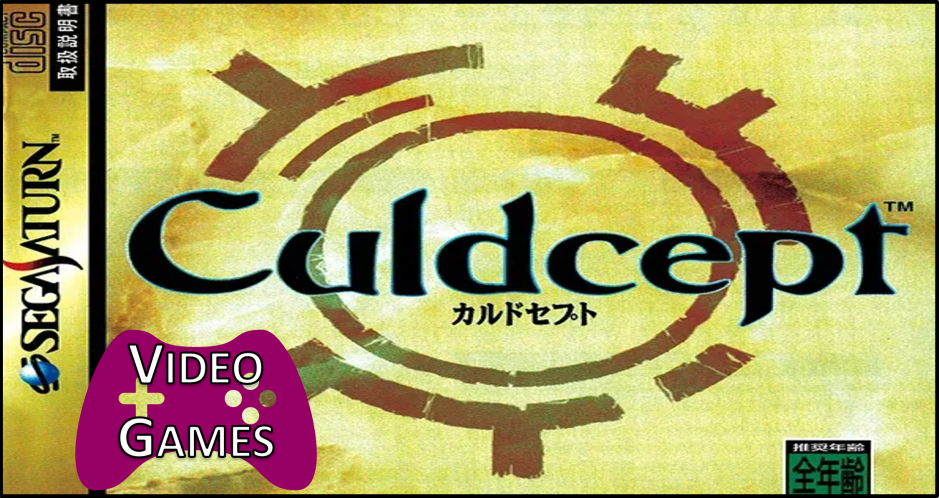
Video Game Cult Classic: Culdcept

Culdcept has titles spanning nearly two decades. It has a manga series. It’s difficult to find Western copies. Discard your card and let’s play a round of Culdcept.

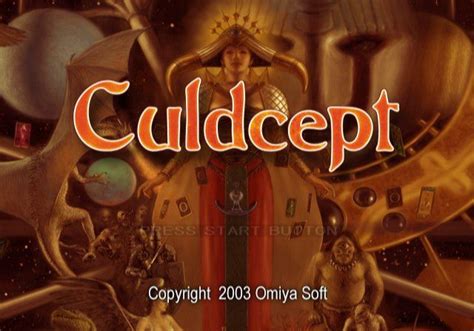
Hey, everyone! Season here. We’re trying something new this week with Video Game Cult Classics. This week, we’re focusing on Culdcept (or Karudoseputo in Japanese). The basic premise of Culdcept is Monopoly meets Magic: The Gathering in video game form. The first installment was developed in 1997 by Omiya Soft. For a video game to make this series, we’re going to consider its reception, relevance, and accessibility. Since Culdcept is predominantly a deck construction game, we’ll start with the different types of cards before jumping into gameplay.

Note: Most of the images are from the Culdcept Revolt wiki, but some will be from Culdcept Second (which will be labeled).

Card Types

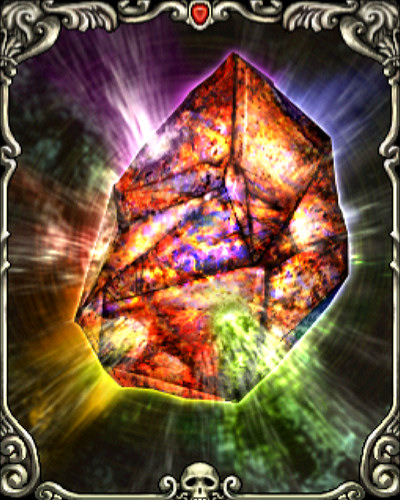
Before we jump into card types, Culdcept has a card rating system (how easy cards are to obtain). After a match, cepters (players) receive “card packs.” The number of cards contained in each pack varies depending on whether the cepter won or lost. In Culdcept Revolt, cepters may also purchase card packs outside of matches. The different ratings a card can have are normal (common), strange (uncommon), rare, and extra (ultra rare). Extra cards are powerful and may only be obtained after meeting certain conditions within the game.

Below, we have “Rainbow Piece,” an extra item card obtained after defeating a specific cepter in story mode of Culdcept Second.

Now that we’ve got obtaining cards and their rarities down pat, let’s take a look at the categories of cards. Culdcept has three basic categories of cards: creatures, spells, and items. We’ll start with creature cards.

Creature Cards

Creatures claim/defend land and attack/defend against other players. They’re essential for collecting tolls and fending off your opponents. Each creature card will have ST (strength), HP (health), MHP (max health), and G (cost). Some creatures will also have an element symbol or card symbol as part of their G. This means you must own the number of required land and/or discard a card from your hand to place that creature.

Some creatures will have “land limits” (types of lands they can’t be placed on) and “item limits” (items they’re unable to use in battle). Each creature card will have a different colored border, denoting their element. If the cepter places a creature on a land of their element, they’ll receive a land effect, meaning they’ll get bonus HP and ST from that land during battle. This excludes neutral (gray) creatures unless they have an effect that states otherwise.

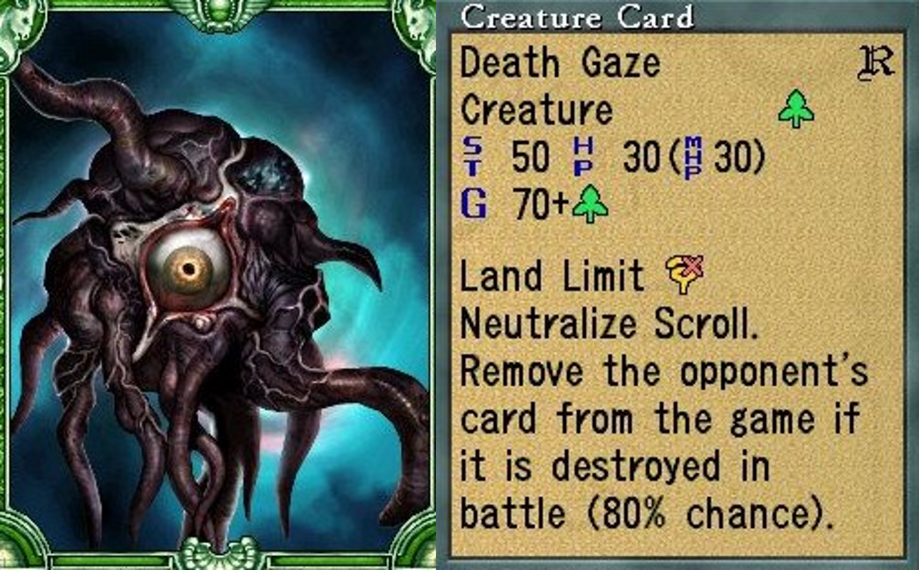
Below, we have a “Death Gaze.” It’s a rare earth creature. It has ST: 50, HP: 30, MHP: 30, and G: 70+ you must own at least one more earth land to place “Death Gaze.” The printed “Land Limit” shows that “Death Gaze” cannot be placed on a wind land. The “Neutralize Scroll” effect means that it’s impervious to scroll attacks.

Credit: gamerinfo.net, Culdcept Second

Spell Cards

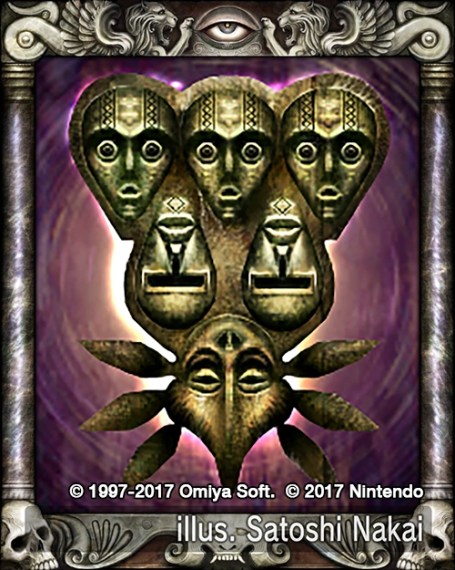
Spells can either help or harm the casting cepter. They can be used offensively to steal magic (more on magic during “Gameplay”) from other cepters and harm their creatures or defensively to protect the casting cepter and their creatures from their opponents. Some spells have area effects, alter lands, and affect movement. Spells may have different symbols that denote which aspects of the game they affect. In Culdcept Revolt, there are “secret” spells, which aren’t revealed until they’re played. More on that later.

The spell below is “Holy Word 6,” which allows a cepter of the caster’s choice to have a fixed die roll of 6 on their next roll phase.

Item Cards

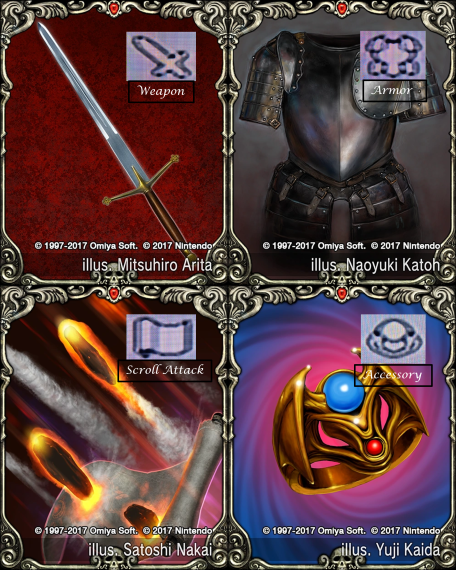
Items can be broken down into four types: weapons, armor, scroll attacks, and tools/accessories. Weapons and armor can both affect a creature’s ST and HP stat. Weapons tend to provide more strength and armor tends to provide more HP. Scroll attacks give a creature a fixed strength and can have different effects, such as critical hits to certain types of creatures and can ignore items that neutralize attacks. Tools/accessories can do a variety of things. They can neutralize attacks, penetrate (remove land effect buffs from creatures), give a creature first attack, and destroy/steal the opponent’s item. There are probably more effects we’re forgetting. Some creatures may also double as items, which is described in their effect text.

Gameplay Overview

Cepters (players) draw a card, roll two 6-sided dice, and move around a board, placing creatures and paying/collecting tolls as they go. Each installment of Culdcept has different variations and add new mechanics. For this write-up, we’re going to focus on Culdcept Revolt (2016), since it’s the most recent installment.

At the beginning of a cepter’s turn, they draw one card from their book (deck). Each cepter can hold a maximum of six cards in their hand and must discard down if they draw a seventh. If they are holding any spell cards in their hand, they may play one per turn if they have enough G (cost). Culdcept is played with player hands revealed except for “secret” spells, which aren’t revealed until they’re played.

Credit: videochums.com

Next, the cepter rolls the dice and moves the number of spaces on the dice. If the cepter rolls a symbol on one of the dice, it equals zero. Rolling symbols on both dice equals twelve. Land tiles are elemental and may be either vacant or occupied. The different types of land tiles are air (yellow), fire (red), earth (green), water (blue), morph, and multi-elemental. The former four are more common and provide land effects to creatures corresponding with their matching element. Morph is a neutral land tile that transforms into the element of whichever creature is placed there. In Culdcept Second, these are neutral tiles and remain neutral even after a creature is placed there. Multi-elemental provides land effects to creatures of any type but won’t provide a chain effect. More on chain effects later.

Credit: videogamesuncovered.com

Special Tiles

There are also many types of special tiles cepters may land on. We won’t go in depth here, but we will give a brief overview of them.

Gates are represented by N, S, E, and W. They must be passed to collect magic to win the game.

Warp and Bridge tiles are similar since they send cepters to another location on the map.

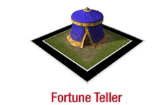
Fortune Teller lets cepters choose creature, item, or spell, and gives the cepter one of the selected options at random from their book.

Spell Circle allows cepters to choose one of two spells presented, which is cast instantly, free of charge.

Card Shop allows cepters to purchase one of four cards for 20G.

Path Switch alters the path on the board for cepters, like a mine cart junction.

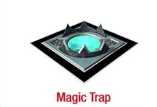
Magic Trap with either steal magic from cepters or give cepters all of the magic it has depending on what the cepter who landed on the tile rolls (1-6).

Siege Tower allows cepters to invade any land or occupy any vacant land with a creature from their hand.

Gem Store allows cepters to sell, buy, or steal Element Gems from one another, which can be used to enhance the element they’re assigned to. This increases the value of an element for a player. Cepters choose one element for the Element Gem’s rival (this element’s value decreases) and one element for the Element Gem’s ally (this element’s value increases). Element Gems are one of the more complex aspects of Culdcept Revolt and could be an article on their own.

Culdcept Map8 Metro Bridge
Metro Bridge Map, Culdcept Revolt

Once a cepter lands on a tile, they will either perform the effect of the special tile, place a creature on the land tile if it’s vacant, summon a creature to battle on the land tile if it’s occupied, or use territory commands.

Chaining

If a cepter places a creature on a vacant land of an element they already own, a chain happens. Chaining raises the toll of that cepter’s lands if the lands occupied are the same element. So, if a cepter has two water lands and one fire land, the two water lands will be chained, raising the toll fee of that cepter’s water lands. The fire land will not be affected until that cepter places a creature on another vacant fire land. Chains don’t apply to multi-element lands.

Battles

Battles are fairly straightforward. If a cepter lands on a land tile occupied by another cepter, they may summon a creature to invade the opposing cepter’s land. The creature chosen must have its requirements met before being summoned, such as G, discarding a card, the number of adequate lands are occupied by the summoning cepter, and land limits.

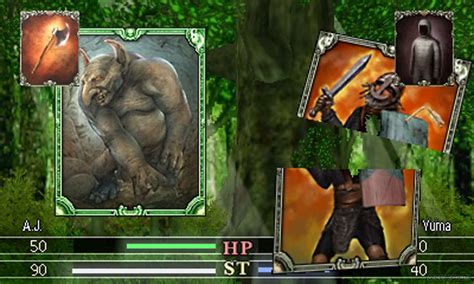
The invading creature attacks first (unless the defending creature has the “first attack” effect), dealing damage equal to its ST to the defending creature’s HP. Each cepter has the option to choose an item to use in battle. Even if an item isn’t used the backside of a blank card will lay in the upper left or right-hand corner of either creature card until the battle commences.

Credit: hak271828, YouTube, Culdcept Second

If an item is used it will remain in the upper left or right-hand corner of its respective creature card and its effect will occur. If a creature has a pre-battle effect, such as critical hit, that will go into effect. If a creature survives the battle and has an effect post-battle, that will go into effect before exiting the battle screen and returning to the board. If the invading creature wins, the land will be taken over. If the defending creature wins, the cepter who landed on the land will pay the toll. If both creatures get destroyed, the land becomes vacant.

Credit: videochums.com

Territory Commands

Territory commands can range from leveling up lands to doing a myriad of things with creatures. They may only be available for territories the cepter has passed during their move phase. All may be accessed if the cepter lands on a gate. Lands can be level one through five—five being the highest. Cepters must pay the appropriate cost in G before a land can be leveled up. Cepters may also exchange the creature currently occupying a land with one from their hand or move a creature to an adjacent land (except for defense creatures that can’t be moved). If the adjacent land is occupied, a battle ensues. Otherwise, the creature occupies a new land. If a creature has a territory ability, the ability may be used. The game ends when whichever cepter collects the required magic power first.

Phew! That wasn’t nearly as in depth as it could have gotten, but I’ll spare you the nitty gritty. The game itself teaches new players more slowly, so it’s not nearly as much of an info dump as my breakdown.

Reception

Culdcept was more of a hit in Japan than in Western countries. The original Culdcept doesn’t have an official translation. However, Culdcept did get released as Culdcept DS in 2008. Culdcept also released during the middle of the collectible card game (CCG) boom of the ‘90s. It came out one year after the Pokémon Trading Card Game (1996) and two years before the Yu-Gi-Oh! Trading Card Game (1999). Culdcept Second got an official translation and was released in North America in 2003 for PS2. This is the iteration of Culdcept I’m most familiar with. However, Culdcept Second still wasn’t very popular and sold roughly around sixty-five thousand copies globally. Culdcept 3DS released in 2012 in Japan, but this is similar to Culdcept Second. Culdcept Revolt incorporated an online element. This garnered Culdcept Revolt more popularity than its predecessors and it included elements to streamline the game.

Credit: Vysethedetermined2, YouTube, Culdcept Second

Relevance

Since Culdcept released as a video game hybrid of popular tabletop games, you’d think it’d have a wider fanbase. I’m not sure why it’s an obscure series, but I can hazard a guess. OmiyaSoft wanted to jump on the CCG bandwagon with a video game resembling a CCG. Culdcept got sandwiched between two popular titles during that time. Yu-Gi-Oh! (the manga) began serializing in 1996 and Pokémon (the anime) started airing in 1997. Culdcept likely got overshadowed by these two titans and faded into obscurity.

The publisher, Omiya Soft, is a small, not well-known publisher outside of Culdcept. To their credit, Culdcept lasted for almost twenty years. They had enough dedicated fans to continue producing games. On their website, they advertise themselves as a variety publisher. They haven’t released anything since Clash! Hani World in 2017, which is only available in Japan.

Credit: mobygames.com, Culdcept Second

I mentioned the manga at the beginning of this write-up, so I’ll cover the manga’s reception here. The Culdcept manga was serialized from 2004-2006, between the releases of Culdcept Second and Culdcept Saga, shortly after Culdcept Second became available in North America. I didn’t know it had a manga even though it was published in English by Tokyopop, which is a well-known English manga publishing company. Regardless, even the manga had a short shelf life.

Accessibility

If you’ve read this far and are thinking about picking up a copy of Culdcept, you’re probably asking, “Where can I find it?” Your local used video game store likely won’t have it unless you luck out. Folks sell used copies of various Culdcept titles on eBay and Amazon. The downside to getting these titles online is that they could be damaged, and you’d have to take the disc to get refurbished. Culdcept Revolt still has some new copies on the market, but their numbers are dwindling. If you want to get your hands on the original Culdcept, I recommend having a Japanese PS1 or PS2 to go with it if you’re able to find one. These aren’t the easiest games to find and the prices for English copies vary between $25-$200 USD. Maybe more, depending on where you look.

Credit: listal.com, Culdcept Second

Final Thoughts

If you’re a fan of strategy and card games, I highly recommend Culdcept. I find the game charming and enjoy the different playstyles of each CPU within the game. That’s right. Unlike games like Yu-Gi-Oh! Duel Links, where each CPU has different decks, but employs a similar playstyle, CPU cepters have their unique playstyles that match their personalities and deck type. Some of them take over every land they see while others invade when they’re certain they can win. They can be predictable if you’re used to facing the same cepter, but they’ll sometimes leave you scratching your head.

Much of the information regarding Culdcept Revolt was found on Culdcept Central. If you want more in-depth guides for each game and deck strategies, please check them out.

What’s your favorite deck/strategy in Culdcept? If there are any cult classics you’d like to see covered in future posts, let us know in the comments. Thanks for reading and have an amazing rest of your day.

Geekly Update: Honkai Star Rail New Region Amphorius

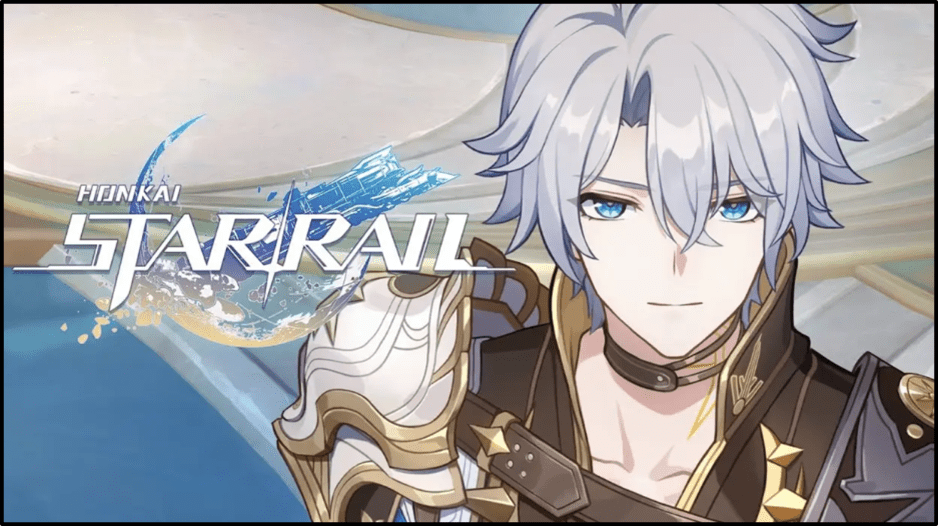
Honkai Star Rail Version 3.0 was released on January 14, 2025. Geekly has had some time to play the new patch, and we have some initial impressions.

Hey, hey! Kyra Kyle here. I finished the first chapter of the new planet Amphorius. Yes. Honkai Star Rail (HSR) introduced a brand new planet. Any HSR patch that includes a new planet is a massive one, but HSR Version 3.0 tops most other HSR patches because it introduces a brand new path, Remembrance.

For those who may not know, Honkai Star Rail paths dictate which playstyle a character will have. Abundance heals. Preservation shields characters. Harmony buffs. Speaking of Harmony, one of the latest new characters, Sunday, suggested that a certain playstyle would see more play: summons. As a Harmony character, Sunday buffs, which becomes a stronger buff if the character he’s buffing has a summon.

Since Sunday had an interesting game mechanism that we had yet to see, I expected any new path or characters to feature summoning. I anticipated Propagation. Instead, HSR added Remembrance. Turns out, Remembrance focuses on summoned creatures.

The following is conjecture. Judging from Remembrance Trailblazer (they receive a new path and element this patch) and the upcoming Aglaea, Remembrance will focus on summons that support, while Propagation (which will most likely be released at some point) may focus on summons that deal damage. Enough conjecture. Let’s return to the first impression. What I’ve seen of Remembrance is fun and provides more design space. Honkai Star Rail developers added a new path before the game’s formula grew stale. Remembrance does give hope for the future.

Everything I’ve said is positive or explains the state of Honkai Star Rail. If you haven’t noticed, I’m stalling. I wanted to like Amphorius and the new patch, but unfortunately, Version 3.0 is the worst.

The latest Honkai Star Rail patch features wooden characters, a derivative storyline that an Edge Lord thinks is unique, voice acting for equally Edge Lord characters, and HSR’s answer to Paimon. No. That insults Paimon. Mem is worse than Paimon. I didn’t think it was possible, but Hoyoverse has unleashed a character far worse than a character so annoying it’s become a meme. Any one of these reasons could be why I say Version 3.0 is the worst Honkai Star Rail patch, but the patch suffers the most from level design.

Bear with me. This will be relevant. I conducted an experiment. Each HSR planet has a unique currency that players can turn in at a shop (or some other venue) for upgrades. I fast traveled to the closest space anchor (fast travel location) and ran to each shop to see how long it would take me to reach the upgrade shop. Every other planet (including the Herta Space Station) took an average of 2 seconds to go from the space anchor to the shop. It took me almost 19 seconds to go from the closest space anchor to Amphorius’s upgrade shop. Amphorius increased the time to do a simple task ten-fold.

You may think that 19 seconds to visit an upgrade shop isn’t bad, but Amphorius does this with almost every task. Everything in Amphorius takes 8-10 times longer to complete. It turns HSR into a walking simulator. A five minute action on any other Honkai Star Rail location would take you between thirty minutes to an hour on Amphorius. Yes. You can smash some flying pigs and double your speed, but even after the speed boost, you’re speed is still (effectively) nerfed, and that’s if you remember to smash a flying pig or one’s available. Ugh!

Some of you may say that Amphorius’s scale is larger-than-life. This increase in size makes sense for the space. Sure. I didn’t lead with this, but I like Amphorius’s art design. When I say design, I mean level design as a game designer. Make no mistake, this shift in Honkai Star Rail’s game design philosophy marks a naked attempt to keep gamers logged into HSR longer. The design team could’ve done anything to denote the size of Amphorius. Keep the vaulted ceilings. Design options like this makes a space seem bigger.

Heck. You could keep the stages the same size. But if you insist on increasing the stages by ten, include ten times more chests. Each stage has the same number of chests, which makes Amphorius seem empty. There’s a whole lot of nothing.

Okay. Rant over. I want to enjoy Amphorius. Despite the poor level design choices, I have hope that Honkai Star Rail Version 3.1 will be better, and I’m excited to see what the developers will do with the new path Remembrance.

That’s all I have for now. Thank you for reading. And wherever you are, I hope you’re having a nice day.

Top 5 Video Game Pets

8Hey, hey! Kyra Kyle here. We haven’t covered video games for some time, and I figured we would start with a top 5. This week’s top 5: video game pets. Cuteness overload is incoming. Limiting video game pets to just five is difficult, so we’ll have a couple of honorable mentions. I also didn’t want to include only dogs and horses; video game dogs and horses could fill an entire list each (future list idea). But we will see at least one (sort of) dog on this list.

Honorable Mention 1: Palicos (Monster Hunter Series)

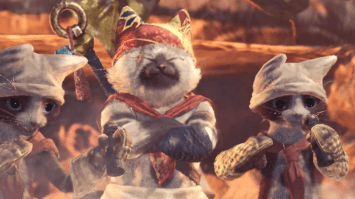
I never know if palicos count as pets or not; I love them as characters, but they may be less pets and more of a species of humanoids. The Monster Hunter series muddies the waters with palicos. Some palicos are your faithful servants and present little more than their servitude to the player character. Other palicos have jobs (like the Meowscular Chef in Monster Hunter World, he must have a wife and kids at home to support) and the Monster Hunter Stories series shows palicos as having a culture separate from humans. Many people still classify palicos as pets, but their ambiguity makes them just miss this list.

Honorable Mention 2: Pokémon (Pokémon Series)

Pokémon, like horses and dogs, can fill a list by themselves. And which Pokémon should I pick? Pikachu is the obvious representative Pokémon. He has his own Macy’s Thanksgiving Day Parade balloon. But that’s reductive. I’ll include Pokémon as a video game pet type, but these critters deserve a list for themselves. Maybe even a Top 10 Iconic Pokémon list.

With Pokémon, horses, and palicos eliminated (and dogs for the most part excluded), how many video game pets are we left with? A lot. So many that I could make a Top 10 if I wanted, but these are the ones that made the Top 5.

5: Rammy (Castle Crashers)

Cheater! I can hear some of you Castle Crashers players now, you’re a cheater if you use Rammy. I say, you still have to unlock him after the bear boss. And he’s a cute orb-shaped ram. And who doesn’t like a ram charging through a side-scroller beat ‘em up game, knocking down every monster they meet? If Rammy is cheating, then I don’t want to play honorably. Charge away, Rammy. Charge away.

4: Munchie (Dragon Quest VIII)

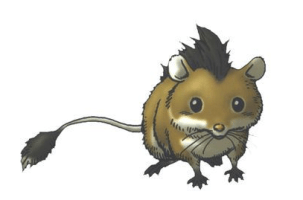
This one is esoteric. It took me a while to think of Munchie from Dragon Quest VIII. I vaguely recalled a pet mouse who rode in the main character’s coat pocket, and the only thing I could remember was that Munchie had a mohawk and liked to eat cheese and certain cheeses gave him special abilities. All of that is true (to be precise, Munchie is a pig rat), but Munchie was central to advancing Dragon Quest VIII’s plot. The game has several moments where the player controls Munchie as he conducts reconnaissance.

Munchie often procured keys to enter or exit rooms, gathered intelligence to better interact with NPCs, and even scouted ahead before major battles. Munchie may also be a little of a cheat for this list. While he spends most of the game as your pig rat pet, he’s much more than that. I won’t spoil any of the story here—Dragon Quest VIII is well worth the play and it’s available on plenty of platforms—but there’s a lot more to Munchie.

3: Blob (A Boy and His Blob)

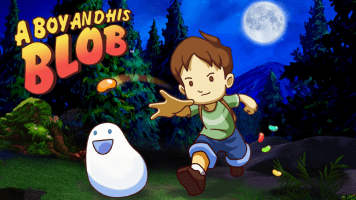
A Boy and His Blob uses a common 1980s movie trope of a boy befriending an alien (like E.T. the Extra-Terrestrial and The Last Starfighter), but that doesn’t discount the titular blob as a pet. And it’s one heck of a pet. I’m sensing a theme here with these video game pets: they’re useful. Rammy helps you cheat and Munchie progresses Dragon Quest VIII’s story. The Blob from A Boy and His Blob can transform into various objects (to help the player solve puzzles) by eating different flavored jellybeans.

The original A Boy and His Blob is at best unbalanced, but the concept is neat. I like the idea of a blob morphing into a ladder if fed a licorice jellybean or a parachute if it eats a pear jellybean. The other combinations are fun: tangerine (trampoline), berry (balloon), and punch (hole). But my favorite had to be apple and jack. I see what you did there, A Boy and His Blob. And of course, coconut transforms the blob into a coconut. Were you expecting anything else?

A Boy and His Blob got a sequel in 2009, but I wouldn’t mind some more time with this property. Not going to lie, I ate more jellybeans after playing this game. What would a Buttered Popcorn Jelly Belly turn me into?

2: Rush (Mega Man Series)

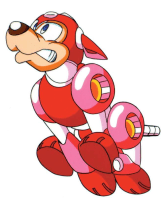
Rush from the Mega Man Series is our one dog-like pet on this list. I could’ve gone a different direction here, but I don’t think Rush gets enough love. So, what if Rush makes another list in the future? He’ll make a future Top 5 video game dogs list. He’s Mega Man’s best buddy.

Rush continues our trend of pets who have multiple uses. Throughout the Mega Man Series, Rush has been a coil (trampoline), a jet to cross long pits, a submarine, a spaceship, a flashlight of sorts (with its “Search” function in Mega Man 7), and a motorbike to name a few. Mega Man’s Rush bridges the gap between a pet that can help in a fight or solve a puzzle and one that aids with pushing the story further. The first two Mega Man games are two of my favorite games from that era of video games, but those two games have a lack of Rush.

1: Yoshi (Nintendo)

Could it be anyone else? Even if I included Pokémon, horses, and all video game dogs, Yoshi from the Super Mario Bros. series would still take the top spot. Heck, I named my dog after Yoshi the dinosaur. And who wouldn’t want a dinosaur as a pet?

Yoshi may be the one character on this list who doesn’t need an introduction. Most people know them and their abilities. Like Rush, Yoshi has done it all. They’re even one of the few characters on this list that have had their own video game series. They’ve had more than one.

You’re probably wondering why I keep referring to Yoshi as they; Yoshi is a sapient species of dinosaur-like creatures. They can lay eggs, which suggests that they’re female, but most people refer to the Yoshi one finds in Super Mario World as he. Yoshis (or Yoshisaurs) blur the line between male and female. They can be both or neither.

I also loved playing as Yoshi in the original Super Mario Kart. I got pretty good at managing their fast acceleration and the fact that they couldn’t take too much damage without getting knocked off course. Yoshis come in different colors. Some of these colors depict different abilities, but usually, these colors are cosmetic. Whatever their color, Yoshi rules.

Which Yoshi is your favorite? Did we miss any video game pets that aren’t dogs, horses, or Pokémon? Let us know in the comments. And wherever you are, I hope you’re having a great day.

Free-To-Play Video Game Review: Marvel Rivals

Marvel Rivals takes the Overwatch experience and gives it a Marvel coat of paint. Sure, the developers make a few changes, most notably to the battle pass, but the game remains largely the same. It’s a fun experience. It’s a familiar experience. That’s not always a bad thing. I’m just wondering if Marvel Rivals will get sued by Blizzard.

Hey, hey! Kyra Kyle here. We haven’t done a video game review in some time. We’re taking a break from gacha games and reviewing the 6-player hero shooter Marvel Rivals. A Marvel video game is on-brand for Geekly. It takes a while to play enough of a free-to-play game to get an accurate depiction of how much time it takes to finish a ubiquitous battle pass. Marvel Rivals is no different. Unlike the gachas we’ve covered, Marvel Rivals has little to no story, so we’ll be replacing our two story segments (Narrative and Storytelling) with Connectivity and Online Experience. Here we go.

Mechanisms

Mechanisms: 0/10

Originally, I gave Marvel Rivals a four and then a three. Who am I kidding? Marvel Rivals mimics Overwatch in almost every way. Our Mechanisms score measures how much a game pushes the boundaries of a game’s playstyle. In short, have we seen this gameplay before? Yes. Marvel Rivals copies Overwatch’s homework. I settled on a mechanisms score of zero. Even with this poor score, the game’s team-up mechanism single-handedly raises this score. If you choose a character like Thor, Thor can supercharge Captain America’s abilities, and Thor’s powers can also amplify Storm’s. Team-up abilities are not without their drawbacks (more on that in our Online Experience section) but the various team-ups add enough spice to return to Marvel Rivals every so often. It’ll take a long time to play each one. Each character has multiple possible team-up powers.

Marvel Rivals is the first hero shooter to include team-up powers. Many games of this type have synergies between characters but not a direct power. Marvel Rivals adds multiple abilities to each character. I can see this getting overwhelming with a larger roster of characters, but for now, team-up powers are a welcome addition. The rest of the mechanisms are almost exactly like Overwatch.

Hulk—technically named Bruce Banner—plays so similar to D.Va that I already know how to play him. Star-Lord is Soldier 76. Black Widow is Widowmaker; they almost have the same name anyway. Even the hero classifications are the same: Damage (Duelists), Tanks (Vanguards), and Support (Strategists). A well-constructed team will have an even number of all three. I do believe that Overwatch 2 also suggests this team comp, but Marvel Rivals has a higher level of consistency of character roles. Every Support (Strategist) will have the ability to heal. Or at least each Marvel Rivals Strategist has a reliable heal that makes the role easier to play.

Gameplay Loop

Gameplay Loop: 8/10

Above Image from GameDesigning.Org

Overwatch always had a fun gameplay loop; Marvel Rivals is no different. Drop in and play a few matches. You could try various game modes—I did for the purpose of this review—but you can play several rounds of quick play and then call it a day. Most casual players will most likely only play quick play.

And it’s this catering to casual players that raises this score. I’ve seldom played with a pre-constructed team, and the game can still be enjoyable. There are some issues with doing this that I’ll discuss more in the Online Experience section. I can see people who are disengaged with Overwatch (because of its change in monetization and Blizzard’s about-face with canning Overwatch’s story) switching to the new kid Marvel Rivals, but Marvel Rivals uses a similar monetization scheme as Overwatch 2, and I doubt Marvel Rivals will add a story mode. I do like Marvel Rivals’ references to the Marvel comic characters. The game has more references to comics than the MCU. That’s why I don’t think the game will add a story. You can just read the comics.

Marvel Rivals’ arcade modes mirror Overwatch’s. I don’t know how much mileage Marvel Rivals’ competitive scene will get. The team-up abilities can screw up the game’s balance, and Marvel Rivals’ initial thirty-three characters (yeah, there are a ton of launch characters) are—for the most part—balanced for now, but what will happen when Marvel Rivals adds a character ability not already featured in Overwatch? Seriously, Marvel Rivals may have one or two Overwatch character abilities that it hasn’t yet “borrowed.” The devs knew the character abilities were balanced because the characters’ abilities already existed. We’ll have to see what happens in the future.

The Gameplay Loop’s score depends on how satisfying a game is. Overwatch has an addictive gameplay loop, and so does Marvel Rivals. Eight may be a little low.

Respectful of a Player's Time

Respecting Time: 8/10

Marvel Rivals gets right into the fun. Click play, load into a game in less than five seconds, choose your character, and jump into the action. It’s addictive. From the sound of it, Marvel Rivals should get a ten out of ten for Respecting Time. Marvel Rivals just misses a perfect score for one reason: you can’t choose your map or gameplay type in its quick-play mode. This point dovetails into our next section (Battle Pass) but some of the Battle Pass missions require players to defeat enemies as a specific character on a particular map. Ugh!

From a game design and development perspective, I understand why choosing a map or game mode in quick-play isn’t an option. It’ll thin the player pool and make load times longer. But why force me to defeat enemies on a specific map? I had one such mission for Wakanda, and I didn’t get a game based in Wakanda for twenty games. Yikes!

Technically, I didn’t need to complete the mission, but one earns in-game currency for beating Battle Pass missions. This currency allows you to unlock things in the Battle Pass and purchase certain bundles if you don’t choose to buy the Battle Pass. Who doesn’t want to unlock things in a game? And if I see a “mission,” something to work toward, I’m going to try and complete the mission. I believe a lot of gamers are the same way. Either eliminate the stipulation of a specific map for these missions or allow players to choose a map. Choosing maps may make load times slightly longer, but I’d accept a few extra seconds.

Battle Pass: 5/10

I mentioned before that Marvel Rivals doles out Battle Pass currency and after obtaining this currency, players can purchase rewards within the Battle Pass. This in-game currency is called Chrono Tokens. Chrono Tokens—I’ll interchange this term with “purple stuff” because Chrono Tokens are purple coins—can be earned by completing Battle Pass missions. I mentioned this earlier in the Respecting Time segment. As of Season One, the purple stuff will not carry over from one battle pass to the next. It will reset.

Marvel Rivals’ Battle Pass is set up like a comic book. Very thematic. You unlock the ability to purchase from the next page of the Battle Pass by earning enough of the purple stuff—er, Chrono Tokens. You don’t need to spend any of the purple stuff to unlock each page. This gives Marvel Rivals’ Battle Pass a unique, non-linear path for unlocking Battle Pass rewards. Most Battle Passes divvy out a predetermined reward at each level. Marvel Rivals empowers its players by allowing them to pick and choose which rewards they want. There is one huge caveat. Before unlocking the comic book page’s featured skin, you must unlock every other comic book panel’s reward.

Marvel Rivals saw me, and undoubtedly countless other gamers, coming. I intended to unlock the in-game currency and the skin of each page and skip things like sprays, nameplates, and emotes. But most gamers would choose a skin and in-game currency over sprays, nameplates, and the like. Marvel Rivals put the kibosh on that. That’s a bummer. Even so, Marvel Rivals themes each Battle Pass page. The initial Battle Pass’s first page features the Punisher. I don’t play The Punisher that much, so I can skip that page and go to the next one. You can do this with each page that doesn’t strike your fancy. This is a huge plus.

The only reason why I rate Marvel Rivals’ Battle Pass a seven is that I don’t think the battle pass has enough juice. The rewards are lackluster. But that may just be me. Sprays don’t do much for me. You don’t permanently change the landscape. Who cares? Emotes don’t work in this game. If you use them, you don’t intend to play (you’re throwing the game). Victory poses might work better.

Season One doubled the rewards and duration of Season Zero’s battle pass while increasing the purple stuff needed to unlock pages by a small percentage. I was able to complete all pages of Season Zero in four gameplay hours a week. For Season One this may be increased to five hours a week. But with no carryover for the purple stuff from one season to the next, there’s no reason to play more than five hours or so a week. Marvel Rivals is aiming at that casual audience.

Video Game's True Cost

True Cost: 7/10

I waffled with this score, but Marvel Rivals deserves a high True Cost. I mentioned two other currencies: Lattice and Units. Lattice is the only in-game Marvel Rivals currency that you can buy with real-world money.

The Battle Pass costs 1000 Lattice (100 Lattice costs $1, so that equates to $10). You can earn 600 Lattice (which is the “gold stuff”) per Battle Pass, so if you don’t spend Lattice on any other in-game purchases, you could buy a Battle Pass with the gold stuff you’ve earned but that’s a little better than every other Battle Pass being free. I don’t care for that. I like the idea of buying one’s first Battle Pass and having the option of unlocking your next one for free if you unlock everything and don’t spend the purchasable currency. That’s a ding to Marvel Rivals’ True Cost score.

A bigger ding comes from Marvel Rivals’ other in-game currency, Units (or the “blue stuff.”) Players can exchange Lattice for Units at a one-to-one rate. This is where Marvel Rivals makes its money. The game offers plenty of bundles but most of them cost around 2000 Units. You could “earn” the blue stuff but a player’s ability to earn the blue stuff is even worse than a player’s ability to earn the purple stuff; you could be waiting several months to build up enough for 2000 Units. As of this write-up, I have just over 1000, and I unlocked everything that granted Units. That’d be months of waiting for a single bundle. This forces players who want to get a limited-time bundle to invest in the gold stuff. So, you could drop $20 on each of these bundles, and this is Marvel, so there are a ton of bundles.

Fortunately, I don’t see much in the way of pay-to-win skins in Marvel Rivals. You can ignore Units or the Lattice to Units conversion, but many players won’t. Children may be the most susceptible. Be careful. Don’t fall down the rabbit hole of “I ‘NEED’ that specialty Spider-Man skin and the Wolverine one and the Hulk one…and the.”

Still, Marvel Rivals receives an above-average True Cost score because you don’t need to buy any cosmetics to be competitive. You don’t even need to purchase any heroes or villains, and that’s rare for a hero shooter. Marvel Rivals may be the only hero shooter to have all its thirty-three launch characters (and two newly released characters, Mr. Fantastic and the Invisible Woman) available to anyone who logs in the first time. That could be why most of the skins are $20; Marvel Rivals doesn’t charge for unlocking characters.

Connectivity: 7/10

I didn’t experience too many issues logging into and staying logged into Marvel Rivals. I don’t know if it matters, but I played primarily on Playstation5. Note: I appreciate the ability to checkmark if I want to be loaded in with PC players or not and I believe the option exists on the other side for PC players not pairing with console players. But even if I didn’t have connectivity issues, I noticed that many of my teammates did. Every third or fourth game, I’d see a notification that a player lost connectivity. So, this is a known issue with Marvel Rivals, even if I didn’t personally experience it. Every third or fourth game is common enough to lower Marvel Rivals’ Connectivity score a tad.

Online Experience: 2/10

Marvel Rivals’ online experience will also mirror Overwatch’s. You’ll have quitters (most people refuse to leave the game because they’ll get penalized, but they stand there doing nothing, so you’re one player short). You’ll have people who insist on playing Wolverine because they just bought a $20 skin for him and refuse to switch characters, even though we already have four other Duelists on the squad, and I can’t play a tank and a healer at the same time. And then if you’re like me and you tend to play support of some persuasion, you’ll get yelled at because you aren’t healing people fast enough and they’ll call you trash if you remind them that healing would go a lot faster with a second healer. So, Marvel Rivals becomes the usual online multiplayer game cesspool.

Marvel Rivals is your usual online multiplayer shooter. These games breed toxic players, and yet the Marvel Rivals devs have learned nothing from previous games. There’s no means (yet) of reporting toxic players. There isn’t an ignore list either, meaning you could block yourself from playing with a certain player in the future. And the devs put way too much trust in their AI. That inactivity that I mentioned (where players will, for the most part stand there) gets tracked by AI. It doesn’t take long for a player to stand perfectly still before receiving a warning and get booted. I received a warning when I grabbed a soda in between rounds once. It’s that fast. But technically, all you must do is move your character a little bit. Players figure this out quickly. AI doesn’t work. There needs to be a reporting system. Nothing beats flesh-and-blood monitoring.

But wait, there’s more. Remember those team-up abilities I mentioned earlier? Yeah. They’re fun in concept but not in practice. Your teammates will demand you play a specific character, even if you’re unfamiliar with the one character they want you to play with from the thirty-three launch characters because they picked another specific character. I don’t know how many times I would pick someone like Mantis, and then someone would yell at me because I picked the wrong healer. Idiot! You should pick Cloak and Dagger as a healer because they have a special ability with Moon Knight, who I picked. I’ll tell them that I’m unfamiliar with Cloak and Dagger’s play style. Then, they refuse to change who they’re playing to match Mantis. I must change. They’re the main character. Yeah, Marvel Rivals can get an extra layer of toxicity.

User Interface: 5/10

Marvel Rivals’ user interface works well enough in-game. It looks like Overwatch’s. I know I say that a lot, but it’s true. I can’t stress enough that Marvel Rivals is Overwatch with a Marvel coat of paint. I dock Marvel Rivals a few points in the user interface score because the out-of-game menus are difficult to navigate.

Again, like Overwatch, Marvel Rivals has a robust statistics page. These pages are more difficult to find, and the information is more convoluted to parse than Overwatch’s. There’s also a lot going on with the game menus. Because Marvel Rivals “borrows” so much from Overwatch, it integrates a lot of the systems that were developed over what’s almost a decade ago and then adds enough tweaks to throw off anyone who would know Overwatch’s menu system. Players unfamiliar with Overwatch’s menu may need a tutorial of Marvel Rivals’ menus.

Graphics and Audio: 4/10

I feel like I’ve been here before. Many of Marvel Rivals’ maps are eerily similar to Overwatch’s. I know. I know. You’ve made a game out of how many times I’ve mentioned Overwatch by now. I lost count. I didn’t know where to mention the maps, so I added them here. Graphics and Audio works because I believe some of the set pieces look identical to Overwatch. At least with some of the other game elements, you may see the occasional difference. The map layouts feel the same.

A Graphics and Audio score isn’t going to fare well when you—let’s say it together—take Overwatch and add a Marvel coat of paint. Overwatch is an eight-year-old game.  While nice enough to look at, Marvel Rivals uses an art style that’s eight years old. The graphics get an average score at best.

And the announcer’s voice (Galacta) is the three-way lovechild of nails on a chalkboard, a yelp, and a yodel. I don’t care for escorting the payload matches in Overwatch, but Galacta wailing, “Better stop that vehicle” makes me want to jam a number two pencil in my ears. The rest of the voice actors work well enough, so this score ends up being average.

Aggregated Score: 5.11

Despite its obvious inspiration—ahem, Overwatch, ahem (got another mention in there)—Marvel Rivals does a lot for the progression of Battle Passes. I like how you can pick and choose which rewards you want from its Battle Pass instead of a Battle Pass’s usual linear progression. The game’s use of the comic history over the MCU is another nice touch. The team-up abilities, while overblown and could lead to future balancing issues, work well and shake up the Overwatch formula.

Marvel Rivals doesn’t force players to buy characters. So much of a hero shooter’s commerce comes from buying characters. Instead, Marvel Rivals milks players if they want a cool skin. And they offer an avalanche of cool skins.

Gacha Game Review: Wuthering Waves

Hey, hey! Kyra Kyle here. I’m breaking away from Hoyoverse games with this week’s Gacha game review. Wuthering Waves (WuWa) by Kuro Games is a worthy challenger to Genshin Impact. But how does it stack up against our updated Gacha game review system? If you want to see how came up with the Gacha game review criteria, check out this older post (link here). Let’s see how WuWa fairs.

Mechanisms

Mechanisms: 8/10

Unlike what Genshin Impact did with Zelda: Breath of the Wild, Wuthering Waves does more than just copy Genshin’s mechanisms. Sure, the core gameplay works similarly. A Genshin player won’t be confused moving around WuWa’s world. But movement may be the first improvement Wuthering Waves makes to Genshin’s formula.

Wuthering Waves adds two elements to its movement: a grappling hook and speed running up mountain faces. Genshin Impact has the occasional character that has a grappling hook ability, and Sumeru and the newly added Natlan have the occasional grappling areas. But WuWa gives each player access to a grappling hook. This may not seem like much, but it makes navigating the world a lot easier. And speed running up mountain faces is a blast. Naturally, you run out of stamina faster by running up mountain faces, but I don’t mind. Nothing beats Naruto running up a mountain.

Wuthering Waves even speeds up the glider. I’d like it if the glider were even faster but the fact that Kuro Games, Wuthering Waves’ publisher, listened to fans during their beta test phase and increased the glider’s speed from what it was is a step in the right direction.

Kuro Games has a knack for spicing up combat. Early reviews dubbed Wuthering WavesGenshin Impact meets Dark Souls,” and that’s a bit much. Wuthering Waves has intricate combat, but it’s nowhere near as punishing as Dark Souls. The upper-level content does get close to Dark Souls level. One false move and you lose. Wuthering Waves certainly takes more skill to play than Genshin Impact. The big combat addition Kuro Games makes is intro and outro skills. Each character has one, so team synergy matters.

I’m saving the best for last. Instead of your standard equipment, Wuthering Waves uses an Echo system. Echoes are in-world creatures/entities you can hunt, absorb their essence, and then use them to power up your characters. The Echo system acts like a cross between Pokémon and Final Fantasy VIII’s Guardian Forces. Gotta catch ‘em all.

Gameplay Loop

Above Image from GameDesigning.Org

Gameplay Loop: 9/10

The gameplay loop that makes Genshin Impact fun also makes Wuthering Waves fun. It doesn’t hurt that you can play WuWa longer each day than you can Genshin. But I mentioned what makes Wuthering Waves’ gameplay loop better in the previous segment: Gotta catch ‘em all. Echoes are fun to capture. At some point, they do become repetitive. WuWa hasn’t been released very long, so there aren’t as many Echoes to catch as I would like. But as soon as a patch drops, the addictiveness of collecting Pokémon transfers to Wuthering Wave and elevates its baseline gameplay loop.

This simple addition can sometimes make me forget about the grind needed to farm the Echo with the stats and substats I need. And if I get bored, I can hunt for shiny Echoes. Yes. WuWa has shiny Echoes that can spawn occasionally. I want—no need—all the shinies.

Respectful of a Player's Time

Respecting Time: 4/10

The other shoe has dropped. Wuthering Waves improved on some of Genshin’s shortcomings as it pertains to wasting time, but it doesn’t do enough. In other words, WuWa may be too close to Genshin Impact in this category.

The improvements: players auto collect all treasure and loot and faster movement. But players still need to fight domains to use their daily energy and collect leveling materials.  Wuthering Waves has no auto-finish capability. The game assumes a similar stance to Genshin Impact. They created a beautiful world and tasked the player with busy work that could’ve been a click of a button. But, hey, the world looks gorgeous. But I don’t want to fight the same low-level enemy fifty times to gain character upgrades.

Furthermore, some upgrade materials only be obtained by fighting overworld enemies. This becomes tedious. Fast. I also don’t like tracking an enemy to collect those five extra rings I need to ascend Calcharo’s abilities.

Can I include continued slow load times in this category? I will. Wuthering Waves’ launch was mired with crashes and slow load times. Kuro Games has improved WuWa since its launch, but it’s far from perfect. I can still do all my dailies for Honkai: Star Rail while I wait for Wuthering Waves to load its first screen. I’ve tried WuWa on my iPad recently, and I can say that the game still has crashing issues on mobile platforms. Good luck trying to play Wuthering Waves on anything but a PC. Granted, I do believe WuWa plays best on a PC, but I’d like the option.

Battle Pass: 4/10

Most Gacha games have awful battle passes. Sure, you can get some useful items, even some level items that could take you hours to collect in the overworld, but nothing stands out. The battle pass weapons are okay. I have the broadsword equipped to Calcharo. I even like the idea of bonus Echoes. But players get nothing unique from the Wuthering Waves’ battle pass.

Correction: you receive a specialty nameplate the first time you purchase the battle pass. Yeah, that’s not enough. I like getting more stuff, but most of WuWa’s battle pass gives you a reprieve from playing the tedious parts of the game. I’d like it more if Wuthering Waves eliminated more tedious gameplay and added more unique rewards for finishing a battle pass. This would be a great place to add alternate skins. Why don’t any of these AAA Gacha games include skins in their battle passes?

Furthermore, Wuthering Waves’ battle pass inherited Honkai: Star Rail’s battle pass issue. The last dozen or so levels offer the same rewards. Similarly, this makes finishing the battle pass less stressful. I don’t feel like I’m missing out if I don’t finish the final handful of battle pass levels. But it feels worse when you complete WuWa’s battle pass. You’re left with asking, Is that all there is?

Video Game's True Cost

True Cost: 8/10

Wuthering Waves’ Gacha system uses a similar structure to Hoyoverse’s Gacha system. 160 in-game currency gets a player 1 turn of the Gacha crank. But WuWa lowers the turns needed to get a guaranteed 5-Star from 100 to 80. This is a game-changer because Wuthering Waves has a similar flow of in-game currency as a Hoyoverse game, and Kuro Games hands out several free Gacha turns each patch. They’ve even given players a free 5-star, Xiangli Yao.

Furthermore, Wuthering Waves’ weapon banner guarantees the featured weapon on the banner. No more 50-50 chances. Not even a 75-25 chance like Honkai: Star Rail. There’s no need to cross your fingers that you’ll get the weapon on a banner. If you use enough Gacha crank turns (no more than 80), you WILL get the weapon pictured on the banner. WuWa continues this trend with the standard weapon banner. Players choose which weapon they want on the standard banner whenever they get a 5-Star. I’ve used this banner to round out the weapons I have in my inventory, because again, Kuro Games hands out a lot of Gacha turns. Some of these turns can be used for the featured banner, but some can only be used for the standard banners. I’ll use these standard banner turns on the weapons. No question.

Story or Narrative

Narrative: 5/10

No one plays Wuthering Waves for its story. That said, WuWa’s story has improved since the first chapter. That first chapter was brutal. The second chapter, which was also released at launch, elevated Wuthering Waves’ story to about a 3 or 4. Kuro Games has improved the story with each patch, raising the score to average. If things continue this way, WuWa could reach Hoyoverse narrative levels and hopefully beyond.

But that first chapter. I won’t sugarcoat it. You won’t be able to finish it fast enough.

Storytelling

Storytelling: 4/10

Wuthering Waves doesn’t struggle as much as Genshin Impact does with telling their story, but Honkai: Star Rail has a much better setup for a serialized story. WuWa marks time far too long before the story gets off the ground. I had to dock the storytelling quite a bit. The pacing leaves a lot to be desired. I believe there is a skip function; you may want to use that a lot in the early going.

While the story picks up as you get deeper into the narrative, Wuthering Waves hasn’t found its balance between providing beats that progress the story forward, character backstory, and reintroducing characters. I feel like I’m always meeting Chixia, Yangyang, and Baizhi for the first time, and not in a good way. Every time WuWa reintroduces a character, it plays out like an anime recap. Skip!

You could skip a story beat, but you may not know if you’ll miss something important. I tend not to skip, and I shouldn’t have to skip. Wuthering Waves needs to drop their recaps. I also worry that Abby, the potential WuWa mascot, could turn into another Paimon. I like Abby more than Paimon. That’s not hard to do. But I still worry that Wuthering Waves will push a somewhat obnoxious character. We were doing so well without one of these in the game. Note: Abby was introduced in the most recent chapter.

Presentation; User Interface: 8/10

Wuthering Waves continues the trend of good but could be improved user interfaces in Gacha games. It even has a quick radial menu like Honkai: Star Rail’s for its gadgets. It’s too bad WuWa doesn’t continue this with the rest of its menus like HSR does for theirs. I still gave Wuthering Waves an 8 for User Interface because it does a better job than Genshin Impact. The menus have fewer sub-subcategories than Genshin. That’s a huge plus. I’d like to see even fewer sub-subcategories.

I can’t imagine playing Wuthering Waves on a small screen. While the character portraits in the top right-hand corner work, they can get lost in a busy screen. PC players don’t have too much issue with this, and my iPad does well enough. A phone would be impossible—at least for me. I already keep the sound on so I can hear the chime that lets me know my other characters have their intro skills ready.

Presentation; Graphics and Audio: 8/10

Speaking of sound, that brings us to the audio and graphics. Wuthering Waves has superior graphics to Honkai: Star Rail, let alone Genshin Impact. But it scores lower because of its audio. While WuWa’s main theme does get stuck in my head, the rest of the music is mostly forgettable. The music is good, don’t get me wrong. But Kuro Games hasn’t reached the same level with their music storytelling as Hoyoverse either. I don’t think any Gacha game company will reach Hoyoverse’s music storytelling unless that company invests millions of dollars in the music alone. That could be the case for Kuro Games’ next release because Wuthering Waves has made a lot of money.

As I said, Wuthering Waves has superior graphics to Honkai: Star Rail. But the graphics alone don’t make up for Hoyoverse’s audio. And I’m a little weirded out by WuWa’s giggle physics. I get that giggling breasts act as fan service, but some character models like Zhezhi and Baizhi have breasts that never stop moving. What is this, Perpetual Motion Boobs? I can’t stop laughing at the absurdity. Every player obtains Baizhi. I challenge you to click on her character profile as if you were going to upgrade her abilities and start a stopwatch to see how long her breasts move. She’s not even moving. Perpetual Motion Boobs. PMB, y’all.

Aggregated Score: 6.44

Wuthering Waves is a worthy challenge to Genshin Impact. I call it the superior game, but I also get that Genshin has a loyal fanbase of several years. I don’t believe WuWa will ever reach Genshin levels of popularity. But it doesn’t need to. It can cater to the fans who like the flow of Genshin Impact but want more of a challenge.

Kuro Games has proven that they want to give their gamers the best experience they can. Wuthering Waves had a disastrous launch, and Kuro Games did everything they could to improve the game and listen to fans. You can tell Kuro Games cares about Wuthering Waves. And that’s refreshing. I can’t wait to see what Kuro Games plans to do in the future.

Gacha Game Review: Honkai: Star Rail

Hey, hey! Kyra Kyle here. I return with another Gacha game review. This week’s review will cover Hoyoverse’s Honkai: Star Rail (HSR).

HSR improves upon Genshin Impact’s graphics (if you want to read our review on Genshin Impact, follow this link) and merges elements of older Gacha games with the improved production quality found in modern Gacha games. How does Honkai: Star Rail hold up against our updated video game criteria? (If you’d like to see the Gacha game review criteria, you can follow this link.) Let’s see how Honkai: Star Rail fairs.

Mechanisms

Mechanisms: 7/10

Honkai: Star Rail is a turn-based JRPG (Japanese Role-Playing Game) at its core. It doesn’t deviate too much from the formula set by games like classic Final Fantasy titles, Dragon Quest, Octopath Traveler, and the Pokemon series. Turn-based JRPGs inspired many of the first Gacha game titles, so again, HSR doesn’t stray too far from its roots, but it does a couple of things that elevate its Mechanisms score beyond an average five.

Like Pokemon, all enemies have an elemental Weakness. Using a character with an element that matches an enemy’s weakness will result in extra damage. Nothing out of the ordinary yet. Honkai: Star Rail shakes this up just a bit by adding a Weakness bar to each enemy. If a player lowers the Weakness bar (which functions like a second health bar), the enemy becomes vulnerable and won’t attack for at least one round.

Honkai: Star Rail characters not only have an element, but they also have a path they follow. These paths aid players in building teams. Abundance path characters heal. Preservation characters shield themselves/teammates. Path of Harmony characters buff teammates, while Nihility characters debuff enemies. The remaining three paths (Destruction, The Hunt, and Erudition) feature HSR’s main damage dealers. Honkai: Star Rail explores what each one of these paths means, so it gets more convoluted than this. Overall, the path system works.

Gameplay Loop

Image from GameDesigning.Org

Gameplay Loop: 7/10

Honkai: Star Rail’s region-based map (as opposed to an open-world map) does mean that players can run out of things to do faster than in Genshin Impact. But I appreciate that. I’ll go more into that in the next segment. Getting back to HSR’s gameplay loop, it uses a lot of the same tricks as classic turn-based JRPGs. You’ll need to grind, but the grinding gets time-gated, meaning that you can only do so much grinding each day. Honkai: Star Rail includes an auto-battle system, which improves the grinding experience even more. Again, I’ll discuss that in “Respecting Time.”

I enjoy the events and timed content in Honkai: Star Rail more than Genshin Impact or even Wuthering Waves. HSR reduces the element of FOMO (fear of missing out) by allowing players to play older and major timed events. You can even play an event, not finish it, and return to it months later. This is a game-changer. I can duck out from Honkai: Star Rail and return to it not feeling like I missed too much. Some older Gacha games included a catalog of older events. I don’t know why Gachas like Genshin Impact and Wuthering Waves insist that their player base will play every event or suffer the consequences.

Respectful of a Player's Time

Respecting Time: 8/10

In this first group of Gacha games I covered, Honkai: Star Rail does the most to respect a player’s time. The auto-battle system I mentioned before is a godsend. I can set up a battle and let the game play itself. There’s little to no need for me to do actual grinding. This system reminds me of auto-battling in the original Final Fantasy Tactics. I let my Playstation run overnight and ended up with a powerful team the next morning. Honkai: Star Rail’s system doesn’t allow for that, but it’s close enough.

I like the auto-battle system a lot, but I would prefer a system more like Punishing: Gray Raven’s (part of the second set of Gachas I’ll cover), which allows players to clear a domain once and then auto-clear the domain again, multiple times in seconds. But an auto-battle system is better than forcing gamers to play the same domain over and over like Genshin or Wuthering Waves. I’ll take it. But the lack of an auto-clear function lowers Honkai: Star Rail’s “Respecting Time” score.

Honkai: Star Rail also has a better character-build suggestion system than Genshin Impact or even Wuthering Waves. Gamers can see suggestions for the equipment they should use for each character at a glance. Genshin added this function years later, but HSR included this system at launch and HSR’s system is more robust. Again, I’d like to see HSR adopt another Punishing: Gray Raven function, which allows gamers to see which team compositions other players use. This wouldn’t stop me from looking up guides online, but it would immediately after picking up a new character. I like having a brief roadmap.

Then, there are a few smaller things that add up. Honkai: Star Rail uses an assignment system like Genshin. The assignment system has gamers sending their characters out on expeditions once daily. After the time elapses, gamers receive the items the characters went out on assignment for. Unlike, Genshin, gamers receive more items they’ll want Honkai. Things like character upgrade materials. Items from chests, breakable items, and enemies are automatically collected by the gamer. No need to run around a mountain face collecting treasure. Players can set their playable character as sprinting, so they will run faster consistently, instead of sprinting for a second and forcing the player to constantly press sprint.

While there is at least one other Gacha that respects its player’s time more, Honkai: Star Rail does a great job at minimizing the tedium. HSR deserves a high “Respecting Time” rating.

Battle Pass: 4/10

Hoyoverse, Honkai: Star Rail’s publisher, doesn’t do the best with battle passes. I gave Genshin Impact an identical score. I could’ve given HSR a five instead because they did include self-modeling resin (which allows players to craft equipment with specific main stats), but the battle pass weapons (light cones in this case) leave a lot to be desired, and Hoyoverse hasn’t changed Honkai: Star Rail’s battle pass since its launch a little over a year ago. I hold little hope that Hoyoverse will improve HSR’s battle pass.

That said, it’s far more difficult to complete HSR’s battle pass than it is Genshin’s. That’s because Genshin’s BP can be completed in a couple of weeks. Another element that lowers Honkai: Star Rail’s battle pass score is that gamers receive the same reward for the last twenty or so levels of the battle pass. Wuthering Waves does a similar thing. This does make finishing the battle pass less stressful. I don’t feel like I’m missing out if I don’t finish the battle pass because I’m just getting the same thing. But it does feel worse when you complete HSR’s battle pass. There must be a good middle ground.

Video Game's True Cost

True Cost: 6/10

While not as generous as other games (I’m looking at you, Wuthering Waves), Honkai: Star Rail does a great job of keeping the Gacha costs lower. HSR beats the pants off Genshin. That’s not saying much. The character banner stays mostly unchanged from Genshin to Honkai: Star Rail. I never had too much of a problem with Genshin’s character banner. A 50-50 chance of getting a banner character followed by a guaranteed banner character after failing to win the 50-50 is fair. The game needs to make money.

Genshin’s issue stems from its weapon banner. Honkai: Star Rail reduces the number of times a gamer needs to lose the featured light cone from twice to once. Furthermore, HSR increases the likelihood of gaining a featured light cone from the banner from 50-50 to 75-25. Players are almost guaranteed the banner weapon the first time. Again, Wuthering Waves ups the ante by making it a guarantee, but we’ll get to our Wuthering Waves review. I promise.

Honkai: Star Rail also provides enough stellar jade (the currency needed for Gacha turns) to get at least one five-star character or light cone. The five-star may not be the one featured on the banner, but each player is almost guaranteed one five-star each patch. Genshin players sport less. Couple the fact that Honkai: Star Rail gave away Dr. Ratio, a stellar five-star damage unit, and the rumor that they intend to do something similar on HSR’s next anniversary and can’t deny that HSR is above average for “True Cost.”

Keeping the needed Gacha turns to guarantee a five-star on a banner at 100 prevents Honkai: Star Rail from getting an even better score. I don’t see this changing. Hoyoverse is married to 100 Gacha turns.

Story or Narrative

Narrative: 6/10

I like the Genshin storyline slightly more than the Honkai: Star Rail story. That doesn’t mean that HSR’s story is horrible. It’s quite good. I may also need to play more of the story. Genshin has a few more years of storytelling on Honkai: Star Rail. What exists in the story is great. It even facilitates the flow of a Gacha better than Genshin.

In Genshin, gamers search for their missing sibling. The sibling story gets lost when exploring new regions. In HSR, the player’s character gets a mysterious object named a Stellaron placed inside their body. Stellarons function like planetary cancers. Each planet the player visits will have a Stellaron wreaking havoc on it, so each planet links the player character’s story with what’s happening during that specific planet’s story. Gachas release their stories slowly and over time, almost like serial storytelling. Honkai: Star Rail’s premise works better with a serial story.

That said, Hoyoverse doesn’t deliver the best stories in gaming. I may grade HSR harsher because it follows a turn-based JRPG lineage. Turn-base JRPGs are known for better stories.

Storytelling

Storytelling: 5/10

I mentioned this in the previous segment: Honkai: Star Rail has a better setup for serialized storytelling. Hoyoverse still manages the story, and Hoyoverse exhibits horrible storytelling tendencies. Honkai: Star Rail doesn’t have a single character as annoying as Paimon. A few over-the-top characters like March 7th, Bailu, and Yunli do pick up the annoying slack. And you still can’t skip any of the dialogue.

Also like Genshin, HSR does a great job with character stories. I get more out of individual characters than I do from the main storyline. And the storytelling tends to get chopped into pieces and thrown around. But not as much as Genshin’s. I can keep up with the story by watching HSR’s official YouTube channel. That’s a huge plus. Still, I’d like to have gotten more of Acheron and Black Swan’s meeting in Honkai: Star Rail’s gameplay. There are fewer places to search for HSR’s story. But I shouldn’t have to search for Honkai: Star Rail’s story.

The most recent couple of patches (2.4 and 2.5 as of me writing this) concern me in terms of HSR’s storytelling going forward. One patch started a filler storyline of a villain escaping their jail cell. Our main cast is stuck in prison with this villain at the prison’s entrance, and the story stops. To be continued flashed across the screen. I don’t like that. It took me out of the story as I could play these characters outside of the prison. There’s no way a story chopped up like that can keep gamers immersed.

The funny thing is that I don’t recall the main storyline having that hard of a break from one patch to the next. Honkai: Star Rail did a good enough job of leaving the main party in a precarious spot, keeping me wanting more, but also giving me an out for continued play until the next patch release. Why do something like this for a filler patch’s story?

Presentation; User Interface: 8/10

Honkai: Star Rail continues the example set by Genshin Impact. HSR has a clean interface that’s easy to read and comprehend. It still has a few too many sub-subcategories, but not as many Genshin Impact. HSR does a good job of showing the most pertinent information. The quick-select menu is where Honkai: Star Rail puts in the most innovation.

Full disclosure: I play HSR primarily on PlayStation 5. The quick-select menu may work a bit differently on another platform, but Honkai: Star Rail allows me to hold down one button and rotate a joystick around to select what I want from a circular menu. Genshin tries this but I prefer moving a cursor as opposed to pressing two buttons at once. With Genshin’s quick select menu, I must read what each button does. HSR’s quick select menu is far more intuitive.

Presentation; Graphics and Audio: 10/10

Honkai: Star Rail’s graphics improve upon Genshin’s graphics. But graphics aren’t the reason why HSR receives a perfect score. The audio can’t be beat. Honkai: Star Rail’s soundtrack does double duty. It’s memorable but also adds to HSR’s storytelling. I struggled with adding HSR’s soundtrack to its storytelling score. Music theory YouTuber Jonathan Barouch does a great job of breaking down what makes Jarilo VI’s soundtrack so amazing. You should check out his deep dive with this link. So good!

Spoiler alert for Jonathan’s video: he shows the viewer how Honkai: Star Rail music reflects the story’s characters. No fooling. So much thought and care went into the making of HSR’s music. This won’t be the last time you’ll hear from me that Hoyoverse invests a lot into their audio production. Also, make sure you check out Jonathan Barouch’s channel. Hoyoverse soundtracks feature a lot in his work, but he covers more than Hoyoverse games. I like his videos about the NieR series, too.

Aggregated Score: 6.78

Honkai: Star Rail suffers from many of the same shortcomings as Genshin. Storytelling and battle pass issues persist. But HSR takes several steps in the right direction (not wasting as much time) to make me think that future Hoyoverse projects can and will get better. HSR even manages to improve upon one of Genshin’s strengths, the user interface.

Hoyoverse tends to shift its assets and focus to newer projects, but Honkai: Star Rail is new enough that it’ll take some time before it begins to suffer from brain drain. I’ll enjoy the ride while HSR continues delivering the goods.

Top 10 Worst Origins for Mega Man Robot Bosses

Hey, hey! Kyra Kyle here. We’re taking a break with the Top 5 Tabletop Games through the years and decades and taking a detour with Mega Man. This list will try to pin down the ten worst Mega Man Robot Boss origins.

Some of these origins will be humorous or downright silly. Others may be tragic. Mega Man robot boss origins run the gamut of both origin types. So, let’s start with the sometimes sad, sometimes weird origins of Mega Man Robot Bosses.

Pirate Man Mega Man

10: Pirate Man

Companies made most if not all Mega Man Boss Robots to serve functions one might need like snow rescue (snow-themed robots like Ice Man) or construction robots (like Guts Man). Why did a company manufacture a robot specifically for piracy? Furthermore, why did that company name him Pirate Man? And why didn’t another company call them out on making a robot named Pirate Man?

Pirate Man? I’m sure that’s legit.

Bright Man Mega Man

9: Bright Man

Scientists created Bright Man so he could illuminate dark places. He’s a flashlight, a sentient flashlight.

Magic Man Mega Man

8: Magic Man

Magic Man was a traveling magician. Unlike most of the Mega Man Robot Bosses, Magic Man wasn’t turned evil. He chose to join the dark side so he could show off. Never trust a magician.

Blade Man Mega Man

6: Blade Man

Blade Man was a tour guide. A shocking number of Mega Man Robot Bosses started off as tour guides. Blade Man guided people through a castle filled with swords and he himself was a sword.

No one saw Blade Man turning evil. They didn’t see him as a threat, even though he’s a literal weapon.

Time Man Mega Man

5: Time Man

Time Man is a time machine. That always goes well. No further notes.

Magma Man Mega Man

4: Magma Man

Magma Man was a production plant safety inspector. My father had an adjacent job, but the last I checked, he wasn’t made of molten lava like Magma Man.

Shade Man Mega Man

4: Shade Man

Someone saw a creepy animatronic ghost in the corner of an amusement park and thought, that creepy ghost should have sentience. What could go wrong?

Clown Man Mega Man

3: Clown Man

Clown Man runs around, acts a fool, and never tires. Kids cry whenever Clown Man works a birthday party. What could possibly go wrong? Turns out. Everything. This is a Joker who can live forever. Great.

Torch Man Mega Man

2: Torch Man

Torch Man was another tour guide, and he gave tours in national forests. Torch Man was the Mega Man universe’s version of Smoky the Bear, only he’s on fire. He’s constantly on fire. I assume his slogan was, Only I can cause forest fires.

Bounce Man Mega Man

1: Bounce Man

Bounce Man’s first job was as a Crash Test Dummy. That may not sound bad, he’s a robot after all, but all Mega Man Robot Bosses are sentient. Which means these robots feel pain. Some jerk scientist thought why not make a robot used for smashing into things at hundreds of miles per hour capable of feeling pain.

You know what. I could see someone creating a robot like Bounce Man. Humans can be the worst.

Did we get the list right? Let us know in the comments. And wherever you are, I hope you’re having a great day.
Gacha Game Review: Genshin Impact

Hey, hey! Kyra Kyle here. I’m kicking off these gacha critiques with Genshin Impact. I have two logins (one for PC and the other Playstation), so I’ve spent plenty of time in Teyvat (the world Genshin is set in). But I’ve only recently revisited the game. The new continent Natlan brought me back. So, what does Genshin look like in over a year? The graphics are dated but not as bad as I would’ve thought. The oversaturated colors bugged me. They’re loud. So loud that I almost grabbed a pair of sunglasses to shield myself from the glare. The music was always great, almost iconic. But these are surface-level viewpoints. How does Genshin Impact hold up to some of these new or updated video game criteria that we talked about in yesterday’s post? As it turns out, not too well.

Mechanisms: 5/10

Genshin conducted a massive copy paste to Zelda: Breath of the Wild’s mechanisms, so you won’t find too many innovative game mechanisms. The mechanisms that are here work well, even if they are dated, but more on that in the following segment. Is there anything left to say than Genshin’s mechanisms whimper banal?

Above Image from GameDesigning.Org

Gameplay Loop: 8/10

It worked in Breath of the Wild, and it works here. The core gameplay loop can keep players engaged for countless hours. That can be a good and bad thing. Elemental reactions play a huge role in Genshin’s combat, so players will often switch characters. Breath of the Wild only has Link. The physical swapping of characters goes a long way to hold a player’s attention, and it doesn’t hurt that players need to build more than one character and that each of these characters have different interactions.

Respecting Time: 2/10

Genshin does little to respect a player’s time. It’s an older game, four-years old at this point, and it shows its age. As I mentioned previously, Genshin borrows most if not all of its gameplay from Zelda: Breath of the Wild and that includes the glacially slow glider and snailing up mountain faces. And there are so many mountain faces. But it goes deeper than that. Repetitive storylines and dialogue with no way of skipping said dialogue can make me want to rage quit. The game time gates upgrade materials. One can only farm materials on certain days of the week. I forgot about this in my year off. Why can I only farm skill scrolls on specific days? It makes no sense.

And speaking of these upgrade materials and skill scrolls, one can’t skip the domains these items can be found. You must defeat the same bosses or mid-level bosses every day. Every. Day. I miss older gachas. They knew they were mobile/timewaster games and allowed players to skip. I’ve beaten this level with a five-star rating before, so I can spend my energy and auto-clear this domain. The trend of disabling auto-clear in gachas began with Genshin. Hoyoverse assumed the attitude of “I created a robust world with better graphics and demand you see this world as much as possible, even if it’s repetitive.” Ugh!

It takes one-two minutes to defeat these domains. That’s not that long but considering you could clear about eight to twelve a day, that’s a good ten-twenty minutes. It’s half that if you use condensed resin (which acts like finishing the domain twice in one go), but you also need to farm the items with which to make condensed resin, and we’re doing the time warp again. And not in the fun Rocky Horror way. These domains don’t sound like they take long, but time adds up fast. Genshin also offers daily tasks which don’t take that long, but they’re daily tasks and they can last up to five minutes. It’s a lot of busy work with not enough pay off.

And it goes even further with minor time wasting inconveniences. Items burst out of things. I don’t know how many times I’m on a mountain face, open a chest, and the treasure spills down the mountain. Really? Auto-collect the treasure. And I can’t interact with things like a waypoint for the first time if an enemy spots me. I don’t have to see the enemy. Half the time I’m scratching my head wondering where the enemy is. Genshin invents new ways to waste time. But it’s super easy to finish the battle pass. That’s a huge plus.

Battle Pass: 4/10

Genshin doesn’t really require a player to purchase its battle pass. I advise purchasing the battle pass once annually because some extra goodies can go a long way, but one can get by without it. And if that was all that mattered, I would’ve given Genshin top marks.

Unfortunately, Genshin has seen few upgrades to its battle pass in four years. There has been one major inclusion: artifact experience items. Genshin Impact is playing with a player’s ability to build their own artifacts with these experience items and that could ease the pain of farming artifacts. I didn’t mention this in the Respecting Time segment, but Genshin’s artifacts are the most time consuming of all items one must farm.

That said, I still can’t give Genshin high marks in Battle Pass because the BP weapons are okay at best, and the ability for players to build their own artifacts is getting tested in this patch. We don’t know if Genshin intends to keep this function, even though it’s been in Honkai: Star Rail from the beginning. Fingers crossed that it stays.

True Cost: 3/10

Genshin is below average in terms of True Cost, but I struggled with how far down it should fall. It originally received an average score years ago, but I have more context with which to stratify Genshin Impact. The release of Wuthering Waves (WuWa) and how much Kuro Games gifts their players with free five-stars and upgrades and convenes (those are WuWa’s version of a gacha turn) leaves Genshin in the dust.

Even so, I can’t crater this score. One doesn’t need that much in terms of primogems (the in-game currency players can buy with real-world money) and only a few characters are needed, specifically anyone who can facilitate hyper bloom. But it’s fun to get new characters and Hoyoverse’s other game Honkai: Star Rail (HSR) is far more generous. Both HSR and WuWa provide more in-game currency for exploration and completing events.

Sure, Genshin has given their playerbase more primogems and free gacha turns in this patch (5.0) than most other patches, but someone smarter (and more dedicated toward number crunching) than me kept track of how many gacha turns a person can make with freemogems and gifts in Genshin versus HSR. Over the years, Genshin has given players 80 turns per patch. To date, HSR gives players at least 100 turns per patch with just finishing in-game content. That means that HSR players are guaranteed a five-star character each patch, while Genshin players must pay for 20 turns of the gacha crank or not get a five-star. Or they need to get lucky. Just be lucky. Simple.

And it doesn’t stop there. Genshin Impact changes for the worse with its weapon banner. You must lose the 33% chance twice before getting a guaranteed weapon. If you miss both times and go to hard pity every time, you could spend hundreds of real-world dollars. Yikes! Genshin’s weapon banner is abysmal. What’s worse is that the current banner is an improvement. I saw a video years ago of someone spending thousands of dollars and never getting the banner weapon.

Narrative: 7/10

I gave Genshin an 8/10 for this category years ago. I would’ve given it 9/10 if I only gauged its story and not the storytelling. Genshin Impact has an engaging story; Hoyoverse stinks at telling stories.

This will be a problem with most gacha games. Gachas tend to dice up a story, toss the segments into the air, and let them fall wherever they will. As a result, I can seldom follow what’s going on in Genshin’s story. I need YouTube creators like Ashikai to compile Genshin’s story from various mediums, to include mangas, short animations, one shots, forums, and even some events that I may have missed because I was AFK. Quick plug, you should check out Ashikai’s YouTube channel; they do amazing work.

Once you know the plot points, Genshin Impact has a great story. The idea that this could be a post-apocalyptic world, and the sky is fake fascinates me. I won’t spoil the whole thing here. You should check out Ashikai’s playlist on World Structure Theory. Great stuff. The narrative itself rocks. I just wish Hoyoverse would elevate their storytelling.

Storytelling: 2/10

Ugh! Genshin hardly makes sense half the time and the times when it does make sense, Paimon repeats what a character just said.

Random NPC: I think the wolf headed east.

Paimon: It sounds like (random NPC) thinks the wolf headed east.

Skip. Skip! Skip!!! I already know that. Why don’t you give me a skip function? Why does Paimon repeat everything? Why doesn’t Paimon recap the parts of the story that I could’ve missed in timed events or the manga or some other media I haven’t seen? Hoyoverse’s team must’ve heard that no one can follow their plot, but they didn’t get the memo that their tossed salad method of storytelling could be the issue. It must be that the player wasn’t paying attention. Let’s repeat the same dialogue five times because the following happens way too often:

Random NPC: That’s right, Paimon! I believe the wolf headed east.

Paimon: Oh! (Random NPC) believes the wolf headed east.

Random NPC: That’s right, Paimon. You should head east in order to find the wolf. Paimon: Paimon thinks that Paimon and the traveler should head east in order to… Stop! Skip! Why?


User Interface: 7/10

Genshin Impact streamlined a lot. So many gachas have cluttered interfaces. Tower of Fantasy (ToF), which was released after Genshin, is a good example of a cluttered interface. I can’t follow half of what ToF is trying to show me. It has too many sub-sub-sub-sub categories. Send a search party.

Genshin does a good job of showing the most pertinent information. But it can be better. I can do with even fewer sub, subcategories. Even so, Genshin has done such a good job at minimizing clutter that Wuthering Waves copied Genshin Impact’s interface as much as Genshin Impact copied Breath of the Wild. That tends to happen when a game does something right. If something works, copy the homework.

Presentation: 9/10

Like I said, the graphics look good but they’re dated, and I could do without Genshin’s oversaturated color palette. But the music catapults this score. Hoyoverse sunk a ton of money into making each region and even specific locations within a region unique. It says something when you can close your eyes, listen to a track, and know exactly where the piece plays.

A high music score will be a common trend for Hoyoverse games. Hoyoverse knows the value of good music. They honed their skills in Honkai Impact 3rd. “Nightglow,” anyone?

Aggregated Score: 5.22

These new scoring metrics lowered Genshin Impact’s overall score. I still have a little hope that Hoyoverse will improve Genshin Impact, but several of the game’s improvements were first tested in Honkai: Star Rail, and it took over a year for those improvements to make their way from HSR to Genshin Impact. It’s the same company.

Hoyoverse has shifted assets and focus to HSR, Honkai Impact 3rd: Part 2, and Zenless Zone Zero. As I said in my review years ago, Hoyoverse may cut their losses and not give Genshin Impact the overhaul it needs. They don’t improve their profit margins if they upgrade the current Genshin Impact. It’s only a matter of time until Hoyoverse releases Genshin Impact 2nd: Give Us More Money. That’s all I have for now. Let me know your thoughts on Genshin Impact. And wherever you are, I hope you’re having a great day.

The State of Video Game Reviews and Free-to-Play Games

Hey, hey! Kyra Kyle here. I haven’t shared a video game review in quite a while. I started by covering a bunch of Gacha games and intended on including them all in this post, but I pared that down to one gacha Genshin Impact, which will post tomorrow. I found that most video game reviews aren’t effective when discussing free-to-play video games. So, let’s give video game reviews the enema it needs.

Video game reviews often cover things that are easy to spot. Visuals? You can see screenshots: unnecessary. Audio? I guess that’s helpful, but again there are video shorts, and one can get the feel of a game’s audio before purchasing. Gameplay might be the most useful and some sites will even include a video game’s replayability. But we’re living in a free-to-play video game world, and there are video game review categories that get overlooked.
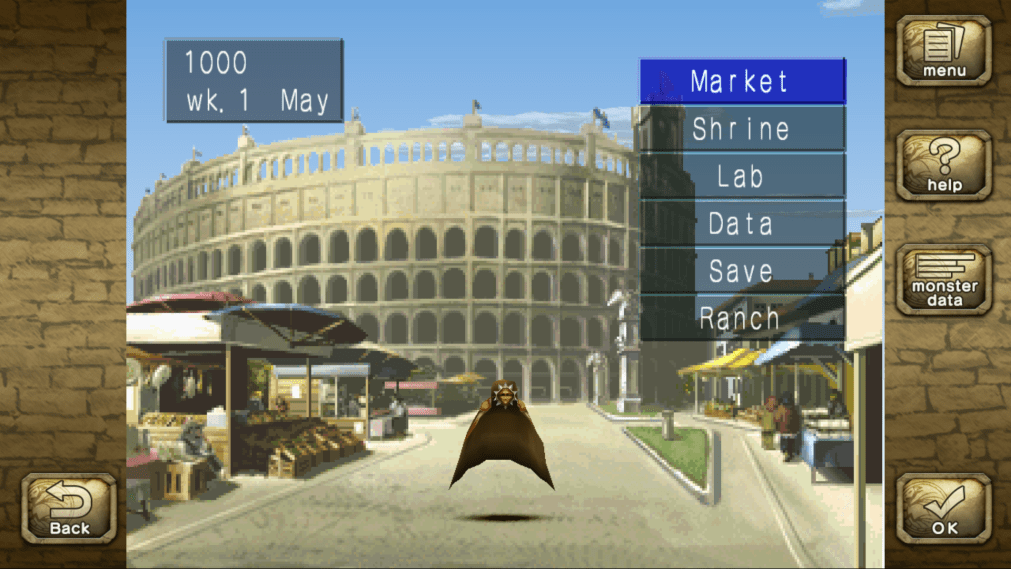
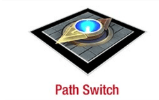
Respectful of a Player's Time

Respecting a player’s time may be the biggest omission. Replayability is fine and all, but video gamers are getting older. So many of us are parents and grandparents and even the ones who don’t have kids have other real-world obligations.

Respecting a player’s time has become more important than replayability. I said it. Whenever I see a game boast that it has 100s of hours of replayability, I lose interest. I don’t need another part-time job playing a video game for certain unlockables or item upgrades. That’s good for someone whose job is video games or someone still in grade school. The rest of us have other things we could be doing or other things we need to do.

Video Game's True Cost

True cost. Free-to-play games need a true cost category. Can players effectively play a game without buying the battle pass every patch? Yes. Battle passes should also have their own category, because most free-to-play games include one. Heck! Several paid games include a battle pass in today’s climate.

But Gacha games, which have gained popularity in recent years because of their monetization system, find ways to price-gouge players with drop rates for characters and items. But Kyra, you could play 40 hours a week to—see respecting a player’s time. I guess this one could also be called respecting a player’s money.

Mechanisms

I’d take it further with splitting gameplay into mechanisms and gameplay loop. Mechanisms are what you’re mechanically doing in a game, but what one does in a game only matters if the game mechanisms are unique. And gameplay loop is how satisfying and engaging the mechanisms work together as a whole.

Gameplay combines the two ideas. I guess the combo works, but separate categories may attract different gamers. Some like playing a unique game even if the combination of elements gets clunky. Other gamers look for a cohesive whole.

Storytelling

I’d do a similar thing with story or narrative. Storytelling and a story are not the same thing. John Updike’s A&P has a simple premise, but Updike’s storytelling elevates the story into a classic. On the flip side, Genshin Impact has a great story if you can follow it, but Hoyoverse has done a piss pour job at storytelling. Oops! That may have spoiled the Genshin Impact review.

With all of that said, let’s see if we can pin down a good set of video game review criteria before covering the first of a few larger gacha games. But before we do that, we’ll need to discuss what makes a gacha game for the folks who may not know. For those of you who know what a gacha game is, feel free to scroll past this next section. I’ll try and keep it short.

Gacha Games

Gacha Games

Gacha games have been around for decades. One of the first, MapleStory released in 2003. Yikes! It has been decades. But the polish and larger budget and success of 2020’s Genshin Impact launched gacha games into mainstream popularity.

Gachas have always been popular, especially in eastern Asia, but Genshin’s blend of Zelda: Breath of the Wild’s gameplay and the gacha monetization system brought in new fans. Let’s be real. Genshin is a Breath of the Wild clone. So, the only new thing Genshin really introduced to that formula was the gacha system. So, let’s discuss what makes a Gacha game.

Gacha Machines

Gachas work like collectible card games or like the gacha machines the game type borrows the word. Gacha machines are the machines one can find at the front of a grocery store. Insert a coin (quarter) into the machine, turn the crank, and a plastic ball with a toy inside spits out from a spout. Gacha originates in Japan. The Japanese call it that because they believe that’s the sound a gacha machine makes as one turns the crank. Gacha. Gacha! Gacha!!!

In gacha games, players wish or warp or convene—each game has its own word for what you’re doing, so let’s come up with a universal term “turn”—or takes a turn on a banner. Each banner will feature a character.

Usually, but not always, players take a certain number of turns on the banner before they can receive the featured character (usually about 80-100 turns). I say “can receive” because gachas typically employ a percentage chance of gaining the featured character or item. Often, one needs to lose their percentage chance of gaining a featured item before receiving a guaranteed character/item.

As you can guess, this monetization system is how gacha games make most of their money. And they make a LOT of money. Despite most gacha games using a free-to-play model, one will often find gacha games at the top of the most money earned over any given month. This fact is also why gachas became popular. Video game companies like money.

With those new ways of earning—or syphoning—money from customers, we may need new video game review criteria. So, let’s pin down some free-to-play/gacha video game categories.

Mechanisms

Mechanisms

This will be a category for the folks who like interesting mechanisms in their game. Games that push what can be done with video games from a technical gameplay standpoint will earn good scores.

Gameplay Loop

Above image from GameDesigning.org

Gameplay Loop

This is how the mechanisms work together to make a cohesive product. A formulaic game can score a high Gameplay Loop score, but that doesn’t mean that it doesn’t anything unique.

Respectful of a Player's Time

Respecting Time

This applies more to free-to-play games, but I’ve seen plenty of other games waste a players time. Games that don’t waste a player’s time with busy work will score high in this category.

Genshin Impact Battle Pass

Battle Pass

If a game has a battle pass, it will receive a score in this category. Who are we kidding? Most, if not every, gacha game has a battle pass. Even some paid games boast battle passes. I’ll split this score between the necessity of buying the pass and what one gets for completing it, giving difference to the latter.

Video Game's True Cost

True Cost

How much does the game actually cost? Again, this is more a question for free-to-play games, but players can be asked to purchase add-ons. How much does everything cost?

Story or Narrative

Narrative

I mentioned this prior. This is the story, not the storytelling. Gachas have a nasty habit of chopping up their narratives and tossing them into the wind. I’ll be leaning on YouTubers and other people to help me piecemeal these stories together.

Storytelling

Storytelling

Again, this I mentioned this prior. How well does the game tell its story? These are two very different concepts, especially for gacha games.

Genshin Impact User Interface

User Interface

Gachas are also notorious for having difficult to manage menus. This wouldn’t be that big of an issue for most video games, but free-to-play games have a knack for hiding things within sub-sub-sub-sub menus so gamers can’t find them.

Genshin Impact's Graphics

Presentation

Yes. It’s obvious but still a necessary category. I’ll use this as a catch all for graphics and audio, giving an internal score for both within the segment.

Final Thoughts

And with that, I think we have a good set of parameters. I’ll see you tomorrow. And wherever you are, I hope you’re having a nice day.