Happy Monday, Geekly Gang! Kyra Kyle here with another installment of transgender representation in media. Today’s subject is Jules from Euphoria. Yes! I moved our previously scheduled autism representation to late June to take advantage of Euphoria season three’s upcoming April 12, 2026, release date. Woo hoo! We’re getting a third season soon. I binged Euphoria seasons one and two the past month. It got difficult. While Euphoria is an amazing show (great direction, acting, and writing), it tackles heavy subjects. Seriously, Euphoria holds back few punches.
Jules’s storyline, despite being compelling, can be a rough watch. She gets statutory R-word–don’t know if I can say the word that rhymes with grape in this post–and commits an act of self-harm. And that’s only during Euphoria’s pilot episode. Yikes! Oh. Now may be a great time to remind everyone reading that I can’t do one of these representation posts without spoiling some plot points. I wouldn’t consider what I’ve said thus far as major spoilers, but you’ve been warned. I’ll also try to handle Jules’s story with care. I don’t want to sensationalize lurid details, but as you can see, Jules’s story packs a lot of drama.
Gender Expression May Not Match Gender Identity
We’ll begin with lighter topics concerning Euphoria’s transgender representation. As you can tell by the picture above, gender expression and gender identity don’t have to match. Sure. Jules is wearing an angel outfit, hyper feminine. Jules is a woman, and her gender expression matches her gender identity. But Jules’s partner, Rue, wears a tuxedo, and Rue is a cisgender woman. I love it when Jules teases Rue’s look as a dead ringer for Seth Rogen. Lol. Jules isn’t far off with that characterization. Rue’s tuxedo is the only time in Euphoria’s first two seasons when she doesn’t wear Seth Rogen-chic.
Off topic a little bit, but I love Jules’s makeup in Euphoria’s first two seasons. She looks stunning.
Euphoria is on point with breaking gender norms and suggesting that gender expression and gender identity don’t need to match. Heck, an episode even includes dialogue expressing this sentiment. Great job.
Gender Identity Doesn’t Inform Sexual Orientation
Okay. The following may contradict this segment’s title. Jules has been with a lot of men. A lot. We never know how many. That’s a secret she only shares with her friend Elliot (pictured above), but during a moment of self-reflection, Jules shares why she felt the need to sleep with so many men. She needed to conquer femininity. No. She needed to obliterate it. And I believe that’s a poignant line. By the time Jules shares her need to obliterate femininity, she’s in a loving relationship with Rue. Jules admits that she felt more like a woman when she slept with men, as many men as she can bed, and upholding a gender stereotype, but in this moment, Jules no longer feels like she has to sleep with as many men to feel like a woman. Euphoria’s inclusion of this scene puts a fine point on how gender identity does not have to inform one’s sexual orientation.
Quick Note: All bets are off for Euphoria season three in two weeks. This write-up is only for seasons one and two.
I do have to give a brief mention to Jules feeling less like a woman when she admits, again to Elliot, that she doesn’t know how to orally stimulate another woman. Yeah. The scene suggests that Jules may have held off coupling with another woman because she didn’t want to admit this shortcoming. It just takes practice.
We won’t discuss the following tutor scene. Eek!
Featured Episode Placement Mattered
I may be reading too much into Euphoria and its creator, Sam Levinson’s, intentions with this next segment, but I don’t think so. Euphoria’s first season played like a collection of interconnected short stories. Sure, there was an overarching narrative, but that first season had short story vibes. Each of Euphoria’s first season’s episodes featured a character. The pilot featured Rue. That makes sense; she’s the main character. The second episode centered on the show’s main antagonist, Nate. This also makes sense. And then, we get three episodes featuring woman characters (Kat, Jules, and Maddy, in that order) before shifting back to another man. This may not seem like much, but it links Jules with Euphoria’s other woman characters. If this was Euphoria’s intent, it’s huge.
And I choose to interpret Euphoria’s feature episode placement (in season one) as intentional. It could’ve made sense to place Jules’s featured episode immediately after Nate’s. Nate does harass her. But Euphoria doesn’t do that. Perhaps the show could’ve put Jules’s story at the end of those three episodes, but no. Euphoria sandwiches Jules’s episode between two other women’s. She belongs there. Jules is treated like any other woman in the cast, because again, she is a woman. I love it. She suffers through a lot of the same issues as Euphoria’s other women, only she has a handful of additional issues. We’ll get to those other issues soon enough, but kudos to Euphoria for what I’m interpreting as subtle inclusion.
Jules Began Transitioning at 13
Jules started transitioning at age 13. Fortunately, her father supported her, and by the time we see her in season one, she’s been on hormone replacement therapy (HRT) for at least a couple of years and has had breast augmentation. More on that last item in the next section. Thanks in large part to her father’s support, Jules is far along in her transition. Having a supportive parent is a fantastic thing and helps with a transgender child’s mental health and well-being. Jules’s father supported her as soon as she began socially transitioning (wearing girls’ clothes), and this is another detail Euphoria gets right. Doctors don’t immediately jump to HRT. Social transitioning is the usual first step. And we don’t see Jules on HRT until after she’s been seeing a therapist. This also tracks. Typically, transgender people gain access to medically transition after speaking with a mental health professional. Or two.
All of this is great transgender representation. The Euphoria team has done their homework, and they lean on Jules’s actress, Hunter Schafer’s lived experience. During therapy, Jules shares poetry Hunter Schafer had written when she was at a similar age and stage in her transition. I love some of the imagery. Puberty is an irreversible metamorphosis. It’s a deepening, a thickening. Beautiful. These moments grant authenticity to Euphoria’s depiction of a transgender person.
But not every parent can or will support their child. During Jules’s featured episode, her mother drives her across state lines. I thought she was dumping her daughter at conversion therapy. Turns out, Jules’s mother dumped her at a psych ward. Unfortunately, this happens. The Diagnostic and Statistical Manual of Mental Disorders (DSM) removed gender identity disorder (being transgender) as a mental health condition in 2013. This episode aired in 2019. That may be too real. In one powerful episode, Euphoria showed multiple angles of a transgender experience.
Jules Wears a Binder
When Jules and Elliot first meet, Jules interrogates Elliot (Rue’s mysterious new friend). Jules doesn’t trust Elliot at first because she knows her girlfriend is hiding something. Spoiler: Rue’s an addict, and she and Elliot are using. So, Jules’s suspicions are well-founded. During Jules’s interrogation of Elliot, Elliot questions why she’s a trans woman, wearing a binder. Note: A binder is a device used to compress one’s chest, typically used by transgender men to hide their breasts. But Jules is a transgender woman. Why does she wear a binder?
Euphoria never gives us a straight (pun intended) answer, but I do have some theories. Jules could want to thumb her nose at gender norms. That would track within Euphoria’s narrative. At times, Jules distances herself from conventional women’s norms. But she could wear a binder to fit in better at school. While Jules has no issue with who she is and the shape of her body, she may wear a binder to avoid freaking out the normies. Euphoria takes place in a small town. Jules ditches the binder when she returns to the city. I love that transformation. She suppresses a lot of who she is for the sake of Euphoria’s small town.
Gender Euphoria
Gender dysphoria (feeling distressed because one’s gender identity differs from their sex assigned at birth) hits differently for each trans person, but gender euphoria (positive feeling of comfort, confidence, and joy in response to gender affirming experiences) is universal. I’m quoting an unknown source. I remember the quote, but can’t remember who said it. Euphoria’s title may derive from the euphoria one feels while high (Rue and her addiction), but Euphoria does a great job of showing gender euphoria through Jules. She is comfortable in her skin, even when others dare her to pee in the middle of the road. Yes. That happens, and it’s hilarious.
During the scene, Jules mentions Elliot (here he is again), attempting to question her gender. She doesn’t give him the satisfaction.
Closing Thoughts
Euphoria features strong transgender representation. Jules is a fantastic, layered character. Her journey is unique and yet emblematic of a lived transgender experience. Hunter Schafer’s lived experience gives her performance authenticity. And I love Euphoria’s sense of inclusion. Few people care she’s transgender. I even like how Euphoria doesn’t spell out that Jules is transgender at first. She’s one of the girls.
At the same time, Jules experiences many ups and downs that a transgender person may experience. She has doubted her gender. At times, she has modeled her life to appease cisgender men because she internalized that women–all women–must appease cisgender men. Ah! That makes her more real.
Euphoria is not an easy watch. It delivers an unflinching look at drugs, sex, and self-harm. Jules has an amazing but harrowing journey. And we’re getting a third season soon. I don’t know what to expect. The trailer has me a little nervous. And I’m going to miss Angus Cloud as Fezco. Fezco was one of Jules’s staunchest supporters, and he had a cute romance with Lexi. Rest in peace, Angus Cloud.
I would’ve been okay with Euphoria ending after two seasons, but I’m not complaining about a third. I trust the creative team to do a great job.
Geekly’s next two representation posts should center on autism representation. But would anyone like to see a show or movie that has poor representation? Let us know in the comments. And let us know what you think of Euphoria’s Jules. Thank you for reading, and wherever you are, I hope you’re having a great day.
Hey, hey, Geekly Gang! Kyra Kyle here. Today, we continue our deep dive series on transgender representation in media. Dead End: Paranormal Park was our last deep dive in this series. We’re in the middle of the holidays, so I figured we’d cover a movie instead of a series. Nimona began as a 2015 graphic novel of the same name. Nimona highlights queer themes and fluidity of identity and how they oppose and subvert traditional controlling institutions and exclusionary systems. Wow! That sounded clinical. On a personal note, I identify as gender queer, something akin to nonbinary, so I can see myself in Nimona.
Nimona features a lot of great storytelling. Most main characters go through a satisfying arc that fits in the film’s overall theme. Early on, Nimona includes details that take on new meaning during a second viewing. This is always welcome. Specifically, dialogue like “Go back to the shadows from whence you came” hits differently each time in Nimona. In short, I haven’t seen an animated film this refreshing since Shrek and early Pixar movies. I could continue with how much I love Nimona’s story, but that’s not the purpose of this post. It’s time to break down Nimona’s transgender–and more specifically gender queer/nonbinary–representation.
Spoiler Warning
There’s no way I can cover this subject without major spoilers. Nimona is a Netflix original film; feel free to watch Nimona before reading. With that said, you’ve been warned.
Gender Non-Conformity and Other Queer Themes
We’ll view Nimona through various lenses, but before we get into how others view the title character Nimona, we need to discuss who Nimona is. Nimona is a shapeshifter.
Gender and Pronouns
Nimona doesn’t identify as any one gender, and because of that, I’ll be using they/them pronouns for Nimona. To be fair, Nimona avoids using pronouns at all. They’d probably say their pronouns are Nimona/Nimona. Perhaps Nimona’s pronouns are Ni/Nem. I’ll use Nimona instead of pronouns as often as I can. I wouldn’t want Nimona breathing fire on my scalp.
Nimona definitely doesn’t identify as a “girl.” Ballister constantly tries to dub Nimona as a girl. Most people who interact with Nimona use she/her pronouns if they want to be nice, but there are a few people who use the pronoun it for Nimona. The main antagonist, The Director, almost exclusively uses it for Nimona.
But I do like how Nimona seems unfazed by anyone misgendering them. Sorry if I used the wrong pronoun, Nimona. Not the scalp. Nimona goes with the flow, no matter which pronouns Nimona hears. Not even it/its upsets Nimona in an overt way. Even so, the pronoun it suggests the person using the pronoun sees Nimona as the one word Nimona hates to be called most: monster.
“Who has four thumbs and is great at distractions?”
Gender Fluid
I always loved Ranma’s ability (from Ranma 1/2) to switch from a masculine form to a feminine form with the touch of cool or warm water. This ability to change gender on a whim spoke to me when I was younger. I think it does for most gender queer people. In fact, Maia Kobabe (ey/em pronouns, pronounced like they/them with the “th” taken off) in eir graphic novel Gender Queer, mentions Ranma 1/2 by name when ey mentioned the media that inspired em to find emselves.
Ranma 1/2 was one of the stories Kobabe read when ey were still an egg. Note: “Egg” or “Egg Mode” is LGBTQ+ slang to describe transgender individuals who do not realize they are a transgender person yet, or are in denial about being a transgender individual. Extra Note: Gender Queer: A Memoir by Maia Kobabe is a must-read for gender non-conformity; Ranma 1/2 is a fun read in its own right.
Nimona’s ability to shapeshift into almost any living being taps into a similar primal desire for a gender queer egg. I like how Nimona uses its title character’s ability as an allegory. The entire film does a great job of tackling difficult issues through a fantasy setting. That’s the power of fantasy. Since Nimona can shift into almost living being, the film gives Nimona plausible deniability. In short, Nimona is gender queer coded.
And yet, there is one moment Nimona outright drops pretense, and I love it. When Nimona and Ballister go to the market to kidnap the Squire, Ballister chastises Nimona for shapeshifting. Nimona shifts to a gorilla. Ballister scolds Nimona. Then, Nimona shifts into Nimona’s typical form. Again, Ballister scolds Nimona. Nimona blows up. “You want me to shift, then you don’t want me to shift. Pick a lane.” Then, Nimona transforms into a little boy, and Ballister laments, “And now you’re a boy.” Nimona says, “I am today.” That’s a perfect moment for certain gender queer, gender fluid, or nonbinary people. Heck, I feel like that often. Too bad I can’t morph into a gorilla or dragon. I pick dragon.
Wouldn’t It Be Easier if You Were a Girl
Nimona has plenty of relatable moments. Nestled between a few action sequences, you’ll find two quieter moments: one on the subway train and the other in a shady part of town after Nimona and Ballister kidnap the Squire. The subway train scene is the first time Nimona and Ballister slow down to get to know each other.
Ballister: Can you please be normal for a second?
Nimona: Normal?
Ballister: I think it would be easier if you were a girl.
(I skipped a few lines) Nimona: Easier for who?
Ballister: Easier for you. A lot of people aren’t as accepting as me.
I’ve heard what Ballister said more than once. Wouldn’t it be easier if you picked one of the pre-approved genders? It would be easier for you. Translation: it would be easier for the person asking me the question, not easier for me. I know who I am, just like Nimona in this scene. Ballister would continue questioning how Nimona became Nimona. He wants to–in his words–know “what” he’s dealing with. Nimona feeds Ballister a story that turns out to be rooted in truth. The Kingdom’s ultimate hero, Gloreth, rejected Nimona when they were children.
Nimona could’ve always had their powers and doesn’t know where these powers originate. We never see anyone else with Nimona’s shapeshifting ability during the film. Others with Nimona’s abilities may also be in hiding. Or Nimona could be an original.
What is original is how Nimona describes their need to shapeshift. I’m sure I’ll mention this scene again, you’ve been warned. I love how Nimona describes shapeshifting. It comes close to how it can feel for a gender fluid person. “I feel worse when I don’t do it (shapeshift), like my insides are itchy. You know that second right before you sneeze? That’s close to it. Then I shapeshift, and I’m free.”
Nimona adds that they could not shapeshift, but they wouldn’t be living. This is why it isn’t easier if Nimona was a girl. Nimona is Nimona. Nimona needs to shift. It’s like asking someone not to sneeze when they have the urge. It hurts.
Nimona wears its queer identity on its sleeve, but it does so in subtle ways. This works to give Nimona a wider potential audience. Nimona does an incredible job of depicting life as a gender queer/gender fluid/nonbinary person. But Nimona explores more of the LGBT+ community.
Goldenloin and Boldheart
Nimona doesn’t shy away from Ballister Boldheart and Ambrosius Goldenloin’s homosexual relationship, and that’s great. Ballister and Ambrosius’s relationship is front and center. This works, especially after Ballister becomes a fugitive. The Kingdom views Ballister as a villain. Even though this role change is due to Ballister being framed for the Queen’s murder, it works on another level because of Ballister’s sexual orientation. Modern society isn’t that far removed from viewing homosexuality as deviant or even a mental illness. And many countries and religious/political zealots still view homosexuality as against the natural order.
Nimona drives this point home after Ballister defends the Kingdom. He claims that certain people are to blame for his getting ostracized, while Nimona insists the entire system needs to change. According to Nimona, the controlling institutions that run a Kingdom that would hunt a “villain” like Ballister and a “monster” like Nimona should be challenged. Amen, Nimona, amen.
Ballister is Still Repressed
Despite Ballister fully embracing his sexual identity, he’s still repressed. Nimona mentions how brainwashed Ballister has become after his knight training. Ballister seldom lets himself go until he’s spent plenty of time with Nimona. Nimona helps Ballister break out of his shell. Nimona affords Ballister the means to take a critical look at society and question everything. In short, Nimona lets Ballister “Unclench his mustache.”
We’ll talk about the wall and how no one, not even Ballister, has seen what’s on the other side of the wall. The people of the Kingdom as a whole are repressed.
Other Queer Representation
Nimona includes so much queer representation. Here are a few short segments. During the closing credits, Nimona literally breathes a rainbow flag of fire. The film’s color scheme tends to lean toward the colors of the transgender flag: pink, white, and light blue. RuPaul is one of the news anchors. RuPaul for the win. “Sashay away” turns into “A knight who might not be right.” I’m probably missing dozens more queer references. Feel free to add any you found in the comments.
Fluid Identities Versus Controlling Institutions
Our next lens returns to that clinical definition I spewed in the opening: controlling institutions. Nimona shows how controlling institutions quell fluid gender identities in many ways. We’ll begin with the piece of dialogue I also mentioned near the beginning of this post. “Go back to the shadows from whence you came.” During Nimona’s opening, this line is given like a storybook. Think classic Disney animated films. Nimona’s opening has Warrior Queen Gloreth–or rather Nimona reading the story–heroically deliver this line. Eventually, we learn this line is what a child Gloreth says to her friend Nimona. This story thread shows how fear of someone with a fluid gender (or gender queer) is a learned behavior.
Learning to hate differences
Gloreth and Nimona begin as friends. Gloreth doesn’t think it’s weird or dangerous that Nimona can transform into other creatures. In fact, Gloreth thinks it’s fun riding Nimona as a horse and swinging from tree to tree with gorilla Nimona. Gloreth doesn’t view Nimona as dangerous until her parents teach her to fear Nimona.
Society has a nasty way of perpetuating stereotypes and demonizing people who differ from societal norms. The fear of going against societal norms keeps people in check. Societal norms (or peer pressure on an institutional level) keep people under control. Nimona does a great job of showing how society can demonize others, while also shining a light on a Kingdom ready for change. Sure, Nimona tells us and Ballister (Nimona’s “boss”) that once someone sees you one way, they’ll never see you as anything else, but Nimona shows us how Ballister changes how he views Nimona. And I like how Ballister is the first commoner turned knight, a position historically held by nobility in the world of Nimona. This shows the Kingdom is ready for change.
People have a habit of hating people who are different. Divorced from outsider influence, Gloreth accepts Nimona. She even revels in the two’s differences. Gloreth’s parents fear Nimona because of their differences. Gloreth attempts to stand up for her friend, but she can’t prevent the village from attacking Nimona. The mob inadvertently sets their own village on fire. I like the imagery of attacking Nimona, resulting in attacking oneself. Humanity grows the more we allow individuals to be themselves. We all have our differences; we should revel in them. As the village burns, Gloreth picks up a toy sword and utters the line, “Go back to the shadows from whence you came.” This line hits differently each time it shows up in Nimona. During the opening, the line is told like a warm and familiar fairy tale. Here, the line is cold and heartbreaking. Relegating queerness to the shadows is one of the ruling institutions’ insidious methods of control.
Life in the Shadows
When they targeted the Institute for Sexual Research (Institut für Sexualwissenschaft), Nazis burned decades–if not over a century–of books on transgender studies in 1933. Modern radical religious groups and far-right political zealots view transgender people as a fad, something that hasn’t existed for long, even though transgender and gender queer people predate Nazis by at least several decades. Even today, governments sign executive orders, legally limiting the number of genders to only two. Thank you, Trump.
In truth, gender non-conforming people pre-existed the current era. Society and the ruling factions have a knack for forcing gender non-conforming people into the shadows. Ancient Egypt recognized three genders. Pharaoh Akhenaten (either 1353-1336 BCE or 1351-1334 BCE) is depicted with feminine and masculine features. Gender non-conforming people have always existed.
Going back to Nimona’s opening cinematic, after Nimona finishes the storybook introduction, the movie fades to black, and text reads, 1,000 Years Later. Yep. We’ve been here for over a thousand years. That tracks.
Obviously, it stinks for gender non-conforming people to be relegated to the shadows, but by doing so, society hurts itself. Refusing to recognize gender non-conforming people narrows one’s worldview. This line of thinking traps people into small boxes. Society withers when it doesn’t recognize more of its citizens. The world is a less colorful–or, as Nimona would phrase it, metal–place. And that’s why I love the image of the thousand-year-old village attacking Nimona and, in turn, attacking themselves. Such a great scene.
Nimona and Ballister outside the Wall.
A Life of Confinement
When Ballister asks what it feels like to shapeshift, Nimona shares that they feel worse when they don’t shapeshift, like their insides feel itchy. They liken the itch to the second before a sneeze. Shapeshifting makes them feel free. Shapeshifting is part of who they are. When asked what would happen if they held in the shapeshifting itch, Nimona says, they’d die. Nimona clarifies they wouldn’t “die” die, but they sure wouldn’t be living. I love this allegory for what it feels like to be gender non-conforming. Nimona’s way of living contradicts the Kingdom.
The Kingdom has built a wall from the outside world. The people of the Kingdom view everyone who’s different as a monster, especially Nimona. Everyone in the Kingdom is scared of what lies on the other side of the wall, even Ballister. When Nimona asks Ballister if he’s been beyond the wall, Ballister sarcastically says, Yes, I have, because I have a death wish. Nimona suggests that there may be nothing beyond the wall, and in the context of “nothing,” Nimona means to say nothing scary or threatening exists beyond the wall. Gloreth’s old village rests beyond the wall, as does a beautiful mountain scape and lake. The Kingdom sees none of this. The people of the Kingdom are trapped inside their fear.
I love the ending, where Nimona takes out a cannon aimed at the Kingdom (more on this in the next section), and the resulting explosion reveals what lies beyond the wall. Absolute beauty. The world is a better place when we accept others’ differences.
Tradition Is Greater than Life
The Director, Nimona’s main antagonist, illustrates a group of people who love tradition above life. The Director is a stand-in for religious and/or political zealots. She murders the Queen and frames Ballister for the Queen’s murder. This act sets the events of Nimona in motion. The Director blamed the Queen for knighting a commoner (Ballister). The Queen sullied the Kingdom’s good name for inviting anyone to become a knight (instituting a meritocracy instead of an aristocracy or plutocracy). In the Director’s mind, ridding the Kingdom of the Queen and Ballister could restore the “natural order.”
During Nimona’s final fight scene, the Director aims a cannon at Nimona. At this point, everyone in the Kingdom ceases to view Nimona as a threat, everyone except the Director. She repeatedly shows disregard for human life. By aiming a cannon at Nimona in this moment, the Director is aiming a cannon at the Kingdom itself. Thousands of people will die. To the Director, that sacrifice is worth it to maintain tradition. Only tradition matters. And this is where religious and political zealots turn deadly. It’s okay to have traditions, but placing tradition above life is an error we see humanity make throughout history. Funny how stories that feature a monstrous main character like Nimona reveal humanity to be the true monsters.
Subtle Discrimination
Throughout Nimona, we see children slaying monsters like Nimona: cereal commercials featuring dragons, robotic horse rides outside stores where children can slay various augmented reality monsters, and random slogans like “slay your thirst.” Sure, the Kingdom has plenty of overt discrimination against monsters, but the insidious examples prove more damaging. As Nimona says, children grow up to hate monsters. Hate is in the Kingdom’s DNA.
But Nimona also shows hope. It takes most of Nimona’s runtime, but Ballister learns to see Nimona for who Nimona’s true self.
Nimona even explores self-discrimination. Ballister struggles to accept parts of himself. He views the Kingdom as above reproach. Even after Ambrosius severs Ballister’s arm, Ballister defends Ambrosius’s action. We even catch a glimpse inside Ambrosius’s head as he tries to logic his way through cutting off his lover’s arm, because it was his training. Nimona marvels at how well The Institute brainwashed Ballister, but Nimona isn’t immune to self-discrimination.
Nimona attempts to take their life, a far too common occurrence for gender non-conforming people. Nimona mentions the subtle and casual discrimination against “monsters” earlier in the film’s runtime. I love how Nimona phrases their conflicted feelings.
Nimona: I don’t know what’s scarier. The fact that everyone in this kingdom wants to run a sword through my heart… or that sometimes, I just wanna let ’em.
Ballister stops Nimona from plunging a sword through their heart. Sometimes it only takes one person’s acceptance. Ballister is the one person for Nimona. Let’s end this segment with what Ballister says to Nimona in Nimona’s moment of crisis.
Ballister Boldheart: I’m sorry. I see you, Nimona. And you’re not alone.
Closing Thoughts
Nimona is a great watch. I didn’t mind rewatching it dozens of times for this write-up. I even shared it with my family on Parents’ Day (the last Sunday in July, which can be used to celebrate gender non-conforming parents). I don’t believe Nimona did too well when it first released on Netflix in 2023. The film struggled to reach the Top 10, but Nimona offers a singular experience on the streaming giant. If you missed it during its original release, you should give Nimona a watch. Even though it packs a ton of LGBT representation–transgender representation in particular–Nimona never gets preachy. It’s a fun movie.
This was another long, deep dive. I appreciate you reading this far. Let us know if there are any other great and maybe even not-so-great transgender representations in media you’d like to see us cover in the future. Thank you again for reading, and wherever you are, I hope you’re having a great day.
Hey, hey, Geekly Gang! Kyra Kyle here. As promised, this post is the companion piece to our Dead End: Paranormal Park Autism Representation post earlier today. Dead End: Paranormal Park is unique in that it has two main characters, one an autistic Pakistani-American girl, and the other a transgender Jewish-American boy, so we’re writing two posts about the same Netflix show. This is great news for me. If you didn’t catch our previous post, I’m a late-diagnosed autistic person and ADHDer, but I’m also trans and gender queer. Let’s dig into both sides of Dead End: Paranormal Park’s representation.
Since Netflix cancelled Dead End: Paranormal Park after 20 episodes, this post will break down each pertinent 20-minute episode regarding Barney Guttman, a 17-year-old gay and transgender Jewish-American boy who runs away to the theme park because of his complicated relationship with his family. Barney is another great example of intersectionality. Dead End: Paranormal Park is off to a great start. We’ll begin with the first episode, “The Job.”
Season 1, Episode 1, “The Job”
Dead End: Paranormal Park drops some subtle hints about Barney’s identity. We’re first introduced to him when he colors his hair light blue with a pink hair dye spray can. Members of the community see this as an obvious nod to the transgender flag, which features light blue, pink, and white stripes. Great nod. After he’s ready for the day, Barney heads downstairs from his bedroom, and this is when we get an exchange that hints at Barney’s troubled family life. First, his mother doesn’t know that he has a job interview that day. Second, Grammy-Gram (Barney’s grandmother) doesn’t approve of his trans identity.
Again, Dead End: Paranormal Park subtly conveys this. Barney’s mother asks if he’ll be back (from his job interview at the titular park) for dinner, and Barney asks who will be at dinner. When Barney’s mother lists Grammy-Gram as a participant, Barney asks his mother if Grammy-Gram knows he’ll be there. After his mother says yes, Barney clarifies if Grammy-Gram knows “Barney” will be there, suggesting that Grammy-Gram dead names Barney. Dead End: Paranormal Park does a great job of showing this family tension while not beating non-community members over the head with it, and the show also respects the viewer’s intelligence.
So far, so good. Dead End: Paranormal Park has more subtle hints about Barney’s identity. When he and Norma (the autistic Pakistani-American co-main character) meet in the bus, she doesn’t recognize him at first and claims that she’s bad at names. By the end of “The Job,” she calls him Barney. During the duo’s exploits, Barney insists that he won’t leave his dog (Pugsley) behind. Pugsley’s family. He’s the only family member who accepts him. Pets are great because they don’t care what your gender identity or sexual orientation is. They love unconditionally. Barney needs this, and he isn’t receiving it at home, so he runs away to live at Phoenix Park (Paranormal Park).
Unfortunately, trans kids running away from home happens far too often, especially when their family doesn’t accept them for who they are. At this point, we don’t know how Barney’s family, outside of Grammy-Gram, feels about his identity. Dead End: Paranormal Park is just getting started. And it’s a great start.
Random point one: I love that Pauline Phoenix, the purveyor of Phoenix (Paranormal) Park, is a drag queen. I would totally visit a drag queen amusement park.
Random point two: Courtney (the demon) is non-binary/gender queer in the comics and uses they/them pronouns, but Netflix insisted on the show using she/her pronouns instead. I still claim Courtney as part of the gender queer tribe. I’ll teach them the secret handshake. Thanks for the erasure, Netflix.
Season 1, Episode 2, “The Tunnel”
Most of “The Tunnel’s” opening minutes revolve around Norma, her obsession with Pauline Phoenix, and that Pugsley can talk. Pugsley even tells Norma what she had for breakfast two days ago (eggs with avocado and chili flakes). Yuck! That yuck was directed at a dog sniffing people’s behinds and then telling them what they ate; those eggs sound pretty good.
Anyway, Barney’s first big moment in “The Tunnel” comes when Logan Nguyen (the park’s health and safety officer) enters the staff meeting. Barney falls for Logan at first sight. I love Dead End: Paranormal Park’s decision here. Gender identity and sexual orientation are separate things. Groups like the LGB Alliance (they erase the T for transgender on purpose) often promote ideas that the world is losing its lesbians because they’re transitioning to men, especially when those trans men are attracted to women. Barney is a gay, trans boy. He’s transitioning and is still attracted to men. Representation like this debunks ideas that gender identity and sexual orientation are linked. They aren’t. Kudos to Dead End: Paranormal Park.
But the crux of “The Tunnel’s” narrative is Barney trying to hide the talking Pugsley from the world to protect him. Toward the end of this episode, Norma questions Barney’s “protecting” Pugsley by locking him away. The scene (picture above) where Barney and Pugsley call each other “bad” ends with Barney asking why Pugsley can’t go back to being his old self, and Pugsley saying that Barney is just as bad as Grammy-Gram. This is another lovely scene by Dead End: Paranormal Park. Most trans people have heard the “Why can’t you be like you were?” question before. We get another glimpse into Barney’s home life before the show, and I love how Barney is allowed to internalize Grammy-Gram’s refusal to see the real him by giving Barney and Pugsley this moment.
“The Tunnel” ends with Barney saying he’s trans. The park gives him the space to be himself. Everyone outside the park has the Barney he was before he started transitioning. This is a genuine occurrence for trans people. It’s easier to be around people who didn’t know you before you transitioned because they’re more likely to accept you as you are now. This scene is true and hits close to home.
Season 1, Episode 3, “Trust Me”
Barney’s story takes a backseat to Norma’s during “Trust Me.” We see him flirt with Logan during a team-building exercise. Most of this episode occurs through Norma’s point of view, and she envies Barney’s socialability, but Barney only has this ability because he’s on his own and allowed to live as his true self. The next bit is a spoiler, but we’ve talked about Dead End: Paranormal Park enough at this point that spoilers are to be expected. The team-building guru is a fear demon in disguise. He tricks the park staff into touching a bejeweled skull that forces each person to face their greatest fear.
Barney’s nightmare sequence gives us the first glimpse of his family. Grammy-Gram says horrible, unintelligible things about Barney, while his parents sit at the table and say nothing. This is a common and chilling scene. It drives home the point that remaining silent while others (even other loved ones) berate a trans person is just as bad as being the one who spouts the hate. Barney pleads with his parents to say something, to stand up for him, and they don’t.
Fortunately, Norma slipped into Barney’s nightmare and rescued him. Even though this is a nightmare sequence, it hits home. A 2019 report by The Trevor Project (a trans youth support group) states that one supportive parent can reduce the risk of a trans youth from committing suicide by 40%. Barney’s nightmare sequence serves as a good reminder to be a supportive parent.
Season 1, Episode 4, “Night of the Living Kids”
When Barney left home, he didn’t just leave his parents. His younger brother Patrick, reaches out to Barney by texting. Barney can’t find the words to say and doesn’t text back. But it turns out that Barney doesn’t need to. The Phoenix Parks gang is hosting an overnight kids’ birthday party, and the birthday boy is none other than Barney’s brother Patrick. I like the inclusion of Patrick. He never deadnames Barney. I found it easier for younger people, like my kids, to adapt to name changes. Heck, Patrick even adapts quickly to Pugsley’s ability to talk.
Naturally, Patrick feels abandoned by Barney. He still sleeps with the stuffed animal (a lion named Max) that Barney gave him. Patrick proves that Barney had people in his corner back at home. Patrick understands why Barney left, but he insists that Barney at least let their parents know that he’s okay. A tender moment happens near the end of “Night of the Living Kids.” Barney’s parents stop by to pick up Patrick, but Barney refuses to take off his dinosaur costume. His mother asks if Barney happened to stop by, and Barney says no. Barney’s mom looks crestfallen for a moment and then shrugs it off. She shares with Barney that the family is having issues.
Barney’s mother, claiming that Barney is “doing one of his disappearing acts again,” suggests that this isn’t the first time Barney has run away from home. Perhaps this is true. It could also be Barney’s mother trying not to reveal too much of the family’s personal business to who she thinks is a stranger. All of this adds layers to Barney’s family life. His family has obvious communication problems, and they could find closure as Patrick tells their mother a secret at the end of “Night of the Living Kids.” At this point, we don’t know what Patrick tells his mother, but it’s probably that Barney lives at Phoenix Parks.
Dead End: Paranormal Park is playing the particulars of this storyline close to the vest. We don’t yet know how Barney’s parents feel about his gender identity. We know that Grammy-Gram disapproves, and his parents refuse or somehow feel unable to stand up for him. While we don’t dive too deeply into these waters in this episode, “Night of the Living Kids” is setting up a fantabulous foundation.
Season 1, Episode 5, “The Nightmare Before Christmas in July”
“The Nightmare Before Christmas in July” breaks away from Barney and Norma’s storylines and focuses on their new demon friend, Courtney. Courtney is stuck in the mortal realm, so Barney and Norma go on a devilish game show to snag them (Courtney) a ticket home. We’ll be using Courtney’s preferred pronouns of they/them. I wanted to take another moment and ask why Netflix decided to gender Courtney. They’re a demon. Gender doesn’t make sense for them. If you want to see the original Courtney, check out the show runner, Hamish Steele’s, DeadEndia comic series.
Season 1, Episode 6, “Wait Time: 22 Minutes”
“Wait Time: 22 Minutes” gets its name from the supposed wait time for the Dr. Love Ride, a Phoenix Parks attraction that’s been shut down since before Barney was born. The park reopened the line, and a crowd gathered to hop on the ride. Barney has no interest in riding Dr. Love, but changes his mind when he spots his family walking out of the ride’s exit. Barney’s family doesn’t frequent the park often. It’s a fair bet that Patrick told his parents where Barney is, but it’s not confirmed. This keeps the tension simmering, but it doesn’t overpower this episode. Barney rejoins Norma and the gang, unaware that his crush, Logan Nguyen, is in front of them. Logan lets the gang know that he’s riding Dr. Love to make sure the sign’s wait time is correct.
Barney changes his mind, of course, and stays. The group splinters when Norma finds out there’s an employee express lane. Desperate to ride Dr. Love before spoilers flood her timeline, she bolts for the second line, leaving Barney and Logan alone. And here’s where “Wait Time: 22 Minutes” gets juicy. Barney flirts poorly, and an older lesbian couple, who rode Dr. Love when they first got together, try to help Barney. Oh. It’s awkward. Barney is so awkward, and it’s great. Again, I’ll give Dead End: Paranormal Park props for making Barney a gay trans boy. These scenes would play out much differently if he were flirting with a girl.
The remainder of this episode’s runtime, in reality, revolves around Norma, Courtney, and Pugsley possessing Barney to woo Logan. Things get interesting when Norma and Barney enter a spirit realm called the in-between. You’re not dead. You’re not alive. You’re just sort of backstage. While in the in-between, Barney curses that he didn’t say goodbye to his parents. This moves his story along, but it also shows that awkward “in-between” where you, as a trans person, can still love people who don’t accept you, but you keep your distance for your protection, and while you find yourself. Most trans people experience this. Great job, Dead End: Paranormal Park.
But there comes a time after you find yourself and gain your strength that you must stop running, and this can result in tense conversations. Barney’s journey is short. It often takes some of us years to get there. My journey took me a while because I got diagnosed as autistic shortly after coming out, so there were multiple Celtic knots I needed to untangle. While I think this journey happens a little fast for Barney, it does match one that many trans people face. Rewatching Dead End: Paranormal Park has given me a greater appreciation for it. I can see this representation helping someone on their journey.
Season 1, Episode 7, “Norma Khan: Paranormal Detective”
While the “Norma Khan: Paranormal Detective” title suggests that Norma is this episode’s central character, the scene Dead End: Paranormal Park has been building between Barney and his family occurs, and it doesn’t disappoint. Barney and his family put everything on the line. Wires get crossed when they use nacho chips and chili cheese fries as metaphors. Patrick and Pugsley don’t get the metaphor, but I do like Patrick saying we can always order more nachos, which I believe is a subtle hint at the frequently used metaphor for trans that claims rights aren’t pie, and even if they are, there’s enough to go around. But I could be reading too much into this. That last point was conjecture.
What isn’t conjecture is that Pugsley and Patrick find themselves literally and figuratively stuck in the middle of a heated argument. Barney’s parents say that they accept him. Barney claims that they don’t do enough to show that they accept him. Dead End: Paranormal Park frames Barney’s claim as the valid one, and I agree. Acceptance isn’t a passive thing. One needs to show that they accept someone. Barney’s parents had a chance when Grammy-Gram berated Barney and didn’t take the opportunity. Dead End: Paranormal Park lays out this argument in an entertaining and less preachy manner than I do. I love Barney’s response when his parents ask him to come home. You’ve got to make it one first.
This episode ends with the ghost of Pauline Phoenix escaping a television screen. This has more to do with Norma’s side of this episode’s story, but I think we’ll be discussing Pauline in the next episode.
Season 1, Episode 8, “The Pauline Phoenix Experience”
“The Pauline Phoenix Experience” casts the gang in Pauline’s former roles, hence the black and white picture above. This episode doesn’t delve deeper into Barney’s story or expand him as a character, so we’ll keep this one short. Still, “The Pauline Phoenix Experience” is an excellent episode and does a lot to progress Dead End: Paranormal Park’s overarching story. I don’t want to spoil anything here, so I’m keeping things vague.
Season 1, Episode 9, “The Phantom of the Theme Park”
Dead End: Paranormal Park is a queer show that takes place in a drag queen theme park. Of course, there’s going to be a musical episode. “The Phantom of the Theme Park” takes inspiration from several musicals, but its main influence is The Phantom of the Opera. I love this episode. The music is spot on, and the musical does a great job of forwarding the action to season one’s conclusion. But “The Phantoms of the Theme Park” does little to explore Barney’s story, except that demons have swarmed the park, and his parents are turned to stone. Things just got real.
Season 1, Episode 10, “Into the Fire”
Demon lords Zagan and Temeluchus battle it out for the surface world. Demonic mayhem ensues, but all’s well that ends well. The humans are no longer turned to stone. After Phoenix Parks returns to normal (relatively speaking), Barney’s parents commit to having his back. They won’t have him over for Friday night dinners with Grammy-Gram until Grammy-Gram learns to accept him. Instead, Barney’s invited to Saturday night dinners. A simple gesture like this can make all the difference in a trans kid’s life. Barney’s parents have taken an active role in supporting their son.
I love the growth these characters made during the season. Even Courtney learned a thing or two. Dead End: Paranormal Park ends its first season with a cliffhanger. We’ve seen plenty of demons during the first season, but we catch our first glimpse of a citizen from heaven.
Quick Break and Thank You
Thank you for reading up to this point. You’re amazing. Since the Dead End: Paranormal Park’s first season set up its characters well, the second season explores the other planes of existence, specifically heaven, so each individual episode’s write-up should be shorter. Thanks again for reading, and let’s get back to the show.
Season 2, Episode 1, “Take the Angels Bowling”
“Take the Angels Bowling” introduces Fingers, an angel with a face inside its massive hand. When Fingers extends its body (a long arm stretching from heaven), it resembles Gord’s, the red-skinned demon, who looks like a worm. It’s like the two species (angels and demons) aren’t that different. Hmm.
Barney’s story takes a backseat in this episode, but we see some great moments with him and Logan. At the tail end of the last season, Logan and Barney share their first kiss. “Take the Angels Bowling” shows Logan’s patience with Barney. At this stage of Barney’s transition, he’s still unsure of himself, and I like how Logan gives him the space to be awkward. When someone transitions (even socially), it acts as a second puberty. Whether this was Dead End: Paranormal Park’s intention or not, this is great representation.
Season 2, Episode 2, “Evil Twins Are People Too”
“Evil Twins Are People Too” may prove my hunch correct. Barney’s misadventures with demons and evil twins are a metaphor for a trans person’s second puberty. Barney lets it slip that he loves Logan. This is a common television trope. Someone says “I Love You” first, and the other person doesn’t immediately say it afterwards. What makes Dead End: Paranormal Park’s take on this trope different is the added complication of the paranormal (or the fact that Barney is trans). By the end of this episode, Barney lays it out on the line, telling Logan he loves him again and admitting that life with him could get complicated.
Fortunately, Logan doesn’t mind the complication. He entered this relationship knowing that there could be uncommon issues, but Barney is his person. I love this. It proves that there’s someone for everyone, even a trans boy with an evil twin.
Season 2, Episode 3, “The Trials of Barney”
As the episode’s title implies, “The Trials of Barney” has a Barney-centric story. I like how this episode goes back into Barney’s childhood. Dead End: Paranormal Park does a great job of showing that Barney was always a boy. He’s always been into pro wrestling and created the moniker, B-Rex, because he likes dinosaurs. Initially, B-Rex is the wrestling name Barney uses when he joins the Demon Wrestling Federation. During the perfect moment, Barney embraces his inner heel and comes out as a human. He then becomes The Living Human.
Early on, Barney hides his human identity. He finds it easier to be a lizard boy (B-Rex) instead of a human boy. Throughout “The Trials of Barney,” Barney lives as his authentic gender, and when he reveals himself to be a human, he accepts the final part of himself. And the crowd loves him for it. This is another subtle point Dead End: Paranormal Park makes. Many trans people begin by showing parts of themselves to others, and some of those parts are their gender identity, while holding back other aspects of themselves to fit in. Sure, Barney was always treated as a boy in the demonic gym, but he needed to find himself as a human boy.
Transgender people aren’t a monolith. There’s no one way to be trans, and it’s up to each person to find what their gender identity means for them.
Season 2, Episode 4, “Eat the Parents”
“Eat the Parents” features Logan meeting Barney’s parents, so we get plenty of situational comedy sprinkled throughout this episode. Everyone puts on airs, especially Norma, as they try to impress Barney’s parents. The standout scene for Barney is the one where everyone eats the soup Courtney prepared from the mysterious book she found. This soup induces mind-reading, and when Barney takes a sip, he complains (in his head) that no one will be good enough for his parents.
This comment suggests that Barney had suitors before he came out to his parents. Or perhaps not. Either way, the demon behind the cursed soup is none other than the team-building guru from season one. Lovely callback. We find that despite his confident exterior, Logan is just as insecure as Barney, maybe even more so. I like that Barney isn’t the only one worried about this relationship.
Season 2, Episode 5, “The Ride of a Lifetime”
Hurt feelings and a lover’s spat abound in “The Ride of a Lifetime.” Barney misinterprets Logan texting Josh as the two of them dating, when it’s actually about Josh getting an acting role that Logan had also auditioned for. Pugsley spends the entire episode’s runtime trying to avoid calamity of all kinds, physical and emotional harm, but you can’t rewind time to execute the perfect world.
All of this is Fingers grooming Pugsley for Dead End: Paranormal Park’s season two finale. “The Ride of a Lifetime” doesn’t unearth anything new and exciting with Barney’s trans experience, but the show’s done a fantabulous job doing that throughout its run.
Season 2, Episode 6, “My Super Sweet 1600”
Barney doesn’t have much to do in “My Super Sweet 1600.” Fingers sends the gang to bust up a demon’s (Zagan’s) birthday party, but Barney ends up becoming the life of the party. What begins with Zagan trying to kill the humans (or at least maim them) becomes a love fest with the friends Barney made while he wrestled in the Demon Wrestling Federation. Even though this moment doesn’t progress the story, I love how it shows the demons accepting Barney for who he is, for all he is (including a Living Human). Not only do the demons accept Barney, but they also praise his differences. That’s great to see.
Season 2, Episode 7, “All Dolled Up”
Barney doesn’t make an appearance in “All Dolled Up.” Well, technically, he does show up at the very end, teasing the following episode. Even so, we see a lot of Barney through Logan, who encourages Norma to come out as bisexual to her mother. I love the representation of various gender identities and sexual orientations in Dead End: Paranormal Park.
Season 2, Episode 8, “The Other Side”
We find out what Barney and the rest of the gang were doing in the previous episode with “The Other Side.” Barney dies from a falling chandelier. The rest of the gang attempts to join Barney’s soul with his body. I love the Reverso-Romero Spell that naturally turns Barney’s corpse into a zombie. Barney runs into a few “friendly” ghosts. Basically, they’re trying to trick Barney into crossing over to the other side so they can hitch a ride. I like the pink-hued ghost Jules’ inclusion of their pronouns: they/them/and the late. Nice. Why couldn’t Netflix allow this for Courtney?
Speaking of Courtney, they’re involved in the funniest scene during this episode. Barney turns full ghost. No one can see him, so he writes on the wall with charcoal. Here’s a quick recreation:
Courtney: Barney, is that you?
Barney (writing in charcoal on the wall): Yes.
Courtney: You turned yourself into a piece of charcoal?
Barney: No.
Courtney: You turned Pugsley into a piece of charcoal?
Barney writes several paragraphs on the wall. Not one inch is left uncovered by charcoal. Courtney’s eyes widen. She gasps, and then says, “Barney…there’s no way I’m reading all of that.”
This scene had me rolling a year ago when I first watched Dead End: Paranormal Park, and I rewatched it multiple times during this rewatch. It’s so good. It’s official. Courtney is my spirit animal.
Anyway, “The Other Side” ends with Barney about to cross over, succumbing to the ghost “friends” negative self-talk. This is such a great representation of one’s battle with mental health, and according to Pugsley, this isn’t the first time Barney has felt this way. Barney’s found family (Pugsley, Logan, Badyah, and Norma) helps him through this rough patch and saves him from crossing over. I love found families in media. We all have found families. They’re our communities. They can be our significant other. Often, our found families know us better than our birth families.
“The Other Side” ends with Fingers revealing his dastardly plan. Fingers, the angel, was the one who dropped the chandelier on Barney. Since he gives Pugsley the power to save Barney, Pugsley willingly goes to heaven. We’re on our way to heaven, floor 4.
Season 2, Episode 9, “Going Up”
Barney’s story in “Going Up” centers on rescuing Pugsley, so we get little trans representation in this episode. Or do we? We’ll discuss how Courtney’s story plays into Dead End: Paranormal Park’s greater trans narrative in a minute, but first, let’s discuss some quick Barney points. That almost sounds like brownie points. Tee hee! Asmodeus (Barney’s wrestling sparring partner) in any episode offers great acceptance for Barney’s identity. Those two have a wonderful bromance. You love to see it.
Before we get into Courtney’s story, I’ll begin by citing a spoiler warning. There’s little chance for us to discuss “Going Up” and Courtney’s part of the story without major spoilers. You’ve been warned. Courtney learns they’re a fallen angel. Their “horns” are a broken halo, and they’re doomed to prune the universe’s timeline of all “unwanted” branches. While bleak, this storyline profoundly plays into Dead End: Paranormal Park’s main characters. Fallen angels (angels whose halos are broken) no longer fit what it means to be an angel, so Courtney has more in common with Barney than they may have first thought.
As a trans person, Barney doesn’t fit in with cispeople. The same can be said of Norma as well, but we’ll go more into her side with the autism representation post, but Courtney’s subjugation in heaven rings true for a lot of trans people. Courtney isn’t allowed to be Courtney. Their personality–or any personality–runs counter to what the heavenly society accepts. One could rewatch Dead End: Paranormal Park multiple times and find new angles. This is the mark of a great show.
One more major spoiler: Pugsley becomes The Watcher. The Watcher is the all-powerful heavenly sorcerer who serves as watchdog for anyone who steps out of line. There’s so much to unpack here. The onion-head mask Pugsley wears to become The Watcher takes away his identity. It functions similarly to conversion therapy. The Pugsley who wears The Watcher’s mask must conform. Dead End: Paranormal Park may be geared for kids, but it has many layers.
Season 2, Episode 10, “The Watcher’s Test”
“The Watcher’s Test” does for Pugsley what “Going Up” did for Courtney. Barney and Norma’s journey can be seen through Pugsley’s. Since this is our transgender representation post, we’ll focus on how Pugsley’s journey mirrors Barney’s. Again, we’ll be going through some major spoilers, but if you’ve made it this far, spoilers won’t be that big of an issue.
First, Pugsley is Barney’s dog, so a direct link exists between these two characters. Second, Pugsley has been told by heaven (not sure if the character commanding Fingers is God, but they’re certainly from heaven) that he must fight demons at all costs, and that’s what happens. Pugsley, as The Watcher, has destroyed the Earth. Evidently, Earth ceasing to exist is better than a single demon out of place, and a demon’s place is in prison. This extremist, black-and-white thinking has been used against trans people. Someone living outside the gender binary embraces the gray, and ironically, Netflix chose to stick Courtney inside the gender binary. You don’t need the creators to tell you this was not their decision; Courtney’s new pronouns go against the show’s message.
I loved “The Watcher’s Test” callbacks to previous episodes. In fact, Dead End: Paranormal Park did a better job of weaving in these callbacks than the MCU with Avengers: Endgame. Time travel mayhem occurs during this episode, and Dead End: Paranormal Park drops Barney into the perfect scenes where he could’ve attempted to persuade Pugsley not to become The Watcher. Fight heaven’s grooming. But my favorite must be the scene that wasn’t altered. Eagle-eyed viewers may figure that something was different about Barney during an earlier episode. I won’t spoil it here, but if you’ve seen “The Watcher’s Test,” watching this same scene through a new lens is chef’s kiss superb.
Random Thought: The dedication to Leon Fechner (one of the show’s animators) during Dead End: Paranormal Park’s closing credits is touching. We leave season two with Pugsley wandering a plane that isn’t heaven, hell, or Earth. This pays homage to Fechner, who had slipped into a coma and died before the show was completed. Rest in peace, Leon Fechner.
Closing Thoughts
Yowza! This was long. It’s even longer if you read the companion piece, Dead End: Paranormal Park’s Autism Representation. While this show’s geared toward children, Dead End: Paranormal Park does a stellar job with transgender representation. Barney Guttman tops many lists of great trans characters. The show presents Barney as a complicated character. He isn’t always in the right, but his heart is usually in the right place. I love Dead End: Paranormal Park’s intersectionality. Each character is thoughtfully layered.
If you have any other movies or television shows that depict transgender people that you’d like us to cover, let us know in the comments. If you’ve made it this far, you’re amazing. We all know it. Thank you for reading, and wherever you are, I hope you’re having a great day.
Geekly started a new deep dive series about Autism Representation in media. Our first post in that series was about Sheldon Cooper from The Big Bang Theory, and it was posted in May. Was it that long ago? Yikes! Well, Geekly’s back with another deep dive about Autism Representation. Today’s piece of media is the short-lived Netflix animated series, Dead End: Paranormal Park.
Hey, hey, Geekly Gang! Kyra Kyle here. As I mentioned in our previous Autism Representation post, I’m a late-diagnosed autistic person and ADHDer. Yes, you can have both. Ever since my diagnosis, I’ve been viewing media through a different lens, trying to see if a piece of media has good or not-so-good Autism Representation. I intended this series to be something Geekly released once a quarter. We’re getting this post right under the wire with Dead End: Paranormal Park because this series not only has an Autistic main character, but the other main character is transgender. I also happen to be trans and gender queer and intended to give Transgender Representation in media the same treatment. So today, we’re releasing two posts about Dead End: Paranormal Park.
Since Dead End: Paranormal Park only lasted two seasons (for a total of 20, 20-minute episodes), we’ll go through each pertinent episode in sequential order for both characters. Our subject for this post is Norma Khan, a 17-year-old bisexual and autistic Pakistani-American girl who gets a job at the park because of her adoration of the films made by character Pauline Phoenix. Already, I love Norma’s intersectionality. Let’s get started with Dead End: Paranormal Park’s first episode, “The Job.”
Season 1, Episode 1, “The Job”
We first meet Norma Khan in her room, decked out in Pauline Phoenix (the actress behind Phoenix, “Paranormal,” Park) paraphernalia: Pauline posters, Pauline bedsheets, and even a Pauline lamp. Norma has an episode of Dead End (one of Pauline Phoenix’s television shows) playing as she prepares for a job interview at Phoenix Park. Something tells me Norma listens to this show on repeat often. I’ve done the same. I may have audio taped cartoons (on cassette tapes) so I could play them at night to fall asleep. I’m sure Norma wouldn’t do anything like that. Wink.
Norma’s mother dotes on her. She worries more about Norma’s job interview than Norma does. She hugs and kisses Norma as Norma tries to break away. I can relate. We know little about Norma, but Dead End: Paranormal Park hints that Norma’s mother may want more affection than Norma is comfortable giving. This is in keeping with some autistic kids. This moment also suggests that Norma’s job interview may be her first time alone; it’s certainly her first step as an adult. Autistic people do tend to have a higher unemployment rate than the general population, and often, this is less about capability and more about finding the right work environment. It sounds like Phoenix (Paranormal) Park is Norma’s perfect job environment.
“The Job” sprinkles in some references to Norma’s hyper-fixations. In fact, when she believes she didn’t get the job at first, Norma flat out says, “Looks like I’ll have to find something else to hyper-fixate on for fifteen years.” Norma earns this line because she spews paragraphs of Pauline Phoenix facts while Norma and Barney are trapped in a haunted mansion. Only Norma doesn’t yet realize the two of them are trapped. She’s too busy info-dumping on Barney about her special interest. I watched this episode with one of my daughters, and she chuckled. You’re not like that at all, are you, Mapa? Yep. That happens sometimes. The train needs to reach the station before we can switch tracks.
Season 1, Episode 2, “The Tunnel”
“The Tunnel” begins with a Norma flashback. She’s a child attending Phoenix Parks and in line to visit Buster Scruffs (one of the employees dressed as a mascot). Norma panics. Her feet sink into the concrete. While I’m unsure if this sequence is directly tied to an autistic shutdown (where an autistic person retreats from their surroundings) or if this scene is just a child reacting to too much stimuli (which can cause autistic shutdowns), Dead End: Paranormal Park does a fantastic job of showing Norma’s internal world.
When we shift to the present day, Norma storms into the haunted mansion. She doesn’t care that Pugsley can talk (a side effect of his former demonic possession) and is livid that Barney clocked into work before her. The group brushes past Barney, staying the night at the park, and promptly finds a gold pass. I love how she prefers to go to the park’s staff meeting when presented with the option to do anything in the park. Dead End: Paranormal Park drops another line of Norma obsessed with Pauline Phoenix, before she wishes for the three-hour version of employee orientation. I can attest that I could withstand a three-hour orientation on my special interest. This tracks for an autistic person.
What also tracks for autistic people is Norma’s odd eye contact. When Badyah Hassan (leader of the staff orientation) begins orientation, Norma info dumps and gives Badyah intense eye contact. Norma bores a hole into Badyah. That made me laugh. It’s so accurate. Many people believe that autistic people can’t make eye contact, when it’s just as likely that autistic people will make intense eye contact. In short, autism leads to odd levels of eye contact: none or too much. And of course, Norma takes over the orientation after Badyah sarcastically asks if she wants to do so. Norma puts on a performance voice (another autistic thing to do), and I felt called out. Both of my daughters recounted a similar instance with me at a board game cafe.
Season 1, Episode 3, “Trust Me”
“Trust Me” centers around a team-building exercise at the beach. Norma is reluctant to leave her mother’s car because she believes everyone at work hates her, while Norma’s mother counters with no one knows you. This is a great representation of an autistic side-effect, rejection sensitivity. Rejection sensitivity may occur when an autistic person has experienced so many instances where they said or did the wrong thing, or they just acted like themselves (and not like a neurotypical or person without autism), and got rejected, so the autistic person believes people hate them even when there’s empirical evidence to the contrary. I’ve received a pep talk from a loved one like the one Norma gets so many times, I’ve lost count. I love that Dead End: Paranormal Park touched on this subject.
Before “Trust Me’s” volta (the turn), we get a lot of Norma being literal. The team-building guru speaks in metaphors, and each flies over Norma’s head. Physical things don’t bind us. Yes, they can. The opposite of trust is fear. No, the opposite of trust is mistrust. I agree with Norma on that last one. Autistic people can be very literal. I got diagnosed with autism after my younger daughter was diagnosed (autism is hereditary), and my daughter would always answer with specific times whenever someone asked what time it was. For instance, it’s 4:18, instead of 4:15 or 4:20. We didn’t know when she was younger, but that’s an autistic trait. I still agree with Norma that the opposite of trust is definitely mistrust.
And I like how Dead End: Paranormal Park mixes up Norma’s affect. When she says, the opposite of trust is definitely mistrust, her voice is flat. Other times, she’s very expressive, overly so. Excellent! The montage of Norma screwing up every trust-building exercise is also excellent. Her forward trust fall had me in stitches.
This next bit ventures into spoiler territory, but who are kidding? We’ve already shared some spoilers. The team-building guru is a fear demon in disguise, and he intends to feed on the gang’s fear. While everyone else enters a nightmare realm where their greatest fears come to life, Norma’s fear world is the real world. She worries about every interaction with people. She relives every social misstep. Eventually, Norma’s rejection sensitivity overwhelms the fear demon. I love how the animation style changes when we fully enter Norma’s perspective. It’s another subtle way Dead End: Paranormal Park portrays autism. The Norma we see in the picture above may be closer to how she views the world.
And that’s how autism works. It’s another way of viewing the world. Neurodivergent brains process things differently from neurotypical brains. This is another excellent example of autism representation. This may dovetail into Norma calling her coworkers by the attractions they monitor at the park. I like how most people take offense, but Badyah leans into her nickname death slide. Badyah’s the one who sits beside Norma on the beach and comforts her; Norma may have found a kindred spirit.
Season 1, Episode 4, “Night of the Living Kids”
“Night of the Living Kids” is more of a Barney episode. We get our first look at Patrick, Barney’s younger brother, who’s having an overnight birthday party at the park. Patrick plays Pin the Tail on the Dinosaur, and when Barney recognizes him, he takes cover. After Barney says that Patrick can’t see him, Norma doesn’t get the context and replies that he has the blindfold off now, so he can see Barney. Classic Norma.
And in classic Norma fashion, she finds the one kid at the party who’s as obsessed as she is about Pauline Phoenix. Vince even outbid Norma for Pauline memorabilia on an online auction. Norma finally has someone else she can talk to about her special interest. As Norma says, Finally, an intelligent conversation. The two’s conversation sets up the mystery of Barbora (not Barbera), Pauline’s angry and athletic stunt double. The two’s convo gets interrupted by children who lost all the sleep they ever slept, hence the episode’s name “Night of the Living Kids.”
Season 1, Episode 5, “The Nightmare Before Christmas in July”
“The Nightmare Before Christmas in July” takes a break from Barney and Norma and focuses more on their demon friend, Courtney. Courtney is stuck in the mortal realm, so Barney and Norma go on a devilish game show to snag them (Courtney) a ticket home. Note: I’ll mention this in the transgender representation companion post to this one, but the demon Courtney is non-binary/gender queer in the comics, but Netflix changed their pronouns from they/them to she/her; I’ll use Courtney’s preferred pronouns of they/them.
Even though “The Nightmare Before Christmas in July” is predominantly a Courtney episode, we get a classic Norma moment during the game show. When the demon host says the next leg is a “lightning round,” Norma shouts, Trivia. Nope. Not trivia, Norma. Actual lightning.
Season 1, Episode 6, “Wait Time: 22 Minutes”
“Wait Time: 22 Minutes” gets its title from the line for the newly opened Dr. Love Ride at the park. The Dr. Love Ride has been closed since before Norma was born, and naturally, she wants to experience the ride before spoilers flood her timeline. This is in keeping with everything we’ve learned about Norma. She and Barney get separated in the line because Norma takes the employee express lane, while Barney stays in the main line with Logan, who wants to make sure the wait time sign of 20 minutes is correct. Since Barney has a crush on Logan, he texts Norma incessantly.
In classic Norma fashion, she doesn’t get why Barney is freaking out, but it’s what she says that rings true for an autistic person. Barney’s in a line with Logs, so the danger seems minimal. Lol. Often, autistic people can brave large crowds if they have at least one person they know well. Norma doesn’t get Barney’s dread because she views Logan as a safe person to brave Dr. Love’s long line. Pugsley has to spell out the awkward social implications for Norma. I love this. I wouldn’t have been able to attend Pride if I hadn’t gone with some of my safe people. And I might’ve missed the social cues of Barney’s crush on Logan.
I also love Norma’s line to Barney. I’m the socially awkward one. Stop stealing my thing. The rest of the episode’s runtime, in reality, revolves around Norma, Courtney, and Pugsley possessing Barney and taking turns trying to woo Logan. Norma asks standard questions and gets frustrated when Logan answers them out of order. He needs to answer the questions in the order they were asked. I could see an autistic person getting frustrated by this, and the lesbian couple standing by Barney (possessed by Norma) bemoan that kids these days are too literal. Yeah. That tracks for an autistic person.
Throughout the body-swapping antics, Norma remains on task. What starts as helping Barney with Logan turns into saving Barney from the in-between, a place where possessed souls go. “Wait Time: 22 Minutes” ends with Norma finally getting on the Dr. Love Ride. She begins info-dumping to Logan as the ride begins, only to have the ride shut down as she’s about to enter. Awesome!
Season 1, Episode 7, “Norma Khan: Paranormal Detective”
The title “Norma Khan: Paranormal Detective” is a bit of a misnomer. At first, Norma takes the role too seriously. Norma’s covert scene with Vince (nice call back) is over-the-top, leading Badyah to say that the two of them are more suspicious than if they faced each other. Note: Norma and Vince sit on with their backs to each other, and Vince struggles to give Norma the magazine featuring Barbora that he mentioned during “Night of the Living Kids.”
Norma is blinded by her obsession with Pauline Phoenix that she ignores all the evidence that clearly paints Pauline as the one behind the missing Pauline impersonators. Tunnel vision can occur for autistic people. I’ve been blinded by my special interests. While this tracks for an autistic person, Badyah proves to be the better “paranormal detective.” I love Norma’s detailed evidence board. The picture above is a zoomed-in segment of that board. Trust me, Norma goes into excruciating detail, making her an autistic queen.
Norma refuses to view Pauline as a threat even at the end of “Norma Khan: Paranormal Detective.” It takes Pauline Phoenix’s ghost charging at Norma before she jumps into a haunted television screen. I’m sure this will end well.
Season 1, Episode 8, “The Pauline Phoenix Experience”
“The Pauline Phoenix Experience” casts the gang in Pauline’s former roles. That’s why we get that awesome black and white picture above. Even though this episode does a lot of heavy lifting for the Dead End: Paranormal Park’s main storyline, it does reveal the depths of Norma’s Pauline Phoenix fandom. She figures out they’re in Pauline’s movies/TV shows before Barney, but plays along because it’s her dream come true. She knows the lines. She’s probably heard them millions of times and this is her time to shine.
Norma goes as far as trying to “kill” Barney because her character tries to do so in the films. Talk about commitment. But she breaks when she comes to terms that Pauline was using her and all her fans. Autistic people tend to have strong moral compasses that can be obscured through the lens of fandom. By the end of this episode, Norma breaks down, but after she mourns the loss of her idol, she’s ready to exact change.
Season 1, Episode 9, “The Phantom of the Theme Park”
Dead End: Paranormal Park is a queer version of Scooby Doo. The park is based on a drag queen. It was only a matter of time before we got a musical episode. “The Phantom of the Theme Park” takes inspiration from several musicals, but its main influence, naturally, is The Phantom of the Opera. I love this episode. The music is spot on, and the musical does a great job of forwarding the action to season one’s conclusion. While “The Phantoms of the Theme Park” doesn’t show new aspects of Norma’s for us to discuss at length, it follows through on Norma’s strong moral compass.
She sacrifices herself to be Pauline Phoenix’s new vessel and hatches a plan to end the park’s suffering. Even though the plan doesn’t go as planned, Pauline is banished, but now we have the return of Temeluchus. Uh oh!
Season 1, Episode 10, “Into the Fire”
I’ll level with you. I can’t believe I’ve gone this far without mentioning Norma’s odd speech patterns. I grew up in the South and don’t sound like it. Sure, some of this is due to my moving away from the South, but not entirely. Even while I was living in the South, folks wondered if I had a foreign accent. Norma’s odd speech pattern is spot on.
Norma takes charge during the demon invasion. She reverts to calling park employees by the attractions they monitor. Death Slide and Norma to the rescue. Demon lords Zagan and Temeluchus battle for surface world supremacy. Demonic fun ensues, but everything turns out okay in the end. The demons leave. The humans are no longer turned to stone. After Phoenix Parks returns to normal (relatively speaking), the crew discusses what to do next, unaware of someone watching them. It’s a citizen of heaven.
But that will wait until season two.
Quick Break and Thank You
Thank you for reading up to this point. You’re amazing. Since the Dead End: Paranormal Park’s first season set up its characters well, the second season explores the other planes of existence, specifically heaven, so each individual episode’s write-up should be shorter. Thanks again for reading, and let’s get back to the show.
Season 2, Episode 1, “Take the Angels Bowling”
“Take the Angels Bowling” gives us our first full look at an angel, Fingers, who is a massive hand with a face in its palm. When Fingers extends its body (a long arm stretching from heaven), it resembles Gord’s, the red-skinned demon, who looks like a worm. Coincidence?
Most of “Take the Angels Bowling” sets up the impending denizens of heaven descending on Phoenix Parks, but there are a few wonderful Norma moments. Her friend Badyah knows Norma wouldn’t want to wear used bowling shoes, so she bought her a fresh pair. That’s thoughtful. Judging from the smell and look of the loaner bowler shoes, that’s a good call by Badyah. Norma and Badyah have started a podcast about ghosts and demons. Very on brand. Norma’s more interested in setting up a podcast schedule than bowling. Also on brand. And when Badyah info dumps about the finer points of bowling, Norma asks if that’s what she sounds like to Badyah. Awesome!
Season 2, Episode 2, “Evil Twins Are People Too”
“Evil Twins Are People Too” steers into the television trope of a character having an evil twin. Barney and Norma’s twins are the worst parts of themselves, but this becomes a blessing for Norma. She fears that Badyah isn’t as into their podcast or at least as into demons as her, which is true, but after an unpleasant exchange with evil Norma, Badyah tells Norma that she does the podcast to spend time with her. Norma makes the mistake of tying her relationship (spoiler: Norma is crushing on Badyah) with Badyah’s liking or disliking her special interest. This is fantastic.
Honestly, I’ve done the same at times. Because an autistic person views their special interest as an intimate part of them, they can tie relationships (or a relationship’s depth) to these interests. I even like how long it takes Norma to realize she has feelings for Badyah. There’s a reason I often talk things out to myself. I love this inclusion.
Quick Point: Badyah mentions that Norma does all the demon sounds during their podcast. This is most likely an example of echolalia, the repetition of phrases or noises that autistic people can make. I would guess that Norma makes these noises outside the podcast.
Season 2, Episode 3, “The Trials of Barney”
“The Trials of Barney” puts Norma’s story on the back burner. Secretly, Barney joins a demonic gym and trains to become a pro wrestler in the demon league. Barney proves to be one heck of a heel, earning the respect of most demons at the arena, especially his opponent, Asmodeus. Near the end of the episode, Badyah compliments Barney and then asks if he’ll be on hers and Norma’s podcast, proving that Badyah supports Norma’s special interest (demonology) and finds some enjoyment from it. Personally, I’ve found this to be the case. One’s loved ones can’t go long hearing someone enthuse about a topic without getting invested.
Random Note: The rock song (“Fight Like a Demon Boy”) that plays during Barney’s training montage slaps.
Season 2, Episode 4, “Eat the Parents”
“Eat the Parents” features Logan meeting Barney’s parents. For this reason, Norma doesn’t feature as prominently, but we get another round of her using a hilarious, ornate voice. Maître de Norma is so over-the-top it makes Barney question what’s wrong with her. This is so on point for many autistic people. You either get zero inflection or all the inflection in the world. I also like that Norma’s dream dinner guest is what she thinks is an adorable spider skull demon. To each their own, I guess, but this shows the depths of Norma’s special interest.
And clearly, romantic comedies were an obsession for Norma at some point. She goes full army general while discussing how crucial meeting one’s parents during a Rom-Com plotline is. I love how “Get Married” goes straight to “Buy Matching Coffins” on the timeline. Norma has watched enough Rom-Coms to know that all of them end after the couple gets married.
Season 2, Episode 5, “The Ride of a Lifetime”
Hurt feelings and a lover’s spat abound in “The Ride of a Lifetime.” Norma plans to tell Badyah how she feels about her, and Pugsley sees the conversation is not going well. Pugsley spends the entire episode’s runtime trying to avoid calamity of all kinds, physical and emotional harm, but you can’t rewind time to execute the perfect world. While this episode focuses on Norma’s love life, it still manages a callback to Norma knowing how long the Ferris wheel ride lasts. Excellent!
Badyah thinks Norma wants to cut her from the podcast, so she tries to prevent Norma from talking. Badyah doesn’t know what to think when Norma tells her that she “like-likes her.” I love how Dead End: Paranormal Park handles this scene. Badyah says she thinks she’s straight, but she doesn’t think about it too much. The showrunners have said that Badyah could be queer, but she comes out in a different way. I could also see Badyah as aroace (aromantic and asexual, where you don’t tend to have a lot of romantic feelings or sexual attraction). I would’ve loved to see where Dead End: Paranormal Park chose to take Badyah’s character.
Season 2, Episode 6, “My Super Sweet 1600”
Norma spends most of “My Super Sweet 1600’s” runtime avoiding Badyah, and she doesn’t attempt to hide her Badyah aversion. This tracks for an autistic person. Many of us, including me, have a difficult time masking irritation. I love how even when Norma attempts to “act normal,” her eyes narrow to pinpricks, and it gives away her emotions.
Badyah tries to smooth things over (from her rejecting Norma’s romantic advances) by hooking up Norma and the Gazan, the demon/vampire, celebrating her Super Sweet 1600 birthday. Gazan and Norma strike a friendship, and their heart-to-heart talk helps Norma see what she needs: space. “My Super Sweet 1600” ends with Norma quitting her job at Phoenix Parks. Gasp!
Season 2, Episode 7, “All Dolled Up”
Dead End: Paranormal Park does a great job of showing many ways a person can come out (with their gender identity and/or sexual orientation) and the responses that may occur when one does. More on that in a minute, but we’re talking Norma’s autism representation right now. “All Dolled Up” gives us a window into Norma’s childhood. We spend more time in her childhood home, see that she’s taken down all her Pauline Phoenix paraphernalia, but her mom clings to the Norma she used to know, the Norma whose dream job is Phoenix Parks, and she quit.
Norma’s mom cooks Pauline pancakes. This was one of Norma’s safe foods, as she ate it every morning growing up. This is definitely an autistic thing. Even as an adult, I still have safe foods, foods I know I can turn to for their texture, flavor, or even lack of flavor. My daughter, whose autism diagnosis led to my late diagnosis, ate chicken tenders/nuggets for every meal she could. I chuckled when Norma switched from pancakes to chicken tenders. Excellent.
By this point, Norma’s personality is set. Her status as an autistic queen is secure. “All Dolled Up” gives us the revelation that Norma is bisexual. I’ve said it before, but I love Dead End: Paranormal Park’s intersectionality. Norma’s scene where she comes out to her mom is heartwarming. It differs from Barney’s, and that’s the point. This show does what it can to show the spectrum of outcomes of coming out to one’s parents. We even learn that confident Logan is not yet out to his parents.
Season 2, Episode 8, “The Other Side”
“The Other Side” shows what Barney and the rest were doing during Norma’s doll infestation from the previous episode. Norma shows up at the end, making amends with Badyah. The two are friends, but Norma needs space. Fair.
This episode sets up the main conflict for Dead End: Paranormal Park’s second season. We’re headed to heaven, floor four.
Season 2, Episode 9, “Going Up”
Before we get into spoilers–there’s little chance I can cover “Going Up” without revealing some plot points–let’s discuss some quick Normaisms. Norma already has hers and Badyah’s next four hangouts and topics of conversation scheduled in her diary. While I don’t plan my days in this much detail or that far in advance, I am writing this deep dive in June, and it’s scheduled for mid-September. Yikes! Maybe I do plan that far in advance. Autistic people do like a regimen. I also like Norma’s wonder at heaven when she first arrives. As she says, I’ve spent so much time studying demons; I didn’t think about what was going on up here. Again, tunnel vision. I wouldn’t have Norma any other way.
Now, we get into spoilers for a show that’s been around for three years. You’ve been warned. Courtney learns they’re a fallen angel. Their “horns” are a broken halo, and they’re doomed to prune the universe’s timeline of all “unwanted” branches. While bleak in nature, this plot point metaphorically plays into Dead End: Paranormal Park’s main characters in profound ways. Fallen angels (angels whose halos are broken) no longer fit what it means to be an angel, so Courtney has more in common with Norma than they may have first thought. As an autistic person, Norma doesn’t fit in with neurotypical people. We’ll go more into the Barney side with the trans representation post, but Courtney’s subjugation in heaven rings true for a lot of autistic people.
Courtney isn’t allowed to be Courtney. Their personality–or any personality–runs counter to what the heavenly society can accept. There’s a lot to unpack with heaven’s insistence that everyone must conform and follow preconceived notions. One could rewatch Dead End: Paranormal Park multiple times and find new angles. This is the mark of a great show. One final point: I love how Barney asks if he can hug Norma at the end of this episode. Barney shows Norma respect with this question; Norma doesn’t always like human contact. I’m with you, sister.
One more major spoiler: Pugsley becomes The Watcher. The Watcher is the all-powerful heavenly sorcerer who serves as watchdog for anyone who steps out of line. Pugsley loses himself behind this onion-head mask. I don’t know if this was the intent, but Pugsley is literally masking. Masking for autistic people is when one attempts to look less neurodivergent. Dead End: Paranormal Park may be geared for kids, but it has many layers.
Season 2, Episode 10, “The Watcher’s Test”
“The Watcher’s Test” does for Pugsley what “Going Up” did for Courtney. Barney and Norma’s journey can be seen through Pugsley’s. Since this is our autism representation post, we’ll focus on how Pugsley’s journey mirrors Norma’s. Again, we’ll be going through some major spoilers, but if you’ve made it this far, spoilers won’t be that big of an issue.
Heaven (not sure if the character commanding Fingers is God, but they’re certainly from heaven) commands Pugsley to become The Watcher. Heaven insists there is no other way of thinking. Any other ways of thinking are incorrect, and that’s where Pugsley’s internal battle with Fingers’ programming mirrors autism. Most of the world runs on the neurotypical’s (someone who isn’t autistic) way of thinking, hence the term, neurotypical. Pugsley doesn’t think in the same way as Fingers and their boss (or bosses). Instead of allowing Pugsley’s different way of viewing the world, heaven forcefully changes his mind.
Furthermore, Applied Behavioral Analysis (ABA) therapy, a therapy often used to change autistic people’s behavior, can be compared to animal (or dog) training. I don’t know if a link with Pugsley and his heavenly training (as a metaphor for ABA therapy) was Dead End: Paranormal Park’s intention, but if it was, that’s brilliant. Even if that wasn’t the show’s intent, the world’s a better place when Pugsley’s allowed to be Pugsley, and our world could be better if accommodations were made available for autistic people instead of forcing autistic people into boxes–or onion-shaped masks.
Random Thought: The dedication to Leon Fechner (one of the show’s animators) during Dead End: Paranormal Park’s closing credits is touching. We leave season two with Pugsley wandering a plane that isn’t heaven, hell, or Earth. This pays homage to Fechner, who had slipped into a coma and died before the show was completed. Rest in peace, Leon Fechner.
Closing Thoughts
Phew! This was long. It’s even longer if you read the companion piece, Dead End: Paranormal Park’s Transgender Representation. While this show’s geared toward children, Dead End: Paranormal Park does a stellar job with autism representation. I’m not the first to cite Norma Khan as one of the best autistic characters. The show handles Norma’s autism with grace and style. I love Dead End: Paranormal Park’s intersectionality. Each character is thoughtfully layered.
If you have any other movies or television shows that depict autism that you’d like us to cover, let us know in the comments. If you’ve made it this far, you’re amazing. We all know it. Thank you for reading, and wherever you are, I hope you’re having a great day.
Last year (2024), I shared that I was diagnosed with ADHD and autism. Before that diagnosis, I didn’t know that someone could have ADHD and autism. This is a thing, and it’s called AuDHD (or AUdHD). As an older person (I won’t divulge how much older), I’m considered late diagnosed.
I didn’t think to get checked if I had autism until after my youngest daughter was diagnosed. This tends to happen for late-diagnosed people. Autism is hereditary. I’m nowhere near the only one in my family who could be diagnosed as autistic, but autism is a spectrum. Late-diagnosed people tend to be on the low needs and high masking end of the spectrum. Masking is the ability for autistic people to mimic neurotypical people’s behavior. So, I had a lot of experience “pretending to be normal.” It’s exhausting.
My parents, specifically my mom, had an idea that I may be autistic, but they never had me tested. Since my diagnosis, I’ve been playing back my personal history and reading literature and consuming other media about both ADHD and autism. That made me wonder how well certain media portray ADHD and autism.
Hey, hey! Kyra Kyle here. It’s Potpourri Friday, and we’re starting a brand-new series that could become a regular fixture: Autism Representation. Let’s begin with a series and character that most people know about or have seen, Sheldon Cooper from The Big Bang Theory.
Some of you may have let out an audible groan. While The Big Bang Theory may have given geek culture some much-needed shine a couple of decades ago, the show reinforced stereotypes and made fun of the geek culture it claimed to support. The live studio audience didn’t help. They expected The Big Bang Theory to make fun of the show’s “geeks,” and the showrunners obliged.
Before we get started, I need to cite a couple of disclaimers. First, I haven’t watched any of the Big Bang Theory spin-off shows. Yes. There are multiple Big Bang Theory spin-offs; there’s one scheduled for release later this year. This post will only concern itself with The Big Bang Theory version of Sheldon Cooper. Second, The Big Bang Theory ran for 12 seasons. 12 seasons! That’s almost 300 episodes. Most likely, every point I make may have a counterpoint. While not as bad as Friends, more than a decade on television turned each character of The Big Bang Theory into a walking contradiction. And now I have Green Day stuck in my head. Great.
My knee-jerk reaction is that Sheldon Cooper is nowhere near a “good” representation of autism, but on closer inspection, he may not be the worst. Okay. Sheldon is the worst (in terms of a person) a lot of the time, but to paraphrase Season, Sheldon may have an autistic sliver lining.
Autistic Stereotype
As I said in the intro, The Big Bang Theory loves stereotypes. It paints its characters in the broadest of broad strokes: the effeminate Asian (Raj), the resident pervert (Howard) who happens to be Jewish and lives with his overbearing mother, the more street-smart than book-smart blonde who lives next door (Penny), and the autistic-coded Sheldon Cooper.
Sheldon never mentions autism or being autistic. But could he be any more of an autistic stereotype? He loves trains. Check. He has robotic movements and an odd speech pattern. Double check. He struggles to understand social cues like sarcasm and experiences meltdowns. Triple check. He’s a savant with math and science. Quadruple check. In the show’s pilot, Penny dubs Sheldon one of those beautiful mind, genius guys. Just because an autistic person has a special interest (like math or science) doesn’t automatically make them an expert in the field of their special interest. I prefer Abed (from Community), who has a special interest in cinema and isn’t a very good filmmaker. Not every autistic person is a savant. I should know. I have plenty of special interests in which I stink.
Despite The Big Bang Theory’s over-reliance on stereotypes, many of these qualities that Sheldon has are autistic stereotypes for a reason. Many autistic men love trains, not so much autistic women. Come to think of it, that makes me wonder about my Uncle Paul. Autistic people can have odd and repetitive body movements with weird speech patterns. Most autistic people struggle with understanding social cues; the burden of navigating social interactions when one’s brain’s operating system runs counter to neurotypicals (people who aren’t neurodivergent) can lead to meltdowns. And since autistic people dedicate countless and tireless hours to their special interests, they can become experienced. And experience can be confused with natural talent when one doesn’t see the work that went into that experience.
We can conclude that Sheldon is a stereotypical autistic person. Before the past couple of decades, autistic researched revolved around cis, heteronormative, white men. Sheldon is a cis, heteronormative (to an extent), white autistic man. Autistic people like Sheldon exist, but Hollywood could present different kinds of autism on-screen.
East Texas Doorknob
Leslie Winkle (another scientist at Caltech where The Big Bang Theory gang works) calls Sheldon Cooper an East Texas Doorknob. That’s right and wrong. I was born in East Texas and can say that Galveston (where Sheldon was born and raised) is not East Texas. But Sheldon is a doorknob. Being autistic doesn’t prevent someone from being arrogant or misogynistic or a doorknob. Just look at Elon Musk.
On one hand, I like that The Big Bang Theory made Sheldon an unlikeable character, but he’s so popular (I guess being a jerk is “in”) that his character furthers autism stereotypes listed in the previous section, and in some people’s eyes, he’s become the default autistic person. I haven’t shared my diagnosis with a lot of people in my daily life, but whenever I do, there are a fair number of people who say, just like Sheldon. We’re not all East Texas Doorknobs. Some of us were just born in East Texas.
Despite his often negative portrayal, Sheldon Cooper proves that not all autistic people are angels. There’s an online movement that suggests that all autistic people are angelic and can do no wrong. Honestly, I’m tired of this trend and the “autism superpower” movement. We’re people with flaws. Some of those flaws can be obvious. I appreciate the Sheldon Cooper portrayal through the lens of him being a jerk and being called out on it. Sheldon doesn’t get called out on his bad behavior enough for my liking, and even when he does, he often suffers little to no repercussions, but I do like that he can be autistic-coded and be a jerk.
But Sheldon Cooper becoming the default autistic person is problematic. Not all autistic people obsess over trains. Like I said before, train-obsession tends to be an autistic man’s trait. Autistic women and autistic people who are gender non-conforming tend not to obsess over trains as often. Autistic women tend to get late diagnosed (like me), and often when they do get a diagnosis and share that with others, other people judge them because autism tends to manifest differently in women than it does in men, and these autistic women don’t act the same as autistic men or that autistic nephew everyone seems to have. Yeah. Because they’re women. An autistic woman isn’t usually going to act like Sheldon Cooper. For starters, most autistic women are more adept at masking.
Again, masking is the ability to mimic neurotypical behavior so others can’t tell you’re autistic. Autistic women tend to be better at masking, but the act of masking takes a lot of effort. One social interaction can drain one’s battery. This can lead to an autistic person having a meltdown or shutdown. We’ll discuss meltdowns and shutdowns later. Masking is another reason why autistic women tend to be diagnosed later in life. The autistic person becomes adept at hiding. Sheldon Cooper rarely hides his autism, but that doesn’t mean The Big Bang Theory doesn’t show social fatigue, and that’s where we may see some better autistic representation.
The 43 Peculiarity
The eighth episode of The Big Bang Theory Season 6 centers around Raj and Howard wondering what Sheldon Cooper does for an hour of unaccounted time. Sheldon plans his day to the second. Yes. This includes bathroom breaks. So, an hour of unaccounted time is out of character for him. Sheldon doesn’t share with Raj and Howard what he does during this hour (spoiler: he plays Hacky Sack), but he does share that navigating social situations all day is taxing, and he needs a break. This is a coping tool for autistic people. Hacky Sack may be a stim for Sheldon. Stimming is any self-stimulating behavior used as a means of self-regulating or coping with intense emotions. Anyone can stim. But Stimming tends to be associated with autism because autistic people have a more difficult time regulating their emotions.
It may be a huge stretch to suggest that Hacky Sack in this context is a stim for Sheldon. By its nature, one can’t schedule a self-regulating or coping behavior. One feels an emotion when one feels that emotion, and one must manage that emotion at the time it occurs. Most autistic people can’t schedule when to stim. I don’t care if your name is Sheldon Cooper. On a personal note, I stim by running my fingers over the hems of my clothing (I did this with a pillow when I was young), and when I’m out in public, I wear a ring with a built-in fidget spinner to discreetly stim. Getting back to Sheldon, Hacky Sack features repetitive movements, and the reason why Sheldon plays Hacky Sack fits under the umbrella of stimming. He needs relief from a world he doesn’t understand. He needs a break from the emotions of others that he can’t process.
Had Sheldon been tested for autism, a therapist could’ve taught him better coping skills. I know Sheldon often says that his mother had him tested, but he always prefaces that comment with I’m not crazy. My parents laughed whenever they used the “my mom had me tested” line with me; they even bought me a t-shirt with that phrase on it, but I was never tested (for autism) as a child either, or if I was, I wasn’t told of the result.
Knowing if one is autistic makes it easier to navigate a world that isn’t built for them. It’s like neurotypicals have Windows operating systems, and an autistic person runs iOS. Everyone else laughs at a Flash video. But Flash doesn’t run on my iOS brain. Knowing that sooner about myself would’ve allowed me to accept that difference sooner and learn better coping skills. Instead, I would shrink myself so others wouldn’t notice odd behaviors. I would often say something strange, and others would laugh, and I’d laugh along with them, not knowing that what I said or did was funny.
We see Sheldon attempt to fit in with the crowd in the final episode of Season 4. During the show’s cold open, the gang laughs about how Leonard can’t process dairy. Penny likens Leonard (whenever he eats dairy) to a gas-filled Macy’s Day balloon. Sheldon promptly corrects Penny. Macy’s Day balloons are filled with helium, while Leonard produces copious amounts of methane. The table guffaws. Sheldon doesn’t understand why. He was stating a fact, but since everyone else laughs, he mimics their behavior. So, Sheldon masks during this occasion. And on occasion, he can show a surprising amount of empathy.
Letting Go of a Pen while Your Favorite Pen is Safe in Your Pocket
Sheldon tends toward being self-centered. This is part of him being an East Texas Doorknob. But he can be empathetic. Season 8’s “The Comic Book Store Regeneration” is the episode where Howard’s mom dies. The actor who portrayed her (Carol Ann Susi) passed in real life, and The Big Bang Theory pays her a heartfelt tribute.
The main story centers around Stuart Bloom reopening his comic book store, hence the episode’s title, and taking furniture from Howard’s mom’s house. Howard doesn’t like that the furniture he grew up with is in a store. Howard gets a call from his aunt as Sheldon tries to teach him the trick Penny had taught him about letting go of things that trouble you by letting go of an imaginary pen. After Howard’s aunt tells him the news that his mom has died, Sheldon asks to say something. The others try to dissuade him. This is Sheldon we’re talking about; he can’t possibly provide comfort. Eventually, Sheldon shares with Howard that when his father died, he didn’t have any friends to help him through the pain. Sheldon reminds Howard that he has friends who are willing to help.
From the outside, it may appear that autistic people lack empathy. This isn’t true. Like the operating system example I shared previously, autistic people can struggle with processing emotions and showing empathy. Often, it’s easier for autistic people to share their feelings with other autistic people. There have been multiple studies conducted of autistic people and neurotypical people attempting to communicate. When the two groups were segregated between autistic and neurotypical people, both groups communicated more easily. When the two groups intermingled, the group struggled to communicate. Dr. Damian Milton calls this the “double empathy problem.” Both groups can express emotions and show empathy, but when two groups of people have very different life experiences (living as an autistic person is very different than living as a neurotypical person), they will struggle to empathize with each other.
Meltdowns and Shutdowns
The Big Bang Theory doesn’t shy away from showing Sheldon having meltdowns (big and small) and shutdowns. Two major meltdowns/shutdowns come to mind (Sheldon and his loom and the one with Sheldon’s birthday party), so let’s discuss them. We’ll begin with Sheldon’s birthday party (Season 9, “The Celebration Experimentation”) because it’s the most straightforward and a good example of acceptance and understanding.
Penny, Leonard, and Amy threw Sheldon a birthday party, the first since his childhood. The sight of so many caring people in one room overwhelms Sheldon. He runs to the bathroom. The gang argues over who should check on him, and Penny wins the argument. She joins Sheldon in the bathroom, asks him about his emotional response, and instead of chastising him for ruining the party (or worse), she sits in the bathroom with him. She reassures him that if he needs to sit in the bathroom on his birthday, then that’s what the two of them would do. This is a good response.
I don’t know how many times I’ve seen an autistic shutdown treated like it’s the worst thing in the world. At the very least, the autistic person would be made to feel bad about ruining a social gathering like a birthday party. This could be because this is an example of a shutdown and not a meltdown. Media often shows autistic people having meltdowns because it’s more dramatic. The scene will devolve into others restraining the autistic person and/or injecting them with a sedative. I’m looking at you, The Unbreakable Boy, and Sia’s Music. Scenes like these in real life lead to someone, usually the autistic person, getting harmed.
I like how The Big Bang Theory handled the previous shutdown, and I like that the show included a shutdown. Many autistic people have shutdowns more than or instead of meltdowns. But meltdowns do happen, and the one where Sheldon uses a loom (from season 1, episode 4 of The Big Bang Theory) is the first one the show addresses. Coincidentally, the opening moments of this episode create the show’s first anomaly. Sheldon states that if he ever creates a time machine, he’d just go back in time and give it to himself. Leonard says, Interesting. Why does Leonard say that? Going back in time with a time machine and giving Sheldon the completed device was part of Leonard signing the roommate agreement. He already knows this. Again, the show was on the air for 12 years. Contradictions abound. I digress.
Let’s get back to the fourth episode’s setup. Sheldon gets fired for insulting his boss, Dr. Galblehouser. Sheldon’s an arrogant East Texas Doorknob, so that tracks. At first, Sheldon handles the situation well enough. He starts by trying to fix everyone’s scrambled eggs. Odd, but okay. When eggs are a dead end (they’re as good as they’re ever going to be), he switches to breeding luminous goldfish (note: the episode’s title is “The Luminous Fish Effect”). Sheldon claims his goldfish will eliminate the need for nightlights. But why stop at fish? Glow-in-the-dark tampons. And the word luminous leads him to the word loom, and he starts weaving ponchos. This break causes Leonard to call Sheldon’s mother.
This is a comical, over-the-top meltdown. It may be more of an existential crisis, but again, I digress. The point of mentioning this moment isn’t necessarily the way the meltdown is shown (as I described before, The Big Bang Theory never showed a dramatic meltdown with someone getting restrained or sedated), but the more important takeaway is how others treat Sheldon during this meltdown or existential crisis. When Sheldon asks why his mother is in his apartment, Mrs. Cooper states that Sheldon’s little friend (Leonard) is concerned about him. Sheldon insists that he isn’t a child and then storms off into his room.
The idea of infantilization is a real thing in the autistic community. Just because an autistic person displays an overly emotional response doesn’t negate their status as an adult. Adult autistic people do exist. Heck. So many of us are diagnosed later in life. Autism isn’t just a children’s disorder. Sheldon undermines his claim that he’s an adult by frog stomping into his room and claiming that no one’s allowed inside his room, but again, no matter how ridiculous Sheldon behaves, he maintains his status as an adult. We’ll see how this episode handles the aftermath, but first, I’d like to examine the exchange between Mrs. Cooper and the rest of the gang. This exchange provides some insight into Sheldon’s childhood.
Mrs. Cooper quotes her dead husband by saying that you have to take your time with Sheldon. We see Penny do this in the birthday scene we discussed. That’s good. But Mrs. Cooper also alludes to Sheldon being a burden, and that’s something that often happens with autistic children. Mrs. Cooper, in not-so-many words, suggests that Sheldon is her cross to bear. We see this again in The Unbreakable Boy. That movie may top Music as the worst representation of autism. The father (who is the point-of-view character) views his son Austin (who has autism and brittle bone disease) in his good moments as a beacon of hope and in his troubling moments as the family’s burden. More specifically, his cross to bear.
No one likes being considered a burden. From personal experience, it’s dehumanizing for another person to boil someone down into an obstacle one must overcome, especially when that person is a parent. The Big Bang Theory flirts with this idea on more than one occasion, mostly through Leonard and Sheldon’s relationship. Autistic people can’t help how they are. They can use more understanding. What we get in “The Luminous Fish Effect” (Season 1, Episode 4) is Sheldon’s mother breaking down and treating him like he’s a child. While this reaction proves effective (Sheldon gets his job back), it infantilizes a grown man. Was there another option? Maybe. Still, I prefer the moment with Penny and Sheldon in the bathroom. She showed that she cared for him and reinforced that she wanted to celebrate his birthday with him in some fashion.
I still wonder if Penny is guilty of treating Sheldon like a child in this moment, and she could give him a moment to leave the bathroom on his own accord, but this is a better reaction than what might have happened when Sheldon was ten-years-old or younger.
When Facial Expressions Don’t Match Someone’s Tone
I mentioned Sheldon’s difficulty in recognizing sarcasm at the beginning of this post, but let’s dig a little deeper. Sheldon’s trouble with reading sarcasm (without a sign) stems from when someone says a phrase one way, but the person’s facial expression doesn’t match what they’re saying. Season 10, Episode 6, “The Fetal Kick Catalyst,” does a great job of punctuating this point.
Sheldon throws a “practice” brunch by inviting a group of C-list friends: Bert the Geologist from CalTech, Mrs. Petrescu, a Romanian immigrant who lives downstairs and who is just learning English by watching television, and Stuart Bloom, the comic book shop owner. Sheldon lets it slip that the group is their “practice” group of friends. As a result, Stuart gets his feelings hurt and asks, “So, I’m like a lab rat before your real friends come over?” Sheldon gets confused and says, “Your words sound reasonable, but your face looks angry.”
Amy tries to smooth things over with Stuart by saying, “Stuart, you know you’re one of our favorite people,” but this continues to baffle Sheldon, and he says, “See, now, you look sincere, but your words are completely false.” Stuart hangs around for brunch, presumably waiting for an apology, and when he doesn’t receive one, he gets up to leave, stating that he doesn’t think Sheldon sees him as a friend and that Sheldon excludes him. In another rare moment of empathy, Sheldon confides in Stuart that he often feels excluded.
All’s well that ends well, but the difficulty of reading what someone says when their facial expression doesn’t match a person’s tone is an issue for autistic people. I’ve had difficulty noticing sarcasm because that’s the point of sarcasm. Someone says something in a way that’s incongruent with their facial expression and what they really mean. Sheldon mentions plenty of times that he wishes people would just say what they mean, that would save a lot of time. That’s relatable if Sheldon wasn’t comically bad about reading emotions.
Difficulty Reading Emotions
Like I said, Sheldon is comically bad at reading others’ emotions. The cold open of Season 10, Episode 14, “The Emotion Detection Automation,” hammers this home. Raj bemoans his lack of a dating life but tries to remain positive. Raj’s words and the way he speaks suggest that he’s fine, but he slumps his shoulders and mopes up the stairs. Again, I said that I can struggle with this if the signs are subtle; The Big Bang Theory goes with huge swings. Even I could tell Raj was depressed.
This interaction prompts Sheldon to join a study where they give him a device that can read others’ emotions. The scene devolves into Sheldon calling everyone out when their facial expressions and what they say don’t match. This leads to another shutdown for Sheldon. He runs to his bed, and Amy must remind him that he’s learning to read others’ emotions. Autistic people can learn how to read people better, especially if they spend plenty of time with the people in question. Would I say this is good autistic representation? Sort of. The Big Bang Theory tends to ham-fist any link with Sheldon and autism for comedic effect. The show is a comedy first and foremost. But underneath the layers of sarcasm lies some truth.
Time Blindness
Let’s continue with some quick examples of potential autism representation with Sheldon Cooper, beginning with time blindness. Season 7, Episode 6, “The Romance Resonance” cold opens with Sheldon working at the Cheesecake Factory. Evidently, he’s been working on his physics project for some time, because the cold open’s zinger is Sheldon asking, When did we get to the Cheesecake Factory? The episode continues with Sheldon working on his project, presumably having not eaten at the restaurant, and not speaking for countless hours. Eventually, Sheldon breaks his silence by celebrating a scientific breakthrough and how amazing he is. Sheldon and his brain. Yeah!
While I can’t relate to being amazing, I have lost several hours to a single project. My wife and kids have checked on me numerous times, asking me if I’ve eaten at all during the day. Typically, I answer no. This is time blindness. While anyone can experience it, neurodivergent people (mostly autistic people or ADHDers; I’m both, so double-whammy) are prone to time blindness. This is one of the reasons why some people believe Sir Isaac Newton was autistic; he forgot to eat and needed to be reminded by his loved ones.
Parallel Play
During Season 8, Episode 3, “The First Pitch Insufficiency,” Sheldon, Amy, Leonard, and Penny go on a double date. Leonard and Penny’s relationship has hit the skids, and Sheldon suggests that he and Amy are the better couple. While in the car, Leonard accuses Sheldon and Amy of sitting in the same room and not even acknowledging the other one exists for hours. Sheldon explains that he and Amy are parallel playing. Leonard scoffs at the explanation, likening it to something toddlers do (which is infantilizing Sheldon), but this is something adults can do as well. Like stimming, neurotypicals can parallel play too, but autistic people are more likely to engage in this activity for hours.
I’d like to claim that I was the first one in my family to learn about this, but after my diagnosis, my wife read an article about autistic people and parallel play. Autistic people are comfortable being in the same space as their loved ones, even if they never speak or interact for several hours. Autistic people just like being in a space with the ones they love. My wife noticed that I did that on occasion, and ever since reading that article, she’ll ask to parallel play.
Echolalia, and Vocal and Auditory Stimming
During Season 9, Episode 10, “The Earworm Reverberation,” Sheldon gets an earworm stuck in his head. In classic Sheldon fashion, he takes this to the extreme and plays the tune over and over again until he can figure out what the song is and why he’s singing/humming/playing it. Sheldon’s actions are played out for laughs (when Penny takes away Sheldon’s keyboard during the night, he switches to playing a tuba) and lead to Sheldon realizing he wants to get back together with Amy.
Sheldon’s response is autistic adjacent behavior. Autistic people can get hyper-fixated on sounds, playing them over repeatedly. This can be vocal stimming (with music or speech) or can take the form of echolalia (with sounds and phrases). I’m guilty of both. I have perfected my meow and throwing my meow. My wife will sigh and complain that the cats need something, when I was the one who was meowing. Meow!
Autistic people can also listen to the same piece of music ad nauseum (auditory stimming), and it can bring them comfort. I listen to sitcoms when I fall asleep. How do you think I “watched” The Big Bang Theory so many times? The laughter soothes me. But again, I say that Sheldon’s response to getting The Beach Boys’ “Darlin” stuck in his head is autistic adjacent behavior because of why he does it. This song was a plot device and played for laughs. Autistic people will participate in these actions because they help regulate their emotions.
I’ll throw in one bonus term: palilalia. Sheldon doesn’t display this trait to the best of my knowledge. Palilalia is when a person repeats themselves or mouths something they’ve already said. Before my autism diagnosis, my wife called it the “Japanese thing.” Occasionally, I would mouth what I had just said, which would look kind of like an English-dubbed Japanese movie, as in the character would finish speaking, but their mouth would keep moving. My wife turned giddy when she saw our youngest daughter doing the same thing. She said, “She inherited it from Mapa.” Our daughter did inherit palilalia, but not in the way we first thought.
Fun fact: How many edits of this post do you think it took me to realize that one of my opening phrases (in most of my Geekly posts) includes hey, hey? That may be a written version of palilalia. Hey, hey! feels good to my ears because I like the repetitive sound. Oh no! My name’s Kyra Kyle. Moving on.
Knocking Exactly Three Times: Rhythmic Stimming
Sheldon knocks three times on people’s doors throughout The Big Bang Theory’s 12 seasons. This can be viewed as rhythmic stimming. The rhythm of knocking three times soothes Sheldon is established in the show, especially in Season 9, Episode 2, “The Separation Oscillation,” when after denying himself knocking three times on Amy’s door (to punish her for breaking up with him), Sheldon knocks on a table to achieve the effect. Sheldon comments, “So tables work too, good to know.” Even though knocking on a surface three times in a specific rhythm is a soothing mechanism (stimming) for some autistic people, I can only classify this as autistic adjacent behavior for Sheldon.
There’s a narrative reason why Sheldon does this. The show explains this odd behavior in Season 10, Episode 5, “The Hot Tub Contamination.” When Sheldon was 13 years old, he walked in on his father having sexual relations with a woman who wasn’t his mother. Ever since that moment, he has knocked that many times to make sure people on the other side of the door can get decent. Again, autistic people don’t need something traumatic to trigger such behavior.
Note: While I haven’t watched Young Sheldon, I’ve heard that the show may have changed the origin of Sheldon’s triple knock.
Fails to Notice Others’ Lack of Interest
I could’ve picked numerous moments where Sheldon drones on about one of his special interests, no one else cares, and he doesn’t pick up on any social cues. A close contender is Sheldon discussing whether he should get an Xbox or PlayStation at the dinner table, and Amy just wants him to pass the butter. But I decided to go with Season 10, Episode 15, “The Locomotion Reverberation.” In a true over-the-top Sheldonism, he talks about an upcoming trip where he’ll get to be a train engineer and drones on for what must be a twelve-hour timeframe. Amy brushes her teeth, goes to bed, and lies awake all through the night while Sheldon never stops talking. The scene ends with Sheldon saying that it’s time to go to work.
While I have moments where the train needs to reach the station for a topic, I’ve never been that bad. I don’t think. I’ve never filibustered with my special interest, although now that I said it, I think an autistic politician could pull off a mean filibuster. Moments like this, where Sheldon speaks for twelve straight hours, make him seem fictitious. Have any of my autistic people been able to talk about their special interest for twelve hours uninterrupted? Let us know in the comments. I think my vocal cords would need a break.
Final Thoughts
Speaking of breaks, let’s end this deep dive with that final point. The Big Bang Theory is a comedy. It exaggerated stereotypes for comedic effect, and Sheldon was the autism stereotype. Sheldon Cooper was never officially dubbed autistic. If he were, The Big Bang Theory may have had to hire an autism consultant like they did physics consultants. Numerous shows and films have taken this route. If you don’t commit to a character as autistic (and instead code them as autistic), you can save money and time and avoid backlash like The Unbreakable Boy and Music. Plausible deniability at its finest.
To the best of my knowledge, Jim Parsons isn’t autistic. In the future, we should strive for more representation that includes the people who are being represented. There is a growing number of autistic actors who could take on roles like Sheldon Cooper. Perhaps we’ll see a show like The Big Bang Theory that includes a comedic autistic actor. We need more representation of autistic women and autistic people of color. Autism isn’t a monolith. If you’ve met one autistic person, you’ve met one autistic person. They’re not all like your 12-year-old, white nephew. They’re not all Sheldon Coopers.
Is Sheldon Cooper a good representation of autism? No, and occasionally yes. For the most part, Sheldon Cooper is a comedic autistic stereotype, concocted by people who don’t have autism. He embodies a lot of the tropes of a young white autistic male, down to his sometimes childish mannerisms. But The Big Bang Theory’s quieter moments reveal a character who flirts with authentic autistic representation.
Wow! That was our first media deep dive. I don’t know if these will get this long; few shows run for 12 seasons. Hopefully, I didn’t ramble too much. Thank you for reading, and wherever you are, I hope you’re having a great day.

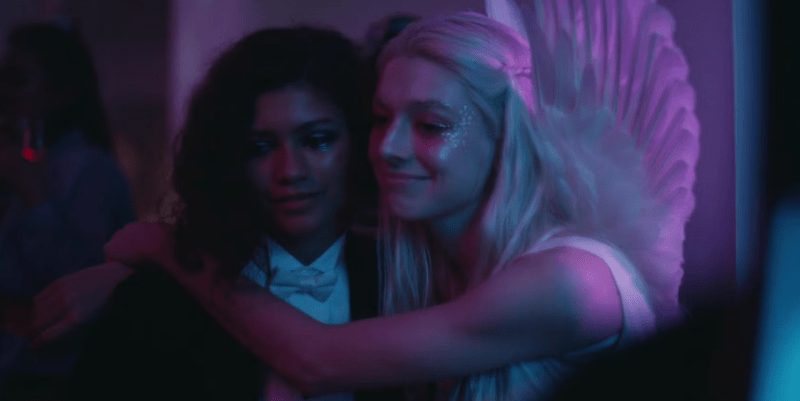
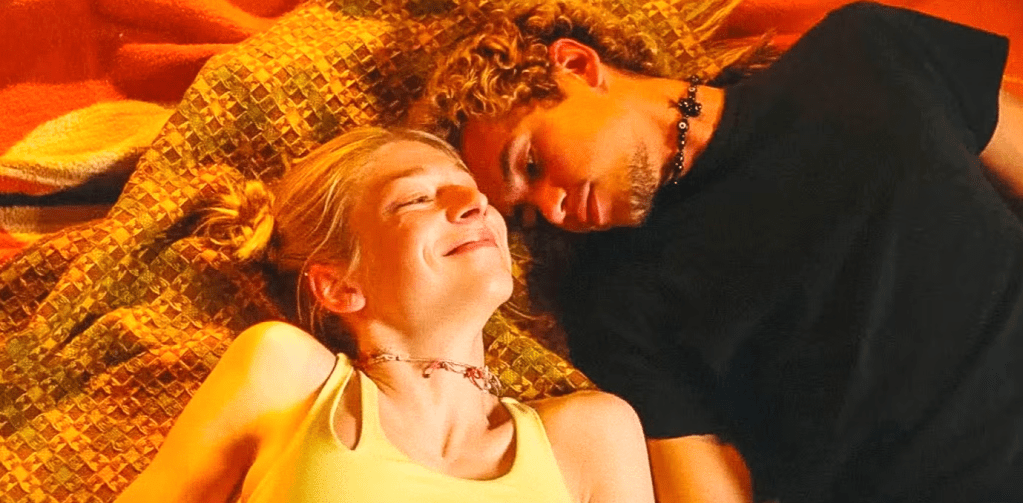
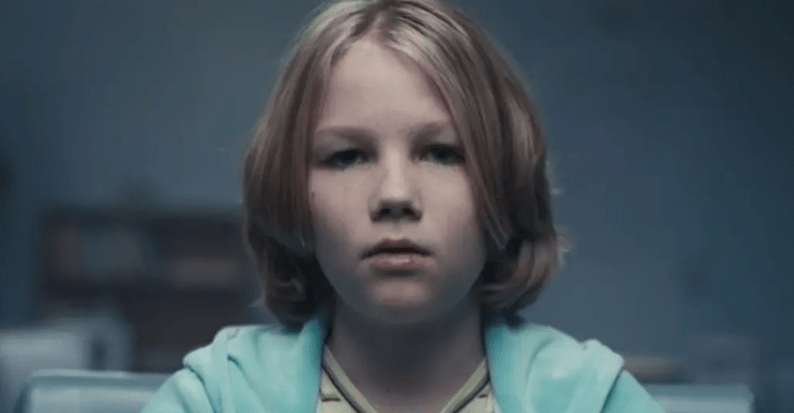
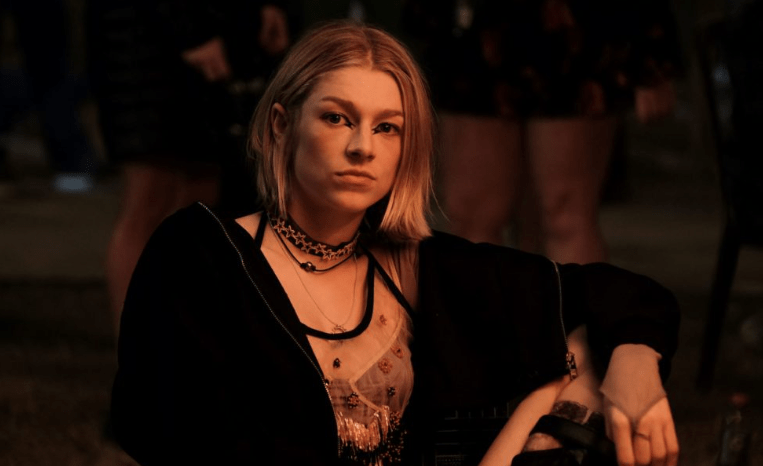
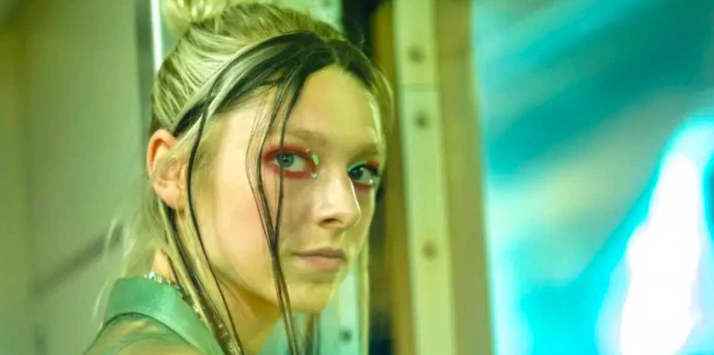

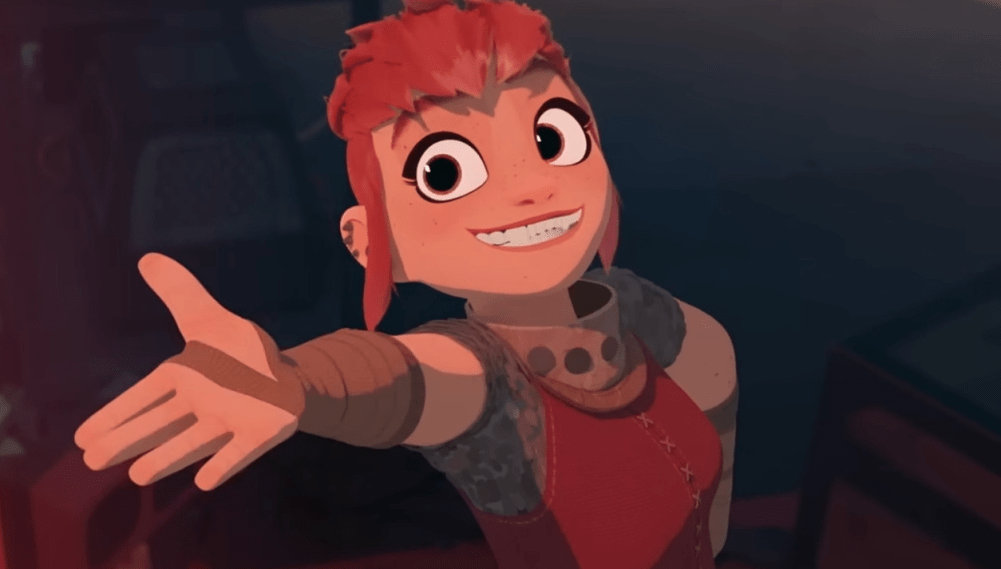
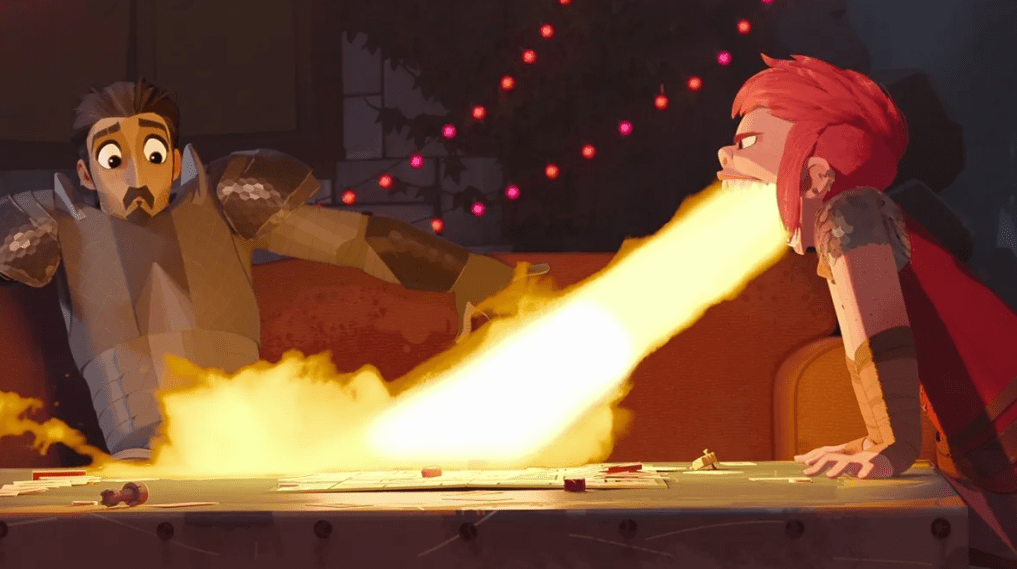
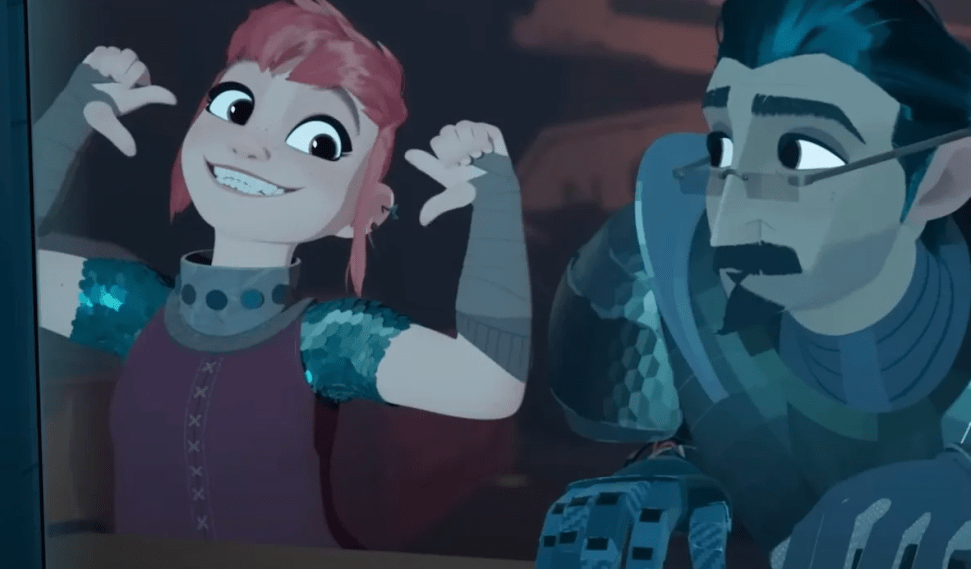
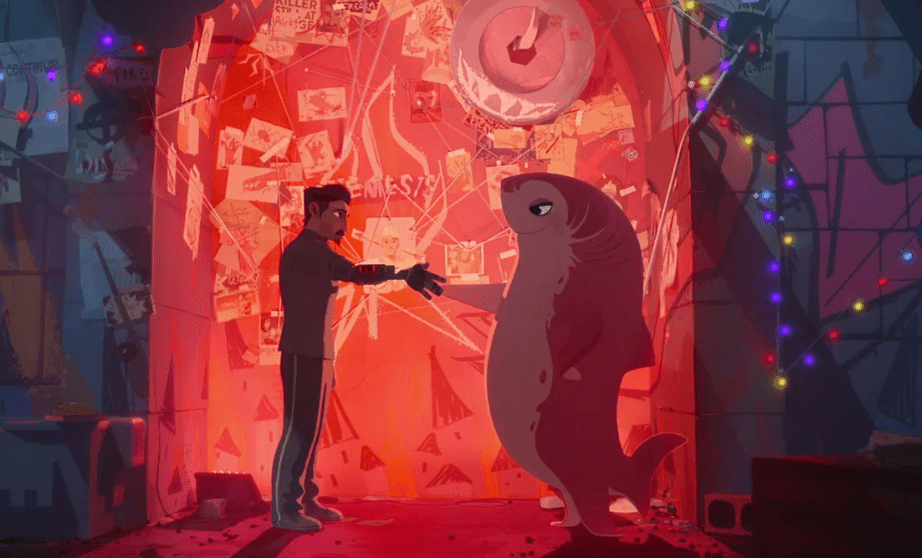
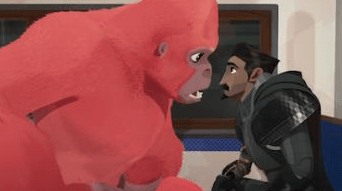
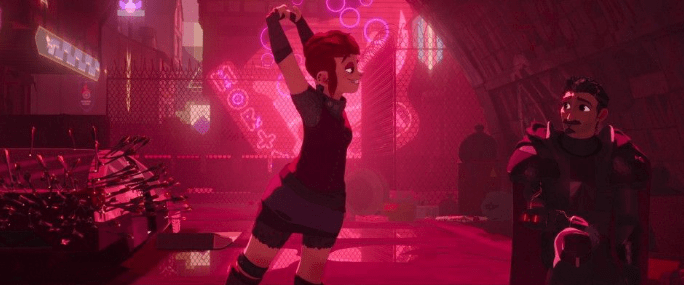


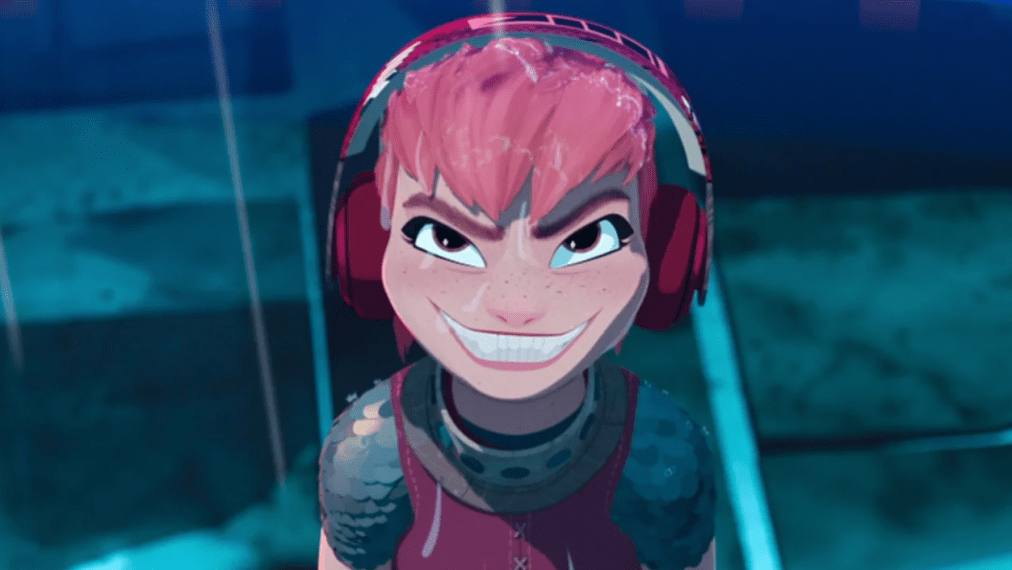
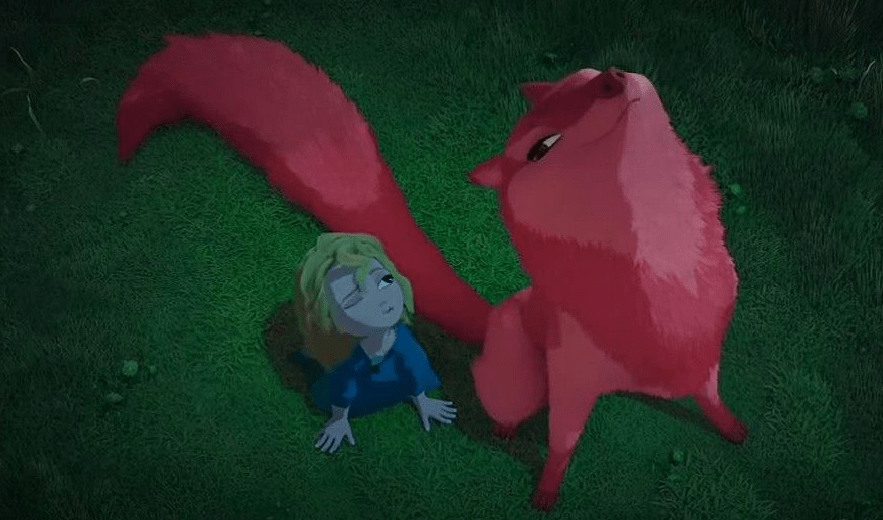
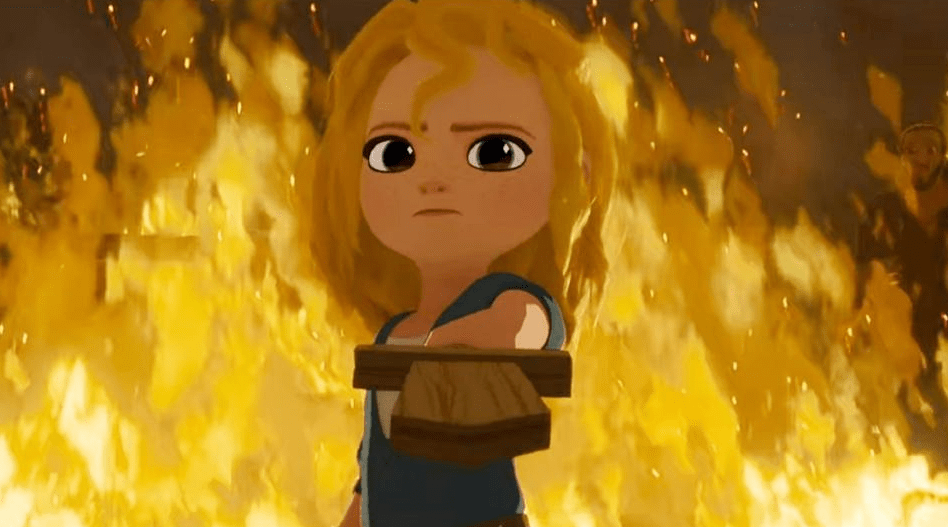
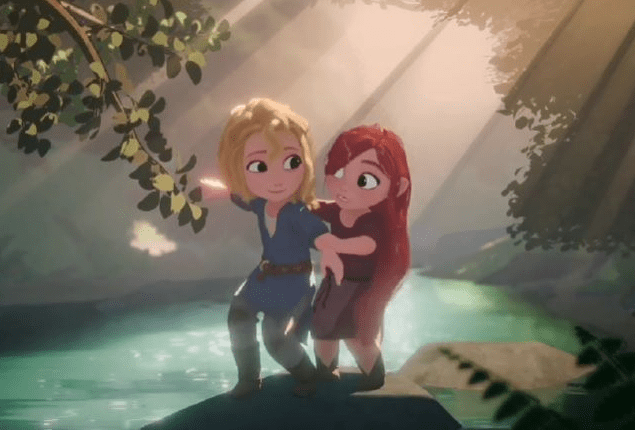
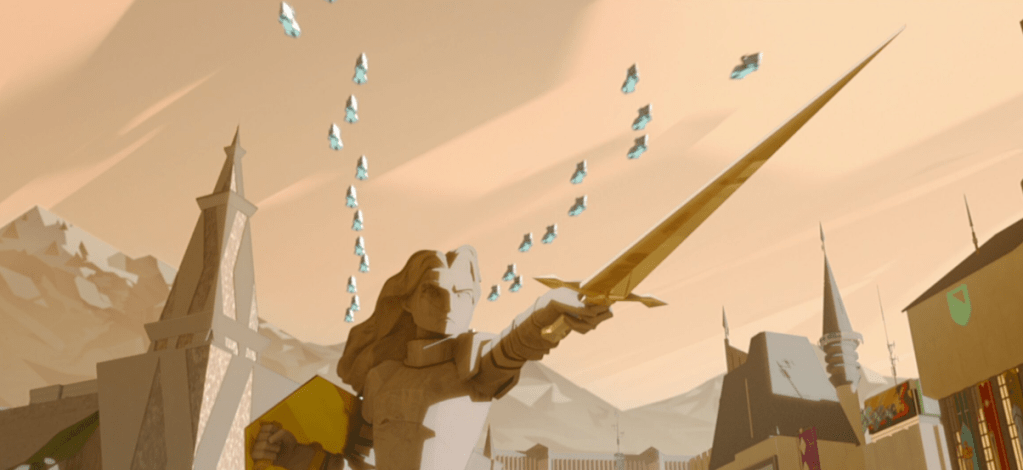

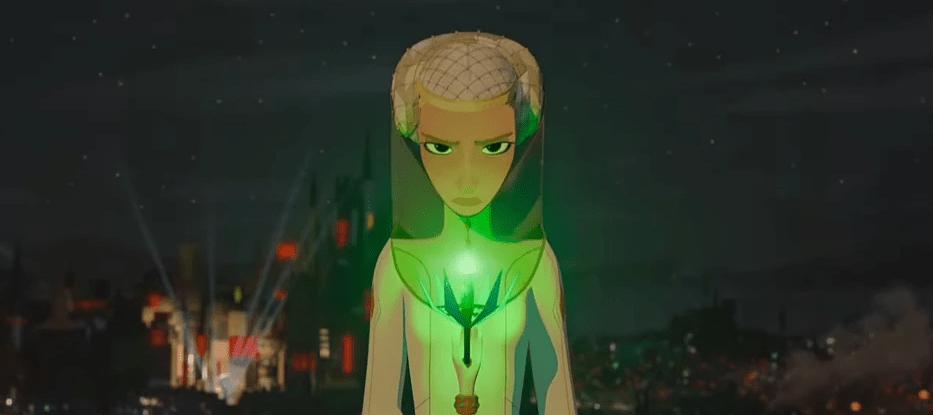
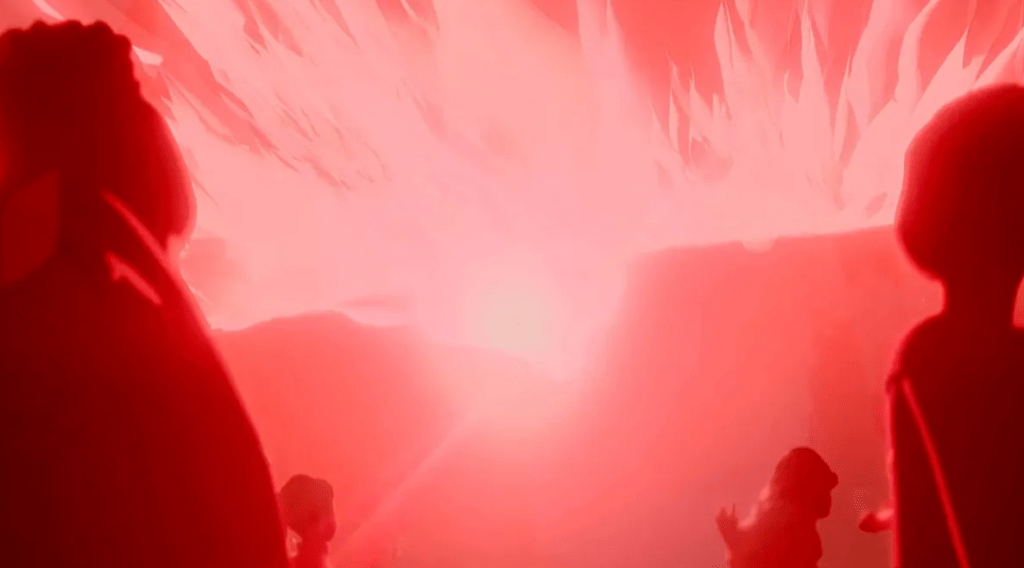
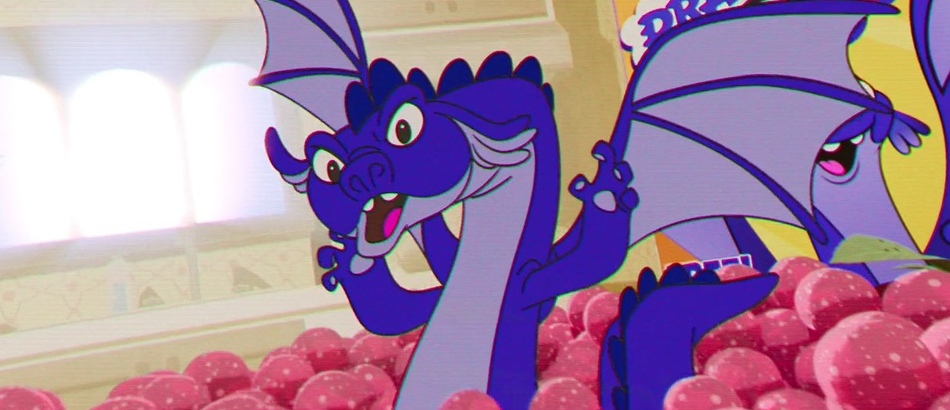
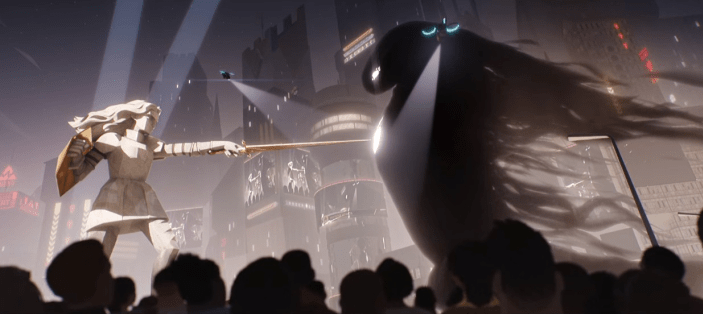
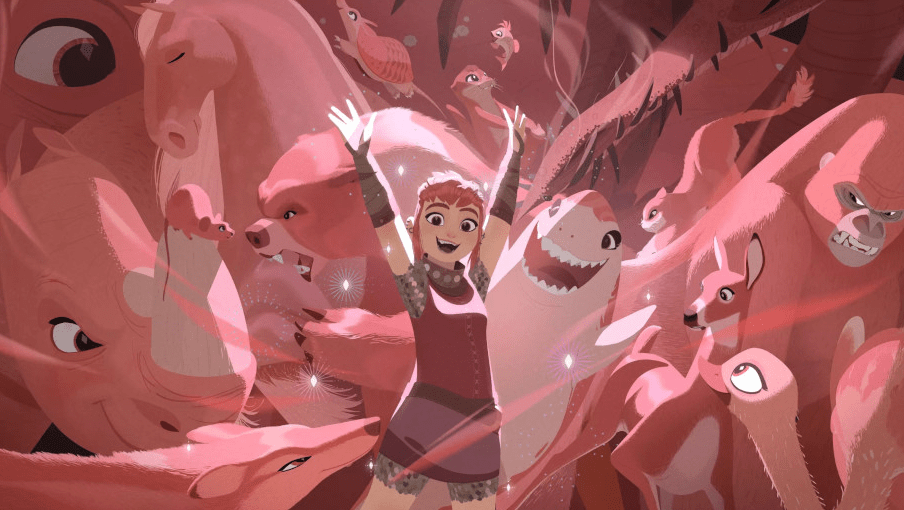


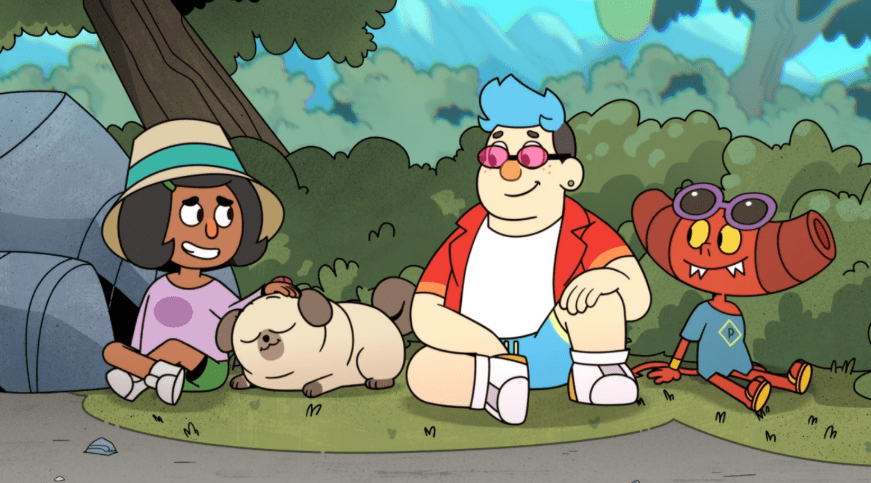
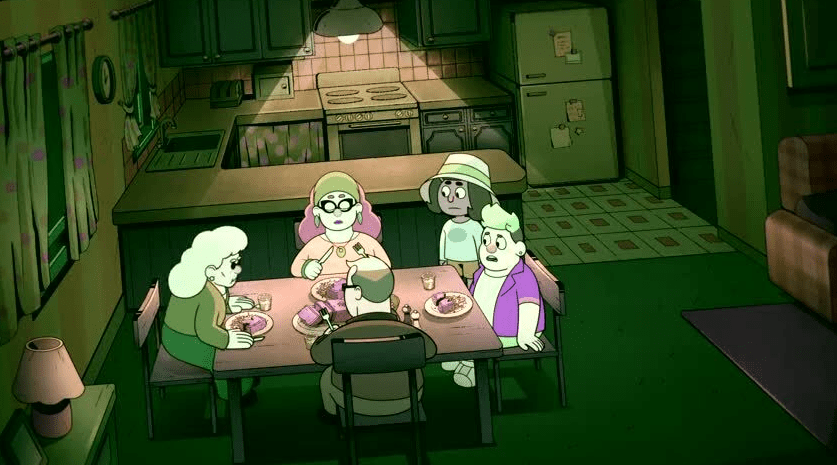
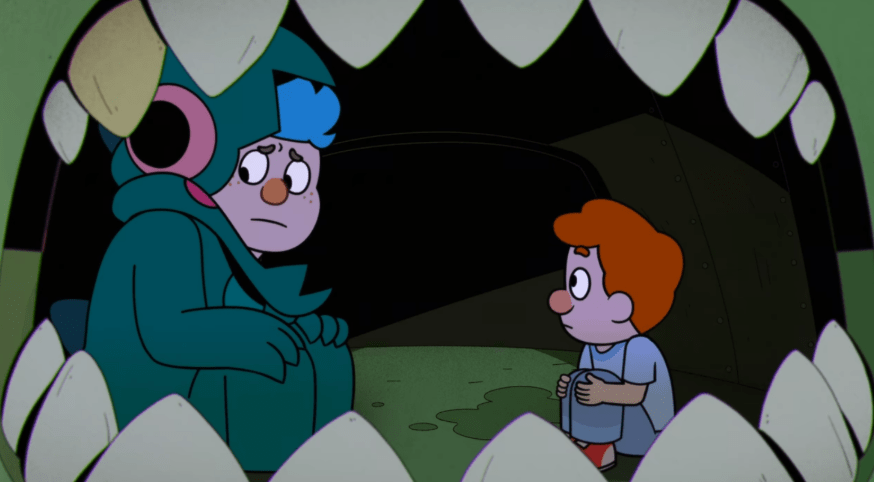


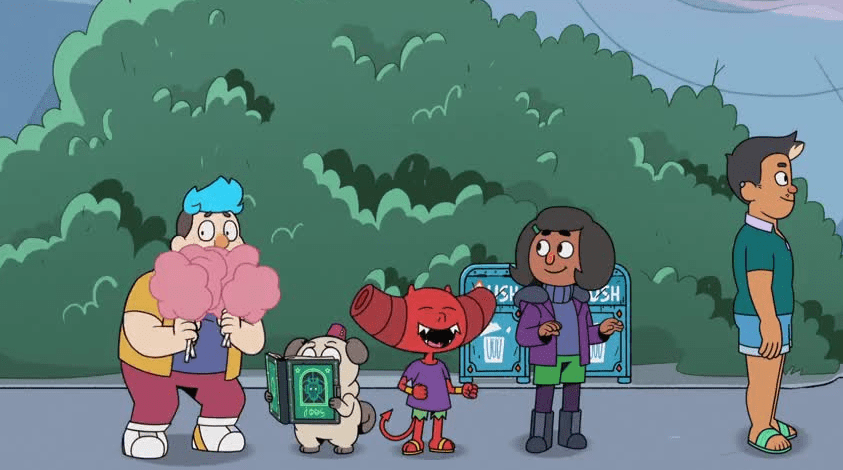

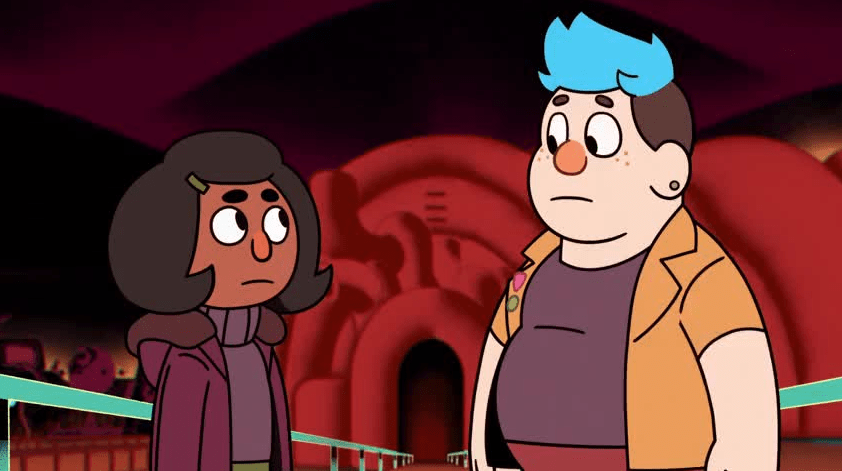
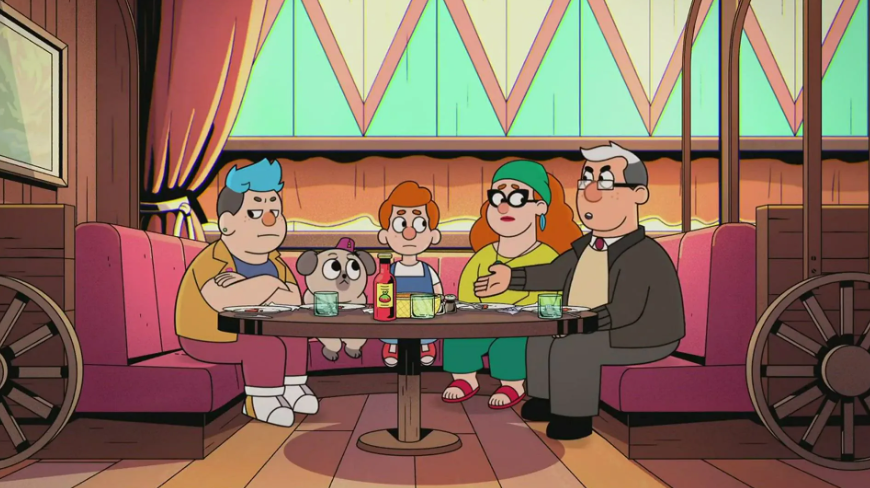

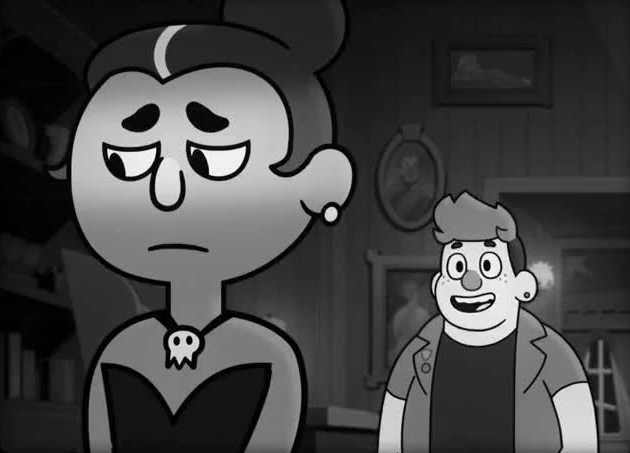
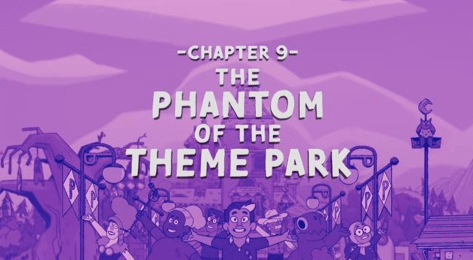
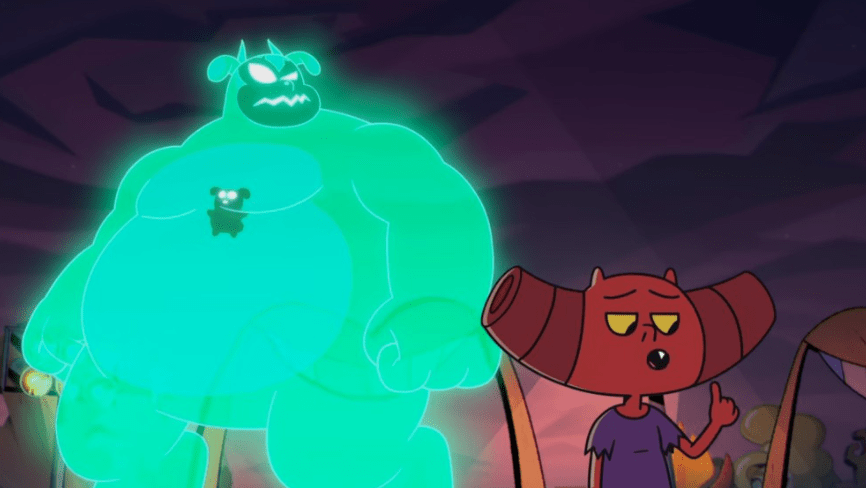
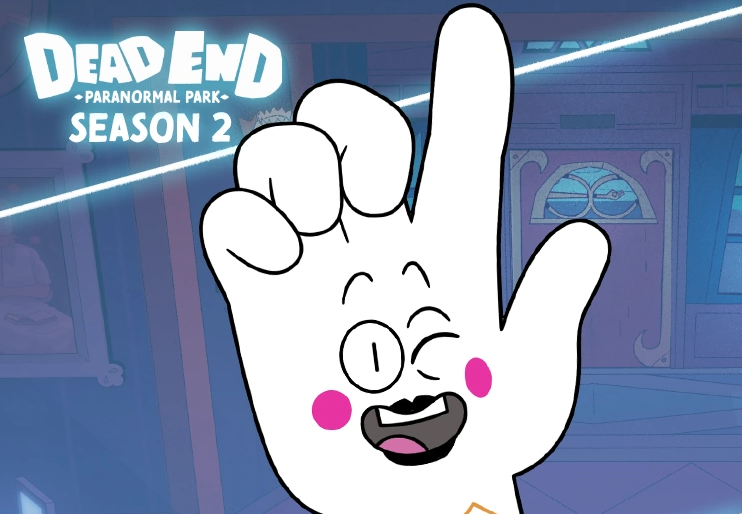
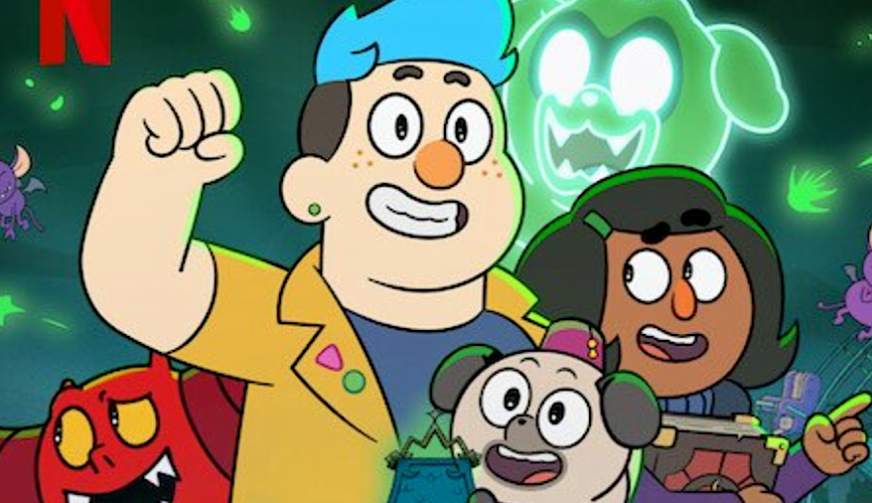


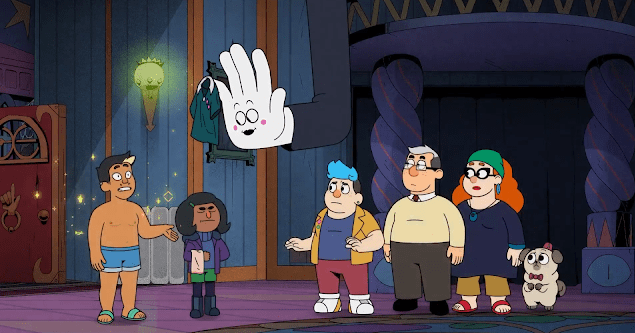
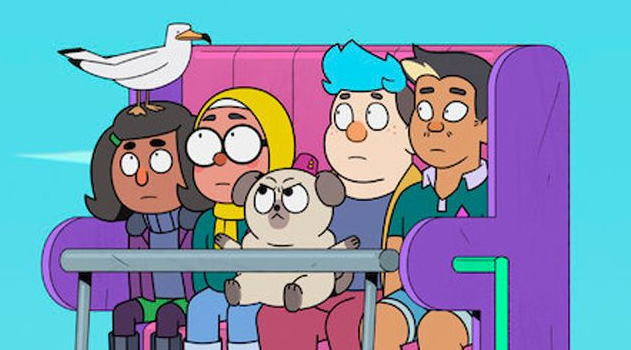

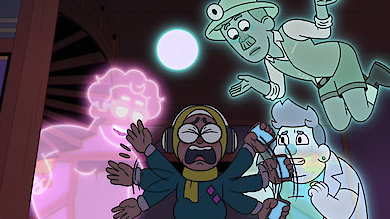


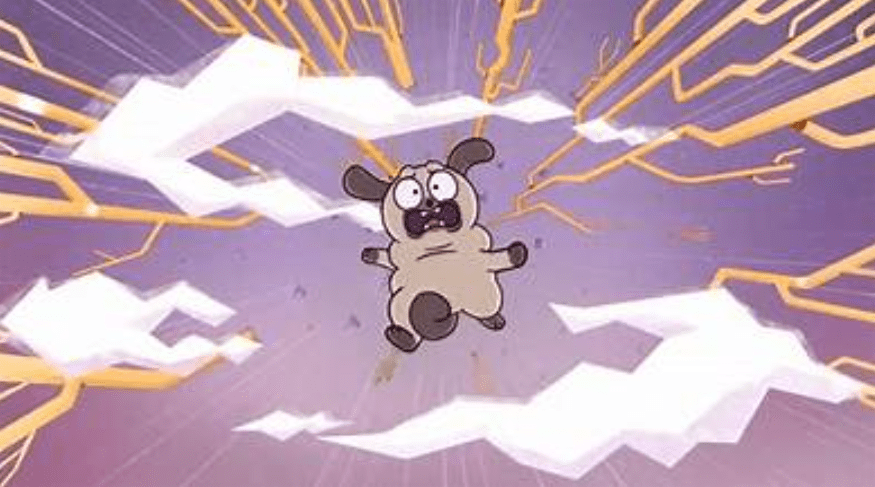
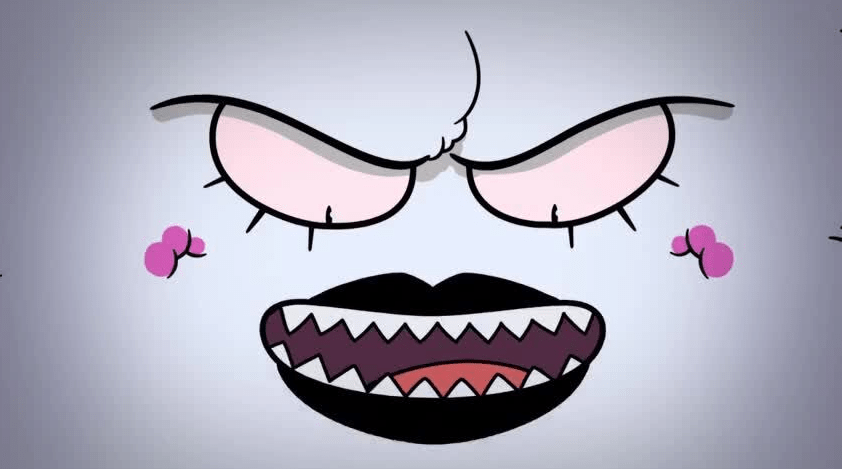

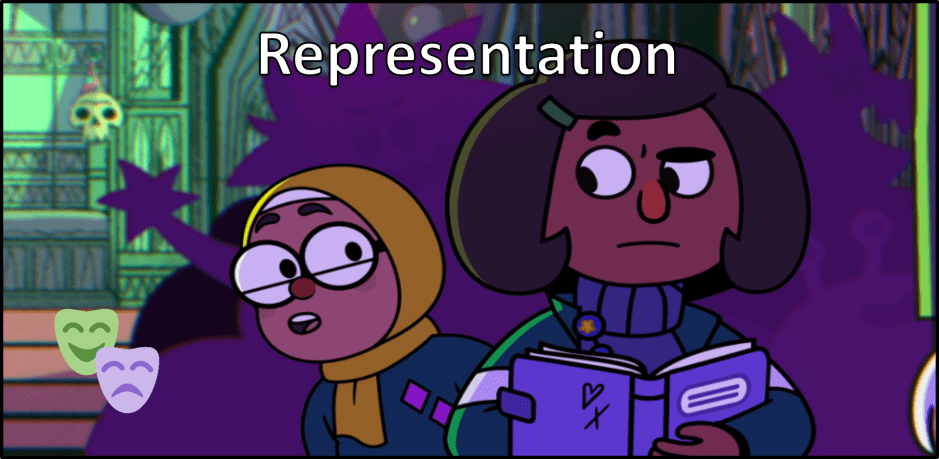


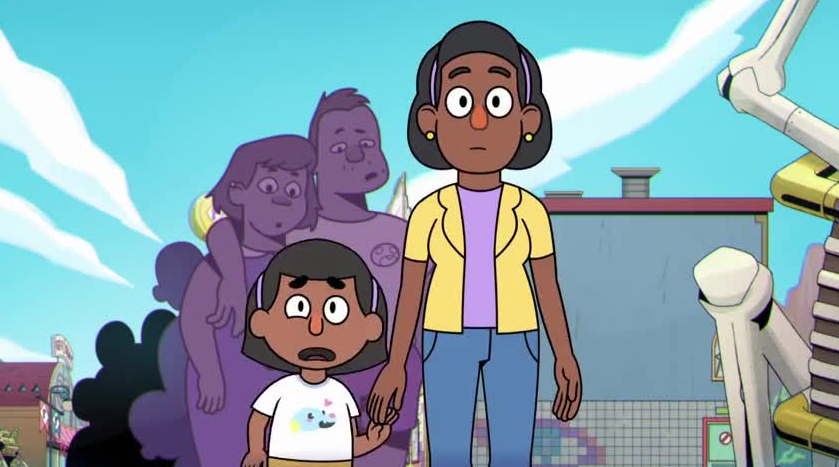

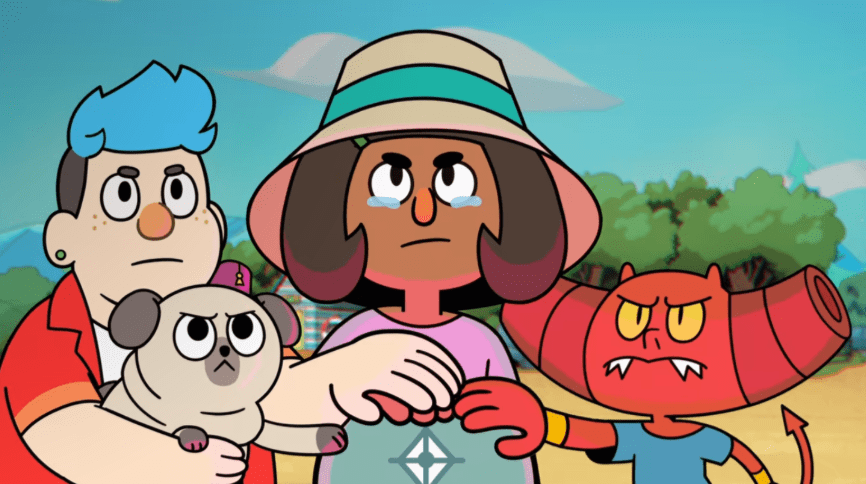


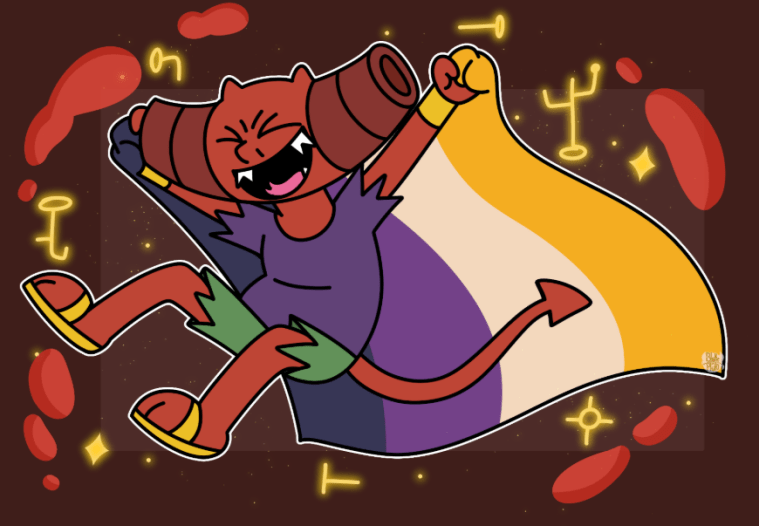


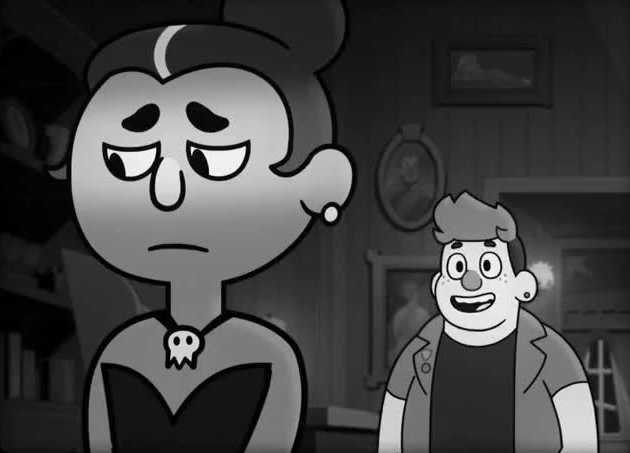

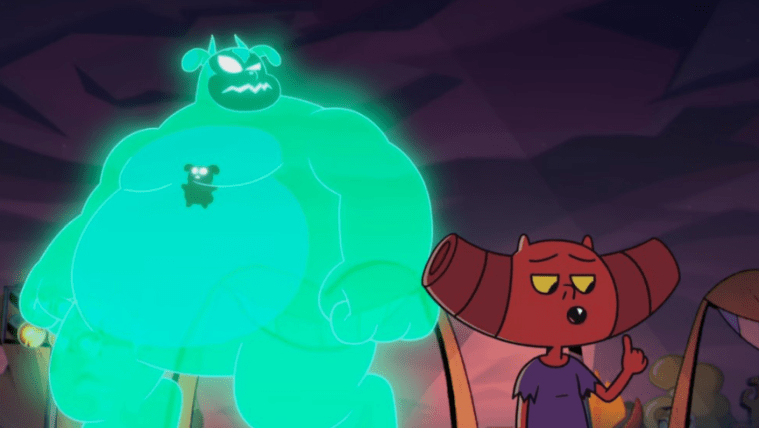


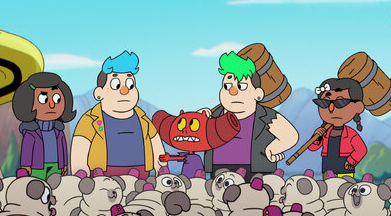


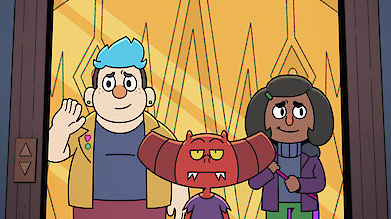
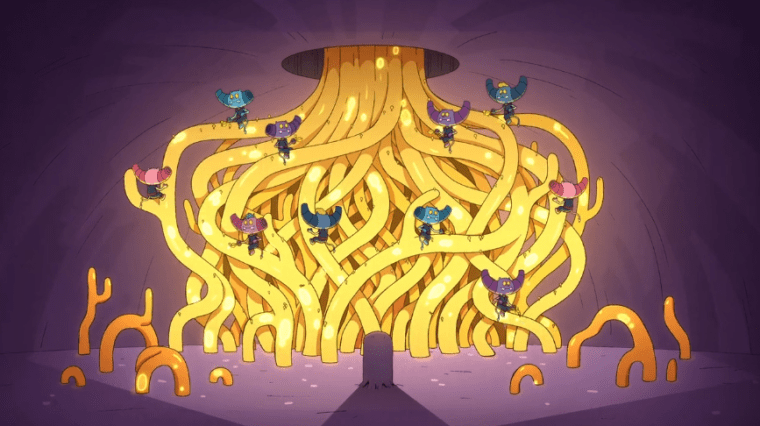

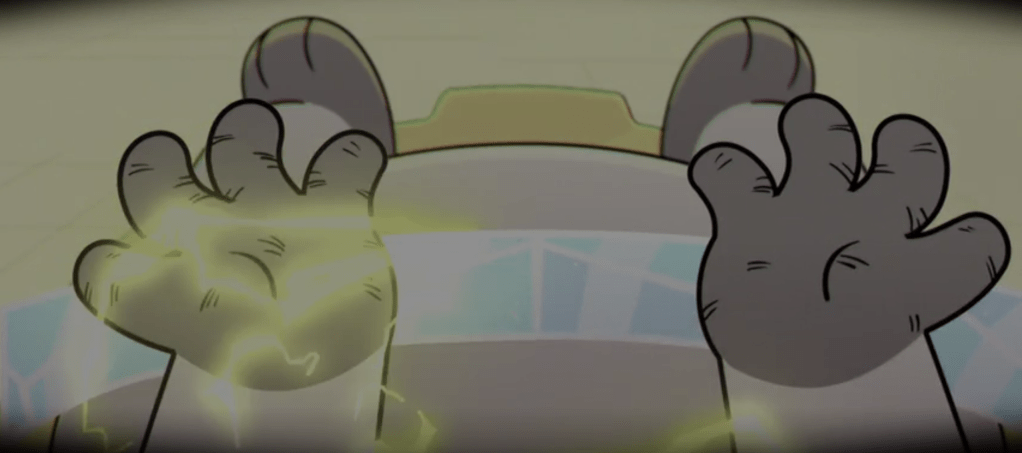





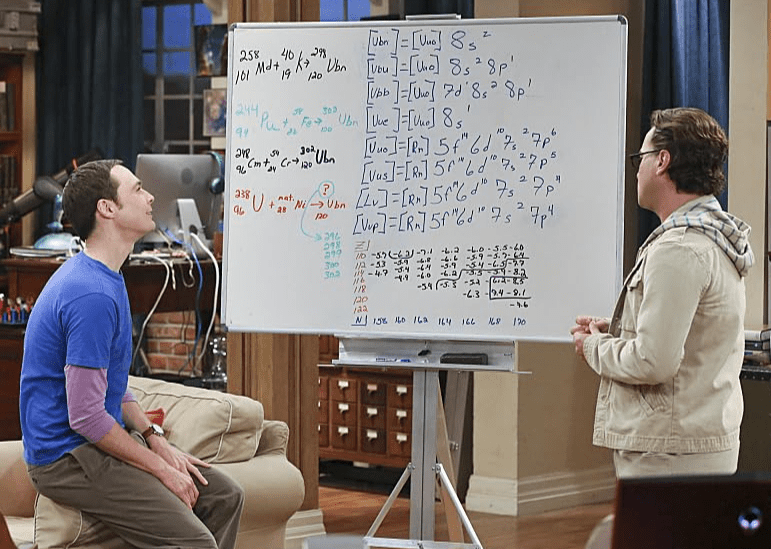


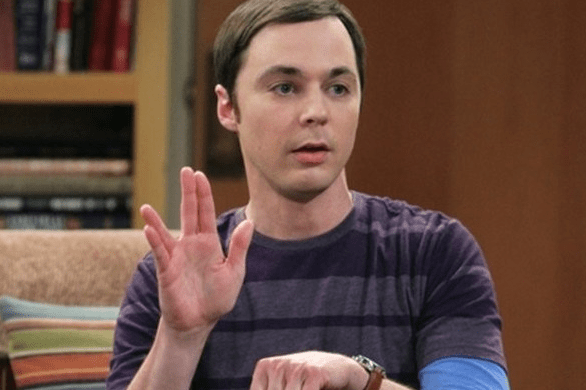
 jkgeekly.com