
Iron Man doesn’t get the due that other Marvel characters receive. Heck, he’s the character who kicked off the Marvel Cinematic Universe. Show some respect, people. He’s also had a checkered past when it comes to the quality of his storytelling.
Some Iron Man moments are some of the best in the business. Others leave readers shaking their heads. It’s a rollercoaster of a ride for Iron Man readers, but fortunately, your uncle Geekly’s here to point you in the right direction of some of the better Iron Man titles that serve as great jumping off places for new Iron Man readers.
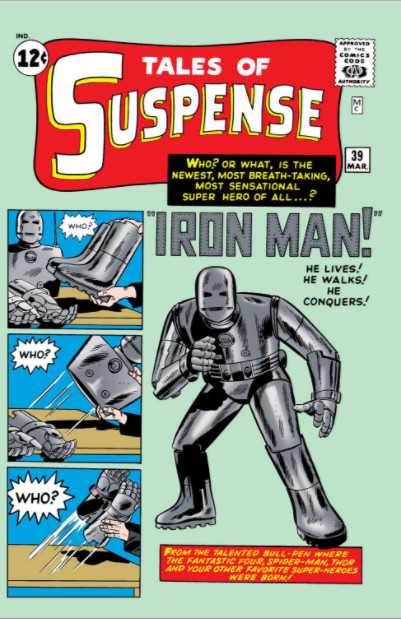
Tales of Suspense #39 “Iron Man’s Origin” (written by Stan Lee/art by Steve Ditko; 1963)
What better place to start than with Iron Man’s origin? What new readers may be surprised when they first read this story is the reflective nature toward communism that it takes—in 1963. We’re in the height of the Cold War. This is a story originally based in Vietnam that was published a year before the Vietnam War started in earnest.
It’s no wonder the Iron Man film obliquely addressed the War on Terror. Iron Man has a history of taking on current events and international conflict. You could spend thousands of dollars to get your hands on an original comic, but Uncle Geekly suggests that you pick up the anthology Essential Iron Man.
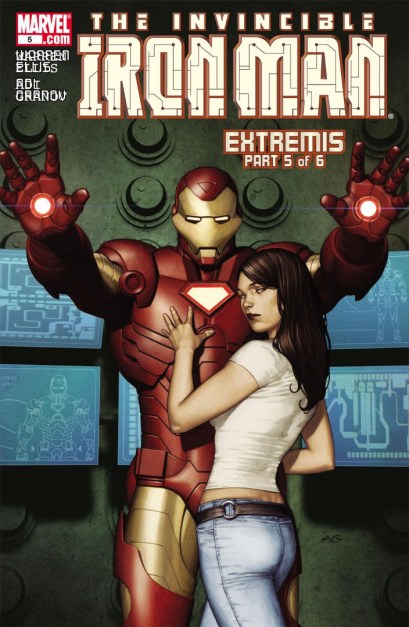
Iron Man: Extremis (written by Warren Ellis/art by Adi Granov; 2005-2006)
We’re going to jump several decades to this essential Iron Man story. Extremis updates Iron Man’s origin—something that’ll look familiar if you’ve seen the first Iron Man movie—and serves as the primary source material for Iron Man 3.
This story handles Aldrich Killian (the main antagonist in Iron Man 3) a lot differently than the movie, but the key story elements are present. It also updated Tony’s suit and his relationship with it that one can see in later Marvel Universe movies. Extremis is one of the best Iron Man stories and well worth the read.

Demon in a Bottle (written by David Michelinie and Bob Layton/art by John Romita Jr., Bob Layton, and Carmine Infantino; 1979)
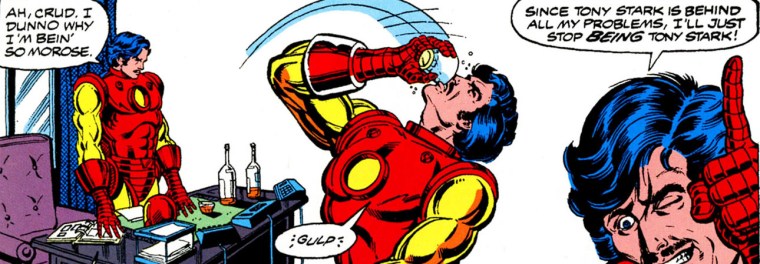
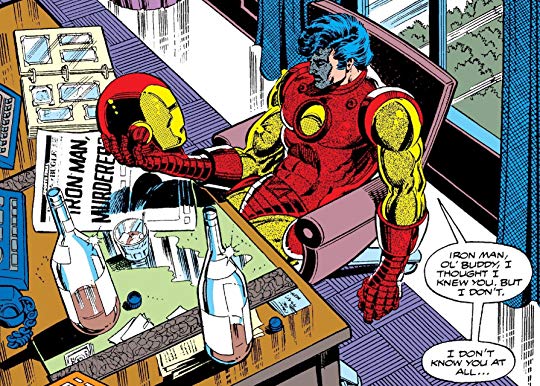
Sorry, but we’re going back in time with this one. “Demon in a Bottle” introduces Tony Stark/Iron Man’s struggles with alcoholism. This addiction remains one of Tony’s defining characteristics.
The Marvel Cinematic Universe glossed over Tony’s alcoholism (there was a moment in Iron Man 2 where he got drunk at a party while wearing his armor), but any collection of Iron Man stories must include “Demon in a Bottle.”
Whether he struggles with his addiction or comforts someone else with an addiction, Tony Stark gained some needed personality and depth with this story, and this story happened almost by accident.
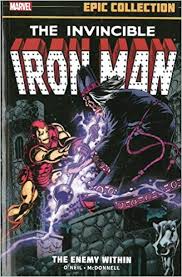
The Enemy Within (written by John Byrne/art by John Romita Jr.; 1990)
Tony’s alcoholism continues to gnaw at him. When he’s pushed over the edge with AIM, the Serpent Squad, and Diablo while fighting a corporate takeover by Obadiah Stane (main villain of the first Iron Man movie), he turns to the bottle and after several drinks, it’s obvious that Tony is in no shape to fight.
James Rhodes fills in for Tony for the first time in this story and this leads to his transformation as War Machine. Fans of War Machine will love this story. Others will find “The Enemy Within” as a fantastic character study for Tony.
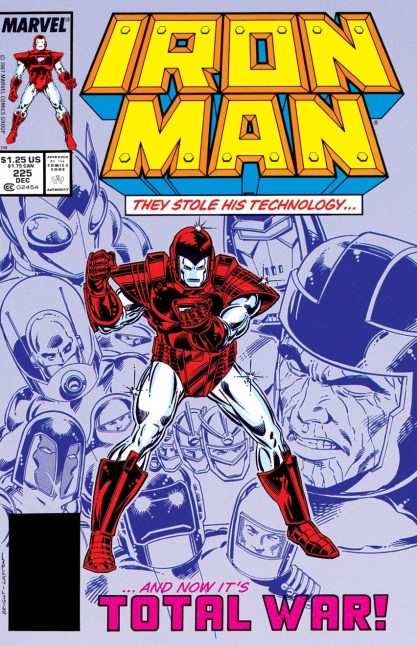
Armor Wars (written by David Michelinie and Bob Layton/art by Mark D. Bright and Barry Windsor-Smith; 1987-1988)
Armor Wars has more action than most of the other titles on this list so far. It also features some of Iron Man’s greatest foes like Titanium Man and Crimson Dynamo. Tony travels to his Vault as he battles the government and infiltrates SHIELD.
But this story is more than just action. It shows how Tony can be careless, aggressive, and out of control with his armor. It’s a story about relationship—specifically ones Tony destroys—as well as who he beats up, and it’s well worth the read.
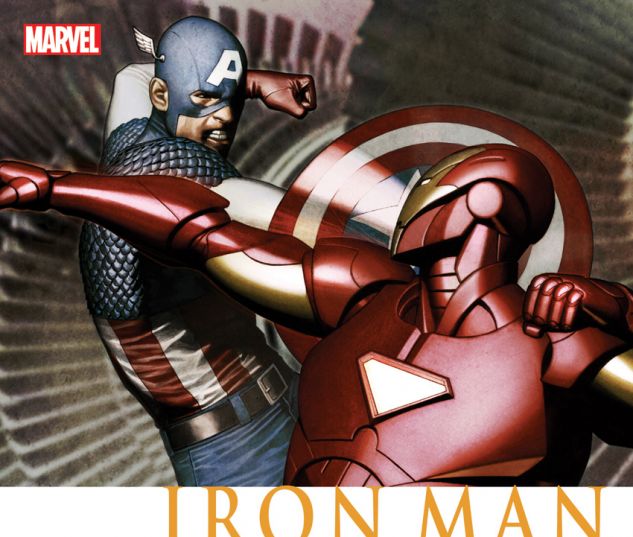
Civil War (written by Mark Millar/art by Steve McNiven; 2006-2007)
This one is by no means a great Iron Man story (I have plenty of issues with it), but it’s a massive tale for the greater Marvel Universe and Tony is in the middle of it.
Like the movie Captain America: Civil War, Tony fights for power registration in his attempt to make the world safer for civilians—or normies. Oddly enough, the movie does a somewhat better job of making the story a little more even keel, but the comic book Civil War is biased in Cap’s favor and that mostly comes from the fact that Tony would never want power registration.
Still, there was a movie that uses Civil War as its source material and this event is one of Marvel’s largest. Just make sure to read the stories centered on Iron Man.

World’s Most Wanted (written by Matt Fraction/art by Salvador Larroca; 2009)
I couldn’t end this list with Civil War, so I added one extra story. World’s Most Wanted picks up the pieces of the events after Civil War—sort of.
It was a tall order to return Iron Man to his former glory after he betrayed his friends, but Fraction was up to the task and softly reboots the character. Norman Osborne has taken over HAMMER (which movie fans will remember as a huge player in Iron Man 2), and Osborne wants Tony’s knowledge of the superhero community. Tony erases his memories, so he can’t betray his friends.
This returns Tony to person we know even if he had to lobotomize himself to do it.
That’s my list for beginning Iron Man readers. I’m sure there are some omissions. You can let me know what you’d pick by message raven or just leave a comment.









 jkgeekly.com